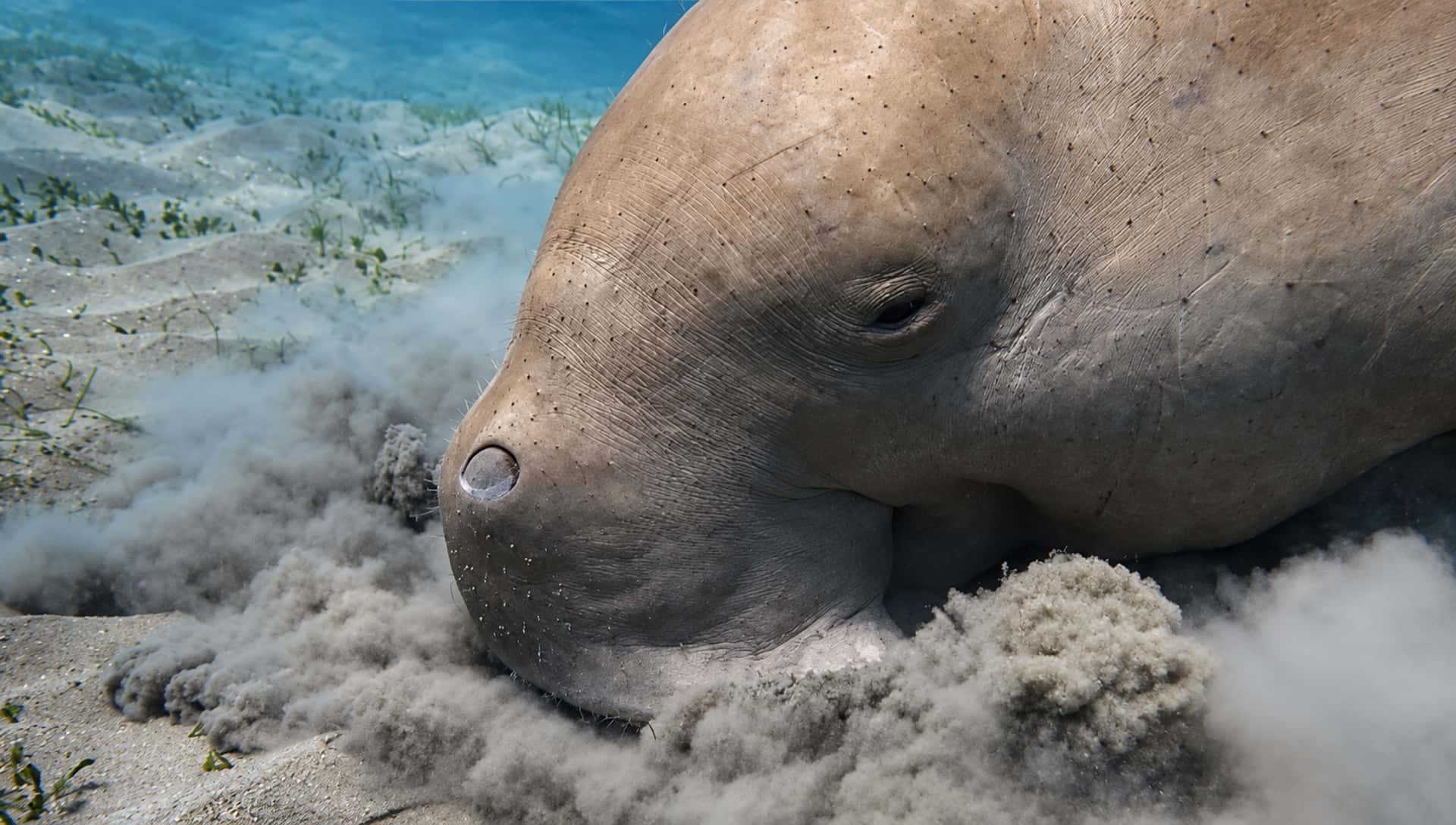
4-Day Atauro Dive Escape
Dive Adara Bay, Secret Garden and Whale Shark Wall, off an island where a 2016 Conservation International survey recorded an average of 253 reef fish species per site.

In the Wetar Strait, the deep ocean rises against volcanic walls covered in soft coral. The reefs are healthy and few divers know about them.
Under 2 hours from Darwin, and almost nobody else in the water.
253
Average fish species per surveyed site
26-29°C
Water Temperature
Up to 40m
Visibility
All year; clearest May-Nov
Best Season
The Coral Triangle holds 76% of the world's known coral species and spans six countries: Indonesia, the Philippines, Papua New Guinea, Malaysia, the Solomon Islands and Timor-Leste. Of the six, Timor-Leste sees the fewest divers.
In 2016 Conservation International surveyed the reefs around Atauro Island and recorded an average of 253 reef-fish species per survey site, more than had been documented anywhere else. One site reached 315 species.
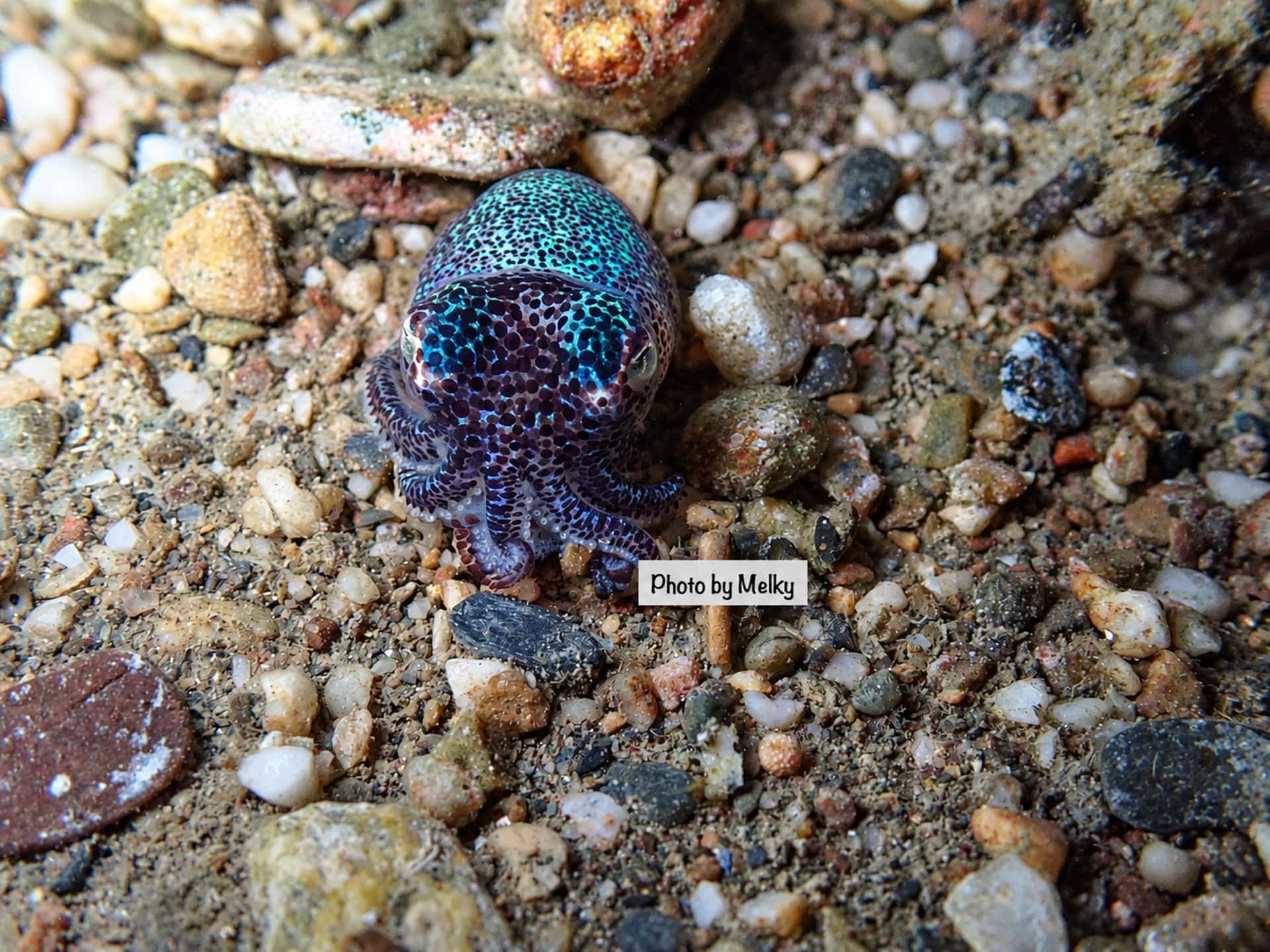
The reason is geological. Timor-Leste sits where the Australian and Asian plates meet, and the Wetar Strait, between Timor and the volcanic islands to the north, drops to over 3,000 metres. Nutrient-rich water from the deep feeds the shallow reefs: walls of soft coral, clouds of fusiliers, and reef sharks along the drop-offs. The macro life is just as good, with nudibranchs, pygmy seahorses on gorgonian fans, and blue-ringed octopus hunting at dusk.
Very few people dive here. You will not queue for a site or share a reef with twenty other boats, and on some dives you will have a whole wall to yourselves for an hour.
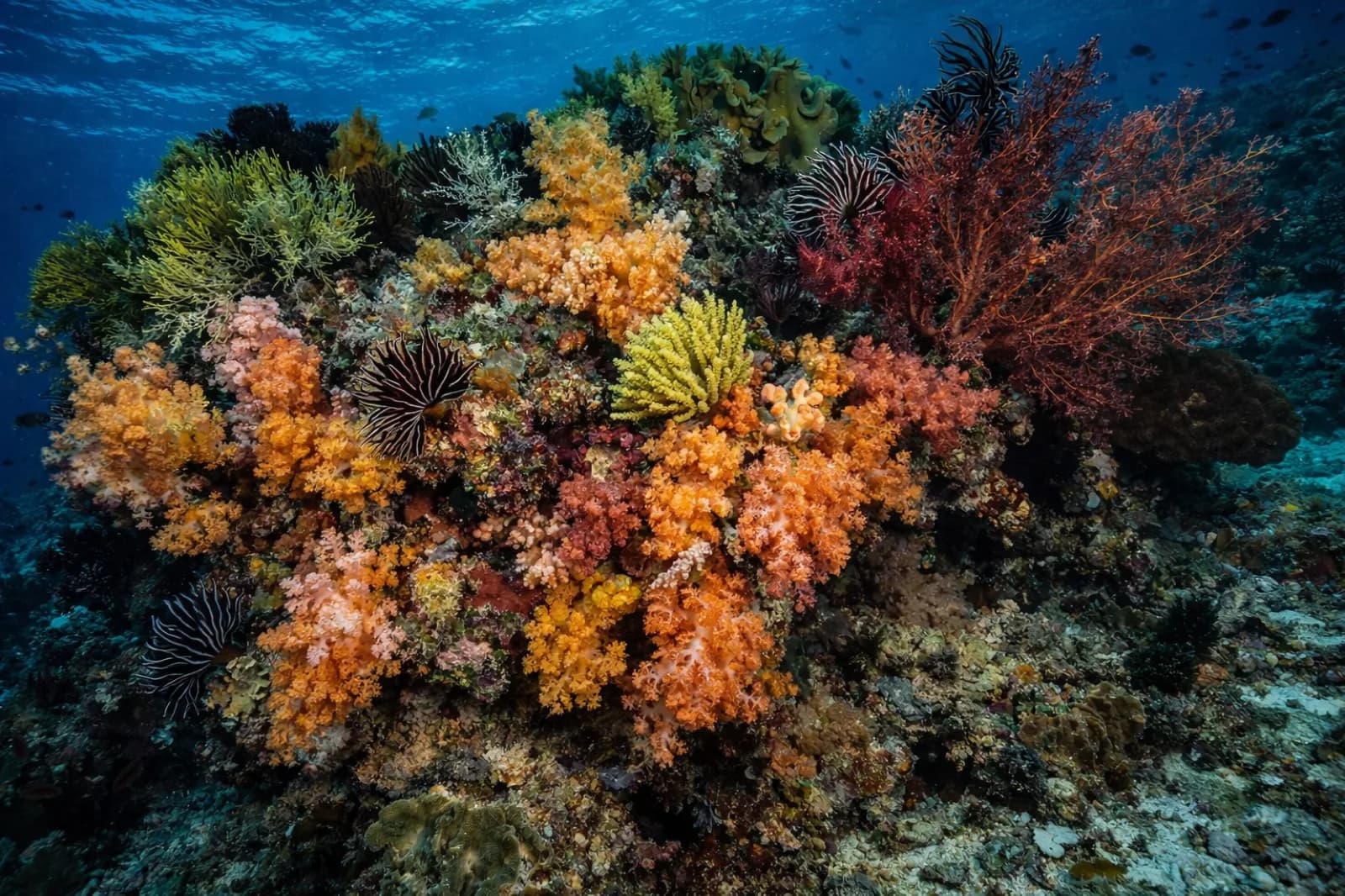
In 2016 a Conservation International team of marine biologists surveyed the reefs around Atauro Island. They recorded an average of 253 reef-fish species per survey site, the highest count recorded anywhere, and 315 species at the best site.
Atauro sits above the Wetar Strait, one of the deepest channels in the region, where nutrient-rich water from the deep ocean rises onto the reefs. The walls are covered in soft coral, schools of fusiliers are thick enough to dim the light, reef sharks patrol the drop-offs, and there is macro life in every crack.
West coast wall dive, drop-off to 600m+
Named for occasional whale shark encounters
Coral garden, good for all levels
Healthy hard coral, big schools of fish
30m+
Visibility
253 avg.
Fish species
5-40m
Depth range
You do not need to leave the capital to dive well. Dili's north coast faces the Ombai Strait and has good shore diving: walk in from the beach, drop a few metres, and you are on the reef.
Pertamina Pier is the best known: a working fuel pier that is now a well-known muck diving site. Under the pylons, macro photographers find blue-ringed octopus, mimic octopus, flamboyant cuttlefish, dozens of nudibranch species and frogfish in half a dozen colours. K41 (kilometre marker 41 on the coast road) is a reef dive with seahorses, reef sharks and dense coral. Tasi Tolu, at the western edge of Dili, is an easy shore dive popular with beginners.
Muck diving and macro photography
Healthy reef, seahorses, white-tip reef sharks
Easy shore dive, great for beginners and night dives
Reef wall close to shore, strong currents bring pelagics
15-25m
Visibility
200+
Fish species
3-30m
Depth range
The coast east and west of Dili has dive sites you can reach by day boat. You stay in Dili and dive sites that see almost no other divers. Operators run boat trips along the coast and occasionally to the southern shore of Atauro.
The north coast gets the same deep-water upwelling that feeds Atauro's reefs. Expect hard and soft coral, pelagic fish and a chance of something large: reef sharks, eagle rays, the occasional hammerhead. These are usually day trips from Dili with two dives and a surface interval on the boat.
East of Dili, wall dives with big fish encounters
Close to Dili, whale watching launch point
15-35m
Visibility
200+
Fish species
5-40m
Depth range
Browse and book dive trips, snorkelling trips and other underwater activities from local operators we have checked. Every operator on Rezerva is based in Timor-Leste.

Dive Adara Bay, Secret Garden and Whale Shark Wall, off an island where a 2016 Conservation International survey recorded an average of 253 reef fish species per site.

Dive or snorkel off Atauro Island, where a 2016 Conservation International survey recorded an average of 253 reef fish species per site.


Torch included

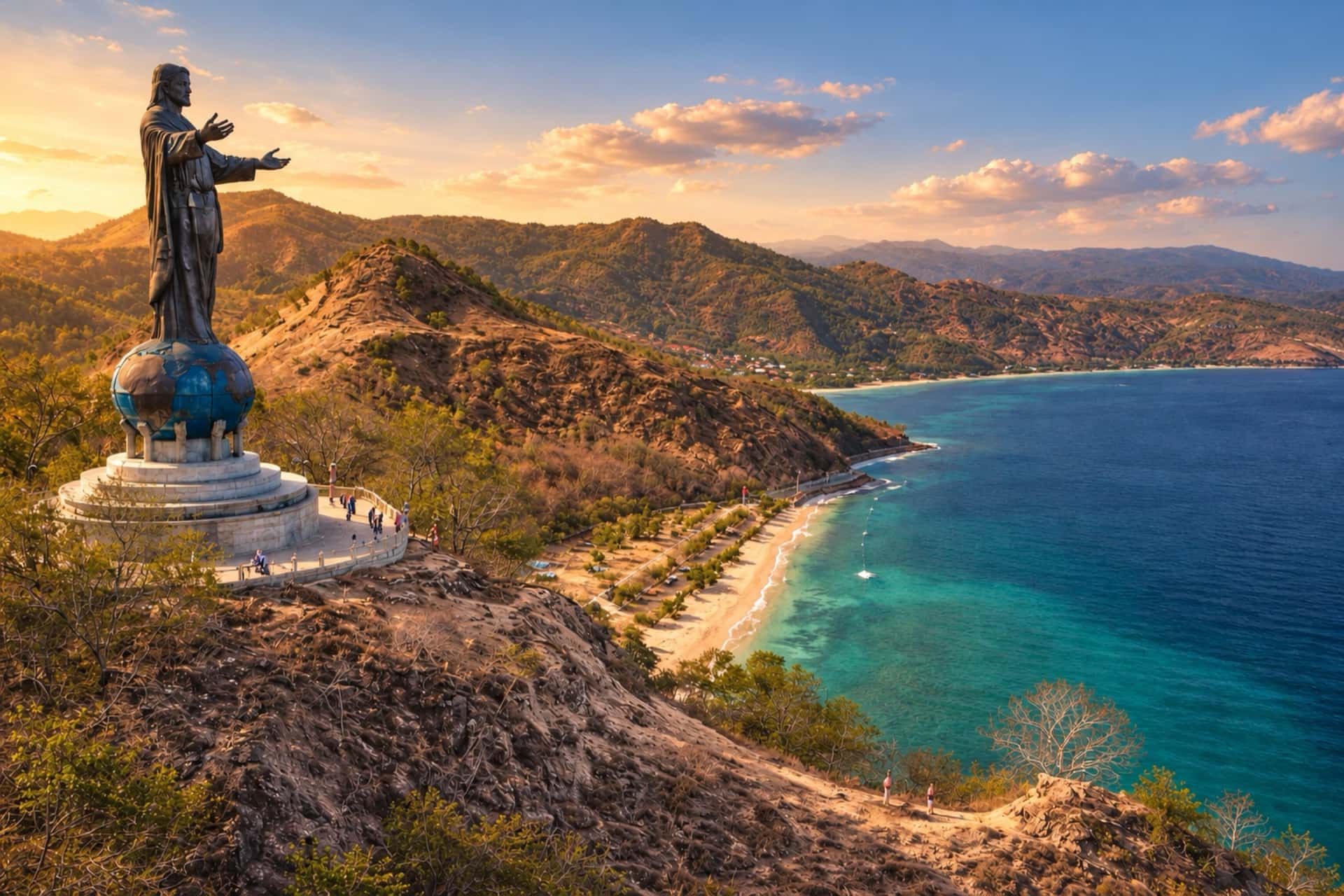
Iconic shore sites: Cristo Rei, Tasi Tolu & Dili Rock

All-inclusive: gear, guide, transport & snacks
Diving here is different from the Maldives or Bali, and it helps to know what you are getting before you come.
There is no recompression chamber in Timor-Leste. The nearest is in Darwin, Australia, under 2 hours away by air. This is the most important safety point, and good operators dive conservative profiles because of it. You need dive insurance with evacuation cover (DAN or similar).
Operators are small, professional and careful about safety, but facilities are basic. Boats are functional, and rinse tanks and equipment rooms are simple. In return you get good diving without the crowds or resort prices.
The water is 26-29°C all year; a 3mm wetsuit is standard, 5mm if you feel the cold. Visibility runs from 15m at some Dili shore sites to 40m+ at Atauro on a good day. Currents can be strong at some sites, especially in the Wetar Strait, and your operator will choose sites to suit the conditions and your experience.
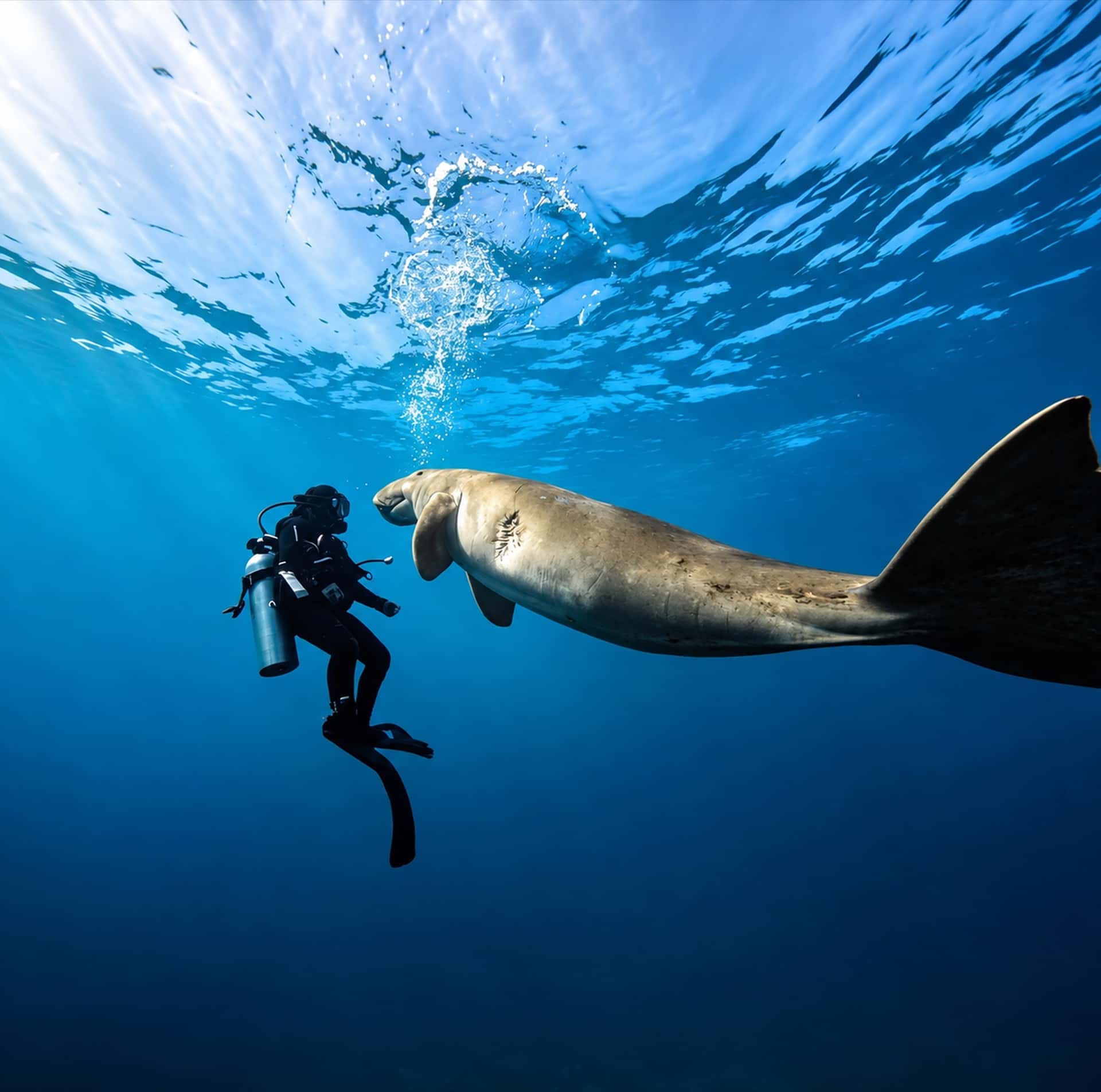
You can dive all year, and operators choose sites to suit the conditions. The dry season (about May to November) brings the clearest water; trade winds from about June to September can make afternoons and the Atauro crossing choppy, so dive in the morning; heavy rain from about December to April can cut visibility near river mouths. Whale sharks are most likely from September to December. Pygmy blue whales pass from October to early December, most reliably late October to November.
Some sites charge a $2 per person marine reserve fee, which goes to reef conservation and community management.
All diving here is from shore or day boats; there are no live-aboards. Base yourself in Dili for shore dives and boat trips, or stay on Atauro for the island's sites. Both work well, because the sites are close and you spend surface intervals on land.
Timor-Leste is a good place to learn to dive, with warm water, good visibility and calm training sites. Shops teach to PADI or SDI standards, and both are recognised worldwide. Dreamers Dive Academy in Dili teaches the SDI range, from Discover Scuba to Divemaster, in English or Tetun.
A supervised first try at breathing underwater: a pool or confined-water session, then a shallow reef dive with your instructor. You need no certification, only reasonable swimming ability. Many people go on to the full Open Water course afterwards.
The standard beginner certification: classroom theory, confined-water skills and four open-water dives. It qualifies you to dive independently to 18 metres anywhere in the world, and here your training dives are on Timor-Leste's reefs.
Five adventure dives, including a deep dive and navigation. It raises your depth limit to 30 metres and introduces skills such as night diving and underwater photography. Timor-Leste's sites vary a lot, which suits this course.
Timor-Leste's dive industry is small: a handful of independent shops in Dili and on Atauro, not resort chains.
Atauro Island
Atauro-based operation running its own boats and guides across 20+ sites on the island, a hundred metres from the Beloi pier. Diving, snorkel trips, whale and dolphin trips in season, and the Mount Manucoco ridge hike all come from the same team, and so do the beds, from hostel bunks to private rooms, with the boat from Dili and the pier pickup included.
Guided dives, snorkelling, whales, island stays
Atauro Island
A dive resort on Atauro with a house reef, equipment rental and guided dives to all the main sites. Packages combine accommodation with daily diving, so you can be in the water a few minutes after you wake up.
Resort diving, accommodation packages
Dili
The Dili dive shop with bookable dives and courses: guided shore dives and night dives on Dili's reefs, snorkelling trips, two-dive days on the coast east and west of the city, and the full SDI course range from Discover Scuba to Divemaster, taught in English or Tetun.
Dili shore and night dives, SDI courses
Answers to the questions divers ask most before booking a trip to Timor-Leste.
Yes, with established local operators who maintain their equipment and follow international safety standards. The main safety point is that there is no hyperbaric chamber in Timor-Leste: the nearest is in Darwin, Australia, under 2 hours away by air. Atauro Dive Resort, Mysaffy and Dreamers Dive Academy dive conservative profiles for this reason. Dive insurance with evacuation cover (such as DAN) is strongly recommended.
You need an Open Water certification (PADI, SDI, SSI or equivalent) to dive independently. If you have never dived before, Discover Scuba Diving is a short introduction with a shallow dive alongside an instructor. Open Water courses take about 3 days: Dreamers Dive Academy in Dili teaches the SDI range, from Open Water to Divemaster, in English or Tetun. PADI and SDI certifications are both recognised worldwide.
A guided dive with equipment costs from about $45 (a shore dive on Atauro Dive Resort's house reef) to $60 (Dili shore dives); a two-tank morning boat dive at Atauro is $90. Discover Scuba is about $120, and an SDI Open Water course is $450 over 3 days (Dreamers Dive Academy, Dili). Marine reserve fees of $2 per person apply at some sites. Each listing shows its current price.
You can dive all year. The dry season (about May to November) brings the clearest water, often over 30 metres; trade winds from about June to September can make afternoons choppy, so dive in the morning. The water stays at 26-29°C all year. The wet season (December to April) can reduce visibility at some sites and bring rougher seas, but many sites stay diveable. Whale sharks at Atauro are most likely from roughly September to December. Pygmy blue whales pass through the Wetar Strait from October to early December.
Timor-Leste is in the Coral Triangle. Around Atauro Island, Conservation International recorded an average of 253 reef-fish species per survey site in 2016, the highest recorded anywhere, and 315 at one site. Common sightings include white-tip and black-tip reef sharks, sea turtles, manta rays, eagle rays, schools of barracuda and trevally, and a wide range of corals. For macro there are nudibranchs, pygmy seahorses, frogfish, blue-ringed octopus and mimic octopus, especially at muck sites like Pertamina Pier in Dili. Whale sharks are occasionally seen at Atauro, and pygmy blue whales pass through the Wetar Strait from October to early December.
The key facts, condensed.
Cost per dive
~$60 with full equipment
Water temperature
26-29°C year-round
Visibility
15-40m depending on site and season
Best season
All year; clearest May to November
Nearest chamber
Darwin, Australia (under 2 hours by air)
Marine reserve fee
$2/person at some sites
Certifications offered
PADI and SDI (Discover Scuba to Divemaster)
Dive format
Shore dives and day boats, no live-aboards
Whale sharks
Occasional at Atauro, Sep-Dec most likely
Itineraries, dive sites, and the practical stuff first-time visitors ask about.
Atauro walls, Dili shore dives and quieter spots, site by site.
Read guideWhen visibility, currents, and macro life peak. Month-by-month.
Read guideFlights from Bali, Darwin, Kuala Lumpur. Visa-on-arrival explained.
Read guideDili shore dives + an Atauro Island stay, day by day.
Read guideDive lodges on Atauro, Dili dive shops with rooms, on-budget options.
Read guideCombine dives with surface time: blue whales, sperm whales, dolphins.
Read guideFor non-divers and rest days: reef snorkels you can do without gear from shore.
Read guideAn average of 253 fish species per surveyed Atauro site, with 315 recorded at one site. Walls that drop to 600 metres, and muck diving for macro photographers. Browse dive trips from the operators who run them.