Instant confirmation
Atauro Blue Escape: Reef, Village & Sunset
Atauro Island2 daysIsland Explorer Holidays
SnorkellingMax 12
4.8(12 · Google)
$245per person
Check dates & availability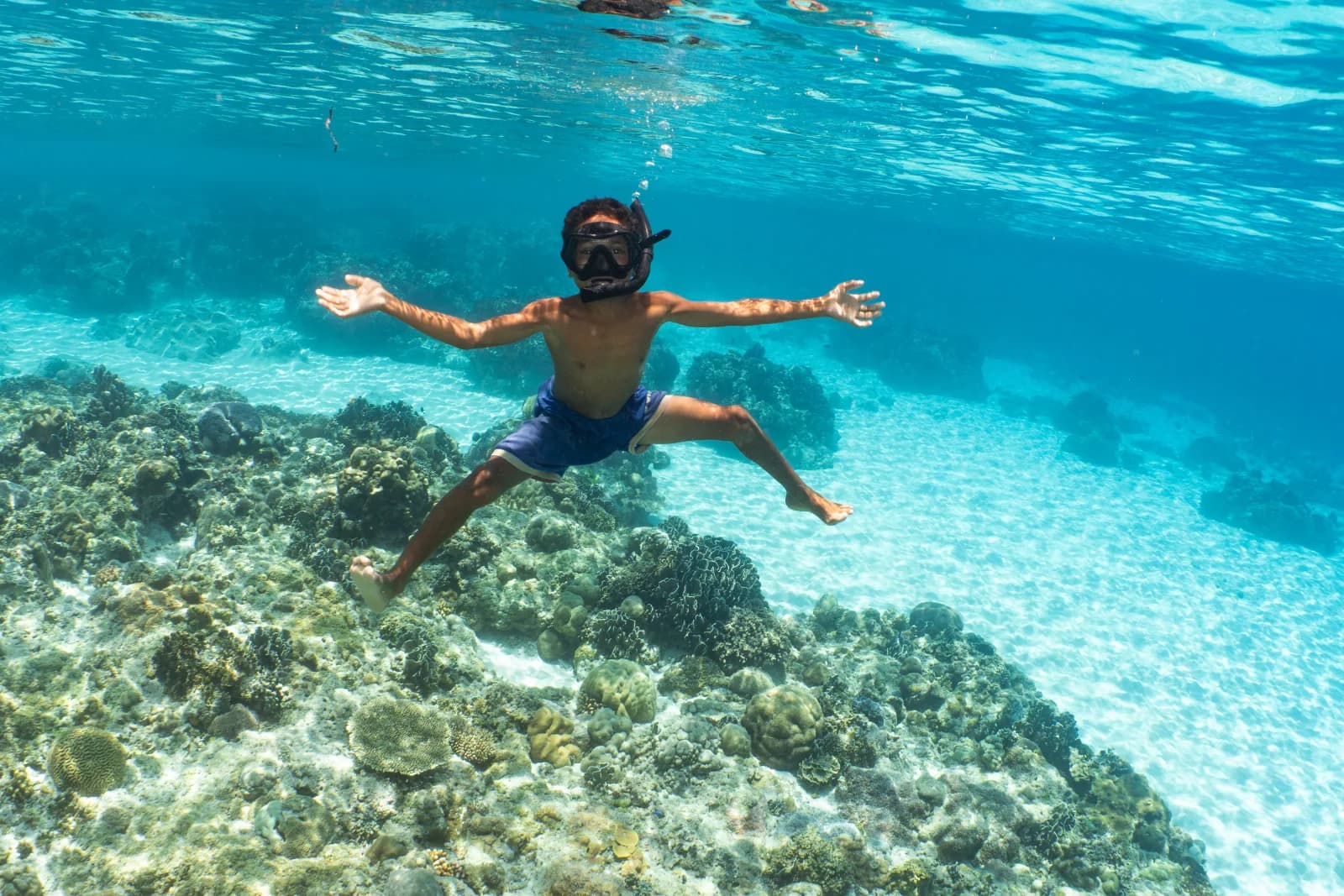
World-class reefs, no certification required
The reefs that make Timor-Leste famous among scuba divers are also some of the most accessible snorkelling in the world. At Jaco Island, the coral starts at the waterline. At Atauro, you can fin over 300-species reefs in two metres of water. You don't need a certification, a dive boat, or any experience: just a mask, a snorkel, and the willingness to put your face in the water.
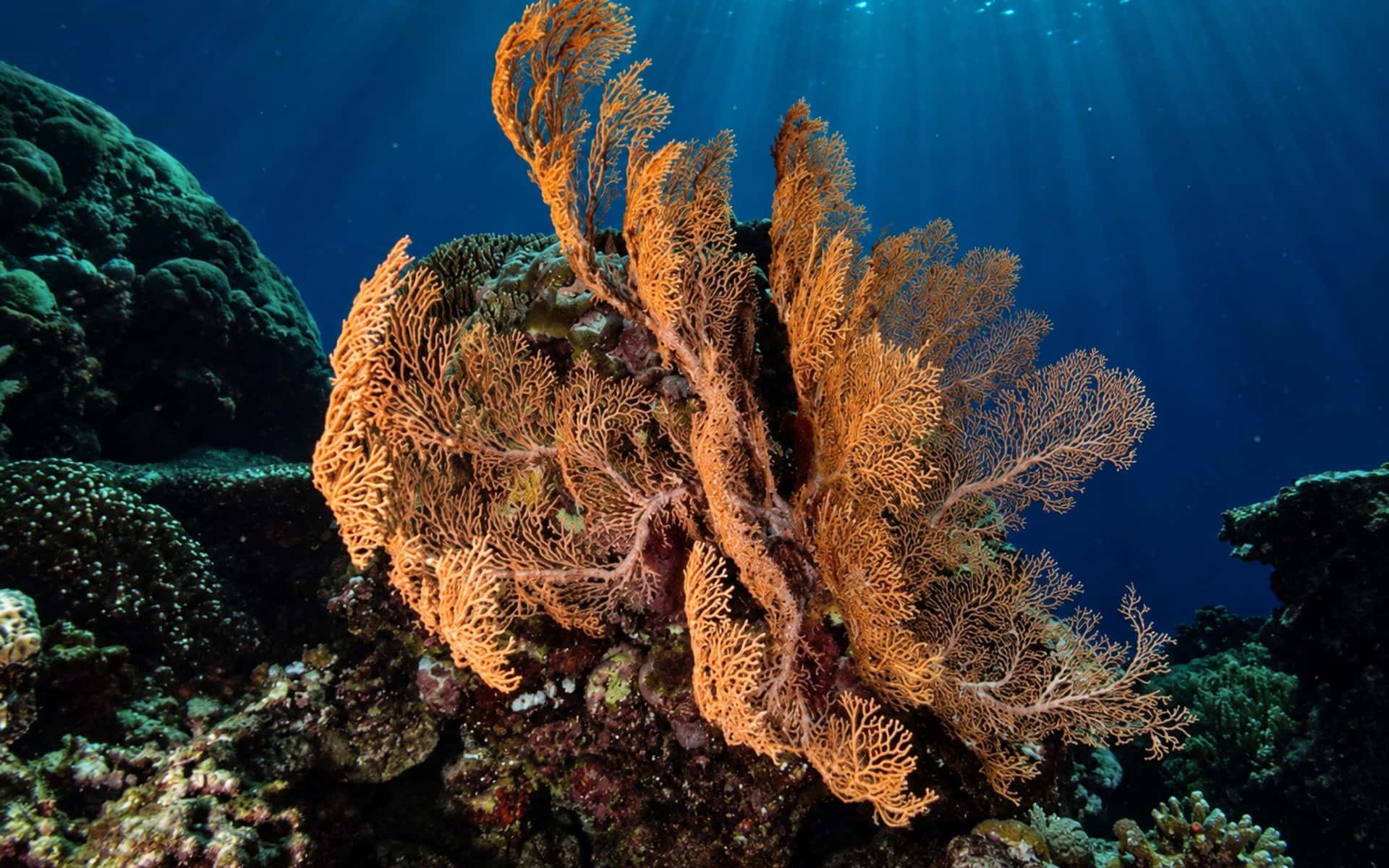
Timor-Leste sits at the heart of the Coral Triangle, the most biodiverse marine region on Earth. In 2016, Conservation International recorded more reef fish species around Atauro Island than anywhere else on the planet. Most of that life is accessible from the surface: hard coral gardens, turtles, moray eels, nudibranchs, and schools of tropical fish you'll find yourself hovering above for far longer than you planned.
This guide is for everyone who isn't a certified diver: families with kids, casual beach-goers, travellers who want to see what the fuss is about without committing to an Open Water course. The snorkelling here will be some of the best you've ever done.
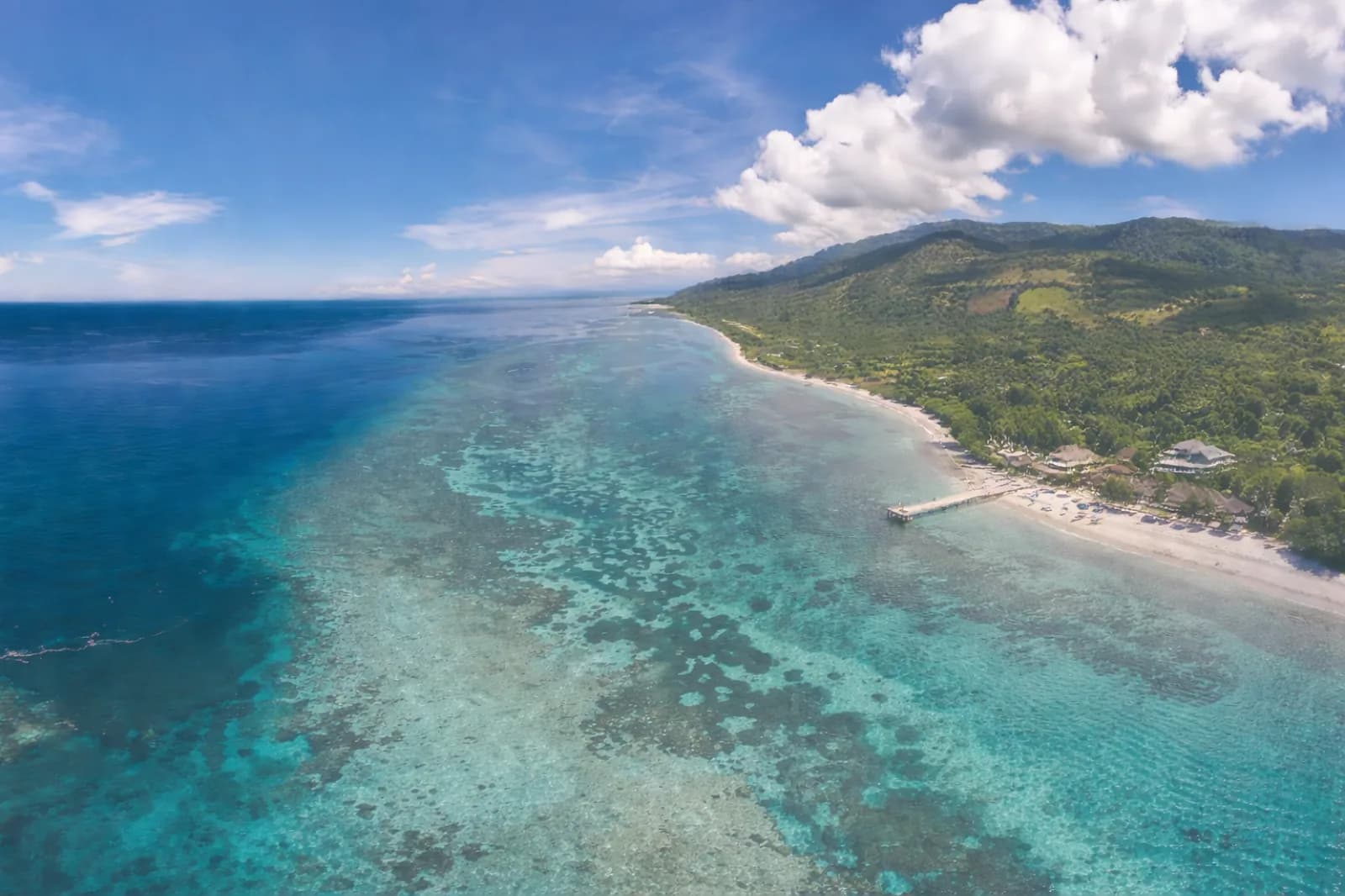
If you do one thing in Timor-Leste's water, make it Atauro. The island sits above a deep-water trench where nutrient-rich upwellings feed an extraordinary density of marine life. Unlike many tropical destinations where you have to swim out 200 metres to find healthy coral, on Atauro the reef starts close to shore and stays healthy all the way down.
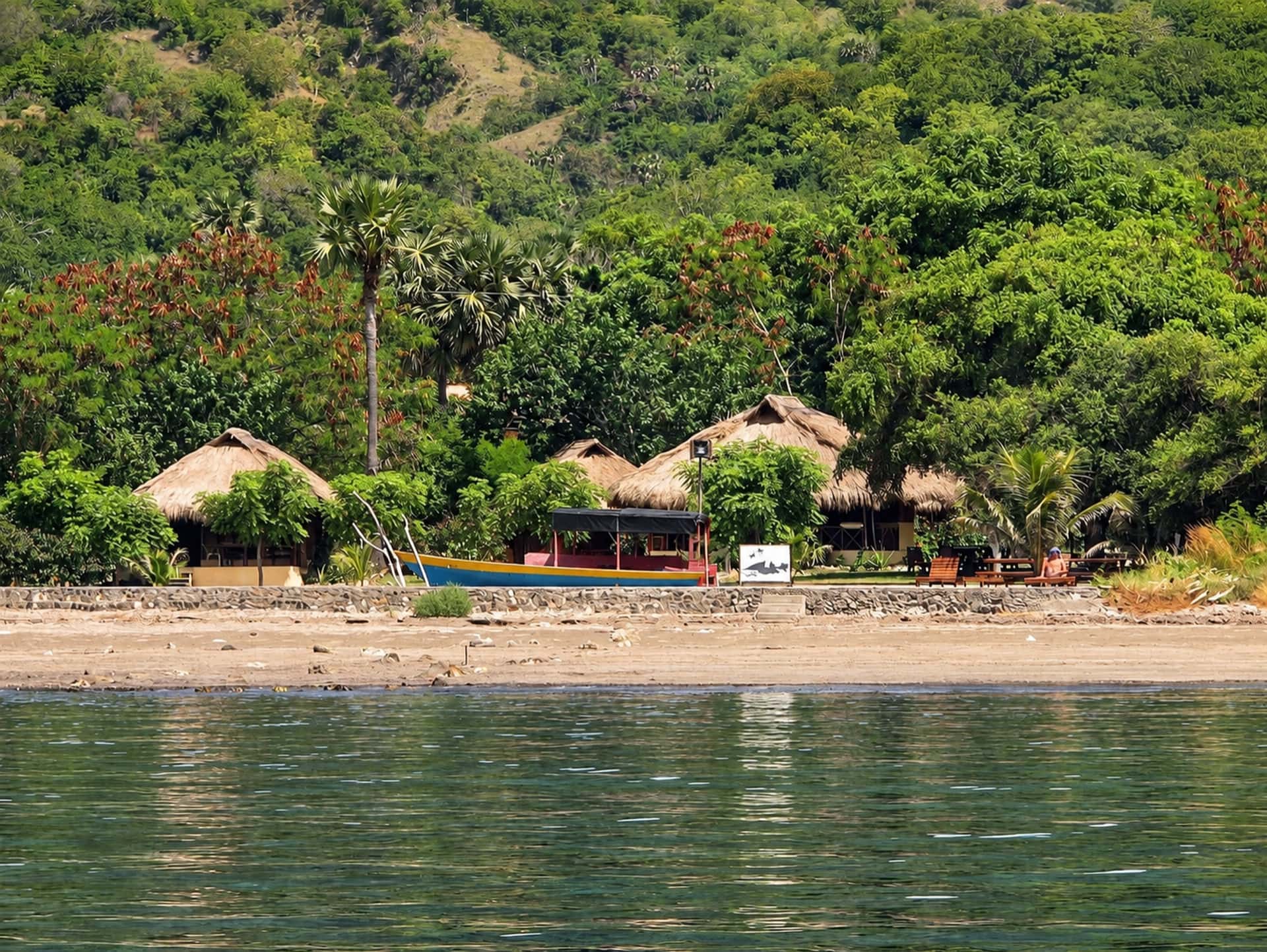
Atauro Dive Resort, on the beach at Beloi, has a house reef off the front that you can snorkel straight from the shore, and a seat on its morning dive boat for snorkellers ($5, bookable) takes you out to the walls. Turtles are common, reef sharks cruise the deeper edge, and the fish life is almost absurdly colourful. Stay a night on the island and you can snorkel at first light, before any boat traffic.
The Adara reef flat near Adara village is another outstanding site: calm, clear, and loaded with hard coral and fish. Beloi, the island's main village, has a jetty with easy water access and good snorkelling just off the point. Guided snorkel trips can take you to spots further along the coast where you'll have the reef to yourself entirely.
Atauro is reached by public ferry from Dili (every day except Monday, about 2 hours 15 minutes to 3 hours each way, $8 to $10 return). Both boats return from Beloi at 15:00. Plan at least two nights on the island to make the most of the crossing.
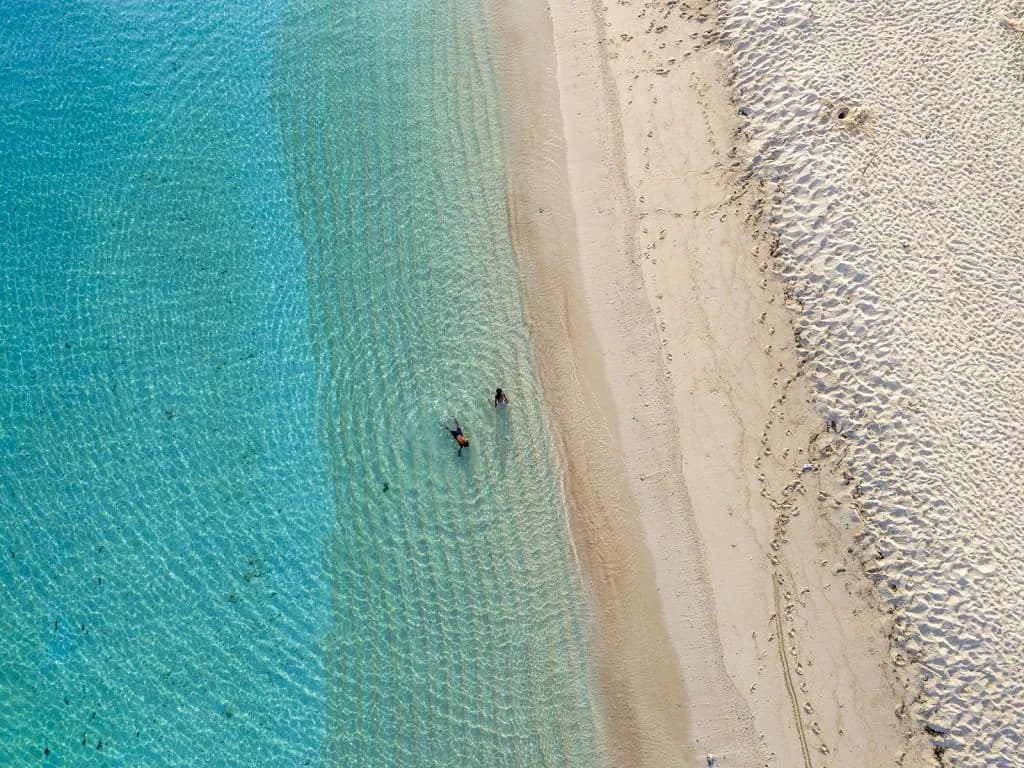
Jaco Island is Timor-Leste's most spectacular beach, and it's also one of the country's best snorkel spots. The island is sacred and uninhabited: no development, no rubbish, no crowds. The coral at Jaco starts literally at the waterline: you wade in from the white sand beach and within seconds you're floating over a healthy reef garden.
The clarity is exceptional, typically 15-25 metres visibility. Turtles are regularly spotted, and the mix of hard and soft coral with a wide variety of reef fish makes it rewarding for anyone, not just experienced snorkellers. Reef shoes are essential: the entry is sharp in places.
Getting to Jaco requires commitment: it's 7 to 9 hours from Dili by road to the eastern tip of the country, then a short boat crossing from Valu Beach at Tutuala. A 4WD is needed for the final section. The effort is absolutely worth it. Bring everything you need, food, water, snorkel gear, sunscreen, and leave nothing behind. This is a sacred site and must be treated accordingly.
Dili isn't Atauro, but the capital has more accessible snorkelling than most people realise. The water is calm, and a handful of sites are easy to reach without a boat or a long drive. Crocodiles are occasionally seen on Dili's coast, so snorkel where locals swim, ask first, and avoid river mouths.
Cristo Rei beach and the adjacent Dolok Oan stretch have shallow reef accessible from the sand: not spectacular, but pleasant for a morning float. Areia Branca, a short drive west of the Cristo Rei statue, has a longer beach with snorkelling off the point. Tasi Tolu, further west again, is probably the easiest entry in Dili: walk in off the beach and the reef begins in waist-deep water. Turtles are spotted here regularly.
For stronger swimmers, some of Dili's recognised dive sites, particularly K41 out along the coast road, have snorkellable shallows above the deeper structures. A snorkel tour or day trip with a local operator is the easiest way to access these spots with guidance on conditions and entry points.
Timor-Leste's reefs hold an extraordinary range of species visible to snorkellers without going below the surface. The headline encounters: green and hawksbill turtles (common at Atauro and Jaco: you may share water with several at once), blacktip reef sharks patrolling the reef edges (harmless, but startling the first time), and dense schools of fusiliers, surgeonfish, parrotfish, and angelfish that make every Coral Triangle reef feel like a tropical aquarium.
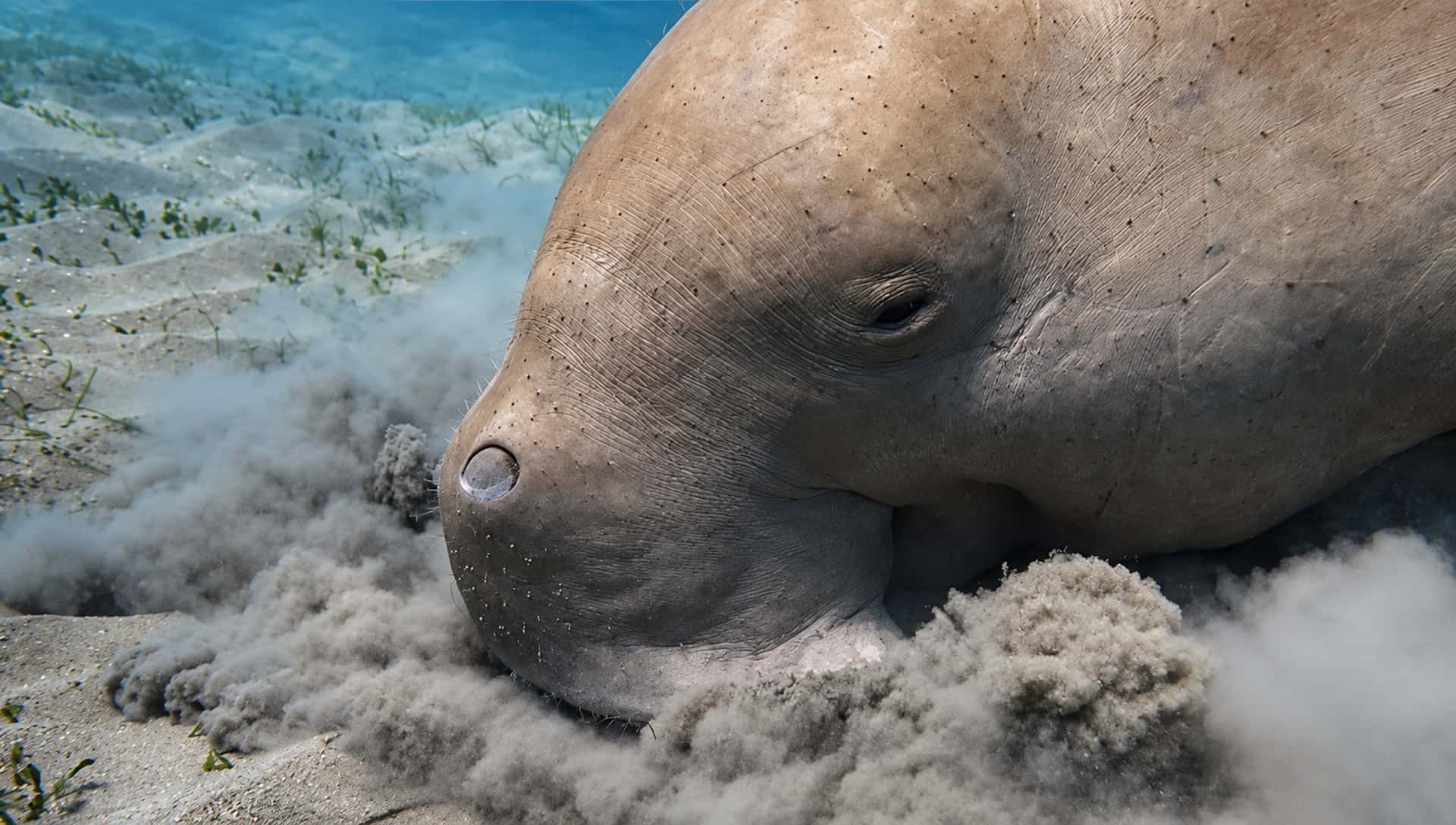
Look close for the smaller stuff: clownfish in anemones, blue-spotted stingrays resting on the sand, moray eels peering from coral crevices, and the occasional octopus shifting colour and texture as you hover overhead. Nudibranchs and starfish are everywhere in the shallows.
Dolphins are frequently spotted around Atauro: they're usually fast-moving and hard to follow underwater, but an encounter in open water from a snorkel boat is unforgettable. Whale sharks are occasionally reported near the surface around Atauro from October to December, though sightings are not guaranteed.
Gear situation: Atauro guesthouses typically have basic snorkel sets available to borrow or rent ($5-10/day), but quality varies. If snorkelling matters to you, bring your own mask: a well-fitting mask is the single biggest difference between a great and a frustrating experience. Reef shoes are essential at almost every site in Timor-Leste. A rash guard or thin wetsuit is recommended for extended sessions (water is 27-29°C, but sun exposure through the surface burns quickly).
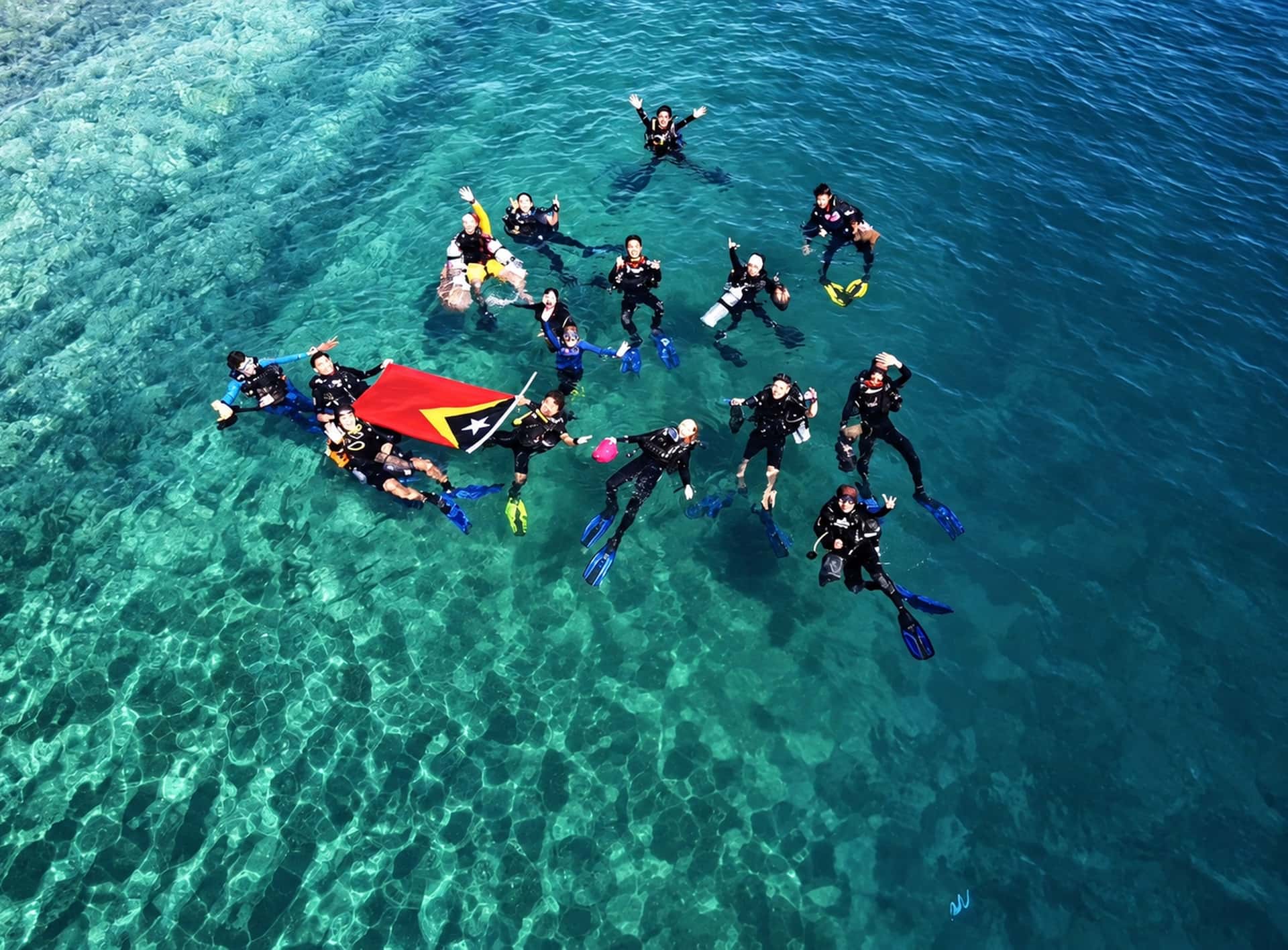
Guided snorkel trips are available through most Atauro guesthouses and through dive operators in Dili. A half-day guided boat trip to outer reef sites costs roughly $30-50 per person and is worth it for the access and safety reassurance it provides. Solo snorkelling from the shore at known sites is fine for confident swimmers, but always tell someone where you're going.
Safety is straightforward but important: snorkel with a buddy, stay within your depth comfort zone, and be aware that currents can pick up quickly around headlands and channel entrances: ask local operators about conditions before you enter. Morning sessions are calmer than afternoons during trade wind season (about June to September).
8 experiences connected to this guide
All-inclusive: gear, guide, transport & snacks
All-inclusive with a full lunch
Atauro Island · Dili
May to November (dry season) for the clearest water. Trade winds about June to September mean mornings are better than afternoons. October to November adds the bonus of whale watching season.
New experiences, insider tips, and seasonal highlights. No spam, just useful stuff for planning your trip.
Unsubscribe anytime. We respect your inbox.
Continue planning your trip to Timor‑Leste
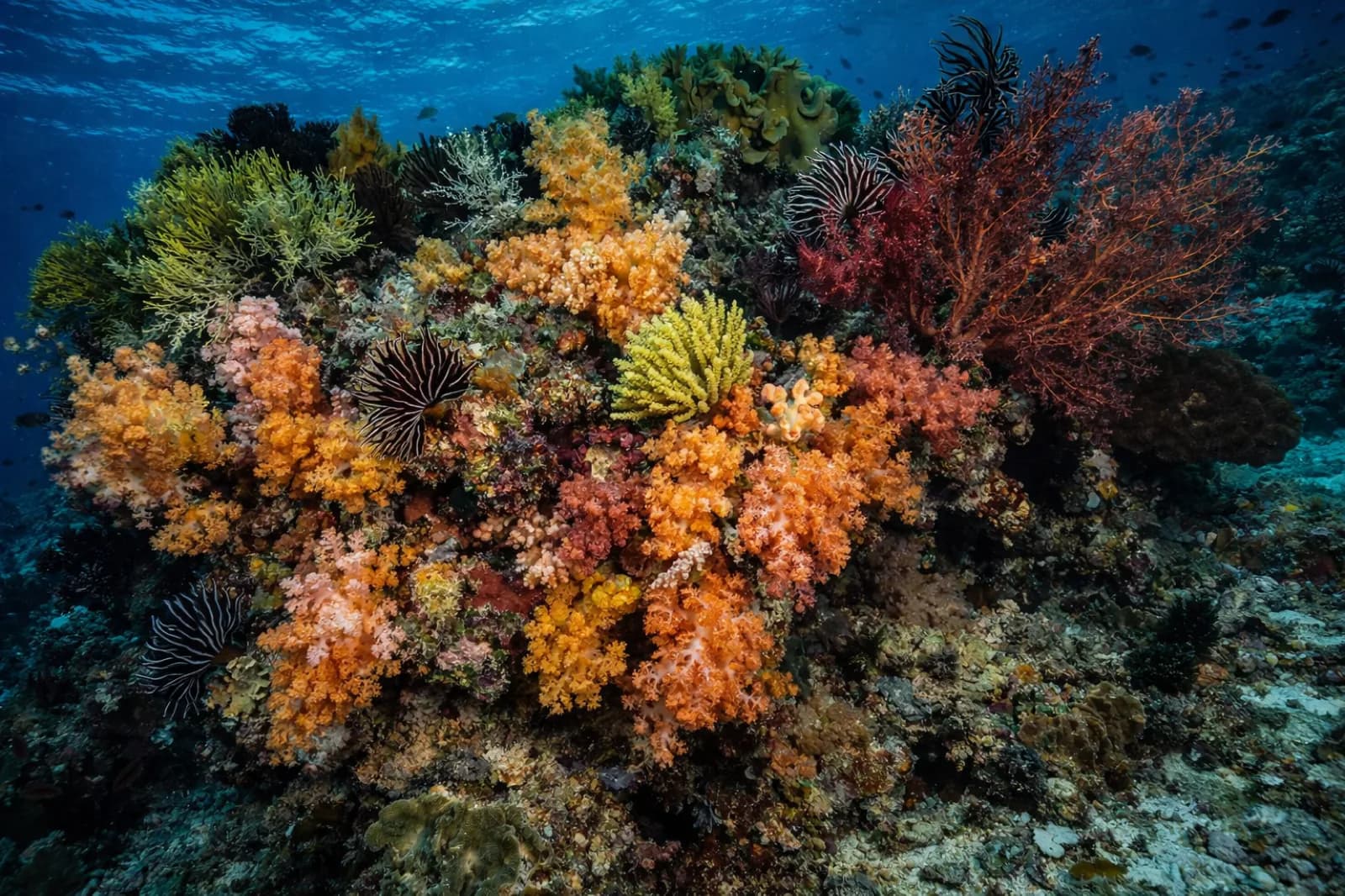
The world's most biodiverse reefs, virtually untouched
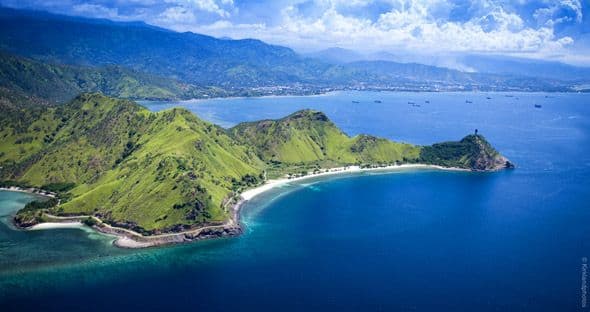
White sand, turquoise water, and not a crowd in sight
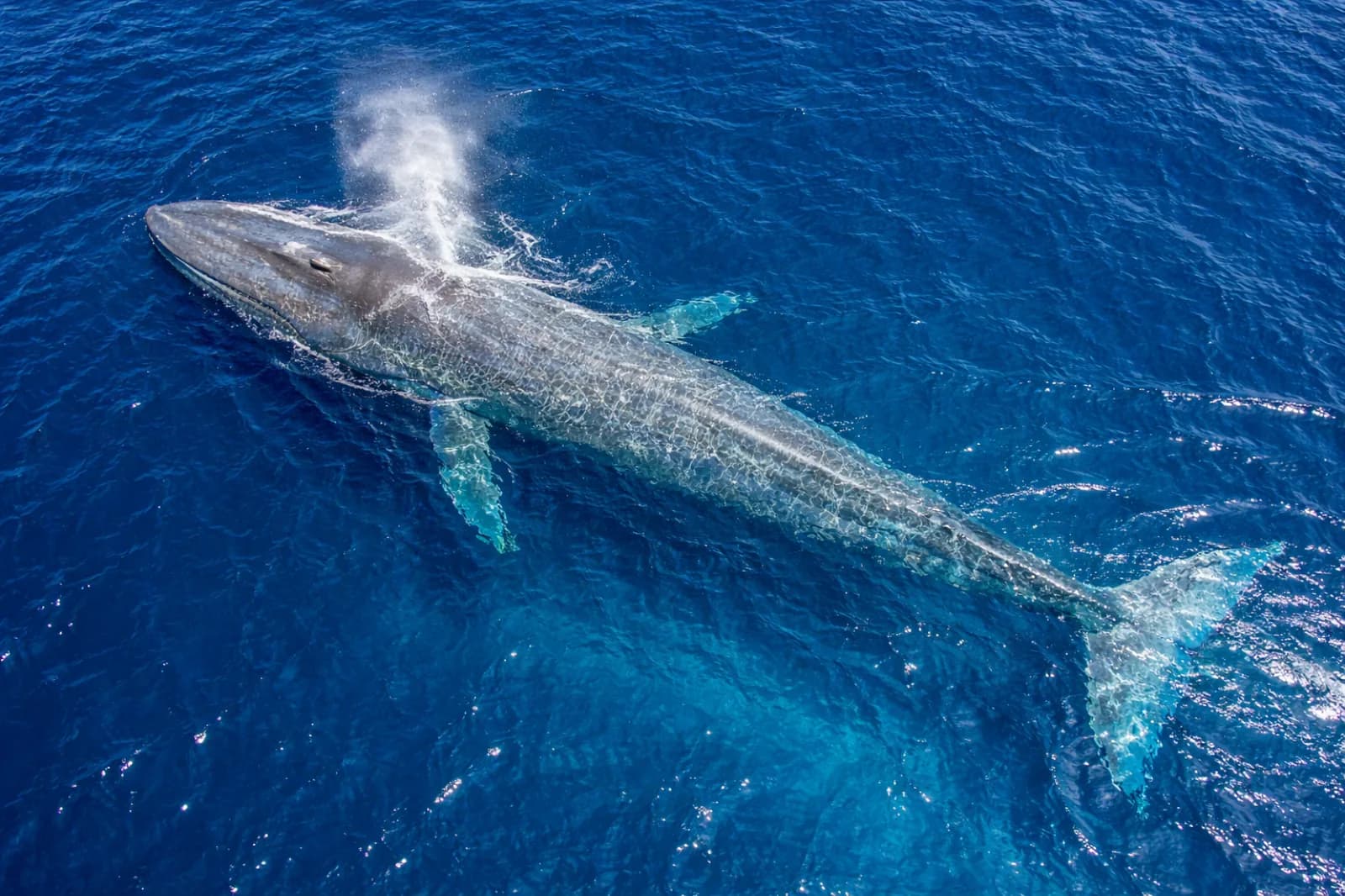
Sperm whales, blue whales, and dolphins in the Wetar Strait

Month-by-month guide for planning your trip
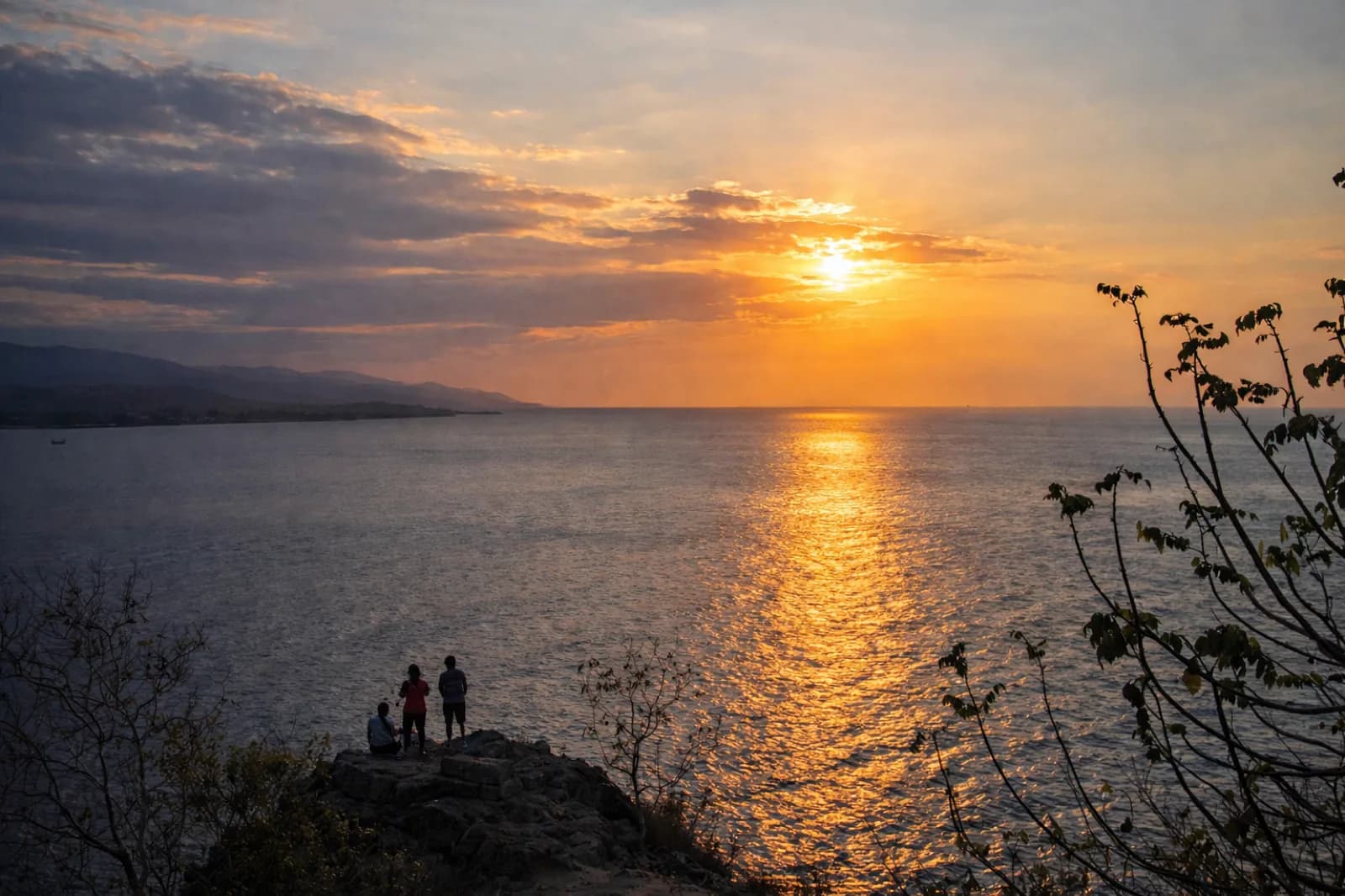
What to know before you go: from crocodiles to pharmacies
Places mentioned in this guide