Request · free to ask
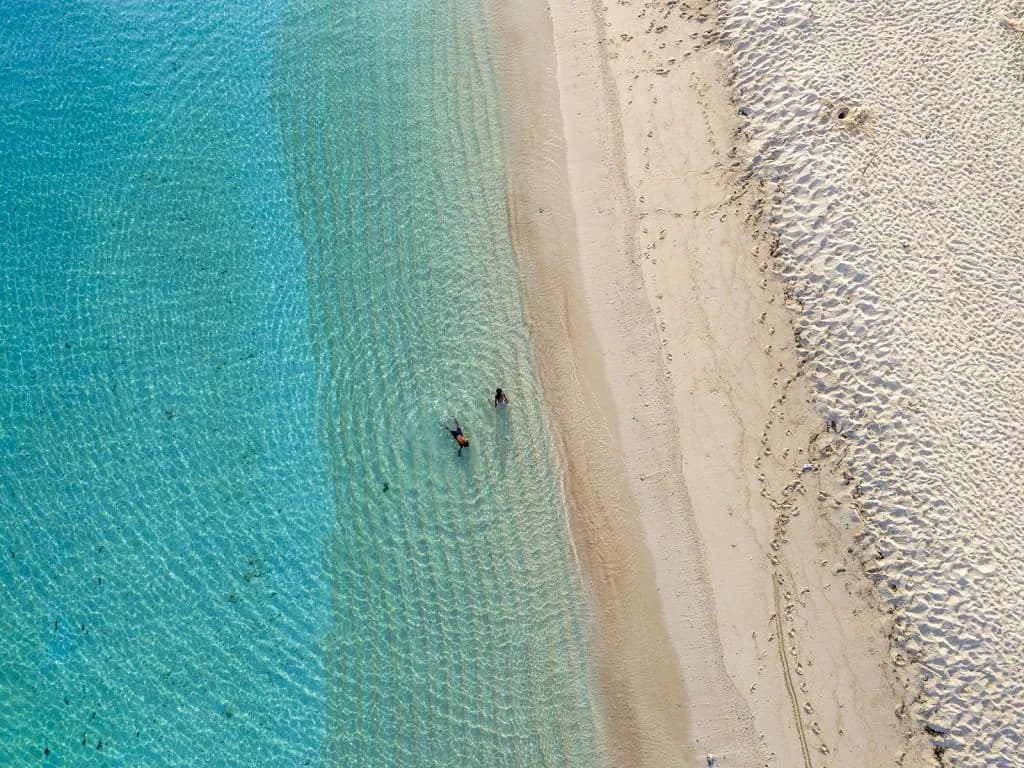
A white-sand island at the far edge of Timor-Leste, off-limits overnight and untouched by development
Jaco Island is a small, uninhabited island just off the easternmost point of Timor-Leste. Its beaches are white sand framed by turquoise water, the reef around it is alive with fish, and overnight stays are not permitted: Jaco is sacred to the Fataluku, and it lies inside the national park. You visit for a day, leave only footprints, and feel like you've been let in on a secret.
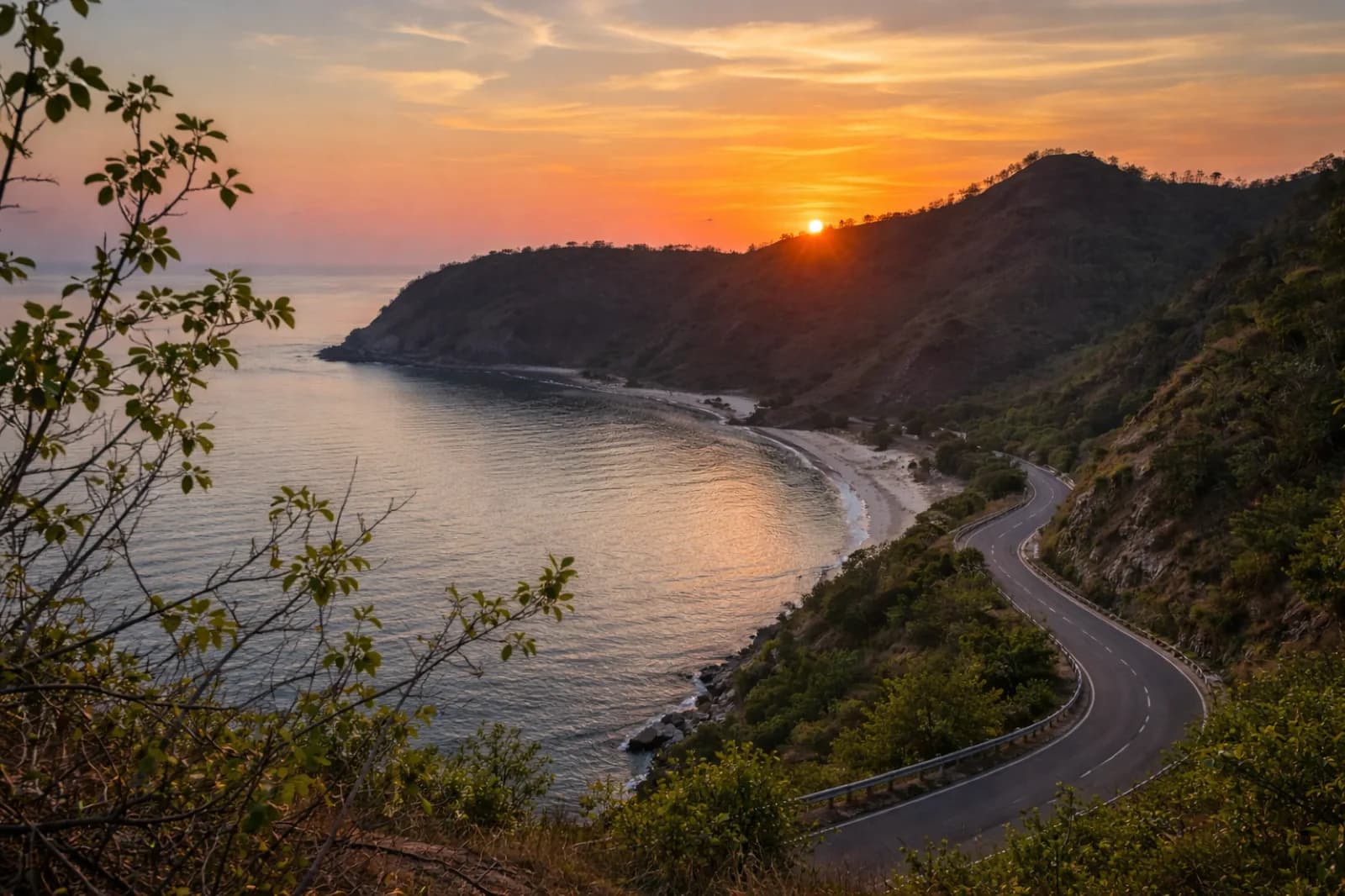
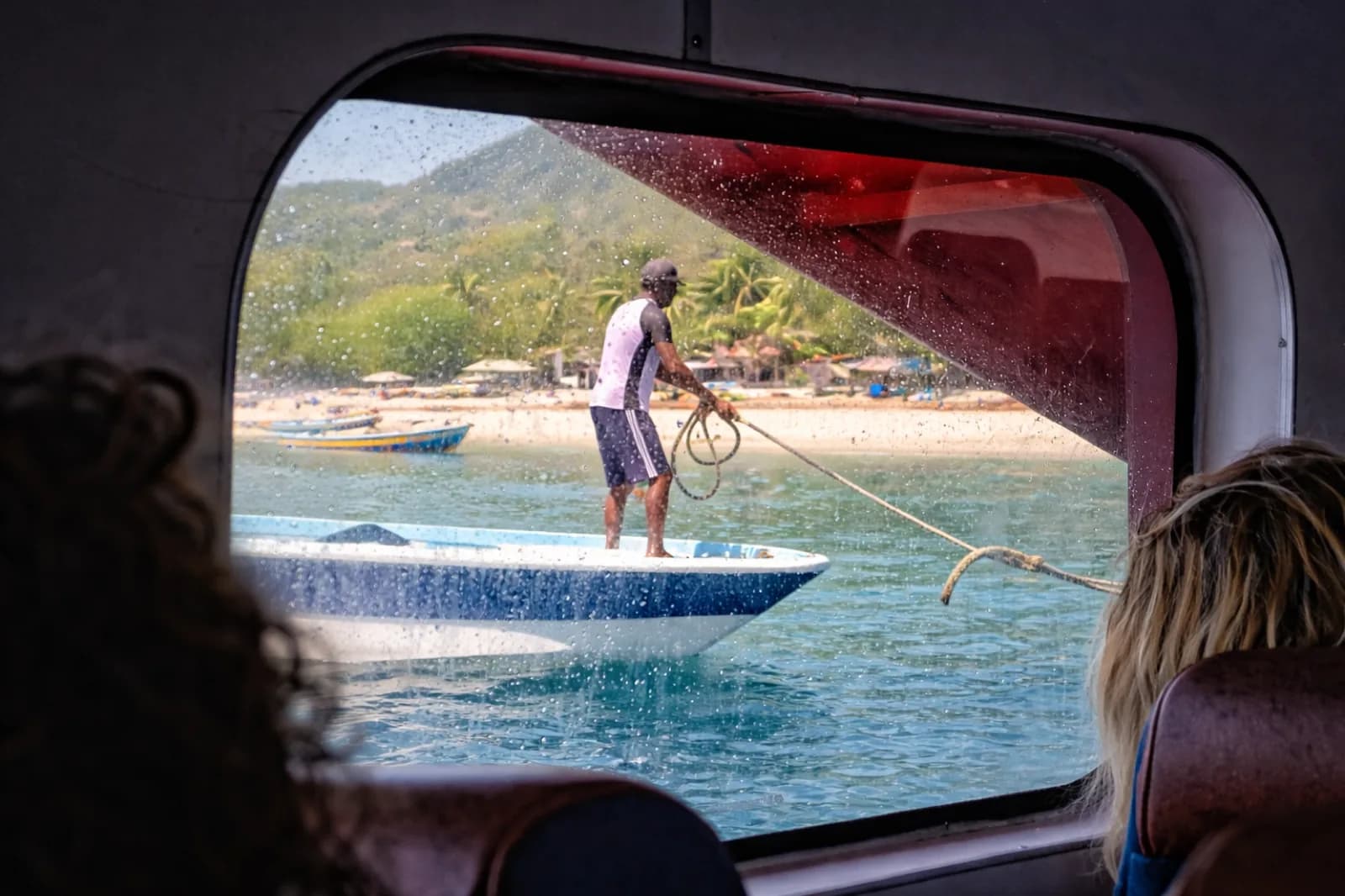
Reaching Jaco is part of what makes it special. The drive from Dili runs along the north coast through Manatuto, Baucau and Lautem before climbing onto the Tutuala plateau: a forested upland inside the Nino Konis Santana National Park, Timor-Leste's only national park. From Tutuala village, a steep rocky path drops 30-45 minutes to Valu Beach, where local fishermen ferry you across the channel in 10 minutes.
Most travellers pair Jaco with a night in Tutuala or further inland near Lake Ira Lalaro, where evening croc-spotting trips run, and the Lene Hara cave preserves rock paintings dating back tens of thousands of years. The far east is the longest journey from Dili, and one of the most rewarding.
Valu Beach, the launch point for Jaco, is itself a fine stretch of sand. The boat crossing is short, around 10 minutes in good weather, and is operated by local fishermen on a community roster. The standard fee is around $5-10 per person each way, paid in cash; rates fluctuate and are best confirmed at the beach. Boats run on demand from morning until early afternoon. The last return crossing leaves before sunset: overnight stays on Jaco itself are not permitted.
Once across, the island is yours to explore on foot. A loose path circles the seaward side, and you can walk most of the perimeter in a couple of hours. The snorkelling directly off the beach is excellent: bring your own mask and snorkel if you have them, as rentals are not reliably available at Valu. The reef drops away into clear water with parrotfish, butterflyfish, and the occasional turtle.
Jaco is uninhabited and there are no facilities: no shop, no toilets, no shade beyond what the trees provide. Bring water, snacks, and reef-safe sunscreen. Take everything you bring back with you. The community that manages the crossings is rightly protective of the island's condition.
For the Fataluku-speaking communities of the eastern Lautem district, Jaco is a sacred site, uma lulik in the broadest sense, and the rules around it reflect that. Overnight stays are forbidden, fishing is restricted in the channel, and certain parts of the island are off-limits to visitors entirely. Local guides will point out the boundaries; respect them.
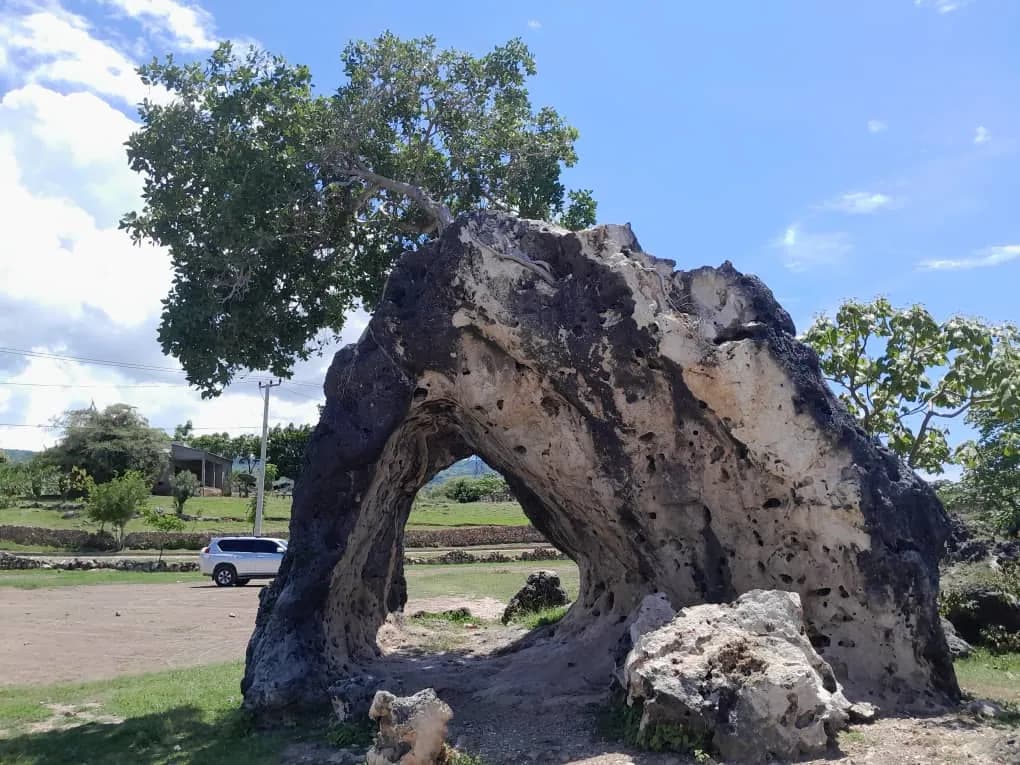
The same belief system protects other parts of the Tutuala plateau and the wider national park. Lene Hara cave, a 30-minute drive inland, holds rock paintings that are among the oldest known in the region: some estimates put them at 30,000-35,000 years old. The cave is on community land and visited only with a local guide.
Lake Ira Lalaro, the country's largest freshwater lake, sits in the heart of the plateau and is famous for its saltwater crocodile population. Evening boat trips with a local guide are the standard way to see them: quiet, slow, respectful. Swimming is absolutely off the table.
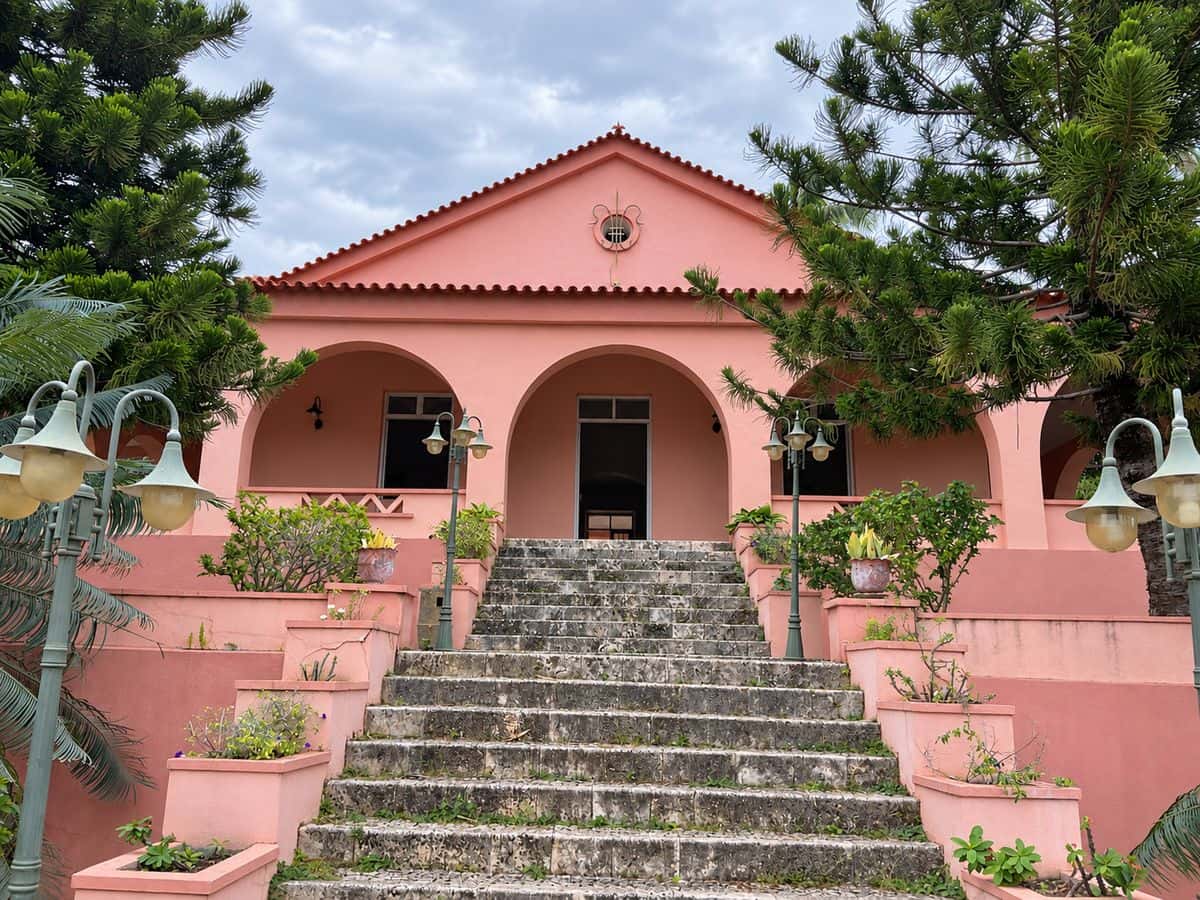
Tutuala village sits on a forested ridge above the cliffs that drop to Valu Beach. The Portuguese-era Pousada de Tutuala, a small guesthouse perched on the cliff edge, is the most photographed building in the far east, and the right place to spend a night before or after the Jaco crossing. The views from its terrace, across the strait to Jaco itself, are among the finest in the country.
The plateau around Tutuala is part of Nino Konis Santana National Park, the country's first and only national park, established in 2007. The park protects mangroves, coral reefs, dry tropical forest, and significant archaeological sites. Birdlife is rich, hornbills, parrots, and several Timor-endemic species, and the forest is one of the last large stretches of old-growth dry tropical forest left in the region.
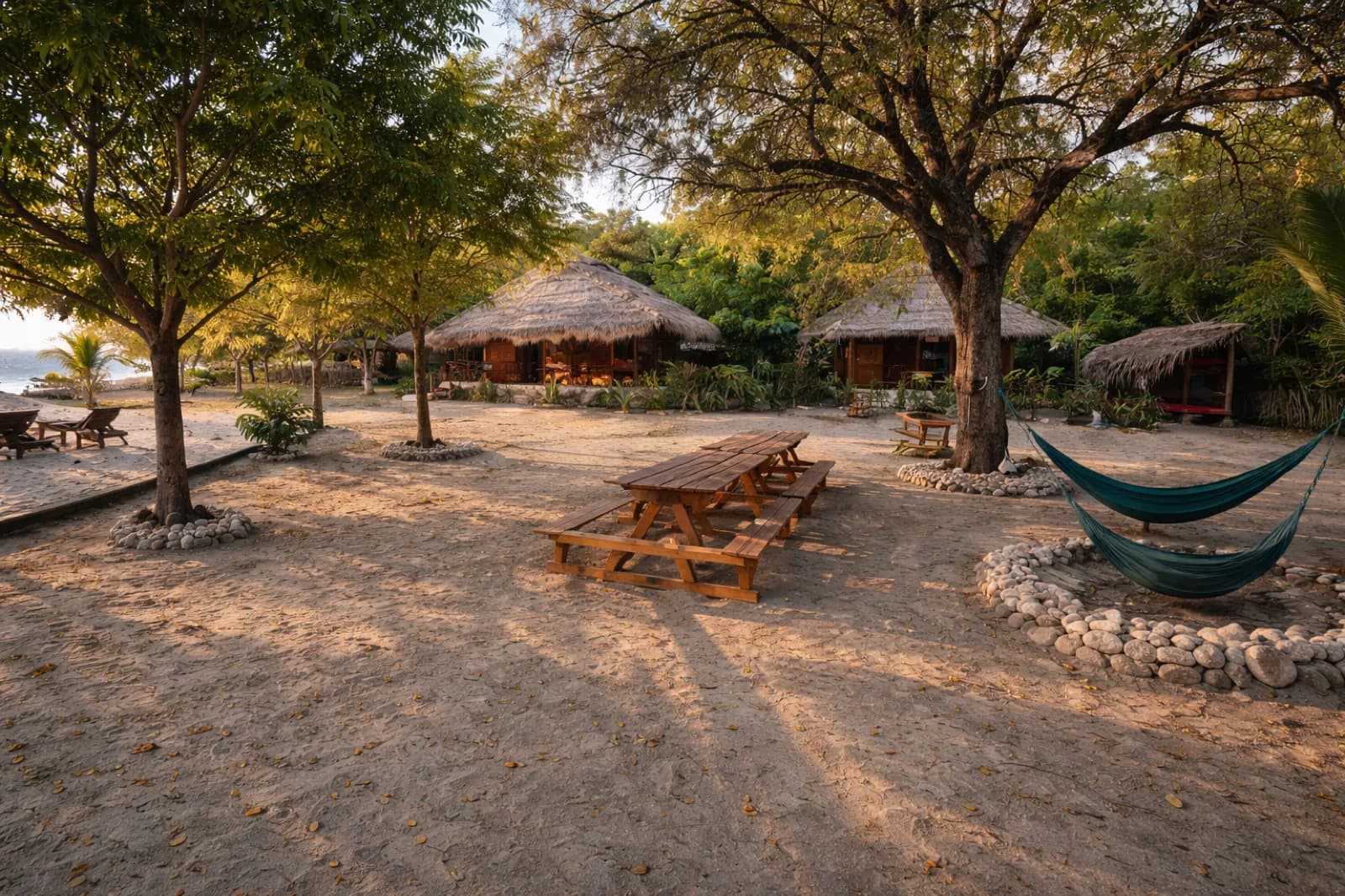
Tutuala village itself is small and friendly, with simple guesthouses, a couple of warungs, and a community that has become used to the trickle of visitors that find their way out here. Bring cash, bring patience for the unsealed road, and you'll be rewarded with a corner of Timor-Leste that genuinely feels like the end of the road.
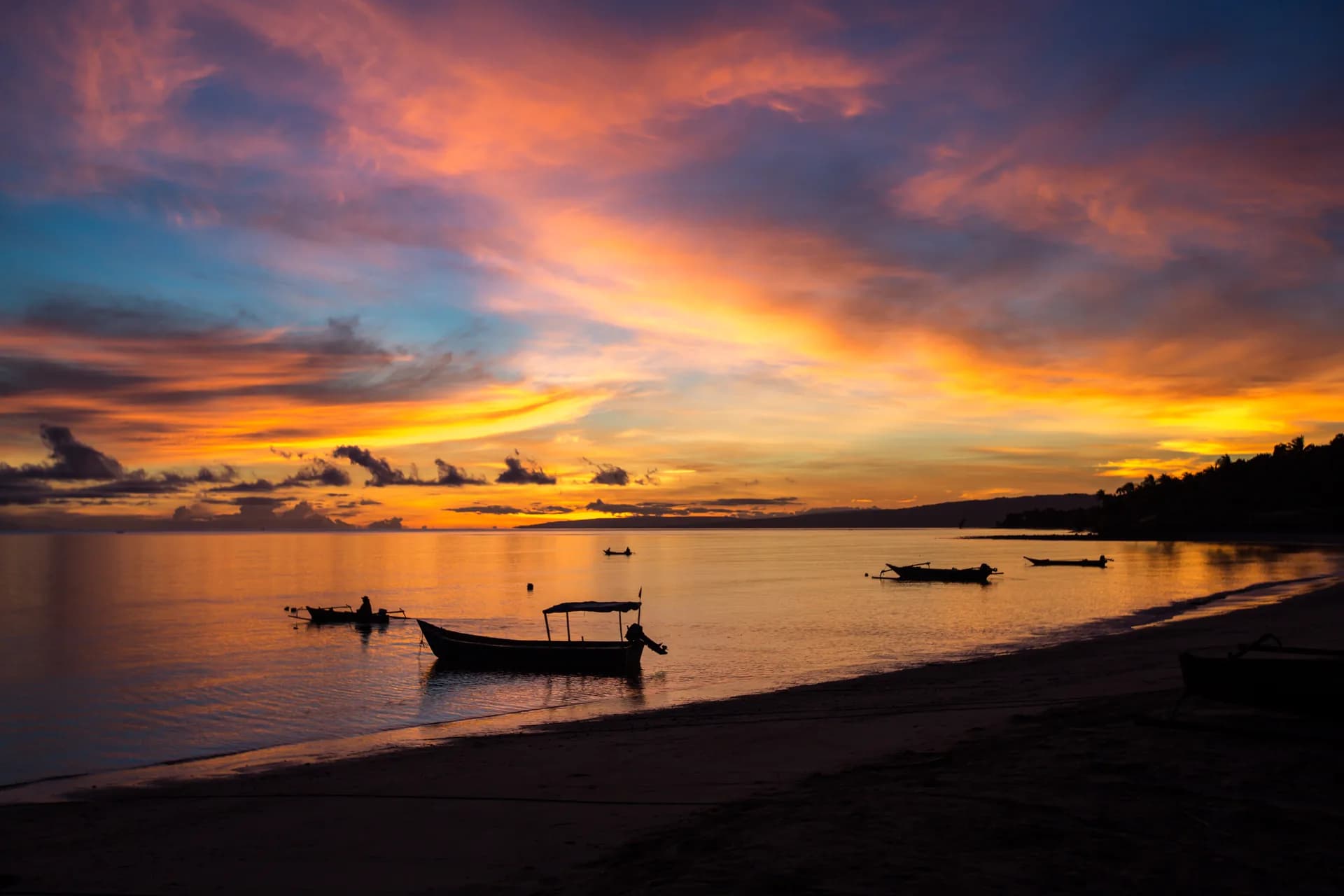
The drive from Dili to Tutuala takes a full day: 7 to 9 hours depending on road conditions and stops. The route runs along the north coast through Manatuto, Baucau, and the Com peninsula before turning inland and climbing onto the plateau. Most travellers break the journey with a night in Baucau (the country's pretty second city), then a second night in Com or Tutuala itself. The full-circuit east-coast tours offered by Dili operators handle the logistics and the timing.
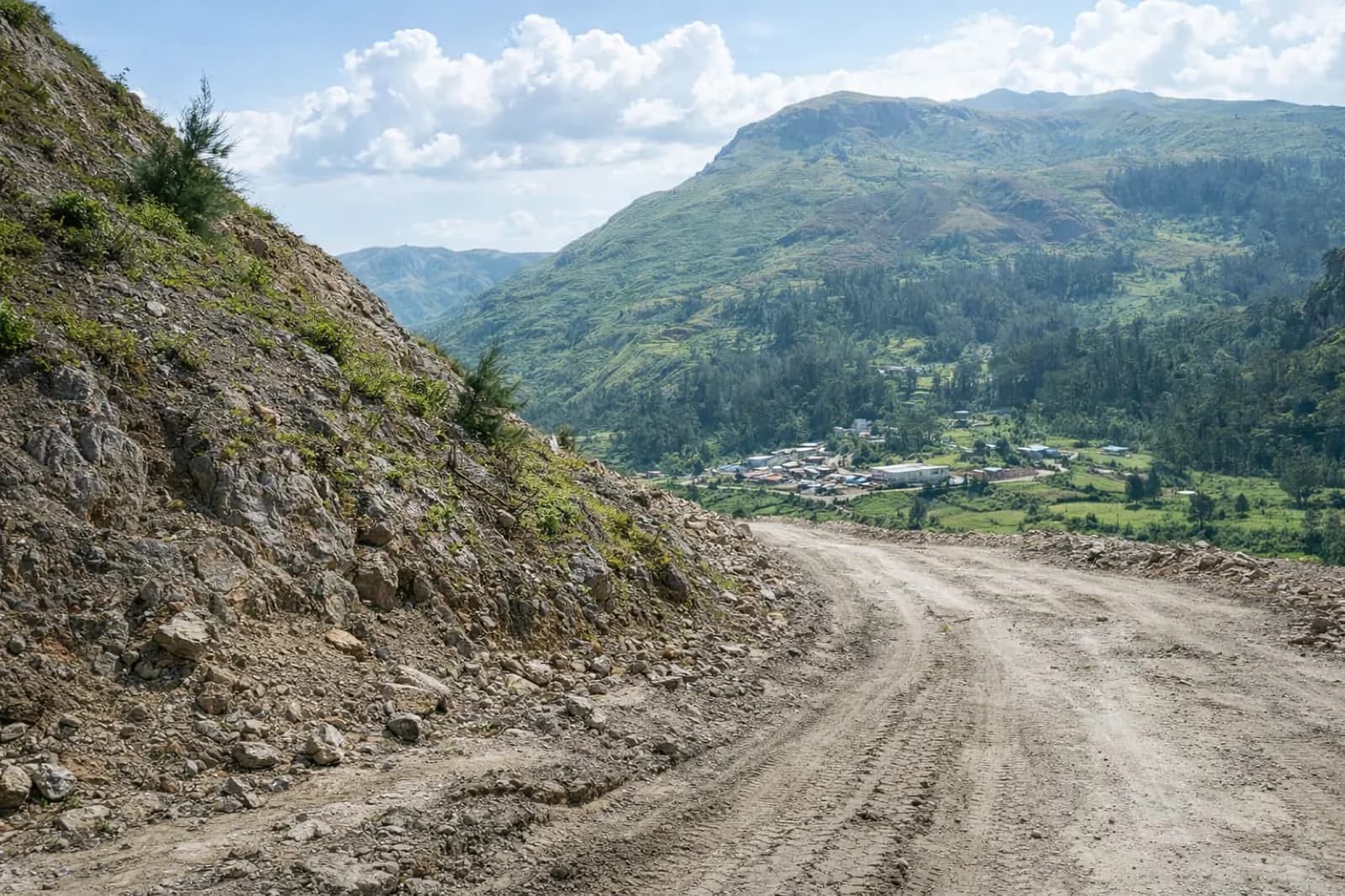
The road is sealed as far as Lautem and then becomes increasingly rough on the final climb to Tutuala. A 4WD is essential. After heavy rain in the wet season, parts of the road can be impassable for a day or two. If you're self-driving, allow flexibility in your schedule and check conditions in Lospalos before committing to the final leg.
Most operators bundle Jaco with overnights in Baucau or Com, the croc-spotting trip on Ira Lalaro, the cave at Lene Hara, and the salt lakes near Com. A 3-night minimum from Dili is realistic; a week including Atauro, the highlands, and the east is the classic Timor-Leste circuit.
Baucau · Dili
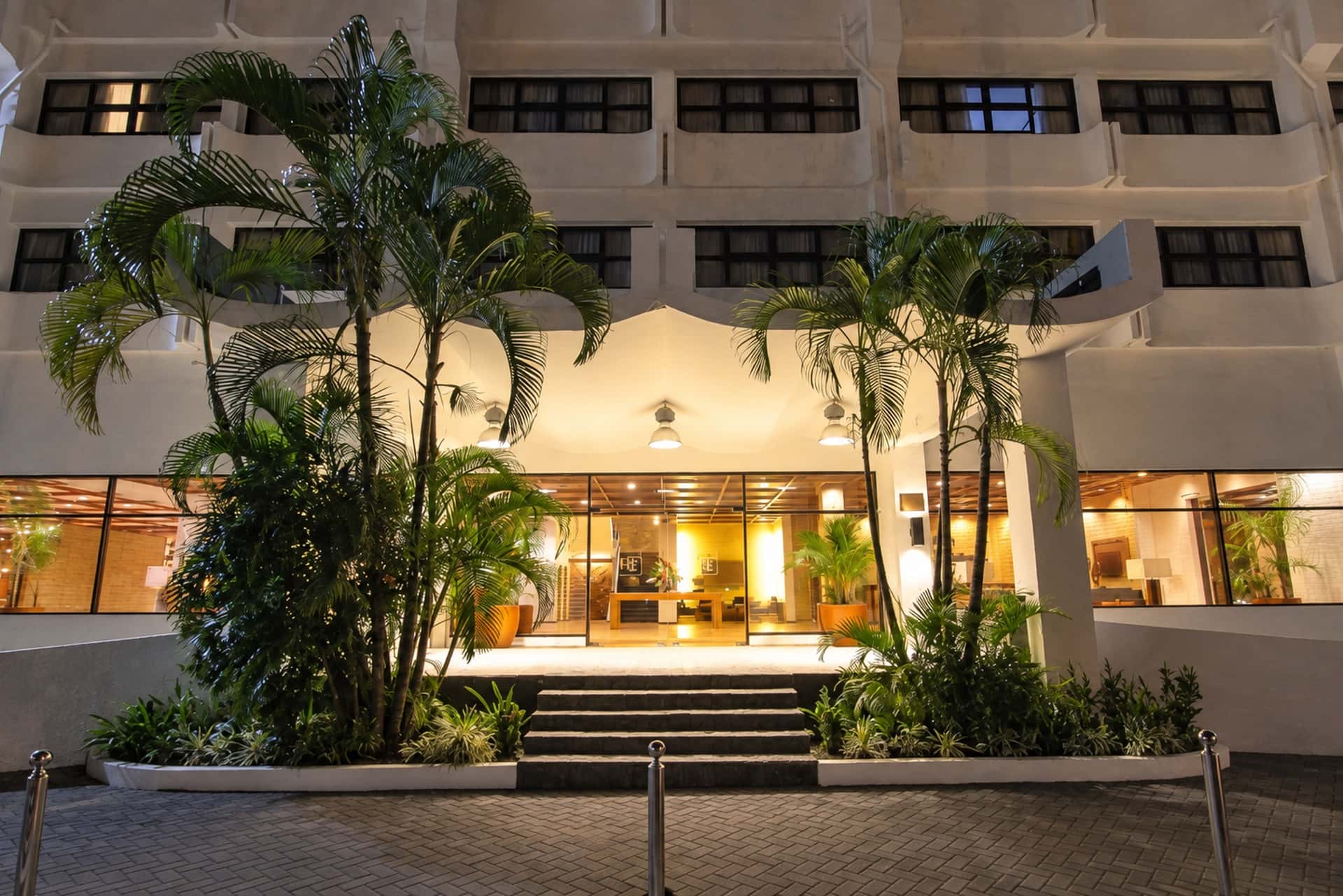
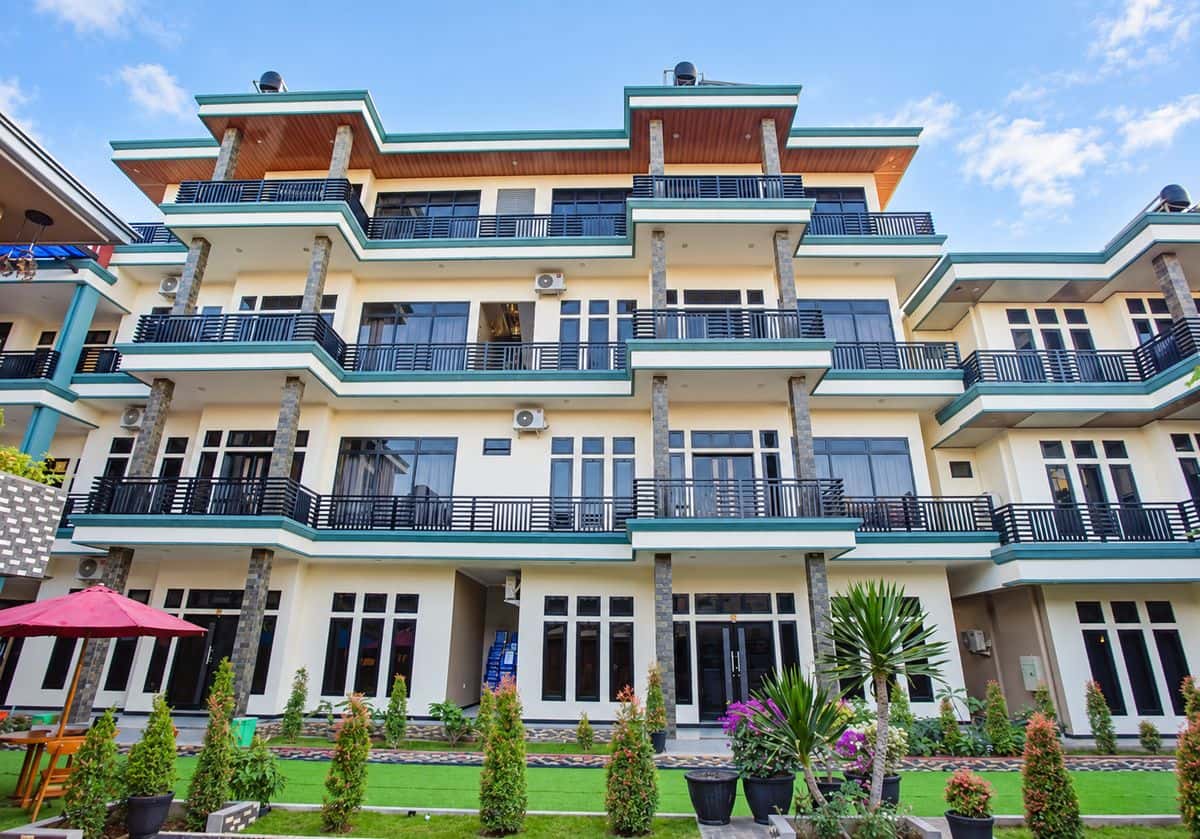

Pousada de Tutuala (cliff-top, atmospheric, small), simple guesthouses in Tutuala village, Lakkumore Guest House (closer to Lake Ira Lalaro), and the colonial Pousada de Baucau on the journey.
May to November (dry season) is essential. June to September has the most reliable road conditions; cross to Jaco in the morning, before the afternoon wind picks up. The wet season can isolate the plateau for days at a time.
New experiences, insider tips, and seasonal highlights. No spam, just useful stuff for planning your trip.
Unsubscribe anytime. We respect your inbox.
Continue planning your trip to Timor‑Leste
The perfect week exploring Southeast Asia's hidden gem
From the capital to the far east, every highlight in one trip
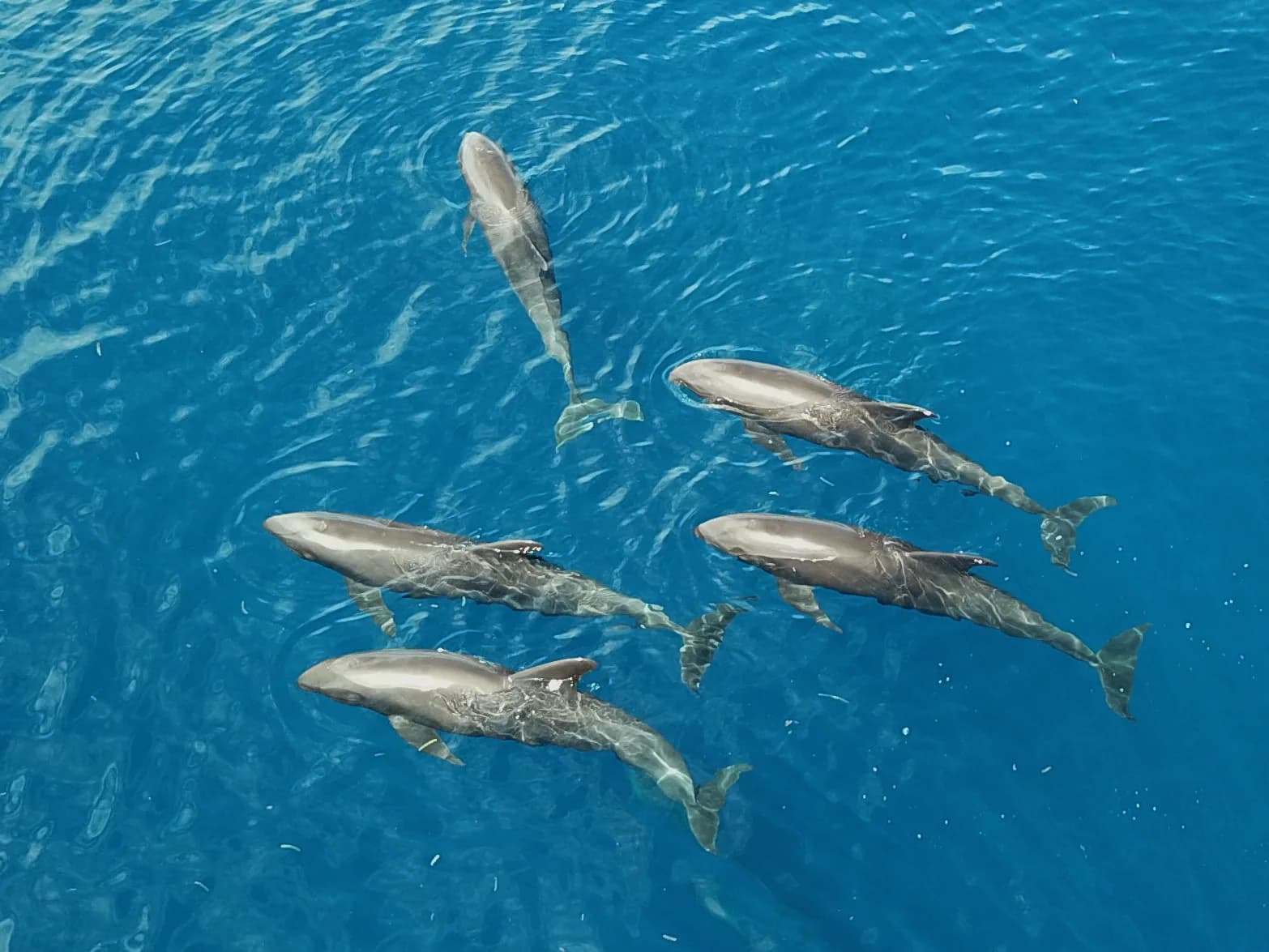
Endemic birds, whale migrations, and the reefs of the Coral Triangle
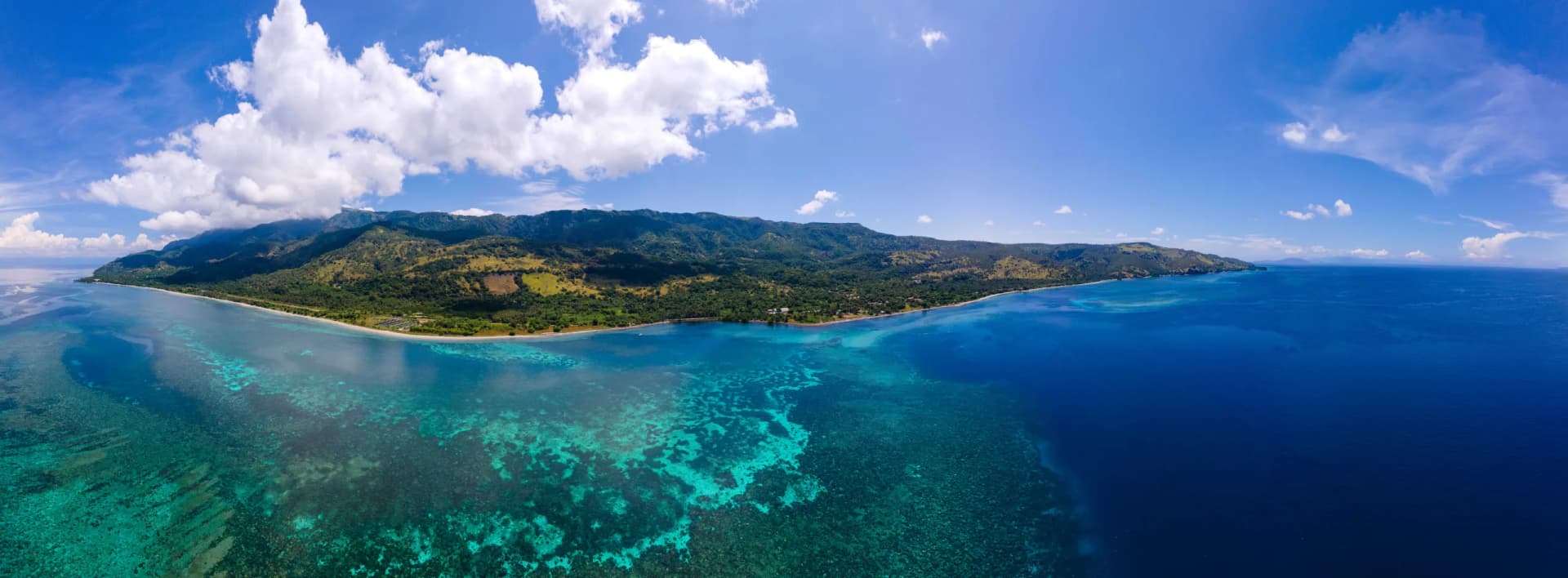
World-record reefs, zero crowds, and the kind of travel that barely exists anymore
Mountain trails, sacred peaks, and highland landscapes far from the tourist trail
Places mentioned in this guide