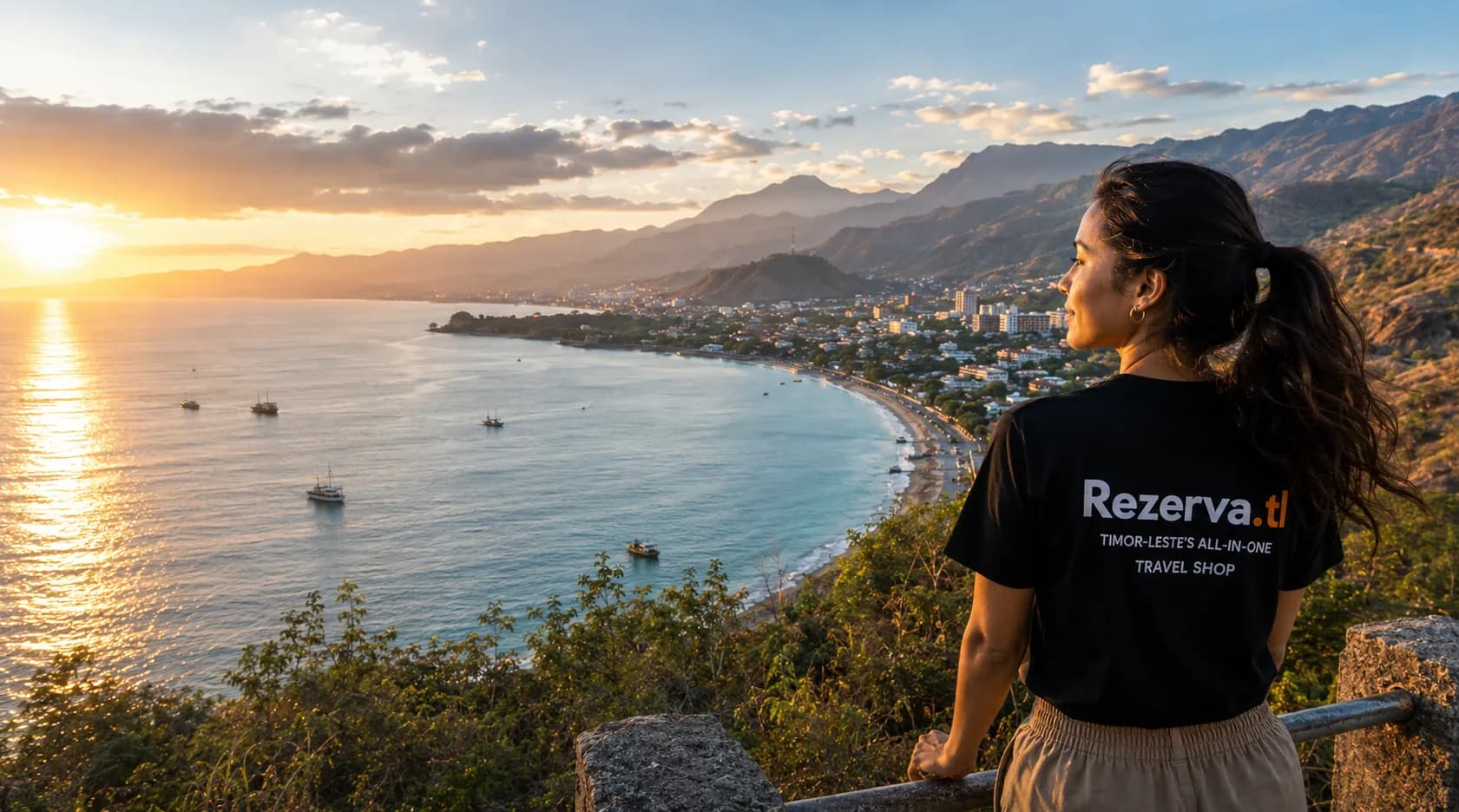
Is Timor-Leste safe?
Short answer: yes. Timor-Leste has been peaceful and stable for years, violent crime is low, and the welcome is genuinely warm. The old headlines are out of date. Here's the honest, practical picture so you can plan with confidence.
Since 2008
Peaceful & stable
Under 2 hours
From Darwin
~90%
Visitors who recommend it
May-Nov
Best season
A peaceful country with an outdated reputation
The reality on the ground today, not the headlines from decades ago.
Many people still associate Timor-Leste with the conflict and unrest of decades past. That picture is long out of date. The country restored stability after 2008 and has held peaceful democratic transitions of power since. For visitors, day-to-day travel feels calm and friendly.
Violent crime against tourists is rare. The most common issues are ordinary ones: petty theft if you're careless with valuables, and the occasional flare-up of local tension that's easy to steer around. Take the same sensible precautions you would anywhere: keep an eye on your belongings, avoid walking alone late at night in quiet parts of central Dili, and check your government's current travel advice before you go.
What surprises most first-time visitors is the hospitality. Travellers consistently rate the welcome and customer service here among the best they've experienced, and the great majority say they'd recommend Timor-Leste to a friend.
Practical things worth knowing
The questions every first-time visitor asks, answered straight.
Getting here
Under 2 hours by air from Darwin, plus direct flights from Bali (Denpasar) and Kuala Lumpur, and an overland crossing from West Timor. Closer than most people think.
Visas
A visa on arrival is available to most nationalities at Dili airport. Rules and fees change. Check current requirements before you fly, especially if arriving overland.
Getting around
Roads outside Dili can be slow and rough; a 4WD or a car with a local driver is the easy way to explore. In Dili, use the blue taxis (metered, air-conditioned) and agree the route first.
Hire a car or driverMoney
The US dollar is the official currency. Bring cash: cards work only at larger hotels and ATMs are mostly in Dili. Keep small notes for taxis and markets.
Staying connected
Buy a local SIM (Telkomcel, Telemor or Timor Telecom) in Dili for cheap mobile data. Coverage is good around towns, patchier in the mountains.
Health & diving
Take normal tropical-travel precautions and travel insurance. Divers should carry dive insurance and check the location of the nearest recompression facilities before deep diving.
Travelling here as a solo woman
Honest notes, based on what women who have travelled Timor-Leste consistently report.
Timorese society is warm, family-oriented and generally very respectful towards visitors, and many women travel here solo without incident. Serious crime against foreigners is rare. The friction points women actually report are practical, not dramatic: unreliable taxis, low-level attention on Dili streets after dark, and the difficulty of moving around independently without a vehicle.
The pattern that works, according to women who have done it: arrange your transport ahead of time. Booked drivers, tour vehicles and dive-shop transfers remove almost all of the situations that feel uncomfortable; flagging street taxis at night is the main thing to avoid. Guesthouse and dive-shop staff are quick to help organise trusted drivers.
Beyond that, the usual regional norms apply: dress modestly outside the capital (shoulders and knees covered goes a long way in villages and churches), let someone know your plans for remote hikes, and expect curiosity: being asked about your family is friendliness, not a red flag.
What official travel advisories say, and what they mean
Most visitors check their government's travel advice before coming. Here is how to read it.
Several governments rate Timor-Leste at a cautious advisory level (typically an “exercise increased caution” tier), and a first read can sound alarming. It is worth understanding why: the caution is driven mostly by limited medical facilities, rough roads and the occasional localised political demonstration, not by crime against travellers, which remains rare.
Visitors on the ground consistently describe a calm, friendly country, and the frustrations people actually talk about after a trip are potholes and ATMs, not security. The sensible approach: read your government’s advisory (and register your trip if it offers that), carry travel insurance that includes medical evacuation, avoid demonstrations if one happens to occur, and then come enjoy one of the safest-feeling countries in the region.
Quick answers
The questions every first-time visitor asks before they book.
Is Timor-Leste safe for tourists?
Yes. Timor-Leste has been peaceful and politically stable for years, with low levels of violent crime and a reputation for warm hospitality. As anywhere, take normal precautions with valuables, especially in central Dili at night. Visitors consistently rate the country highly for safety, and the overwhelming majority say they would recommend it to friends.
How do I get to Timor-Leste?
Dili is under 2 hours by air from Darwin, Australia, with regular direct services. There are also direct flights from Bali (Denpasar) and Kuala Lumpur, plus an overland border crossing from Indonesian West Timor. Nicolau Lobato International Airport sits just outside central Dili.
Do I need a visa for Timor-Leste?
A visa on arrival is available to most nationalities at Dili airport. Rules, fees and eligibility change, and travellers arriving overland may need to arrange authorisation in advance. Always check the latest official requirements before you fly.
What currency does Timor-Leste use?
The US dollar is the official currency. Bring US dollars in cash: cards are accepted only at larger hotels and a few businesses in Dili, and ATMs are mostly limited to the capital. Carry small denominations for taxis, markets and rural areas.
When is the best time to visit Timor-Leste?
The dry season, May to November, is the most reliable time for travel, trekking and diving. For whale and dolphin watching, aim for October to early December, most reliably late October to November, when cetaceans migrate through the Wetar Strait.
Plan a trip you'll talk about
Uncrowded reefs, mountain sunrises and a welcome you won't forget, booked directly with the locals who know it best.