4-Day Atauro Dive Escape
Be on world-record reefs within hours of landing — Adara Bay, Secret Garden and Whale Shark Wall.

Timor-Leste is Southeast Asia's best-kept secret. Sitting at the heart of the Coral Triangle, this young nation offers world-record marine biodiversity, untouched mountain peaks, organic coffee plantations, pristine uninhabited islands, and a cultural story unlike anywhere else on Earth. From diving Atauro Island's legendary reefs to watching the sunrise from the summit of Mount Ramelau, here is everything you can see, do, and experience in Timor-Leste.
40+
Dive Sites
2,963m
Highest Peak
May - Nov
Dry Season
11
Destinations
Timor-Leste (East Timor) became the first new sovereign nation of the 21st century when it gained independence in 2002. Two decades later, it remains one of the least-visited countries in Southeast Asia — and that is precisely its appeal. There are no crowds at the dive sites, no tour buses at the trailheads, and no resort fences blocking the beaches. What you find instead is raw, authentic, and deeply rewarding.
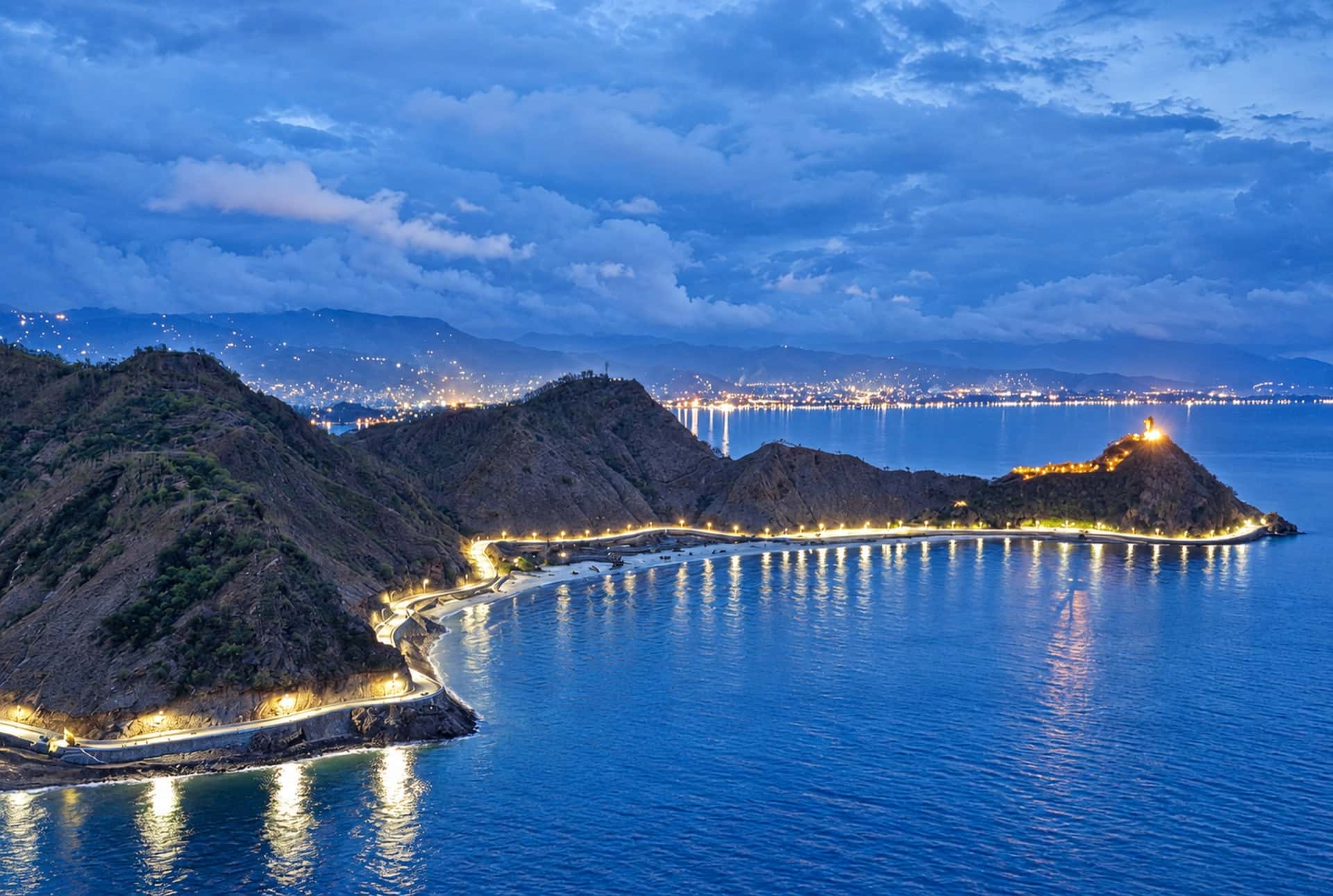
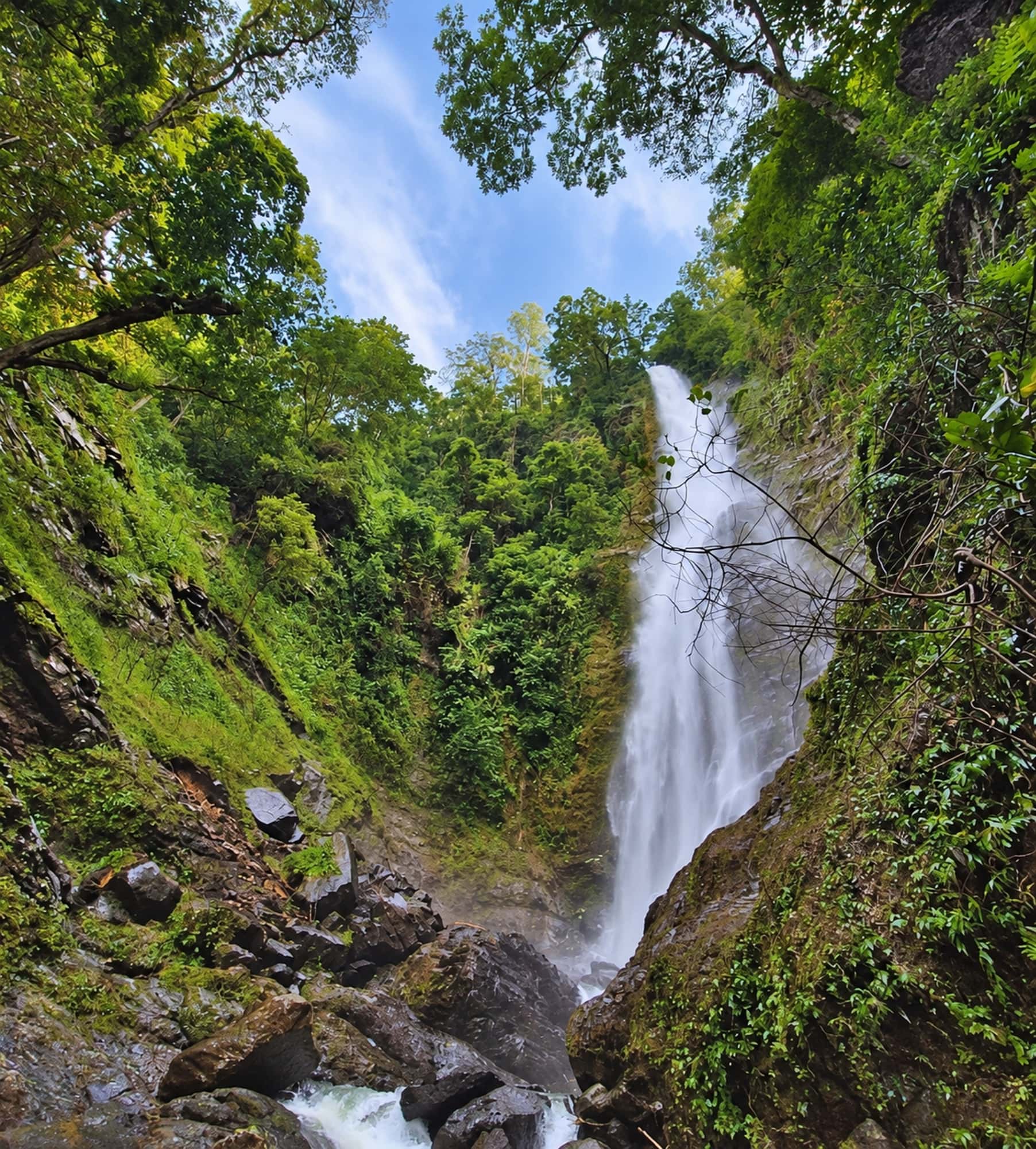
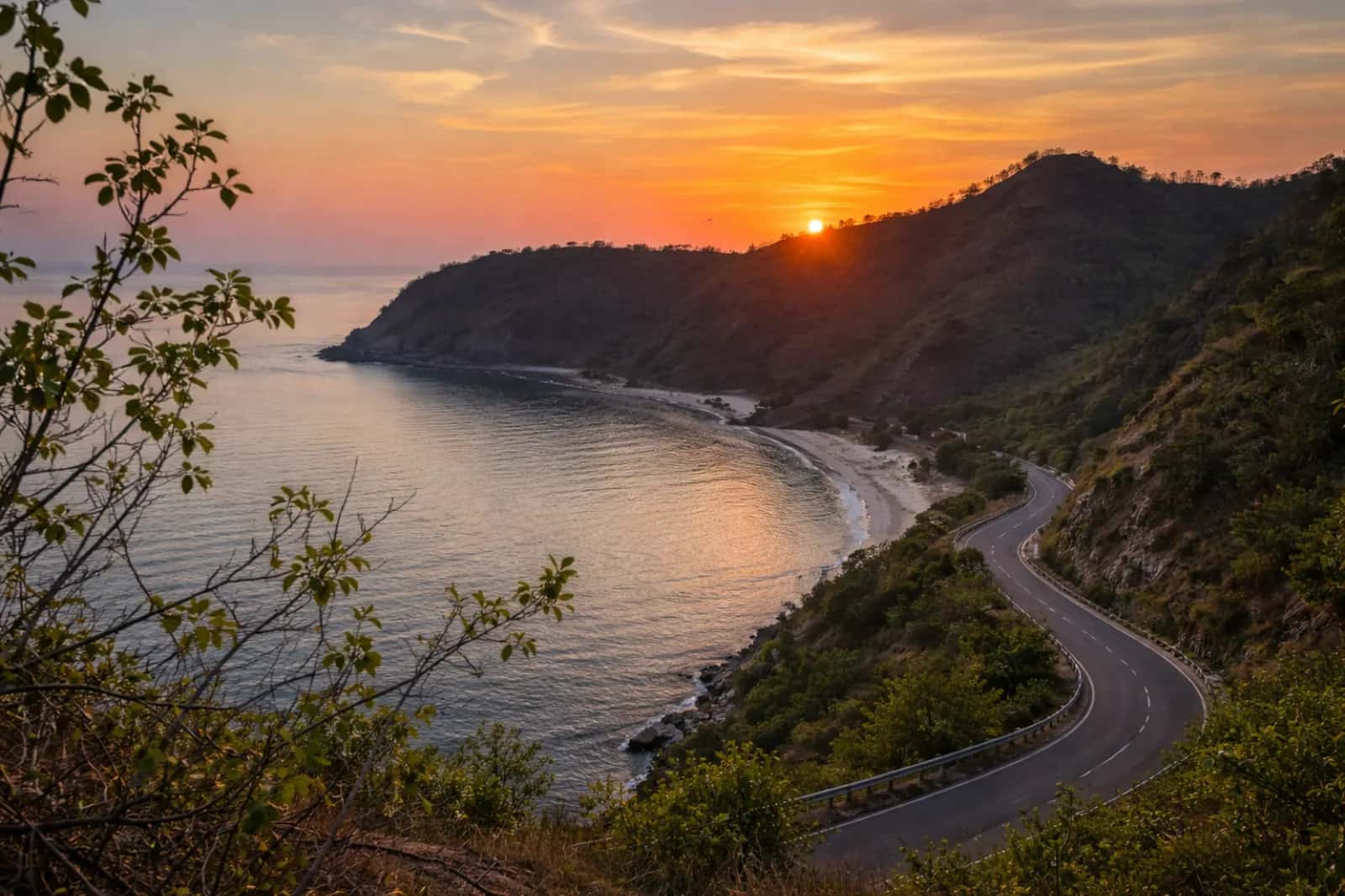
The country occupies the eastern half of Timor island, plus the enclave of Oecusse and the islands of Atauro and Jaco. Its geography is dramatic: a mountainous spine rises from sea level to nearly 3,000 meters in under 50 kilometers, creating microclimates that range from tropical savanna on the coast to cool cloud forest in the highlands. This compressed diversity means you can dive a world-class reef in the morning and tour a coffee plantation in the mountains by afternoon.
Tourism infrastructure is developing but still basic in many areas. That is part of the charm — but it also means planning matters. The dry season (May to November) is the best time for most activities. Roads outside the main highways require a 4WD. ATMs are scarce beyond Dili and Baucau. And the rewards for those who come prepared are immense: genuine hospitality, landscapes that feel untouched, and experiences that would cost five times as much in neighboring countries.
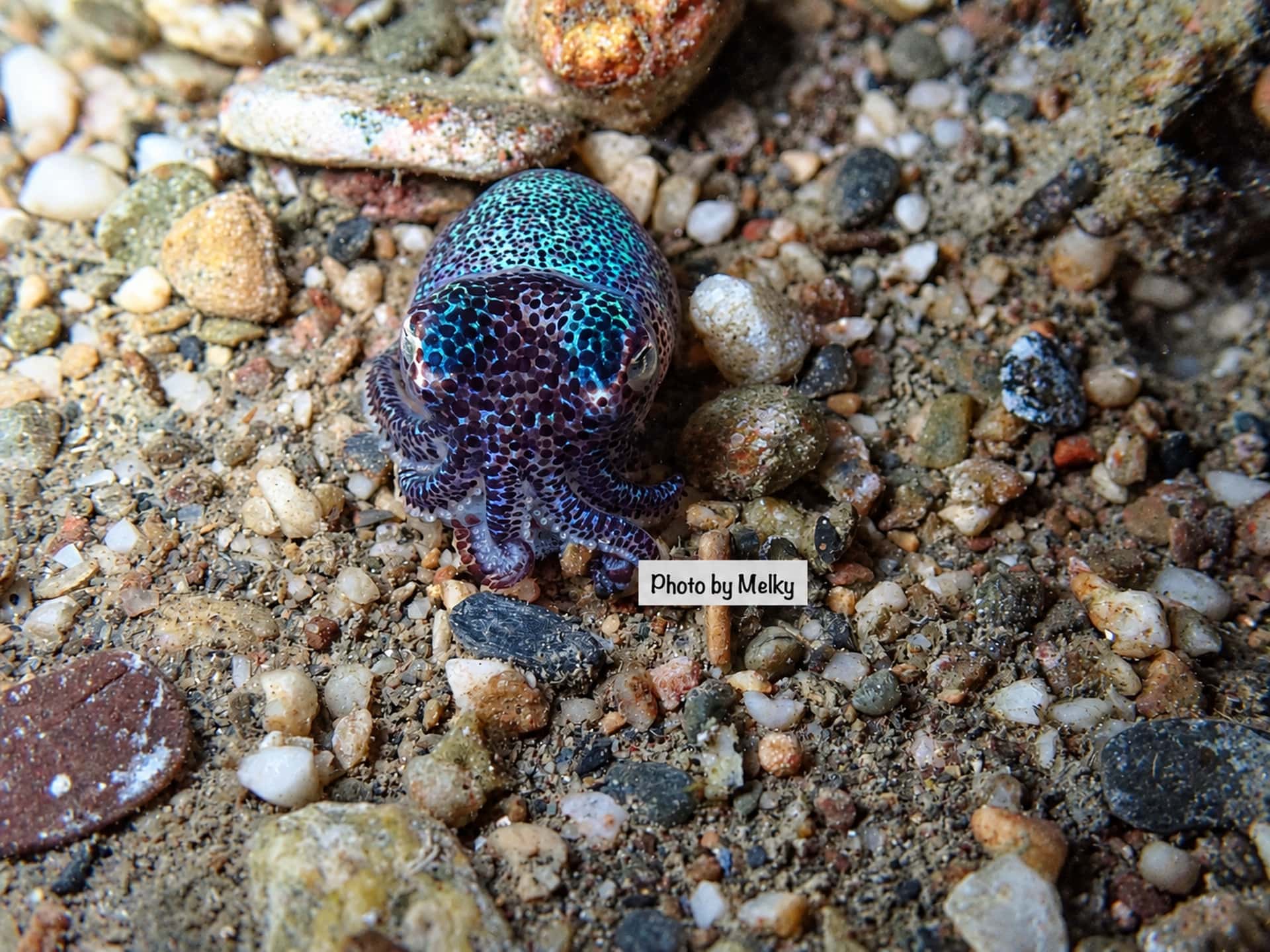
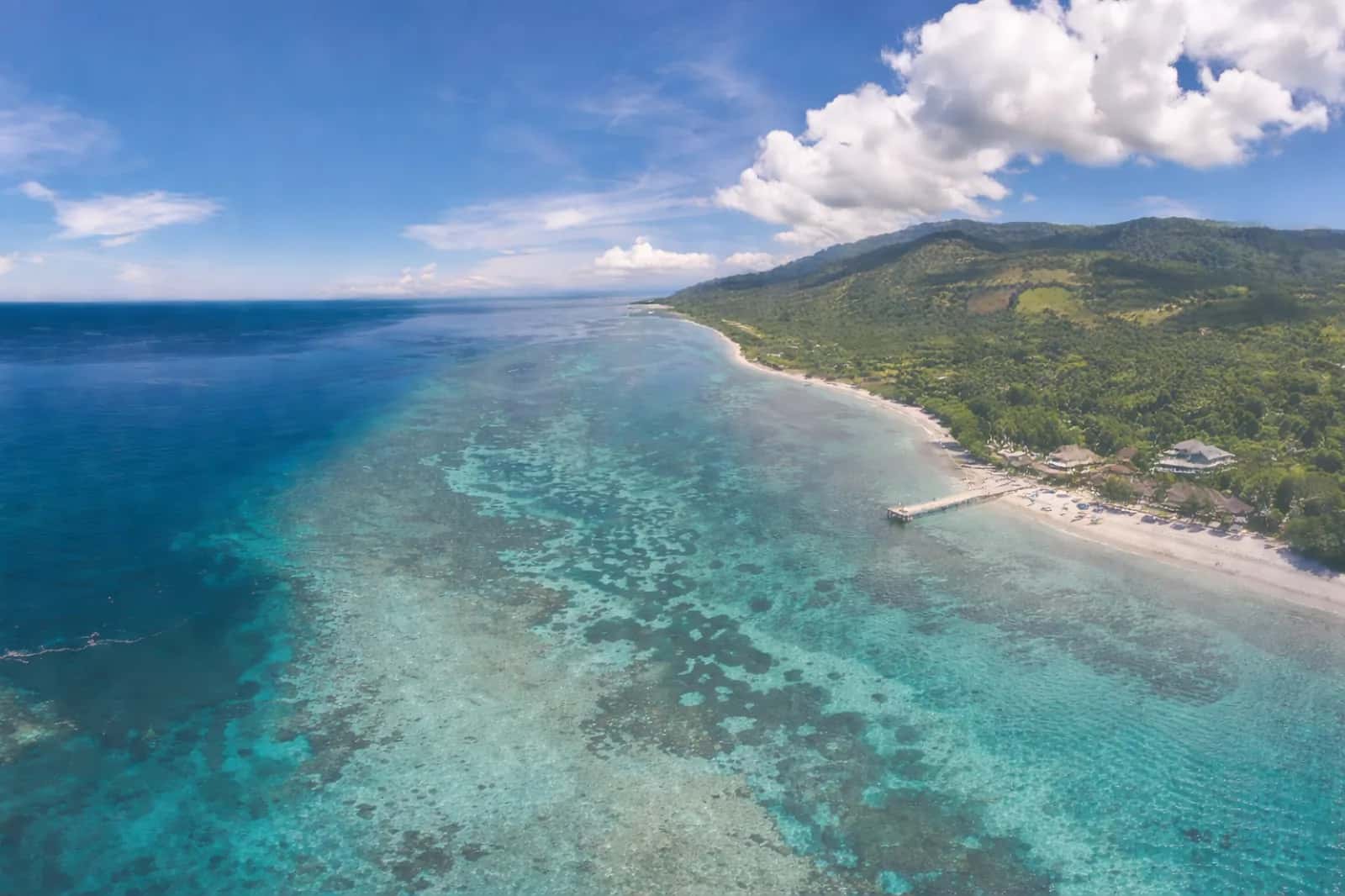
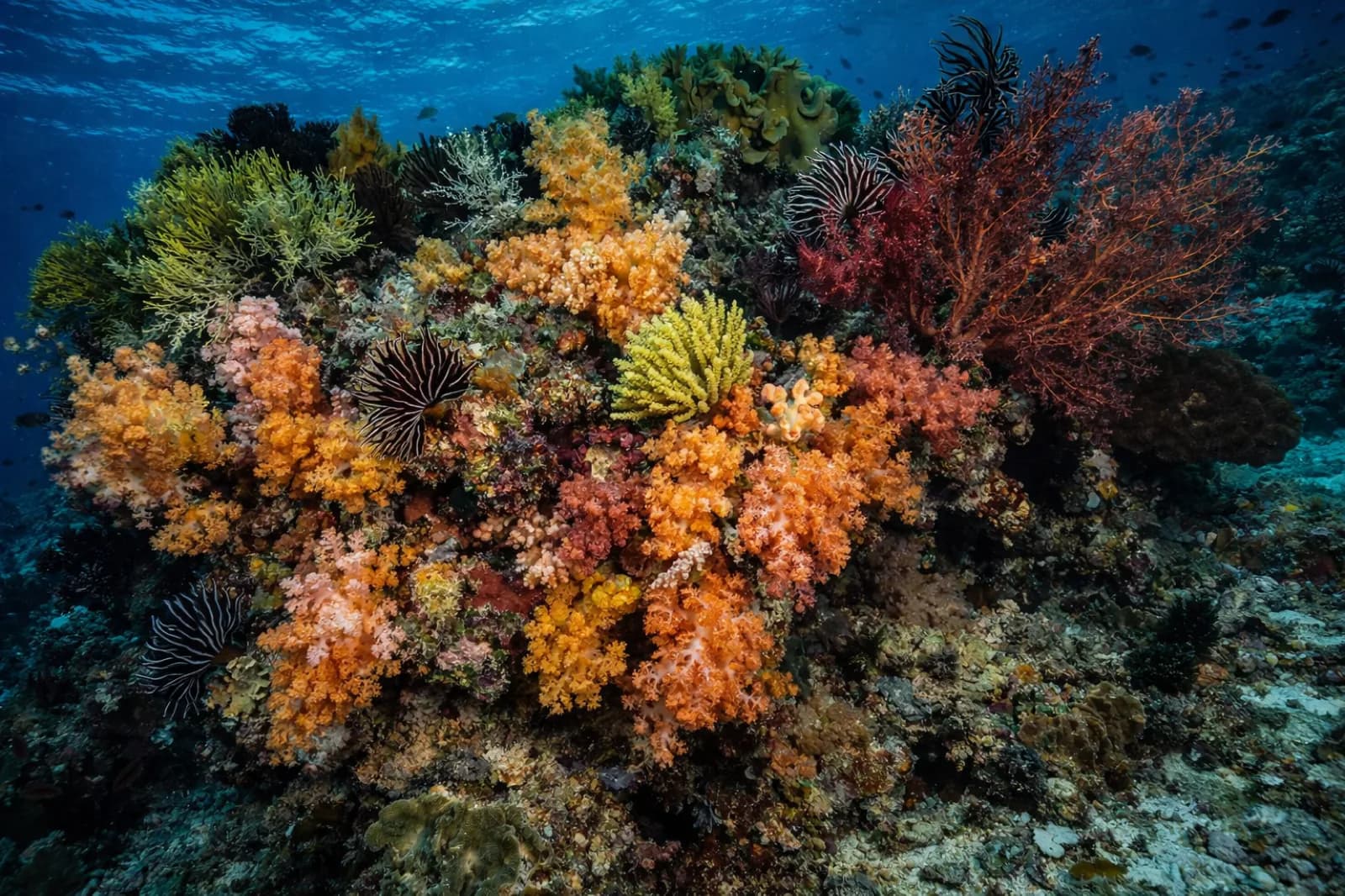
Timor-Leste sits at the heart of the Coral Triangle, the global epicenter of marine biodiversity. Atauro Island holds the world record for reef-fish diversity — an average of 253 species per dive site, the most ever recorded, with 643 species found around the island (Conservation International, 2016). The reefs here are pristine and virtually empty of other divers. Whether you are a certified diver or trying scuba for the first time, the underwater world of Timor-Leste is extraordinary. Dili itself has excellent shore diving at sites like K41 and Pertamina Pier, while Atauro offers wall dives, drift dives, and macro paradises. Water temperatures hold at 27-29 degrees Celsius year-round, and visibility regularly exceeds 30 meters.

Be on world-record reefs within hours of landing — Adara Bay, Secret Garden and Whale Shark Wall.

Dive or snorkel reefs ranked among the most biodiverse on Earth — right off Atauro Island.

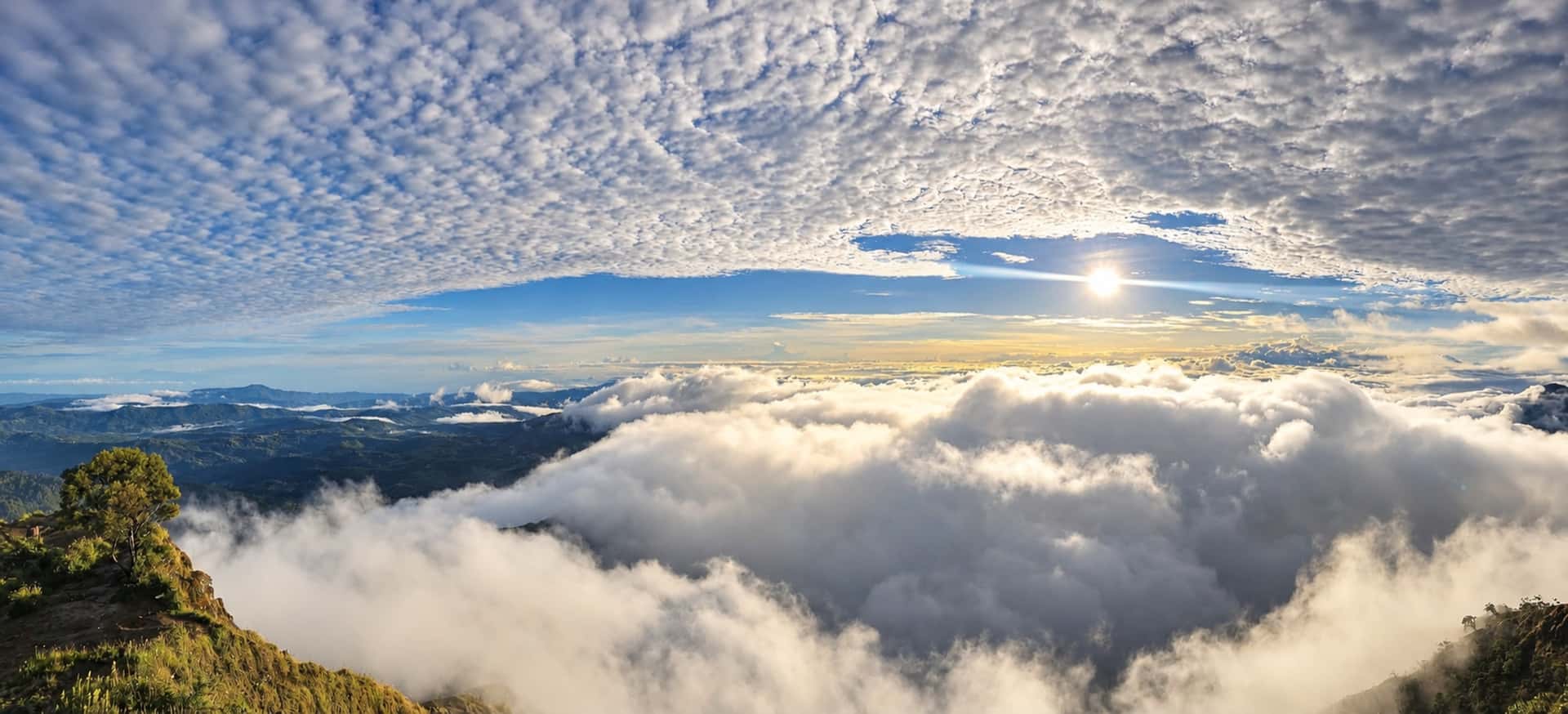
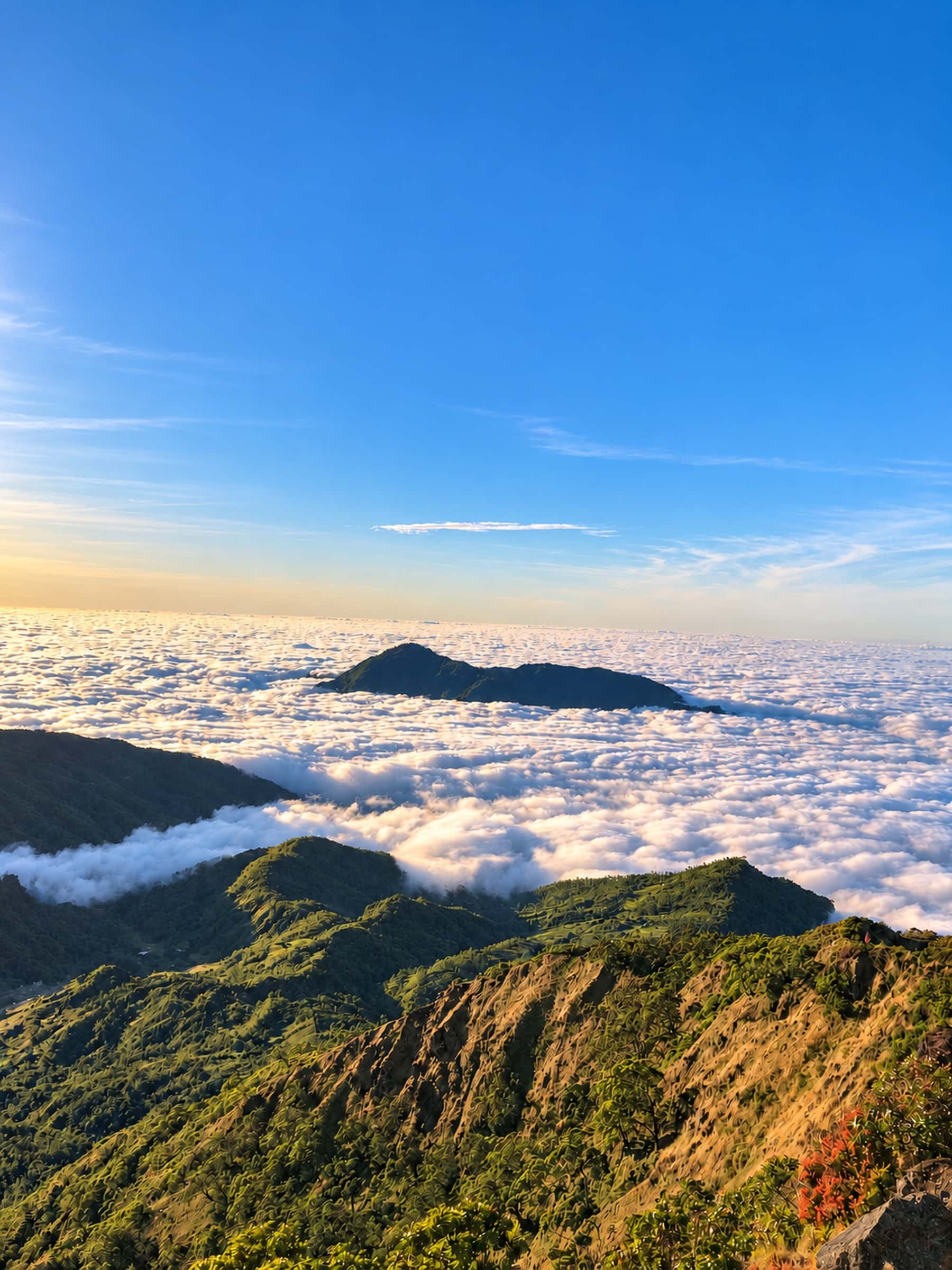
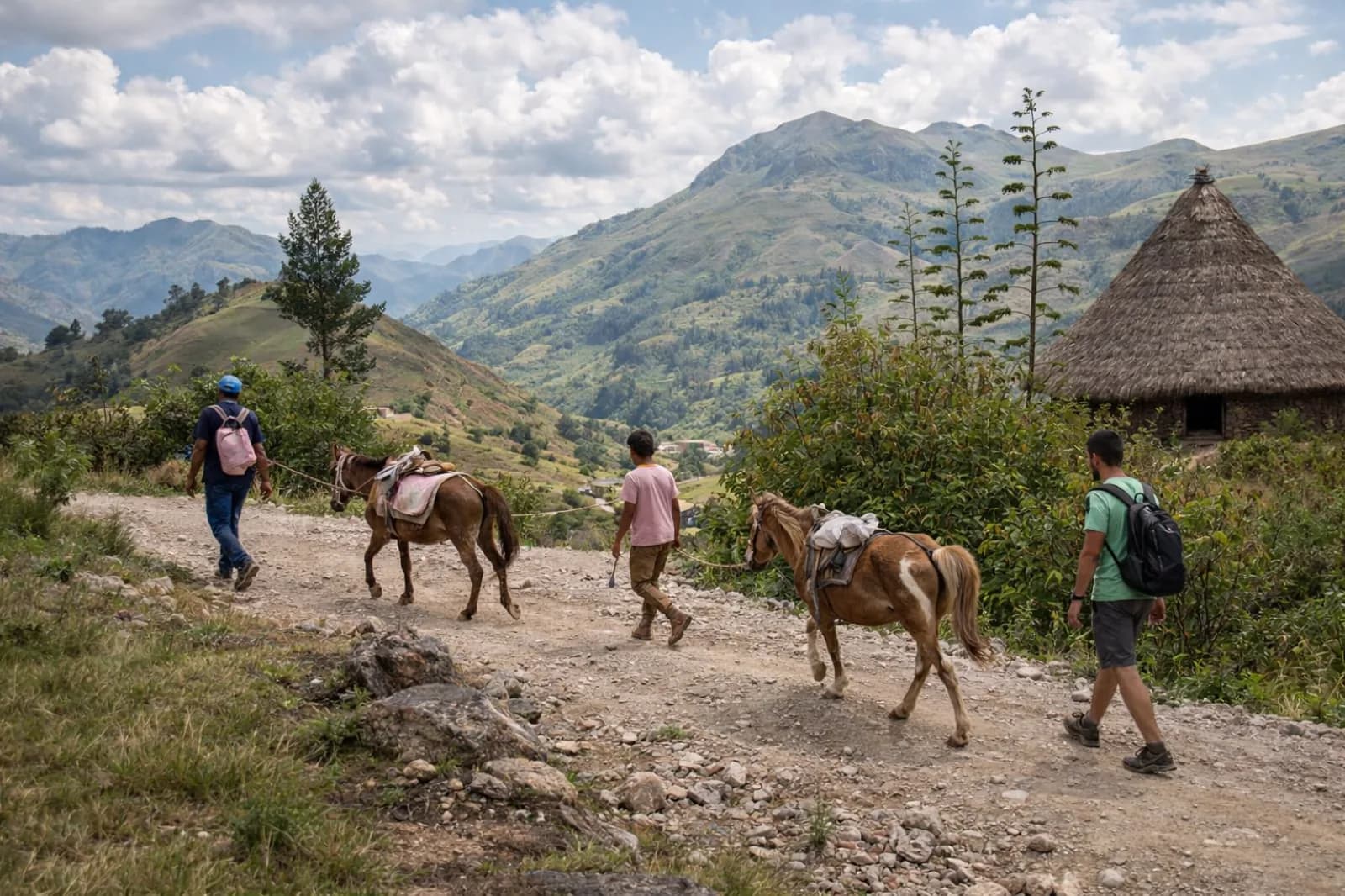
Timor-Leste is one of Southeast Asia's most mountainous countries, and its peaks remain blissfully uncrowded. The headline trek is Mount Ramelau (2,963m), the highest point in the country, where a pre-dawn ascent from Hato Builico rewards with a sunrise visible from coast to coast. Mount Matebian (2,376m) near Baucau is a tougher, wilder climb with deep cultural significance. On Atauro Island, trails connect traditional villages through dense forest, with the hike to the remote beach at Atecru taking around 5.5 hours. The highlands around Maubisse offer gentler walks through coffee plantations and terraced hillsides, with cool mountain air that feels a world away from the tropical coast.

Summit of Mt Ramelau (2900m) — Timor-Leste's highest peak

7 specialties at $270 — pick your interest

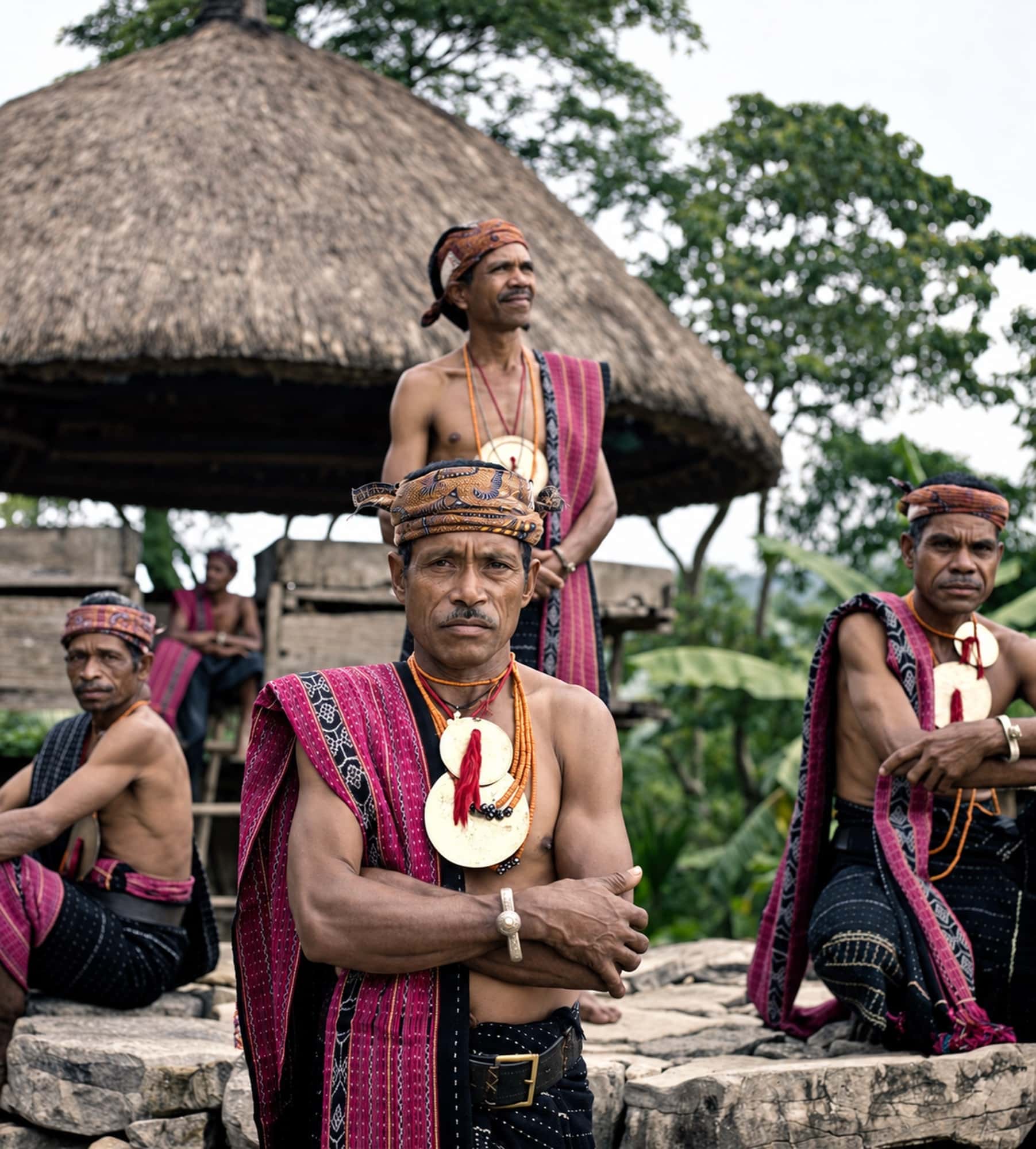
Timor-Leste's cultural landscape is shaped by centuries of Portuguese colonial influence, traditional animist beliefs, and a hard-won independence story that resonates throughout the country. In Dili, walking tours take you from the iconic Cristo Rei statue to the Resistance Archive and Museum, Santa Cruz Cemetery, and the vibrant tais cloth markets. Baucau's colonial Vila Antiga features the photogenic dark pink Pousada, St Anthony Cathedral, and the atmospheric Old Market building dating to 1928. Day tours venture east to Com and its traditional Fataluku spirit houses, or south through the highlands where every village has its own weaving patterns and sacred houses (uma lulik). Multi-day packages combine cultural immersion with adventure, covering the best of the country in 5 to 10 days.

Hera Mangrove restoration project

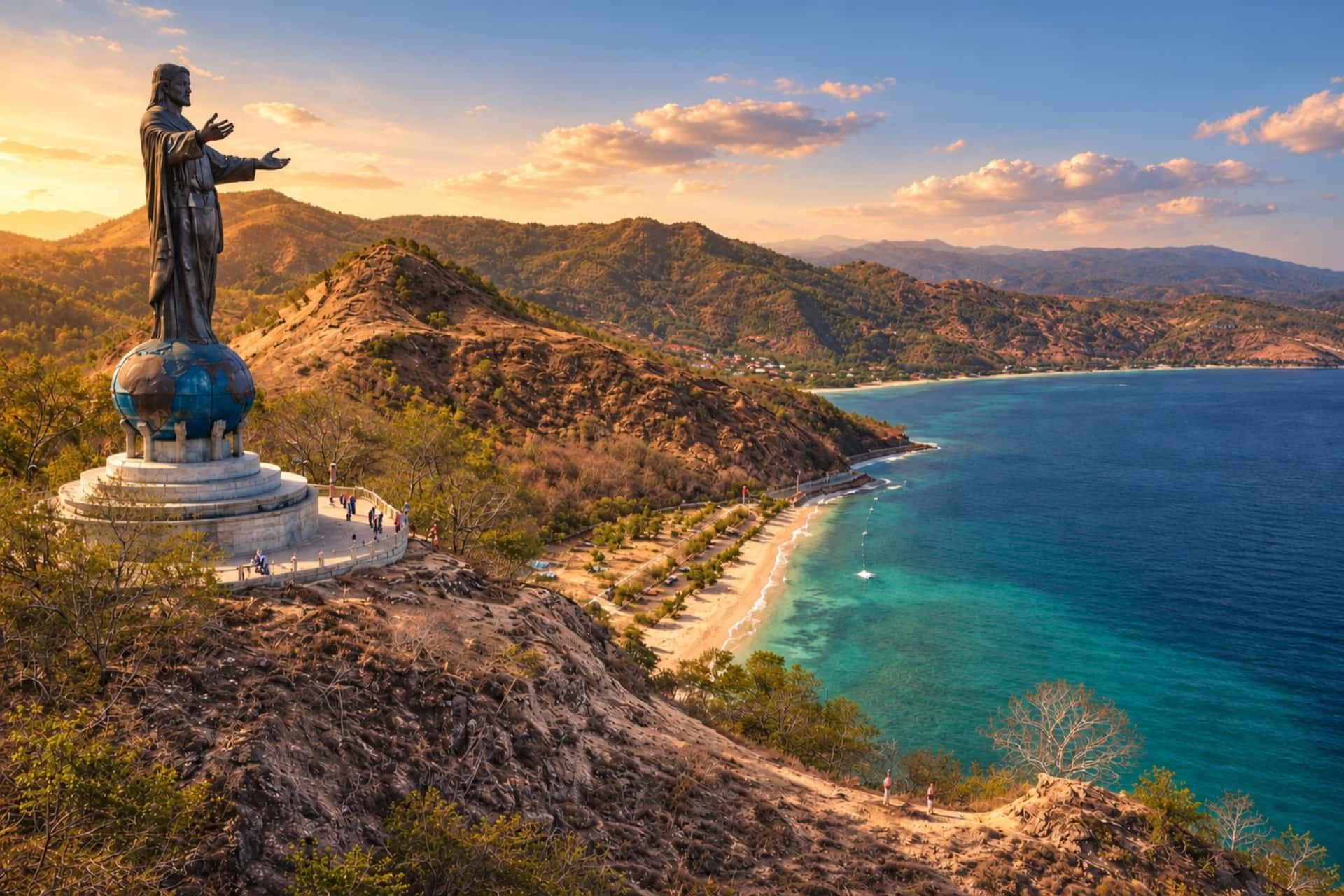
Cristo Rei at sunset

Cristo Rei statue at sunset
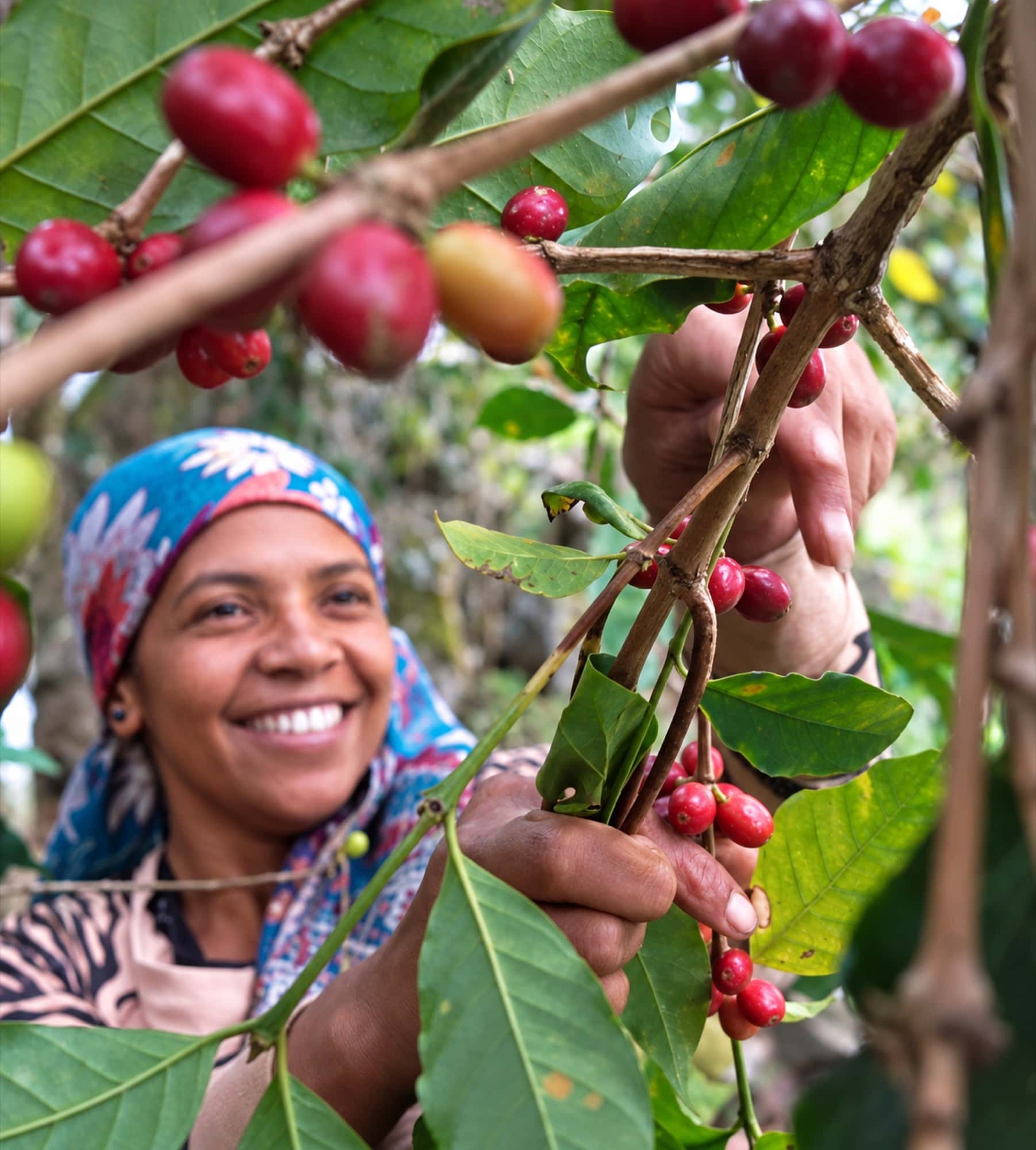
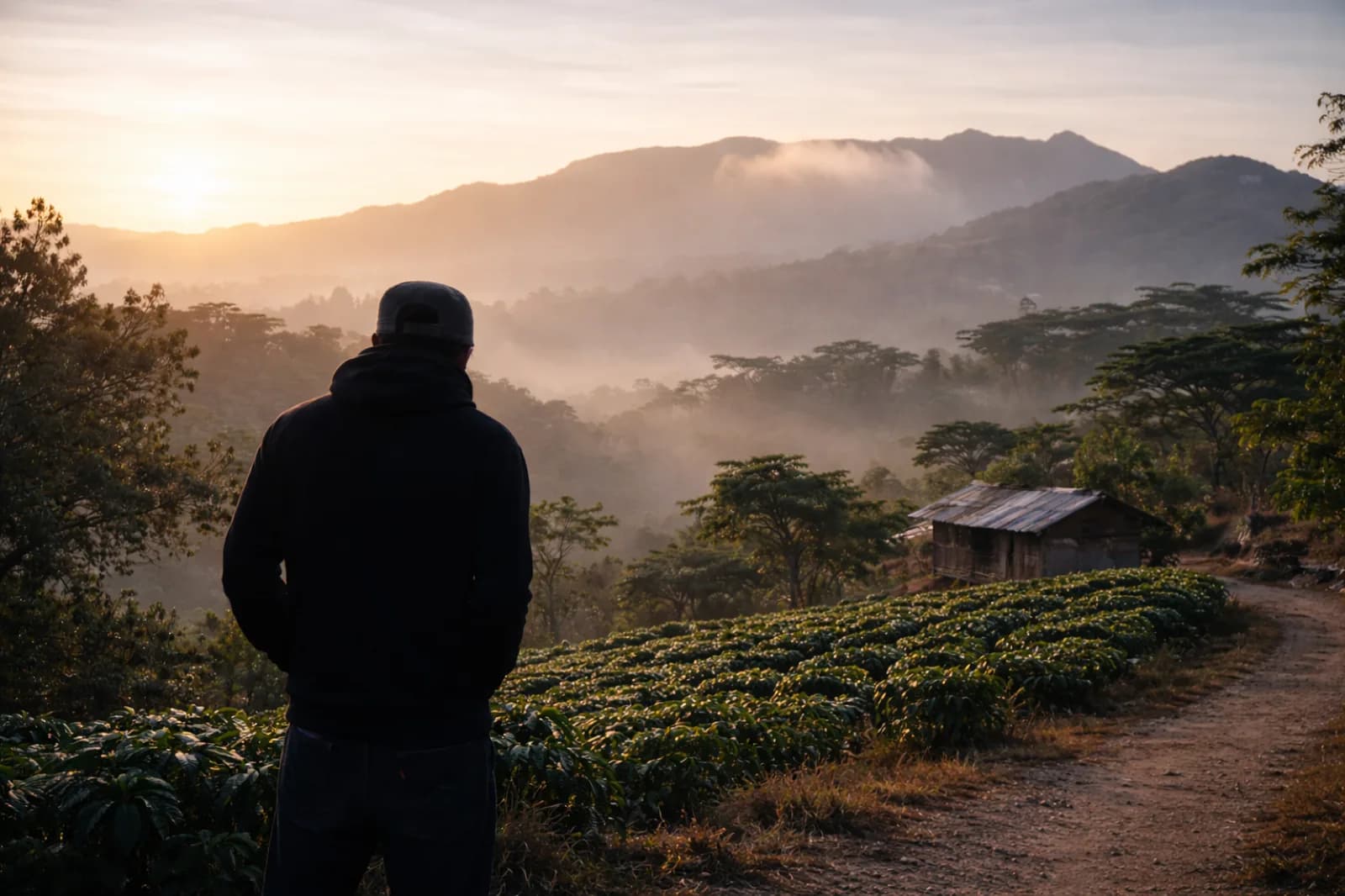
Timor-Leste produces some of the world's finest organic coffee, and the highlands around Maubisse and Ermera are the heartland of production. The famous Timor Hybrid — a natural cross between Arabica and Robusta discovered in the 1940s — is prized globally for its disease resistance and distinctive flavor profile. Starbucks has been the largest buyer of Timorese coffee since 1996. Coffee plantation tours take you through the full process: cherry picking on steep mountain slopes, pulping, fermenting, sun-drying on raised beds, and roasting. You taste the coffee at the source, often at cooperatives like Cocamau and Hakmatek that work directly with farming families. These tours support livelihoods in some of the country's most remote communities.

Dili city tour with Cristo Rei sunset

Seloi Kraik rice paddies

Seloi Kraik rice paddies
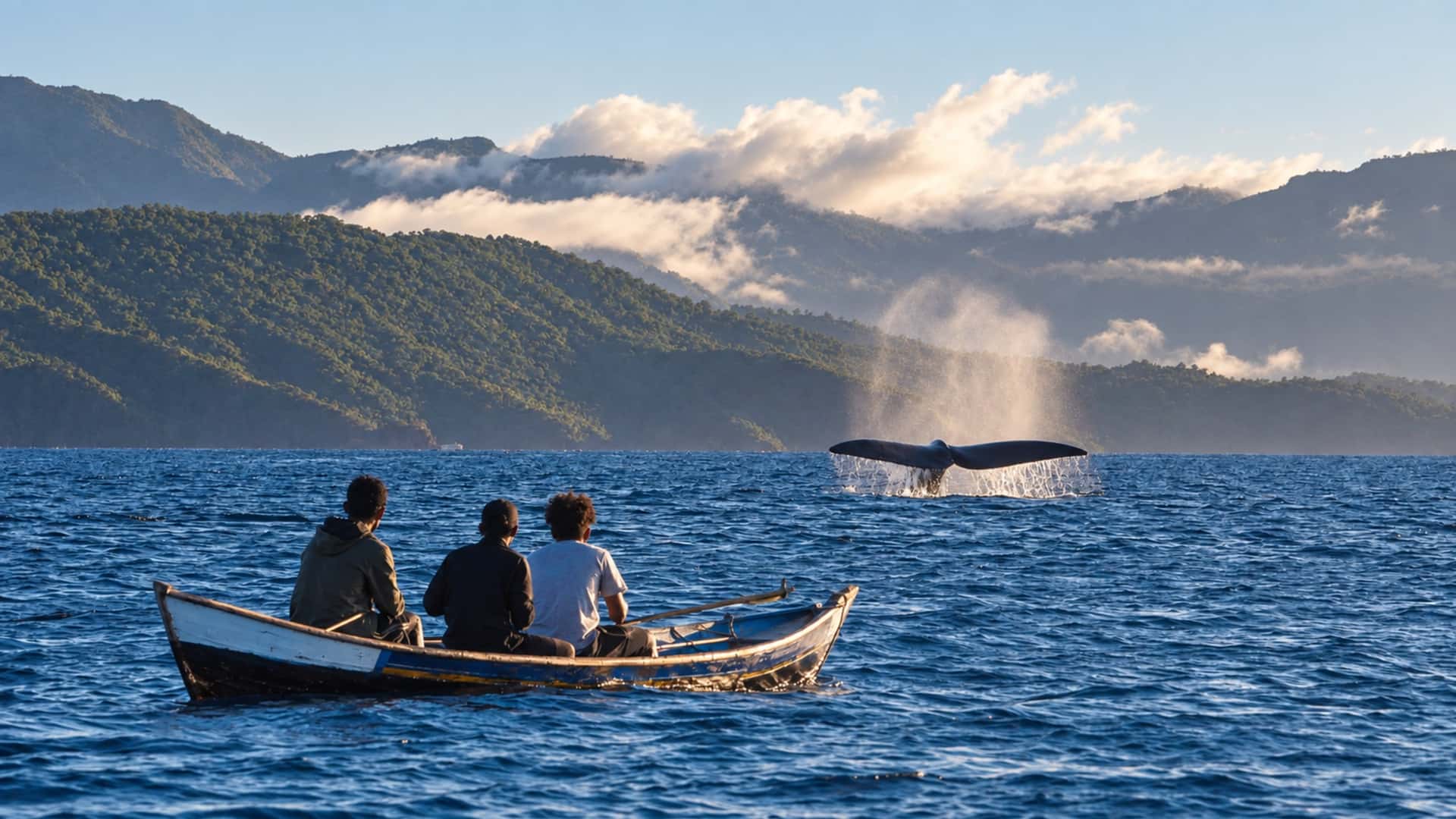
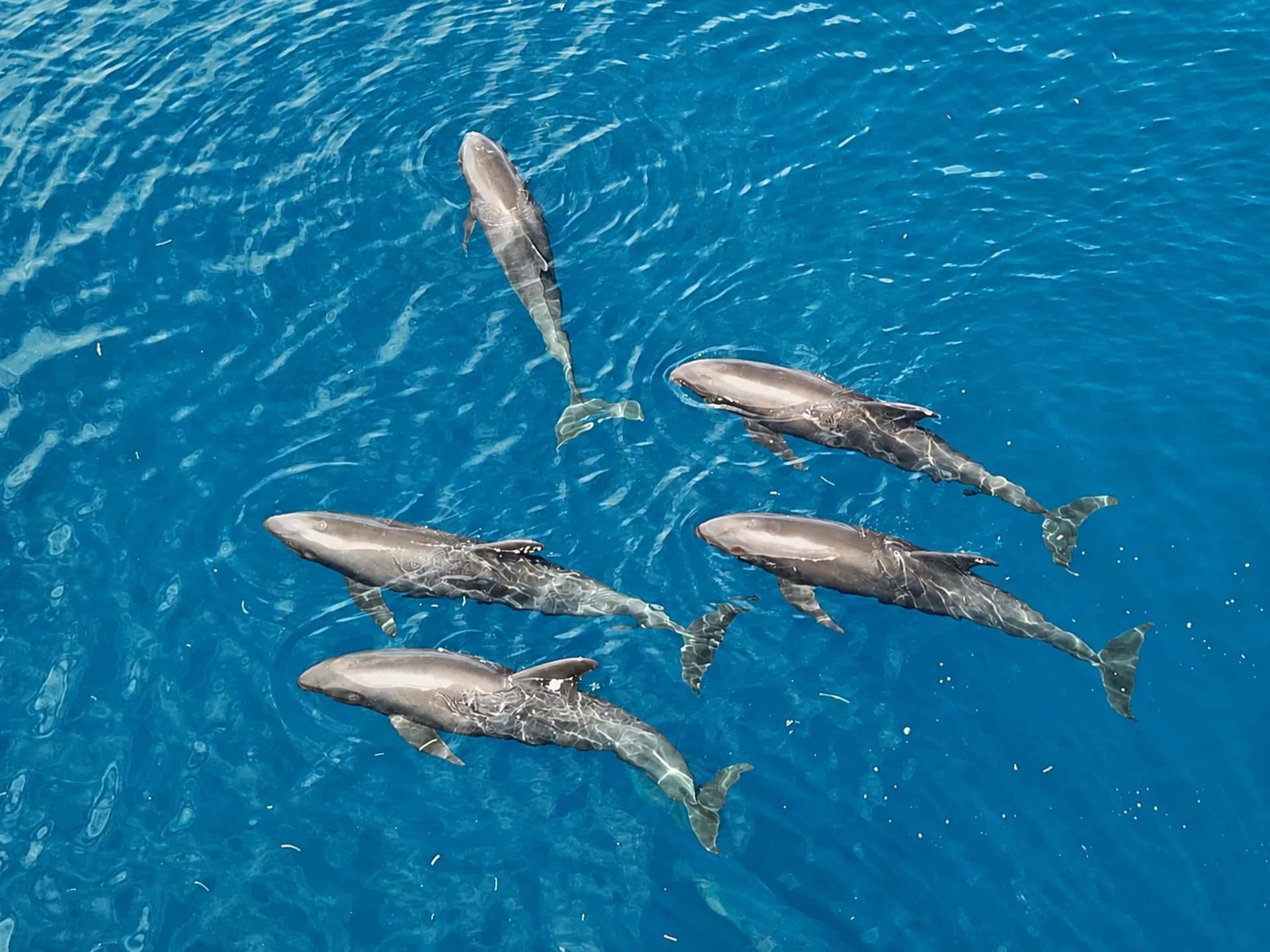
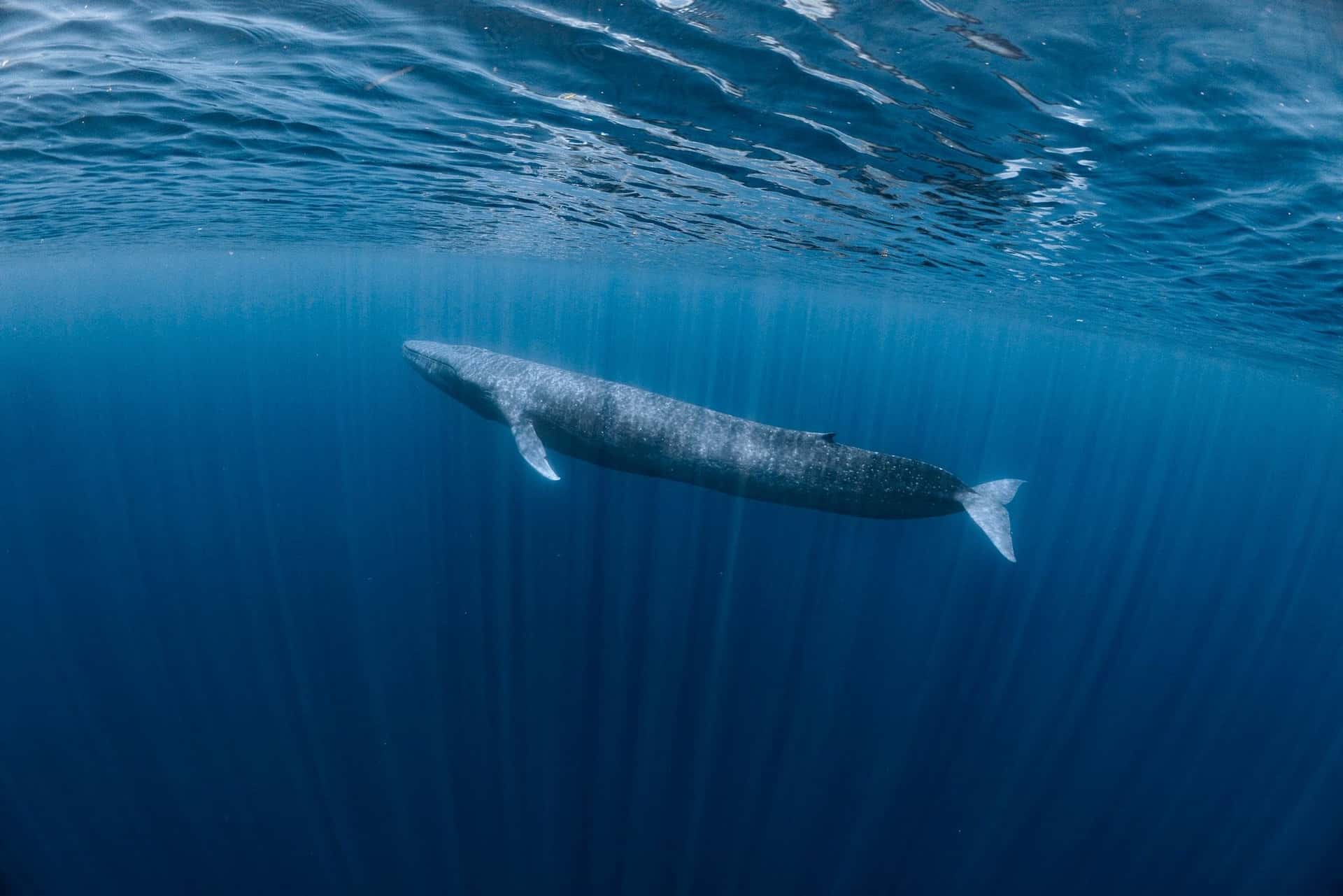
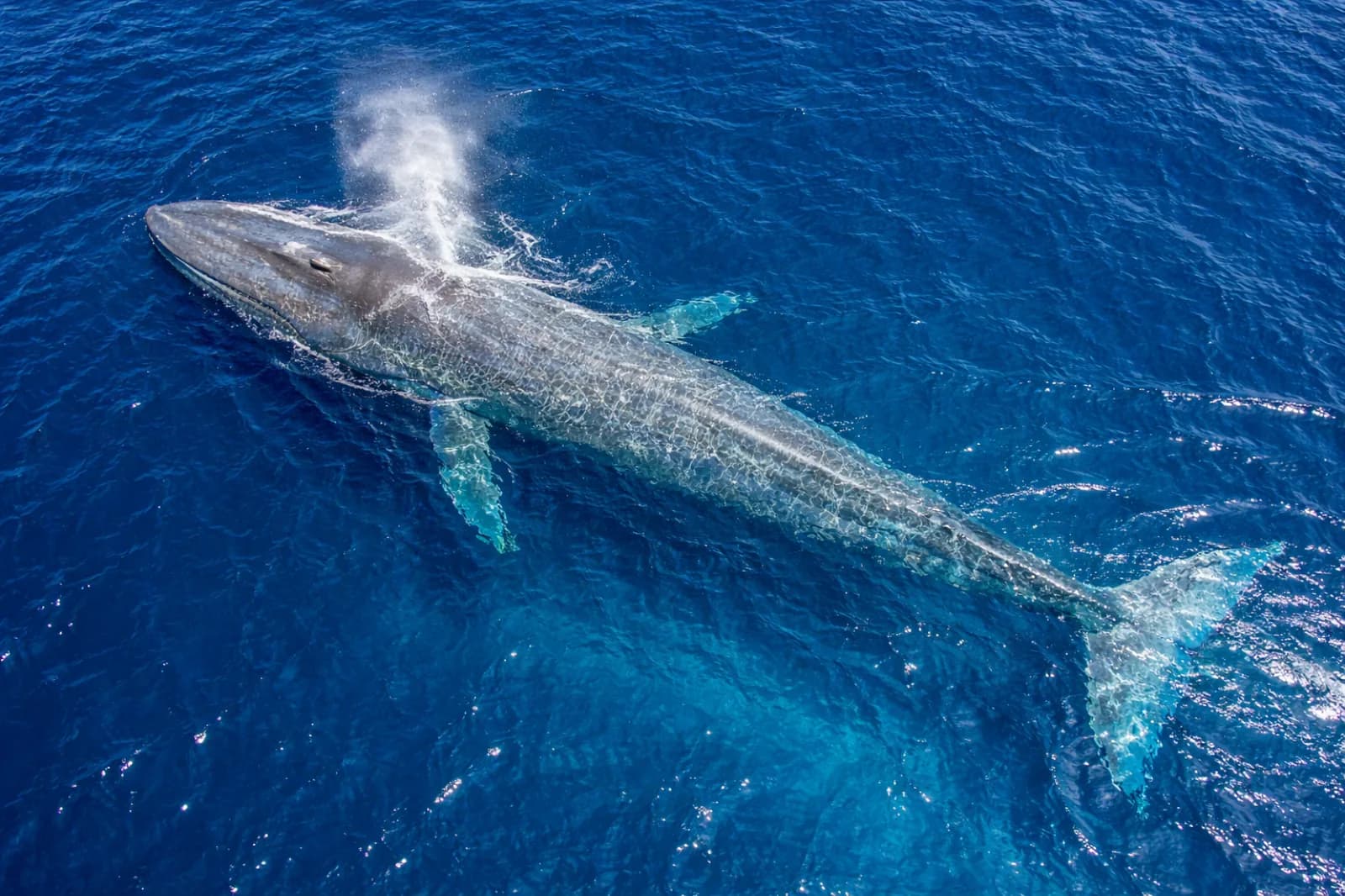
The deep waters of the Wetar Strait, running between Timor and the volcanic islands to the north, create a migration corridor for some of the ocean's largest creatures. From mid-October through November, pygmy blue whales, sperm whales, pilot whales, and multiple dolphin species pass close to shore. Whale watching trips depart from Atauro Island and Dili (Hera), with local fishermen as your guides — these are authentic encounters on small boats, not luxury cruises. Beyond cetaceans, Tasi Tolu near Dili is an Important Bird Area with 71 recorded species. Atauro Island's forests shelter endemic bird species, while the mangroves and wetlands of the south coast harbor saltwater crocodiles, monitor lizards, and a rich web of coastal birdlife.


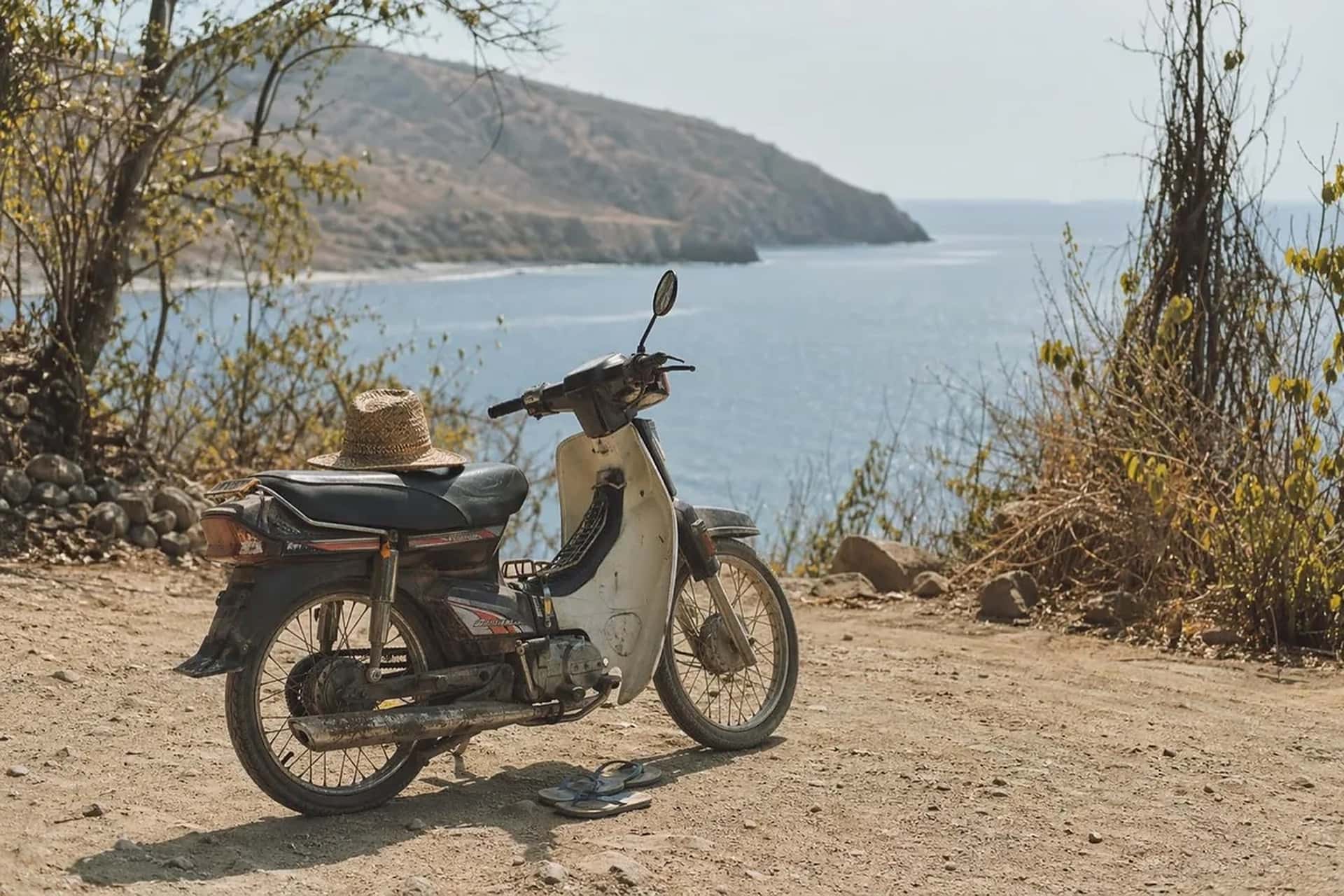
Getting around Timor-Leste is part of the adventure. The road network has improved significantly in recent years, but outside the main highways a 4WD is essential. Airport transfers, private car hire with driver, and self-drive rentals make exploring at your own pace straightforward. Popular routes include Dili to Maubisse through the scenic highlands (3 hours), Dili to Baucau along the best road in the country (2.5 hours), and the epic drive east to Com and Jaco Island (6-8 hours). Vehicles range from comfortable sedans for city transfers to rugged 4WDs built for mountain roads. Most rentals include a driver who doubles as a local guide — invaluable on roads where GPS is unreliable and local knowledge makes all the difference.

Each region of Timor-Leste offers a distinct experience. The capital Dili is your gateway. Atauro Island is a diver's paradise just 30 kilometers offshore. The highlands around Maubisse deliver cool mountain air and coffee country. And the far east — Baucau, Com, Jaco Island — is frontier territory for adventurous travelers. Tap a destination to see its full travel guide, practical info, and bookable activities.

Diving paradise in the Coral Triangle

Timor-Leste's vibrant capital

Mountain coffee country

Colonial charm and hidden caves

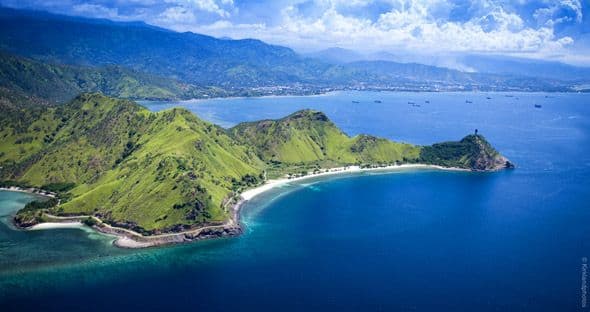
Timor's pristine uninhabited island

Remote fishing village & whale gateway

Timor-Leste's forgotten enclave

Forts, mangroves, and croc-free beaches

The coffee heartland

Gateway to Timor's wild east

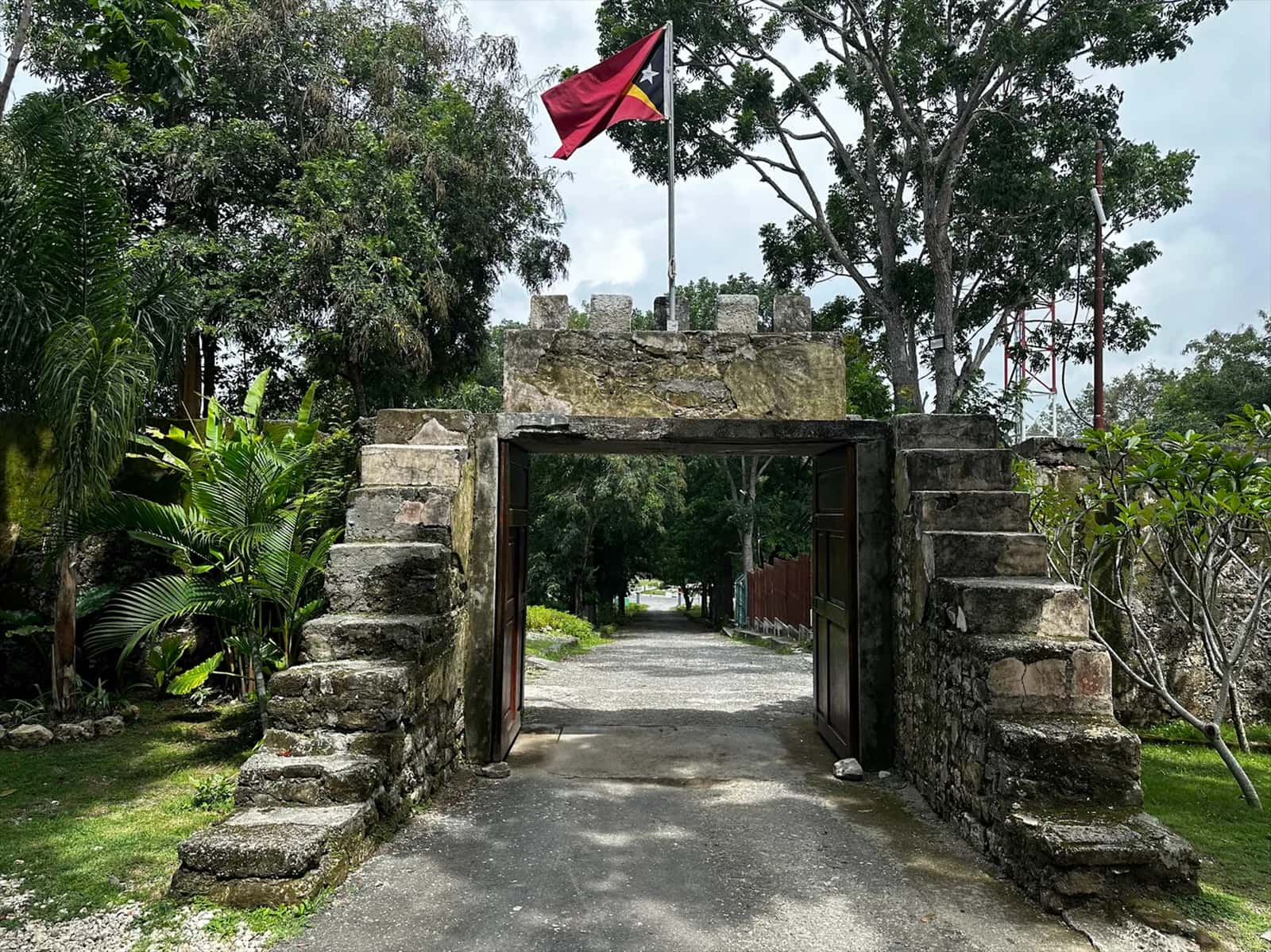
A Portuguese fort, a haunting history, and one of the best hotels in the country
Our travel guides go deep on the activities and logistics that matter. Each guide covers the best spots, practical info, what to bring, and real costs — written from the ground in Timor-Leste, not from a desk overseas. Whether you are planning your first dive trip, a highland coffee tour, or an overland adventure to the far east, start here.

The world's most biodiverse reefs, virtually untouched

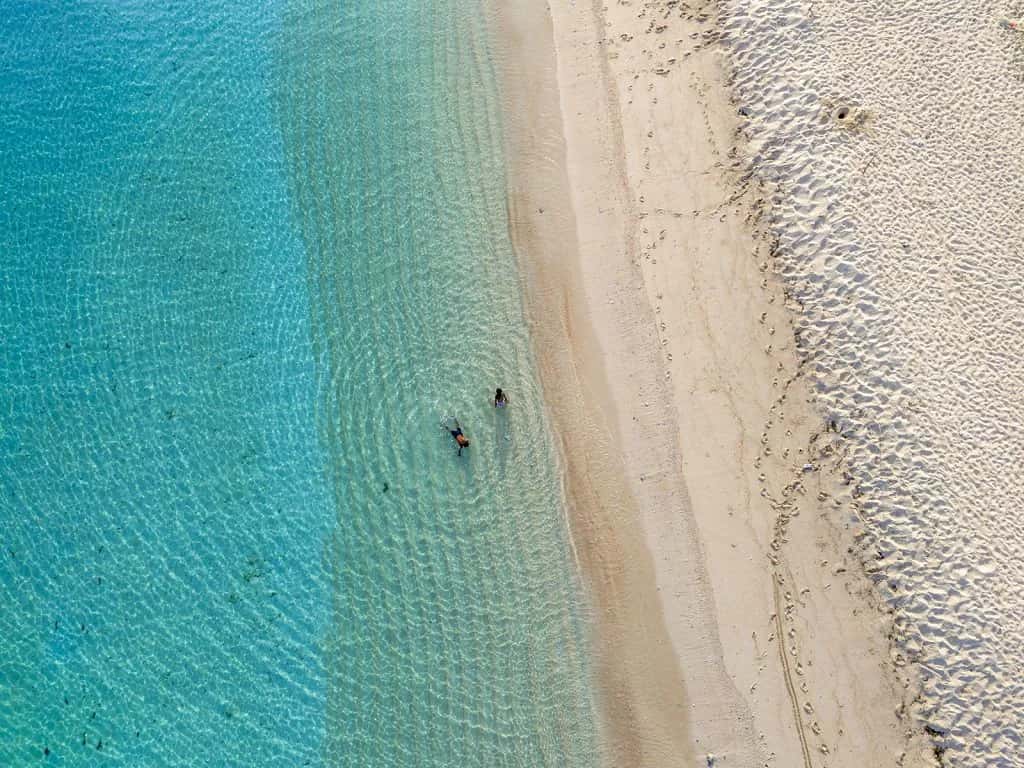
White sand, turquoise water, and not a crowd in sight

From highland farms to your cup — the Timor Hybrid story

Sunrise from the roof of Timor-Leste at 2,963m

Sperm whales, blue whales, and dolphins in the Wetar Strait

Transport guide — from Dili to the far east and everywhere between
A week-long itinerary covering the highlights: Dili, Atauro Island, and the highlands. This route balances diving, trekking, cultural immersion, and coffee country — with time to breathe. Adjust the pace to suit your style. If you have more time, extend to 10 days and add the far east (Baucau, Com, and Jaco Island).
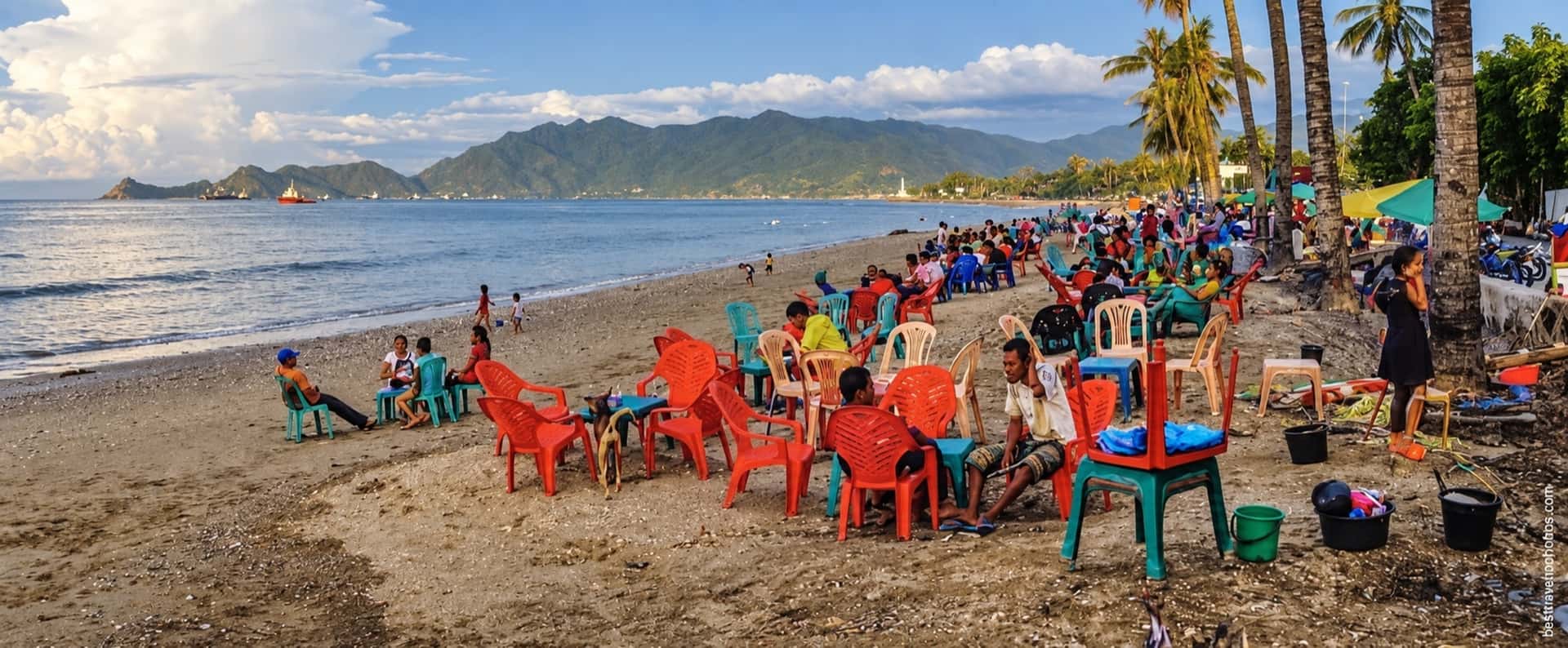
Settle into your accommodation and explore the waterfront. Walk to the Dili Lighthouse, browse the Fruit Market, and enjoy fresh grilled fish at a beachfront restaurant as the sun sets over the Wetar Strait. If you arrive early, visit the Resistance Archive and Museum for essential context on the country's independence story.
Start with a guided walking tour covering Motael Church (oldest Catholic site, c.1800), Santa Cruz Cemetery, and the tais cloth market. In the afternoon, hike the 580 steps to the Cristo Rei statue for panoramic views of Dili Bay and Atauro Island. Cool off with shore diving at Pertamina Pier or K41 — Dili's north coast has surprisingly excellent dive sites.
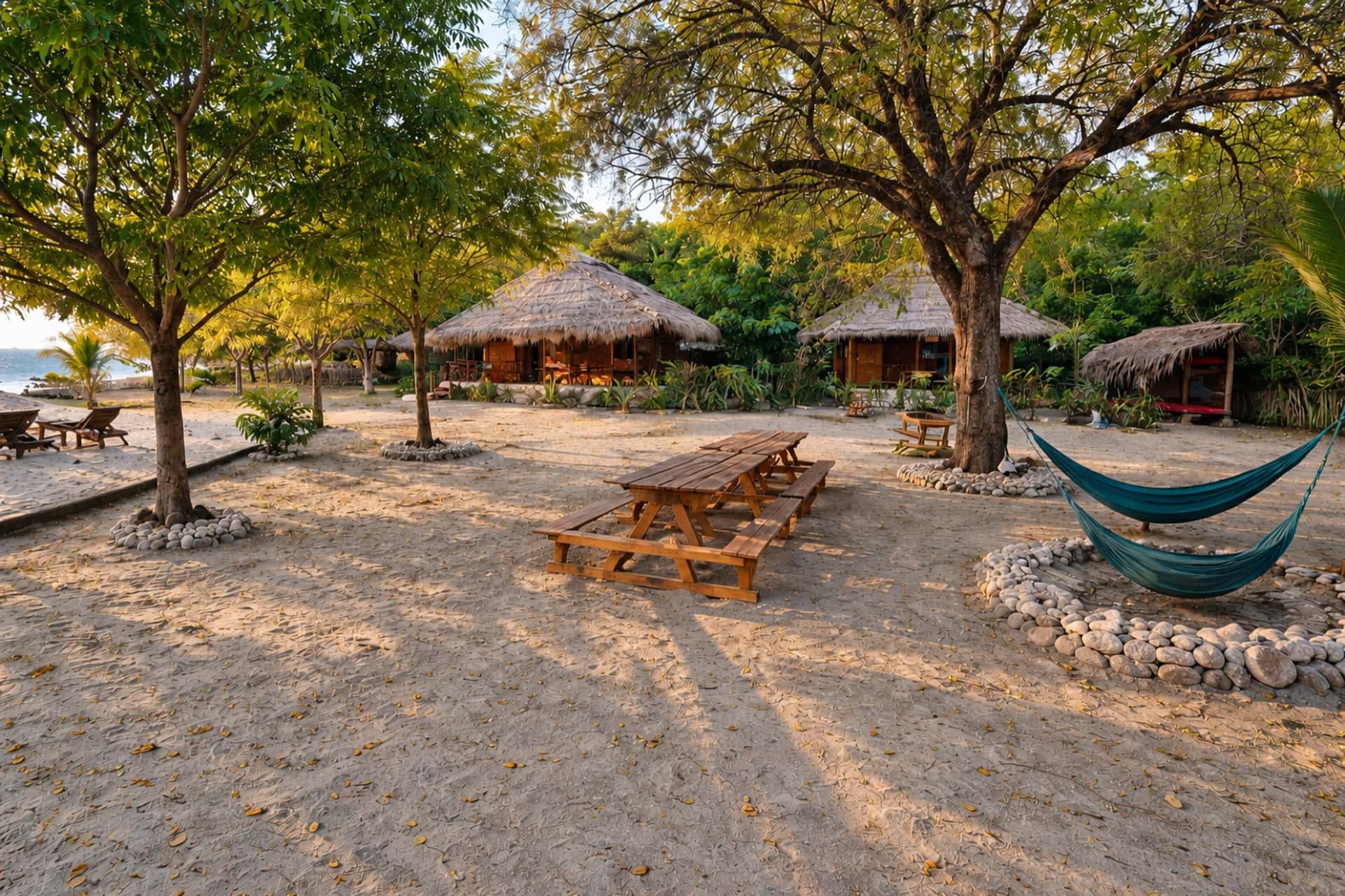
Catch the morning ferry from Dili port (1.5-3 hours depending on the vessel). Check into an eco-lodge and spend the afternoon snorkeling the house reef — turtles, reef sharks, and schools of trevally are common. Atauro's reefs hold the world record for marine biodiversity. Enjoy a sunset dinner with your feet in the sand.
A full day of diving (or snorkeling) at Atauro's legendary sites — Adara 1, Secret Garden, and the Whale Shark Wall. Between dives, walk to nearby villages to see traditional fishing methods and meet local communities. If you're visiting mid-October to November, join a whale watching trip in the Wetar Strait.
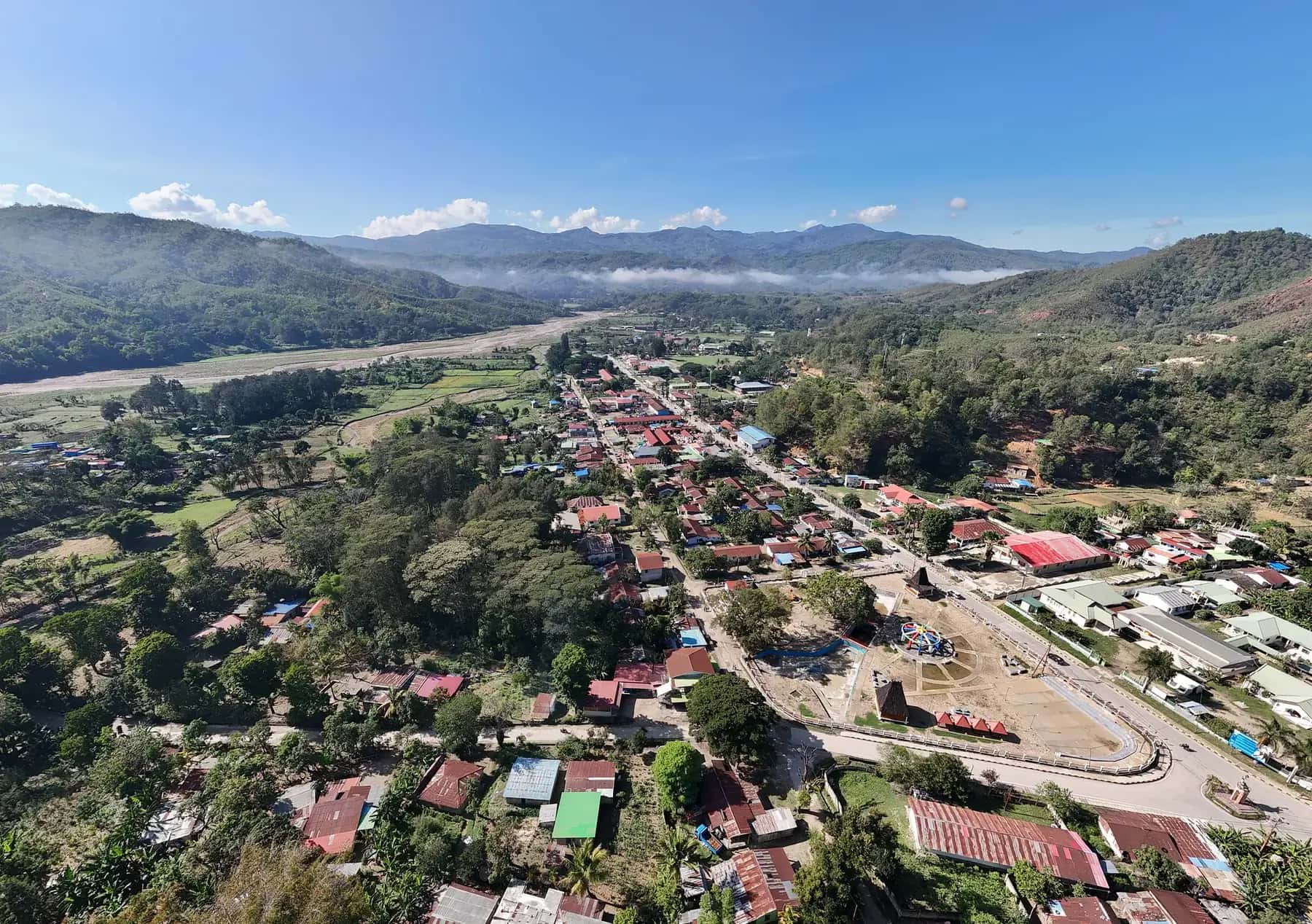
Take the morning ferry back to Dili and drive south into the highlands (3 hours). The winding mountain road passes terraced rice paddies, traditional villages, and coffee plantations. Arrive in Maubisse at 1,526 meters, where the air is cool and the hills are perpetually green. Visit the historic Pousada landmark and explore the town.
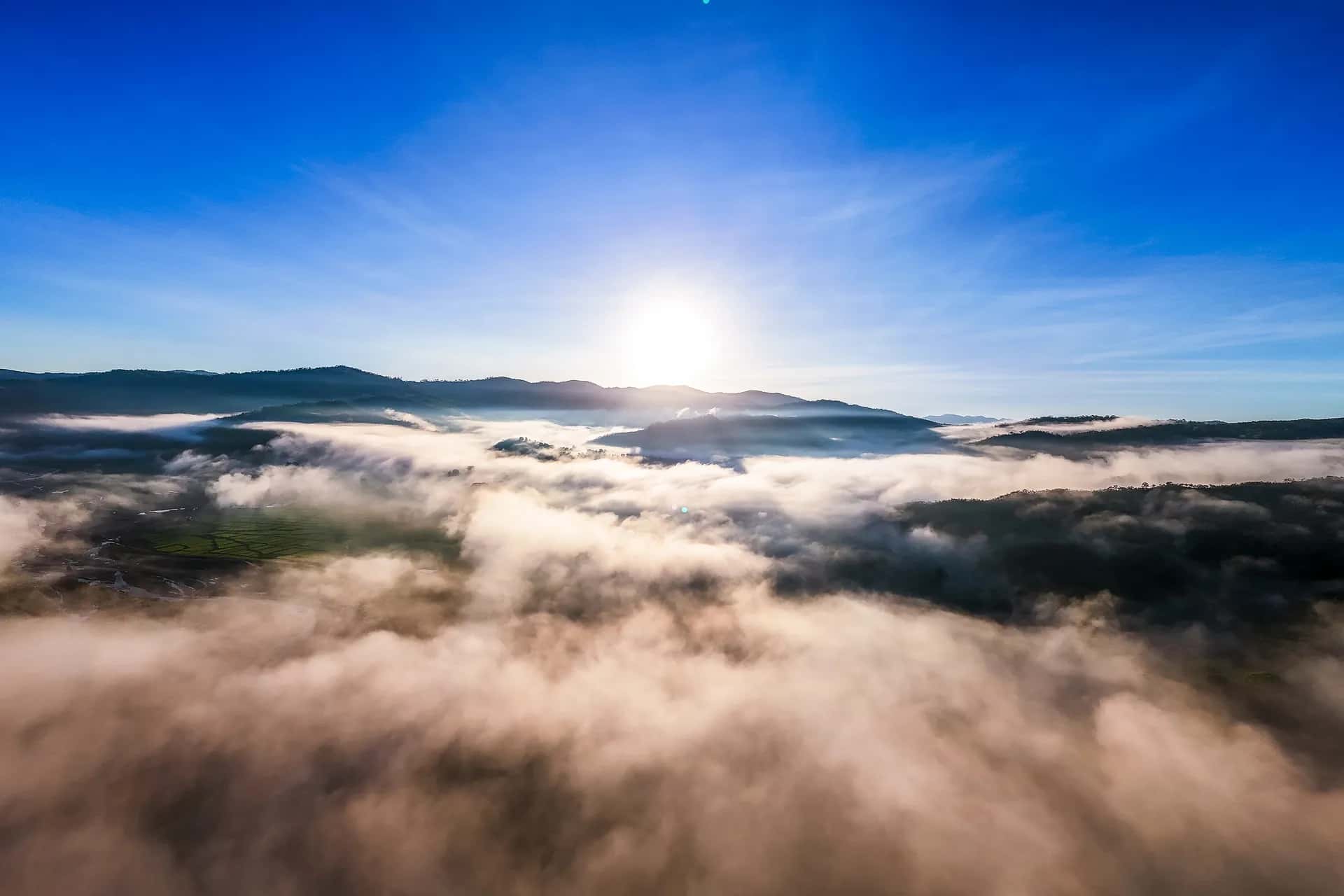
Drive to Hato Builico and begin the pre-dawn trek to the summit of Mount Ramelau (2,963m). Reach the top for sunrise — on clear mornings, you can see both the north and south coasts of the island. Descend and drive back to Maubisse for a coffee plantation tour at a local cooperative. Taste the famous Timor Hybrid at its source.
Drive back to Dili through the highlands, stopping at viewpoints and local markets along the way. If time permits, visit the Xanana Gusmao Museum or pick up last-minute tais cloth and coffee beans. Transfer to the airport for your onward flight, already planning your return trip to explore the far east — Baucau, Com, and Jaco Island.
Want a custom itinerary? Our local operators can tailor any trip to your interests and timeframe.
Answers to the questions travelers ask most about visiting Timor-Leste.
The top activities in Timor-Leste include diving at Atauro Island (home to the world's highest recorded marine biodiversity), trekking to the summit of Mount Ramelau (2,963m) for sunrise, visiting the pristine uninhabited Jaco Island, touring organic coffee plantations in the highlands, whale watching off the north coast from mid-October to November, and exploring the colonial heritage of Baucau and Dili.
Timor-Leste is one of the best diving destinations in the world. It sits in the Coral Triangle, and Atauro Island holds the record for the highest reef-fish diversity per dive site on Earth — an average of 253 species per site (643 around the island, Conservation International 2016). The reefs are pristine and virtually uncrowded. Water temperatures stay at 27-29 degrees Celsius year-round. Diving is available for all levels from discover scuba to advanced technical dives, with costs around $60 per dive with equipment.
The dry season from May to November is the best time to visit Timor-Leste. This period offers clear skies, calm seas for diving and boat trips, and passable roads to remote areas. Whale watching peaks mid-October through November. The wet season (December to April) brings afternoon rain and can make mountain roads challenging, but the landscape is lush and green. Dili and coastal activities remain enjoyable year-round.
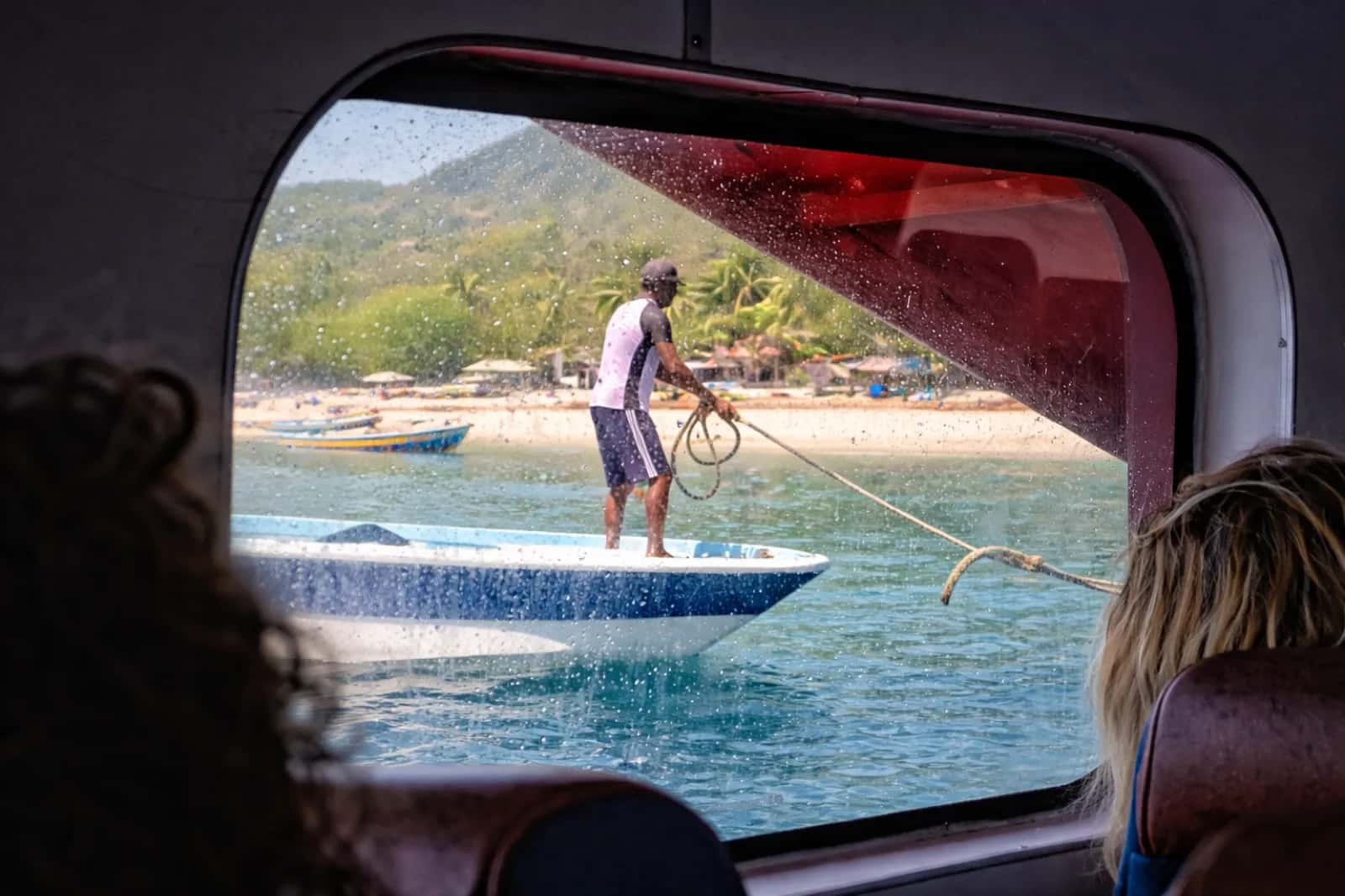
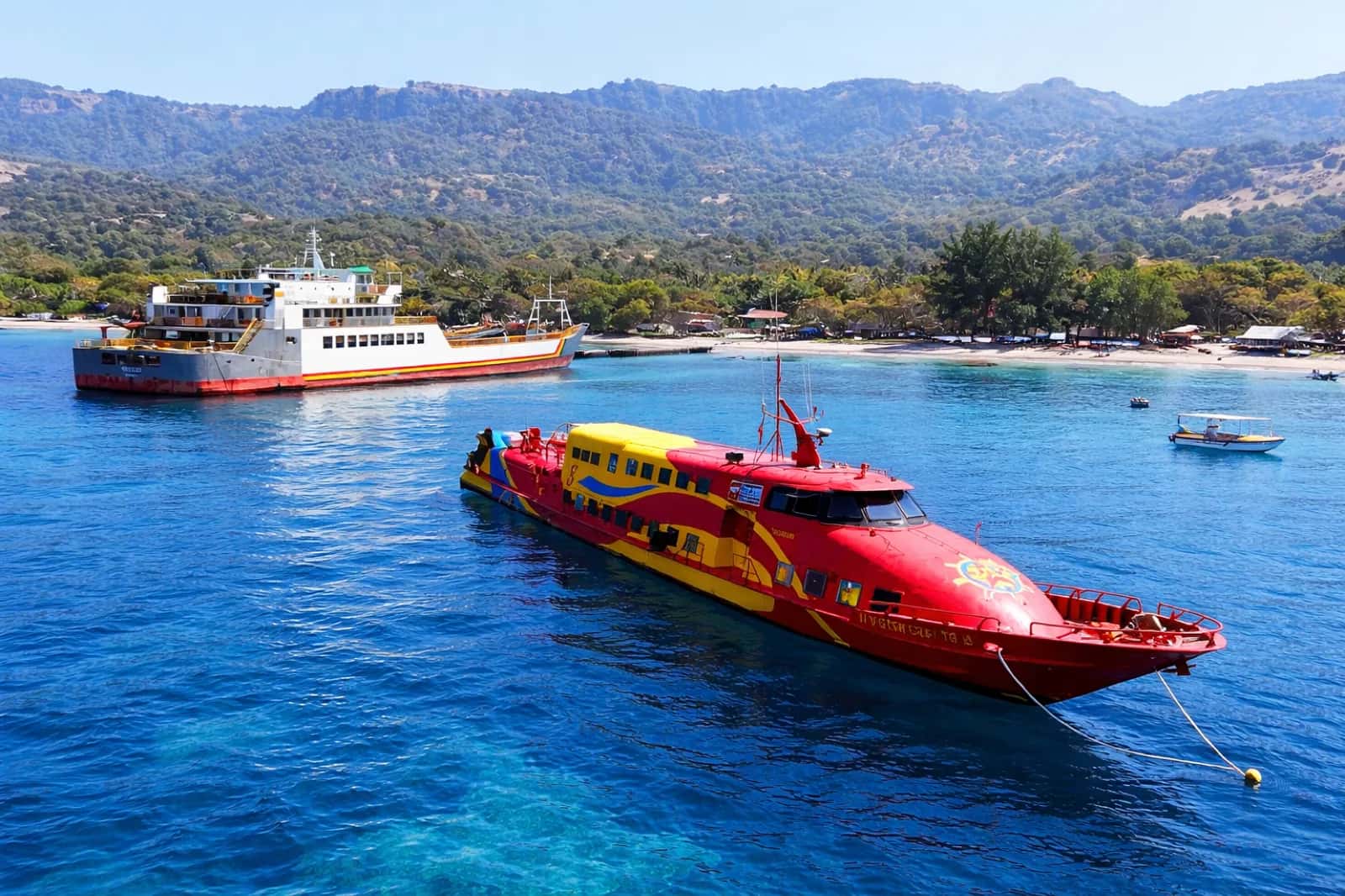
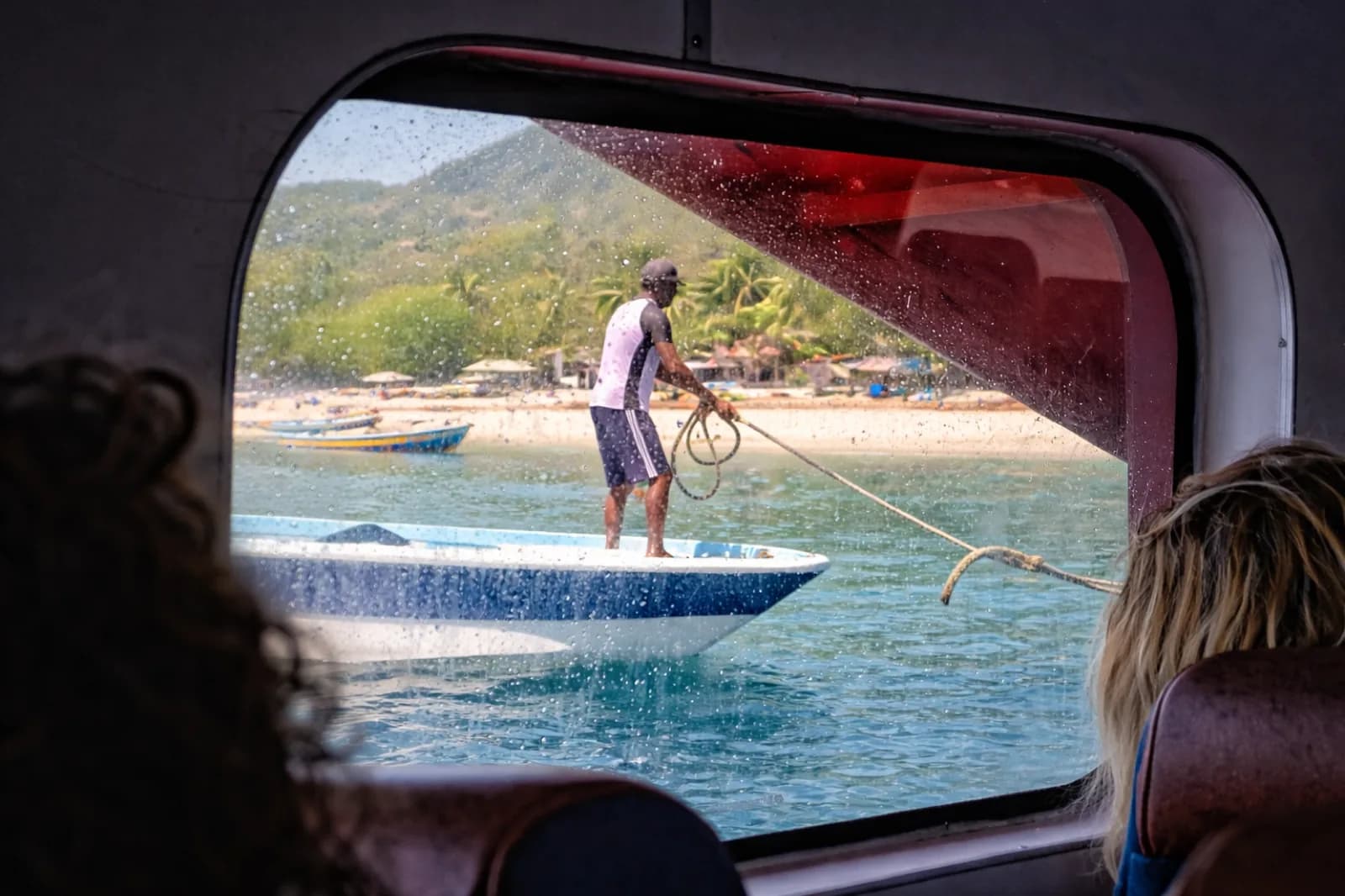
Atauro Island is reached by ferry from Dili port. Ferries run on Saturday, Tuesday, and Thursday. The Dragon Boat costs $10-12 (1.5 hours) and the Success costs $5 (up to 3 hours). MAF flights operate Monday, Wednesday, and Friday for $80 one-way. Some accommodation providers also run private boats for $70-80 per trip. Book ferry tickets at the port ahead of time, especially in peak season (July to September).
While technically possible, a guide is strongly recommended for Mount Ramelau. The trek starts from Hato Builico village at around 3am to reach the 2,963m summit for sunrise. It takes 2.5-3 hours up and 1.5-2 hours down. Guides cost around $25 and know the trail in the dark. Bring warm layers, a headlamp, water, and snacks — there are no facilities on the trail. The summit offers views across the entire country on clear mornings.
Timor-Leste is generally safe for tourists. The people are welcoming and violent crime against visitors is rare. Standard precautions apply: don't leave valuables visible, be careful on the roads (driving standards vary), and carry cash as ATMs are limited outside Dili. Saltwater crocodiles are present in some coastal areas — always ask locals before swimming. The country has limited medical facilities, so travel insurance with evacuation cover is essential.
A few things worth knowing before you book your trip. Timor-Leste rewards travelers who come prepared.
The dry season runs from May to November. This is the best window for diving, trekking, and road travel. The wet season (December to April) brings afternoon rain but lush landscapes. Whale watching peaks mid-October to November.
International flights arrive at Presidente Nicolau Lobato Airport (DIL) in Dili from Bali, Darwin, and Singapore. There are no overland crossings open for tourists from Indonesian West Timor at present — fly in.
Hire a car with driver for the most comfortable experience. Roads between major towns are good, but mountain and eastern roads require a 4WD. Mikrolets (minibuses) cover Dili for $0.25 per ride. Ferries serve Atauro Island three days a week.
A week covers Dili, Atauro, and the highlands comfortably. Two weeks lets you add the far east (Baucau, Com, Jaco Island). Serious divers could spend a week on Atauro alone. Budget at least 3 nights for Atauro to avoid feeling rushed.
The official currency is the US Dollar. ATMs exist in Dili and Baucau but are unreliable elsewhere — carry cash. Most places are cash-only. Buy a local SIM card at the airport (Telkomcel has the best coverage). Tap water is not safe to drink.
Timor-Leste is generally safe for tourists. Standard precautions apply. Saltwater crocodiles are present in some coastal areas — always ask locals before swimming. Roads can be challenging. Travel insurance with medical evacuation cover is strongly recommended.
Browse tours, diving trips, car rentals, and multi-day packages from verified local operators. Every experience on Rezerva is run by people who know Timor-Leste inside out — because they live here.