5-Day Timor-Leste Tour: Dili, Highlands & Baucau
Dili city tour with Cristo Rei sunset

The perfect week exploring Southeast Asia's hidden gem
Seven days is the sweet spot for Timor-Leste. It gives you enough time to experience the country's extraordinary diversity — world-class reefs, pre-dawn mountain treks, highland coffee farms, Portuguese colonial towns, and sacred uninhabited islands — without the rushed, checkbox-ticking pace that ruins so many trips. This itinerary takes you from the capital to the highlands, across to a remote island paradise, through the colonial east, and back, covering the country's absolute highlights while leaving room to breathe.
The route is designed around practical realities. Drive times in Timor-Leste are longer than you'd expect — mountain roads wind through dramatic terrain, livestock wander across the highway, and the further east you go, the rougher the roads become. This itinerary accounts for that, building in recovery time after early starts and long transfers so you actually enjoy the journey rather than endure it.
You'll move through four distinct landscapes in seven days: the bustling waterfront capital of Dili, the cool coffee highlands around Maubisse at 1,526 meters, the pristine coral reefs and laid-back villages of Atauro Island, and the Portuguese colonial charm of Baucau. Each stop has a different character, a different climate, and a different pace. By the end of the week, you'll have a genuinely deep understanding of one of the least-visited countries in Southeast Asia.
We recommend arranging transport and tours in advance, especially during peak season (July through September), as group sizes are small and availability is limited. A 4WD with driver ($120-150/day) is the most comfortable way to travel, though public buses connect all the major stops if you're on a tighter budget.
Arrive at Presidente Nicolau Lobato Airport and transfer to your hotel. If you land in the morning, use your first afternoon to walk the 2.5-kilometer waterfront promenade from the Dili Lighthouse (built 1896, 19 meters tall) east toward Cristo Rei. The promenade passes the Fruit Market, local restaurants, and gives you an immediate feel for the city's relaxed pace. Dili's waters are crocodile-free, so a late-afternoon swim at Dolok Oan beach or Areia Branca is perfectly safe.
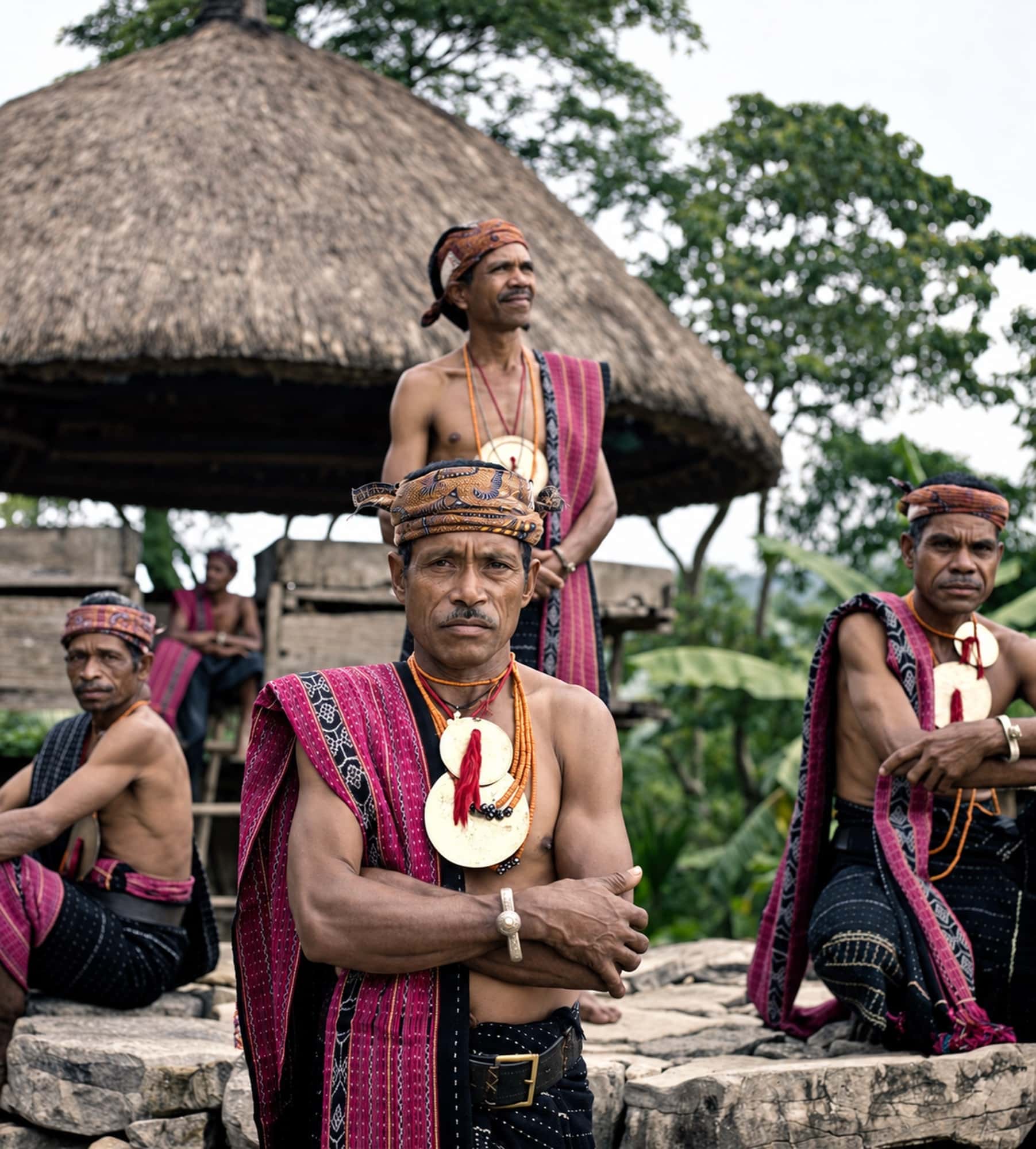
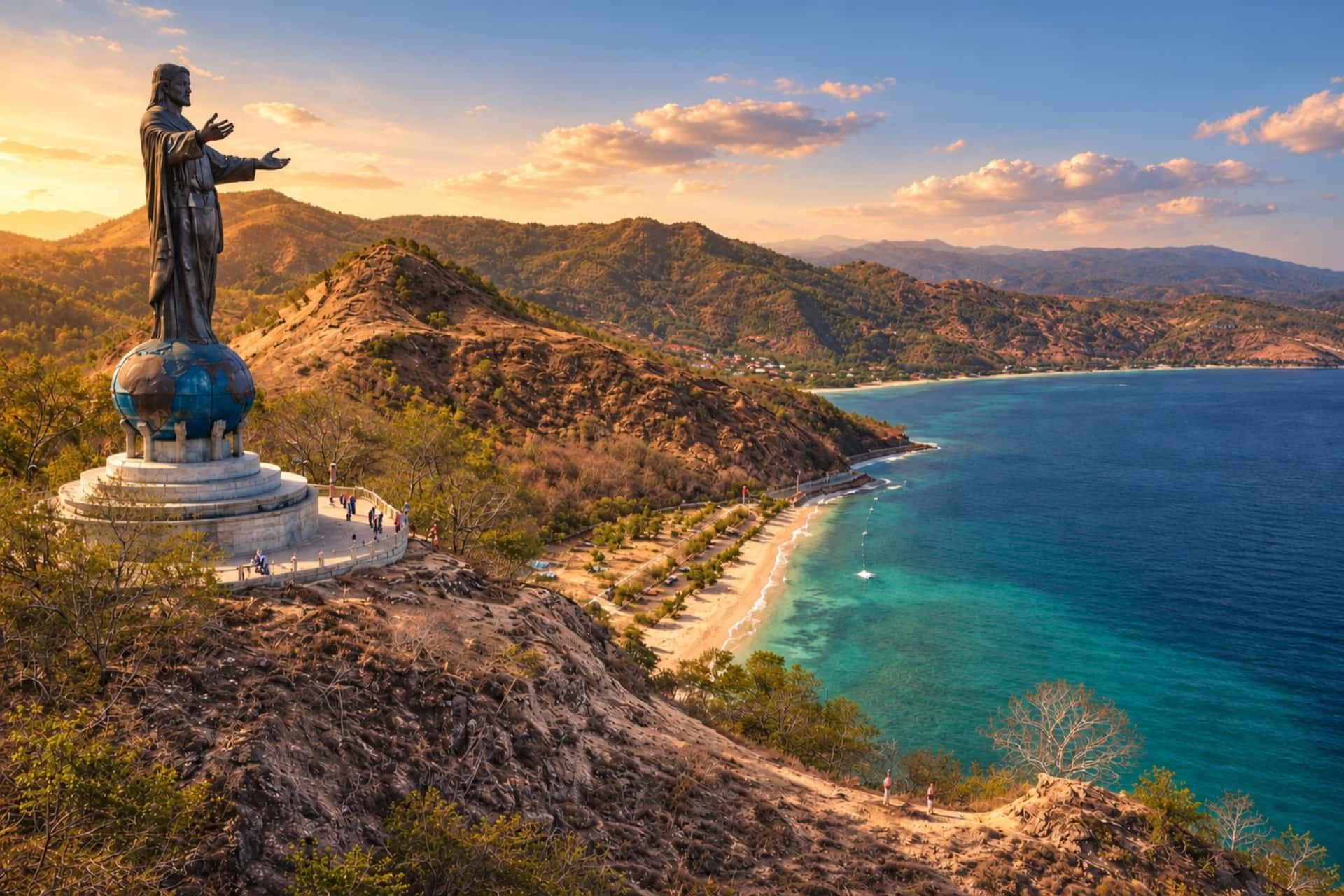
On Day 2, dedicate the morning to Dili's history and culture. Start at the Resistance Archive & Museum to understand Timor-Leste's struggle for independence — it's one of the most moving museums in Southeast Asia. Walk to Santa Cruz Cemetery, site of the 1991 massacre where at least 271 were killed, then visit the Xanana Gusmao Museum nearby. After lunch, head to the Tais Market for traditional woven textiles — each of Timor's 13 districts has distinctive patterns and colors. In the afternoon, climb the 580 steps to the Cristo Rei statue (27 meters tall, a gift from Indonesia in 1996) for panoramic views of the bay and Atauro Island on the horizon. If you're a diver, an afternoon shore dive at K41 or Pertamina Pier is an excellent introduction to Timor's underwater world.
For dinner, the waterfront restaurants along Avenida de Portugal serve excellent grilled fish. Dili has a surprisingly diverse food scene — Portuguese-influenced, Indonesian, Chinese, and increasingly good international options. A cold Bintang at sunset watching the fishing boats come in is the perfect way to end your first full day.
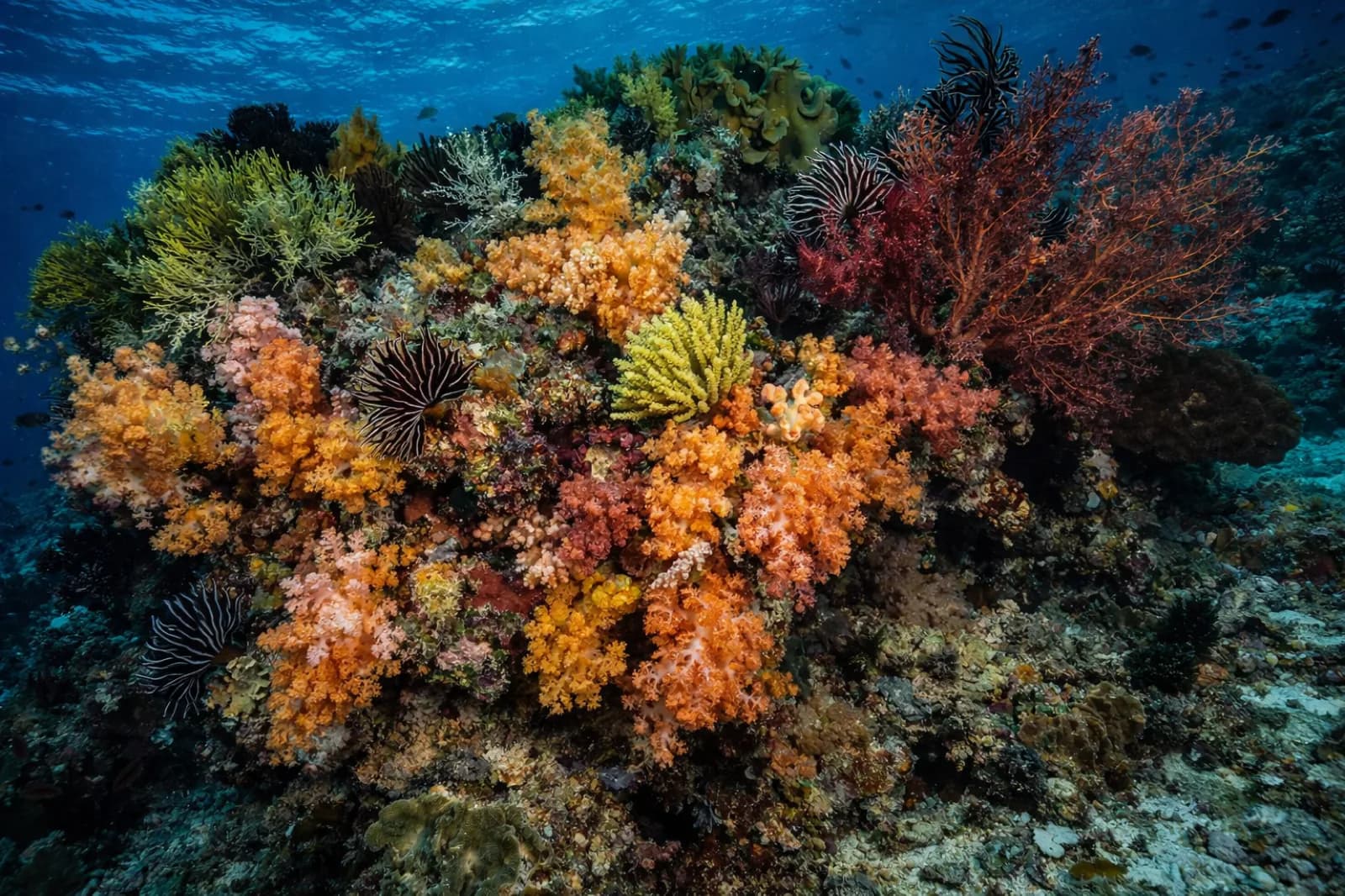
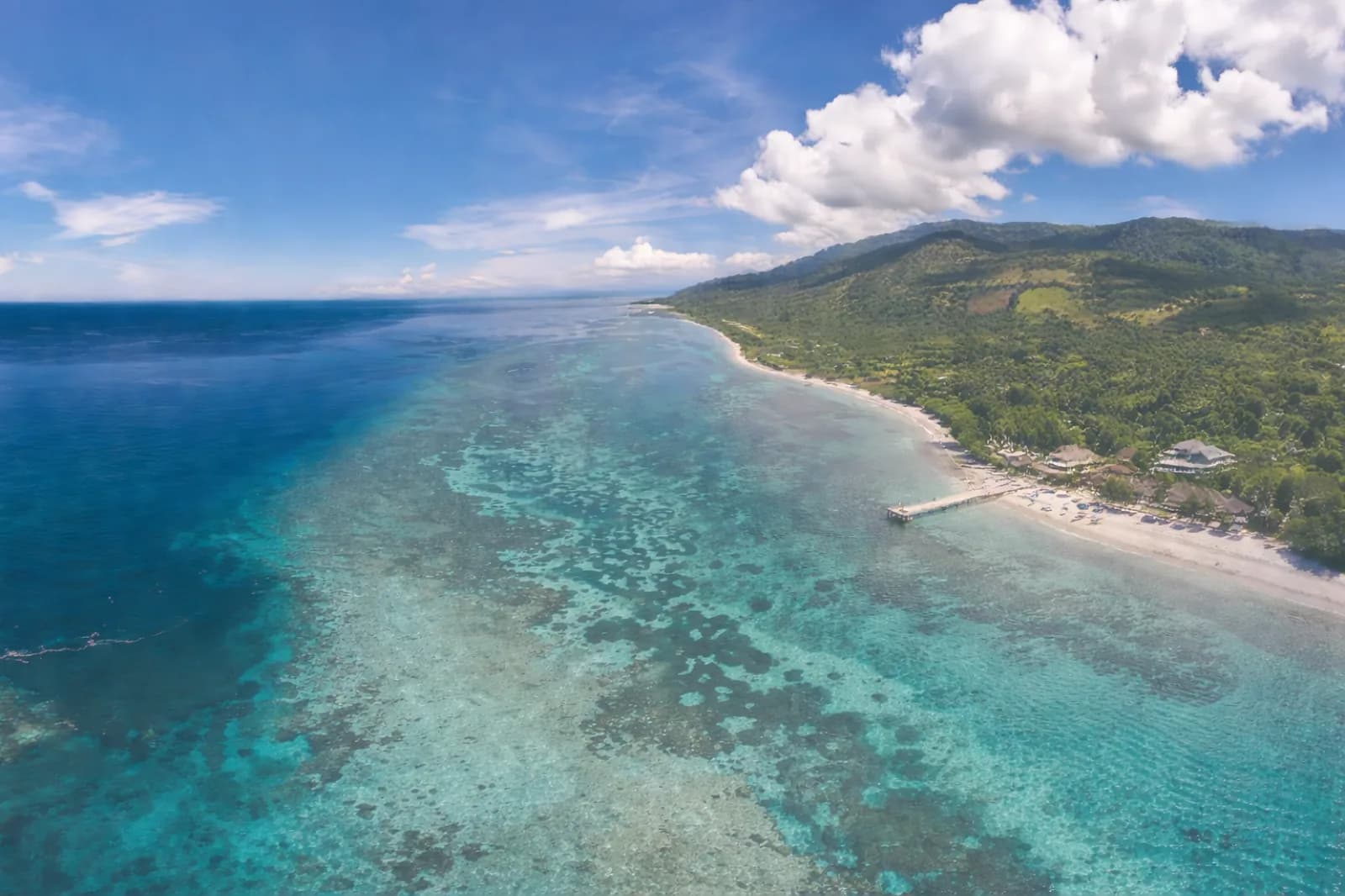
Catch the morning ferry to Atauro Island. The ferry runs Saturday, Tuesday, and Thursday only — plan your itinerary around these days. The Dragon Boat ($10 standard, $12 VIP) and Success ($5) depart around 8am from Dili port; the crossing takes 1.5 to 3 hours depending on the vessel. Alternatively, speedboat charters take 45 minutes ($150-200 per boat). Atauro sits 30 kilometers north of Dili in the Wetar Strait, and its reefs host the highest recorded marine biodiversity on Earth — Conservation International documented over 300 fish species at a single dive site in 2016.
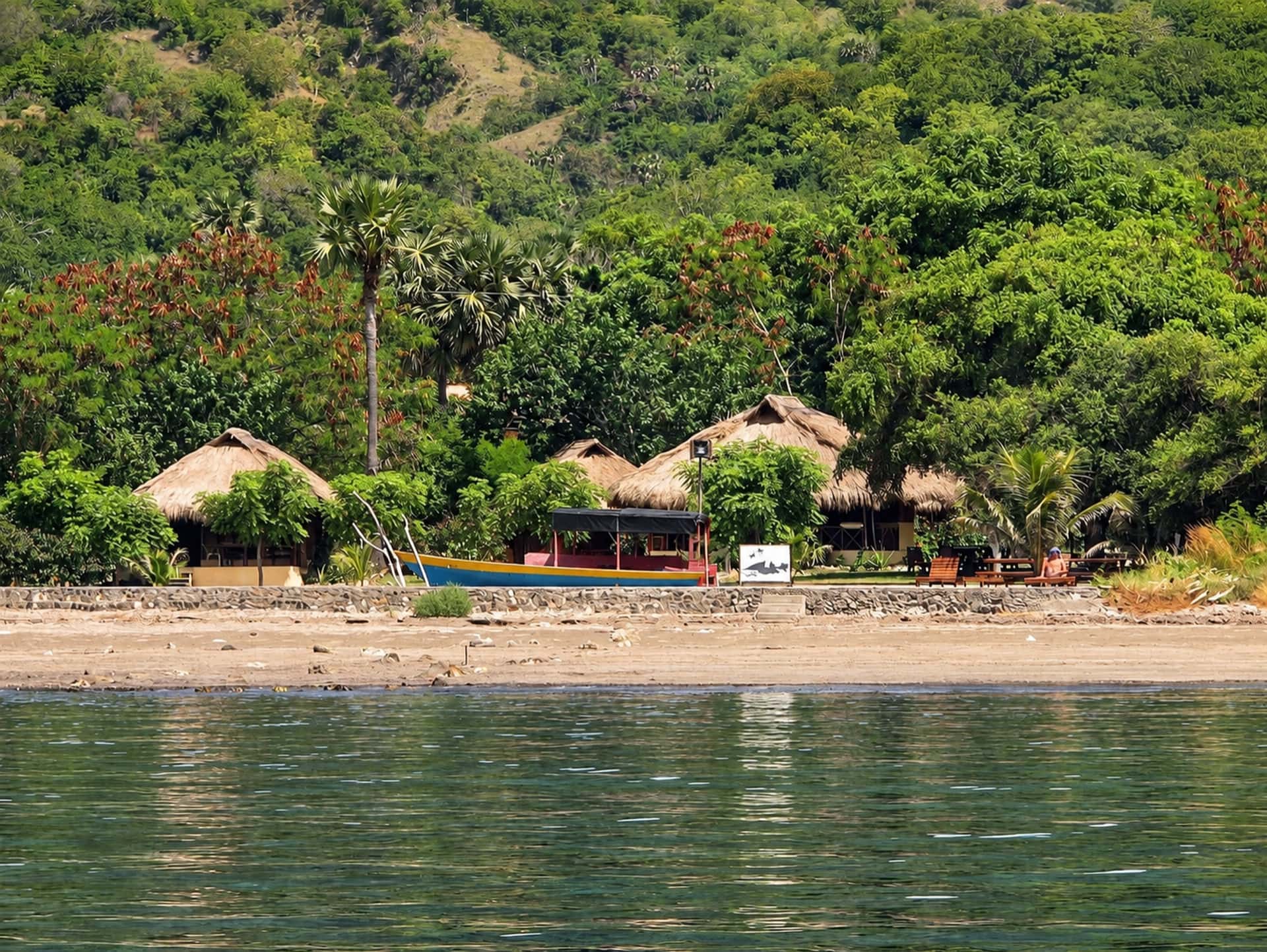
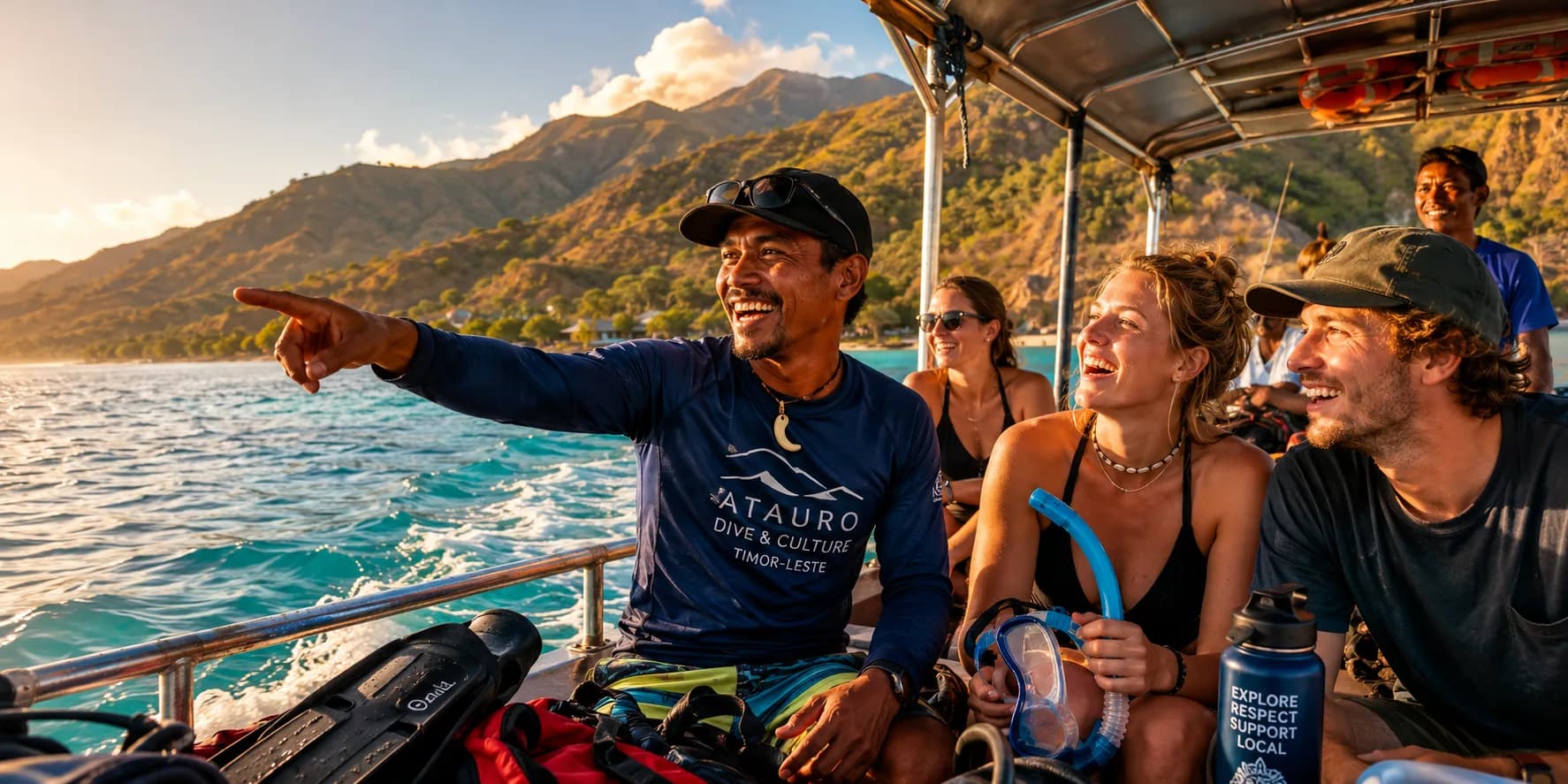
Spend two days exploring the island. Diving and snorkeling are the main attractions — sites like Adara 1 & 2, Secret Garden, and Whale Shark Wall offer pristine walls with 30-meter visibility, reef sharks, turtles, and extraordinary macro life. Non-divers can snorkel directly from shore at most eco-lodges, or take a boat to Dollar Beach on the east coast for crystal-clear water. For a beach adventure, Akrema offers gorgeous white sand about 1.5 hours from Bikeli, while the truly committed can hike 5.5 hours to Atecru on the stunning west coast (or charter a boat for $130). The island has no ATMs, limited electricity, and patchy phone signal — embrace the disconnect.
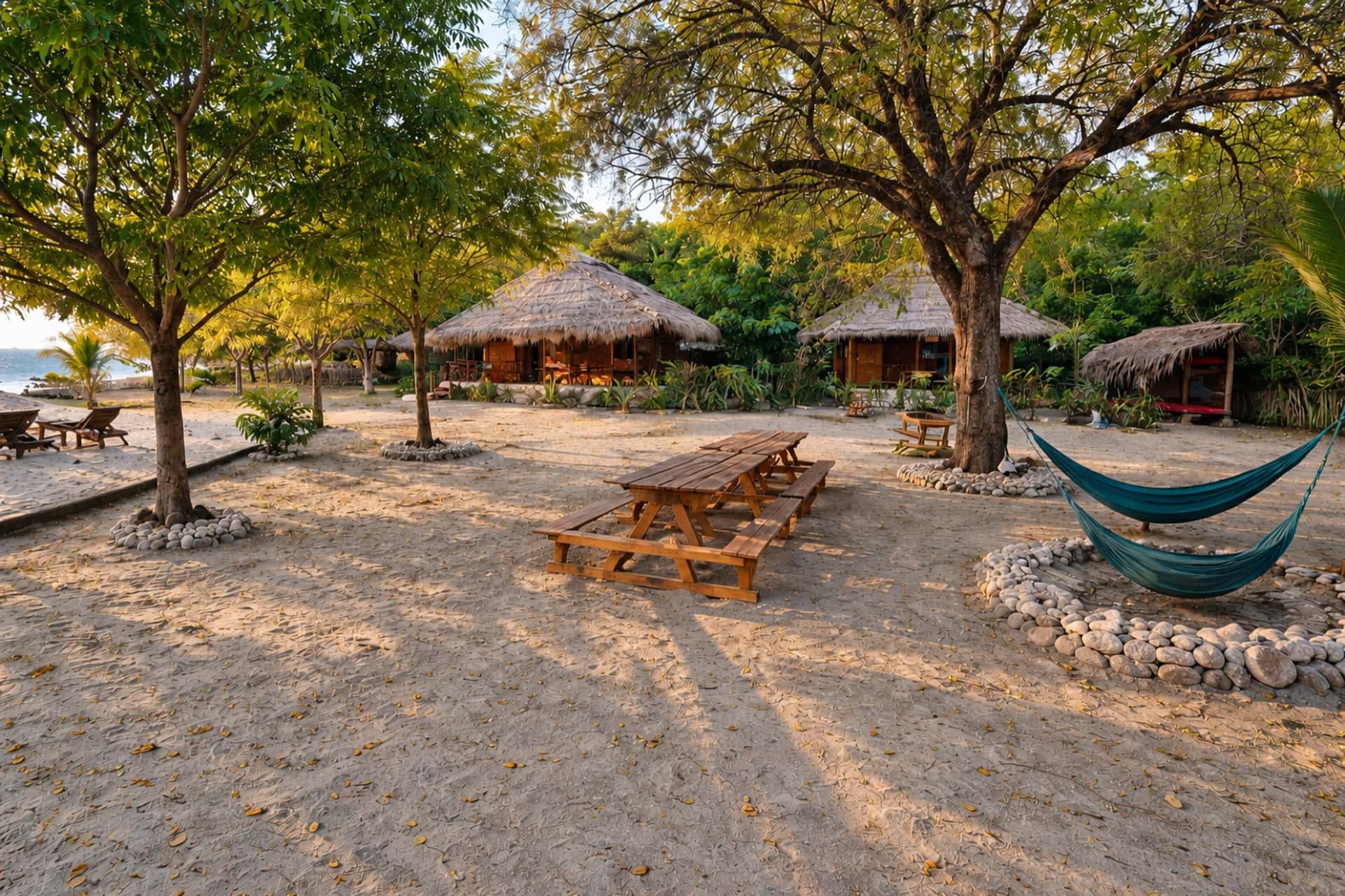
Stay overnight at one of Atauro's eco-lodges or guesthouses ($20-80/night). The sunsets from the west coast are spectacular, and the night sky — free of light pollution — is extraordinary. Return to Dili on the afternoon ferry on your second day, giving you a full morning for one more dive, a village walk, or simply relaxing on the beach with a coconut.
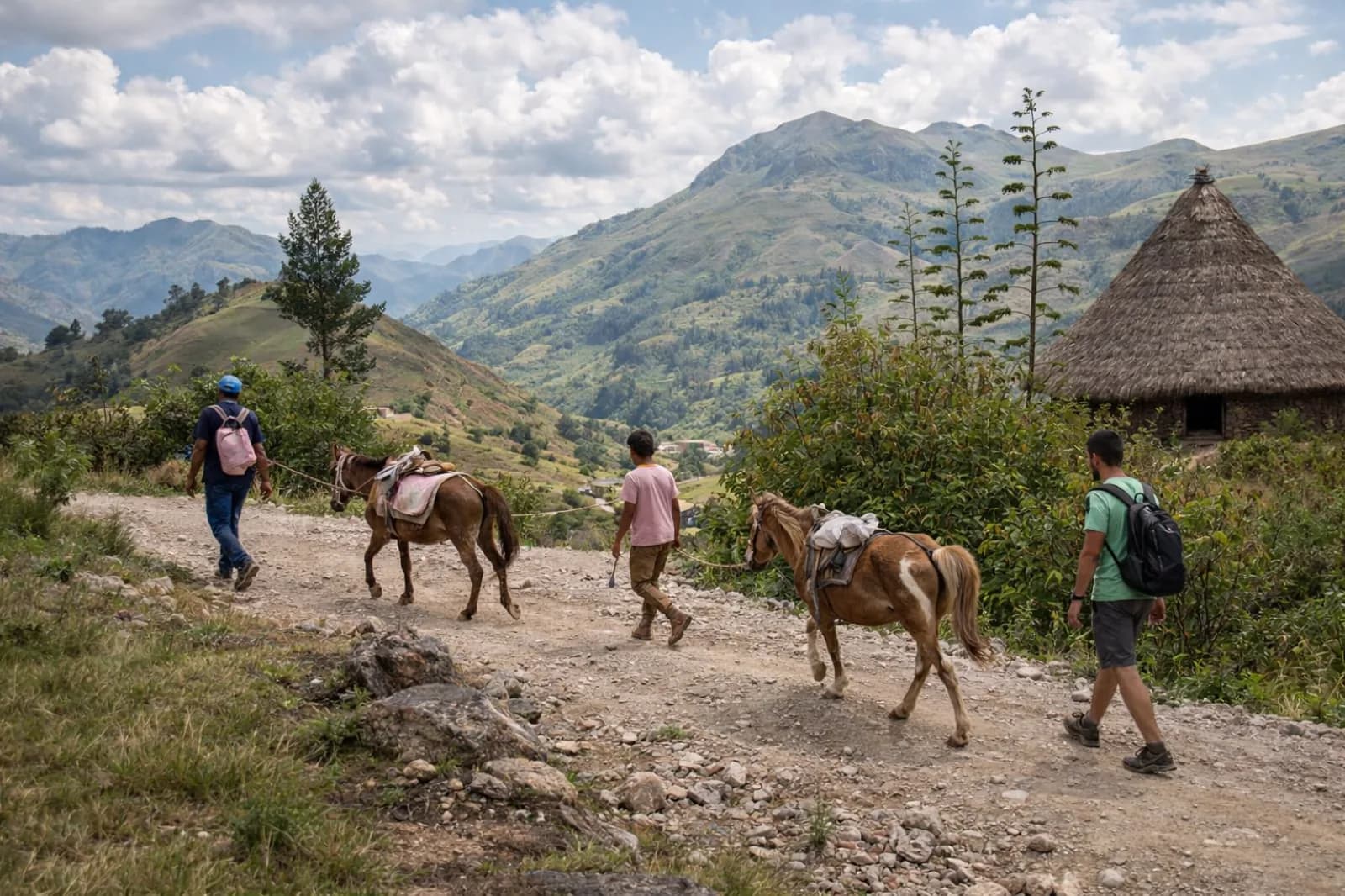
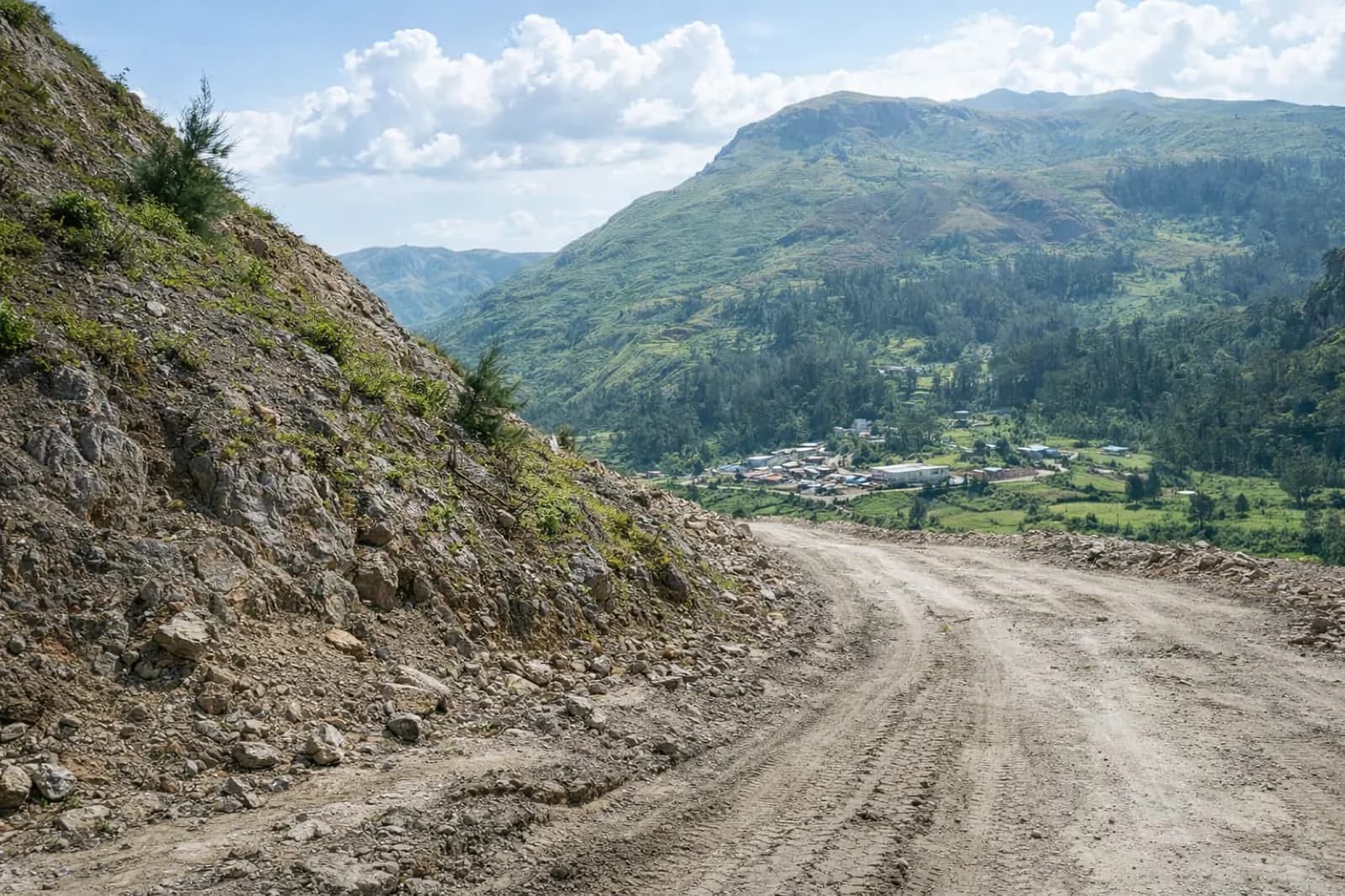
Depart Dili early for the 3-hour drive south to Maubisse at 1,526 meters. The mountain road winds through terraced rice paddies, traditional villages, and forests of sandalwood and eucalyptus — the scenery alone makes the drive worthwhile. After the heat of the coast, the cool highland air feels like a different country entirely. Morning temperatures can drop below 15 degrees Celsius, so bring a jacket.
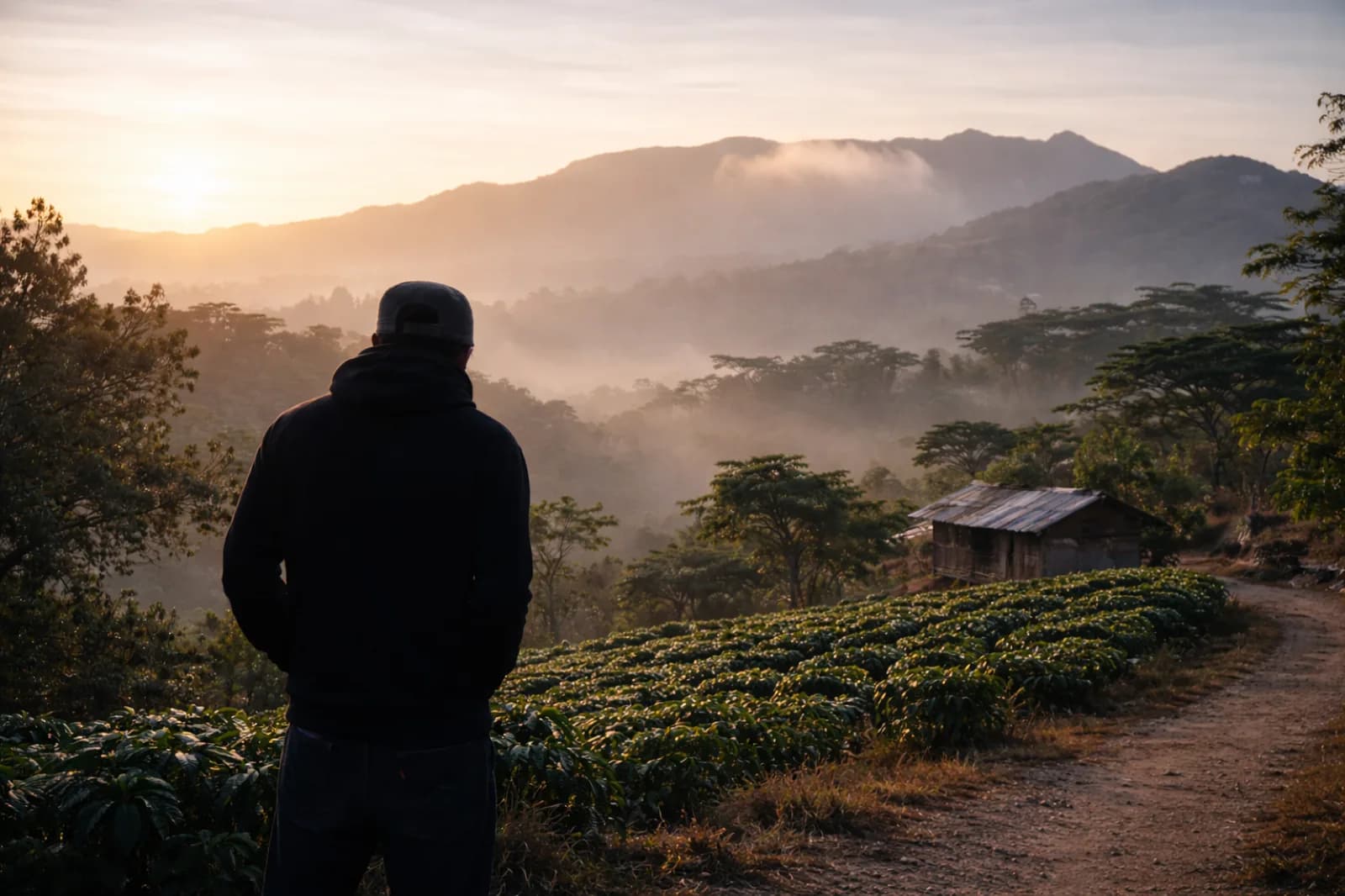
Arrive in Maubisse and visit the Pousada de Maubisse, a former Portuguese Governor's retreat perched on a hillside with sweeping valley views. Though the Pousada closed in 2024, the building and its history remain a landmark worth seeing. After lunch, visit a coffee farm — the highlands around Maubisse produce the famous Timor Hybrid, a natural cross of arabica and robusta discovered in the 1940s, whose rust resistance changed global coffee breeding. Cooperatives like Cocamau and Hakmatek welcome visitors for tours of working farms. If the timing is right (harvest runs May through September), you'll see cherry picking, pulping, fermenting, and drying.
For the ambitious, an afternoon detour to the Ulelufa Strawberry Farm — the largest in the country — offers pick-your-own strawberries, a uniquely highland experience. Stay overnight at Sara Guest House or Cafe Maubisse Guest House ($10-20). If you want to add a Ramelau summit attempt, depart at 2-3am from Maubisse, drive one hour to Hato Builico (the country's highest village at roughly 1,950 meters), and trek 2.5-3 hours to the 2,963-meter summit for sunrise. The views from the roof of Timor-Leste are extraordinary — but it requires genuine commitment and warm layers (below 5 degrees Celsius at the summit pre-dawn).
Drive back to Dili (3 hours) and continue east along the north coast to Baucau (2.5 hours from Dili). The road to Baucau is one of the best in the country, suitable for a regular 2WD, and the coastal scenery is beautiful. Baucau is Timor-Leste's second-largest city, though it feels more like a charming colonial town spread across two levels.
Head up to Vila Antiga, the old town on the hilltop. The distinctive dark pink Pousada de Baucau (1950s), St Anthony Cathedral in Fataluku architectural style, and the Calvario shrine with spectacular coastal panoramas give the old town an atmosphere unlike anywhere else in the country. Visit the Old Market building (built 1928-1934, damaged in WWII, beautifully renovated in 2014 as a cultural center) and the surrounding daily vendors selling produce, tais cloth, and betel nut.
In the afternoon, swim at Piscina de Baucau — a spring-fed natural pool widely considered the best in the country, just 50 cents entry (avoid Monday and Thursday when it drains for maintenance). If time allows, drive 28 kilometers south to Venilale for Portuguese colonial architecture, the Escola do Reino (1933), hot springs, and Japanese WWII tunnels built with forced labor during the occupation. Stay overnight at Pousada Baucau or a local guesthouse.
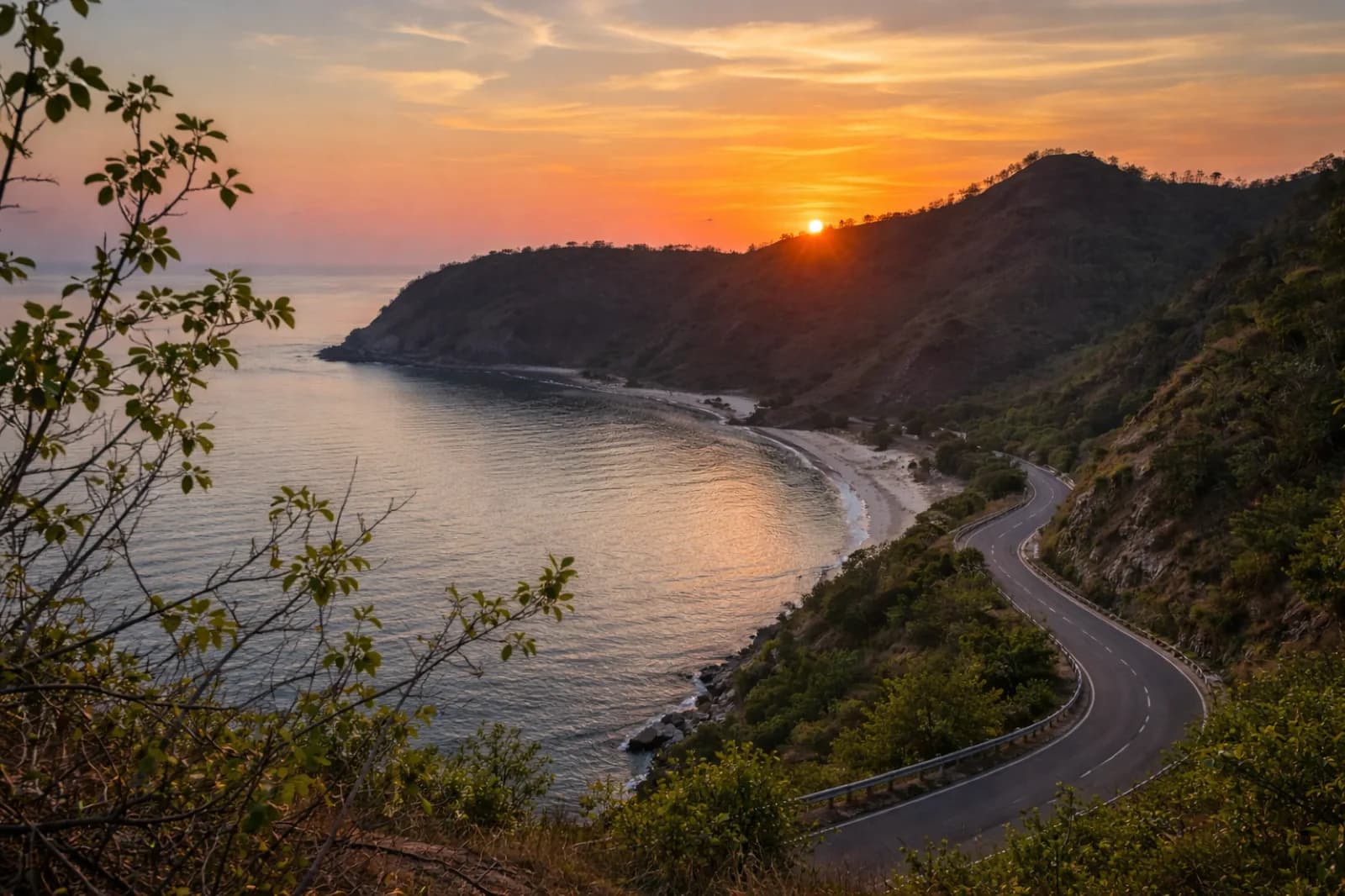
Drive back to Dili along the north coast (2.5 hours). If you have time, stop at One Dollar Beach near Manatuto for a swim — it's a good beach on the north coast roughly halfway between Baucau and Dili. The road hugs the coastline through fishing villages and coconut groves, with views across to Atauro Island on clear days.
Back in Dili, use your final hours for last-minute shopping at the Tais Market, a farewell coffee at one of the specialty cafes, or a final shore dive if you're hooked on the underwater world. The Immaculate Conception Cathedral — one of the largest in Southeast Asia — and Motael Church (the oldest Catholic church site in the country, dating to around 1800) are worth a visit if you missed them on Day 1-2.
Head to the airport for your departure. If your flight is in the evening, consider a late lunch at one of the waterfront restaurants — grilled fish, a cold drink, and the view across Dili Bay to the mountains. You'll leave with the understanding that Timor-Leste is unlike anywhere else in the region — raw, beautiful, and genuinely welcoming in a way that more developed destinations have lost.
This itinerary can be done on a range of budgets. On the lower end ($50-70/day), use public buses between towns ($5-8 per route from Becora, Taibessi, or Tasi Tolu terminals in Dili), stay in guesthouses ($15-30), and eat at local warungs ($2-4 per meal). On a mid-range budget ($100-150/day), hire a 4WD with driver ($120-150/day split between travelers), stay in mid-range hotels ($50-100), and mix local food with international restaurants ($10-15).
The biggest variable is transport. A 4WD with driver for all seven days runs $840-1,050, which is excellent value split between two or more travelers. Solo budget travelers can do the entire route by public bus for under $30 total in transport, but should add buffer days for unreliable schedules. Diving adds $50-60 per dive with equipment. Coffee farm tours run $60-120 per person as a day trip from Dili.
Bring cash in $5, $10, and $20 USD notes. There are ATMs in Dili and Baucau (BNU, BNCTL) but they sometimes run out on weekends. Atauro and Maubisse have no ATMs at all. Credit cards work at very few places, and only in Dili. This is fundamentally a cash economy.
The recommended approach for this itinerary is a 4WD with driver for the full week. Your driver becomes your guide, translator, and problem-solver — invaluable on mountain roads and in rural areas where English is limited. Local operators include ESilva Car Rentals, Island Explorer Holidays, Taltabi, and Ventura. Book in advance during peak season.
Public transport is viable but slower. Buses depart from three terminals in Dili: Becora (east — Baucau, Lospalos), Taibessi (central/south — Maubisse, Same), and Tasi Tolu (west — Liquica, Maliana). They leave from 3am and depart when full, not on a schedule. Within Dili, 13 mikrolet routes run roughly 6am-6pm for just $0.25 per ride. Yellow taxis cost $3-6 around town (negotiate first) and stop after dark; blue metered taxis run later at roughly double the price.
For the Atauro ferry, buy tickets at the port the day before during peak season. The Dragon Boat and Success depart around 8am; return ferries leave Beloi around 2pm. MAF (Mission Aviation Fellowship) flies to Atauro on Monday, Wednesday, and Friday for $80 one-way if the ferry schedule doesn't work for you.
Packing for Timor-Leste means preparing for multiple climates. The coast is hot and humid (28-35 degrees Celsius year-round), so bring light, breathable clothing, reef-safe sunscreen, a wide-brimmed hat, and a refillable water bottle. For the highlands (Maubisse, and especially Ramelau), pack a warm fleece or light down jacket, long pants, and a beanie — summit temperatures drop below 5 degrees Celsius.
Reef shoes are essential for any beach or snorkeling activity — coral starts at the waterline at most sites, and cuts from coral are slow to heal in tropical climates. A headlamp is useful for the Ramelau trek (if you do it) and for navigating Atauro's unlit paths at night. A basic first aid kit with antiseptic, blister treatment, and rehydration salts covers most eventualities.
Other essentials: insect repellent (march flies on Atauro are aggressive — long pants recommended near the coast), a rain jacket even in dry season (brief showers happen), a power bank (electricity is limited on Atauro), and a dry bag for boat crossings. Download offline maps before arriving — internet in Timor-Leste is among the slowest globally, and phone signal drops outside towns.
8 experiences connected to this guide

Dili city tour with Cristo Rei sunset


Seloi Kraik rice paddies

Cristo Rei statue at sunset
May to October for dry weather and best road conditions. October is the single best month — dry skies, green landscapes, and whale migration starting. July through September is peak season with the most reliable weather.
Continue planning your trip to Timor‑Leste
Places mentioned in this guide