9 attractions · 4 sample itineraries · 26 things to book
Things to do in Dili: the capital, a 5-minute walk wide
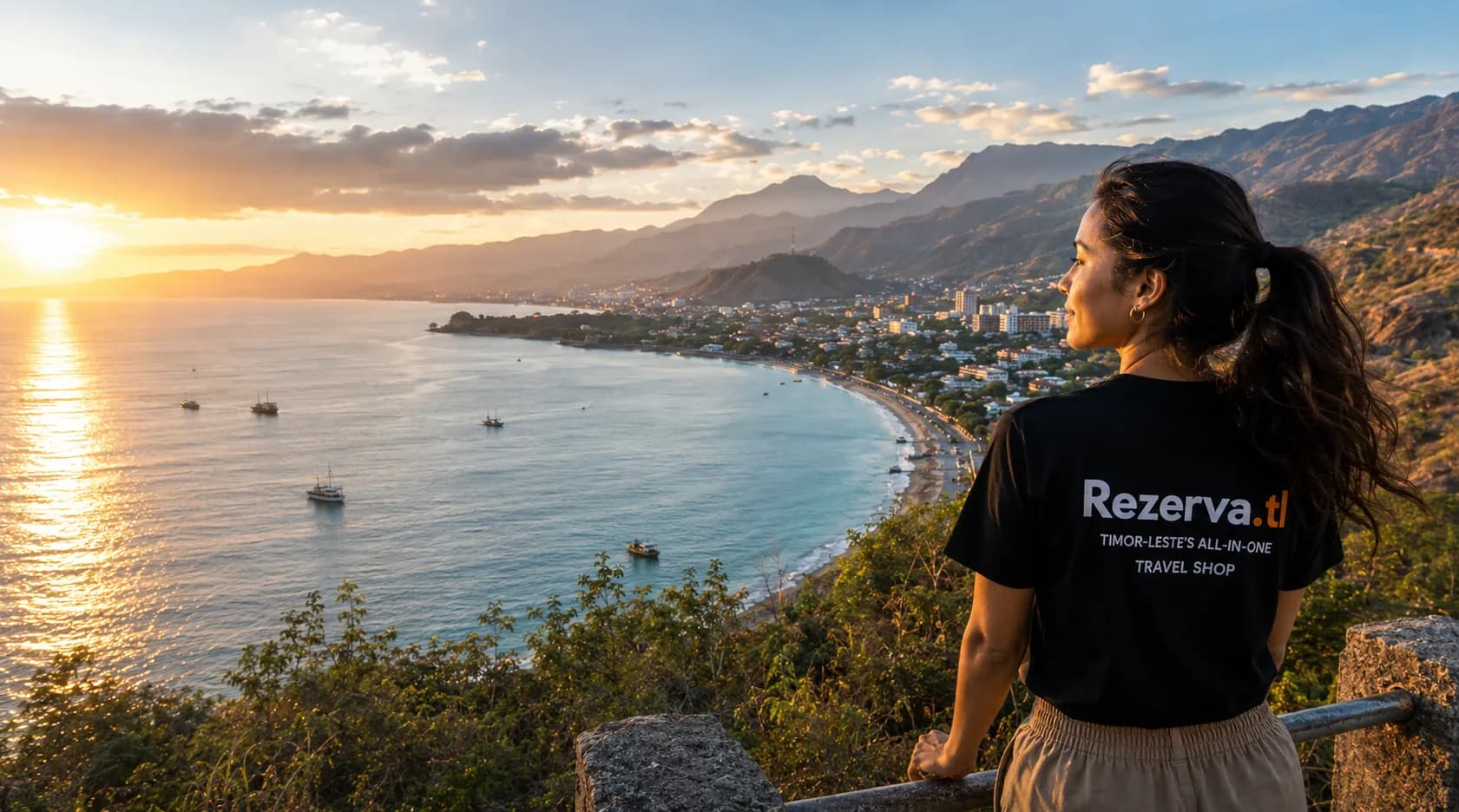
Dili is a small, walkable capital backed by dry hills and fronted by the deep blue Wetar Strait. There are roughly nine things genuinely worth doing here: the Cristo Rei climb, the Resistance Museum, the Tais Market, shore diving on the north coast, the waterfront, an Atauro day trip, the cathedral loop, Tasi Tolu birding, and a slow Timorese coffee. Below: every one with real timing, cost, and how to book.
Honest descriptions of the attractions that consistently make every Dili trip worth taking. Not a 50-item list scraped off Tripadvisor. The actual ones travellers come home talking about.
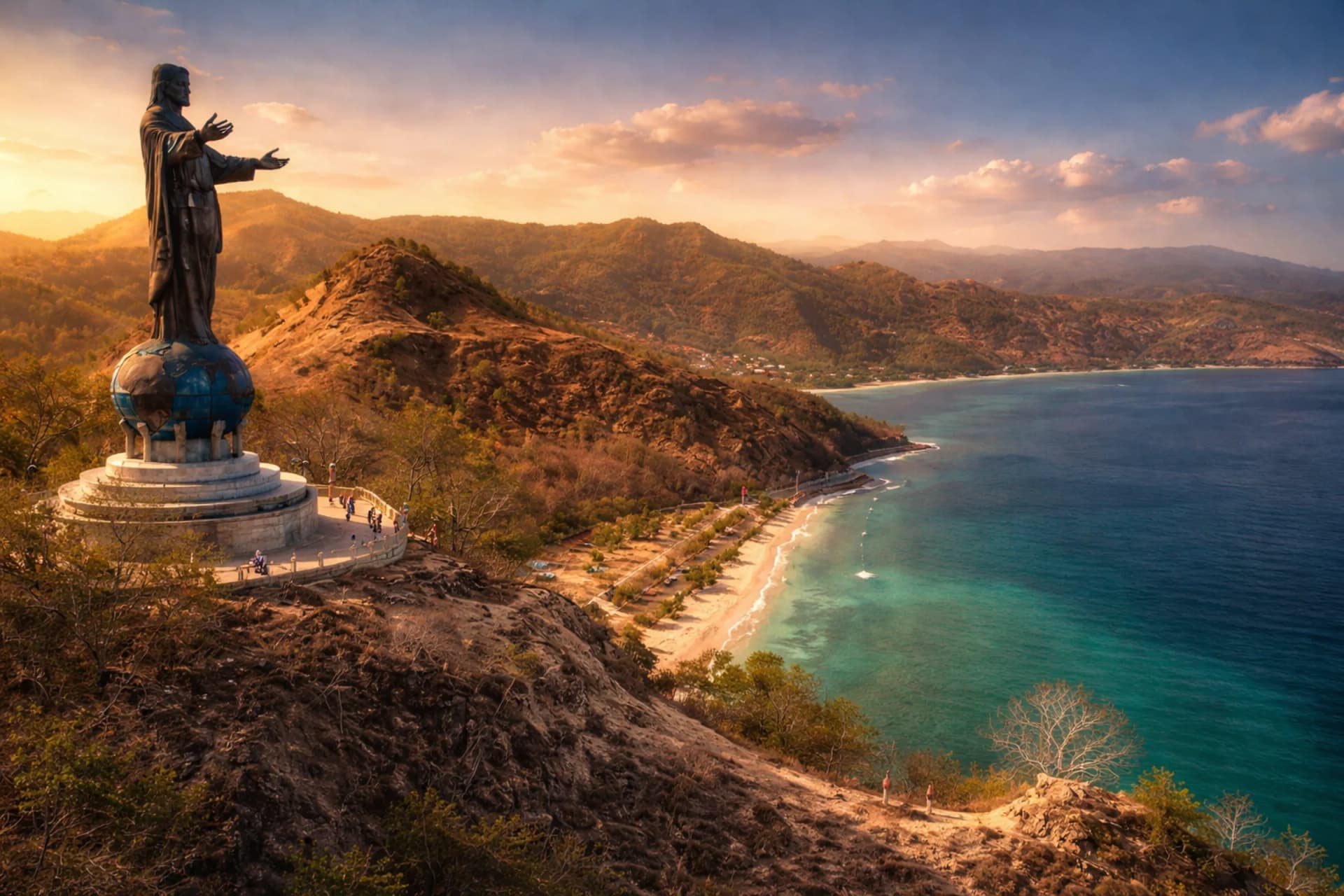
Cristo Rei statue
27-metre copper Christ on Cape Fatucama, reached by 570 to 600 steps past 14 Stations of the Cross. Best at sunrise or late afternoon; by 9 AM the heat is brutal. Free.
Time
1.5-2 hours
Cost
Free
Best for: Iconic photo, the easy hike, sunrise/sunset
Opened 2005 in a rebuilt colonial court of justice. Documents the resistance to Indonesian occupation. Every Timorese family has a story here. Pair with the Chega! Exhibition at the former Balide Prison.
Time
1.5-2 hours
Cost
~$2
Best for: Understanding the country, history, rainy day
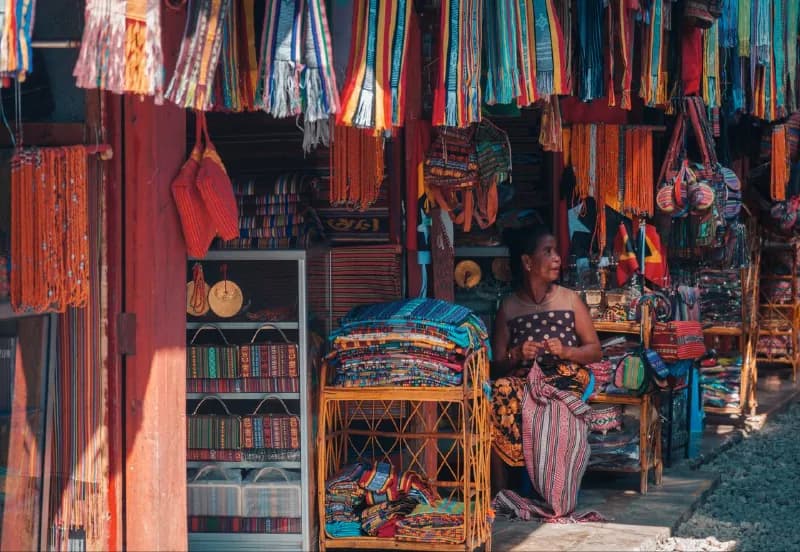
Tais cloth is Timor-Leste's iconic textile; every district has its own pattern. The covered market near the waterfront has the widest selection. Bargaining is expected, but keep it friendly.
Time
45 min
Cost
$5-$80 per piece
Best for: Shopping, gifts, textile lovers
K41 / Pertamina Pier shore diving
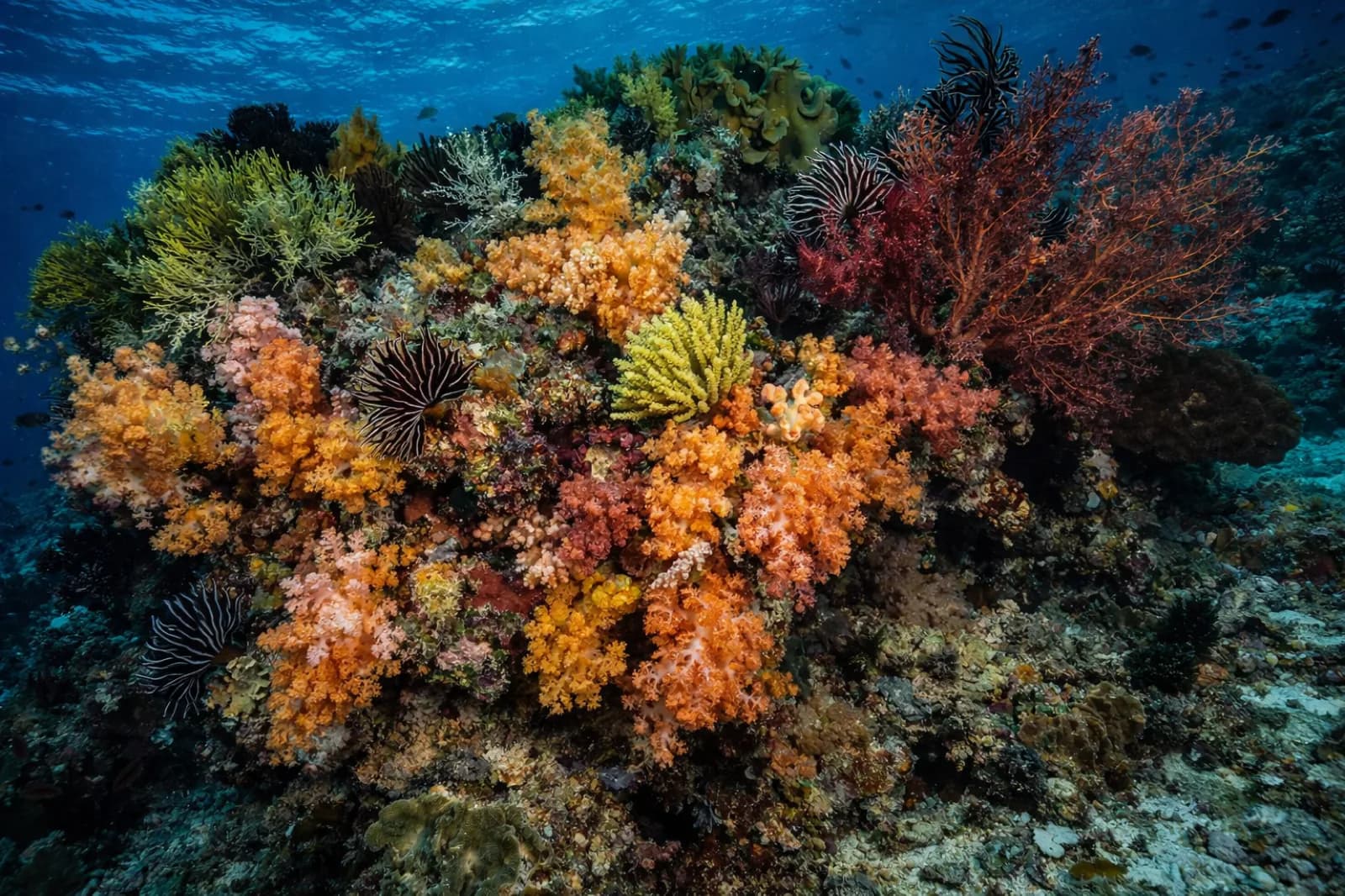
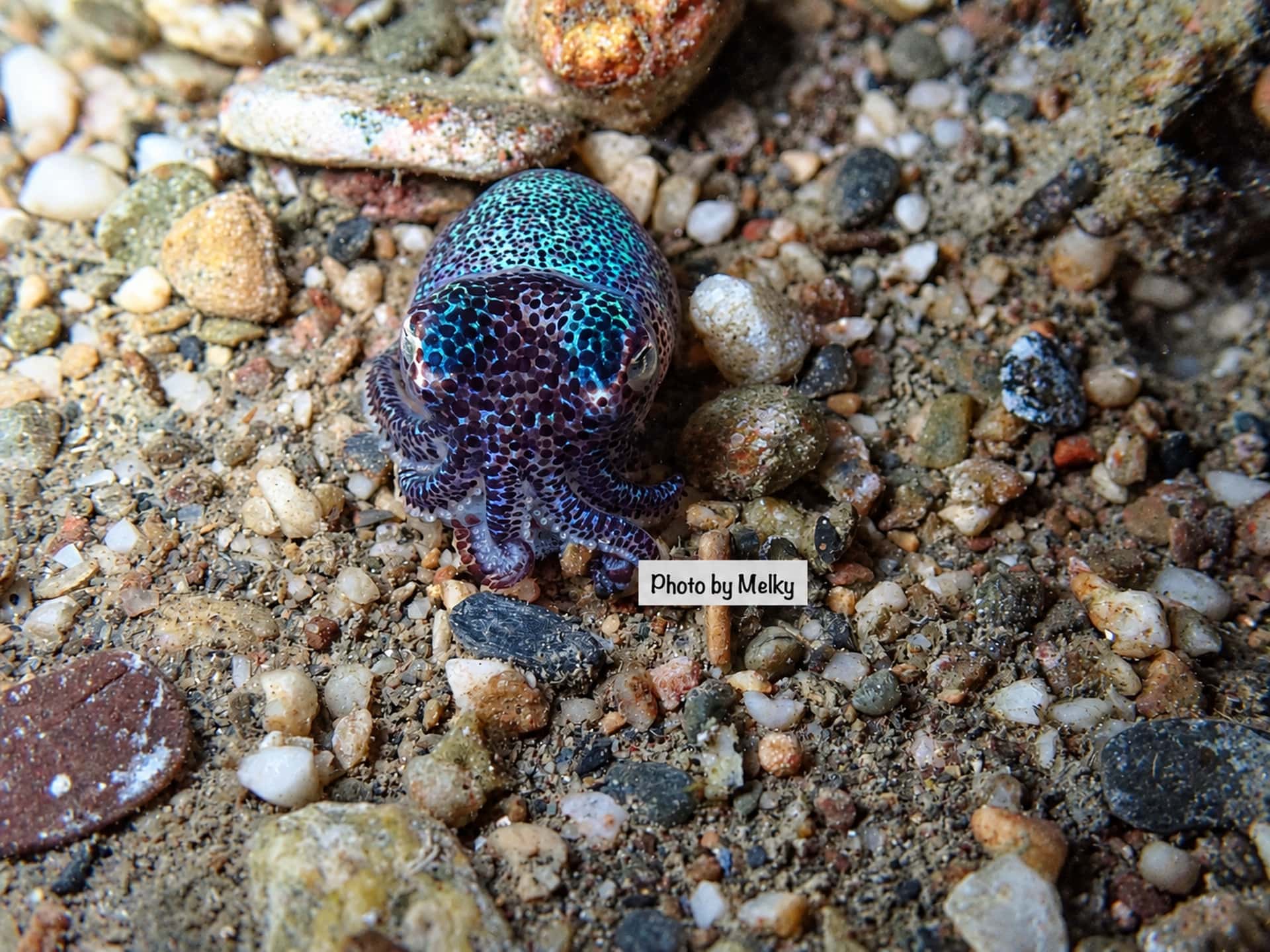
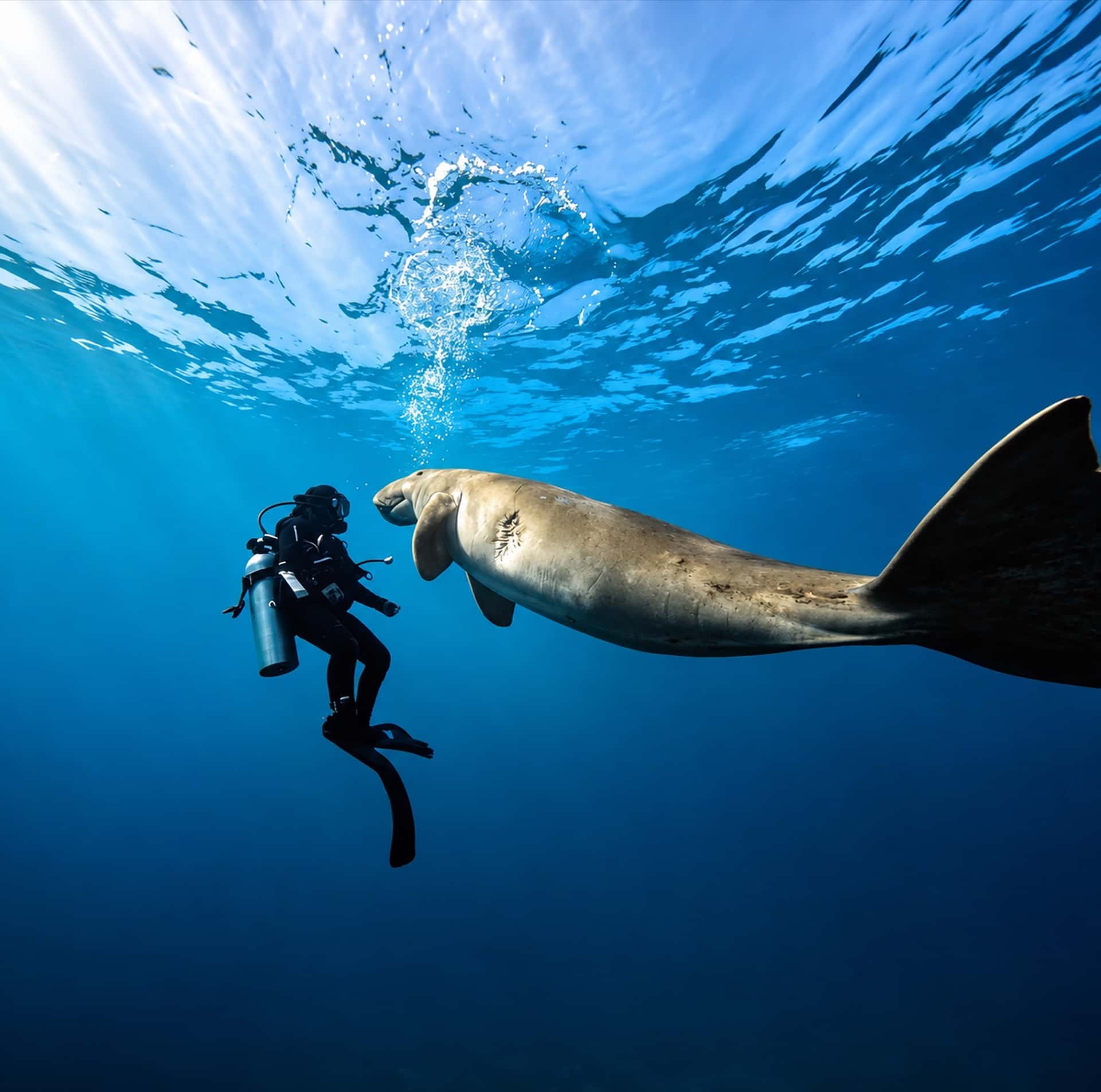
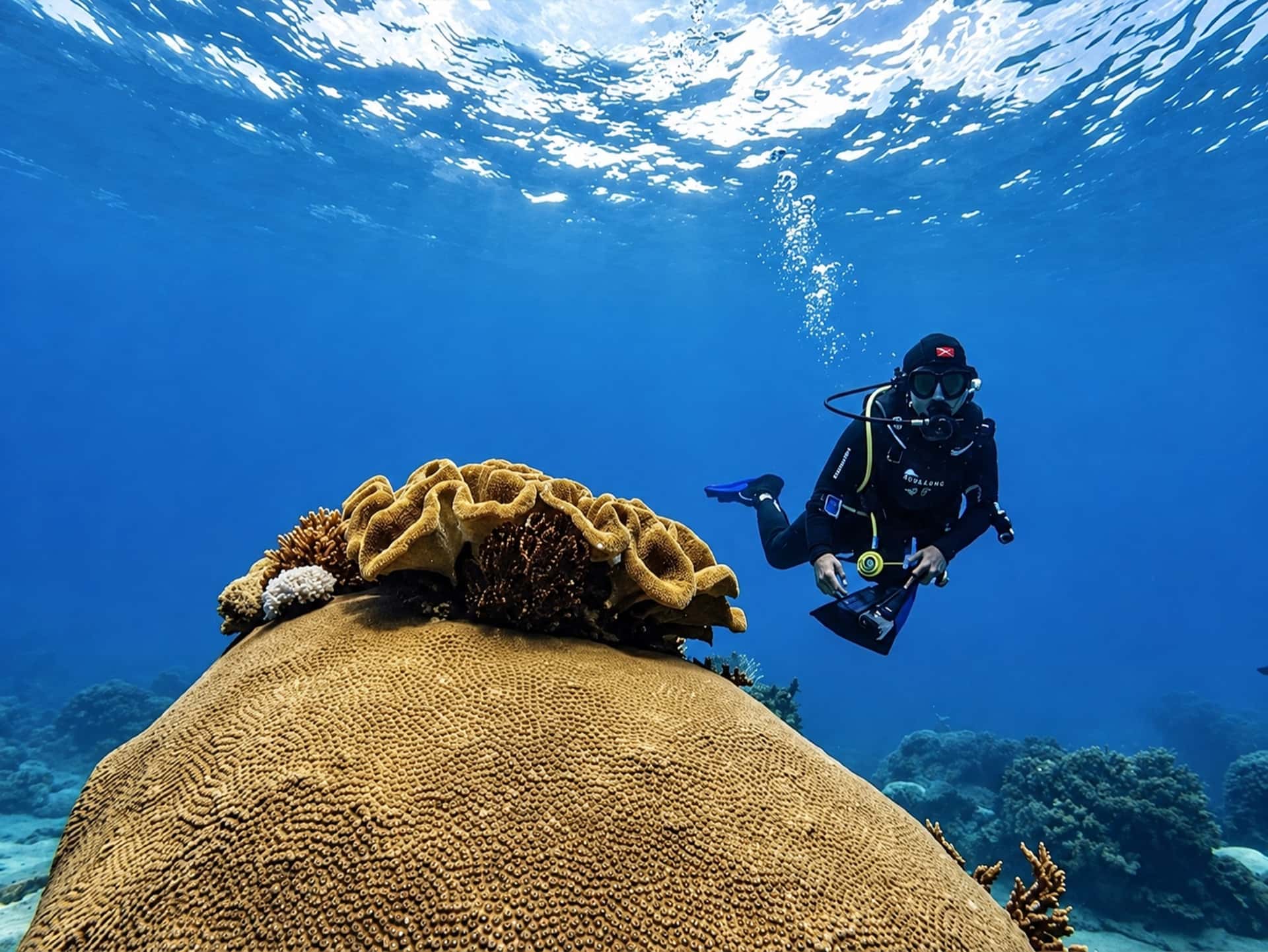
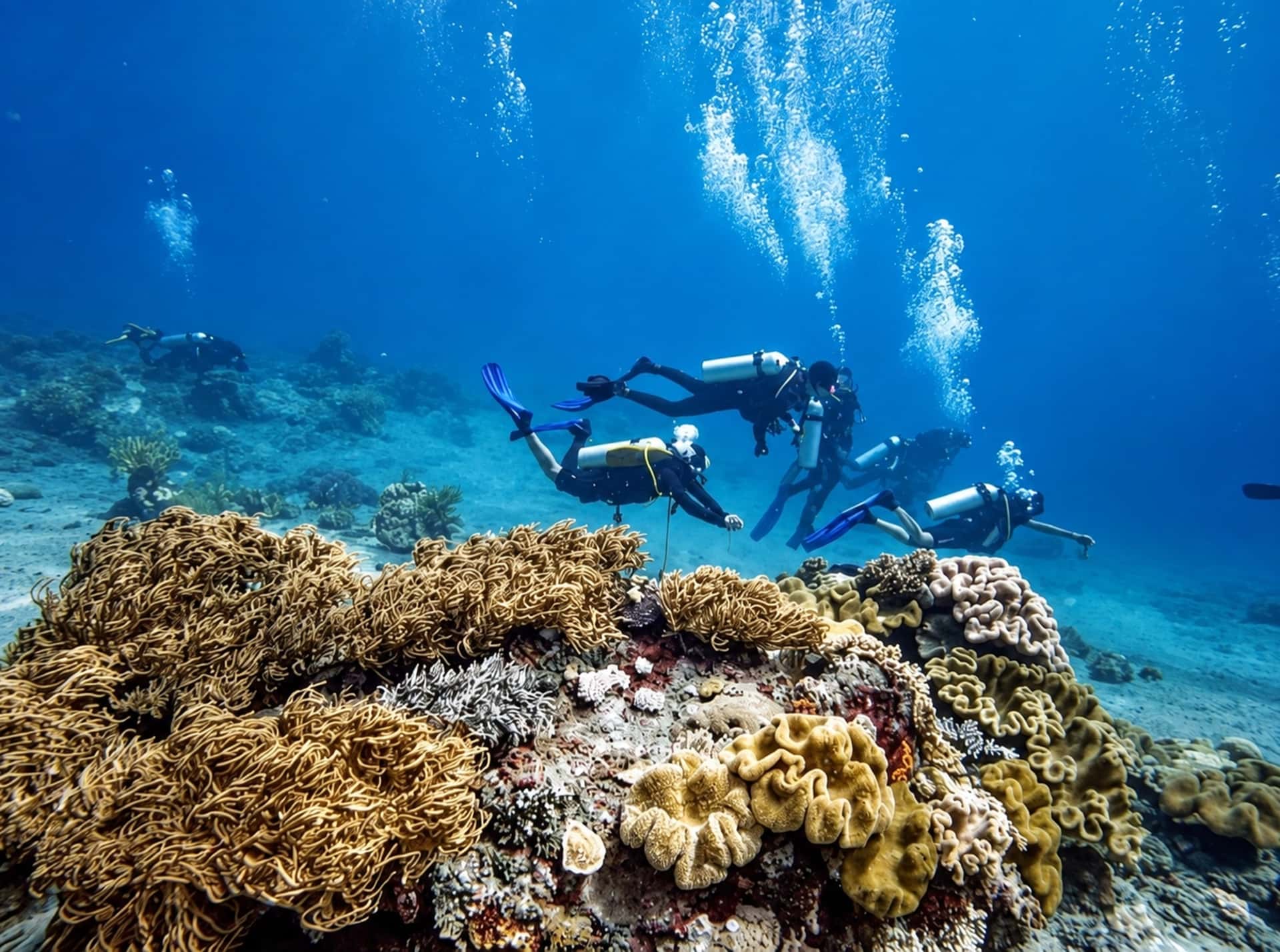
Dili's north coast has world-class shore diving. K41 (40-minute drive west) and Pertamina Pier are the headline sites: nudibranchs, seahorses, reef sharks, and macro paradise. Dive shops in Dili run guided dives daily.
Time
4-5 hours
Cost
$60-$90 / dive
Best for: Certified divers, macro photographers, half-day dives
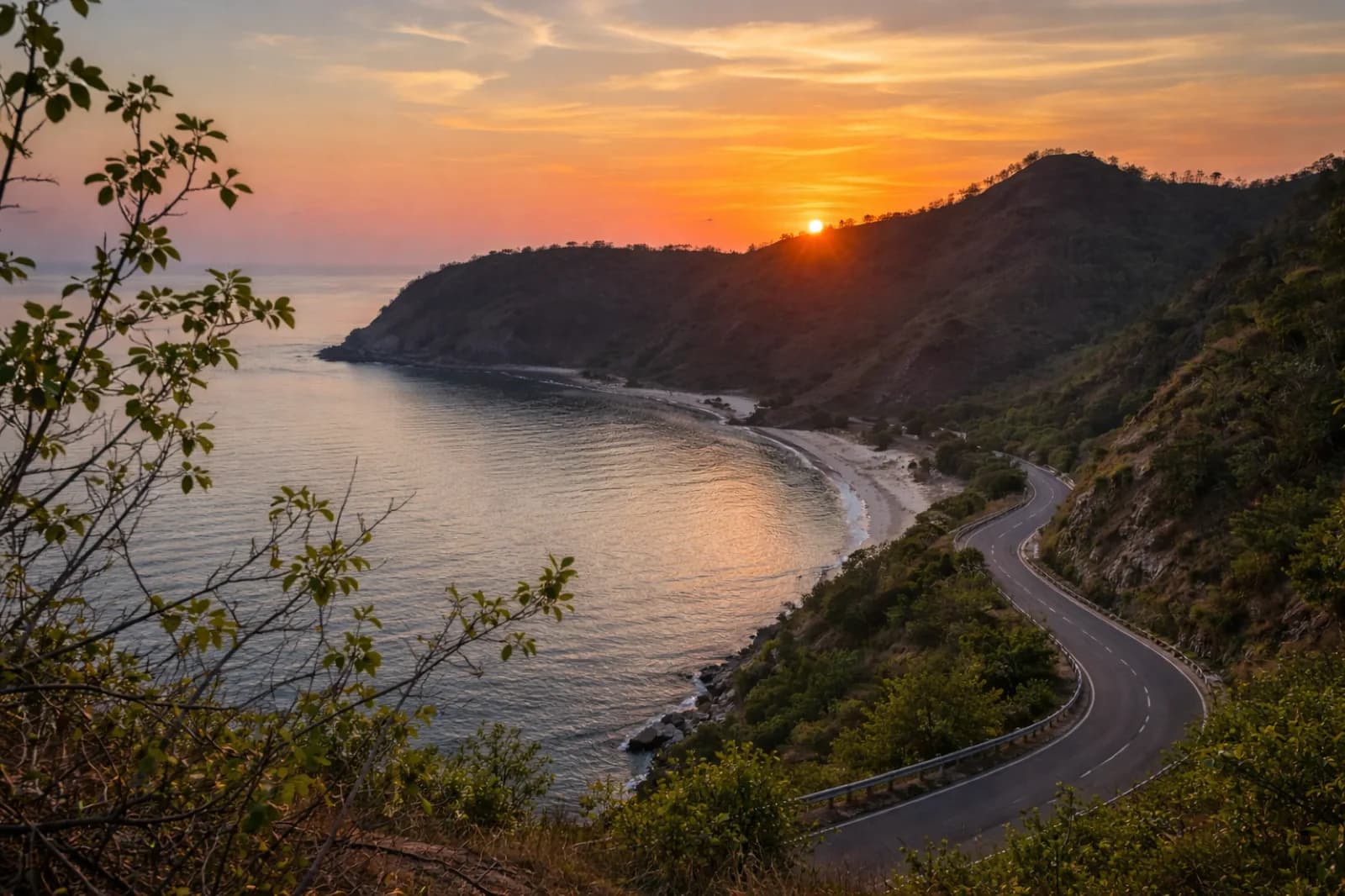
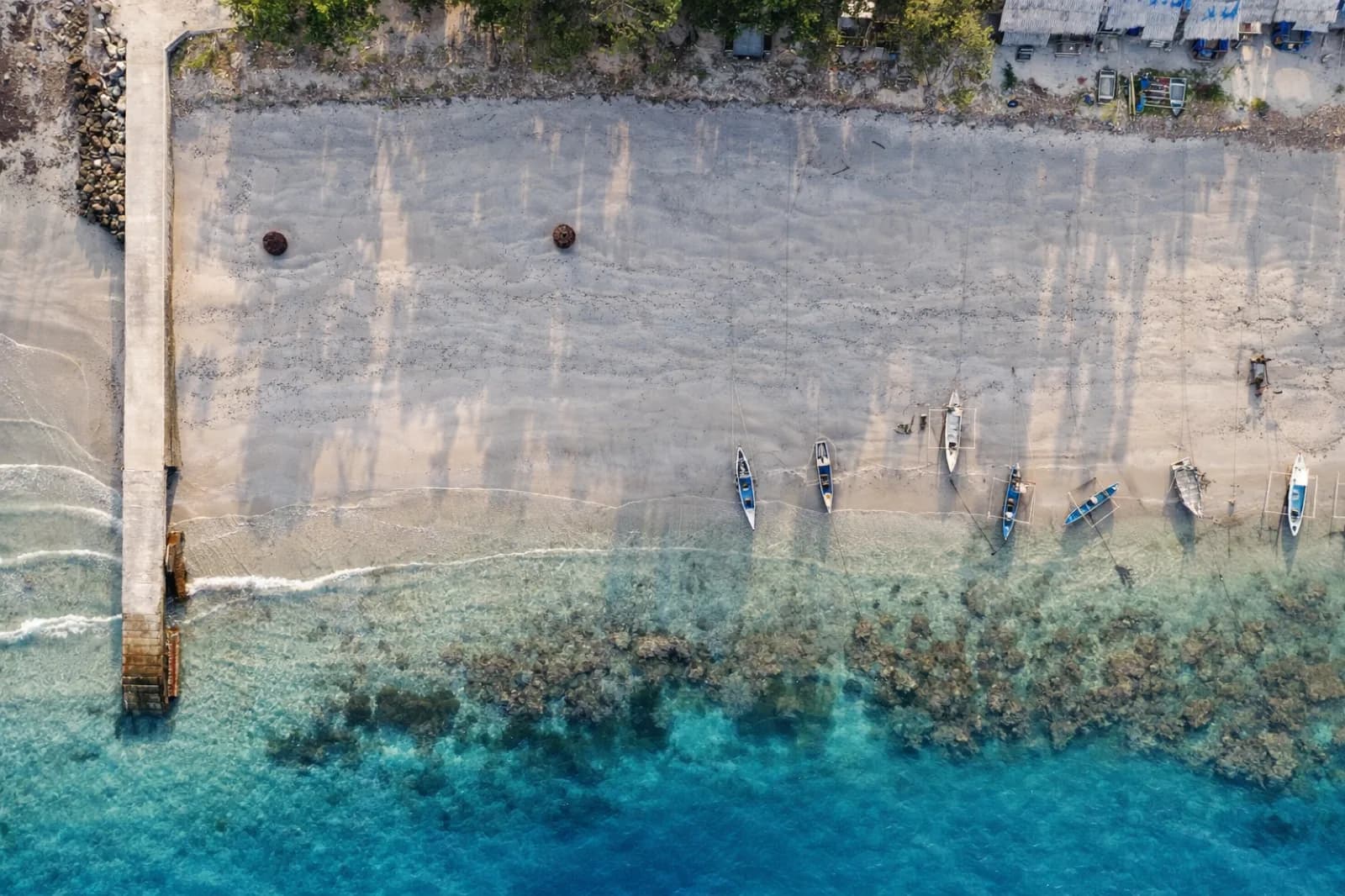
The 2.5 km coastal promenade from the Dili Lighthouse (1896) to the Fruit Market. Fresh-grilled fish stalls, sunset bars, fishing boats coming in.
Time
Anytime, 1+ hour
Cost
Free
Best for: Sunset, dinner, swimming, walking
Day trip to Atauro Island
Catch the morning ferry, snorkel the world's richest reefs, return the same day. The Berlin Nakroma (Wed/Thu/Sat/Sun, about 2h15) is the pick; MV Success runs Tue/Fri. Most travellers end up extending: Atauro has lodges and dive resorts worth more time.
A 10-minute drive west of central Dili. Important Bird Area with 71 recorded species: egrets, kingfishers, herons. Pope Francis held mass here in September 2024 for ~700,000 people. Best at dawn for birding.
Time
1-2 hours
Cost
Free
Best for: Birders, dawn light, runners
Timorese coffee tasting
The famous Timor Hybrid coffee was first cultivated in the highlands above Dili; Starbucks has been the largest buyer since 1996. Several Dili cafés (Letefoho, Civil Society, Agora) serve single-origin and offer farmer-direct beans.
One of the largest cathedrals in Southeast Asia, capacity ~2,000. Pair with the smaller Motael Church (c.1800, oldest Catholic site in the country) and Santa Cruz Cemetery (1991 massacre memorial).
Time
45 min
Cost
Free
Best for: Architecture, history, half-day cultural loop
Sample itineraries
Four pre-built half-day and day plans for travellers who want a clear schedule.
1
Half-day cultural loop
4-5 hours
Start with coffee on the waterfront. Walk to the Tais Market. Continue inland to Motael Church and the Immaculate Conception Cathedral. Finish at the Resistance Archive & Museum. Best done in the morning before the heat.
2
Sunrise Cristo Rei
2.5 hours
Taxi to Cape Fatucama for 5:30 AM. Climb the 570 to 600 steps in cool dark, watch the sun rise over Atauro from the statue. Walk back down via Areia Branca beach for breakfast. Done by 9 AM.
3
Half-day shore dive
5 hours
Pickup at 7:30 AM from your hotel by a Dili dive shop. Drive 40 minutes west to K41. Two-tank boat or shore dive. Back in Dili by 1 PM. Surface interval lunch on the way home.
4
Day trip to Atauro
10 hours
Berlin Nakroma departs Dili at 8 AM (Wed/Thu/Sat/Sun), about 2 hours 15 minutes to Beloi. Snorkel the house reef, lunch at a Beloi guesthouse, then the 3 PM return ferry puts you back in Dili by about 5:15 PM.
Book a Dili tour or experience
Verified local operators. Real prices. Direct booking that's usually $2 less than third-party platforms.
Six things that materially change a Dili day. Read these before you plan, not after.
Morning is the move
Dili gets brutal between 11 AM and 3 PM. Front-load outdoor things to do (Cristo Rei, walking tours, beach time) before 10 AM. Use the heat for museums, lunch, and a long sit.
Taxis don't use meters
Always agree the fare before getting in. $3-$6 covers most central trips. From the airport to the waterfront is $5-$10. Anything quoted above $10 in town is overcharging. Laugh, walk, find another.
Restaurants close early
Most Dili kitchens shut by 9 PM. The waterfront bars run later. Plan dinner before 8 PM unless you've confirmed the restaurant's actual closing time; a lot of Google Maps listings are wrong.
Sundays are quiet
Dili largely closes on Sundays: many cafés, shops, and even the Tais Market are shut or short hours. Use Sunday for the Cristo Rei hike, the waterfront, or a beach day at Areia Branca.
Swim where the locals do
Areia Branca and the central waterfront are where Dili locals swim, but crocodiles are occasionally seen even here. Ask locally first, avoid river mouths, stay out of the water at dusk, and do not swim at Hera or Metinaro.
Time things around the ferry
The Atauro ferries leave Dili at 08:00 every day except Monday: Berlin Nakroma on Wed/Thu/Sat/Sun, MV Success on Tue/Fri. If you want a day trip, build the rest of your Dili week around those days. Miss the morning departure and there's no second chance that day.
The questions every Dili visitor ends up asking on day one.
What are the top things to do in Dili?
The five most-recommended Dili experiences: (1) climb to the Cristo Rei statue for sunrise, (2) visit the Resistance Archive & Museum to understand the country's history, (3) shore-dive K41 or Pertamina Pier on the north coast, (4) shop the Tais Market for traditional textiles, and (5) eat fresh-grilled fish on the Avenida de Portugal waterfront at sunset. Most can be paired into a 1- or 2-day Dili itinerary.
How many days do I need in Dili?
Two days is the practical minimum. Day 1: Cristo Rei at sunrise, Resistance Museum, Tais Market, waterfront dinner. Day 2: shore dive at K41 or a half-day cultural walking tour. Add a third day for a ferry day trip to Atauro Island. Most travellers use Dili as the base for the rest of the country (Atauro, Maubisse, Baucau), so 3 nights is typical.
What is the best time to visit Dili?
May to November (dry season): sunny, low humidity, the seas are calmest for diving and ferries. December to April is the wet season: hotter, daily afternoon downpours, occasional ferry cancellations, but everything stays open. Dili itself is hot year-round (28-35°C); plan outdoor activities for early morning or late afternoon.
Is Dili safe for tourists?
Yes. Dili is one of the safest capital cities in Southeast Asia for visitors. Crime is overwhelmingly petty: don't leave valuables visible in parked cars. The waterfront and central districts are well-patrolled. The roads are chaotic, so be cautious crossing streets. Tap water is not drinkable; buy bottled. Crocodiles are occasionally seen even on Dili's beaches, so ask locally before swimming.
How do I get around Dili?
Mikrolets (minibuses, $0.25 per ride) run 13 fixed routes from ~6 AM to 6 PM. Yellow taxis are cheap but unmetered; negotiate before you get in ($3-$6 typical, about $10-$15 from the airport). Blue metered taxis are available at night. Motorbike rental ($15-$25/day) is the most flexible option if you're comfortable on Dili roads. Walking covers most of the central waterfront and museum loop.
How much does the Cristo Rei hike cost?
Free. The 27-metre statue is accessible 24/7, with 570 to 600 steps past the 14 Stations of the Cross. Allow 1.5-2 hours round trip from the parking area at Areia Branca beach. A taxi from central Dili runs $5-$10 each way; if you're fit you can walk the coast road in about 45 minutes. Best at sunrise (cool, golden light) or late afternoon. Bring water and sun protection.
Can I dive directly from Dili?
Yes, the north coast west of Dili has some of the best shore diving in Southeast Asia. K41 (named for the kilometre marker, ~40-minute drive west) is the headline site. Pertamina Pier and Tasi Tolu are also excellent. Dive shops in Dili run daily guided shore dives (about $60 per dive including gear). Atauro Island reefs are a separate, ferry-based day trip.
Do I need a guide for Dili attractions?
Mostly no. Cristo Rei, the cathedral, the cemetery, and the waterfront are easy to navigate solo. The Resistance Museum has English signage. A guide is genuinely useful for: (1) the cultural walking tour: local context turns three churches into a story; (2) shore diving: local DMs know the entry points and currents; and (3) the highlands or Atauro day trips, where logistics are harder solo.
What about food in Dili?
Better than expected. The waterfront grills (Pateo Beach, Sea Breeze) do fresh-caught fish and chilled Bintang. Agora Food Studio is the headline farm-to-table spot serving modern Timorese. For coffee, try Letefoho Specialty Coffee Roaster or Civil Society Café; single-origin Timor Hybrid is the local pride. Most restaurants close by 9 PM; waterfront bars run later.
Where should I stay while doing things in Dili?
For first-time visitors, the waterfront strip along Avenida de Portugal: Hotel Esplanada and Palm Springs Hotel are the long-running picks, walking distance to most central attractions. For business travellers, Hotel Timor and Timor Plaza Hotel are more central. Budget travellers should look at the Lecidere/Bidau guesthouse cluster. Full breakdown on our Hotels in Dili page.