Request · free to ask
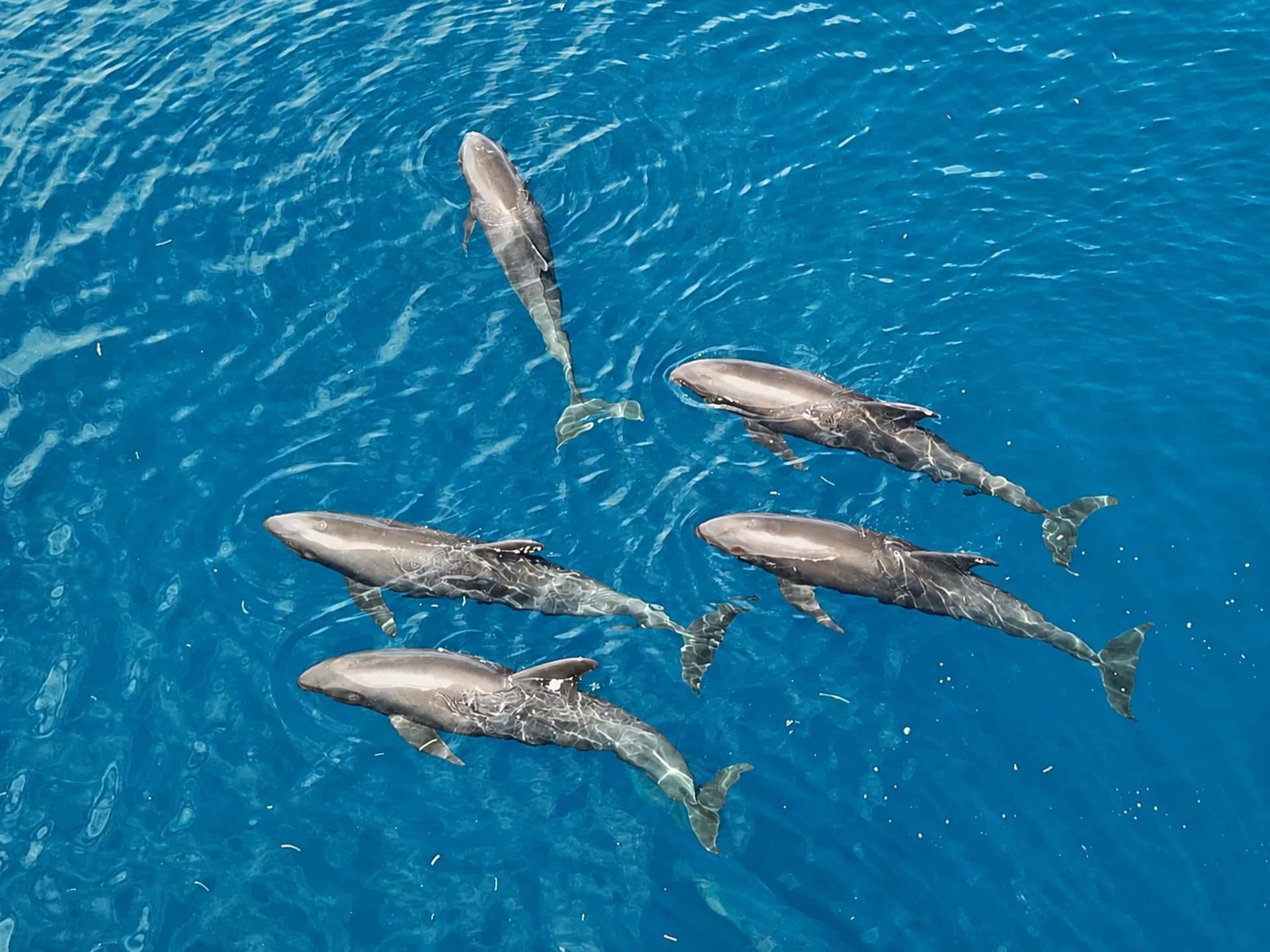
Whale & Dolphin Tour
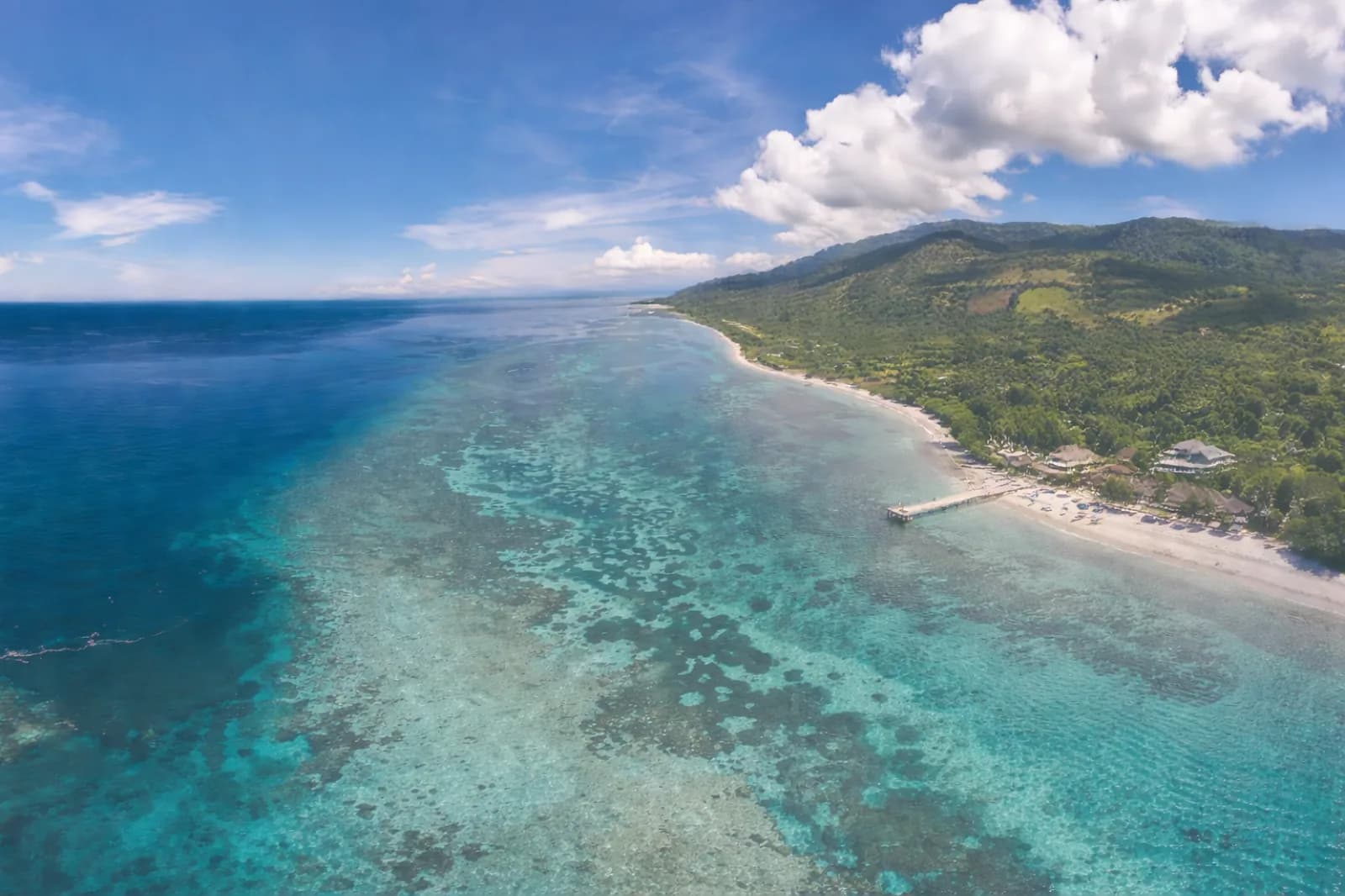
Wetar Strait, AtauroUp to 1 dayMysaffy Atauro Island Adventures
WildlifeEasyMax 8
$350per personMinimum 5 guests, from $1,750
Check dates & availability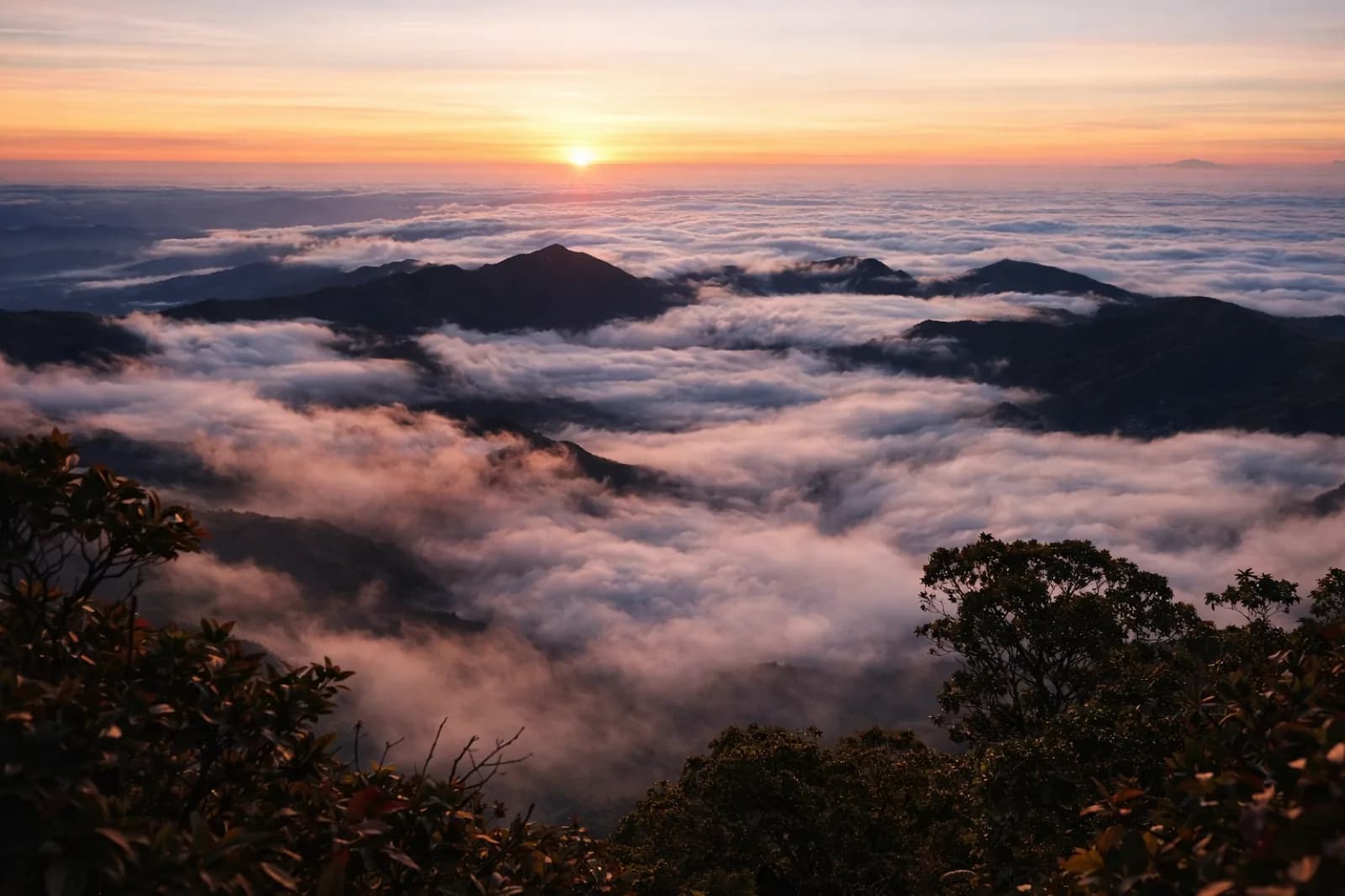
Month-by-month guide for planning your trip
Timor-Leste (East Timor) has two seasons: dry from May to November and wet from December to April. The country sits about 8° south of the equator, so daytime temperatures stay between 25-34°C year-round on the coast. What changes is the rainfall, the sea conditions, and what's actually possible. For most travellers, May, June, July, August, September, and October are the right windows, with October standing out as the single best month: dry weather still holds while pygmy blue whales begin migrating through the Ombai Strait.
This guide breaks the year down month-by-month, then by activity (diving, trekking, whales, coffee), then by region (coastal Dili versus highland Maubisse). Whether you're picking a single week or planning a flexible long trip, the answer is somewhere below.
This is Timor-Leste's peak travel season, and for good reason. Rain is rare, temperatures are comfortable (25-32°C in the lowlands, 10-20°C in the highlands), and the water is clear, with excellent diving visibility (20-30m+). From about June to September the trade winds make sea crossings and afternoons choppy, so plan boat trips for the morning.
May and June are transition months: you might catch the last rains, but conditions are generally excellent. July through September is peak season: perfect weather, clearest water, and the best time for Ramelau trekking. October and November remain dry and add the bonus of whale season beginning.
Book popular tours in advance during Jul-Sep. Group sizes are small (6-12 people) and operators have limited departures.
The wet season brings afternoon thunderstorms, higher humidity, and occasional flooding on rural roads. But mornings are often clear and beautiful, and the landscape transforms into lush tropical green.
Diving is still possible year-round, though visibility drops (10-20m). Shore diving in Dili is less affected by weather than boat diving at Atauro. Some mountain roads become impassable. Check conditions before attempting Ramelau or the far east.
The upside: fewer tourists, lower prices, and incredibly photogenic landscapes. If you're flexible and don't mind rain, the wet season can be magical.
January. Wet season, peak rainfall. Daily highs around 31°C, lows around 24°C. Afternoon thunderstorms are reliable; some rural roads (notably the south coast and parts of the eastern interior) can become impassable. Diving still possible from Dili shore sites but visibility drops to 10-15m. Pricing at its lowest. Best for: photographers wanting dramatic skies, budget travellers, anyone who wants Timor essentially to themselves.
February. Still wet season: conditions similar to January, with rainfall often peaking. Rivers run high and road washouts are more common. A workable month for indoor cultural visits (Resistance Museum, Tais Market), shore diving in Dili, and travellers seeking near-total solitude.
March. Transition month. Rainfall begins to taper in the latter half, though the highlands often stay wetter than the coast. Mountain trails are still slippery and a Ramelau sunrise climb is rarely worth attempting. Pricing remains low. Around the Feast of the Annunciation (about 25 March), a Catholic pilgrimage climbs to the Virgin Mary statue on the summit of Mount Ramelau.
April. Late wet season. Showers are shorter and less reliable; some days feel fully dry. Sea conditions begin to improve and dive visibility climbs into the 15-20m range. Coffee plants in the highlands are setting fruit. A good shoulder month if you accept some weather variability.
May. Start of the dry season. Daily highs 28-30°C, low humidity, increasingly reliable sun. Coffee harvest begins. Diving visibility back to 20-25m. Sea calms. Tour operators ramp up schedules. A genuinely excellent month with the bonus of pre-peak pricing. Restoration of Independence Day falls on 20 May. Expect public holidays around the date.
June. Reliable dry-season weather, cool by Southeast Asian standards. Daily highs 27-29°C on the coast, highland nights drop to 10-14°C. Best month to start trekking Mount Ramelau (dry trails, clear summit). Coffee harvest in full swing.
July. Peak dry season. Daily highs 28-30°C, lows 20-22°C, near-zero rainfall. Sea visibility 25-30m+. The best month for trekking Mount Ramelau (cold but clear summits). Group tours run their fullest schedules; book a week or two ahead. Best for: divers, trekkers, photographers wanting saturated colour and clear horizons.
August. Continued peak season. Cool, dry, and busy by Timor standards (which still means uncrowded by any global comparison). Atauro diving at its absolute best. Highland mornings are crisp; bring a fleece for Maubisse.
September. Last of the cool, dry weather before temperatures climb. Coffee harvest winds down. Tour demand stays high with the tail of European summer holidays and Australian school breaks; book ahead. Highland mornings are still crisp.
October. The sweet-spot month. Dry weather still holds, daily highs 29-32°C. Pygmy blue whale migration begins in earnest mid-month. Coffee harvest is winding down in the highlands. Mount Ramelau is at its driest before the rains return. Pricing creeps up. Best for: anyone wanting the maximum number of activities possible in one trip: diving, whales, coffee, and trekking all overlap.
November. Whale-watching peak. Daily highs 31-33°C, humidity rising, first rains often appear in the second half of the month. Sea remains workable for whale trips. Proclamation of Independence Day on 28 November means embassy events and reduced government services around the date. Still excellent for diving, but pack for warmer, more humid conditions.
December. Wet season returns. Daily highs 32-34°C with high humidity. Rainfall increases through the month, and the late southward whale migration sometimes extends into early December but is less reliable as the month progresses. Christmas brings a quiet local family period. Best for: travellers prioritising lower prices and willing to accept weather variability.
Timor-Leste sits on the migration route of pygmy blue whales (Balaenoptera musculus brevicauda), a subspecies that grows up to 24 metres long. They pass heading south from October to early December, most reliably late October to November, from Indonesian breeding grounds toward Australian feeding waters. A smaller northbound passage happens mid-year (roughly May to August), but seas are rougher and few trips run.
Alongside pygmy blue whales, the strait hosts sperm whales, pilot whales, melon-headed whales, false killer whales, and large pods of spinner and bottlenose dolphins: one of the highest cetacean diversities recorded anywhere in Southeast Asia. The Ombai Strait drops to depths over 3,000 metres just a few kilometres offshore, which is why the animals come in so close to land.
The trip you can book on Rezerva is Mysaffy's full day from Atauro (October and November, from $350), and Atauro Dive Resort runs whale tours in the same weeks. Fishermen at Hera, east of Dili, and at Com go out informally in season: ask us on WhatsApp. Boats are small and trips depend on weather, so build a few days of flexibility into your itinerary. Sightings aren't guaranteed.
As the capital, Dili is a year-round destination, but the experience changes more than visitors expect. May to September is the comfortable window: daily highs around 30°C, low humidity, little rain.
October to December are the hottest months (33-35°C daily highs, high humidity) but coincide with whale migration and the Independence Day celebrations on 28 November.
January to April brings the rains: afternoon thunderstorms make outdoor sightseeing a morning-only activity, but the waterfront, Resistance Museum, Tais Market, and Cristo Rei walk are still on the table any day. Shore diving at K41 and Pertamina Pier holds up year-round; only boat diving at Atauro suffers in the wet season.
If coffee is a priority, time your visit for the harvest. From May to September, highland farms are actively picking cherries, processing, and drying: you'll see the full production cycle.
Farm visits are possible year-round, but harvest season is when the farms are most alive. The drive to coffee country through the highlands is spectacular regardless of season.
Coastal areas (Dili, Atauro, Com): hot and humid year-round. Cool months (June-August) see daytime highs around 25-30°C and nights of 22-24°C. Hot months (October-December) hit 33-35°C daytime, humid throughout. Sea breezes moderate Atauro slightly.
Highlands (Maubisse, Hato Builico, Ainaro): significantly cooler. June-August daytime is 18-22°C; nights drop to 8-14°C. November-February daytime climbs to 22-26°C. Bring layers in any month, especially for evenings.
Mount Ramelau summit (2,963 m): dawn temperatures of 5-10°C in the dry season, occasionally close to freezing in July and August at the cross. Year-round cold at altitude regardless of conditions on the coast.
Is it ever too hot to visit Timor-Leste?
October to December are the hottest months on the coast (33-35°C daytime, high humidity). It's not dangerous but it's tiring. Pace yourself, drink more than you think, and plan strenuous activities for early morning or late afternoon. The highlands stay 10-15°C cooler.
Can I still dive in the wet season?
Yes. Visibility drops from 25-30m to 10-15m, but Dili shore dives (K41, Pertamina Pier, Tasi Tolu) are largely unaffected: they're protected and shallow. What suffers is boat diving at Atauro, where surface chop can cancel trips on short notice.
When is whale season exactly?
Pygmy blue whales pass heading south from October to early December, most reliably late October to November. A smaller northbound passage happens mid-year (roughly May to August), but seas are rougher and few trips run. Sightings are weather-dependent; build flexibility into your itinerary.
What's the rainiest month?
January and February see the heaviest rainfall, with afternoon thunderstorms most days. Mornings often start clear.
Is October really the best month?
For most travellers, yes: it's the only month where dry weather, whale migration, the tail end of coffee harvest, and Mount Ramelau's clearest skies all overlap. The trade-off is rising temperatures and higher demand for tours.
5 experiences connected to this guide
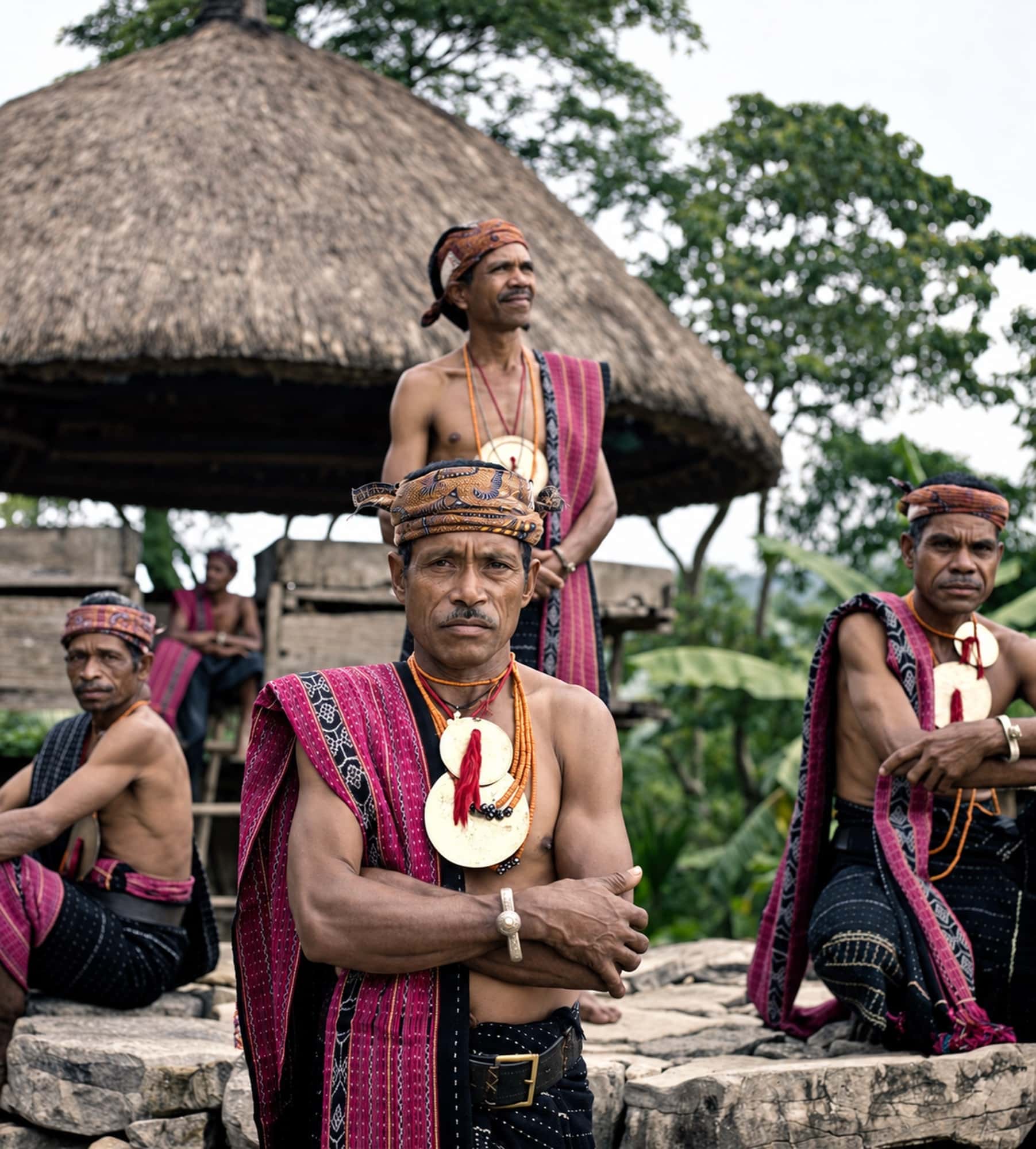
Dili city tour with Cristo Rei sunset
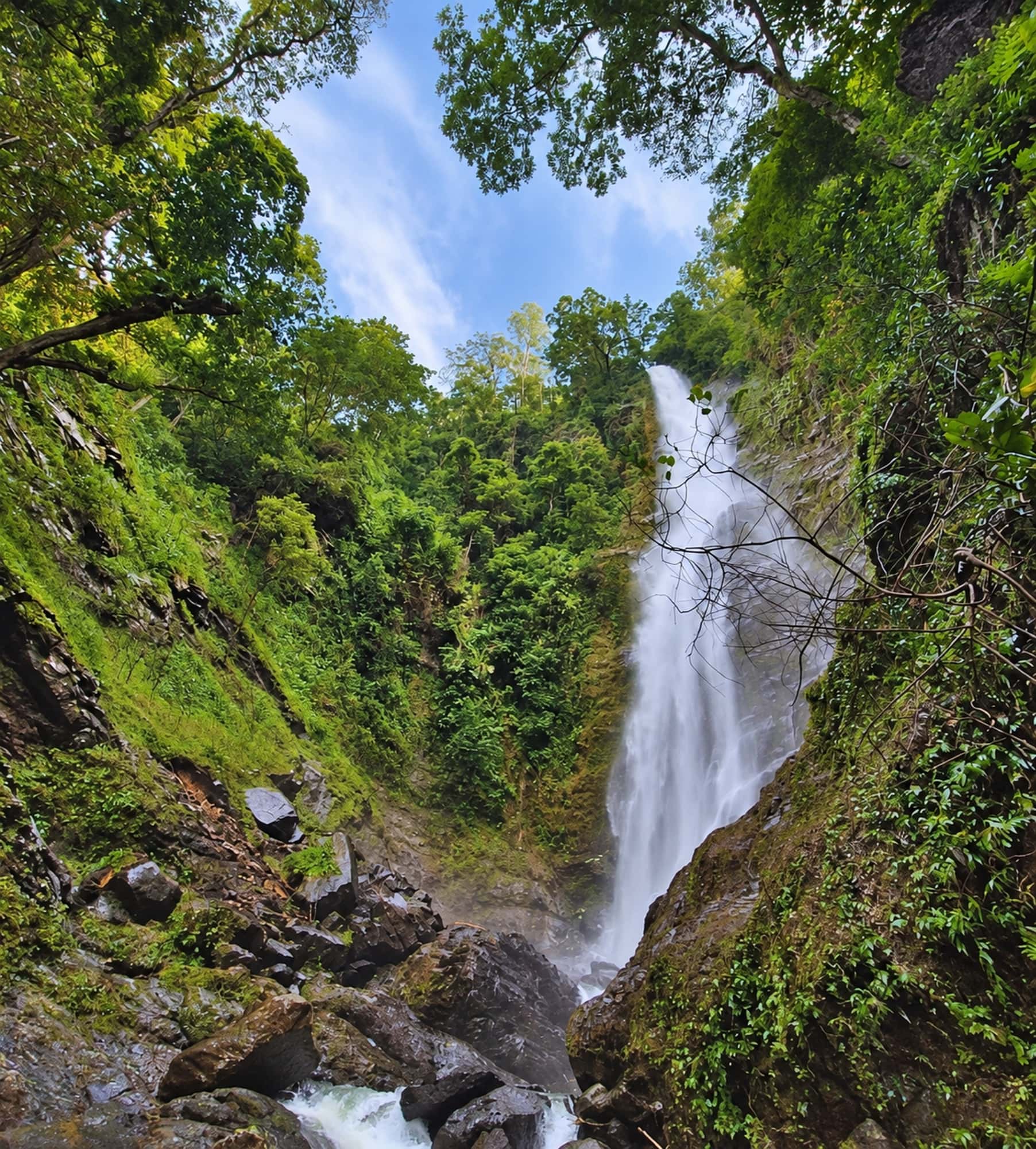
Seloi Kraik rice paddies
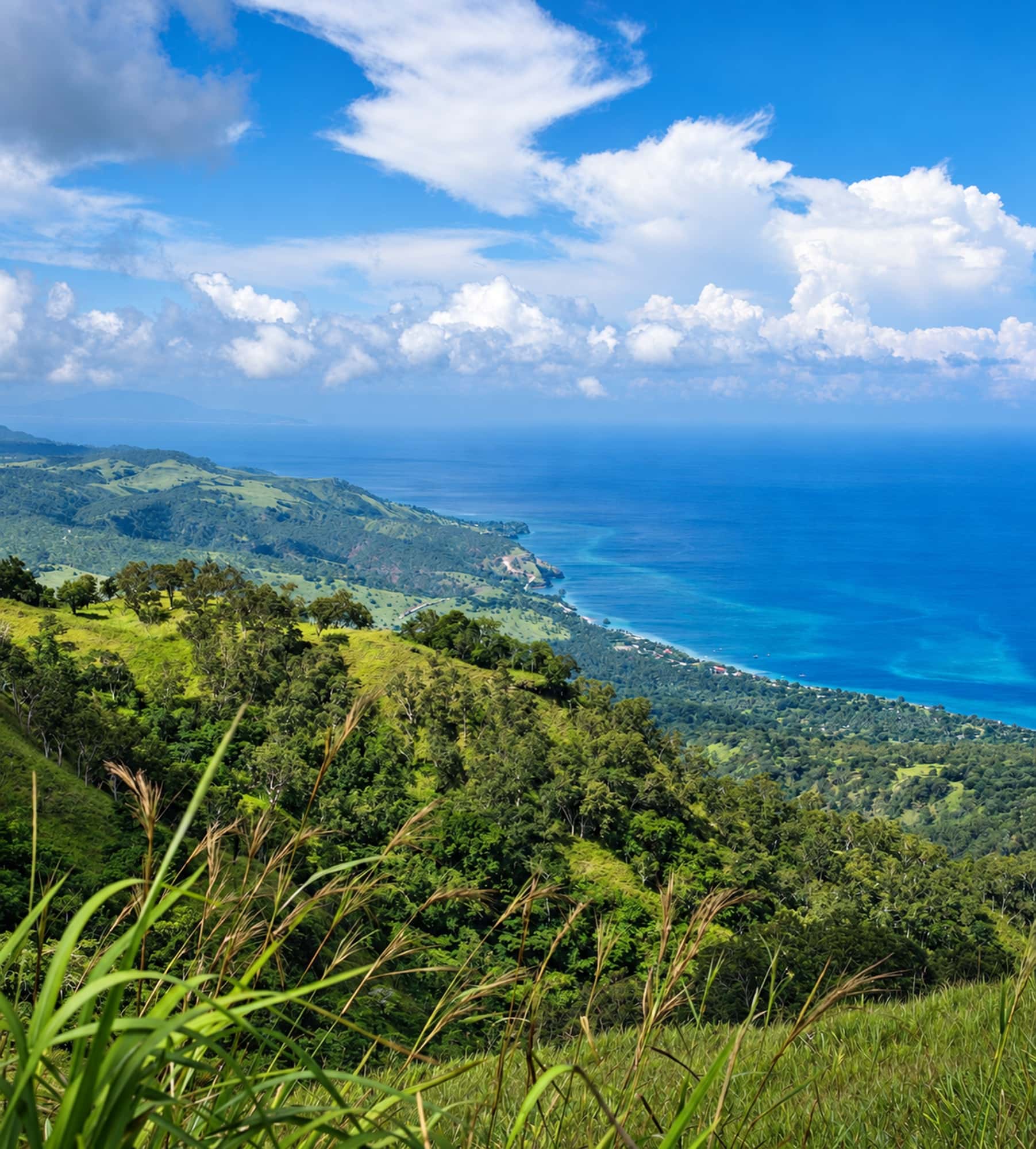
Seloi Kraik mountain lake and rice paddies
Atauro Island · Dili
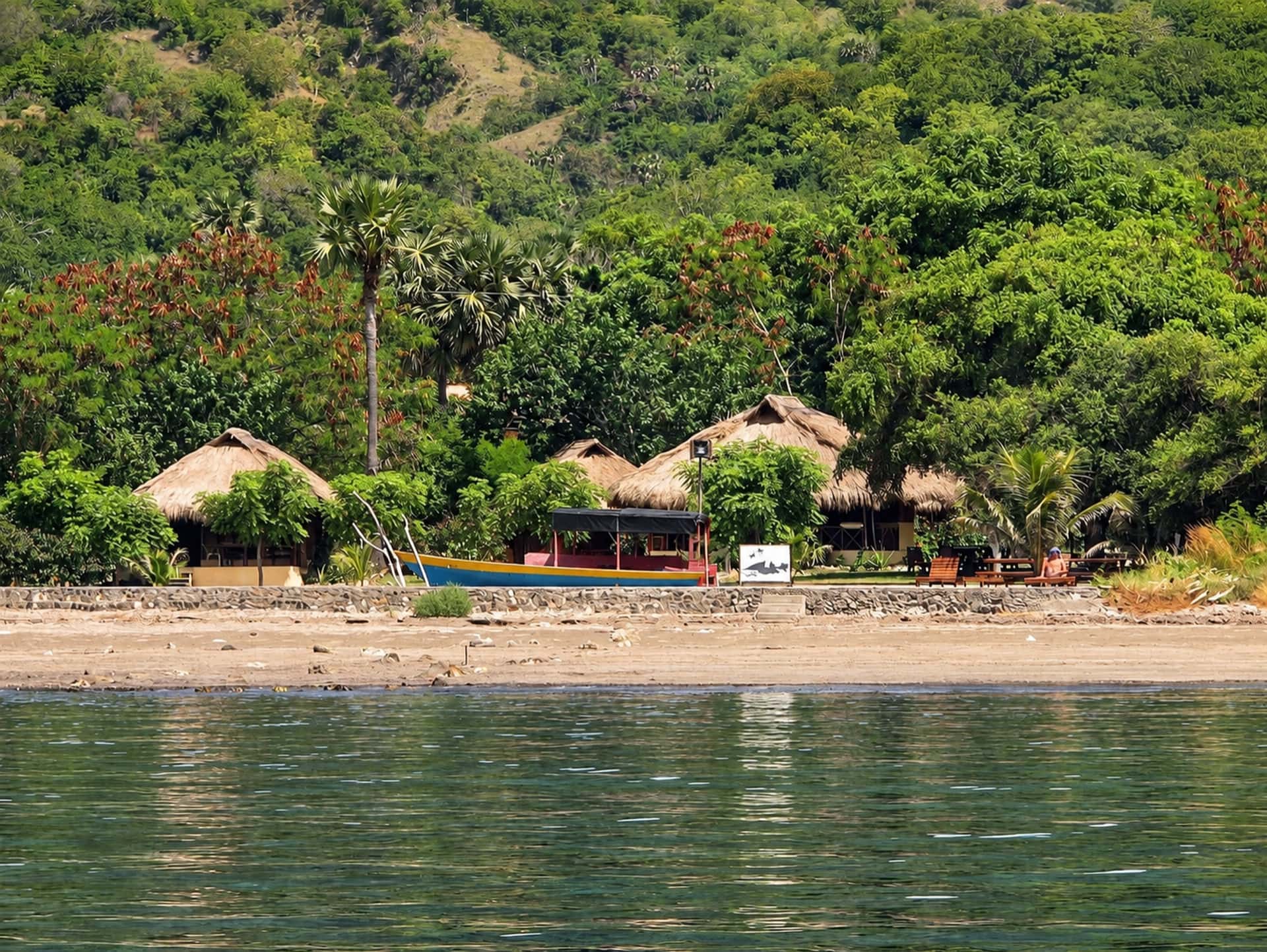
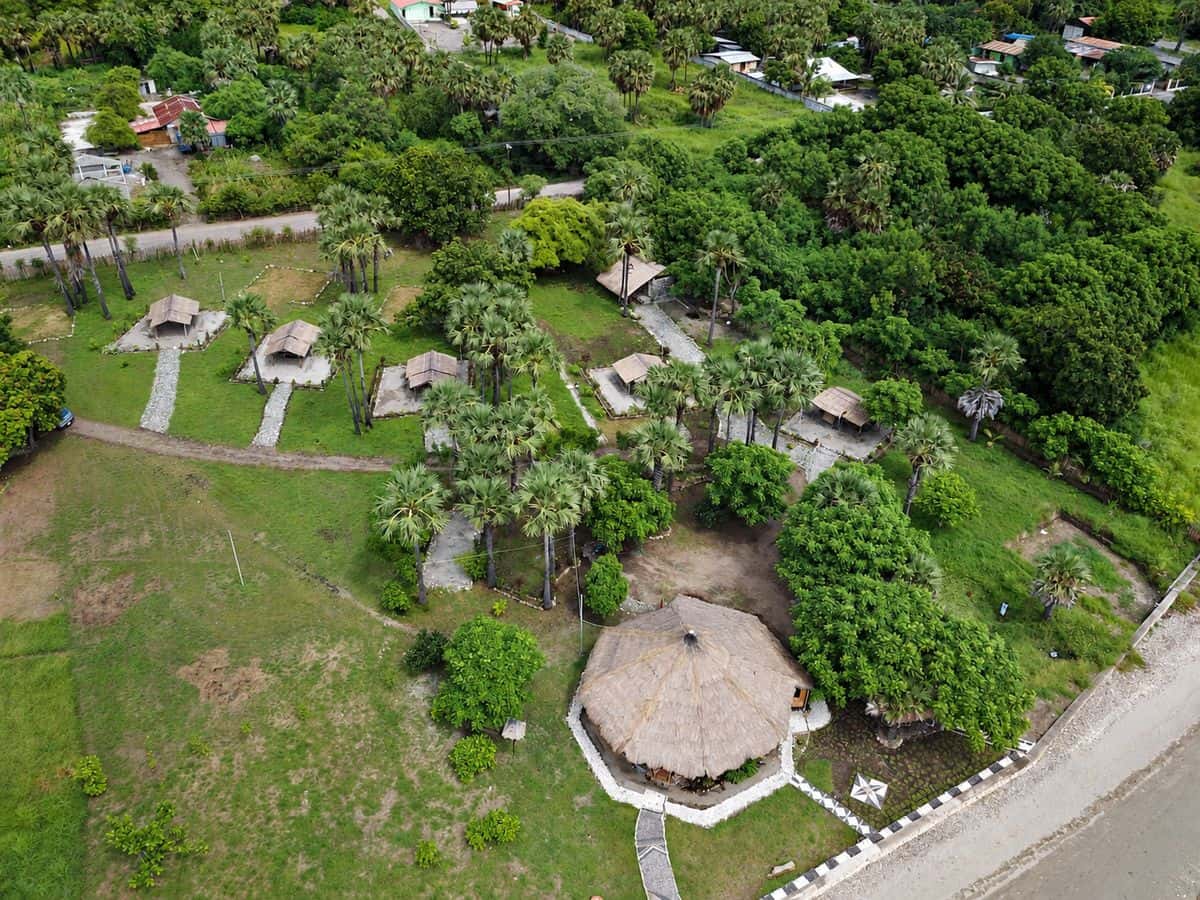
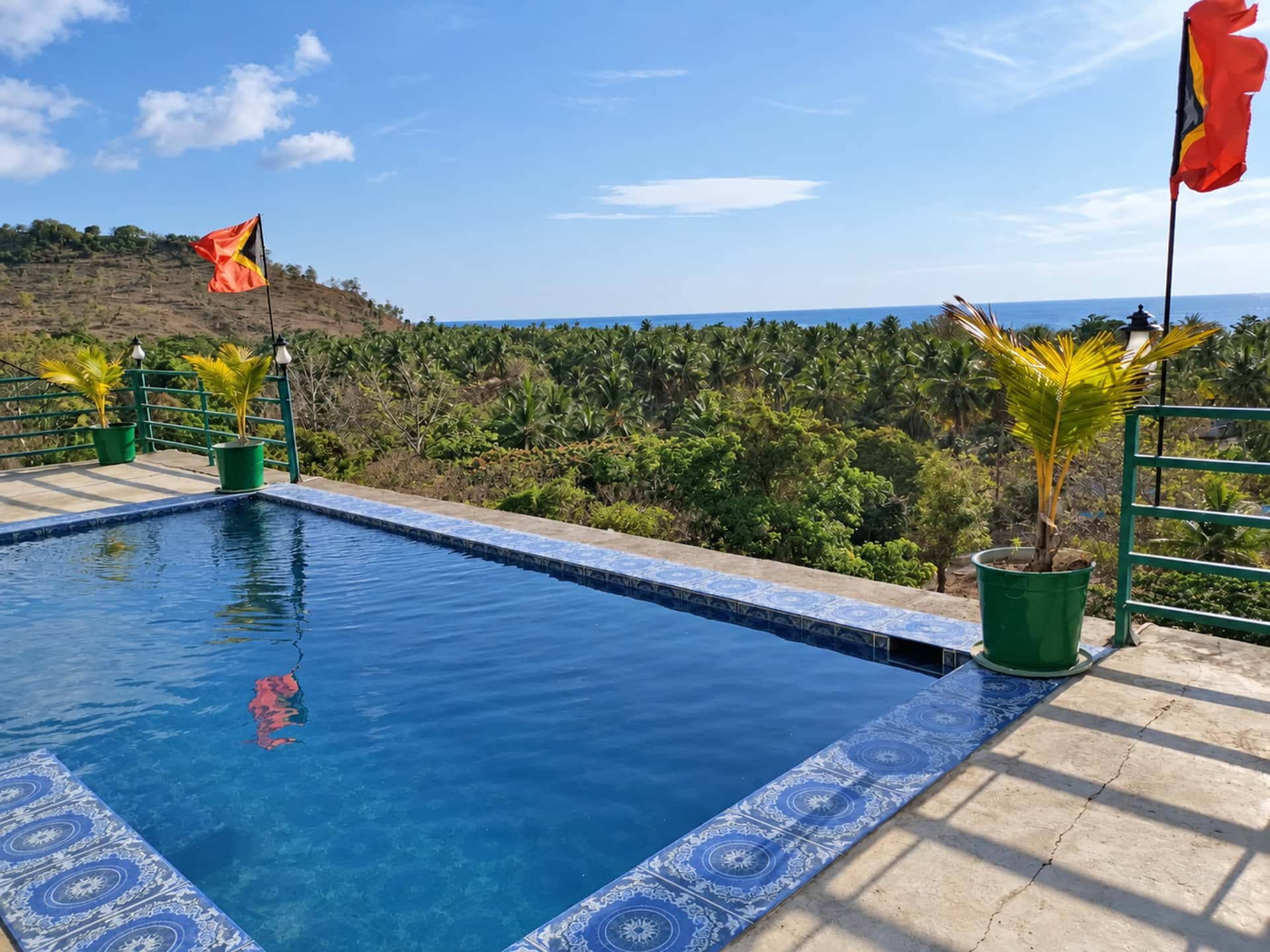
October-December. 33-35°C on the coast. Humid.
June-August. Comfortable 25-30°C coast, 10-18°C highlands.
October. Dry weather + green landscapes + whale season starting.
May to November overall. October for the best single month (dry + whales starting + green landscapes). July to September for most reliable weather.
New experiences, insider tips, and seasonal highlights. No spam, just useful stuff for planning your trip.
Unsubscribe anytime. We respect your inbox.
Continue planning your trip to Timor‑Leste
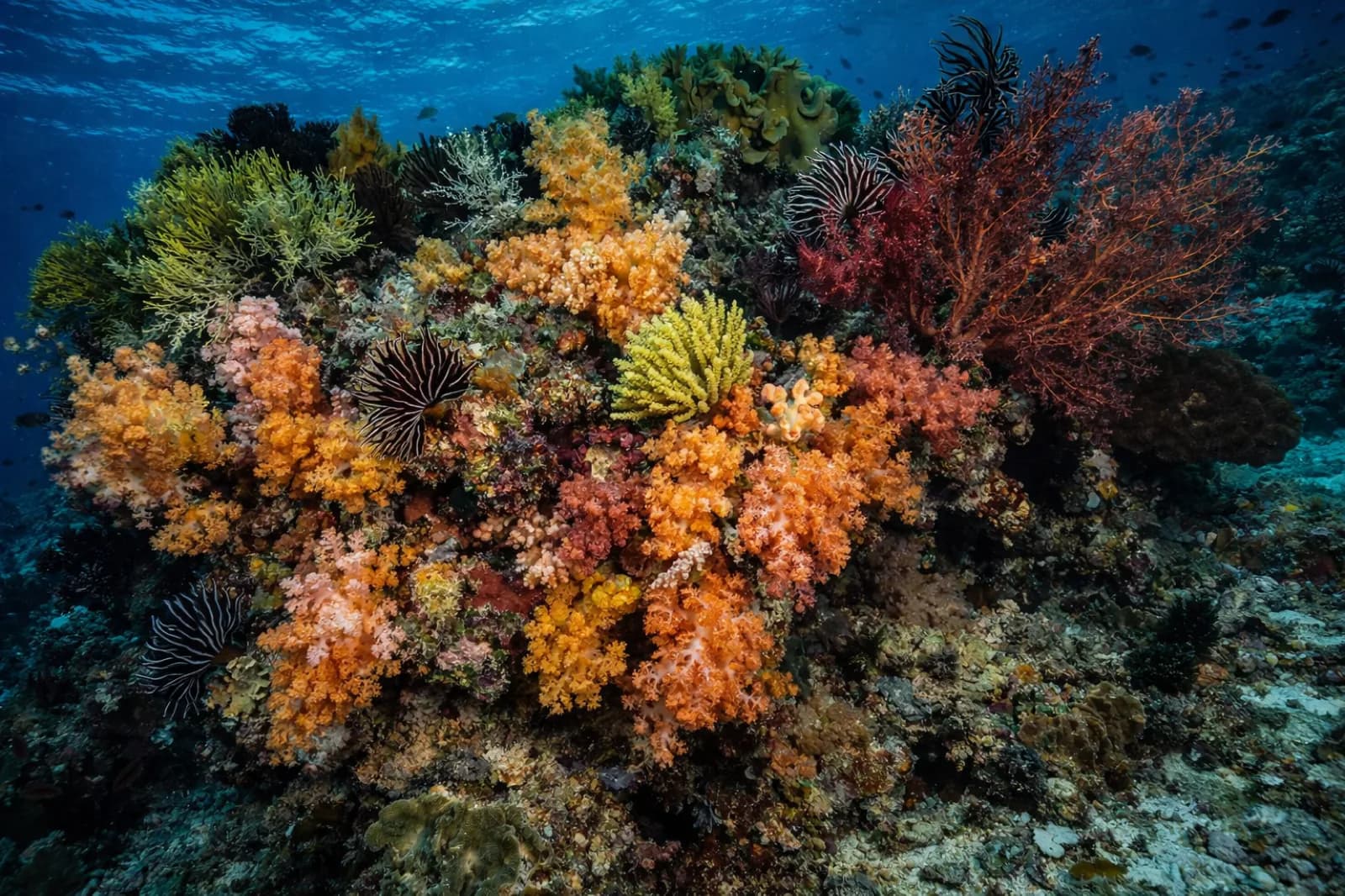
The world's most biodiverse reefs, virtually untouched
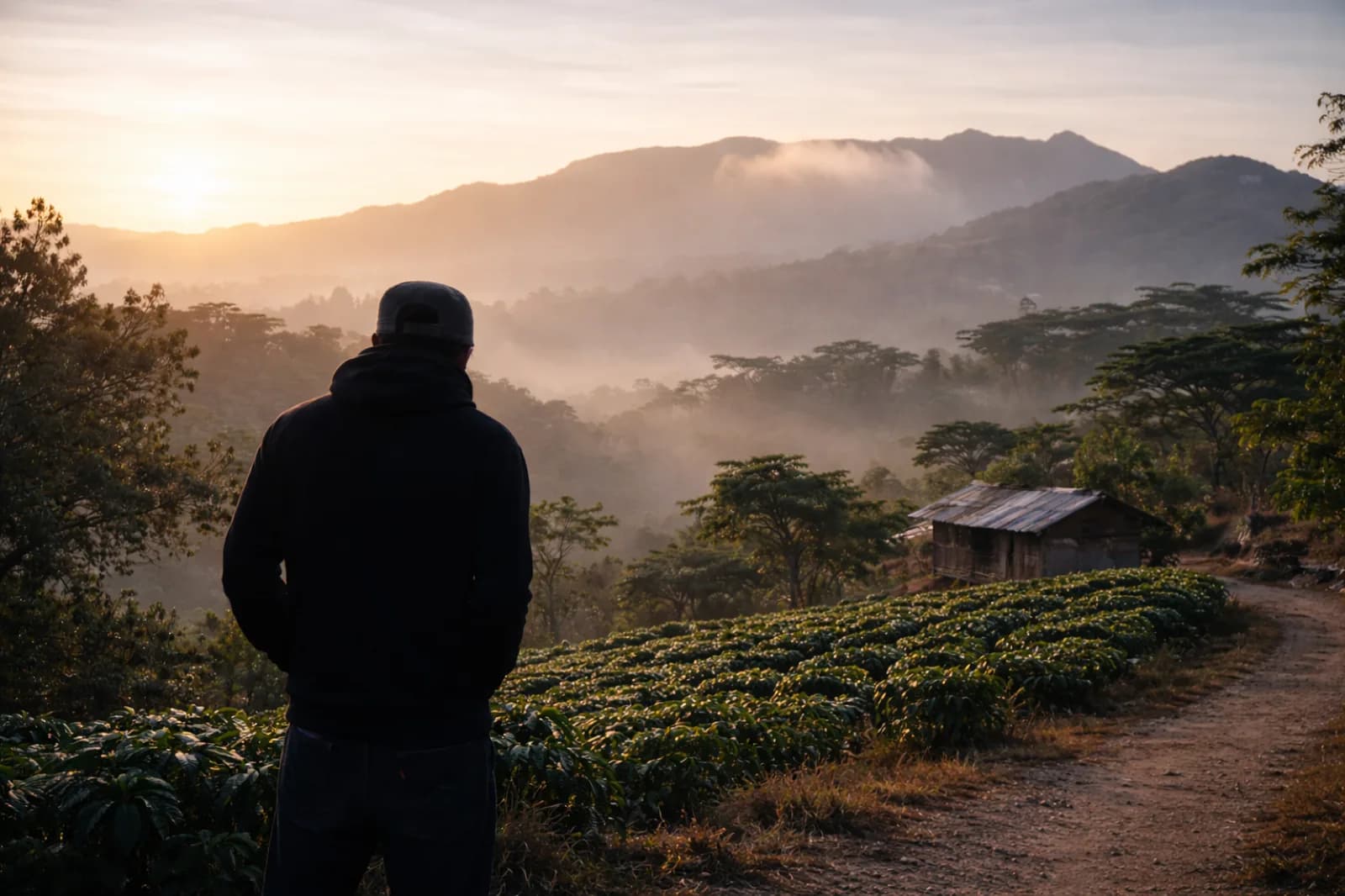
From highland farms to your cup: the Timor Hybrid story
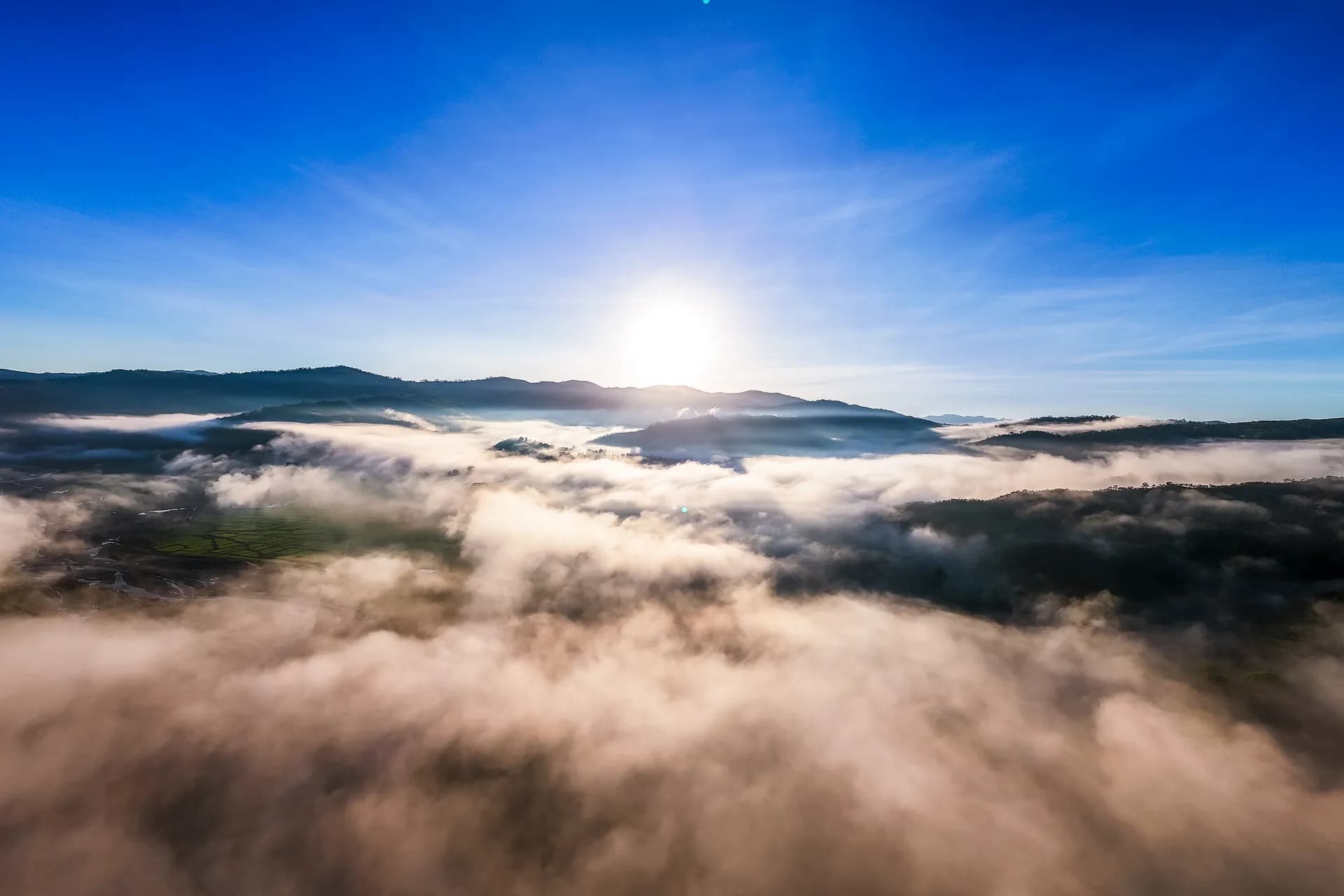
Sunrise from the roof of Timor-Leste at 2,963 m
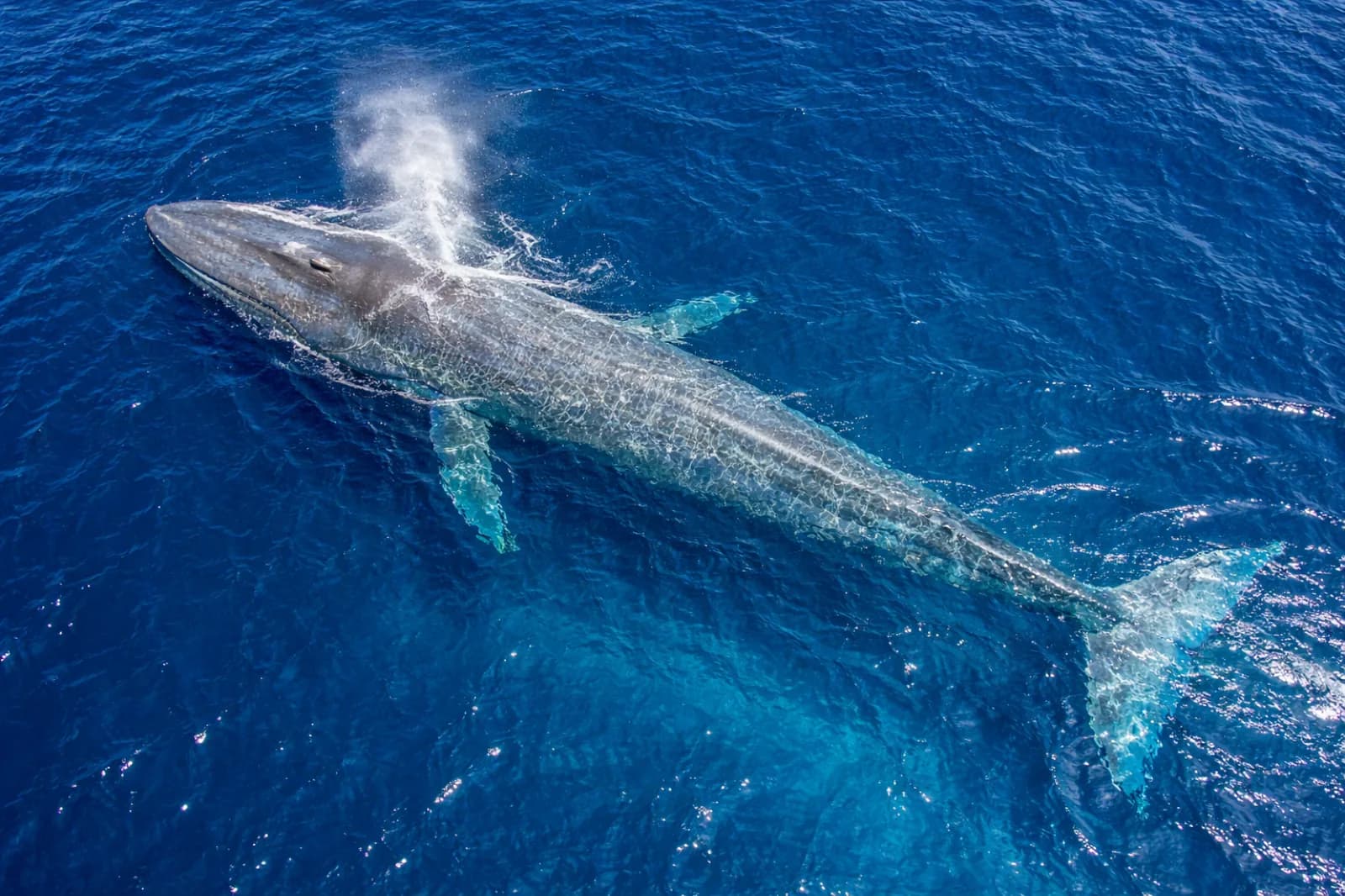
Sperm whales, blue whales, and dolphins in the Wetar Strait
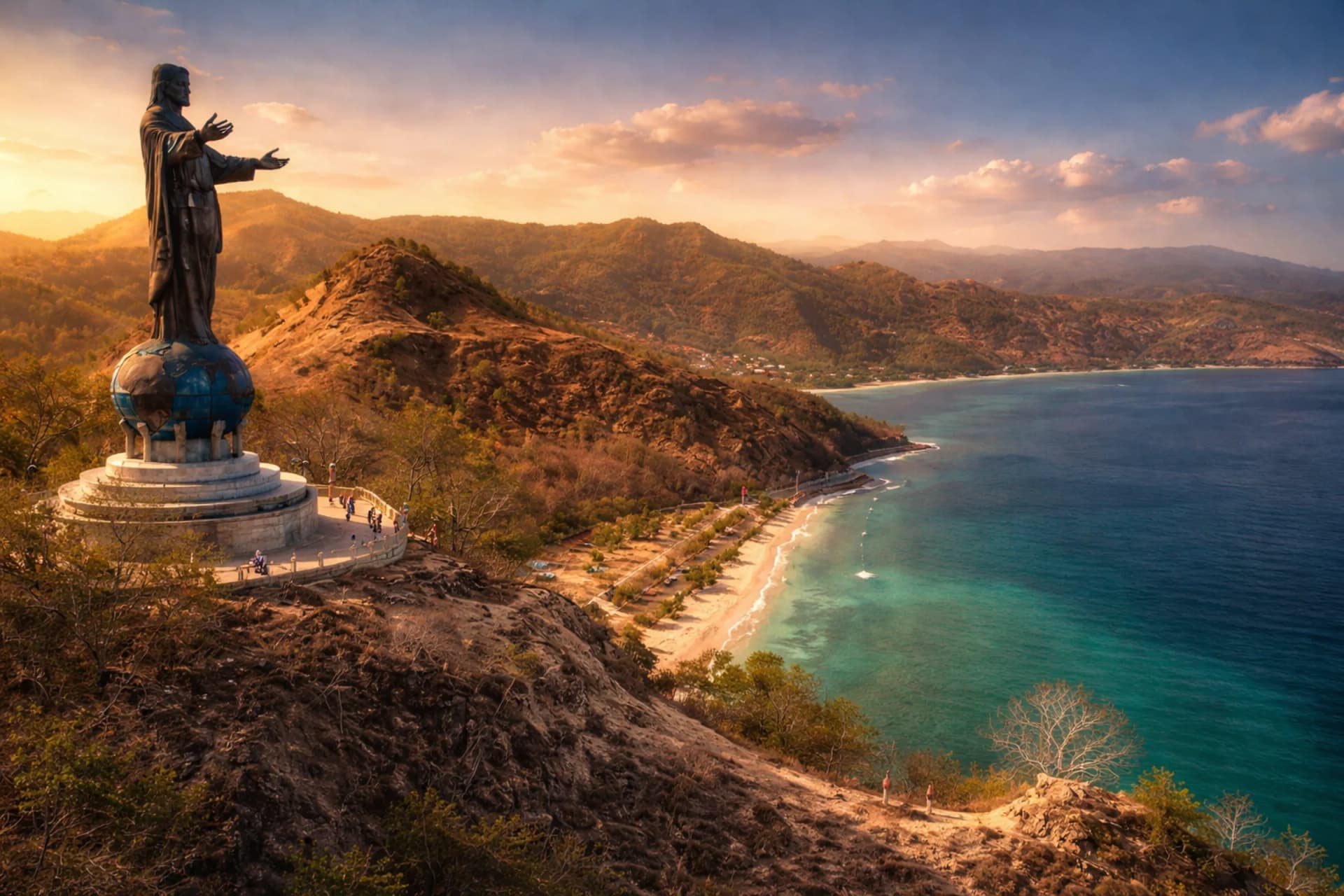
The complete guide to experiences, adventures, and hidden gems
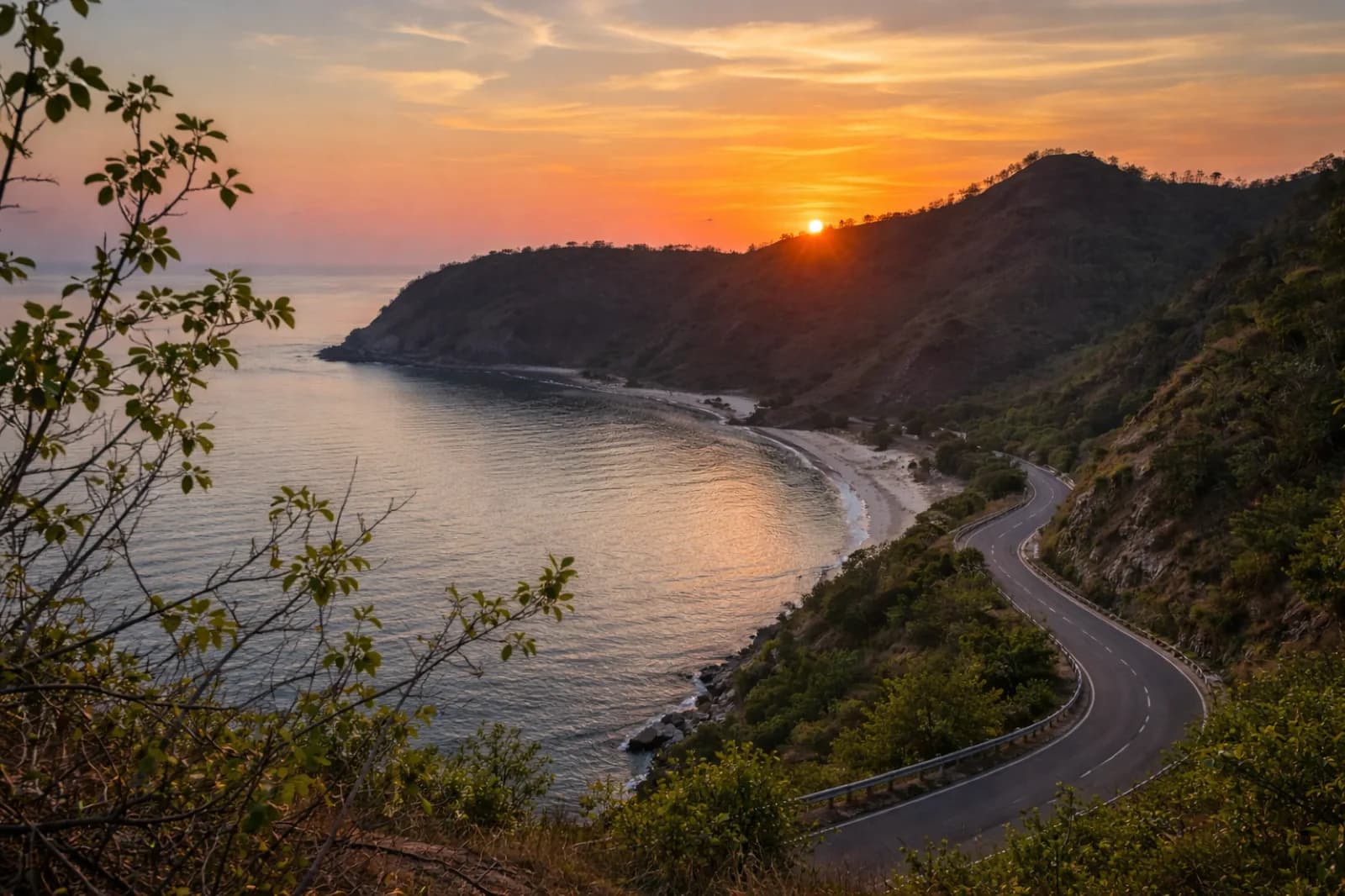
Your complete guide to Timor-Leste's coastal capital
Flights, visa rules, and a step-by-step arrival guide
What to know before you go: from crocodiles to pharmacies
Places mentioned in this guide