Request · free to ask
Verified partner
Timor-Leste's vibrant capital
Dili: Timor-Leste's vibrant capital. Timor-Leste's capital is dusty, chaotic, and full of character. Portuguese colonial buildings stand beside UN infrastructure, fishermen launch canoes from the same waterfront where expats jog. 26 bookable experiences.
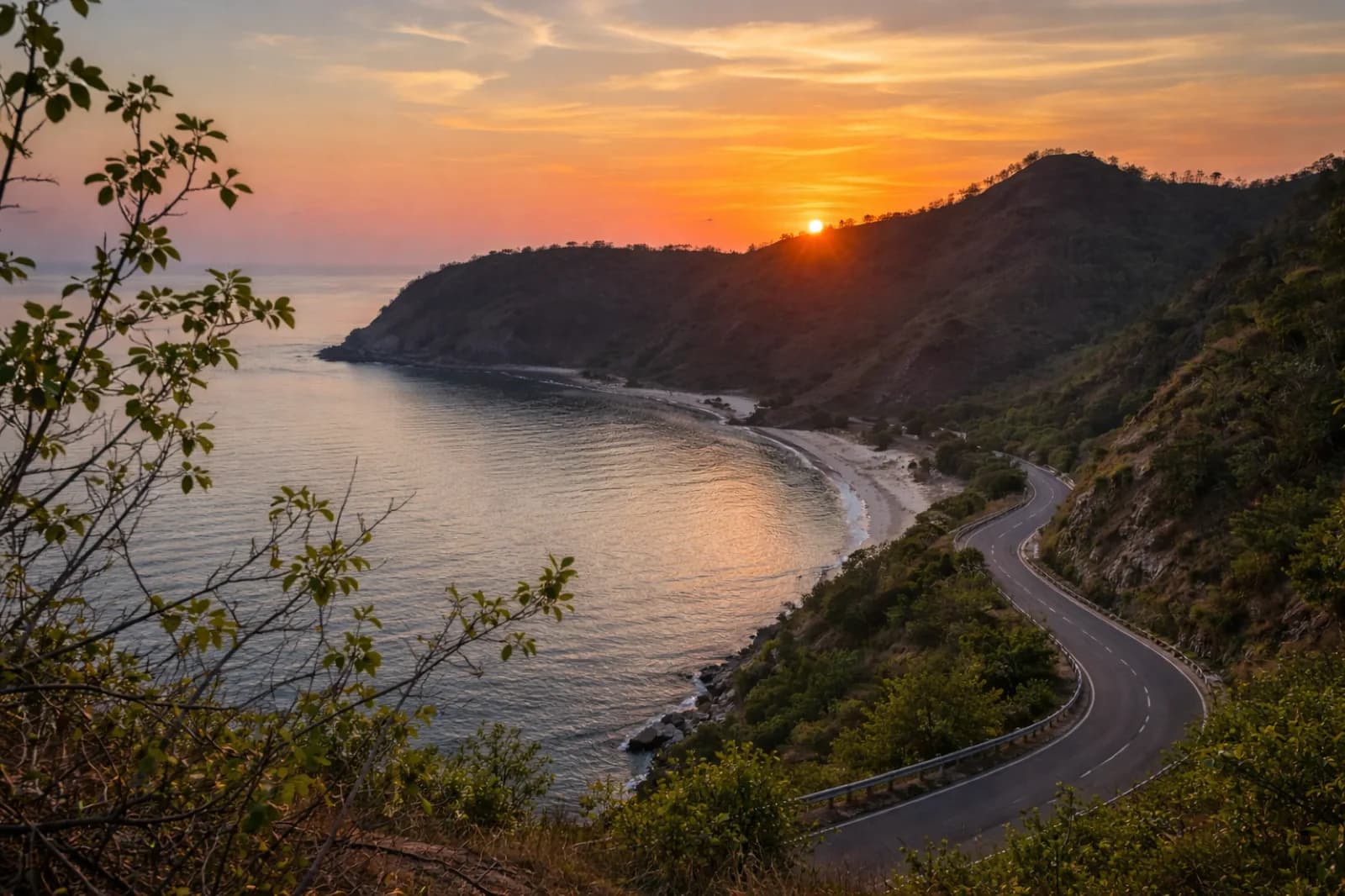
Hotels in DiliDili is a city of contrasts. Portuguese colonial buildings stand beside modern UN-funded infrastructure. Traditional tais weavers sell their cloth near shopping malls. Fishermen launch canoes from the same waterfront where expats jog past sunset cocktail bars. In October 2025, Timor-Leste became ASEAN's 11th member state, and Dili is where the country's new regional ambitions are most visible.
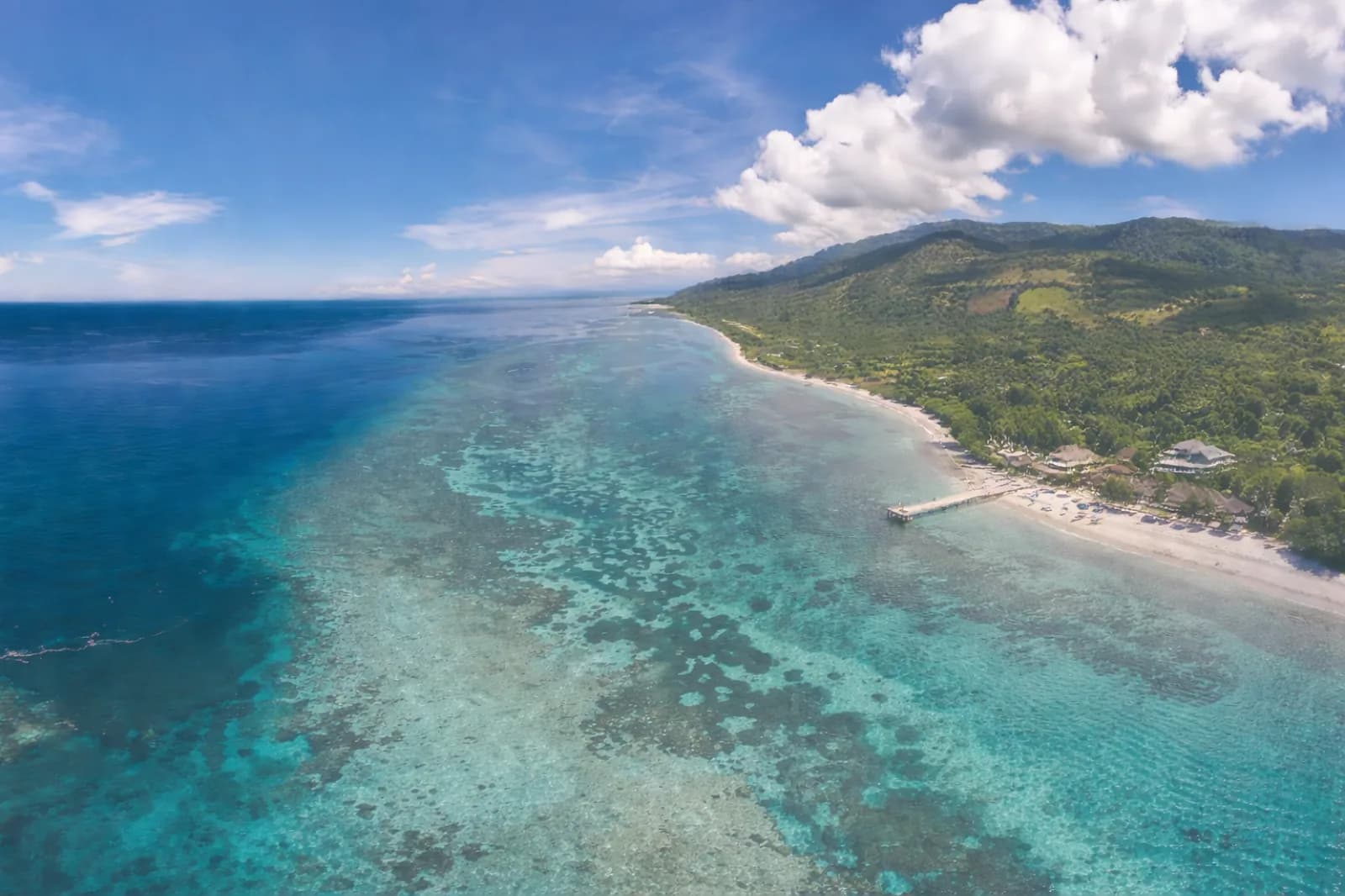
The city of around 325,000 people stretches along a curving bay, backed by dry, rugged hills. The famous Cristo Rei statue, a 27-meter copper figure of Christ unveiled in 1996, designed by Mochamad Syailillah, watches over the eastern end of the bay from its hilltop perch at Cape Fatucama, reached by climbing 570 to 600 steps past 14 Stations of the Cross. Crocodiles are occasionally seen even on Dili's beaches, so ask locally before swimming, avoid river mouths, and do not swim at Hera or Metinaro just east of the city.
As Timor-Leste's only international gateway, every visitor passes through Dili. Most spend a day or two here before heading to the islands, mountains, or east. But Dili deserves more than a transit stop. The city has genuine character: friendly locals, surprisingly good food (try Agora Food Studio for farm-to-table Timorese cuisine, or fresh grilled fish from the waterfront stalls), and a pace of life that rewards those who slow down. Pope Francis visited in September 2024, with a mass at Tasi Tolu that drew approximately 700,000 people: more than half the country.
The waterfront features a 2.5km promenade from the Dili Lighthouse (built 1896) to the Fruit Market. Inland, key museums include the Resistance Archive & Museum (opened 2005 in a rebuilt colonial court of justice), the Chega! Exhibition at the former Balide Prison documenting human rights abuses from 1974-1999, and the Xanana Gusmão Reading Room, Museum and Art Gallery: the first public library in post-occupation Timor-Leste. Motael Church, dating to around 1800, is the oldest Catholic church site in the country, while the Immaculate Conception Cathedral is one of the largest in Southeast Asia.
The iconic walk east from Dili along the coast road to the Cristo Rei statue. The climb of 570 to 600 steps to the 27-meter statue rewards with panoramic views of Dili Bay, Atauro Island, and the north coast. Best at sunrise or late afternoon to avoid the heat.
Explore Dili's history: from Motael Church (oldest Catholic site in the country, c.1800) to the Resistance Archive & Museum, Santa Cruz Cemetery (site of the 1991 massacre where at least 271 were killed), and the waterfront. Local guides bring the independence story to life in a way no guidebook can.
Tais cloth is Timor-Leste's iconic textile. The Tais Market near the waterfront offers the best selection. Each district has its own patterns and color traditions. Bargaining is expected but keep it friendly.
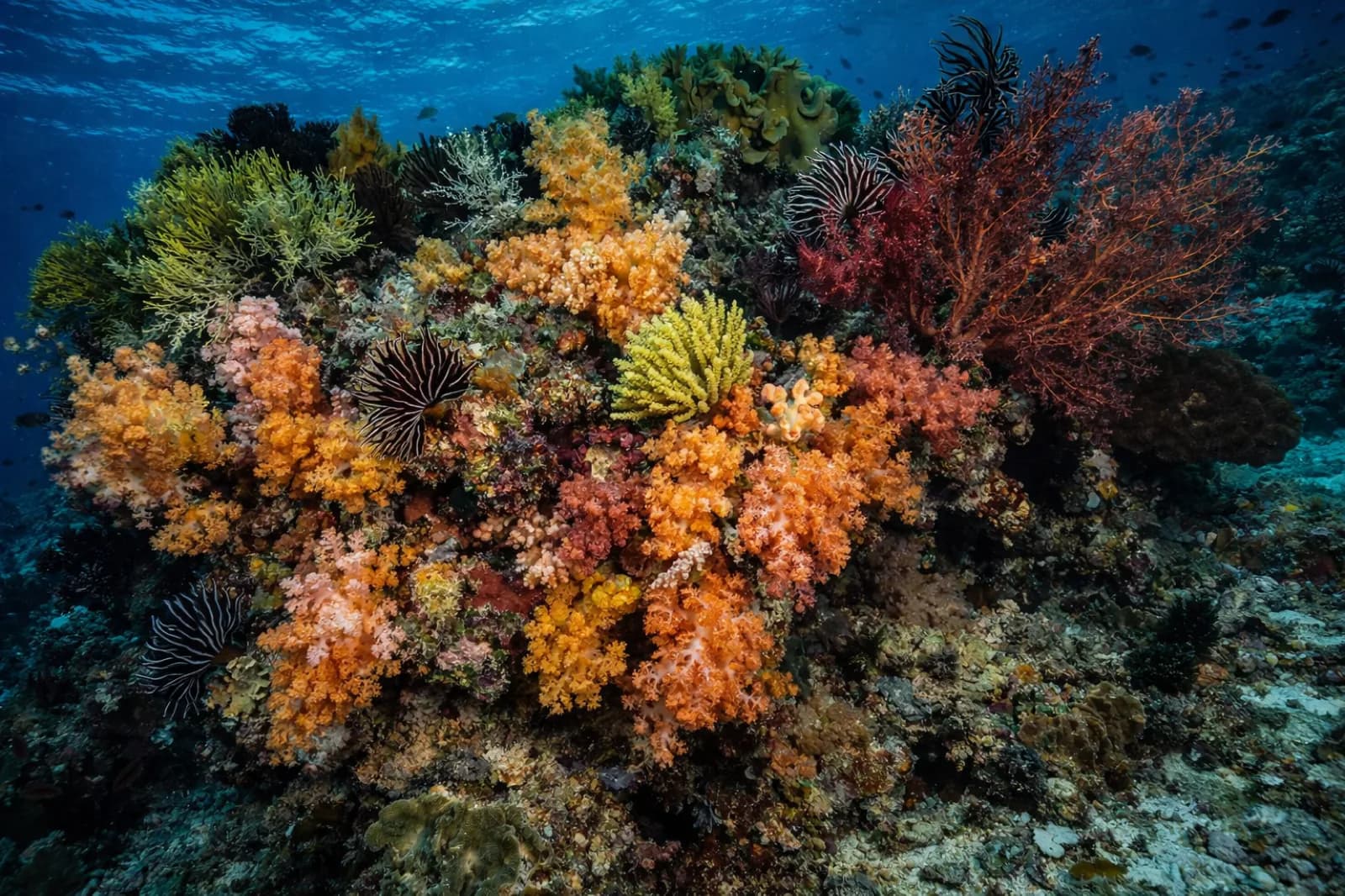
Dili's north coast has excellent shore diving. K41, Pertamina Pier, and Tasi Tolu are popular sites with easy entry and rich marine life including nudibranchs, seahorses, and reef sharks.
The Dili waterfront comes alive at dusk. Grab a cold Bintang at one of the beachfront bars, watch the fishing boats come in, and enjoy fresh grilled fish at restaurants along Avenida de Portugal.
Catch the morning ferry to Atauro Island and return the same day, though most people end up staying longer than planned.
17 places to stay
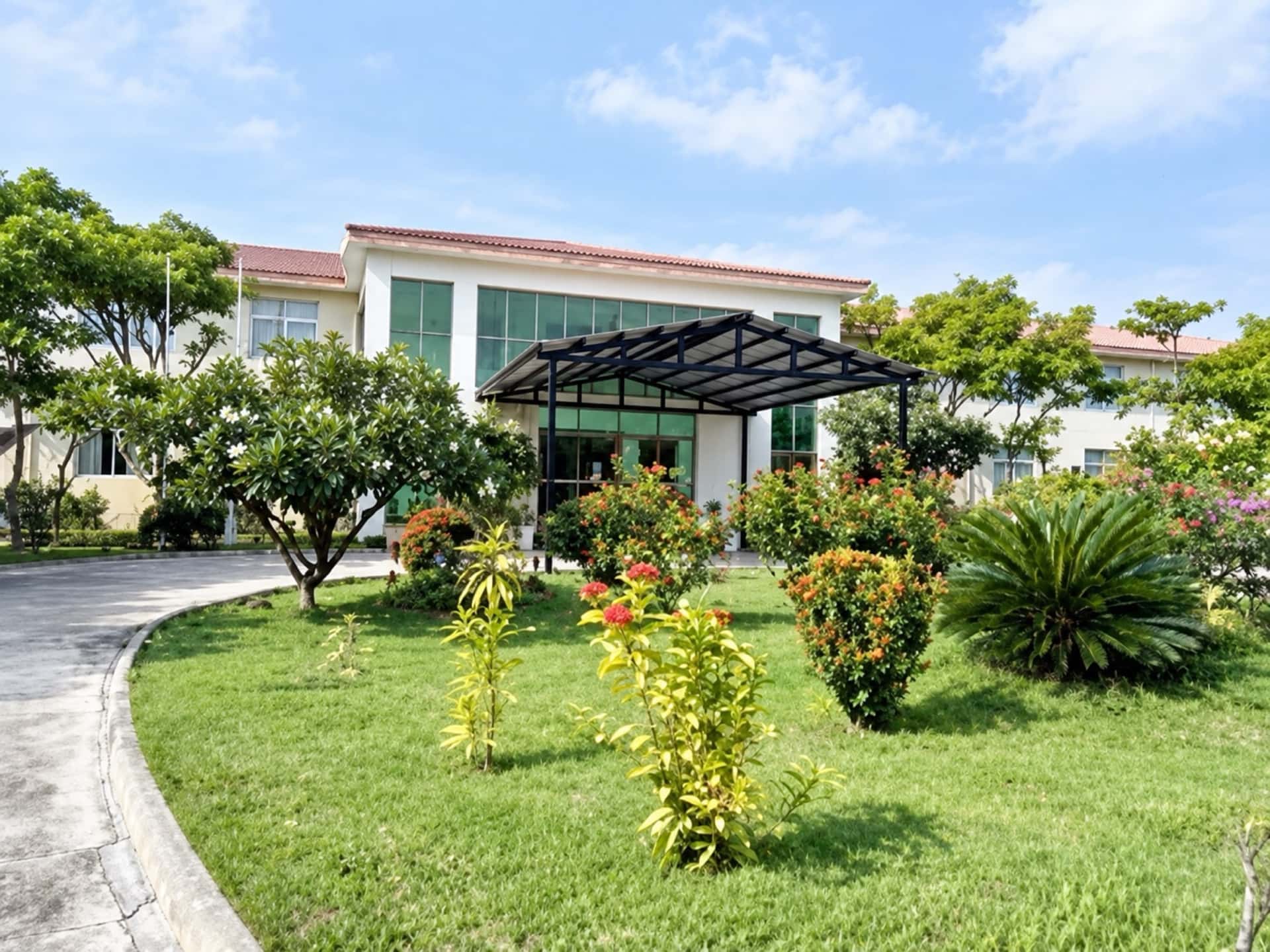
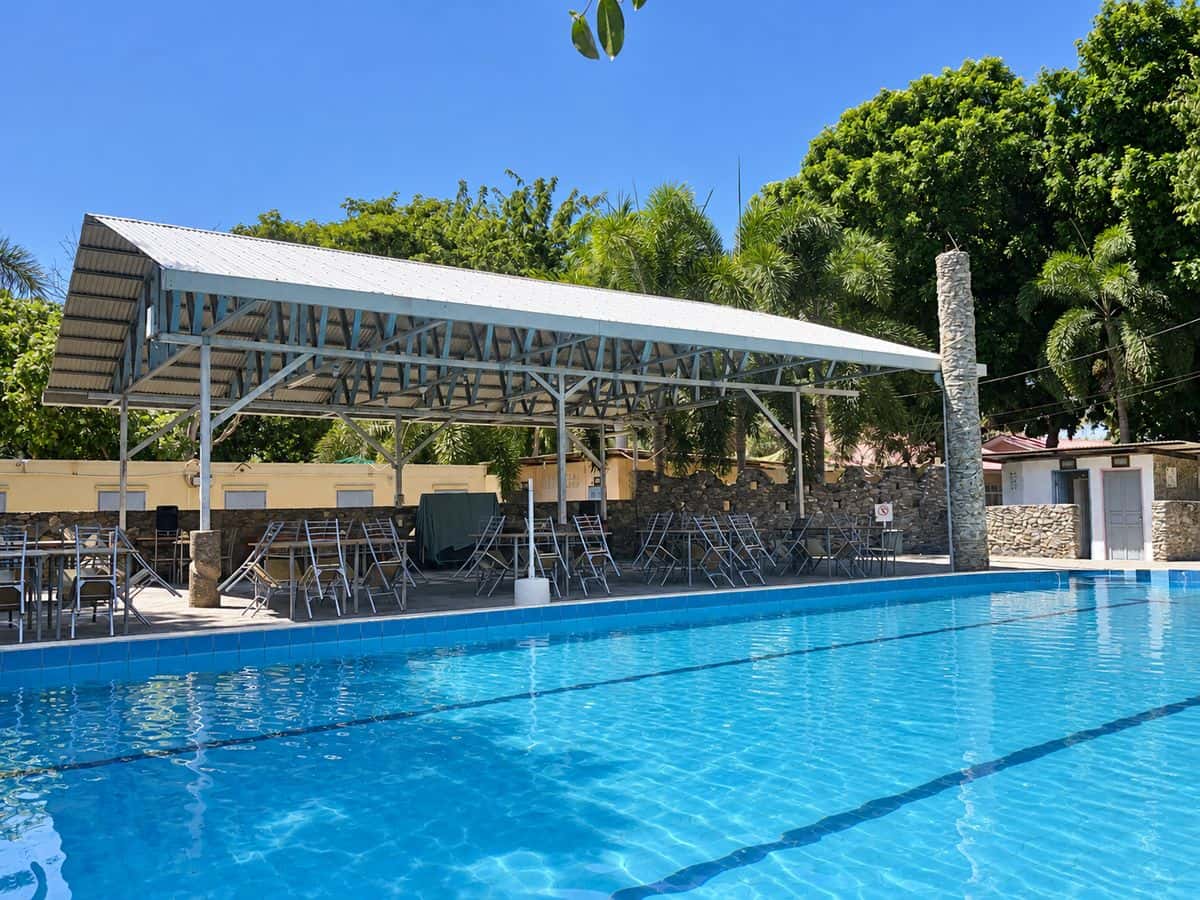
26 experiences available in this destination
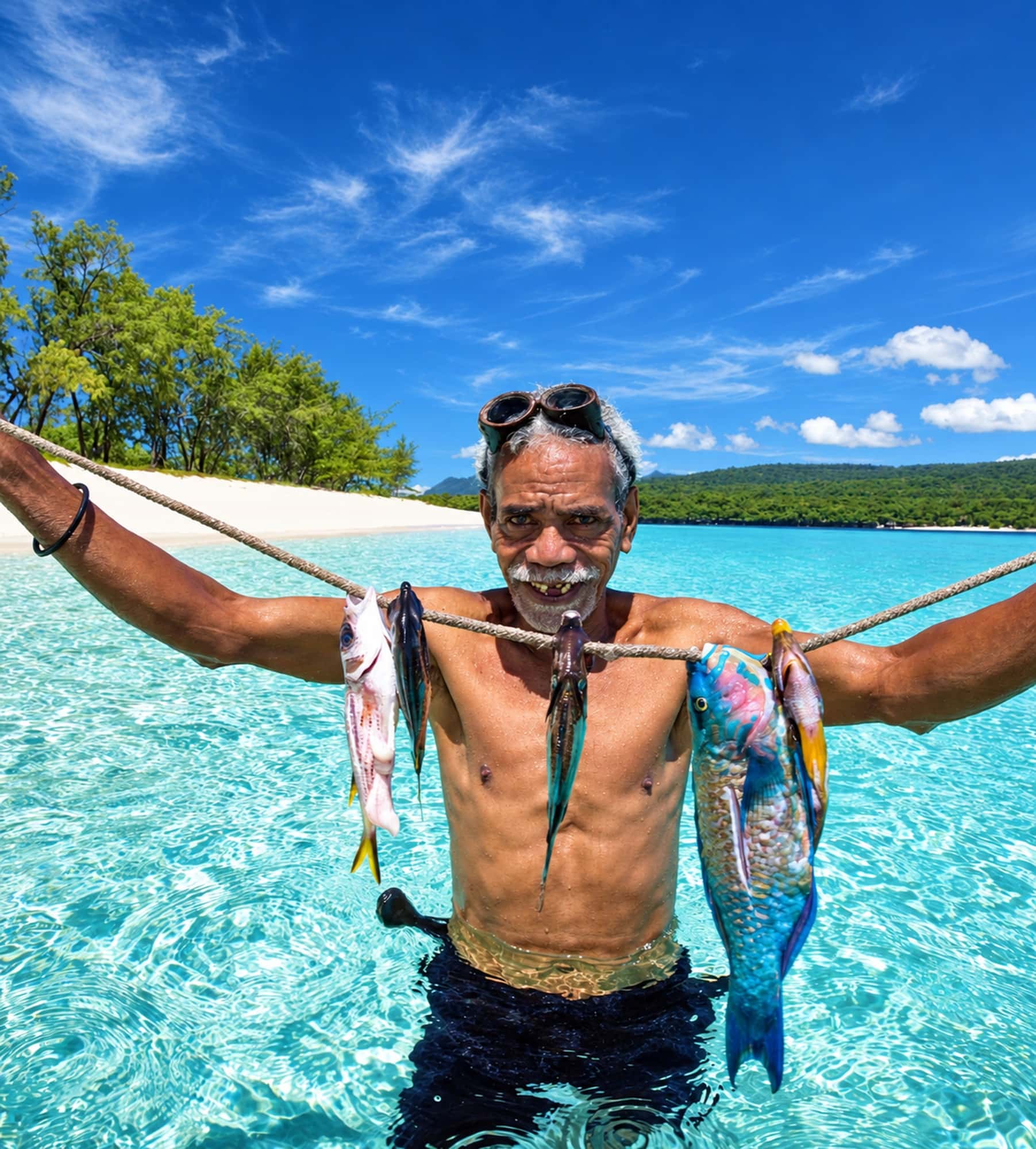
Atauro Island snorkeling on pristine coral reefs
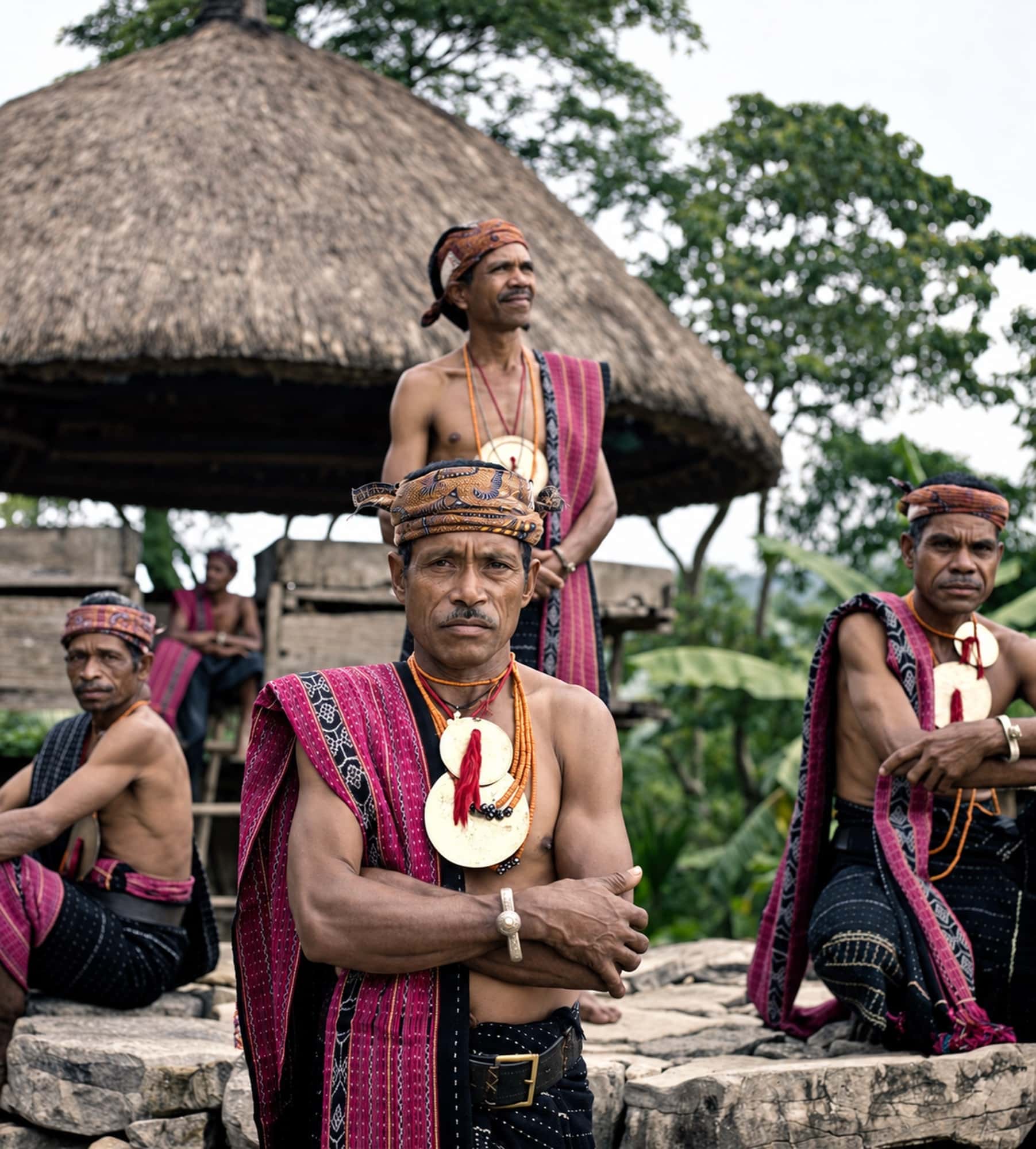
Dili city tour with Cristo Rei sunset
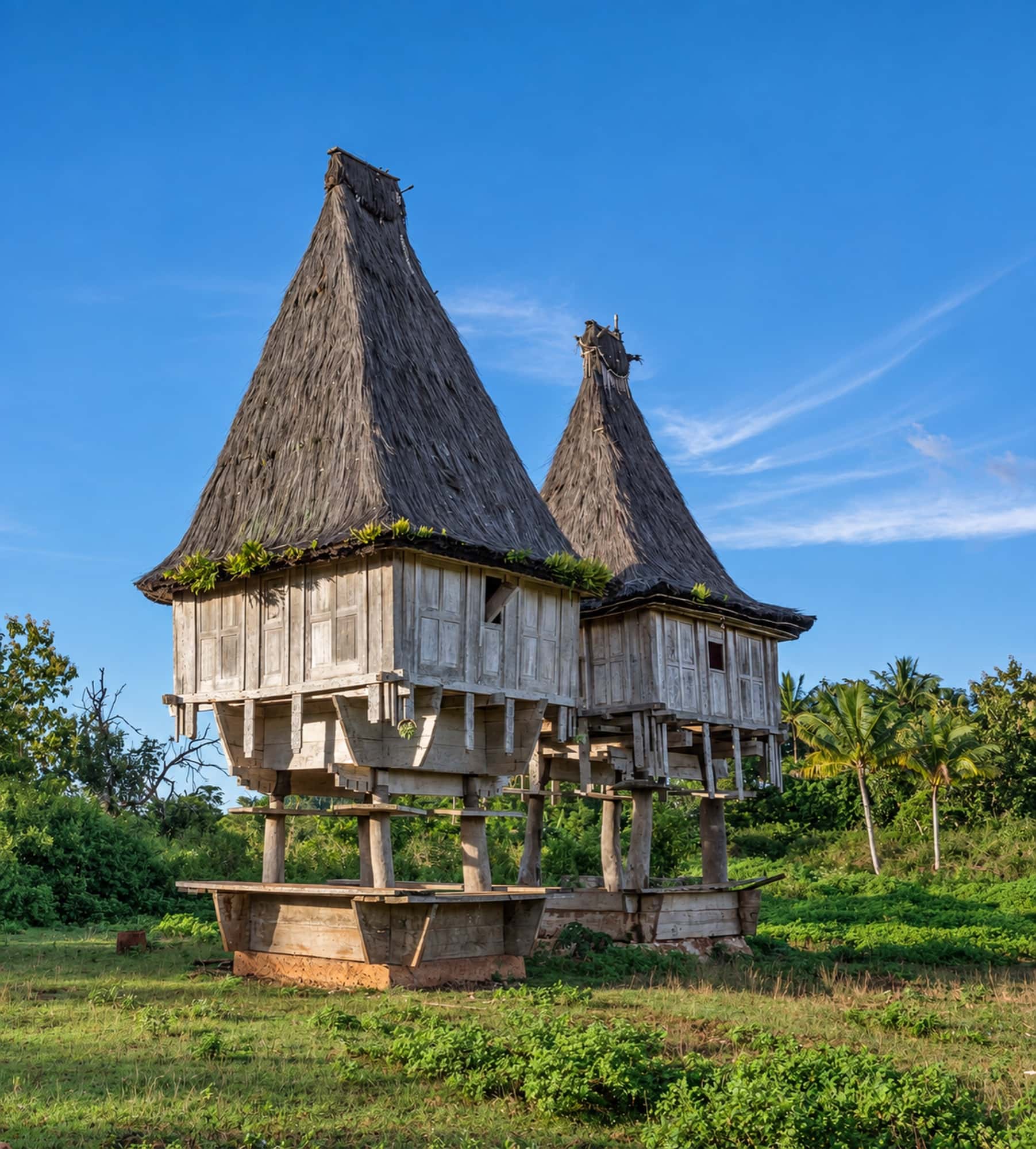
Half-day Dili city tour
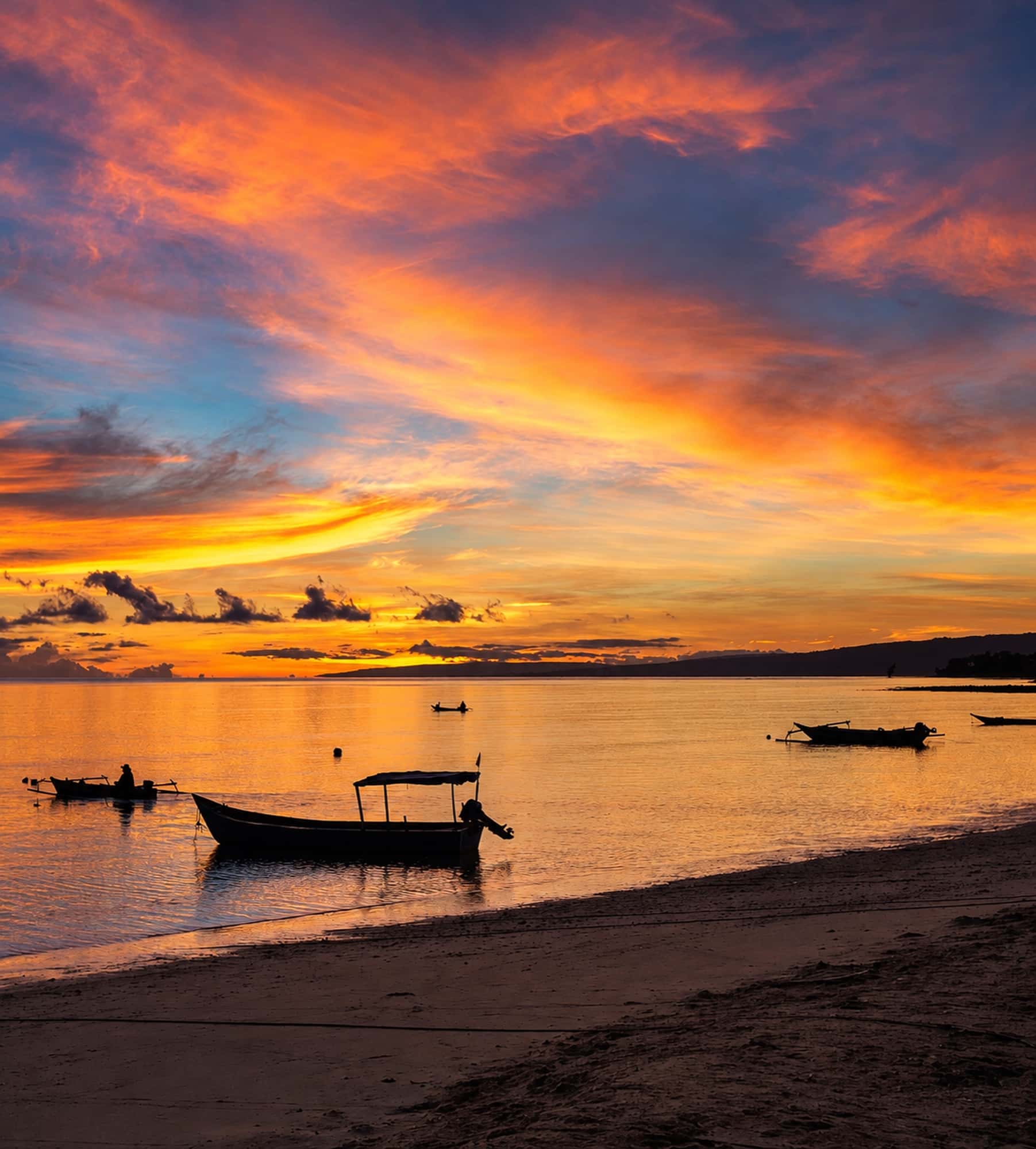
Balibo Fort Hotel, overnight in a Portuguese fort
Dili is generally safe for tourists. Petty theft can occur: don't leave valuables visible in parked cars. The roads are chaotic; be extra cautious crossing streets. Tap water is not drinkable: buy bottled.
In-depth travel guides related to this destination
More destinations in Timor‑Leste