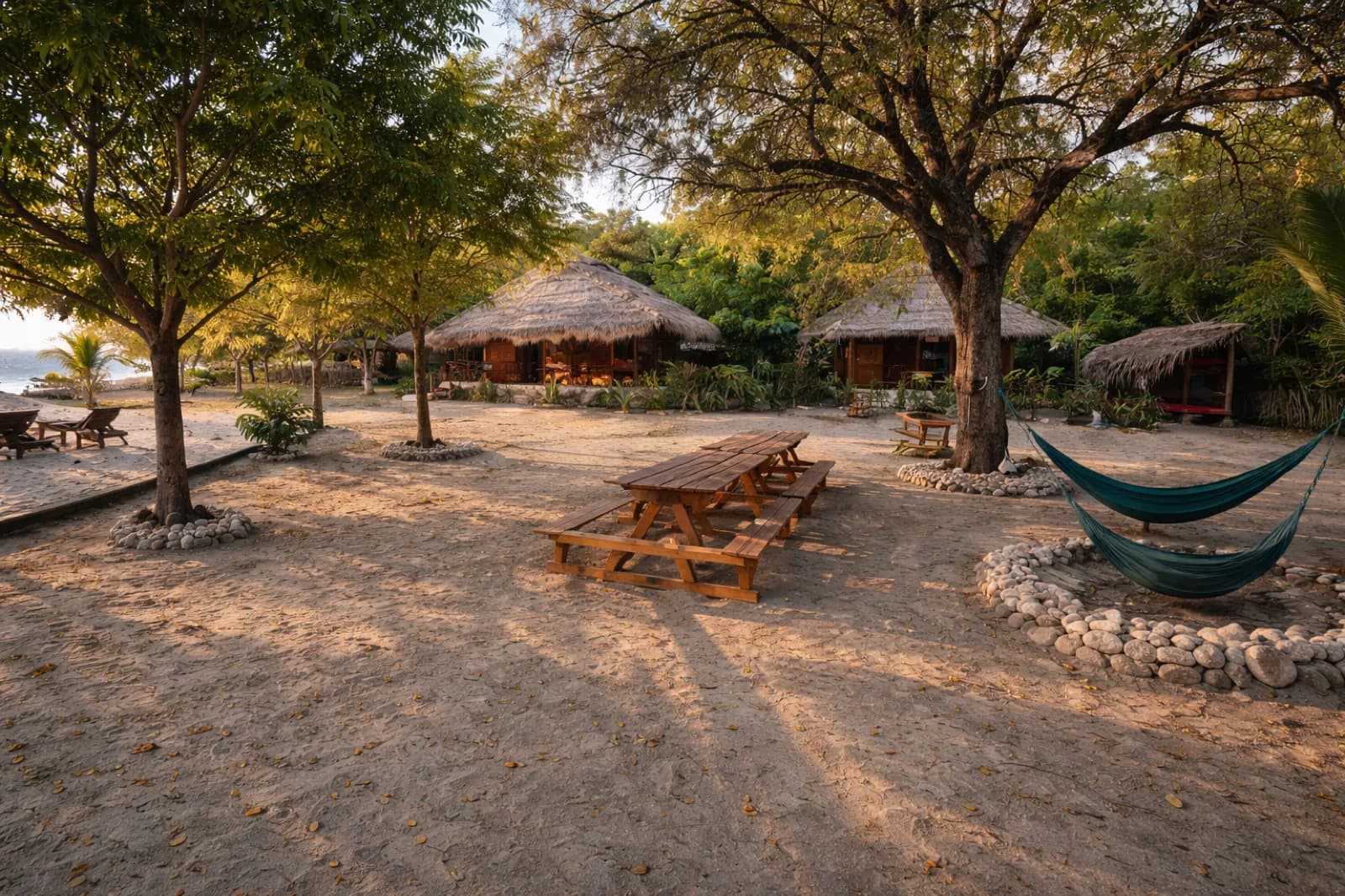
Complete Travel Guide 2026
Timor-Leste Travel Guide
There is a country at the eastern end of the Indonesian archipelago that most travelers have never heard of. It became independent in 2002 (the first new sovereign nation of the 21st century) and two decades later, it remains one of Southeast Asia's last frontiers. The reefs hold the world's highest recorded marine biodiversity. The mountains rise nearly 3,000 meters from the sea. The coffee is extraordinary. And the beaches are empty.
This is everything you need to know before you go.
2002
Independence
~1.3M
Population
USD
Currency
May - Nov
Best Season
Why Visit Timor-Leste?
Timor-Leste (East Timor) occupies the eastern half of Timor island, plus the enclave of Oecusse and the small islands of Atauro and Jaco. It shares a land border with Indonesia to the west and faces Australia across the Timor Sea. With roughly 1.3 million people and very few international visitors, it is one of the least-touristed countries in Southeast Asia. That is the entire point.
The geography is compressed and dramatic. A mountainous spine rises from sea level to nearly 3,000 meters within 50 kilometers, creating microclimates that range from tropical savanna on the north coast to cool cloud forest in the highlands. In the morning you can dive a reef where Conservation International recorded more fish species per site than anywhere else on Earth. By afternoon you can be touring a coffee plantation in the mountains where Starbucks has been buying beans since 1996. The country is small enough to cross in a day, though the roads will make sure it takes longer than you expect.
The people are warm, genuinely friendly, and proud of a nation they fought hard to build. The independence story, from Portuguese colonialism through Indonesian occupation to the 1999 referendum and the violence that followed, is woven into every town, every museum, every family. It gives the country an emotional depth that resort destinations simply do not have.
But honesty matters here. Infrastructure is still developing. Roads outside the main highways are rough. ATMs are scarce. Medical facilities are limited. The tourism industry is small and still finding its feet. This is not Bali. It is not Thailand. If you need air-conditioned comfort and reliable WiFi at every turn, this is not the trip for you. If you are the kind of traveler who values authenticity over polish, discovery over convenience, and empty beaches over crowded ones, Timor-Leste will reward you more than almost anywhere else in the region.
Planning
When to Visit
Timor-Leste has two distinct seasons. The dry season is best for most travelers, but the wet season has its own appeal if you are prepared for afternoon rain and the occasional impassable road.
Dry Season
May-November (best overall)
- Clear skies, calm seas, best diving visibility
- Roads accessible, including mountain and eastern routes
- Whale watching: October to early December
- Diving: all year, clearest May to November
Wet Season
December-April
- Afternoon rain most days (mornings often clear)
- Some mountain and south coast roads impassable
- Landscape at its most lush and green
- Fewer visitors, lower prices at some accommodations
Coast: 28-35°C
Hot and humid year-round
Highlands: 15-25°C
Cool, especially at night
Arrivals
Getting There
Most visitors fly into Dili. There is one international airport, one city, and a straightforward visa-on-arrival process. You can also cross by land from Indonesian West Timor at Mota'ain/Batugade; see the visa guide first.
Flights to Dili
Fly into Presidente Nicolau Lobato International Airport (DIL) in Dili. Direct flights come from Bali/Denpasar (Aero Dili and Citilink, daily, under 2 hours), Darwin (Qantas, Airnorth and Aero Dili) and Kuala Lumpur (Batik Air Malaysia and Aero Dili). Aero Dili cut back its Singapore and China services in 2026, so check before you plan around them. Book ahead in peak season.
Visa on Arrival
Most nationalities receive a 30-day visa on arrival for $30, paid only in US dollar cash. EU citizens (except Ireland), Iceland, Liechtenstein, Norway and Switzerland are visa-free for 90 days; Indonesia, Malaysia, Singapore and Thailand for 30 days. Your passport must be valid for at least 6 months, and you must complete the online arrival declaration before you fly.
Overland Crossings
You can cross by land at Mota'ain/Batugade from Indonesian West Timor, but official sources currently disagree on whether you need a visa arranged in advance, so confirm with the Migration Service (migracao.gov.tl) or a Timor-Leste consulate before you set out. Flying in, the airport is about 15 minutes by taxi from central Dili: agree the fare first, about $10-15 to the city center.
Destinations
Where to Go in Timor-Leste
Each destination has its own character. Dili is your gateway. Atauro Island is the diver's paradise. The highlands around Maubisse offer cool mountain air and coffee country. And the far east (Baucau, Com, Jaco Island) is frontier territory for the adventurous. Tap any destination for its full travel guide.
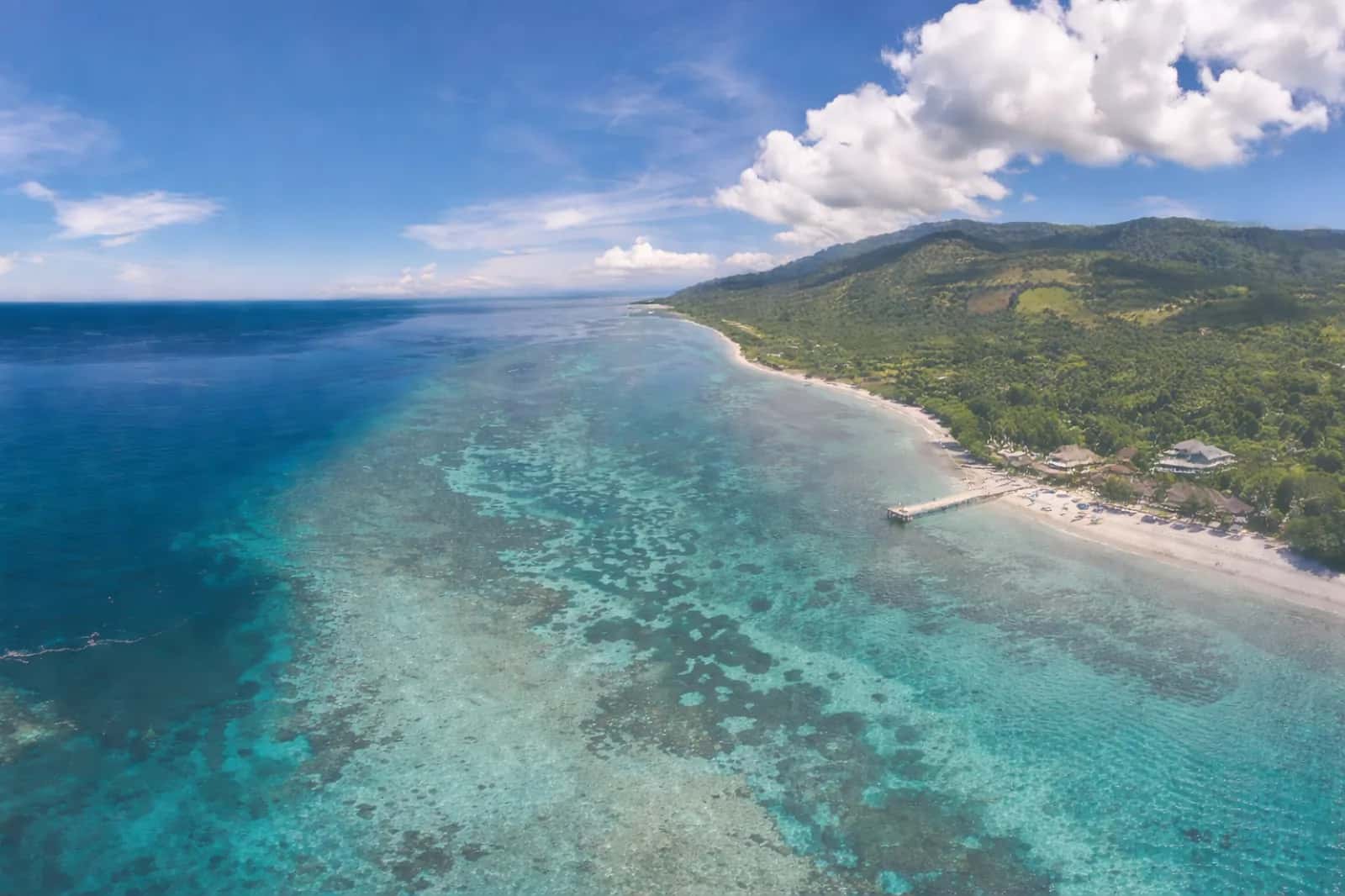
Atauro Island
Diving paradise in the Coral Triangle
16 experiencesExplore
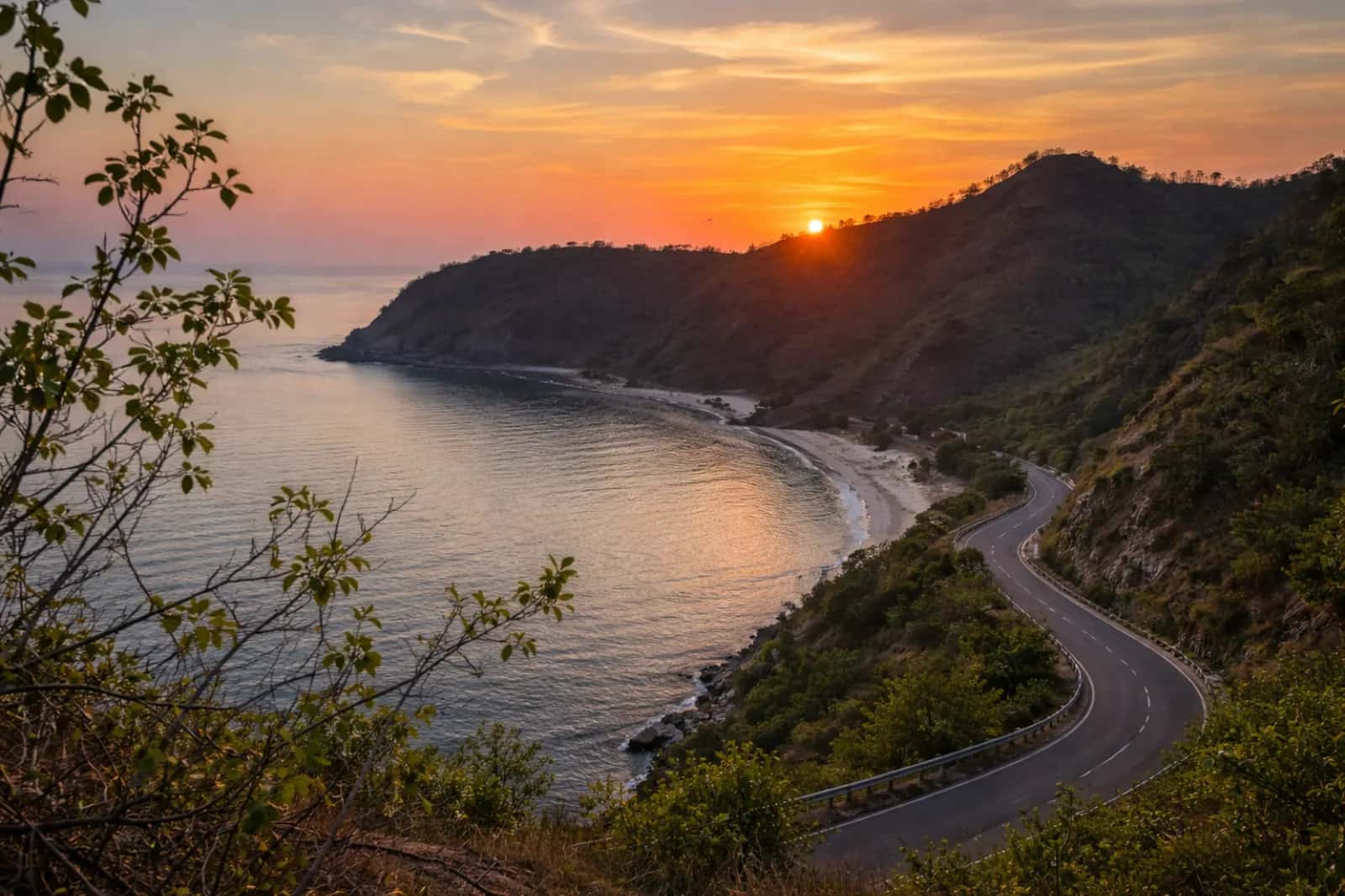
Dili
Timor-Leste's vibrant capital
26 experiencesExplore
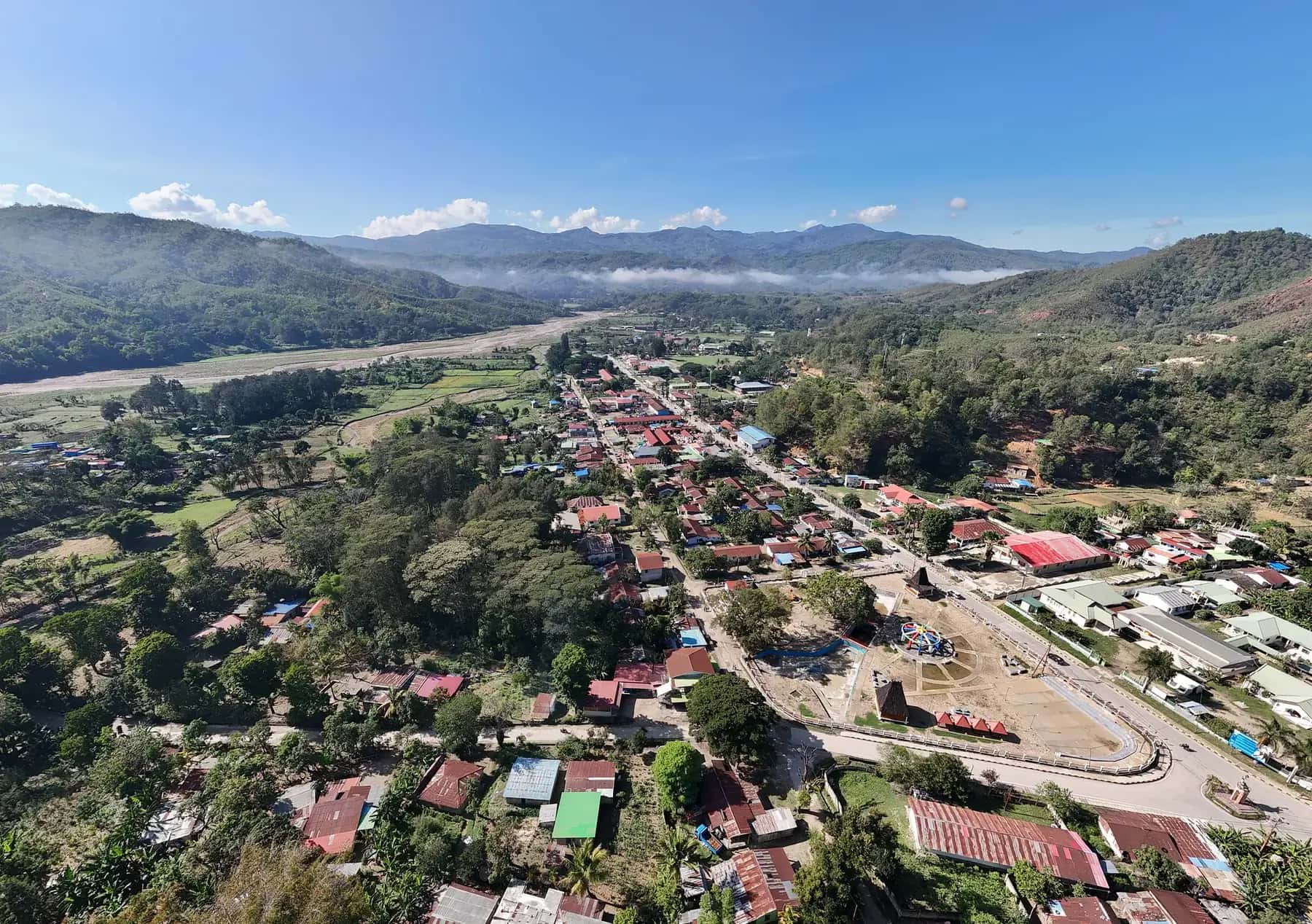
Aileu
The first highland town on the road south
1 experienceExplore
Maubisse
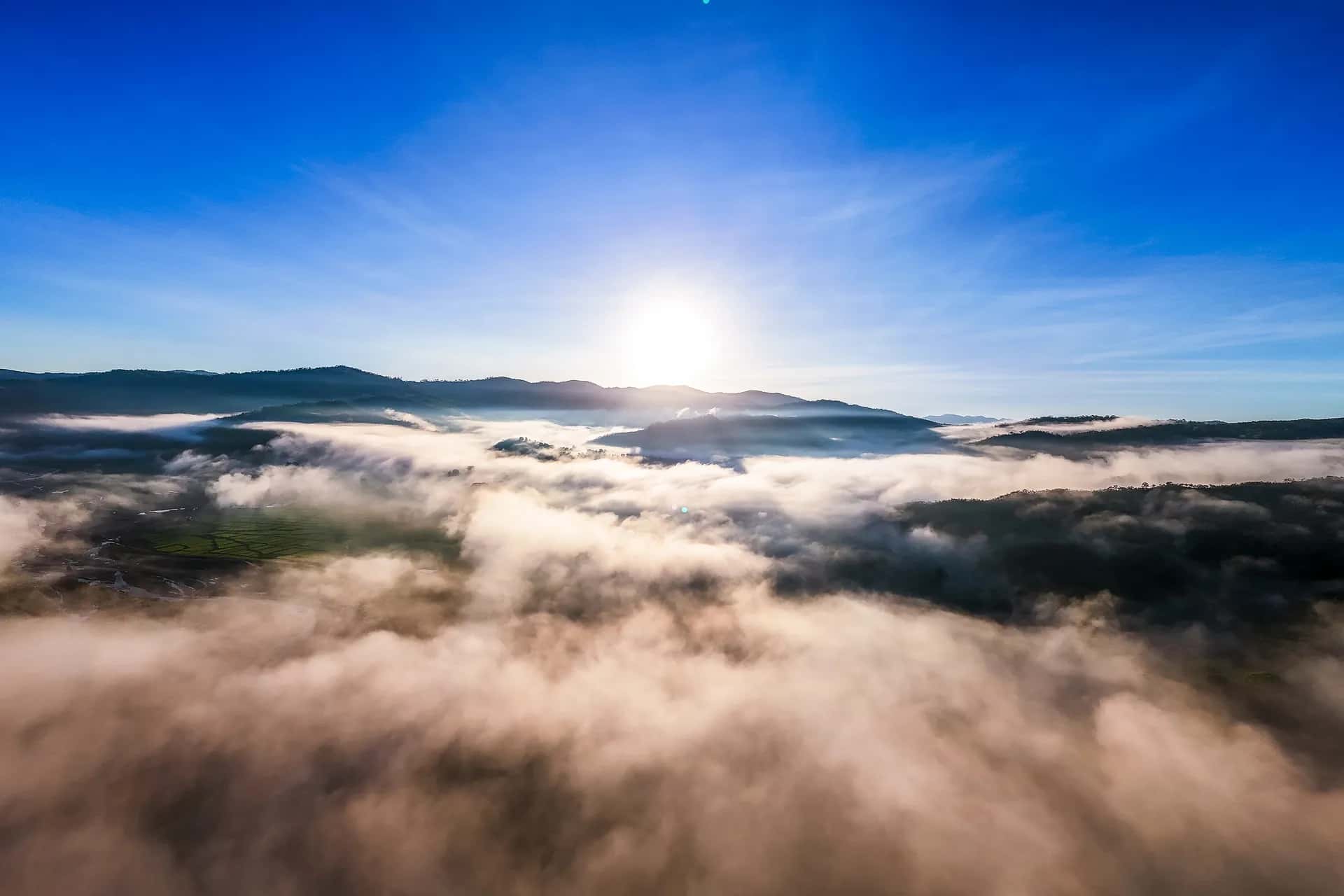
Mountain coffee country
6 experiencesExplore
Baucau
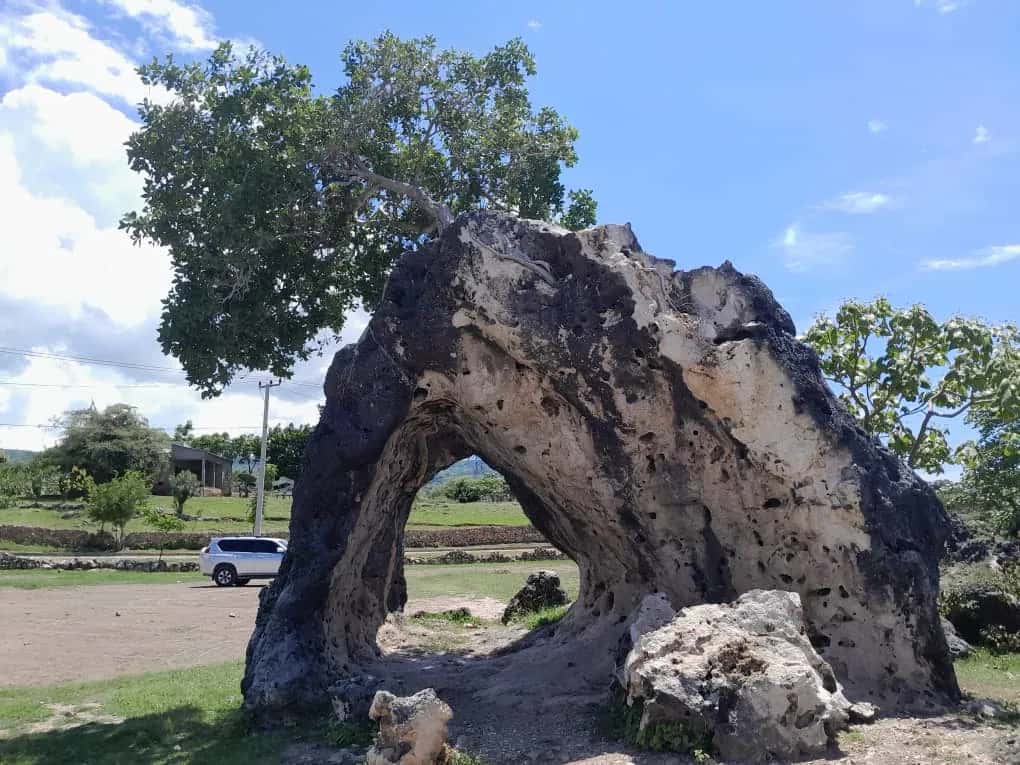
Colonial charm and hidden caves
1 experienceExplore
Jaco Island
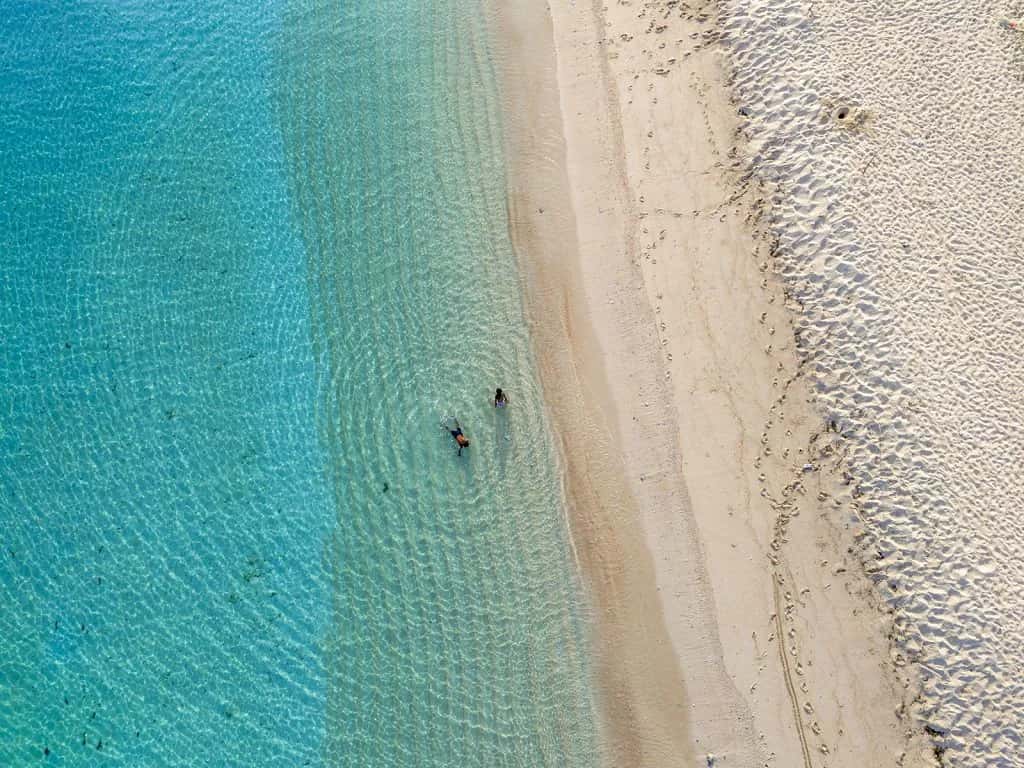
Timor's pristine uninhabited island
4 experiencesExplore
Com
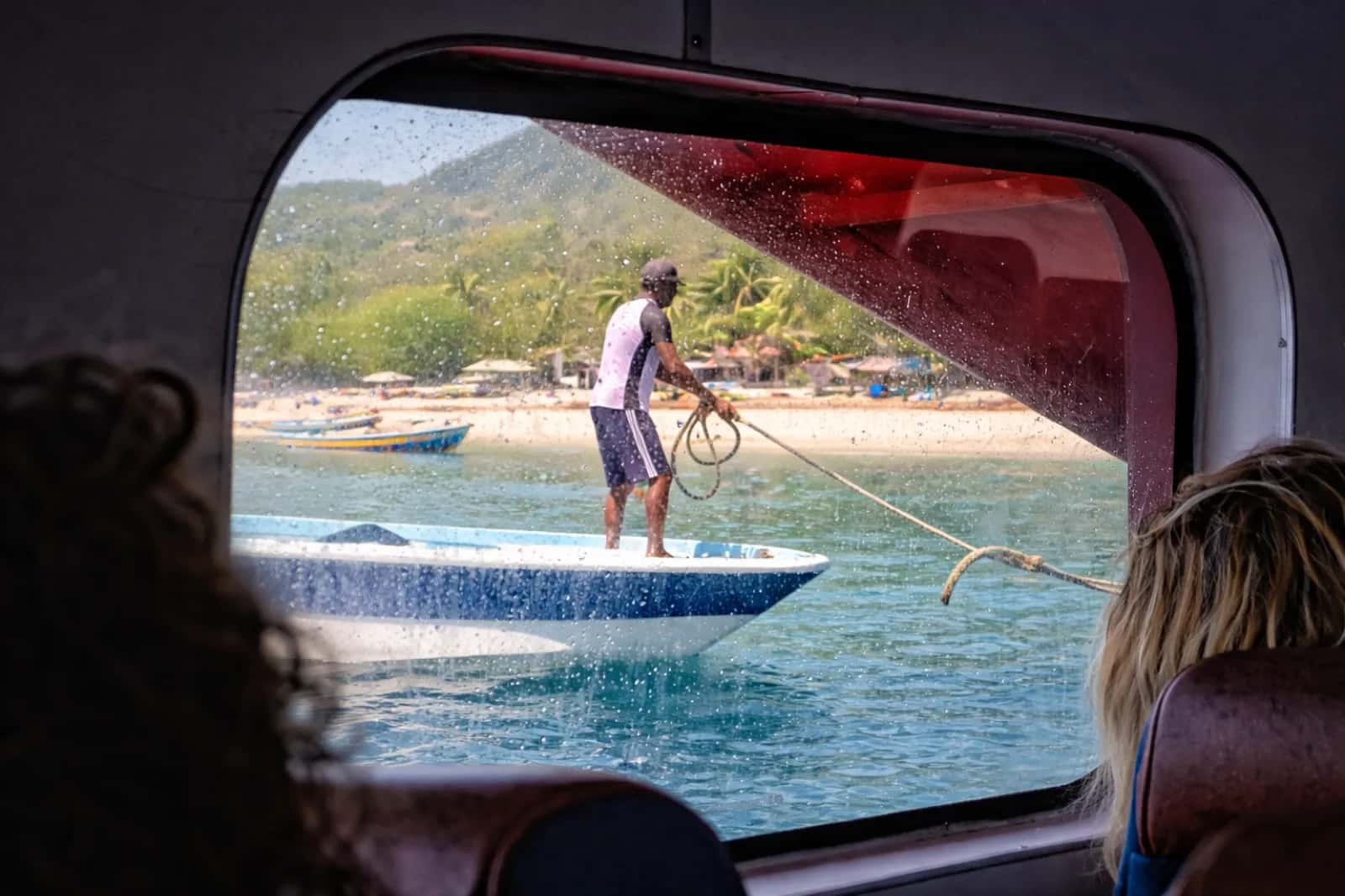
Remote fishing village & whale gateway
Explore
Oecusse
Timor-Leste's forgotten enclave
Explore
Liquica
Forts, mangroves, and swimming beaches
Explore
Ermera
The coffee heartland
Explore
Lospalos
Gateway to Timor's wild east
Explore
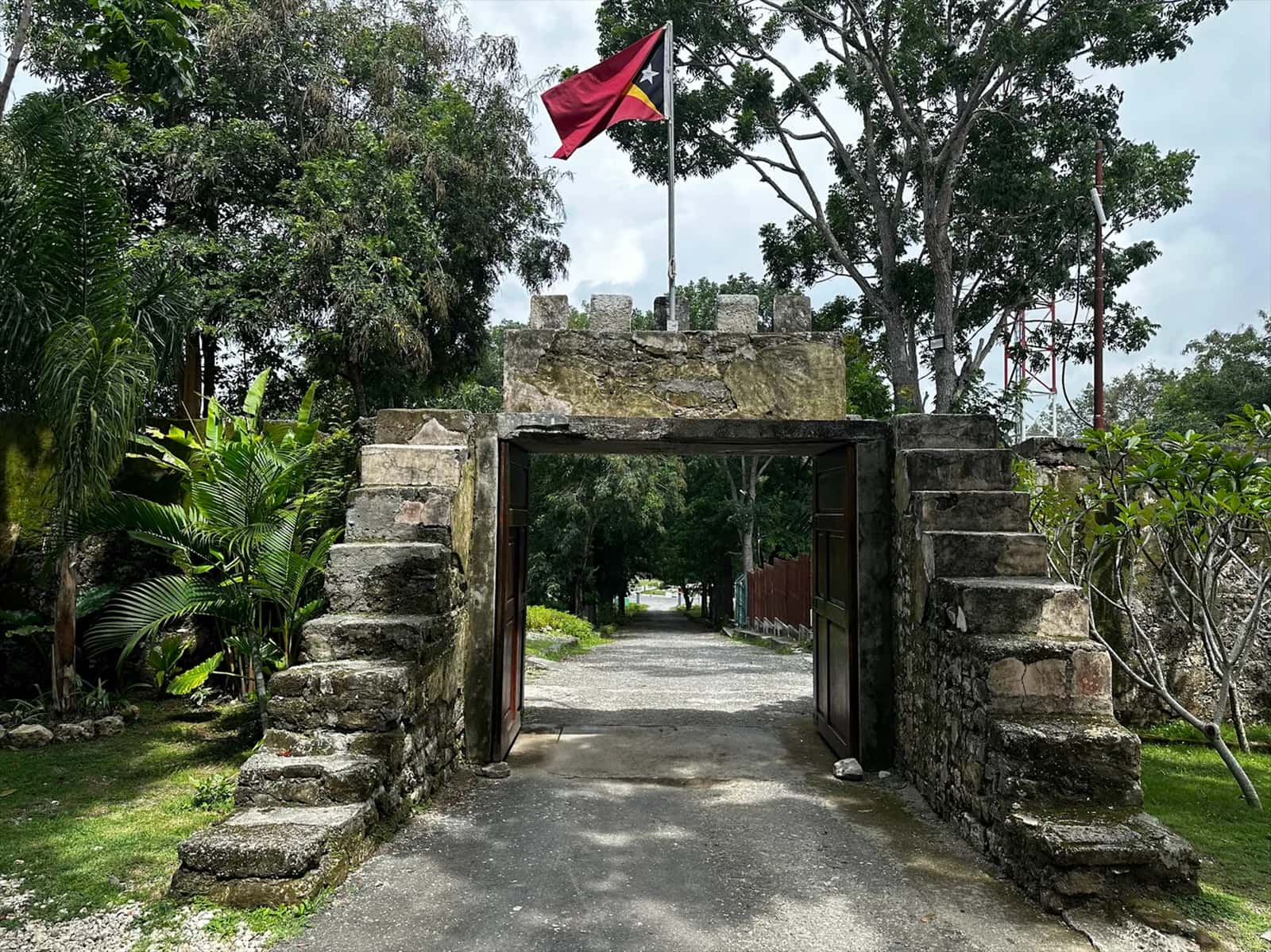
Balibo
A Portuguese fort, a haunting history, and one of the best hotels in the country
1 experienceExplore
Transport
Getting Around
Getting around Timor-Leste requires patience, flexibility, and honest expectations about road conditions. The country is small on the map (roughly 300km end to end), but distances take far longer than you expect.
Car Rental
Timor Cars, bookable on Rezerva, rents self-drive cars from $90 a day in Dili and $120-140 for a pick-up or 4WD that can go to the districts; a driver adds $55 a day outside Dili. A driver who knows the roads is worth every dollar: GPS is unreliable, roads are unmarked, and local knowledge prevents wrong turns that cost hours. Driving is on the LEFT. International driving permit recommended.
Mikrolets
Dili's public minibuses run 13 routes for $0.25 per ride, roughly 6am to 6pm. No timetable: they leave when full. Ask a local which route number you need. Cheap, chaotic, and the best way to travel like a Timorese. Not practical outside Dili.
Road Conditions
Dili to Baucau: excellent, 2WD fine. Dili to Maubisse: paved, winding, manageable. South coast and far east: 4WD essential. What Google Maps calls a 2-hour drive might take 4. Plan generously and start early.
Duration
How Long to Stay
How much time you need depends on how deep you want to go. Here are three realistic options.
5 Days
Dili + Atauro
Enough for the capital highlights, a Cristo Rei hike, and 2-3 nights on Atauro Island for diving and snorkeling. Tight but doable if you fly in/out of Dili efficiently.
7 Days
Dili + Atauro + Maubisse
The sweet spot. Add the highland coffee country and the scenic mountain drive; the Mount Ramelau sunrise trek needs one more night. This is the most popular itinerary for first-time visitors.
See 7-day itinerary10-14 Days
Add the Far East
Extend east to Baucau, Com, and Jaco Island. This adds colonial heritage, whale watching (in season), and some of the most remote, beautiful coastline in Southeast Asia. You need the time: the roads are slow.
Practical
Money & Essentials
The practical details that make or break a trip. Timor-Leste uses the US Dollar and runs on cash. Come prepared.
Currency
US Dollar (USD) is the official currency. Local centavo coins exist for small change. No need to exchange money if you carry USD.
ATMs
Available in Dili (BNU, BNCTL) and Baucau only. ATMs can be unreliable: sometimes out of cash, sometimes out of service. Withdraw extra on Friday if heading out for the weekend.
Cash Economy
Outside Dili, it is almost entirely cash-only. No card machines, no mobile payments. Bring enough USD for your entire trip outside the capital, plus a buffer for emergencies.
SIM Cards
Buy one at Timor Plaza or a phone shop in Dili. Three networks: Timor Telecom, Telkomcel and Telemor; coverage varies by network. Signal is patchy in the mountains and the far east.
Power
220V, 50Hz. Australian-style Type I plugs (three-prong angled). Bring an adapter. Power outages are common outside Dili; a small power bank is essential.
Water
Tap water is not safe to drink anywhere in the country. Buy bottled water, widely available and inexpensive ($0.50-1 for 1.5L). Use bottled water for brushing teeth.
Safety
Staying Safe
Timor-Leste is generally safe for tourists. The people are welcoming and violent crime against visitors is rare. But it is a developing country with real hazards that are worth understanding before you arrive.
General Safety
Petty theft is rare but standard precautions apply: do not leave valuables visible in parked vehicles, do not flash large amounts of cash, and stick to well-lit areas after dark in Dili. The vast majority of interactions with Timorese people are warm and genuinely friendly.
Crocodiles
Saltwater crocodiles are present in rivers, estuaries, and some coastal areas. This is not theoretical: fatal attacks occur. Always ask locals before swimming, even in Dili, where crocodiles are occasionally seen on the beaches. Hera and Metinaro east of Dili, Com, and Valu Beach near Jaco Island are known crocodile areas.
Road Safety
Driving can be chaotic: animals on the road, potholes, blind corners on mountain roads, and other drivers not always following the rules. Drive slowly, use your horn on blind bends, and avoid driving after dark. A local driver who knows the roads is the safest option.
Medical Facilities
Limited. Dili has a national hospital and some private clinics, but facilities are basic by Western standards. For anything serious, medical evacuation to Darwin or Bali is likely. Travel insurance with evacuation cover is not optional; it is essential.
Martial Arts Groups
Youth martial arts groups (such as PSHT and Kera Sakti) occasionally cause localized disruptions, mostly in Dili. These rarely affect tourists, but if you see a large gathering with colored bandanas, give it a wide berth. Your accommodation can advise on current conditions.
The Bottom Line
Exercise normal caution, get proper travel insurance, ask locals about crocodiles, and you will be fine. Tens of thousands of travelers visit Timor-Leste safely every year. The risks are real but manageable with common sense.
Communication
Language in Timor-Leste
You do not need to speak Tetun to travel here. But learning a few phrases transforms the experience. Every Bondia earns you a smile.
Tetun
Official, the lingua franca spoken by virtually everyone
Portuguese
Official, used in government, education, and media
Indonesian
Widely understood, especially by older generations
English
Spoken in tourism areas and by younger Timorese in Dili
Essential Tetun Phrases
BondiaGood morning
BotardeGood afternoon
BonoiteGood evening
Obrigado / ObrigadaThank you (m/f)
DiakGood / OK
Hau nia naran...My name is...
Ita diak?How are you?
Hira?How much?
FavorPlease
DeskulpaSorry / Excuse me
Preparation
What to Pack
Timor-Leste is tropical at the coast and cool in the mountains. Pack for both. Availability of specialty items outside Dili is limited, so bring what you need.
Sun & Heat
- Strong reef-safe sunscreen (not easily available locally)
- Wide-brimmed hat
- Sunglasses
- Light, breathable clothing
- Reusable water bottle
Mountains & Trekking
- Warm layer or fleece for highlands (15°C at night)
- Headlamp (essential for Ramelau pre-dawn trek)
- Sturdy walking shoes or hiking boots
- Rain jacket
- Day pack
Water & Diving
- Reef shoes (sharp coral is everywhere)
- Snorkel and mask (rentals limited outside operators)
- Rashguard or 3mm wetsuit
- Waterproof dry bag
- Dive computer and insurance card if certified
Health & Safety
- First aid kit with blister treatment
- Insect repellent (DEET-based)
- Anti-diarrhea and rehydration salts
- Any prescription medications you need
- Printed copies of travel insurance and ID
Electronics
- Australian-style power adapter (Type I)
- Portable power bank (power outages common)
- Headlamp or small torch
- Offline maps downloaded (Maps.me or Google offline)
- Waterproof phone case
Miscellaneous
- Enough USD cash for your trip plus buffer
- Modest clothing for churches and sacred sites
- Sarong (doubles as beach towel, cover-up, and blanket)
- Ziplock bags for dust-proofing electronics on rough roads
- A good book for slow ferry rides
Respect
Culture & Etiquette
Timor-Leste is a deeply traditional and predominantly Catholic society. A little awareness goes a long way.
Ask before photographing sacred houses (uma lulik) and ceremonies. These are deeply important spiritual sites, not photo opportunities. Most people will happily agree if asked politely.
Dress modestly at churches and sacred sites. Cover shoulders and knees. This is a country where 97% of the population is Catholic, and religious sites are treated with real reverence.
Betel nut (mama) may be offered as a gesture of hospitality. It is polite to accept, or to decline with a smile and a thank you. Betel stains teeth and lips red; it is a deeply embedded social tradition, not something unusual.
Tipping is not expected but always appreciated. In restaurants, rounding up the bill is generous. For guides and drivers, $5-10 per day is a meaningful gesture that supports local livelihoods directly.
Remove shoes before entering someone's home. This is standard practice. Follow the lead of your host.
The independence story matters. Timor-Leste fought for decades to become a nation. Showing genuine interest in the history (visiting the Resistance Archive, asking about 1999) is deeply respected. Do not treat the occupation as ancient history; many people lived through it.
Go Deeper
In-Depth Travel Guides
This page covers the essentials. Our specialist guides go deep on specific topics: diving, beaches, coffee, itineraries, and more. Written from the ground in Timor-Leste.
Guide
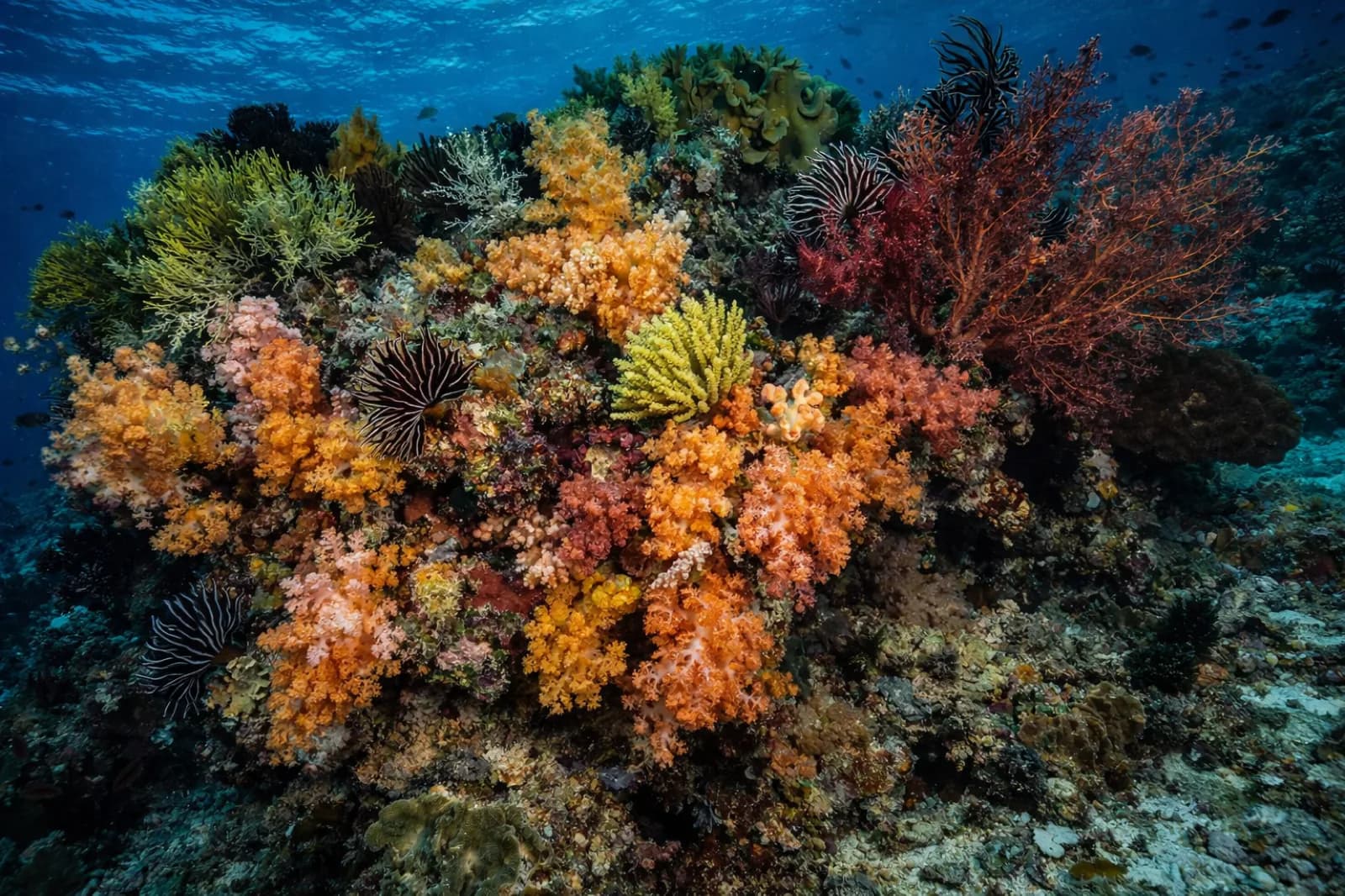
Diving in Timor-Leste
The world's most biodiverse reefs, virtually untouched
Guide
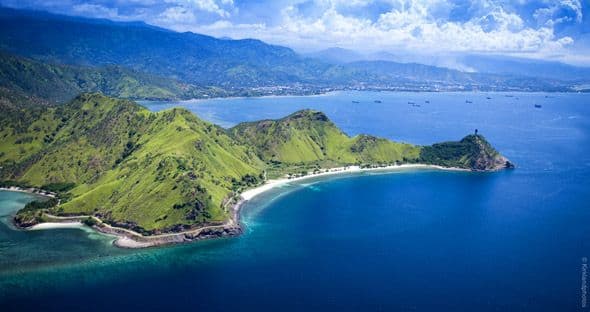
Best Beaches in Timor-Leste
White sand, turquoise water, and not a crowd in sight
Guide
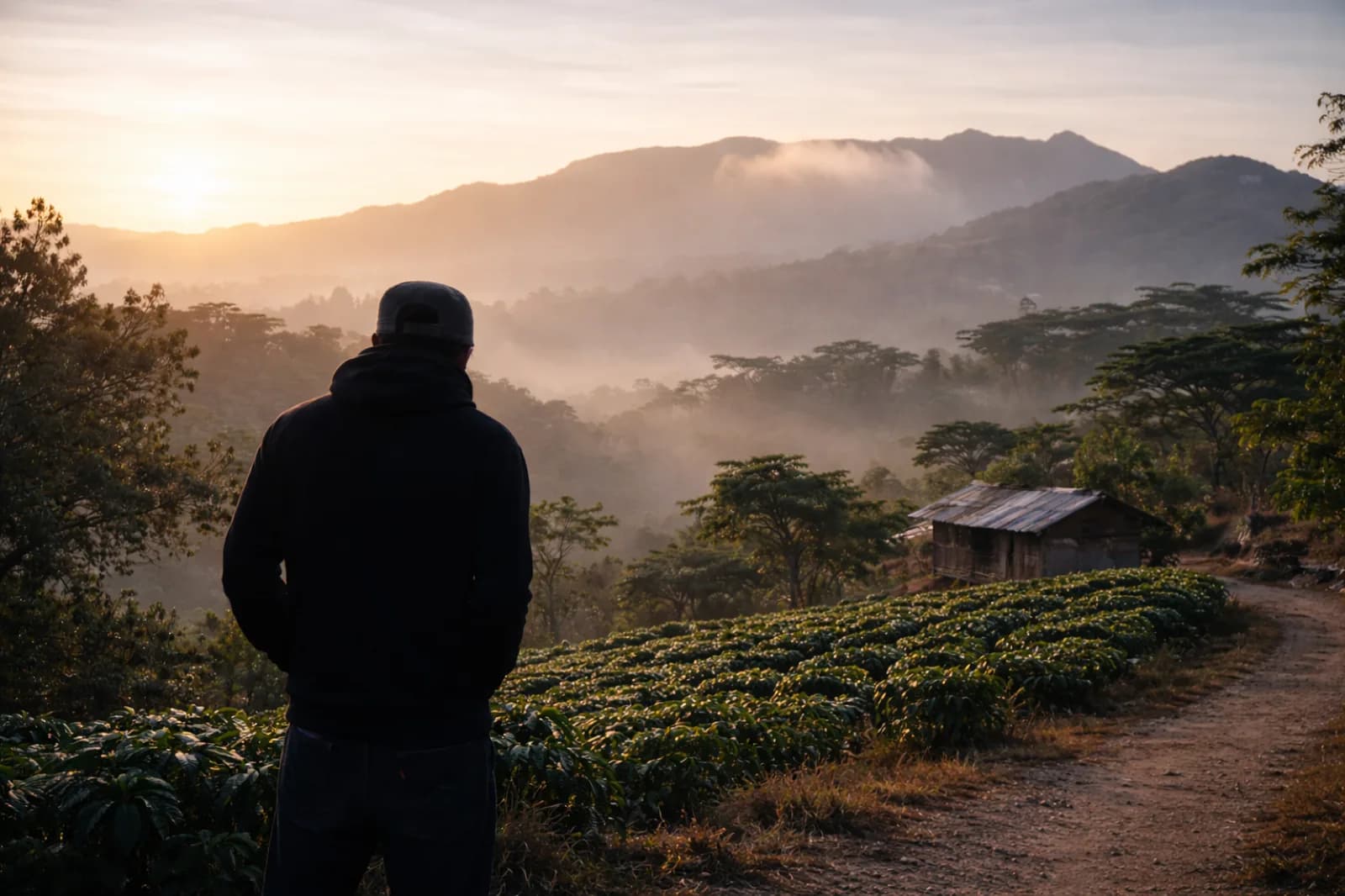
Coffee in Timor-Leste
From highland farms to your cup: the Timor Hybrid story
Guide
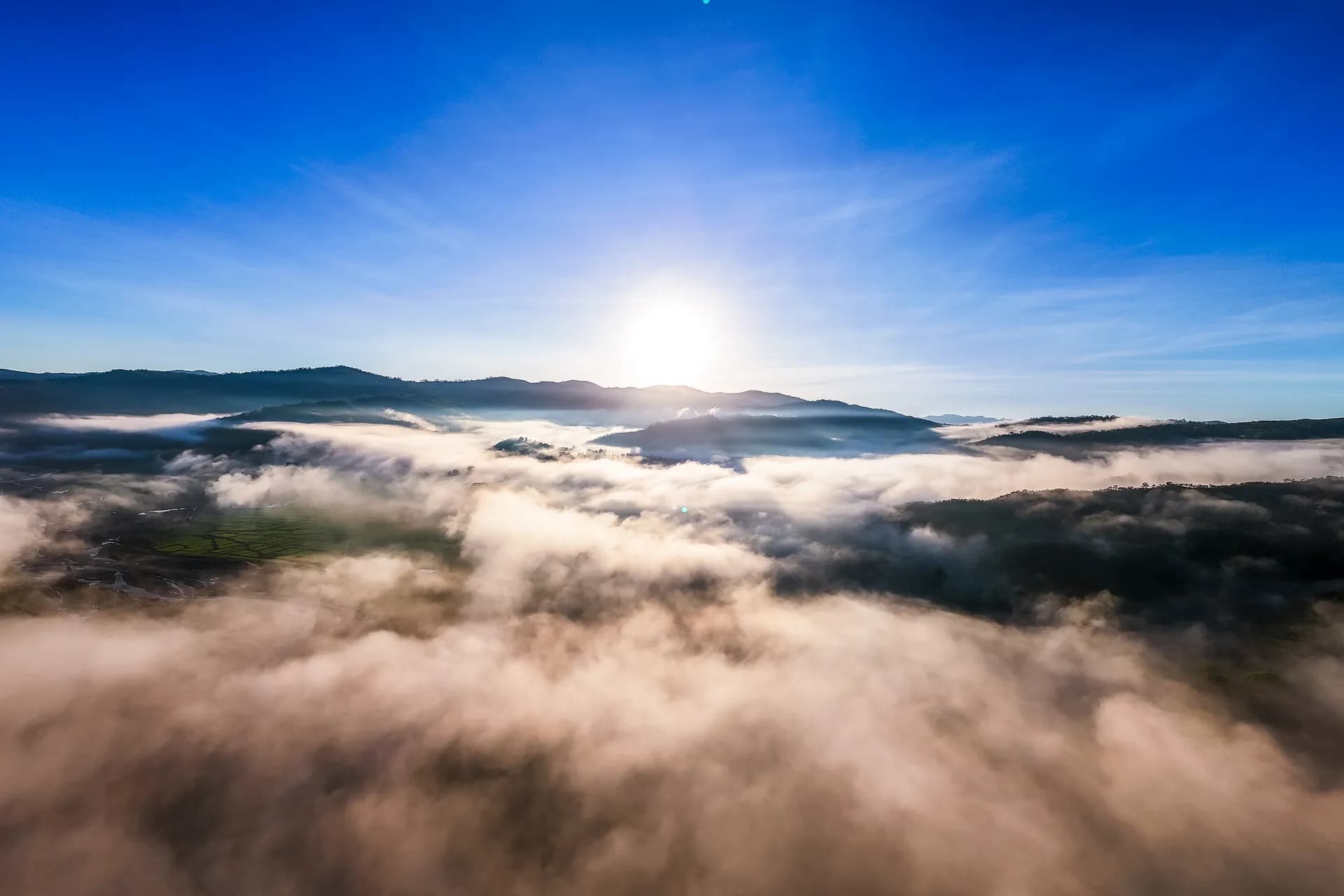
Mount Ramelau Trek
Sunrise from the roof of Timor-Leste at 2,963 m
Guide
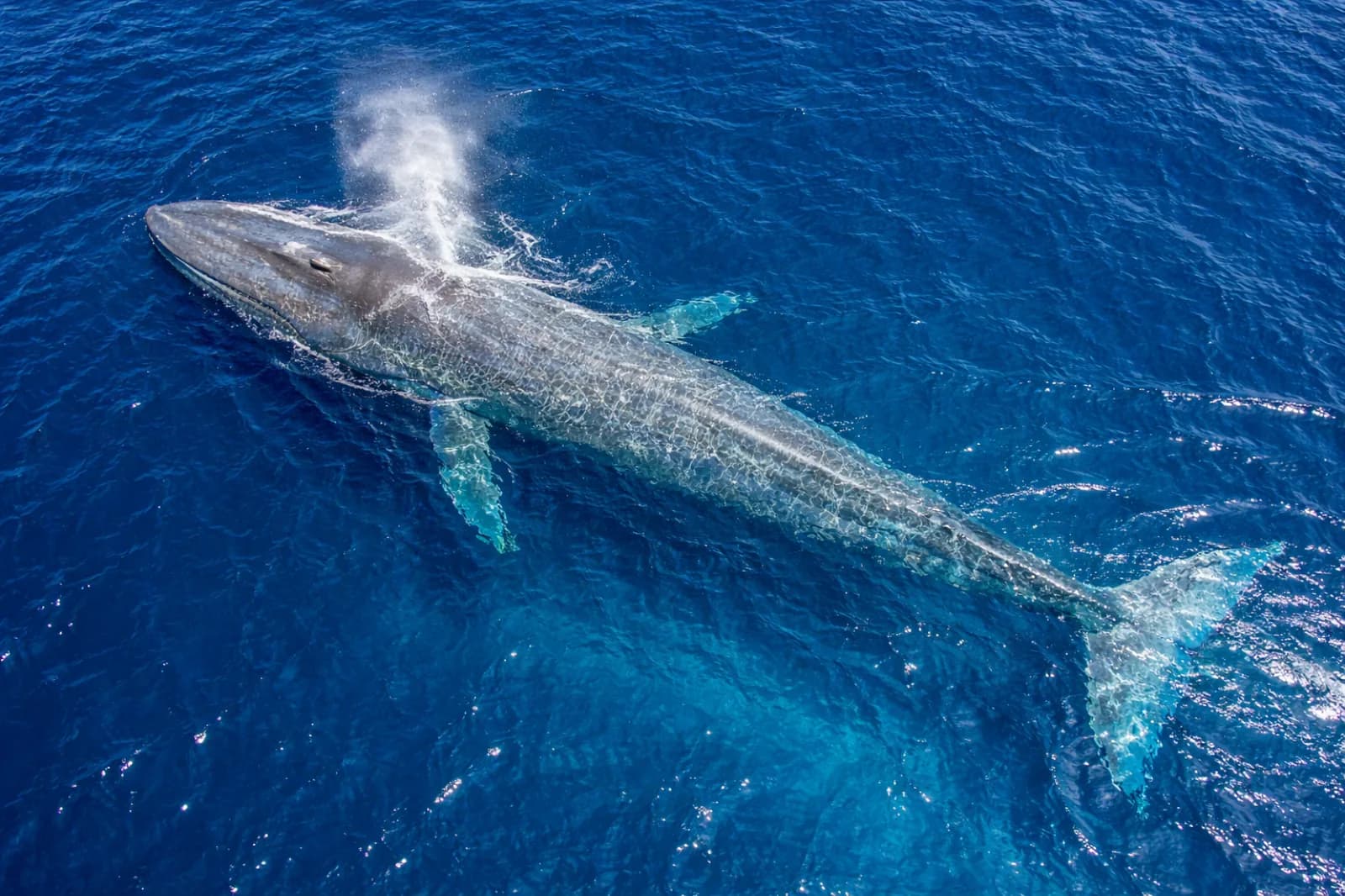
Whale Watching in Timor-Leste
Sperm whales, blue whales, and dolphins in the Wetar Strait
Guide
Getting Around Timor-Leste
Transport guide: from Dili to the far east and everywhere between
FAQ
Common Questions About Timor-Leste
Answers to the questions first-time visitors ask most.
Do I need a visa to visit Timor-Leste?
Most nationalities can get a 30-day visa on arrival at Presidente Nicolau Lobato Airport in Dili for $30, paid in US dollar cash. EU citizens (except Ireland), Iceland, Liechtenstein, Norway and Switzerland are visa-free for 90 days, and Indonesia, Malaysia, Singapore and Thailand for 30 days. You need a passport valid for at least 6 months and the online arrival declaration; officers may ask for an onward ticket. The visa can be extended once, for 30 days ($40), at the Migration Service in Dili.
Is Timor-Leste safe for tourists?
Timor-Leste is generally safe for tourists. The people are welcoming and violent crime against visitors is rare. Standard precautions apply: keep valuables secure, be careful on the roads (driving standards vary and animals wander freely), and carry cash since ATMs are limited outside Dili. Saltwater crocodiles are present in some coastal areas. Always ask locals before swimming. Martial arts groups occasionally cause localized disruptions in Dili, but these rarely affect tourists. Travel insurance with medical evacuation cover is essential due to limited medical facilities.
What currency is used in Timor-Leste?
The official currency is the United States Dollar (USD). Timor-Leste adopted the USD when it gained independence in 2002. There are also local centavo coins for small change. ATMs are available in Dili (BNU, BNCTL) and Baucau, but are unreliable or nonexistent elsewhere. It is a largely cash-only economy outside of upmarket hotels in Dili. Bring enough cash for your entire trip outside the capital, plus a buffer.
How do I get to Atauro Island?
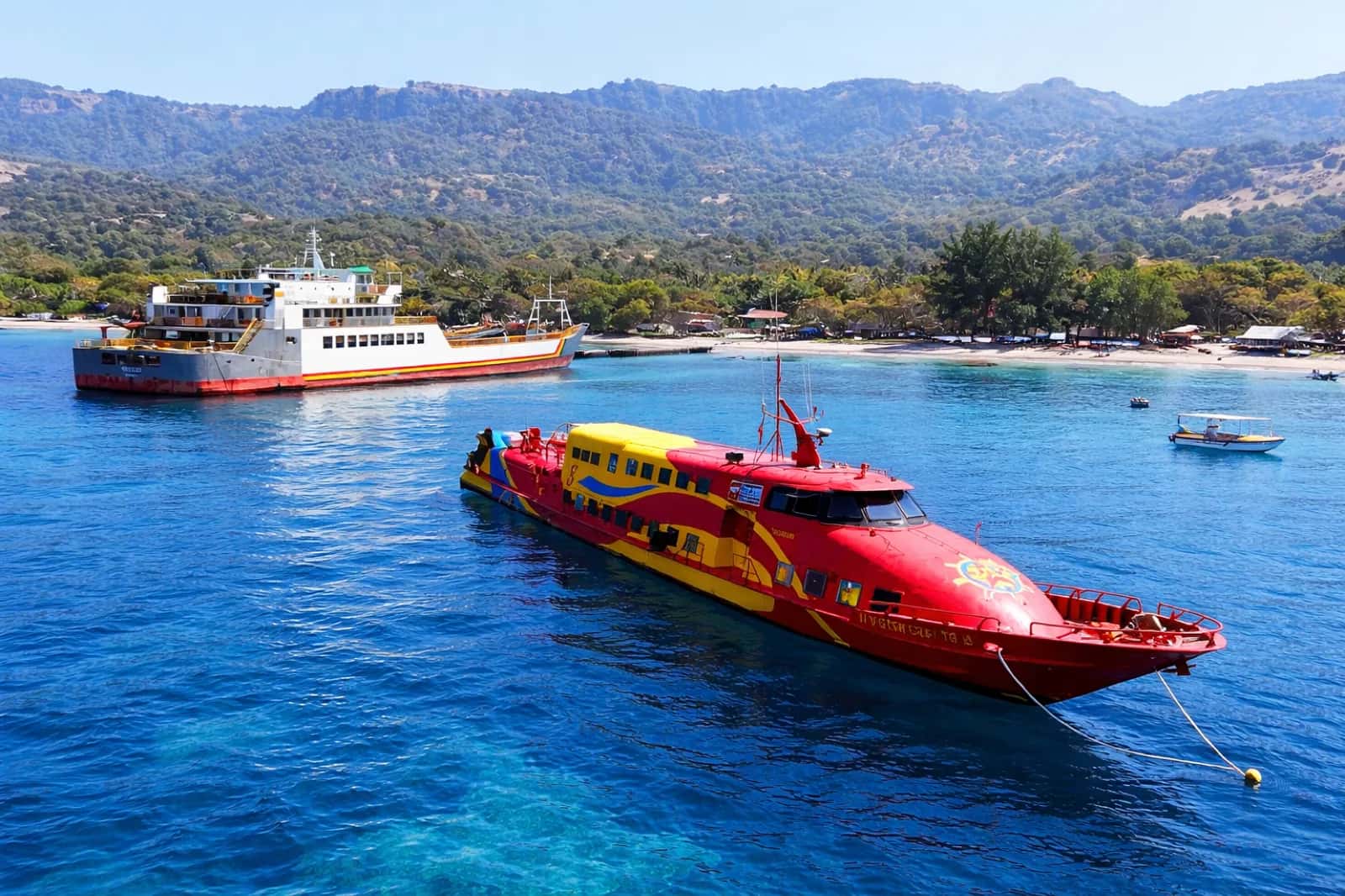
Atauro Island is reached by public ferry from Dili, with a sailing every day except Monday, and the two boats leave from different places. Berlin Nakroma runs Wednesday, Thursday, Saturday and Sunday from Porto Dili, Farol ($4, about 2 hours 15 minutes); MV Success runs Tuesday and Friday from Kolmera ($5, about 3 hours). Both leave Dili at 8am and return from Beloi at 3pm. Tickets are cash-only at the departure point on the day. If the ferry does not suit, MAF flies from Dili on Monday at 07:30, Wednesday at 10:00 and Friday at 16:30 ($80 one way), and lodge boats cost about $70 to $75 a person one way. There are no ATMs on Atauro, so bring all the cash you need from Dili.
Do I need a 4WD in Timor-Leste?
It depends where you are going. The road from Dili to Baucau is excellent and fine for a 2WD sedan. The road to Maubisse through the highlands is paved and manageable in a regular car, though winding. For anything beyond these main routes (the south coast, the far east around Com and Jaco Island, mountain villages, or anywhere off the main highways), a 4WD is essential. During the wet season (December to April), even some main routes can become challenging. Car rental with a local driver who knows the roads is the most practical option for most travelers.
What language do they speak in Timor-Leste?
Timor-Leste has two official languages: Tetun and Portuguese. Tetun is the lingua franca spoken by virtually everyone. Portuguese is used in government and education but spoken fluently by a smaller portion of the population. Indonesian (Bahasa Indonesia) is widely understood, especially by the older generation, from the Indonesian occupation period (1975-1999). English is spoken in tourism areas, hotels, and by younger educated Timorese, particularly in Dili. Learning a few words of Tetun, Bondia (good morning), Obrigado/a (thank you), Diak (good), goes a long way and is always warmly received.
Is Timor-Leste expensive?
Timor-Leste is moderate by Southeast Asian standards. It is more expensive than Indonesia or Vietnam but cheaper than Australia or Singapore. Budget accommodation runs $15-30 per night, mid-range hotels $50-150. Local meals cost $3-8, restaurant meals $8-20. A guided dive costs around $60, and car rental runs from $90 a day (Dili only) to $120-140 for a 4WD, plus $55 a day for a driver outside Dili. The main cost driver is transport: distances are short on the map but long on the road, and 4WD rental with a driver is the practical choice for exploring beyond Dili. Overall, a comfortable mid-range trip runs roughly $80-150 per person per day including accommodation, meals, and activities.
Can I drink the tap water in Timor-Leste?
No. Tap water in Timor-Leste is not safe to drink. Buy bottled water, which is widely available and inexpensive (around $0.50-1 for 1.5 liters). Most hotels and guesthouses provide bottled water or have filtered water dispensers. Use bottled water for brushing teeth as well. Ice in established restaurants in Dili is generally safe, but exercise caution with ice from street vendors outside the capital.
Ready to Go?
Start Planning Your Trip to Timor-Leste
Empty beaches, world-record reefs, mountain coffee country, and a story of independence that will stay with you. Browse tours, diving trips, car rentals, and multi-day packages from operators who live here and know every road, every reef, and every hidden waterfall.