Request · free to ask
Whale & Dolphin Tour
Wetar Strait, AtauroUp to 1 dayMysaffy Atauro Island Adventures
WildlifeEasyMax 8
$350per personMinimum 5 guests, from $1,750
Check dates & availability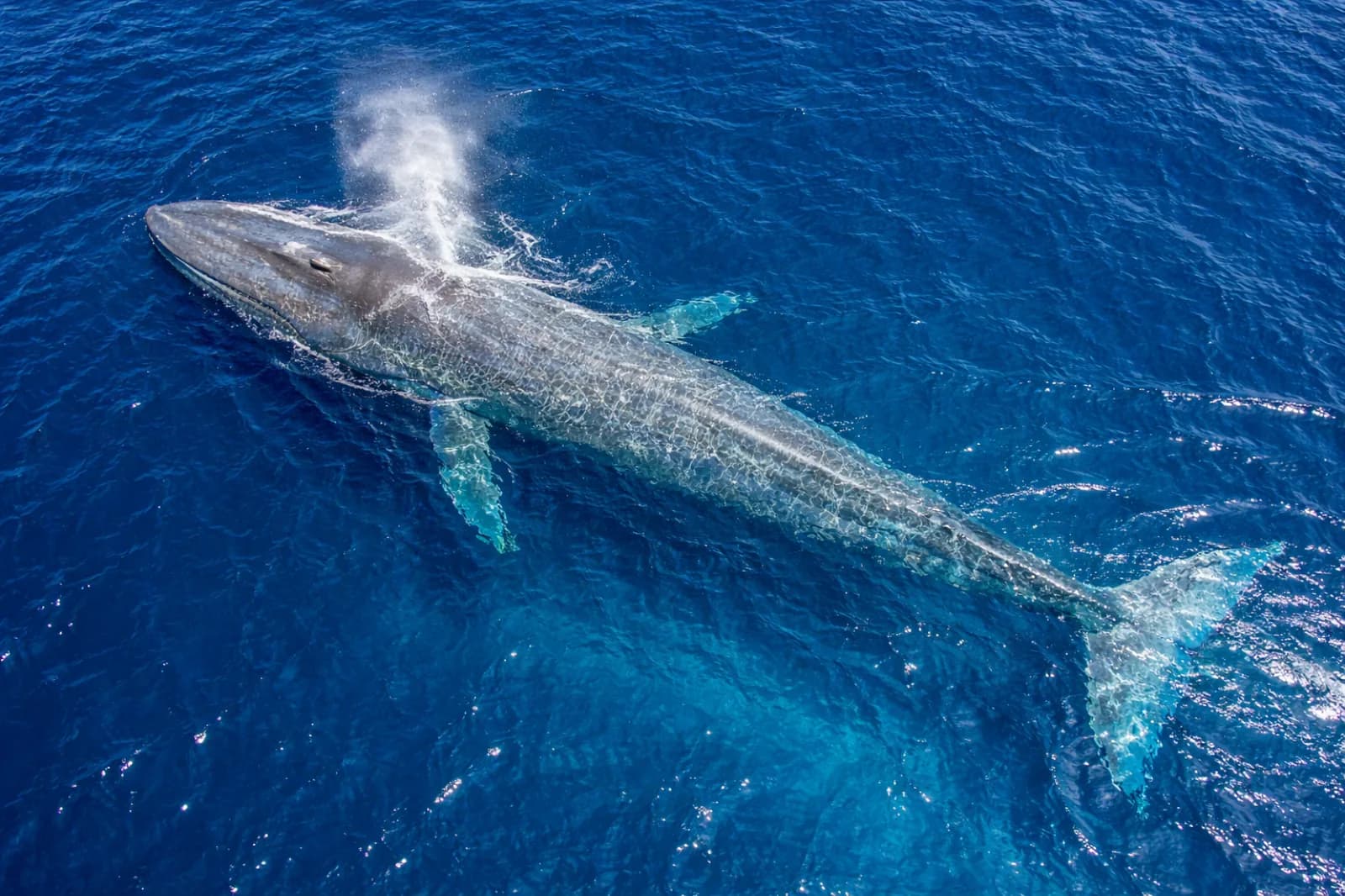
Sperm whales, blue whales, and dolphins in the Wetar Strait
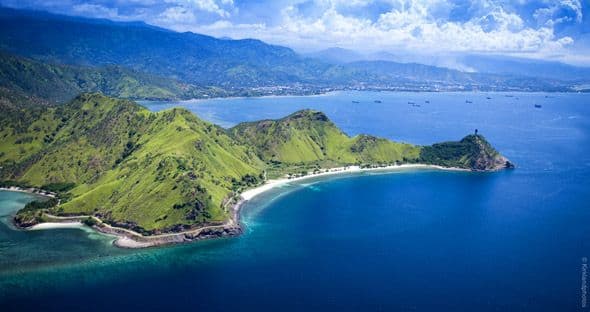
The deep Wetar Strait between Timor and the islands to the north channels migrating whales and dolphins close to shore, so pygmy blue whales, sperm whales and big dolphin pods pass within a short boat ride of Dili and Atauro.
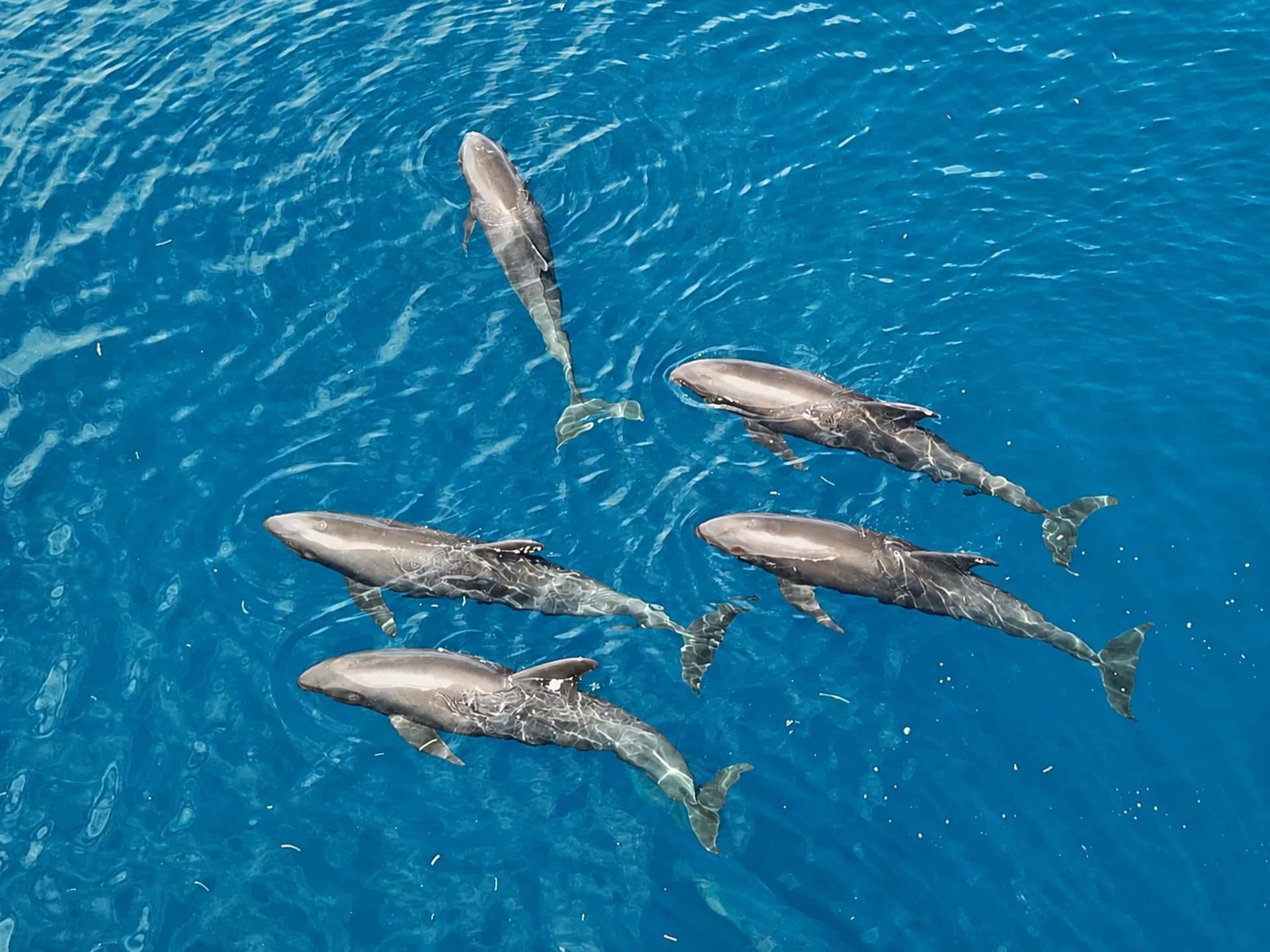
The star of the season is the pygmy blue whale, at up to 24 meters, still one of the largest animals on Earth, which passes along the northern coast heading south from October to early December, most reliably from late October to November. Sperm whales, pilot whales, Risso's dolphins, spinner dolphins, and melon-headed whales also pass through. The encounters happen in deep water (the strait exceeds 3,000 meters) but often remarkably close to shore.
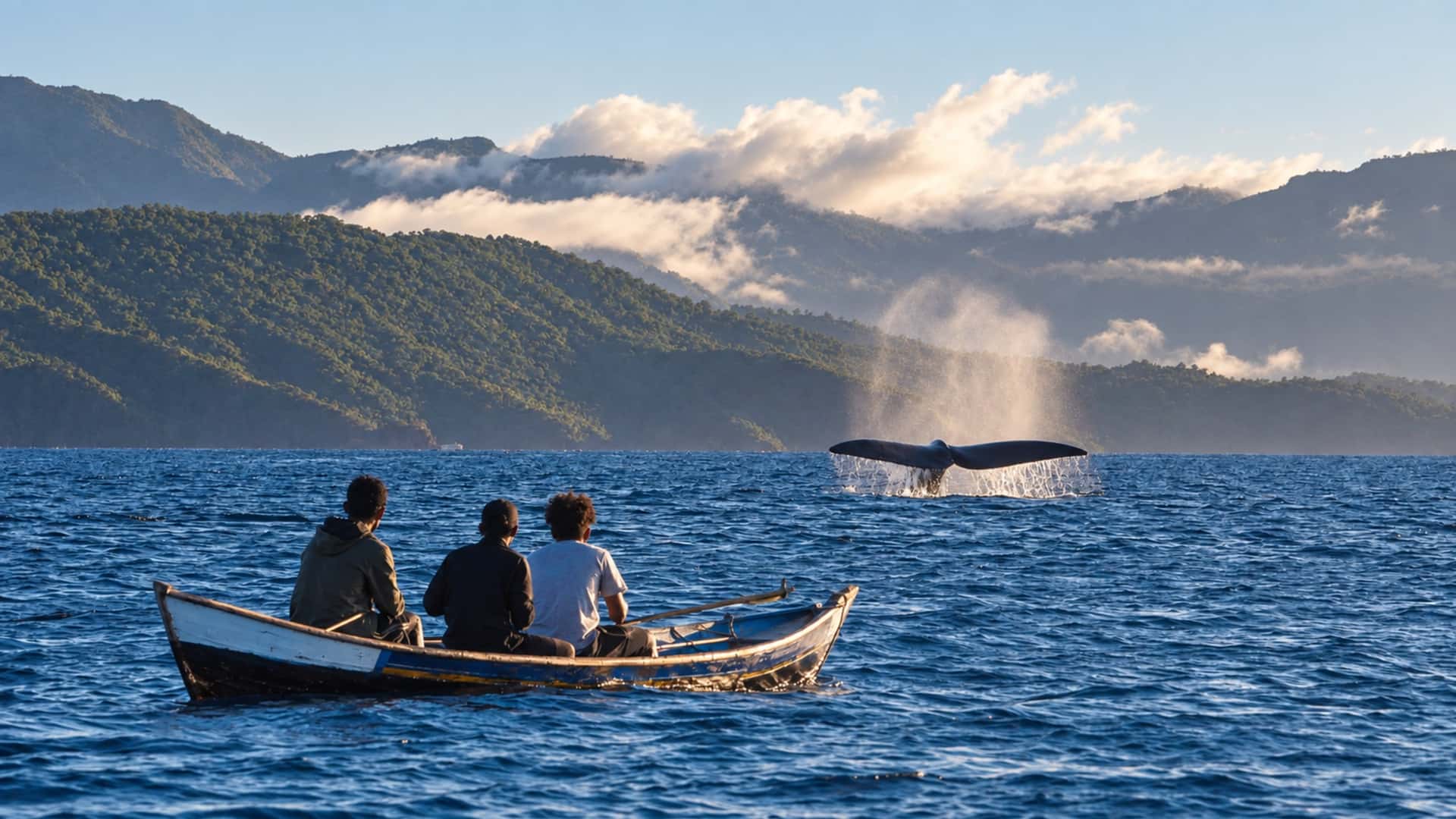
Whale watching here is not a polished, commercialized experience. The trip you can book on Rezerva leaves from Atauro with Mysaffy: a full day on the Wetar Strait in October and November, from $350. Local fishermen at Hera, just east of Dili, and at Com also go out in season, but those trips cannot be booked here; ask us on WhatsApp and we will try to arrange one. Sightings are never guaranteed, and timing shifts from year to year.
Sperm whales are the most commonly seen large whale. Groups of females and juveniles are resident in the strait, while large males pass through during migration. Surfacing and tail-fluke displays are common. Occasionally, full breaches.
Pygmy blue whales, reaching 24 meters in length and among the largest animals on Earth, migrate along the northern coast. The most reliable weeks are late October to November, though the exact timing shifts year to year with ocean conditions. A smaller northbound passage happens mid-year (roughly May to August), but seas are rougher and few trips run.
Dolphins are abundant. Spinner dolphins in pods of hundreds, performing their acrobatic spinning leaps. Risso's dolphins, identifiable by their scarred grey skin. Pilot whales (technically large dolphins) in tight family groups.
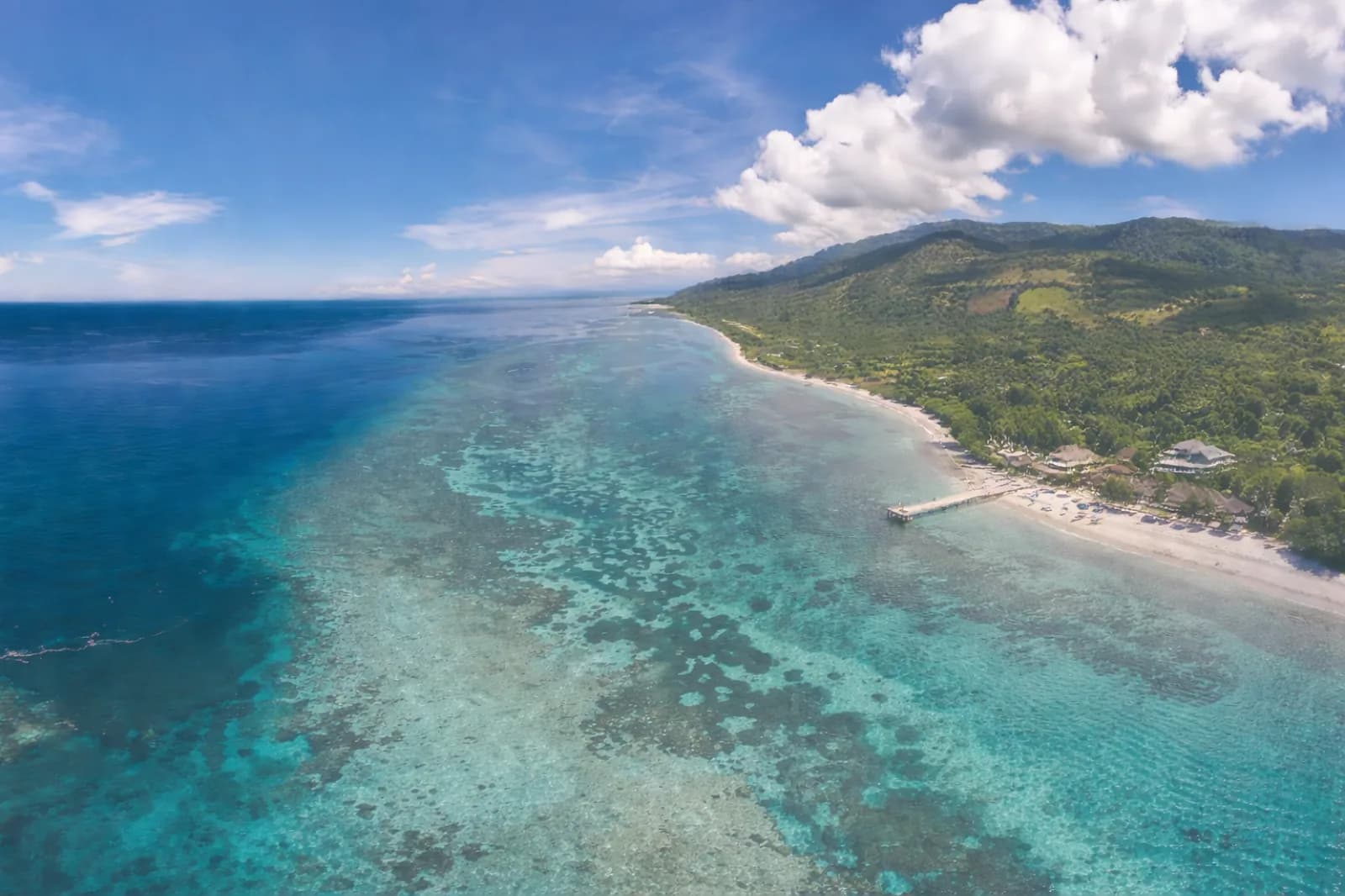
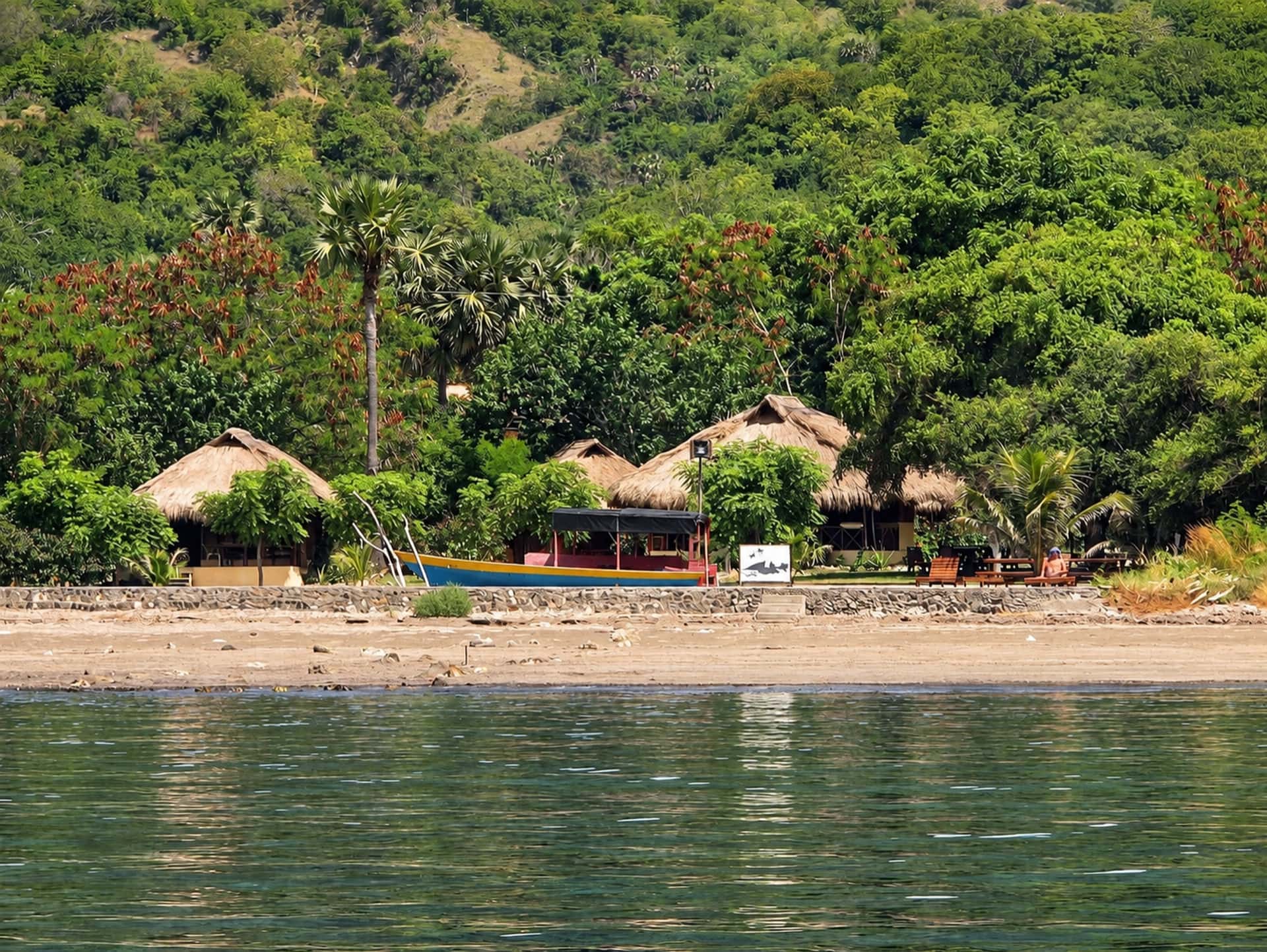
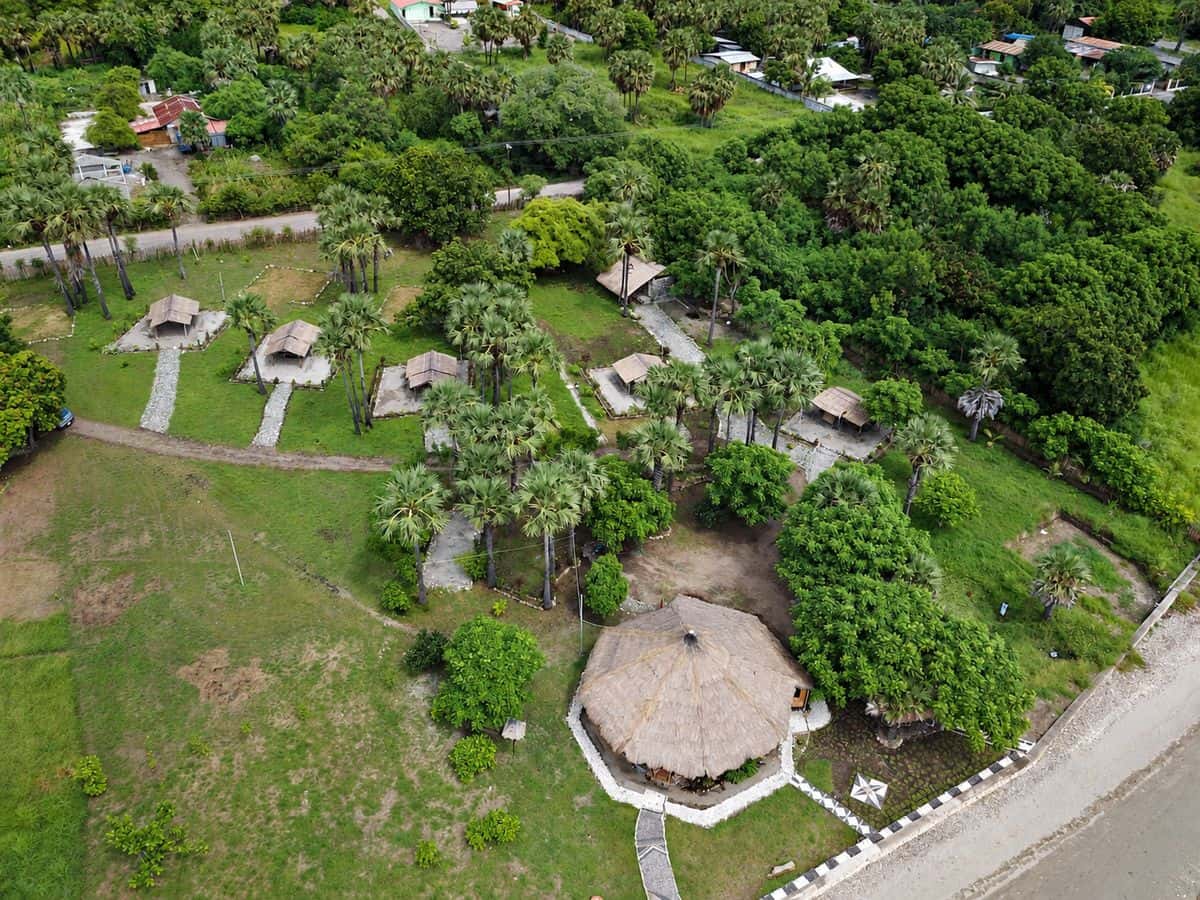
Atauro is the base for the trip you can book: Mysaffy runs full-day whale and dolphin boats in October and November, starting and finishing at Atauro Dive Resort. Hera, just east of Dili, is closer to the capital, but trips there are informal and cannot be booked on Rezerva yet.
Com, on the north coast of the far east, is a traditional whale watching location. Local fishermen have been observing whale movements for generations. The experience is more rustic, small wooden boats, no guarantees, but deeply authentic.
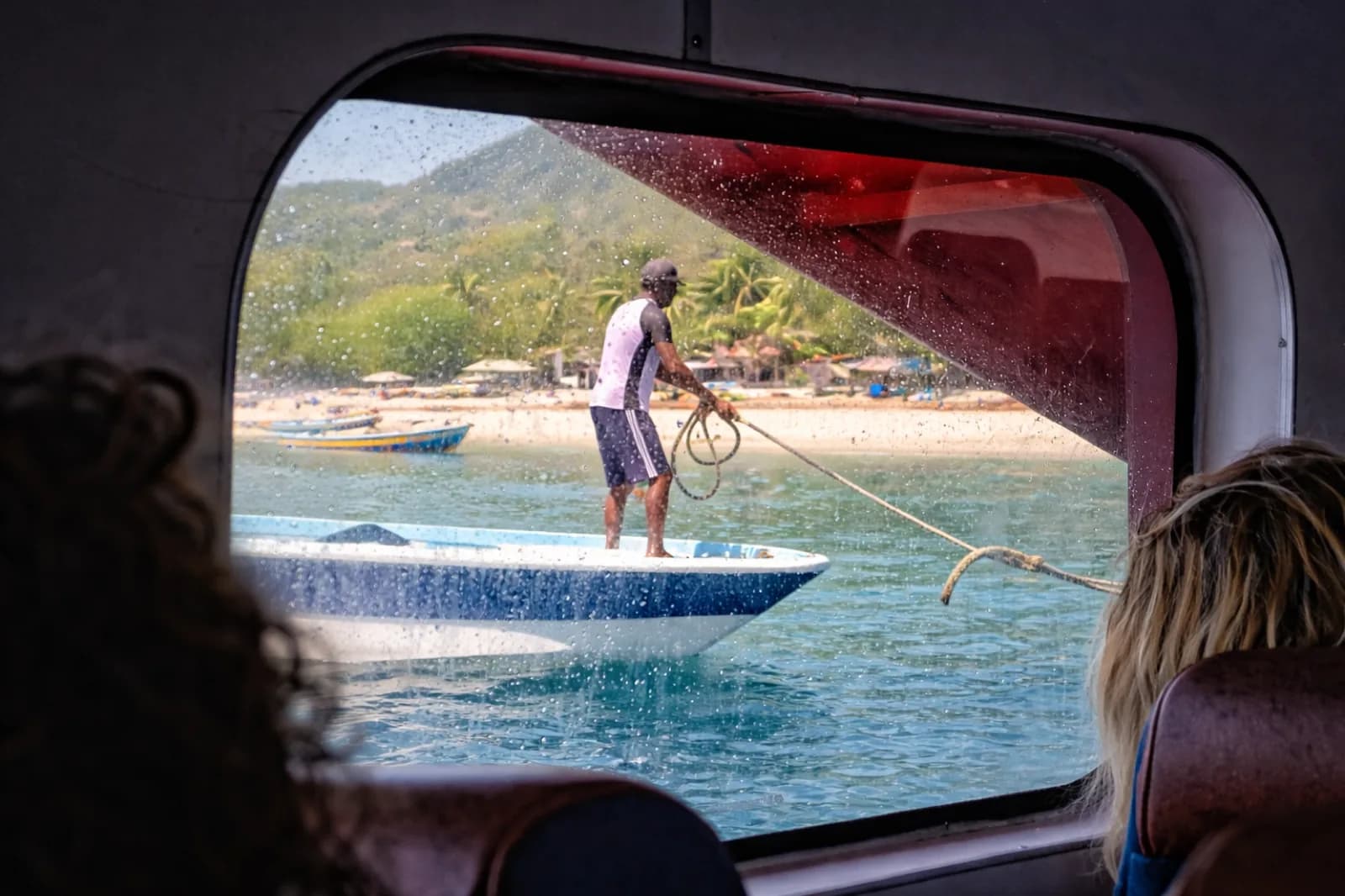
Occasionally, whales are seen from the Dili-Atauro ferry, but this is luck rather than a reliable experience.
Mysaffy's trip lasts about 7 hours, from 8am to 3.30pm, on its own boat, the SAFFY II, starting and finishing on Atauro. You'll head into deep water, cut the engine, and watch. Your boat captain reads the water, looking for blows, surface disturbance, and bird activity that indicates whale presence.
When whales are located, the boat approaches slowly and quietly, keeping a respectful distance. Sperm whales are often curious and may approach the boat. Blue whales tend to maintain more distance. Dolphins frequently ride the bow wave.
Snacks and lunch are served aboard. Sightings are not guaranteed, but in peak season (November), encounter rates are high. Even on "quiet" days, dolphins are almost always present.
Mask, snorkel, fins and a life jacket are provided, and the trip includes in-water encounters when conditions allow. Children under 6 can watch from the boat but do not go in the water.
Timor-Leste's whale populations are not hunted and the deep-water habitat is largely undisturbed. The growing whale watching industry provides an economic incentive for conservation: local fishermen earn more from taking tourists to see whales than from any fishing.
Responsible operators maintain distance from the animals, don't chase them, and limit engine noise. If a whale is resting or with a calf, good operators will back off. Choose operators who prioritize the animals' welfare.
2 experiences connected to this guide
Atauro Island
Pygmy blue whales (24m), sperm whales, pilot whales, spinner dolphins, Risso's dolphins, melon-headed whales.
Atauro Island (bookable), or Hera near Dili and Com in the far east (informal, ask us).
Sunscreen, hat, water, camera with zoom lens, seasickness medication if needed.
October to early December, most reliably late October to November. Timing shifts annually. Sperm whales and dolphins may be seen outside the main window.
New experiences, insider tips, and seasonal highlights. No spam, just useful stuff for planning your trip.
Unsubscribe anytime. We respect your inbox.
Continue planning your trip to Timor‑Leste
Places mentioned in this guide