Instant · pay on the day
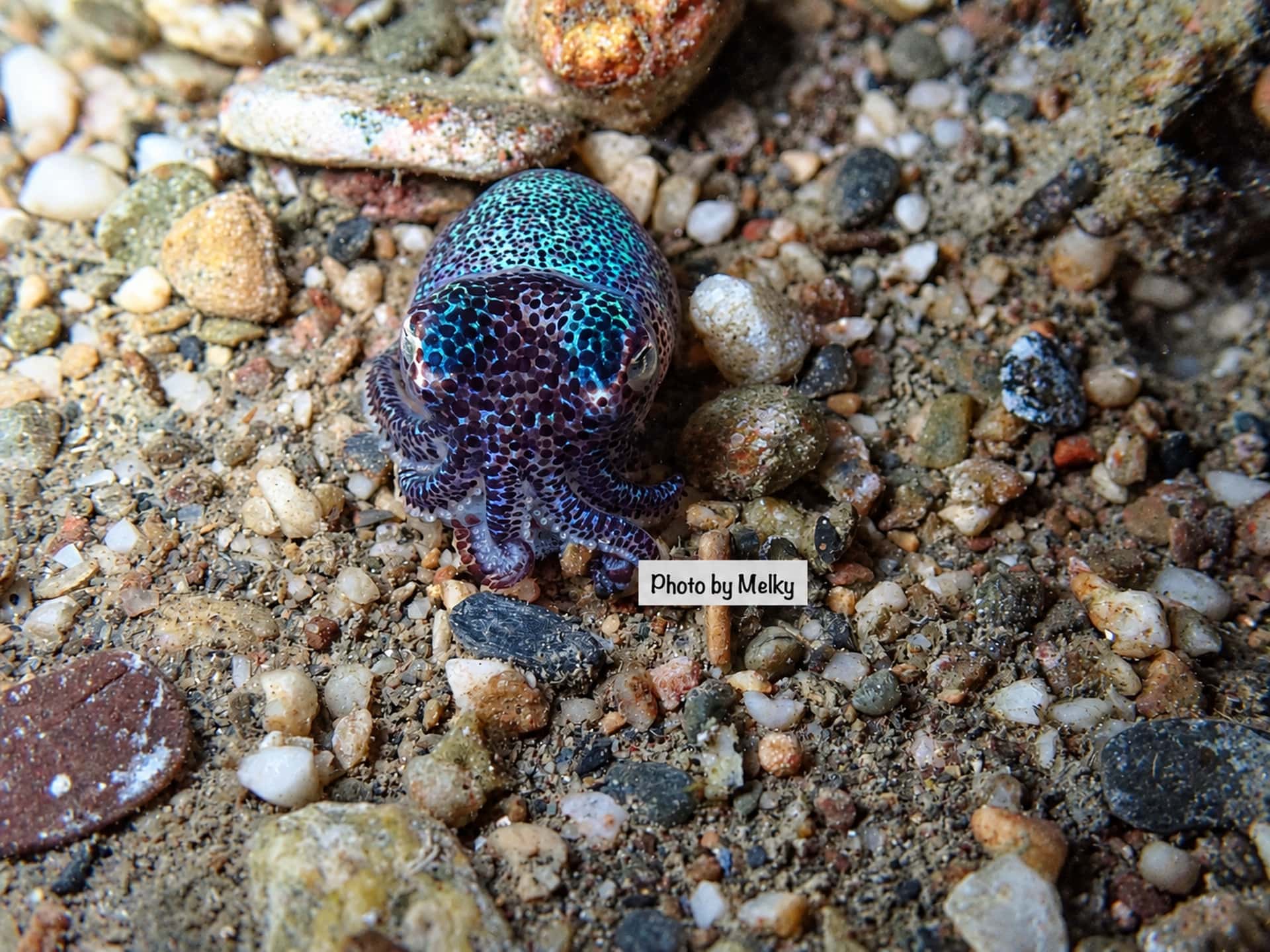
Dili Night Dive
DiliUp to 1 dayDreamers Dive Academy Timor
DivingModerateMax 4Pickup
Torch included
5.0(30 · Google)
$60per personMinimum 2 guests, from $120
Check dates & availability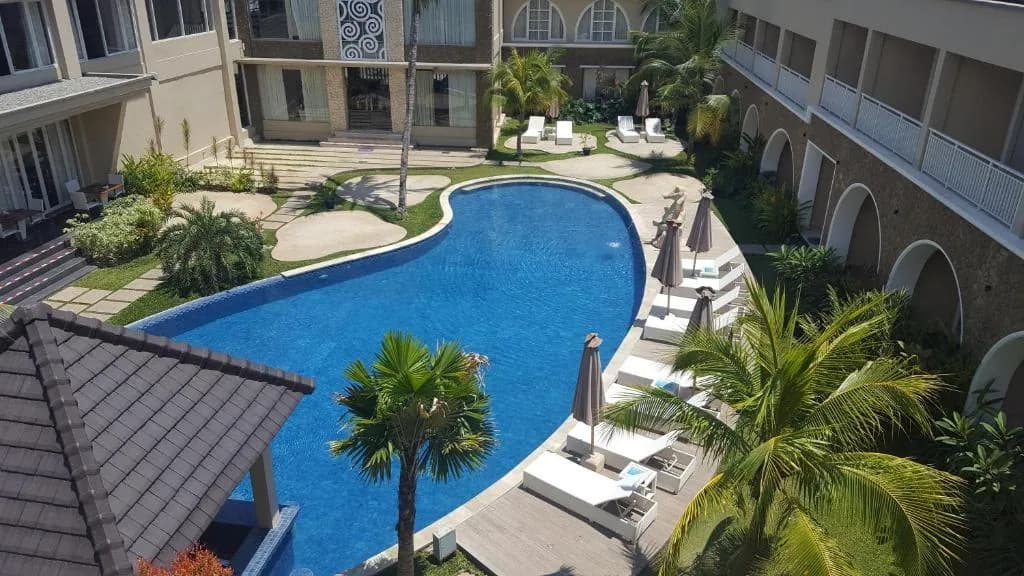
From beach eco-lodges to mountain guesthouses: your accommodation guide
Accommodation in Timor-Leste (East Timor) is unlike anywhere else in Southeast Asia. There are no international hotel chains, no booking.com-style instant confirmation at most properties, and no Airbnb ecosystem to speak of. What you get instead is a genuinely local experience: guesthouses run by Timorese families, eco-lodges built with community involvement, colonial-era pousadas with crumbling charm, and a few comfortable hotels in the capital that cater to the business and NGO crowd.
The practical reality is that many accommodation options in Timor-Leste don't have websites. Booking often means sending a WhatsApp message, making a phone call, or simply showing up. Outside Dili, rooms are basic: don't expect hot water, reliable WiFi, or air conditioning as standard. What you will get is genuine hospitality, reasonable prices, and the satisfaction of knowing your money goes directly to local families and communities.
Budget ranges are straightforward. Guesthouses across the country run $15-30 per night, often including a simple breakfast. Mid-range hotels in Dili cost $50-100. The handful of higher-end options, resort-style properties in Dili and dive lodges on Atauro, range from $100-200+ per night. Outside the capital, $20-40 covers most accommodation. The value proposition is excellent: what you'd pay for a hostel dorm in Bali gets you a private room with breakfast in Timor-Leste.
This guide covers accommodation options region by region, with specific recommendations, price ranges, and practical tips for booking. Whether you're a backpacker on $15 a night or a traveler seeking the best comfort available, Timor-Leste has options: you just need to know where to look and how to book them.
Dili has the broadest range of accommodation in the country, from basic guesthouses to the most comfortable hotels you'll find in Timor-Leste. The city caters to a mix of tourists, business travelers, UN and NGO workers, and diplomats, which means the hotel infrastructure is more developed than anywhere else.
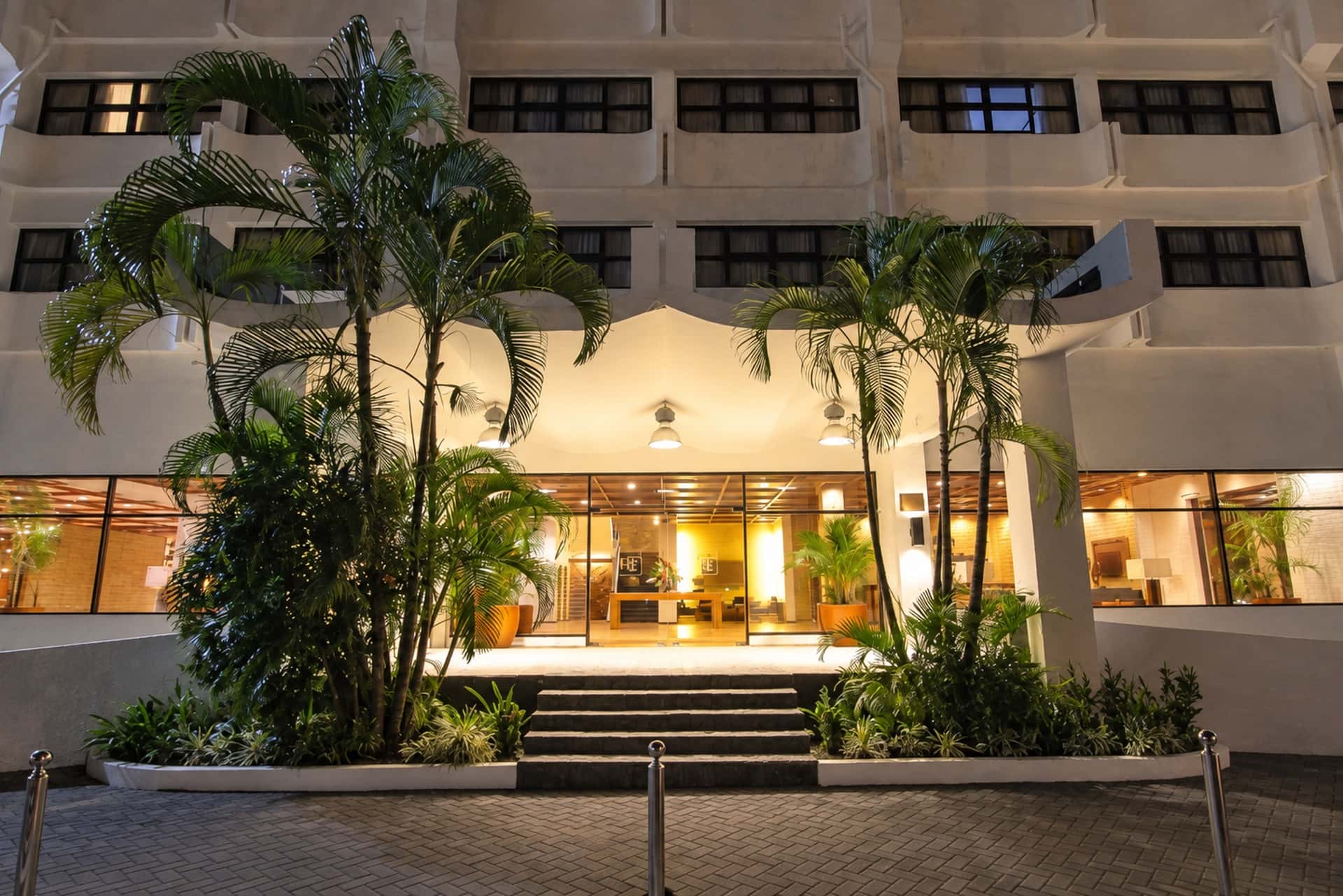
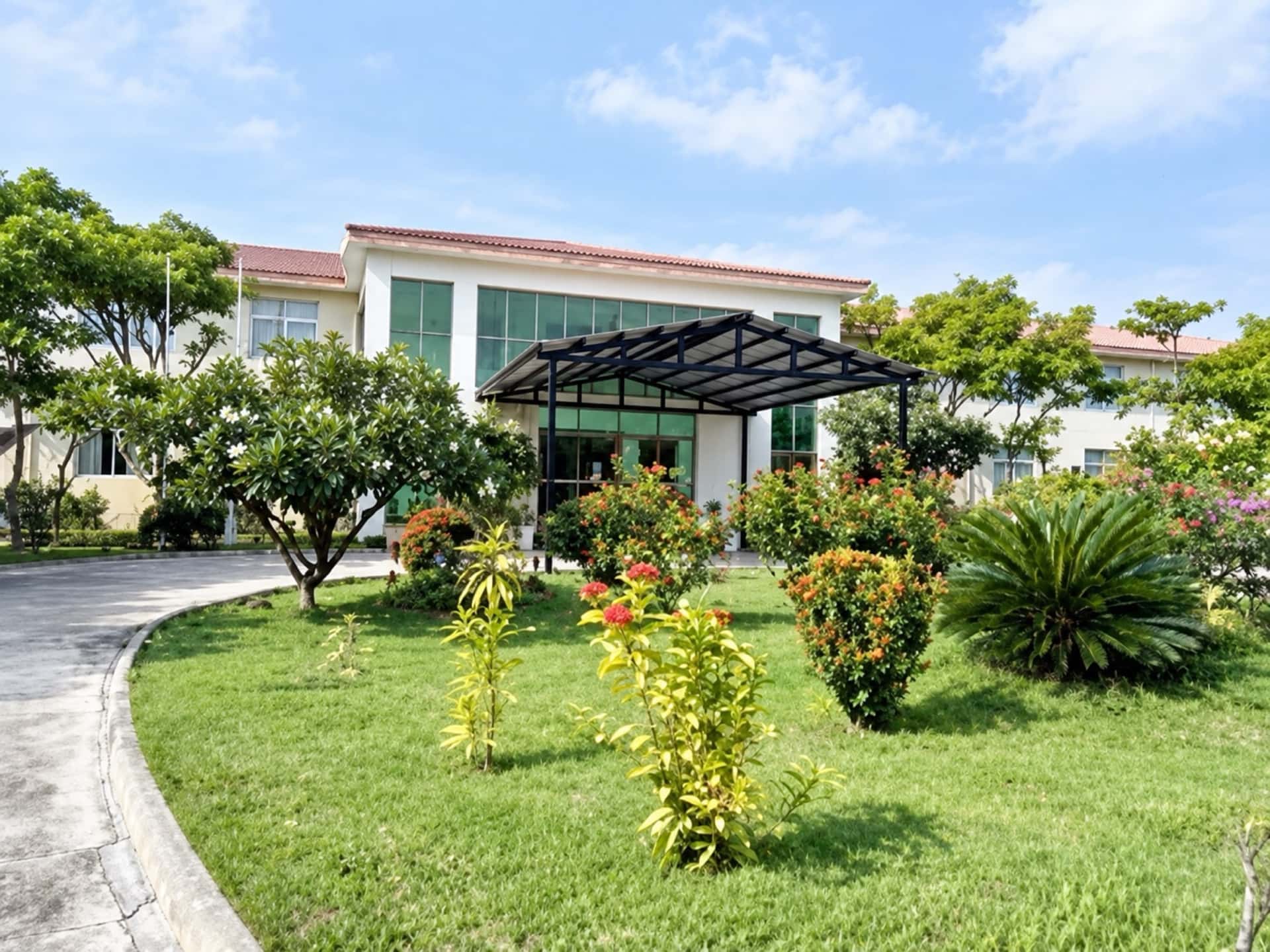
Budget travelers will find guesthouses in the $15-30 range: typically a clean private room with fan (sometimes air-con), shared or private bathroom, and simple breakfast. Mid-range hotels ($50-100) offer air conditioning, hot water, WiFi, and restaurant facilities. At the higher end ($100-200+), properties like Novo Turismo Resort and Hotel Timor offer pool access, waterfront locations, and international-standard rooms. Timor Plaza Hotel is a solid mid-to-upper option near the shopping mall.
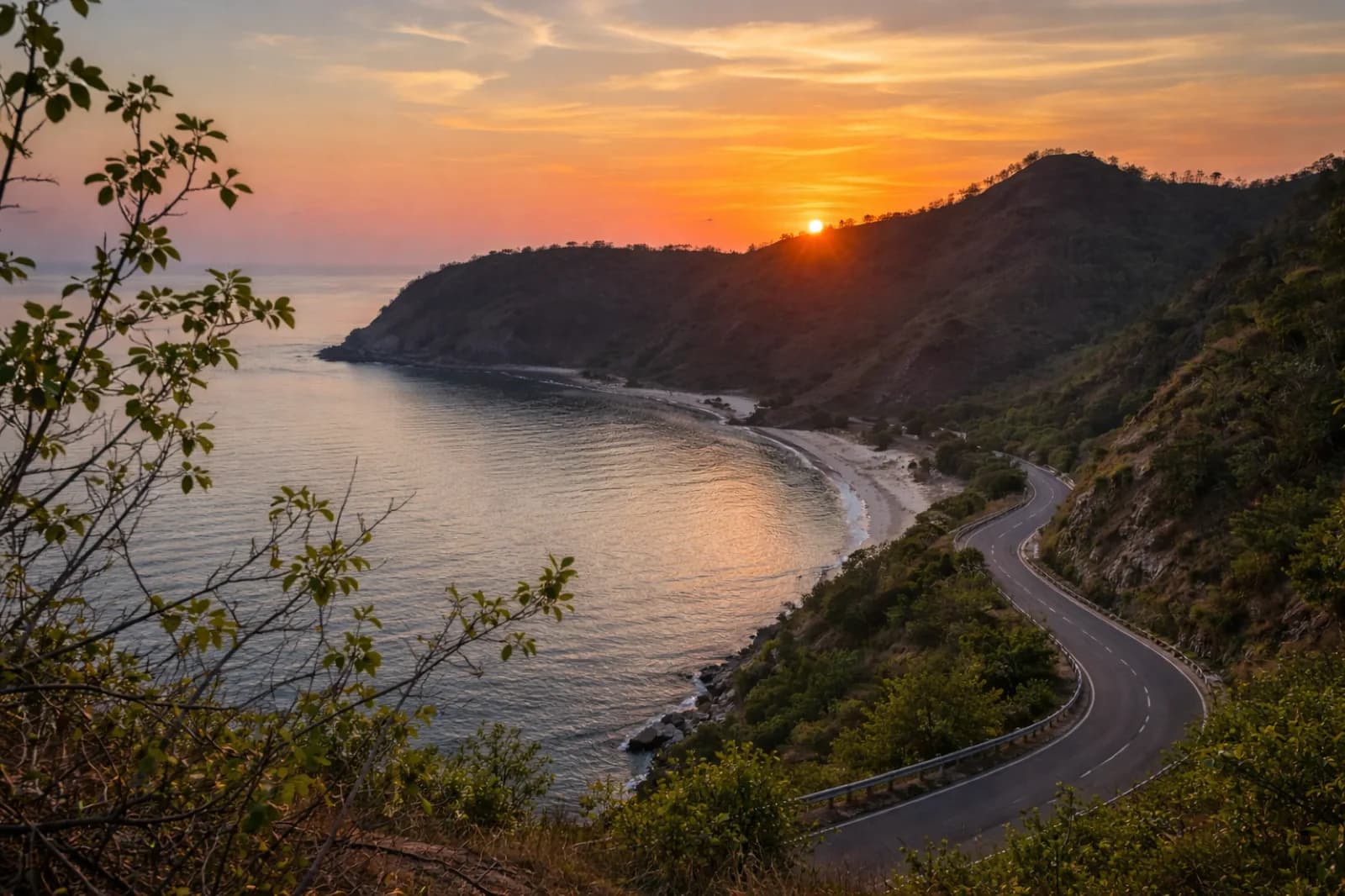
Location matters in Dili. The waterfront area (Avenida de Portugal) puts you close to restaurants, the promenade, and the sea. The area around Timor Plaza is convenient for shopping and transport. The eastern end of the city, near Cristo Rei, is quieter and closer to the beach. Book in advance during conference seasons and holidays. The city has limited room stock and can fill up unexpectedly.
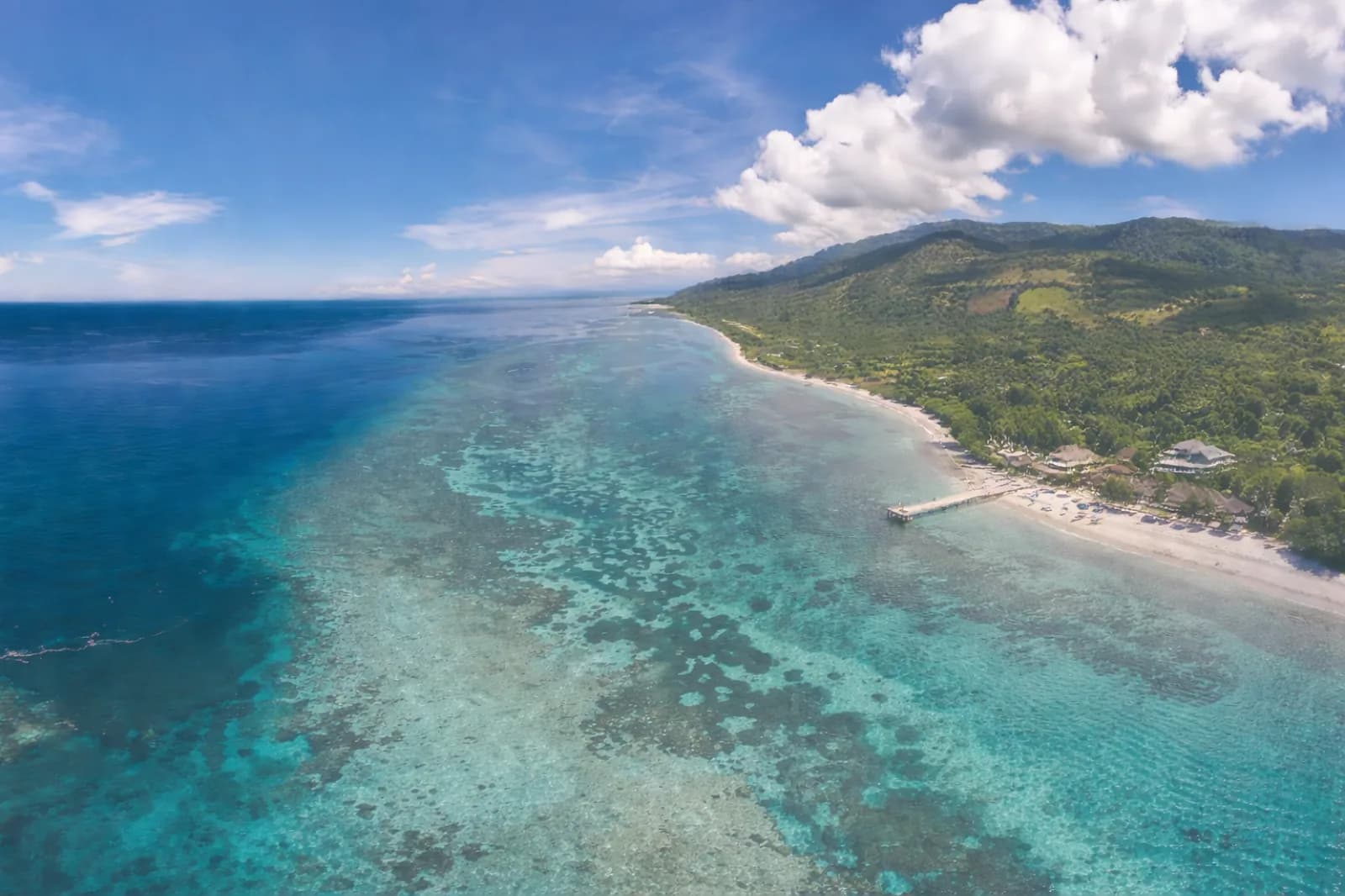
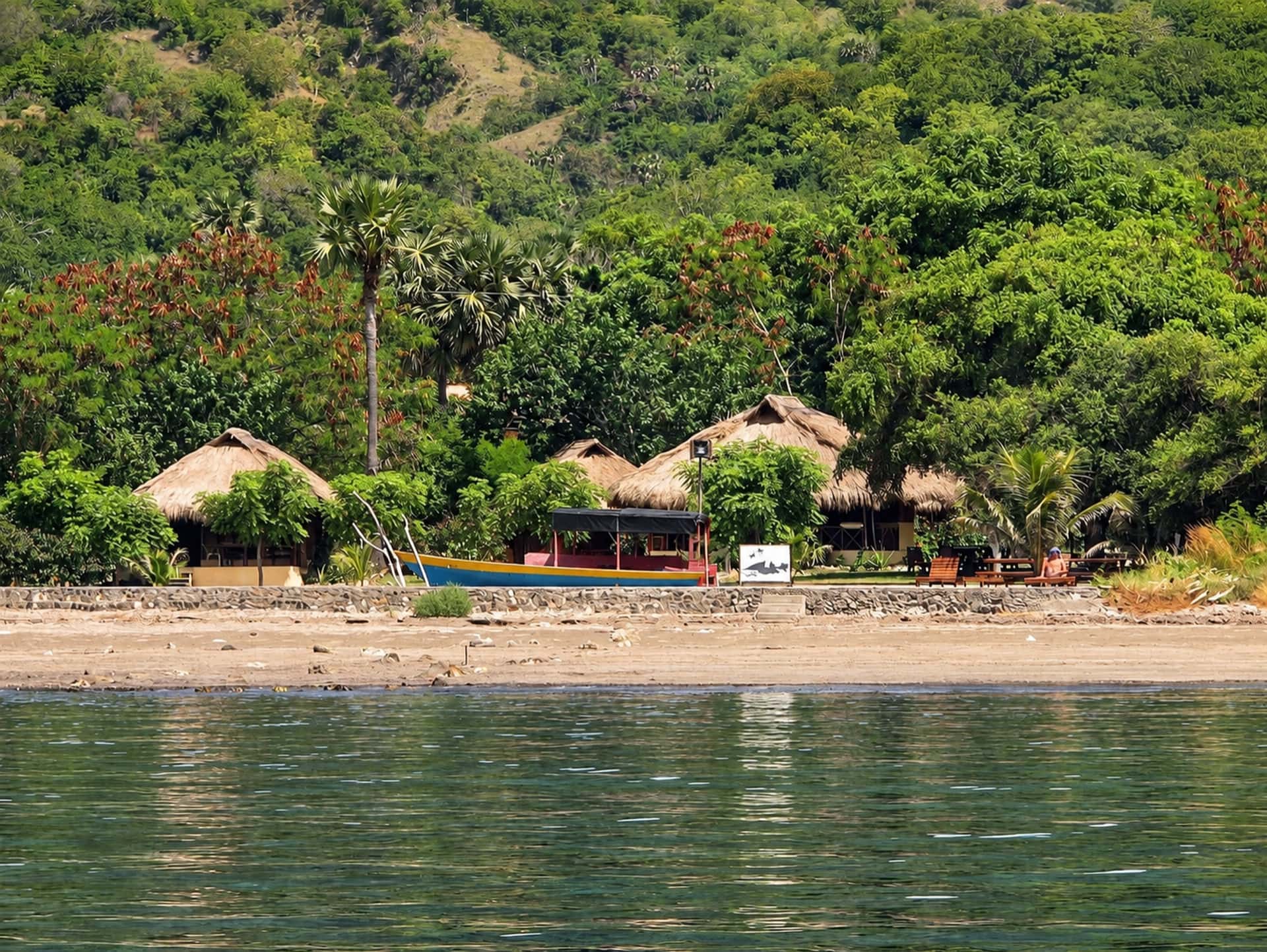
Atauro's accommodation is dominated by eco-lodges and community-run guesthouses, most clustered around Beloi on the east coast and increasingly along the newly accessible west coast (a road to Adara completed mid-2025 cuts the journey from Beloi to 45 minutes). Family homestays start at $15 a person and the lodges and dive resorts at about $90 a night, and several include all meals, since restaurant options on the island are limited.
Bookable on Rezerva: Atauro Dive Resort (PADI dive resort on the beach at Beloi, all meals included), Compass Atauro Lodge (glamping tents and villas on Beloi Beach, meals and a daily snorkel boat included), Beloi Beach Hotel (air conditioning, the most upmarket option), Mysaffy (hostel beds and private rooms by the pier) and seven family homestays in Beloi and Anartuto. The Atauro stays page compares them with current prices.
For food, Manukoko Rek in Vila Maumeta serves homemade Italian and Timorese dishes (run by a women's cooperative: order 4 hours ahead). Linissa Restaurant near Beloi harbour is open all day. The Saturday market in Beloi has grilled fish and fresh produce. Booking on Atauro means WhatsApp or phone: few properties have websites. In peak season (July-September), book ahead. No ATMs. Bring all cash.
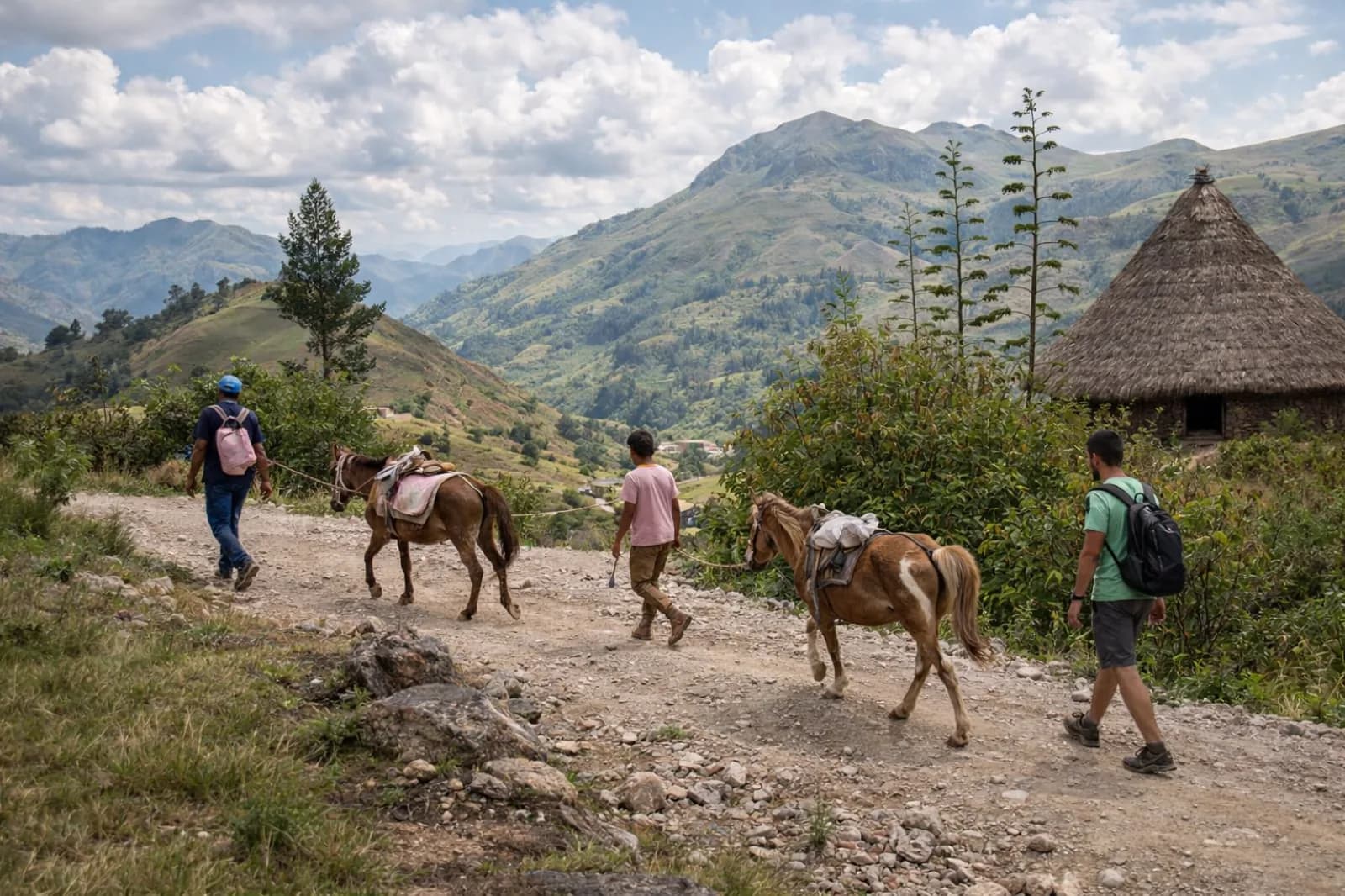
The highlands around Maubisse offer a completely different accommodation experience: cool mountain air, misty mornings, and the sound of roosters rather than traffic. Options are limited but characterful. Two guesthouses in town take bookings on Rezerva: Sara's Guesthouse (central, roof terrace, from $30 a night) and Quinta de Sivas Guesthouse (hillside, hot water, $20 a person with breakfast). Both have warm blankets, and you will need them, because temperatures drop below 15 degrees Celsius. For Ramelau, Alecrim Namrau Homestay in Hato Builico ($15 a person) puts you at the trailhead.
The historic Pousada de Maubisse, a former Portuguese Governor's retreat with sweeping valley views, is the town's most famous building, though it closed in 2024. The building and grounds remain a landmark worth visiting even if you can't stay there. Further afield, Hato Builico (the starting point for Mount Ramelau treks at about 2,000 meters) has very basic homestay accommodation. Bring a sleeping bag and low expectations for facilities.
Coffee cooperatives like Cocamau and Hakmatek in the Ainaro district occasionally offer homestay experiences for visitors doing farm tours. These are basic but deeply authentic: you stay with a farming family, eat local food, and see highland life from the inside. Arrange through a tour operator who can handle translation and logistics.
Baucau, Timor-Leste's second city, offers accommodation with genuine colonial character. The Pousada de Baucau, a distinctive dark pink building from the 1950s in the Vila Antiga (old town), is the most atmospheric option. Call ahead to check availability as booking systems are minimal.
In Kota Baru (the lower new town), guesthouses and basic hotels range from $10-25 per night. DaTerra Agroecological Farm, just outside Baucau, offers an alternative for those interested in sustainable agriculture: a working farm with accommodation. The town has ATMs (BNCTL and BNU in Kota Baru), restaurants, and a market, making it a comfortable base for exploring the east.
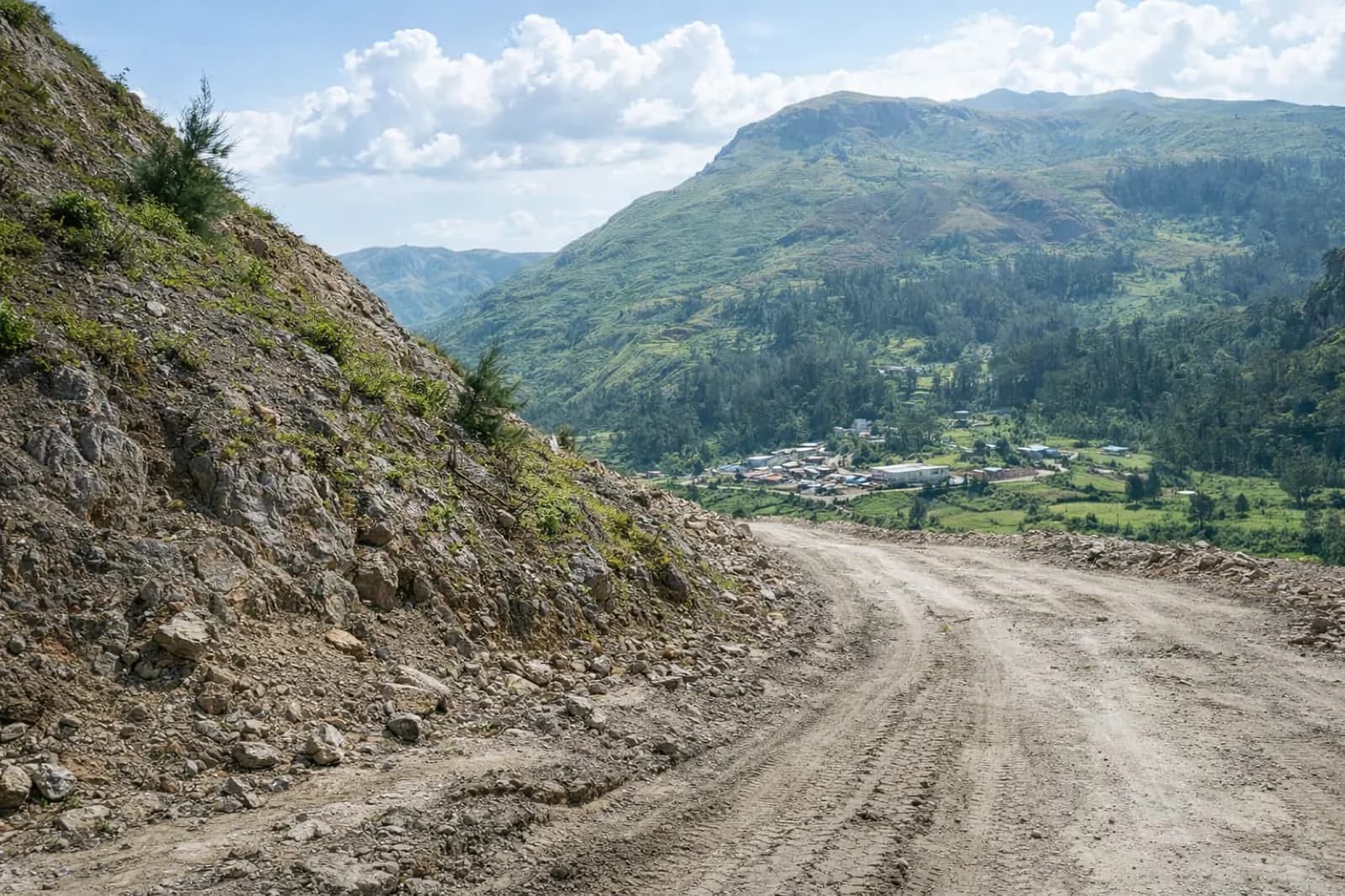
Baucau is the logical overnight stop on the road east to Com and Jaco Island. The drive from Dili (3 to 4 hours on a good road) and onward to Com (3 hours on a deteriorating road) makes Baucau the last point of reliable infrastructure before the far east. Stock up on cash and supplies here if you're heading to Com or Tutuala.
Accommodation in the far east is basic by any standard, but the remoteness is part of the appeal. In Com, Kati Guest House and Sina Guest House offer rooms for $10-15 per night: clean, simple, and right on the coast. Some families offer homestays. Bring food supplies from Baucau or Lospalos, as restaurant options in Com are very limited.
Lospalos, the municipal capital of Lautém district, has the best infrastructure in the far east. Hotel Roberto Carlos (~$35/night with breakfast) is the main hotel: helpful staff can organise guides and drivers. Centro Antico (~$15/night) is the budget option. In Tutuala, the Pousada Lautem ($25 standard/$50 A/C with breakfast) occupies a former Portuguese colonial building with large rooms and en-suite bathrooms. At Valu Beach, Valu Sere Beach Bungalows ($20/night) are simple bamboo huts. Book ahead as supplies are delivered by pre-arrangement. Laukmorre Guest House is the other option at Valu.
The key to accommodation in the far east is managing expectations. Hot water is rare, electricity may be generator-only (and switched off overnight), and WiFi is nonexistent. What you get in return is access to Timor-Leste's most spectacular landscapes: Jaco Island, Nino Konis Santana National Park, and a way of life that hasn't changed much in generations. Bring a headlamp, insect repellent, and a willingness to embrace simplicity.
The single most important booking tip for Timor-Leste: contact properties directly, and do it in advance. Many places don't appear on international booking platforms. WhatsApp is the most reliable communication channel: more so than email, which may not be checked regularly. If you're working with a tour operator or Dili-based travel agency, they can usually arrange accommodation across the country through their local networks.
Confirmation culture is different here. A WhatsApp exchange saying "yes, room available" is your booking: there's rarely a formal confirmation number or email. Save the conversation. If you're arriving at an unusual time, confirm the day before. No-shows are common in both directions (guests and hosts), so flexibility helps.
Power and water practicalities: Dili hotels generally have reliable electricity and hot water. Atauro runs on solar: expect limited power, no hot water, and bring a power bank. Highland guesthouses have electricity but often no hot water (and you'll want hot water at 1,400 meters). The far east may have generator power that runs limited hours. Adapt your expectations to the region and you'll have a much better experience.
How do you book accommodation in Timor-Leste?
Contact properties directly and in advance: WhatsApp is the most reliable channel, more so than email. Many places aren't on international booking platforms, and a WhatsApp exchange confirming a room is effectively your booking, so save the conversation.
How much does accommodation cost in Timor-Leste?
Guesthouses run $15-30 a night, mid-range Dili hotels $50-100, Atauro homestays from $15 a person and lodges from about $90, and the handful of higher-end Dili properties $100-200+. Outside the capital, $20-40 covers most rooms.
Can I pay by card at hotels in Timor-Leste?
Rarely. Cash (USD) is used almost everywhere and very few Dili hotels accept cards. Bring enough cash to cover your whole stay once you leave the capital.
Do Timor-Leste hotels have hot water and WiFi?
In Dili, usually yes. Elsewhere both are rare: Atauro runs on solar with limited power, the far east may have generator power only, and highland guesthouses often have cold showers. Bring a power bank and don't rely on WiFi.
Where should I stay in Dili?
The waterfront (Avenida de Portugal) puts you near restaurants and the sea, the area around Timor Plaza is handy for shopping and transport, and the quieter eastern end near Cristo Rei is closer to the beach.
Do I need to book accommodation in advance?
In Dili and on Atauro during peak season (July-September), yes: room stock is limited across the country, so book two to four weeks ahead.
Torch included

Iconic shore sites: Cristo Rei, Tasi Tolu & Dili Rock
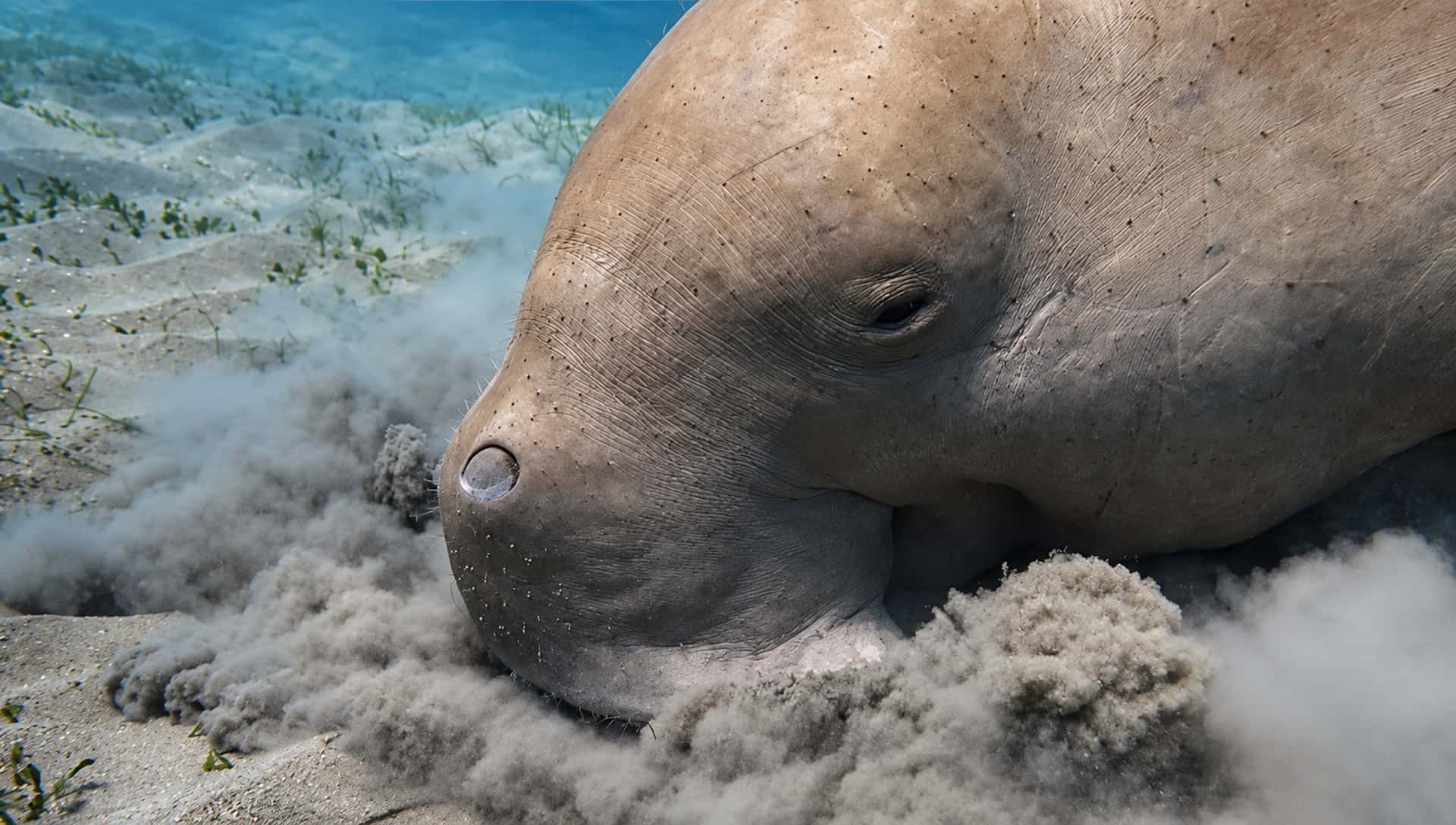
All-inclusive: gear, guide, transport & snacks
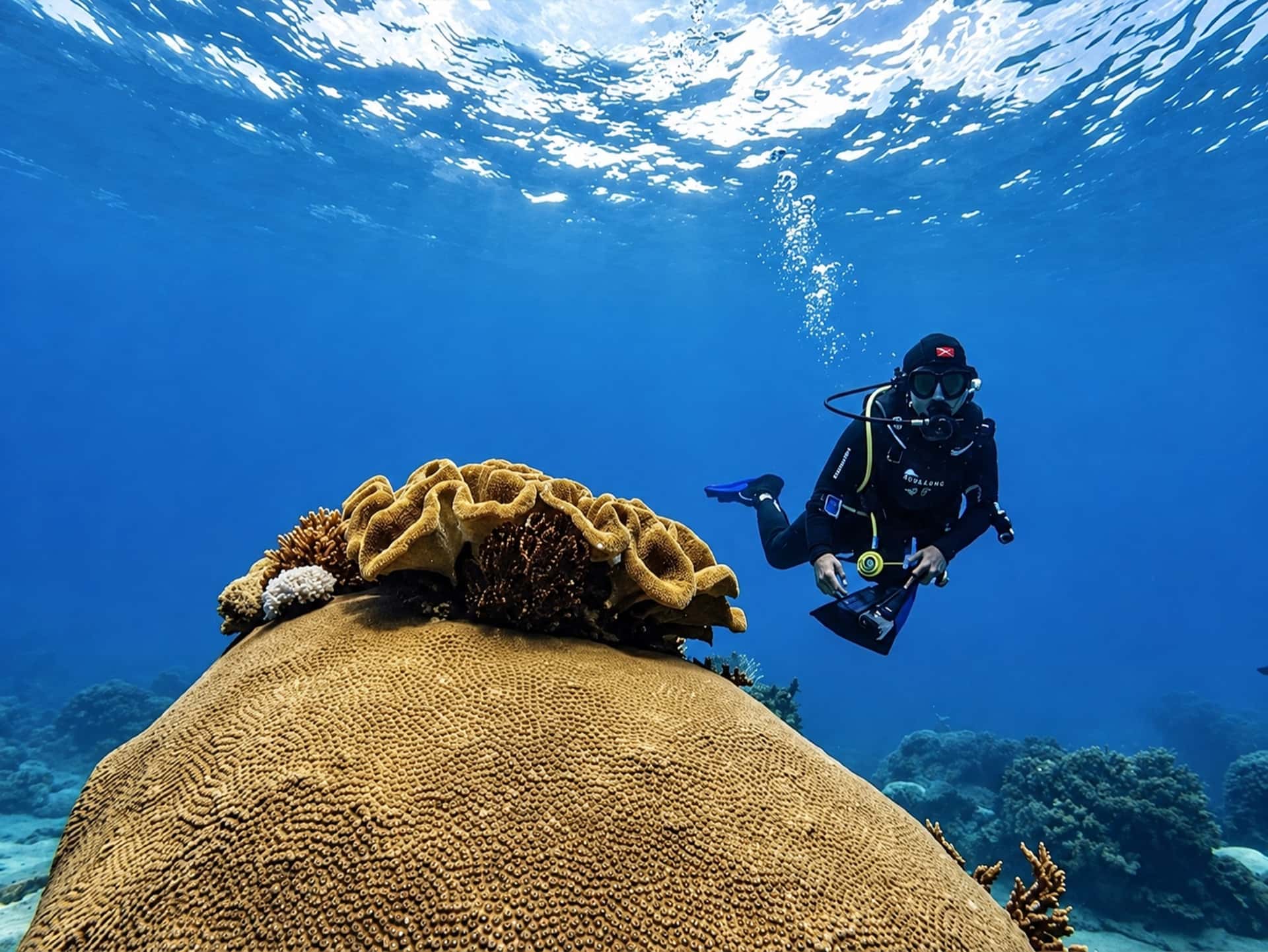
No experience needed
Dili · Atauro Island
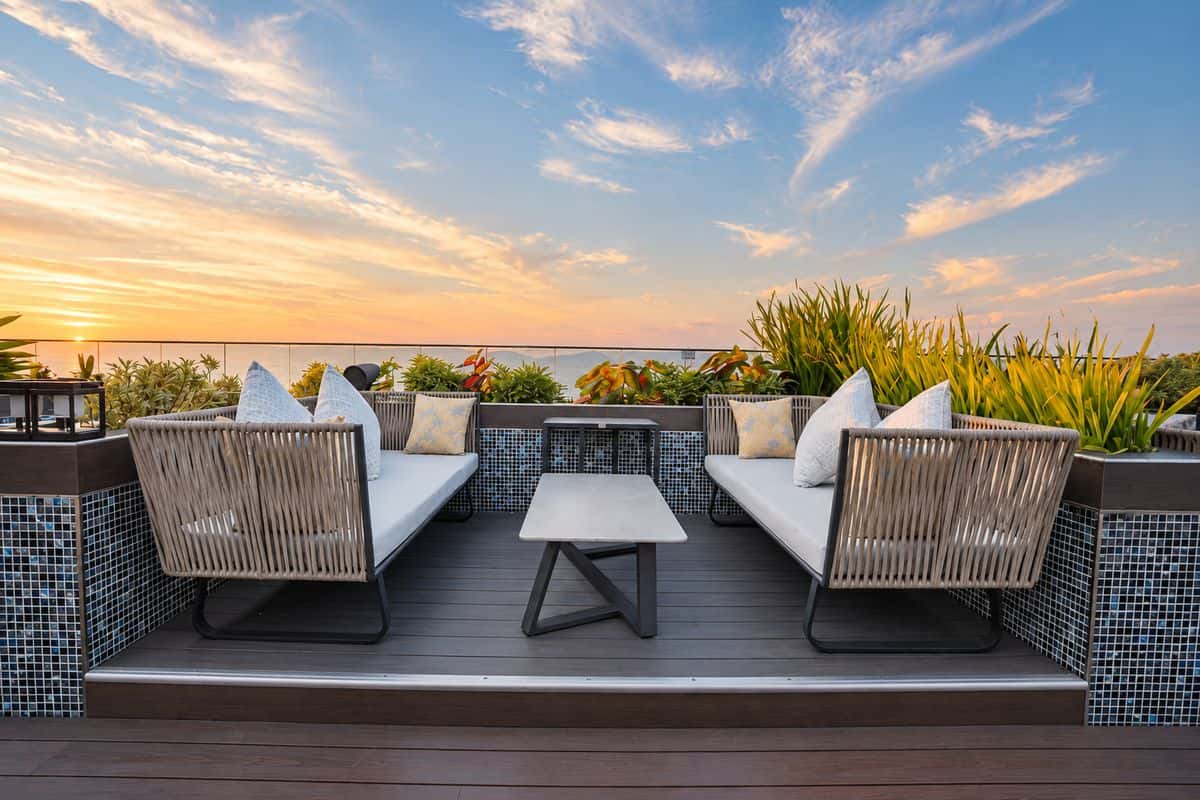
May to November (dry season) for the most comfortable stays. Highland accommodation is cool year-round. Peak booking pressure July through September. Book ahead.
New experiences, insider tips, and seasonal highlights. No spam, just useful stuff for planning your trip.
Unsubscribe anytime. We respect your inbox.
Continue planning your trip to Timor‑Leste
Places mentioned in this guide