4-Day Atauro Dive Escape
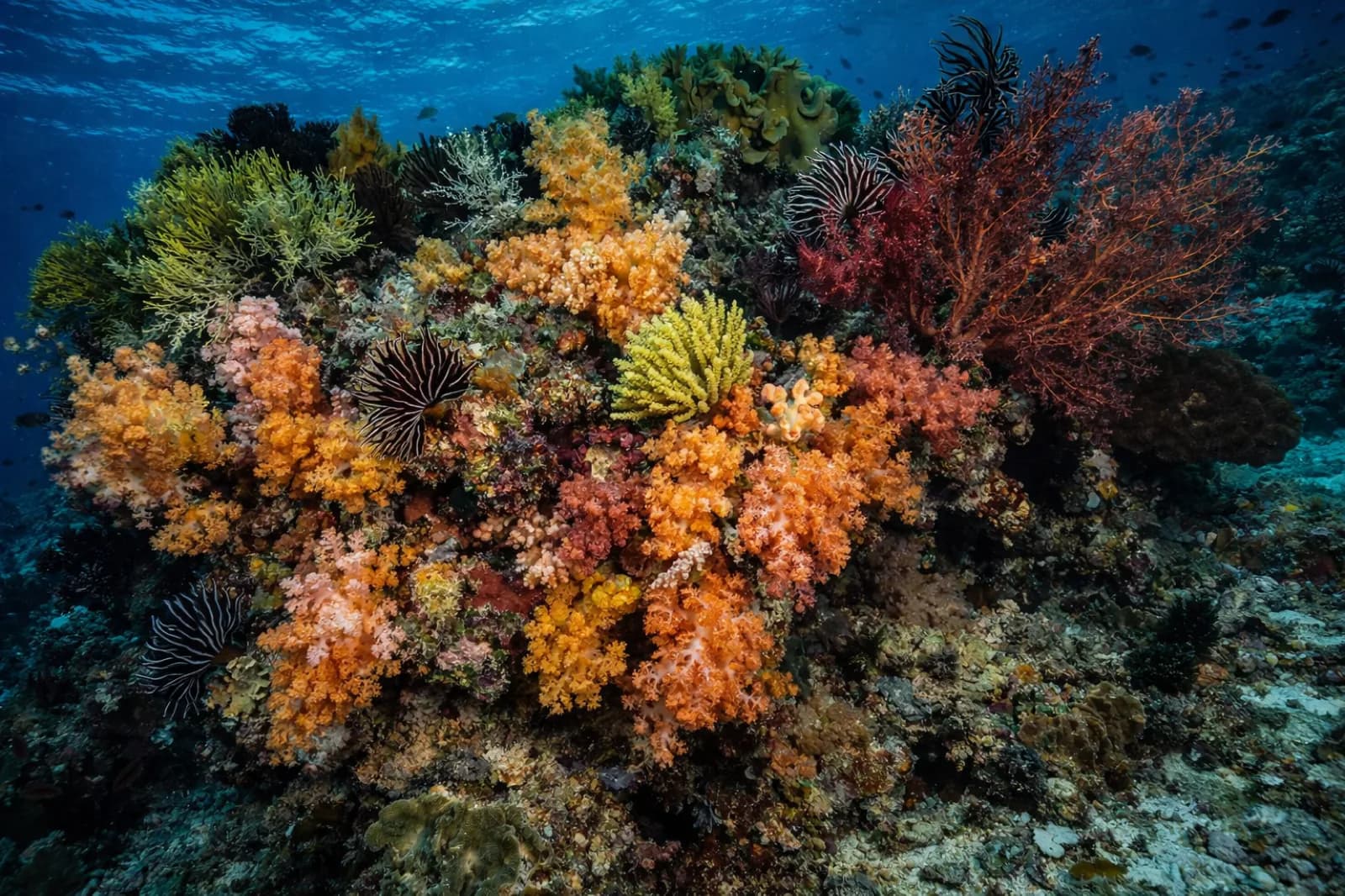
Dive Adara Bay, Secret Garden and Whale Shark Wall, off an island where a 2016 Conservation International survey recorded an average of 253 reef fish species per site.

The world's most biodiverse reefs: a complete site-by-site guide
Timor-Leste sits at the heart of the Coral Triangle, the global epicenter of marine biodiversity. In 2016, Conservation International recorded more reef fish species per dive site around Atauro Island than anywhere else on Earth. The diving here is extraordinary, and you will likely have most sites to yourself.
This guide covers every significant dive site in the country, organized by region. Whether you are a beginner looking for a gentle reef dive or an experienced diver chasing walls and pelagics, Timor-Leste has something exceptional to offer.
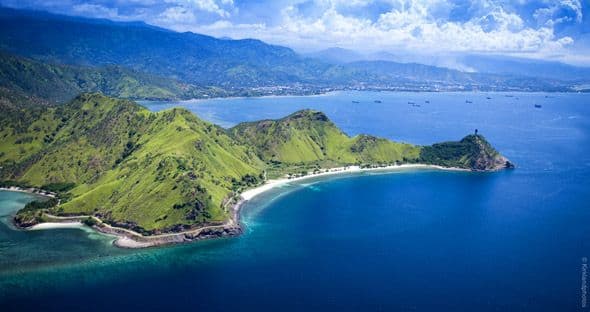
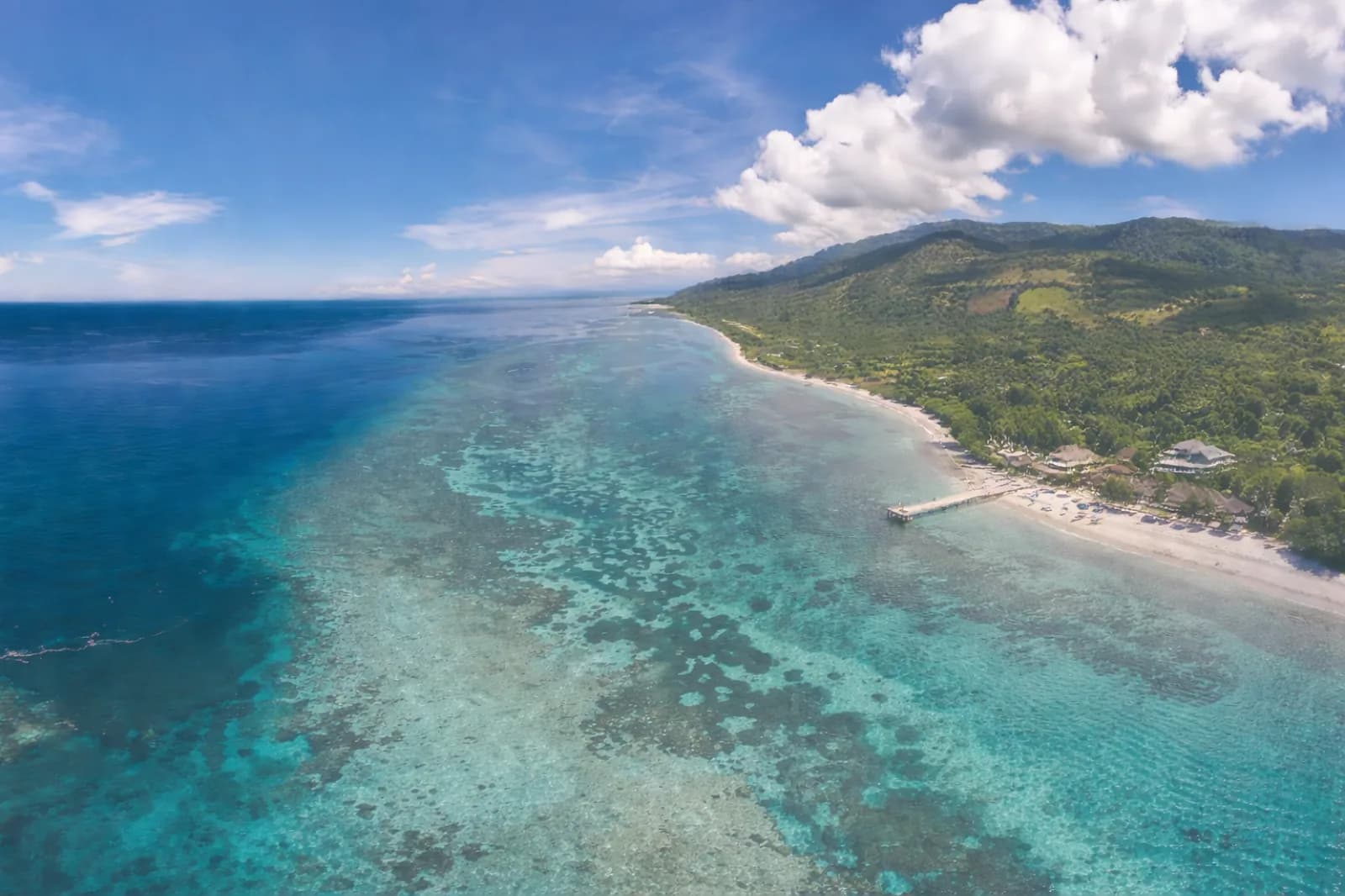
The west coast of Atauro is where the magic happens. Deep-water upwellings from the Wetar Strait bring nutrient-rich water to the surface, feeding an explosion of marine life on healthy, pristine reefs.
Adara 1 & 2: The signature Atauro dives. A dramatic wall dropping to 40m+ with pristine hard coral gardens, sea fans, and dense fish life. Visibility regularly exceeds 30m. Reef sharks, turtles, and large schools of trevally are common. Suitable for Open Water and above. Depth: 5-40m.
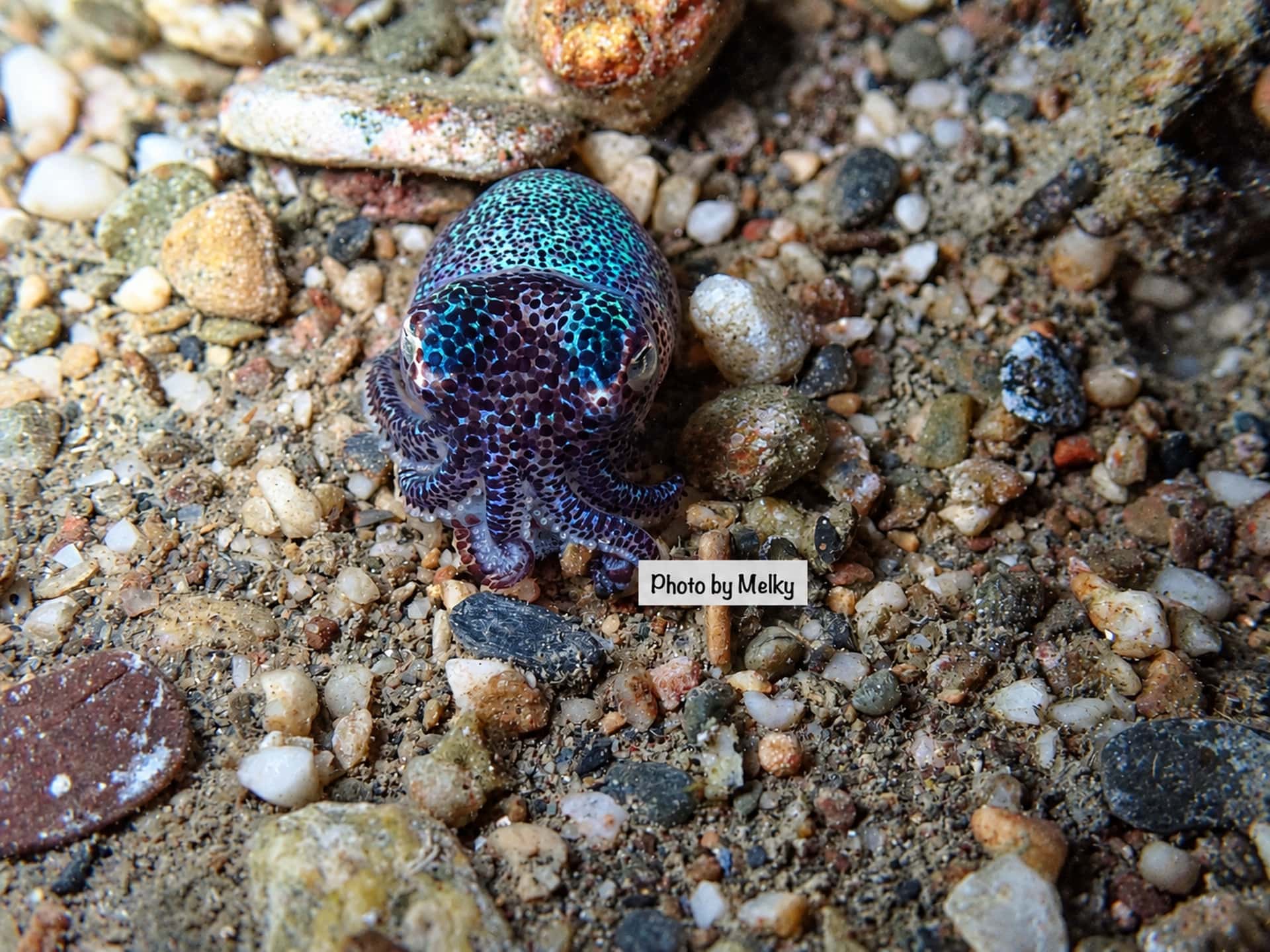
Secret Garden: A sheltered site with exceptional macro life: pygmy seahorses, nudibranchs, flamboyant cuttlefish, and blue-ringed octopus. One of the best macro sites in the Coral Triangle. Night dives here are extraordinary. Depth: 8-25m.
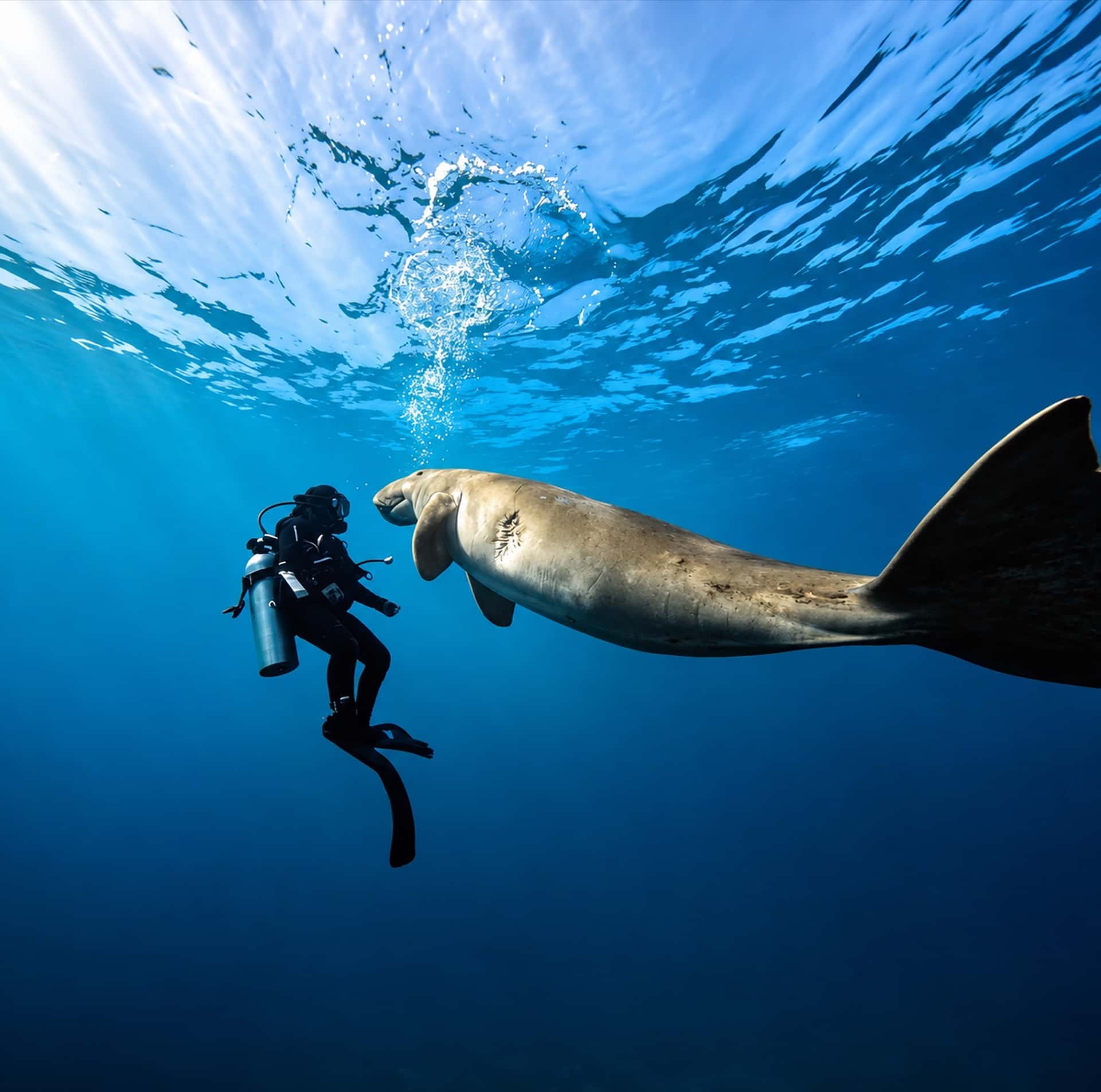
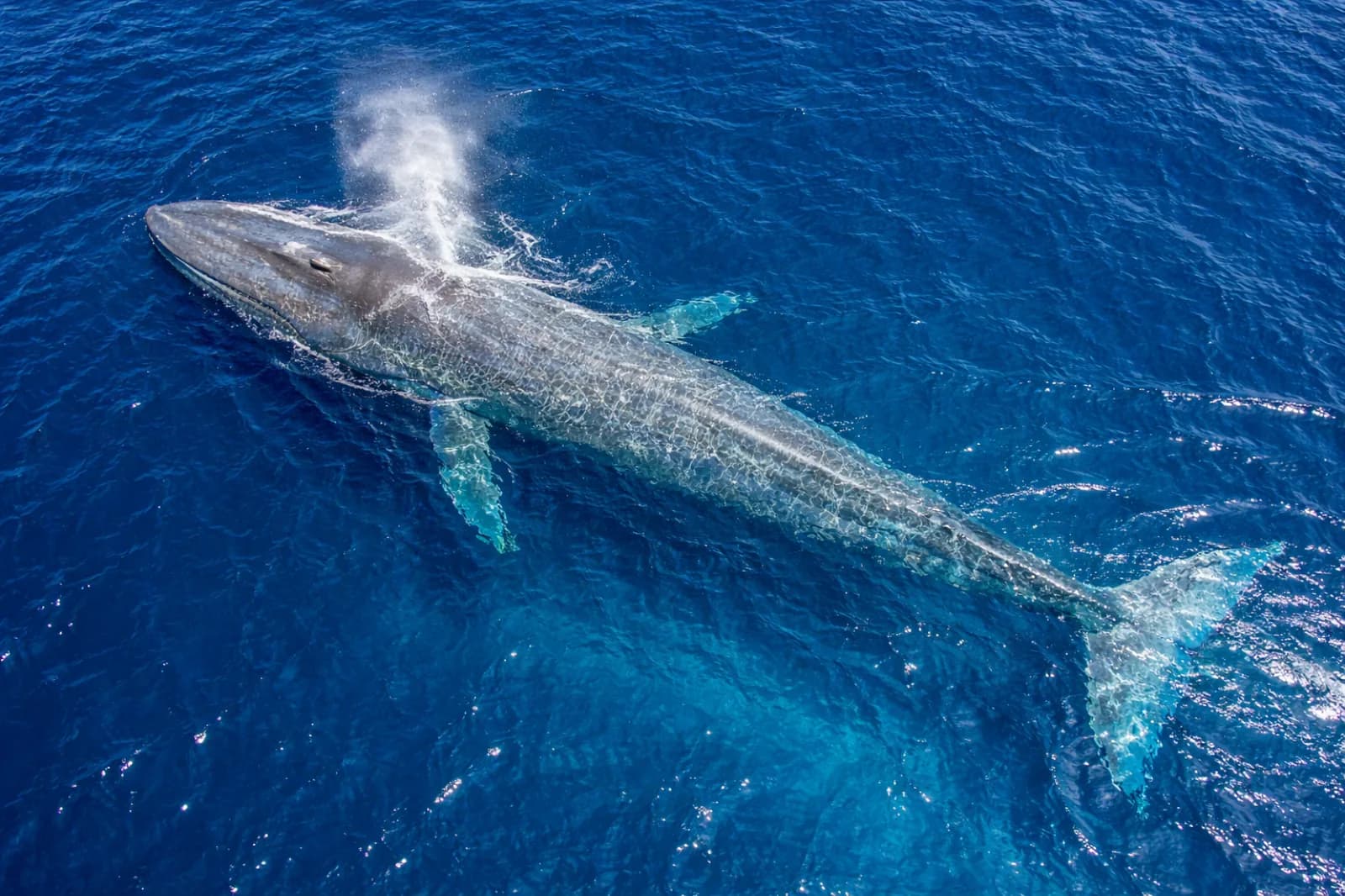
Whale Shark Wall: Named for occasional whale shark encounters (July-October). A steep wall with good pelagic action. Look out for eagle rays, barracuda schools, and the occasional mola mola. Depth: 10-35m.
Berry Beach: A gentle slope ideal for beginners and discover scuba dives. The house reef at Atauro Dive Resort starts here. Surprisingly rich: turtles, cuttlefish, and over 200 fish species recorded at this single site. Depth: 3-18m.
The east coast of Atauro is more exposed to currents but rewards with bigger fish and untouched reefs. These sites are typically accessed by boat from Beloi.
Beloi Lagoon: Easy shore dive from the main port area. Seagrass beds with juvenile fish, seahorses, and octopus. Perfect for night dives and macro photography. Depth: 2-12m.
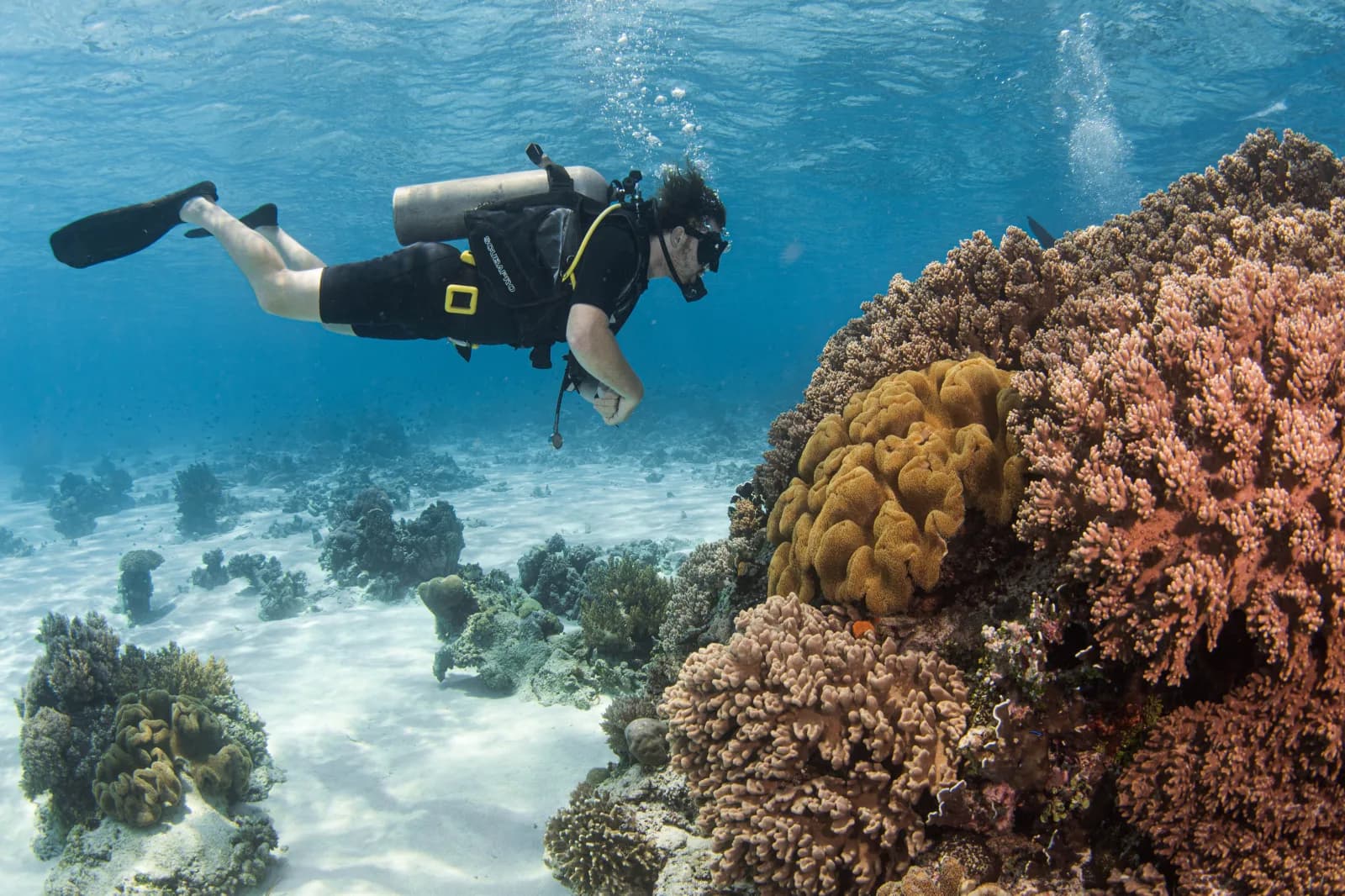
Atauro Garden: A coral garden stretching along the east coast with healthy table corals, brain corals, and staghorn formations. Turtles are almost guaranteed. Depth: 5-20m.
Dili's north coast offers excellent shore diving accessible without a boat. The nutrient-rich waters of the Ombai Strait support surprisingly diverse marine life just minutes from the capital.
K41 (Pertamina Pier): Named for its location at the 41km marker. A muck diving paradise: frogfish, seahorses, ghost pipefish, and an incredible variety of nudibranchs live among the rubble and artificial structures. One of the best muck dives in Southeast Asia. Depth: 5-18m.
Tasi Tolu: Three small lakes near the coast give this site its name. Easy shore entry to a gentle slope with healthy reef. Good for beginners. Turtles, cuttlefish, and occasional reef sharks. Depth: 3-25m.
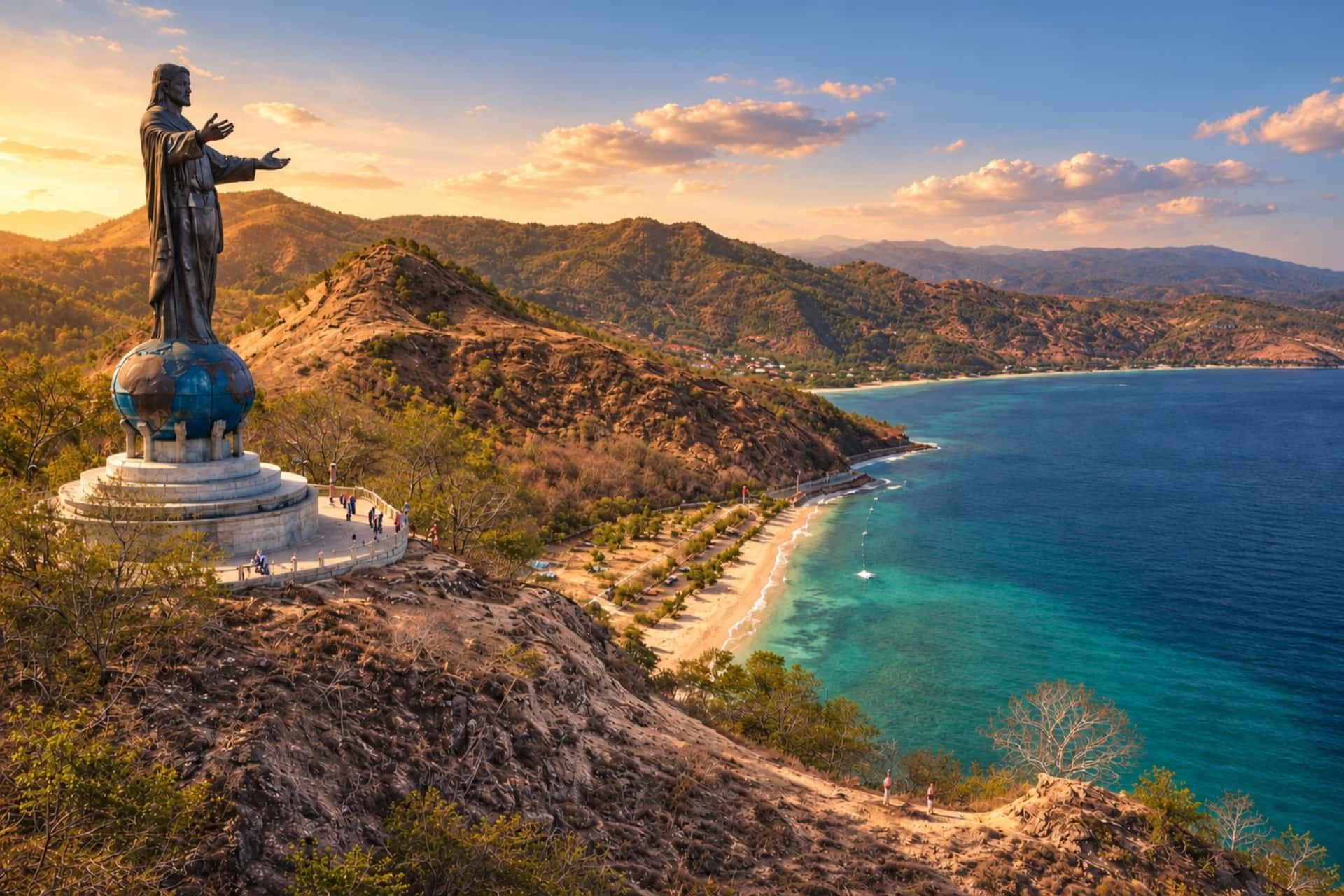
Cristo Rei: Dive beneath the famous Cristo Rei statue. A wall dive with sea fans, soft corals, and schools of fusiliers. Morning dives have the best light as the sun illuminates the east-facing wall. Depth: 5-30m.
Dili Rock: A submerged pinnacle rising from 25m to 8m, covered in soft corals and swarming with anthias. Strong currents bring pelagic visitors: barracuda, trevally, and occasional grey reef sharks. For experienced divers. Depth: 8-30m.
Dreamers Dive Academy (Dili): Runs Dili shore dives, night dives, two-dive days on the coast east and west of the city, and the full SDI course range from Discover Scuba to Divemaster, all bookable on Rezerva. Taught in English or Tetun.
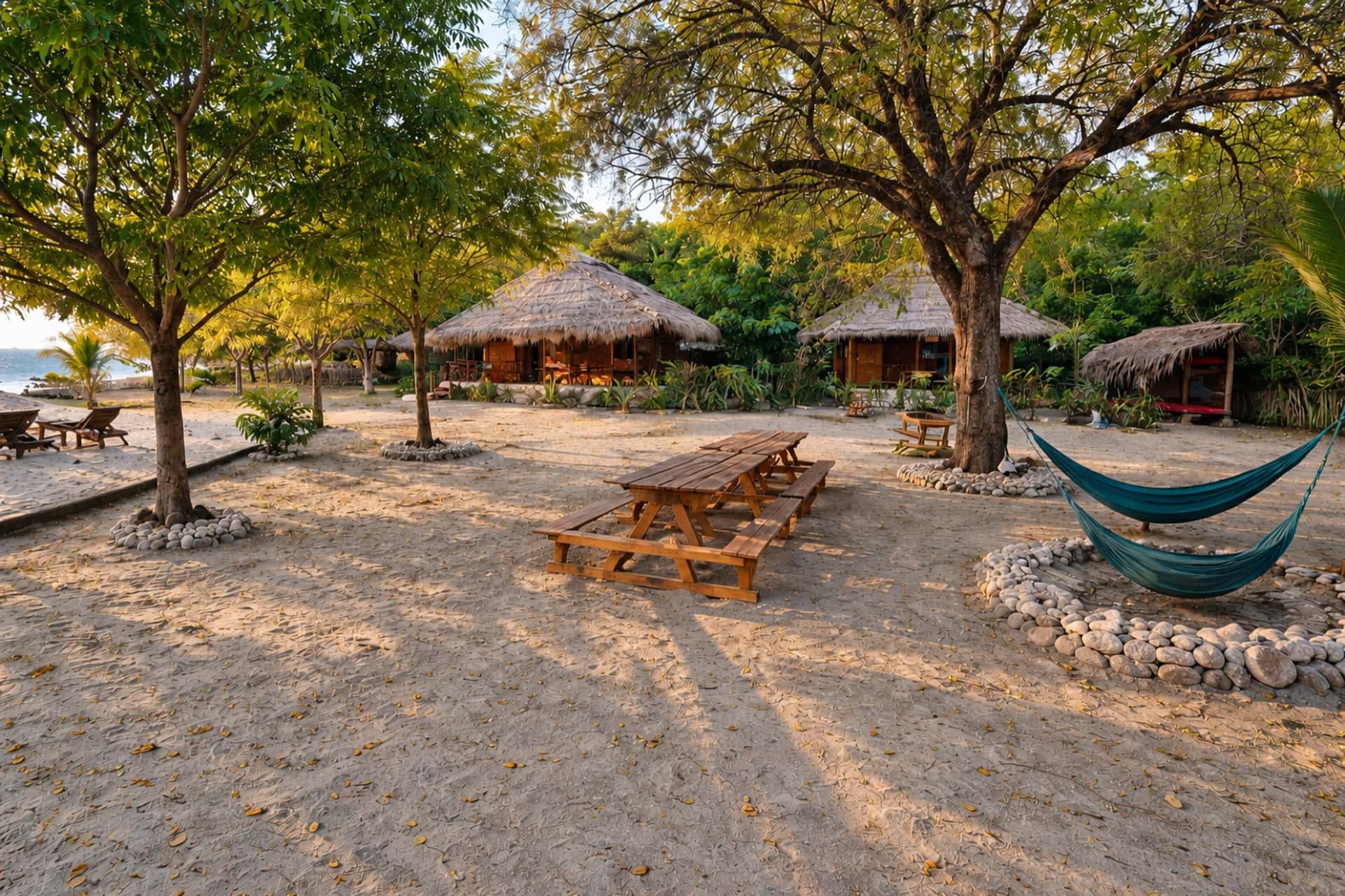
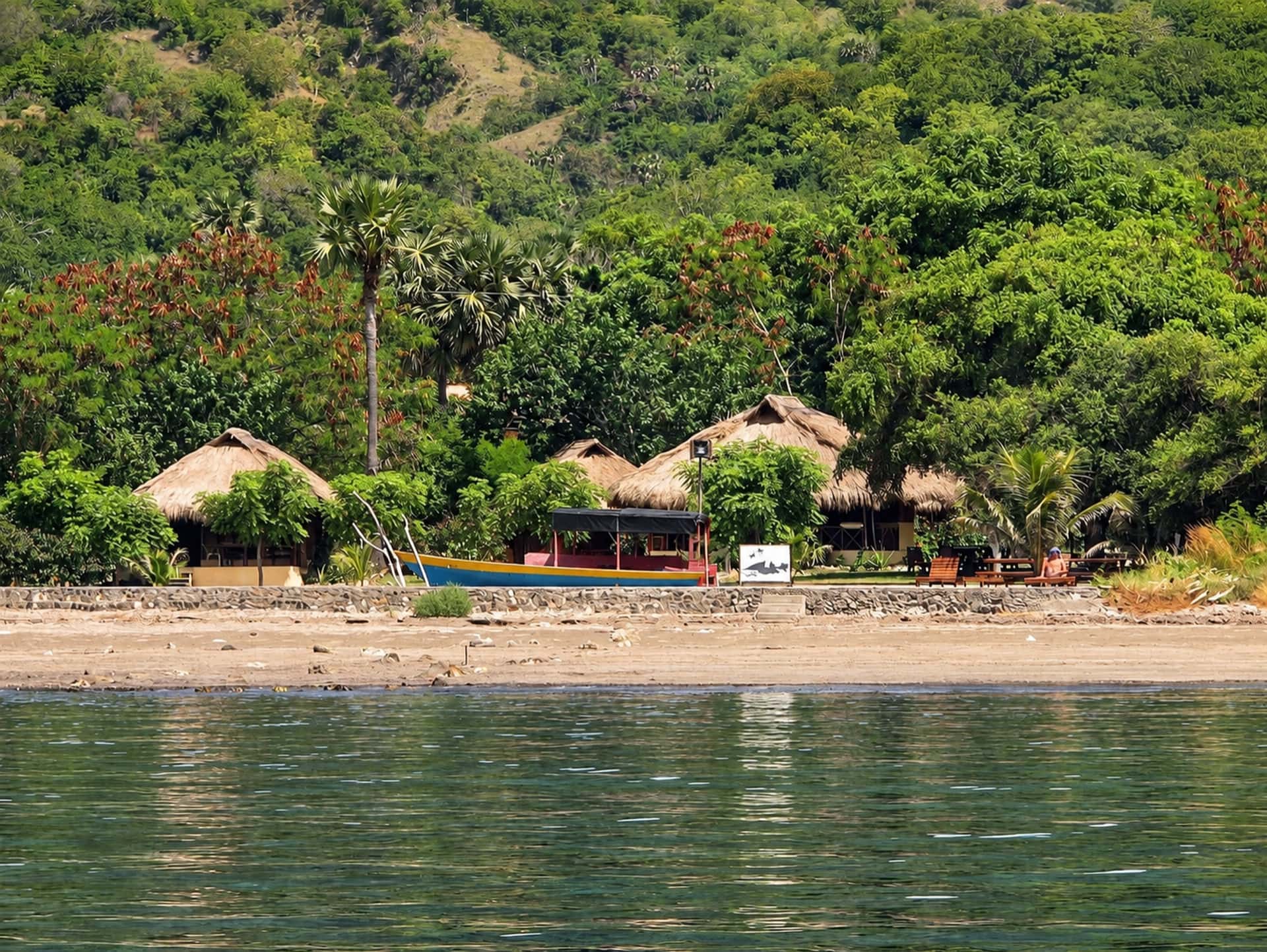
Atauro Dive Resort (Atauro): PADI dive resort on the beach at Beloi with a house reef, two-tank morning boat dives, a snorkeller seat on the dive boat, and rooms with all meals included. Good for families and mixed groups where not everyone dives.
Mysaffy Atauro Island Adventures (Atauro): guided dives across 20+ sites with its own boats and guides, plus snorkel and whale trips and hostel beds by the Beloi pier.
Also on the island: Compass Atauro Lodge has a dive shop for its guests. In Dili, Dive Timor Lorosae and Aquatica also operate but are not bookable on Rezerva; contact them directly.
Water temperature: 27-29°C year-round. A 3mm wetsuit or even a rash guard is sufficient. Deeper dives (30m+) may feel cooler.
Visibility: 15-30m+ on most sites. Clearest in the dry season (May to November); heavy rain from December to April can cut visibility near river mouths.
Currents: Variable, especially around Atauro. Some sites are current-dependent: your divemaster will choose sites based on conditions. Cristo Rei and Dili Rock can have strong currents.
Certification: Most sites require Open Water or above. Some advanced sites (walls, deep dives) require Advanced Open Water. Discover Scuba dives available for beginners at sheltered sites.
Pricing: expect about $45-60 per guided dive with full equipment; a two-tank boat dive at Atauro is about $90. Multi-dive packages offer discounts. Open Water course: about $450 over 3 days. Marine park entry fee on Atauro: $2 per person.
Dive season: all year, clearest May to November; trade winds about June to September make afternoons choppy. Whale shark season: July-October. Whale watching (surface): October to early December.
18 experiences connected to this guide

Dive Adara Bay, Secret Garden and Whale Shark Wall, off an island where a 2016 Conservation International survey recorded an average of 253 reef fish species per site.

Dive or snorkel off Atauro Island, where a 2016 Conservation International survey recorded an average of 253 reef fish species per site.

Torch included

Iconic shore sites: Cristo Rei, Tasi Tolu & Dili Rock
Atauro Island · Dili


15-30m+. Clearest May to November.
$60-80 with full equipment rental.
All year. May to November for the clearest water, with morning dives calmer during the June to September trade winds. July-October for whale shark encounters. Year-round diving is possible: wet season brings plankton blooms that attract mantas and whale sharks.
New experiences, insider tips, and seasonal highlights. No spam, just useful stuff for planning your trip.
Unsubscribe anytime. We respect your inbox.
Continue planning your trip to Timor‑Leste
Places mentioned in this guide