Instant confirmation
Baucau Day Tour: Portuguese Old Town & Coast
BaucauUp to 1 dayIsland Explorer Holidays
CulturalEasyMax 10Pickup
Hera Mangrove restoration project
4.8(12 · Google)
$120per person
Check dates & availability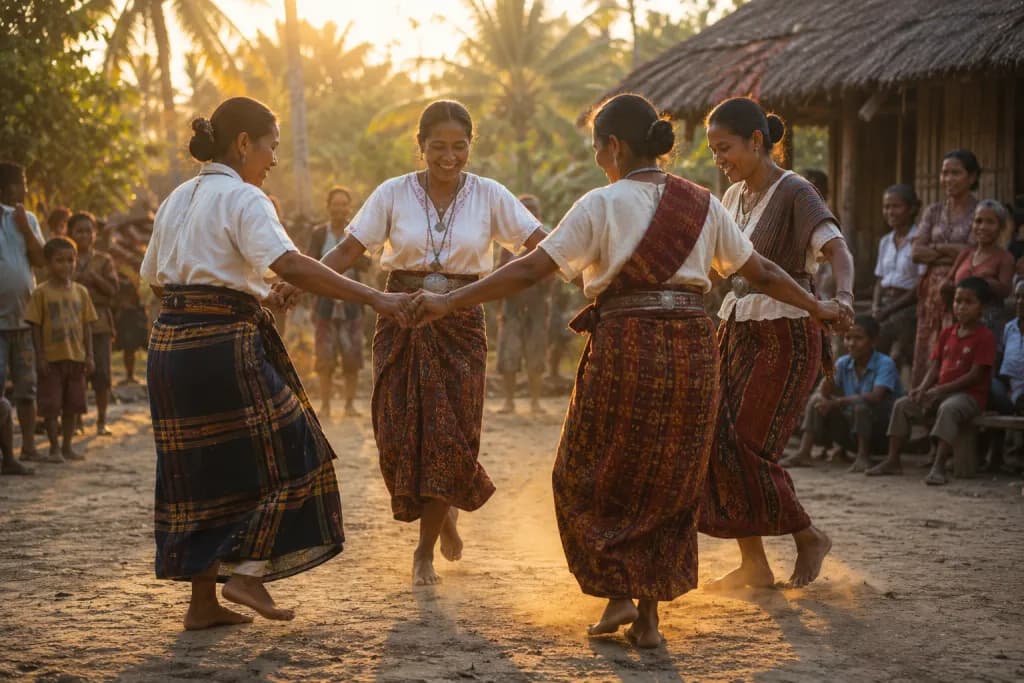
Religion, language, kinship, tais, music, and the customs that shape daily life
Timor-Leste (East Timor) became independent in 2002 — one of the youngest nations on Earth. But the culture here is ancient. Animist beliefs that predate any foreign influence sit comfortably alongside devout Catholicism brought by Portuguese colonizers. Sacred houses (uma lulik) stand on hilltops near modern churches. Ancestors are honored alongside saints, and the spoken word still carries the weight of law.
This guide is the overview: what Timorese people believe, the languages they speak, how families and clans are organized, the music and dance that mark every ceremony, the meaning of tais cloth, and how to engage respectfully as a visitor. For deeper dives, we link out to dedicated guides on crafts, festivals, food, and the Tetun language. Understanding the culture transforms every landscape you see.
Timor-Leste's modern history is marked by occupation — Portuguese colonial rule from the 16th century until 1975, followed by 24 years of Indonesian military occupation during which an estimated 100,000-180,000 Timorese died (roughly a quarter of the population). Independence came through a UN-supervised referendum in 1999, followed by devastating militia violence, and formal sovereignty on May 20, 2002.
This history is everywhere. The Resistance Museum (AMRT) in Dili documents the independence struggle with photographs, testimonies, and artifacts. The Santa Cruz Cemetery — site of the 1991 massacre where Indonesian soldiers killed over 250 unarmed protesters — is a place of quiet mourning. The Balibo Five memorial marks where five Australian journalists were killed in 1975.
Timorese people talk about this history openly. Ask, and you'll hear personal stories — almost every family was directly affected. This openness is part of the national character. Timor-Leste doesn't hide its pain; it integrates it.
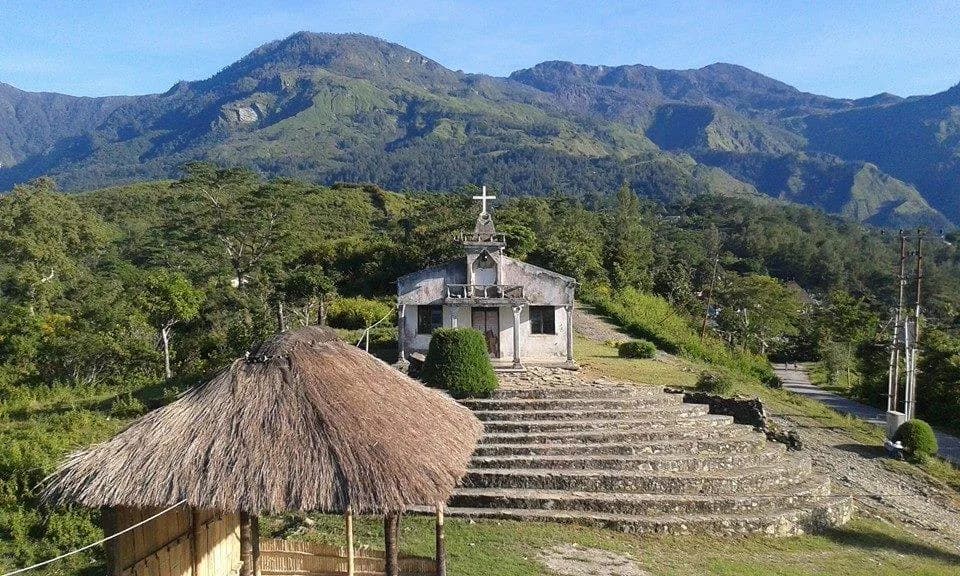
Timor-Leste is around 97% Catholic — the second most Catholic country in Asia after the Philippines. But beneath the Catholicism lies a deep animist tradition that has never been fully replaced. The two belief systems coexist in a way that feels natural here, even if it puzzles outsiders: a family may attend Sunday Mass and also make an offering at the uma lulik before a wedding.
Lulik (sacred, forbidden) is the central concept of Timorese animism. Certain places, objects, and ancestors hold spiritual power. Crocodiles are sacred in many communities — believed to be ancestors who helped the Timorese people arrive on the island (the origin myth describes Timor as the body of a giant crocodile). This is why crocodile warnings at certain beaches carry cultural weight as well as physical danger.
You'll see animist practices woven into daily life: offerings left at sacred rocks, ceremonies at uma lulik before major events, and tara bandu — a traditional law system where communities set and enforce environmental rules (no fishing in certain areas, no cutting certain trees). A tara bandu ban is announced in a public ceremony and treated as binding. These aren't performances for tourists. They're living traditions.
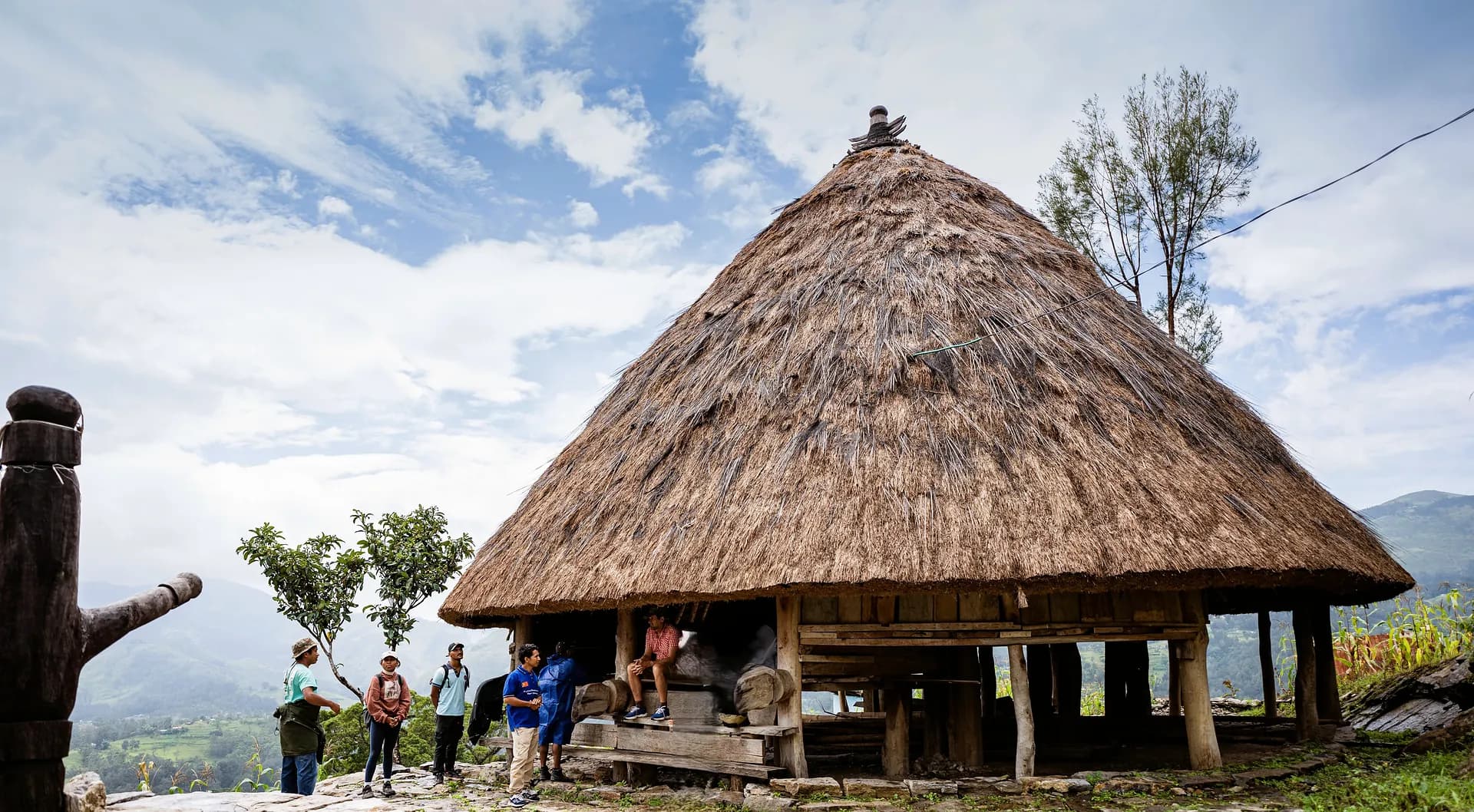
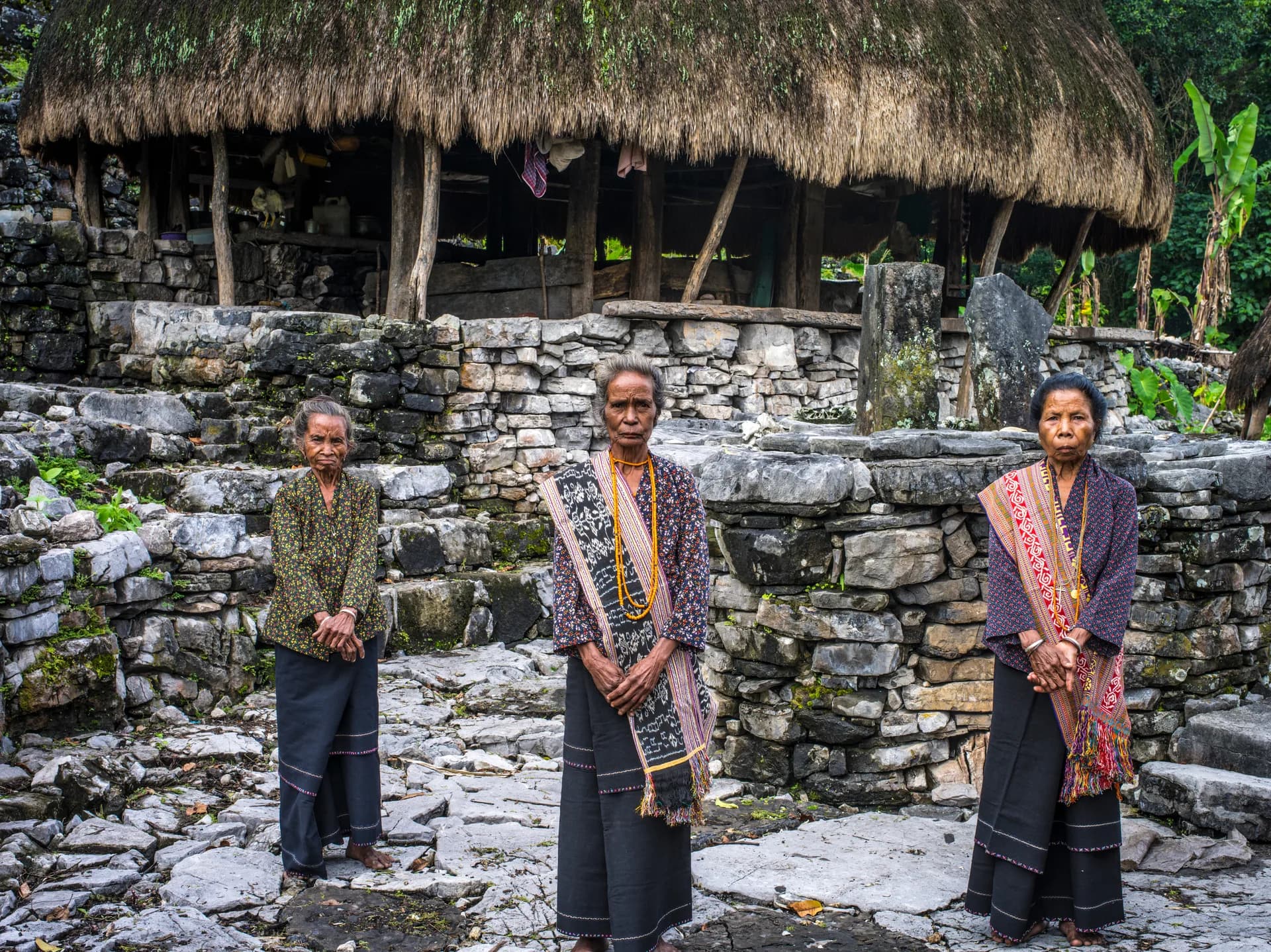
Uma lulik are the most visible expression of Timorese traditional culture. These tall, steeply-roofed clan houses serve as spiritual centers for extended families and communities. They store sacred objects (relics, heirlooms, ancestral remains), host ceremonies, and embody the connection between the living and the dead.
The architecture varies by region. In the eastern districts (Lospalos, Com), Fataluku-style uma lulik are particularly striking — tall structures on stilts with towering thatched roofs. In the highlands, styles differ. Many were destroyed during the Indonesian occupation and have been painstakingly rebuilt since independence, an act of cultural recovery as much as construction.
If you encounter an uma lulik while traveling, treat it with respect. Don't enter without invitation. Don't touch or photograph sacred objects. Ask before photographing the exterior. Some communities welcome visitors; others prefer privacy. Your guide will know the protocol.
Timor-Leste has two official languages. Tetun (also written Tetum) is the lingua franca, spoken by almost everyone, and Portuguese is the language of government, law, and the older generation educated before 1975. Tetun comes in two main forms: Tetun-Dili (Tetun Prasa), the creolized urban standard heavily flavored with Portuguese, and Tetun-Terik, the older rural form spoken along parts of the coast.
Beneath the official languages sit more than 30 Indigenous languages. Most are Austronesian (Mambai, Makasae, Tokodede, Kemak, Baikeno), while a handful in the east are Papuan-family languages (Fataluku, Makalero, Bunak). Many Timorese grow up multilingual — a mother tongue at home, Tetun in town, Portuguese or Indonesian at school, and increasingly English in the tourism trade.
For visitors, a few Tetun words open doors: bondia (good morning), botardi (good afternoon), obrigadu and obrigada (thank you, said by men and women respectively), and diak (good). Our Tetun phrasebook guide covers the essentials; locals reward even a clumsy attempt with real warmth.
Timorese society is collectivist and built around the extended family and the hamlet. Resources are shared; an individual's success is the family's success, and obligations to relatives generally come before personal advancement. This is why hospitality runs so deep — and why refusing an offer of coffee or food can cause quiet offense.
The organizing structure of traditional society is the alliance between wife-giving and wife-taking houses — fetosan-umane. A marriage is not just a union of two people but a lasting bond between two family lines, sealed through barlake: an exchange of gifts that traditionally includes tais, livestock, and sacred heirlooms. These alliances structure ceremony, mutual obligation, and even conflict resolution across generations.
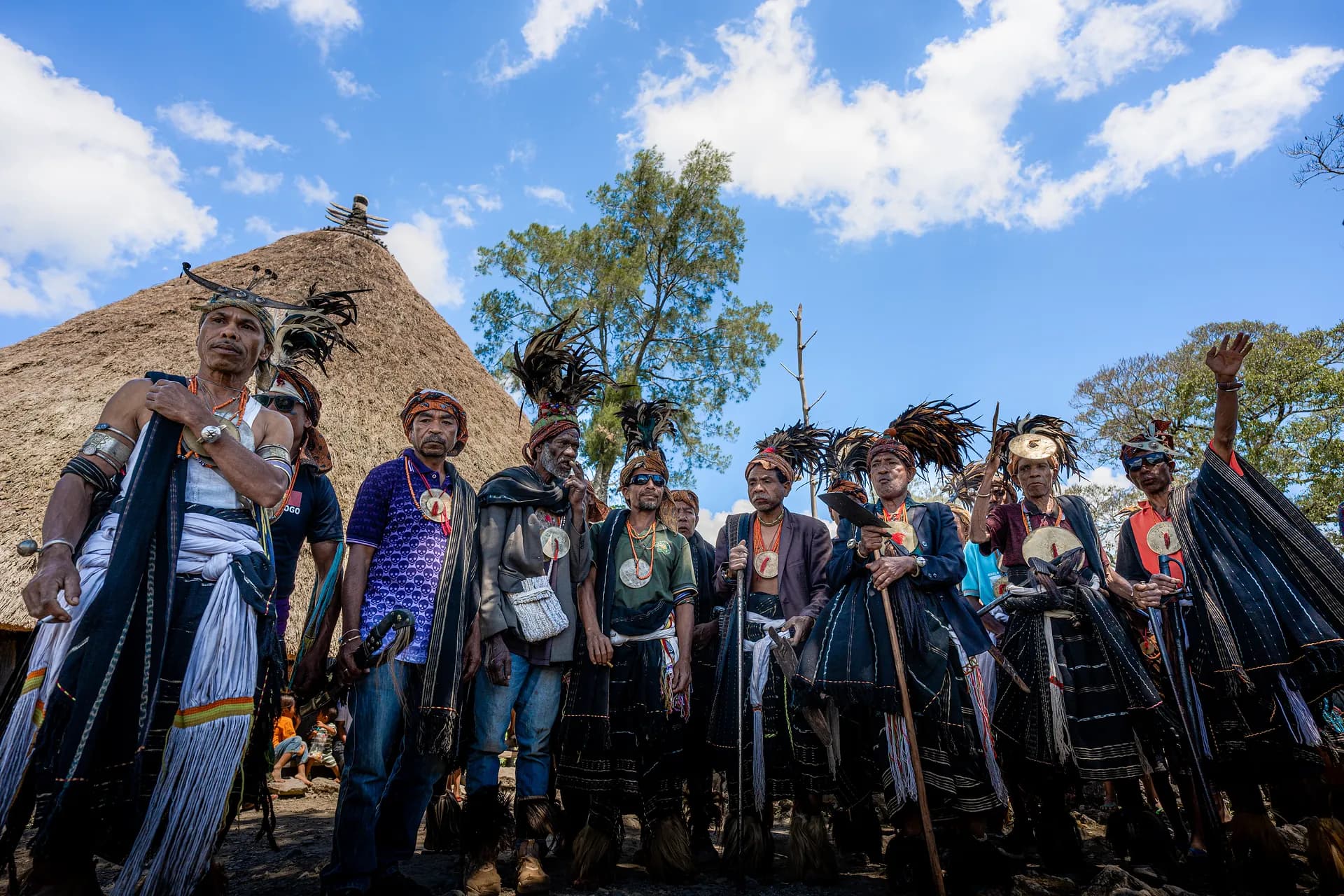
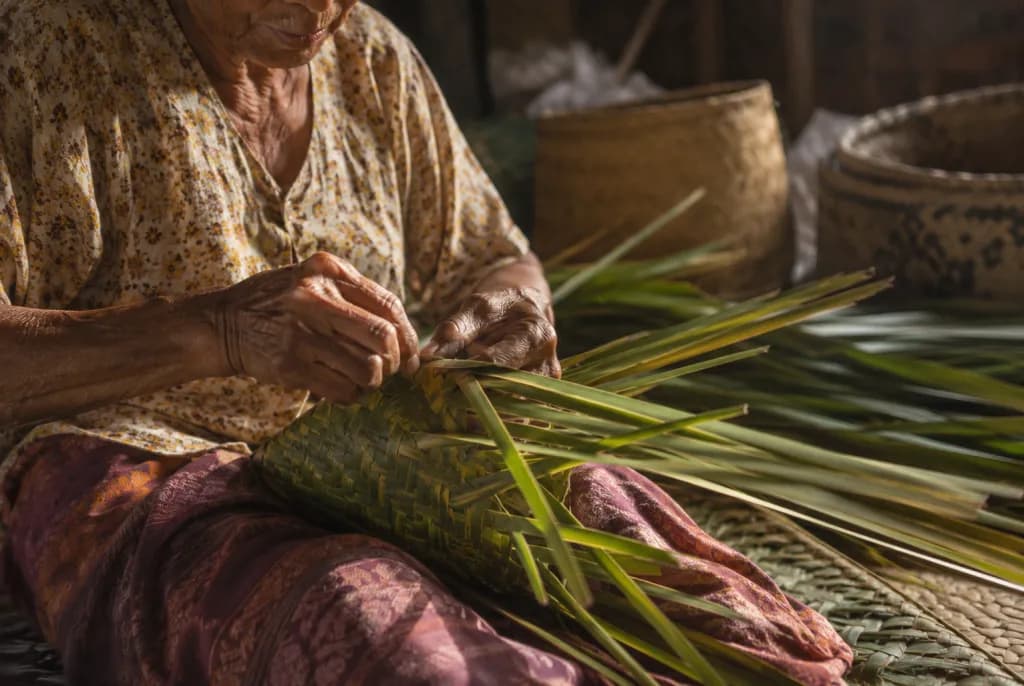
Gender roles remain fairly traditional, especially in rural areas, though women are central to cultural life — they are the weavers of tais and keepers of household ritual, and they are increasingly prominent in politics and business. Within a clan, sacred authority often rests with a lia-nain ("master of the word"), the custodian of oral history, genealogy, and customary law (lisan).
Music and dance are inseparable from Timorese ceremony. The most widespread dance is the tebe-tebe (tebedai) — a communal line or circle dance where participants link arms, stamp out a rhythm, and trade call-and-response verses. It appears at celebrations, funerals, and reconciliation events alike. The likurai, historically danced by women to welcome warriors home, now features at weddings and national festivities.
Traditional music is driven by percussion: the babadok hand drum, gongs, and bamboo instruments. Songs carry history — genealogies, origin myths, and the memory of the resistance — passed down by voice rather than in writing. Because so much knowledge lives in performance and speech, the spoken word carries real weight here: oaths, blessings, and the pronouncements of a lia-nain are treated as binding.
You're most likely to see traditional dance at festivals, church feast days, and major life-cycle ceremonies. The Carnival of Baucau and the Independence Day events around May 20 are reliable showcases — our festivals and events guide tracks what happens when.
Tais is the handwoven cloth at the heart of Timorese identity — made on backstrap looms with techniques passed from mother to daughter, and patterned differently in every region, so a cloth from Oecusse, Lospalos, or Suai is instantly recognizable to those who know. In 2021 UNESCO inscribed Timorese tais on its list of intangible cultural heritage in need of urgent safeguarding — the country's first such inscription.
Tais is not primarily a souvenir; it is ceremonial currency. It changes hands in barlake marriage negotiations, is draped over guests of honor, wraps the deceased at funerals, and is given to seal peace agreements. To receive a tais is to be formally welcomed into a relationship of respect and obligation. Patterns and colors encode region, status, and meaning rather than mere decoration.
If you want to buy tais, understand the patterns, or watch weavers at work — including how to find authentic, fairly-traded pieces — see our arts and crafts guide, which covers markets, cooperatives, and how to buy well.
Timorese people are exceptionally welcoming to visitors. The culture is warm, generous, and curious about outsiders. That said, a few things to know: dress modestly when visiting churches and rural communities (shoulders and knees covered). Remove shoes before entering homes. Accept offers of coffee or food graciously — refusing hospitality can cause offense.
Photography etiquette matters. Always ask before photographing people, especially elders and children. At ceremonies, wait for permission. At sacred sites and uma lulik, ask your guide first. Most people are happy to be photographed once asked — the asking is what matters.
Learn a few words of Tetun — even basic greetings (bondia for good morning, obrigadu/obrigada for thank you, diak for good/fine) are received with genuine warmth. English is spoken in tourism and some urban settings, but Tetun is the language of daily life.
What religion is Timor-Leste?
Around 97% of Timorese are Roman Catholic — the highest proportion in Asia after the Philippines — but most also hold animist beliefs centered on lulik, ancestors, and sacred houses. The two coexist rather than compete.
What languages are spoken in Timor-Leste?
Tetun and Portuguese are official. Indonesian and increasingly English are widely understood, and more than 30 Indigenous languages are spoken across the country.
What is lulik?
Lulik means "sacred" or "forbidden" — the concept at the core of Timorese animism. It governs sacred places, objects, ancestral spirits, and the uma lulik clan houses, and underpins customary law such as tara bandu.
What is barlake?
Barlake is the traditional exchange of gifts between a bride's and a groom's families that formalizes a marriage and binds the two family lines (fetosan-umane). It typically includes tais, livestock, and other valued goods.
Is it OK to photograph people and ceremonies?
Usually yes — if you ask first. Always seek permission before photographing people (especially elders and children), ceremonies, and uma lulik. The asking is what matters.
How should visitors dress and behave?
Dress modestly at churches and in rural communities (shoulders and knees covered), remove your shoes before entering a home, and accept offers of coffee or food graciously.
5 experiences connected to this guide
Hera Mangrove restoration project
Cristo Rei at sunset
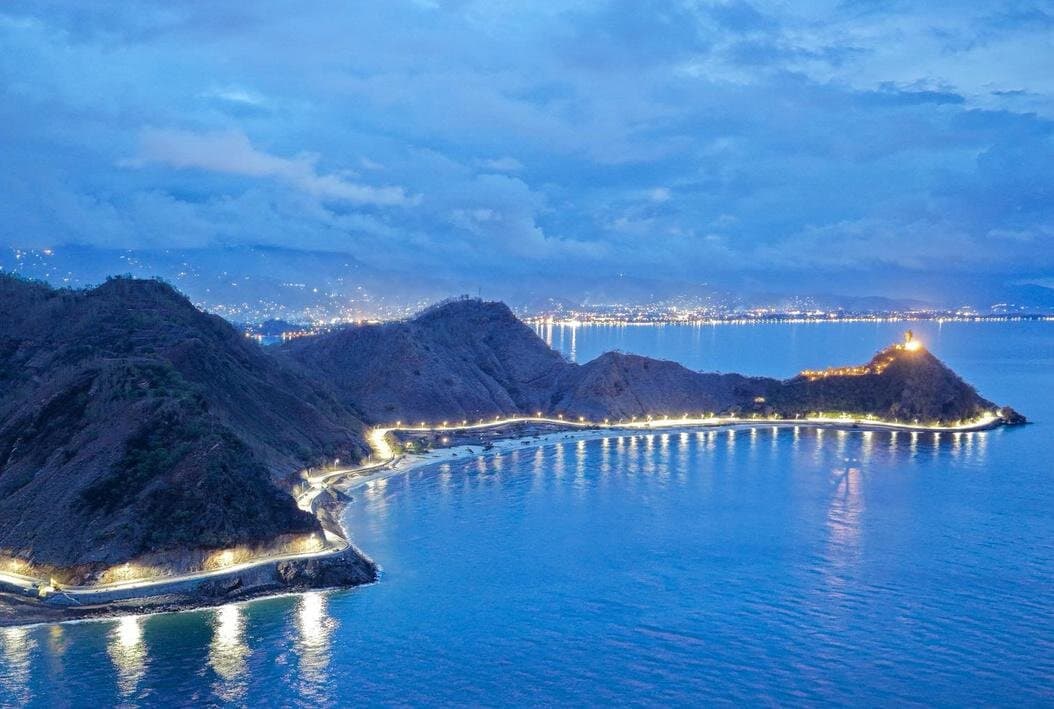
Cristo Rei statue at sunset
Dili · Baucau


Year-round. Major ceremonies often happen around harvest time (May-July) and Catholic feast days. Independence Day celebrations (May 20) are significant national events.
New experiences, insider tips, and seasonal highlights. No spam — just useful stuff for planning your trip.
Unsubscribe anytime. We respect your inbox.
Continue planning your trip to Timor‑Leste

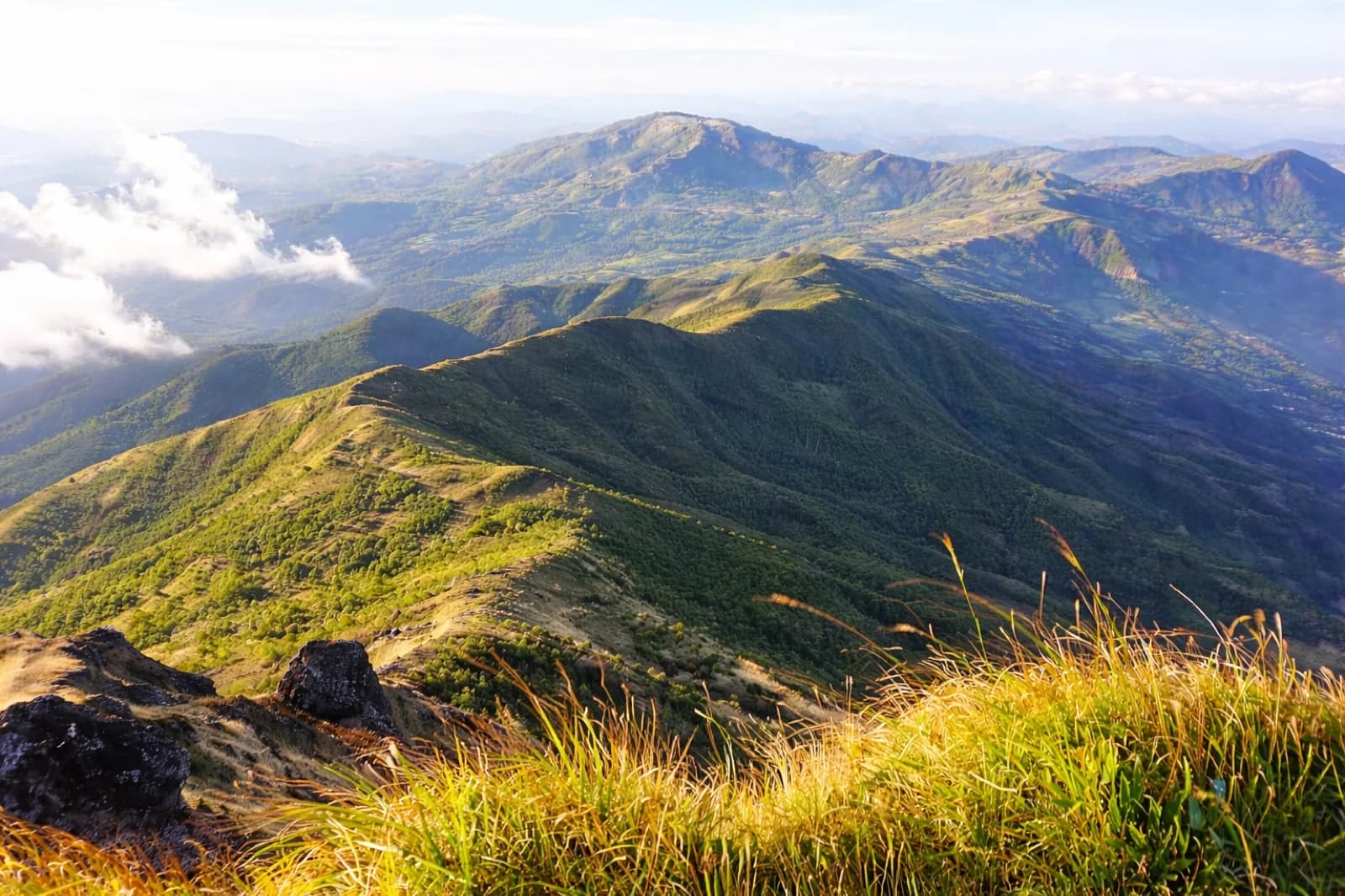
Sunrise from the roof of Timor-Leste at 2,963m
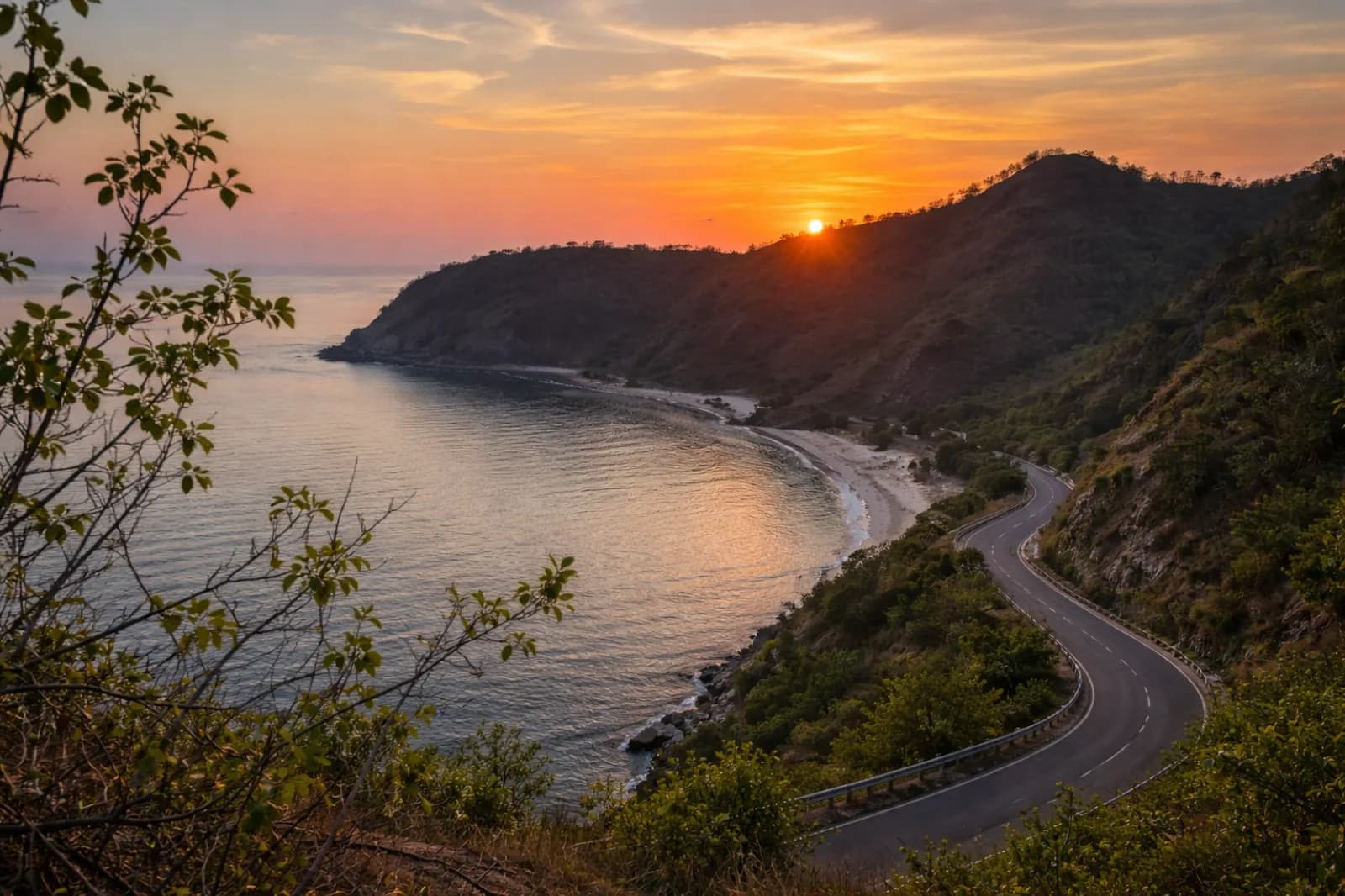
Your complete guide to Timor-Leste's coastal capital
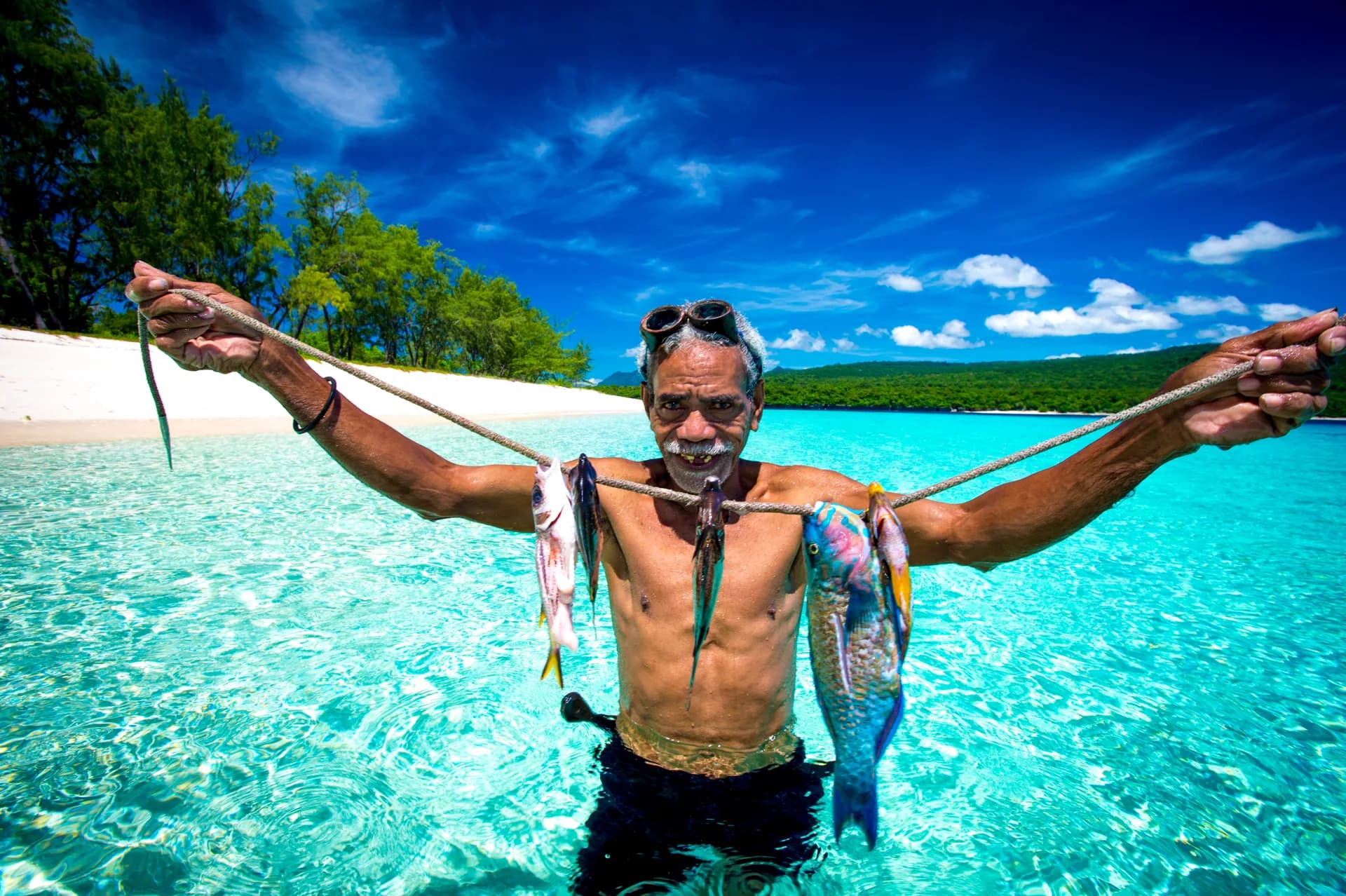
Grilled fish, mountain coffee, and palm wine — an honest food guide
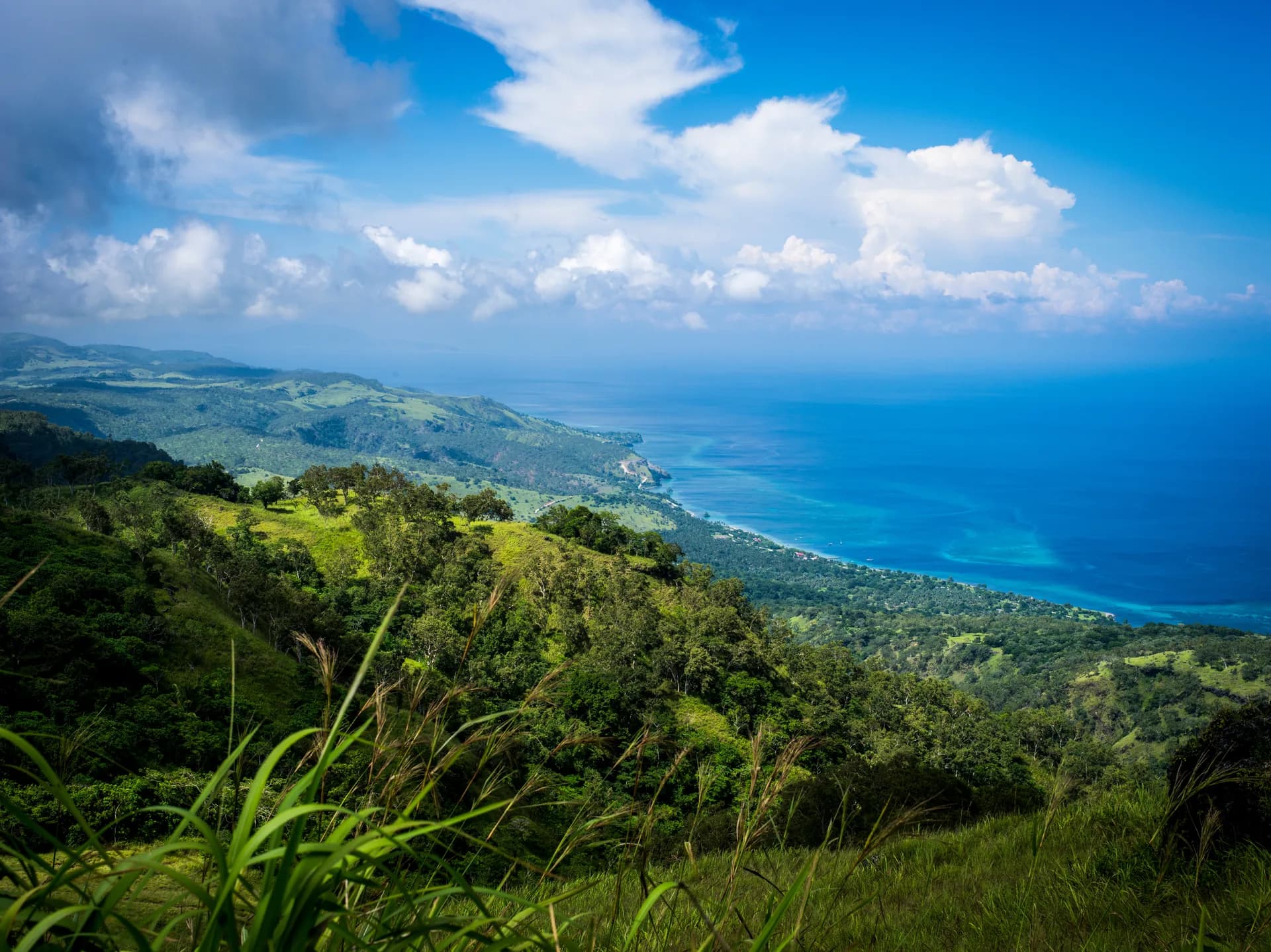
Golden hour at Cristo Rei, sunrise from Ramelau, and water bluer than your screen can render
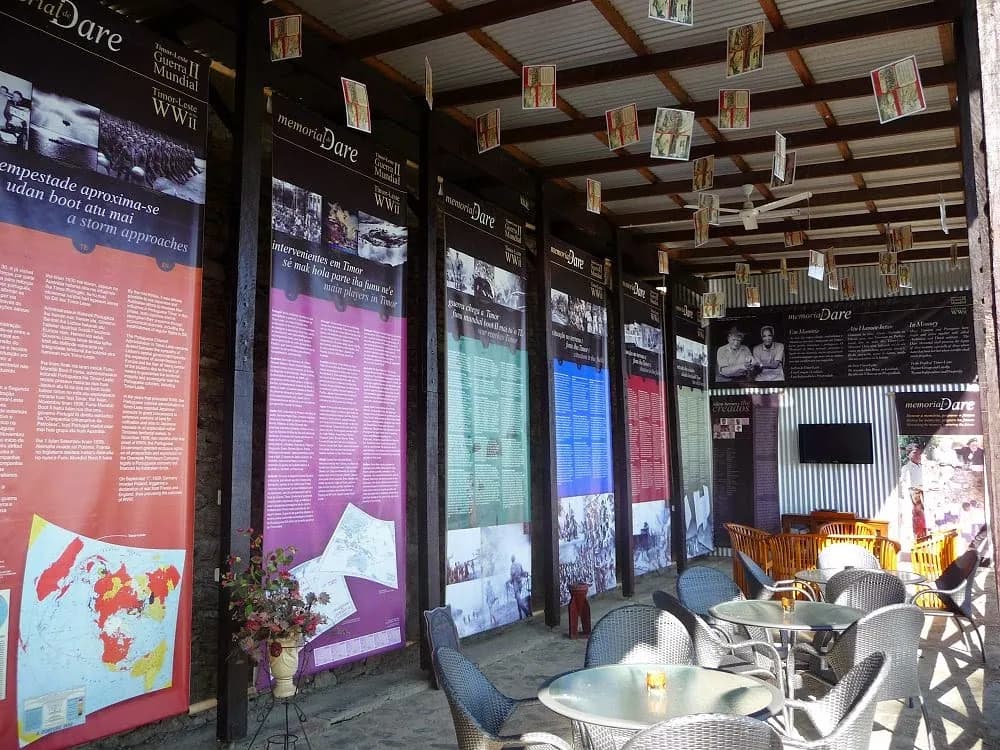
From Portuguese traders to the world's youngest nation — a story of endurance
Essential phrases, pronunciation, and the words that open doors
Independence celebrations, mountain pilgrimages, harvest ceremonies, and Saturday night markets
Tais weavings, carved spirits, and the objects that carry a nation's memory
Places mentioned in this guide