Somewhere beneath the surface of the Wetar Strait, where the deep ocean rises to meet volcanic walls draped in soft coral, a place exists that most divers have never heard of. The reefs are healthy. The fish are uncountable. And there is almost nobody else in the water.
This is Timor-Leste. The Coral Triangle's last frontier.
300+
Fish Species per Site
26-29°C
Water Temperature
Up to 40m
Visibility
Apr - Nov
Best Season
The Coral Triangle spans six countries and contains 76% of the world's known coral species. Indonesia, the Philippines, Papua New Guinea, Malaysia, the Solomon Islands, and Timor-Leste. Of these, Timor-Leste is the one the diving world has not yet found.
That is not a marketing line. It is a statement of numbers. In 2016, Conservation International conducted a Rapid Assessment survey of Atauro Island's reefs and recorded more reef fish species per dive site than had been documented anywhere on Earth. Over 300 species at a single location. The scientists themselves were astonished.
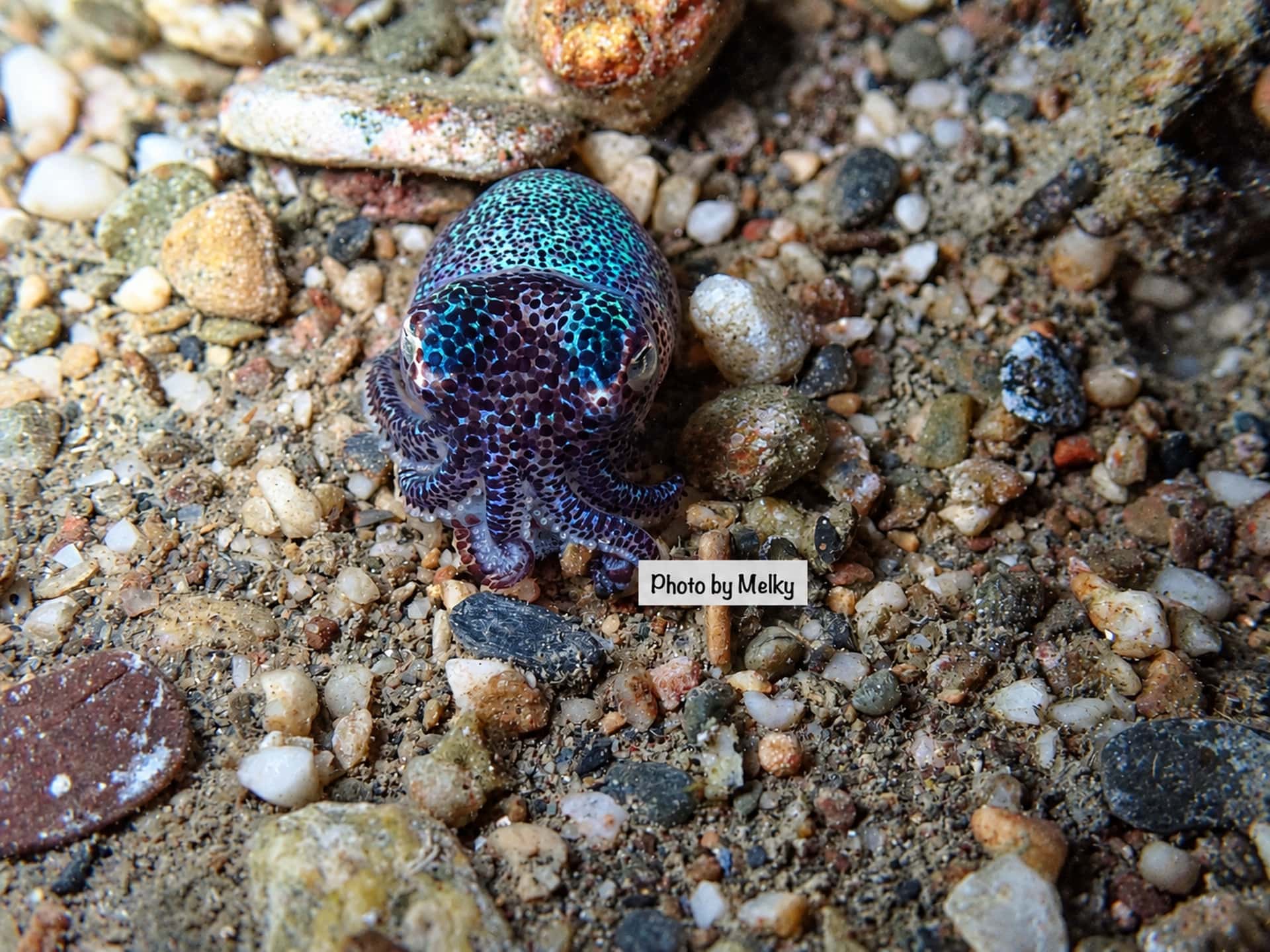
The reason is geological. Timor-Leste sits at the collision point of the Australian and Asian continental plates. The Wetar Strait, running between Timor and the volcanic islands to the north, plunges to over 3,000 meters deep. Nutrient-rich upwellings from this abyss feed the shallow reefs in a constant stream, creating an ecosystem of almost absurd productivity. Walls of soft coral. Clouds of fusiliers. Reef sharks on every dive. And then the macro — nudibranchs in colors that should not exist, pygmy seahorses gripping gorgonian fans, blue-ringed octopus hunting at dusk.
And yet. Almost no one is here. You will not queue for a dive site. You will not share a reef with twenty other boats. Some days you will surface and realize you have had an entire coral wall to yourself for the past hour. That is the reality of diving in Timor-Leste in 2026.
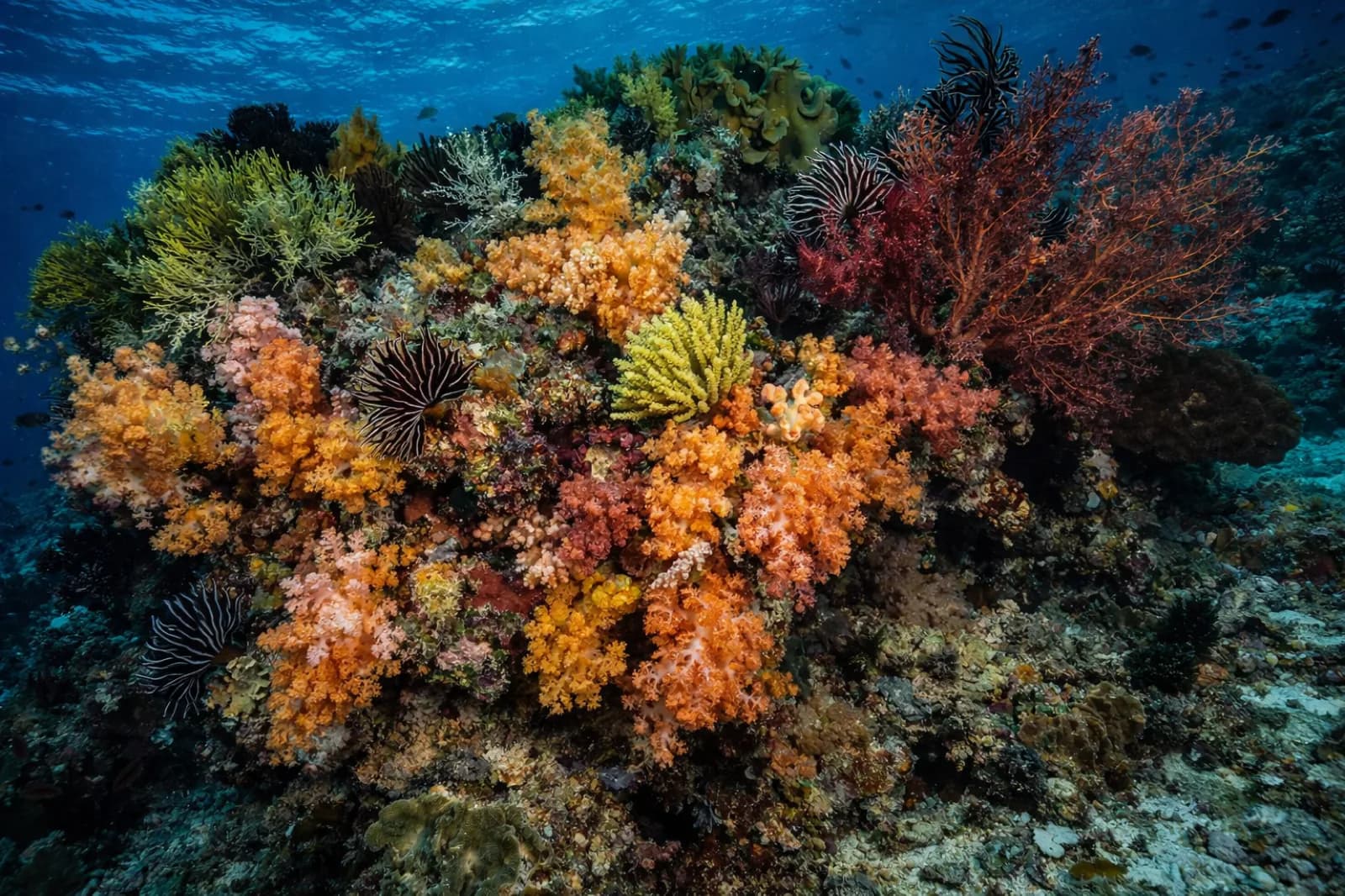
In 2016, Conservation International sent a team of marine biologists to survey the reefs around Atauro Island. What they found made global headlines: more reef fish species per dive site than anywhere else on Earth. Over 300 species at a single location. For context, a healthy Caribbean reef might yield 50 to 100.
The secret is geography. Atauro sits above the Wetar Strait, one of the deepest channels in the region, where nutrient-rich upwellings from the deep ocean feed the reefs in a constant stream. The result is an ecosystem of absurd abundance — walls carpeted in soft coral, schools of fusiliers so dense they block the light, reef sharks cruising the drop-offs, and macro life hiding in every crevice.
Dramatic west coast wall dive, drop-off to 600m+
Named for occasional whale shark encounters
Pristine coral garden, excellent for all levels
Healthy hard coral, big schools of fish
30m+
Visibility
300+
Fish species
5-40m
Depth range
You do not need to leave the capital to find extraordinary diving. Dili's north coast faces the Ombai Strait, and the shore diving here is some of the best in Southeast Asia. No boat needed. Walk in from the beach, descend a few meters, and you are in another world.
Pertamina Pier is the star — a working fuel pier that has become one of the world's great muck diving sites. Beneath the pylons, macro photographers find blue-ringed octopus, mimic octopus, flamboyant cuttlefish, dozens of nudibranch species, and frogfish in half a dozen colors. K41 (kilometer marker 41 on the coast road) offers beautiful reef diving with seahorses, reef sharks, and dense coral cover. Tasi Tolu, near the western edge of Dili, is a gentle shore dive popular with beginners.
World-class muck diving, macro photography paradise
Healthy reef, seahorses, white-tip reef sharks
Easy shore dive, great for beginners and night dives
Reef wall close to shore, strong currents bring pelagics
15-25m
Visibility
200+
Fish species
3-30m
Depth range
The coastline east and west of Dili is studded with dive sites accessible by day boat. These trips combine the convenience of a Dili base with the remoteness of sites that see almost no divers. Operators run boat trips to sites along the coast and occasionally to the southern shores of Atauro.
The north coast benefits from the same deep-water upwellings that feed Atauro's reefs. Expect healthy hard and soft coral, good pelagic action, and the ever-present chance of encountering something large — reef sharks, eagle rays, or the occasional hammerhead. These boat dives are typically organized as day trips from Dili, with two dives and a surface interval on the boat.
East of Dili, wall dives with big fish encounters
Close to Dili, whale watching launch point
15-35m
Visibility
200+
Fish species
5-40m
Depth range
Browse and book dive trips, snorkeling excursions, and underwater experiences with verified local operators. Every operator on Rezerva is based in Timor-Leste.


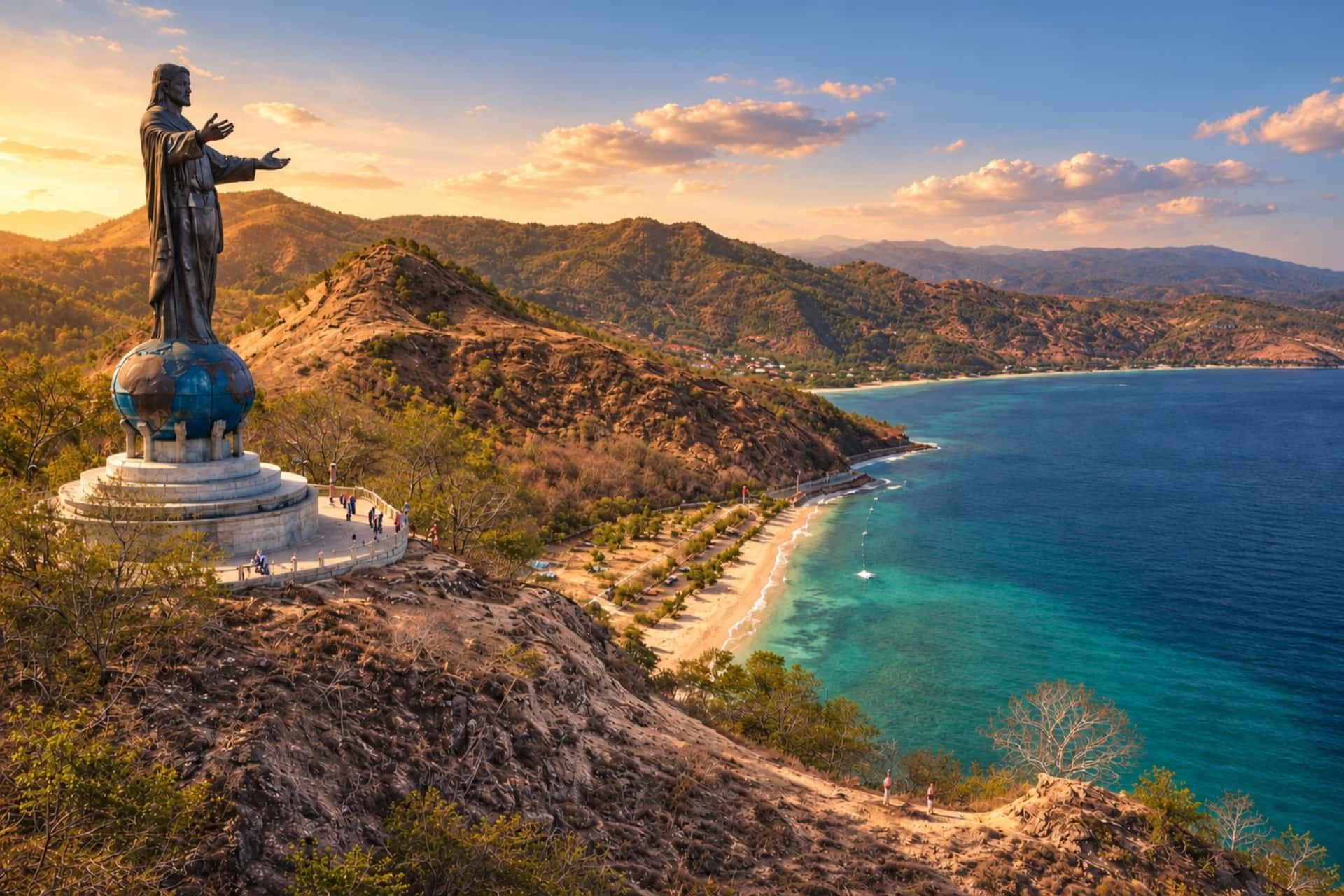
Iconic shore sites: Cristo Rei, Tasi Tolu & Dili Rock

Coral walls, anemone gardens & a wreck

All-inclusive with a full lunch
Timor-Leste is not the Maldives. It is not Bali. That is the whole point. But it means knowing what you are getting into. Here is the unvarnished truth about diving here.
There is no recompression chamber in Timor-Leste. The nearest is in Darwin, Australia — roughly a 1-hour flight. This is the single most important safety consideration. Reputable operators are conservative with dive profiles because of this. Dive insurance with evacuation cover (DAN or equivalent) is not optional.
This is not Bali-level dive tourism. Operators are small, professional, and safety-conscious, but facilities are basic. Boats are functional, not luxury. Rinse tanks and equipment rooms exist but are not resort-grade. What you get instead is authenticity and world-class diving without the crowds or the price tag.
Water temperature stays between 26-29°C year-round — a 3mm wetsuit is standard, 5mm if you chill easily. Visibility ranges from 15m at some Dili shore sites to 40m+ at Atauro on a good day. Currents can be strong at some sites, especially in the Wetar Strait. Your operator will match site selection to conditions and experience levels.
The dry season offers the calmest seas and best visibility. But diving is possible year-round — operators simply adjust site selection to conditions. Wet season (December to March) can mean reduced visibility at some sites and rougher boat crossings to Atauro. Whale sharks are most likely September to December. Pygmy blue whales transit mid-October through November.
Some sites charge a $2 per person marine reserve fee. This goes directly to reef conservation and community management. A small price for diving reefs this pristine.
All diving in Timor-Leste is shore-based or day-boat. There are no live-aboard operations. This means basing yourself in Dili for shore dives and boat trips, or staying on Atauro Island for the island's sites. Both options work well — the dive sites are close and the surface intervals are spent on land, not on a boat.
Never dived before? Timor-Leste is a remarkable place to learn. Warm water, excellent visibility, calm training sites, and instructors who genuinely love what they do. Most operators offer the full range of PADI courses.
A supervised introduction to breathing underwater. Pool or confined water session followed by a shallow reef dive with your instructor. No certification required — just a sense of adventure and reasonable swimming ability. Many divers catch the bug here and go on to do the full Open Water course.
The world's most popular scuba certification. Classroom theory, confined water skills, and four open water dives. Qualifies you to dive independently to 18 meters worldwide. Learning on pristine Timorese reefs — where your training dives include more marine life than most certified divers see in a year — is a privilege.
Five adventure dives including deep diving and navigation. Extends your depth limit to 30 meters and introduces specialty skills like night diving and underwater photography. Timor-Leste's diverse sites make this course especially rewarding — every dive is genuinely different.
Timor-Leste's dive industry is small, professional, and run by people who chose to be here. These are not corporate resort chains. They are passionate divers who fell in love with these reefs and built businesses around sharing them.
Atauro Island
Based on Atauro Island, Compass Diving offers guided dives at Atauro's legendary sites including Adara, Whale Shark Wall, and Secret Garden. PADI courses from Discover Scuba to Divemaster. Small groups, experienced instructors, and a deep respect for the marine environment.
Atauro reef dives, PADI courses
Atauro Island
Full-service dive resort on Atauro with house reef access, equipment rental, and guided dives to all major sites. Accommodation packages available that combine lodging with daily diving. The most convenient option if you want to wake up and be in the water within minutes.
Resort diving, accommodation packages
Dili
The longest-established dive operator in Timor-Leste, based in Dili. Runs shore dives at Pertamina Pier, K41, and Tasi Tolu, plus boat trips to north coast sites and Atauro Island. Equipment is well-maintained. Staff know every nudibranch hiding spot on Pertamina Pier by name.
Dili shore diving, muck diving, Pertamina Pier
Answers to the questions divers ask most before booking a trip to Timor-Leste.
Diving in Timor-Leste is safe when you dive with established local operators who maintain their equipment and follow international safety standards. The key safety consideration is that there is no hyperbaric chamber in Timor-Leste — the nearest is in Darwin, Australia, roughly a 1-hour flight away. Reputable operators like Compass Diving, Dive Timor Lorosae, and Atauro Dive Resort are safety-conscious and conservative with dive profiles for this reason. Dive insurance with evacuation cover (such as DAN) is strongly recommended.
You need an Open Water certification (PADI, SSI, or equivalent) to dive independently. If you have never dived before, operators offer Discover Scuba Diving (DSD) experiences — a half-day introduction that includes a shallow reef dive with an instructor. Full PADI Open Water courses are available from operators in Dili and on Atauro Island, typically taking 3-4 days and costing around $400-500. Advanced Open Water and specialty courses are also available.
A single dive with full equipment rental typically costs around $60 USD. Multi-dive packages bring the per-dive cost down. Discover Scuba Diving (for beginners) costs around $80-100. A full PADI Open Water course runs $400-500. Marine reserve fees of $2 per person apply at some sites. Compared to nearby destinations like Raja Ampat or the Maldives, Timor-Leste offers exceptional value for world-class diving.
The best diving conditions are during the dry season from April to November, when visibility regularly exceeds 30 meters and seas are calm. However, diving is possible year-round. Water temperatures stay between 26-29 degrees Celsius throughout the year. The wet season (December to March) can reduce visibility at some sites and bring rougher seas, but many sites remain diveable. For whale shark sightings at Atauro, the best window is roughly September to December. Pygmy blue whales transit the Wetar Strait from mid-October through November.
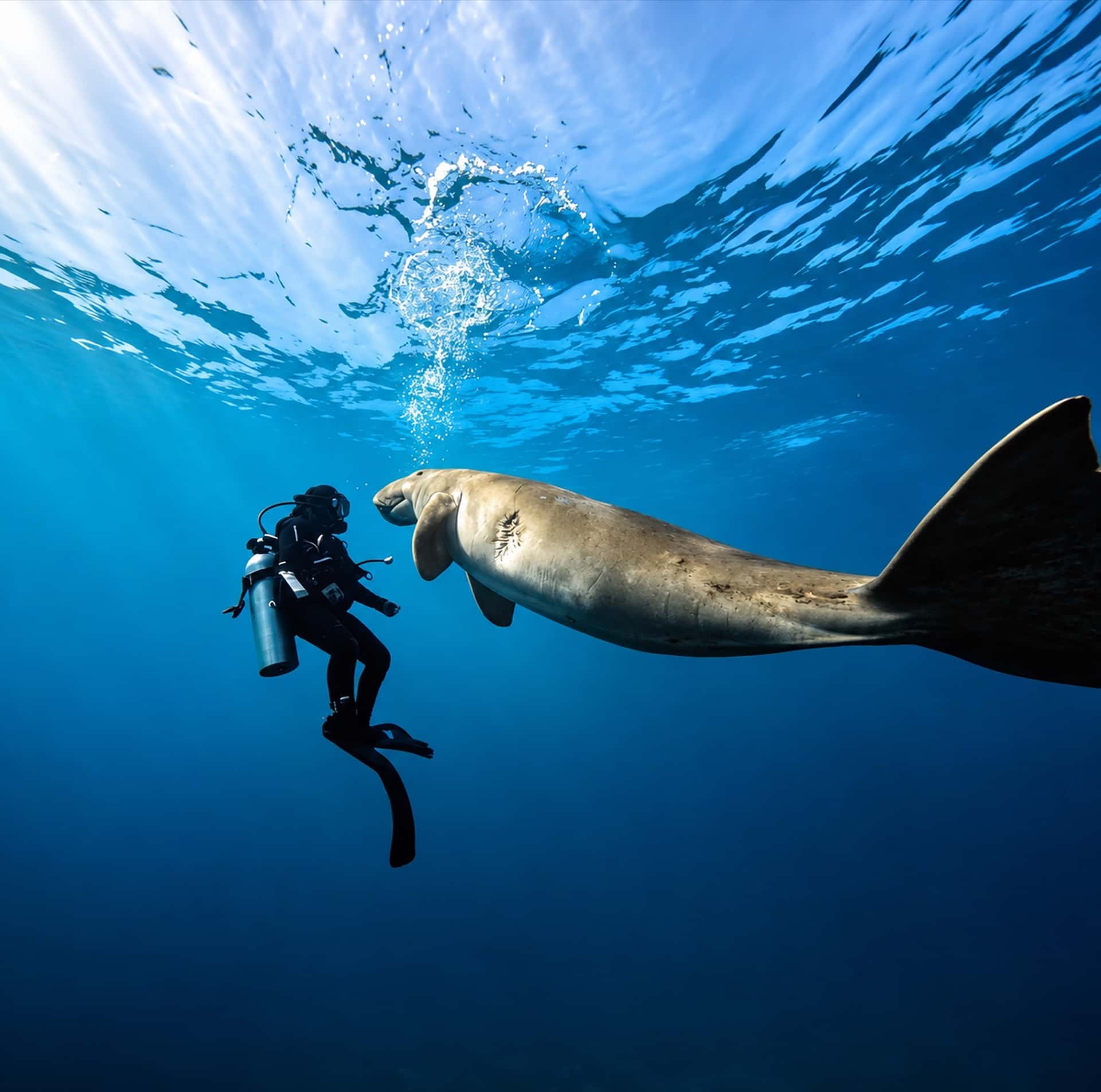
Timor-Leste sits at the apex of the Coral Triangle, and the diversity is staggering. At Atauro Island, Conservation International recorded over 300 reef fish species at a single dive site — a world record. Common sightings include reef sharks (white-tip, black-tip), sea turtles, manta rays, eagle rays, schools of barracuda and trevally, and an extraordinary range of coral species. Macro enthusiasts will find nudibranchs, pygmy seahorses, frogfish, blue-ringed octopus, and mimic octopus — especially at muck sites like Pertamina Pier in Dili. Whale sharks are occasionally seen at Atauro, and pygmy blue whales pass through the Wetar Strait from mid-October to November.
The key facts, condensed.
Cost per dive
~$60 with full equipment
Water temperature
26-29°C year-round
Visibility
15-40m depending on site and season
Best season
April to November (dry), diveable year-round
Nearest chamber
Darwin, Australia (~1hr flight)
Marine reserve fee
$2/person at some sites
Certifications offered
PADI (DSD to Divemaster)
Dive format
Shore dives and day boats — no live-aboards
Whale sharks
Occasional at Atauro, Sep-Dec most likely
Itineraries, dive sites, and the practical stuff first-time visitors ask about.
Atauro walls, Dili shore dives, and hidden spots — site-by-site.
Read guideWhen visibility, currents, and macro life peak. Month-by-month.
Read guideFlights from Bali, Darwin, Singapore. Visa-on-arrival explained.
Read guideDili shore dives + Atauro Island liveaboard week — day by day.
Read guideDive lodges on Atauro, Dili dive shops with rooms, on-budget options.
Read guideCombine dives with surface time — blue whales, sperm whales, dolphins.
Read guideFor non-divers and rest days — reef snorkels you can do without gear from shore.
Read guideThree hundred fish species per dive site. Walls that drop to 600 meters. Muck diving that makes macro photographers weep. And almost nobody else in the water. Browse dive experiences from operators who know every reef, every current, and every nudibranch hiding spot.