Dili Half-Day Tour: Cristo Rei, Tais Market & Dare Memorial
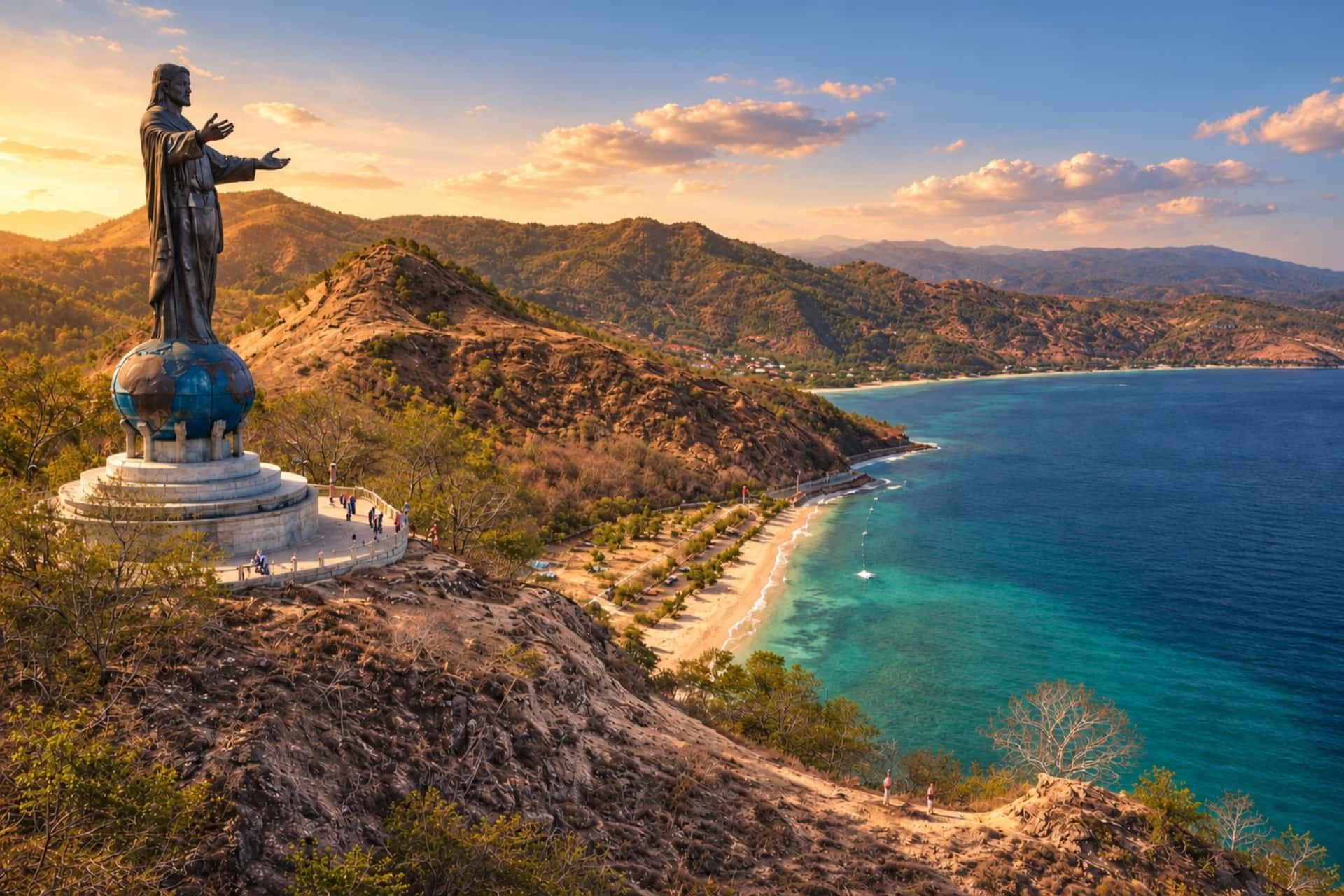
Cristo Rei statue at sunset

Your complete guide to Timor-Leste's coastal capital
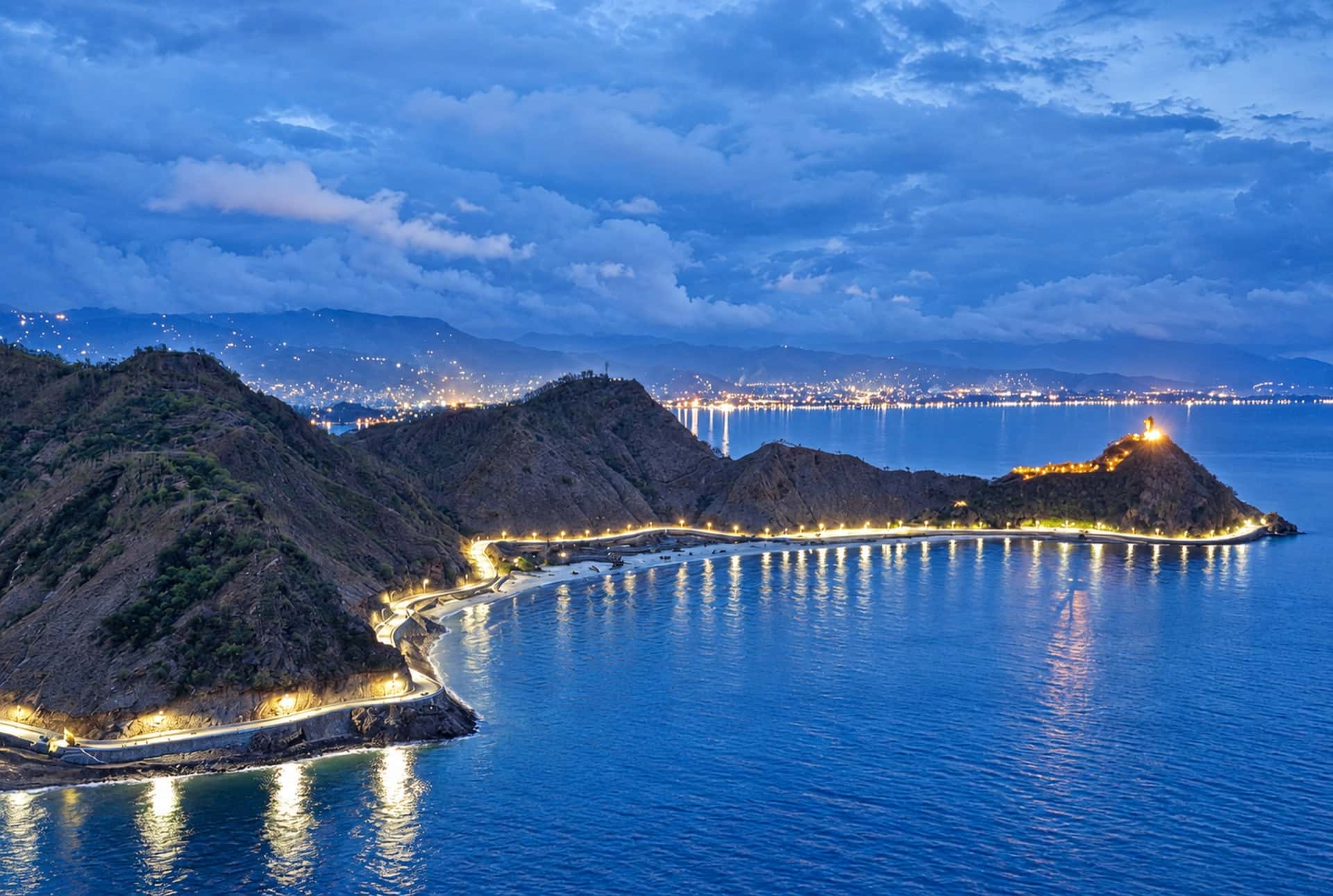
Dili is a city that surprises. Visitors expecting a grim post-conflict capital find instead a charming waterfront city with excellent restaurants, genuine warmth from its people, and a relaxed pace that rewards those who slow down. The capital of the world's youngest democracy (independence restored in 2002) sits on a curving bay backed by dry, rugged hills, with Atauro Island visible on clear days across the Wetar Strait.
With a population of around 325,000, Dili is small enough to navigate easily but large enough to offer variety. Portuguese colonial buildings stand beside modern UN-funded infrastructure. Traditional tais weavers sell their cloth near shopping malls. Fishermen launch canoes from the same waterfront where expats jog past cocktail bars. The famous Cristo Rei statue — a 27-meter gift from Indonesia in 1996 — watches over the eastern end of the bay from its hilltop perch.
As Timor-Leste's only international gateway, every visitor passes through Dili. Most spend a day or two before heading to the islands, mountains, or the east. But Dili deserves more than a transit stop. The city has genuine character — a moving independence story told through its museums and monuments, some of the best diving access in the country, and a food scene that punches well above its weight. Pope Francis visited in 2024, with a mass at Tasi Tolu that drew more than half the country.
This guide covers everything you need to know about Dili — what to see, where to eat, how to get around, and the best day trips from the capital. Whether you have one day or five, Dili will set the tone for your entire Timor-Leste experience.
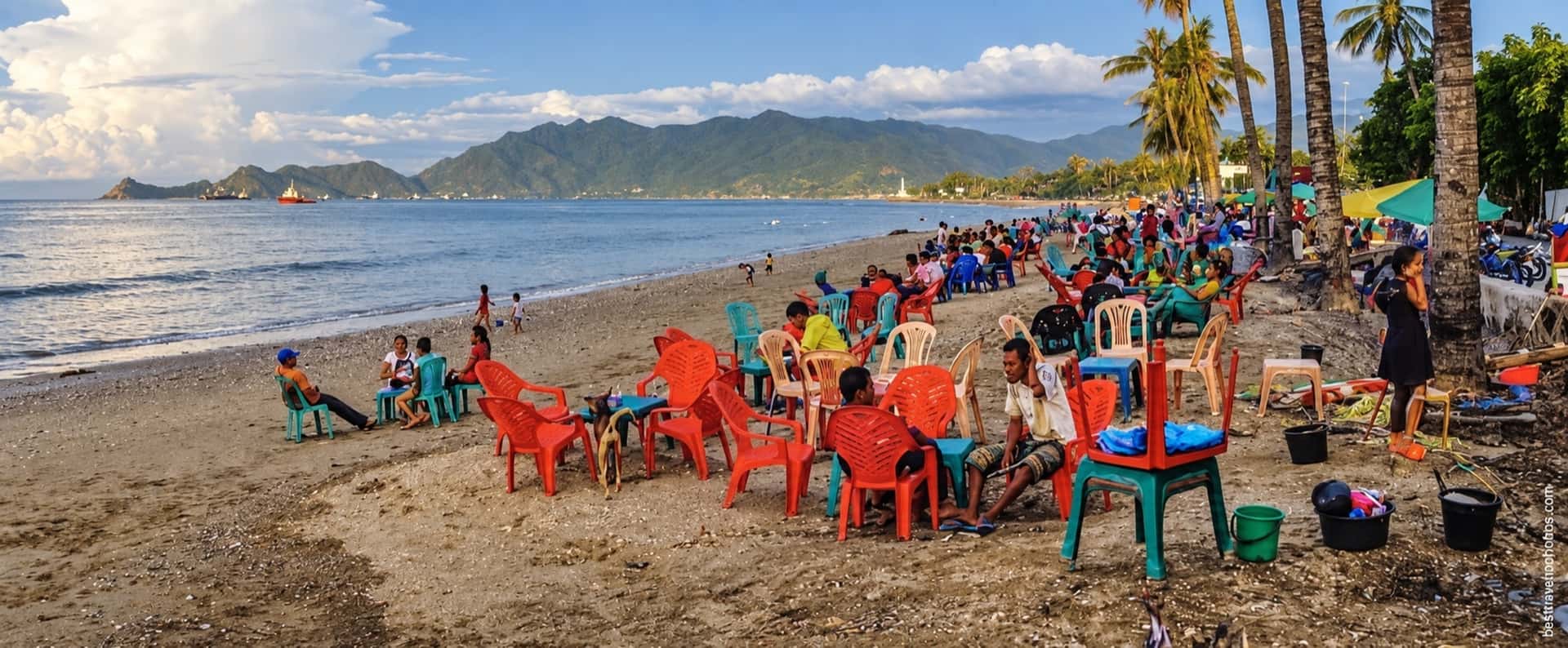
Start with the 2.5-kilometer waterfront promenade, which runs from the Dili Lighthouse (built 1896, 19 meters tall) east to the Fruit Market and beyond. This is the city's social spine — locals walk, jog, and gather here every evening, and it gives you an immediate feel for Dili's character. Along the way, you'll pass restaurants, the fishing harbor, and views across the bay.
The Cristo Rei statue is Dili's most iconic landmark. The 27-meter figure of Christ (a 1996 gift from Indonesia) stands on a headland east of the city, reached by climbing 580 steps. The climb is steep but short, and the panoramic view from the top — Dili Bay, the mountains behind the city, Atauro Island on the horizon — is worth every step. Go early morning or late afternoon to avoid the heat.
For Timor-Leste's independence story, visit the Resistance Archive & Museum — one of the most moving small museums in Southeast Asia. The Chega! Exhibition at Old Balide Prison documents the truth and reconciliation process. Santa Cruz Cemetery, site of the 1991 massacre where Indonesian troops killed at least 271 people at a peaceful memorial procession, is a sobering and essential visit. Centro Audiovisual Max Stahl preserves the film footage that brought the massacre to international attention. The Xanana Gusmao Museum displays personal effects and art of the independence leader. Motael Church, dating to around 1800, is the oldest Catholic church site in the country, while the Immaculate Conception Cathedral is one of the largest in Southeast Asia.
Dili's food scene is more diverse than you'd expect. The waterfront restaurants along Avenida de Portugal are the go-to for grilled fish and sunset dining — fresh catch of the day, cold Bintang beer, and the sound of waves. Portuguese influence runs deep: you'll find pasteis de nata (custard tarts), bacalhau (salt cod), and other Lusophone flavors alongside Indonesian and Chinese dishes.
For local food, look for warungs (small food stalls) serving nasi goreng, mie goreng, and grilled fish with sambal. Meals at local places cost $2-4. International restaurants — Italian, Thai, Indian, and more — cluster around the city center, typically $10-15 for a main course. Over 60% of food in Timor-Leste is imported, which affects variety in some areas, but Dili has the best selection in the country by a wide margin.
The specialty coffee scene is growing. Several cafes serve single-origin Timorese coffee — ask about the origin, and staff will usually explain which highland cooperative produced your cup. Expect $1-3 for an excellent cup. The Tais Market area and the streets near the cathedral have good options for a morning coffee and pastry.
Dili is not a party city, but it has a comfortable evening scene. The waterfront bars stay open later than restaurants (which tend to close by 9pm) and attract a mix of locals, expats, and the occasional traveler. A cold Bintang at sunset watching the fishing boats come in is a Dili ritual.
Beyond the waterfront, a handful of bars and live music venues scattered through the city offer entertainment on weekends. The expat community — UN workers, NGO staff, diplomats — supports a small but active social scene. Ask at your hotel or guesthouse for current recommendations, as venues change frequently.
Note that Dili is very safe during the day. At night, stick to well-lit areas and take taxis (yellow taxis stop after dark; blue metered taxis run later). There is no street lighting in most of the city, so a headlamp or phone flashlight is useful for walking back to your accommodation.
Dili is navigable by a combination of mikrolets, taxis, and walking. Mikrolets are small minibuses running 13 fixed routes across the city, roughly 6am to 6pm, for just $0.25 per ride. They're crowded and slow but get you where you need to go. Flag them down anywhere along the route — the route number is displayed on the front.
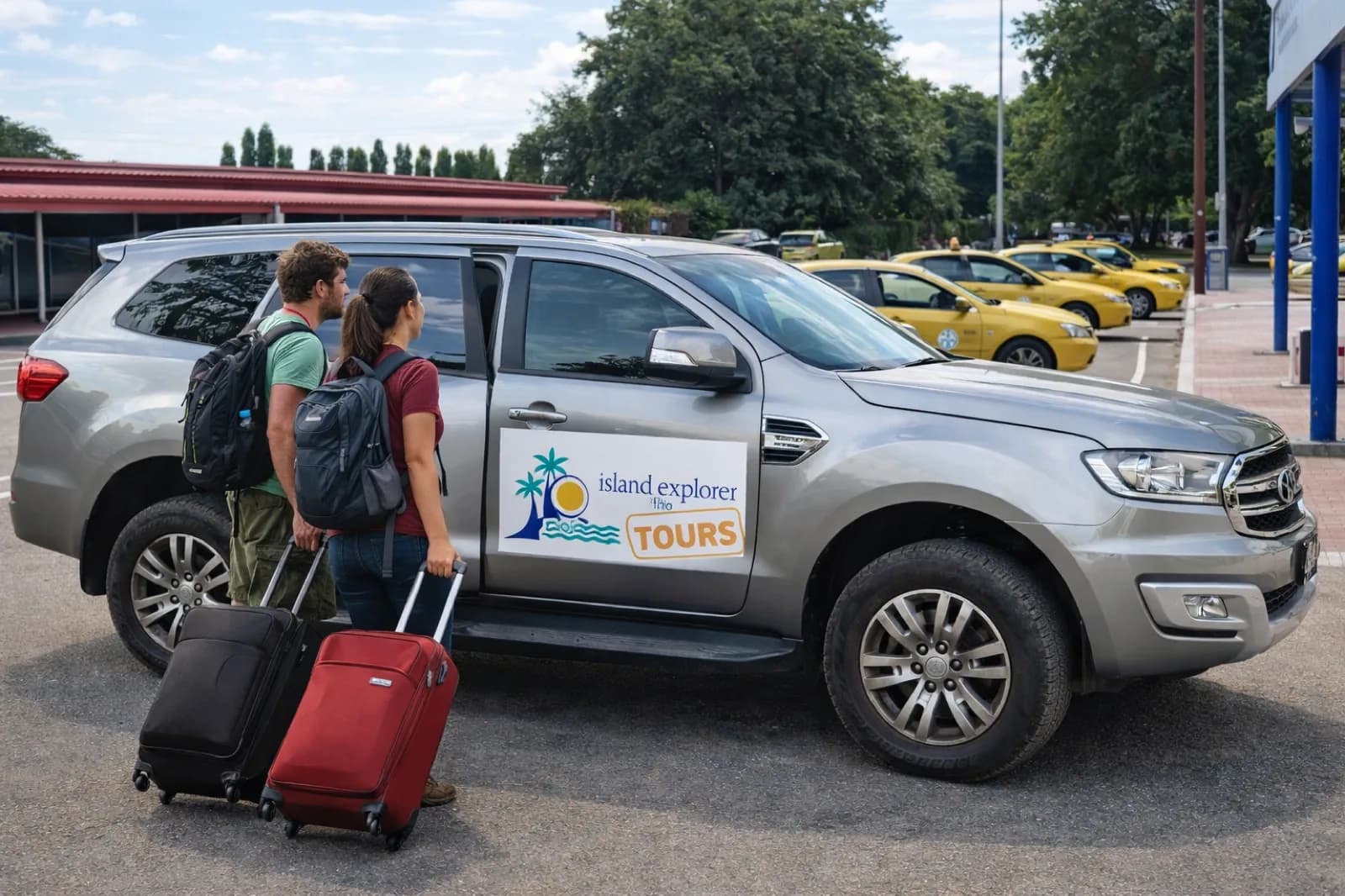
Yellow taxis are widely available during daylight hours. Fares are negotiated (not metered) — expect $3-6 for most trips around the city, and $15 or more from the airport. Yellow taxis stop operating after dark. Blue metered taxis run later and are reliable but cost roughly double the yellow taxi price. Always negotiate or confirm the fare before getting in.
Walking is pleasant along the waterfront and in the city center but less practical for longer distances — the heat is intense (28-35 degrees Celsius year-round), sidewalks are uneven, and there's little shade. Motorbike rental ($15-25/day) is an option for confident riders, and bicycle rental is available at some hotels and shops. The airport is 15 minutes from the city center by taxi.
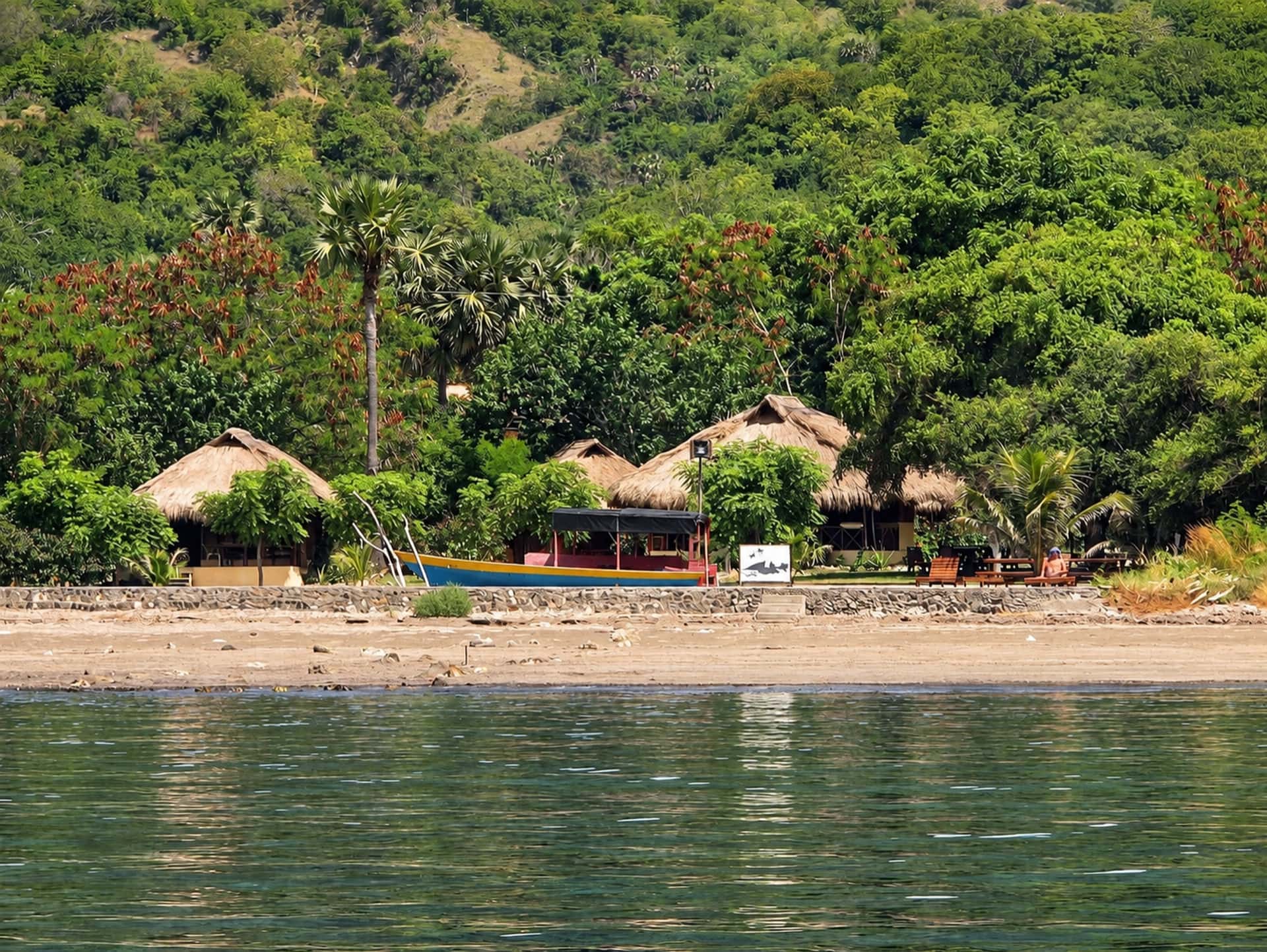
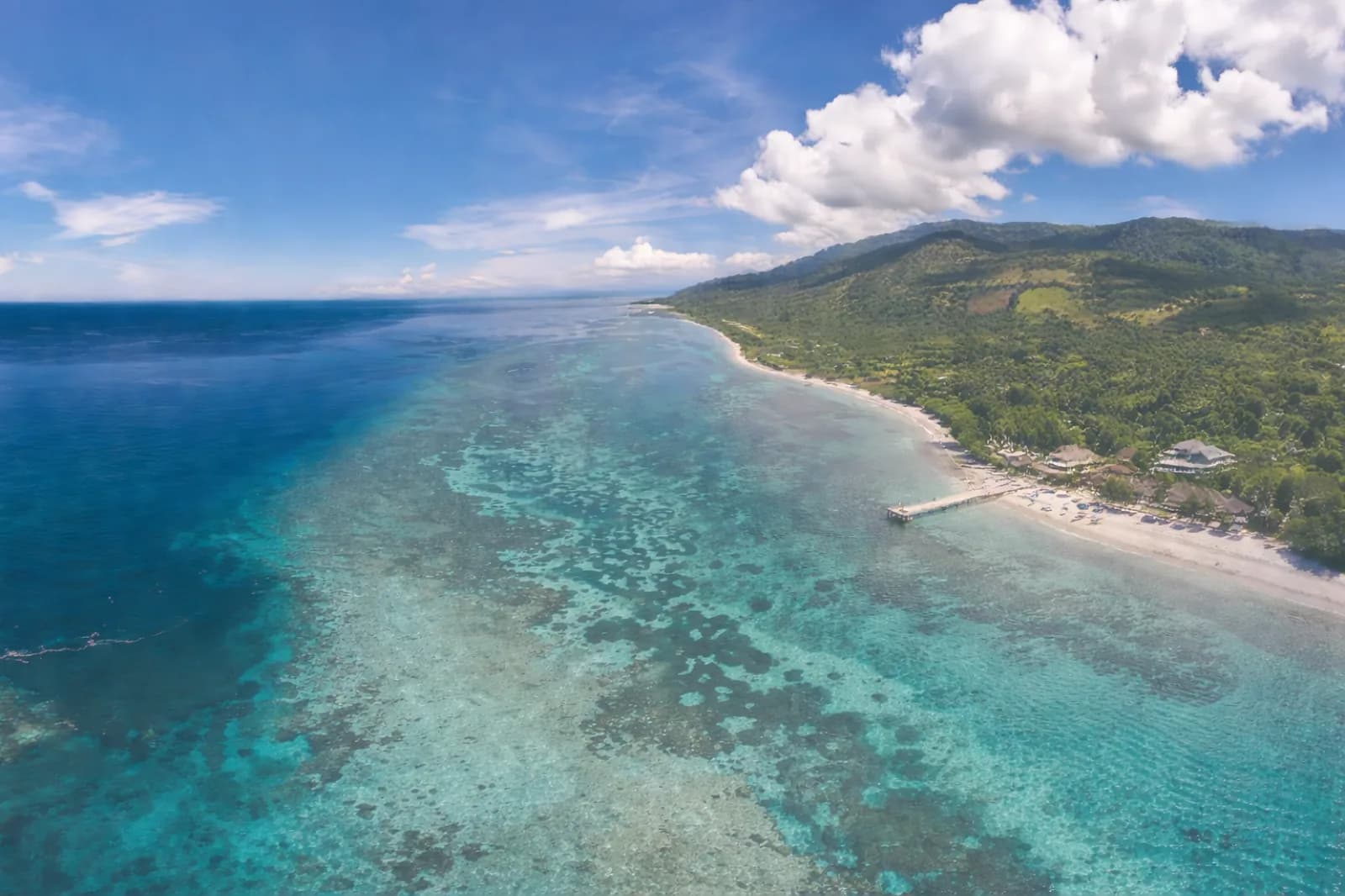
Atauro Island is the obvious day trip — take the morning ferry (Sat/Tue/Thu, departing around 8am) and return in the afternoon. You'll have time for a dive or snorkel, lunch at an eco-lodge, and a beach visit before the return crossing. Most people who go to Atauro for a day trip end up wishing they'd stayed overnight.
The Maubisse highlands are a 3-hour drive south. The mountain road climbs through terraced rice paddies and coffee country, the temperature drops noticeably, and you can visit a coffee farm, see the historic Pousada de Maubisse, and return to Dili the same day. Start early to make the most of it.
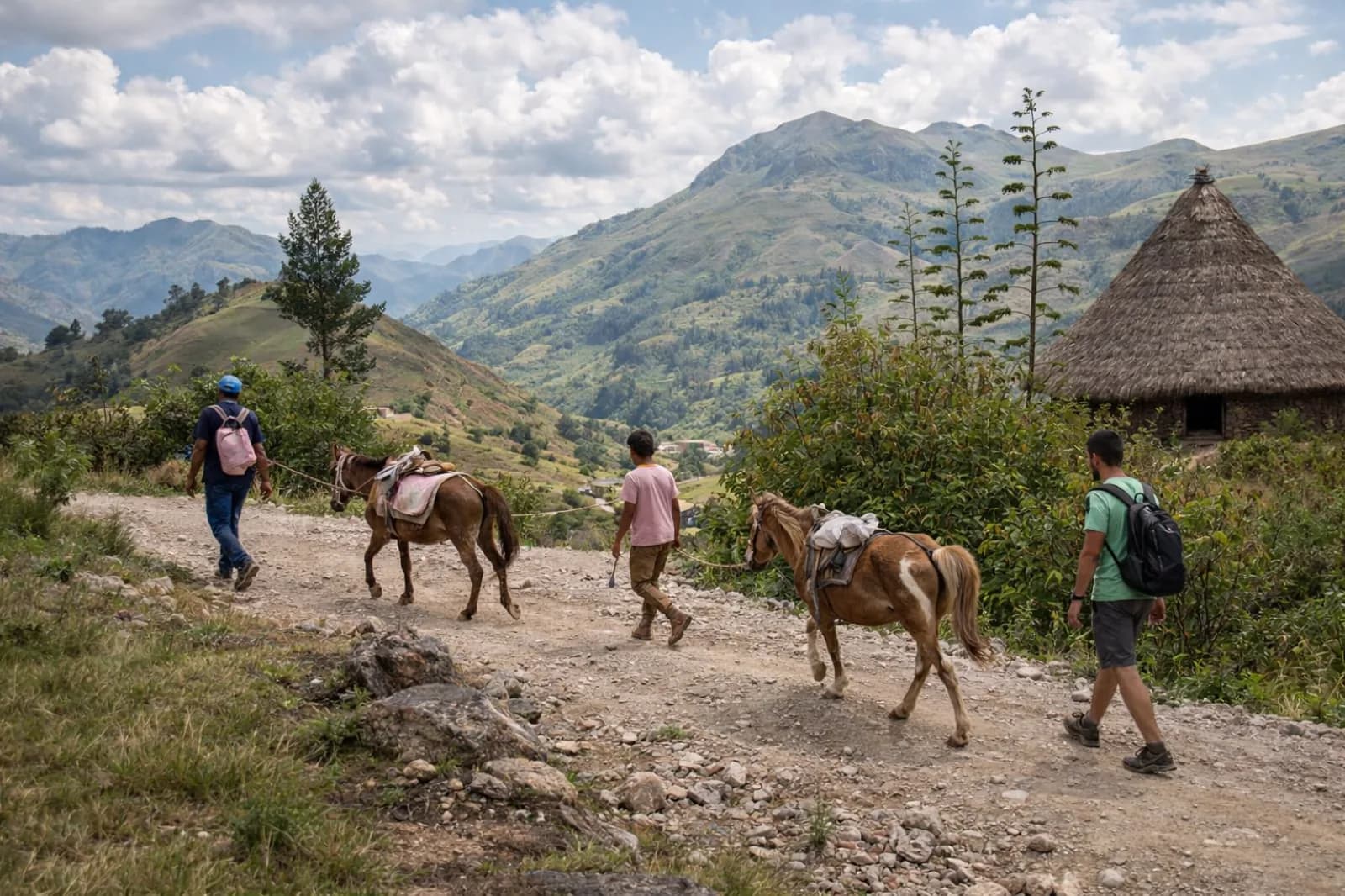
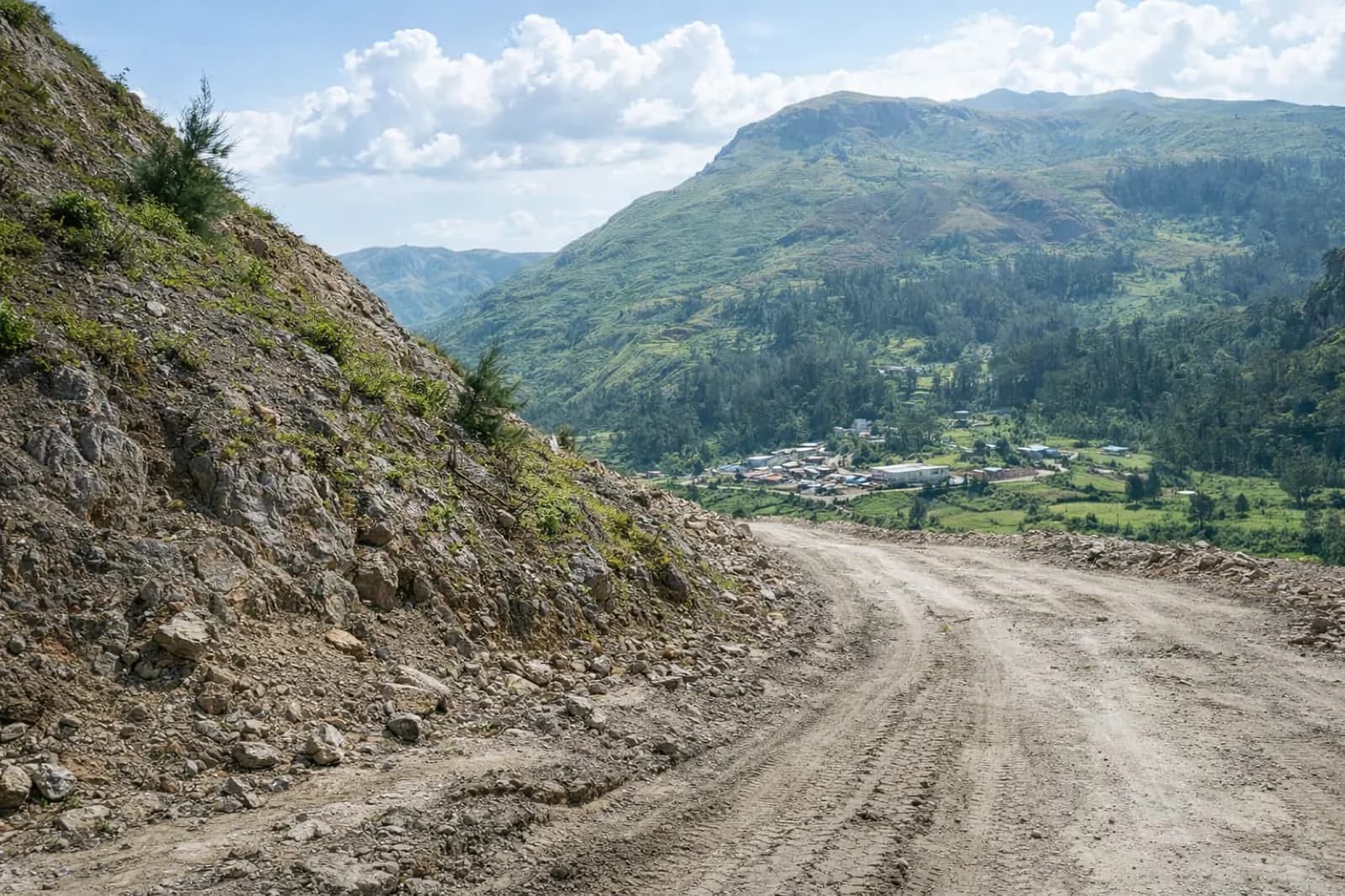
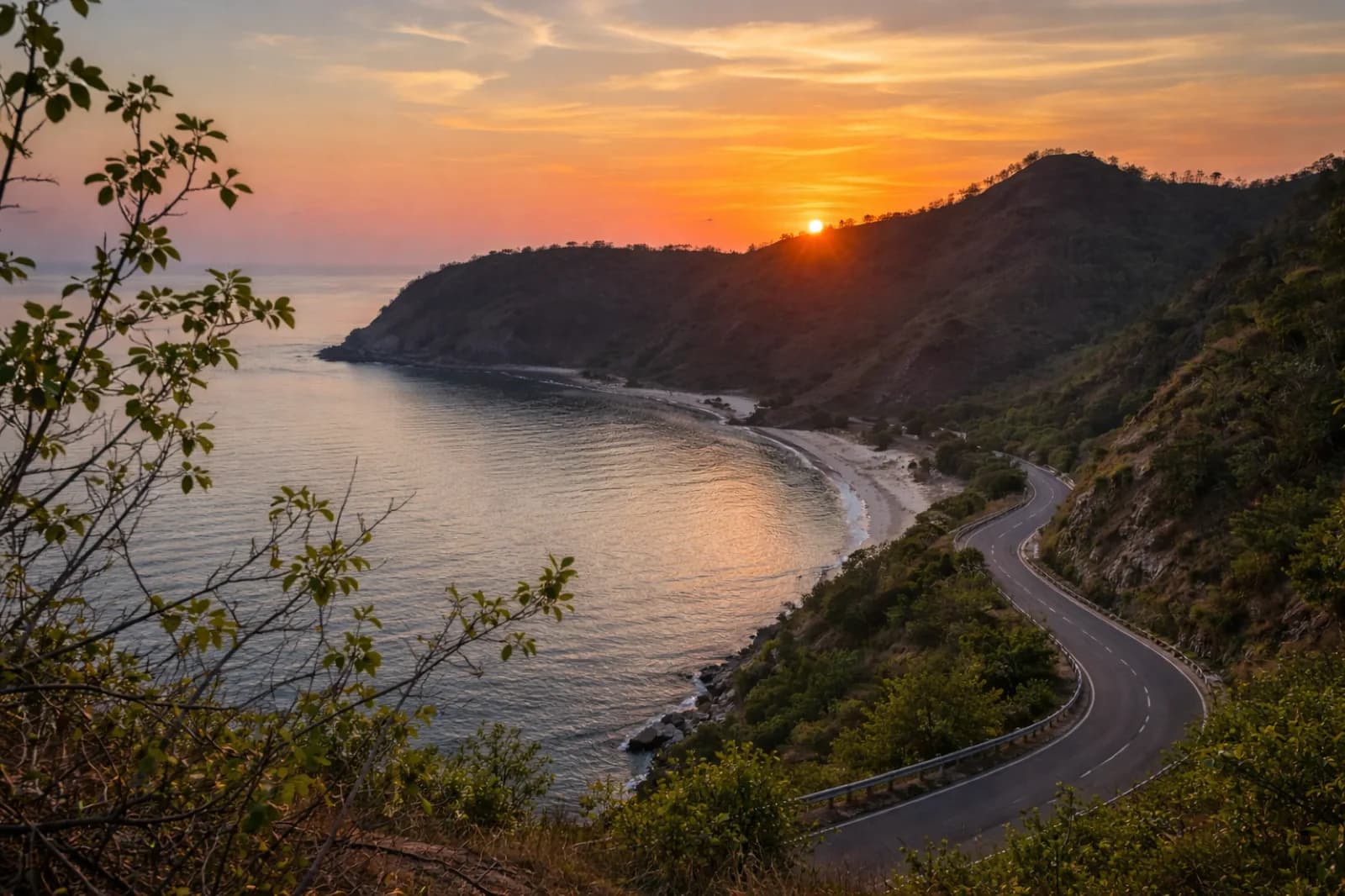
Closer to Dili, Cristo Rei beach and the eastern coastline make a half-day excursion. Tasi Tolu to the west is a good swimming and birding spot (71 recorded species). The Dare memorial region in the hills above Dili offers cooler temperatures and views back down to the coast. For divers, shore dives at K41, Pertamina Pier, and Tasi Tolu are all accessible as half-day outings without a boat.
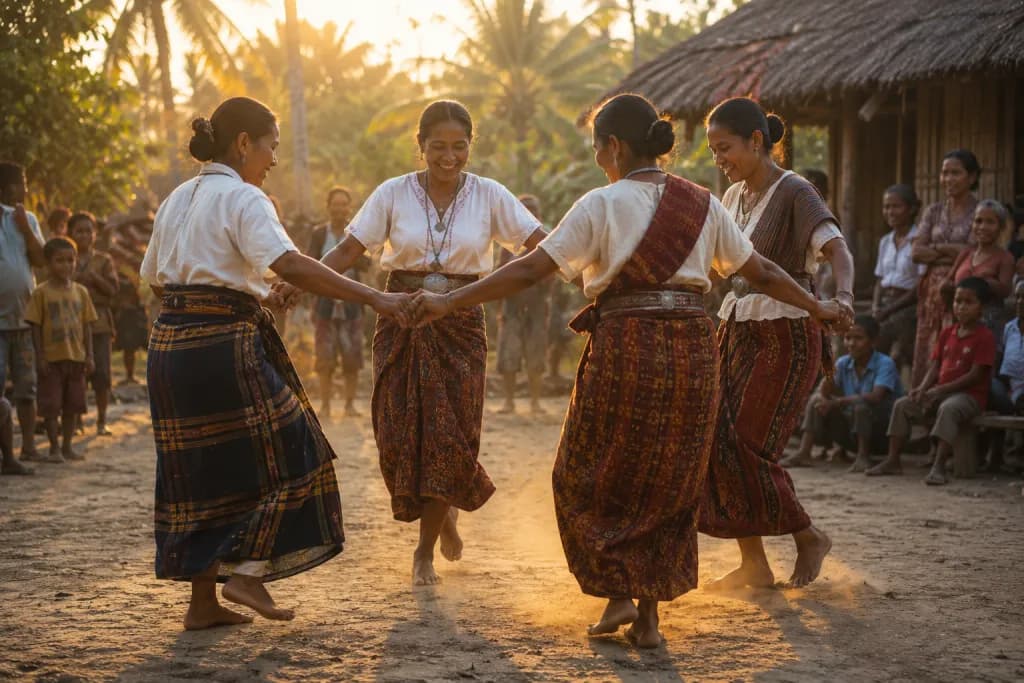
The Tais Market near the waterfront is the essential shopping stop. Tais is Timor-Leste's iconic woven textile — each of the country's 13 districts has distinctive patterns and color traditions, and a quality tais makes a beautiful and meaningful souvenir. Prices vary from a few dollars for a small piece to $20-50+ for large, finely woven works. Bargaining is expected but keep it friendly and respectful.
Beyond tais, look for hand-carved sandalwood (Timor was historically a major sandalwood source), locally roasted coffee beans (buy from cooperatives for best quality), and traditional handicrafts. Timor Plaza, the country's main shopping mall, has supermarkets, a food court, and basic supplies. The Fruit Market on the waterfront sells fresh tropical produce at local prices.
For everyday needs, small shops (lojas) are scattered throughout the city. SIM cards (Telkomcel has the best coverage) are available at the airport or Timor Plaza — data is cheap at around $5 for 5GB. Stock up on sunscreen, insect repellent, and any specific items you need before heading out of Dili, as selection decreases dramatically outside the capital.
4 experiences connected to this guide

Cristo Rei statue at sunset


Iconic shore sites: Cristo Rei, Tasi Tolu & Dili Rock

Coral walls, anemone gardens & a wreck
May to November for dry weather. Year-round for city activities — Dili is a tropical city and functions in all seasons. July to September is peak tourism season.
Continue planning your trip to Timor‑Leste

The world's most biodiverse reefs, virtually untouched

Transport guide — from Dili to the far east and everywhere between

The perfect week exploring Southeast Asia's hidden gem

Grilled fish, mountain coffee, and palm wine — an honest food guide

Animism, Catholicism, tais weaving, and the world's youngest nation

Airport to oriented — everything you need to survive (and enjoy) your arrival in Timor-Leste
Places mentioned in this guide