Instant · pay on the day
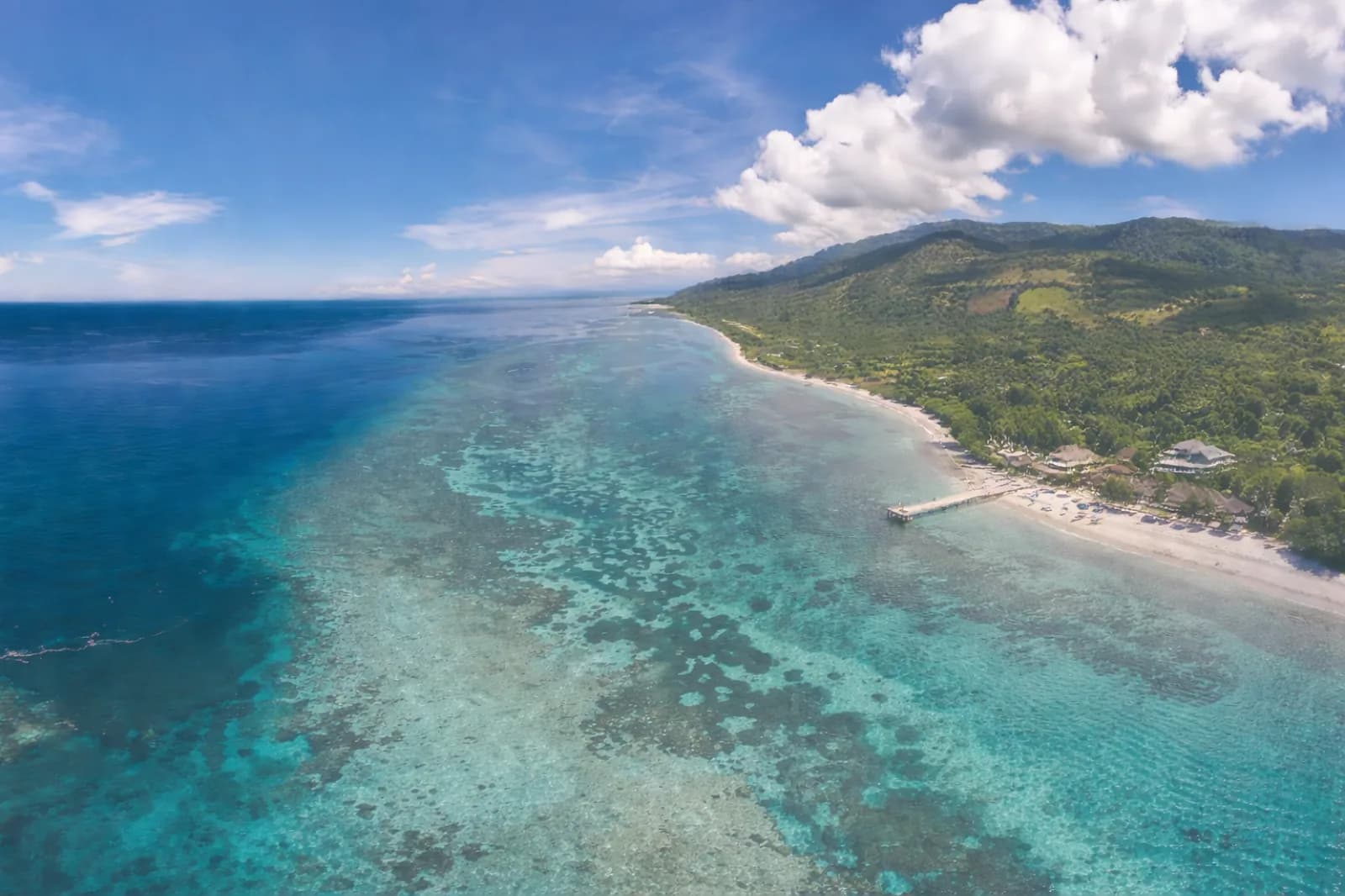
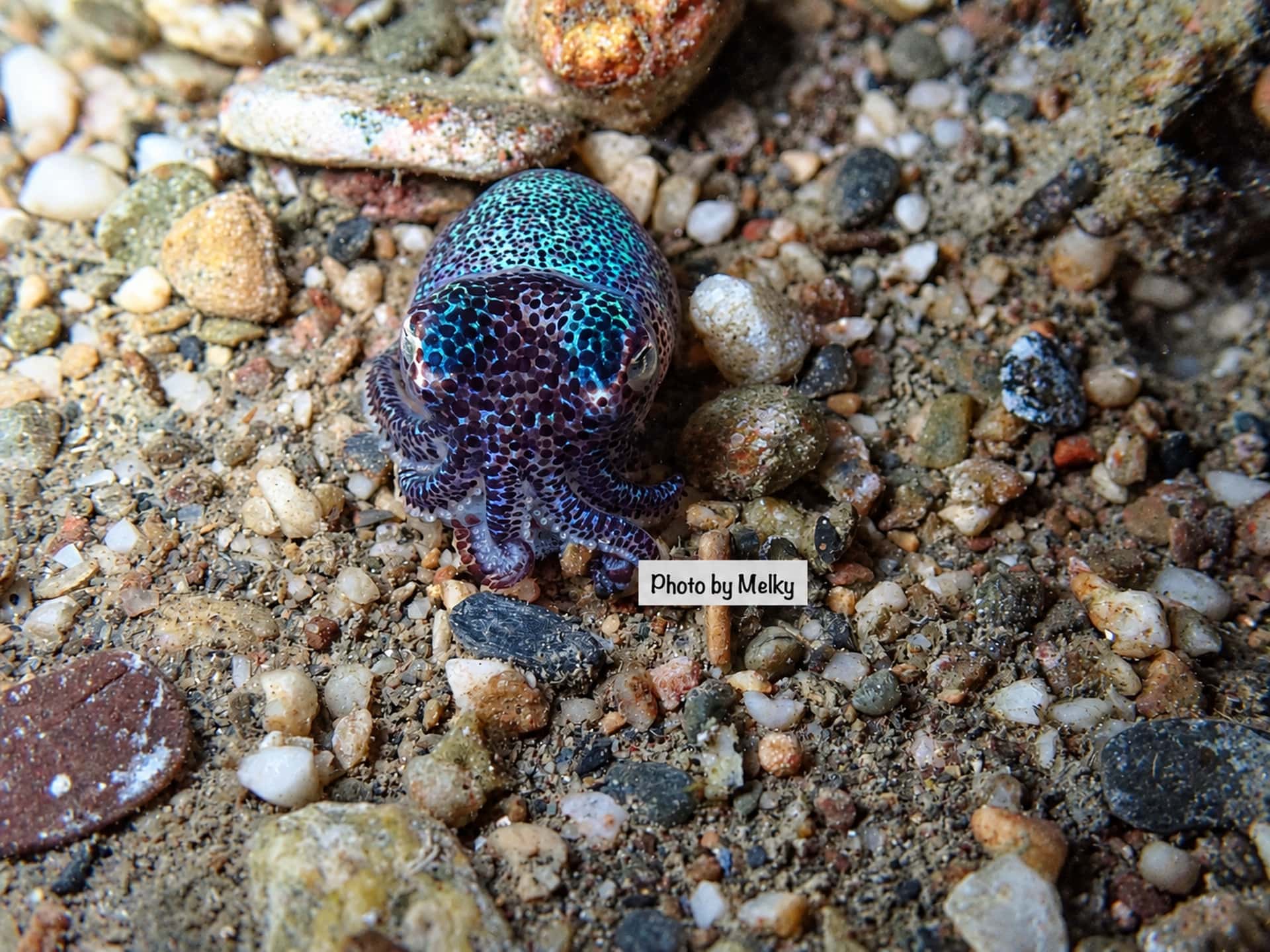
Dili Night Dive
DiliUp to 1 dayDreamers Dive Academy Timor
DivingModerateMax 4Pickup
Torch included
5.0(30 · Google)
$60per personMinimum 2 guests, from $120
Check dates & availability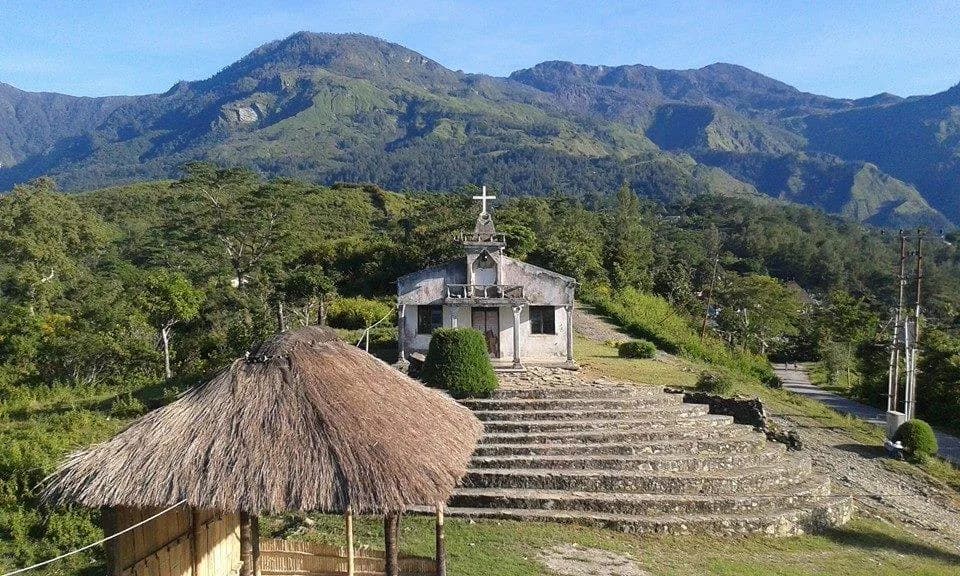
Independence celebrations, mountain pilgrimages, harvest ceremonies, and Saturday night markets
Timor-Leste is a young nation, independent only since 2002, but its cultural calendar runs deep. Catholic feast days layer over animist harvest ceremonies. National holidays carry the weight of a resistance movement that endured 24 years of occupation. And the local festivals, the ones you won't find in any guidebook, are often the most memorable.
The country is 97% Catholic (a legacy of Portuguese colonialism), so Christmas, Easter, and saints' days are widely observed. But the older traditions persist too: tara bandu ceremonies that regulate the relationship between people and land, corn harvest rituals, betel nut festivals on Atauro Island. This blend of the sacred and the ancient gives Timor-Leste's festivals a quality unlike anywhere else in Southeast Asia.
Most events don't have fixed dates published far in advance. Flexibility helps. But a few: Independence Day on May 20, the Our Lady of Ramelau pilgrimage in October, and the annual coffee festival, are worth planning around.
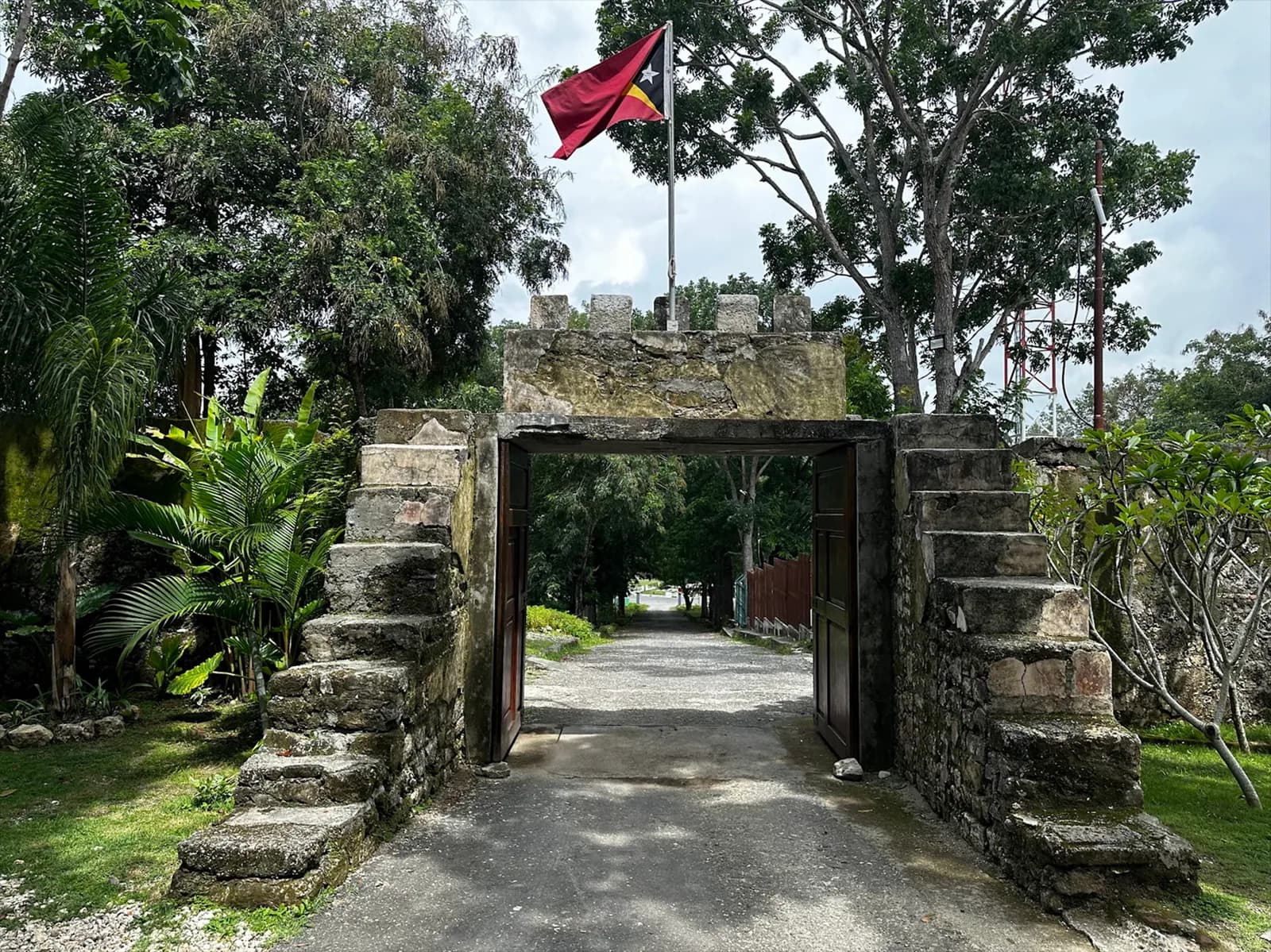
This is the big one. May 20 marks the Restoration of Independence (2002), and the country celebrates with parades, military ceremonies, cultural performances, speeches, and fireworks centered on Independence Square in Dili.
The atmosphere is electric: flags everywhere, traditional tais cloth on display, street food vendors out in force. It's one of the few days you'll see Dili genuinely busy. Government buildings are draped in the national colors (red, yellow, black). The sense of national pride is palpable and moving.
November 28 is Proclamation of Independence Day, marking the 1975 declaration from Portugal (before Indonesian occupation). It's observed with formal ceremonies but is lower-key than May 20.
August 30 commemorates the 1999 Popular Consultation: the UN-supervised referendum where 78.5% voted for independence. November 12 marks the 1991 Santa Cruz massacre, when Indonesian troops opened fire on a peaceful memorial procession, killing over 250 people. Both dates are solemn rather than celebratory.
Every October (typically the 7th), thousands of Timorese make a pilgrimage to the summit of Mount Ramelau (2,963 m), the country's highest peak. A statue of the Virgin Mary stands at the top, and pilgrims climb through the night to attend a sunrise mass.
This is the biggest cultural event outside Dili, and it's extraordinary. The mountain road fills with buses, trucks, and people on foot. Families camp along the trail. The pre-dawn climb is done by candlelight and flashlight, with prayers echoing up the mountain.
It's deeply moving even for non-religious visitors. The combination of physical effort, mountain cold, pre-dawn darkness, and collective faith creates something genuinely powerful. If you're in Timor-Leste in October, try to be here.
Logistics: Most climbers start from Hato Builico village. The ascent takes 2-3 hours. Temperatures drop to near freezing at the summit. Bring warm layers. Tour operators run pilgrimage trips that handle transport and camping.
The animist traditions that predate Catholicism are very much alive. Tara bandu, a customary law ceremony that regulates the relationship between people, animals, and the environment, is practiced throughout the country. These involve animal sacrifices, offerings of betel nut and palm wine, and spiritual invocations at sacred (lulik) sites. Tara bandu was banned during Indonesian occupation but has been revived since independence and now has official state recognition.
The Meci Harvest Ceremony (March, Lautem district) and Sau Batar Corn Cultural Ceremony (March, Kovalima) mark the agricultural calendar. The Betel Nut Festival on Atauro Island (July, in Bikeli) is described as "very exuberant": a harvest celebration with traditional dancing, singing, and community feasting.
The Tebe Fahi Ulun Traditional Dance (July, Ainaro/Maubisse) showcases one of Timor-Leste's most important dance traditions. Baucau Cultural Week (September) runs for a full week with traditional dances, music, food markets, and tais weaving demonstrations.
These events don't have tourist infrastructure. You won't find a ticket booth or a program. But showing up respectfully, asking permission, and being open to whatever happens is the way to experience Timor-Leste at its most authentic. A local guide is invaluable for navigating customs and introductions.
Easter and Christmas are major events in this overwhelmingly Catholic country. Easter brings processions through Dili's streets, family gatherings, and special masses at churches across the country. Christmas is celebrated with midnight mass, family meals, and a warmth that reflects the community spirit Timorese culture is built on.
Pope Francis visited Timor-Leste in 2024, and over half the country's population attended the open-air mass at Tasi Tolu: a staggering turnout that says everything about the role of faith here.
All Saints' Day and All Souls' Day (November 1-2) are observed with particular devotion. Families spend days decorating graves with flowers and candles, transforming cemeteries into beautiful, candlelit gatherings. The Santa Cruz Cemetery in Dili, site of the 1991 massacre, is especially poignant.
The Our Lady of Fatu Besi Pilgrimage (August, Ermera) and Our Lady of Aitara Pilgrimage (October, Soibada) are regional religious events that draw pilgrims from surrounding districts.
The Coffee Festival (usually November, Dili) celebrates Timor-Leste's most important export crop. Events include the National Cup Quality Competition, barista and roasting workshops, and field visits to coffee-producing communities in the highlands. Coffee harvest season runs May-September. Visit the plantations then, attend the festival to taste the results.
TasiFest (May, Tasi Tolu near Dili) is a culture and music festival with live performances, food, and art. The Dili International Film Festival (September-October) screens films from Timor-Leste and the wider region.
The Dili Marathon (August) attracts runners from the region, though distances and dates aren't always confirmed far in advance.
For everyday cultural immersion, Dili's Saturday Night Market at Timor Plaza (3pm-9pm) has food stalls, crafts, kids' games, and live entertainment. It's low-key, local, and a reliable weekly fixture.
Still ahead in 2026: Dili International Film Festival until October 12. Annual Coffee Festival (Dili) in November, date to be confirmed. Proclamation of Independence Day on November 28. Christmas on December 25.
Dates for 2027 have not been published yet. The national days fall on the same date every year: Restoration of Independence on May 20, the Popular Consultation on August 30 and Proclamation of Independence on November 28.
Traditional ceremony dates are approximate and may shift. For the most current information, check with local tour operators or the Timor-Leste tourism office (timorleste.tl).
Torch included
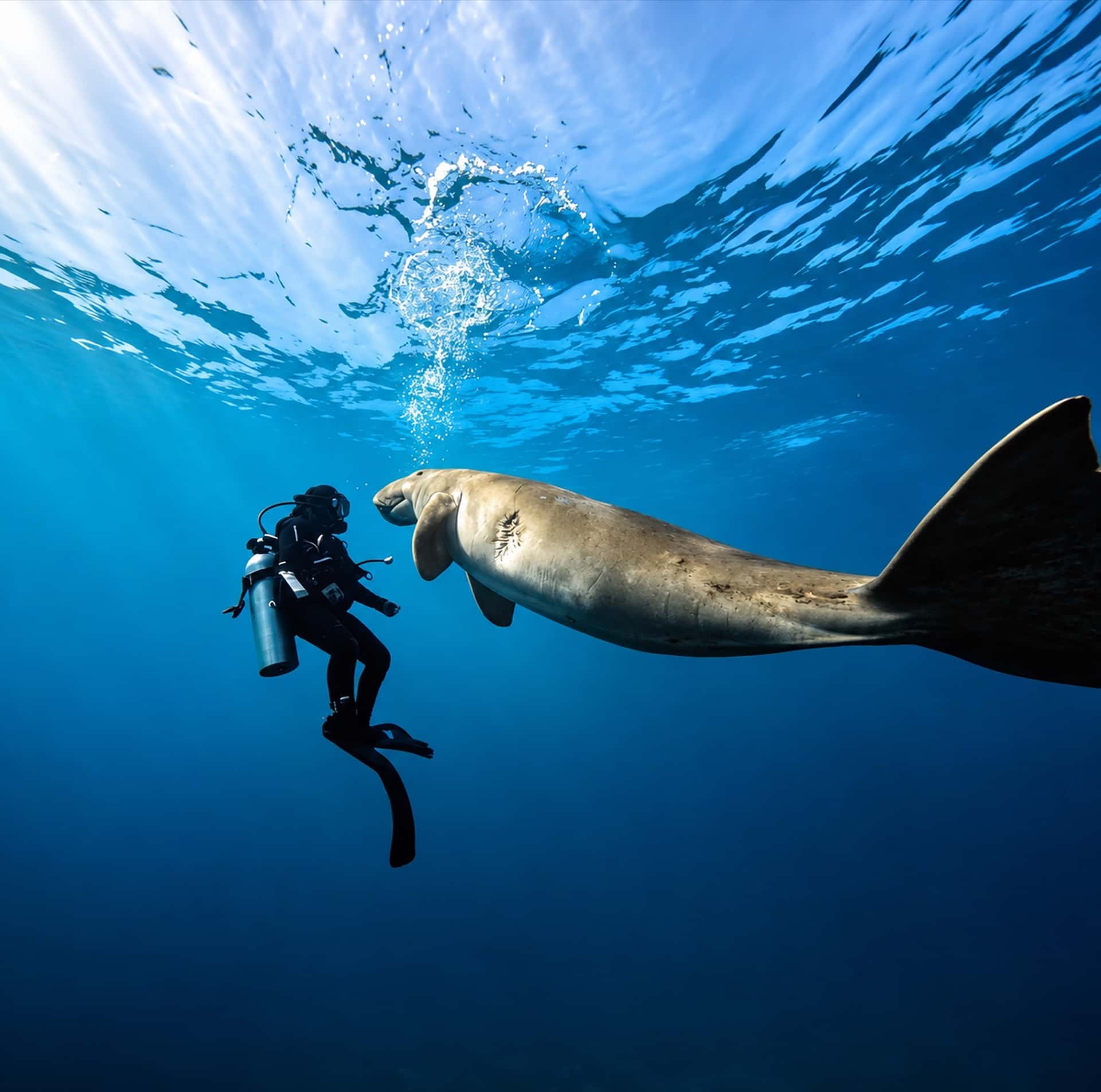
Iconic shore sites: Cristo Rei, Tasi Tolu & Dili Rock
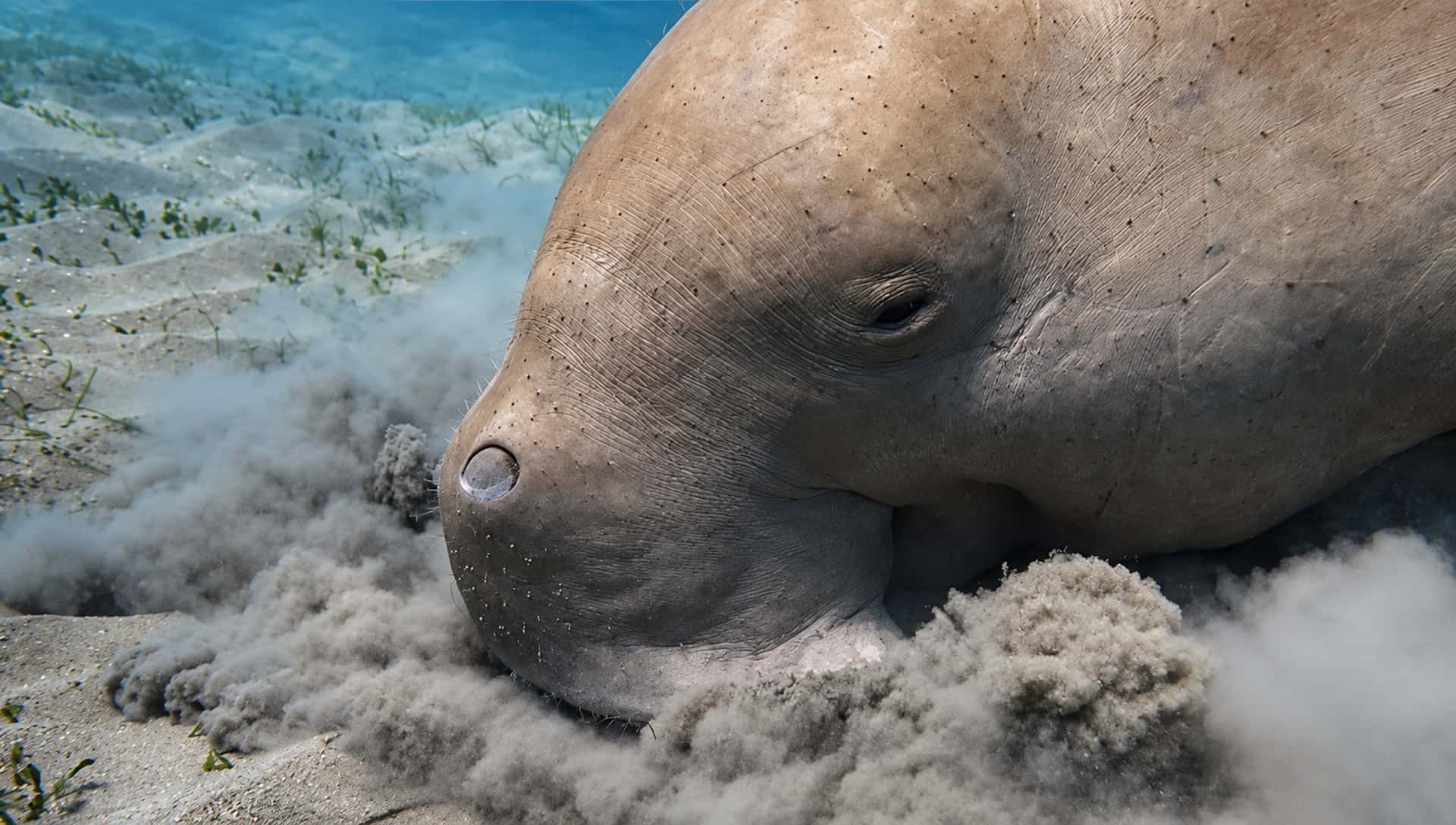
All-inclusive: gear, guide, transport & snacks
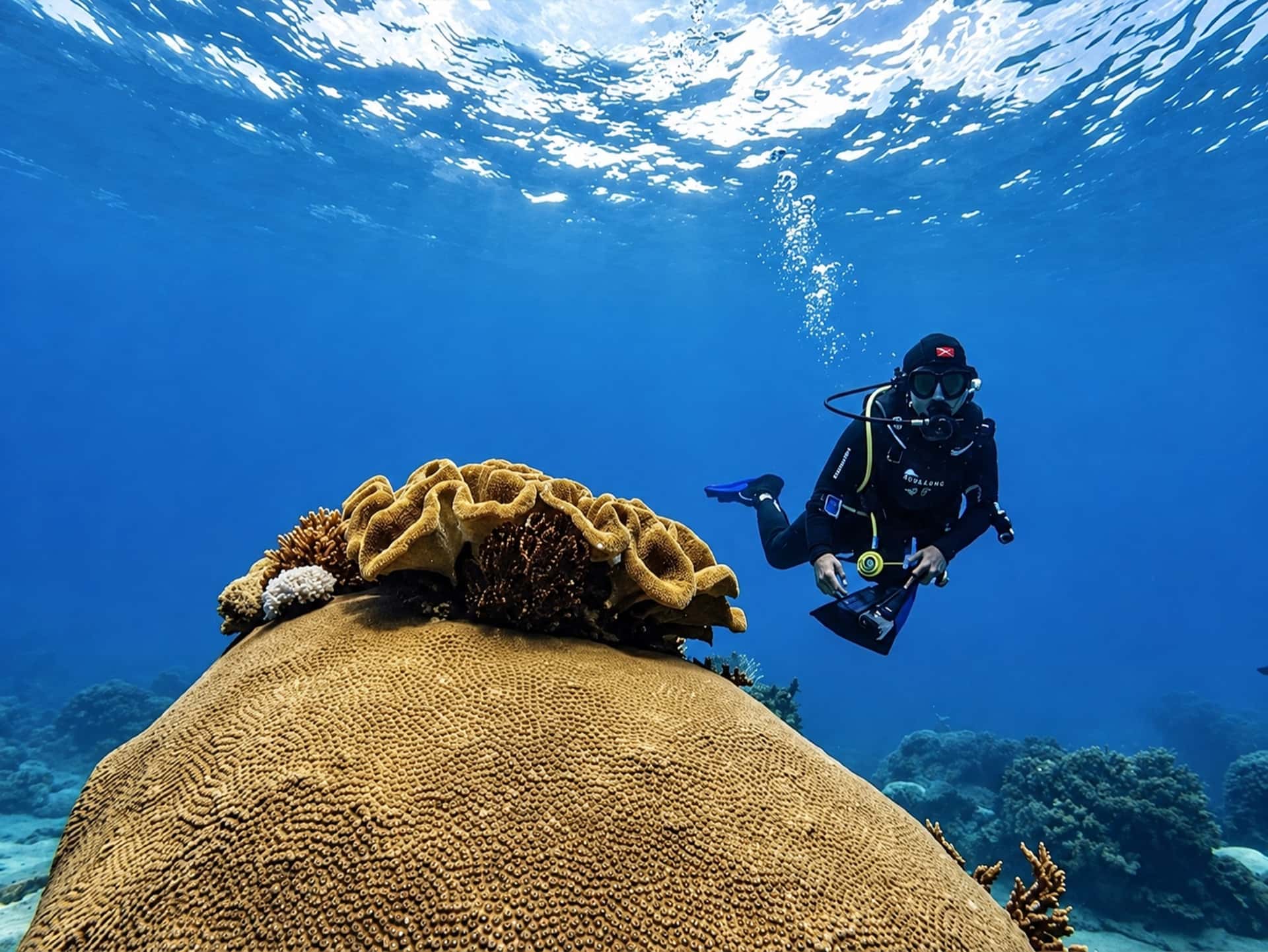
No experience needed
Dili · Maubisse
Independence Day, May 20: parades, performances, fireworks in Dili.
Our Lady of Ramelau pilgrimage, October: sunrise mass on the summit.
Annual Coffee Festival, November: tastings, workshops, farm visits.
Saturday Night Market at Timor Plaza, Dili: 3pm-9pm, food and crafts.
17 per year. Government offices and banks close. Tourism operates normally.
No fixed schedule. Ask locally. Respectful attendance usually welcomed.
May (Independence Day, TasiFest), July (harvest festivals, Betel Nut Festival on Atauro), or October (Ramelau pilgrimage, film festival). The Coffee Festival in November is worth timing a visit for.
New experiences, insider tips, and seasonal highlights. No spam, just useful stuff for planning your trip.
Unsubscribe anytime. We respect your inbox.
Continue planning your trip to Timor‑Leste
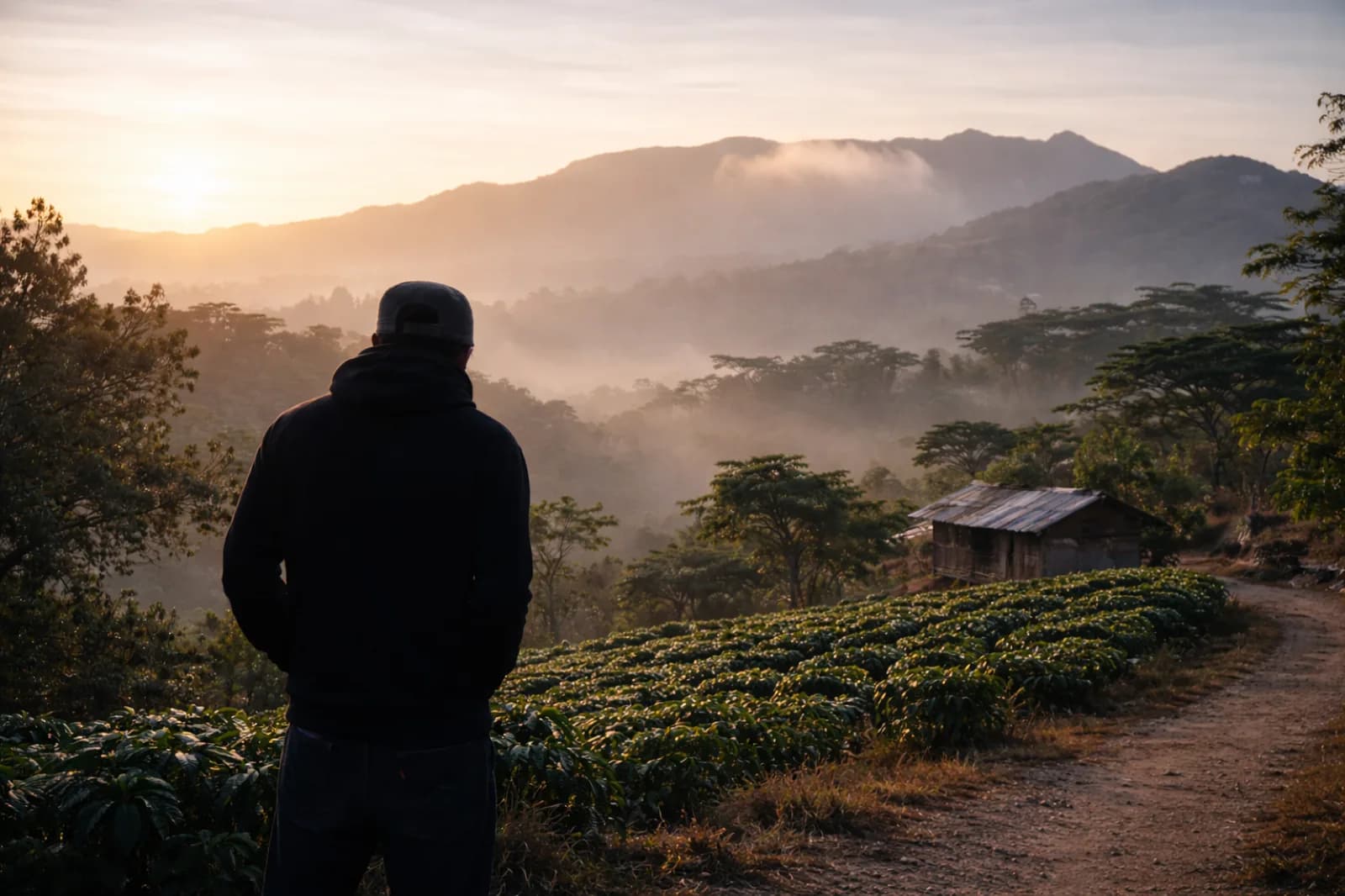
From highland farms to your cup: the Timor Hybrid story
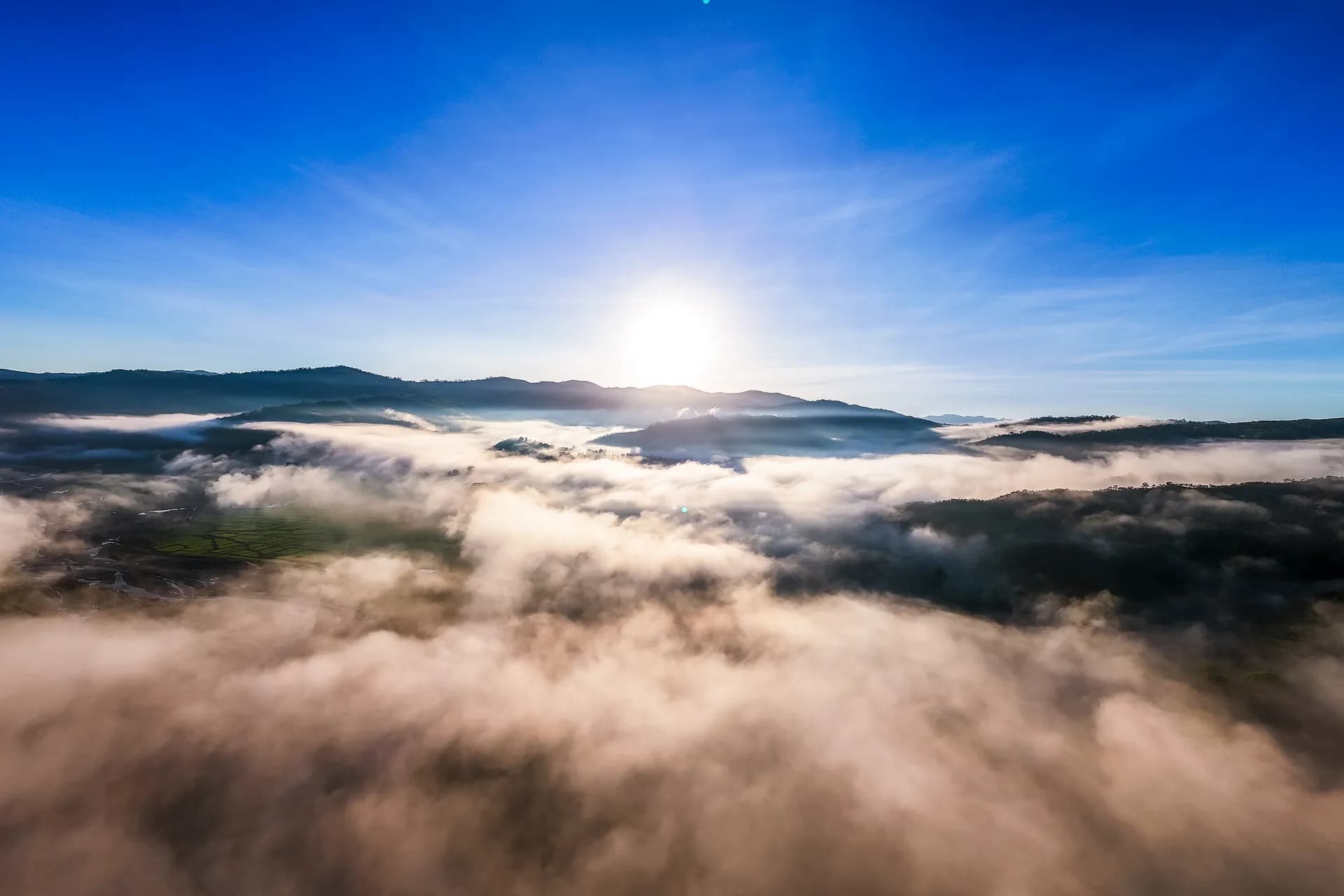
Sunrise from the roof of Timor-Leste at 2,963 m
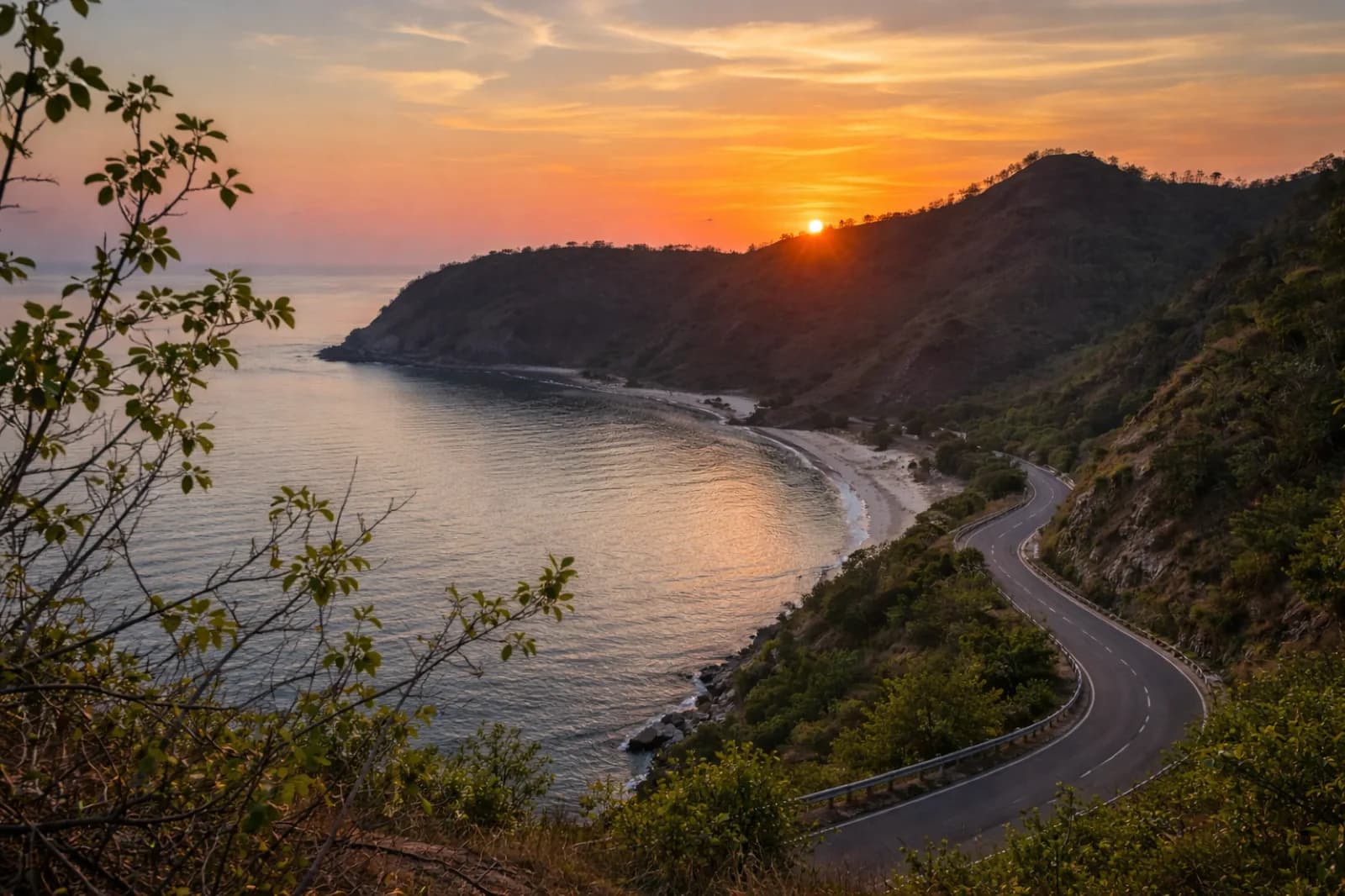
Your complete guide to Timor-Leste's coastal capital
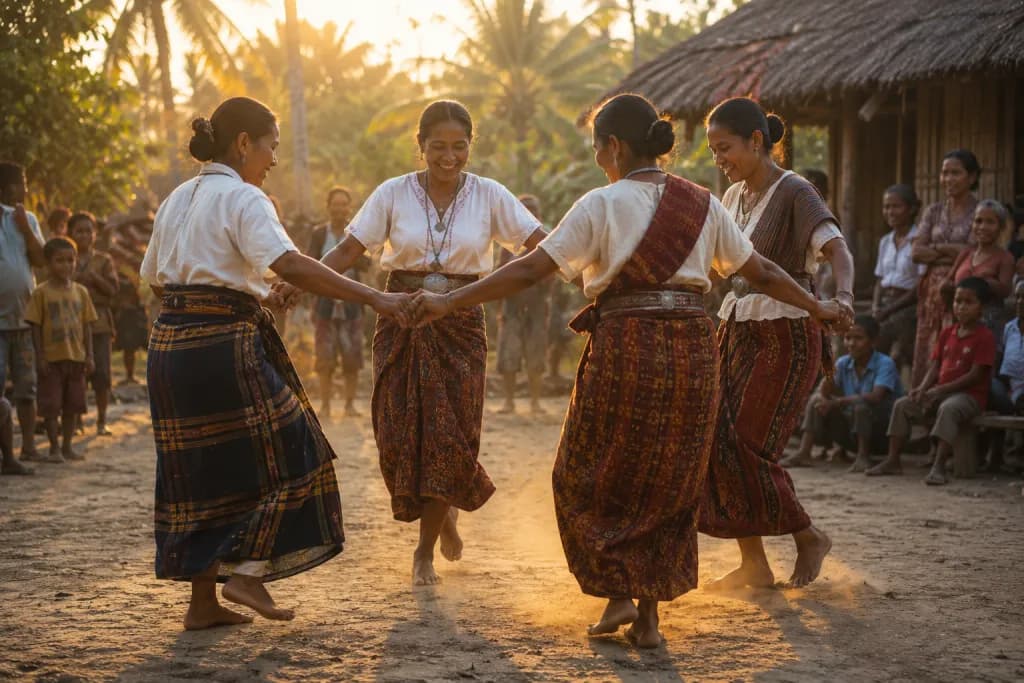
Religion, language, kinship, tais, music, and the customs that shape daily life
Places mentioned in this guide