Golden hour at Cristo Rei, sunrise from Ramelau, and water bluer than your screen can render
Timor-Leste is one of the most photogenic countries in Southeast Asia, and almost nobody has photographed it. The visual library of this country barely exists compared to Bali, Vietnam, or Thailand. That means every image you take is genuinely fresh — no recreating someone else's Instagram shot.
The light here is extraordinary. Equatorial sun gives hard, dramatic shadows midday and golden warmth in the early and late hours. The water around Atauro is a shade of blue that looks digitally enhanced in photographs but is just what the ocean does when nobody has disturbed the coral. The highland mist, the mountain roads, the colonial architecture of Baucau — it's all waiting.
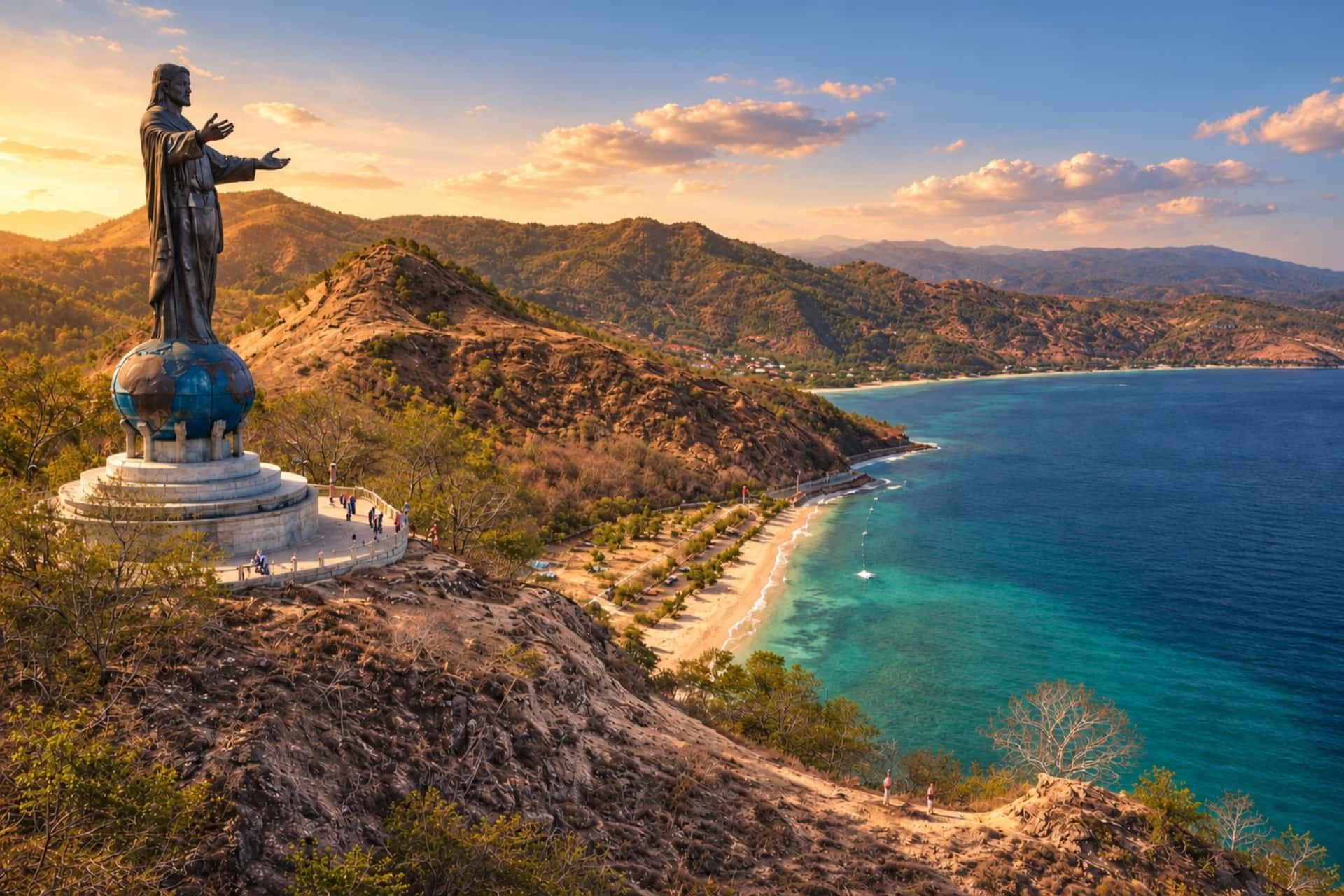
Cristo Rei (Dili): The 27-meter hilltop statue overlooking Dili harbor. Best at sunset when the golden light catches the statue and the bay below. Walk up the 580 steps for the panorama. Dawn is quieter — you'll have the top to yourself.
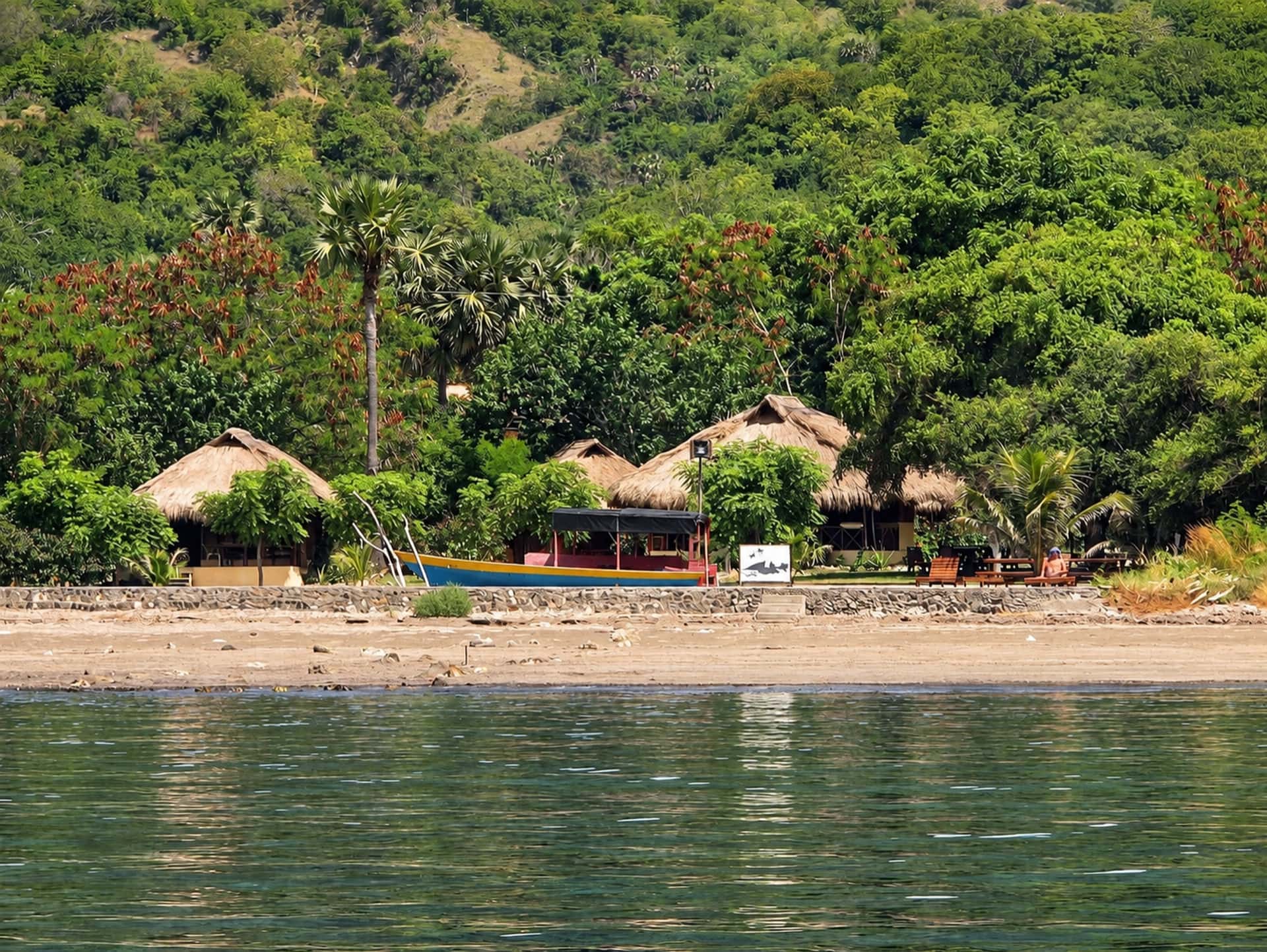
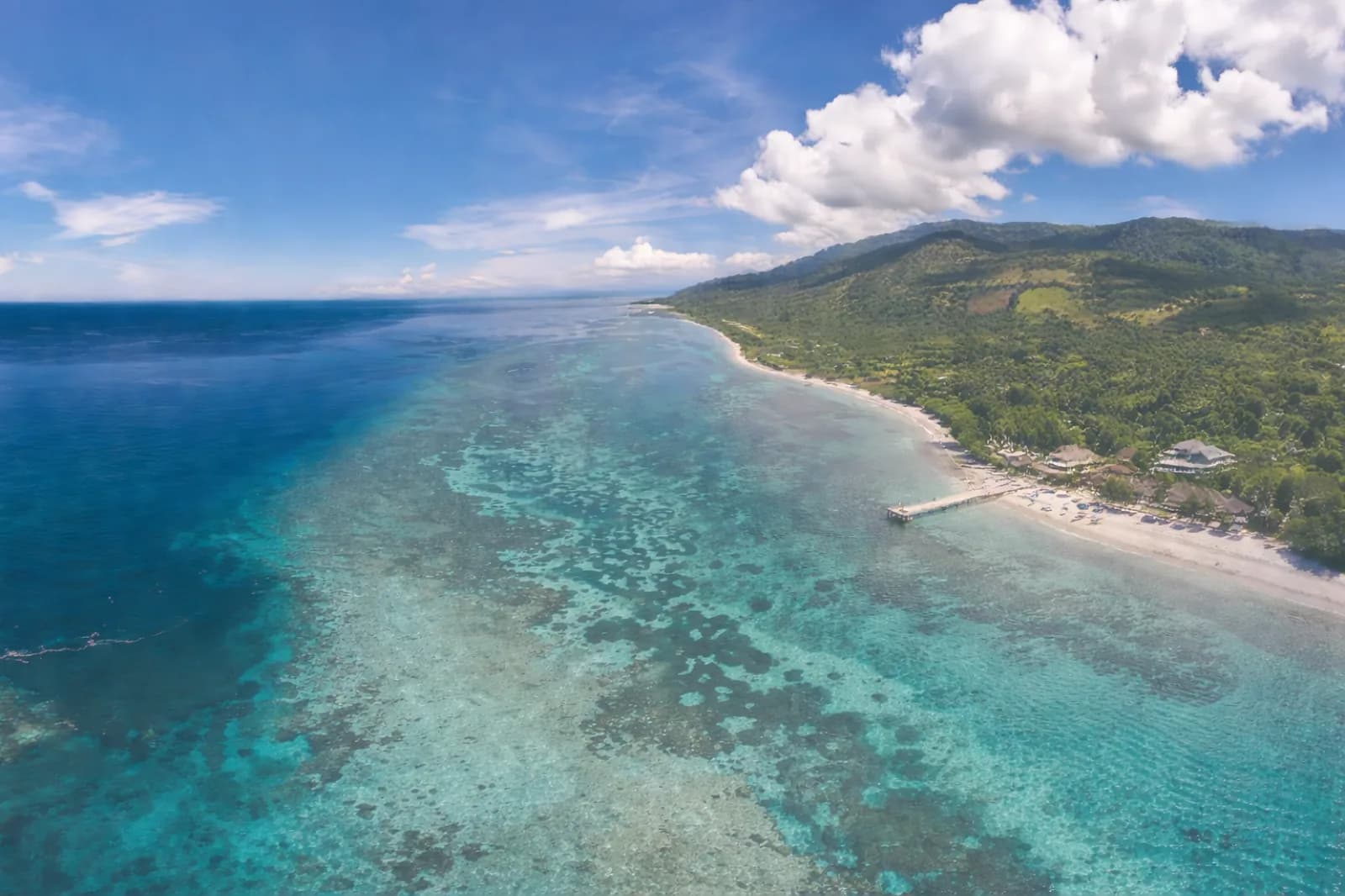
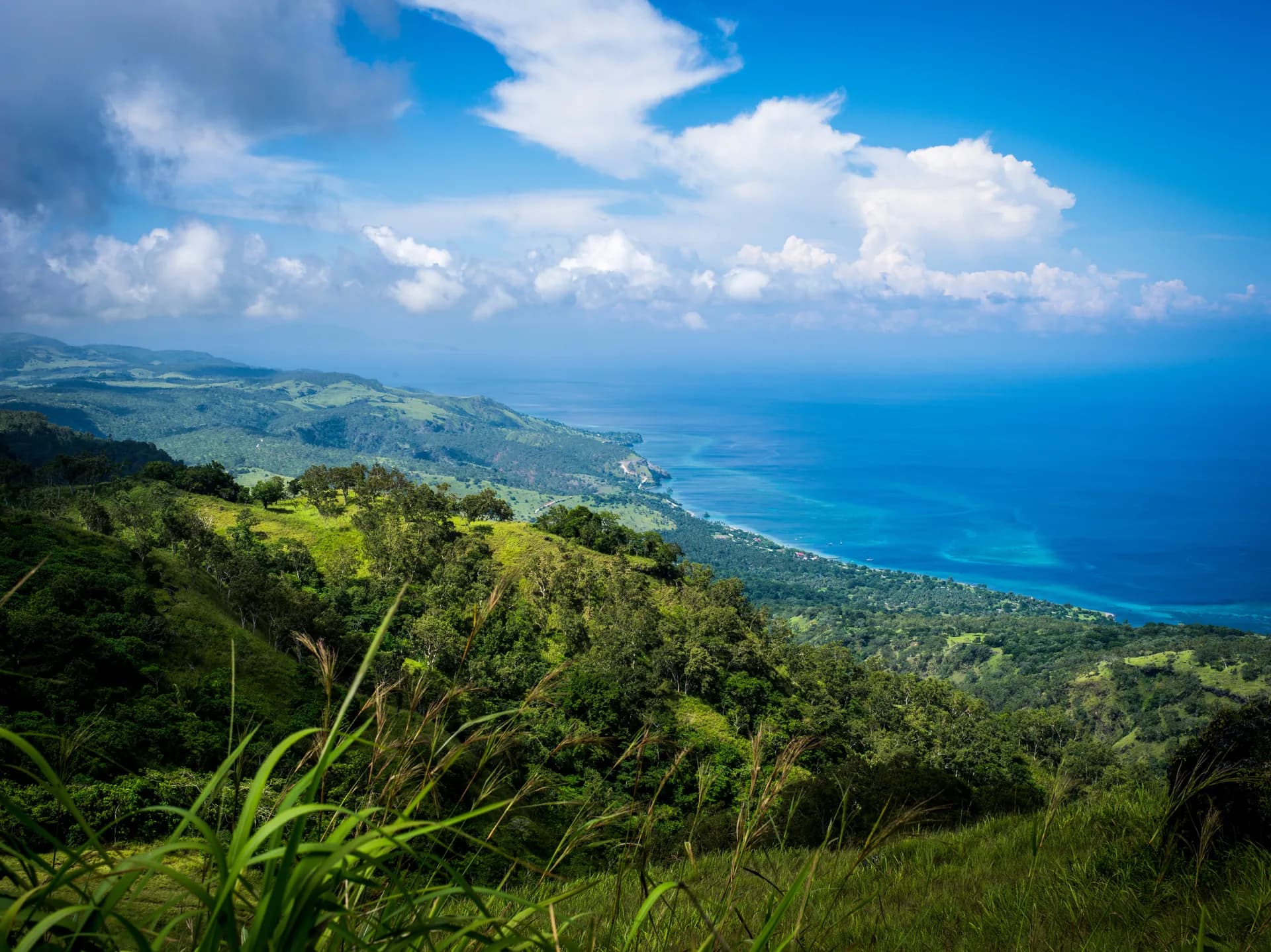
Atauro Island coastline: The west coast of Atauro, viewed from the ferry or from Beloi, is stunning — volcanic slopes dropping into crystalline water. From the island, the dawn light over Dili on the mainland is beautiful. The beaches (Dollar Beach, Adara) photograph well at any time.
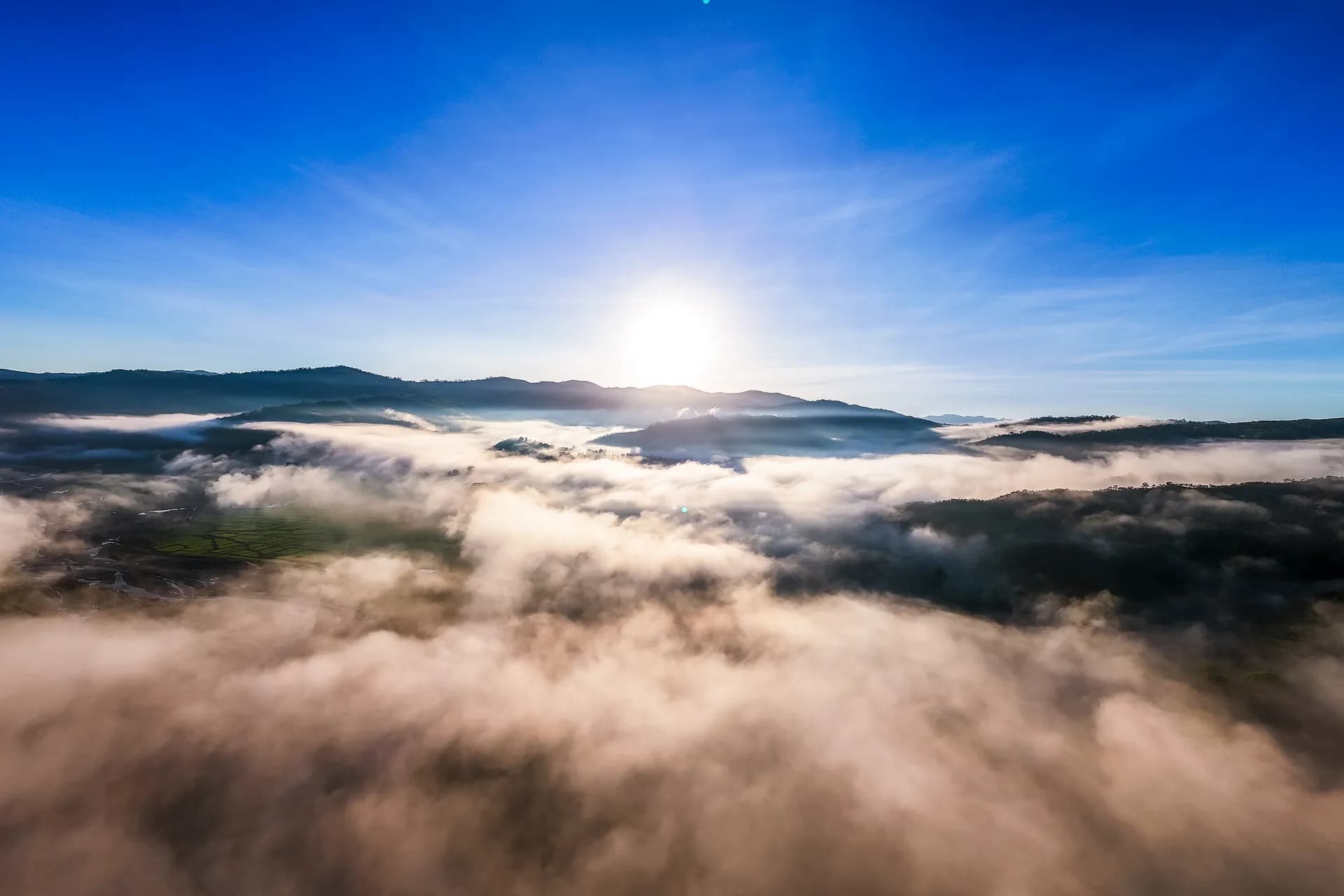
Mount Ramelau summit: Pre-dawn to sunrise. The Virgin Mary statue silhouetted against the sunrise, with mist filling the valleys below, is the signature shot. You'll need to start climbing at 3am — bring a headlamp and a tripod if you want long exposures.
Baucau old town (Vila Antiga): The pink Pousada, the cathedral, the colonial-era shopfronts — best in the morning light when the streets are quiet. The view from Calvario shrine over the coast is exceptional.
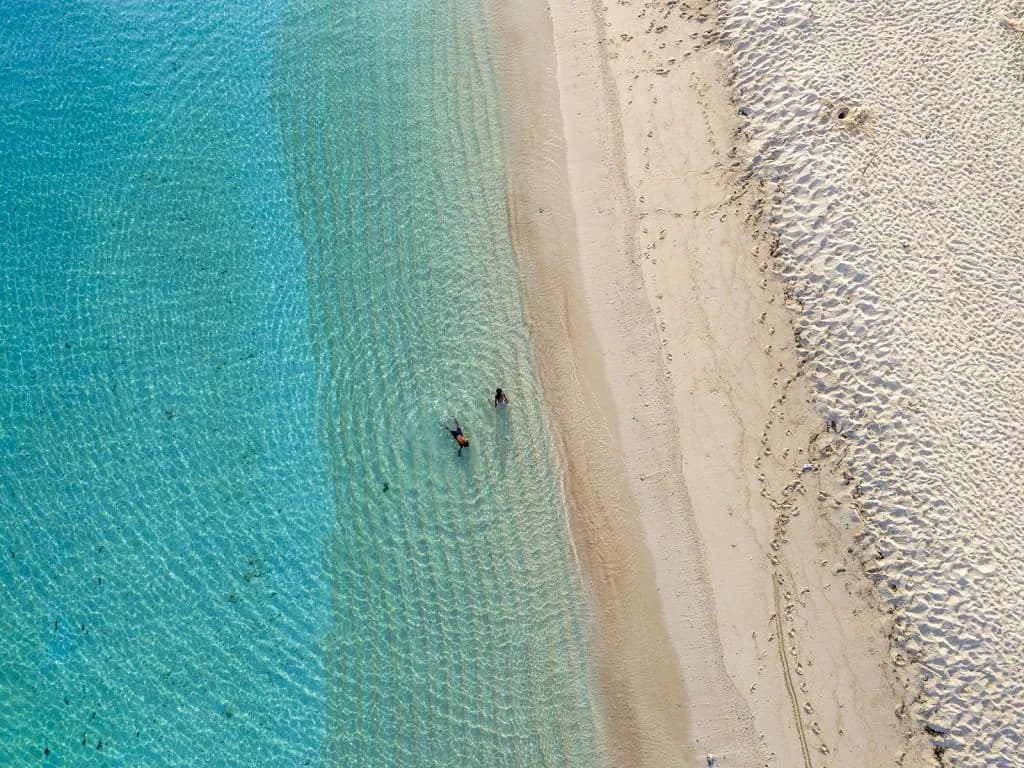
Jaco Island: White sand, turquoise water, zero human structures. Midday light works here because the water color is so intense. Wide-angle shots of the untouched beach against volcanic hills are difficult to take badly.
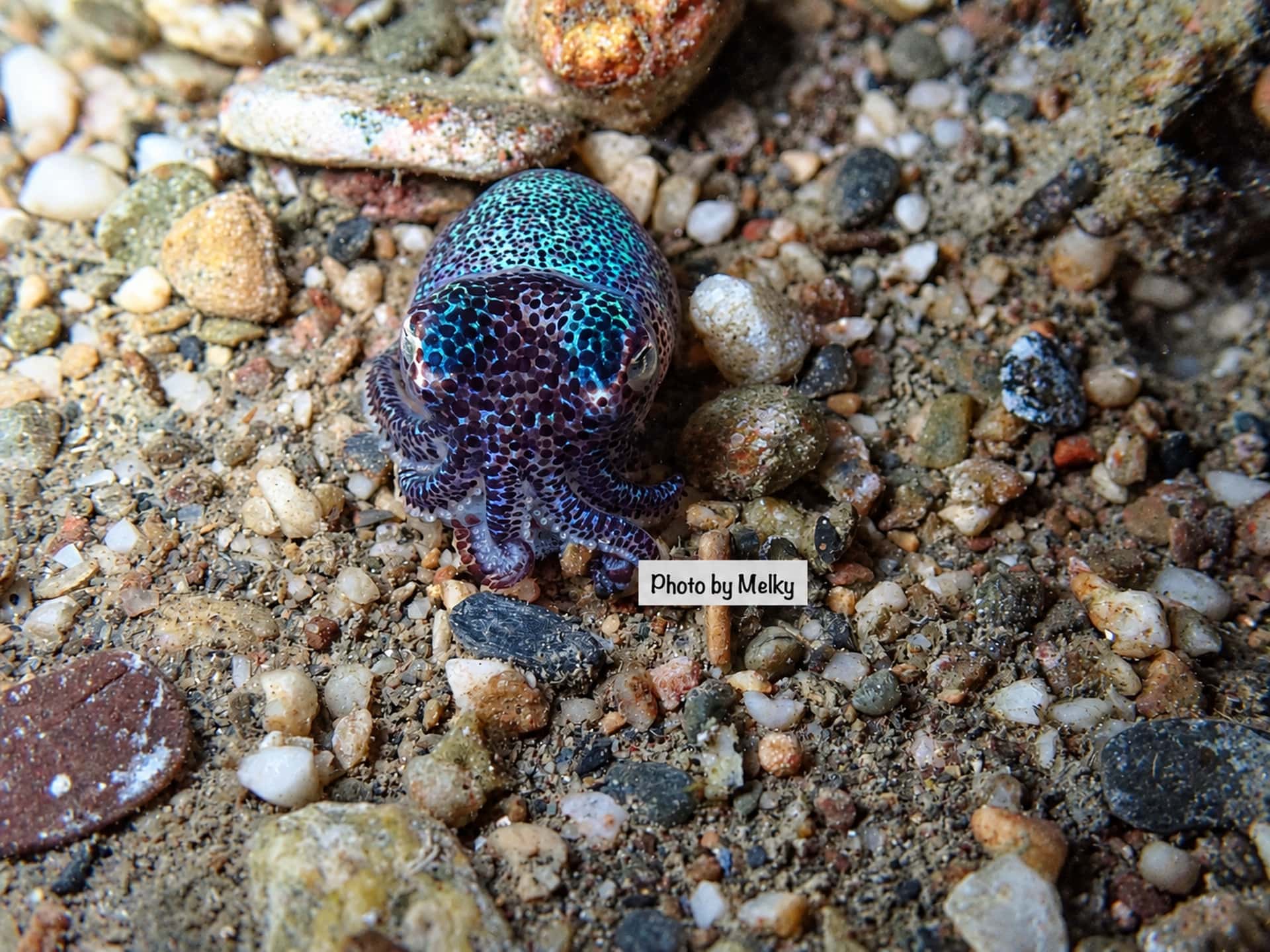
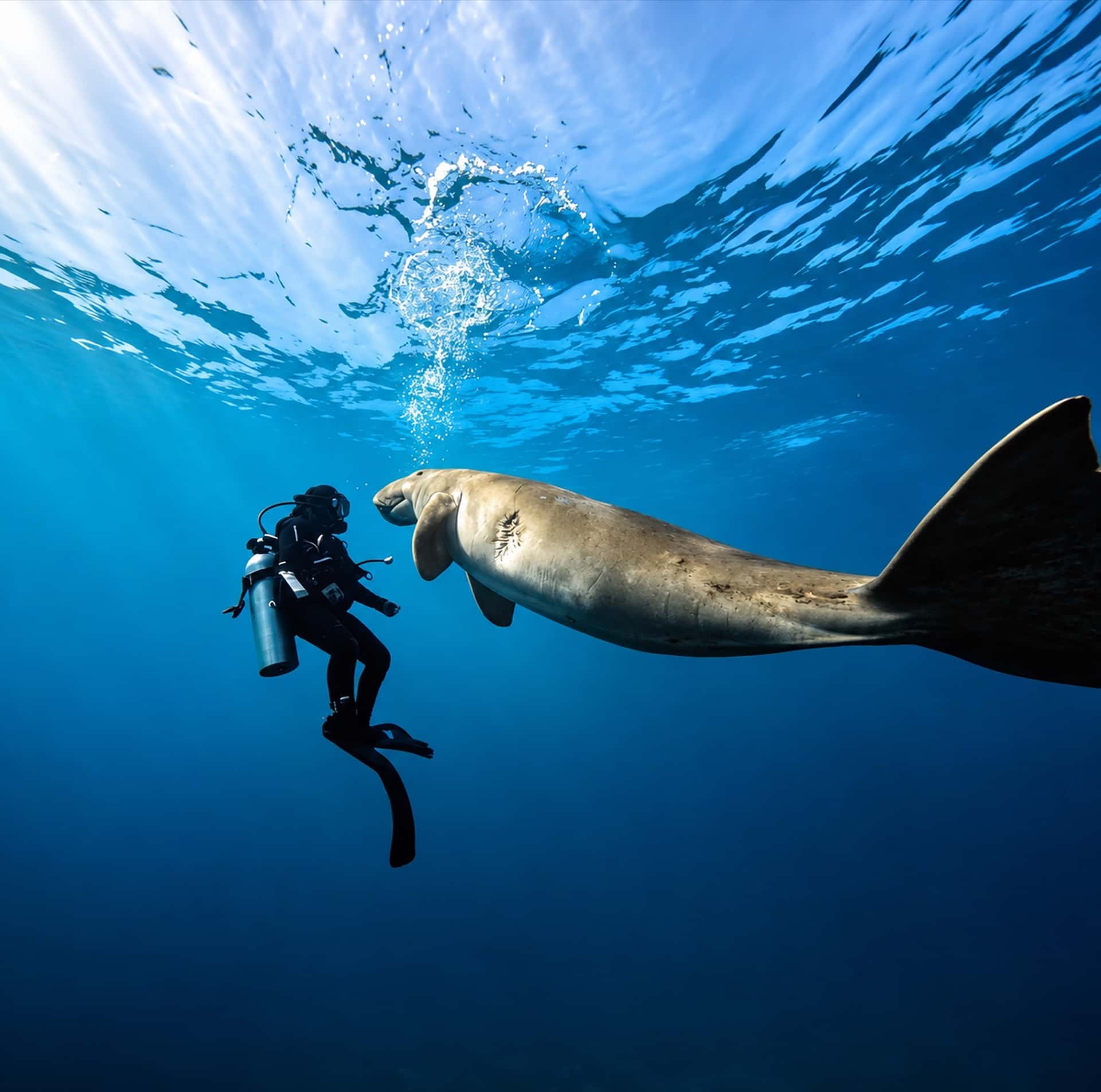
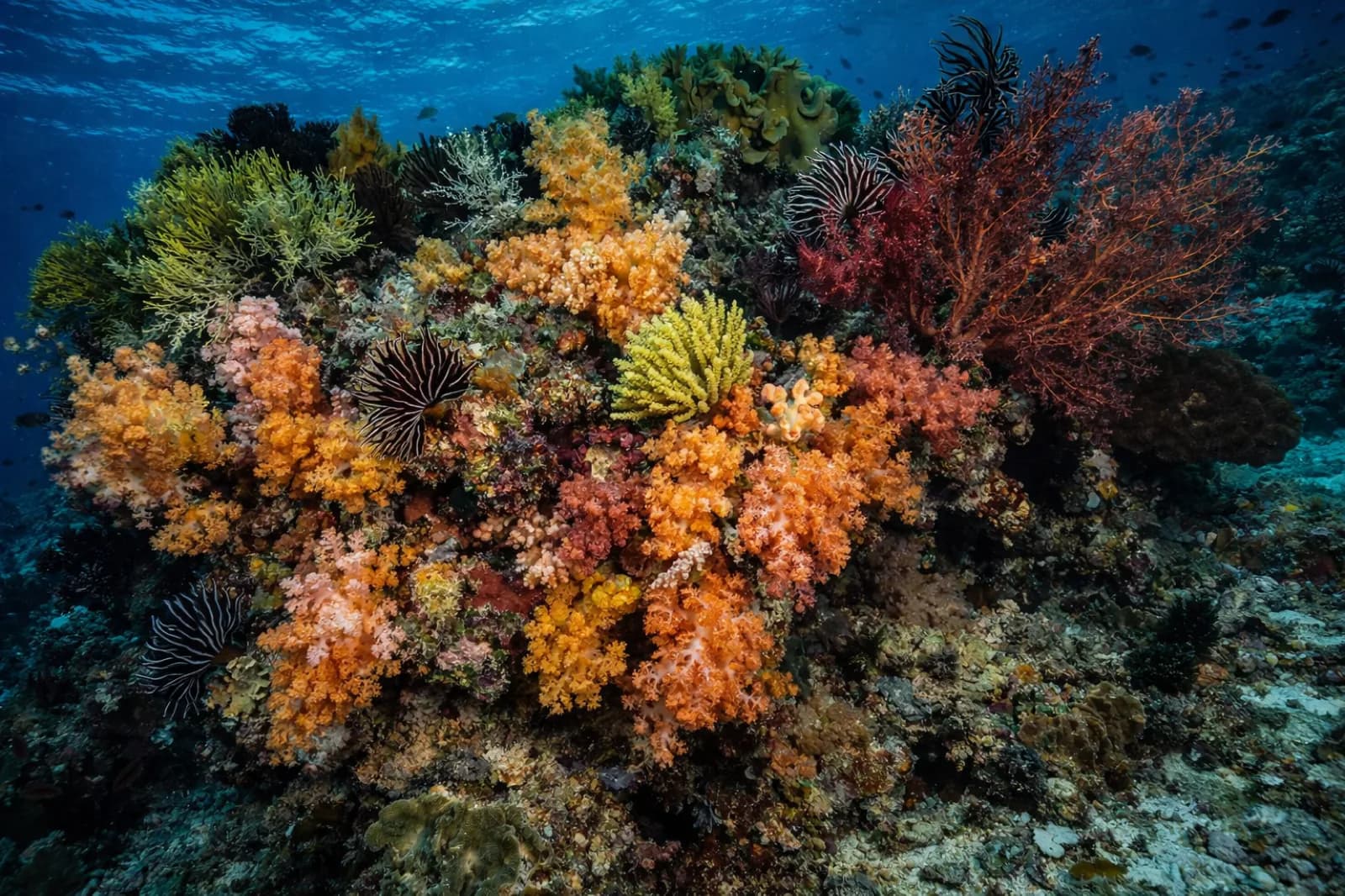
The reefs around Atauro are world-class for underwater photography. Over 300 reef fish species per site, pristine hard coral, and visibility of 15-30+ meters. Macro subjects (pygmy seahorses, nudibranchs, flamboyant cuttlefish) are abundant. Wide-angle reef scenes with schools of fish and dramatic coral walls work beautifully.
You'll need your own underwater camera — rental isn't widely available. A GoPro works for casual shooting. For serious underwater photography, bring a mirrorless or DSLR in a housing with strobes. Dive operators on Atauro (Compass Diving, Atauro Dive Resort) are experienced with underwater photographers and will accommodate longer bottom times for shooting.
Night dives on Atauro offer exceptional macro opportunities — mandarin fish, hunting cuttlefish, Spanish dancers. Talk to your divemaster about specific subjects you want to photograph; they'll know exactly which sites deliver.
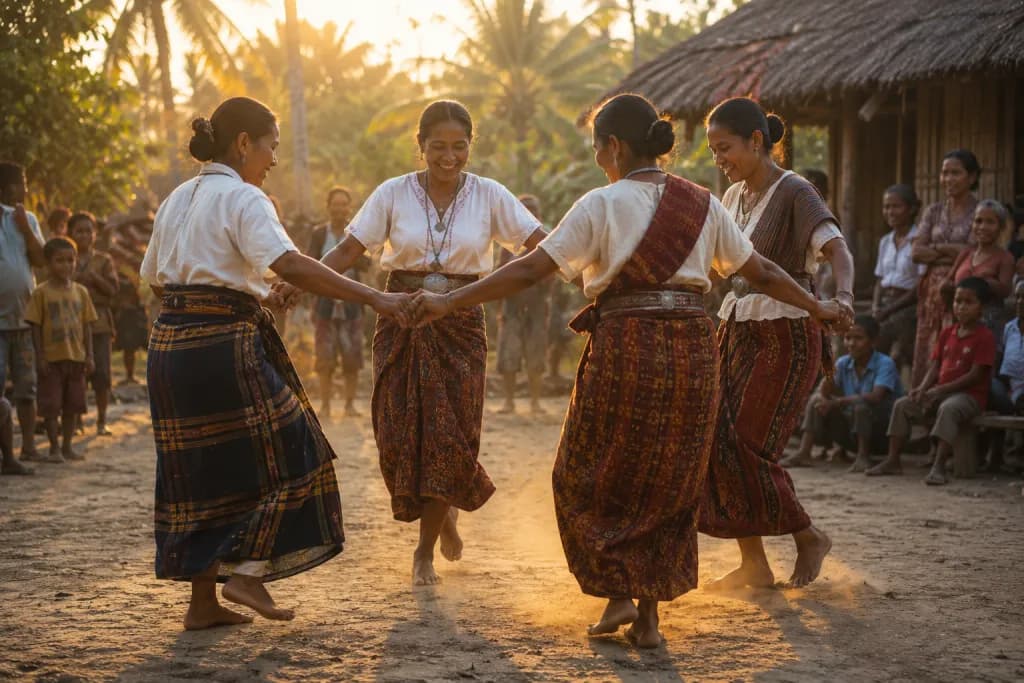
Timorese people are generally warm and willing to be photographed — but always ask first. A smile and a gesture toward your camera gets a yes or no quickly. Show people the image on your screen afterward; this gesture is appreciated and often leads to better subsequent shots.
Markets are the most photogenic everyday scenes. Baucau's old market, Dili's Taibessi market, and village markets along the coast offer color, texture, and human interaction. Early morning is best for light and activity. Avoid flash in people's faces.
At ceremonies and sacred sites (uma lulik), ask your guide or the community leader before photographing. Some ceremonies are open; others are private. When in doubt, put the camera away. The experience of being present matters more than the image.
The mountain roads are photographic gold. The drive from Dili to Maubisse — climbing from sea level through terraced rice paddies, misty eucalyptus forest, and traditional villages — is one of the most scenic routes in Southeast Asia. Stop often. The best shots are from roadside pullouts, not through the windshield.
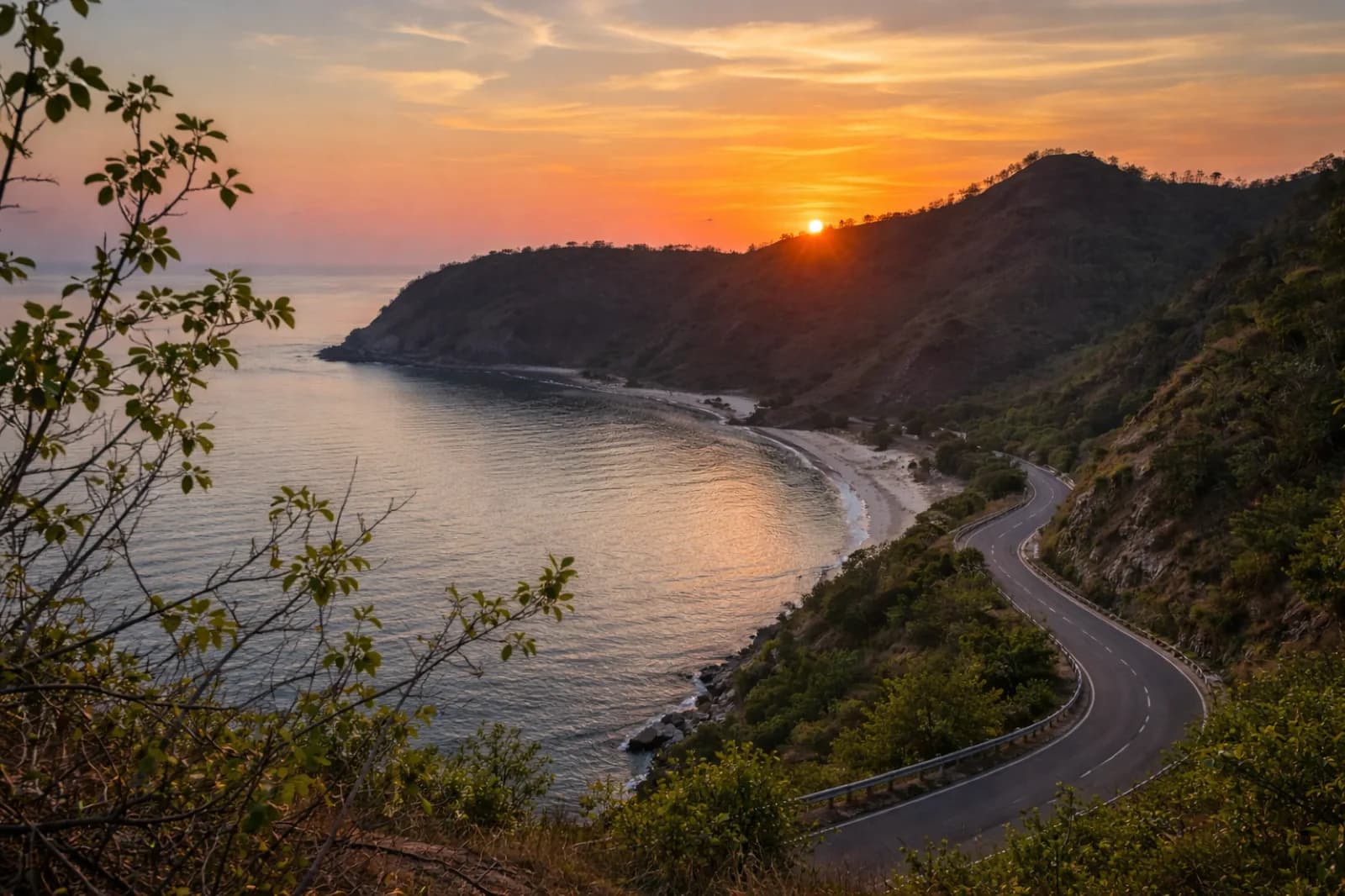
The north coast highway from Dili to Baucau hugs the shoreline with Atauro Island visible across the strait. Late afternoon light turns the coast golden. Fishing villages along this road — wooden canoes on the beach, nets drying in the sun — are timeless scenes.
The far east (beyond Baucau toward Com and Tutuala) gets wilder and more dramatic. The landscape shifts from cultivated to raw — dense forest, dramatic coastline, and the feeling of genuine remoteness. This stretch requires a 4WD and rewards photographers willing to make the effort.
Bring everything you need. Camera gear is not available for purchase in Timor-Leste. Memory cards, batteries, lens cleaning supplies, chargers — pack extras of all of it. Power outages happen outside Dili, so bring a power bank for charging.
Drone regulations: Timor-Leste has no formal drone registration system as of 2026, but be sensible. Don't fly over military installations, government buildings, or the airport. Ask permission before flying over villages. The aerial perspectives are stunning — the Atauro coastline, Ramelau's summit ridge, and Jaco Island are extraordinary from above.
Dust and humidity are constant enemies. Keep cameras in sealed bags when not shooting. Wipe lenses frequently. The coast is humid and salty; the highlands are dusty. A rain cover for your bag is essential in wet season.
Internet speeds are among the slowest globally. Don't plan to upload large files while traveling. Edit and upload when you're back in Dili or after leaving the country. Download offline maps and references before heading out.
3 experiences connected to this guide


Iconic shore sites: Cristo Rei, Tasi Tolu & Dili Rock

Coral walls, anemone gardens & a wreck
May to October for clearest skies and best visibility. October-November adds whale watching and dramatic sea conditions. Wet season (December-April) brings moody skies and lush green landscapes — different, not worse.
Continue planning your trip to Timor‑Leste
Places mentioned in this guide