Request · free to ask
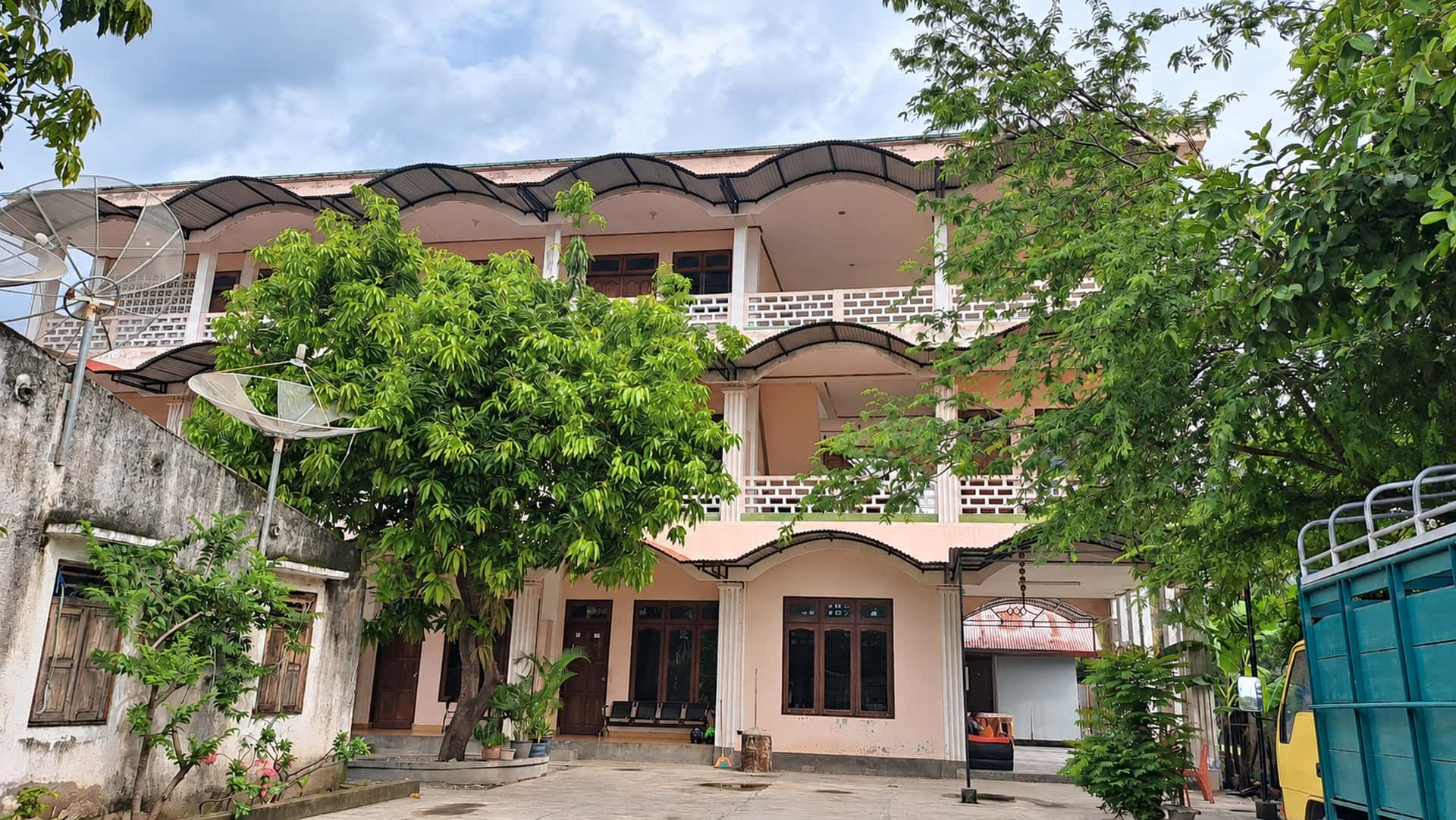
Hotel Inur Sakato
Pante Macassar, OecusseHotel · 4 room options
3.8(19 · Google)
From $25 per night
View details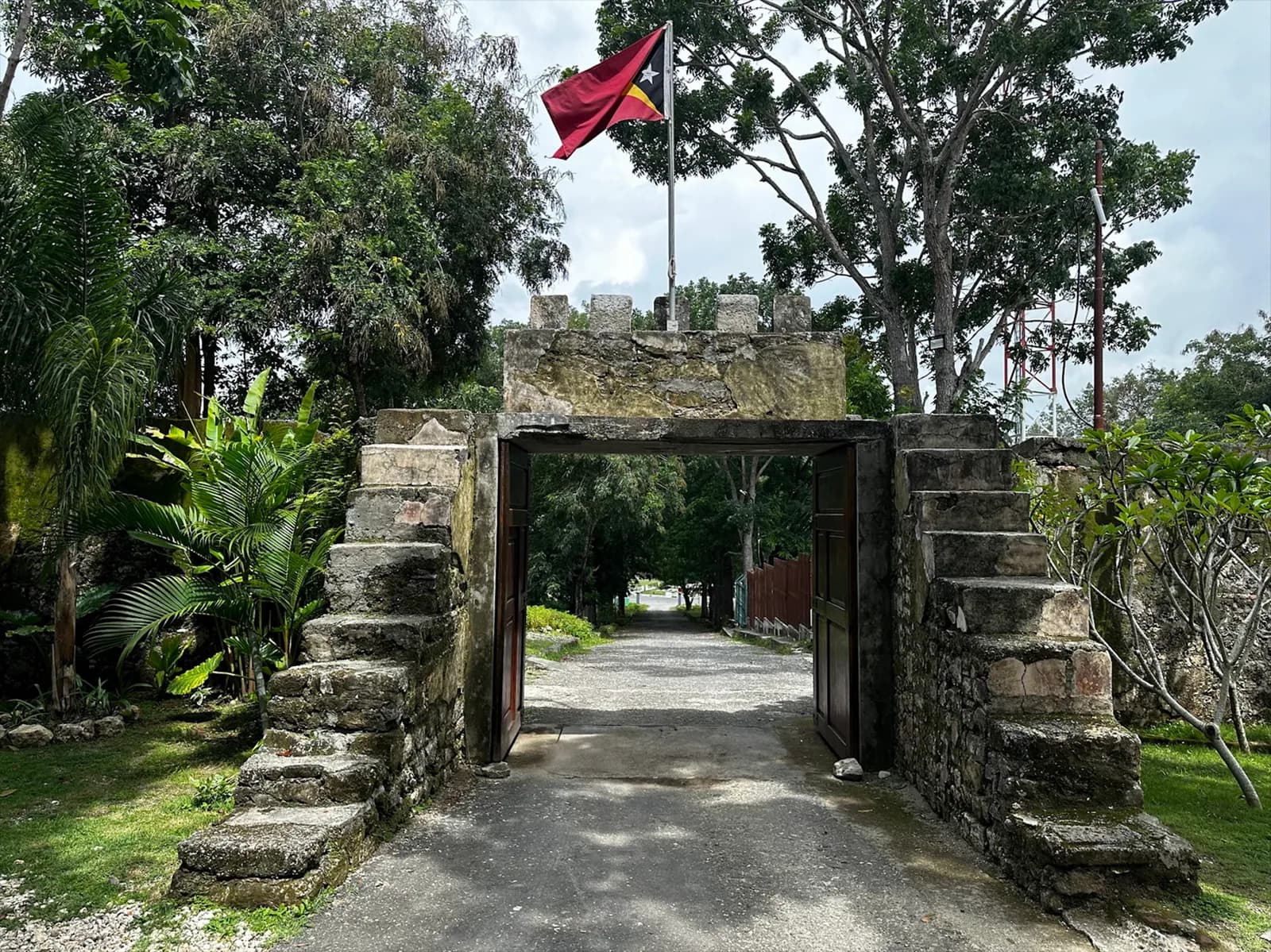
Timor-Leste's forgotten enclave
Oecusse: Timor-Leste's forgotten enclave. A Timorese exclave completely surrounded by Indonesian West Timor. The first place the Portuguese landed in 1515, now a quiet backwater with mud geysers, reef snorkeling, and the feeling of being somewhere genuinely off the map.
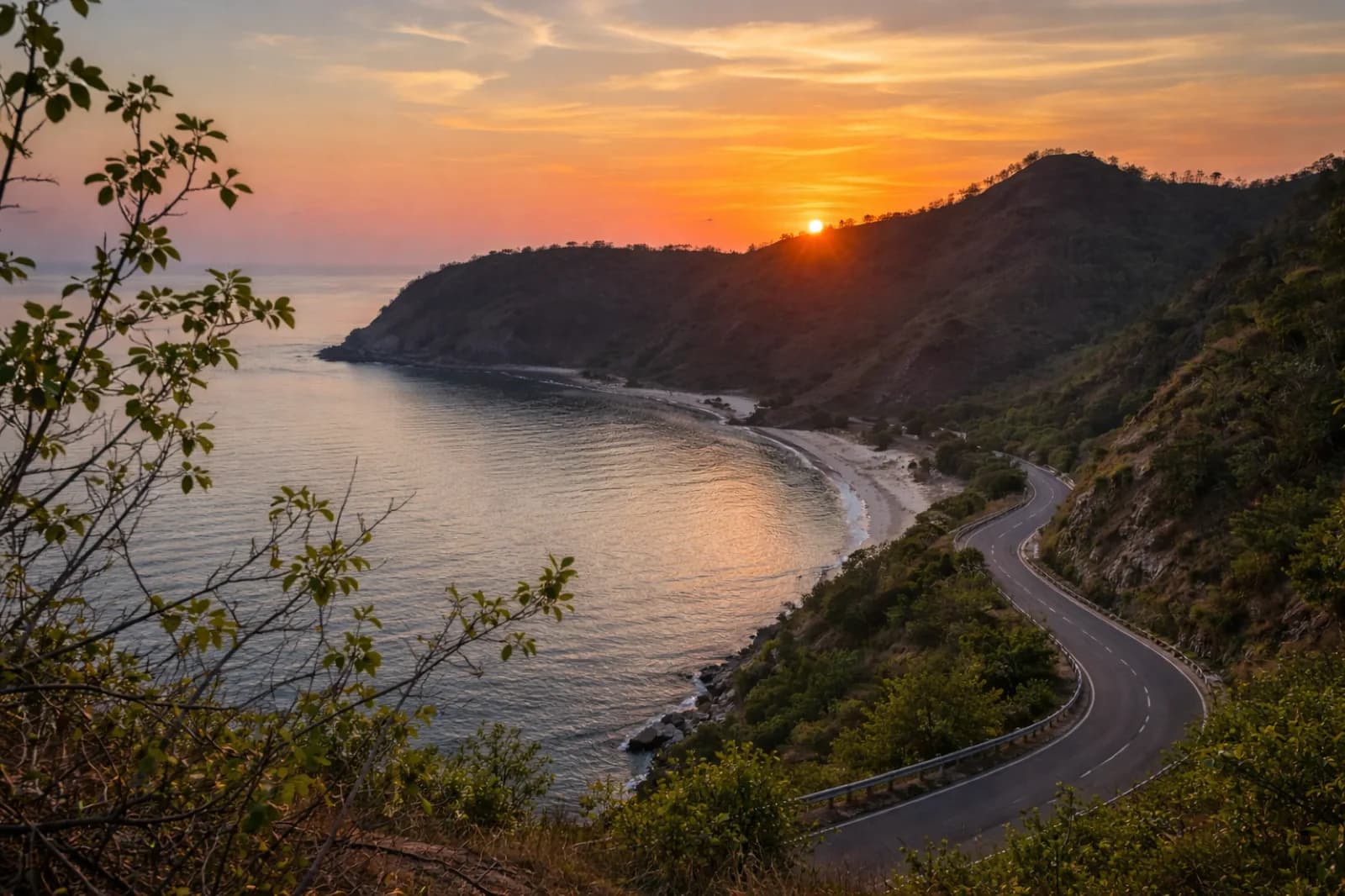
Oecusse (Oé-Cusse) is unlike anywhere else in Timor-Leste. It's an exclave: a piece of Timorese territory completely surrounded by Indonesian West Timor. About 2,700 square kilometers with around 80,000 people, it sits on the northwest coast of Timor island, separated from the rest of the country by roughly 60 kilometers of Indonesian territory.
This is where the Portuguese first established themselves on Timor in 1515, drawn by the sandalwood trade. The Lifau monument on the coast marks the spot. Oecusse served as the colonial capital from 1702 to 1769, before Dutch attacks forced relocation to Dili. That early history gives Oecusse a sense of deep significance that its quiet present-day streets don't immediately reveal.
Pante Macassar is the main town: small, flat, and spread out. A modern airport opened in 2019, and the government has invested in infrastructure (new bridges, roads, a Special Economic Zone), but Oecusse remains one of the most remote and least-visited parts of the country. For travelers, that's exactly the appeal. You won't see another tourist.
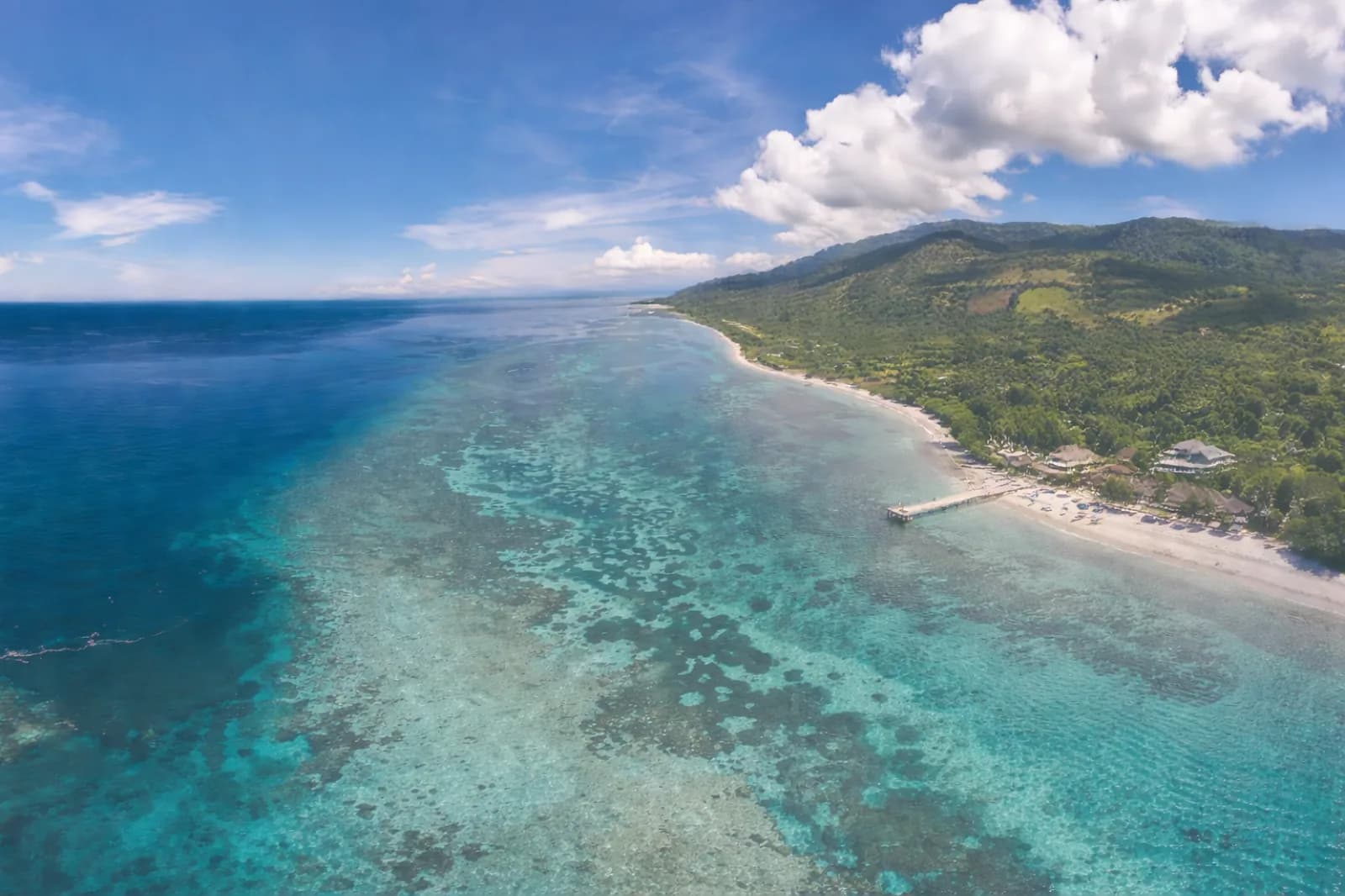
The coastline has good reef snorkeling at several beaches (St. Rosa Reef, Sakato Beach, Lifau Reef). Inland, the Oe-Poto mud geysers bubble up from the earth about 1.5 hours south of Pante Macassar. Several waterfalls in the surrounding hills are best visited in wet season (January-April).
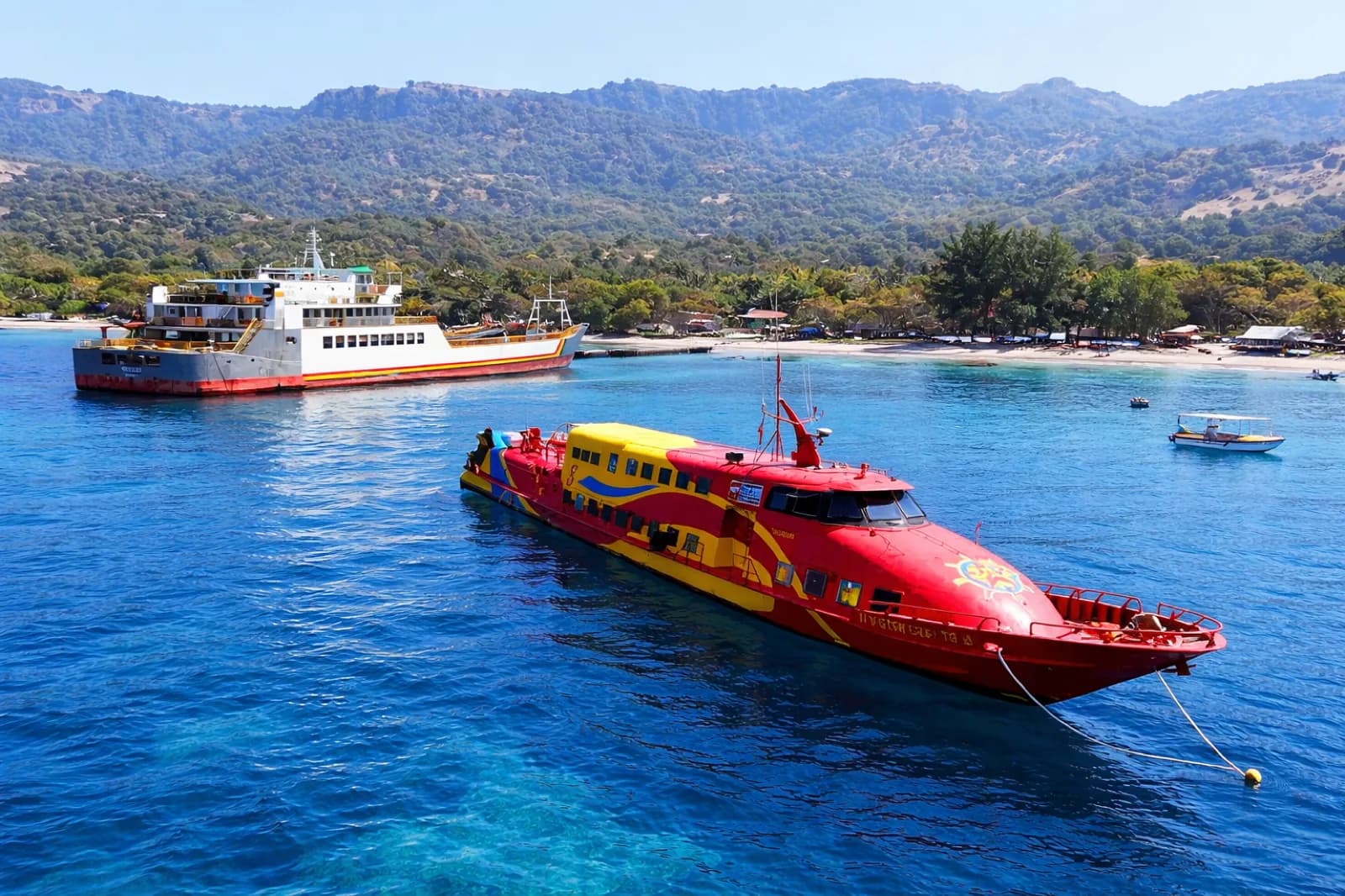
Oecusse is an exclave, surrounded by Indonesian West Timor. The ferry is the dependable way in and out: Aero Dili cut back its Oecusse flights in 2026, and a land crossing needs an Indonesian visa.
Every sailing leaves in the late afternoon and runs overnight, roughly 13 hours, arriving the next morning. Book a cabin or bring something to sleep on.
| Day | Vessel | Boarding | Price |
|---|---|---|---|
| Tuesday | Berlin Ramelau | 17:00 | $8 |
| Wednesday | MV Success | 16:00 | $10 |
| Friday | Berlin Ramelau | 17:00 | $8 |
| Sunday | MV Success | 16:00 | $10 |
| Day | Vessel | Boarding | Price |
|---|---|---|---|
| Monday | MV Success | 16:00 | $10 |
| Wednesday | Berlin Ramelau | 17:00 | $8 |
| Thursday | MV Success | 16:00 | $10 |
| Sunday | Berlin Ramelau | 17:00 | $8 |
Berlin Ramelau is the newer, larger ship and the cheaper fare. (APORTIL ticket office, 30 August 2026)
The Lifau monument marks where the Portuguese first landed on Timor in 1515. The Igreja de Nossa Senhora do Rosário (1965) is nearby. Fatu-Suba, a historic prison site turned pilgrimage point, offers panoramic views after a 30-minute uphill walk via the Via Sacra trail.
About 1.5 hours south of Pante Macassar, natural mud geysers bubble up from the earth: a surreal geological feature. Most impressive during wet season (January-April). You'll need a guide and transport to reach them.
Several reef sites along the coast offer good snorkeling: St. Rosa Reef, Aosnak Beach, Sakato Beach, and Lifau Reef. Bring your own gear: nothing is available to rent. The reefs are healthy and largely undived.
The hills around Oecusse offer several walking trails with waterfalls: Cutete Waterfalls (3-hour return), Maombelon Waterfall (45 minutes), and the Nu'uba'u-Fonte Sagrada trail (3 hours). Local guides are required for most routes.
The town itself is worth a slow morning. Ride the electric tuk-tuks (tum-tums, 50 cents), visit the market, see the churches, and soak up the atmosphere of a place that time genuinely forgot. Bicycle rental is available at $1/hour or $3/day.
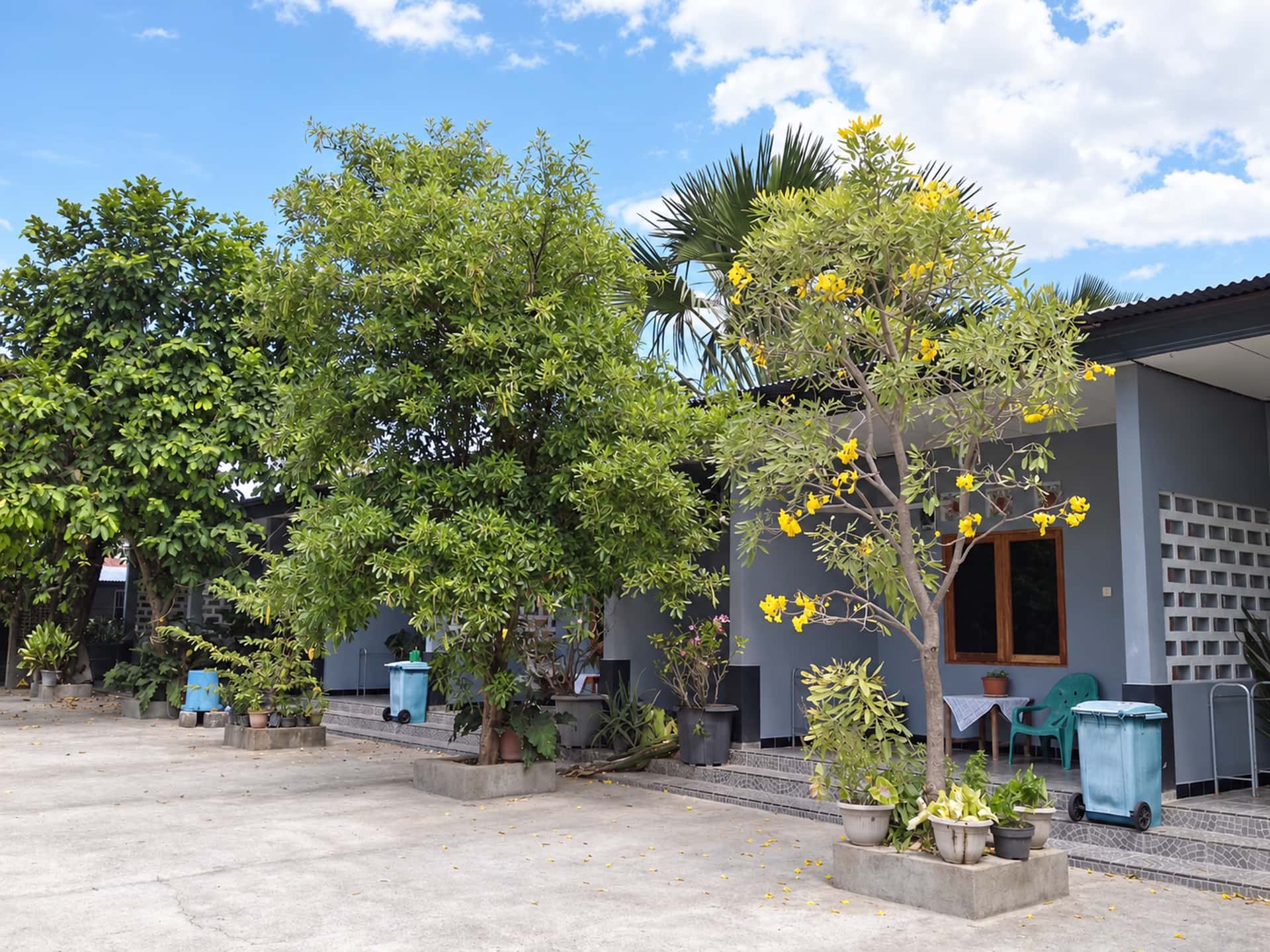
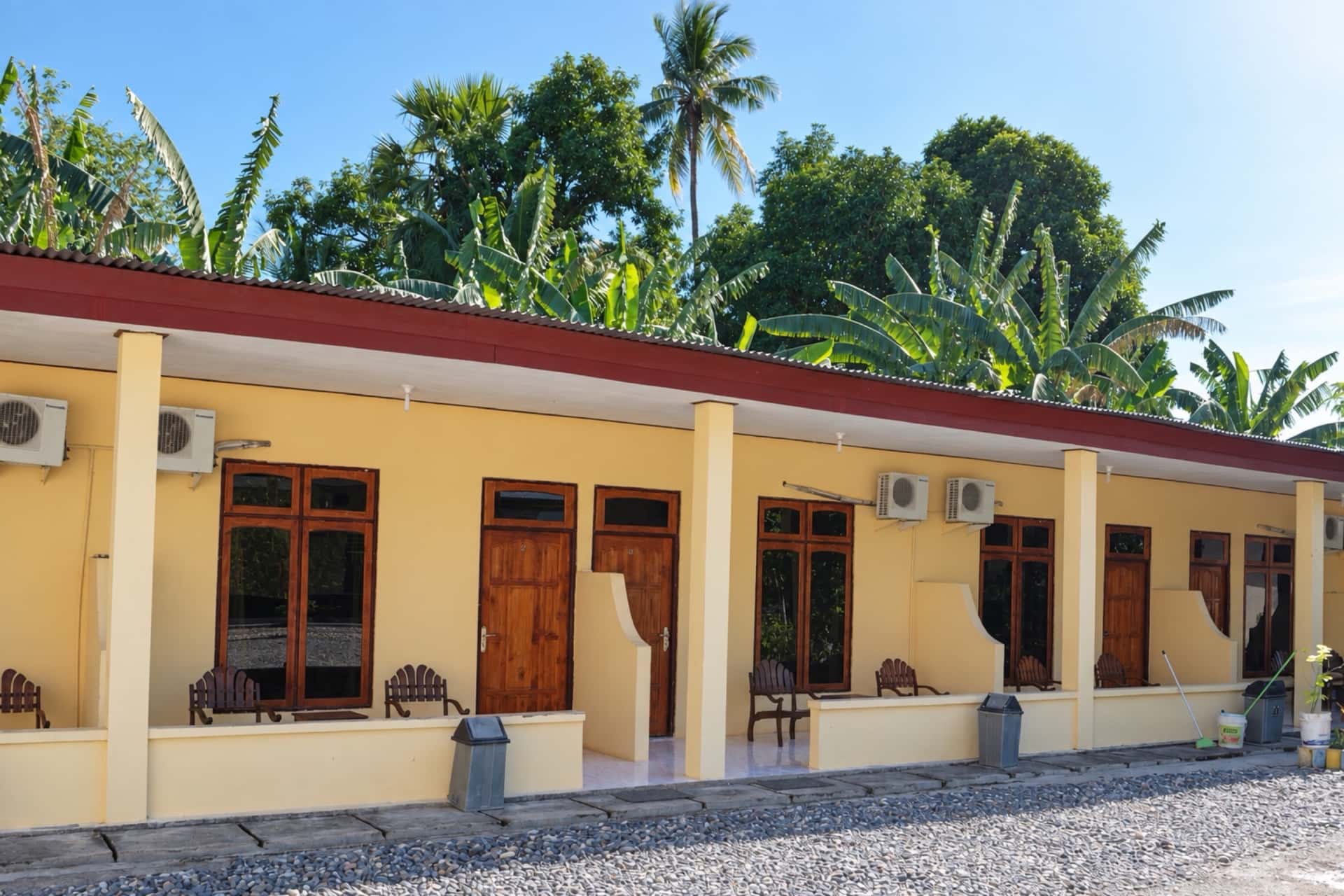
3 places to stay
Oecusse is safe. The main risks are logistical: limited medical facilities, unreliable transport connections, and isolation if something goes wrong. Bring a first aid kit. If entering overland from Indonesia, verify visa requirements in advance. Border fees of up to $35 each way may apply.
Transport, accommodation, tours: a local expert puts together a suggested plan and tries to get back to you within 24 hours.
In-depth travel guides related to this destination
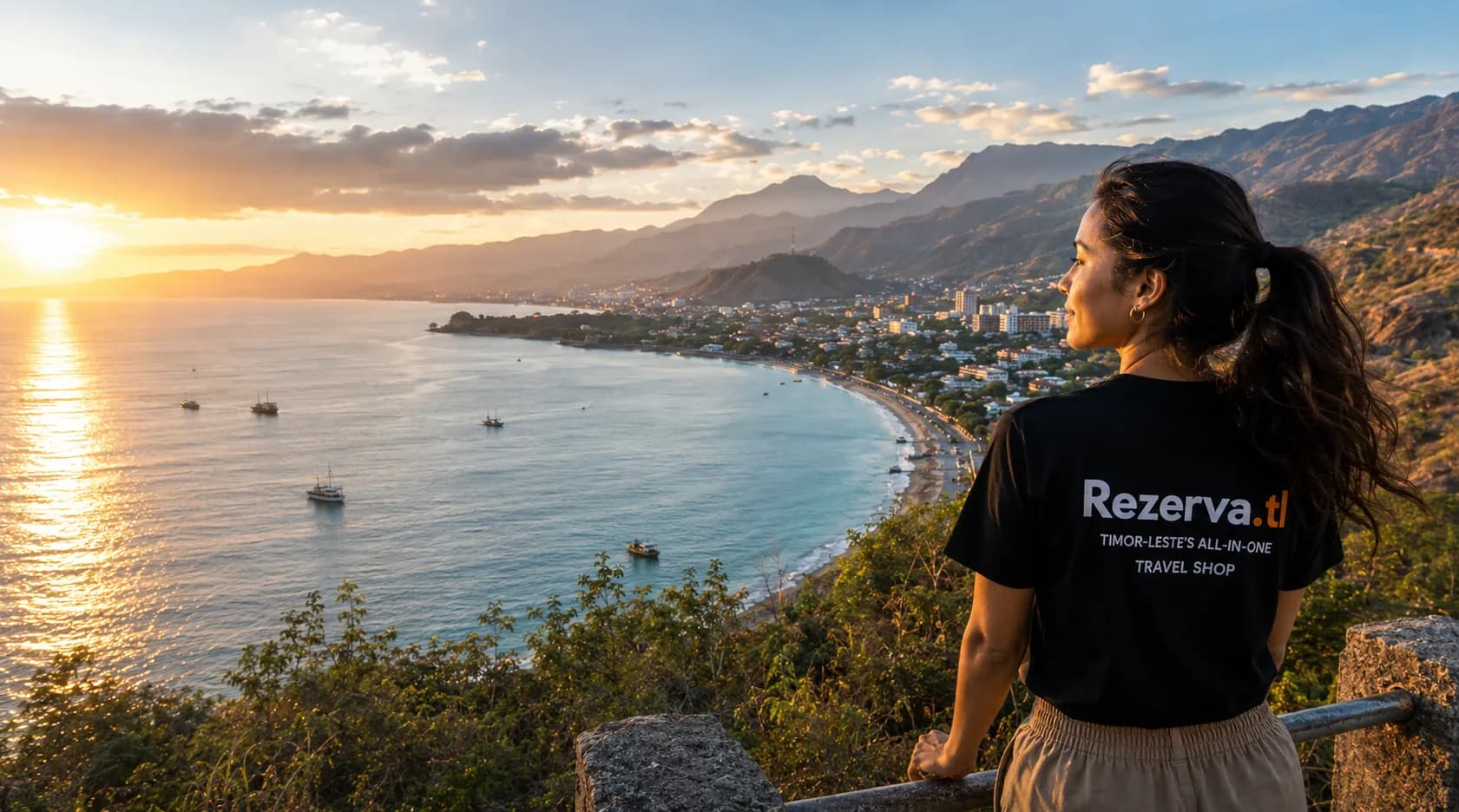
The current APORTIL timetable for the overnight ferry between Díli and Oecusse
Read guide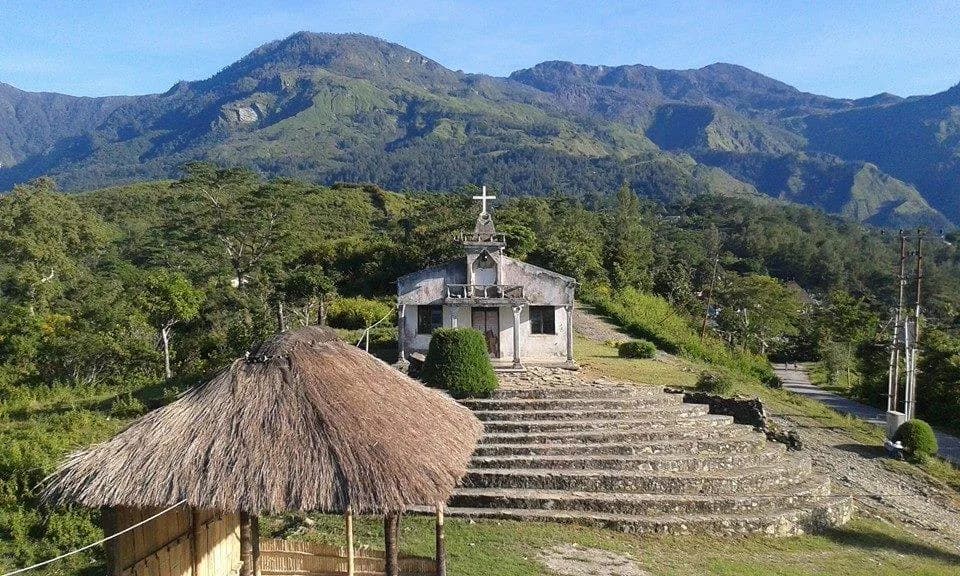
Independence celebrations, mountain pilgrimages, harvest ceremonies, and Saturday night markets
Read guide
Tais weavings, carved spirits, and the objects that carry a nation's memory
Read guideMore destinations in Timor‑Leste