Instant · pay on the day
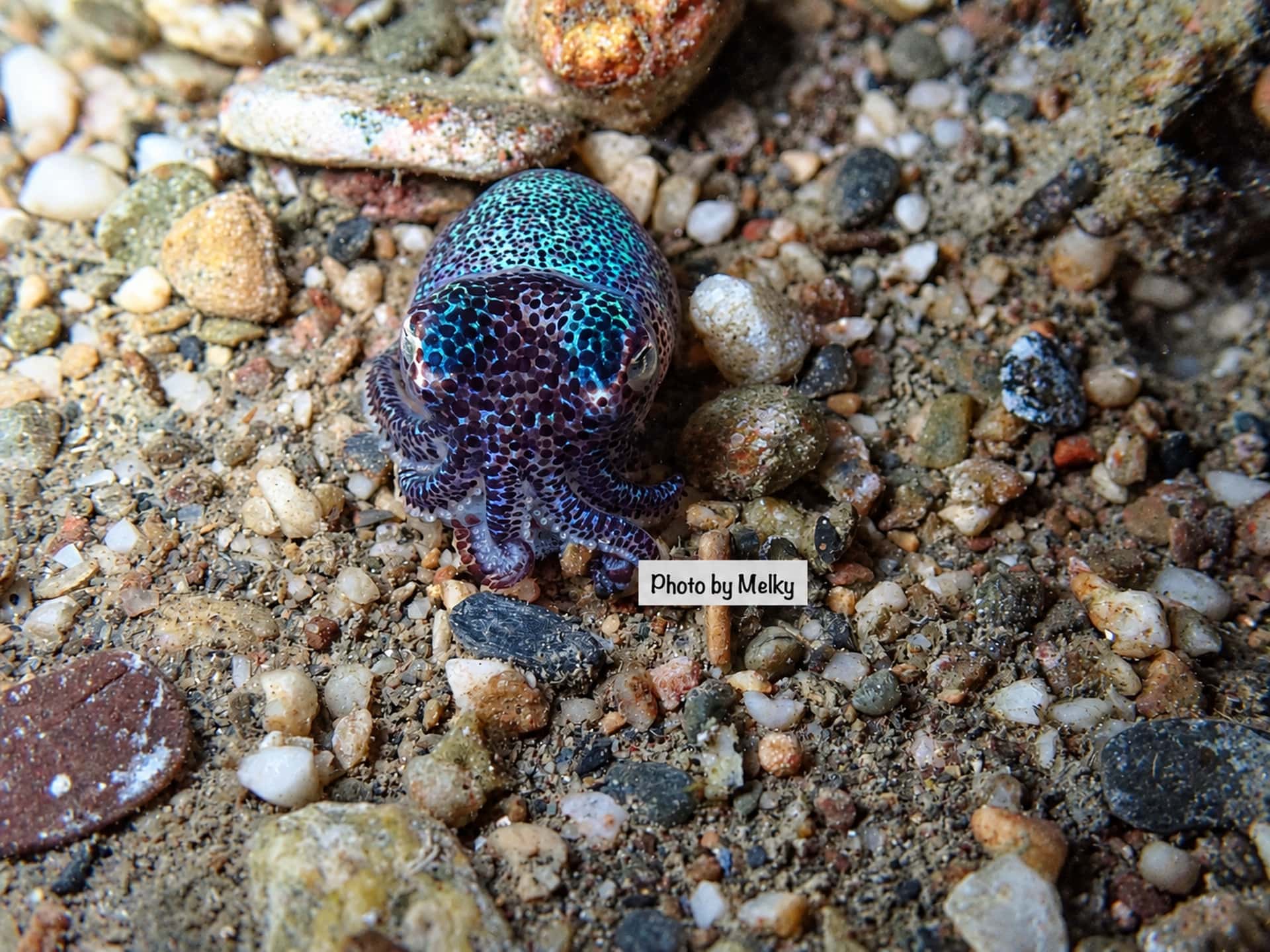
Dili Night Dive
DiliUp to 1 dayDreamers Dive Academy Timor
DivingModerateMax 4Pickup
Torch included
5.0(30 · Google)
$60per personMinimum 2 guests, from $120
Check dates & availability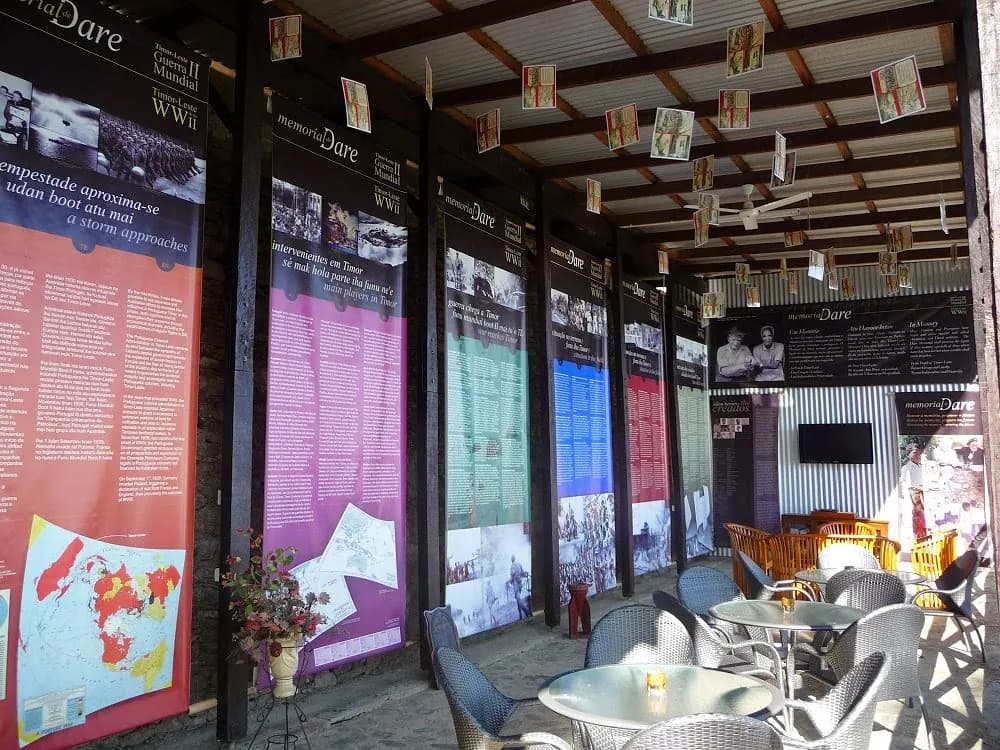
From Portuguese traders to the world's youngest nation: a story of endurance
Timor-Leste's history is one of the most dramatic in modern Asia. A small island nation that endured 450 years of Portuguese colonialism, three years of Japanese occupation, and 24 years of Indonesian military rule that killed an estimated quarter of the population, then won independence through a referendum, survived the destruction that followed, and rebuilt from ashes into a functioning democracy.
This is not background information. It's the context for everything you'll see, everyone you'll meet, and every landscape you'll cross. The elderly woman selling tais at the market lived through the occupation. The man driving your 4WD may have been a resistance fighter. Understanding this history doesn't just enrich your visit: it makes respectful engagement possible.
The island of Timor has been inhabited for at least 40,000 years. Archaeological evidence, including rock art at Ili Kere Kere in the far east, places human settlement among the earliest in the region. The island's position in the Wallacean corridor between Asia and Australia made it a crossroads for migration and trade long before Europeans arrived.
By the time Portuguese traders reached Timor in the early 1500s, the island had a complex system of small kingdoms (reinos) governed by local rulers (liurai). Sandalwood was the primary trade commodity: the forests of Timor were famous across Asia for their fragrant timber. Chinese, Malay, and Javanese traders had been visiting for centuries.
Portuguese Dominican friars established a presence on Timor around 1515, drawn by the sandalwood trade. Portugal gradually extended control over the eastern half of the island, while the Dutch claimed the west (now Indonesian West Timor). The border between the two halves, drawn in treaties in 1859 and 1914, still defines the international boundary today.
Portuguese colonial rule was distant and extractive. Dili became the capital in 1769. The Portuguese built churches, government buildings, and a thin administrative layer, but invested little in infrastructure, education, or healthcare. By the time of the 1974 Carnation Revolution in Portugal, which ended the dictatorship and triggered decolonization, Timor-Leste had a 90% illiteracy rate and virtually no modern infrastructure.
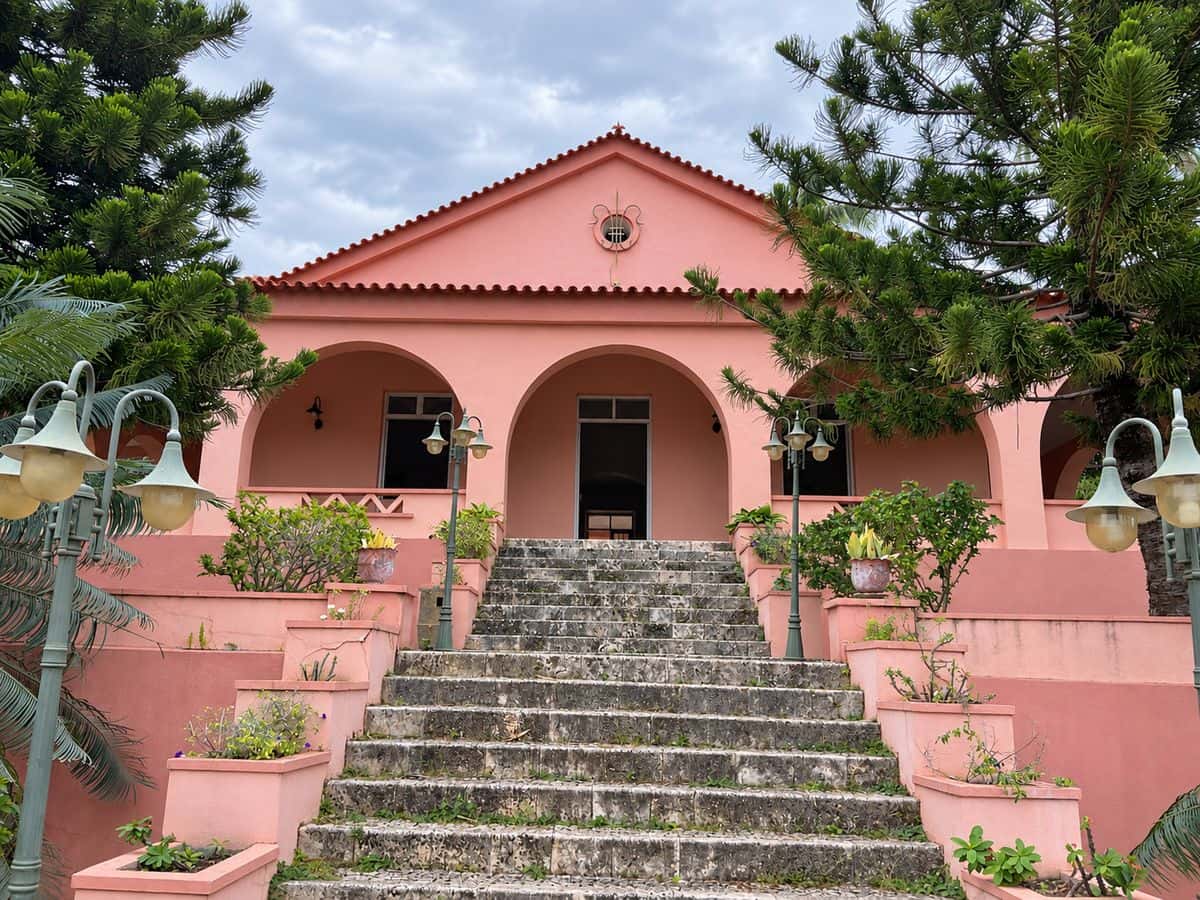
The Portuguese era left lasting marks: the Catholic faith (now 97% of the population), Portuguese as a co-official language, colonial architecture in Dili and Baucau (the pink Pousada buildings), and the espresso coffee culture that feels incongruous in a Southeast Asian country.
Japan occupied Timor from 1942 to 1945. During this period, the Timorese suffered enormously. An estimated 40,000-70,000 Timorese died: from violence, forced labor, famine, and disease. Japanese forces built tunnels and fortifications using conscripted Timorese labor; the tunnels at Venilale, south of Baucau, survive as a haunting memorial.
A little-known chapter: Australian commandos fought a guerrilla campaign against the Japanese on Timor from 1942, supported by Timorese who served as guides, carriers, and fighters at enormous personal risk. When Australia withdrew, the Timorese who had helped them faced Japanese reprisals. This history created a bond between Timor-Leste and Australia that influences relations to this day.
When Portugal withdrew in 1975, the political party FRETILIN declared Timor-Leste's independence on November 28. Nine days later, on December 7, 1975, Indonesia invaded with tacit Western support: the Cold War made a left-leaning independent state in Indonesia's orbit unacceptable to the United States and Australia.
What followed was catastrophic. An estimated 100,000-180,000 Timorese died during the 24-year occupation: roughly a quarter of the pre-invasion population. Deaths came from military operations, forced starvation (the Indonesian military destroyed crops and forcibly relocated populations), disease in displacement camps, and summary executions. The occupation was characterized by systematic brutality, including the use of torture, disappearances, and sexual violence.
On October 16, 1975, five Australian-based journalists, Greg Shackleton, Gary Cunningham, Malcolm Rennie, Brian Peters, and Tony Stewart, were killed by Indonesian forces in Balibo while reporting on the invasion buildup. The Balibo House, where they sheltered, is now a memorial and community center. Their deaths became a symbol of the international community's failure to prevent the invasion.
The resistance never stopped. An armed guerrilla movement (FALINTIL, led by Xanana Gusmão) fought from the mountains. A clandestine civilian network organized inside cities and towns. And a diplomatic front, led by José Ramos-Horta from exile, lobbied the United Nations for decades. Ramos-Horta and Bishop Carlos Ximenes Belo were awarded the Nobel Peace Prize in 1996 for their efforts.
The turning point came on November 12, 1991. At the Santa Cruz Cemetery in Dili, Indonesian soldiers opened fire on a peaceful memorial procession, killing over 250 people. A journalist, Max Stahl, smuggled footage out of the country. The massacre was broadcast globally and transformed international opinion.
Through the 1990s, diplomatic pressure mounted. After the fall of Indonesia's Suharto regime in 1998, the new president B.J. Habibie agreed to a UN-supervised referendum. On August 30, 1999, 78.5% of voters chose independence, despite widespread intimidation by Indonesian-backed militias.
The aftermath was devastating. Militias, supported by elements of the Indonesian military, launched a campaign of destruction. An estimated 1,400 people were killed. 70% of the country's infrastructure was destroyed: burned, demolished, looted. Approximately 250,000 people were forcibly displaced to West Timor. International forces (INTERFET, led by Australia) eventually intervened to restore order.
Timor-Leste formally restored its independence on May 20, 2002: becoming the first new sovereign state of the 21st century. The United Nations administered the territory from 1999 to 2002 (UNTAET), building institutions from scratch in a country where almost everything had been destroyed.
The country has faced setbacks: a political crisis and internal violence in 2006, ongoing poverty and infrastructure challenges, dependence on oil and gas revenues. But it has also held multiple peaceful elections, maintained a free press, and built a functioning democracy in conditions that would have defeated many nations.
Today, Timor-Leste is among the poorest countries in Asia but also among the most hopeful. The median age is about 20. The oil fund provides a financial buffer but will eventually run down. Tourism, coffee, and fisheries are the foundation of the economic future. The resilience of the people, who survived colonialism, occupation, and destruction, is visible in every interaction you'll have.
Torch included
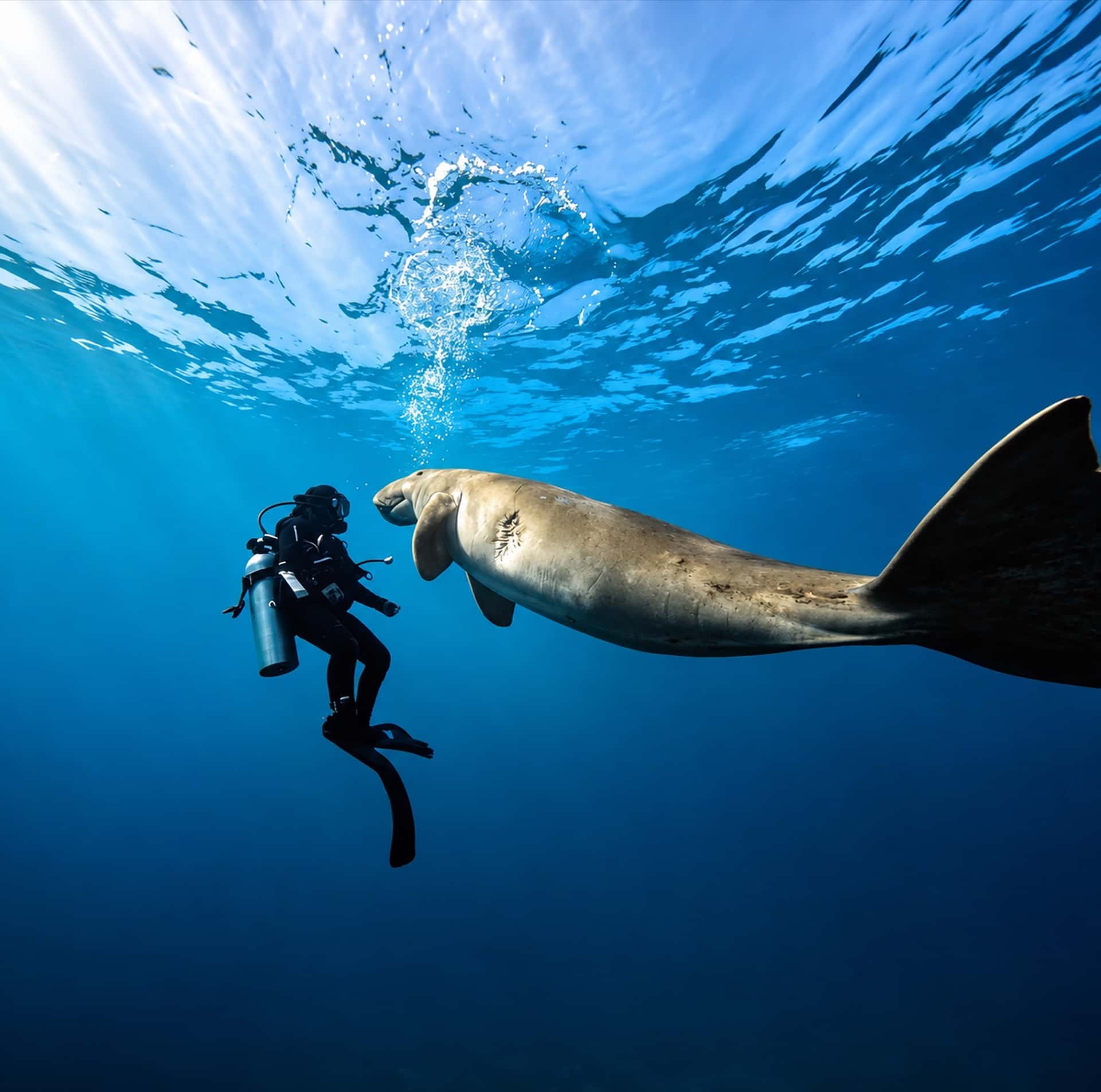
Iconic shore sites: Cristo Rei, Tasi Tolu & Dili Rock
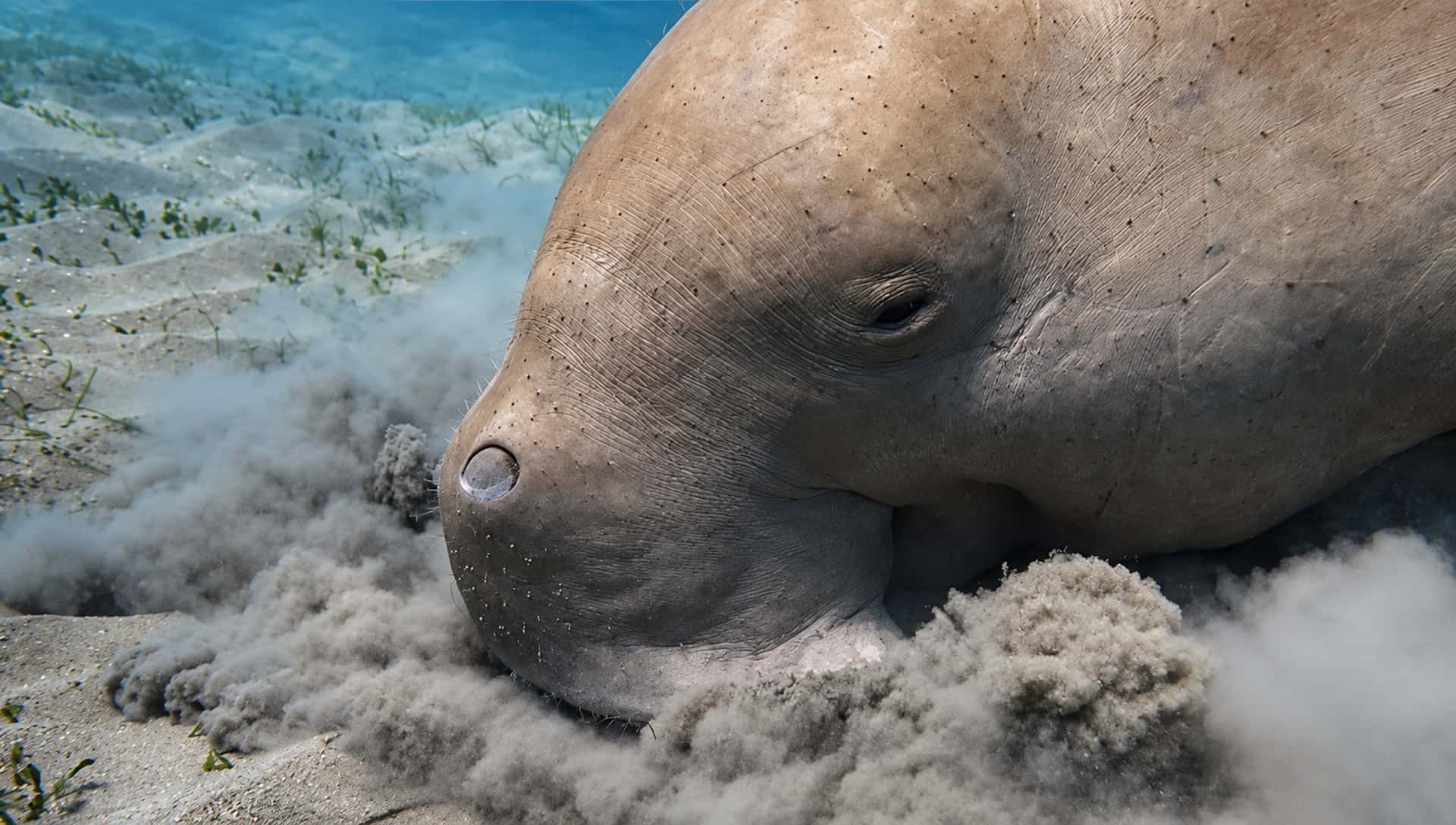
All-inclusive: gear, guide, transport & snacks
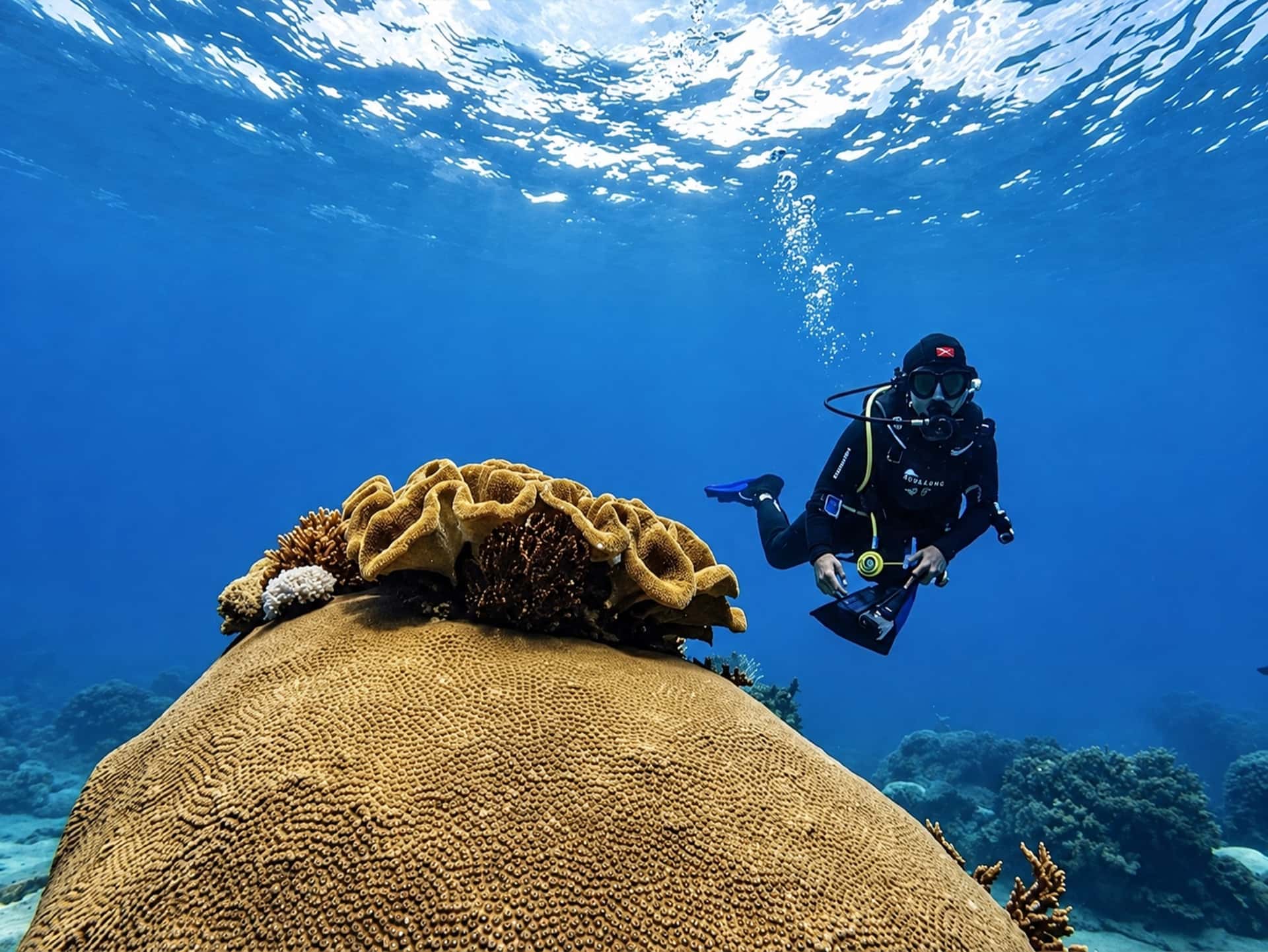
No experience needed
Dili · Baucau

Dili. Site of the 1991 massacre. Open daily. Free. A place of quiet mourning.
Dili. The 27m statue (2002) symbolizes faith and independence. Panoramic harbor views from the hilltop.
Year-round. Independence Day celebrations (May 20) and the November 12 Santa Cruz commemoration are particularly significant dates to visit.
New experiences, insider tips, and seasonal highlights. No spam, just useful stuff for planning your trip.
Unsubscribe anytime. We respect your inbox.
Continue planning your trip to Timor‑Leste
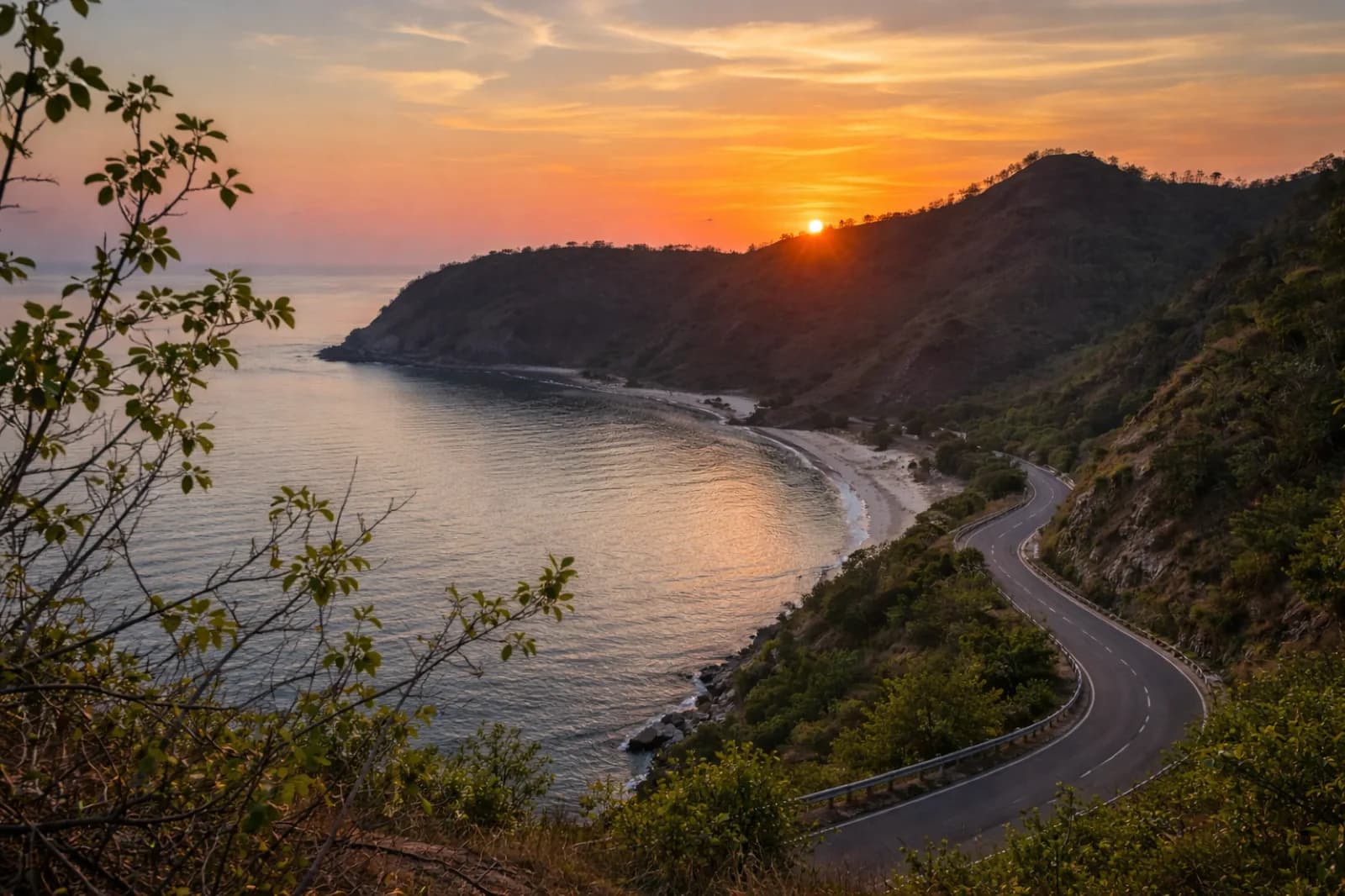
Your complete guide to Timor-Leste's coastal capital
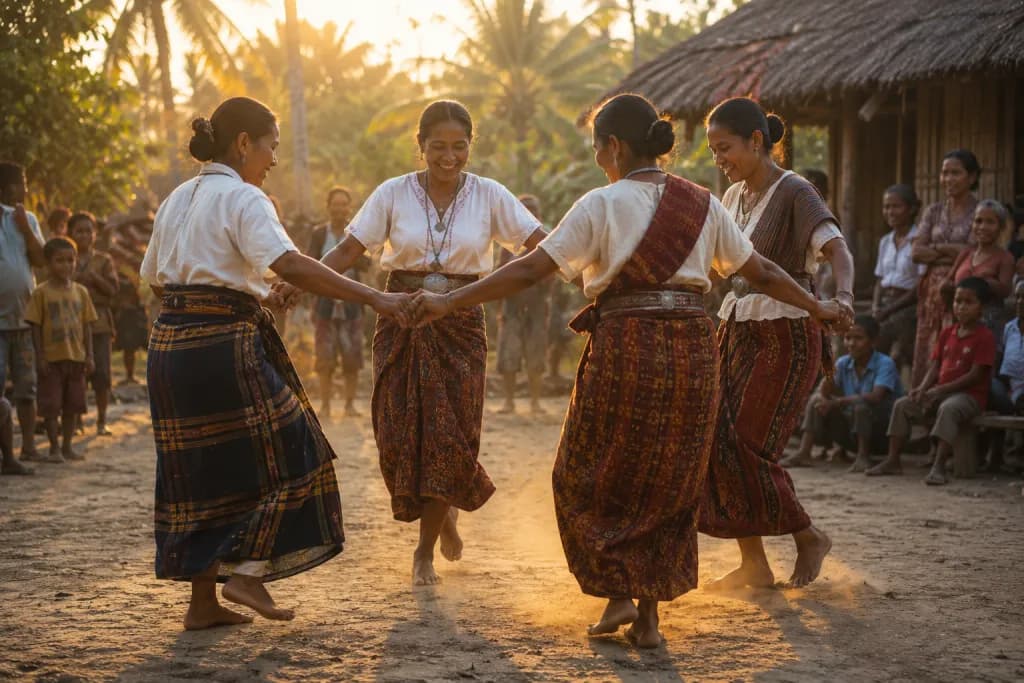
Religion, language, kinship, tais, music, and the customs that shape daily life
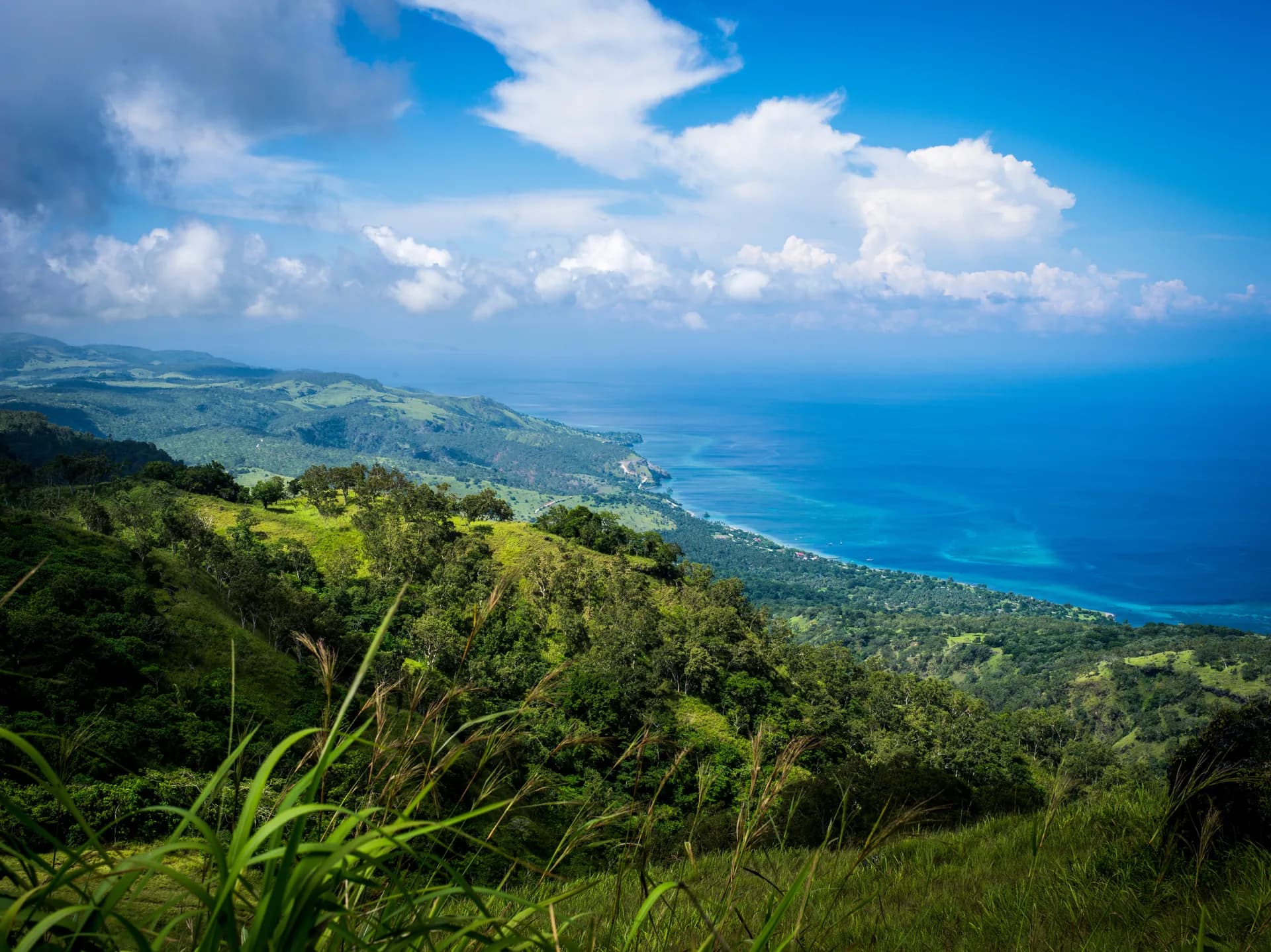
Golden hour at Cristo Rei, sunrise from Ramelau, and water bluer than your screen can render
Places mentioned in this guide