Request · reply within 24h
5-Day Timor-Leste Tour: Dili, Highlands & Baucau
Dili5 daysIsland Explorer Holidays
CoffeeModerateMax 10Pickup
Dili city tour with Cristo Rei sunset
4.8(12 · Google)
$888per person
Check dates & availability
Grilled fish, mountain coffee, and palm wine: an honest food guide
Timor-Leste is not a food destination, not yet. There are no Michelin stars, no food bloggers flying in, no night markets drawing Instagram crowds. What you'll find instead is honest, simple food shaped by Portuguese colonialism, Indonesian proximity, and the realities of a young country still building its infrastructure.
The best eating in Timor-Leste is fresh seafood grilled over charcoal, highland coffee drunk where it was grown, and cold Bintang beer on a waterfront that hasn't been gentrified. Dili has a small but genuine restaurant scene. Outside the capital, eating means local warungs, market stalls, and whatever your guesthouse cook prepares. Adjust your expectations and you'll eat well.
Timorese cuisine is simple and revolves around what's available: rice, corn, fish, greens, and coconut. Ikan sabuko is the dish you'll eat most: whole fish wrapped in banana leaf with garlic, chili, and lime, grilled over charcoal. It's found at markets and beachside stalls across the country, and when it's fresh (which it usually is), it's excellent.
Batar da'an is the national staple in rural areas: corn kernels cooked with mung beans, pumpkin, and sometimes shredded coconut. It's filling, cheap, and what most Timorese eat daily outside Dili. You'll find it at local markets and in highland villages. Koto is a vegetable stew made with moringa leaves (ai-marungi), pumpkin, and whatever greens are seasonal.
Portuguese influence shows up in caldo verde (green soup), pasteis (pastries), and the habit of strong espresso-style coffee. Indonesian influence is everywhere: nasi goreng, mie goreng, bakso (meatball soup), and tempe are ubiquitous. Most local restaurants serve some combination of all three traditions.
Dili has the country's only real restaurant scene. The waterfront strip (Avenida de Portugal) has a handful of restaurants serving grilled seafood, Portuguese-influenced dishes, and cold beer. Prices are low by international standards: a main course at a mid-range restaurant runs $8-15, a local meal at a warung is $2-4.
Lecidere Night Market is the essential Dili food experience. Stalls set up each evening serving grilled fish, satay, fried rice, and fresh juice. The atmosphere is lively, the food is cheap ($1-3 per dish), and it's where Dili residents actually eat. Go hungry.
Timor Plaza mall has a food court with Indonesian and local options: air-conditioned and reliable, if uninspiring. For coffee, Dili has a growing specialty scene: several cafes serve single-origin Timorese beans. Ask which cooperative supplied the coffee: staff are usually proud to tell you.
Outside the capital, options narrow fast. In Baucau, Maubisse, and other towns, you'll find local warungs (small eateries) serving rice with fish or chicken, fried noodles, and whatever vegetables are in season. Menus are limited or nonexistent: you eat what's been cooked that day. Expect $2-5 per meal.
On Atauro Island, eco-lodges and guesthouses typically include meals in the stay price. The food is simple, grilled fish, rice, vegetables from the garden, and often excellent precisely because it's so fresh. There are no restaurants on Atauro in the conventional sense.
In the far east (Com, Tutuala, Lospalos), food options are genuinely limited. Bring snacks from Dili or Baucau. Guesthouses may provide meals if arranged in advance, but don't assume. This is the kind of country where packing instant noodles and peanut butter is practical, not dramatic.
Coffee is the national pride. The Timor Hybrid, a natural arabica-robusta cross discovered here in the 1940s, is some of the most distinctive coffee on Earth. In Dili, you'll find it brewed specialty-style in cafes or traditional-style (strong, sweet, through a sock filter) at market stalls. In the highlands around Maubisse and Ermera, you can drink it on the farm where it was grown.
Tua sabu is Timorese palm wine: tapped from lontar palms and fermented into a mildly alcoholic, slightly sweet drink. It's served at ceremonies and social gatherings, and occasionally available at markets. Tua mutin is the distilled version: stronger and rougher. Both are acquired tastes. Bintang beer (imported from Indonesia) is available everywhere in Dili and most towns. Cold Bintang at sunset on the Dili waterfront is a ritual.
Coconut water (bee nuu) is available fresh from roadside sellers. Tap water is not safe to drink: stick to bottled water ($0.50-1 per 1.5L) or filtered water where available.
What food should I try in Timor-Leste?
Start with ikan sabuko: whole fish wrapped in banana leaf with garlic, chili, and lime, grilled over charcoal. Batar da'an (corn with mung beans and pumpkin) is the rural staple, and Portuguese and Indonesian dishes are everywhere. Don't leave without drinking Timor coffee where it's grown.
How much does a meal cost in Timor-Leste?
A local meal at a warung or market stall runs $2-4, dishes at Dili's Lecidere Night Market are $1-3, and a main at a mid-range Dili restaurant is $8-15.
Is the food safe to eat in Timor-Leste?
Freshly cooked food served hot at markets and warungs is generally fine. Tap water is not safe, stick to bottled water, and ice in Dili's established restaurants is generally made from filtered water and safe.
Can vegetarians eat well in Timor-Leste?
Vegetarian eating is manageable thanks to tempe, vegetables, and rice. Vegan and gluten-free diets are difficult to cater for outside Dili, so plan ahead.
Where is the best place to eat in Dili?
Lecidere Night Market is the essential experience: grilled fish, satay, and fresh juice where Dili residents actually eat. The waterfront strip on Avenida de Portugal is the spot for grilled seafood and a cold beer.
3 experiences connected to this guide
Dili city tour with Cristo Rei sunset
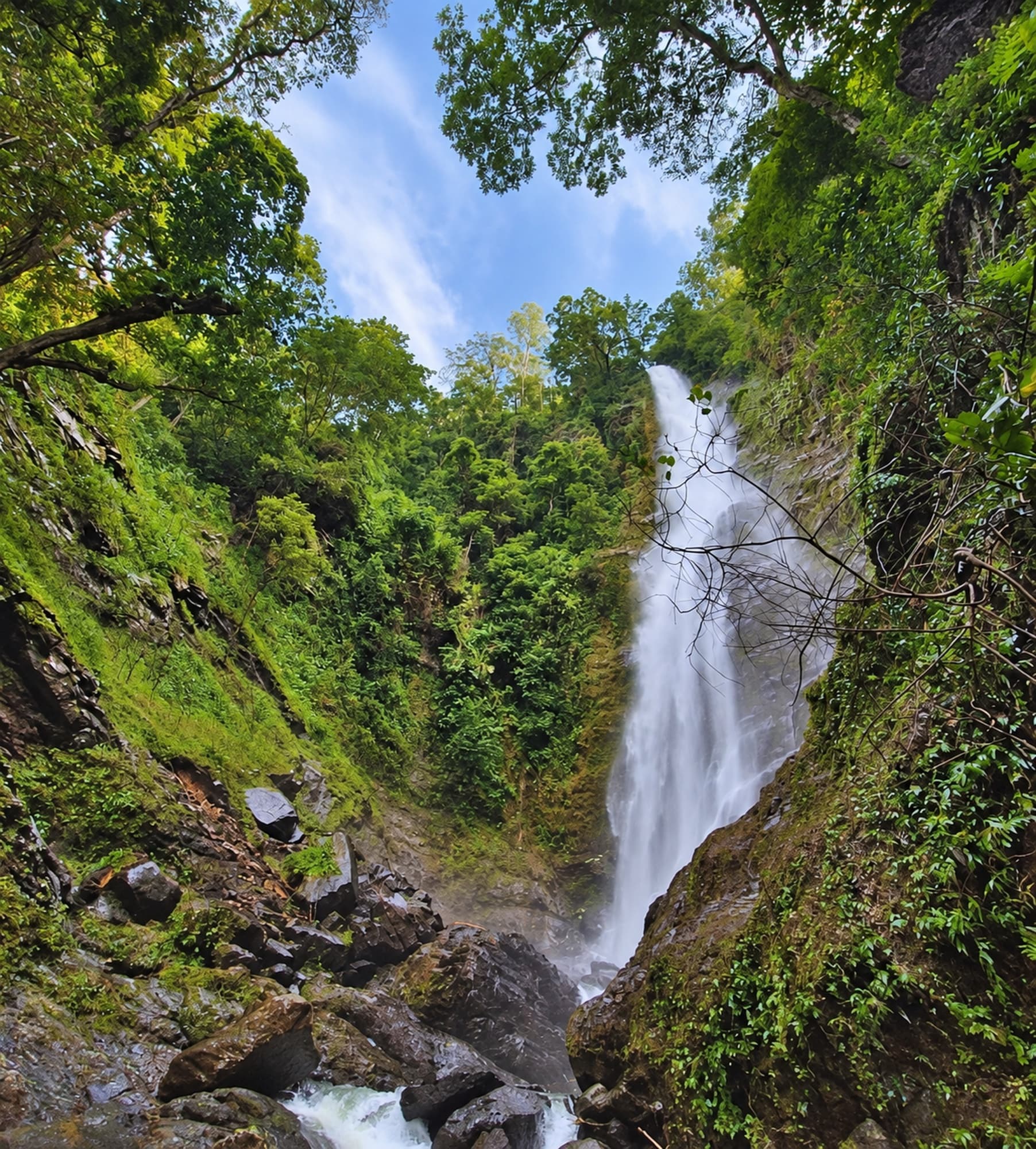
Seloi Kraik rice paddies
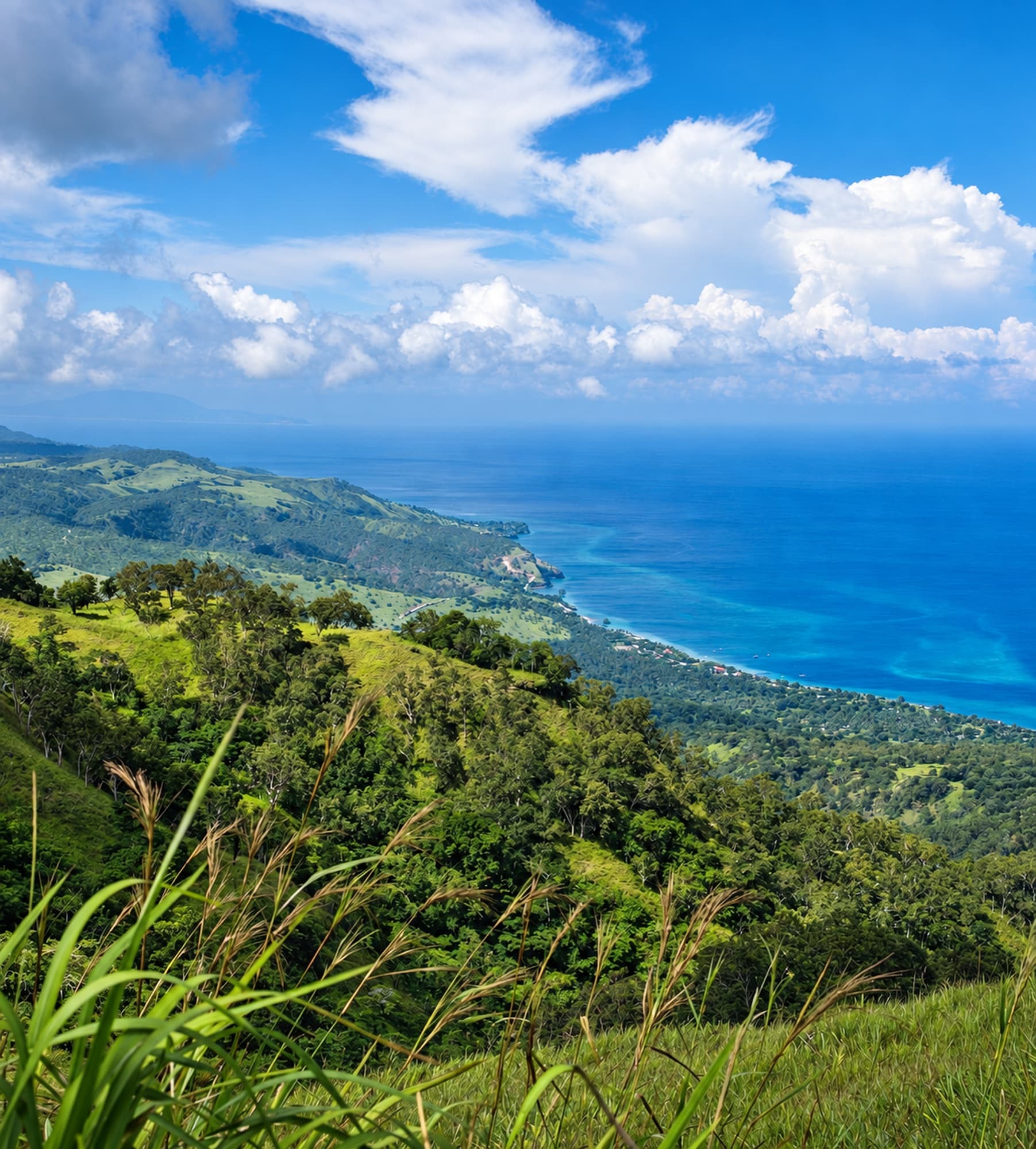
Seloi Kraik mountain lake and rice paddies
Dili · Atauro Island
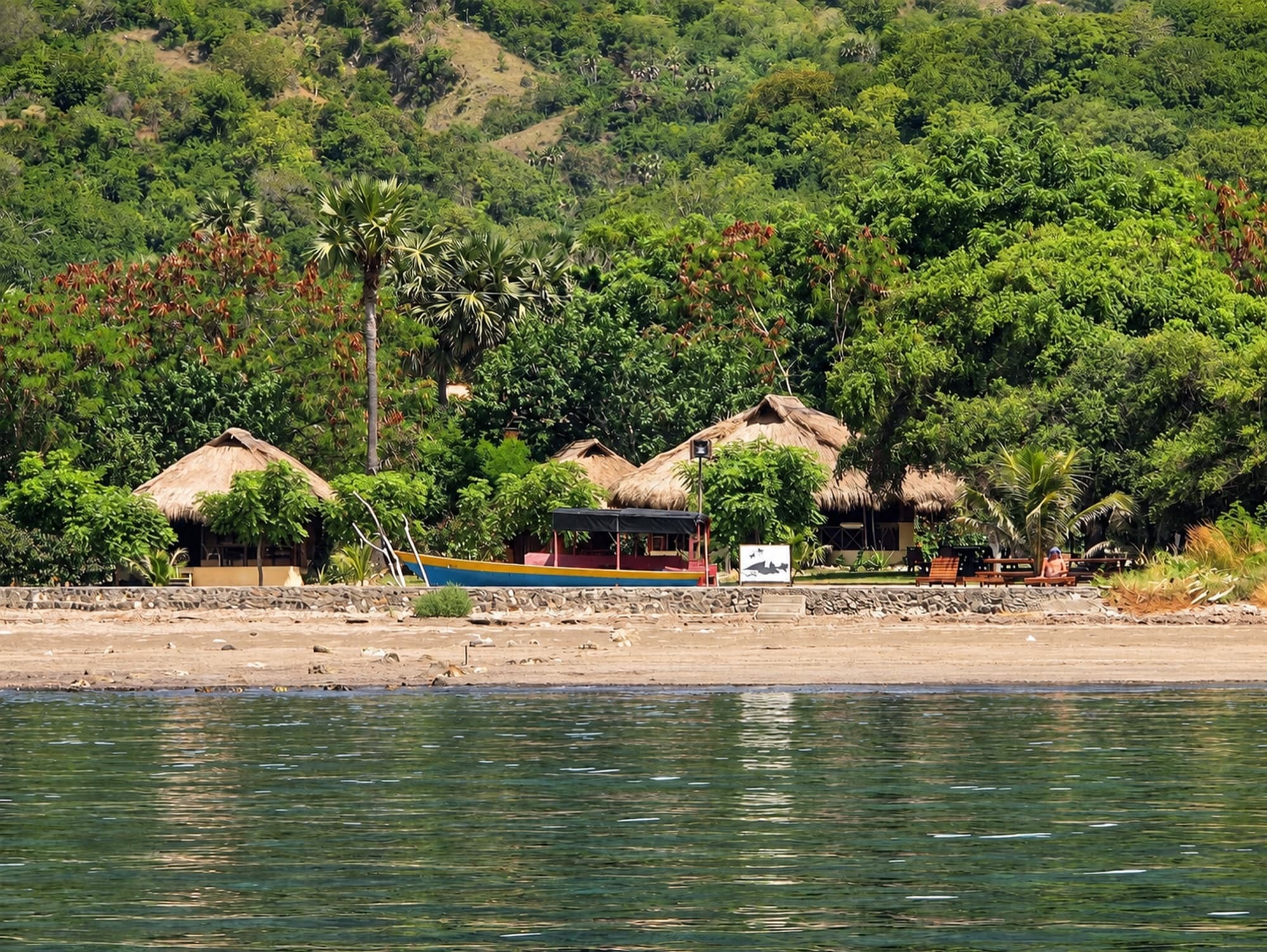
Year-round. Dry season (May-November) means more variety at markets as crops are harvested. Mango season (October-December) is exceptional.
New experiences, insider tips, and seasonal highlights. No spam, just useful stuff for planning your trip.
Unsubscribe anytime. We respect your inbox.
Continue planning your trip to Timor‑Leste
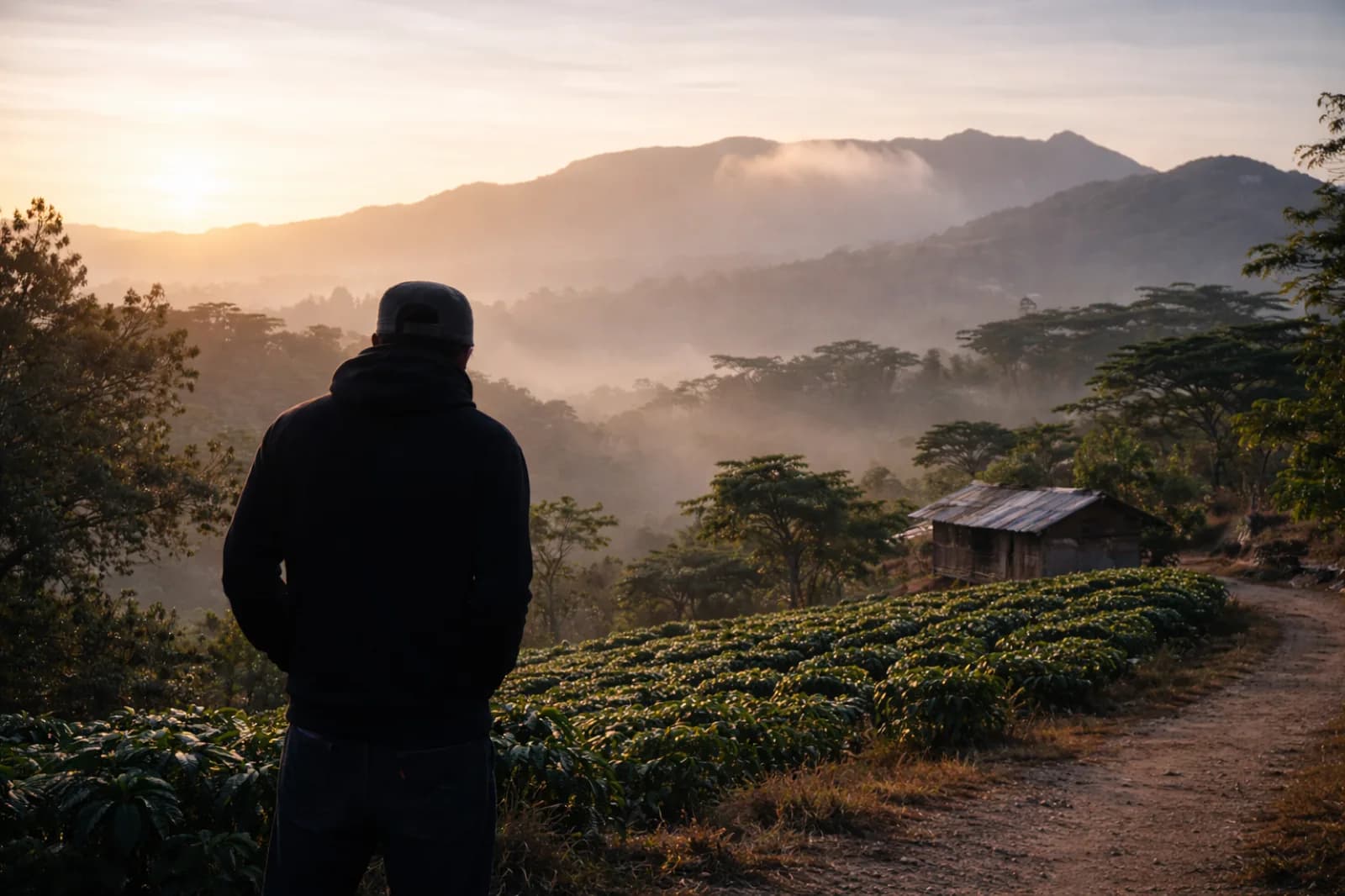
From highland farms to your cup: the Timor Hybrid story
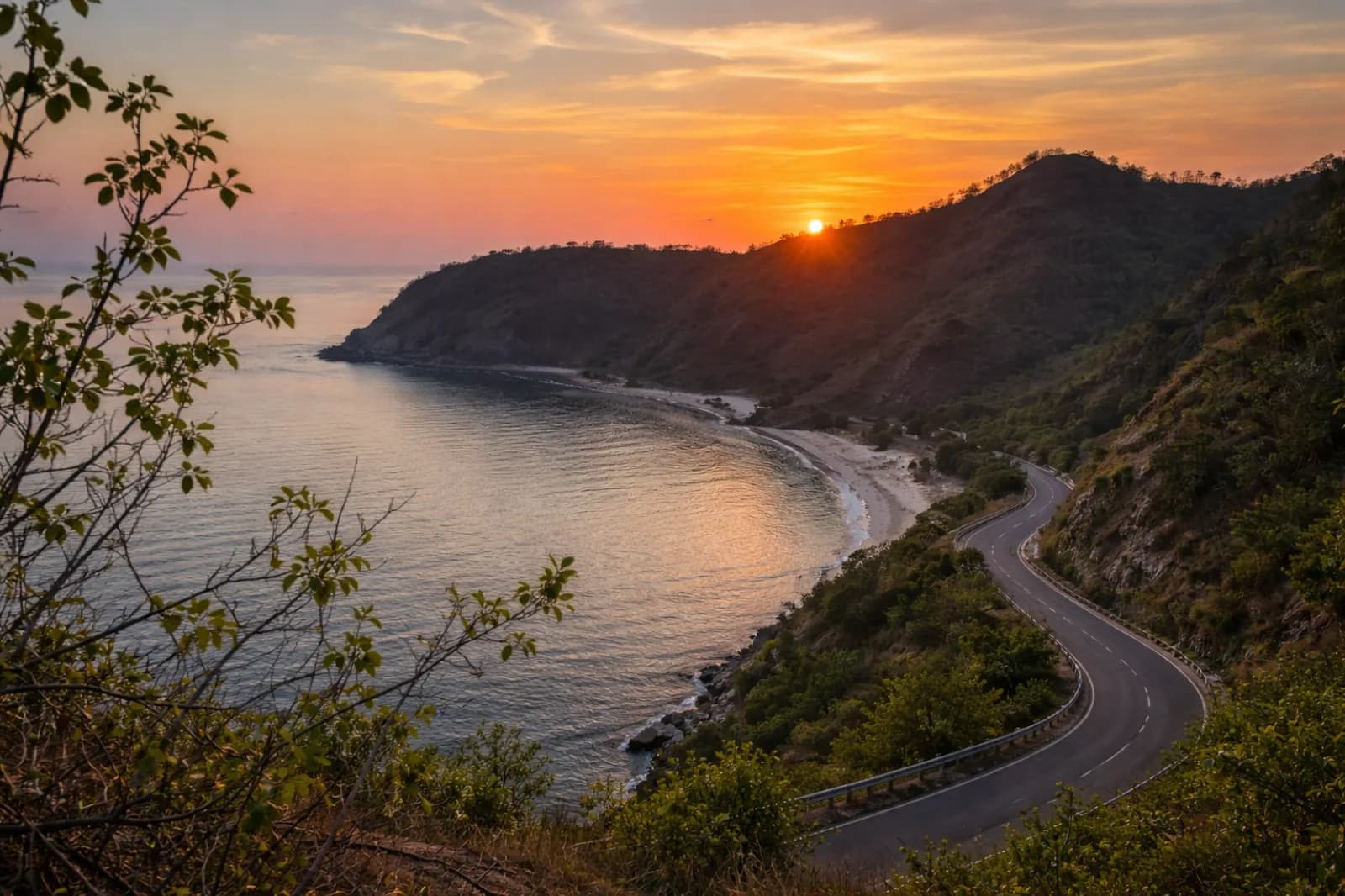
Your complete guide to Timor-Leste's coastal capital
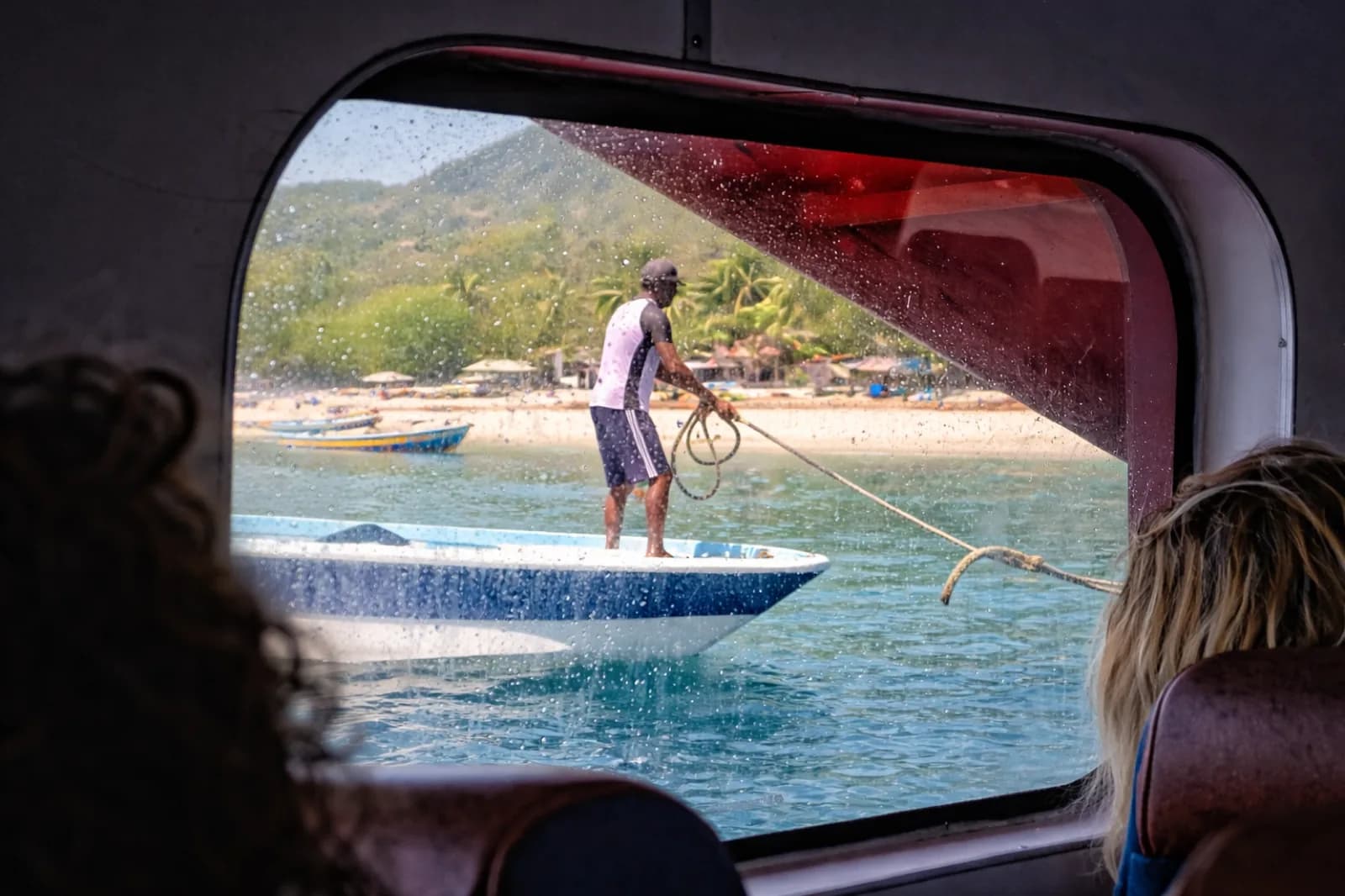
Daily costs, cheap eats, and where to save, and where not to
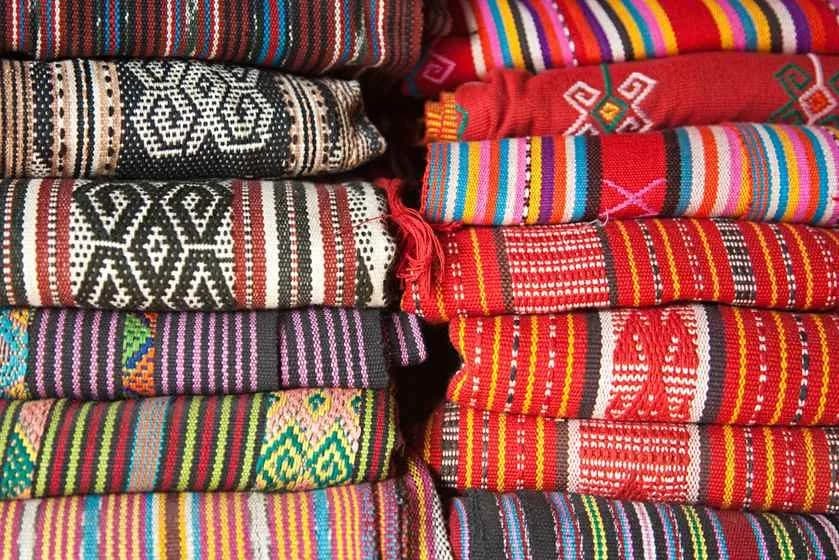
Tais textiles, fresh-roasted coffee, and markets that run on their own time
Places mentioned in this guide