Request · free to ask
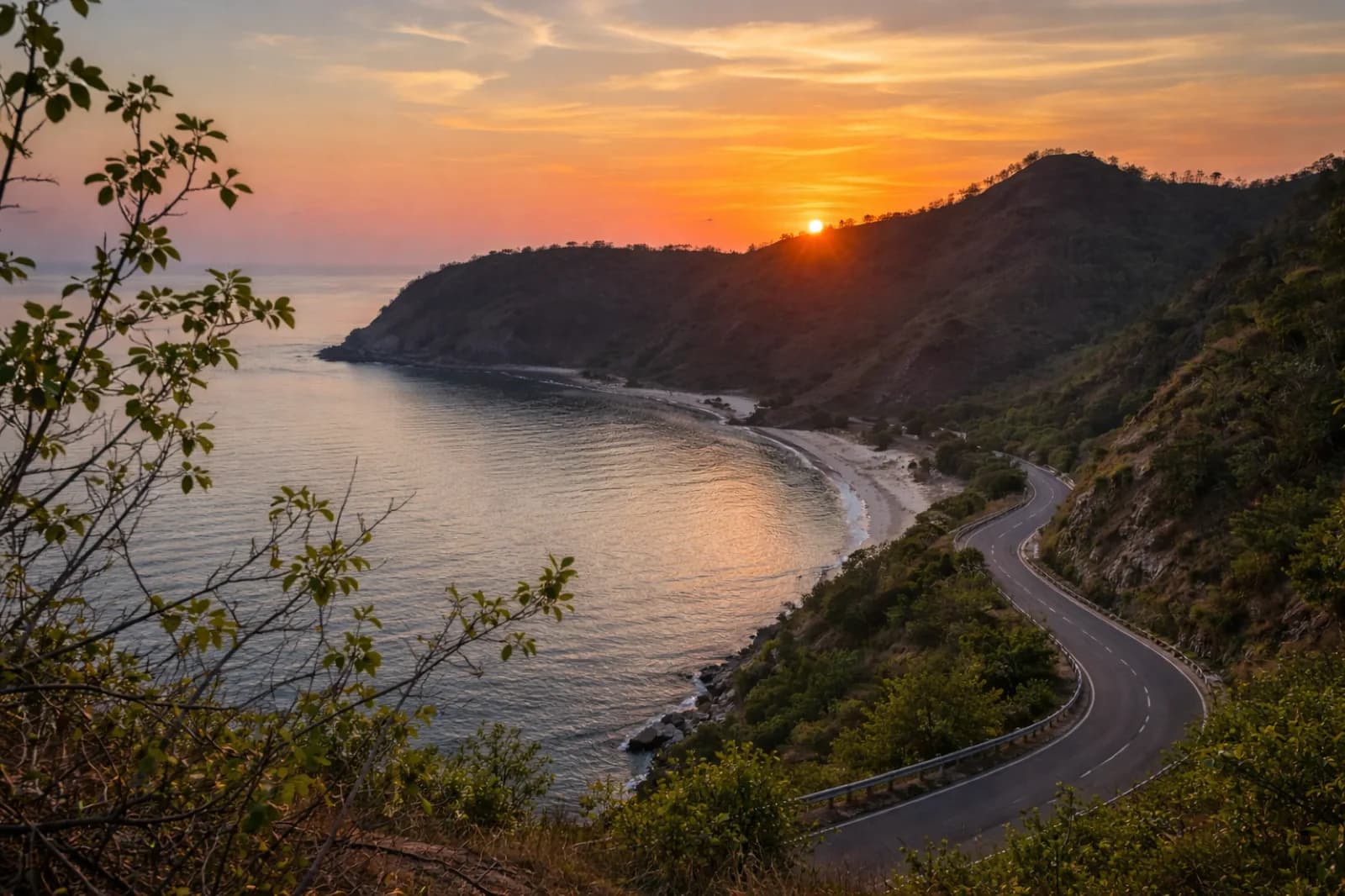
Liquica: Forts, mangroves, and swimming beaches. Just 50km west of Dili, Liquica is one of the easiest day trips in the country. A Dutch fort with cannons and a restaurant inside, beaches where locals swim, a mangrove boardwalk, and a sea turtle release project.
Liquica is one of the most accessible destinations in Timor-Leste and one of the most overlooked. Sitting about 50km west of Dili along the north coast road, it's an easy day trip or overnight that most travelers drive straight past on their way to the airport or points west.
The district has more to offer than its quiet reputation suggests. The Maubara Fort, built by the Dutch in 1756, with thick stone walls, original cannons, and a restaurant operating inside, is one of the best-preserved colonial structures in the country. The adjacent church (1887-1897) is neoclassical and atmospheric. Aipelo Prison, built by the Portuguese in 1889 and expanded in 1914, is a restored colonial detention facility with information panels about its history.
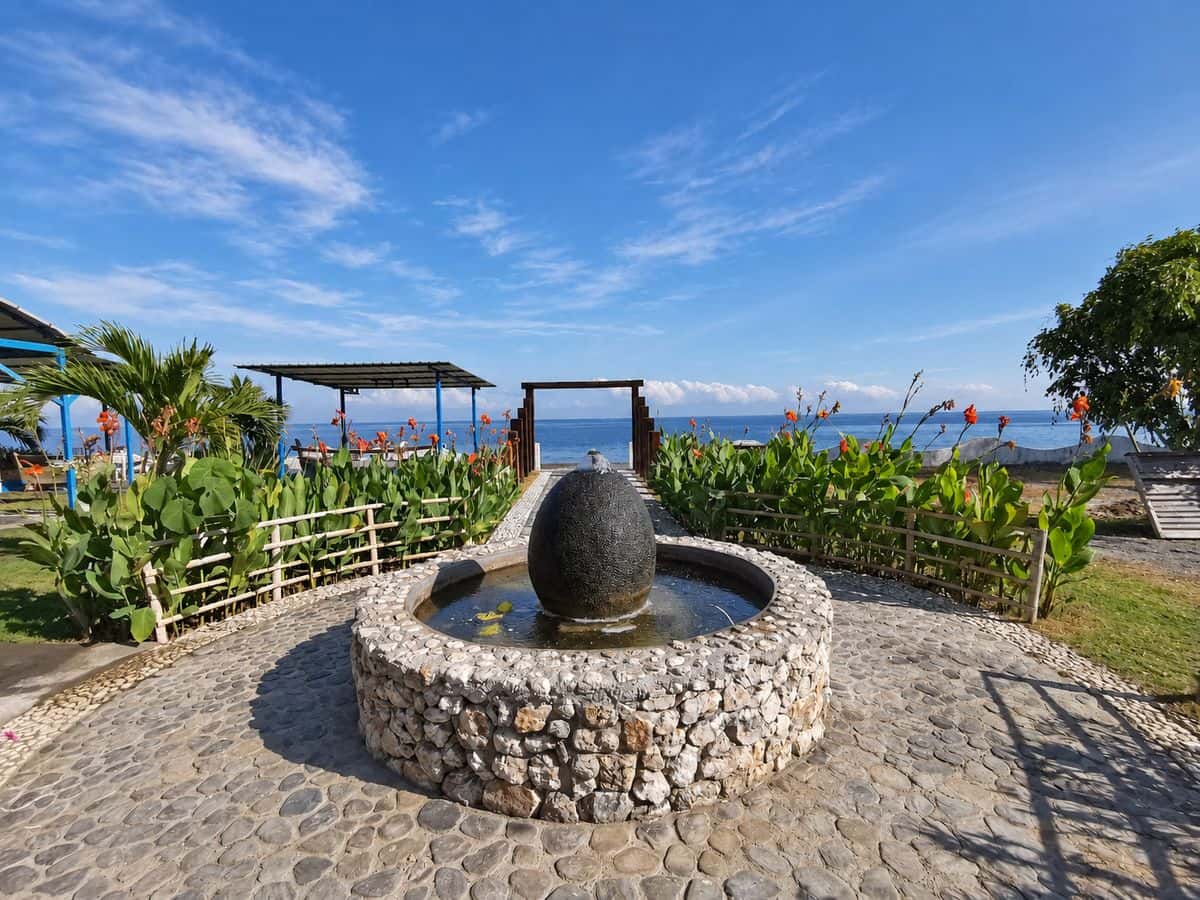
The coastline west of Dili has beaches where locals swim and snorkel: Ulmera, Sandy Bottom, Ai Pelo and Maubara. Crocodiles can turn up anywhere on this coast, so ask locally before you go in and avoid river mouths. Shore diving is available at Sandy Bottom and Bubble Beach.
Two newer attractions round out the offer. The Tibar Mangroves, established in 2022 with extensive boardwalks, provide a peaceful walk through a restored coastal ecosystem (50 cents for children, $1 for adults). And at Kasait near Ulmera, a community-run sea turtle project releases hatchlings monthly, typically Saturday evenings at 5pm.
A Dutch fortification from 1756 with thick stone walls, original cannons, and views across the bay. A restaurant (Tia Janer) operates inside: eat lunch in a 270-year-old fort. The adjacent neoclassical church (1887-1897) is worth a look.
Ulmera, Sandy Bottom, Ai Pelo and Maubara beaches are where locals swim; ask locally first, because crocodiles can turn up anywhere on this coast. Sandy Bottom and Bubble Beach have good shore snorkeling and diving with increasing marine life at depth. Bring your own gear.
A restored mangrove ecosystem with extensive boardwalks, established in 2022. A peaceful walk through coastal forest with birdlife. Entry: 50 cents children, $1 adults. Open daily 9am-7pm.
The community-run turtle project at Kasait near Ulmera releases hatchlings monthly, typically Saturdays at 5pm. Free entry. A genuinely special experience: watch baby turtles make their way to the ocean.
A freshwater lake covering up to 8 hectares seasonally, designated an Important Bird Area. Thousands of birds including Australian pelicans gather here. Best during wet season when the lake is full. Note: occasional crocodile sightings at the lake: observe from the shore.
A Portuguese colonial prison built in 1889, restored with information panels. Originally housed prisoners from across the Portuguese empire. The architecture and history are compelling: the front gate is often locked but access is possible around the side.
2 places to stay
Liquica is safe and easy to visit. The beaches listed (Ulmera, Sandy Bottom, Ai Pelo, Maubara) are where locals swim, but ask first and avoid river mouths, because crocodiles can turn up anywhere on the coast. Lake Maubara has occasional crocodile sightings, so stay on the shore. Standard precautions for sun exposure and reef cuts apply.
Transport, accommodation, tours: a local expert puts together a suggested plan and tries to get back to you within 24 hours.
In-depth travel guides related to this destination
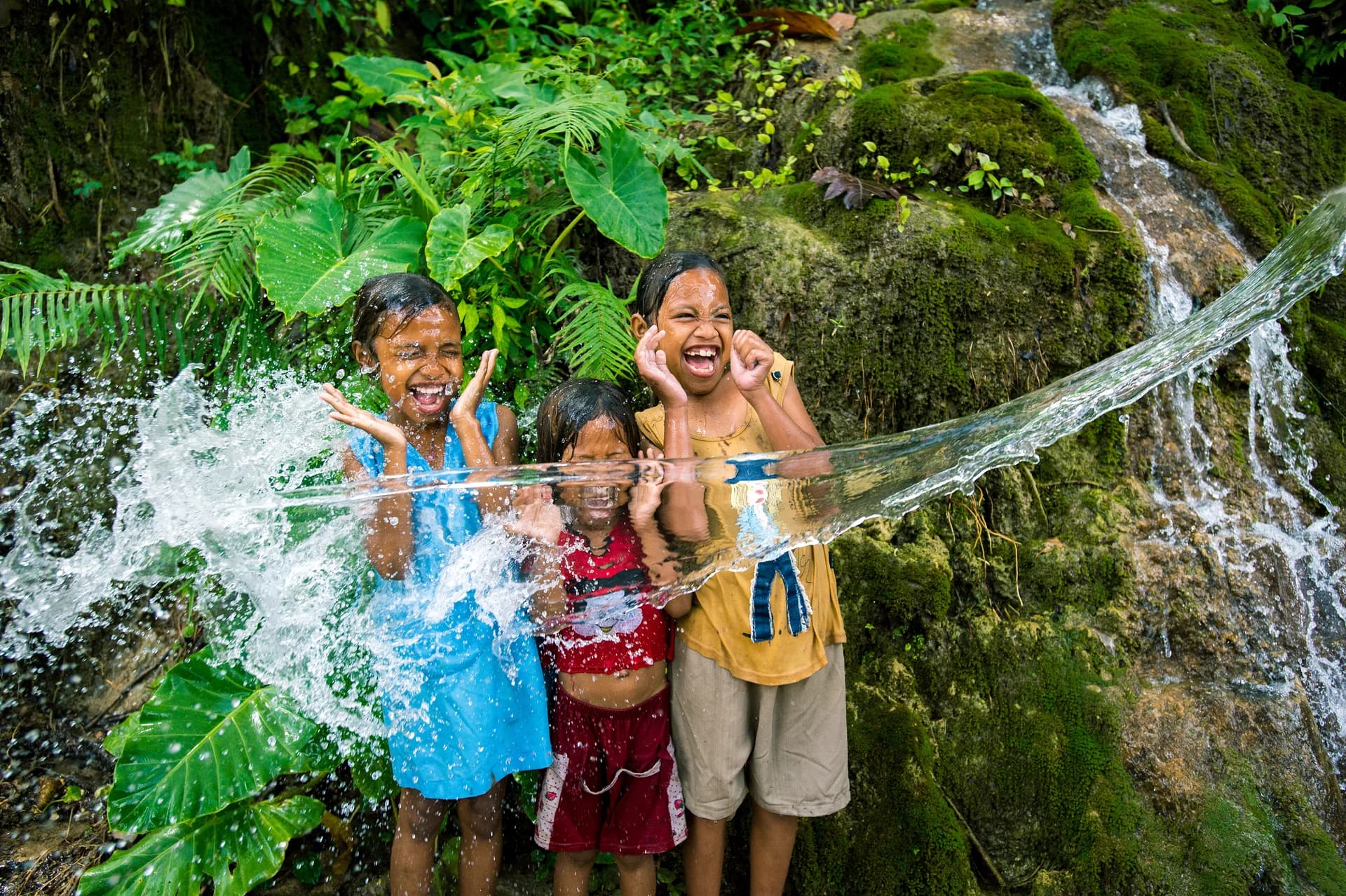
Fewer crowds, green landscapes, and full waterfalls, if you know where to go
Read guide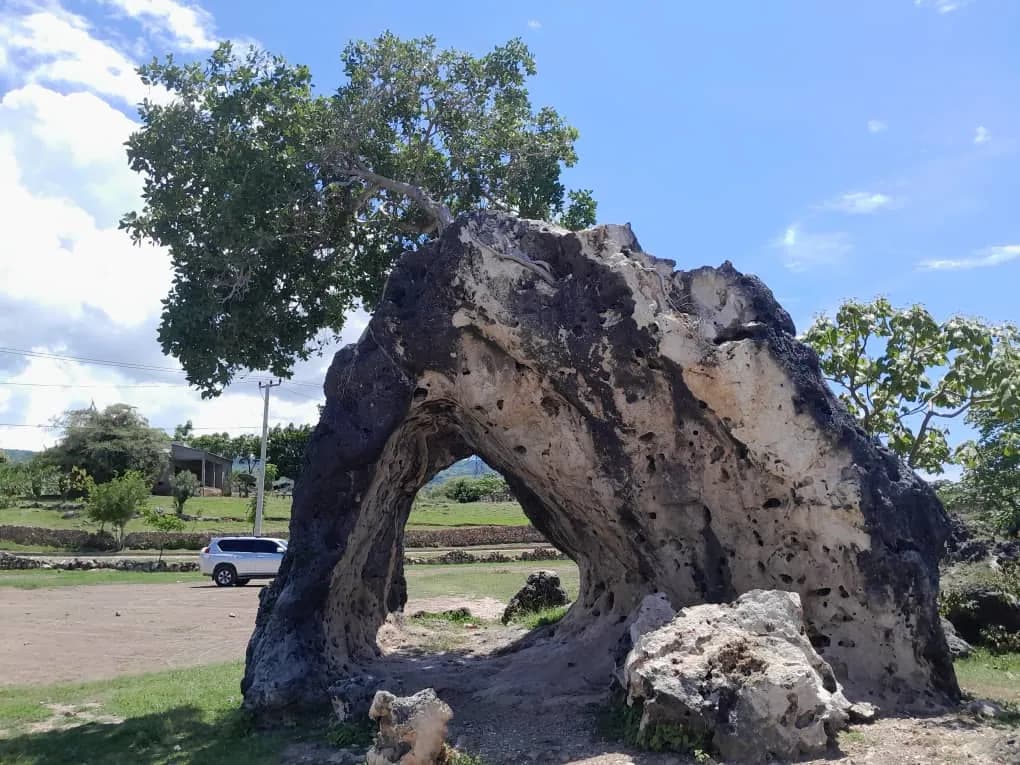
Escape the capital: the best day trips within reach of Dili, from island adventures to mountain coffee country
Read guide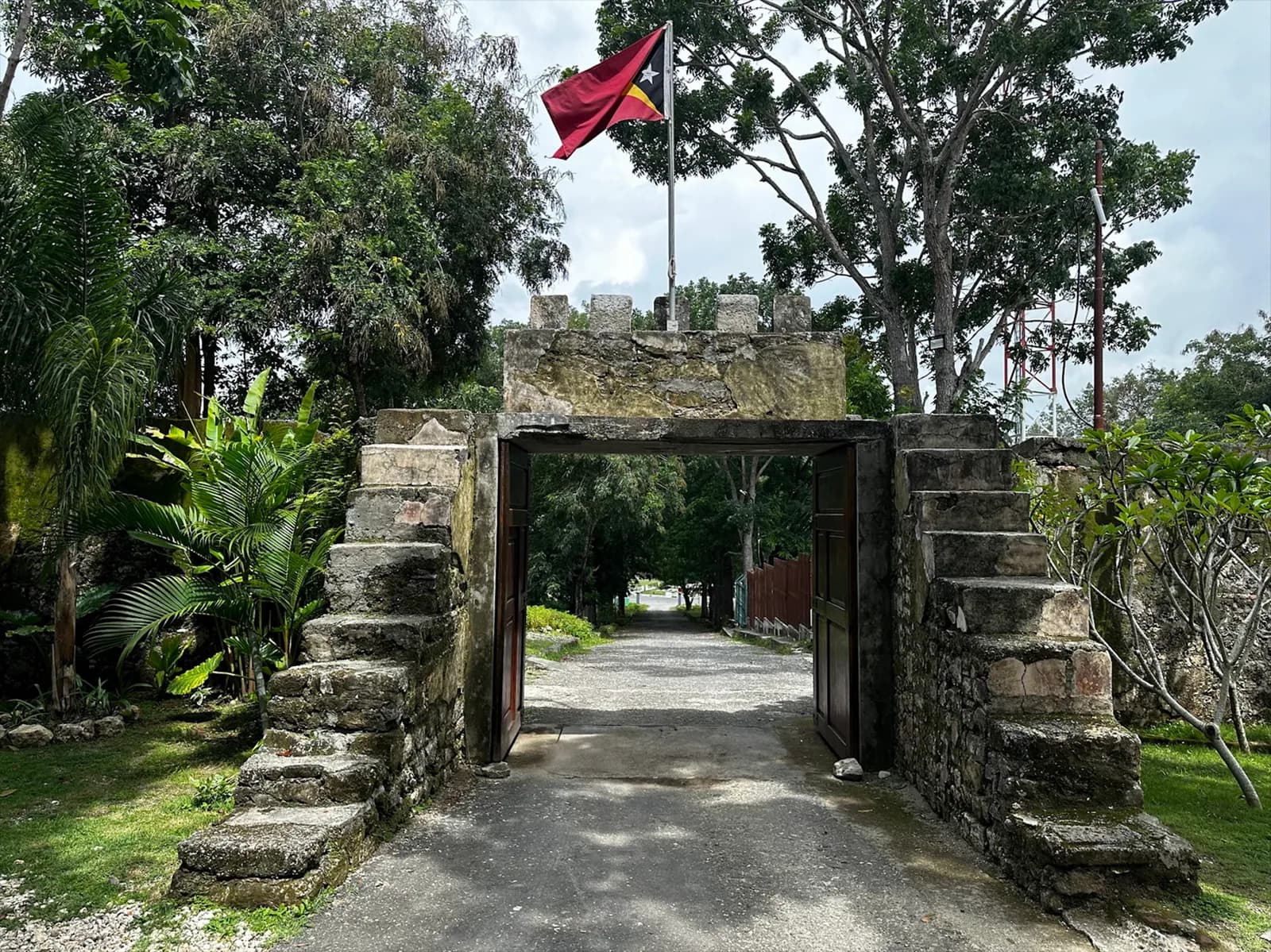
A Portuguese fort, a flag house, and the story of how the world learned about Timor-Leste
Read guideMore destinations in Timor‑Leste