Instant confirmation
Jaco Island & Tutuala Tour (2 Days)
Jaco Island2 daysIsland Explorer Holidays
ExpeditionModerateMax 10Pickup
Pristine uninhabited Jaco Island
4.8(12 · Google)
$160per personMinimum 3 guests, from $480
Check dates & availability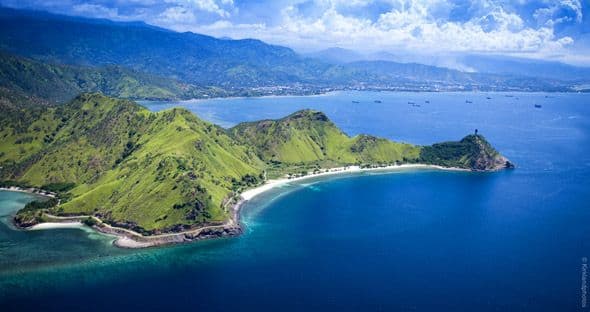
White sand, turquoise water, and not a crowd in sight
Timor-Leste has some of the most pristine, uncrowded beaches in Southeast Asia. From the sacred white sands of Jaco Island to the coconut-lined bays of the far east, these are beaches without the resort development, beach clubs, or Instagram crowds.
The trade-off is infrastructure: most beaches have no facilities, no lifeguards, and no nearby restaurants. You bring your own supplies, find your own shade, and have the place to yourself. For many travelers, that's exactly the point.
The north coast tends to have calmer water, protected by the island chain to the north. Crocodiles are occasionally seen even on Dili's beaches, so ask locally before swimming, and do not swim at Hera, Metinaro or Com. The south coast faces the open Timor Sea with bigger swells, stronger currents, and dangerous crocodile populations. Swimming there is not advisable. The eastern beaches around Jaco are the most spectacular, though crocodile awareness is important at some mainland sites.
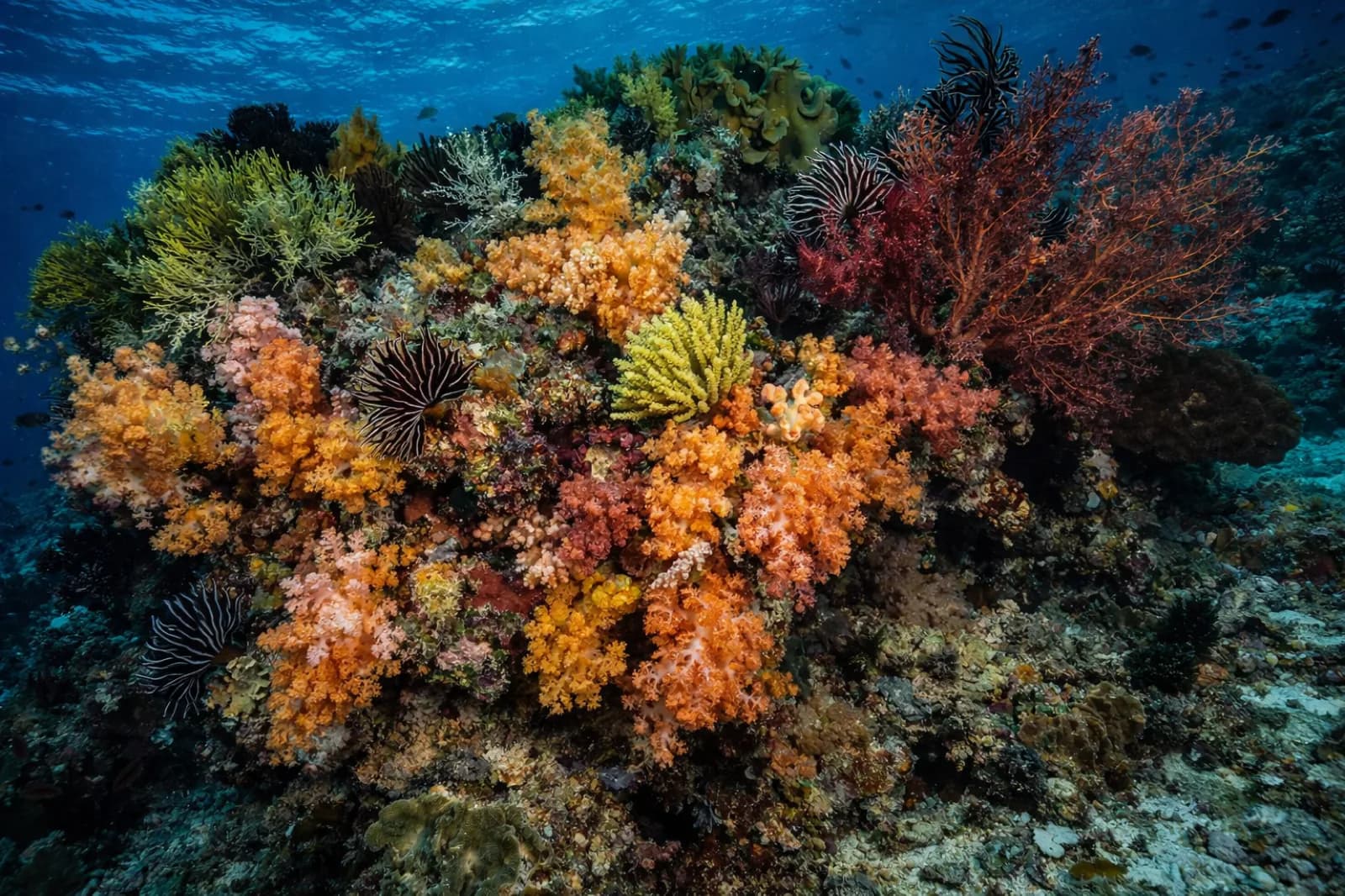
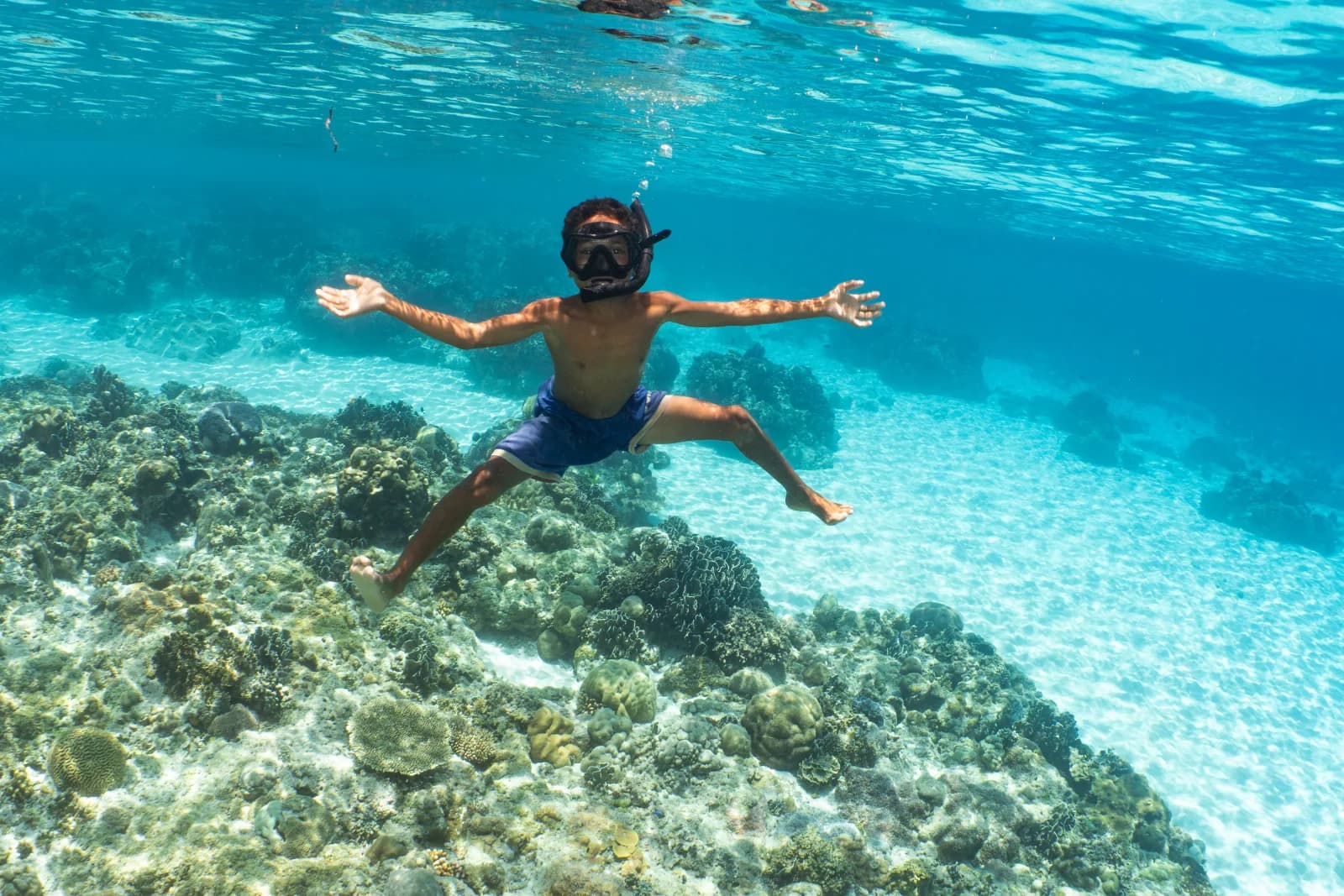
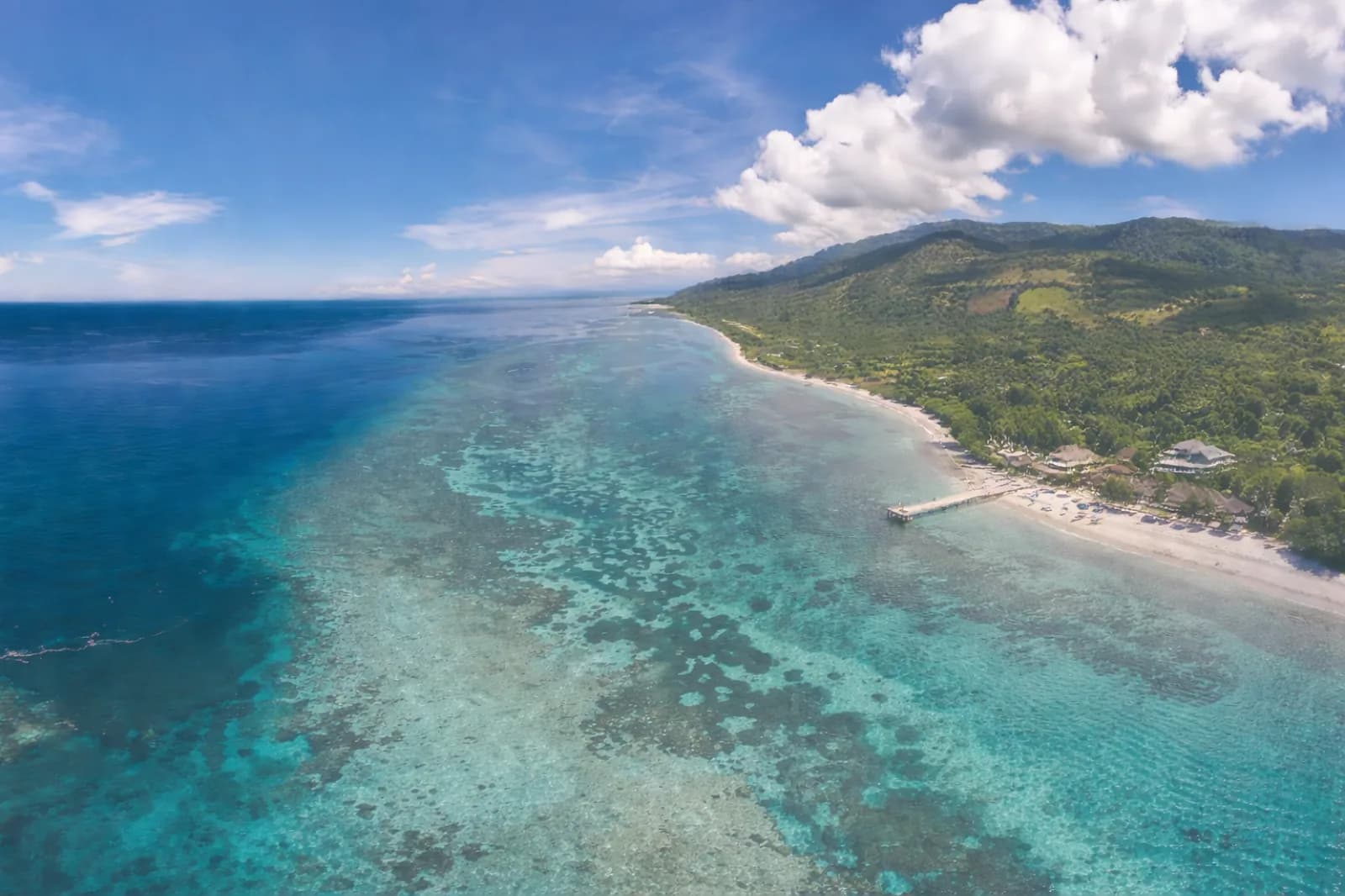
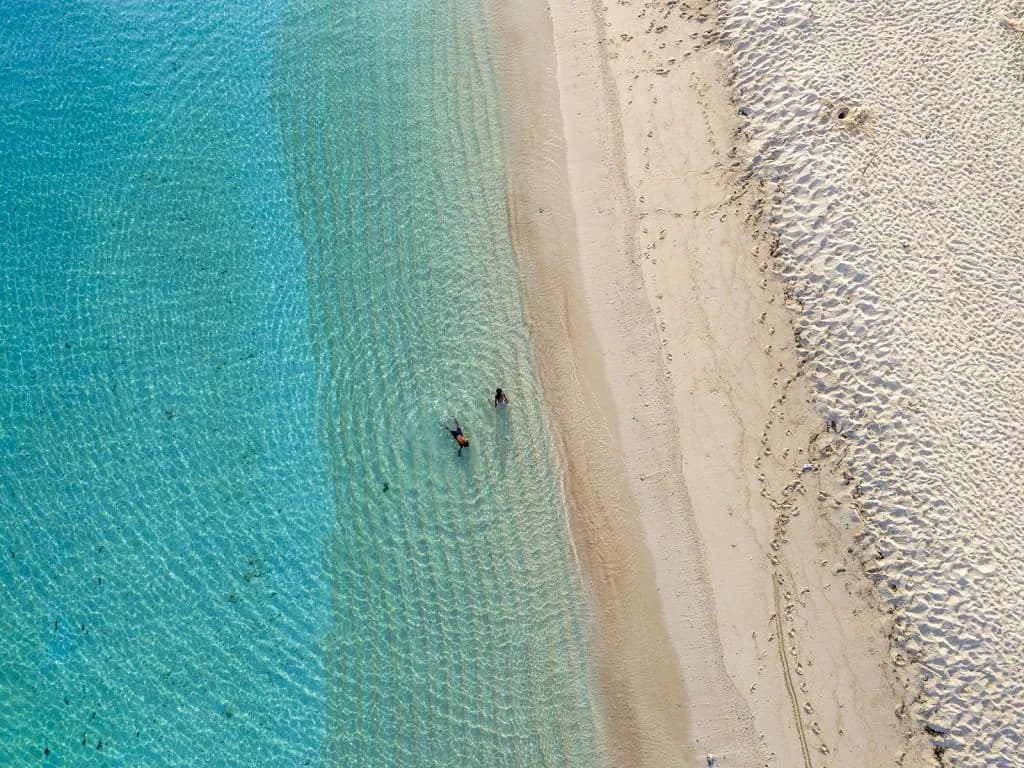
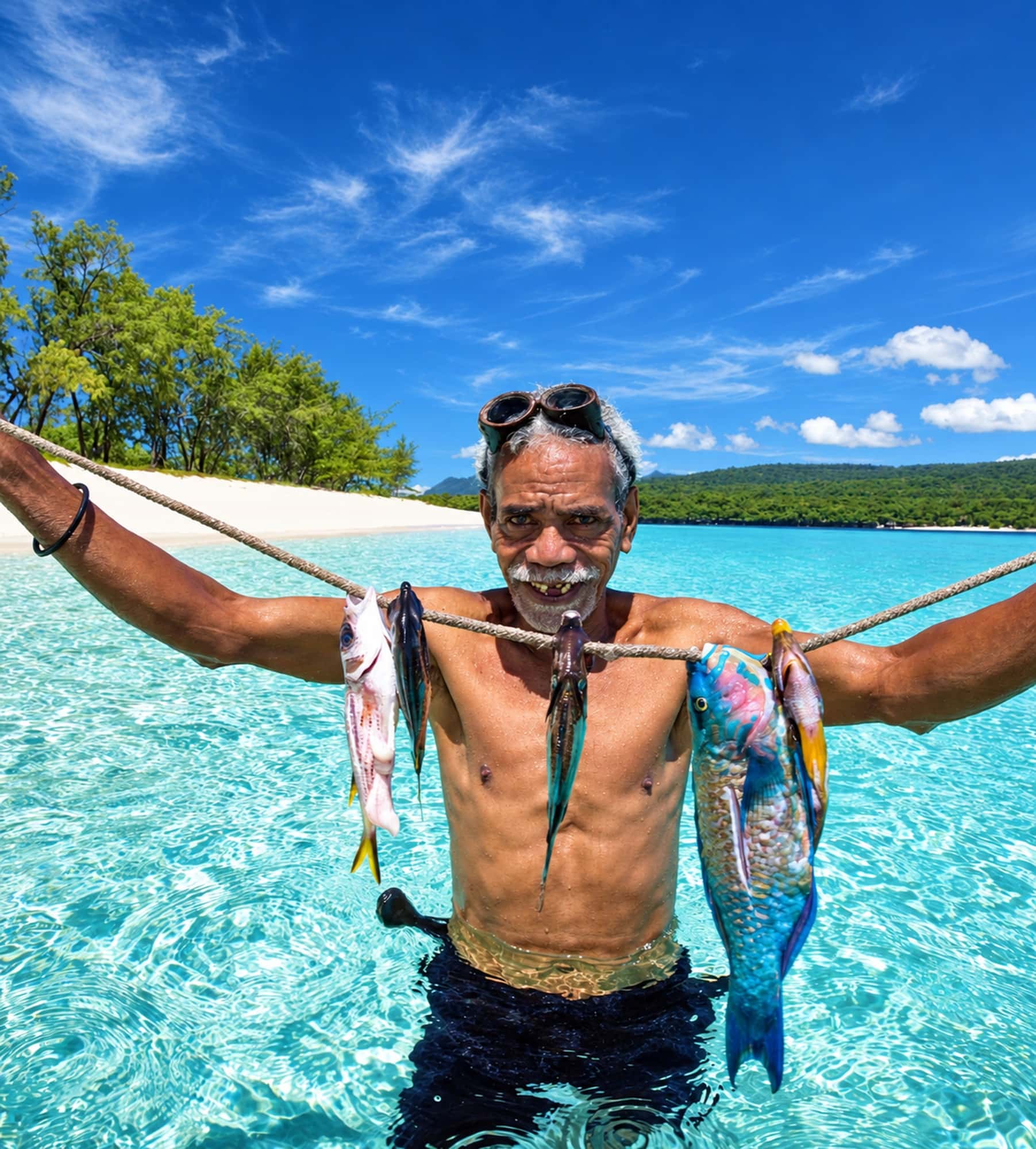
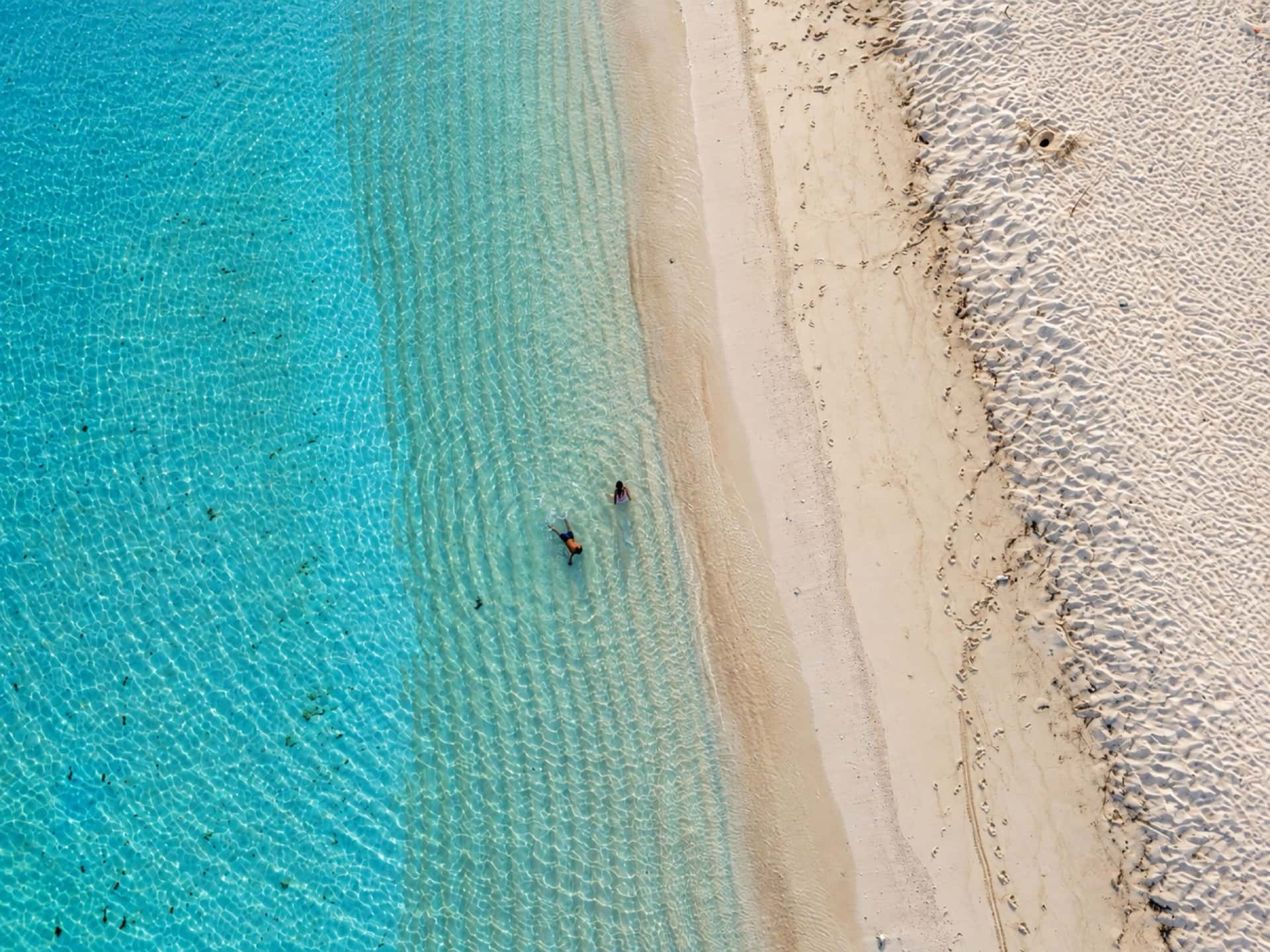
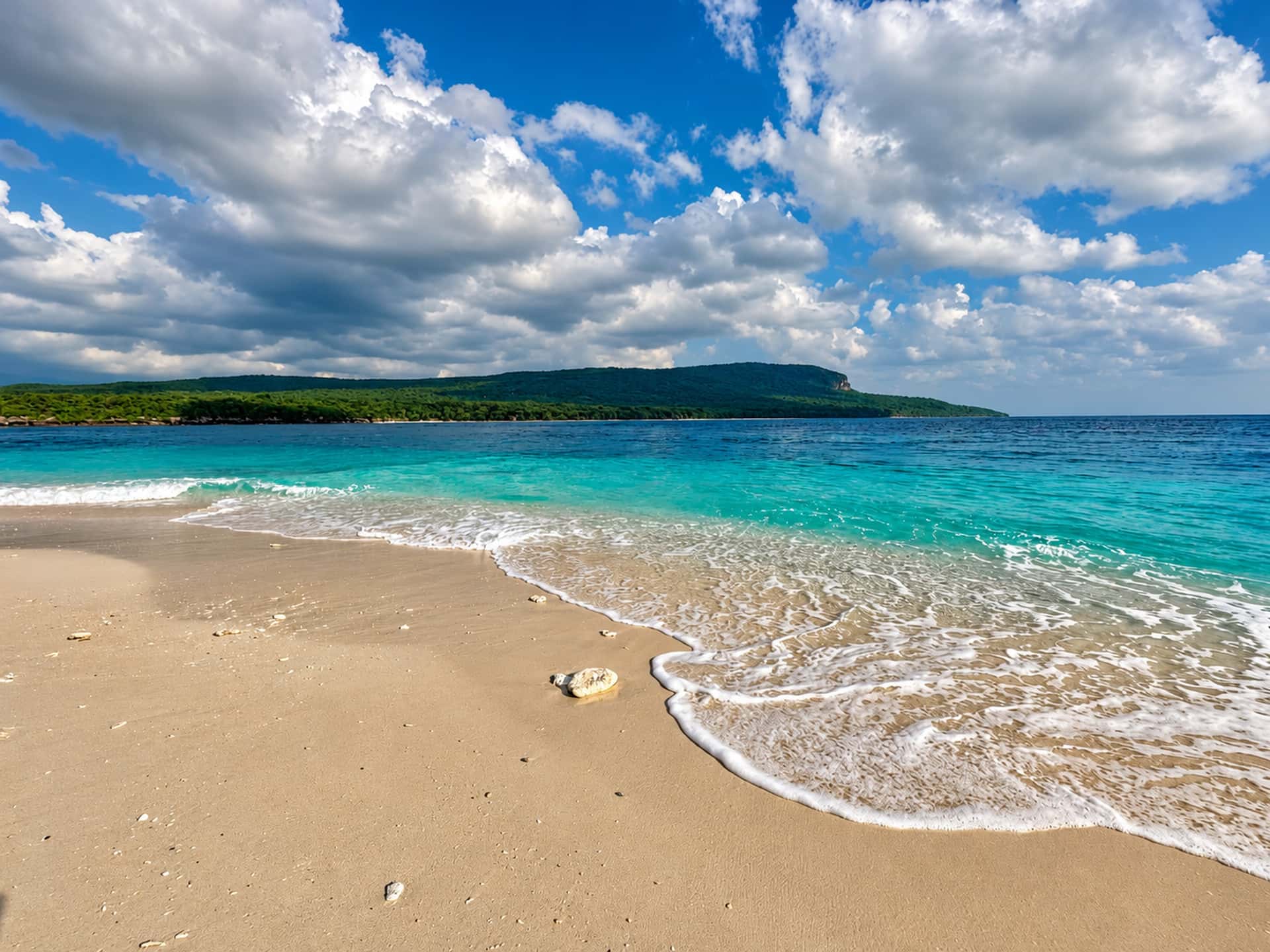
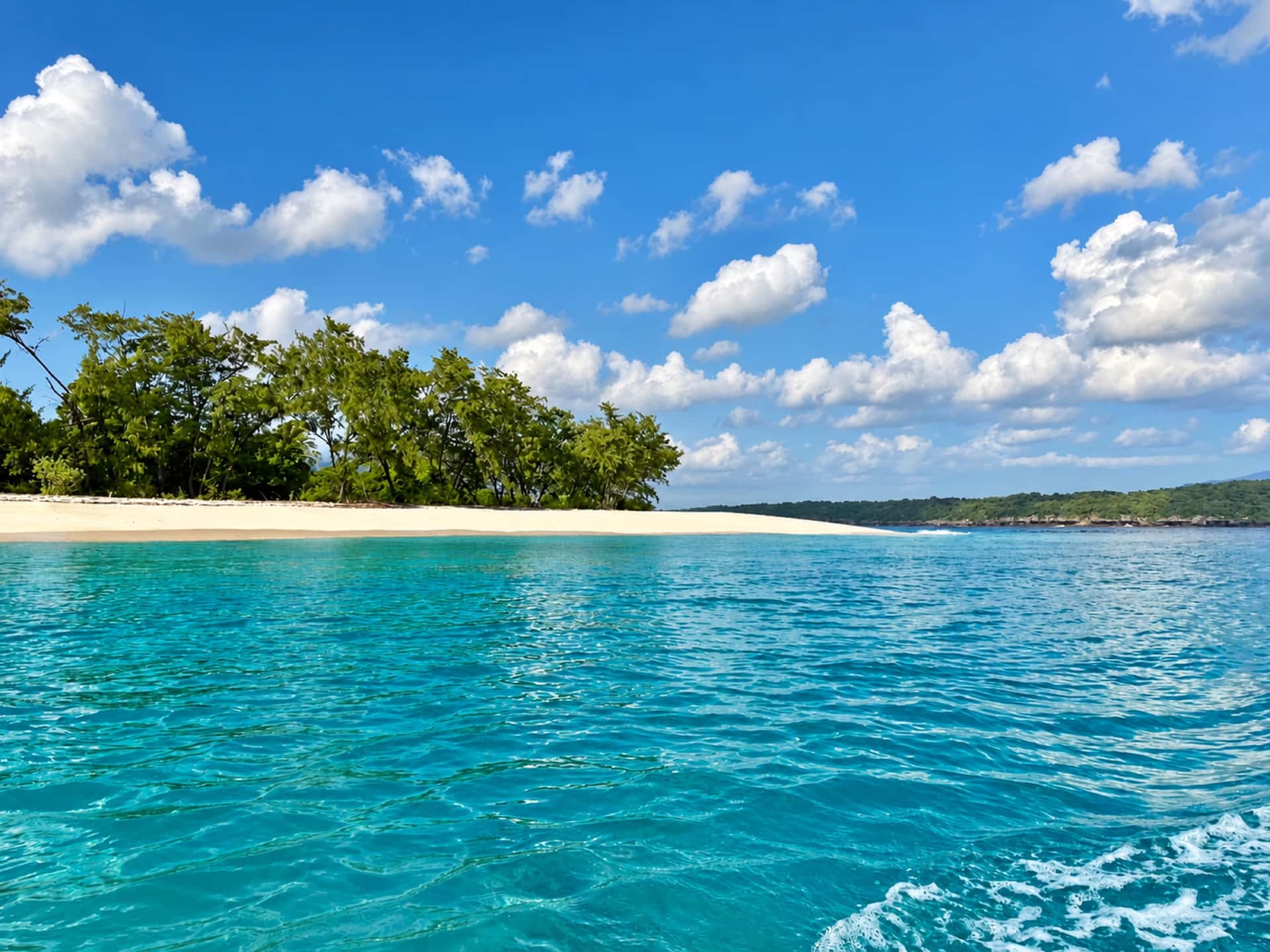
The crown jewel. A sacred, uninhabited island off Timor-Leste's eastern tip with powdery white sand and crystal-clear turquoise water. The snorkeling starts at the waterline: coral gardens and tropical fish in ankle-deep water.
Getting there requires commitment (7 to 9 hours from Dili by road, then a boat), but that's what keeps it pristine. No structures, no people, no rubbish. Just you, the sand, and the reef.
Bring everything you need: water, food, shade, snorkel gear, reef shoes. Leave nothing behind. This is a sacred site for the Fataluku people.
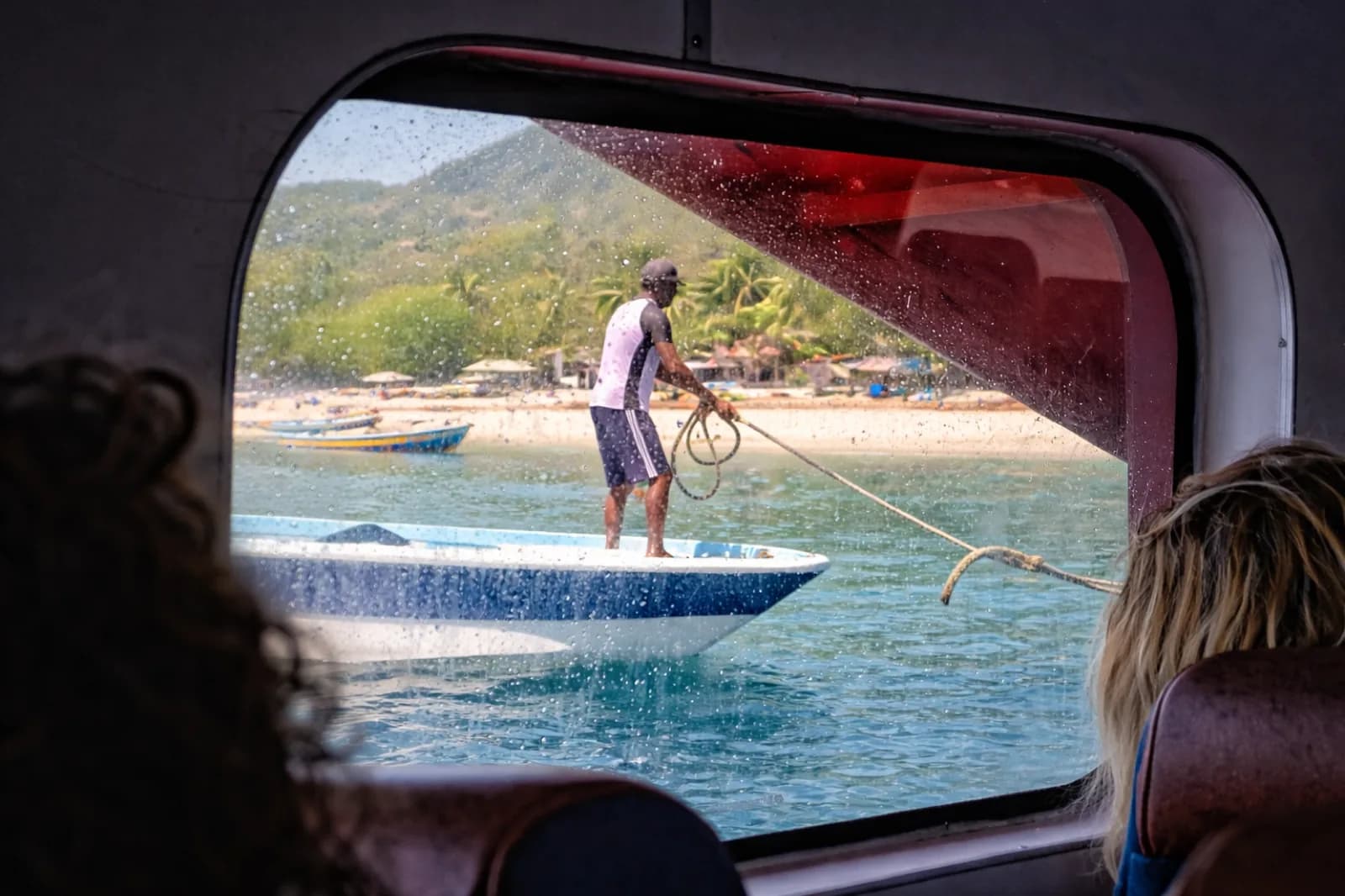
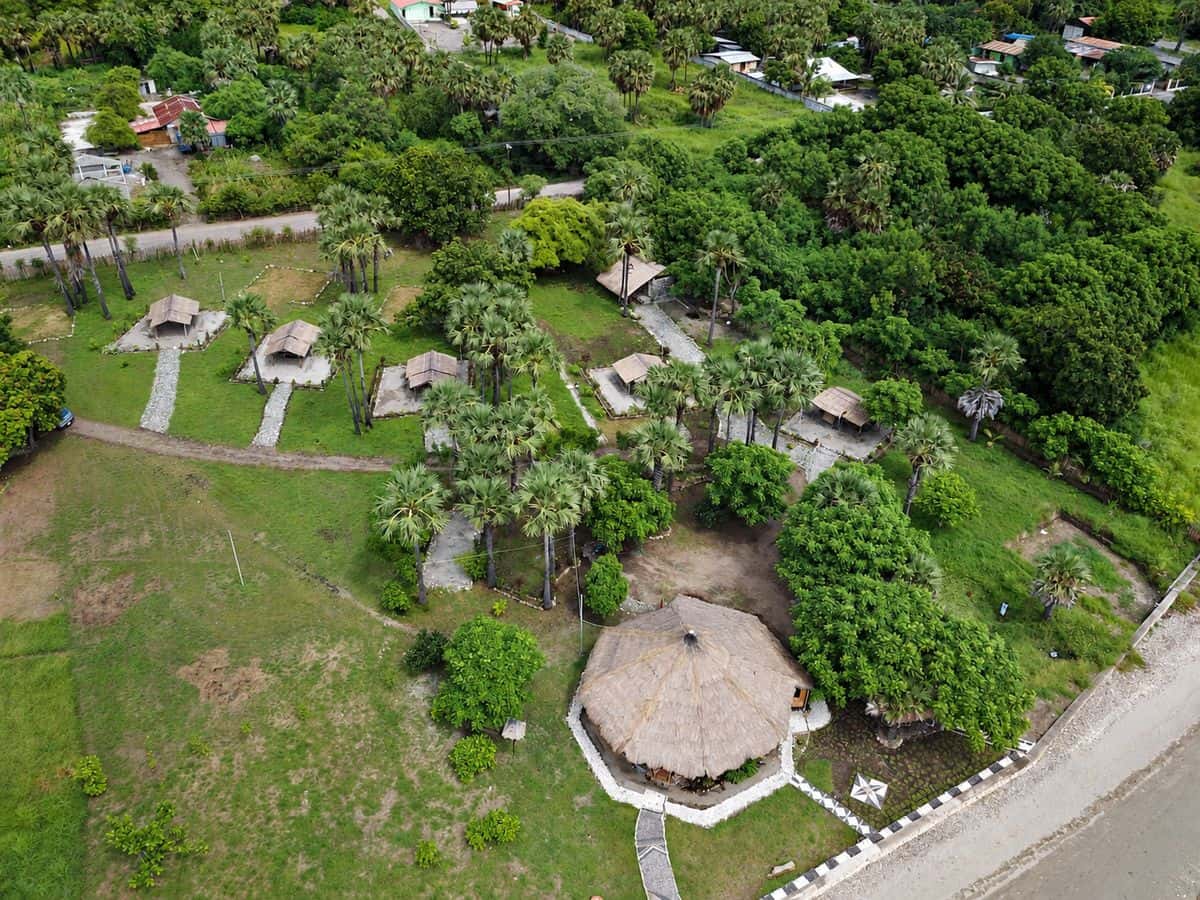
The mainland beach where boats depart for Jaco. Valu is stunning in its own right: a wide white sand beach backed by forest, with views across to Jaco Island. Camping is possible here with permission.
Be aware that Valu Beach does have crocodile warnings posted. Stay alert, heed local advice, and avoid entering the water at dawn or dusk. The crossing to Jaco itself is safe with an experienced boatman.
A long crescent of sand on the north coast, fringed by coconut palms. Com is undeniably beautiful, and the village at one end has warungs serving fried fish and rice. However, entering the water at Com is inadvisable. Crocodiles are regularly present in these waters. Enjoy the scenery from the sand.
During whale season (October to early December), Com serves as a departure point for whale watching trips. Even from shore, you can sometimes spot dolphins in the bay.
The stretch of coast near Dili's Cristo Rei statue includes Dolok Oan beach and nearby Areia Branca: the most accessible beach spots in the country and where locals swim. Crocodiles are occasionally seen even here, so ask locally before you go in and do not swim at dusk or at night. The area has a few restaurants and bars nearby and draws locals on weekends.
Tasi Tolu, west of Dili, is another spot where locals swim, with calm water and an easy beach entry; ask locally first, as crocodiles are occasionally seen on Dili's beaches. These won't rival the eastern beaches for raw beauty, but they're perfect for a relaxed afternoon in the capital.
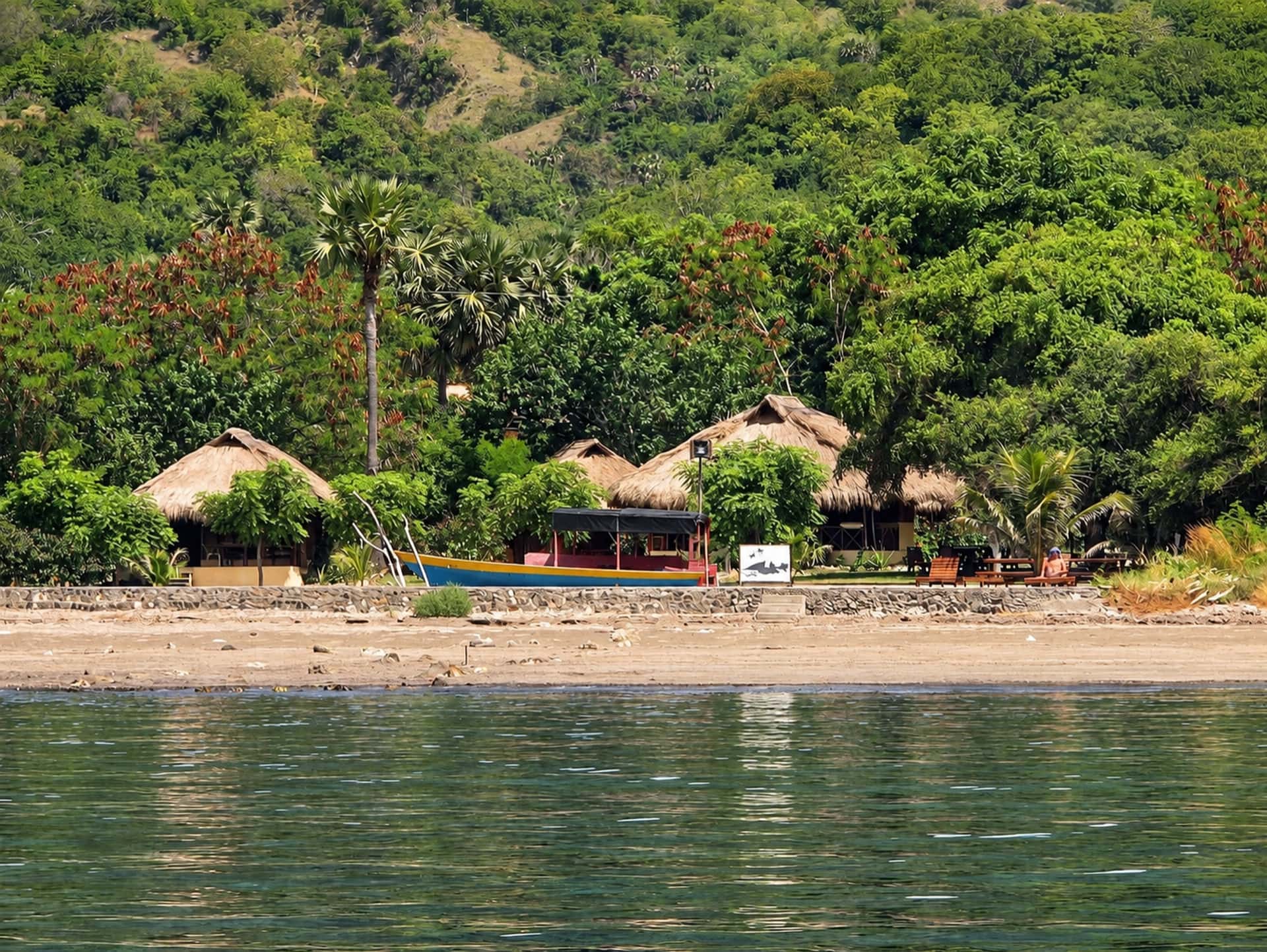
Atauro has several standout beaches. Atecru is arguably the most stunning: a remote stretch of white sand on the west coast, reachable by a 5.5-hour hike or a $130 boat charter. Akrema offers gorgeous white sand closer to the main villages, and Lampia is another beautiful, quiet spot.
Dollar Beach, a small cove on the east coast accessible by boat or a scramble along the rocks from Beloi, has crystal-clear snorkeling water. The best Atauro beaches reward those willing to put in some effort to reach them.
One Dollar Beach near Manatuto, on the north coast between Dili and Baucau, is a good swimming spot worth a stop on a road trip east. Watabo Beach in Baucau is a beautiful palm-lined stretch, though crocodile warning signs are posted there. Swim with caution.
For something different, seek out Timor's spring-fed pools. Piscina de Baucau is the best pool in the country: a stunning natural swimming pool fed by fresh springs, just 50 cents entry. There are also pools near Same and hot springs at Venilale that make rewarding detours.
The south coast between Suai and Betano has dramatic, wild beaches: dark sand, big waves, and rugged coastline. These are firmly not swimming beaches: beyond the strong currents and undertow, the south coast has dangerous crocodile populations. There is no surfing in Timor-Leste for this reason.
The south coast is much less visited than the north. If you're driving between Dili and the south via Maubisse, the coast road is one of the most scenic drives in Timor-Leste: spectacular for photography, just stay out of the water.
Pristine uninhabited Jaco Island
All arranged for two
Your own car and driver for 3 days
Atauro Island
May to October (dry season). Clear water and minimal rain; mornings are calmest while the trade winds blow (about June to September).
New experiences, insider tips, and seasonal highlights. No spam, just useful stuff for planning your trip.
Unsubscribe anytime. We respect your inbox.
Continue planning your trip to Timor‑Leste
Places mentioned in this guide