Request · free to ask
5-Day Timor-Leste Tour: Dili, Highlands & Baucau
Dili5 daysIsland Explorer Holidays
CoffeeModerateMax 10Pickup
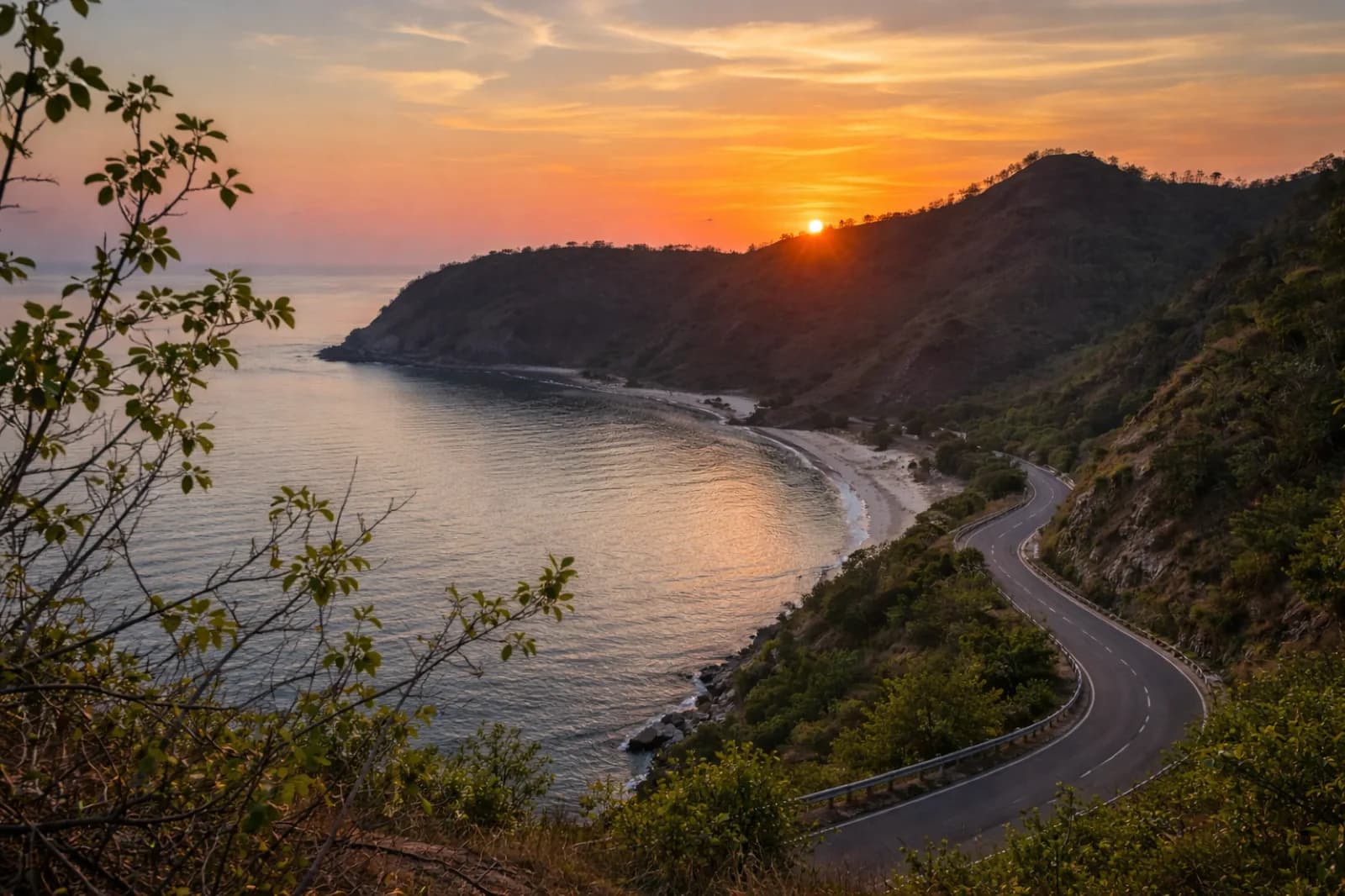
Dili city tour with Cristo Rei sunset
4.8(12 · Google)
$888per person
Check dates & availability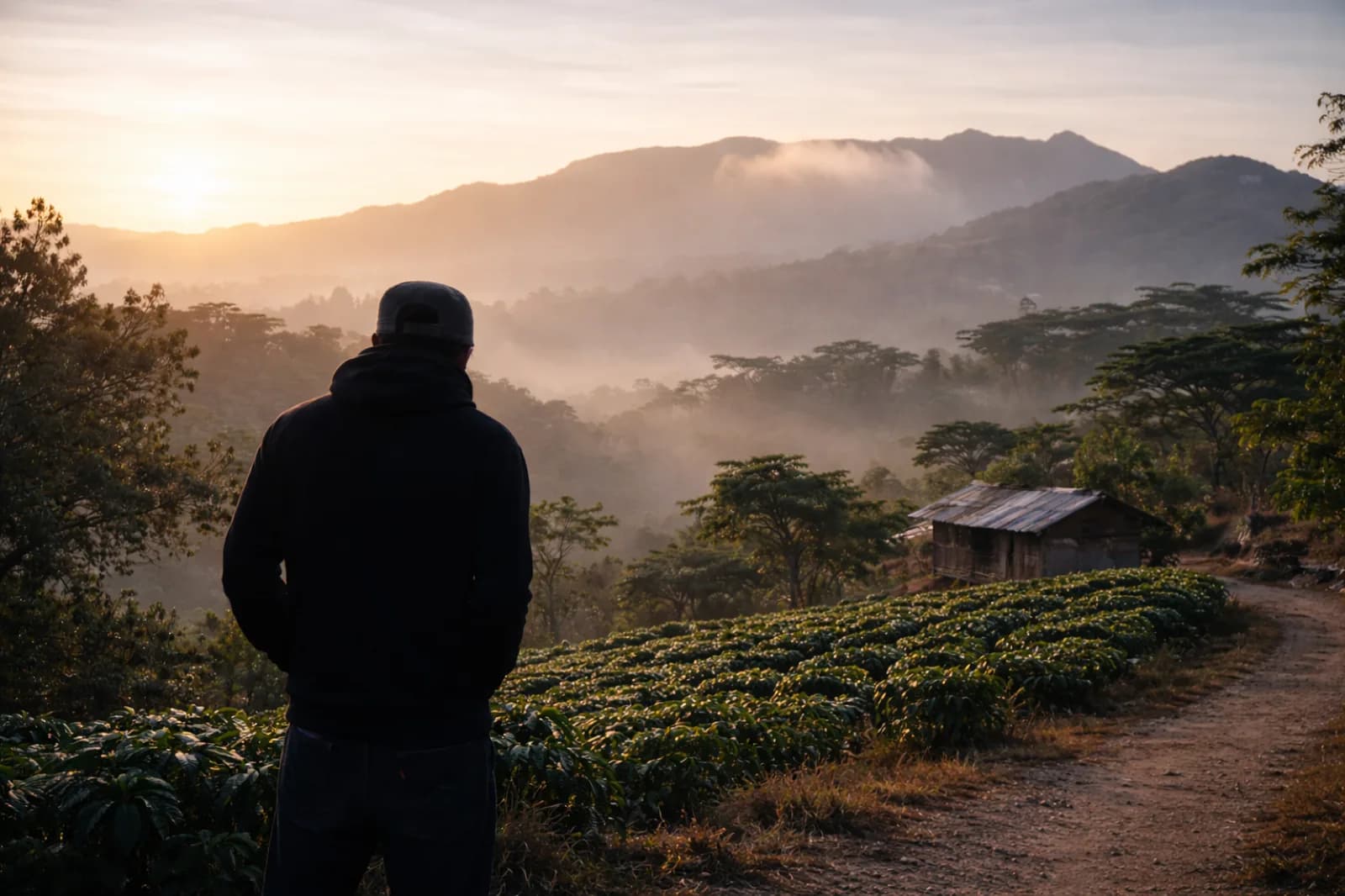
From highland farms to your cup: the Timor Hybrid story
Timor-Leste produces some of the world's most distinctive coffee. The famous Timor Hybrid, a natural cross between arabica and robusta discovered here in the 1940s, has become one of the most important coffee varieties on Earth. Its exceptional resistance to coffee leaf rust made it invaluable to breeders worldwide, and its genetics underpin rust-resistant varieties grown across Latin America, Africa, and Asia today.
Coffee is Timor-Leste's second-largest export after oil and gas, and the livelihood of tens of thousands of smallholder farmers. Starbucks has bought Timorese coffee since 1996. The highlands around Maubisse, Aileu, and Ermera produce organic arabica at altitudes of 900-1,800 meters: shade-grown under forest canopy, hand-picked, and sun-dried.
For visitors, a coffee tour is one of the most rewarding experiences in Timor-Leste. You'll visit working farms, see every step of production, taste fresh coffee at the source, and directly support the communities that grow it.
In the 1940s, something remarkable was discovered in the coffee plantations of Timor-Leste. Arabica and robusta coffee plants, normally separate species, had naturally hybridized. The resulting plant, the Hibrido de Timor (HdT), combined arabica's flavor with robusta's exceptional resistance to coffee leaf rust, a disease that had devastated plantations worldwide.
This discovery changed global coffee forever. Breeders used the Timor Hybrid to create rust-resistant varieties that now grow across Latin America, Africa, and Asia. Without Timor-Leste's accidental hybrid, the global coffee industry would look very different. It remains one of the country's most significant contributions to the world.
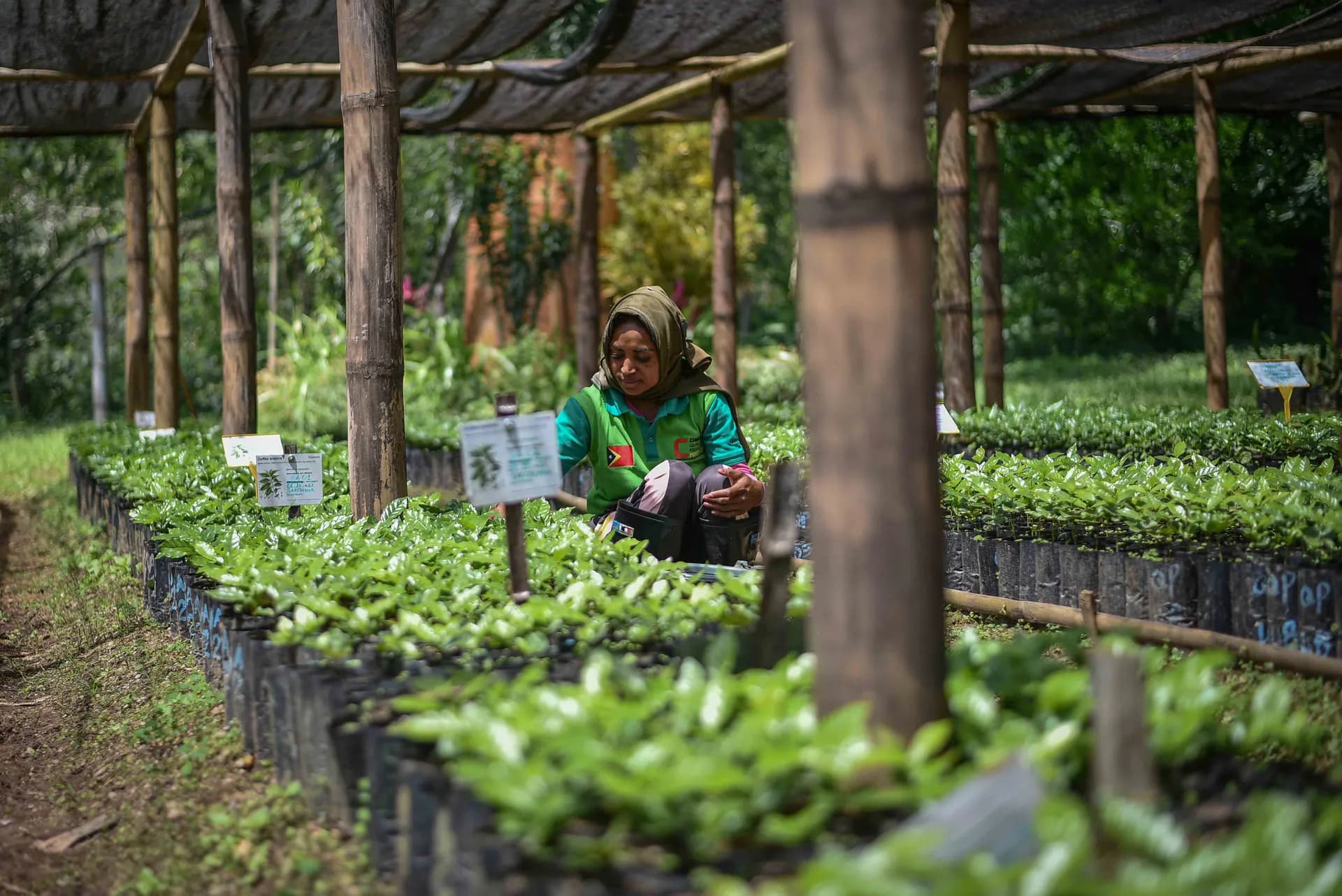
Today, most of Timor-Leste's coffee is still descended from these original plants. It's organic by default. Farmers can't afford pesticides or chemical fertilizers, and the highland environment doesn't need them.
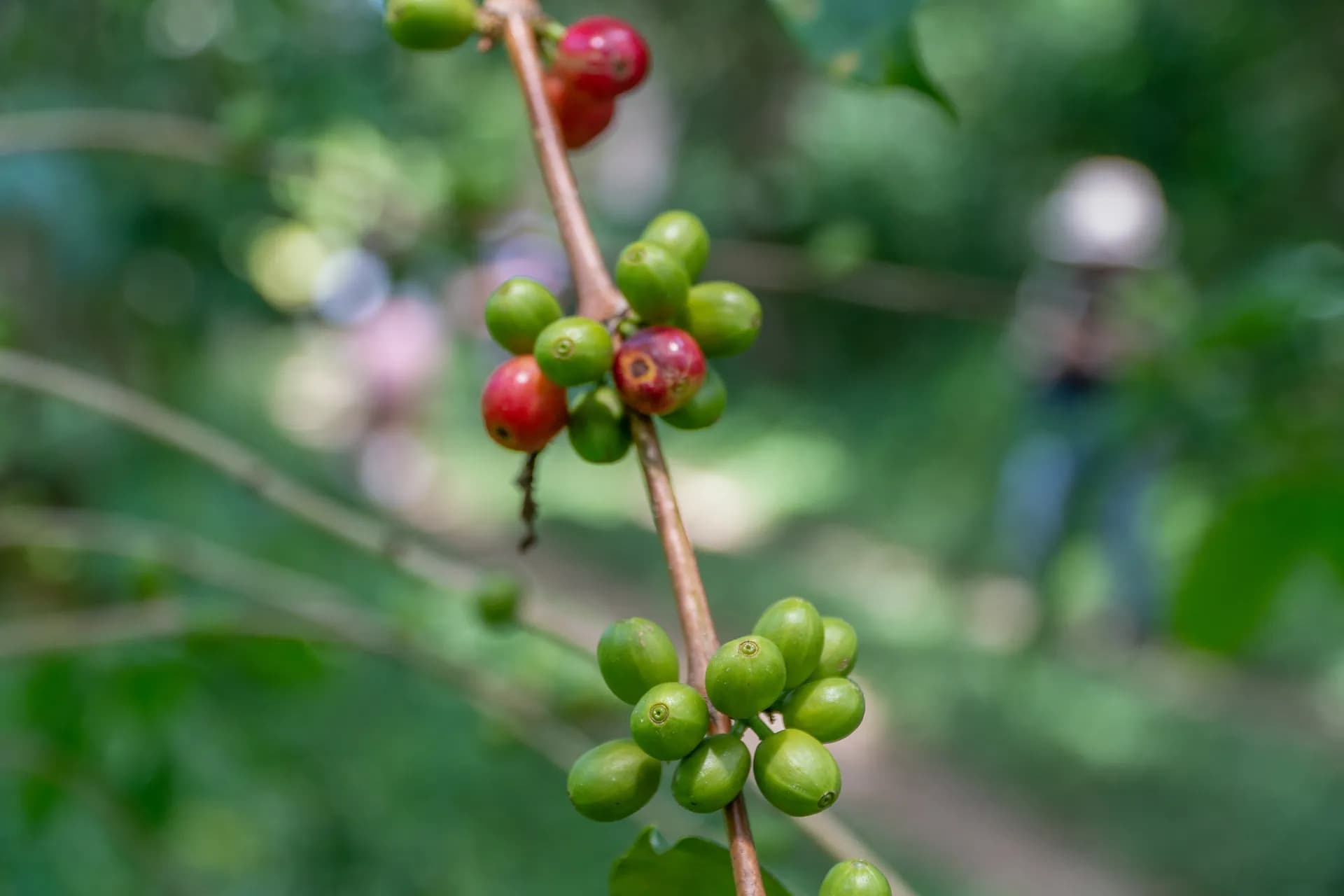
Ermera district is the major coffee hub, a landlocked region at 900 meters and above where the climate is noticeably cooler and wetter than Dili. Gleno is the district capital, with Letefoho and Atsabe as key growing areas. Aileu district, between Dili and Maubisse, grows excellent highland arabica. And Ainaro in the south-central highlands produces some of the most prized specialty lots.
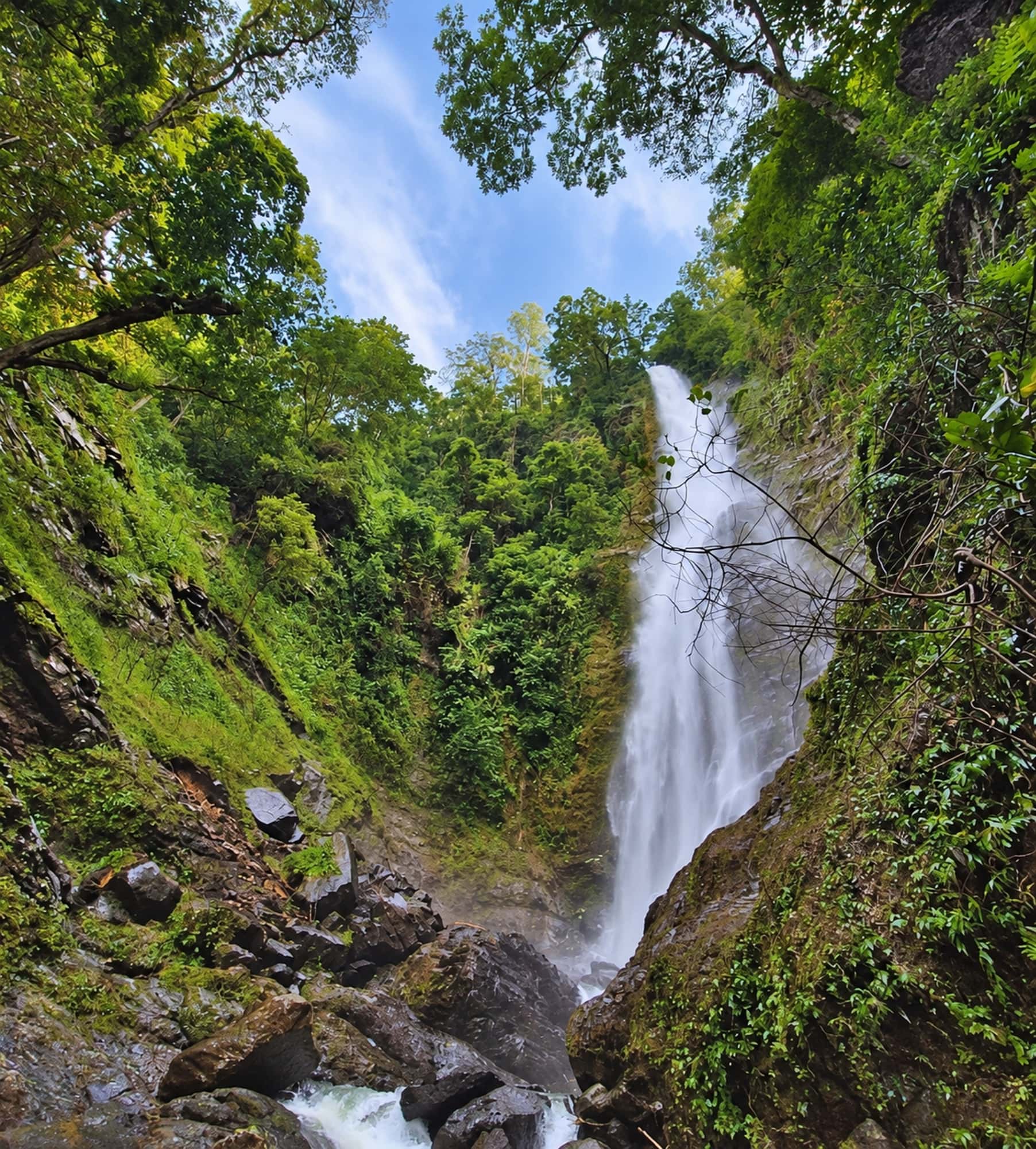
Key plantations to know include Letefoho Specialty Coffee Roasters in Ermera, and Knua Hakmatek and Cocamau in Ainaro, all doing remarkable work with quality and traceability. Each region has slightly different flavor profiles shaped by altitude, soil, and microclimate. Don't miss the drive between Letefoho and Atsabe, which passes Bandeira Waterfall: at roughly 200 meters, it's the highest waterfall in Timor-Leste.
Several cooperatives and specialty farms welcome visitors. Cooperativa Cafe Timor (CCT) is the largest, with farms accessible from Maubisse. Smaller operations around Aileu and Ermera offer more intimate experiences. Mad Dog Adventures runs multi-day coffee origin trips that go deep into the highland growing regions.
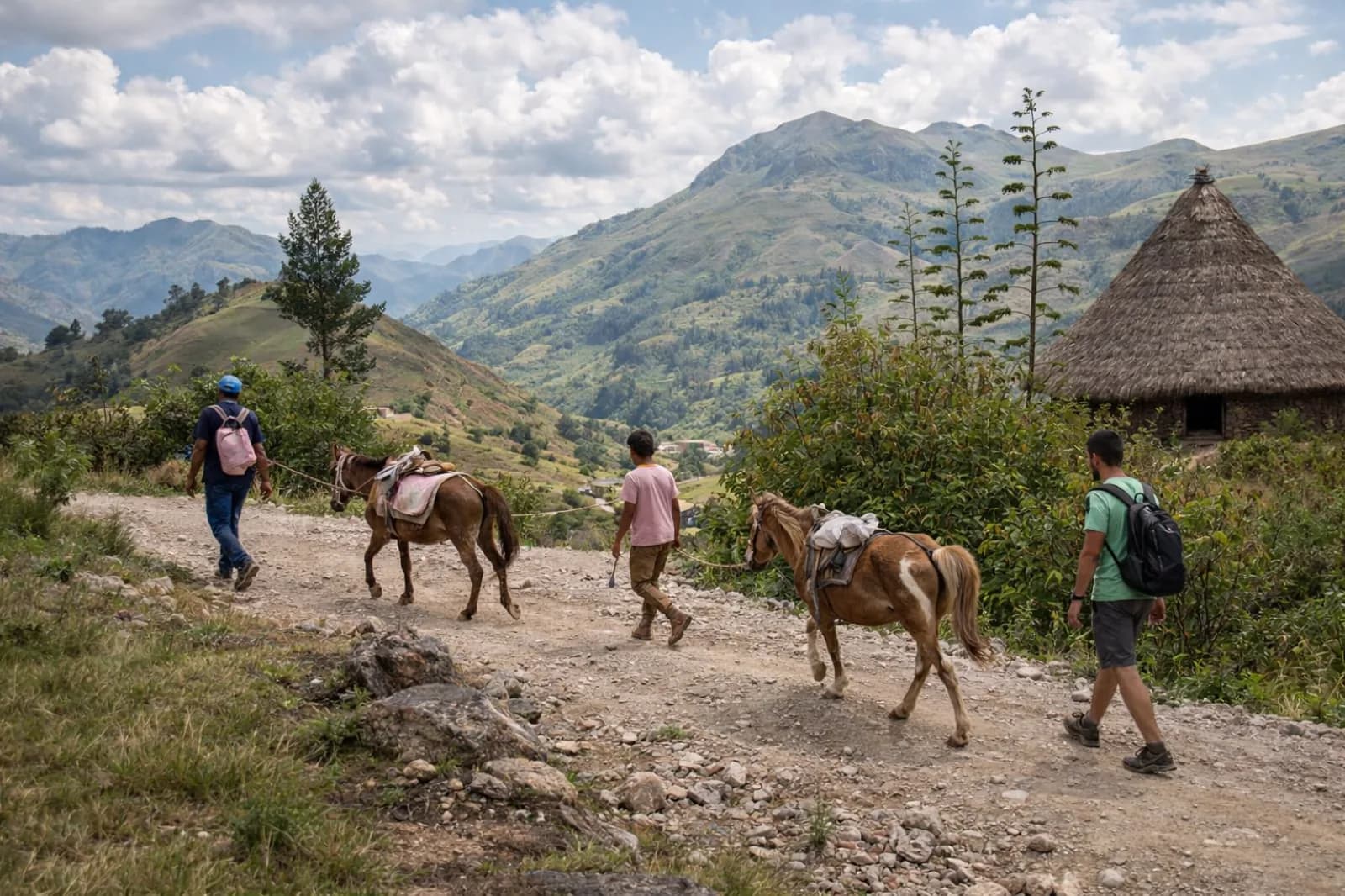
A typical visit includes walking through the coffee groves, seeing cherry picking (harvest season: May through September), visiting the wet mill where cherries are pulped and fermented, watching beans dry on raised beds, and, the highlight, tasting fresh-roasted coffee from the farm you're standing on.
Visits are best arranged through a tour operator who can handle transport and translation. Most farmers speak Tetun or local languages, not English. The mountain roads to coffee country require a capable vehicle, especially in the wet season.
Dili has a growing specialty coffee scene. Look for cafes serving single-origin Timorese coffee rather than generic espresso. Prices are low by international standards ($1-3 for an excellent cup).
Look for cafes that source directly from highland cooperatives: Letefoho, Agora, and Café Brisa Mar in Dili all serve single-origin Timorese beans. Ask about the region. Staff are usually proud to explain which cooperative produced your cup.
3 experiences connected to this guide
Dili city tour with Cristo Rei sunset
Seloi Kraik rice paddies
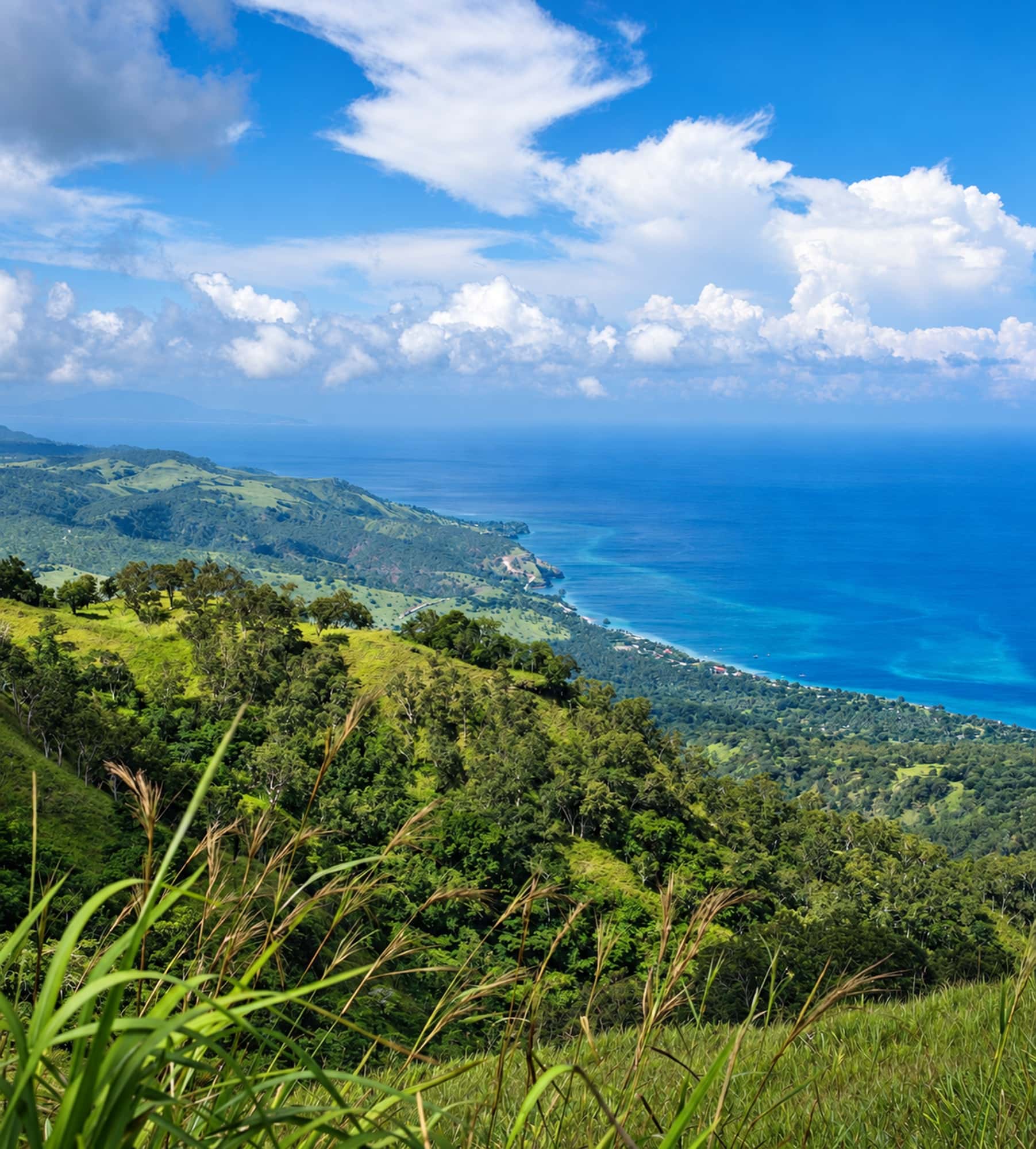
Seloi Kraik mountain lake and rice paddies
Maubisse · Dili
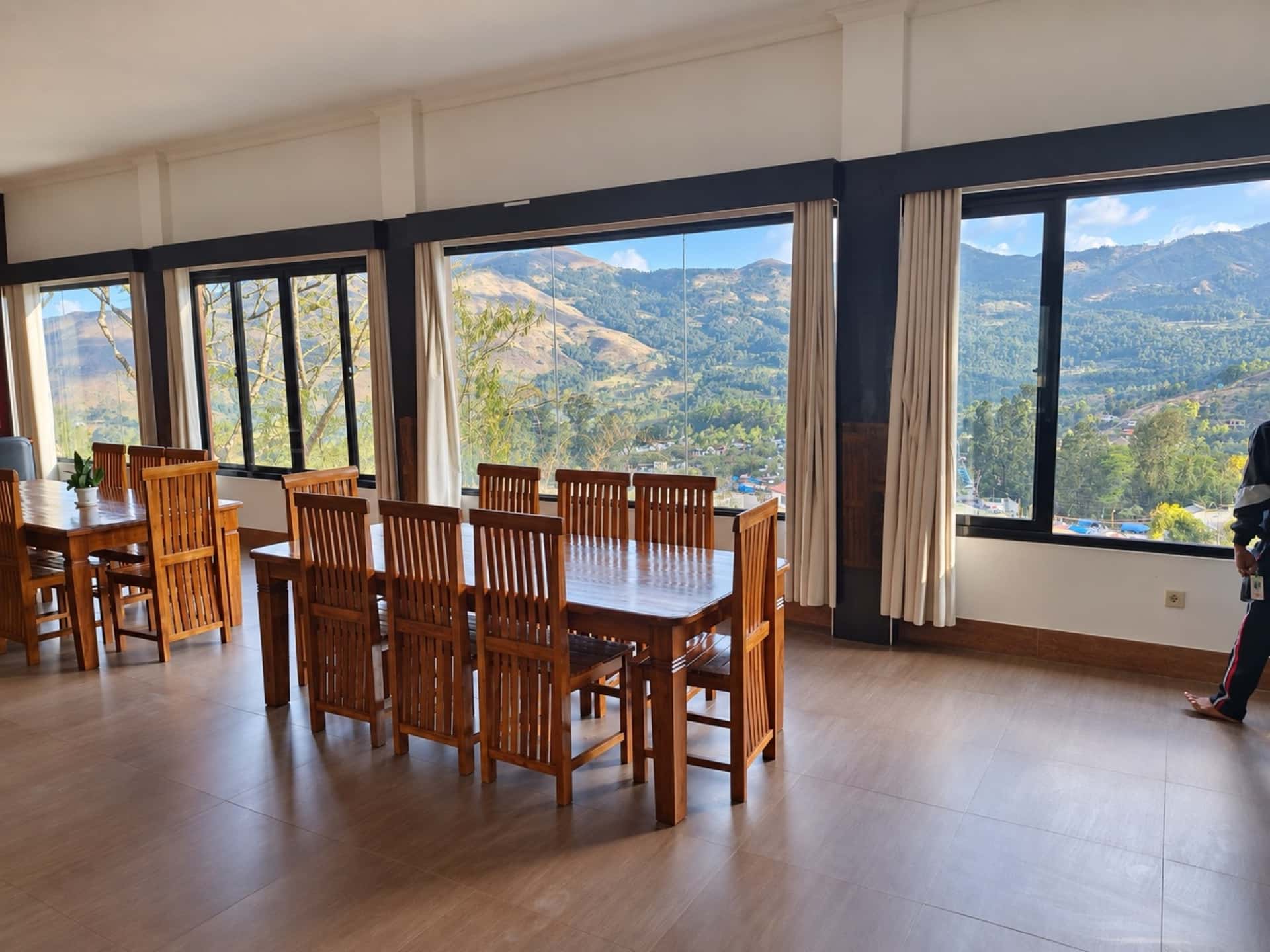
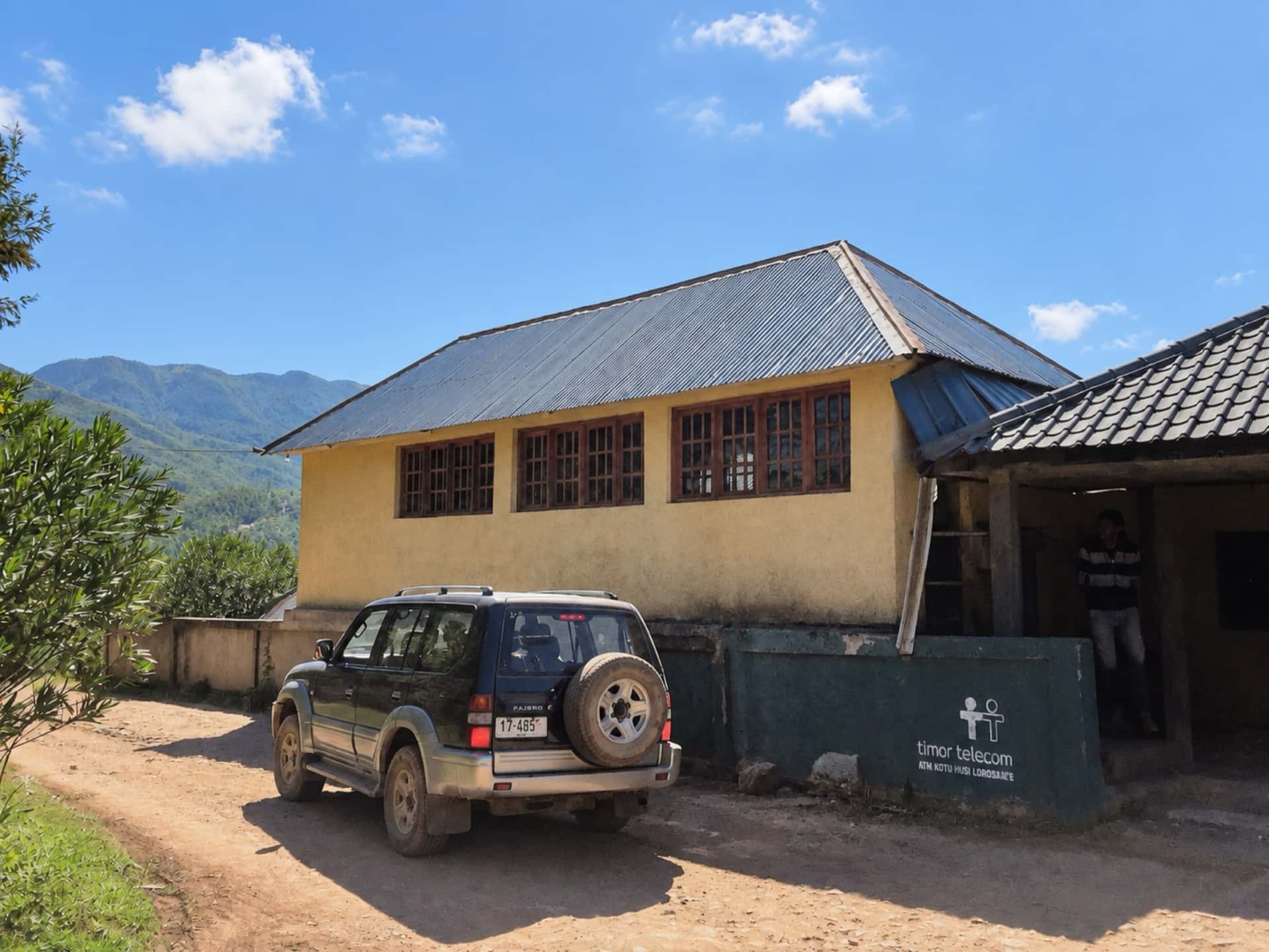
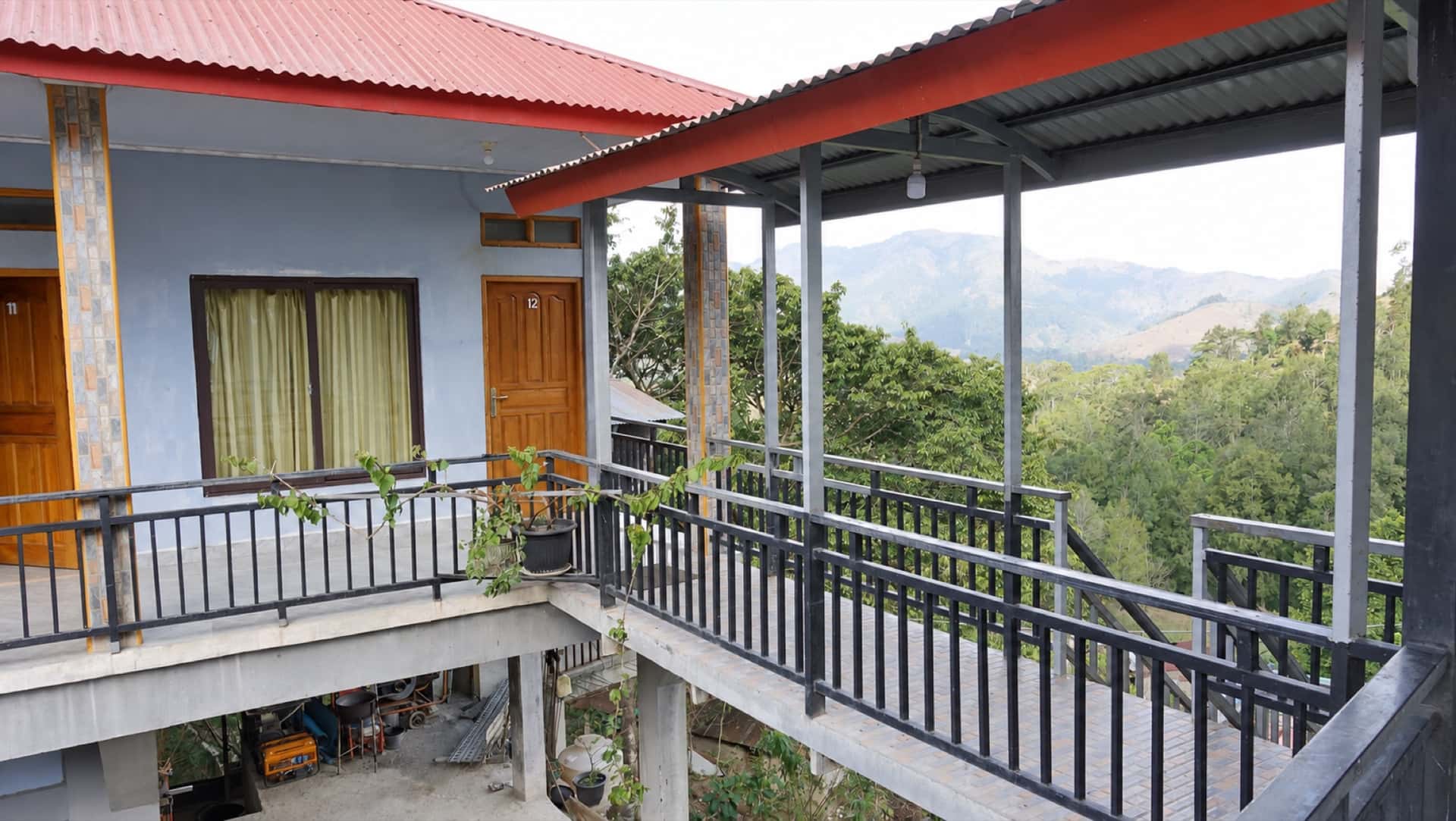
Day tours from Dili $60-120 per person including transport, guide, and farm visit.
May to September for harvest season. Year-round for farm visits and tasting.
New experiences, insider tips, and seasonal highlights. No spam, just useful stuff for planning your trip.
Unsubscribe anytime. We respect your inbox.
Continue planning your trip to Timor‑Leste
Places mentioned in this guide