5-Day Timor-Leste Tour: Dili, Highlands & Baucau
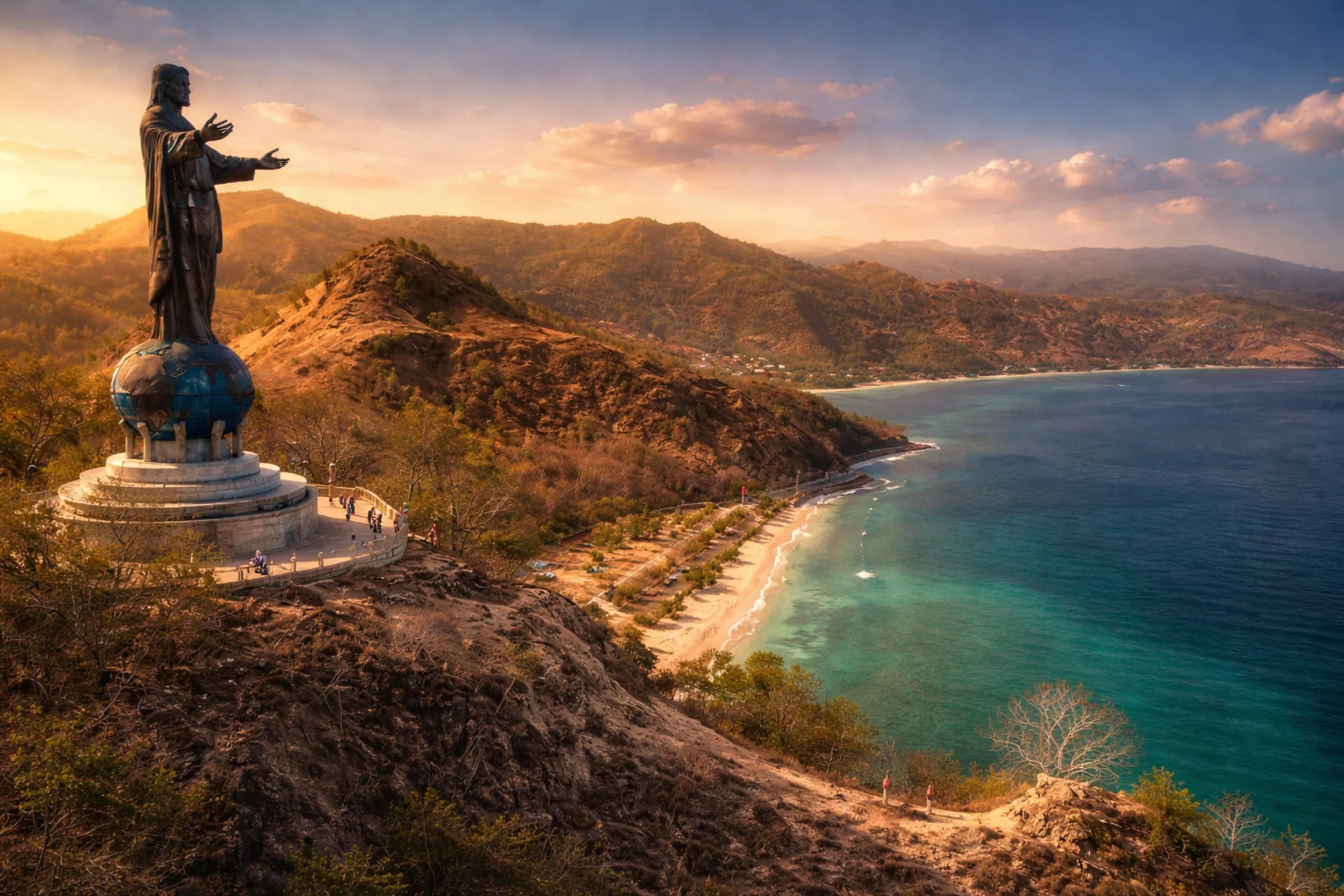
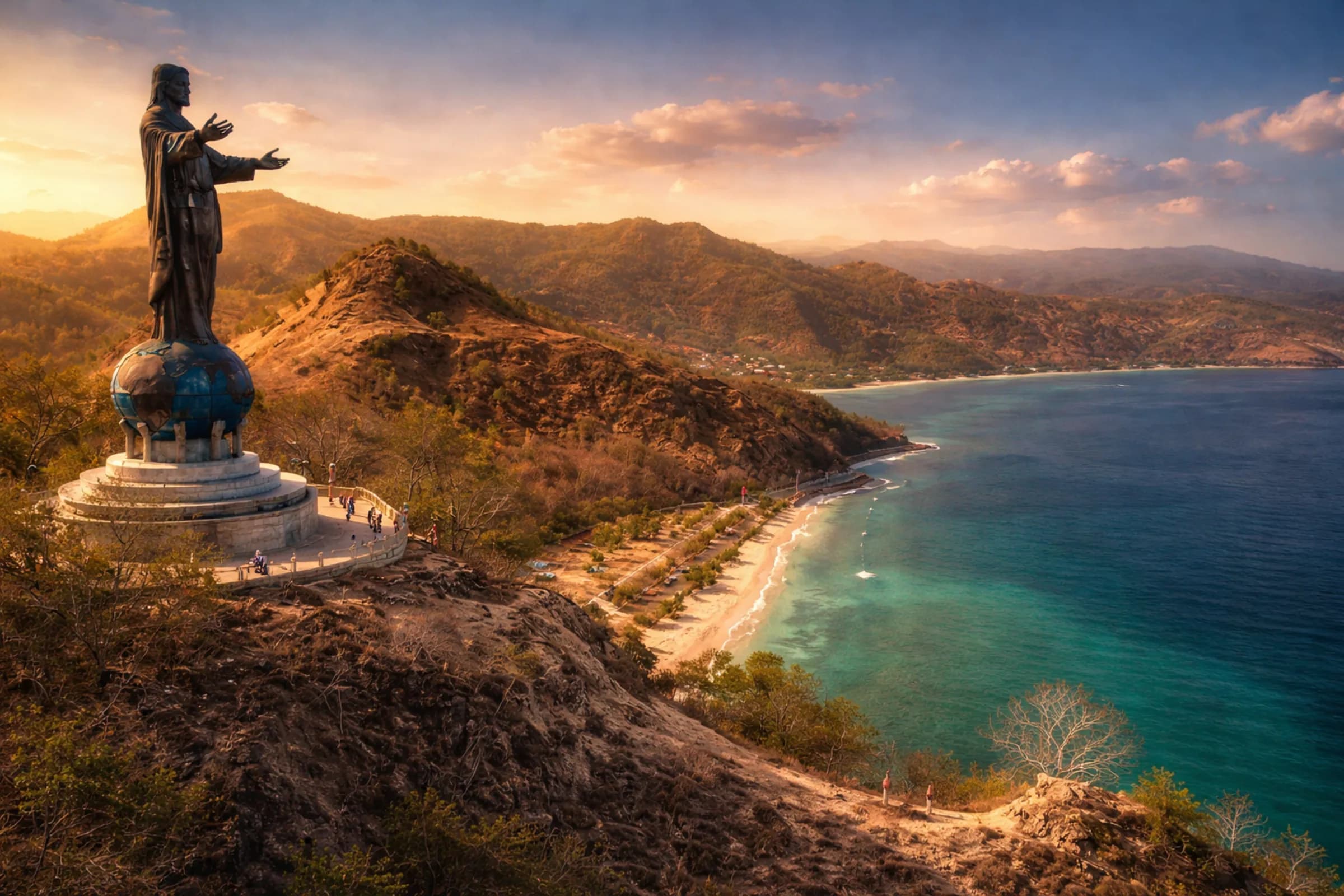
Dili city tour with Cristo Rei sunset

The complete guide to experiences, adventures, and hidden gems
Timor-Leste is one of the least-visited countries in Southeast Asia — and that's exactly what makes it extraordinary. Everything you do here has the rawness of genuine discovery: diving reefs that haven't been mapped on Google, trekking mountains where you're the only foreigner, drinking coffee on the farm where it was grown.
The country is small but packed. In a single week you can dive world-class coral reefs, summit the highest peak in the country, tour highland coffee farms, watch whales from a fishing boat, and explore Portuguese colonial architecture — all connected by some of the most dramatic coastal and mountain roads in Asia.
This guide covers every major experience available in Timor-Leste, from the obvious highlights to things only locals know about.
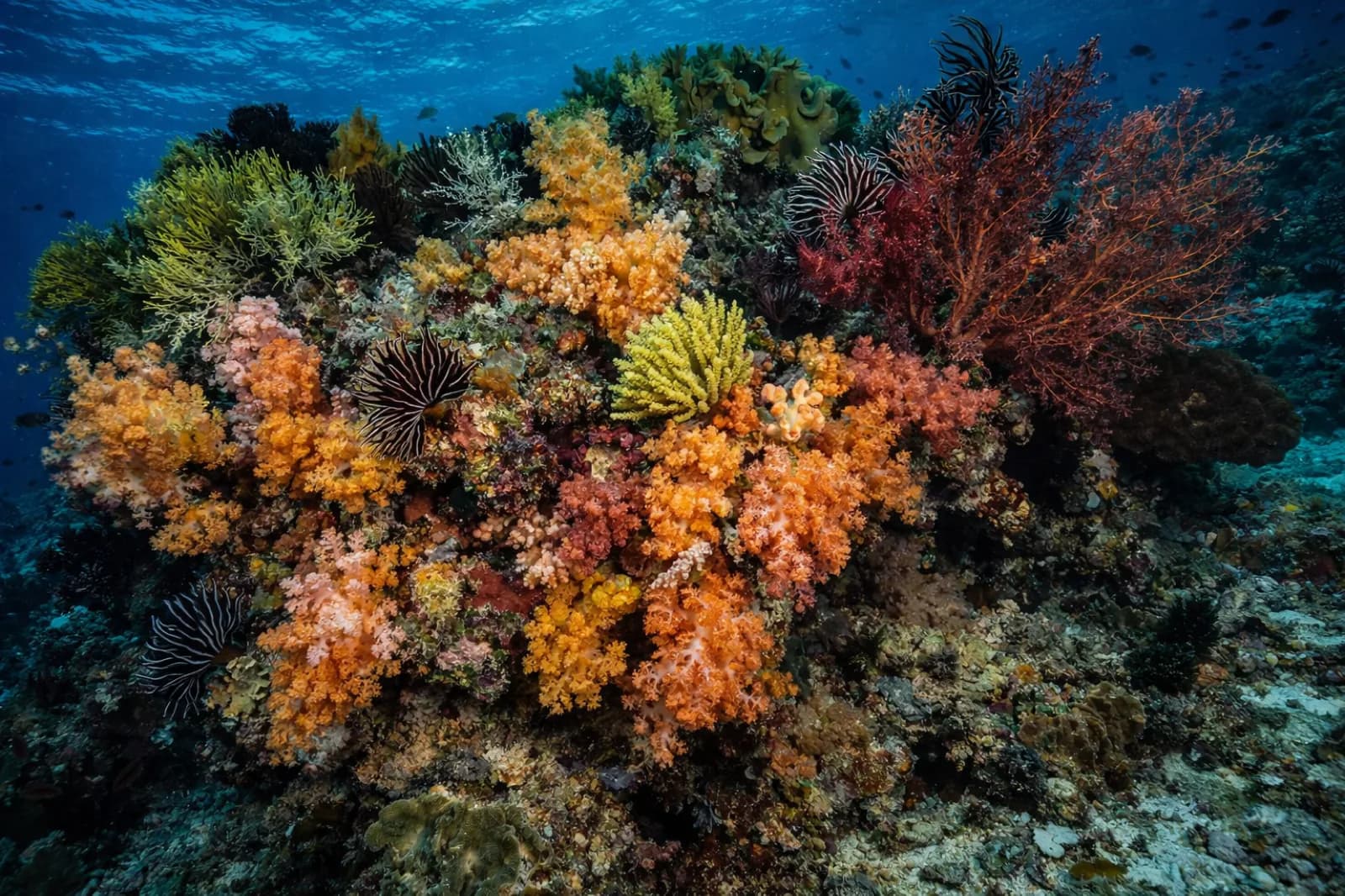
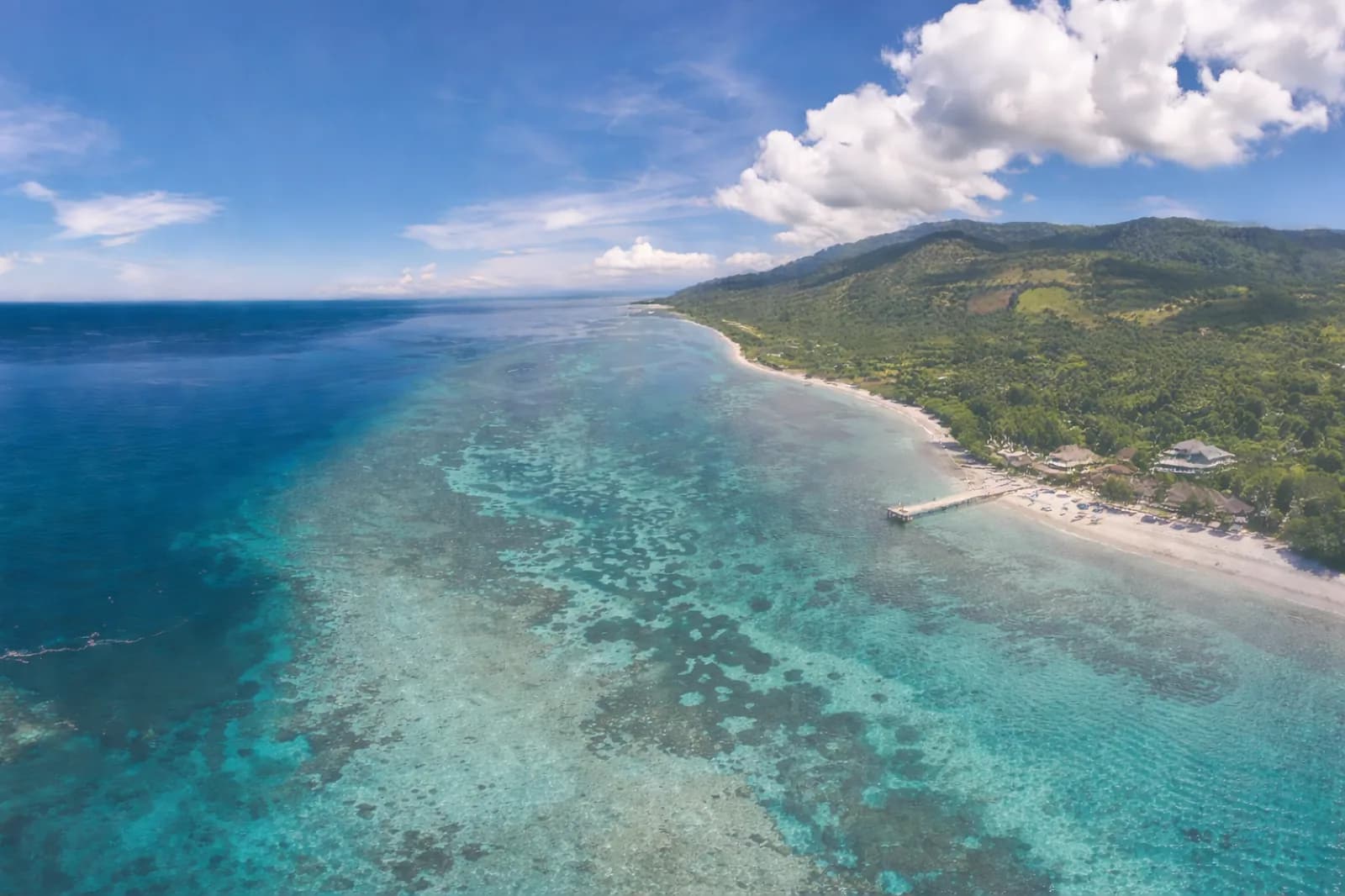
Timor-Leste sits in the Coral Triangle — the global epicenter of marine biodiversity. Atauro Island has more reef fish species per dive site than anywhere else recorded. The reefs are pristine, the water is warm year-round (27-29°C), and you'll likely have entire dive sites to yourself. Operators include Dive Timor Lorosae, Aquatica, and Dreamers Dive in Dili, plus Compass Diving and Atauro Dive Resort on the island.
Shore diving in Dili is excellent too. K41 is famous for frogfish and ghost pipefish, Pertamina Pier is world-class muck diving with seahorses, and Tasi Tolu offers turtles and reef sharks with easy beach entry. For snorkelers, Jaco Island and Atauro's beaches offer crystal-clear water and coral starting at the waterline.
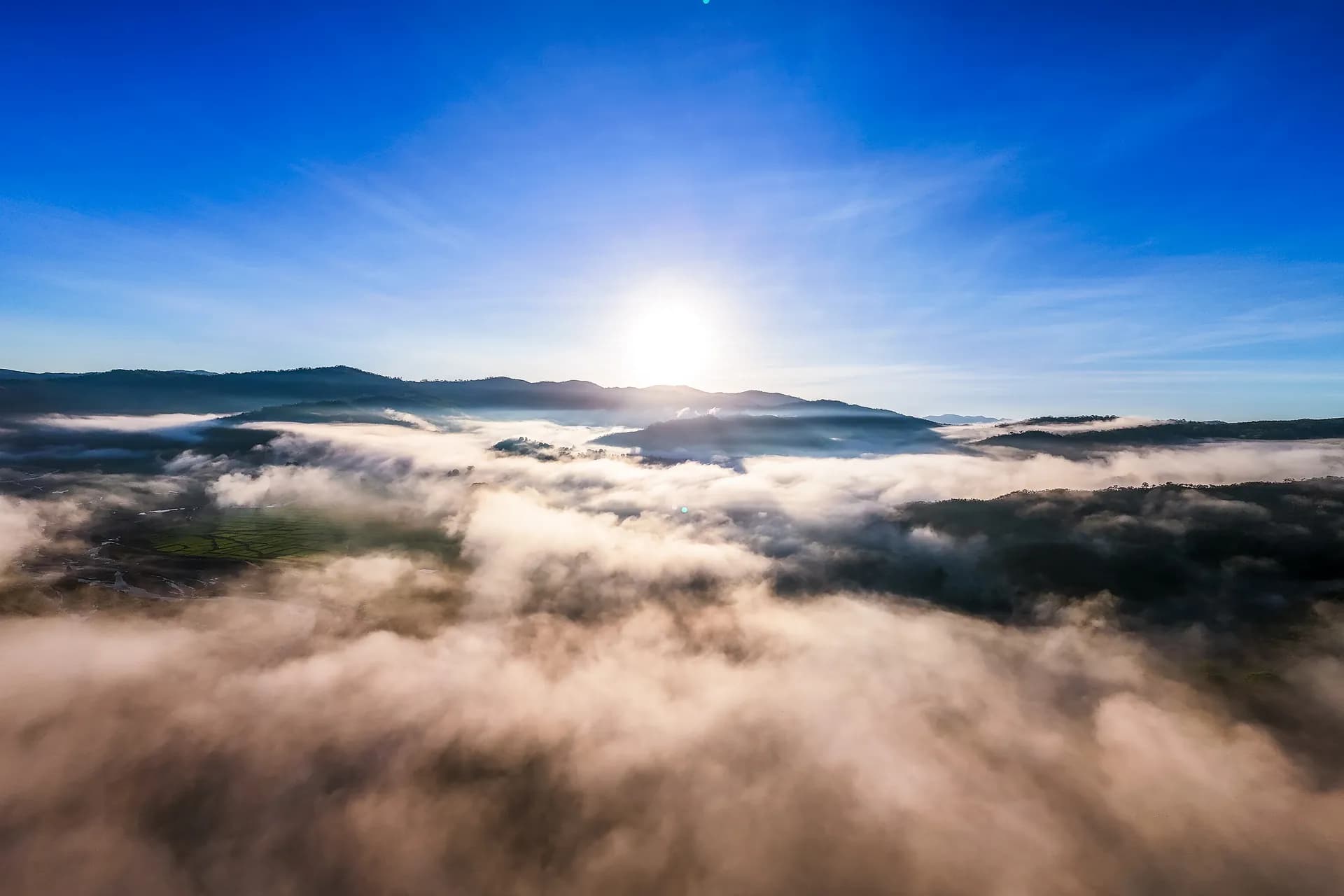
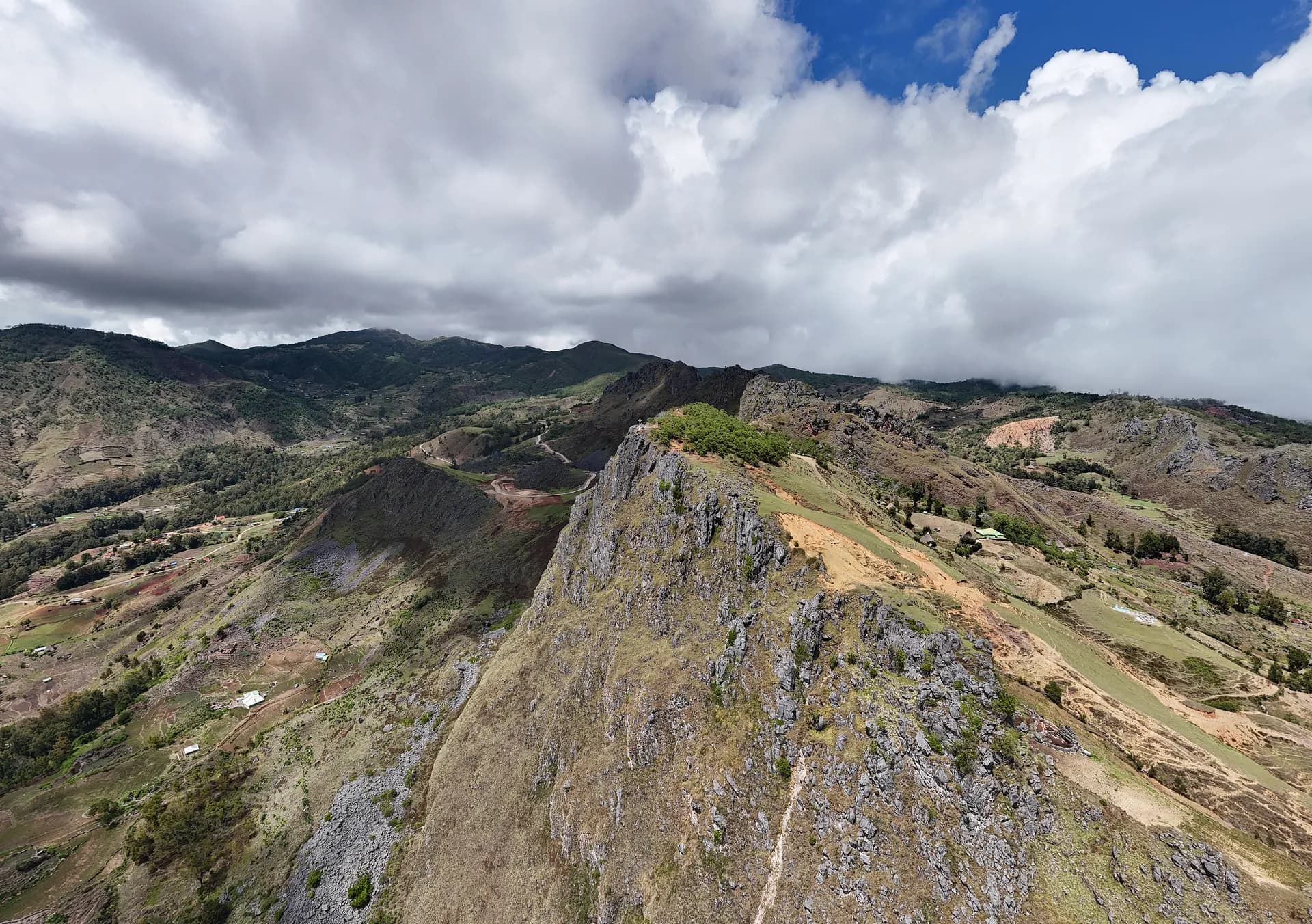
Mount Ramelau (2,963m) is the iconic trek — a pre-dawn climb to watch sunrise from the roof of Timor-Leste. It's challenging but non-technical, and the views are extraordinary. The highlands around Maubisse offer cooler temperatures, pine forests, and traditional villages.
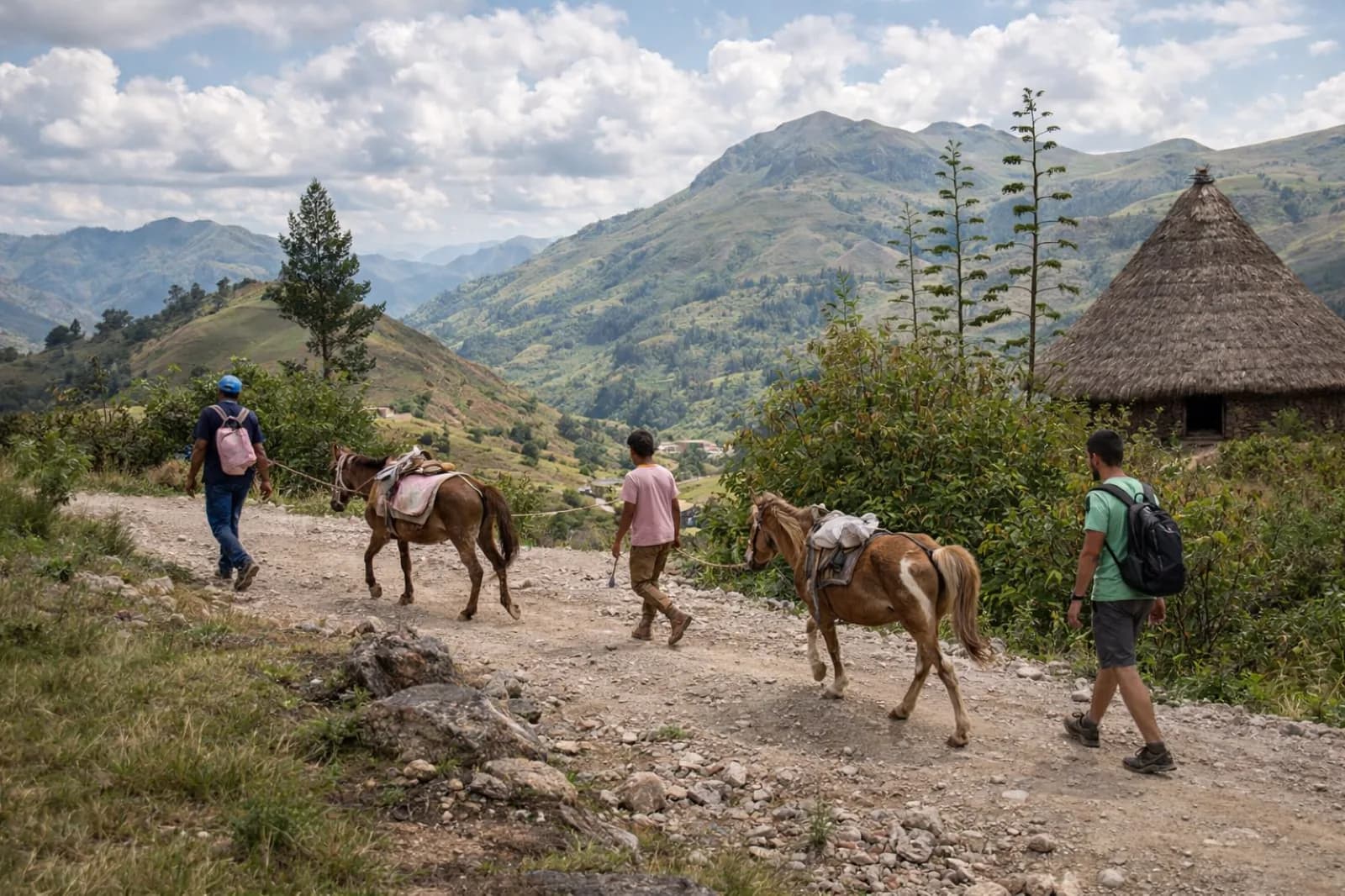
Beyond Ramelau, there's trekking in the Nino Konis Santana National Park (Timor's only national park), day hikes from Baucau into the surrounding hills, and village-to-village walks in the central highlands where you'll pass through landscapes that feel untouched.
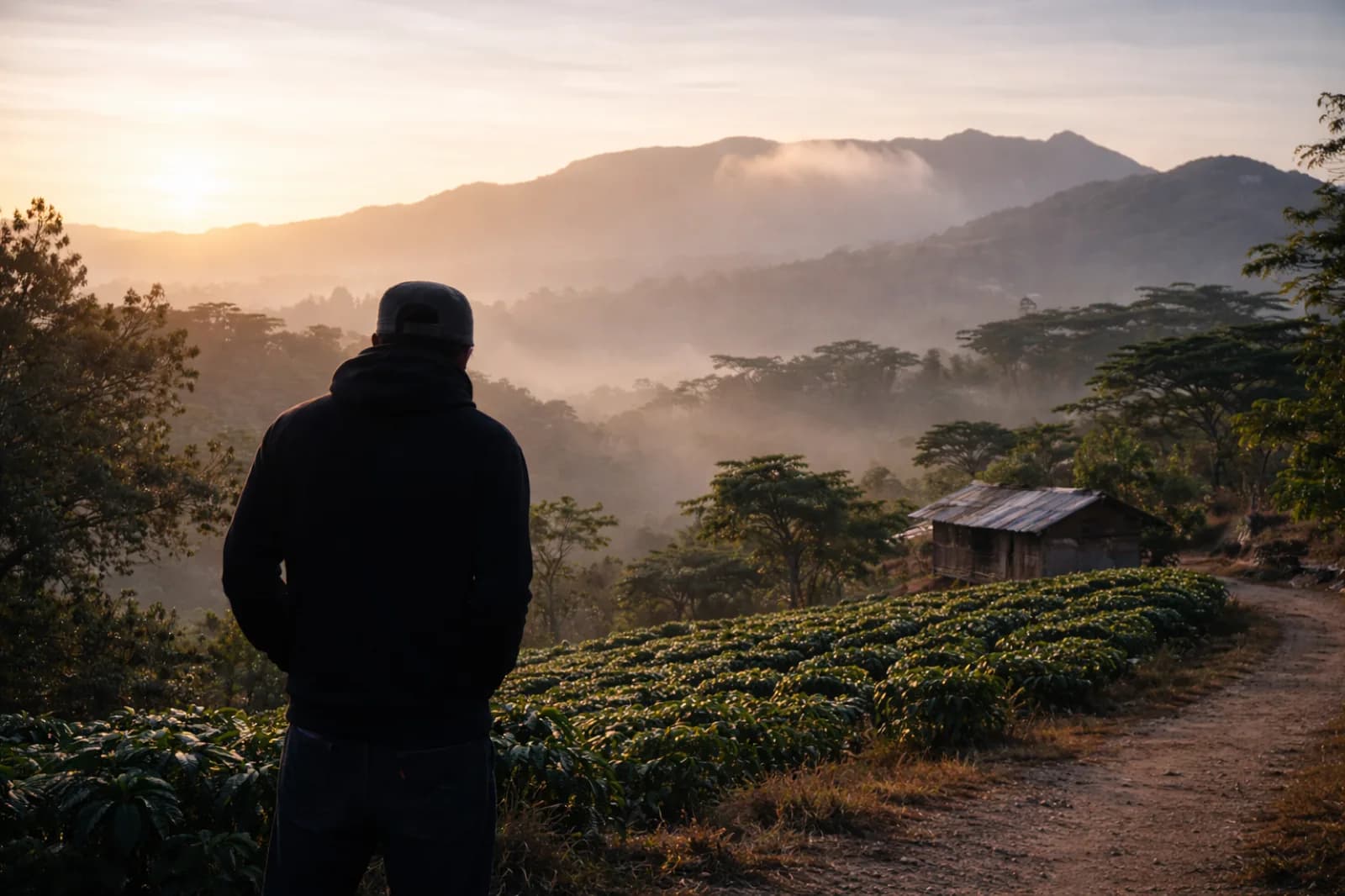
Timor-Leste produces the famous Timor Hybrid coffee — a natural cross of arabica and robusta discovered in the 1940s, whose exceptional rust resistance changed global coffee breeding. Highland cooperatives around Maubisse, Aileu, and Ermera welcome visitors to see cherry picking (May-September), wet processing, and taste coffee at its source.
A coffee tour is one of the most rewarding half-day or full-day experiences. You'll drive through spectacular mountain scenery, visit working farms, and buy beans directly from the people who grew them.
From mid-October through November, pygmy blue whales (up to 24 meters long) migrate along the northern coast, joined by sperm whales, pilot whales, and dolphins. Tours run primarily from Hera near Dili as well as Atauro Island. You go out in local fishing boats — raw, authentic, and often extraordinary. Sightings are never guaranteed, and timing shifts annually.
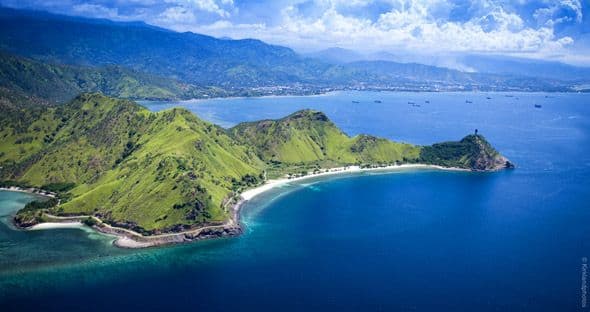
Even outside whale season, spinner dolphins are common in the strait. And the boat trips themselves are beautiful — turquoise water, volcanic island backdrop, and the chance to see marine life that few tourists ever encounter.
Timor-Leste's culture is a unique blend of Austronesian, Portuguese, and indigenous traditions. In Dili, visit the Resistance Museum to understand the country's struggle for independence. The Cristo Rei statue offers panoramic views of the city and coast.
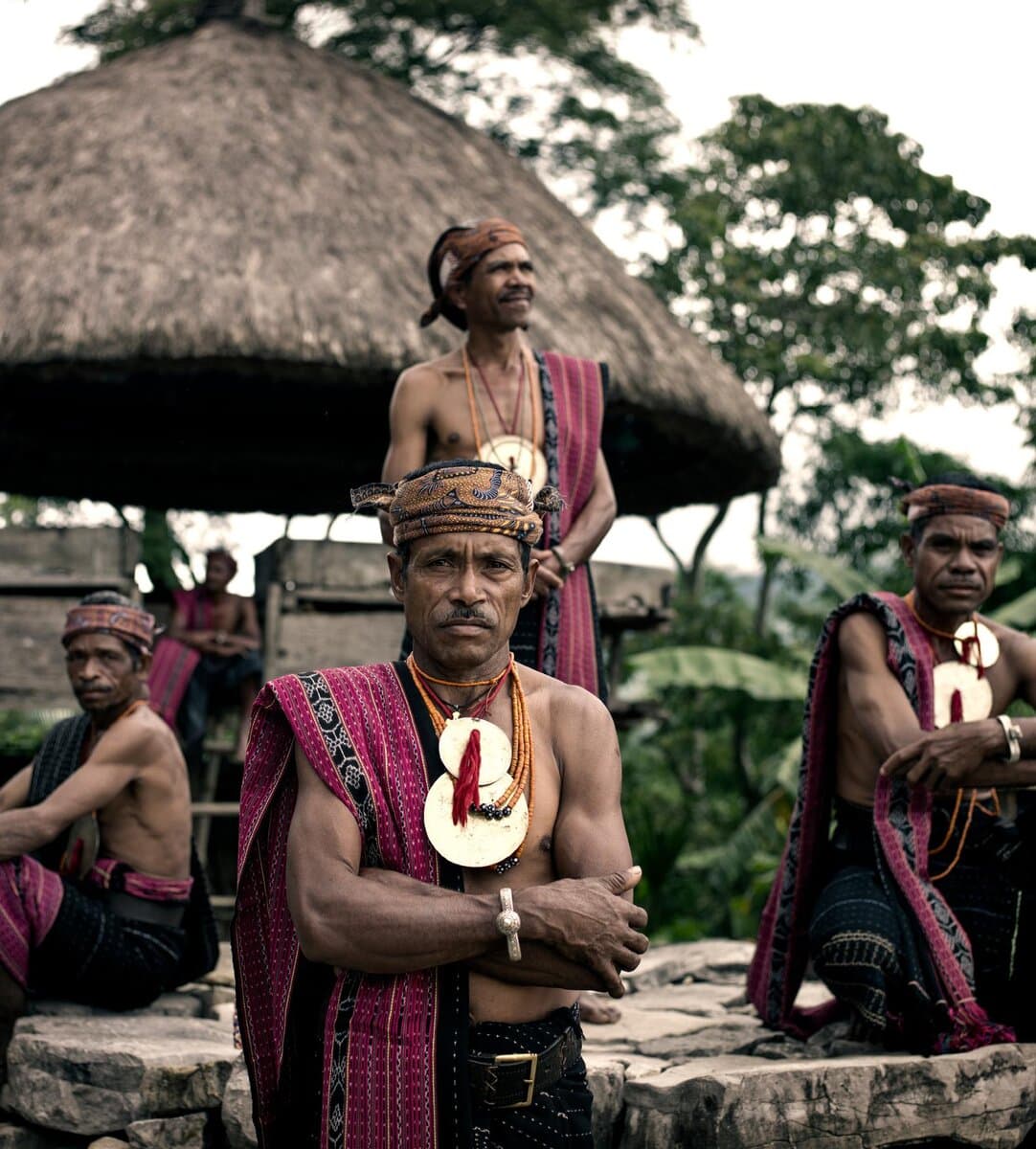
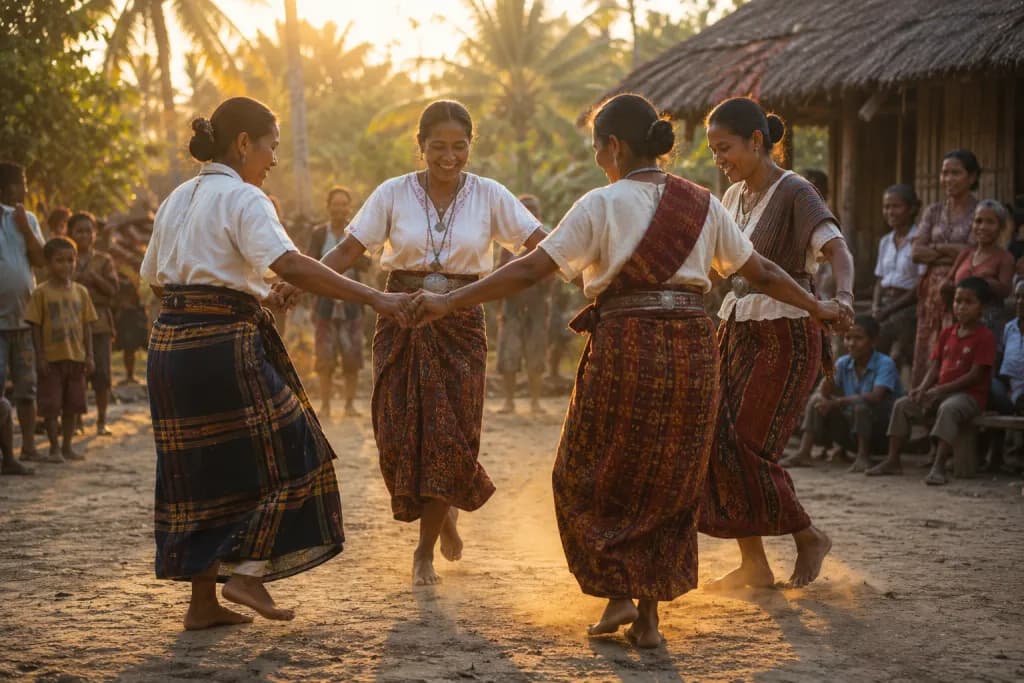
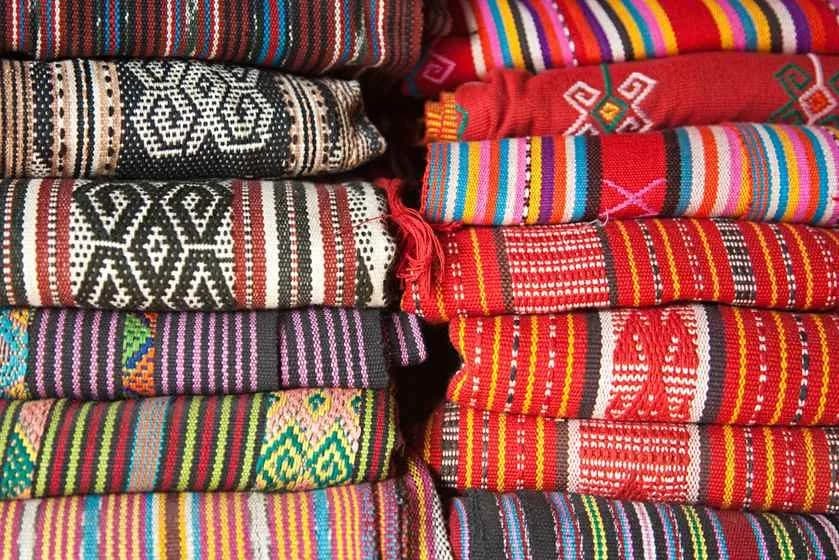
Outside Dili, traditional villages (especially in the east around Lospalos and Tutuala) maintain animist practices, sacred houses (uma lulik), and weaving traditions. Markets in Baucau and Maubisse are vibrant and authentic. Timorese people are among the most welcoming you'll meet anywhere.
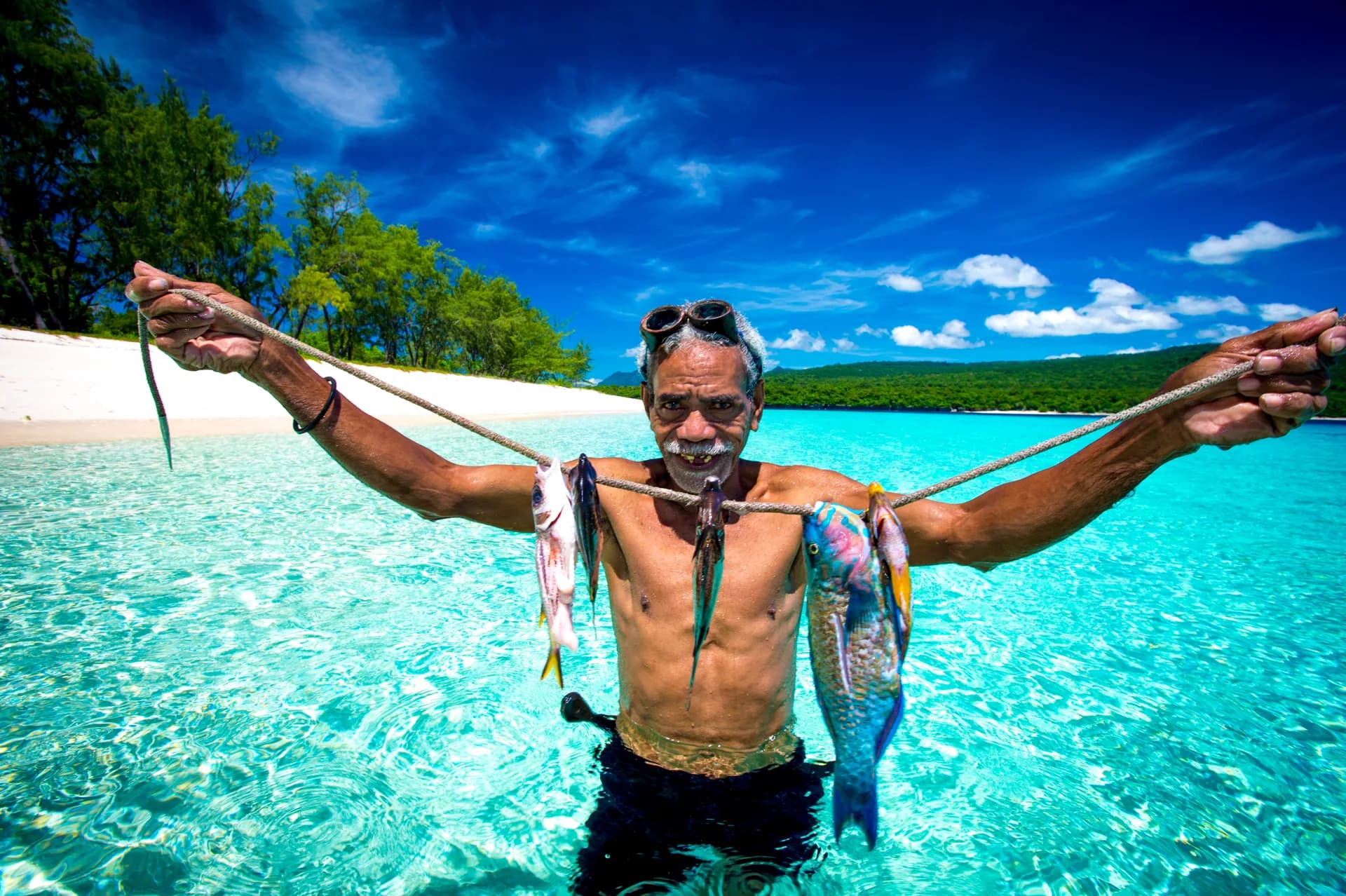
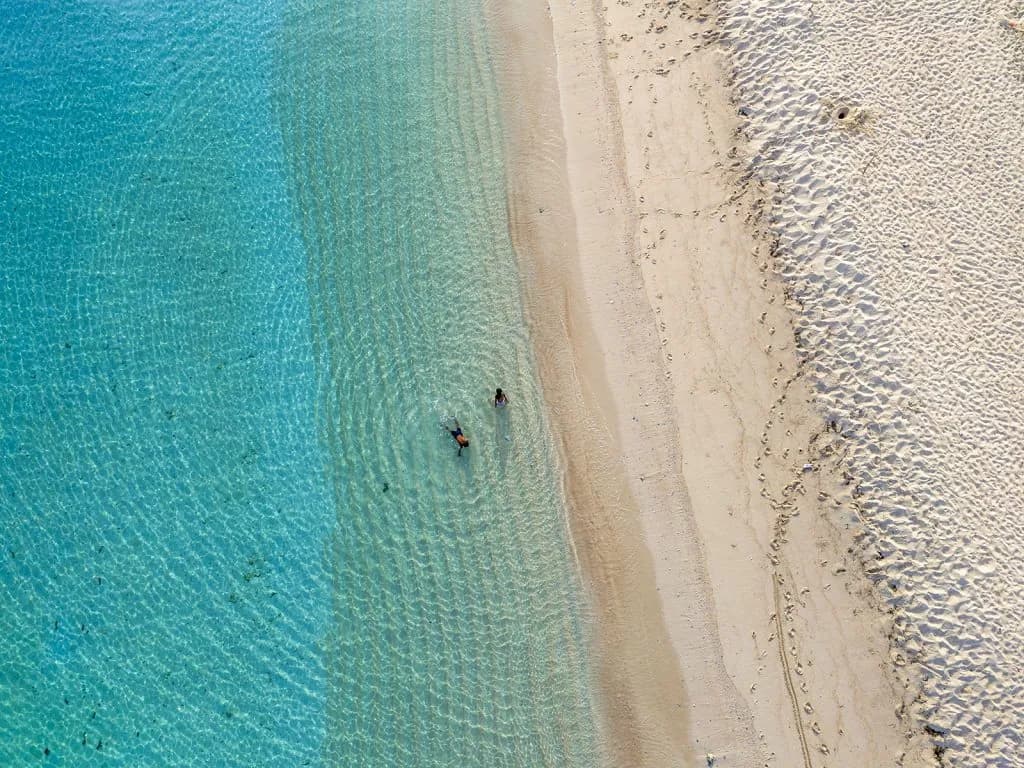
Jaco Island is the crown jewel — a sacred, uninhabited island with white sand and turquoise water. Getting there is an adventure (8 hours from Dili), but it's one of the most pristine beaches in Southeast Asia.
Closer to Dili, Atauro Island has beautiful cove beaches (Atecru, Akrema, Dollar Beach) and excellent snorkeling. Dili's own coastline — crocodile-free — offers safe swimming at Cristo Rei, Dolok Oan, and Tasi Tolu. For a unique experience, visit Piscina de Baucau, a spring-fed natural pool that's the best swimming spot in the country.
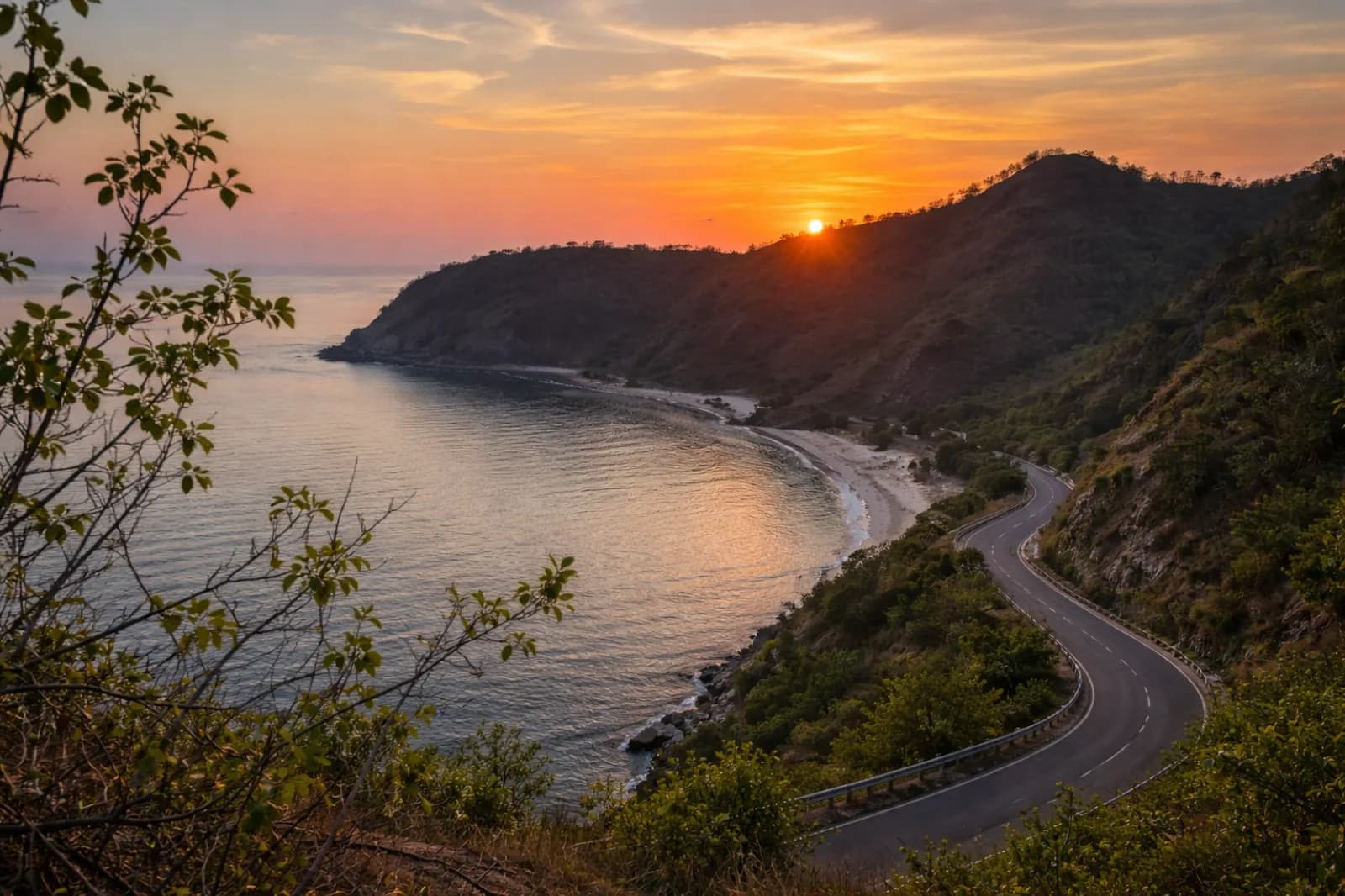
Renting a car (usually a 4WD with driver) is the best way to explore at your own pace. The north coast road from Dili to Baucau is one of Southeast Asia's great coastal drives. The mountain road to Maubisse climbs through coffee country with dramatic valley views.
Self-drive is possible but challenging — no international car hire companies operate here, roads are rough outside the main highways, signage is minimal, and livestock wander freely. Most visitors hire a vehicle with driver ($120-150/day) for comfort and safety.
Canyoning is available through Mad Dog Adventures, running June through November at sites near Dili — a thrilling way to experience the country's river gorges. They also run multi-day trail running expeditions through the highlands for the seriously fit.
Mountain biking is growing, with the Dare region above Dili offering excellent riding. Comrider Adventure and Mountain Bike Timor-Leste provide rentals and guided rides. The Dili Marathon (usually half-marathon distance) runs in September or October for runners.
Birding is exceptional — over 240 species including 23 Timor endemics. Rock climbing has abundant natural locations but you'll need to bring your own equipment. And volunteering opportunities exist with numerous local and international NGOs across the country.
Worth noting for trip planning: Timor-Leste has no rail travel, no golf courses, and no surfing (crocodile populations on the south coast make it unsafe). It has no UNESCO World Heritage Sites yet, though Nino Konis Santana National Park was designated a UNESCO Biosphere Reserve in June 2026 — the country's first UNESCO natural-site listing. The appeal here is raw, authentic adventure — not polished tourist infrastructure.
25 experiences connected to this guide

Dili city tour with Cristo Rei sunset


Seloi Kraik rice paddies

Seloi Kraik rice paddies
May to November for dry weather. July to September is peak season. Mid-October through November adds whale watching. Year-round for diving.
New experiences, insider tips, and seasonal highlights. No spam — just useful stuff for planning your trip.
Unsubscribe anytime. We respect your inbox.
Continue planning your trip to Timor‑Leste

The world's most biodiverse reefs, virtually untouched

White sand, turquoise water, and not a crowd in sight

From highland farms to your cup — the Timor Hybrid story

Sunrise from the roof of Timor-Leste at 2,963m

Transport guide — from Dili to the far east and everywhere between

Grilled fish, mountain coffee, and palm wine — an honest food guide

Religion, language, kinship, tais, music, and the customs that shape daily life

Mountain trails, sacred peaks, and highland landscapes far from the tourist trail

Tais textiles, fresh-roasted coffee, and markets that run on their own time
Places mentioned in this guide