Instant confirmation
Highlands & Dokomali Waterfall Day Tour
MaubisseUp to 1 dayIsland Explorer Holidays
CoffeeModerateMax 10Pickup
Seloi Kraik rice paddies
4.8(12 · Google)
$120per personMinimum 2 guests, from $240
Check dates & availability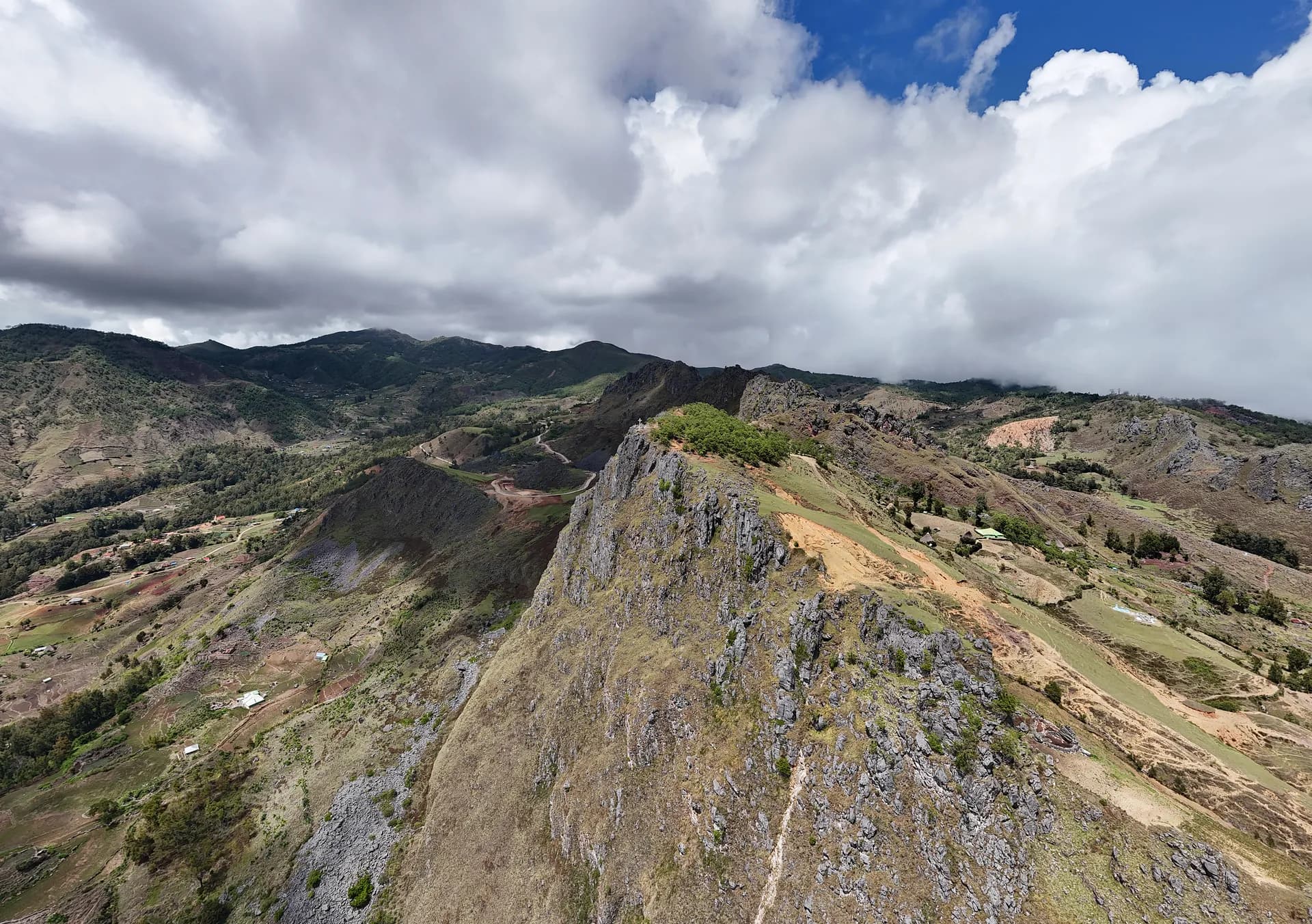
Mountain trails, sacred peaks, and highland landscapes far from the tourist trail
Timor-Leste is a hiker's country. Two-thirds of the land is mountain: jagged volcanic peaks, deep river valleys, and highland plateaus draped in eucalyptus forest. There are no Himalayan crowds here, no permit queues, no organised trekking infrastructure to speak of. Just trails that locals have walked for generations, guides who know every ridge, and landscapes that feel genuinely untouched.
The flagship experience is Mount Ramelau: a pre-dawn climb to the roof of the country at 2,963 m, arriving at sunrise to find the whole island spread below you. But Ramelau is only the beginning. The Maubisse highlands offer multi-day walking through coffee country and traditional villages. Atauro Island has rugged trails to remote beaches that no road reaches. And the far east, Tutuala and Lautem, has coastal walks and forested paths at the edge of the world.
Be clear-eyed about what trekking here means: minimal trail signage, occasional bushwhacking, no mountain rescue service, and roads that are sometimes impassable after rain. A local guide isn't a luxury: it's often the difference between a transformative adventure and an exhausting ordeal. The rewards are proportional to the preparation.
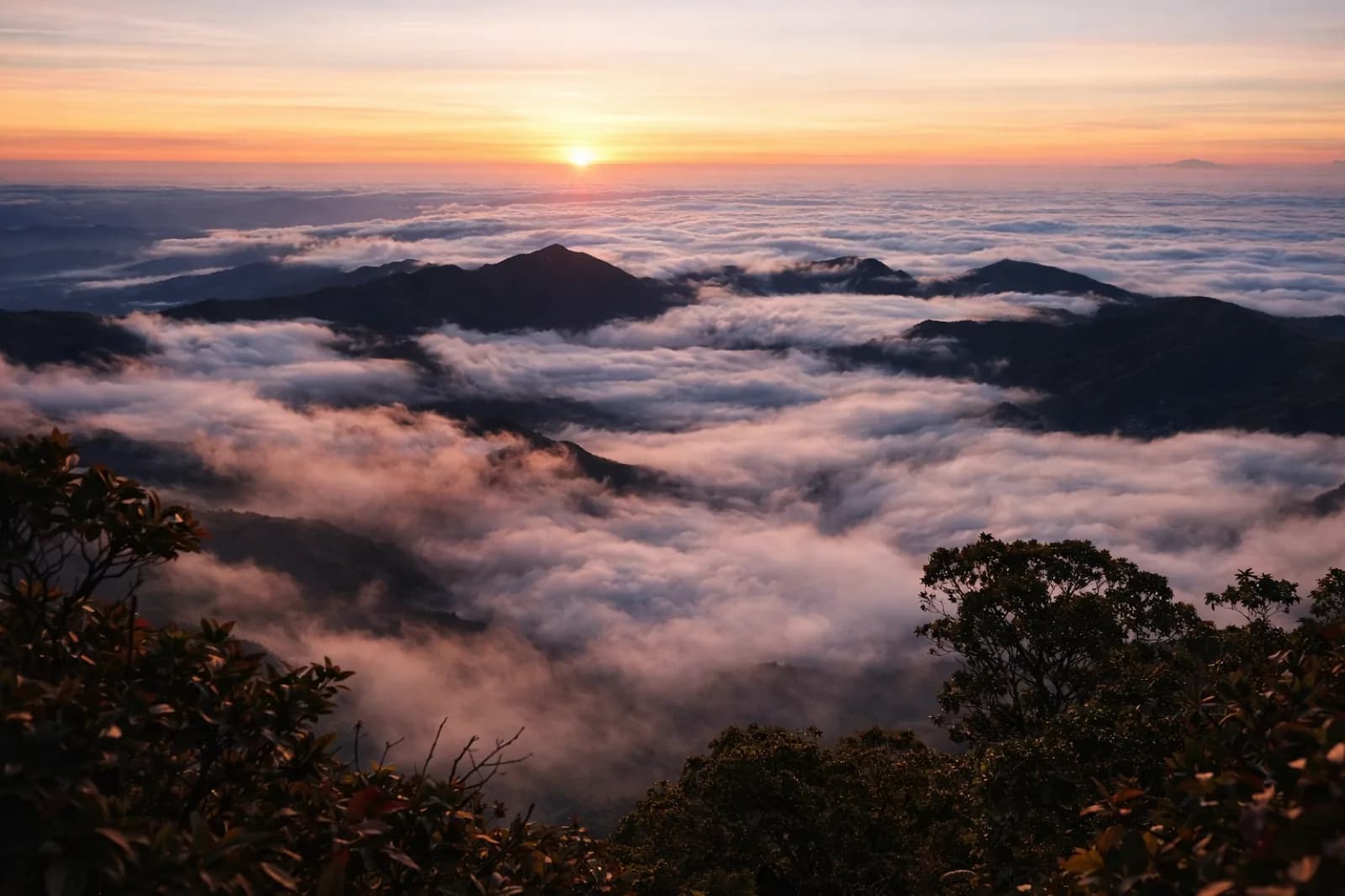
No hike in Timor-Leste compares to Ramelau. Tatamailau, the Tetun name, meaning something close to "the father of all mountains", is the highest point in the country at 2,963 m. The standard ascent starts from Hato Builico at 3am, climbing through eucalyptus forest by headlamp as the temperature drops into single digits. By the time you reach the summit, a large statue of the Virgin Mary is silhouetted against an orange sky, and below you the north coast, south coast, and Atauro Island are slowly emerging from the dark.
The trail is about 6km one way with 600-700 metres of elevation gain: no technical climbing, no ropes, but consistently steep, often muddy, and increasingly cold. Most reasonably fit hikers make the ascent in 2-3 hours. The descent takes 1.5-2 hours. The summit plateau is exposed and can be bitterly cold before sunrise. Bring a down jacket, gloves, and a beanie. The contrast with Dili's 30°C heat two hours down the road is startling.
Local guides from Hato Builico village charge about $20-$25 and are genuinely worth it, especially for the pre-dawn start when trail junctions are easy to miss. Tour operators from Dili offer full packages including transport, guide, and a packed breakfast. The standard itinerary is overnight in Maubisse, drive to the trailhead at 2am, summit at sunrise, back to Dili by afternoon.
Ramelau is also one of Timor-Leste's most important pilgrimage sites. In March and October each year, thousands of Timorese make the climb, families, children, elderly pilgrims, as a religious act. If you arrive during a pilgrimage weekend, the mountain feels alive in a way it doesn't otherwise. It's worth planning around.
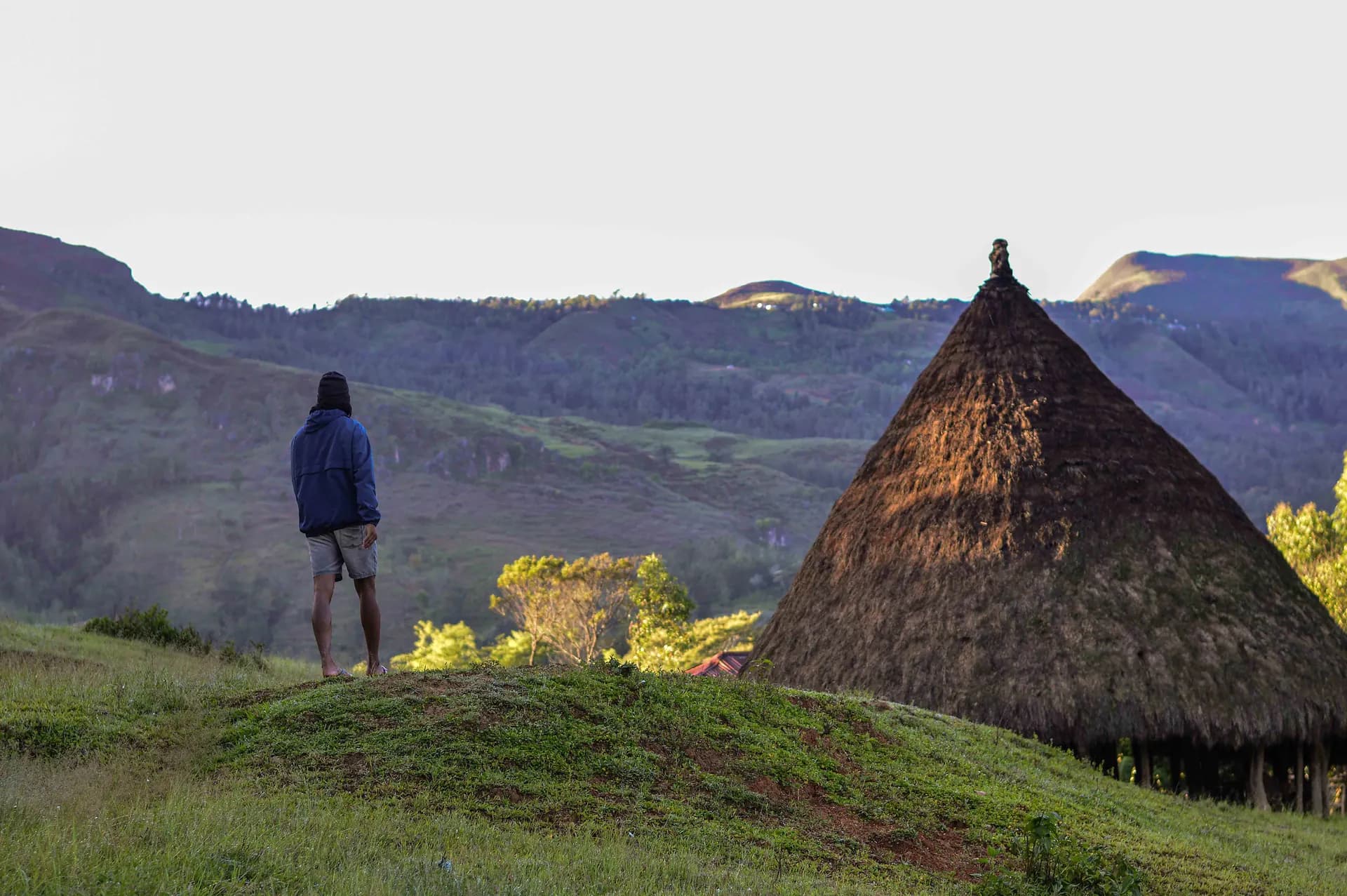
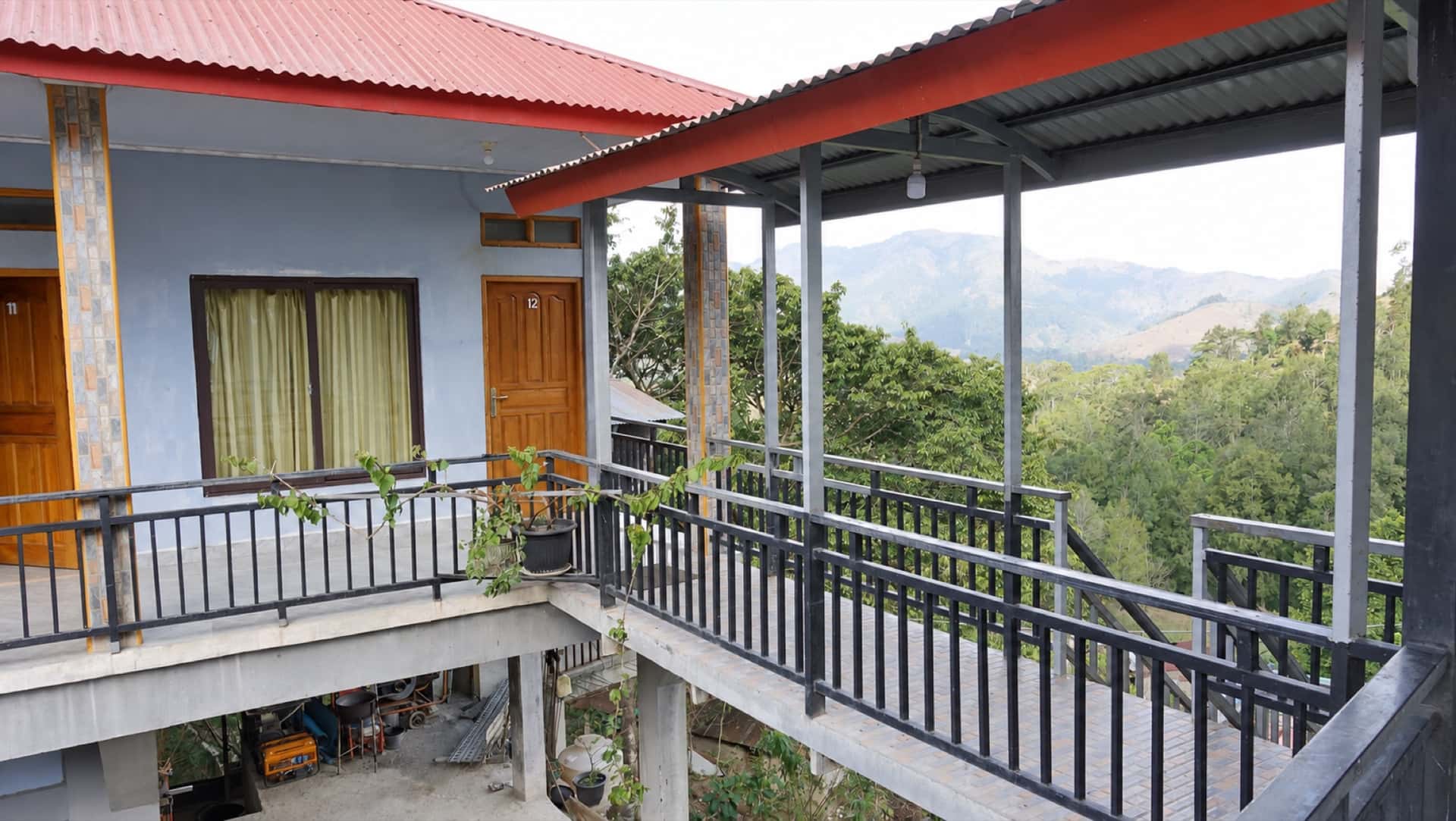
Maubisse sits at about 1,400 metres in the central highlands, about 70 km and 2 to 3 hours south of Dili through some of Timor-Leste's most dramatic mountain scenery. It's the obvious base for highland walking: cool, forested, with an old Portuguese-era pousada, closed as a hotel, perched on a cliff with views that stop you mid-sentence. The temperature is reliably 15-20°C, a relief after the coast.
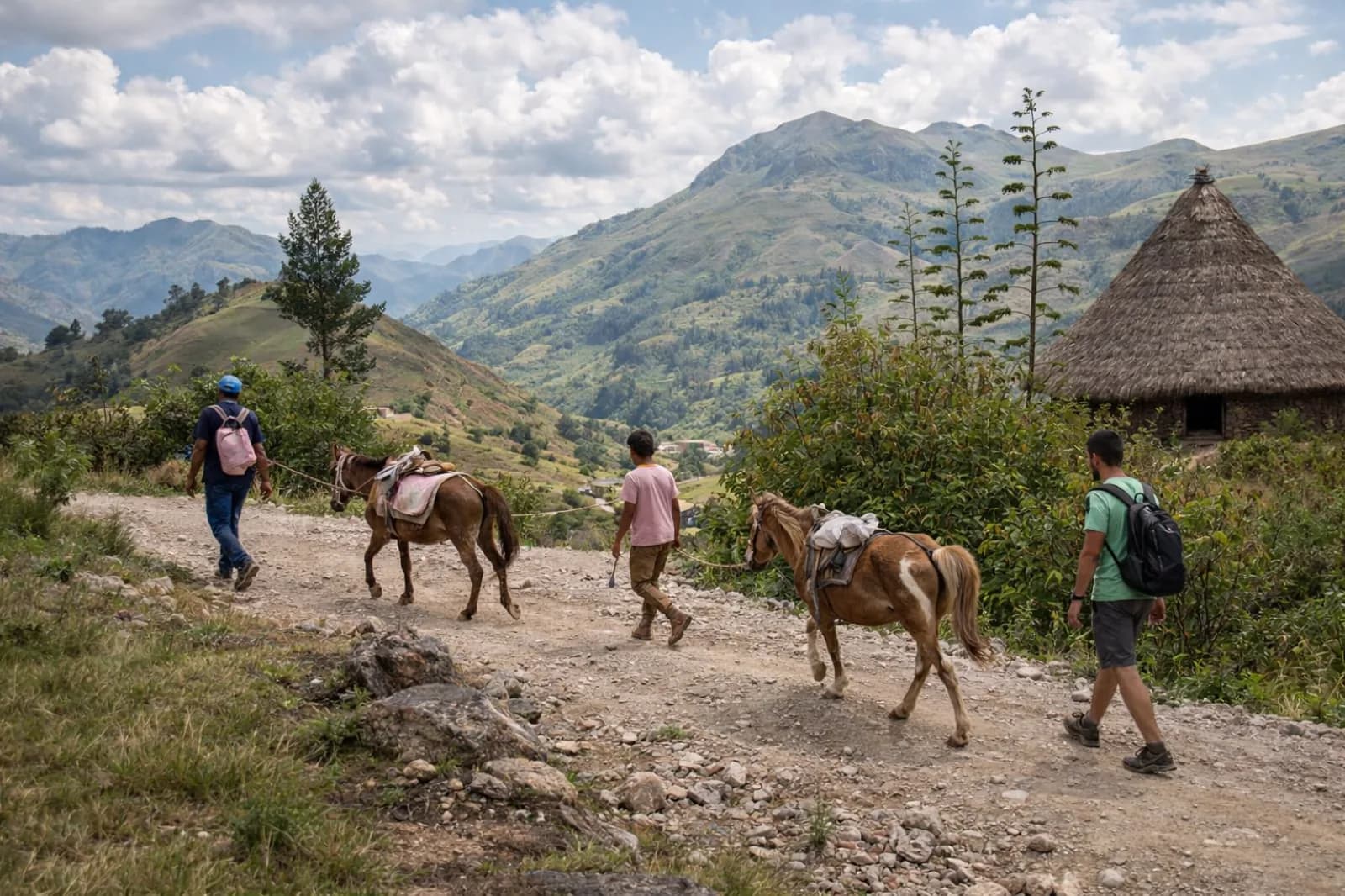
The walking around Maubisse is excellent but largely unstructured: there are no marked trails, no maps, and no signposted routes. What there is: coffee plantations, traditional villages with distinct architecture, and ridge walks with sweeping views in every direction. A local guide is essential, both for navigation and for respectful village access. Most visits are arranged through tour operators, though some guesthouses can connect you with guides independently.
Aileu, an hour north of Maubisse and closer to Dili, offers similar highland walking with slightly lower altitude and a more accessible road. The ridge walk between Aileu and Hato Builico is one of the most scenic in the country: traversing coffee growing areas, passing thatched uma lulik (sacred houses), and descending through forest. This section is best done as a guided multi-day walk with camping or village stays.
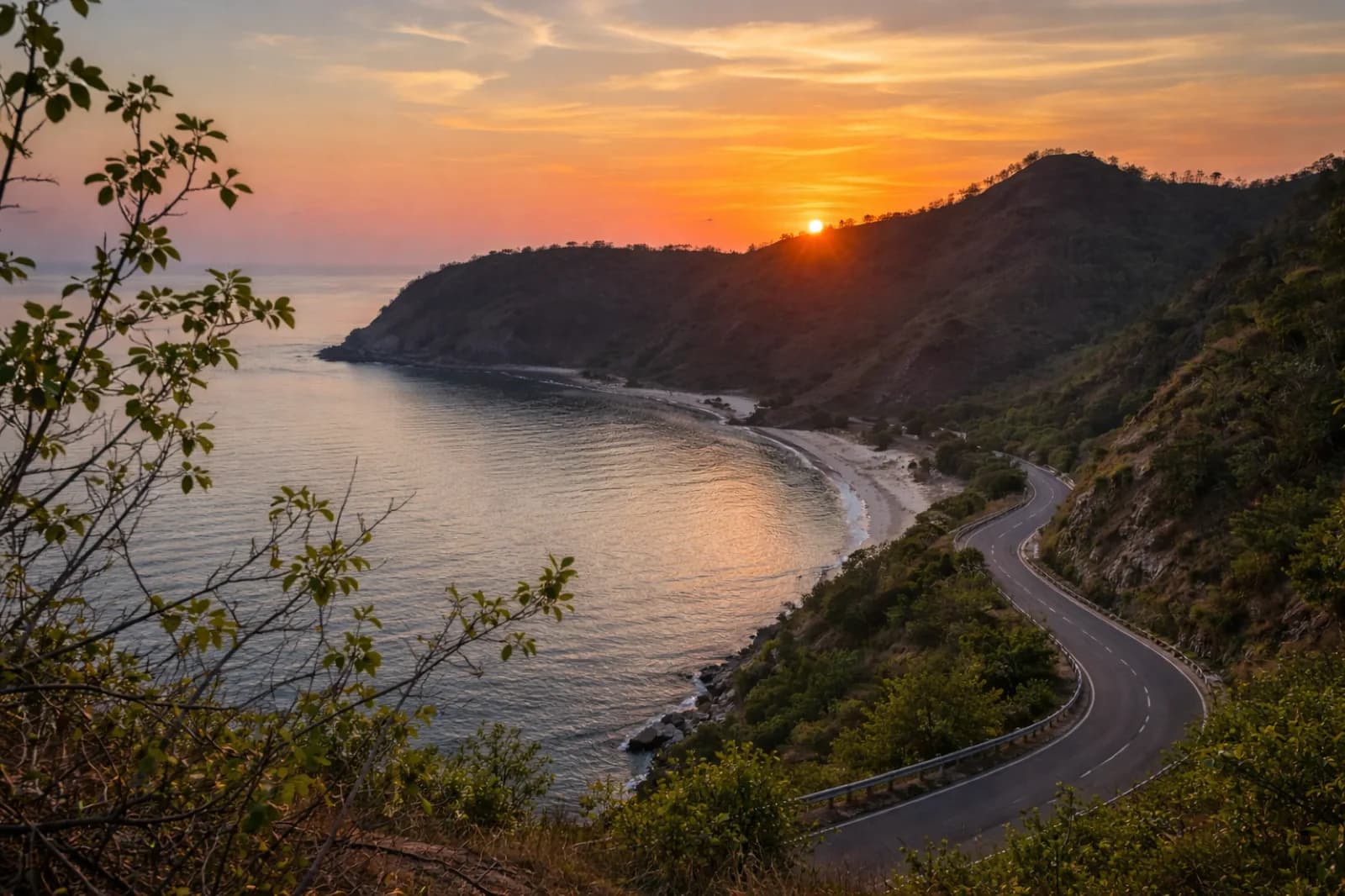
The drive from Dili to Maubisse is spectacular in its own right: a winding mountain road that climbs through terraced hillsides, traditional villages, and misty highland forest. Even without hiking, this road is one of the best day trips from the capital.
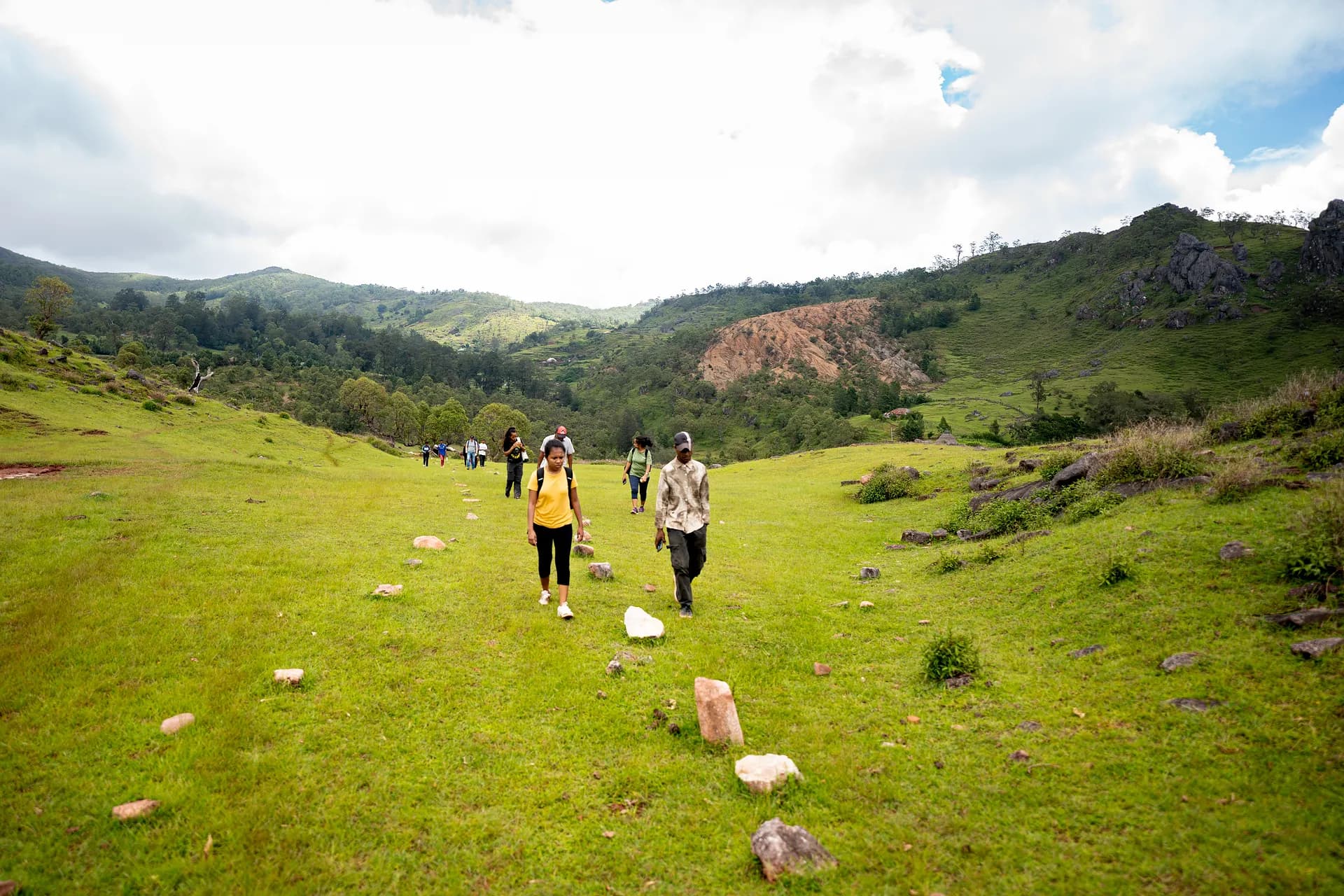
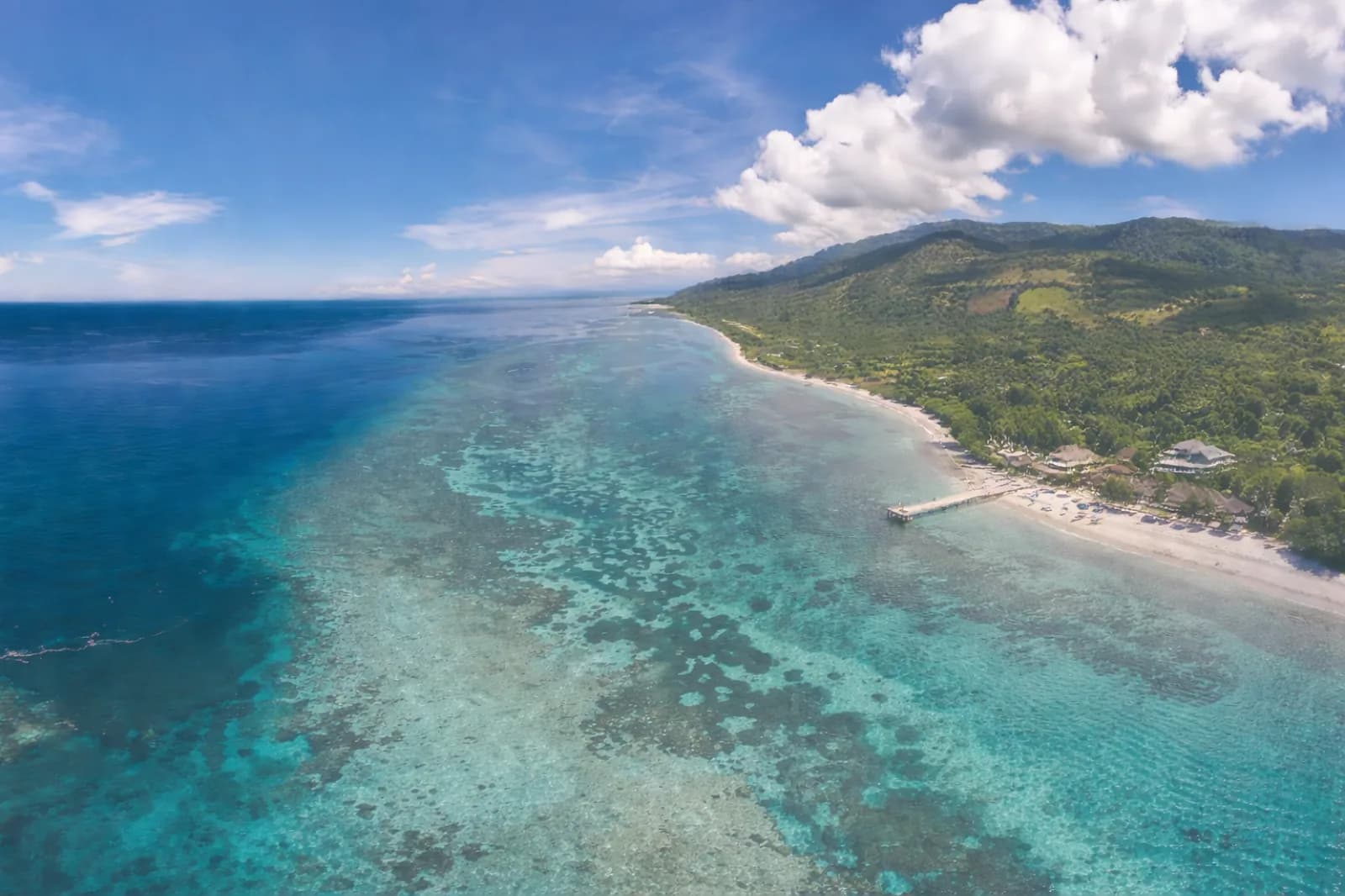
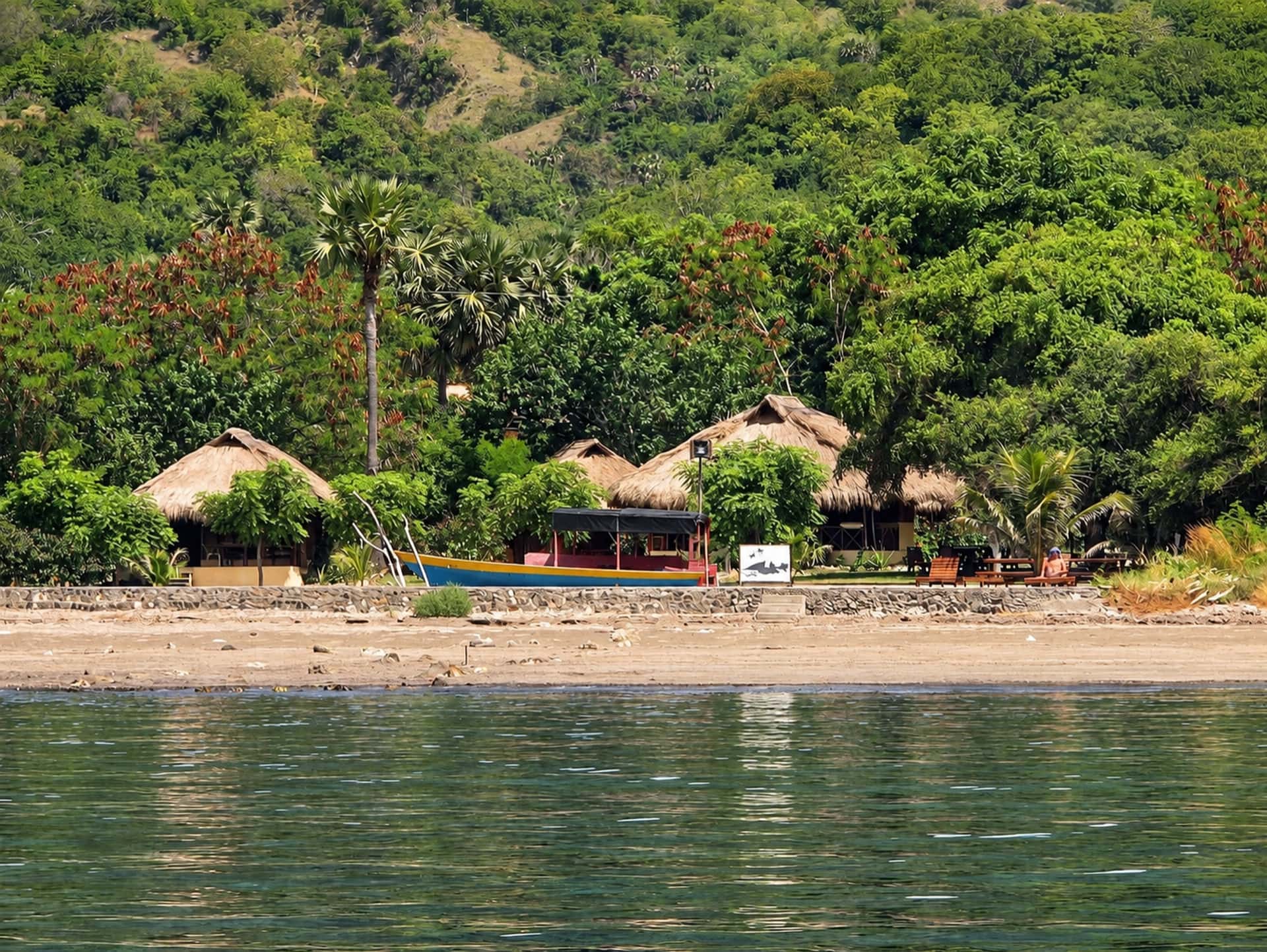
Atauro is a 35km-long volcanic island 25km north of Dili, best known for its world-class diving. But above the waterline, the island has a rugged interior of dry forest and lava ridges, and trails that lead to beaches no road reaches. The most dramatic walk is to Atecru Beach on the west coast: a 5.5-hour hike through dry eucalyptus and open savanna, emerging onto a stretch of white sand so remote that you'll likely have it to yourself.
The main villages, Beloi, Bikeli, and Macadade, are connected by rough coastal tracks. A full-island traverse from north to south is possible as a multi-day walk, staying with homestay families and moving between villages. The terrain is rugged but not technically demanding. The heat is the challenge: the island is drier and hotter than the highlands, and the exposed ridgelines offer little shade. Start early and carry more water than you think you need.
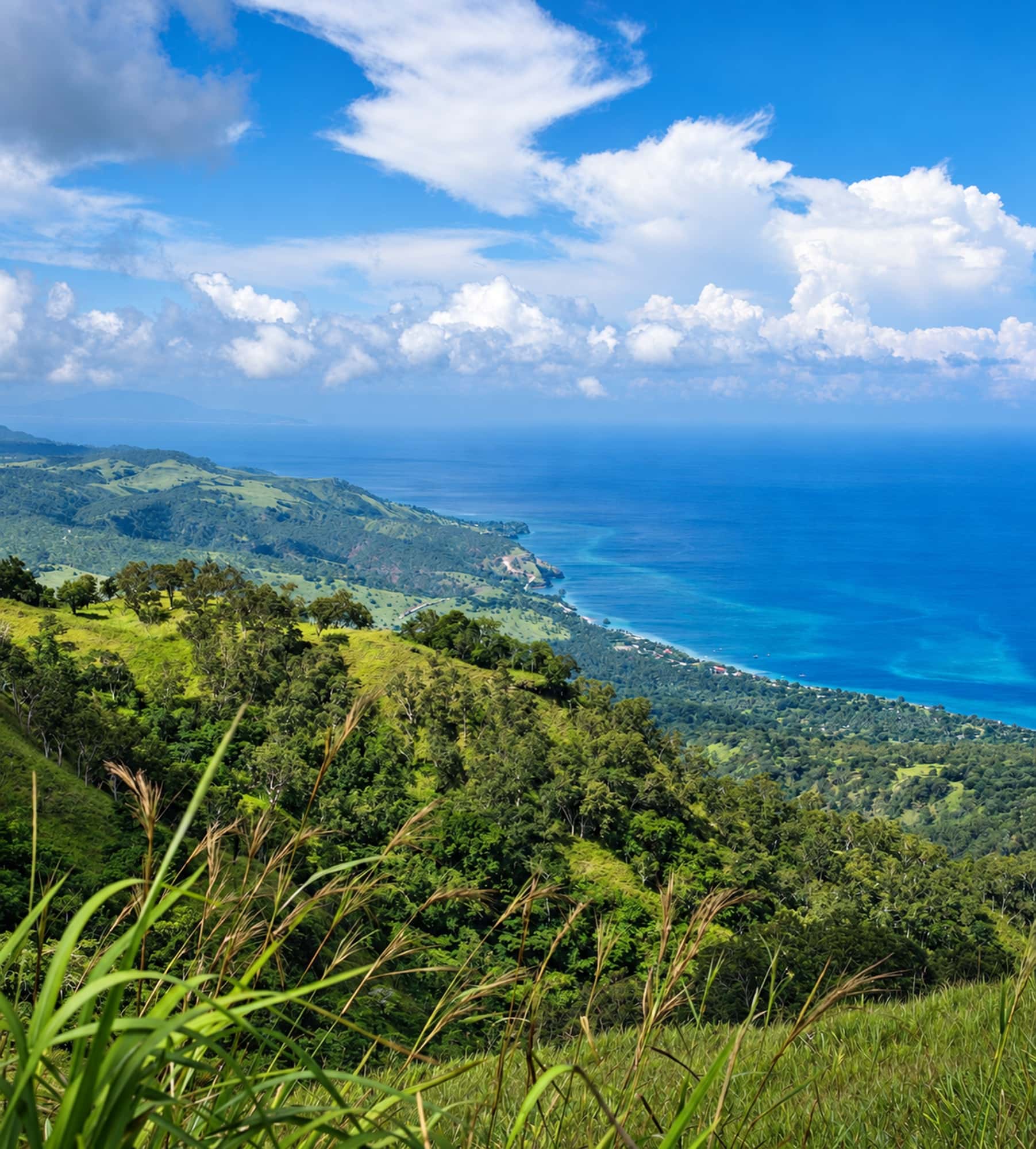
The summit of Atauro's main ridge (roughly 995 metres) offers views back to Dili, across the Wetar Strait, and south to the Timorese highlands. No formal trail to the top exists: guides from the village of Macadade know the route. Village homestays on Atauro are simple and genuine. You'll eat what the family eats, sleep on a mat, and fall asleep to the sound of goats and the sea.
Getting to Atauro: the public ferries run every day except Monday, Berlin Nakroma from Porto Dili and MV Success from Kolmera (about 2 hours 15 minutes to 3 hours, $4 to $5). Both return from Beloi at 15:00. Arrange any hiking plans before you arrive, because guides are available but not always waiting at the dock.
The Lautem district in Timor-Leste's far east is the least visited corner of the country, and for hikers willing to commit to the 7 to 9 hour drive from Dili, it's extraordinary. Tutuala village sits on a forested plateau above towering limestone cliffs, with views across to Jaco Island. The plateau is part of the Nino Konis Santana National Park, the country's only national park, which protects mangroves, coral reefs, and some of the last old-growth forest in Timor-Leste.
The walk down from Tutuala to Valu Beach, the departure point for Jaco Island, descends through dry forest on a steep, rocky path. The descent takes 30-45 minutes; the climb back up is a proper leg-burner in the afternoon heat. From Valu, boats cross to Jaco Island in 10 minutes ($5-10 per person). Hiking on Jaco itself is possible, a circuit of the island through coastal forest and along the beach, but it is a sacred site and overnight camping is not permitted.
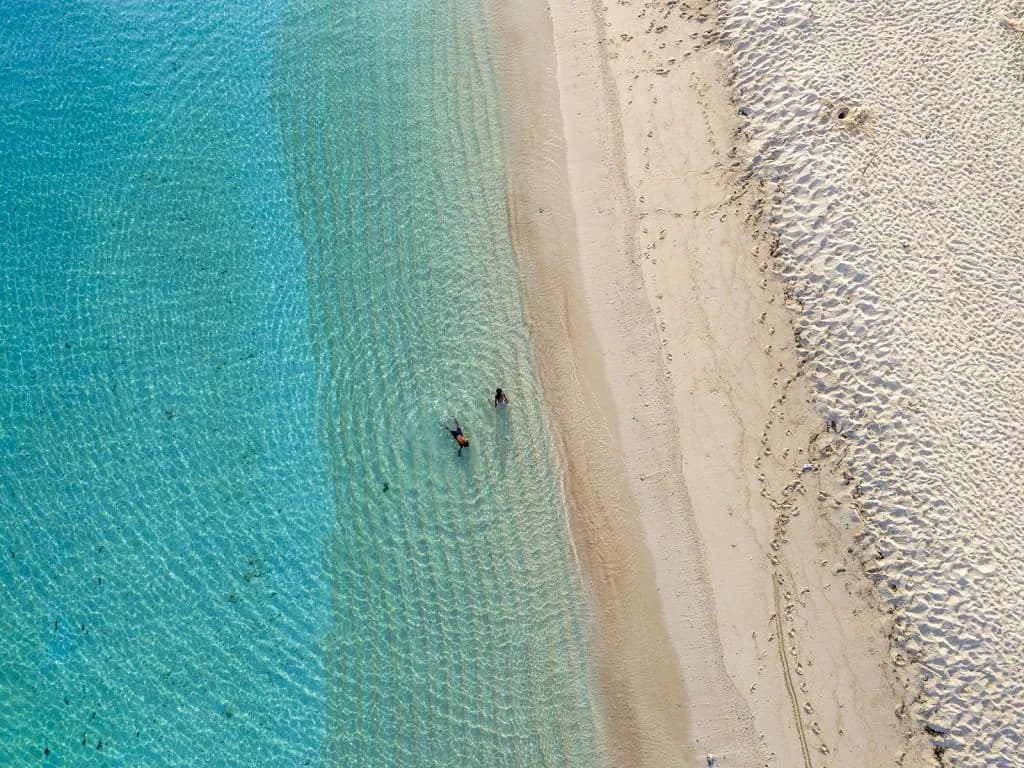
East of Tutuala, the Com-Lautem road runs along the north coast past a string of coastal villages and bays. The walk between Com and Lore (a few hours, mostly flat) passes mangroves and fish drying in front of thatched houses. Com Beach itself is strikingly beautiful: a long crescent of white sand with palm trees and views to the Wetar Strait. Swimming is not safe at Com due to crocodile presence, but the walk along the shoreline at dawn is one of the finest in the country.
The real wilderness walking in the east is through the interior of the national park: dense forest with hornbills, macaques, and occasional deer. This requires guides, permission, and proper camping gear. No infrastructure exists for independent walkers. For those with the time and organisation to do it properly, it is one of the most remote wilderness experiences in Southeast Asia.
The honest reality of hiking here: Timor-Leste has essentially no trekking infrastructure. There are no blazed trails, no published walking maps, no standardised difficulty ratings. What exist are paths that locals use: some clear, some overgrown, some requiring you to ask at each village for the next section. This is not a place for confident self-guided hikes in the highlands. A guide is strongly recommended everywhere except well-established routes like the final Ramelau approach from the trailhead.
Road conditions are a defining constraint. The road to Maubisse is sealed (though steep and winding). Beyond Maubisse toward Hato Builico and the Ramelau trailhead, the road is rough: passable in a standard 4WD in dry season, problematic after heavy rain. The road to Tutuala is long and punishing; many travellers spread it over two days with an overnight in Baucau. The Atauro interior is accessed only on foot or motorbike. A capable 4WD vehicle and an experienced driver are worth every dollar.
Guides can be arranged through tour operators in Dili, or independently in the villages themselves. In Hato Builico, ask at the trailhead: guides are always around for Ramelau. In Maubisse, your guesthouse can make introductions. In Atauro, contact the dive operators (Atauro Dive Resort, Mysaffy) or village homestay hosts: they know who guides the interior. Budget $15-30 per day for a local guide, more for operators providing full logistics.
There is no mountain rescue service in Timor-Leste. The nearest evacuating capability is Darwin, Australia. This is not a reason not to hike: it's a reason to hike with a guide, tell someone your plan, carry enough water, and turn back if conditions deteriorate. Most incidents in Timor-Leste are avoidable with basic preparation.
Seloi Kraik rice paddies
Seloi Kraik mountain lake and rice paddies
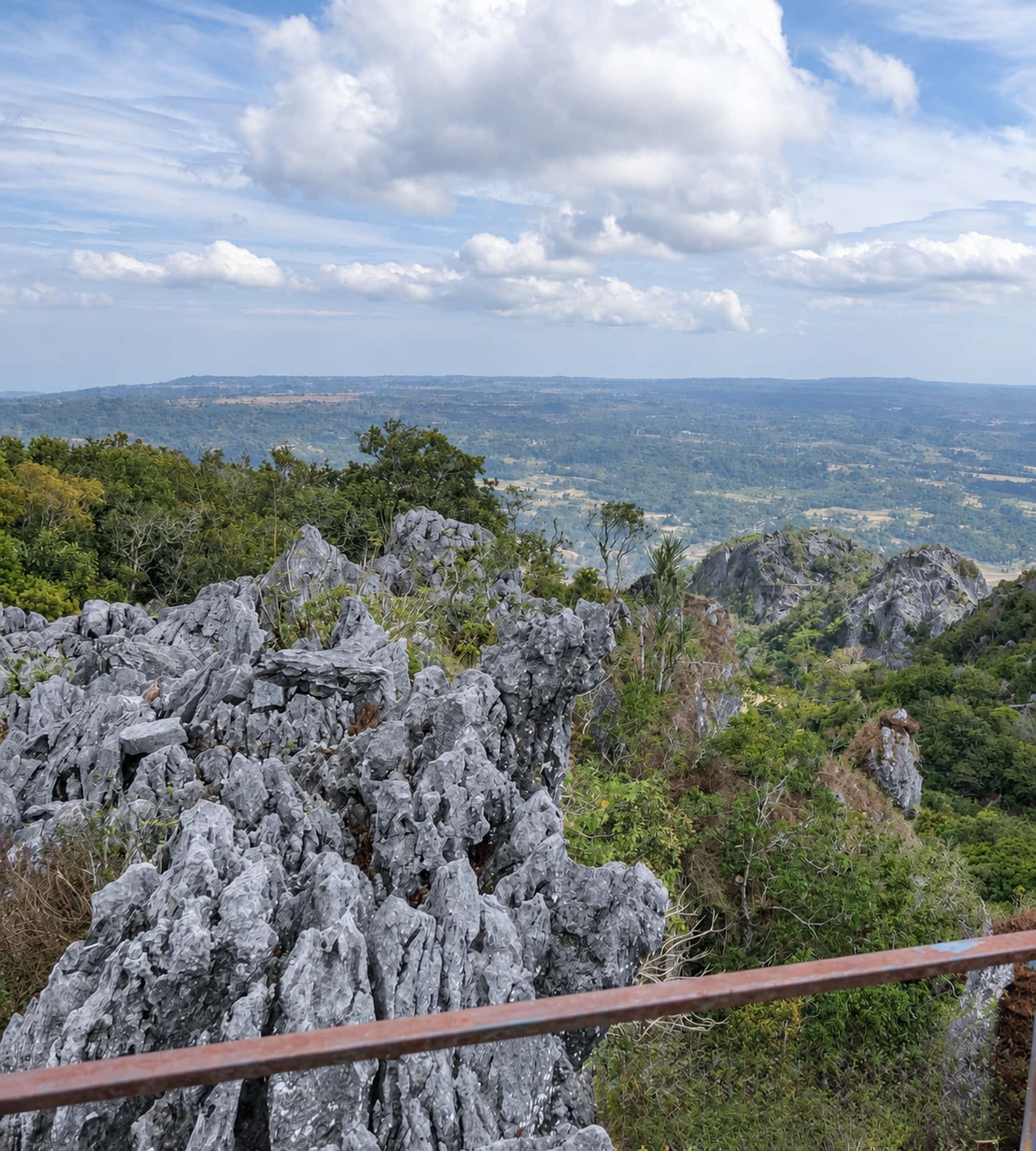
Summit of Mt Ramelau (2900m), Timor-Leste's highest peak
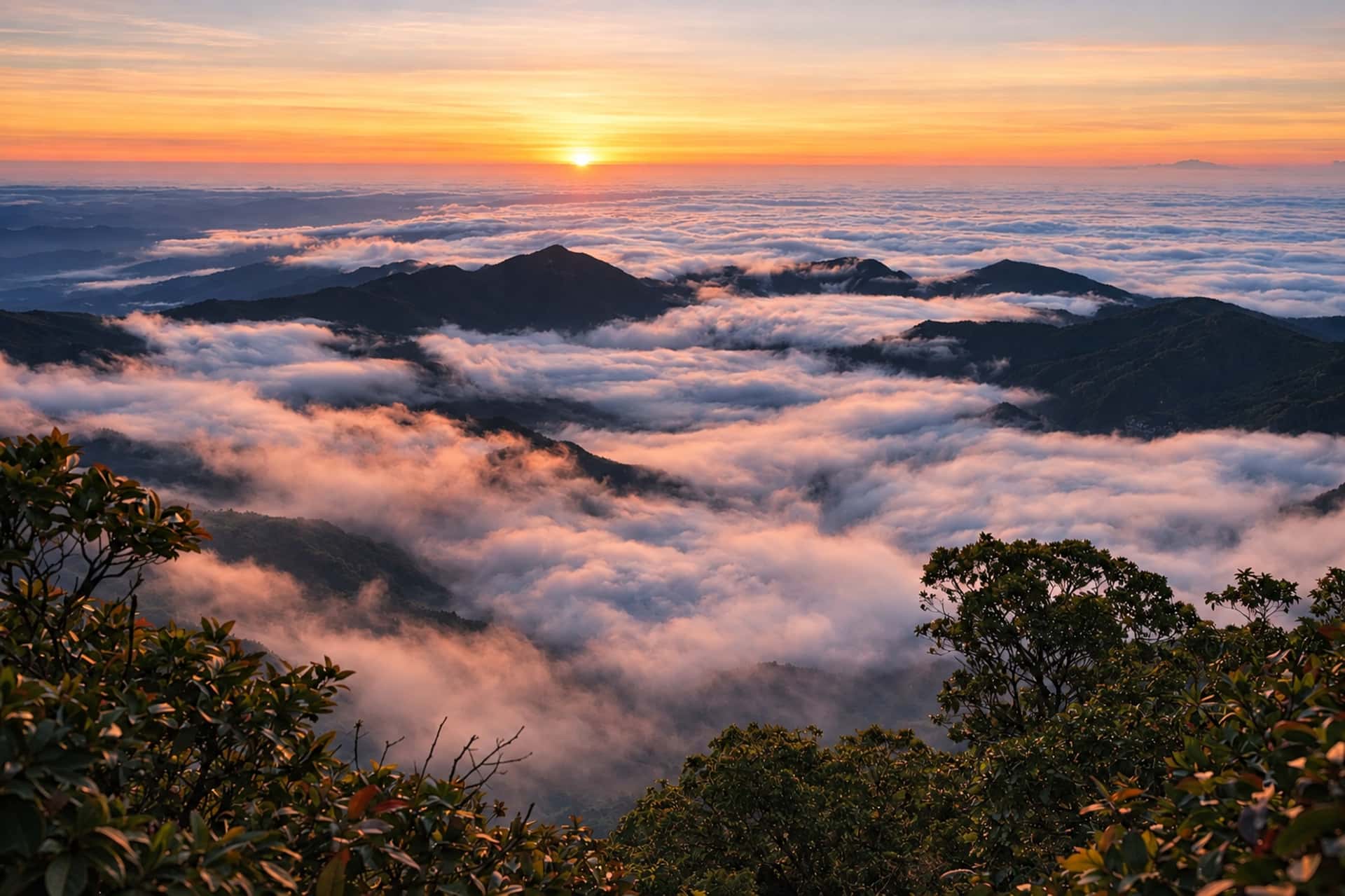
Maubisse · Atauro Island
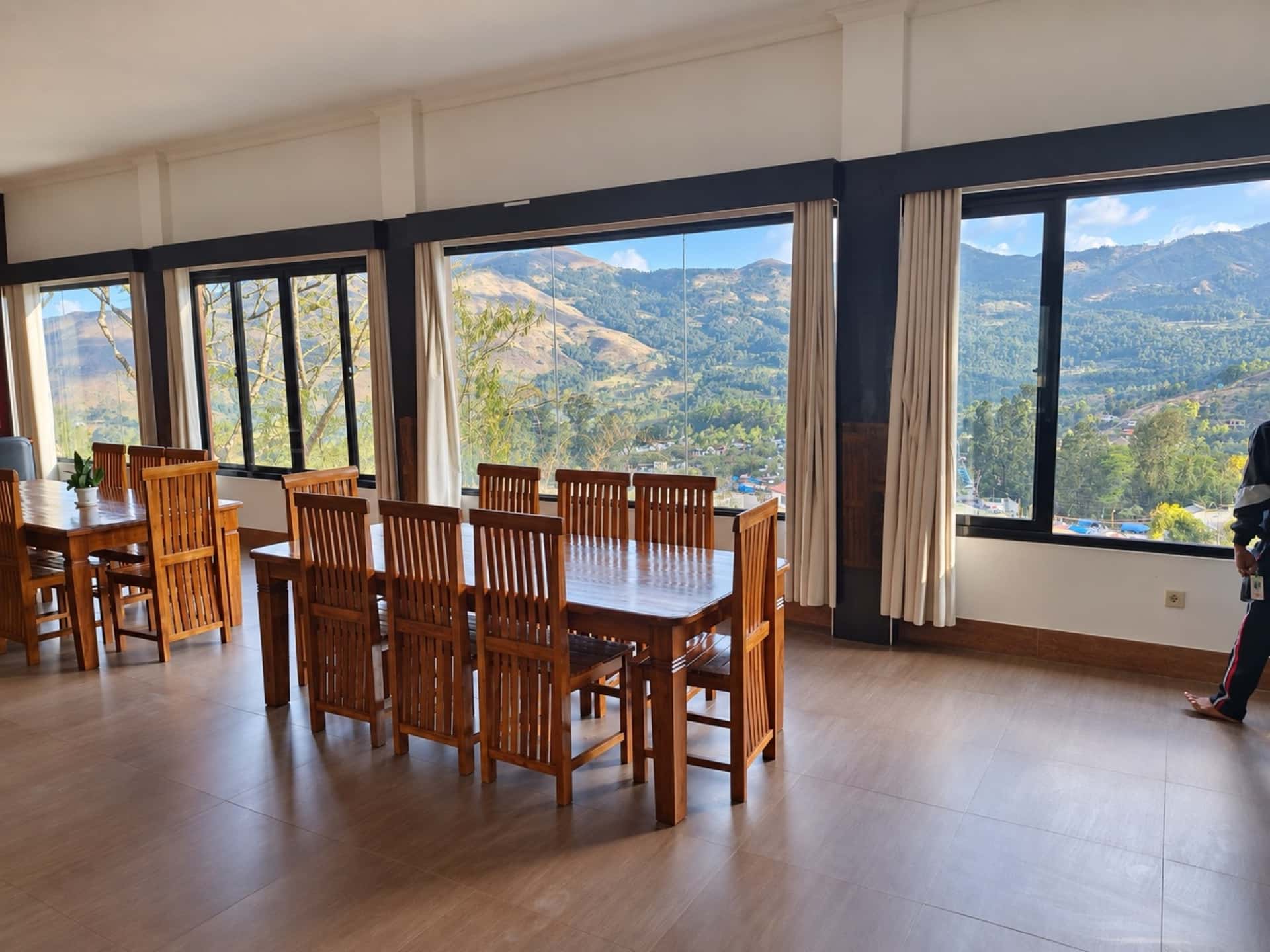
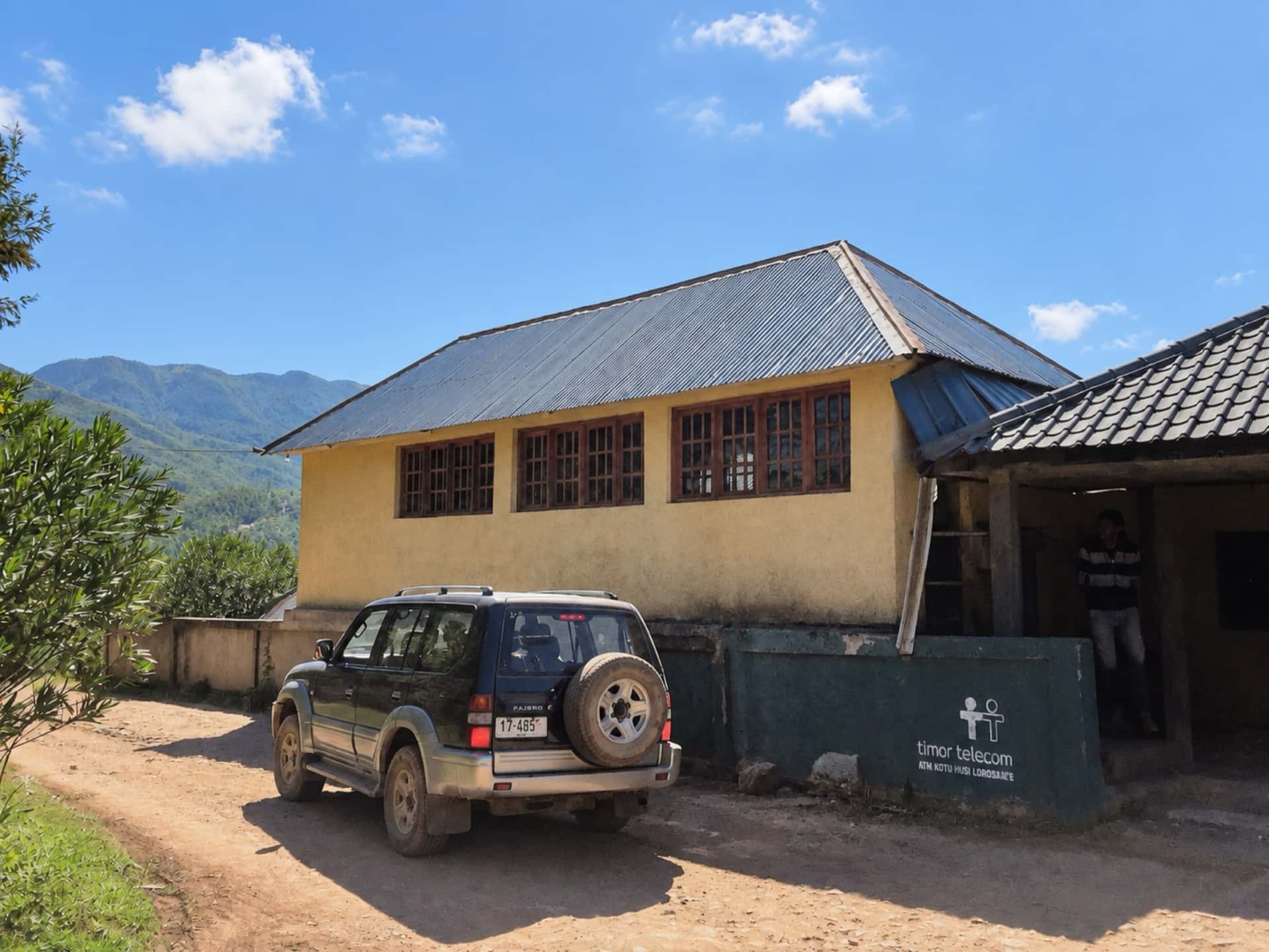
May to November (dry season) for reliable trail conditions and mountain roads. June to September is the sweet spot: dry, clearer skies, firmer paths. Ramelau treks can be done year-round but wet season ascents are muddier and colder. Avoid January-February when heavy rain can wash out mountain roads entirely.
New experiences, insider tips, and seasonal highlights. No spam, just useful stuff for planning your trip.
Unsubscribe anytime. We respect your inbox.
Continue planning your trip to Timor‑Leste
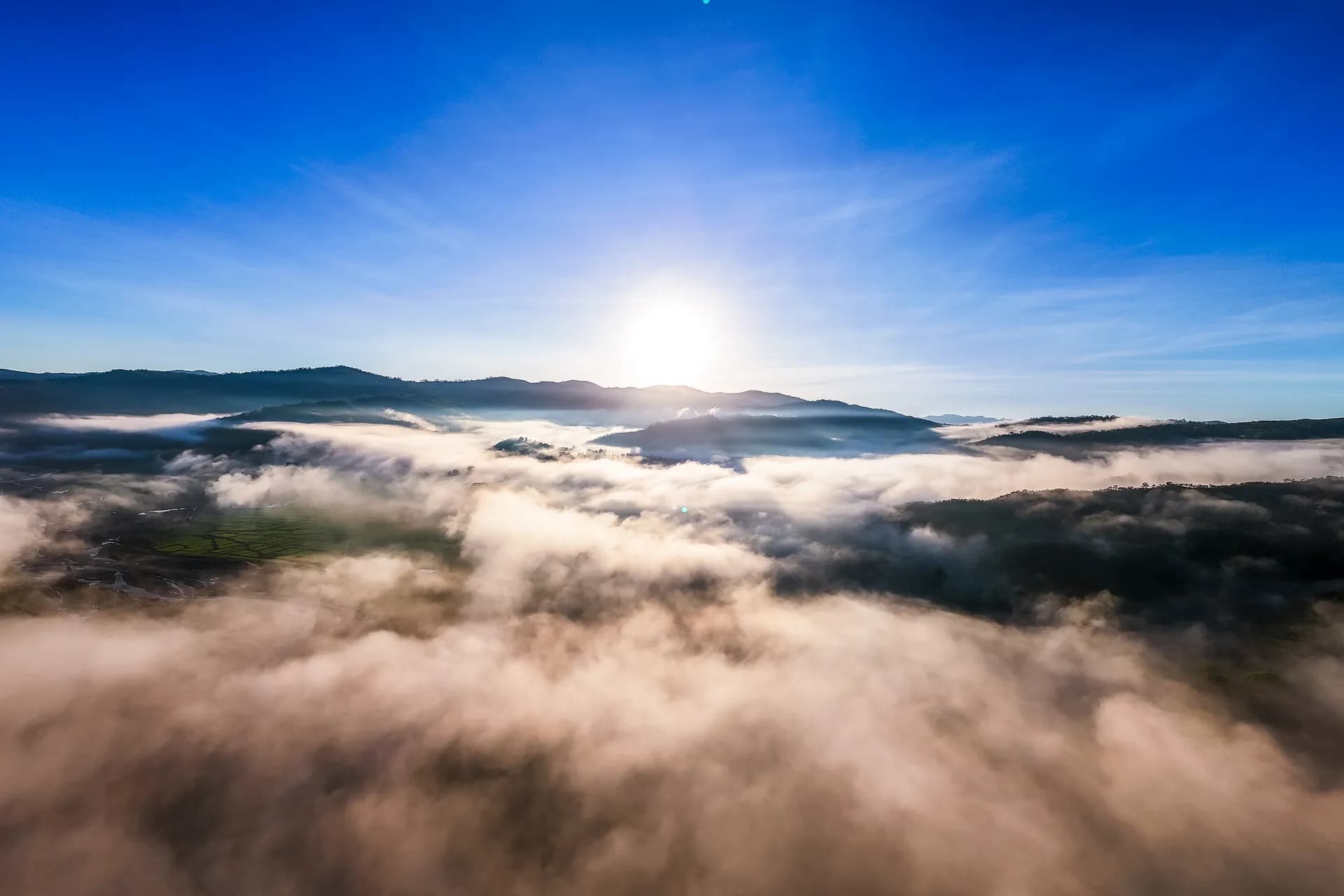
Sunrise from the roof of Timor-Leste at 2,963 m
Transport guide: from Dili to the far east and everywhere between
Month-by-month guide for planning your trip
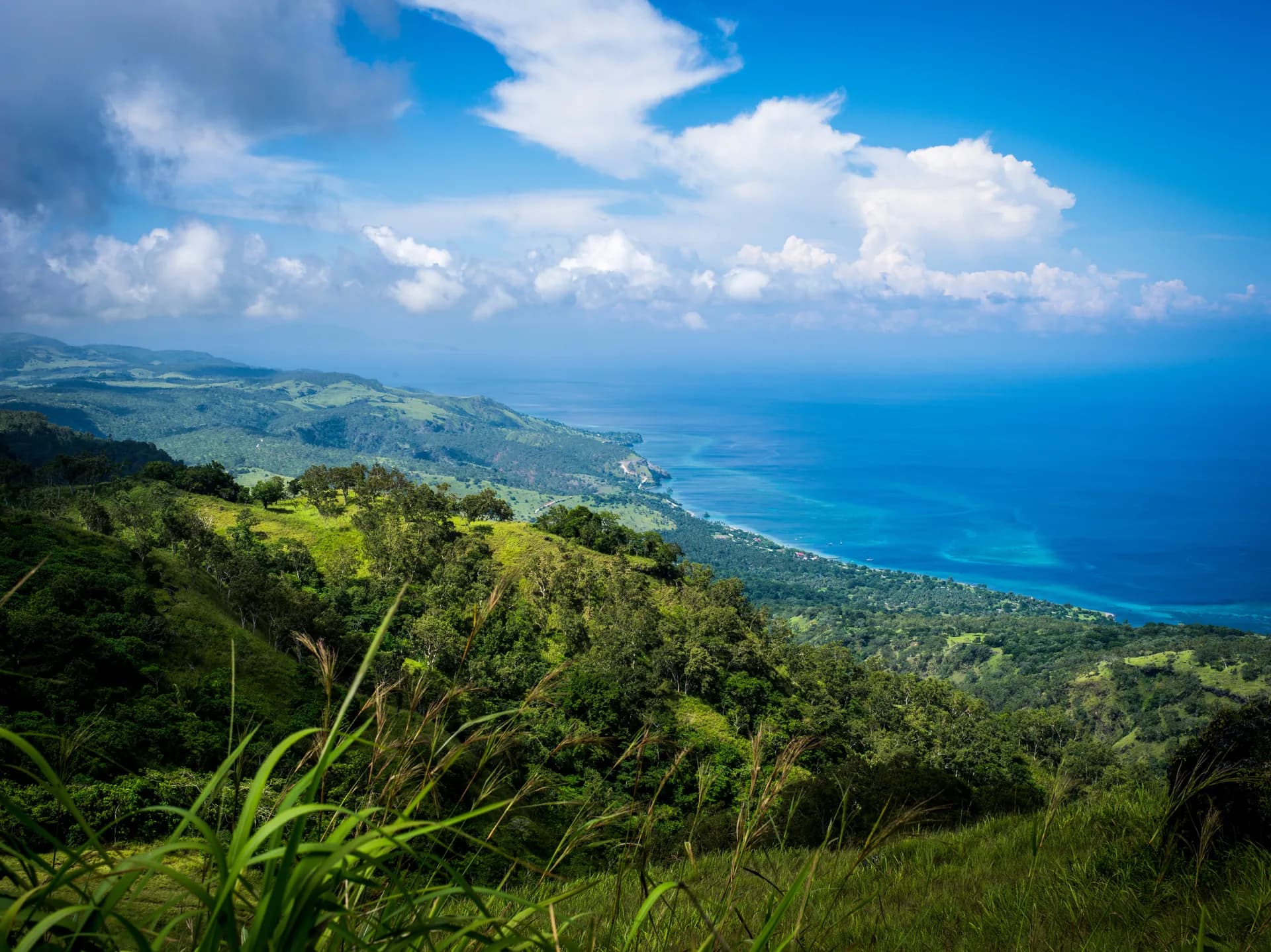
Golden hour at Cristo Rei, sunrise from Ramelau, and water bluer than your screen can render
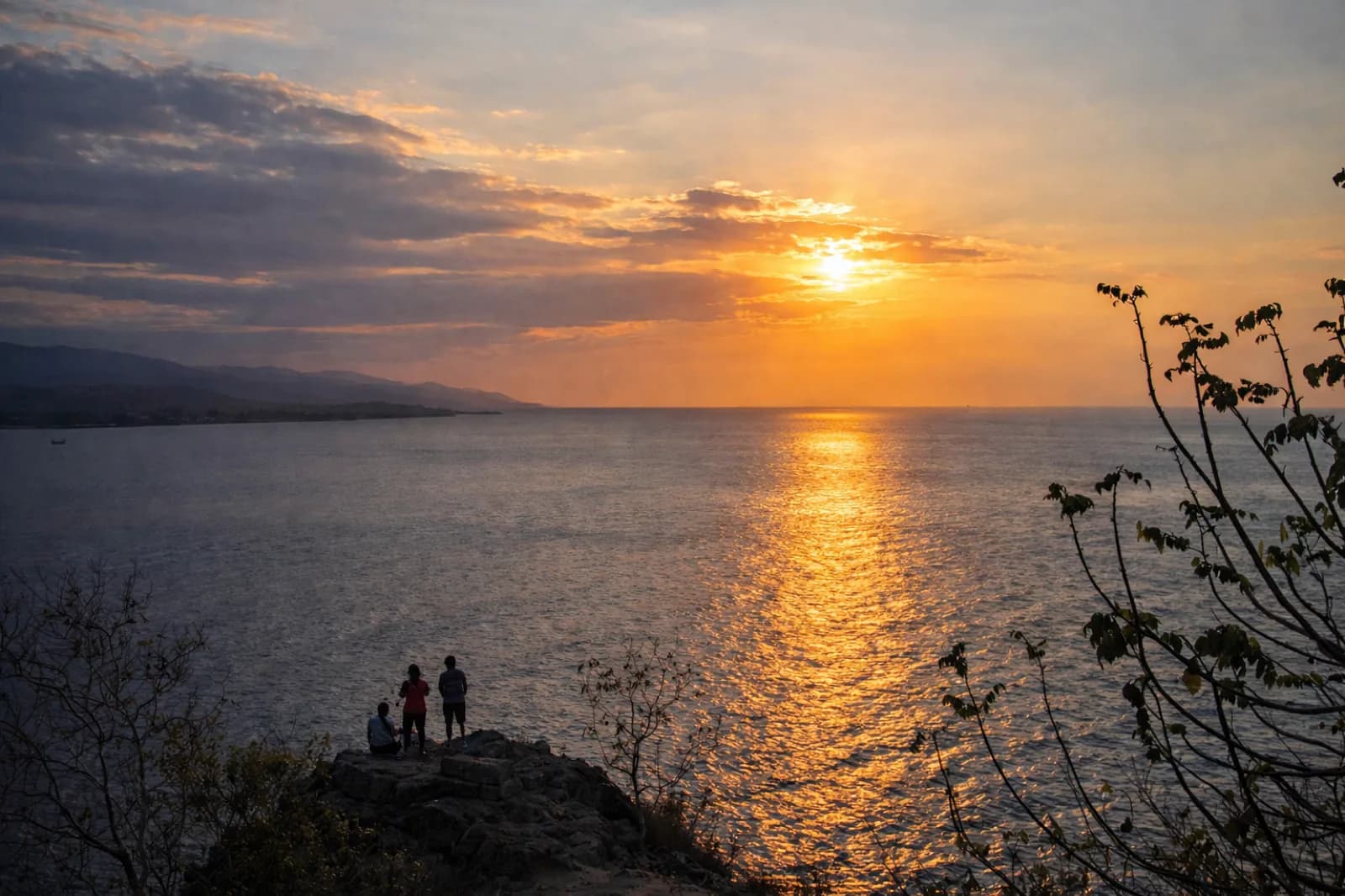
What to know before you go: from crocodiles to pharmacies
Places mentioned in this guide