Instant · pay on the day
Dili Night Dive
DiliUp to 1 dayDreamers Dive Academy Timor
DivingModerateMax 4Pickup
Torch included
5.0(30 · Google)
$60per personMinimum 2 guests, from $120
Check dates & availability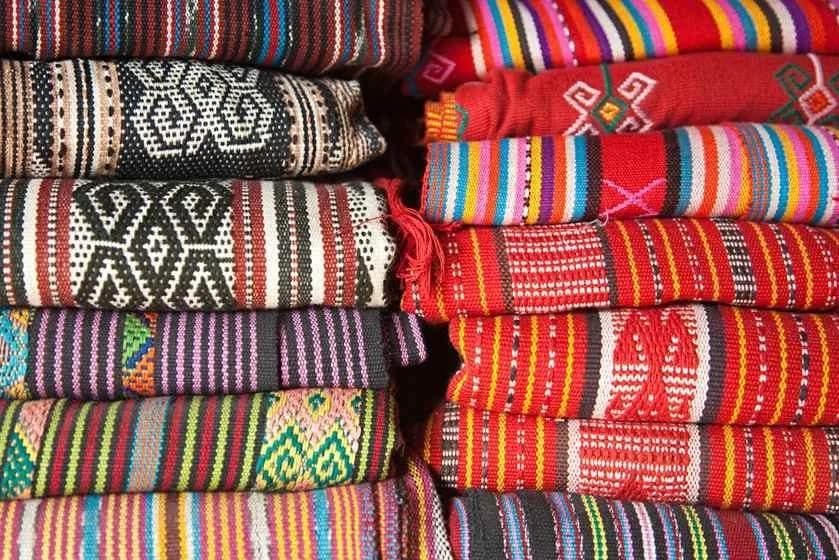
Tais textiles, fresh-roasted coffee, and markets that run on their own time
Shopping in Timor-Leste is not what you find in Bali or Bangkok. There are no strip malls, no souvenir factory outlets, no hawkers chasing you down the beach. What exists instead is quieter and more interesting: hand-woven textiles that take weeks to make, single-origin coffee grown by families who've tended the same trees for generations, and markets where the economy runs on mutual recognition more than hard bargaining.
The honest truth: if you're looking to fill a suitcase cheaply, you'll be disappointed. The selection is limited, the shopping hours are unpredictable, and the infrastructure is basic. But if you approach it on its own terms, as a way to bring home something genuinely made here, by real people, the rewards are outsized. A hand-woven tais cloth is not just a souvenir. It carries a specific pattern from a specific village, and someone spent weeks making it.
Dili is where most shopping happens. The Tais Market near the waterfront is the first stop for any visitor, and the Alola Foundation shop offers some of the best-quality craft products in the country. Beyond the capital, weekly markets in highland towns like Letefoho are worth planning a trip around, as much for the experience as the goods.
The Tais Market sits near Dili's waterfront, a covered market dedicated almost entirely to traditional Timorese textiles and handicrafts. This is the best single concentration of locally-made goods in the country, and for most visitors it's the essential first stop.
Tais are the hand-woven ikat textiles that define Timorese material culture. Each region has its own patterns and colour combinations: Oecusse's bold geometric designs in black and red look nothing like the finer ceremonial weaves from Lospalos or the earth-toned village tais from the highlands. Prices start around $10-15 for a small piece and rise to $50-100+ for large, high-quality ceremonial cloths that took weeks to complete. You can also find carved wooden statues, woven baskets, beaded jewellery, and traditional swords.
Bargaining is expected, but keep it friendly and reasonable. These are women who have spent weeks at a loom: the margins are not enormous. An opening offer of 20-30% below the asking price is fair. Paying the first price isn't naive; paying $5 for something that took 40 hours to weave is.
The Alola Foundation was established in 2001 by Kirsty Sword Gusmão to support Timorese women through economic empowerment. Their shop in Dili sells tais textiles, woven bags, jewellery, and other crafts produced by women's groups across the country, at fixed fair-trade prices. The quality is consistently higher than most of what you'll find at the Tais Market, and you know exactly where your money is going.
If you're unsure about tais quality or authenticity, start here. The staff can explain the regional differences in patterns, point out the difference between machine-assisted and fully hand-woven cloth, and help you choose something appropriate. The prices reflect the real cost of the work.
Other craft producers worth seeking out: Esperansa Timor women's cooperative, which produces handmade jewellery and accessories, and several smaller co-ops operating out of churches and community centres in Dili's eastern neighbourhoods. Ask at your accommodation: guesthouses with local owners usually know who is currently selling.
The best things to bring home from Timor-Leste are edible. Coffee is the obvious choice, and arguably one of the finest gifts you can give. Timor-Leste's highland arabica, grown at 900-1,800 metres in Ermera, Aileu, and Ainaro, is organic by default and genuinely excellent. Look for bags from Letefoho Specialty Coffee Roasters, Timor Global, or the Cooperativa Café Timor (CCT): the country's largest coffee cooperative. Expect to pay $8-15 for 250g of quality coffee.
Virgin coconut oil produced in Timor-Leste is another standout. Cold-pressed from fresh coconuts in small community operations, it's sold at health-focused shops in Dili and sometimes at the Tais Market. Local honey is harder to find but worth the search: highland wildflower honey from beekeeping projects around Ermera and Maubisse is exceptional.
A note on coffee quantity: you can bring home a reasonable amount in checked luggage without customs issues (keep it in original sealed packaging). The same goes for coconut oil and honey. Fresh fruit and agricultural products are a different matter. Check Australian and Indonesian customs rules before packing.
If you're travelling to the coffee highlands, and you should be, Letefoho's weekly market is worth building your schedule around. Letefoho sits at around 1,500 metres in Ermera district and on market days draws farmers and traders from across the surrounding hills. You'll find fresh highland produce (passion fruit, avocados, sweet potatoes, coffee cherries in season), hand tools, second-hand clothing, and occasionally tais and handicrafts from nearby villages.
The experience is as much the point as anything you'll buy. Market days in Timorese highland towns are social events: people arrive on foot from hours away, vendors set up at dawn, and the whole thing winds down by early afternoon. Show up before 9am to catch the best of it. Bring small denomination US dollars; $5 and $10 notes are far more useful than $20s.
Other weekly markets worth knowing: Maubisse market on the main road through town draws traders from Ainaro and Same. Baucau's market serves the entire east and is the largest outside Dili. Aileu market, an easy 45-minute drive from the capital, is a good introduction to highland market culture without a long detour.
Timor Plaza on Avenida Presidente Nicolau Lobato is Dili's only real shopping mall: a clean, air-conditioned building anchored by a supermarket and home to a handful of clothing shops, a pharmacy, a money exchange, and a food court. It's not exciting, but it's useful. The supermarket stocks imported goods from Australia, Portugal, and Indonesia, including toiletries, sunscreen, insect repellent, basic medications, and packaged foods.
For day-to-day basics, Dili has a growing number of small supermarkets and convenience stores. Fresh produce is best bought at the Mercado Municipal (the main public market near the port), which is busy every morning with vendors selling local fruit, vegetables, eggs, and fish. Prices here are genuinely local: significantly cheaper than supermarket equivalents.
A realistic shopping note: if you're used to Southeast Asian tourist markets with abundant cheap goods and aggressive vendor competition, Timor-Leste will feel sparse. The country imports almost everything, the local manufacturing base is small, and retail infrastructure outside Dili is minimal. Manage expectations accordingly, and then appreciate more what is here.
Torch included

Iconic shore sites: Cristo Rei, Tasi Tolu & Dili Rock

All-inclusive: gear, guide, transport & snacks
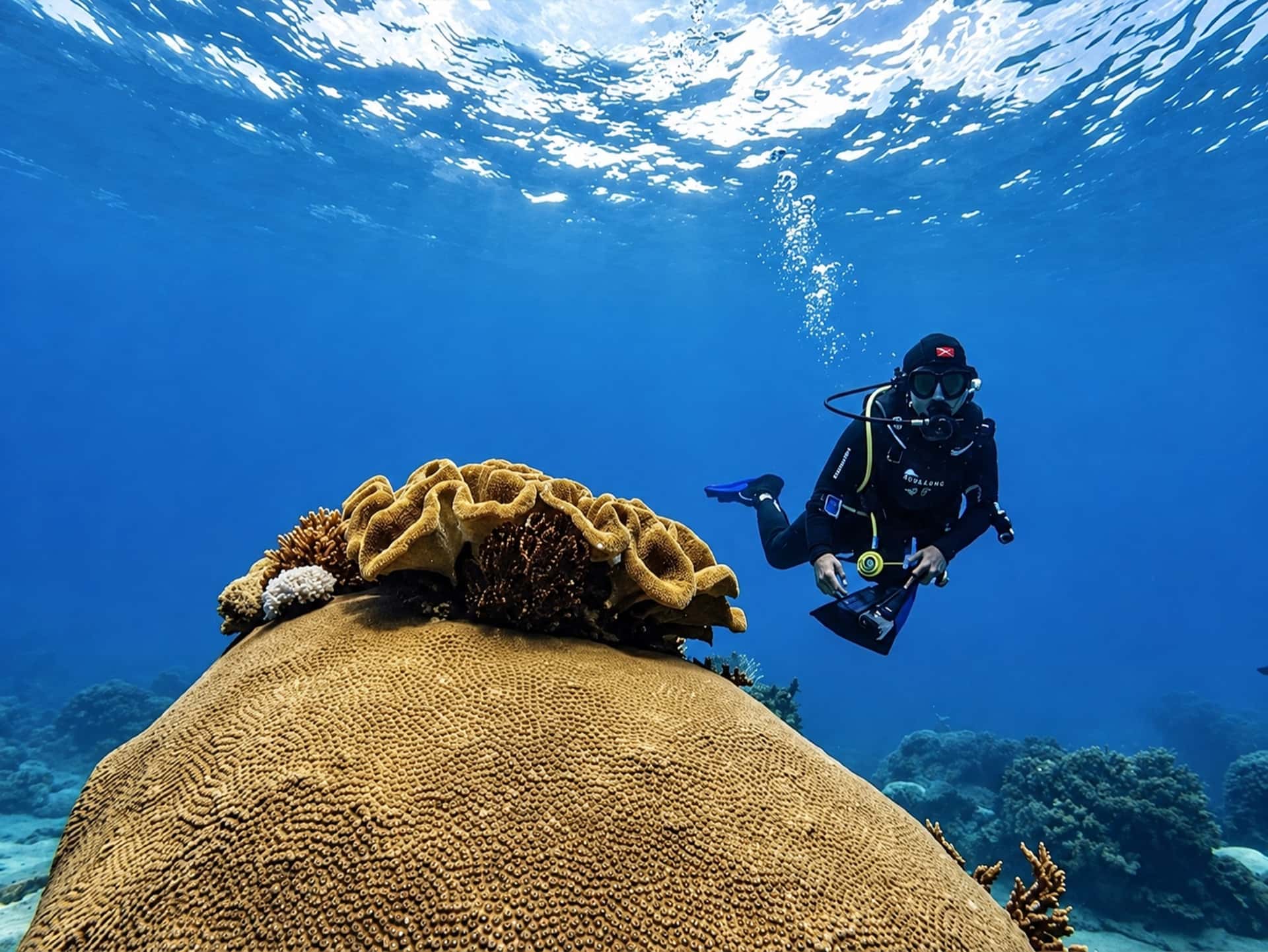
No experience needed
Dili · Baucau

Tais textiles, highland coffee (Letefoho, CCT, Timor Global brands), virgin coconut oil, highland honey, hand-carved wooden items.
Shopping is available year-round, but weekly markets are most lively during the dry season (May to November) when highland roads are accessible. Avoid public holidays when most shops close.
New experiences, insider tips, and seasonal highlights. No spam, just useful stuff for planning your trip.
Unsubscribe anytime. We respect your inbox.
Continue planning your trip to Timor‑Leste
From highland farms to your cup: the Timor Hybrid story

Your complete guide to Timor-Leste's coastal capital

Grilled fish, mountain coffee, and palm wine: an honest food guide
Daily costs, cheap eats, and where to save, and where not to
Tais weavings, carved spirits, and the objects that carry a nation's memory
Places mentioned in this guide