Instant confirmation
Airport Transfer
DiliTransferIsland Explorer Holidays
TransportEasyMax 3
4.8(12 · Google)
$20per person
Check dates & availability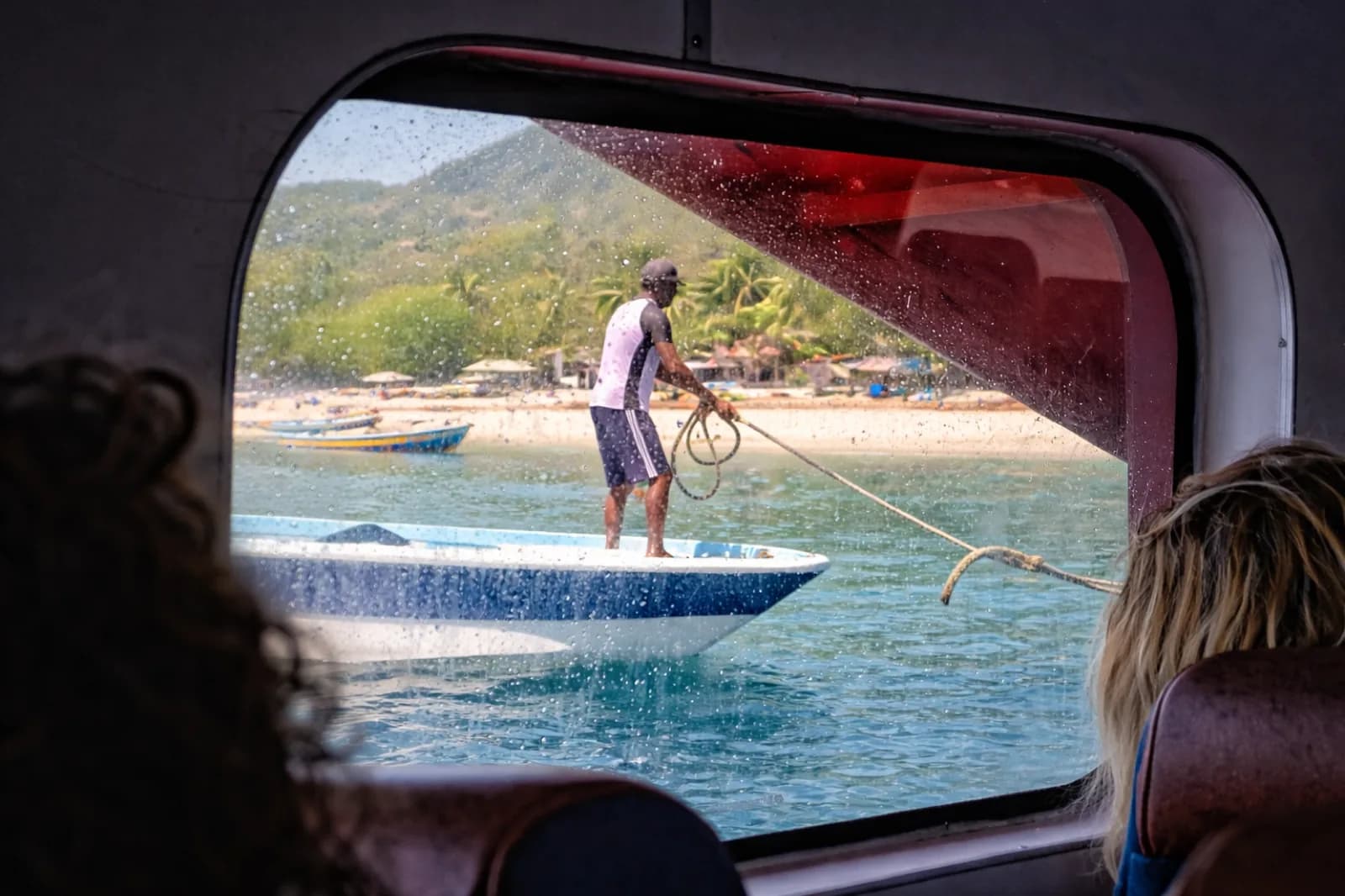
Daily costs, cheap eats, and where to save, and where not to
Timor-Leste is cheap by Southeast Asian standards, but not as cheap as you might expect. It uses the US Dollar (no favorable exchange rate to exploit), accommodation is limited (meaning less price competition), and some essentials, like 4WD rental for remote areas, are genuinely expensive.
That said, a budget traveler who plans ahead can see the country on $30-50 per day. Local food is $2-4 per meal, public transport is almost free, and the best experiences, swimming at Jaco Island, watching sunrise from Ramelau, snorkeling off Atauro, don't cost much at all.
Here's a realistic daily budget breakdown for a budget traveler in 2026. Shoestring ($25-35/day): basic guesthouse ($5-15), local food ($6-10), public transport ($1-3), water and snacks ($2-3). Comfortable budget ($40-60/day): mid-range guesthouse ($20-35), mix of local and restaurant food ($10-15), occasional taxi or shared transport ($5-10).
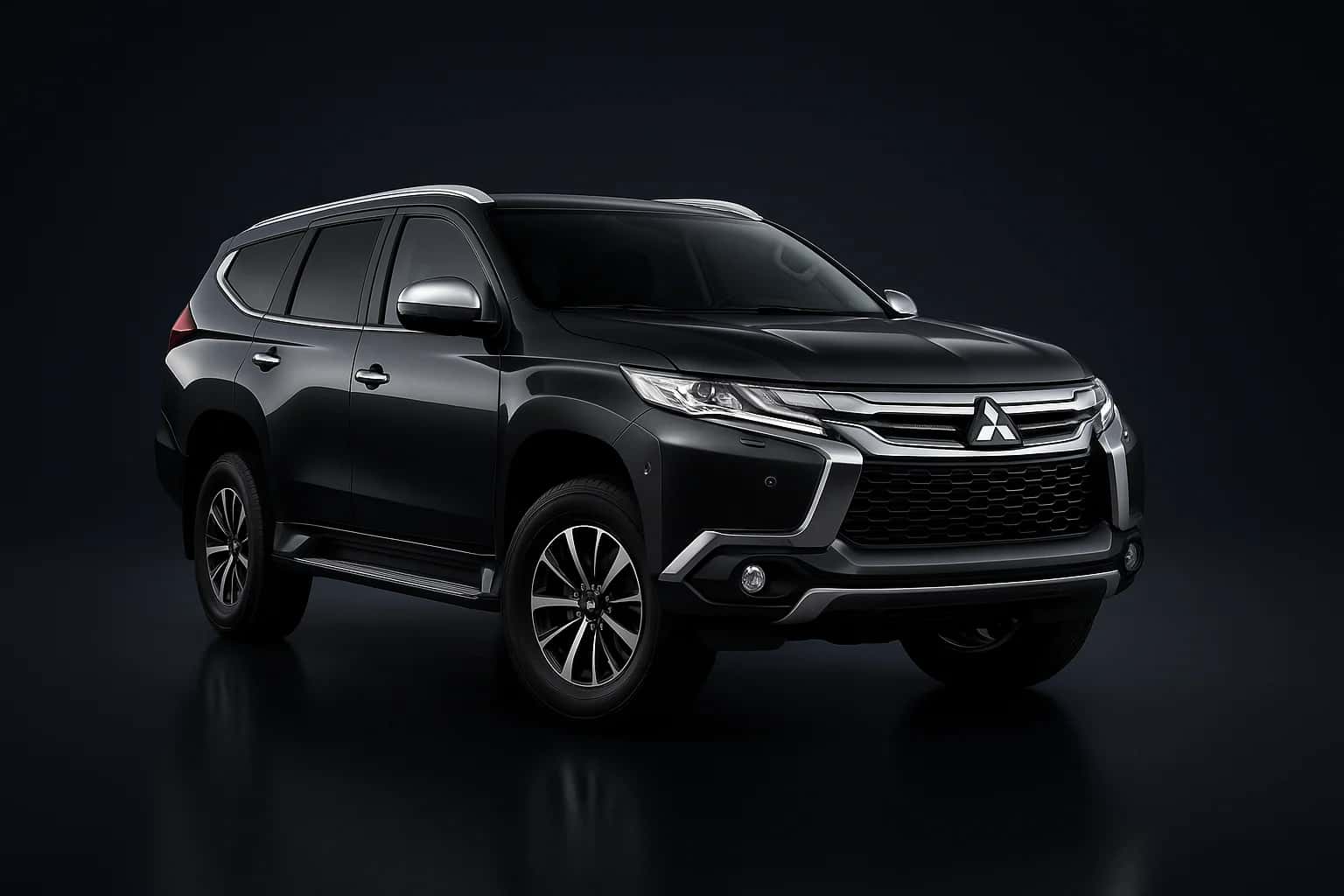
The big variable is transport to remote areas. A 4WD with driver to the far east costs about $175-195 a day: there's no budget alternative for this stretch. Diving is $50-60 per dive with equipment. These are fixed costs that don't scale down. Budget travelers should plan their route to minimize expensive transport days.
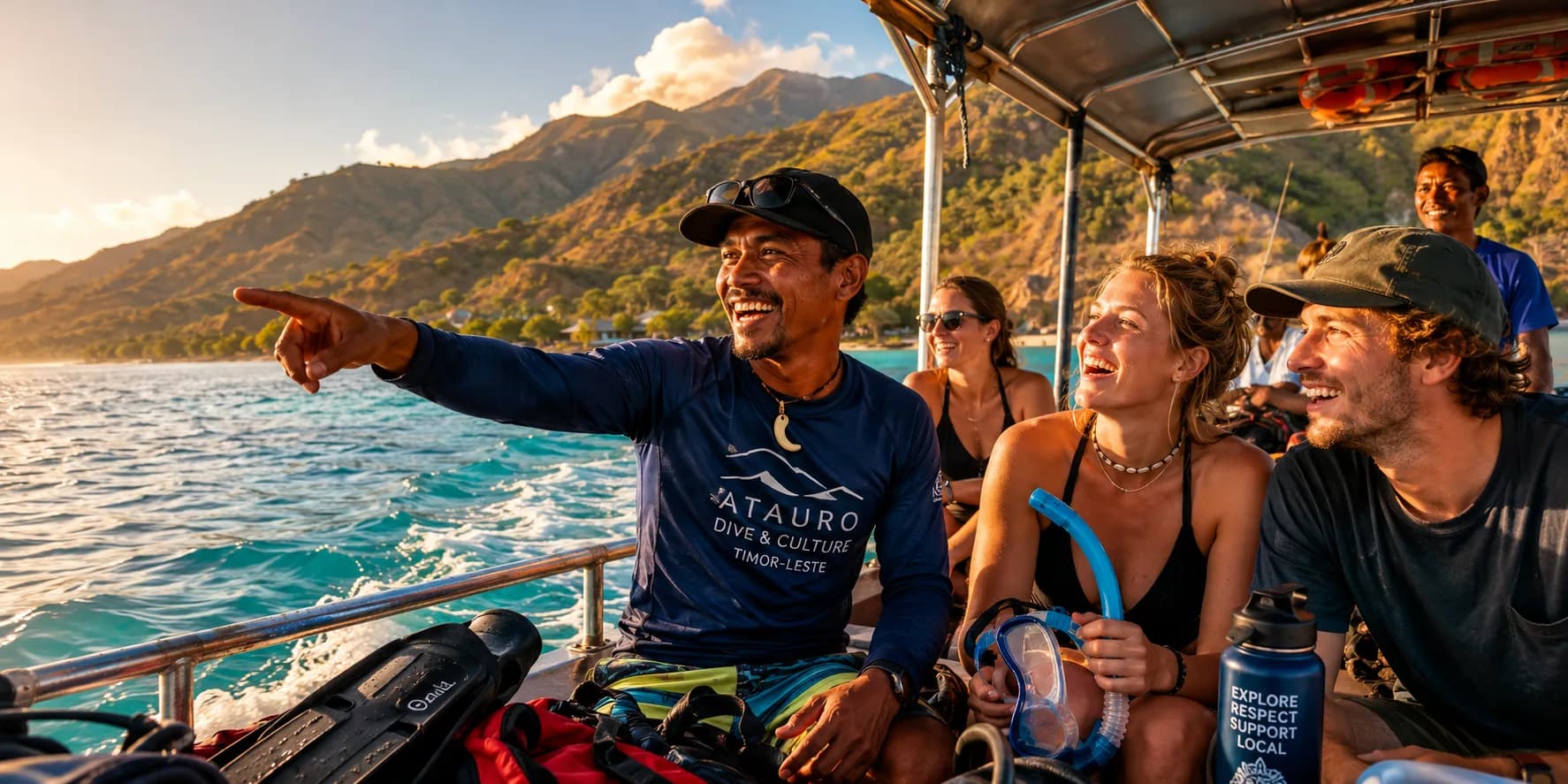
Atauro Island is surprisingly affordable once you're there: family homestays with meals start at about $15 a person, and lodges at about $90 a night. Getting there is cheap too: the public ferry is $4 to $5 each way. A boat arranged by a lodge costs far more, so take the ferry unless your dates rule it out.
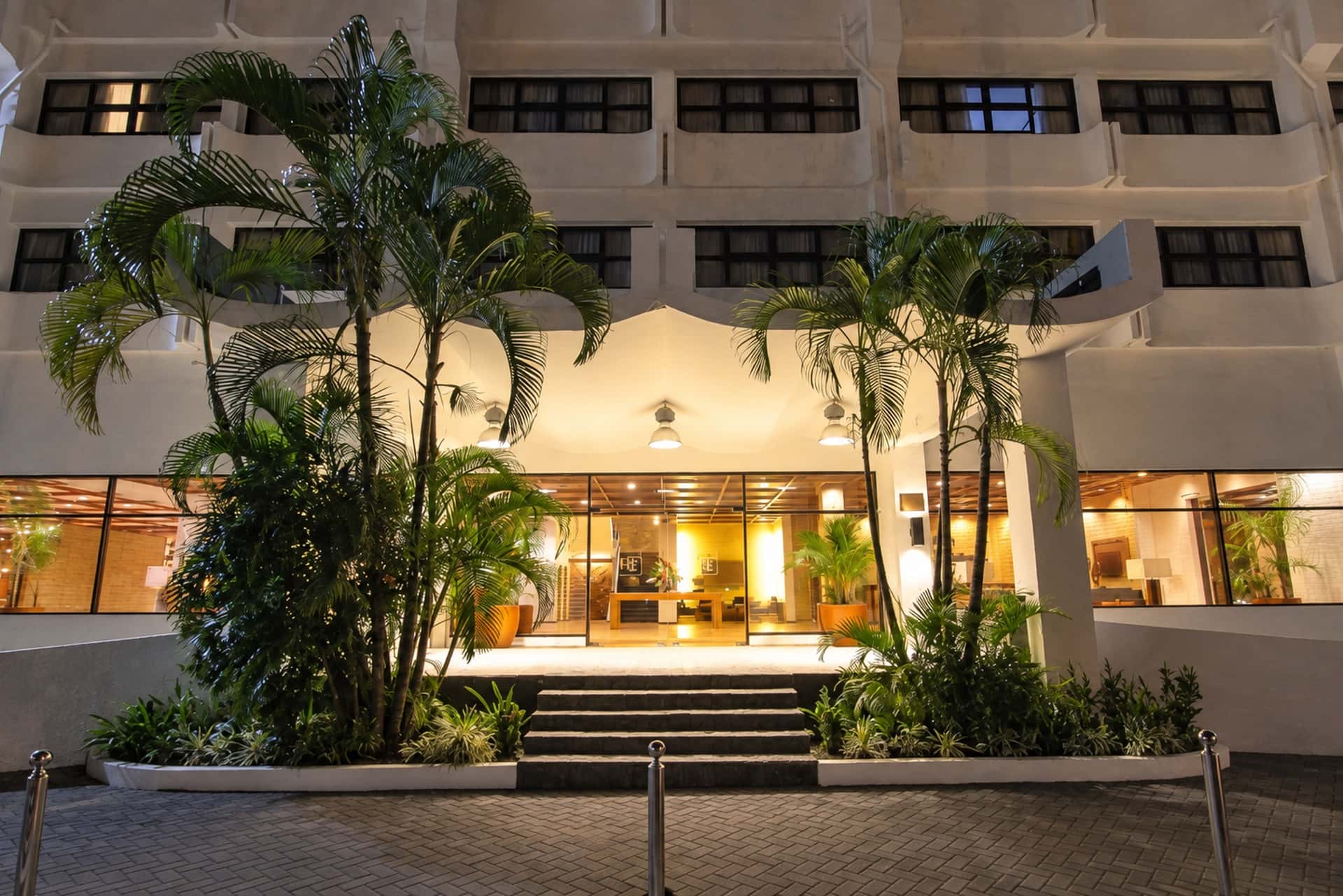
Dili has the most options. Basic guesthouses start at $10-15 for a private room with fan and shared bathroom. Discovery Inn and similar budget hotels run $25-35 for air-conditioning and private bathroom. A handful of hostels now offer dorm beds ($10-15), though the selection is thin compared to Bali or the Philippines.
Outside Dili, accommodation gets cheaper but more basic. Maubisse guesthouses cost $20-30 (Quinta de Sivas $20 a person, Sara's from $30 a night). Baucau has the atmospheric Pousada de Baucau (from $75 a night, in a Portuguese-era building). On Atauro, family homestays with meals start at $15 a person, which is good value since there's nowhere else to eat.
In the far east (Com, Tutuala), accommodation is basic guesthouses at $10-15 per night. Camping is possible with permission from village chiefs. There's no Airbnb or Booking.com presence worth mentioning.
Local warungs are your best friend. A plate of rice with fish, vegetables, and sambal costs $2-4 at any market or roadside warung. Lecidere Night Market in Dili serves grilled fish, satay, and fried rice for $1-3 per dish.
Cooking is difficult since most accommodation doesn't have kitchen access. Supermarkets in Dili (Lita Store, Timor Plaza) sell basics, but prices are higher than you'd expect: most processed food is imported. Fresh fruit at markets is cheap: bananas, papaya, and mangoes (in season) cost cents.
Bottled water is $0.50-1 for 1.5L. Budget $2-3 per day for water alone: you'll drink a lot in the heat. Bintang beer is $2-3 at shops, $3-5 at restaurants.
Mikrolets within Dili cost $0.25 per ride: the cheapest transport in the country. They're slow, crowded, and run fixed routes, but they work. Inter-city angguna (buses) cost $5-12 depending on distance. Dili to Baucau is about $5, Dili to Maubisse about $4.
The Atauro ferry is $5 (Success) or $4 (Nakroma). It runs every day except Monday, out at 08:00 and back from Beloi at 15:00. Yellow taxis in Dili are $3-6 per trip: negotiate before getting in.
Motorbike hire (from $20 a day on Rezerva) is the budget traveler's best option for flexibility. It gives you freedom without the 4WD cost. But the far east requires 4WD, no exceptions. If you can't afford about $175-195 a day for a 4WD with driver, consider joining a tour group to split the cost, or skip the far east and focus on Atauro, Maubisse, and Baucau (all reachable by public transport).
Many of Timor-Leste's best experiences cost little or nothing. Swimming at Piscina de Baucau, the spring-fed pool that's one of the best swimming spots in the country, costs $0.50. Climbing Cristo Rei in Dili (the hilltop statue with harbor views) is free. Walking the Dili waterfront at sunset is free.
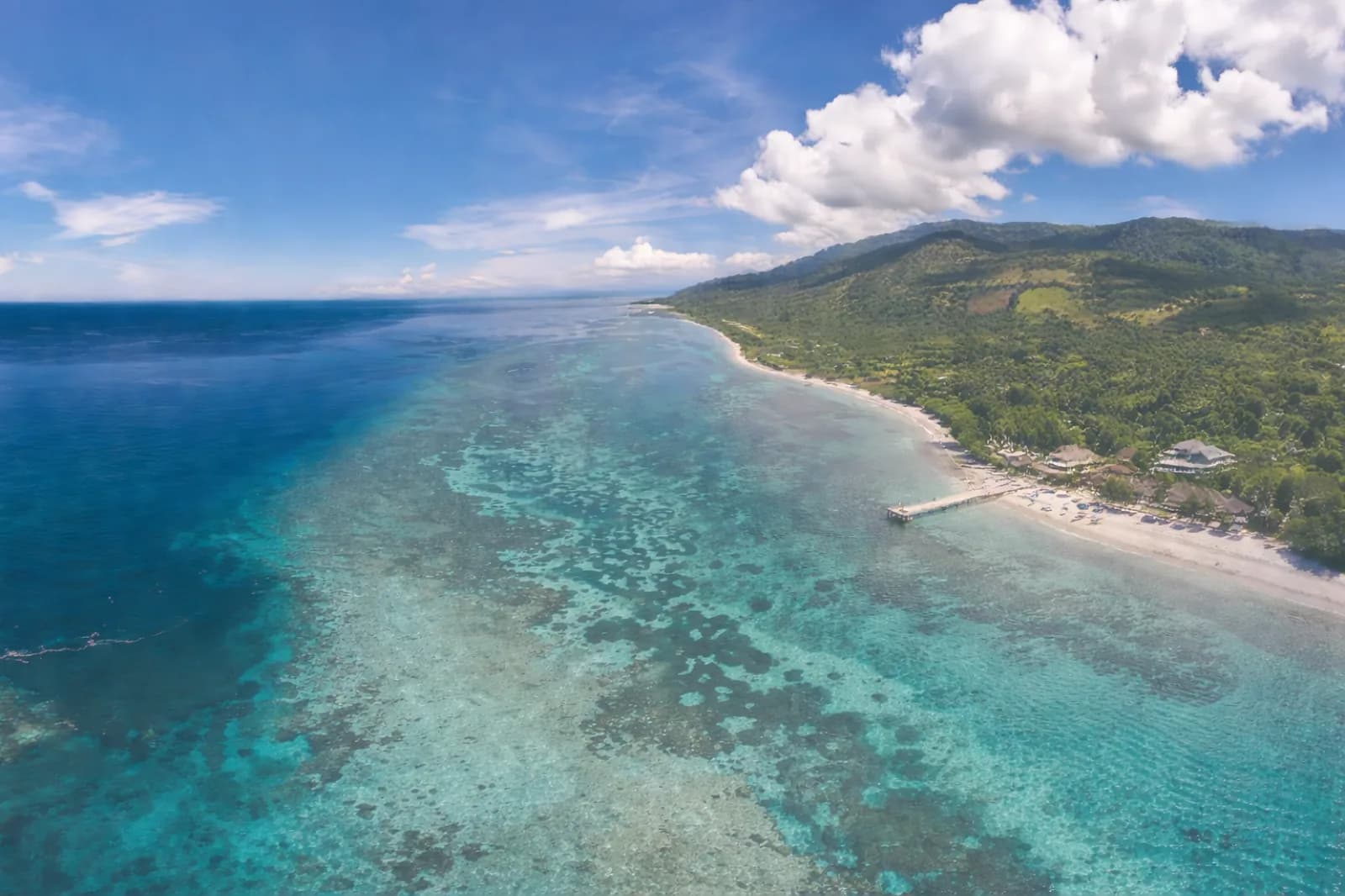
Snorkeling off Atauro requires only a mask and snorkel (bring your own or rent for $5). The coral starts at the waterline. Shore snorkeling at Dili's Tasi Tolu costs $2 marine reserve entry. Ramelau summit trek costs just $20-$25 for a local guide, though you'll need transport to the trailhead.
Markets are free entertainment: Baucau's old market, Dili's Taibessi market, and village markets along the coast are colorful, social, and photogenic. Churches and Portuguese-era architecture are free to visit. The Resistance Museum in Dili (Arquivo & Museu da Resistência Timorense) costs $2.
Travel insurance. Medical evacuation to Darwin costs $10,000+ and is the only option for serious injury. Diving insurance (DAN or equivalent) is non-negotiable if you're diving: there is no hyperbaric chamber in the country.
Water quality. Don't drink tap water to save money. Bottled water is cheap enough. Food poisoning from bad water loses you days.
Transport in the far east. If you go east of Baucau, pay for a proper 4WD with driver. The roads are genuinely dangerous: potholes, no signage, occasional landslides. A motorbike accident on a remote mountain road with no phone signal is not a budget adventure, it's a crisis.
8 experiences connected to this guide
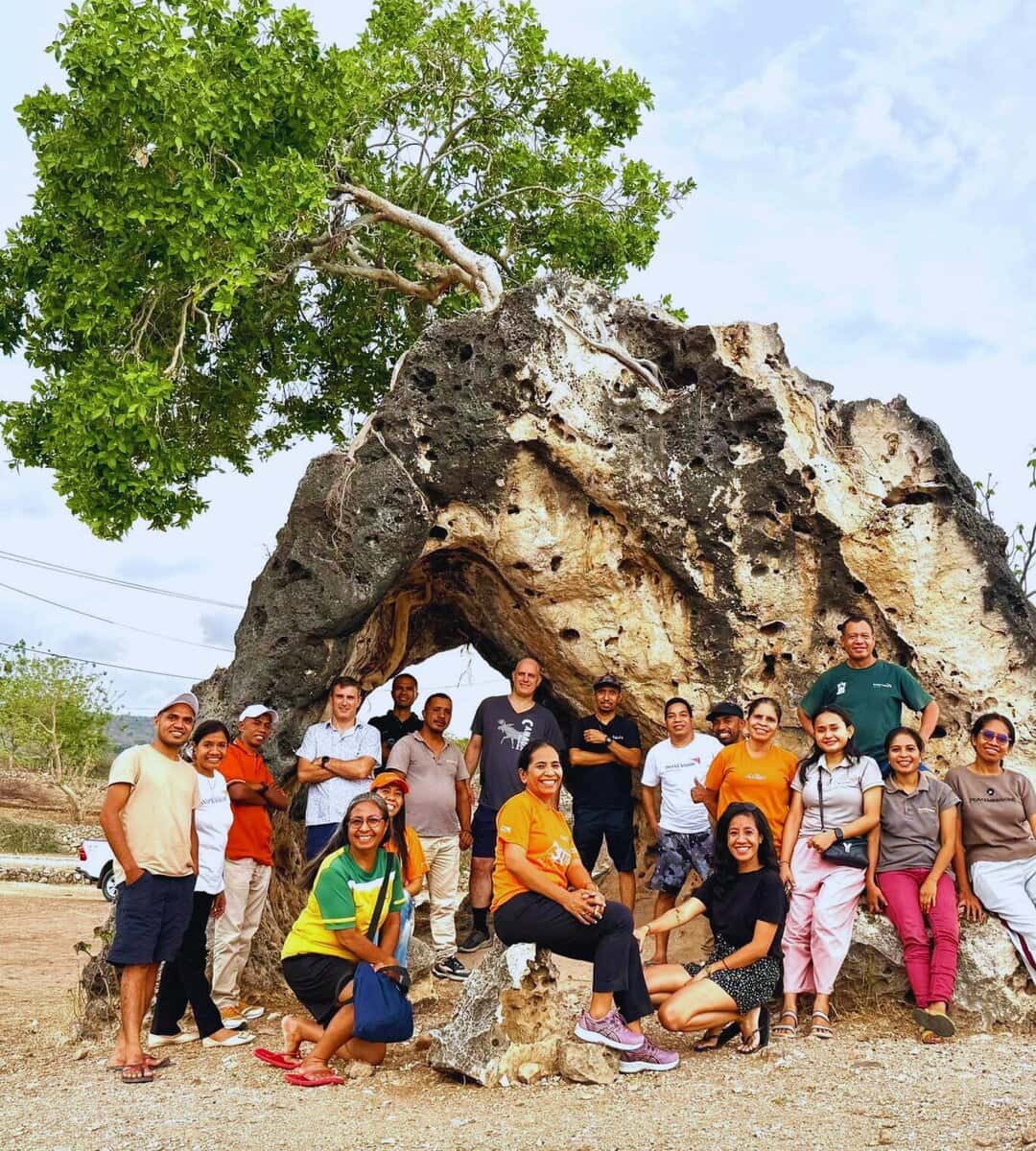
Hera Mangrove restoration project
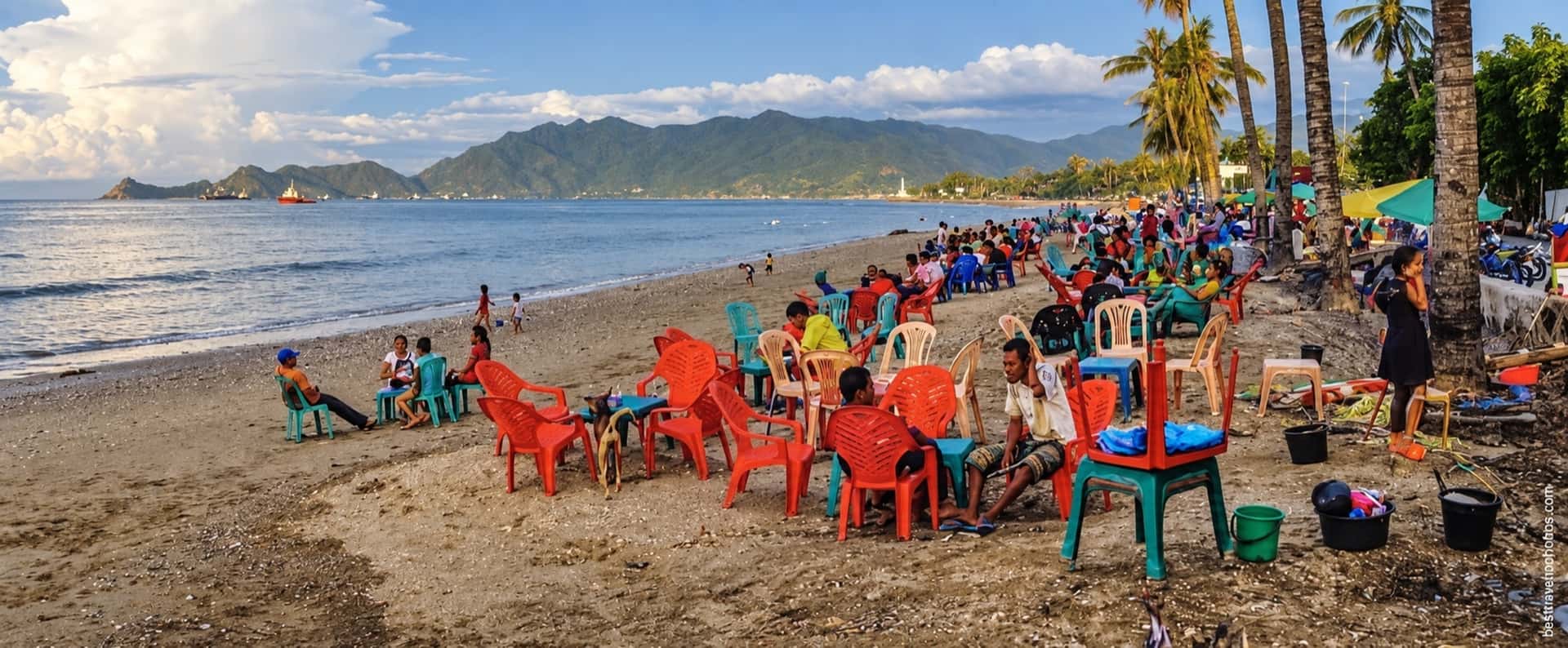
Cristo Rei at sunset
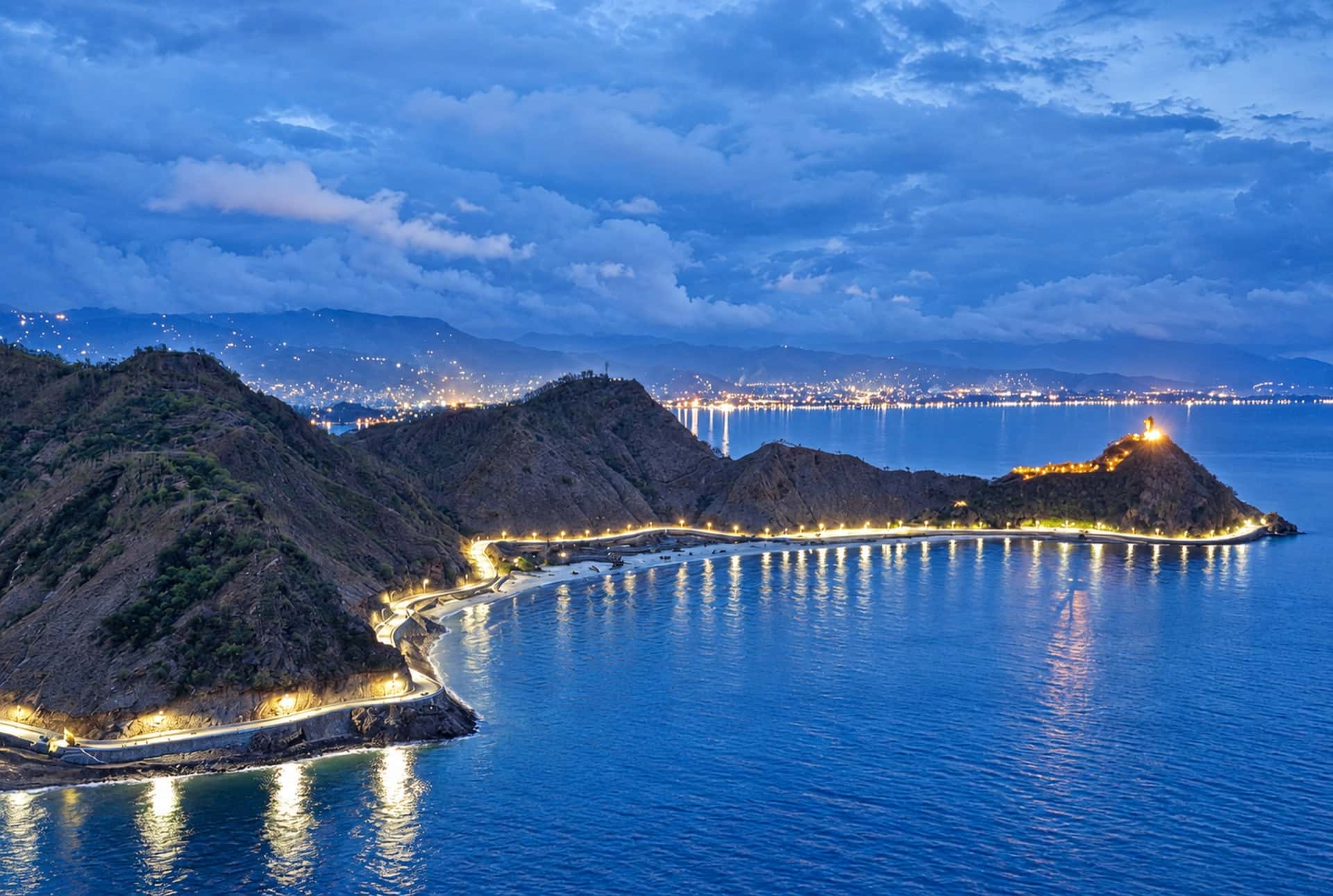
Cristo Rei statue at sunset
Dili · Atauro Island
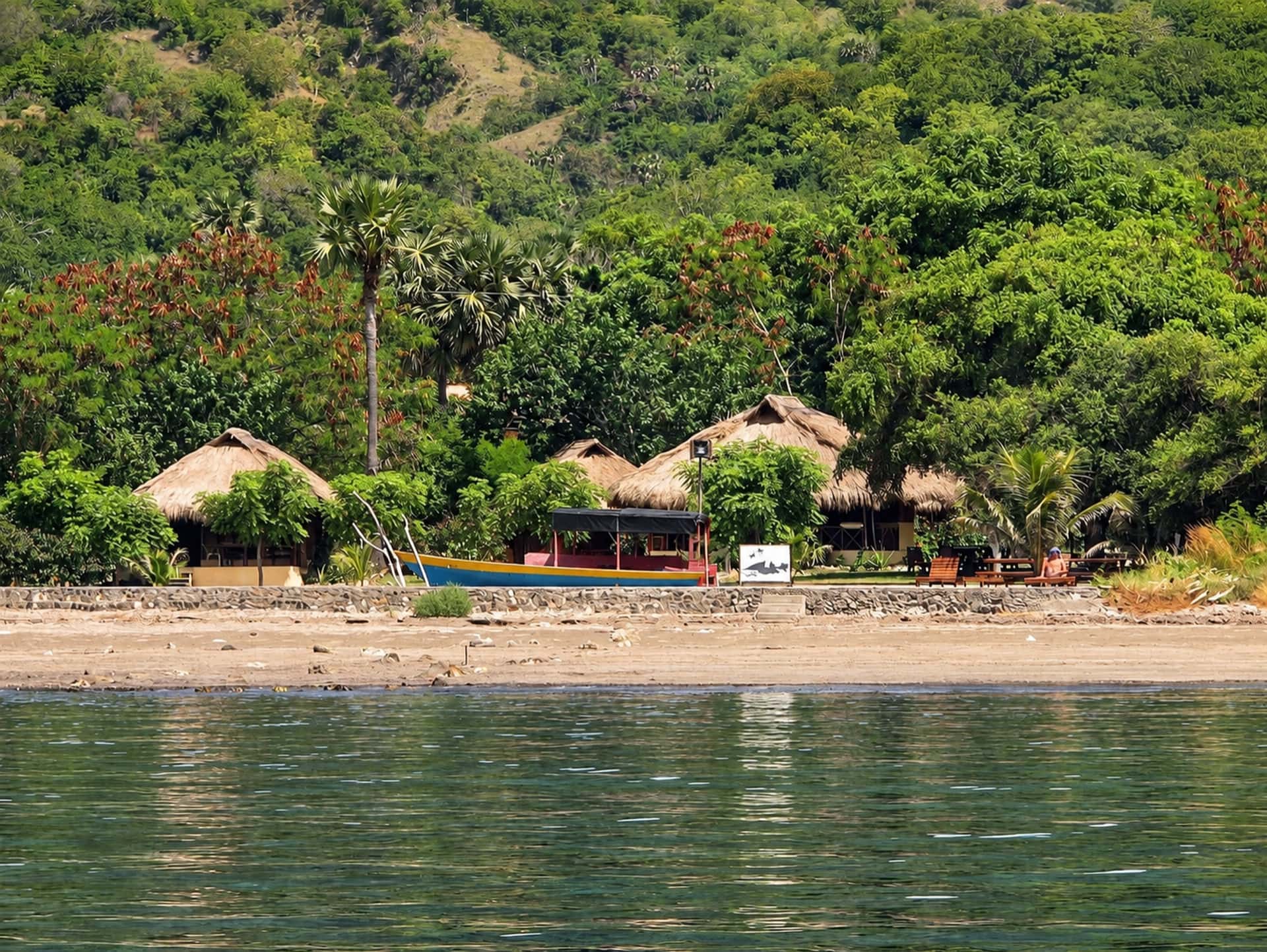
$25-35/day. Basic guesthouse, local food, public transport, free activities.
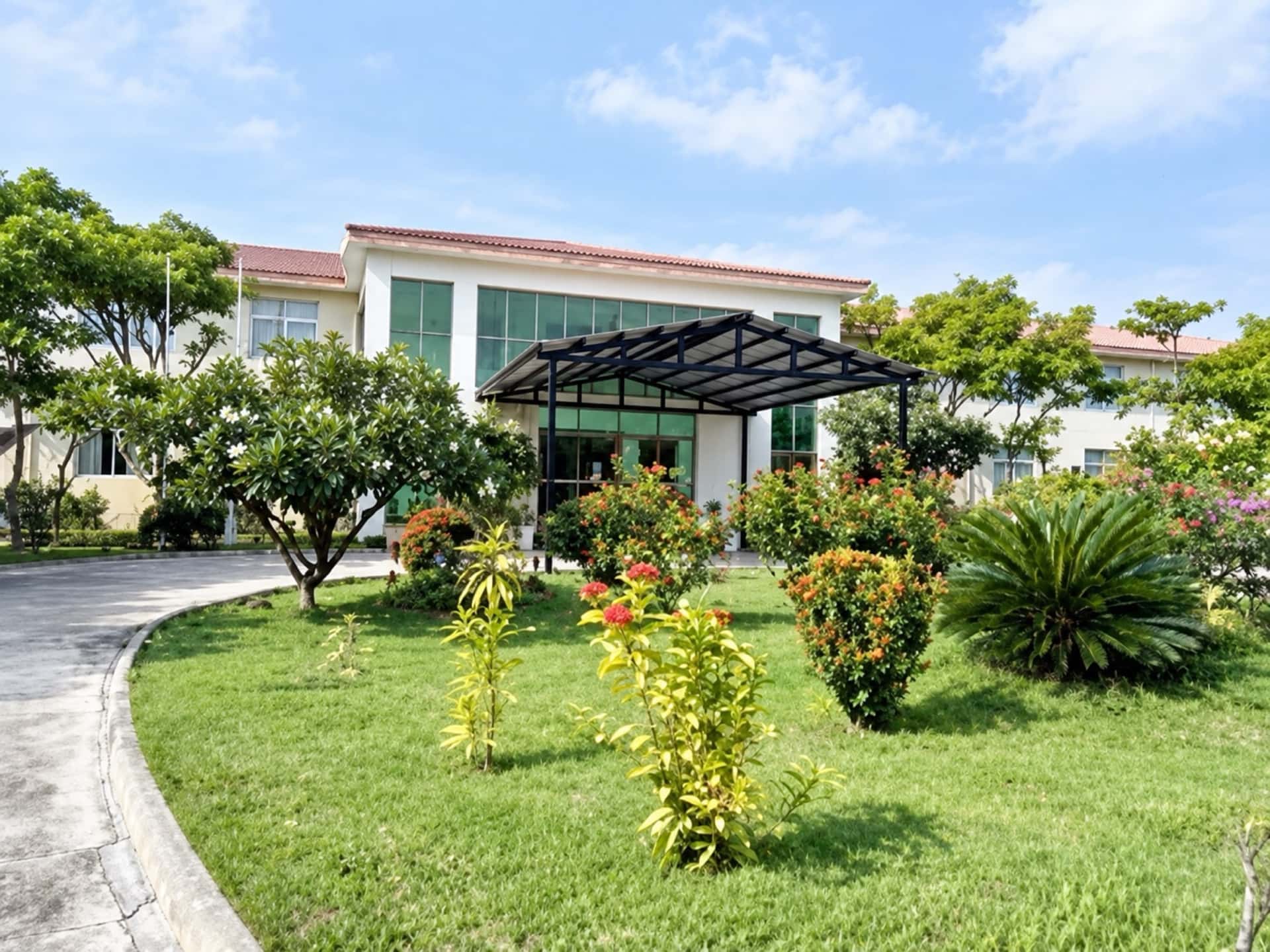
$40-60/day. Mid-range guesthouse, mix of eating, occasional taxis, one or two paid activities.
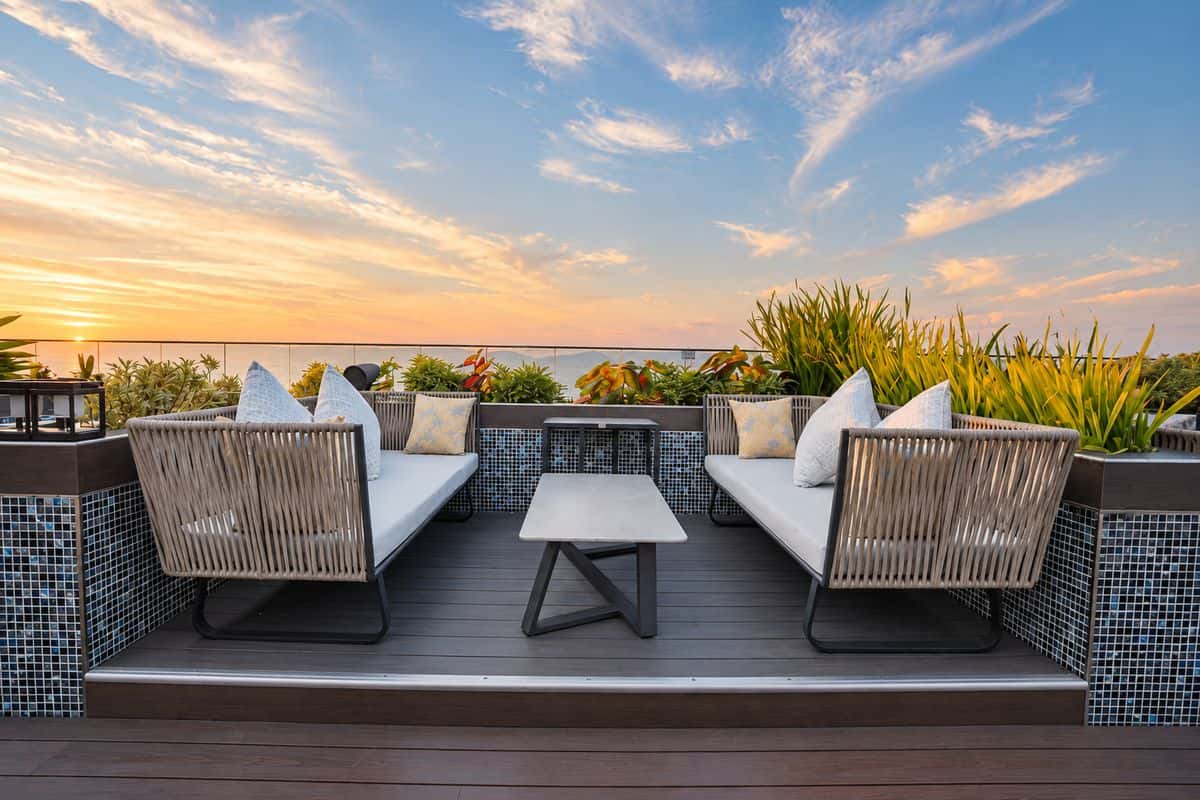
$60-100/day. Good hotels, restaurants, diving, organized tours, car rental days.
USD only. ATMs in Dili and Baucau. Nowhere else. Bring enough cash for your entire trip outside these cities.
US Dollar. Bring clean, newer $5, $10, $20 notes. $50 and $100 bills hard to break. $1 notes rarely used; change comes in centavo coins.
Dry season (May-November) for best road conditions and cheaper transport. Wet season (December-April) has fewer tourists but some roads become impassable, potentially stranding you and increasing costs.
New experiences, insider tips, and seasonal highlights. No spam, just useful stuff for planning your trip.
Unsubscribe anytime. We respect your inbox.
Continue planning your trip to Timor‑Leste
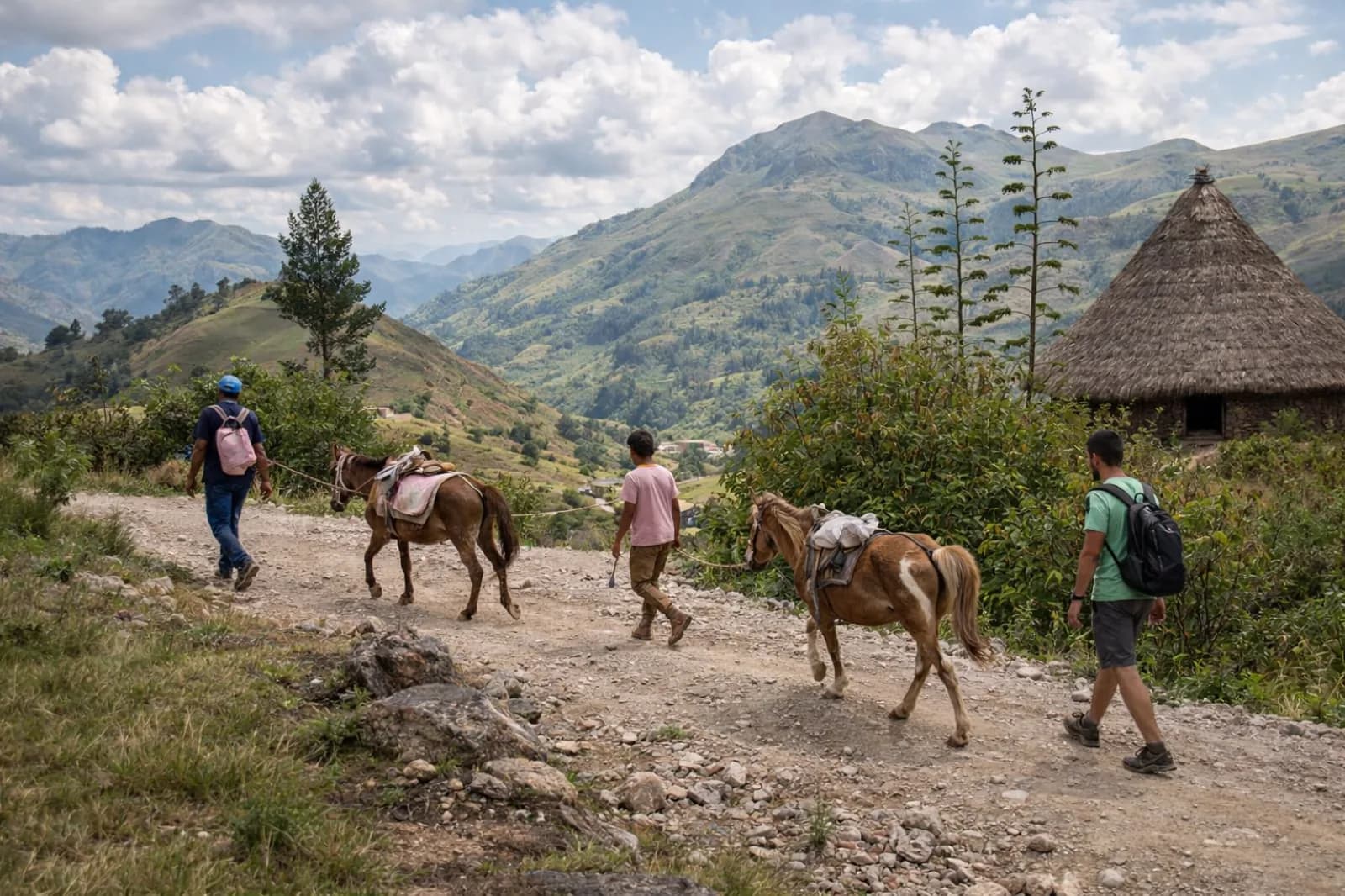
Transport guide: from Dili to the far east and everywhere between
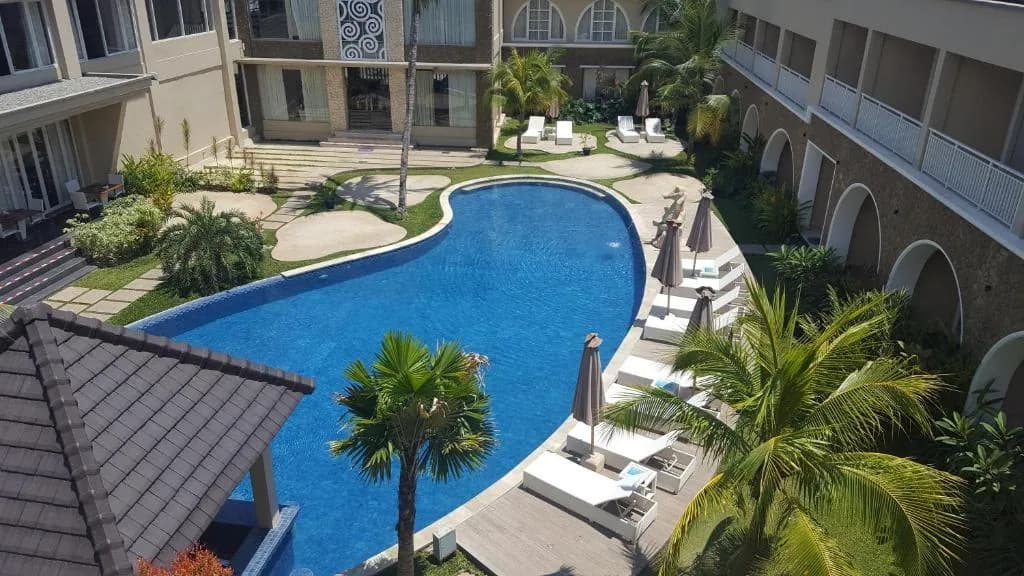
From beach eco-lodges to mountain guesthouses: your accommodation guide
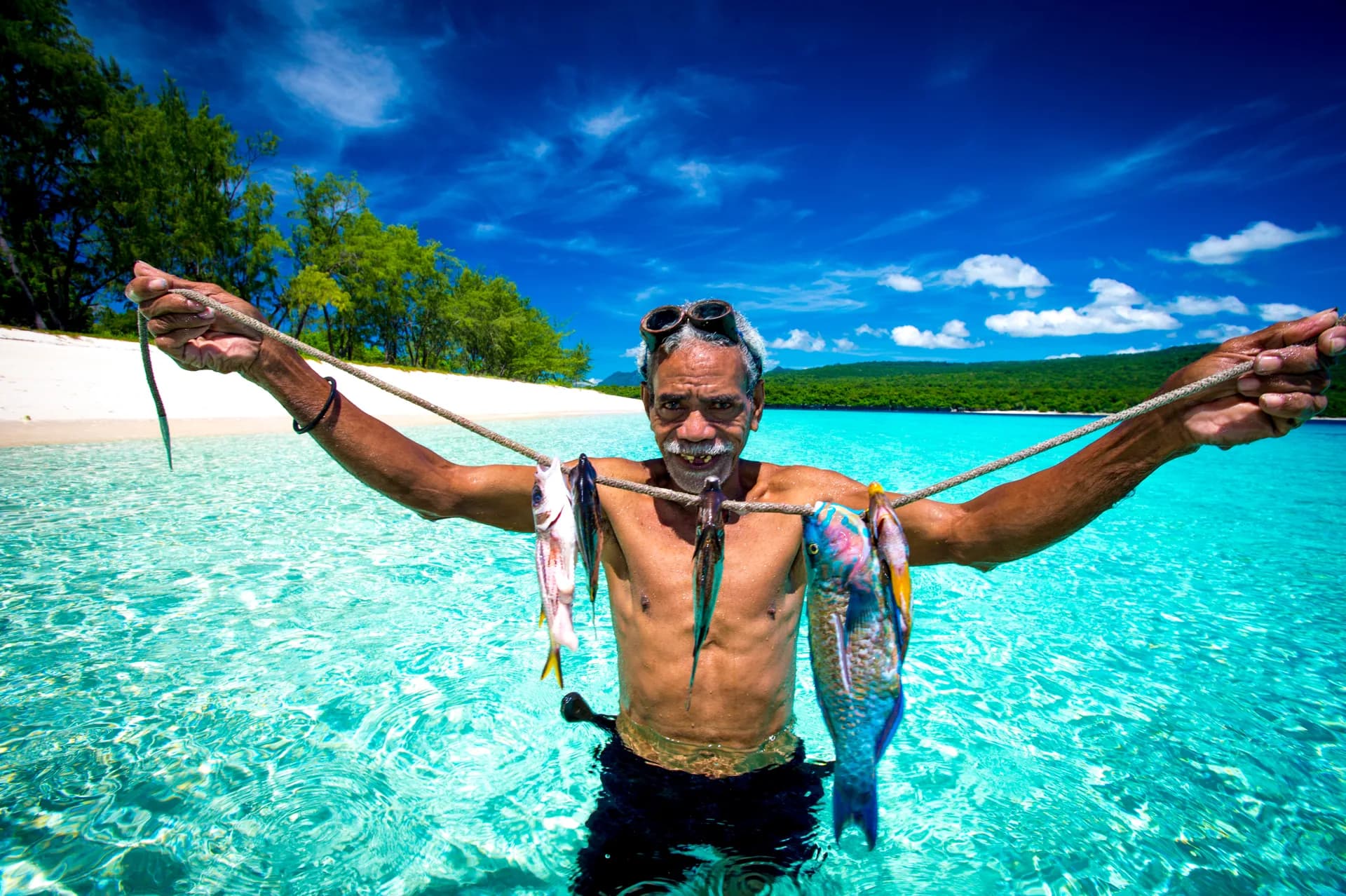
Grilled fish, mountain coffee, and palm wine: an honest food guide
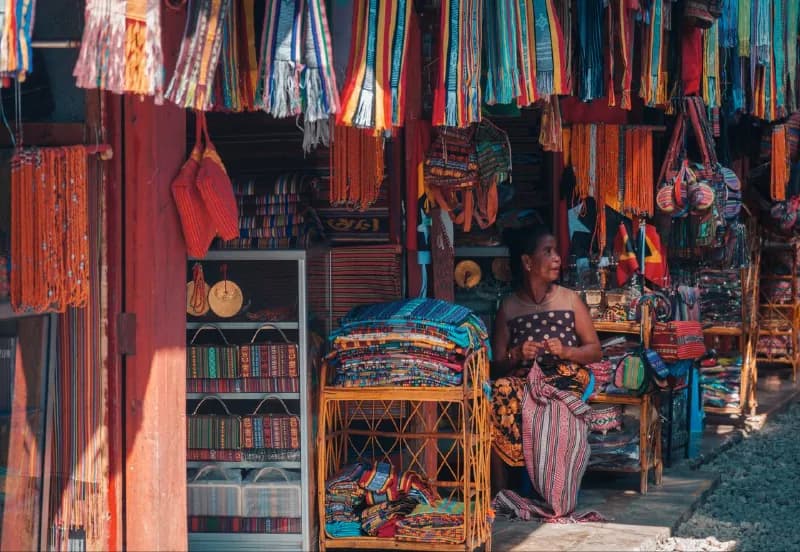
US dollars, why cards barely work, and how to actually pay and book
Do you need a tour, or can you do Timor-Leste yourself? An honest comparison
One of the world's least-visited countries, and one of the friendliest
Places mentioned in this guide