World-record reefs, zero crowds, and the kind of travel that barely exists anymore
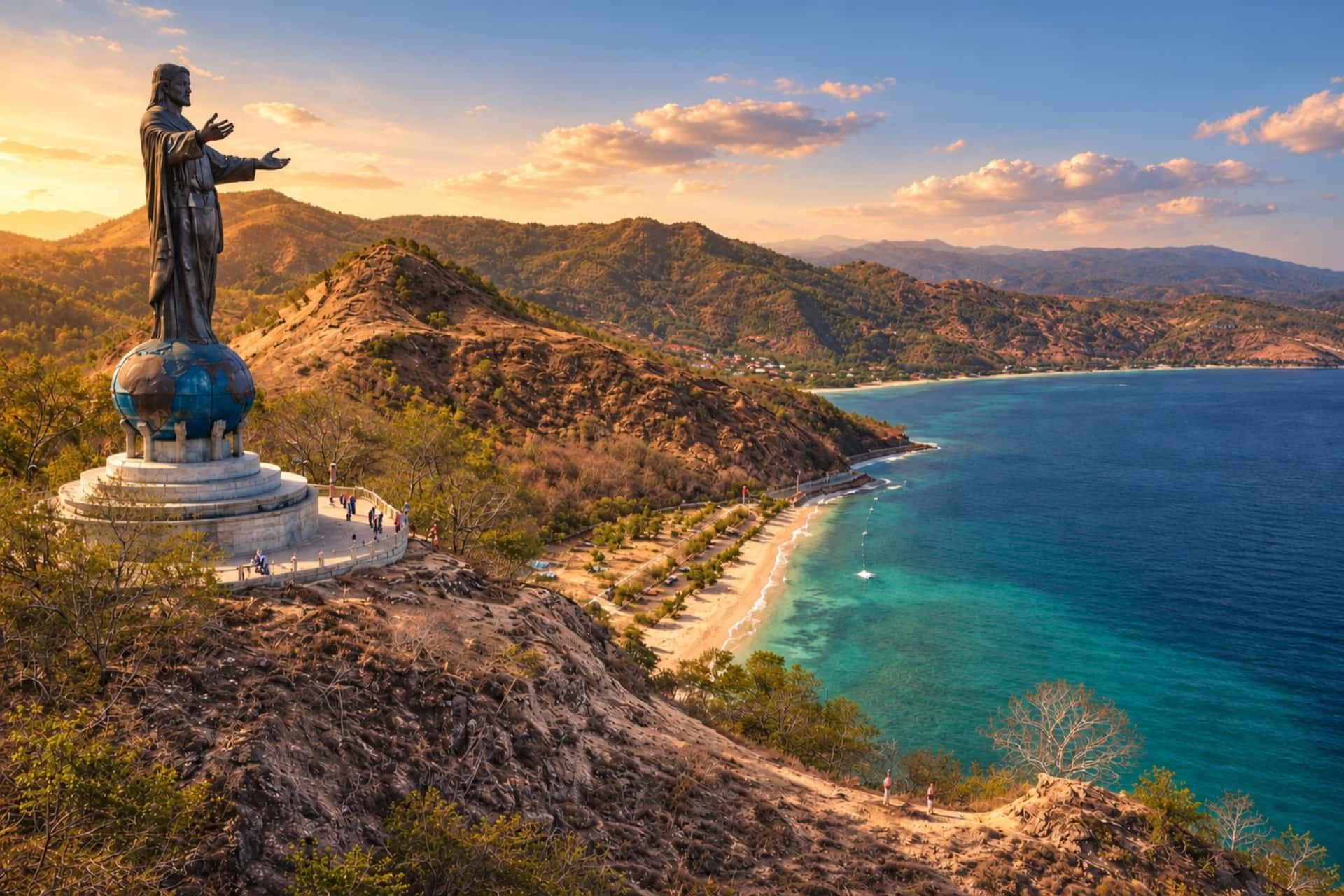
You're not going to see Timor-Leste on a "Top 10 Destinations" list. No influencer is doing a #sponsored sunrise at Cristo Rei. The Lonely Planet doesn't even publish a dedicated guidebook for it. And that, frankly, is the entire point.
This is a pitch. Not the glossy kind — the honest kind. If you're reading this, you probably already know about Bali, Thailand, Vietnam. You've maybe considered the Philippines or Cambodia. You might be looking for something after all of that. Timor-Leste is after all of that.
Here's the case for visiting one of the least-touristed countries on Earth — and why the window to experience it like this won't stay open forever.
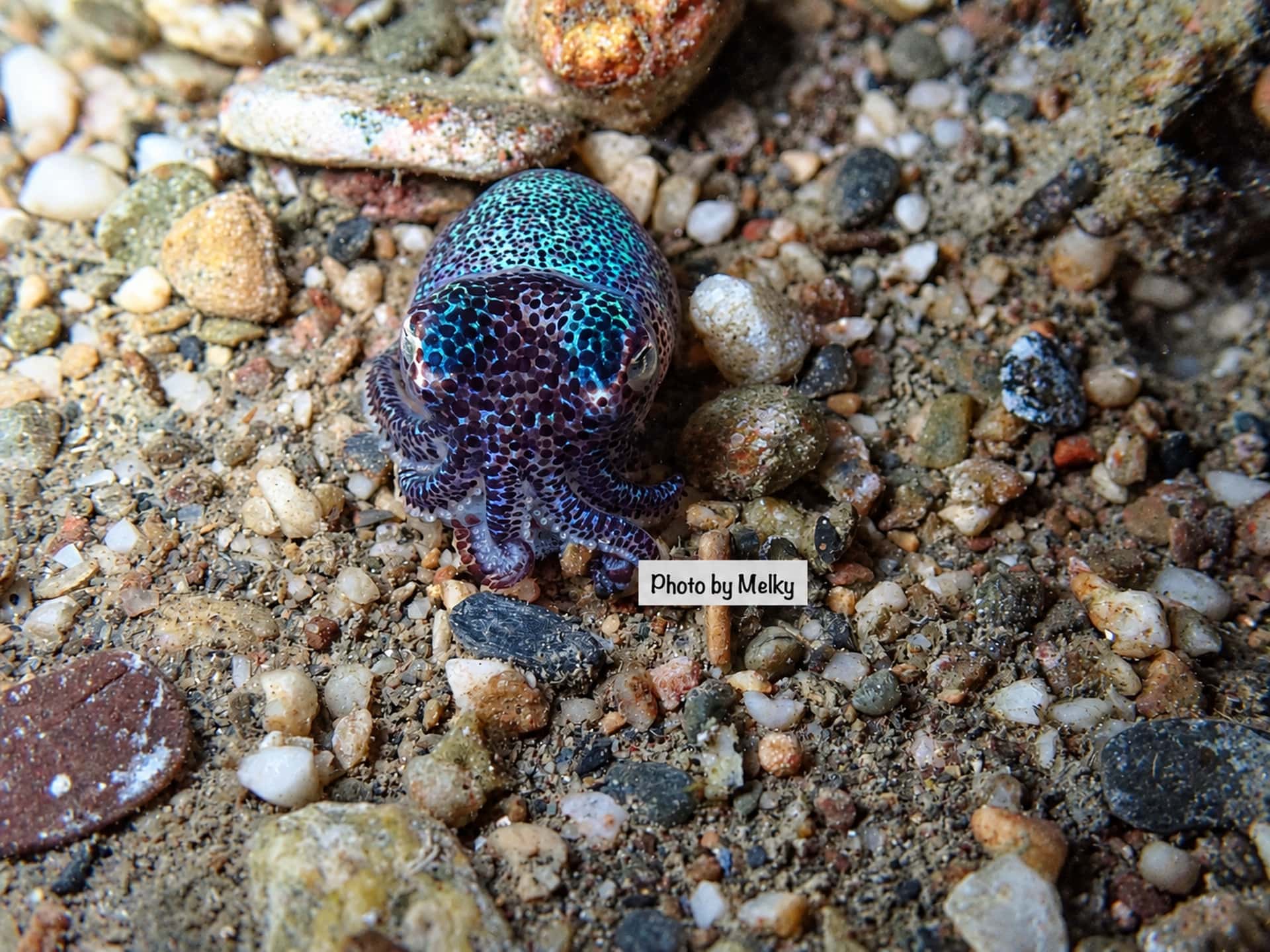
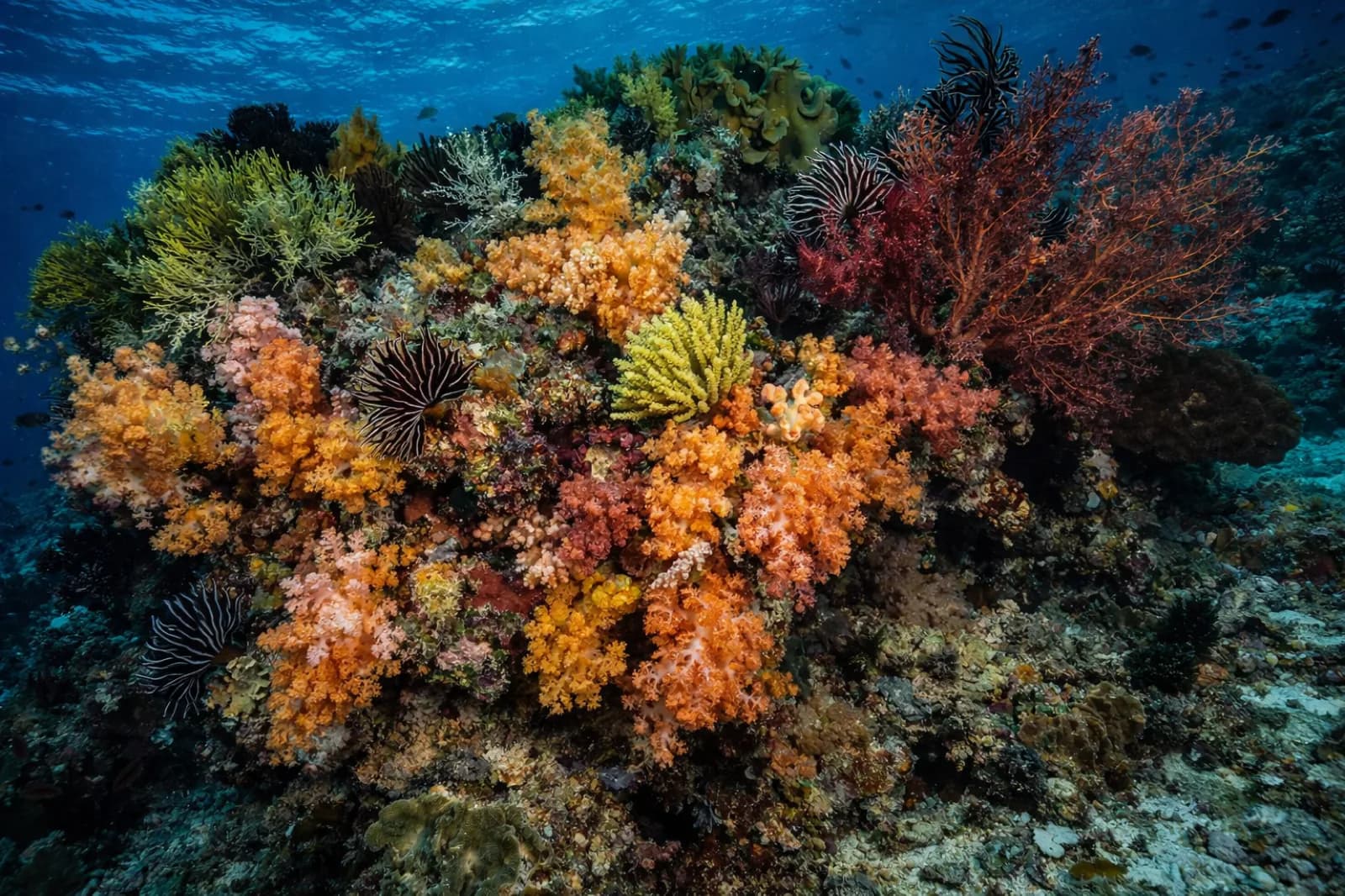
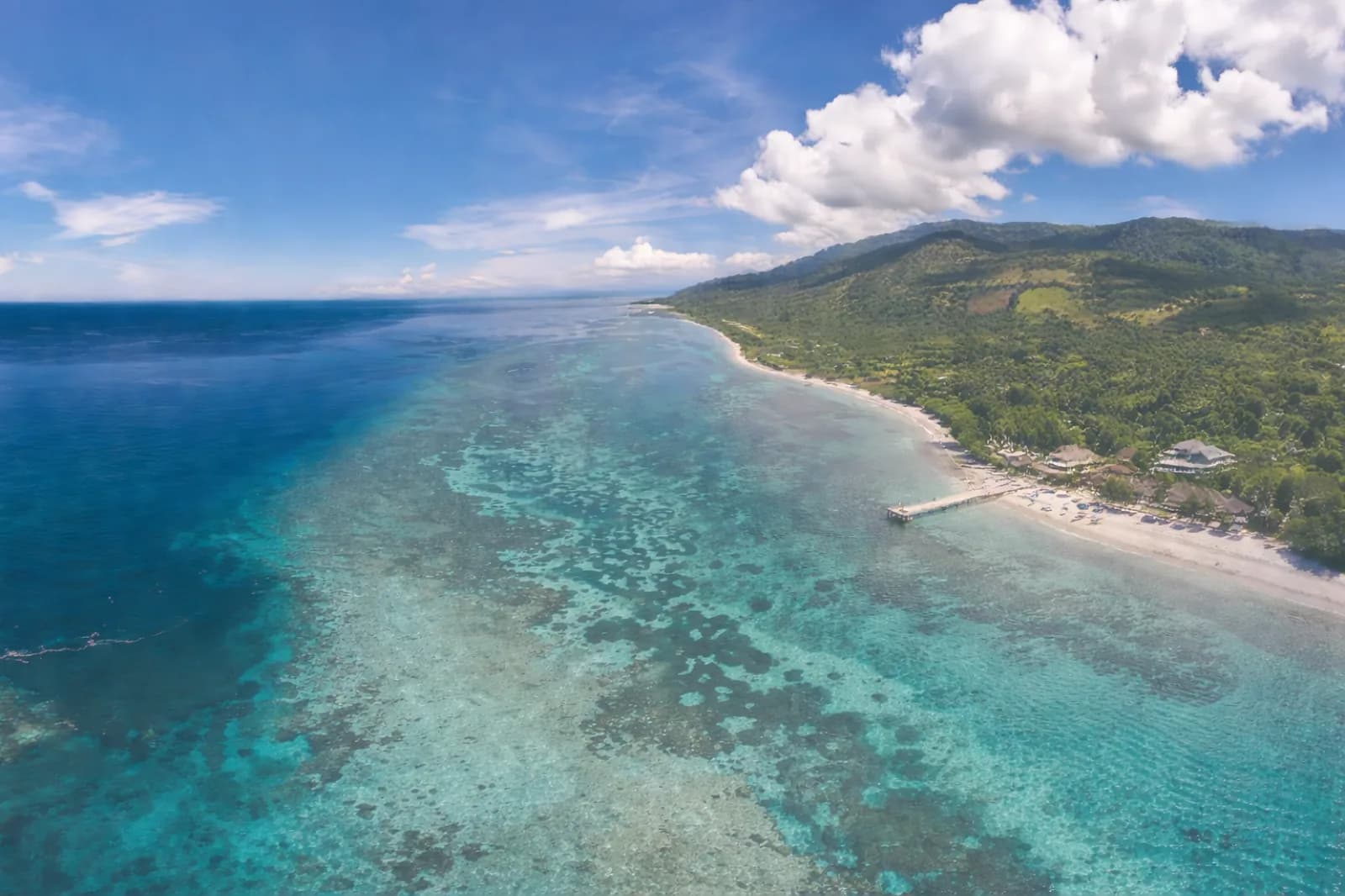
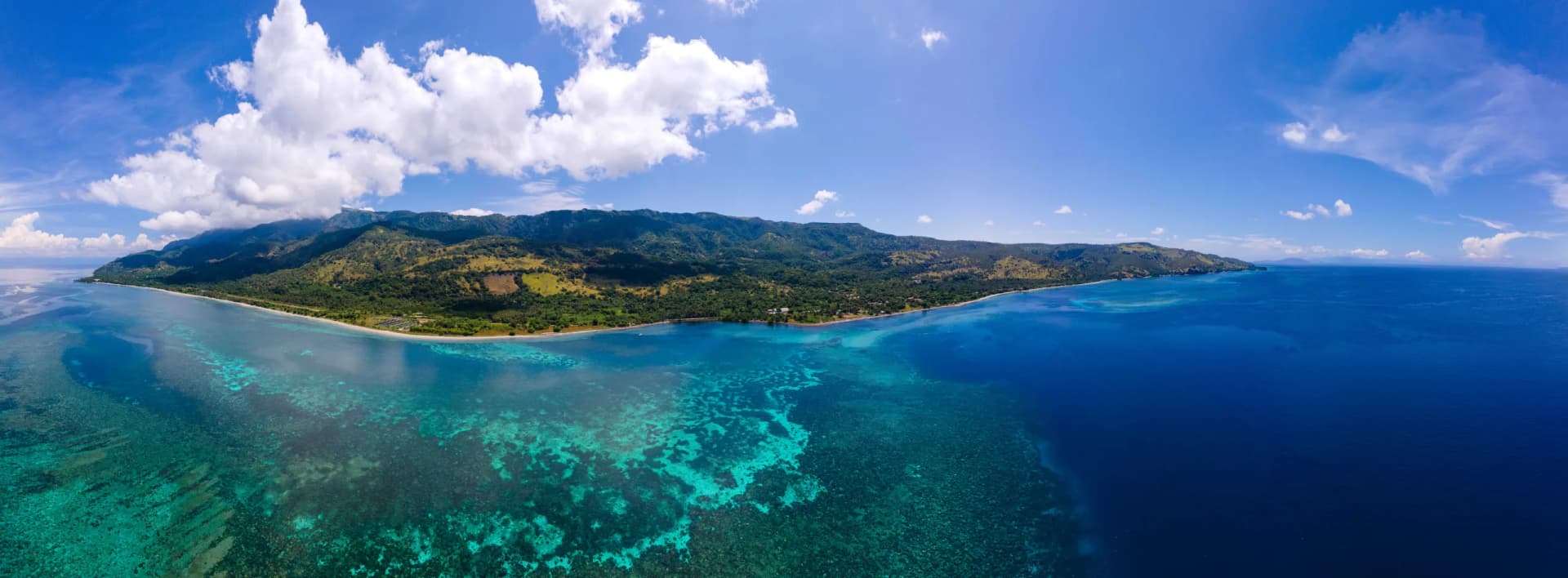
That's not marketing. In 2016, Conservation International recorded more reef fish species per dive site around Atauro Island than anywhere else on Earth — over 300 species at a single location. More than Raja Ampat. More than the Great Barrier Reef. More than anywhere in the Coral Triangle.
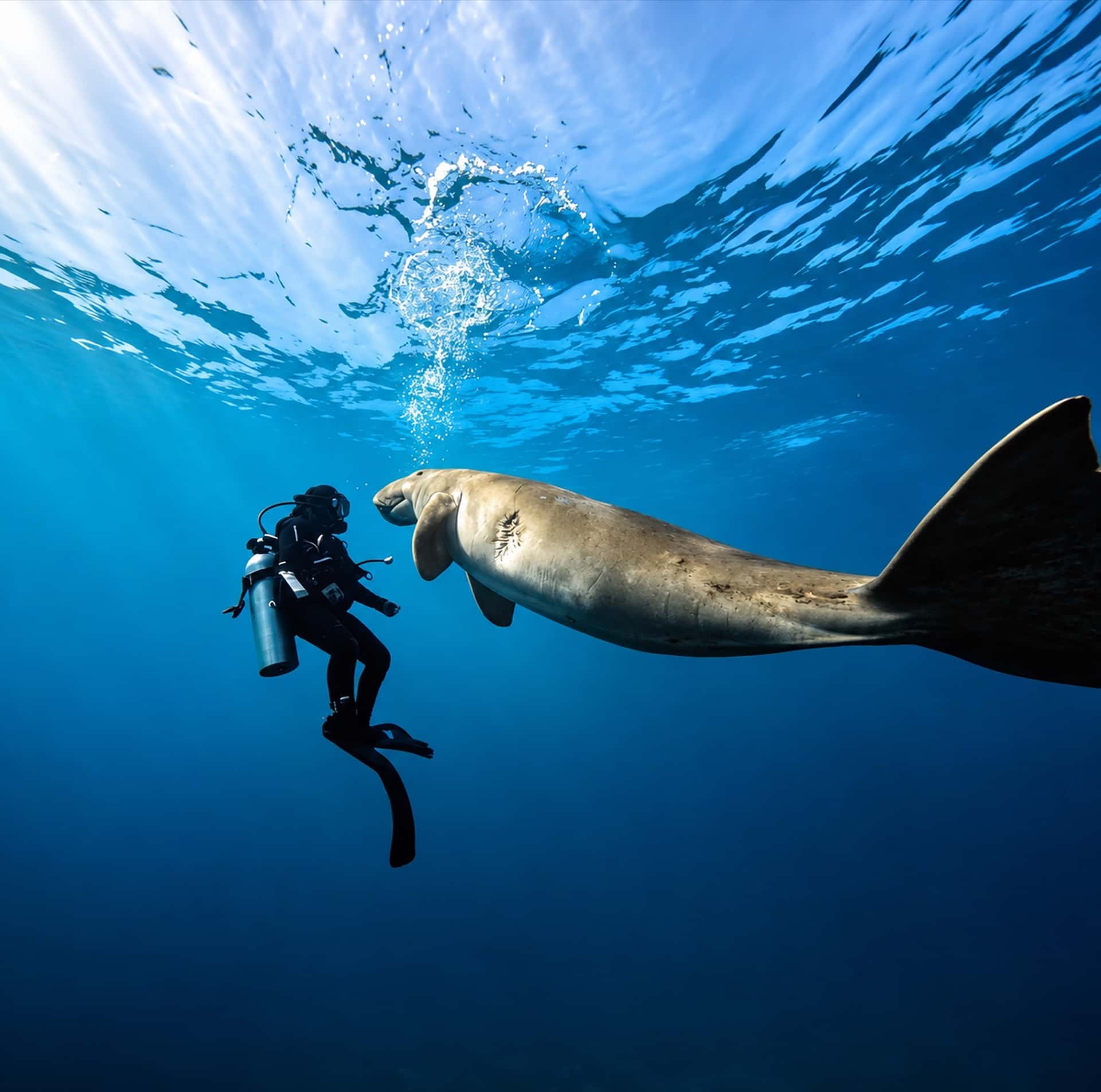
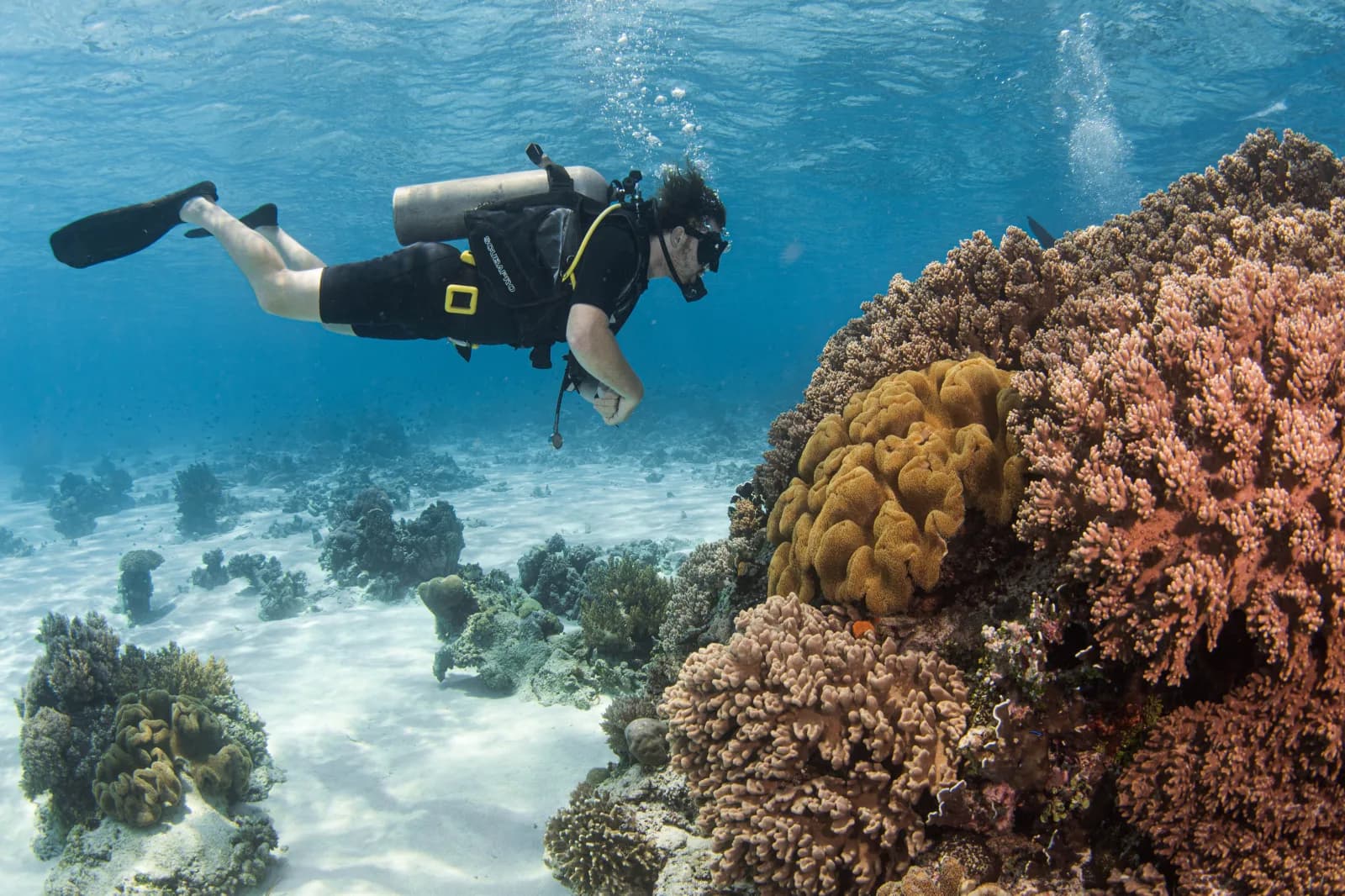
And here's what makes it absurd: you'll likely be the only diver on the reef. While Raja Ampat charges $500/night for a liveaboard and limits diver numbers, Atauro's operators run groups of 2-4 divers. Reef dives from $60. Water temperature 27-29°C year-round. Visibility 20-30 metres.
If you're the kind of diver who's ticked off the big names and wants what's next — this is what's next. The infrastructure is basic, the boats are small, and the reefs are pristine precisely because almost nobody comes here.
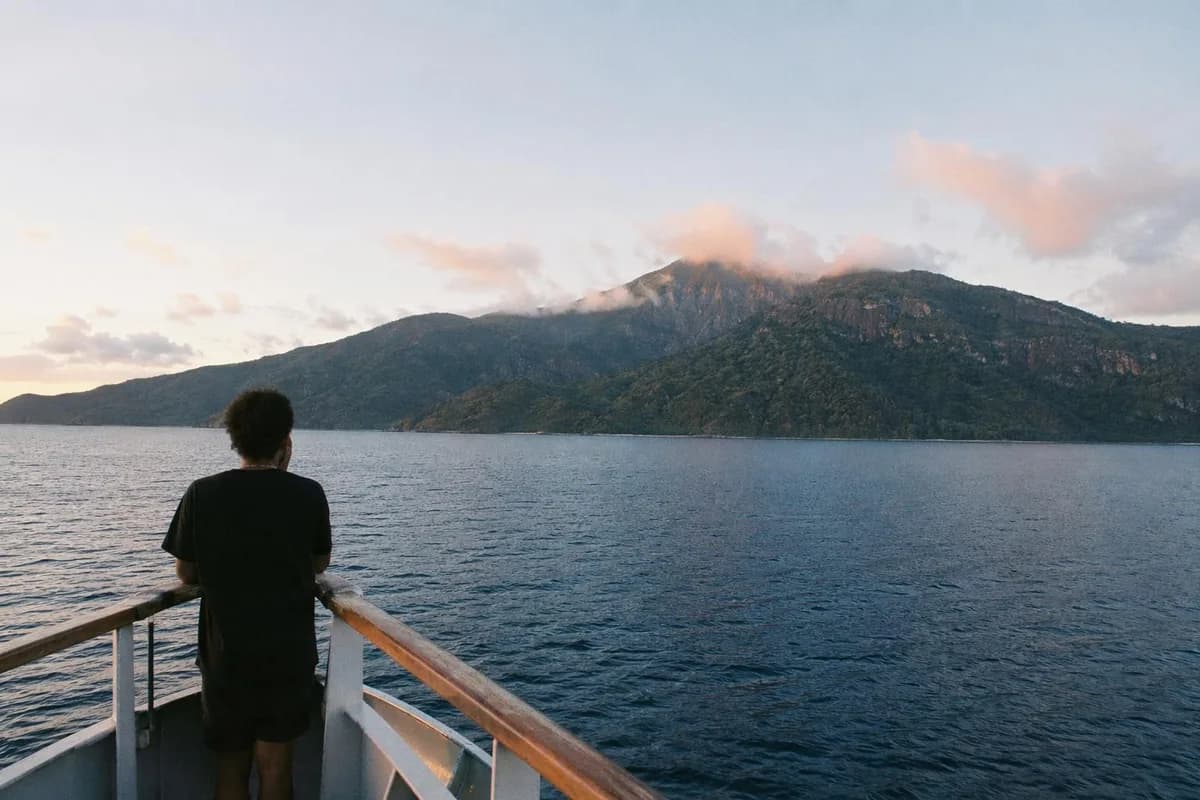
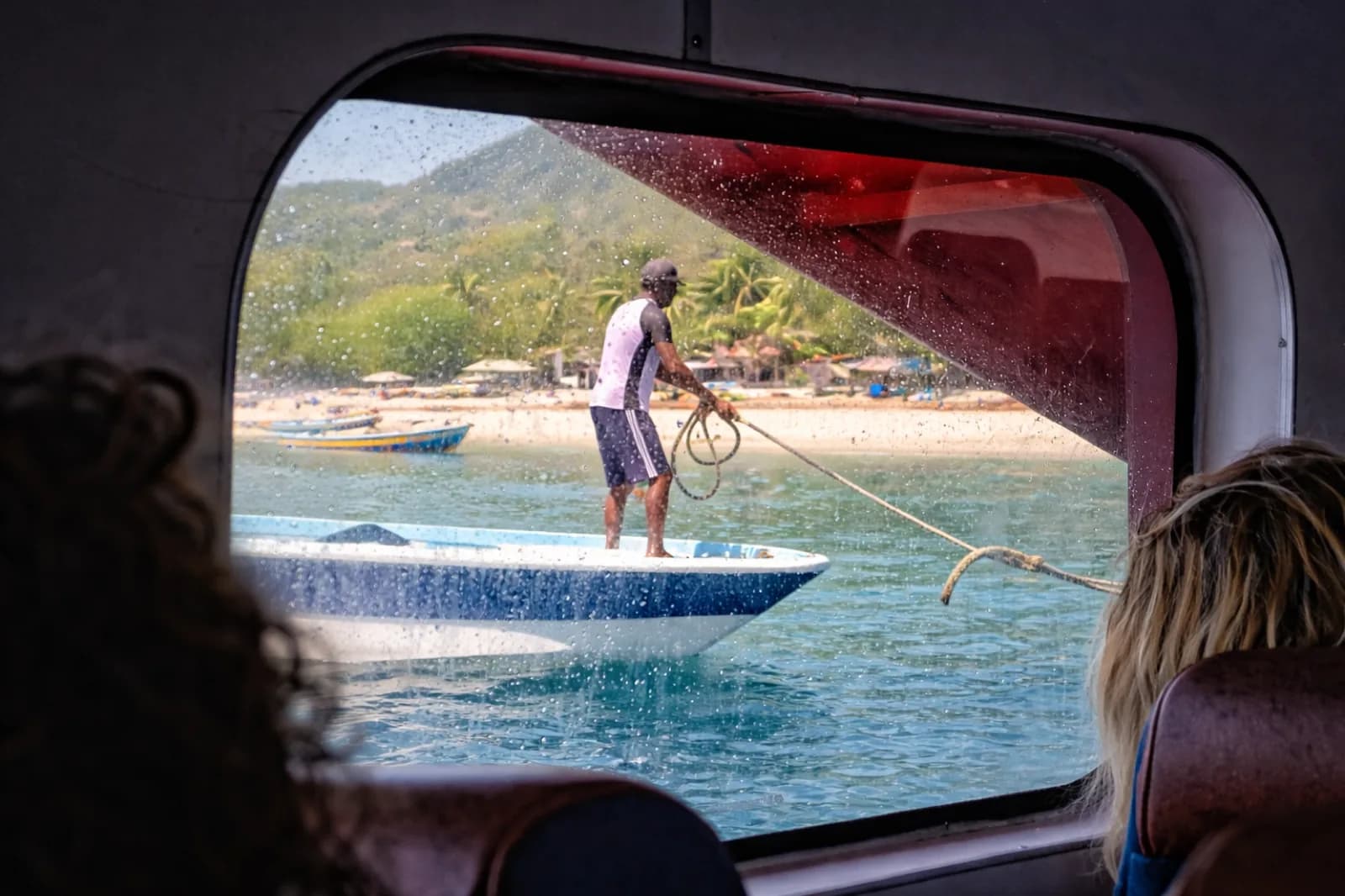
For context: Atauro is a 2.5-hour ferry ride from Dili ($4-12). You can be diving world-record reefs the afternoon you arrive.
Bali gets 6 million visitors a year. Timor-Leste gets 80,000 — and most of those are UN and NGO workers. The math is simple: whatever you experience here, you experience without the crowd.
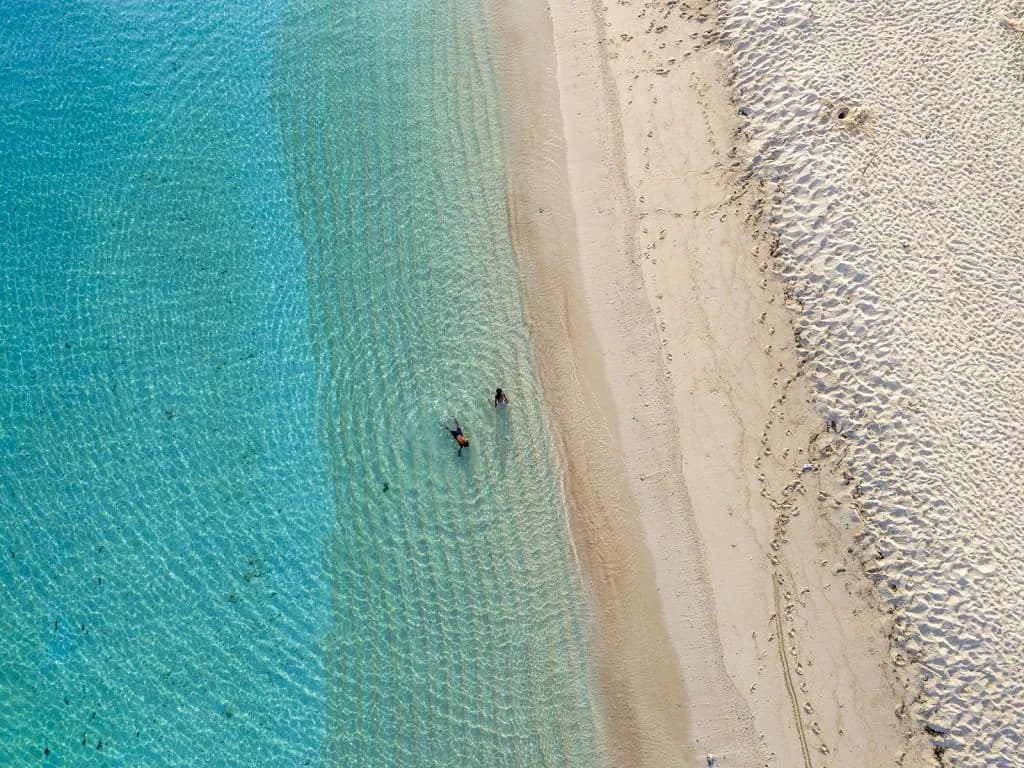
Jaco Island, on the eastern tip of the country, is a sacred uninhabited island with white sand beaches and snorkeling that rivals the Maldives. You can spend an entire day there and see no one else. The beaches of Atauro are similar — pristine, empty, reached by local boat.
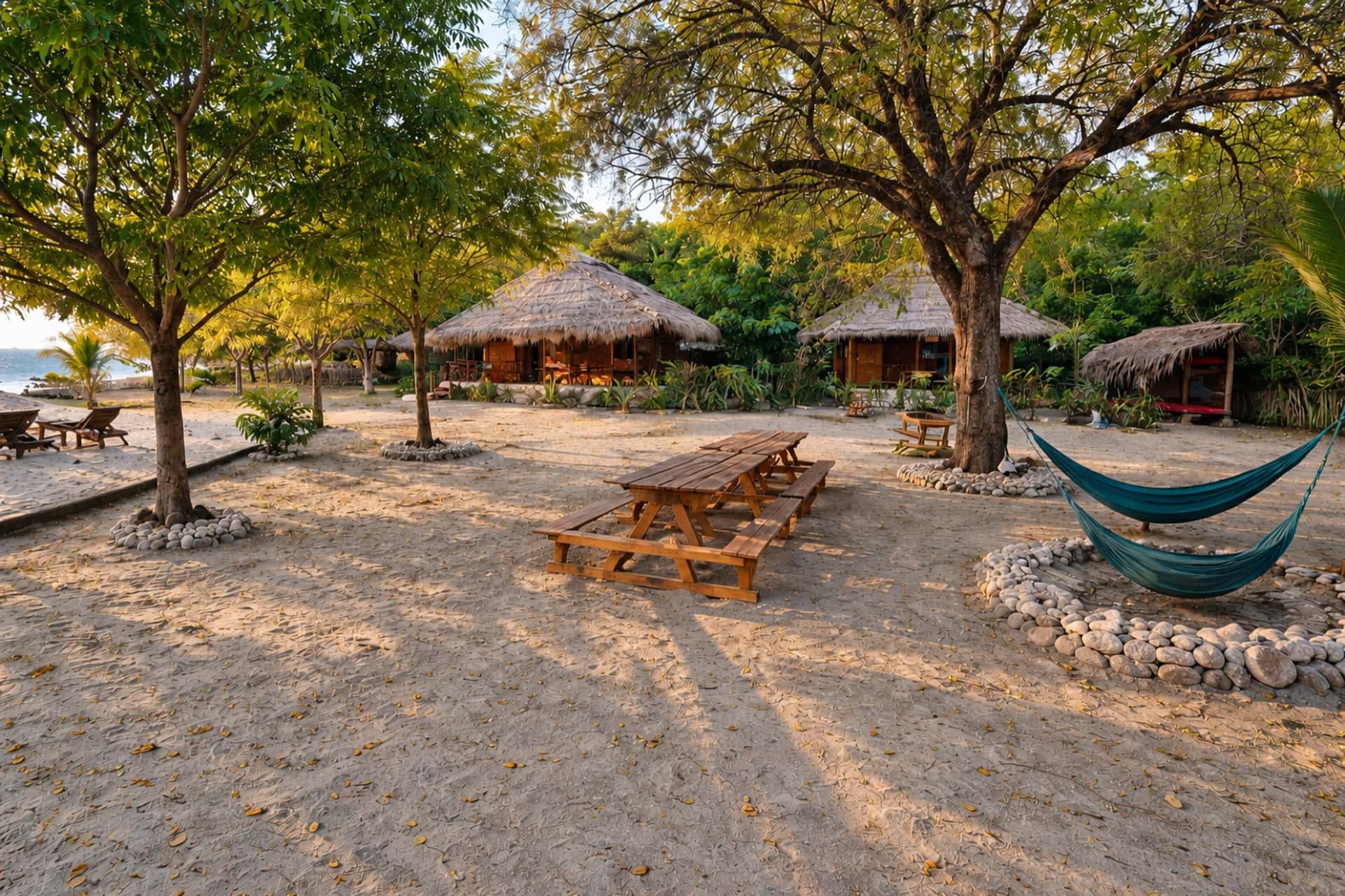
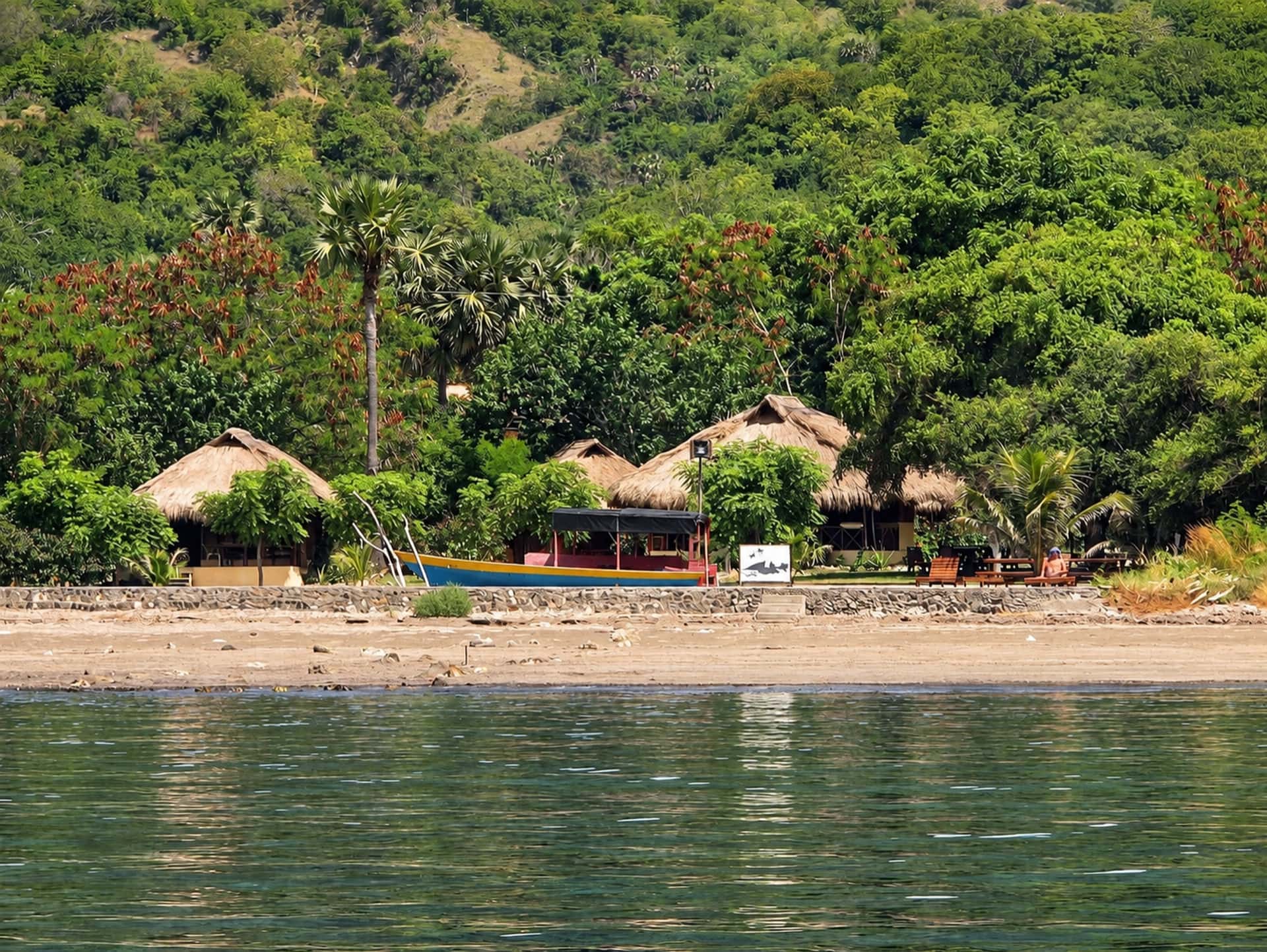
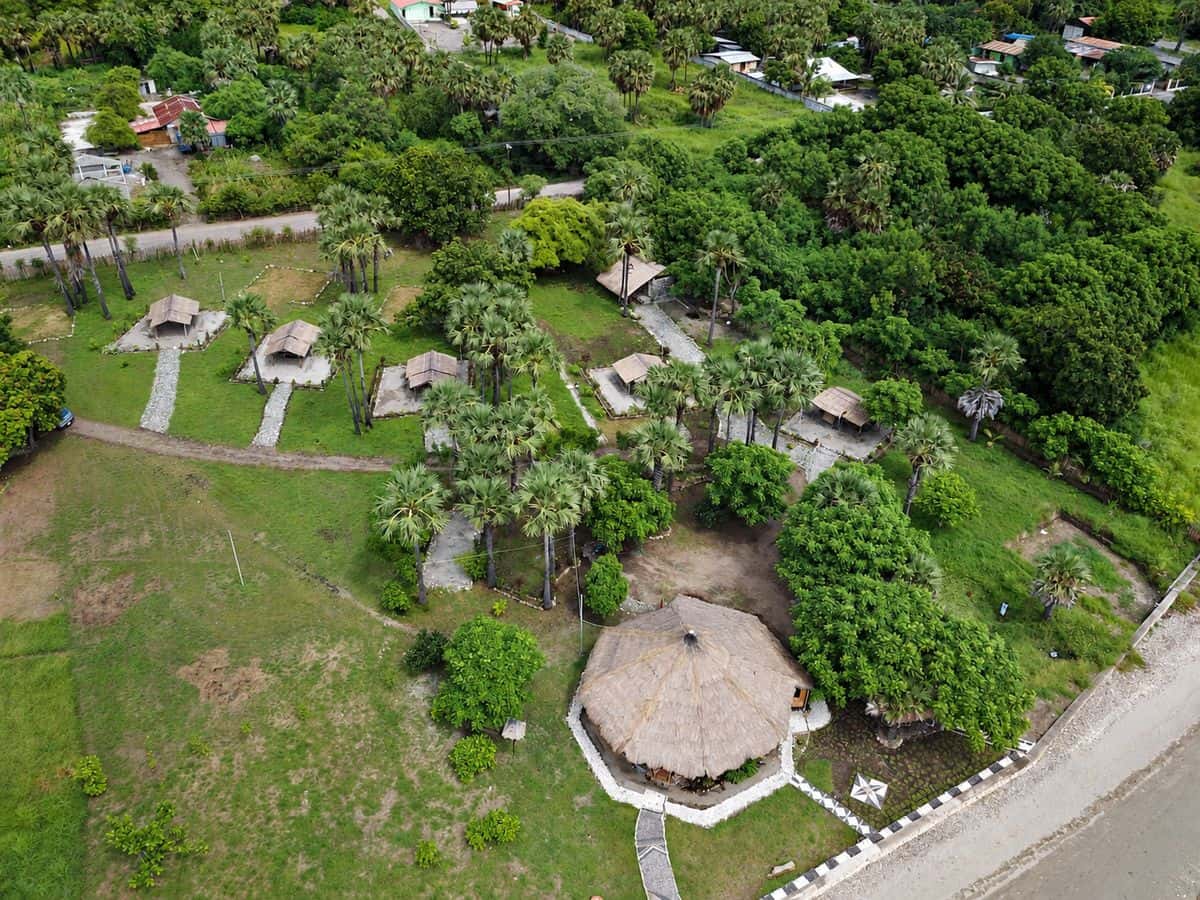
This isn't the manufactured "off the beaten path" of a boutique hotel in a tourist town that calls itself undiscovered. This is genuinely undiscovered. No hostel chains. No party strips. No elephant pants for sale. The infrastructure is real — guesthouses, local restaurants, mikrolets — but it's built for Timorese people, not for tourists.
If that sounds appealing rather than alarming, Timor-Leste is for you.
Timor-Leste gained independence in 2002 after 24 years of Indonesian occupation and 400 years of Portuguese colonialism. It's one of the youngest nations on Earth, and its people carry a pride and warmth that comes from building something new.
The welcome you get here is different from the transactional friendliness of established tourist destinations. People are genuinely curious. You'll be invited into conversations, offered coffee (Timor-Leste grows some of the best coffee in Southeast Asia), and asked where you're from. The Tetun word "malae" (foreigner) is spoken with curiosity, not fatigue.
Tourism is a real part of the country's development strategy, and your visit directly supports local entrepreneurs — dive operators, tour guides, guesthouse owners, coffee farmers — who are building Timor-Leste's economy from the ground up. This isn't theoretical impact. When you book a dive at Atauro or a tour through the highlands, you're paying someone who lives here, not a foreign corporation.
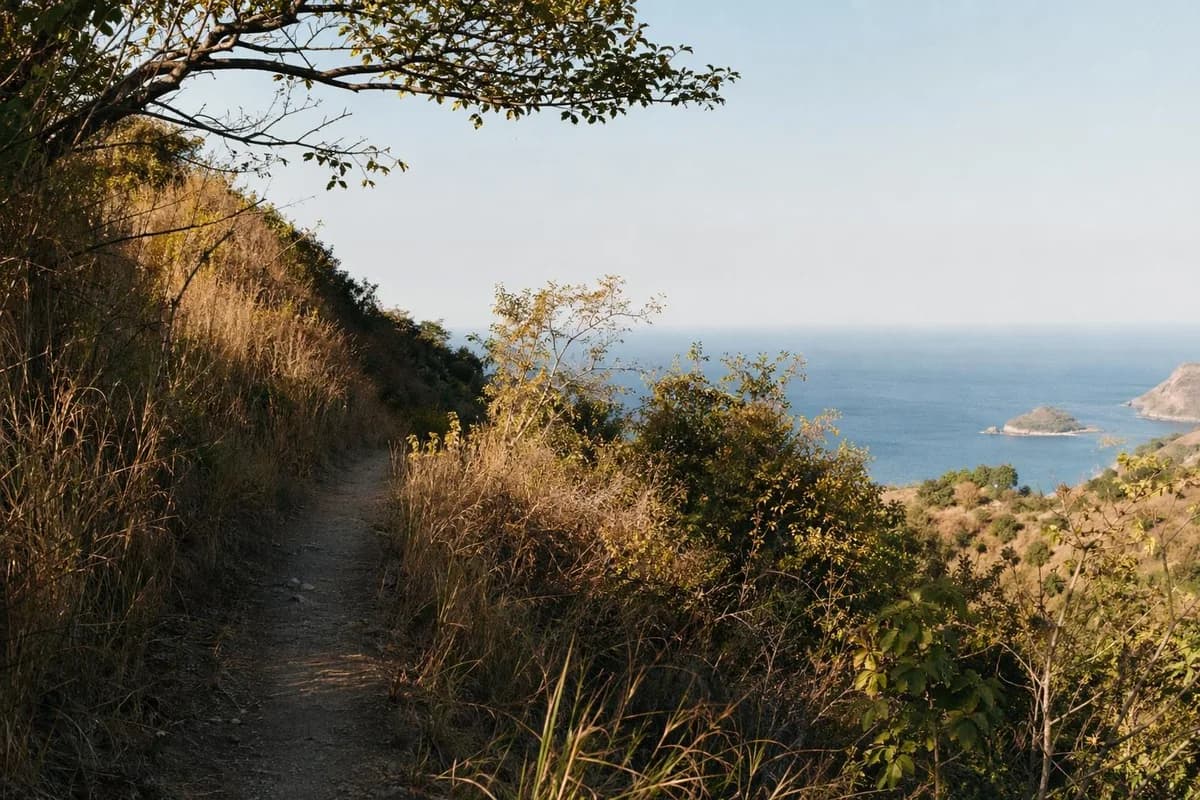
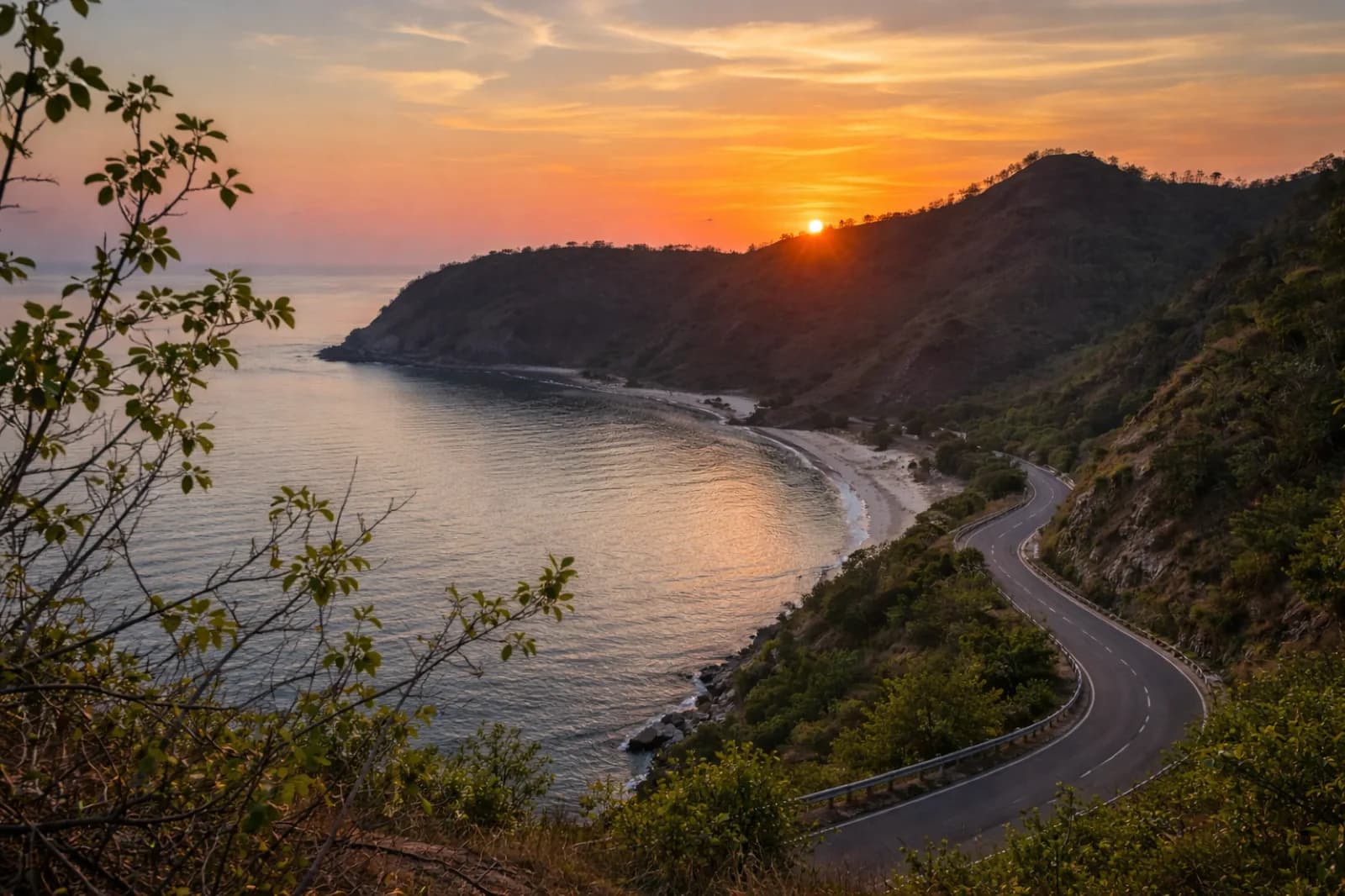
We're a tourism platform, but we're not going to pretend Timor-Leste is easy. The roads outside Dili are rough — mountain routes are single-track, steep, and slow. A 120km journey can take 4 hours. Power outages happen. Internet is among the slowest in the world. ATMs barely exist outside the capital.
Medical facilities are basic. The nearest serious hospital is in Darwin, Australia. Saltwater crocodiles are a genuine risk in some coastal areas. It's a cash economy — bring US Dollars in small bills.
But here's the thing: every traveler who goes to Timor-Leste knows all this before they arrive and goes anyway. Because the trade-off is a country that hasn't been smoothed out for tourists. The rough edges are the same rough edges that keep the reefs empty, the beaches pristine, and the culture authentic.
The travelers who love Timor-Leste are the ones who've already seen the polished version of Southeast Asia and want something that hasn't been optimized for their comfort. If that resonates, stop reading and start planning.
Versus Bali: A fraction of the crowds, similar diving quality (better, actually), far lower costs for diving and tours. No nightlife, no shopping, no luxury resorts. If you go to Bali for the beach clubs, stay there. If you go for what Bali was 30 years ago, come here.
Versus Raja Ampat: Comparable marine biodiversity (Atauro holds the world record), dramatically lower cost ($60/dive vs $200+), much easier logistics (Atauro is a ferry ride, not three flights). Less developed dive infrastructure, but more intimate operator relationships.
Versus the Philippines: Similar "island paradise" vibe on Atauro and Jaco, but without the typhoon risk, the overtourism of Palawan/Siargao, or the complexity of inter-island travel. Timor is one small country — everything is within a day's drive.
Versus Cambodia/Myanmar: Similar "off the beaten path" appeal and historical depth (Portuguese colonial + independence struggle). Better diving by an order of magnitude. Less developed tourism infrastructure but far safer and more politically stable.
This sounds like marketing, but it's not. Timor-Leste won't stay this empty. Citilink launched daily flights from Bali in recent years. Air Timor connects Darwin. The government is actively courting tourism investment. Dive operators are opening. Guesthouses are being built.
The trajectory is clear: Timor-Leste will eventually be "discovered." When it is, the reefs won't be empty. The beaches won't be private. The prices won't be this low. The experience won't feel like this.
Right now, you can dive the world's most biodiverse reefs with a guide-to-diver ratio of 1:2. You can visit a sacred island where you're the only person on the beach. You can drive through coffee plantations where farmers wave and invite you in. You can do all of this for less than a week at a mid-range Bali resort.
That's the case. The platform exists, the operators are verified, the guides are written, and the country is waiting. The only question is whether you go now or wish you had.
3 experiences connected to this guide


Iconic shore sites: Cristo Rei, Tasi Tolu & Dili Rock

Coral walls, anemone gardens & a wreck
May to November (dry season). Diving is excellent year-round. The dry season opens mountain roads and gives the widest range of options.
Continue planning your trip to Timor‑Leste

The world's most biodiverse reefs, virtually untouched

Month-by-month guide for planning your trip

Flights, visa rules, and a step-by-step arrival guide

The world's most biodiverse reefs — a complete site-by-site guide

Daily costs, cheap eats, and where to save — and where not to

One of the world's least-visited countries — and one of the friendliest
Places mentioned in this guide