10-Day Timor-Leste Tour: Atauro Island, Balibo & Highlands
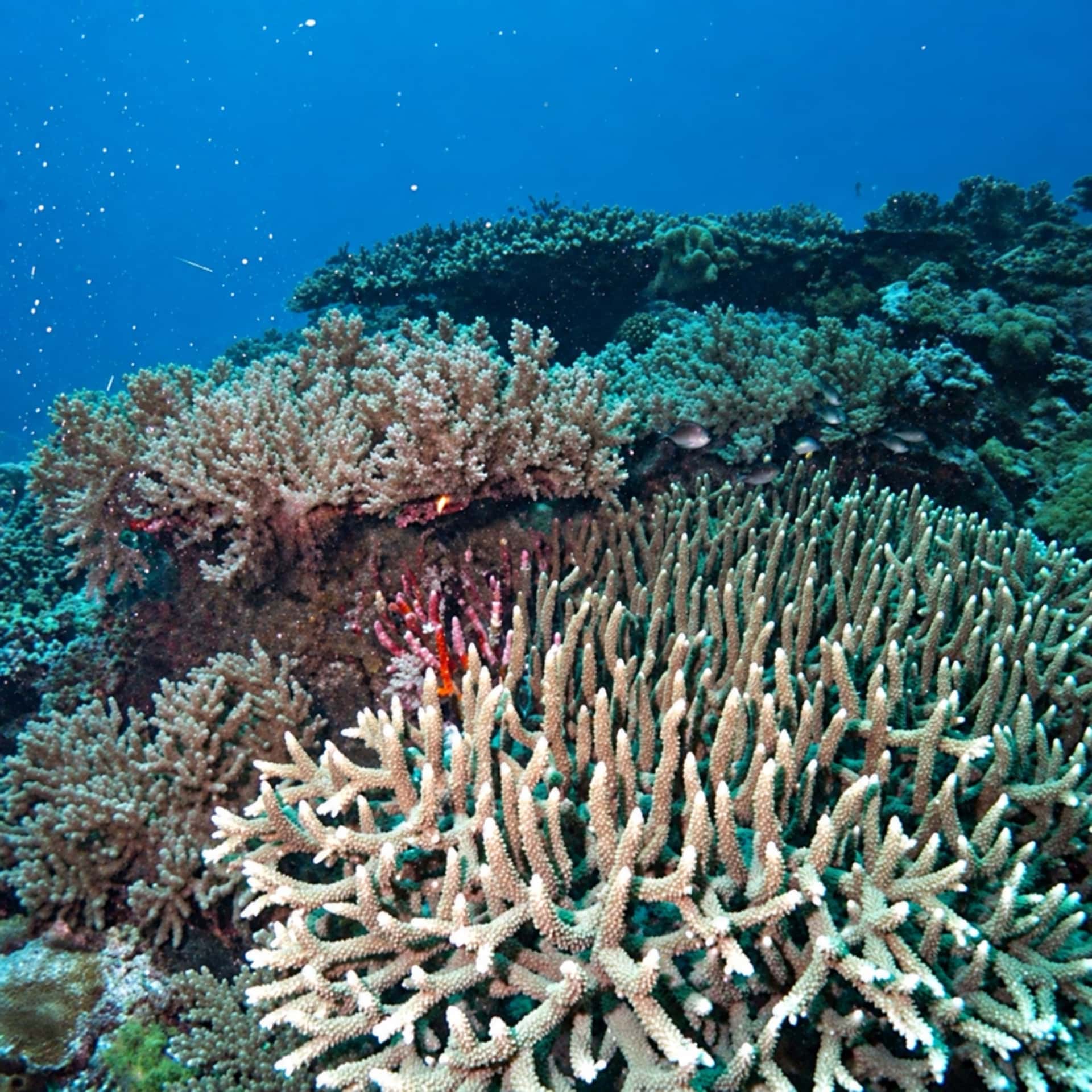
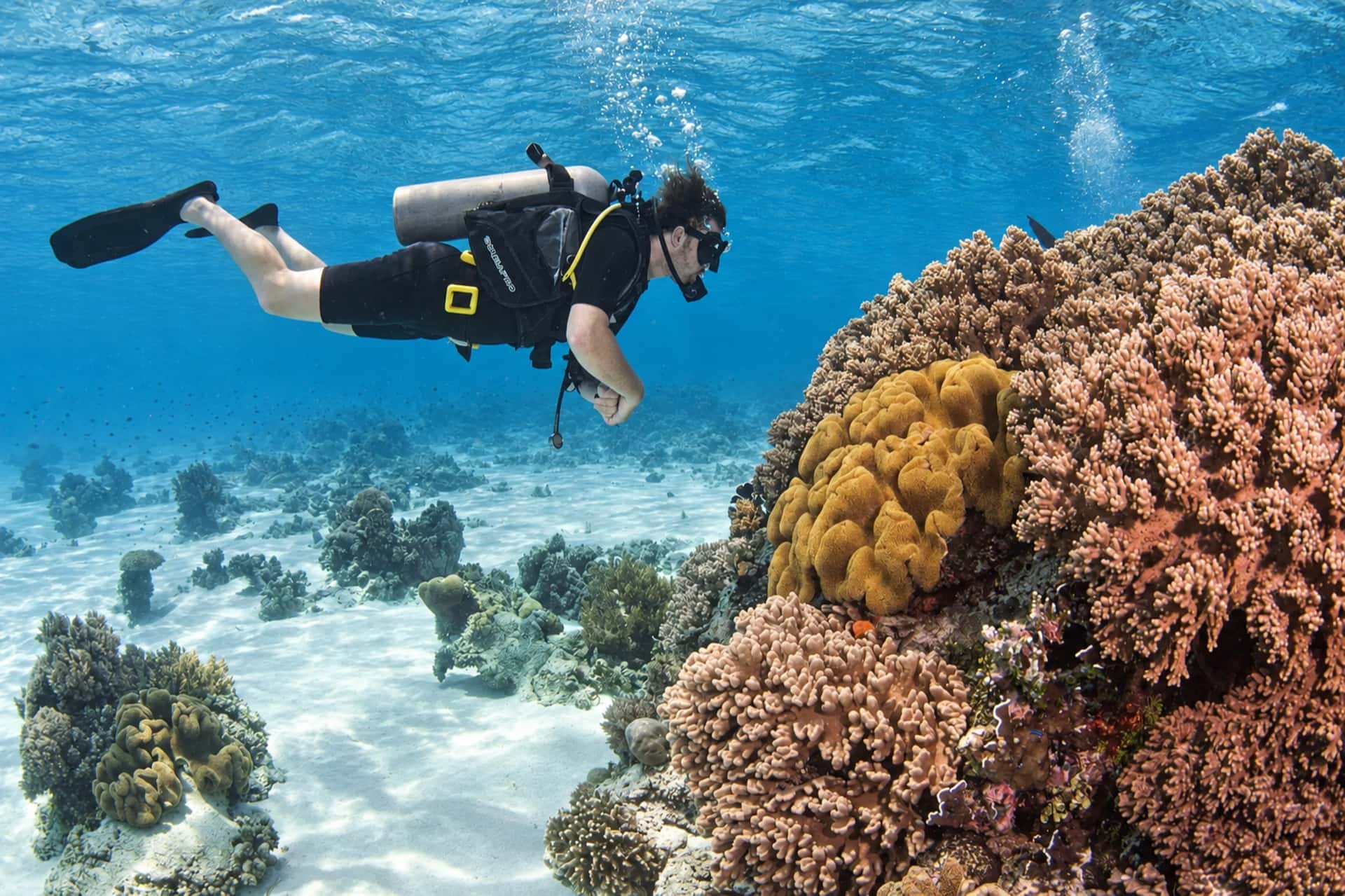
Atauro Island snorkeling on pristine coral reefs

Endemic birds, whale migrations, and the reefs of the Coral Triangle
Timor-Leste sits in one of the most biologically significant regions on Earth. The island of Timor is part of Wallacea — the transition zone between Asian and Australian fauna named after Alfred Russel Wallace. This means species here exist nowhere else. The birdlife alone includes over 20 species found nowhere else.
Add the marine wildlife of the Coral Triangle — whale sharks, manta rays, pygmy blue whales migrating through the Wetar Strait — and the country's only national park protecting 123,600 hectares of forest, wetland, and reef, and you have a wildlife destination that barely anyone has discovered.
Timor-Leste is a serious birdwatching destination. The island of Timor hosts over 260 bird species, with more than 20 endemic to Timor and nearby islands. Key endemics include the Timor green pigeon, Timor sparrow, Timor bushchat, Timor blue flycatcher, Timor leaf warbler, and the striking iris lorikeet. The yellow-crested cockatoo — endangered globally — is still seen in the forests of the far east.
The best birding areas are Nino Konis Santana National Park in the far east (the country's only national park), the highland forests above Maubisse and Hatobuilico, and the monsoon forests around Mount Matebian (2,376m). Lake Ira Lalaro in the national park is a key wetland for waterbirds.
Birding infrastructure is minimal — no hides, no marked trails, no dedicated guides in the traditional sense. You'll need a local guide who knows the forests, a 4WD to reach the best sites, and patience. The reward is birding in forests where you may be the only visitor for days. Several international birding tour companies now include Timor-Leste in their Wallacea itineraries.
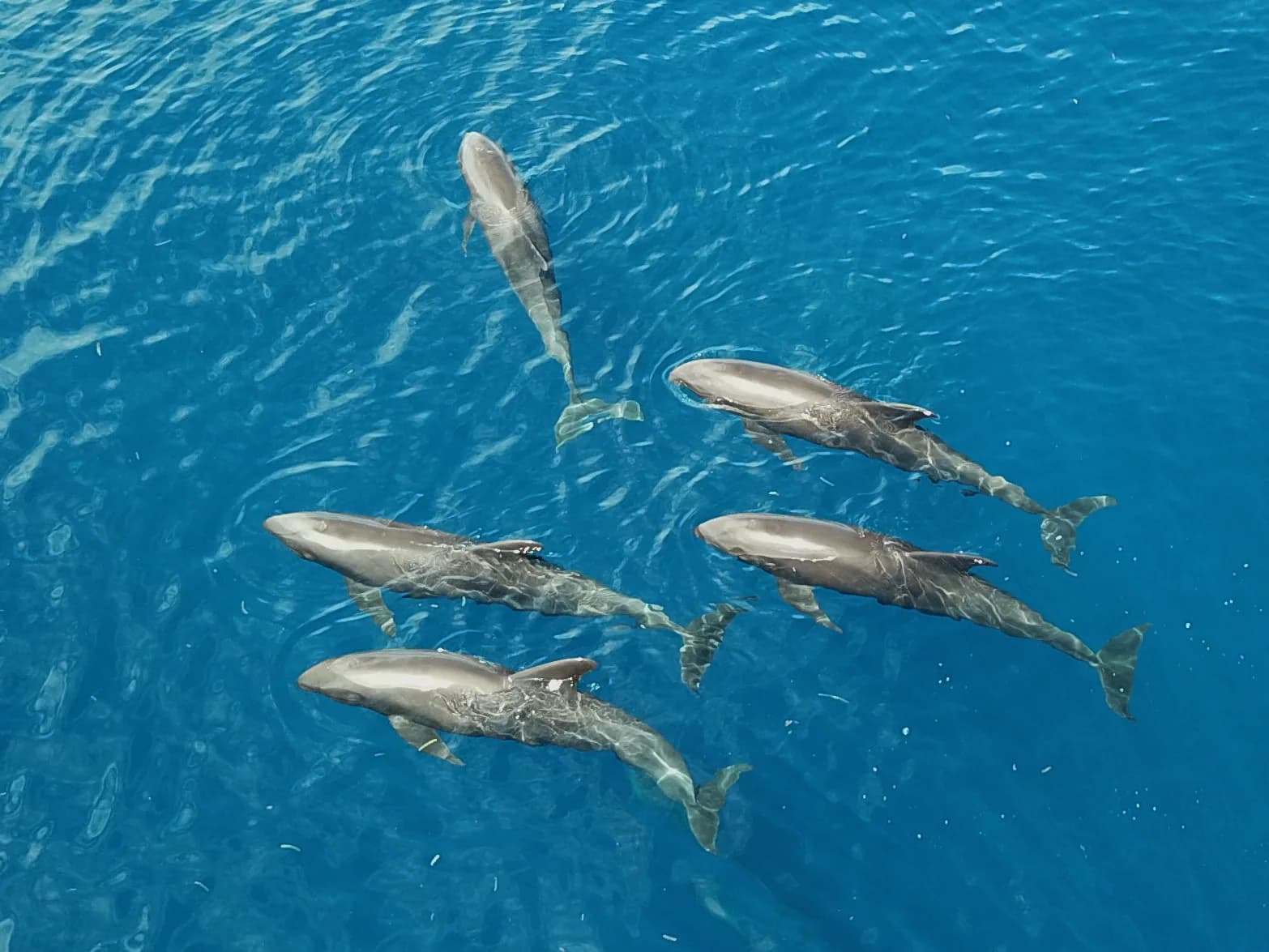
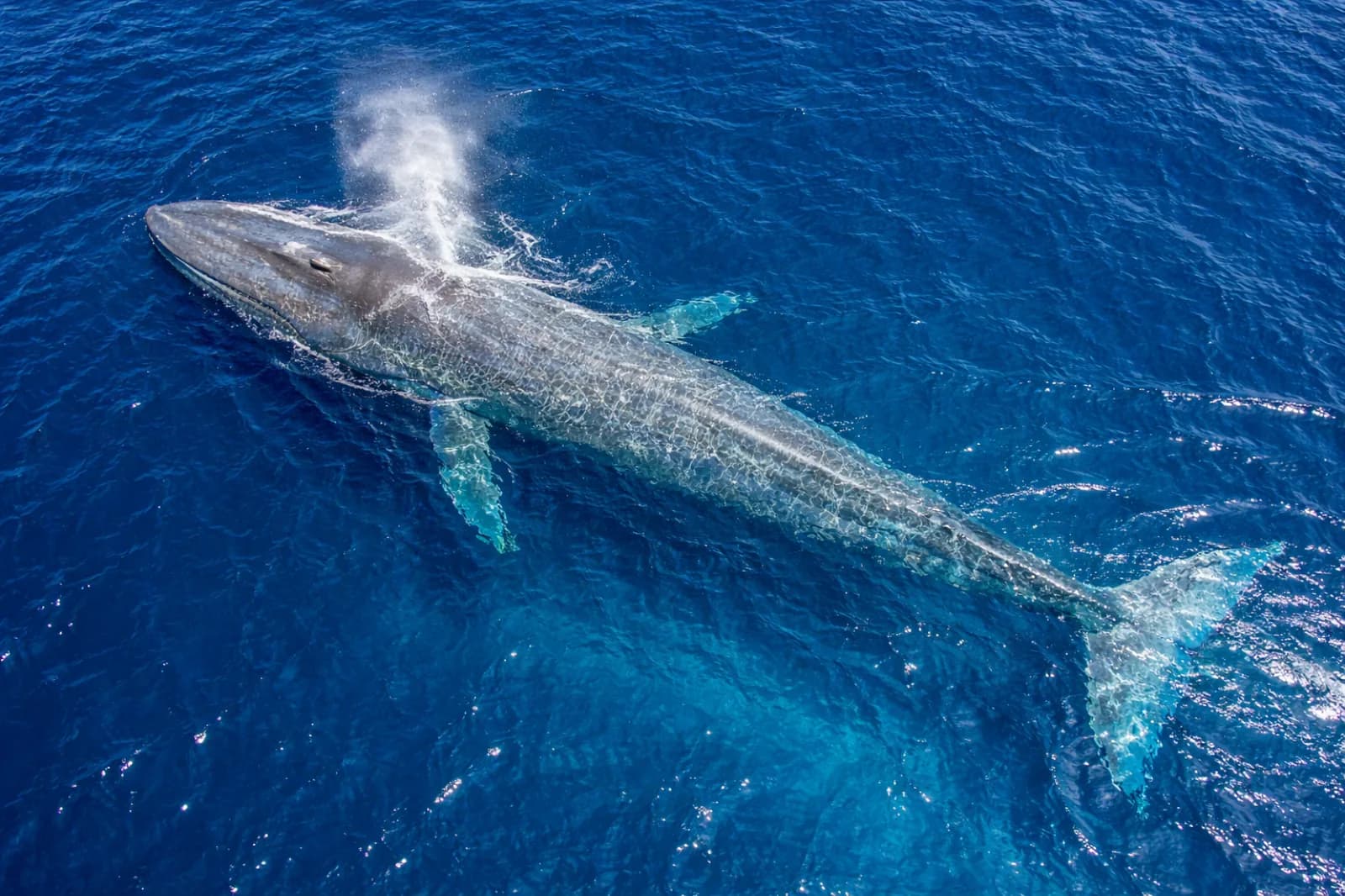
The Wetar Strait — the deep-water channel between Timor and the island of Wetar — is a migration corridor for large marine mammals. From mid-October to November, pygmy blue whales, sperm whales, and large pods of spinner dolphins pass through these waters. Whale watching trips operate from Atauro Island and from Com on the north coast.
Sightings are never guaranteed, but during peak season the success rate is high. Pygmy blue whales (Balaenoptera musculus brevicauda) are the headline species — these are the largest animals on the planet, smaller than Antarctic blue whales but still reaching 24 meters. Sperm whales, melon-headed whales, and pilot whales are also regularly seen.
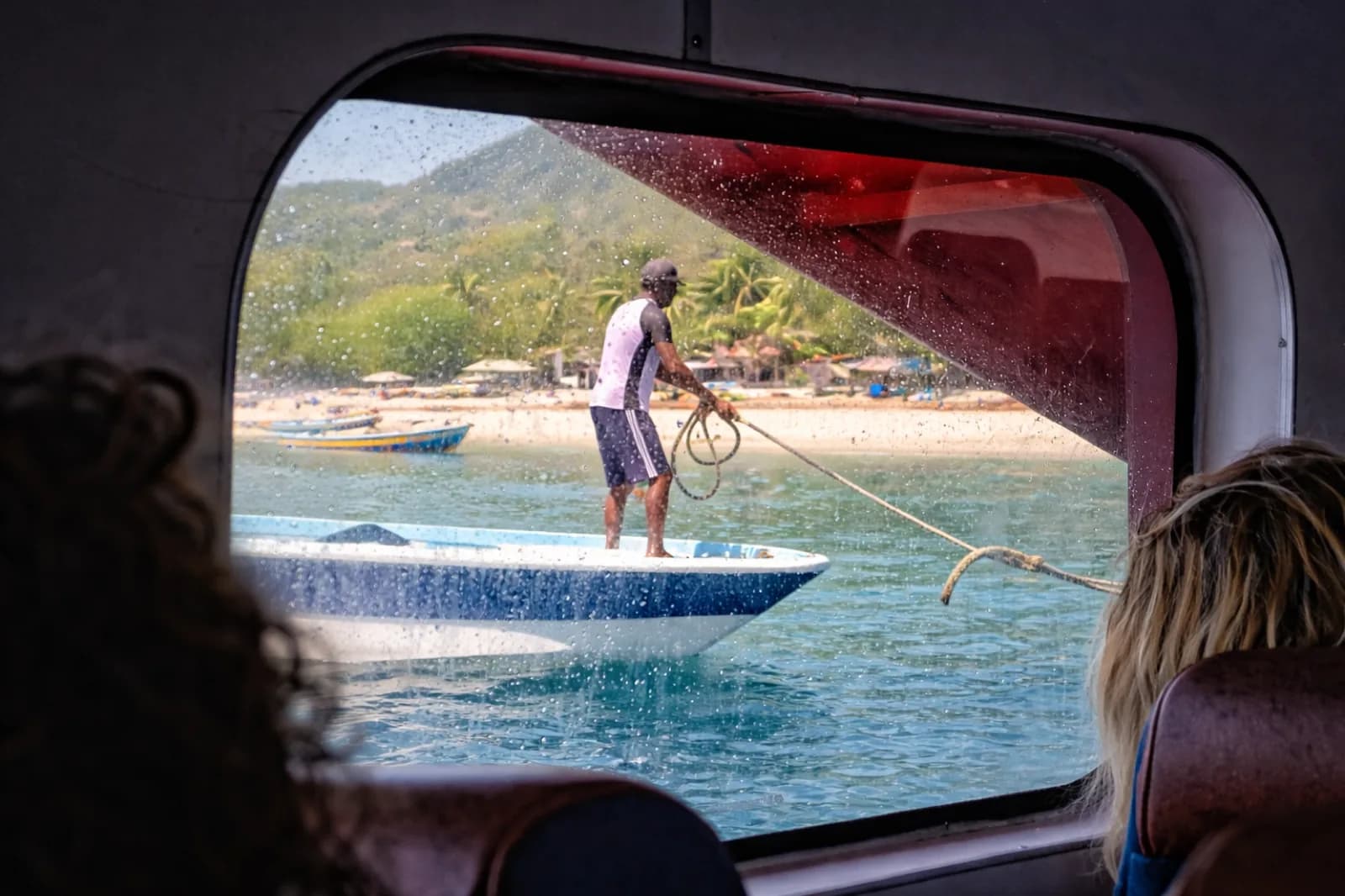
Whale watching is typically done from small boats — this isn't a luxury cruise operation. Expect a local fishing boat with an outboard motor, a knowledgeable captain, and open ocean conditions. The experience is raw, intimate, and extraordinary when the whales surface alongside.
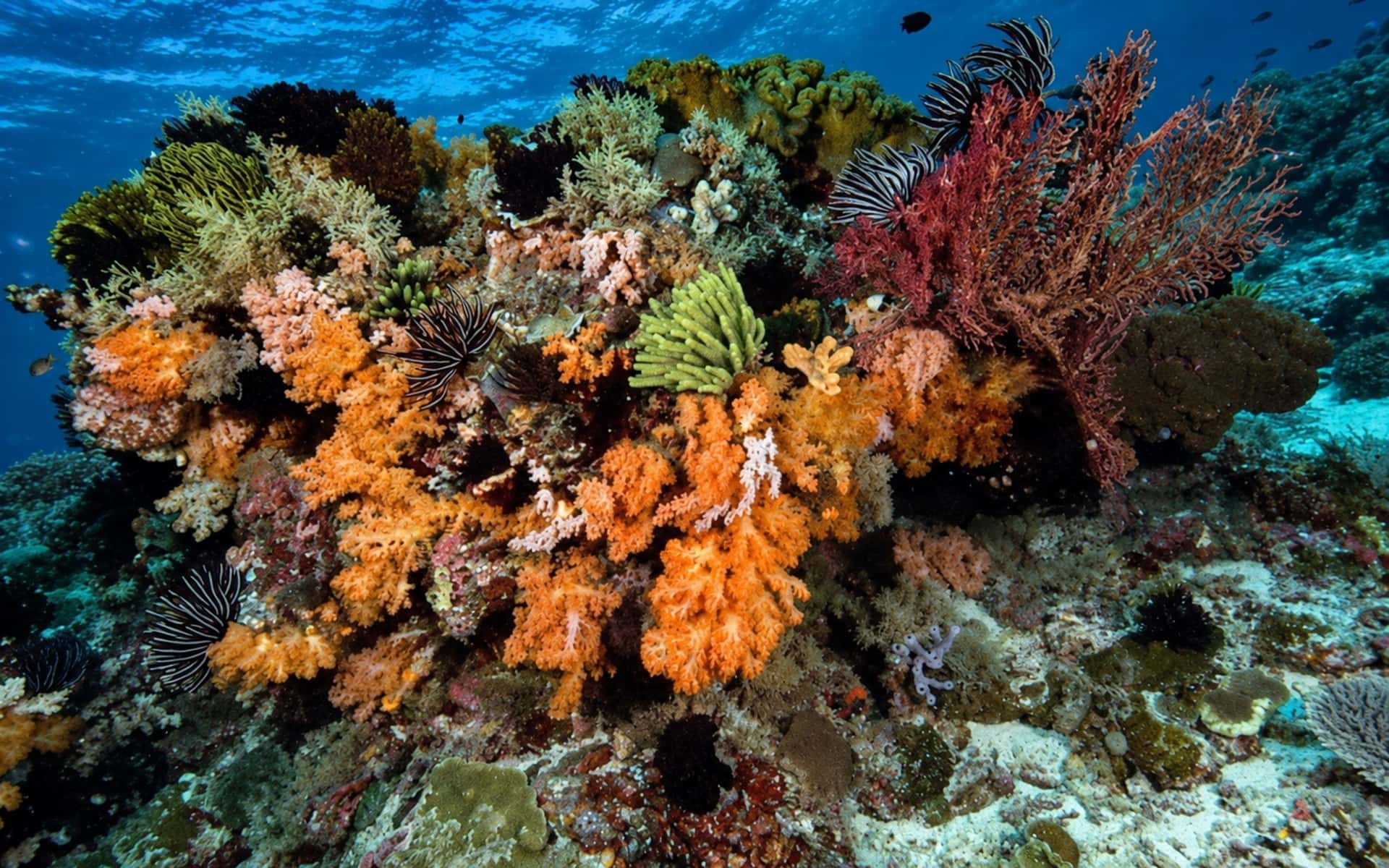
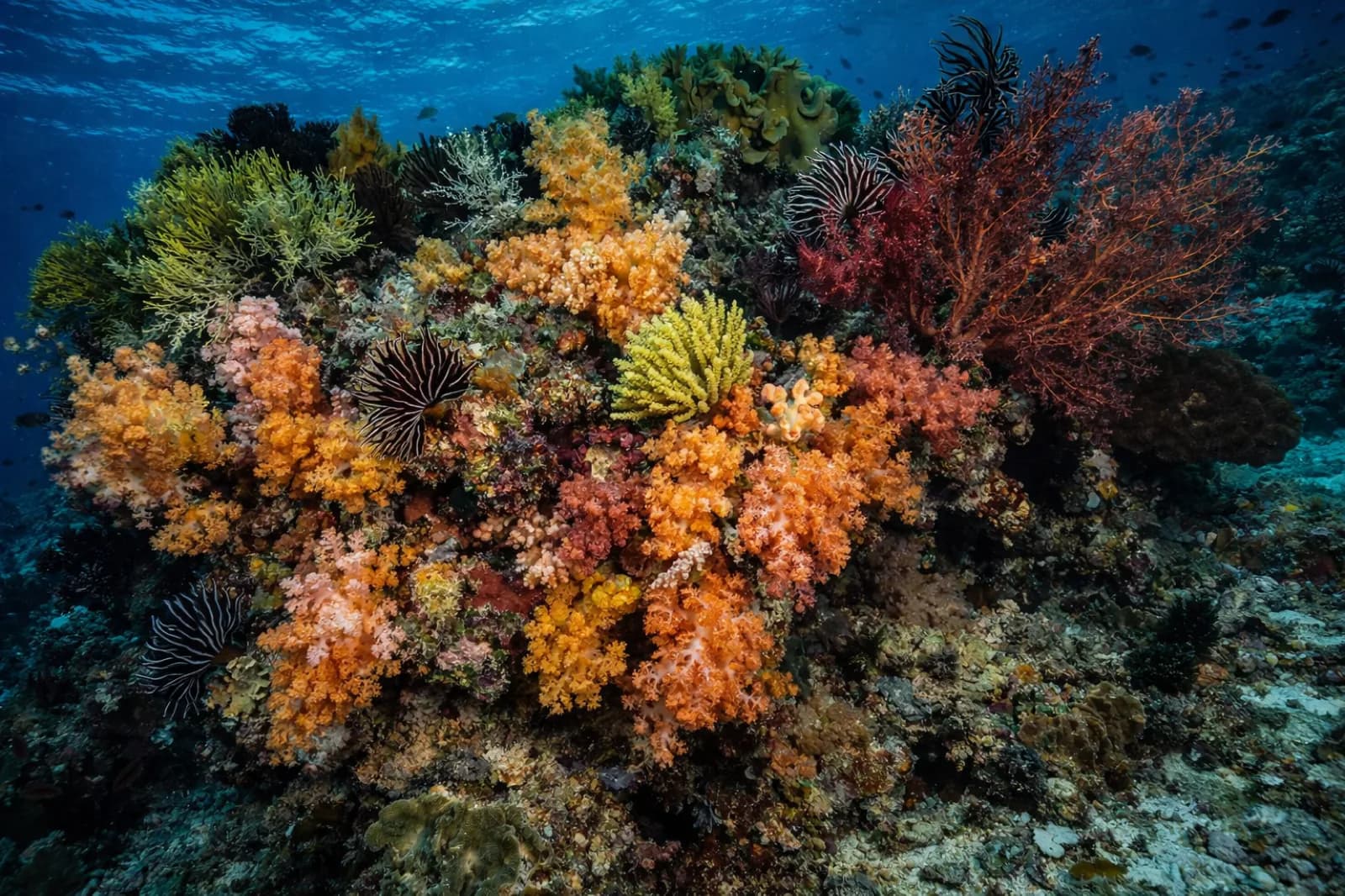
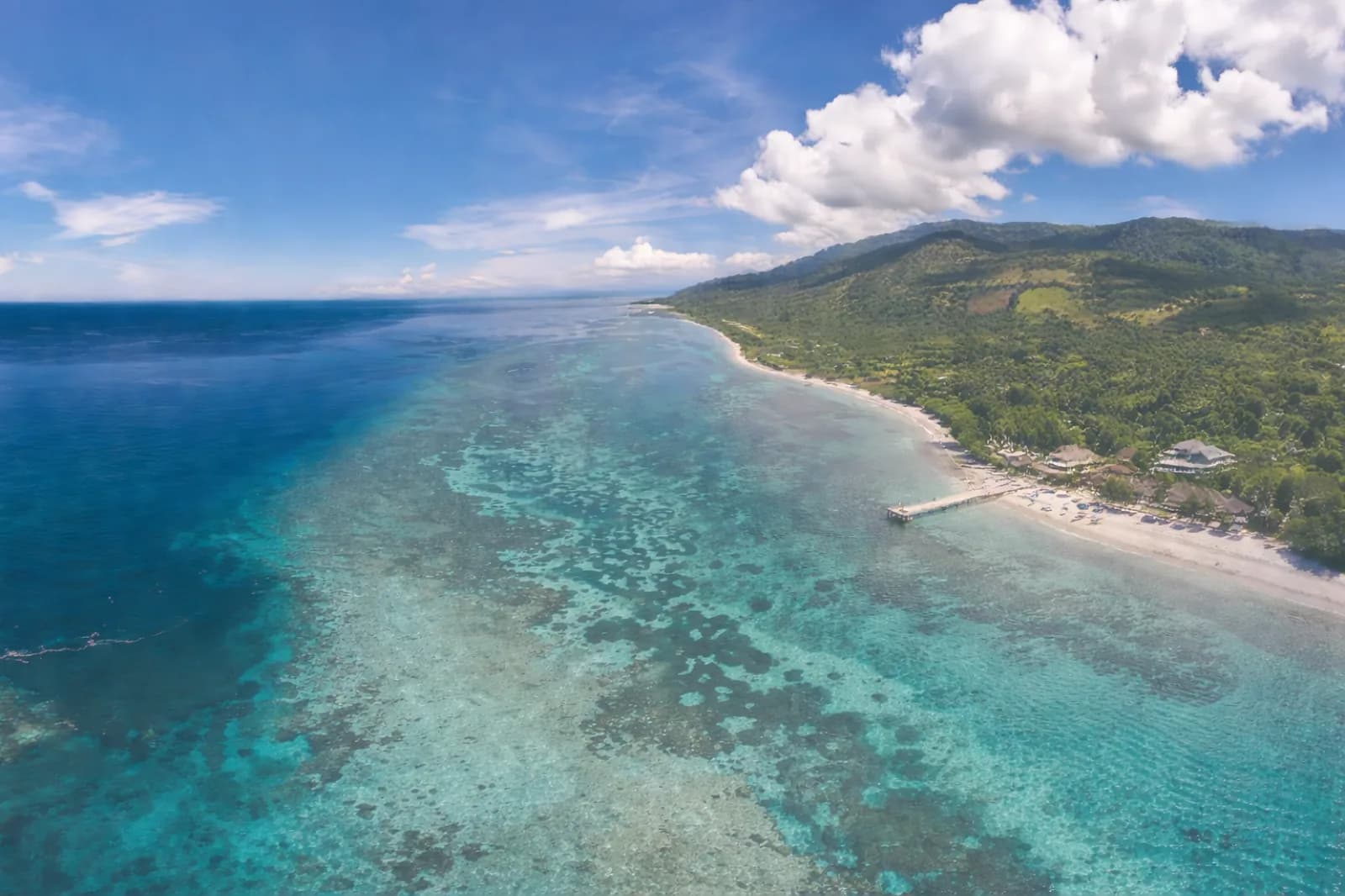
The reefs around Atauro Island hold the world record for reef fish biodiversity — over 300 species recorded at a single dive site by Conservation International in 2016. Beyond the fish counts, divers regularly encounter reef sharks (whitetip and grey reef), hawksbill and green turtles, manta rays at cleaning stations, and whale sharks (especially July to October).
Dolphins are frequently spotted around Atauro — spinner dolphins in particular are common in the strait. On the reefs, the macro life is exceptional: pygmy seahorses, blue-ringed octopus, flamboyant cuttlefish, mandarin fish on night dives, and nudibranchs in absurd variety.
Saltwater crocodiles are part of the wildlife too — present in rivers, estuaries, and certain coastal areas. They're sacred in many Timorese communities (the origin myth describes Timor as the body of a crocodile) but also genuinely dangerous. See the safety guide for specific areas to avoid.
Timor-Leste's only national park covers 123,600 hectares in the far eastern tip of the country, encompassing Jaco Island, the waters around it, and the forests and mountains of the Tutuala-Lautem region. Named after Nino Konis Santana, a resistance leader who fought from these forests during the Indonesian occupation.
The park protects lowland tropical forest, montane forest, mangroves, coral reefs, and Lake Ira Lalaro — the country's largest freshwater lake and an important wetland for migratory and resident waterbirds. The forest canopy shelters cuscus (a marsupial — remember, this is Wallacea), Timor deer, flying foxes, and the endemic bird species that draw birders from around the world.
Access is difficult. The park has no visitor center, no marked trails, and limited ranger presence. Getting there requires a 4WD (4-5 hours from Baucau over rough roads) and a local guide arranged through the community. This is genuinely remote wilderness. The reward is an experience of tropical forest and reef that feels untouched — because it largely is.
Bring binoculars. This is the single most useful piece of equipment for wildlife watching in Timor-Leste — for birds, whales from shore, and scanning forest canopy. Good 8x42 or 10x42 binoculars transform the experience. Buying them here is impossible.
A field guide is essential for birding. "Birds of Timor-Leste" by Colin Trainor and Thomas Verbelen is the definitive reference. Download birding apps (Merlin, eBird) with offline packs before arriving — internet is too slow for on-the-go downloads.
Hire a local guide for any wildlife-focused trip. For birding in the national park or highlands, a guide who knows the calls and habits of endemic species is the difference between seeing 10 birds and 40. For whale watching, the captain's local knowledge of migration patterns is everything.
10 experiences connected to this guide

Atauro Island snorkeling on pristine coral reefs

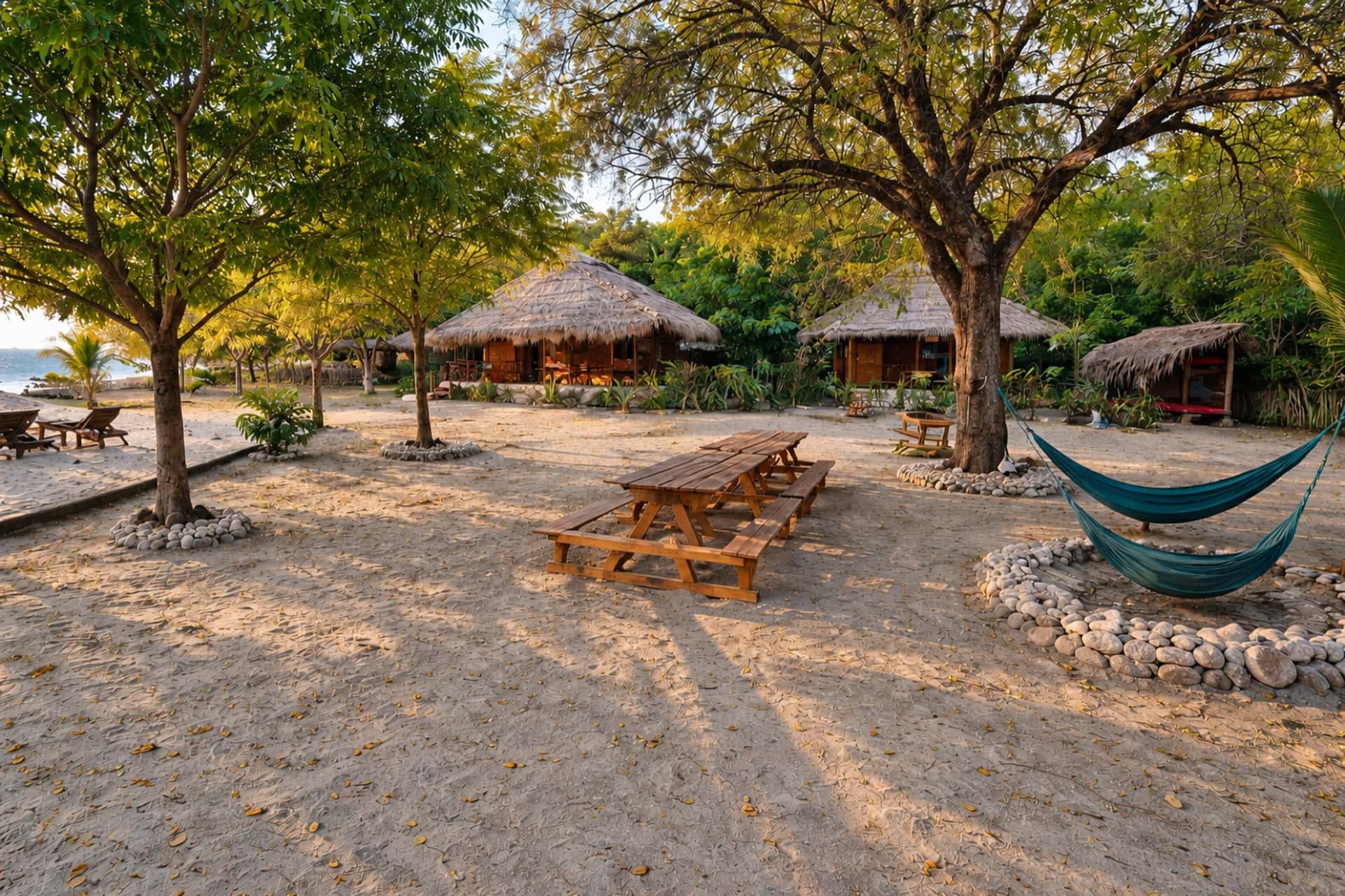
Balibo Fort Hotel — overnight in a Portuguese fort

Dili city tour with Cristo Rei sunset

Hera Mangrove restoration project
Mid-October to November for whale watching. April to November (dry season) for birding — forest access is easier and birds are more active. Wet season brings migratory waterbirds to Lake Ira Lalaro.
Continue planning your trip to Timor‑Leste

The world's most biodiverse reefs, virtually untouched

Sperm whales, blue whales, and dolphins in the Wetar Strait

Golden hour at Cristo Rei, sunrise from Ramelau, and water bluer than your screen can render

What to know before you go — from crocodiles to pharmacies

Biodiverse forests, pristine reefs, and untouched wilderness — almost no infrastructure
Places mentioned in this guide