5-Day Timor-Leste Tour: Dili, Highlands & Baucau
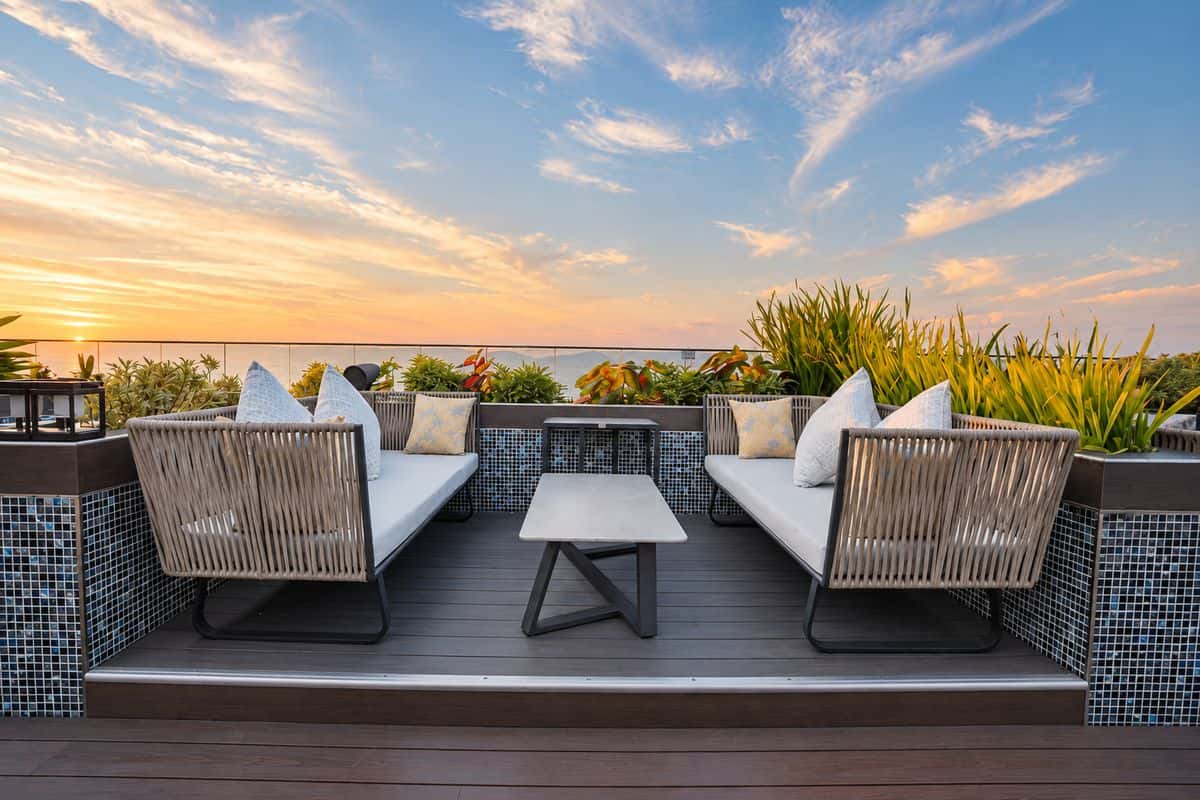
Dili city tour with Cristo Rei sunset

From the capital to the far east — every highlight in one trip
Ten days is enough to see virtually everything Timor-Leste has to offer. From world-class reef diving to pre-dawn mountain summits, from highland coffee farms to sacred uninhabited islands at the country's eastern tip, this itinerary covers the full range of what makes Timor-Leste one of the most extraordinary and least-visited destinations in Southeast Asia. You will cross five distinct landscapes, drive roads that rival anything in the region for raw scenery, and experience a country that has not yet been smoothed by mass tourism.
The route follows a natural arc: two days in Dili to acclimatize and explore the capital, two days on Atauro Island for the reefs, south into the highlands for coffee and the country's highest peak, east along the coast to Baucau's colonial charm, and then deep into the far east — Timor-Leste's most remote and spectacular region — for Jaco Island, the crown jewel. The journey back closes the loop along the north coast, with time for final dives and last impressions in Dili.
This is not a rushed itinerary. The distances are real, the roads are slow (especially east of Baucau), and the best experiences demand time rather than speed. Recovery days are built in after the Ramelau pre-dawn trek and the long drive to the far east. You will have time to sit on a beach with nobody else on it, drink coffee on the farm where it was grown, and watch a sunset from an island that has no electricity. That unhurried quality is what makes Timor-Leste fundamentally different from its more developed neighbors.
A 4WD with driver is essential for this route — not merely recommended. The roads beyond Baucau deteriorate significantly, and the final stretch to Tutuala and Jaco Island requires a capable vehicle and an experienced driver. Budget $85-120 per day for the vehicle and driver, and consider it the single best investment of the trip. Total estimated budget for 10 days ranges from $1,200 per person (budget guesthouses, local food, selective activities) to $2,000 per person (mid-range hotels, diving, all tours, and comfortable transport).
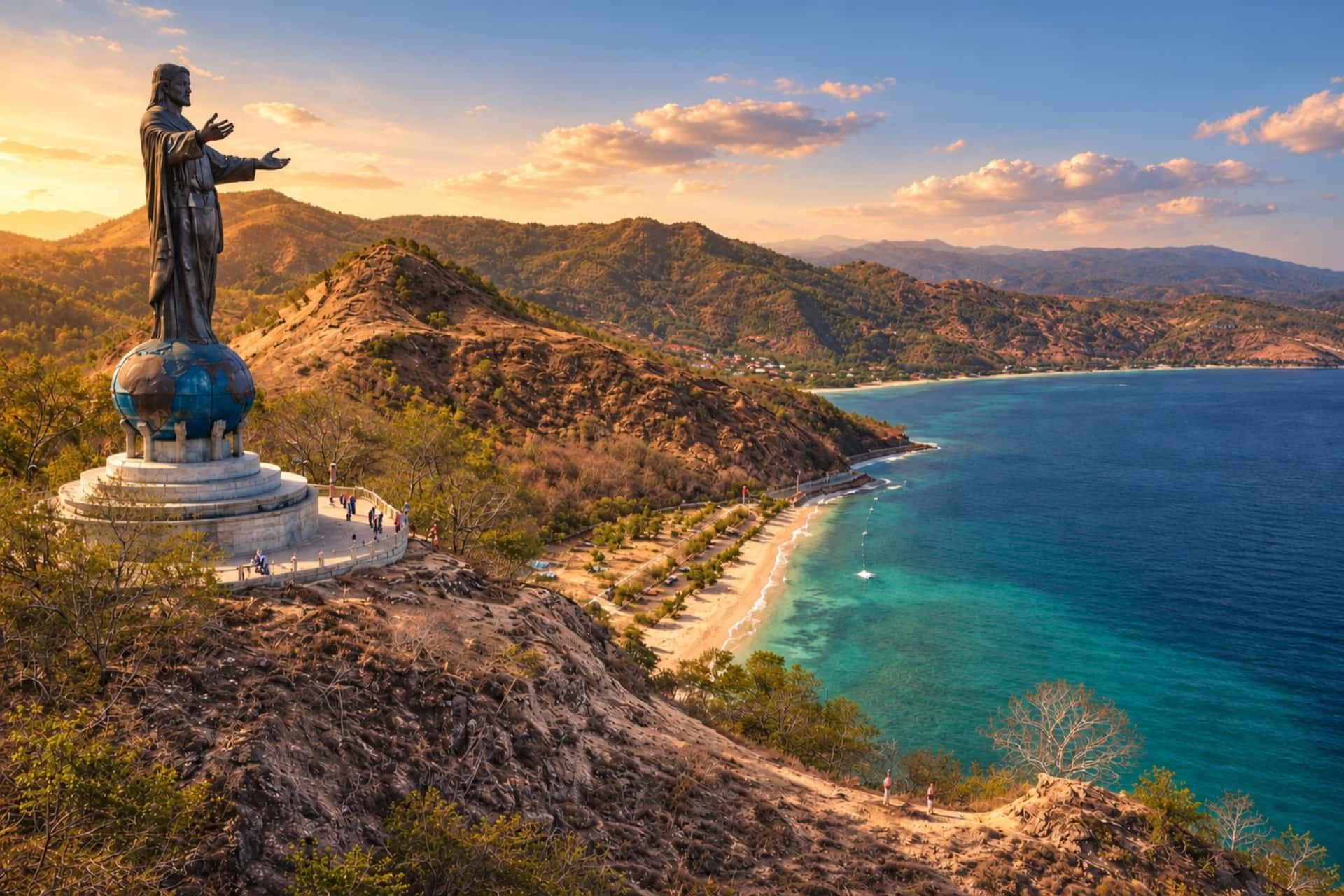
Arrive at Presidente Nicolau Lobato Airport and transfer to your hotel. Use your first two days to explore Dili thoroughly and acclimatize to Timor-Leste's pace. Walk the 2.5-kilometer waterfront promenade from the Dili Lighthouse east toward Cristo Rei. Visit the Resistance Archive & Museum — one of the most moving small museums in Southeast Asia — followed by Santa Cruz Cemetery and the Xanana Gusmao Museum. Climb the 580 steps to the Cristo Rei statue for panoramic bay views. Browse the Tais Market for traditional woven textiles.
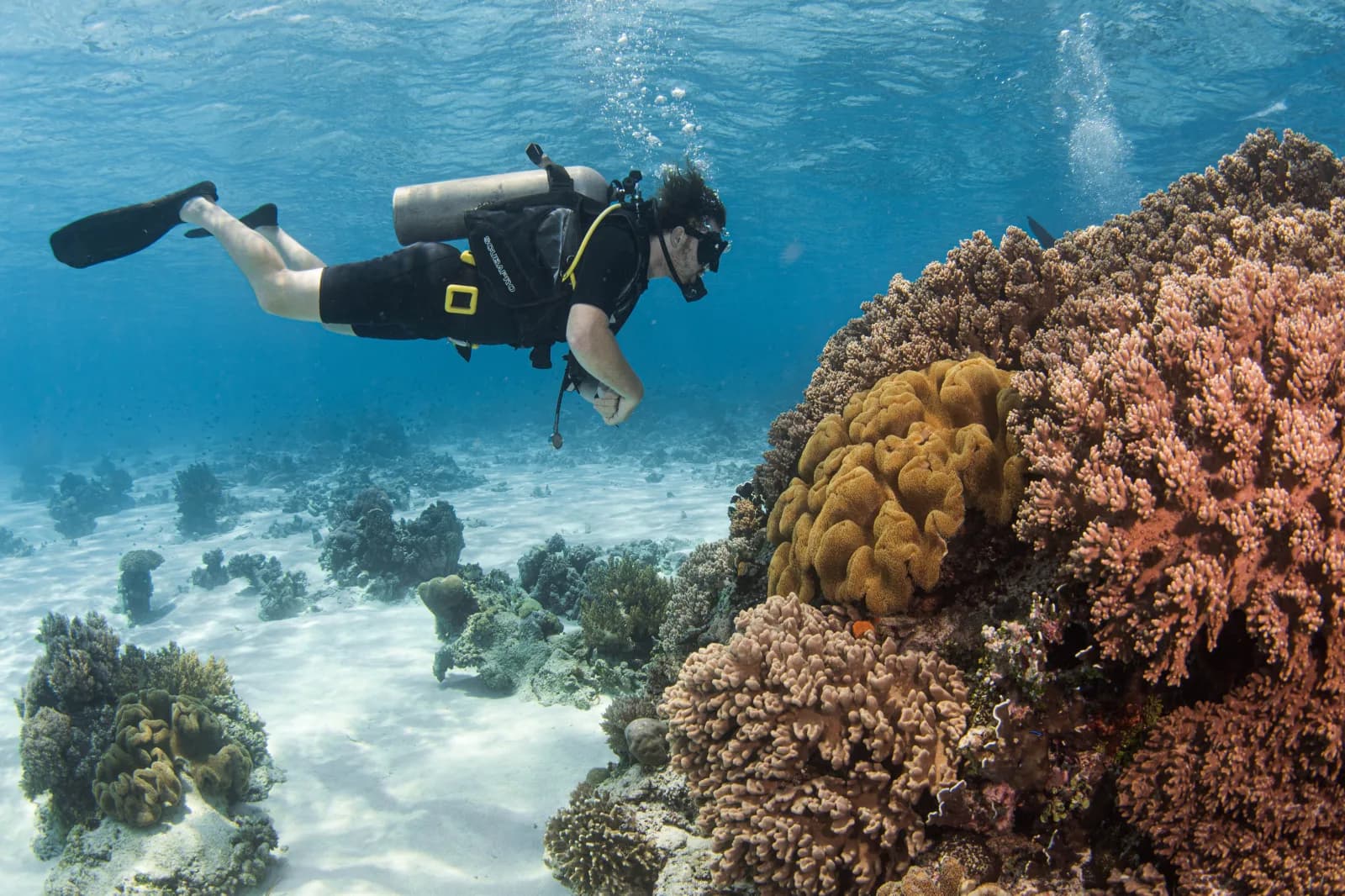
On Day 2, add a shore dive if you are a certified diver. K41 is famous for world-class muck diving — frogfish, seahorses, ghost pipefish, and an extraordinary variety of nudibranchs among the rubble and pilings. Pertamina Pier and Tasi Tolu are equally rewarding alternatives. Non-divers can snorkel at Tasi Tolu (easy beach entry, turtles) or take a half-day trip to the Dare memorial area in the hills above Dili for cooler temperatures and views back down to the coast.
Use the evenings for waterfront dining — grilled fish, cold Bintang, sunset over the bay. Prepare for Atauro: withdraw enough cash from Dili ATMs for the next 8 days (ATMs are scarce outside Dili and Baucau, nonexistent on Atauro and in the far east), stock up on sunscreen and reef shoes, and confirm your ferry booking. The Atauro ferry runs Saturday, Tuesday, and Thursday only — your itinerary should be built around these fixed days.
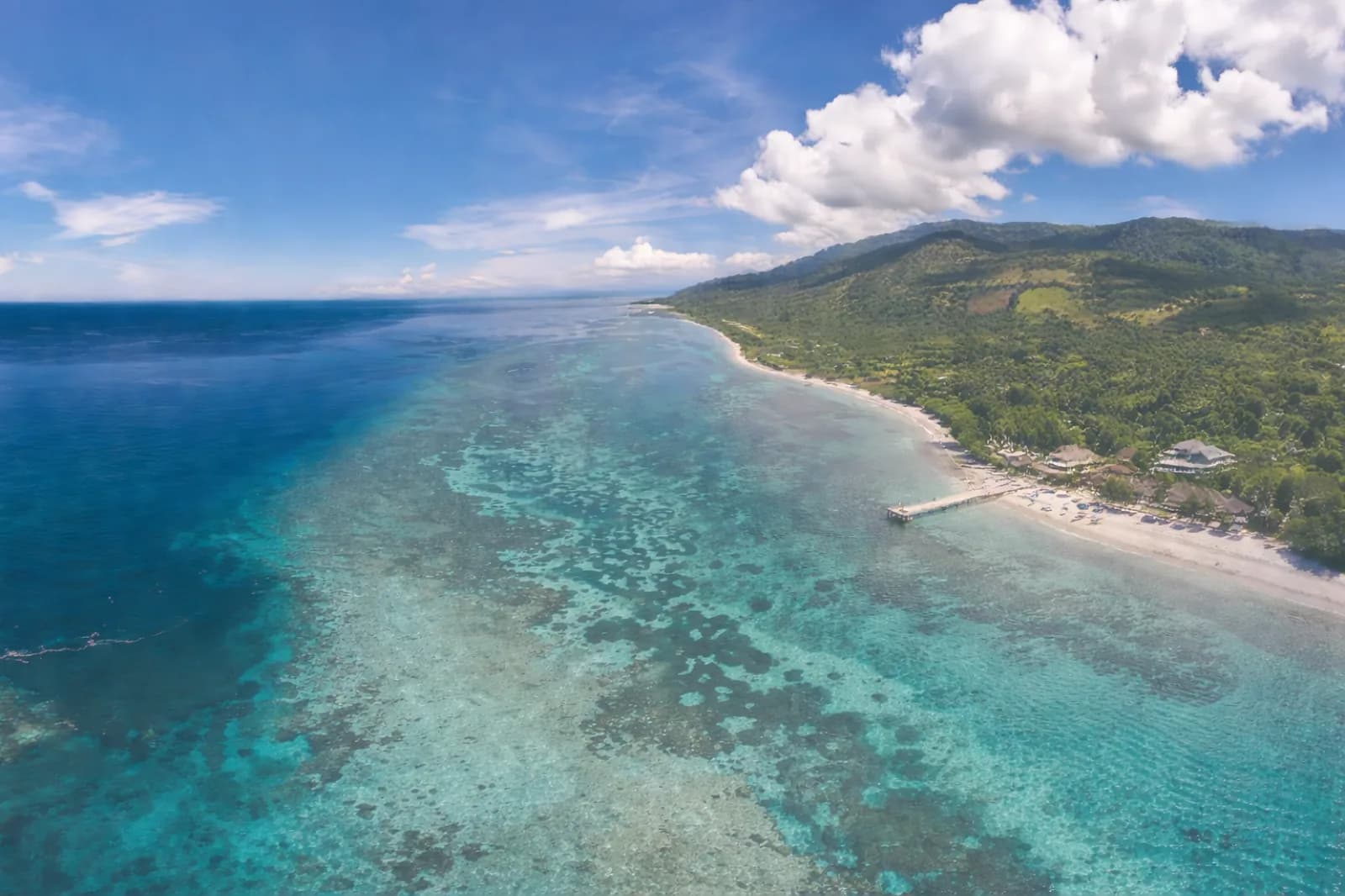
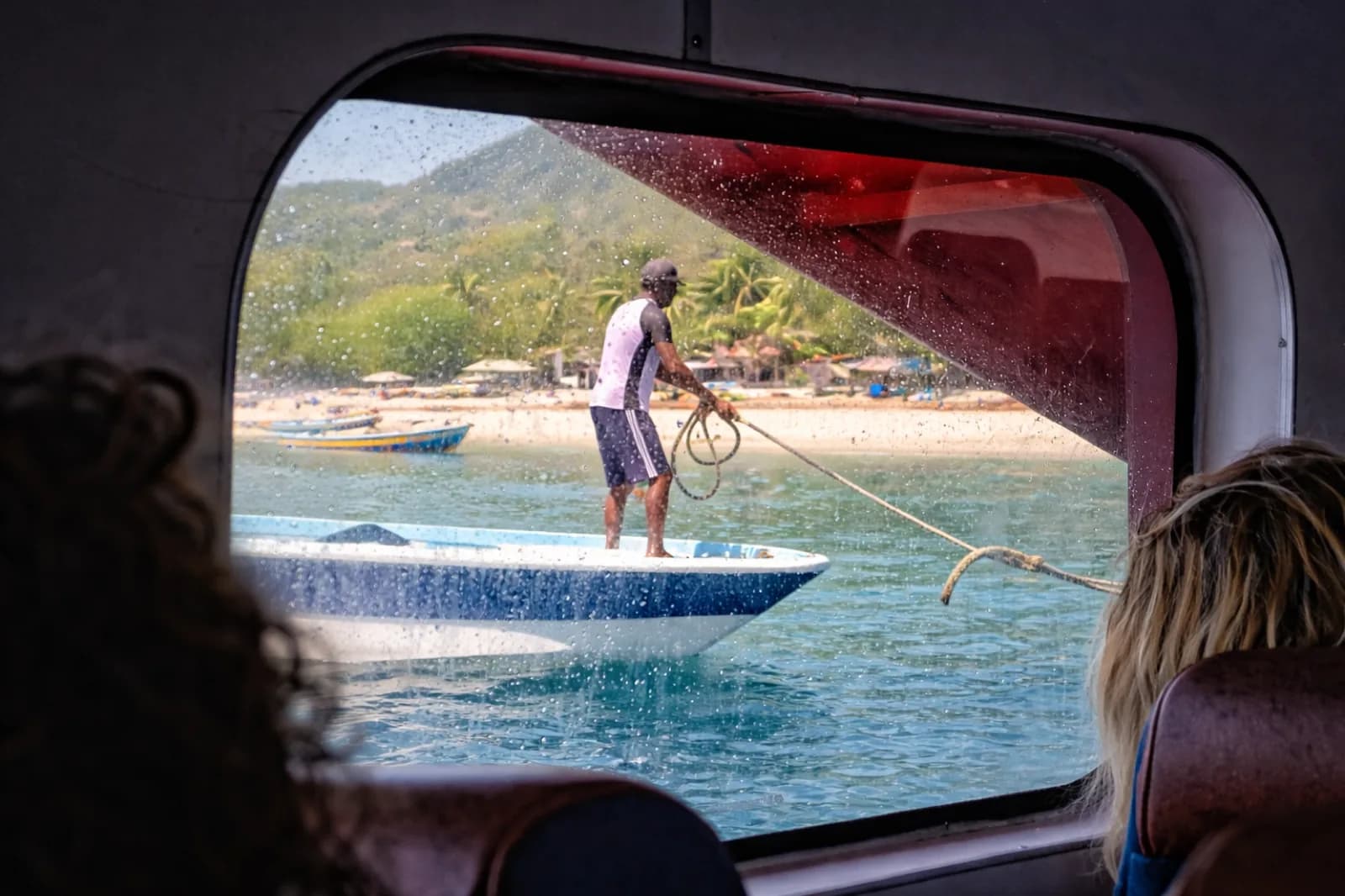
Take the morning ferry to Atauro Island (Dragon Boat $10/$12 VIP or Success $5, departing around 8am, crossing 1.5-3 hours). Alternatively, arrange a speedboat charter for 45 minutes ($150-200 per boat). With two full days on Atauro, you have time for four to six dives — enough to experience both the legendary west coast walls and the east coast macro sites.
The west coast is where Atauro earns its reputation. Adara 1 & 2 offer dramatic wall diving with pristine hard coral, reef sharks, turtles, and 30-meter visibility. Secret Garden is a macro photographer's paradise — pygmy seahorses, nudibranchs, flamboyant cuttlefish. Whale Shark Wall lives up to its name during July through October. Book with Compass Diving or Atauro Dive Resort for small groups (maximum 4 divers) and divemasters who know every site intimately. Budget $60 per dive with equipment. If visiting between mid-October and November, whale watching trips run from the island — pygmy blue whales, sperm whales, and large dolphin pods migrate through the Wetar Strait.
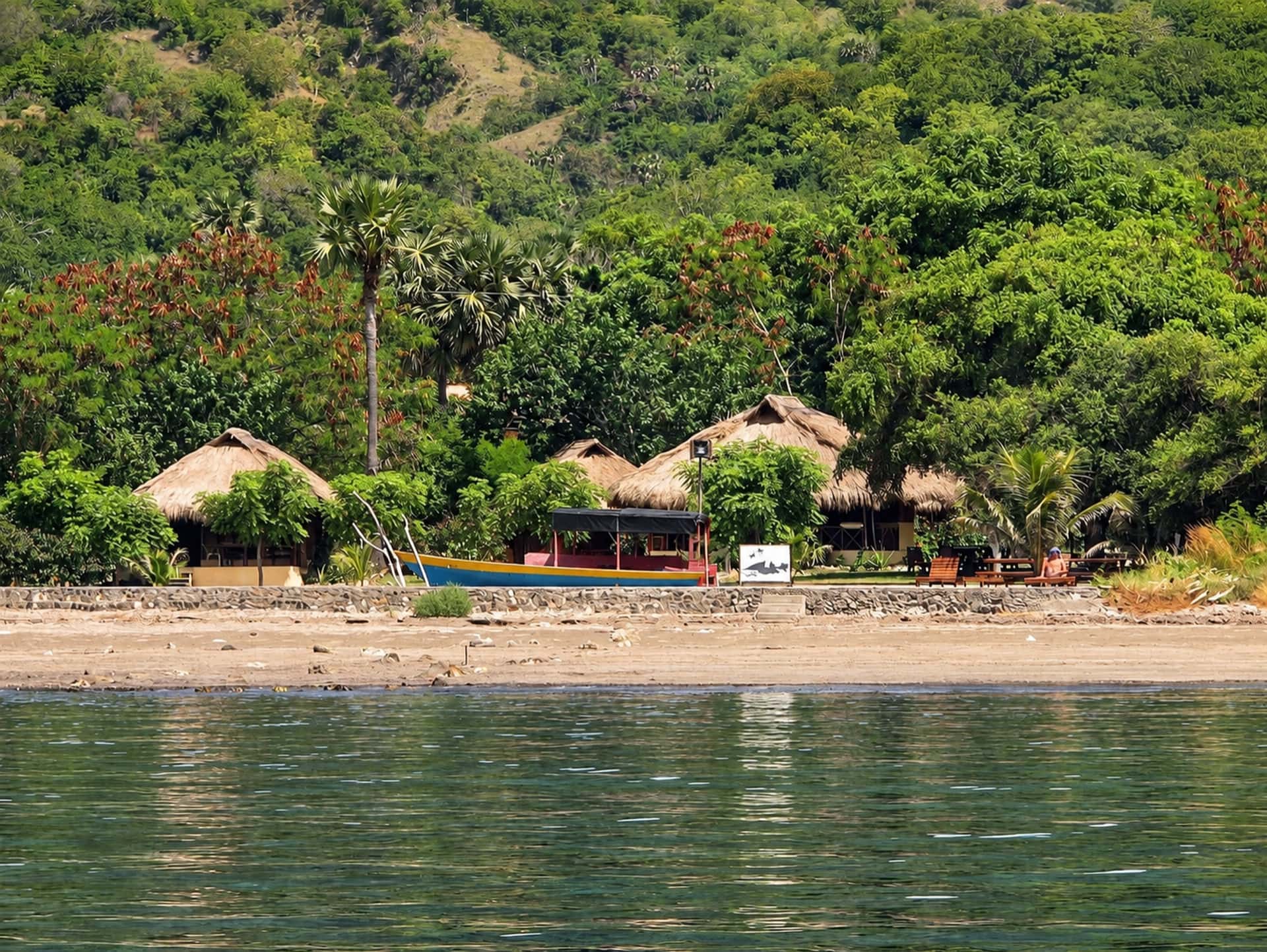
Between dives, explore the island. Swim at Dollar Beach (crystal-clear snorkeling water on the east coast), walk to Akrema beach (1.5 hours from Bikeli), or simply rest at your eco-lodge and watch the sunset. Stay two nights — Atauro has no ATMs, limited electricity (solar), and patchy phone signal, which is exactly the point. The night sky, free of light pollution, is extraordinary. Return to Dili on the afternoon ferry on Day 4.
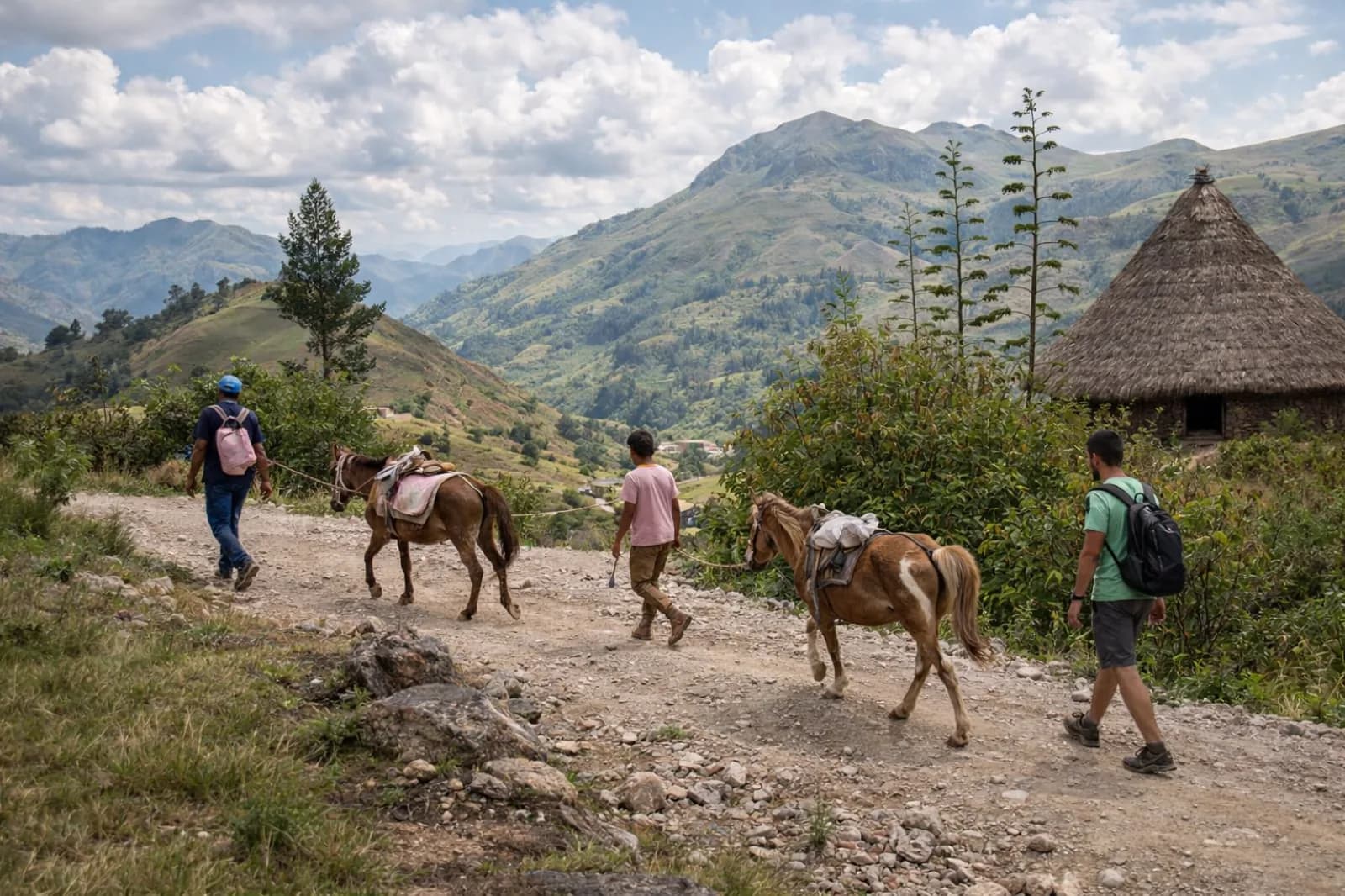
After the morning ferry from Atauro (or if you returned the previous afternoon), drive south from Dili to Maubisse (3 hours). The mountain road climbs through terraced rice paddies, traditional villages, and eucalyptus forest. The temperature drops steadily — from 30 degrees Celsius on the coast to below 20 degrees Celsius at Maubisse's altitude of 1,526 meters. Bring a jacket and warm layers for the evening.
Arrive in Maubisse in the afternoon. Visit the historic Pousada de Maubisse — the former Portuguese Governor's highland retreat with sweeping valley views (the building closed as accommodation in 2024 but remains a landmark worth seeing). If time allows, arrange an afternoon coffee farm visit with one of the highland cooperatives. The Timor Hybrid coffee grown here at altitude is distinctive — shade-grown under forest canopy, hand-picked, and sun-dried on raised beds.
Stay overnight at Sara Guest House or Cafe Maubisse Guest House ($10-20). Set your alarm early — tomorrow is the Ramelau summit attempt, and you need to depart by 2-3am. Confirm your local guide tonight ($10-20) and prepare your summit pack: warm layers, headlamp with fresh batteries, 1.5 liters of water, snacks, and a packed breakfast to eat at the top.
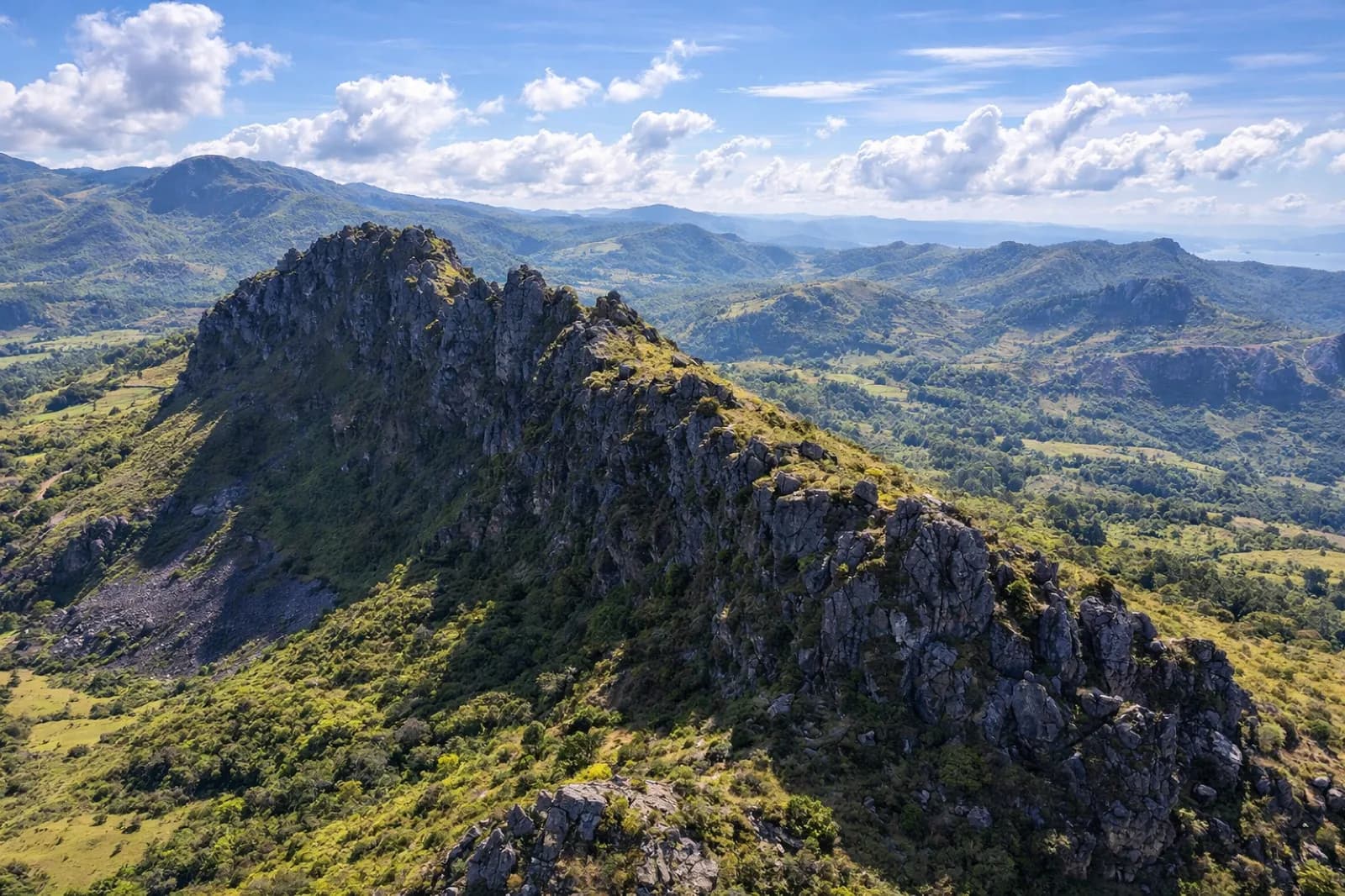
Depart Maubisse at 2-3am for the 1-hour drive to the trailhead near Hato Builico (roughly 2,300 meters). Trek 2.5-3 hours by headlamp through mountain forest and grassland to the summit of Mount Ramelau at 2,963 meters. The summit temperature can drop below 5 degrees Celsius before dawn with wind chill making it feel colder — this is not an exaggeration, and warm layers are essential. At the top stands a statue of the Virgin Mary, and on clear mornings the view stretches from the north coast to the south coast with Atauro Island visible on the horizon.
Descend to Hato Builico (1.5-2 hours), drive back to Maubisse, and have a well-earned breakfast and coffee. If energy permits, visit a nearby coffee cooperative for a tour of the processing facilities — seeing cherries pulped, fermented, and laid out to dry on raised beds. Buy beans directly from the farmers ($5-15 for 250 grams) — this is the freshest, most ethically sourced coffee you will ever buy.
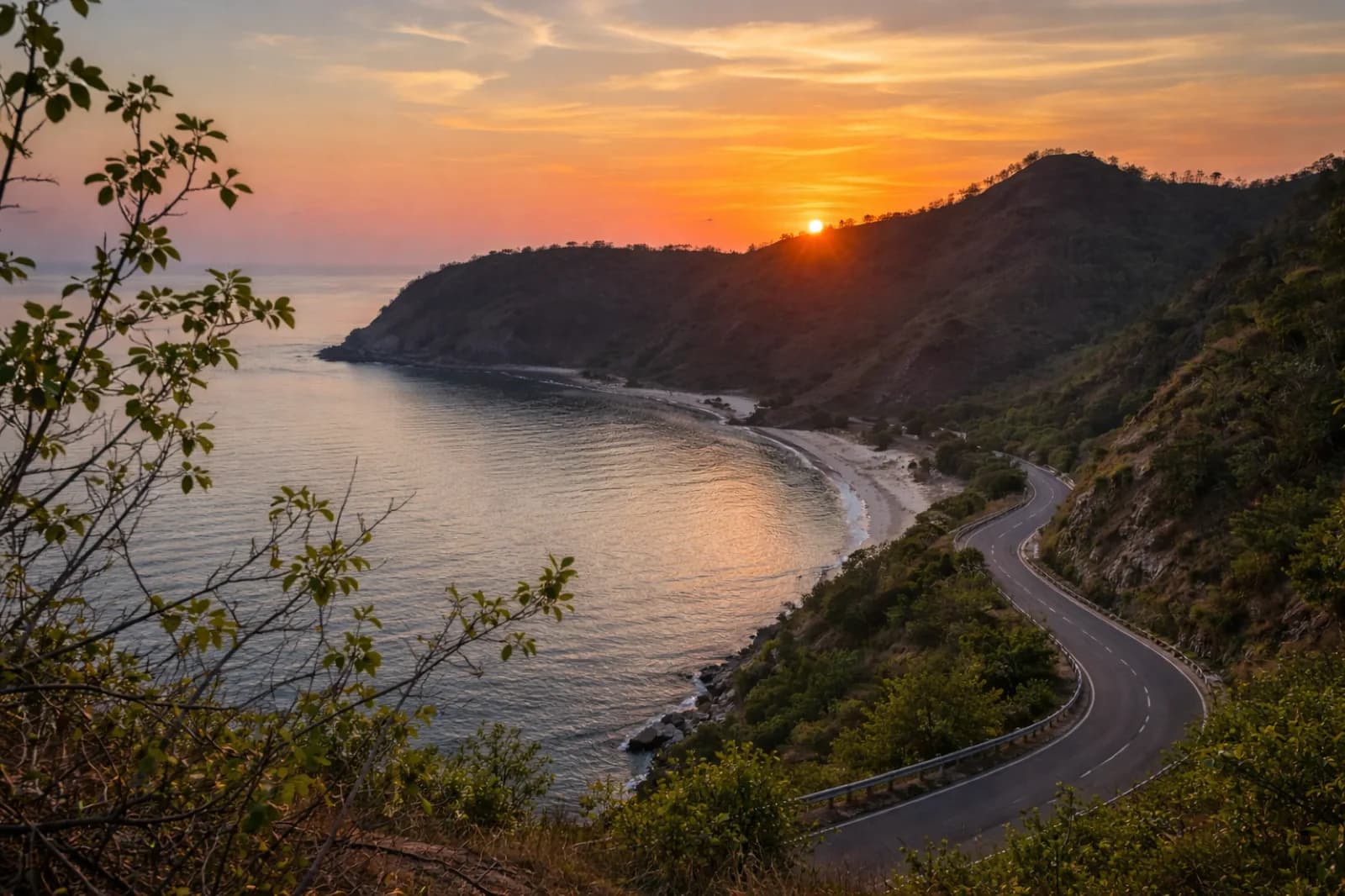
After lunch, begin the long drive to Baucau. The route goes north back to Dili, then east along the coastal highway — approximately 5.5 hours of total driving. The coastal section from Dili to Baucau (2.5 hours) is one of the most scenic in the country, hugging the shoreline through fishing villages with views across to Atauro. Arrive in Baucau in the late afternoon, check into the Pousada de Baucau or a guesthouse, and rest. You have earned it.
A gentler day after the demands of Ramelau and the long drive. Explore Baucau at a relaxed pace. Start in Vila Antiga, the hilltop old town, where the dark pink Pousada de Baucau, St Anthony Cathedral, and the Calvario shrine with its coastal panoramas create an atmosphere unlike anywhere else in the country. Visit the Old Market building (built 1928-1934, restored as a cultural center in 2014) and the surrounding daily market.
Late morning, swim at Piscina de Baucau — the spring-fed natural pool that is widely considered the best swimming spot in Timor-Leste. Crystal-clear water, refreshingly cool, and just 50 cents entry. Avoid Monday and Thursday when the pool drains for maintenance. Relax here as long as you like — tomorrow the roads get rougher.
In the afternoon, drive 28 kilometers south to Venilale for Portuguese colonial architecture, the Escola do Reino (1933), natural hot springs, and Japanese WWII tunnels. The tunnels, built with forced local labor during the occupation, are a sobering addition to the independence story you began at the Resistance Museum in Dili. Return to Baucau for dinner. Stock up on cash (BNCTL and BNU ATMs in Kota Baru) and supplies before heading east tomorrow — there is very little infrastructure beyond this point.
This is the most remote and rewarding section of the trip. Drive east from Baucau toward Com (approximately 3 hours, road deteriorating steadily). Com is a fishing village on the north coast with one of the most photogenic bays in the country — coconut palms fringing a crescent of sand with turquoise water. Important: do not swim at Com. Saltwater crocodiles are regularly present in these waters. Enjoy the beach from the sand, photograph the traditional Fataluku spirit houses (uma lulik) and rusted boats beached along the shore, and if visiting during mid-October through November, book a whale watching trip from the village.
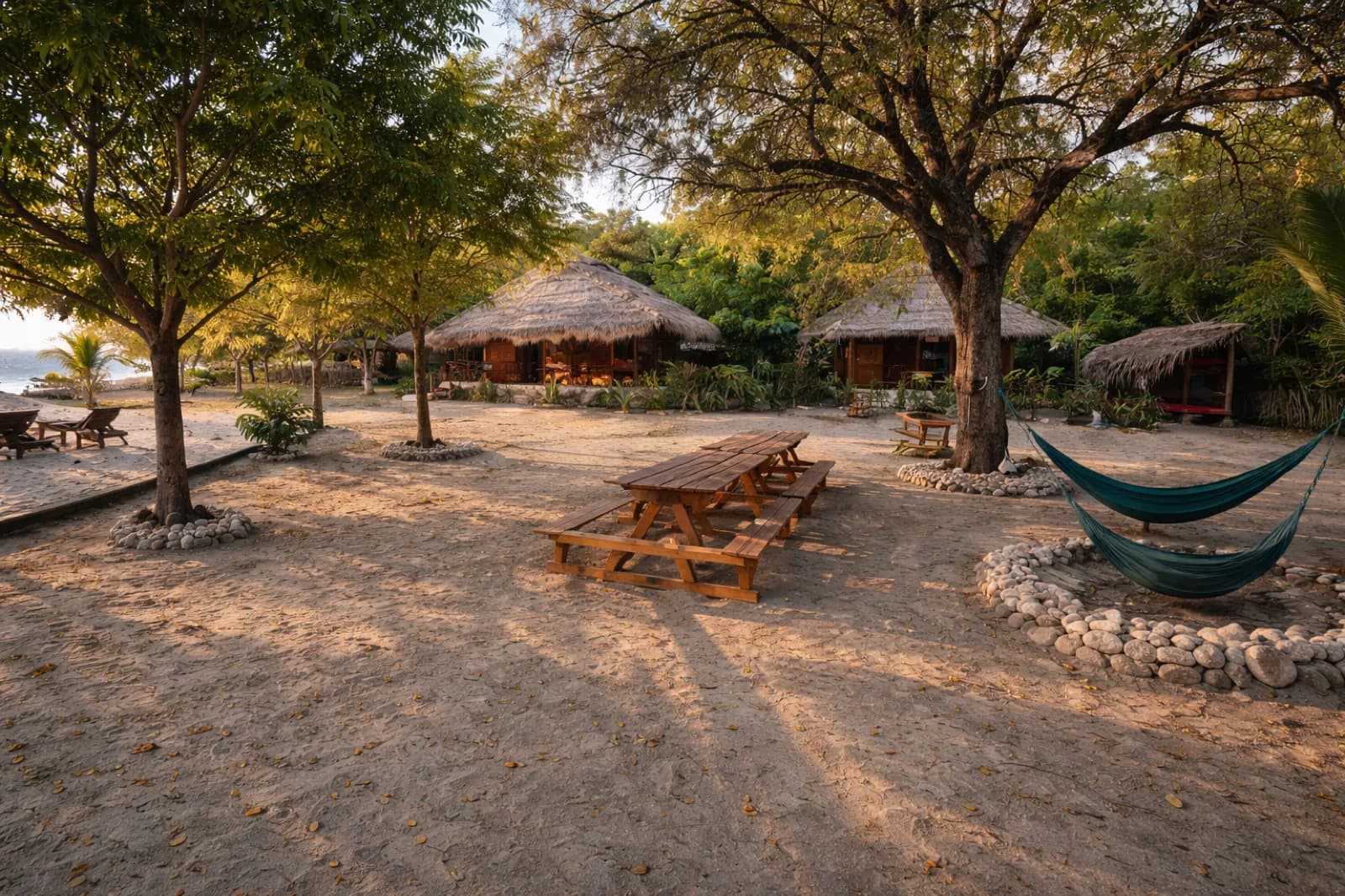
Continue east toward Tutuala (approximately 2 more hours, 4WD essential). The road passes through Nino Konis Santana National Park — Timor-Leste's only national park, 123,600 hectares with over 200 bird species, Lake Ira Lalaro (the country's largest lake), and ancient rock art at Ili Kere Kere. Spend the night in a basic guesthouse in Tutuala ($10-15) or camp at Valu Beach with the local village chief's permission.
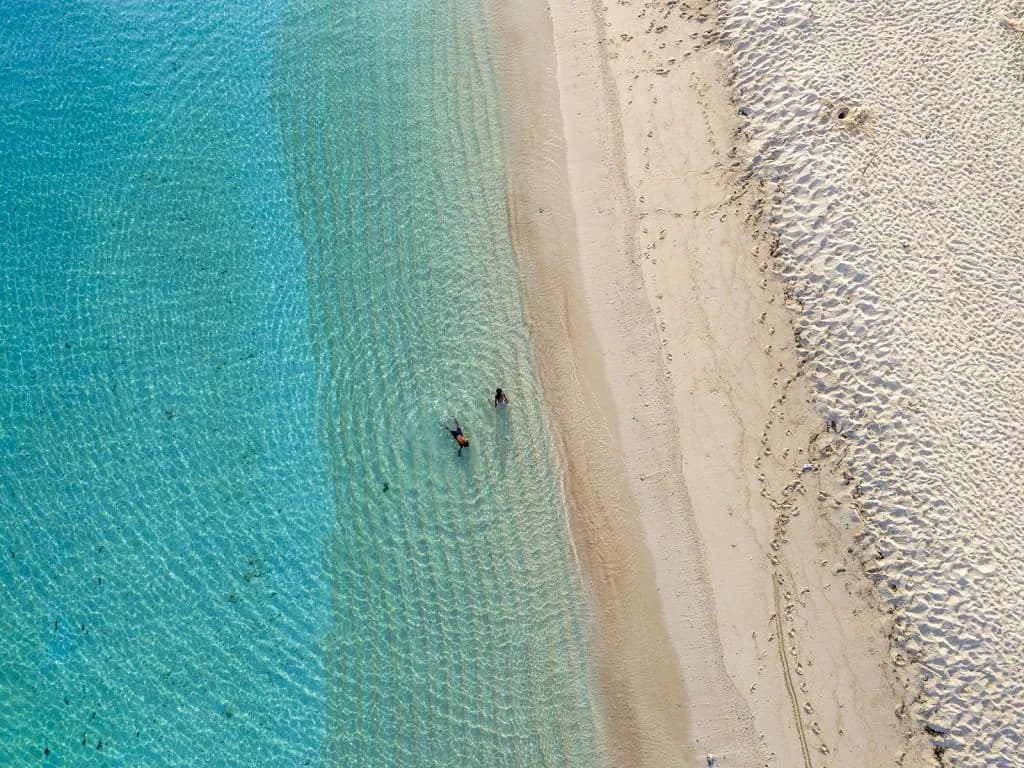
On Day 9, take a fishing boat from Valu Beach to Jaco Island ($10-20 return per person, 15-minute crossing). Jaco is sacred to the Fataluku people and is completely uninhabited — no structures, no facilities, no people. What you find instead is powdery white sand, turquoise water, coral reefs starting at the waterline, and absolute solitude. Bring everything: water, food, snorkel gear, reef shoes, shade, and sunscreen. Agree a pickup time with your boatman before they leave. Spend the day snorkeling, swimming, and absorbing the most pristine beach in Timor-Leste. This is the crown jewel of the entire trip.
The long drive home. From Tutuala to Dili is approximately 8-10 hours by road (via Baucau). Depart early. The drive west retraces the route through the national park, past Com, and back to Baucau (4-5 hours). From Baucau, the good coastal highway continues to Dili (2.5 hours). Stop at One Dollar Beach near Manatuto for a swim and lunch break if time allows.
If time is tight and your budget allows, check whether MAF (Mission Aviation Fellowship) or Aero Dili has a flight from Baucau to Dili — this occasionally runs and saves 2.5 hours of driving, though availability is limited and not guaranteed. Alternatively, break the return into two days by overnighting in Baucau if your schedule has flexibility.
Back in Dili, head to the airport for your departure. You have now seen the full spectrum of Timor-Leste: the reefs, the highlands, the coffee farms, the colonial towns, and the wild eastern frontier. Very few visitors make it to Jaco Island and Mount Ramelau in a single trip — you have experienced the country at a depth that most travelers never reach.
11 experiences connected to this guide

Dili city tour with Cristo Rei sunset


Seloi Kraik rice paddies

Cristo Rei statue at sunset
May to October for dry weather and best conditions across all regions. October adds whale watching at Com and Atauro. The far east roads can be impassable in wet season (Nov-Apr).
Continue planning your trip to Timor‑Leste

Transport guide — from Dili to the far east and everywhere between

The world's most biodiverse reefs — a complete site-by-site guide

The perfect short trip — city, reef, and island in one long weekend

Mountains, coffee plantations, colonial towns, and the north coast
Places mentioned in this guide