What to know before you go — from crocodiles to pharmacies
Timor-Leste (East Timor) is a safe country for travelers. Violent crime against tourists is rare. The Timorese are among the most welcoming people in Southeast Asia, and the small number of visitors means you're treated as a guest, not a target. The main risks are health-related and environmental, not criminal.
That said, this is a developing country with limited medical infrastructure, real road hazards, and a few genuine dangers — crocodiles being the most dramatic. Being informed isn't about being scared; it's about making smart decisions so you can enjoy the country confidently.
Timor-Leste is generally safe for solo travelers, couples, and families. Petty theft exists in Dili (as in any capital) — don't leave valuables visible in parked cars, keep phones and cameras close in crowded markets, and use hotel safes where available. Bag snatching from motorbikes has been reported occasionally in Dili.
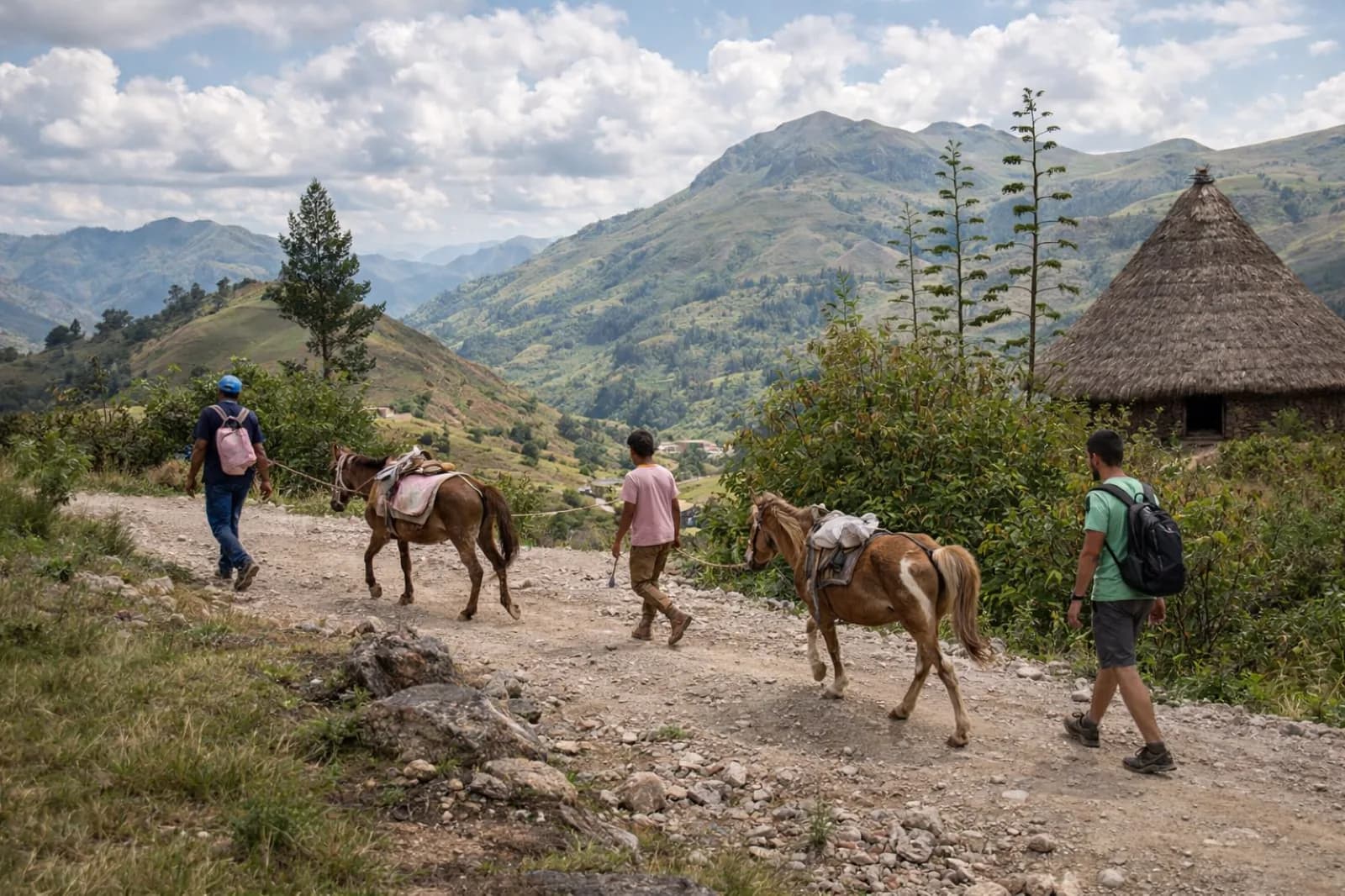
Outside Dili, the biggest safety consideration is simply the remoteness. If something goes wrong in the far east — a vehicle breakdown, an injury, a medical emergency — help may be hours away with no phone signal. Travel in pairs or groups when heading to remote areas. Tell someone your plans and expected return.
Martial arts gang (MAG) violence occasionally flares in Dili, particularly around elections or anniversaries. This rarely affects tourists directly but can cause temporary road closures. Stay informed through your accommodation or local contacts.
Medical facilities in Timor-Leste are basic. Dili has the Hospital Nacional Guido Valadares (the country's main hospital) and several private clinics (Stamford Medical, Clinic Café Dili). For anything beyond basic treatment, medical evacuation to Darwin, Australia (1.5-hour flight) or Bali is necessary. This costs $10,000+ without insurance.
Pharmacies in Dili stock basic medications — paracetamol, rehydration salts, antibiotics, antimalarials. Stock is inconsistent. Bring a personal medical kit: prescription medications, antidiarrheal, painkillers, antihistamines, and any specific medications you require.
Dengue fever is present, especially during the wet season (November-April). There is no vaccine widely available. Mosquito protection (DEET repellent, long sleeves at dawn/dusk) is your best defense. Malaria risk is lower but exists in rural areas — consult your travel doctor about prophylaxis.
Tap water is not safe to drink. Use bottled water ($0.50-1 per 1.5L) for drinking and brushing teeth. Ice in Dili's established restaurants is generally safe (made from filtered water); outside Dili, avoid ice unless you're confident about the source.
Food hygiene at markets and warungs is generally fine for cooked food served hot. The standard travel rules apply: eat food that's freshly cooked, avoid raw salads in questionable settings, and peel fruit yourself. Seafood is usually very fresh — it was likely swimming that morning.
Traveler's diarrhea is common, as in most developing countries. Bring oral rehydration salts and an antidiarrheal medication. Stay hydrated. Most cases resolve in 1-2 days. If symptoms persist beyond 3 days or include blood or high fever, seek medical attention in Dili.
This is not a joke and not an exaggeration. Saltwater crocodiles are present in rivers, estuaries, and coastal waters in certain areas of Timor-Leste. Fatal attacks occur every year — this is one of the highest per-capita crocodile attack rates in the world.
Known high-risk areas include: the waters around Com (north coast), Valu Beach near Tutuala, river mouths and estuaries along the south coast, and Metinaro and Hera (east of Dili). Do not swim in these areas. This warning is not optional.
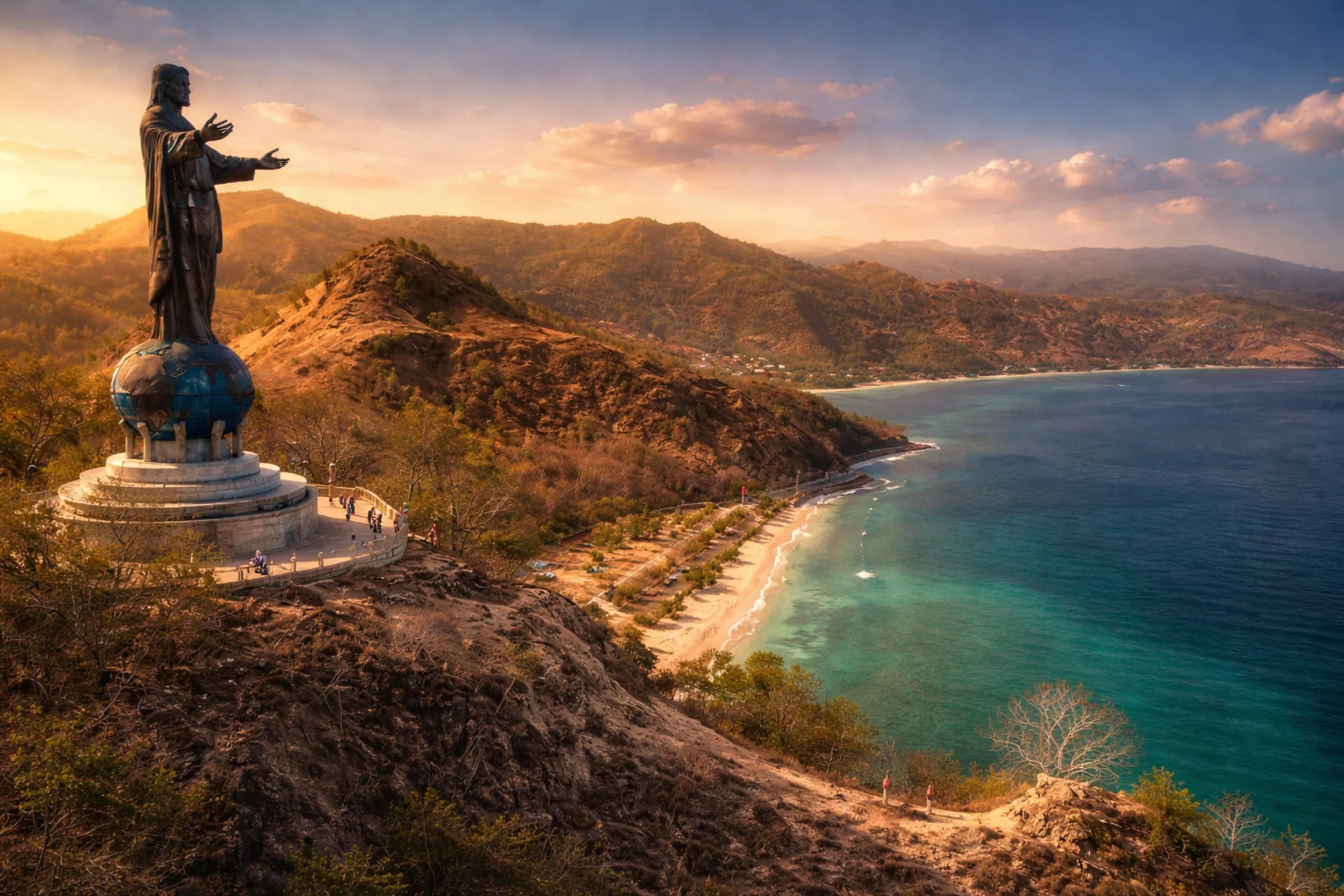
Safe swimming areas include: Atauro Island (no reported crocodile presence), Jaco Island, Dili's Cristo Rei beach area, and the spring-fed Piscina de Baucau. When in doubt, ask locals. If you see warning signs, respect them. Crocodiles in Timor-Leste are large (4-6 meters), fast, and present in places you wouldn't expect.
Timor-Leste does not have a hyperbaric chamber. The nearest recompression facility is in Darwin, Australia. This means decompression sickness (the bends) requires an emergency medical evacuation — expensive, time-consuming, and potentially life-threatening.
Dive conservatively. Plan profiles with generous safety margins. Don't push depth or bottom time limits. Do safety stops. Don't fly within 24 hours of your last dive (this applies to even short domestic flights or helicopter transfers).
Diving insurance is non-negotiable. DAN (Divers Alert Network) or equivalent cover must include emergency evacuation. Your regular travel insurance likely does not cover diving — check the fine print and add a diving-specific policy if needed.
Travel insurance that explicitly covers Timor-Leste is essential. Not optional, not recommended — essential. The combination of limited medical facilities, remote areas, and the real possibility of medical evacuation makes insurance the single most important thing you buy for this trip.
Ensure your policy covers: emergency medical evacuation (to Darwin or Bali), repatriation, adventure activities (diving, trekking, motorbike riding), and trip cancellation. If you're diving, add a specific diving policy from DAN or similar.
Keep your insurance documents and emergency numbers accessible — not just on your phone (which may have no signal). Print the policy number and emergency contact. Carry it with your passport.
Is Timor-Leste safe for tourists?
Yes. Violent crime against tourists is rare, and the main risks are health-related and environmental rather than criminal. Petty theft exists in Dili — don't leave valuables in parked cars and keep phones close in crowded markets — but most visitors are treated as guests, not targets.
Can I swim in the sea in Timor-Leste?
Only in safe areas. Saltwater crocodiles make some places genuinely dangerous — avoid the water around Com, Valu Beach near Tutuala, south-coast river mouths, and Metinaro and Hera. Atauro Island, Jaco Island, the Cristo Rei beach area, and the spring-fed Piscina de Baucau are the safe swimming spots. When in doubt, ask locals.
Do I need travel insurance for Timor-Leste?
Essential — make it the first thing you book. Medical facilities are basic and serious cases require evacuation to Darwin or Bali, which costs $10,000+ without cover. Make sure the policy includes emergency evacuation, and add a diving-specific policy (such as DAN) if you plan to dive.
Can I drink the tap water in Timor-Leste?
No. Tap water is not safe to drink — use bottled water ($0.50–1 per 1.5L) for drinking and brushing your teeth. Ice in Dili's established restaurants is generally safe; outside Dili, avoid ice unless you're sure of the source.
What vaccinations do I need for Timor-Leste?
Hepatitis A and B, typhoid, and tetanus are recommended, with rabies advised for extended stays — consult your travel doctor. Dengue is the main mosquito-borne risk and has no widely available vaccine, so DEET repellent and covering up at dawn and dusk are your best defence.
Is there malaria in Timor-Leste?
Malaria risk is lower than dengue but exists in rural areas — ask your travel doctor about prophylaxis. Dengue, present especially in the wet season (November–April), is the more common concern.
15 experiences connected to this guide


Iconic shore sites: Cristo Rei, Tasi Tolu & Dili Rock


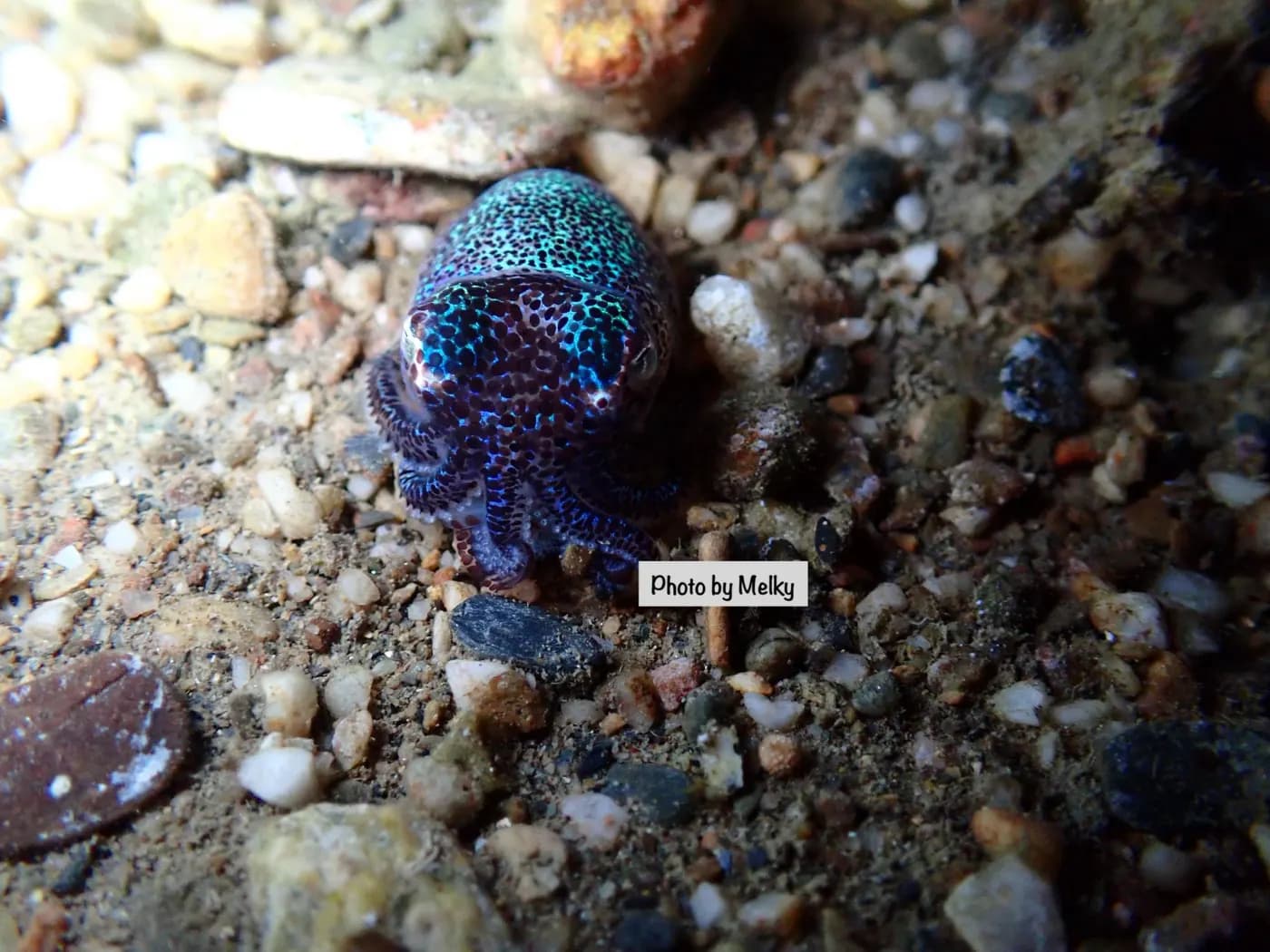
Coral walls, anemone gardens & a wreck
Year-round. Wet season (December-April) increases dengue risk and road hazards. Dry season (May-November) has fewer health and transport concerns.
New experiences, insider tips, and seasonal highlights. No spam — just useful stuff for planning your trip.
Unsubscribe anytime. We respect your inbox.
Continue planning your trip to Timor‑Leste
Places mentioned in this guide