Biodiverse forests, pristine reefs, and untouched wilderness — almost no infrastructure
Timor-Leste's natural environment is extraordinary and largely intact. The country has one gazetted national park, a handful of proposed protected areas, and marine ecosystems that Conservation International ranks among the most biodiverse on Earth. What it does not have is marked trails, ranger stations, entry kiosks, or the infrastructure you'd associate with protected areas elsewhere in the region.
That absence is both the challenge and the appeal. Nino Konis Santana National Park in the far east contains some of the most biodiverse tropical forest in Southeast Asia and almost no tourists. Atauro Island's reef system is formally being considered for marine protected status and sees only a handful of divers each day. Mount Ramelau's cloud forests shelter endemic birds and orchids on a mountain that receives perhaps a few thousand visitors a year.
If you're looking for managed wilderness with designated viewpoints and interpretive signs, you'll be disappointed. If you're looking for genuine, undeveloped nature where you're genuinely one of the first people to walk a trail in weeks, Timor-Leste is difficult to beat.
Declared in 2007 and covering 123,600 hectares of the eastern tip of the country, Nino Konis Santana is Timor-Leste's only national park — and one of the least-visited protected areas in Southeast Asia. It encompasses everything from lowland coastal forest to montane cloud forest, freshwater lakes, coral reef, and the sacred uninhabited island of Jaco.
The biodiversity is genuinely remarkable. Studies have documented over 200 bird species in the park, including numerous endemics and near-endemics found nowhere else on Earth: the Timor green pigeon, Timor sparrow, and Timor imperial pigeon among them. Saltwater crocodiles inhabit the lake and coastal areas. The forest shelters cuscus, deer, and wild pigs.
Lake Iralalaro, a remote freshwater lake in the park's interior, is one of the most pristine wetlands in the region. The Tutuala plateau, on the northern edge of the park, offers sweeping ocean views and access to ancient Fataluku cave paintings at Ili Kere Kere that date back thousands of years. The coastline at Valu Beach looks across to Jaco Island — sacred to the Fataluku people, permanently uninhabited by agreement, and one of the most beautiful beaches in Southeast Asia.
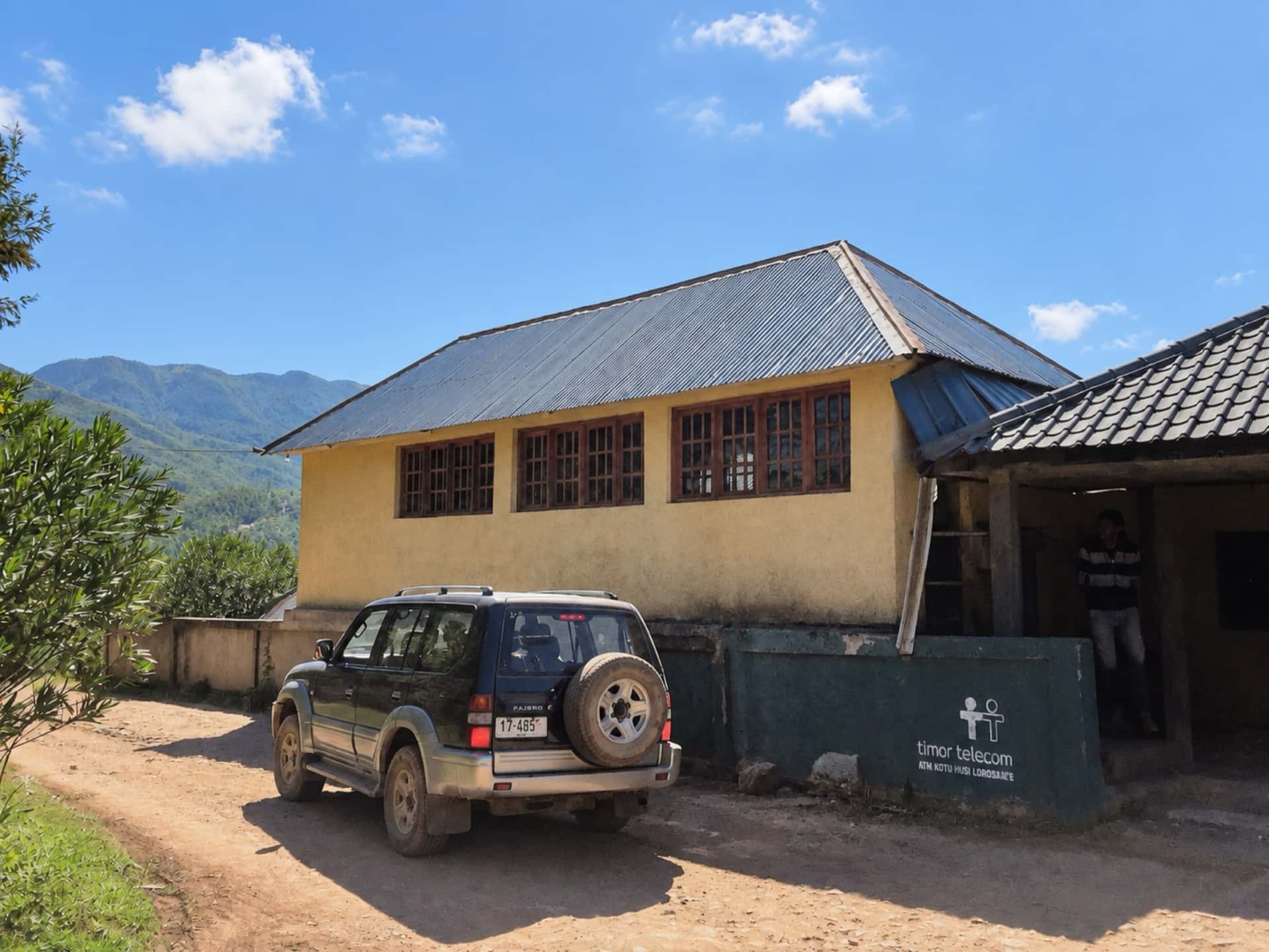
Be realistic about what visiting involves. There are no marked trails into the park interior, no ranger station in the Tutuala area, and the park management office in Lospalos has limited capacity. A 4WD vehicle is essential — the road to Tutuala is unsealed and rough. A local guide from Tutuala village or Lospalos is necessary for anything beyond the Valu Beach area.
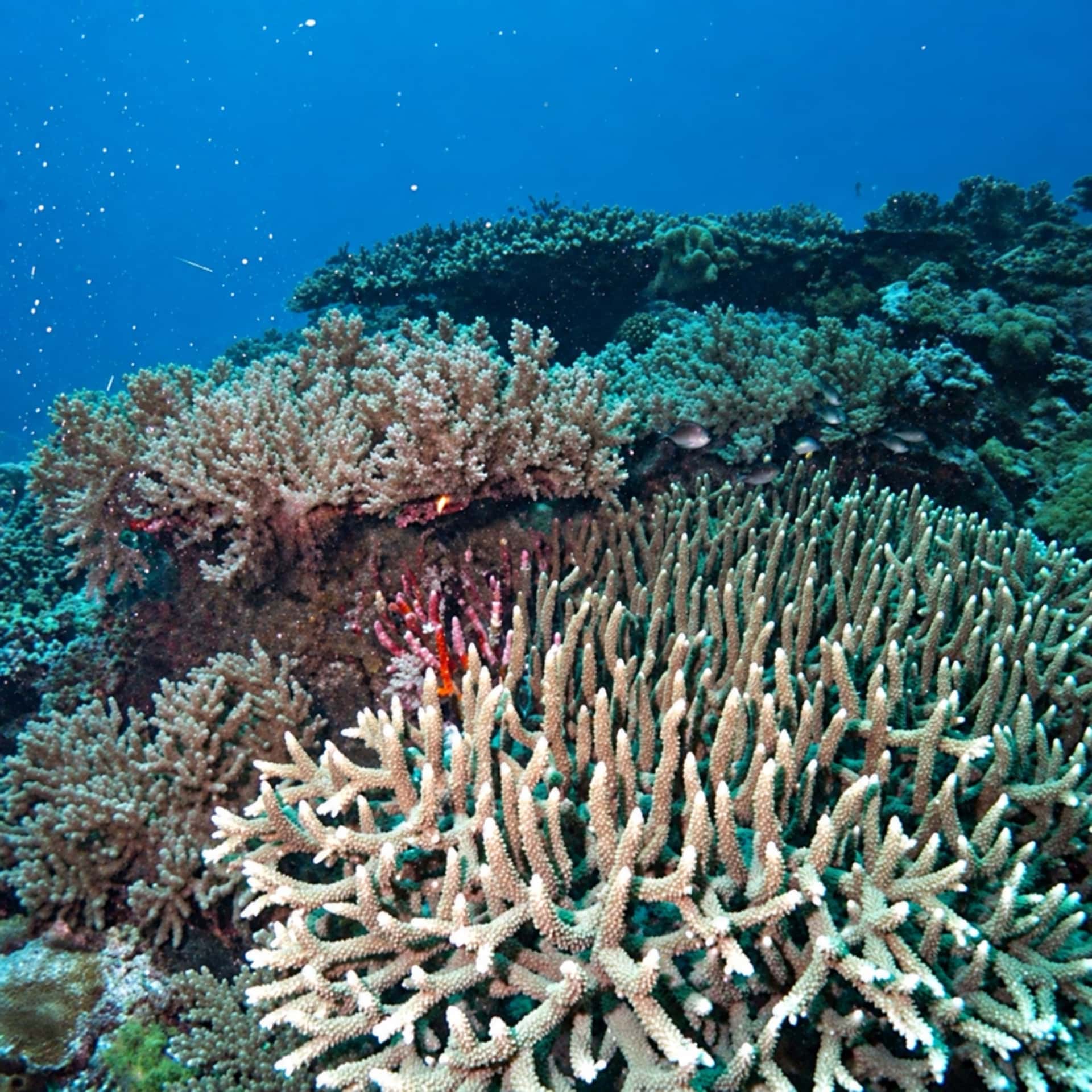
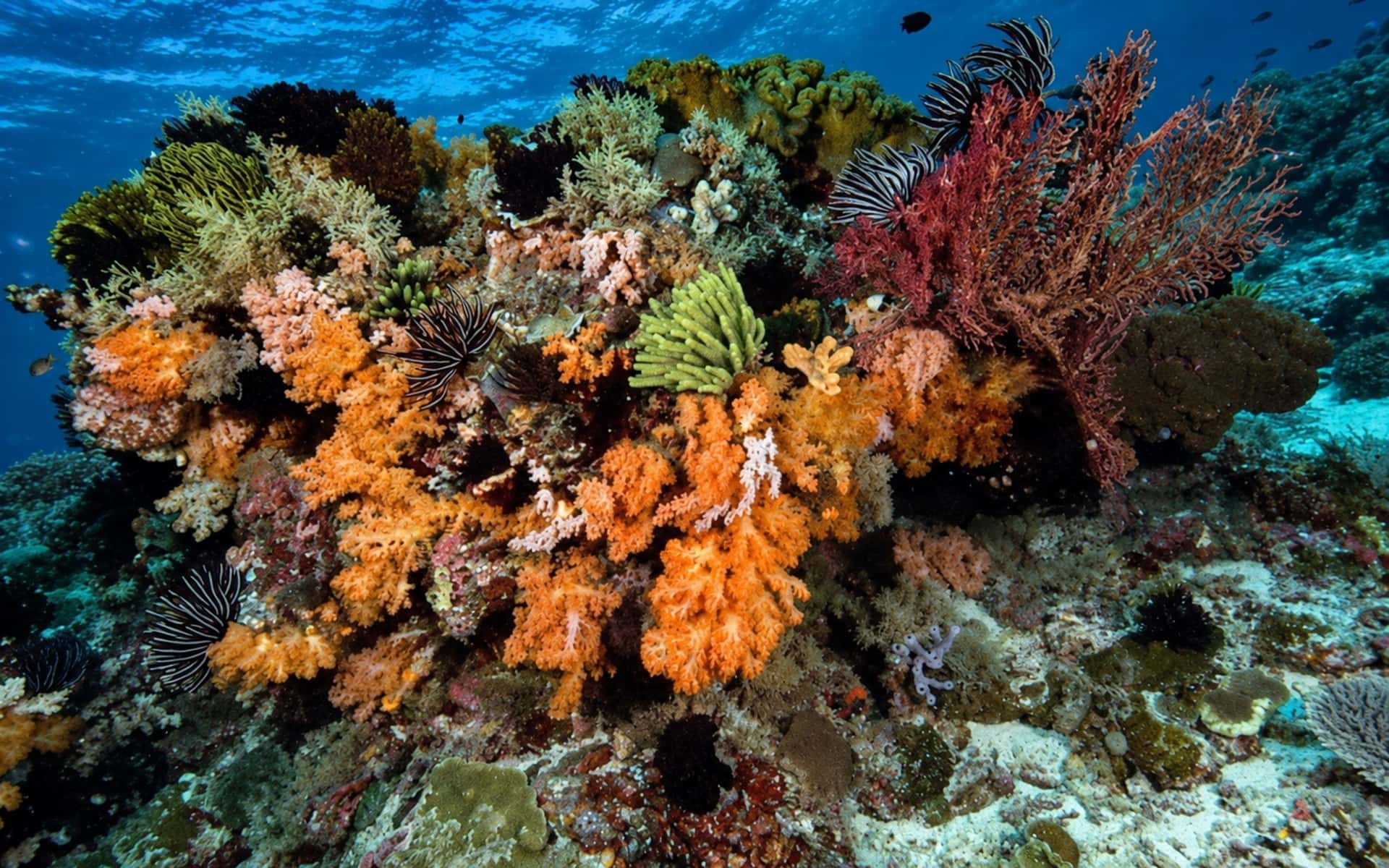
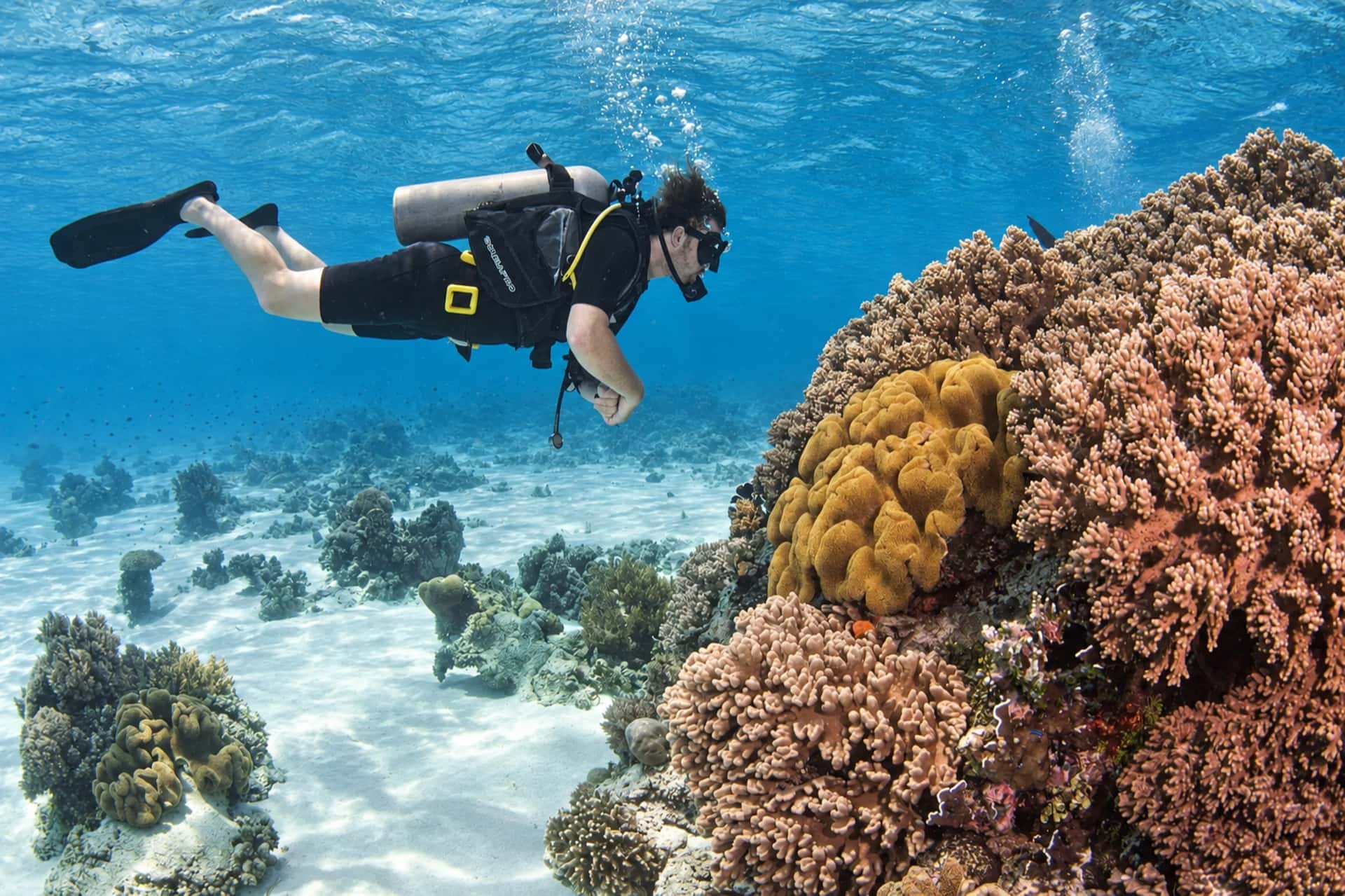
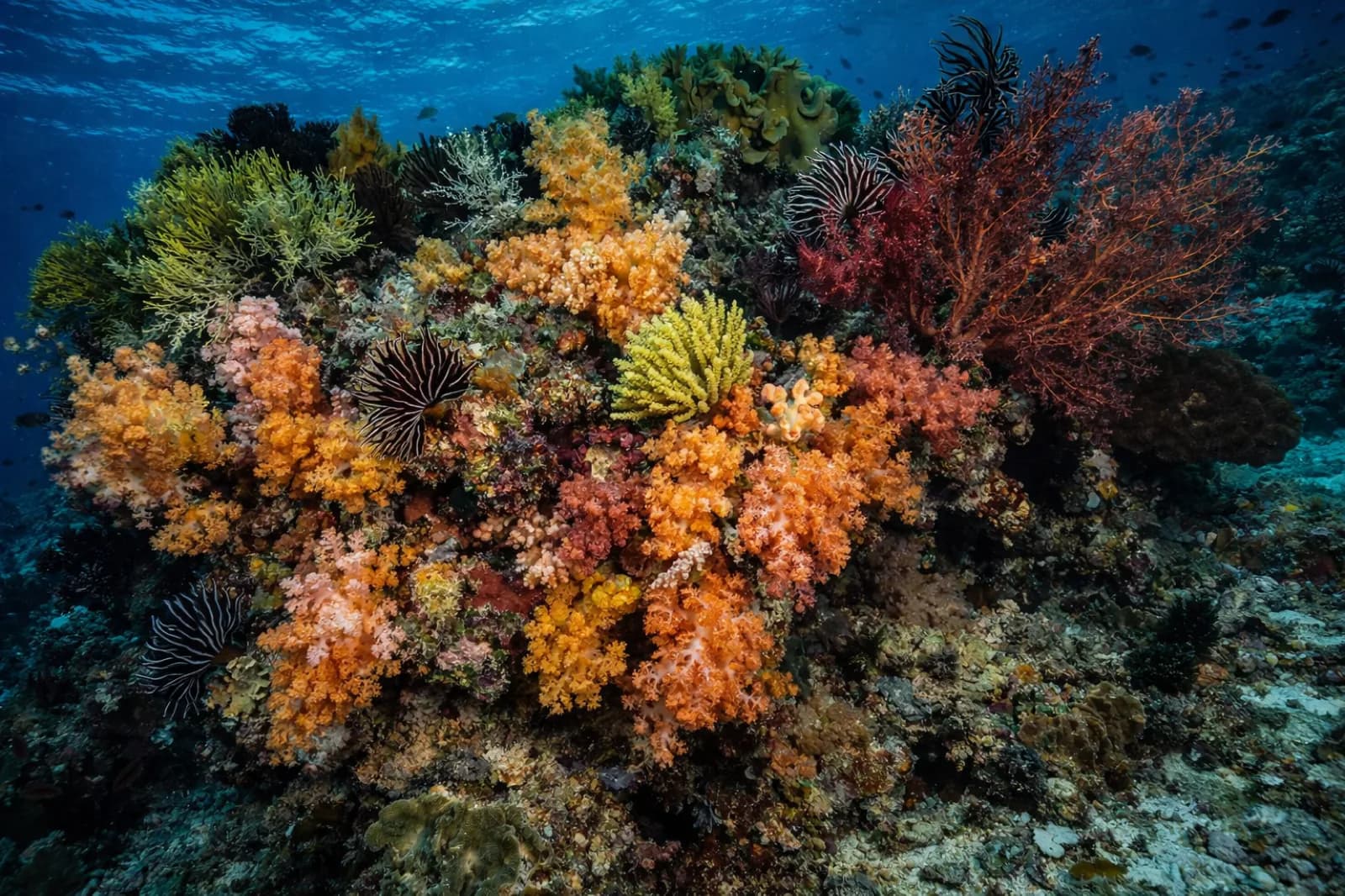
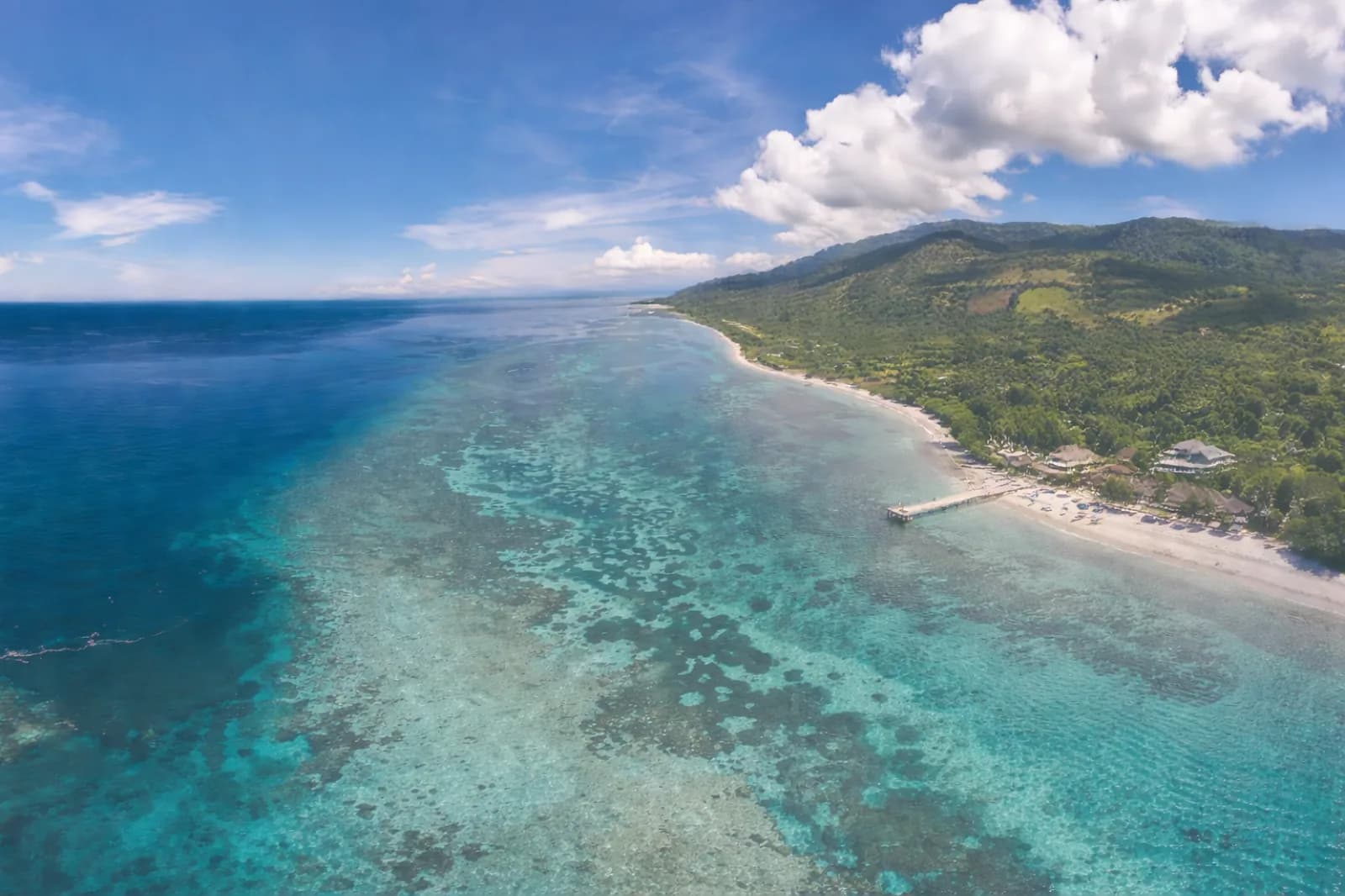
Atauro Island is not yet formally a marine protected area, but the push for designation is serious and well-supported by data. In 2016, Conservation International documented more reef fish species per survey site around Atauro than anywhere else on Earth — over 300 species at a single dive site. The reef system is effectively pristine, subject to almost no commercial fishing pressure.
The island has been building local reef stewardship through community-led conservation projects, with village committees managing access to certain sites and collecting small fees that fund reef monitoring. The process is informal by global standards but genuine — local people have a direct economic stake in keeping the reef healthy.
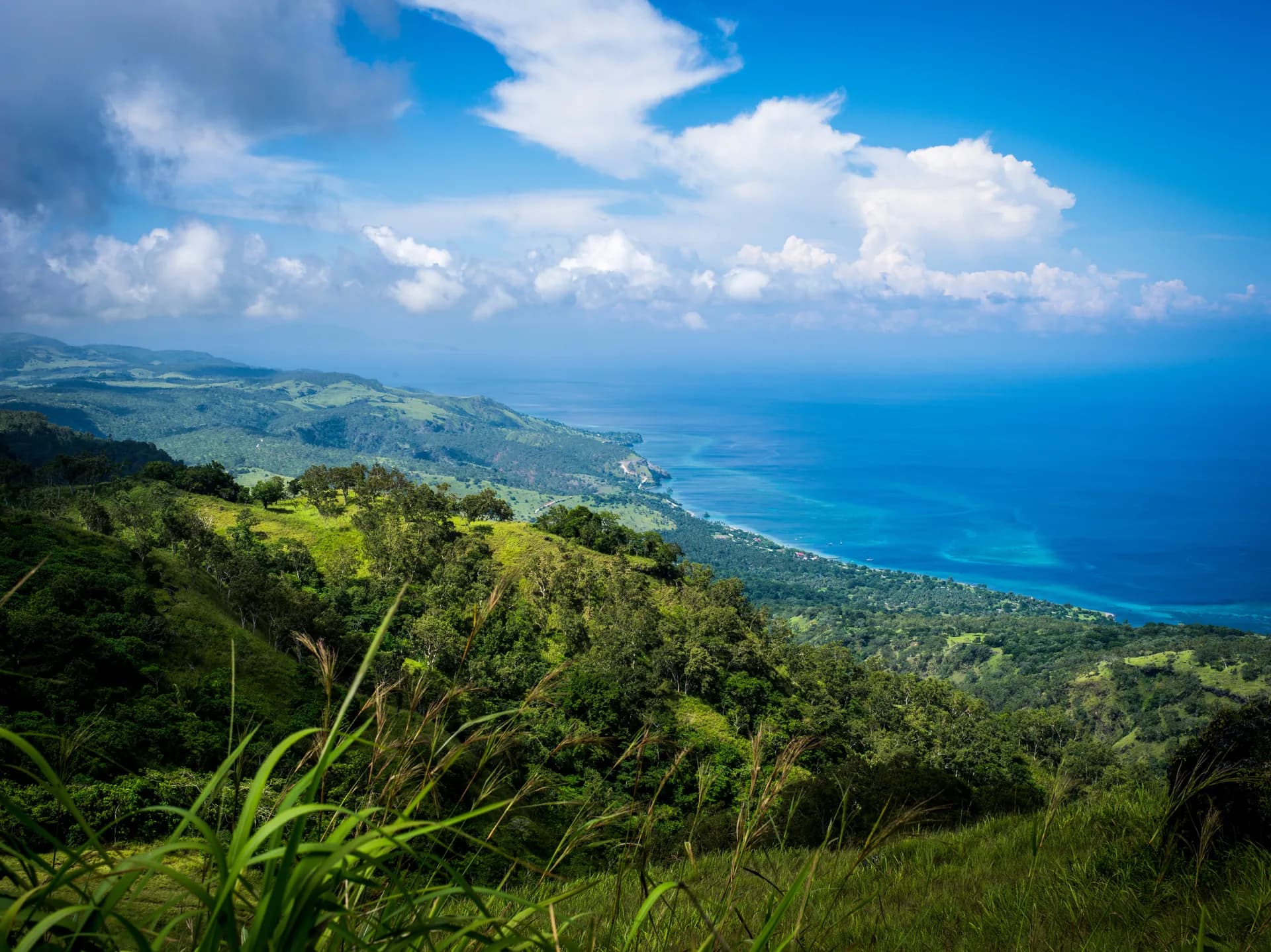
On land, Atauro is also worth exploring. The interior hills harbour dry forest with endemic lizards, birds, and some of the best remaining habitat for the Timor imperial pigeon. Community-led treks to the ridge lines above the villages offer views across the Wetar Strait. The contrast between the turquoise reef below and the dry hillside forest above is one of the more striking landscapes in the country.
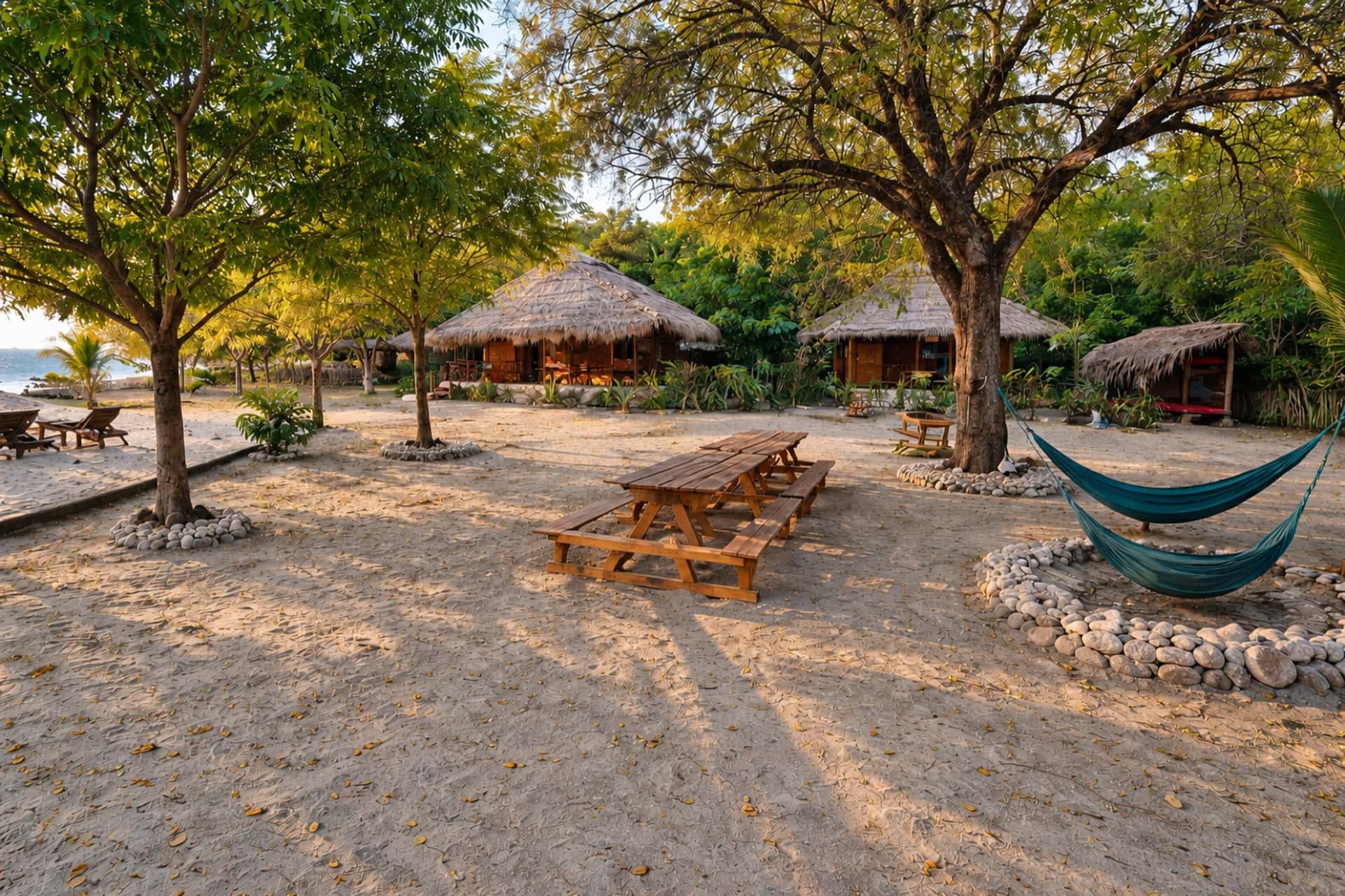
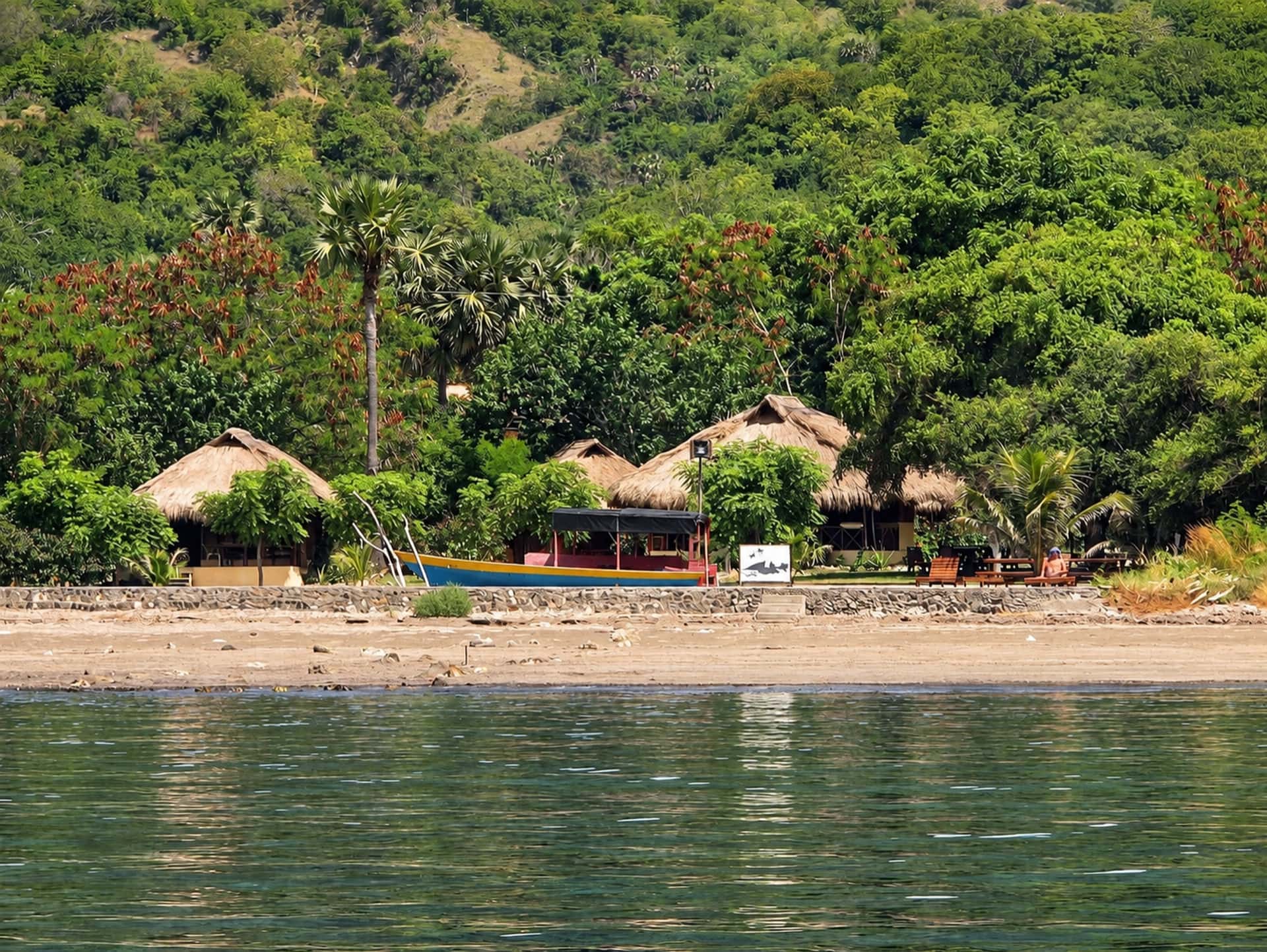
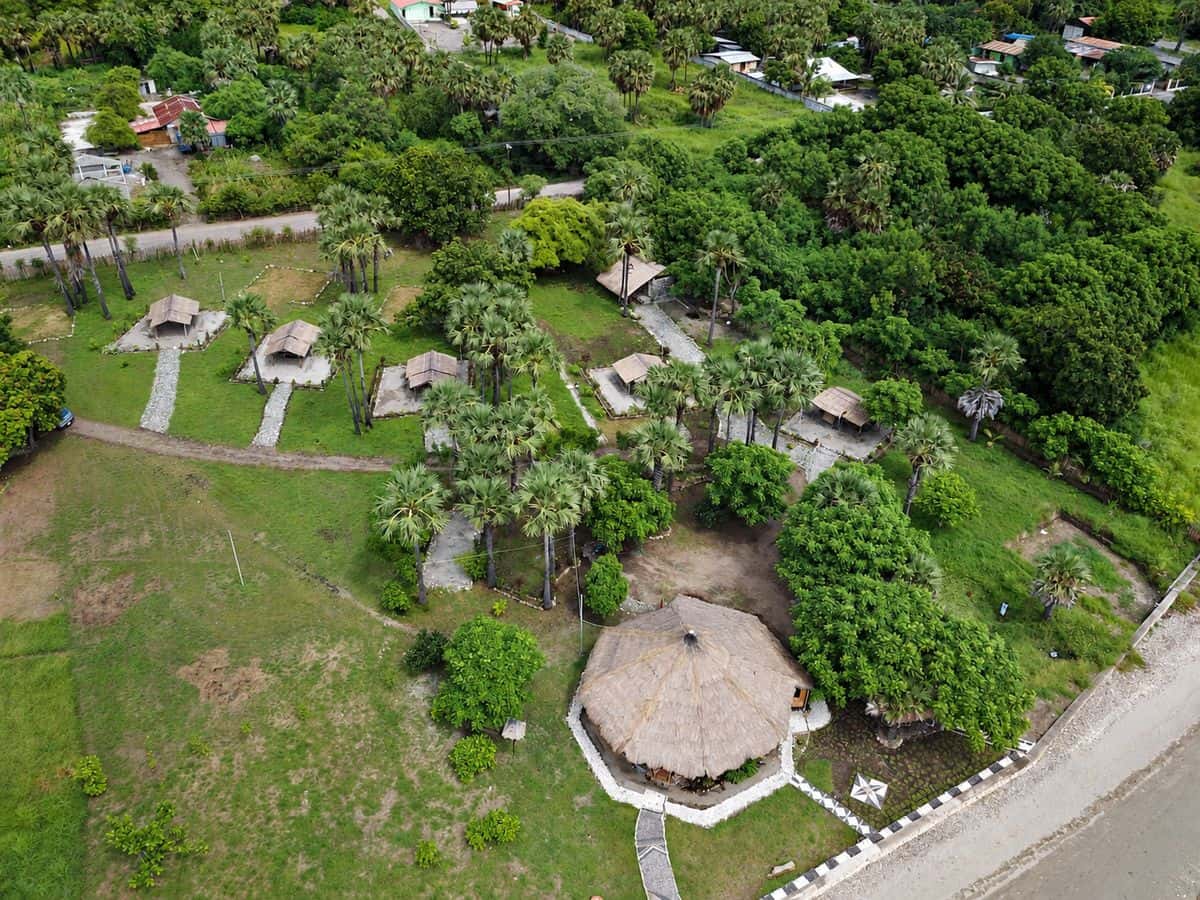
Atauro is reached by ferry from Dili — three days a week, a 2.5-hour trip. Infrastructure on the island is basic: a few homestays and small guesthouses, several dive operators, and a handful of warungs. That simplicity is not a drawback.
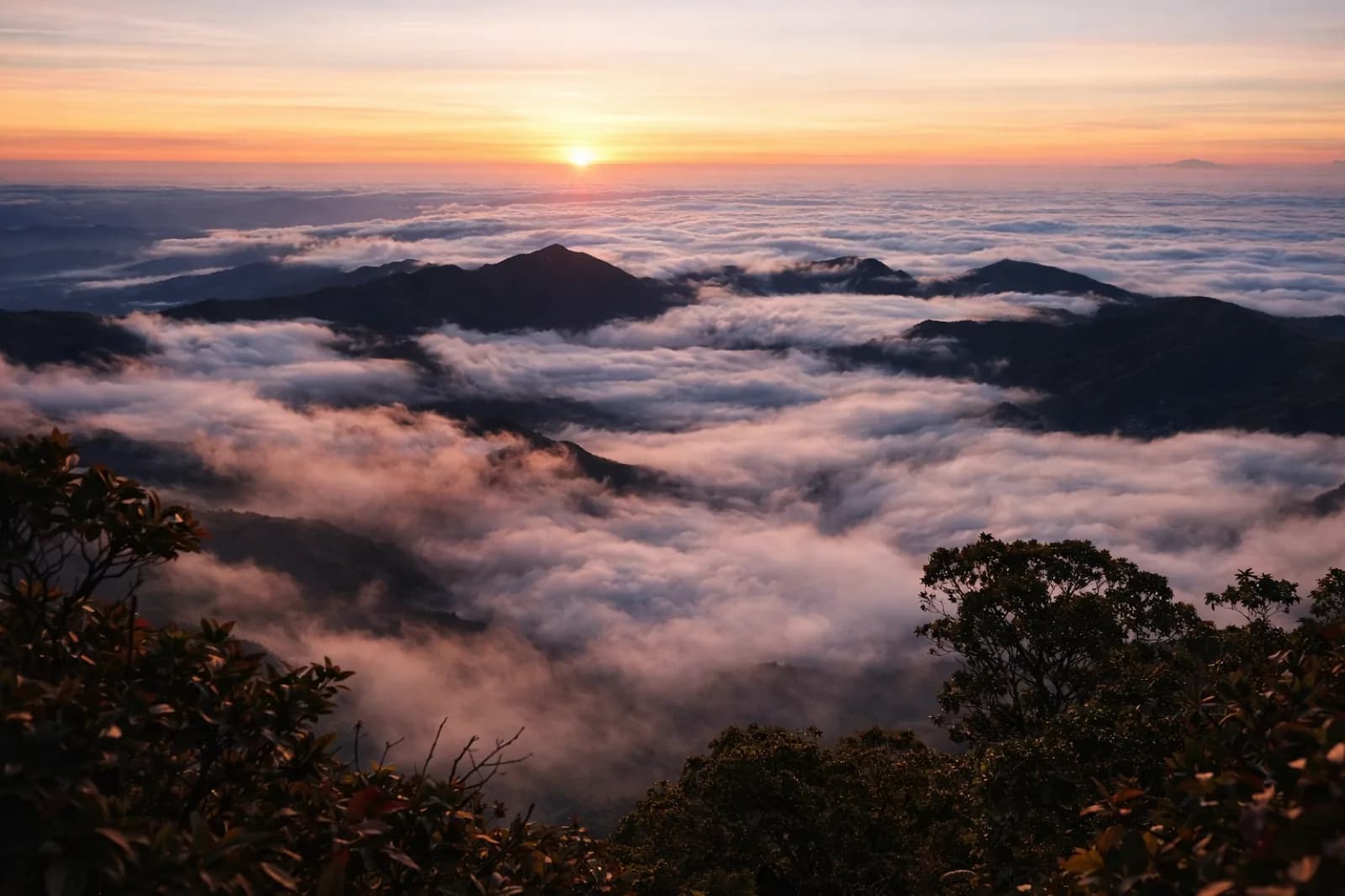
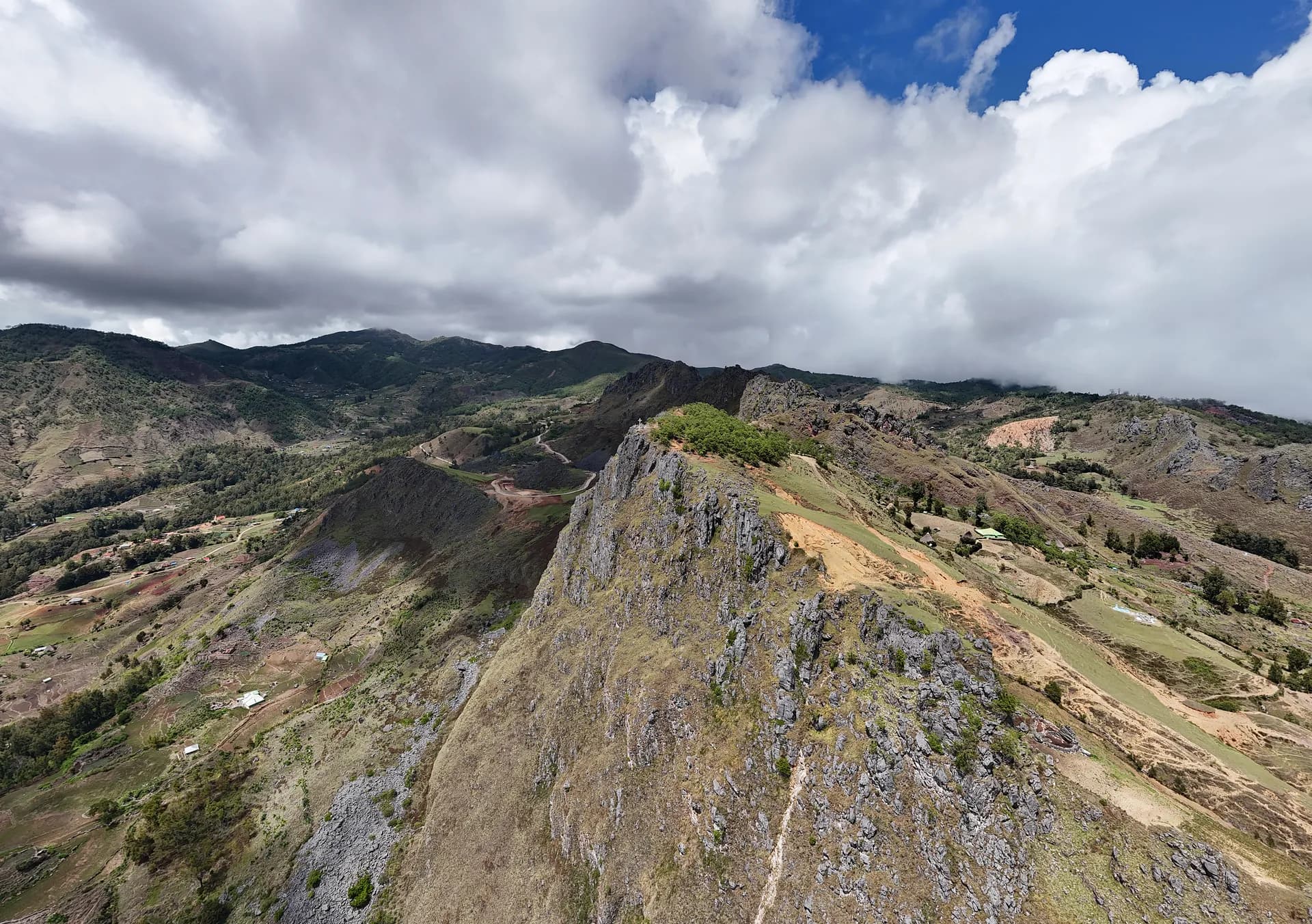
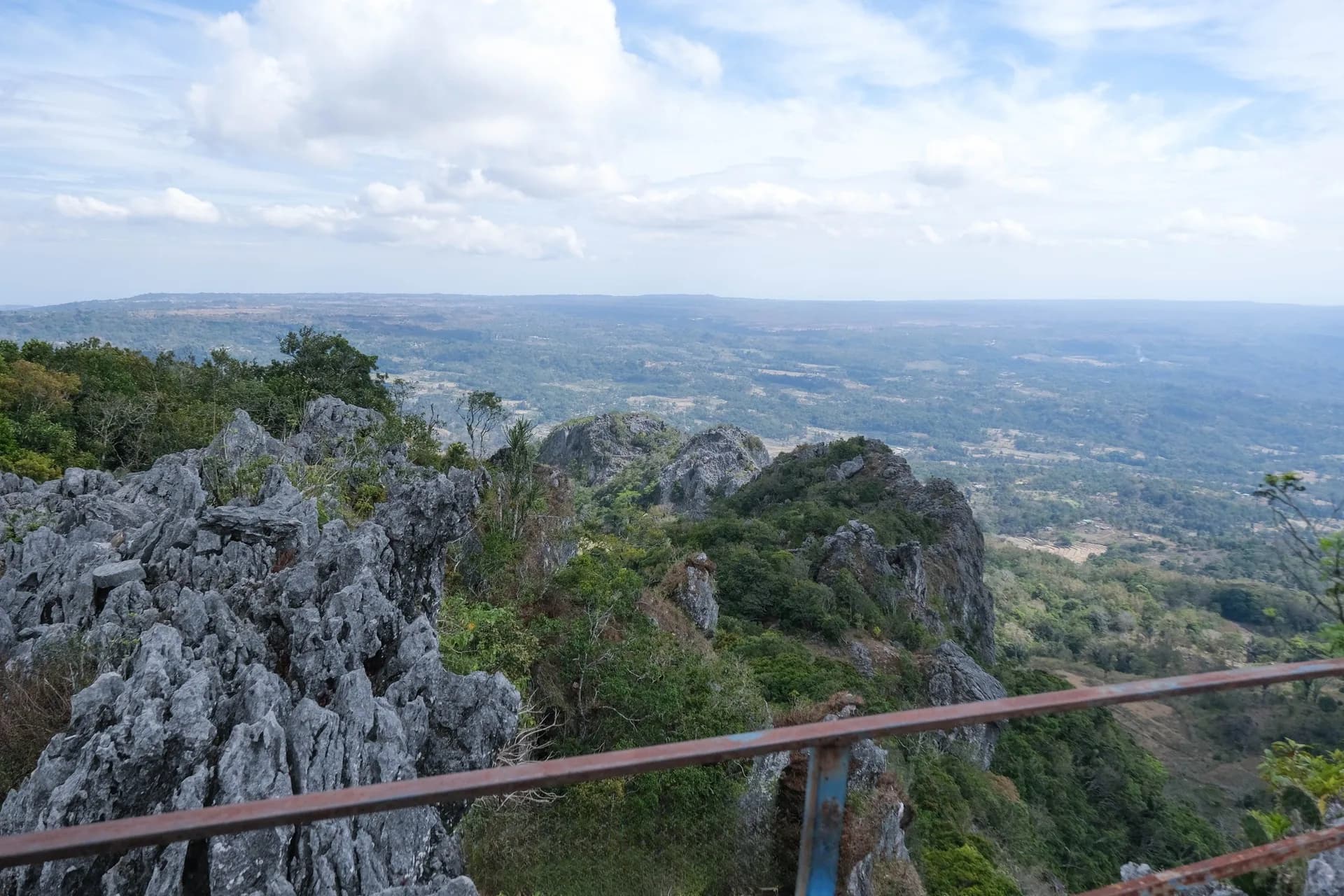
At 2,963 metres, Mount Ramelau is the highest peak in Timor-Leste and the whole of the Lesser Sunda archipelago. The mountain is the focus of a proposed protected area that would encompass the cloud forests of the central highlands — a band of habitat that harbours endemic orchids, tree ferns, and a suite of montane bird species including several found nowhere outside Timor-Leste.
The formal designation doesn't exist yet, but the area functions as a de facto sanctuary. The forest above 2,000 metres is remote enough that hunting pressure is low, and the annual Catholic pilgrimage to the summit has created a form of community guardianship — the mountain is sacred, and that sacredness does more for conservation than most park regulations.
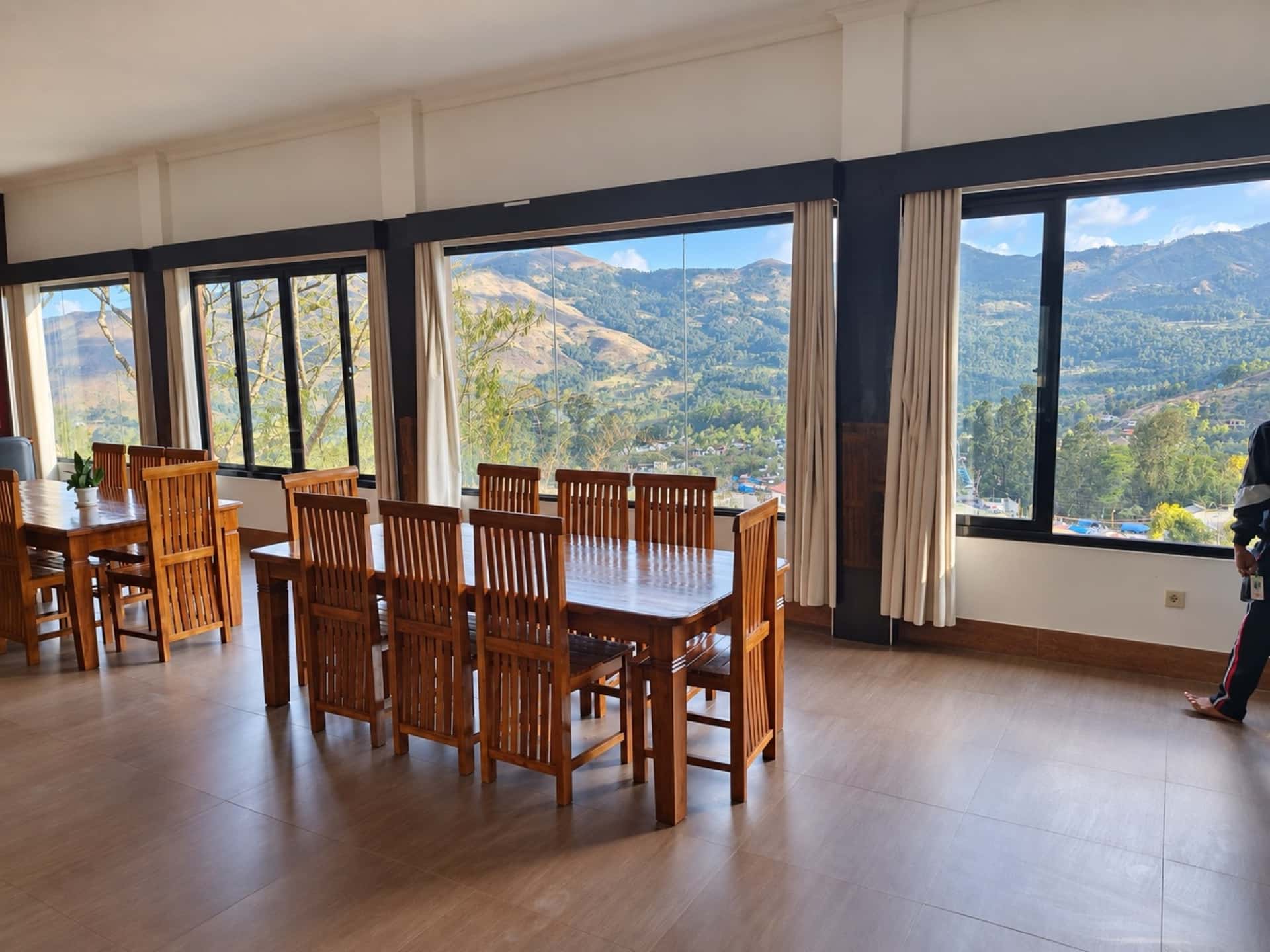
Below Ramelau, the highland town of Maubisse sits in rolling grassland at 1,400 metres with a cooler climate that feels nothing like coastal Timor. The drive from Dili passes through eucalyptus forest, coffee gardens, and villages that are largely self-sufficient on subsistence agriculture. This is some of the most scenically dramatic road driving in the country.
The proposed protected area concept would extend to include other highland ridges in the same chain. Until formal designation occurs, the land is community-held. Engaging a local guide from Hato Builico village before entering the upper mountain is the right approach — both ethically and practically.
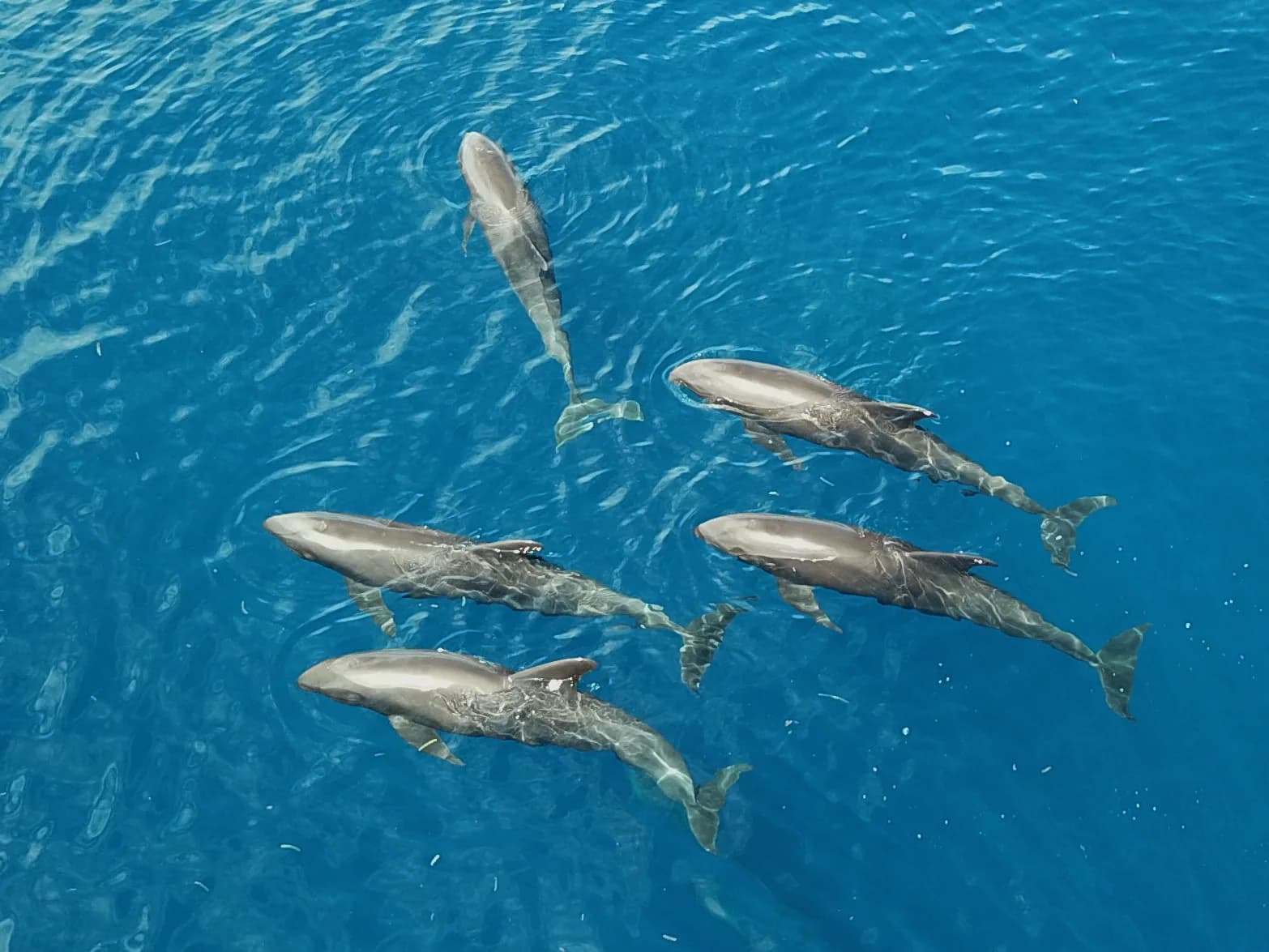
Timor-Leste sits within the Coral Triangle, the global centre of marine biodiversity. The marine environment — encompassing the deep Wetar Strait in the north, the coastal reefs around Dili, and the offshore reef systems of Nino Konis Santana — is one of the least disturbed in the region.
The Nino Konis Santana marine area in the far east has no formal protected status but effectively functions as a refuge. Fishing pressure from the local Fataluku communities is subsistence-level rather than commercial, and the geographical remoteness keeps most boats away. Reef surveys in this area document coral cover and fish biomass that researchers describe as among the highest they've recorded in the Indo-Pacific.
Around Dili, the picture is more mixed. Shore dive sites like Pertamina Pier and K41 are world-class for macro life, but anchoring by vessels and some unregulated fishing create localised pressure. A $2 marine reserve entry fee applies at designated sites — a small but meaningful contribution to monitoring.
For visitors, the main implication is simple: this is an exceptionally rare opportunity to experience reefs that are genuinely healthy. The absence of crowds is not a sign that the diving is mediocre. It is a sign that Timor-Leste remains largely undiscovered. Choose operators who apply no-touch briefings and prioritise site integrity.
3 experiences connected to this guide


Iconic shore sites: Cristo Rei, Tasi Tolu & Dili Rock

Coral walls, anemone gardens & a wreck
June to November (dry season) for the national park and highland areas — trails are passable and river crossings manageable. Atauro diving is excellent year-round, with best visibility April to November. The far east road to Tutuala can become impassable in wet season (December to March).
Continue planning your trip to Timor‑Leste

The world's most biodiverse reefs, virtually untouched

Month-by-month guide for planning your trip

Golden hour at Cristo Rei, sunrise from Ramelau, and water bluer than your screen can render

Endemic birds, whale migrations, and the reefs of the Coral Triangle

Mountain trails, sacred peaks, and highland landscapes far from the tourist trail
Places mentioned in this guide