Instant · pay on the day
Dili Night Dive
DiliUp to 1 dayDreamers Dive Academy Timor
DivingModerateMax 4Pickup
Torch included
5.0(30 · Google)
$60per personMinimum 2 guests, from $120
Check dates & availability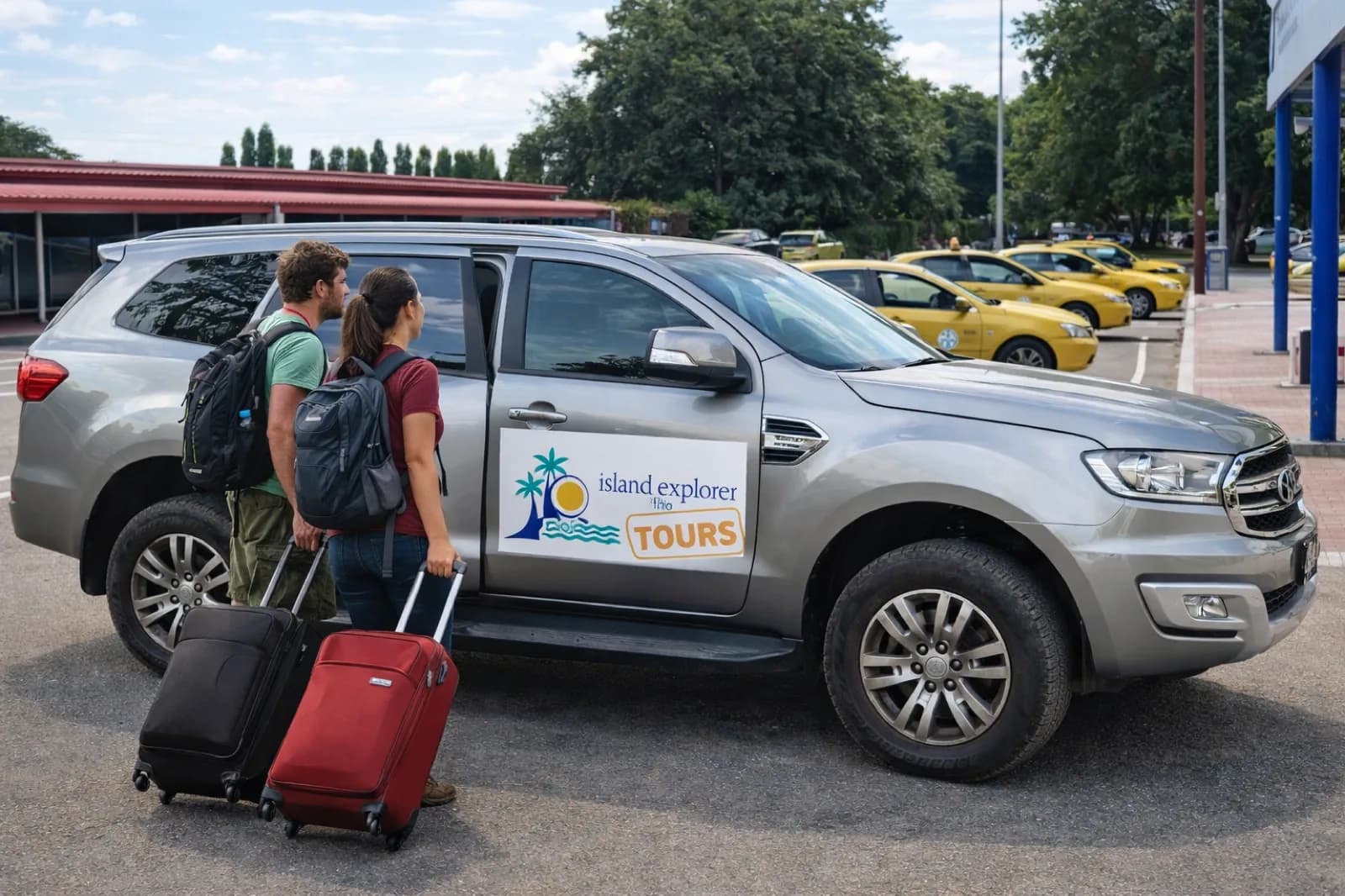
Airport to oriented: everything you need to survive (and enjoy) your arrival in Timor-Leste
Arriving in a country with no Uber, no Google Maps transit, and almost no English signage can be intimidating. Dili's Presidente Nicolau Lobato International Airport is small and functional, but the transition from tarmac to city has tripped up more than a few first-timers.
This guide walks you through the entire arrival sequence: immigration, cash, SIM card, transport, first meal, orientation. Follow it and you'll be settled, connected, and fed within a few hours of landing. Skip it and you'll spend your first afternoon confused in the back of an overcharging taxi with no data.
The good news: Dili is small, safe in daylight, and surprisingly welcoming once you know where to go. The hard part is the first three hours, but this guide walks you through every step so you hit the ground running.
Your plane arrives at DIL: Presidente Nicolau Lobato International Airport. It's small (one terminal, one baggage carousel) and the process is straightforward but not fast.
Visa on arrival: $30, US dollar cash only. Have the correct amount ready. You need a passport with 6+ months validity and the online arrival declaration (tilesw.customs.gov.tl) completed before you fly. Officers may ask for an onward ticket (have it on your phone). The visa gives you 30 days, extendable once for another 30 ($40) at the Migration Service in Dili.
Visa-free: EU citizens (except Ireland), Iceland, Liechtenstein, Norway and Switzerland for 90 days; Indonesia, Malaysia, Singapore and Thailand for 30 days. US, UK and Australian citizens use the visa on arrival. If you're entering by land from Indonesian West Timor, confirm the current rules before you set out, because official sources disagree.
Immigration queues can be slow when multiple flights land together. Be patient. Fill out the arrivals card on the plane if they hand them out.
Timor-Leste uses US Dollars. There is no currency exchange needed if you already have USD. If you don't, there's a small exchange counter at the airport: rates are poor but functional for getting you through the first day.
ATMs: BNU and BNCTL have ATMs in Dili (including near the airport area). They dispense USD. Withdrawals are limited to $300-500/day. They run out of cash. They sometimes don't work. Never rely on a single ATM trip. Withdraw enough for your entire stay outside Dili before you leave the capital.
SIM card: there are three networks, Timor Telecom, Telkomcel and Telemor. Do not count on a SIM counter at the airport; SIM cards are sold at Timor Plaza and phone shops in the city. Coverage varies by network and district, so ask locally which works best where you are going. Bring your passport for registration. Data packages are inexpensive. Internet is slow everywhere, brutally slow outside Dili.
Bring small bills. $5s, $10s, $20s are king. Many places can't break a $50 or $100. Local centavo coins exist for small change.
The airport is about 6km west of central Dili. Your options:
Pre-booked airport transfer (from $20): The stress-free option. A driver meets you at arrivals with your name. This is what we recommend for first-timers: it eliminates the one genuinely confusing moment of your trip. Book a fixed-price pickup on Rezerva's airport transfer page at least 36 hours before you land; your accommodation or tour operator may also arrange one.
Taxi ($10-$15): Yellow taxis wait outside the terminal. Agree the price BEFORE getting in, because there are no meters; fixed area prices are posted at the airport. Don't accept the first price offered.
Mikrolet ($0.25): Dili's minibuses run along the main road past the airport, but they don't enter the terminal. You'd need to walk to the main road (Av. Presidente Nicolau Lobato) and flag one heading east toward the city. Adventurous and cheap but not recommended with luggage on arrival day.
For your first night, stay in central Dili near the waterfront. This puts you within walking distance of restaurants, ATMs, the Tais Market, and Cristo Rei. Moving to Atauro, the highlands, or the east coast can wait until day two.
Budget ($10-30): East Timor Backpackers (the original backpacker hub, social bar, good vibe), Dili Central Backpackers (AC, lockers, tour desk), Timor Backpackers (pool), Casa Minha (exceptional value, great staff and food).
Mid-range ($50-100): Casa do Sandalo (colonial charm, courtyard, central). Several other guesthouses along the waterfront strip offer clean rooms with AC and breakfast.
Upscale ($100-200): Hotel Timor, Novo Turismo, Timor Plaza Hotel. Air conditioning, pools, reliable WiFi, restaurant on-site. Good for getting your bearings before heading into rougher territory.
Book ahead for your first night. Walk-ins are possible but arriving in a new country at dusk without a reservation is unnecessary stress.
Once you're checked in, the best way to orient yourself is to walk the waterfront. Head toward the Palácio do Governo (Government Palace) along the main coastal road. This strip has most of Dili's restaurants, cafés, and the landmark Cristo Rei statue at the eastern end.
For your first meal: the restaurant strip near the waterfront has options at every price point. Agora Restaurant and Castaway Bar are popular with both locals and expats. For cheap local food, look for warungs (small eateries) serving ikan pepes (grilled fish), batar daan (corn and mung bean stew), or simple rice plates for $1-4.
Dili coffee is excellent and cheap. Letefoho Coffee Roasters, if you can find it, serves single-origin Timorese coffee. Any café will serve you something good: coffee is a point of national pride.
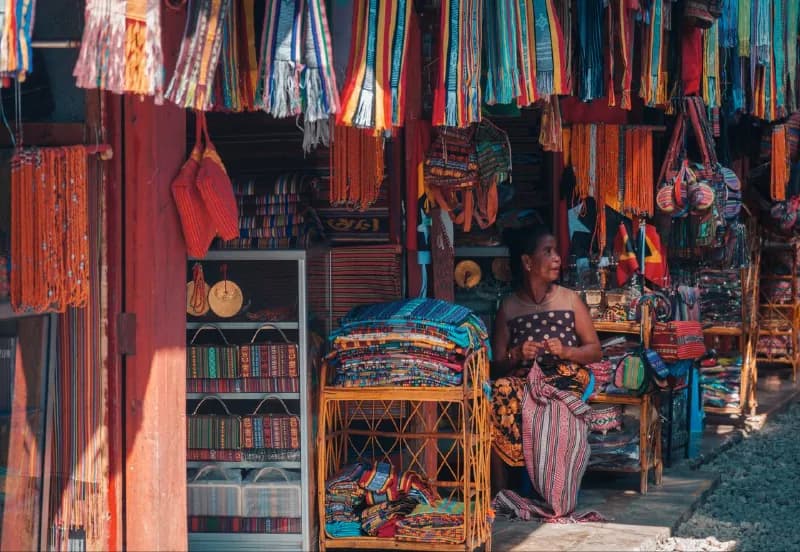
Before sunset, walk to the Tais Market (Mercado de Tais) to see traditional woven textiles. It's a good place to get a sense of Timorese craft and haggle gently for souvenirs. The market is small and you won't need more than 30 minutes.
By the end of your first 24 hours, you should have: visa stamped and passport secured, USD cash (at least $200 in small bills for your onward travel), a working SIM card with data, a place to sleep tonight and tomorrow, at least one meal at a local warung, and a basic sense of Dili's layout.
If you're diving at Atauro: the Berlin Nakroma ferry ($4) runs Wednesday, Thursday, Saturday and Sunday from Porto Dili in Farol, and the MV Success ($5) runs Tuesday and Friday from Kolmera, both at 08:00. Book your Atauro accommodation and diving in advance. If you arrive on a non-ferry day, spend the wait exploring Dili: Cristo Rei walk, Resistance Museum, shore diving at Tasi Tolu.
If you're heading to the highlands: arrange a car and driver (about $175-195 a day for a 4WD) through your accommodation or a tour operator. The road to Maubisse takes 2 to 3 hours and should be started in the morning. Don't attempt it in the dark.
If you're a backpacker winging it: the hostel tour desks at East Timor Backpackers and Dili Central can arrange everything from car hire to multi-day tours. Fellow travelers at the bar will have current intel on road conditions, ferry schedules, and what's worth seeing.
Not bringing enough cash. ATMs fail. The airport exchange runs out. Bring at least $200 USD from home in small bills as a buffer.
Getting in a taxi without agreeing on price. There are no meters. Always negotiate before the door closes.
Trying to do too much on arrival day. You just flew through Bali or Darwin. You're jet-lagged and hot. Check in, eat, walk the waterfront, sleep. Atauro and the mountains can wait.
Not buying a SIM card. You can survive without data in many countries. Timor-Leste isn't one of them. Offline maps, WhatsApp for operator communication, and basic web access are near-essential. Buy the SIM on day one.
Assuming credit cards work. They don't, outside a handful of upscale Dili hotels. Cash is the only reliable payment method everywhere in the country.
Torch included
Iconic shore sites: Cristo Rei, Tasi Tolu & Dili Rock
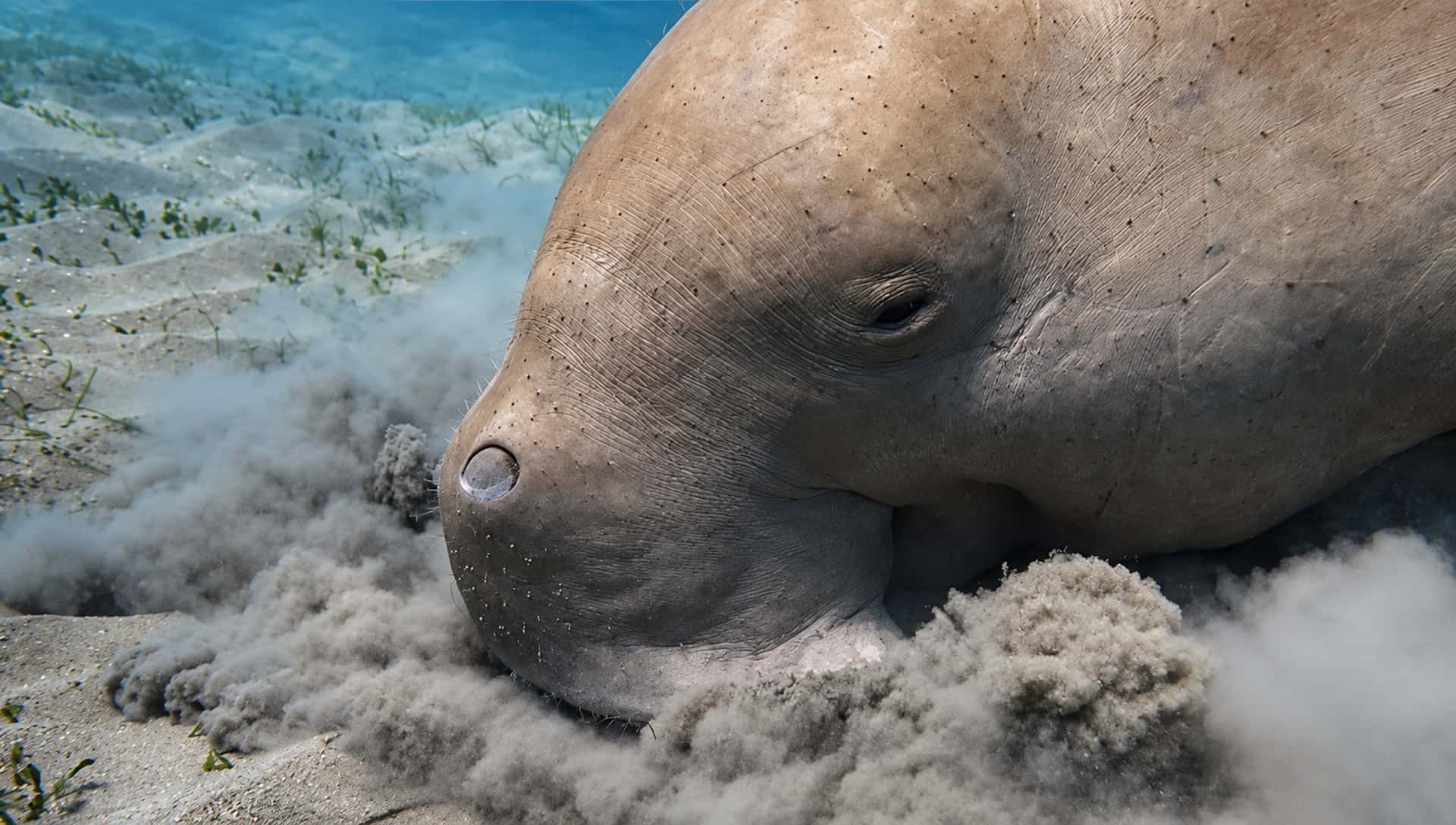
All-inclusive: gear, guide, transport & snacks
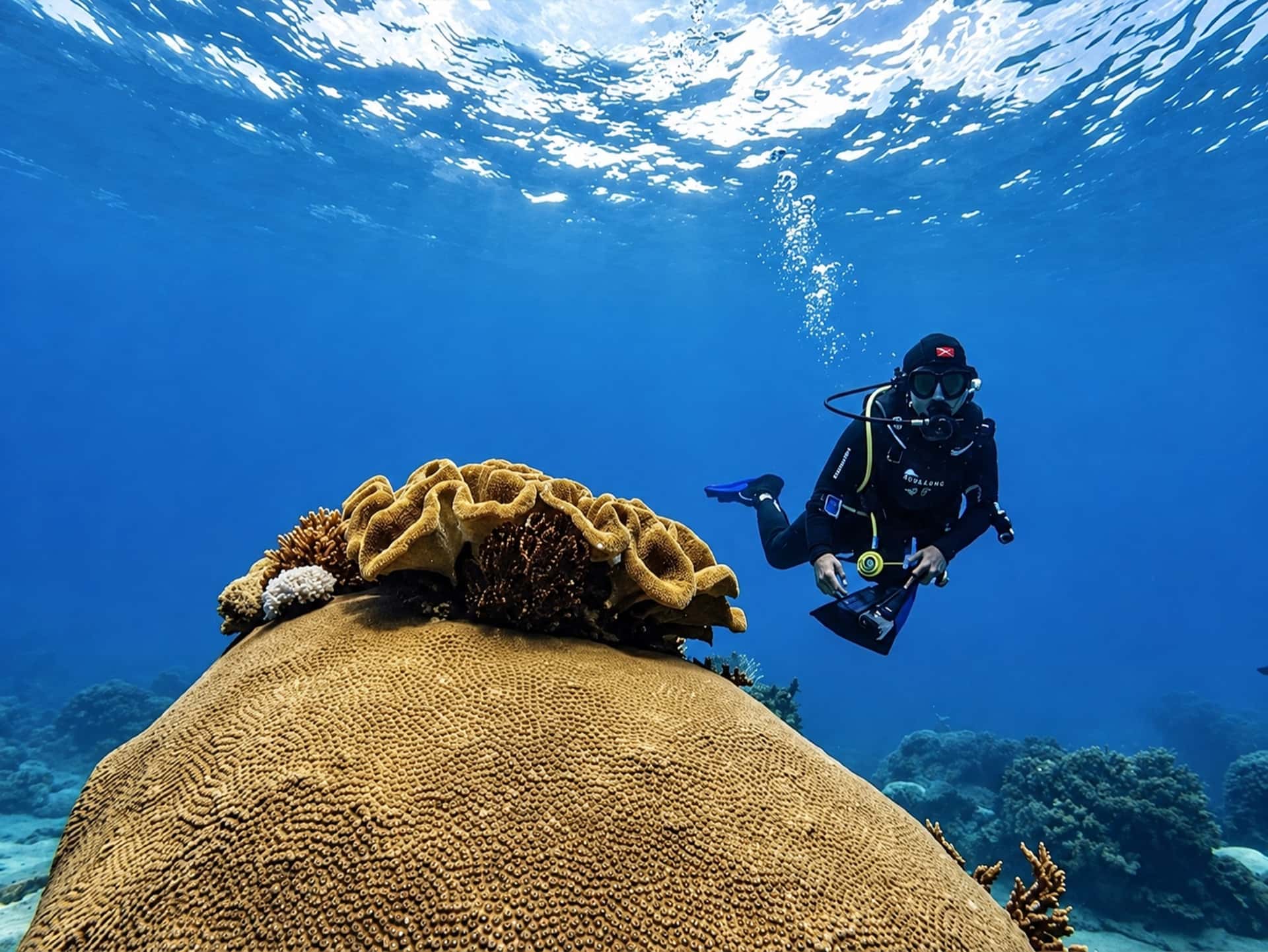
No experience needed
Dili · Atauro Island
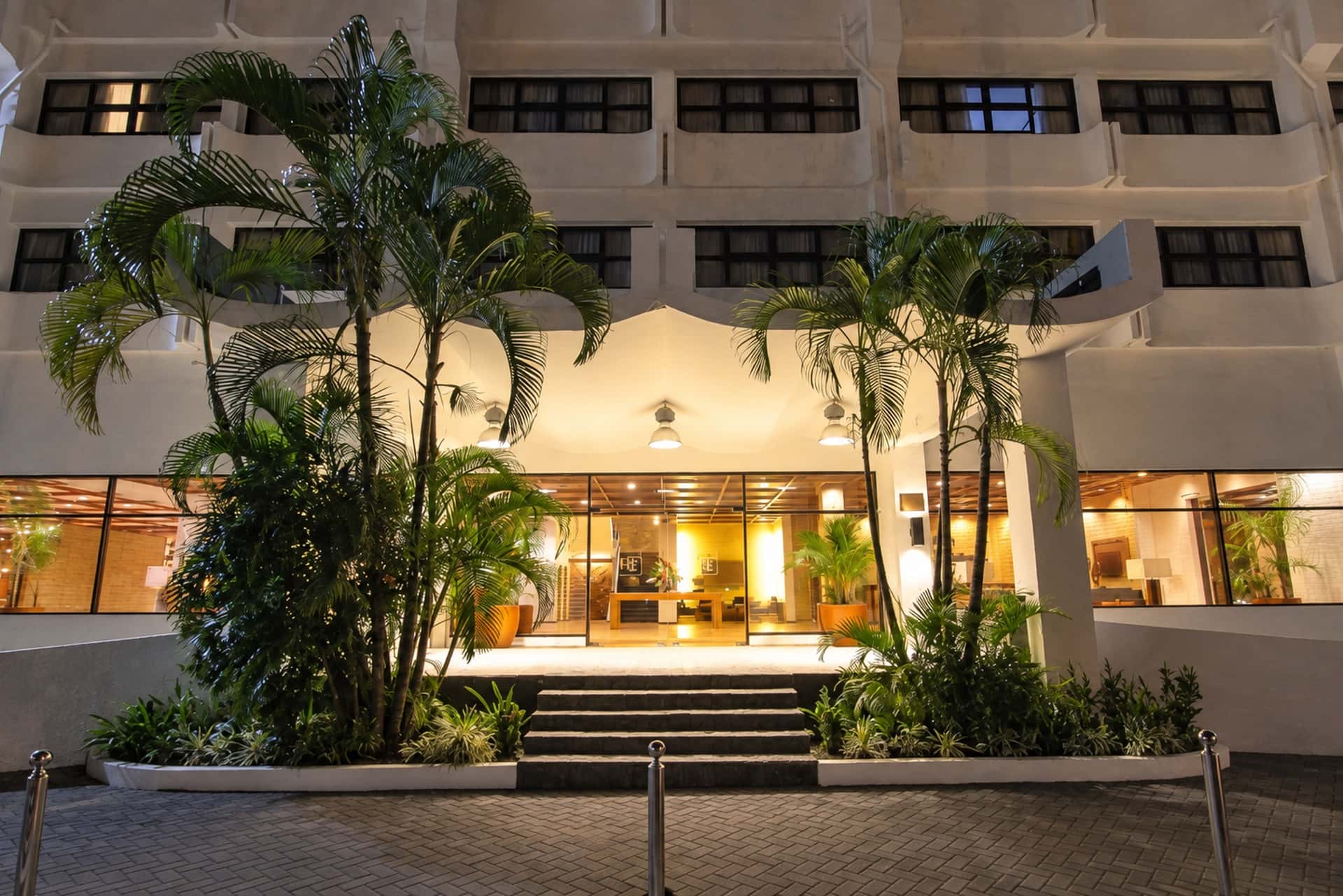

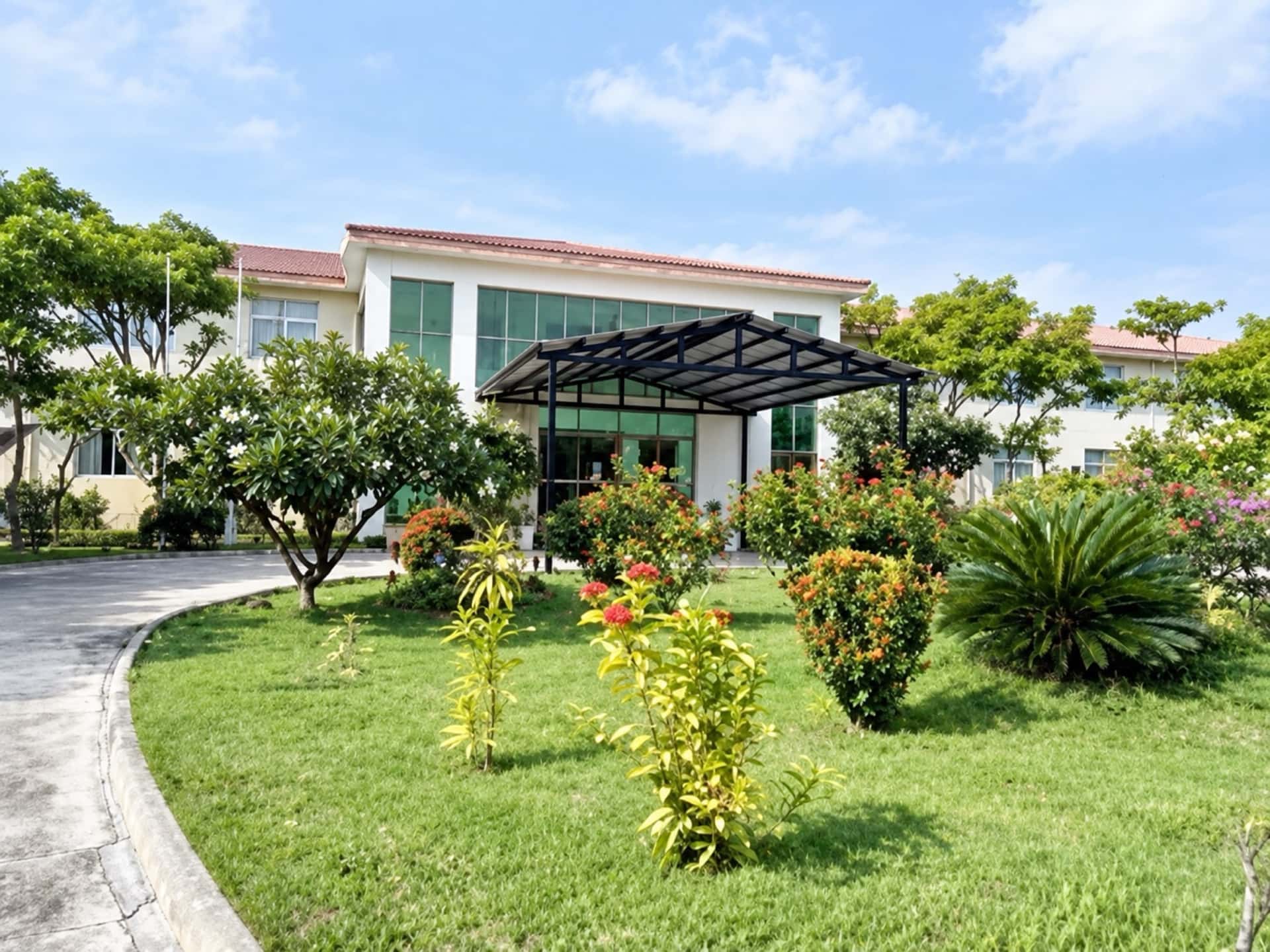
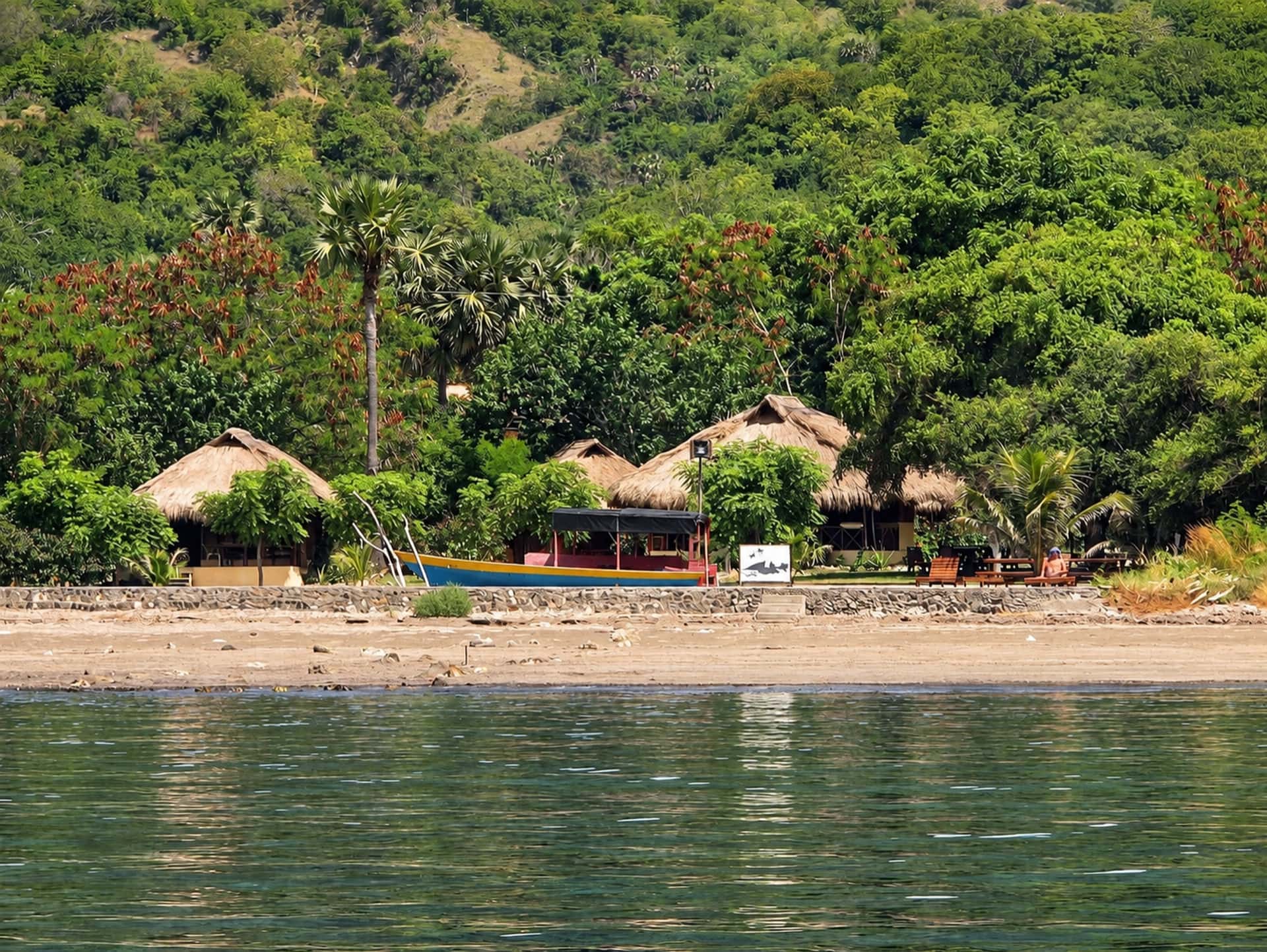
DIL: Presidente Nicolau Lobato International Airport, 6km west of central Dili.
Budget: $10-30 (hostels). Mid-range: $50-100. Upscale: $100-200. Book ahead.
Year-round: Dili is accessible in every season. But if you're connecting to Atauro or the highlands, May-November (dry season) gives the smoothest onward travel.
New experiences, insider tips, and seasonal highlights. No spam, just useful stuff for planning your trip.
Unsubscribe anytime. We respect your inbox.
Continue planning your trip to Timor‑Leste
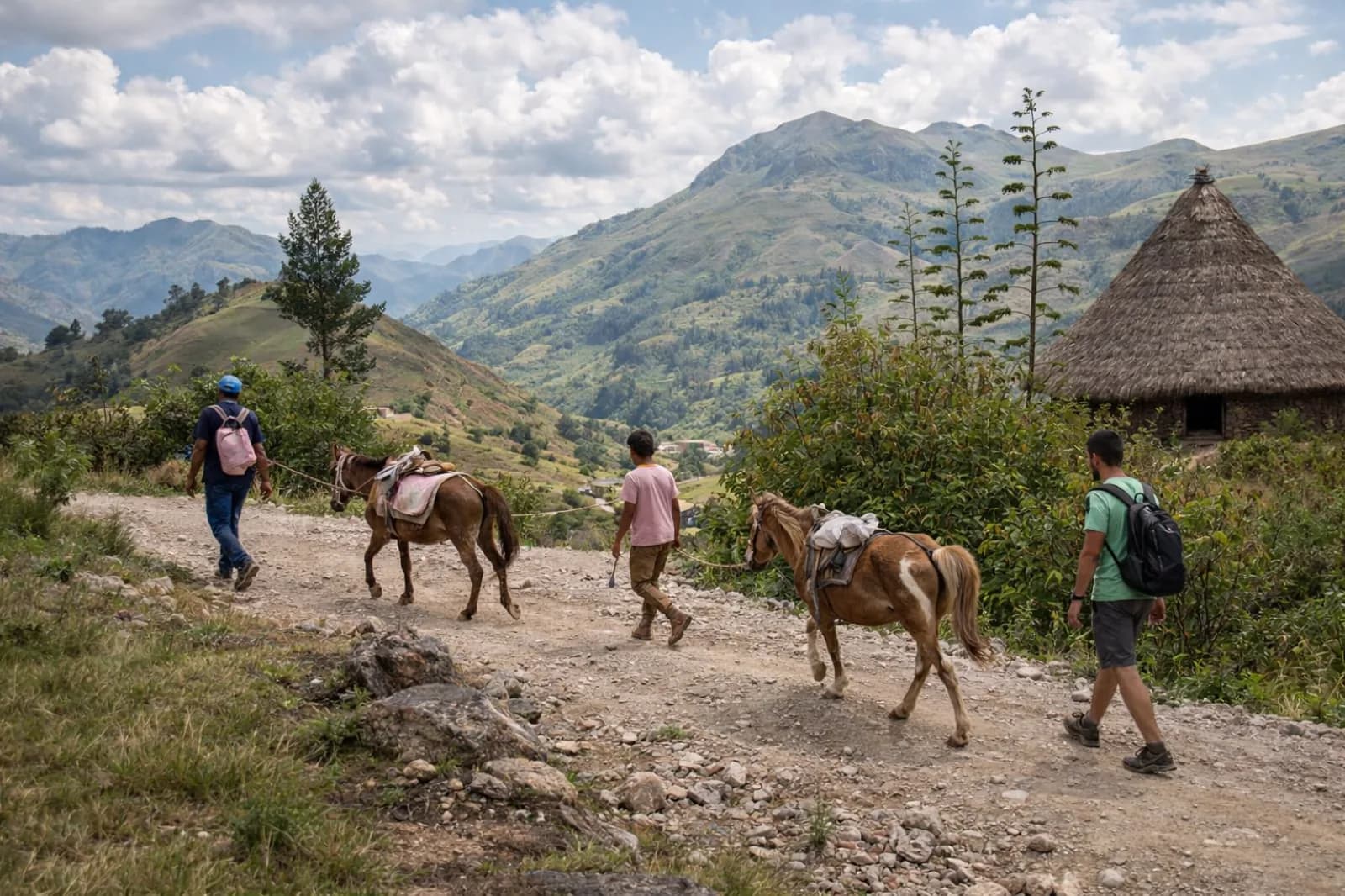
Transport guide: from Dili to the far east and everywhere between
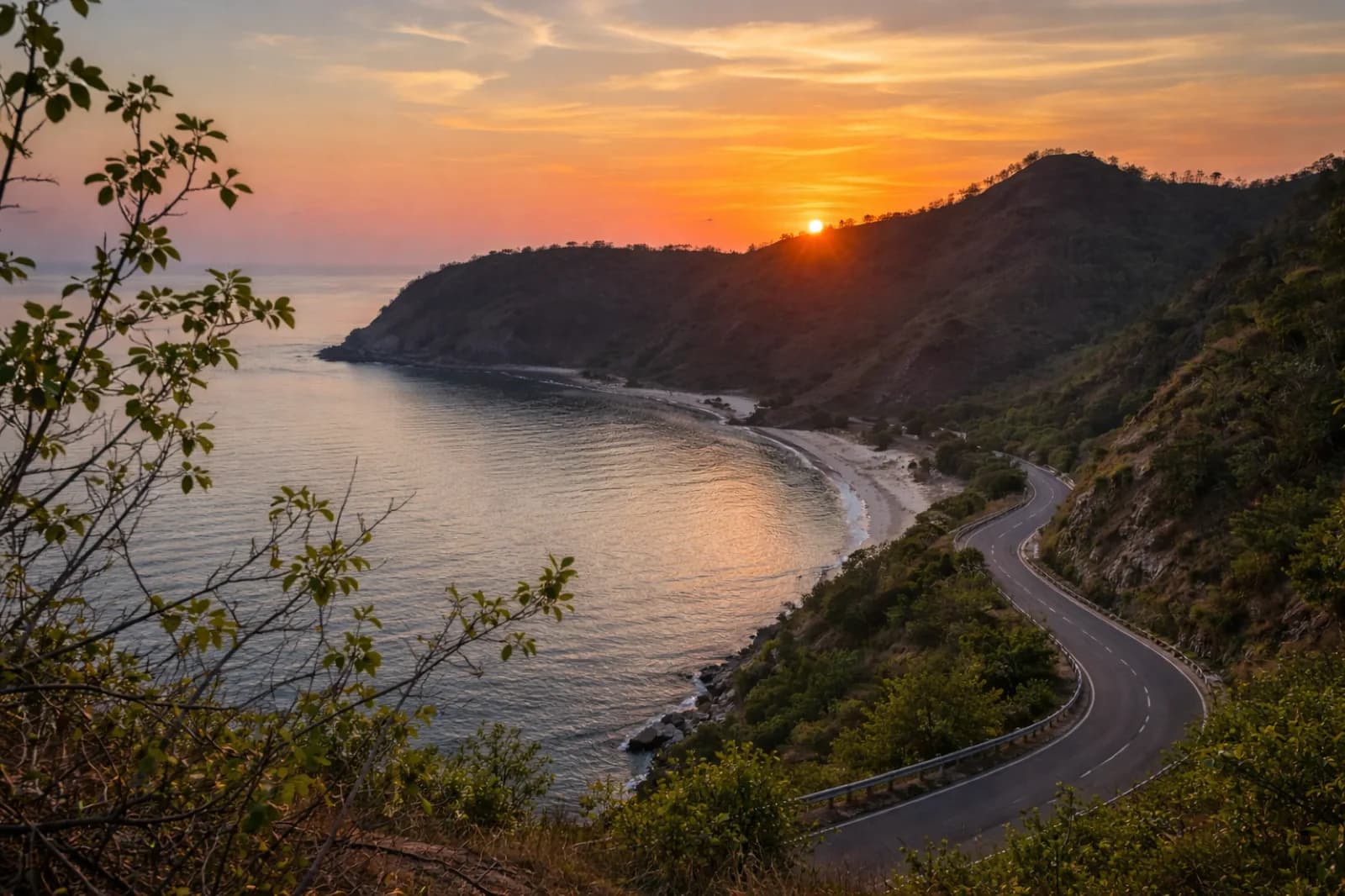
Your complete guide to Timor-Leste's coastal capital
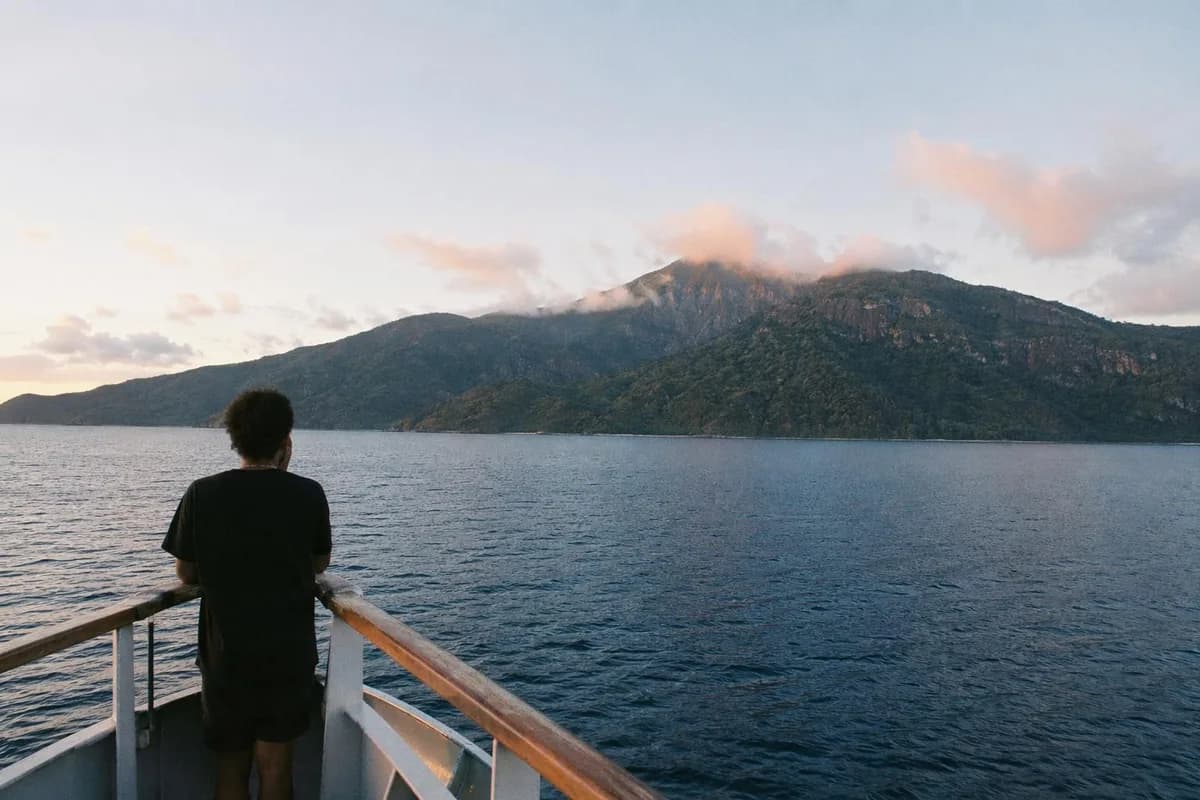
Flights, visa rules, and a step-by-step arrival guide
Daily costs, cheap eats, and where to save, and where not to
US dollars, why cards barely work, and how to actually pay and book
One of the world's least-visited countries, and one of the friendliest
World-record reefs, zero crowds, and the kind of travel that barely exists anymore
Places mentioned in this guide