Instant · pay on the day
Dili Night Dive
DiliUp to 1 dayDreamers Dive Academy Timor
DivingModerateMax 4Pickup
Torch included
5.0(30 · Google)
$60per personMinimum 2 guests, from $120
Check dates & availability
One of the world's least-visited countries, and one of the friendliest
Solo travel in Timor-Leste is not like solo travel in Thailand or Bali. There's no backpacker trail. No banana pancake circuit. No party hostels or group pub crawls. What there is: a small, tight community of adventurous travelers, genuinely warm locals, and the kind of experiences that only happen when you're somewhere the rest of the world hasn't discovered yet.
Timor-Leste is safe by the standards of Southeast Asia. Violent crime against tourists is extremely rare. The people are overwhelmingly friendly and curious about visitors: you'll be invited into conversations, offered coffee, and asked where you're from more times than you can count. The Tetun word "malae" (foreigner) is spoken with curiosity, not hostility.
The challenges are practical, not social. Limited public transport. Few ATMs outside Dili. Slow internet. Roads that test your patience. But these are the same challenges that keep the masses away, and that's precisely the point.
Dili is safe to walk around during the day. The waterfront, Tais Market, Cristo Rei, the restaurant strip near the Palácio do Governo: all fine on foot. At night, stick to well-lit areas and avoid isolated spots, particularly around the beaches and Caicoli area. Standard urban awareness, not heightened anxiety.
For solo women: daytime travel in Dili is perfectly safe. Timor-Leste is a conservative Catholic country, so modest dress helps outside tourist areas (shoulders and knees covered in rural areas and churches). Unwanted attention is possible but not aggressive. Cristo Rei is better visited at sunrise than sunset if you're solo.
Outside Dili, the risk isn't crime: it's logistics. Remote areas have no phone signal, no medical facilities, and roads that can strand you. For destinations beyond Dili, Atauro, and the north coast highway, consider joining a tour or hiring a local guide. It's not about safety: it's about having someone who knows the road conditions and can communicate in Tetun.
One genuine risk everywhere: saltwater crocodiles. Don't swim in rivers, estuaries, or murky coastal waters. This applies to everyone, not just solo travelers. The south coast is higher risk. Always ask locals before entering any body of water.
Timor-Leste uses US Dollars. Small change comes in centavo coins, and $1 notes are rarely used. This is a cash economy. ATMs exist in Dili and Baucau (BNU, BNCTL) but are unreliable and sometimes empty. Beyond those two cities, there are no ATMs at all.
Withdraw all the cash you'll need in Dili before heading anywhere else. Bring small bills: $5, $10, $20 are most useful. Many places can't break a $50 or $100. Credit cards are accepted at a handful of Dili hotels and restaurants, but don't count on it.
Daily budget: $30-50 for a backpacker (dorm $10, local meals $1-4, transport $1-5). Solo travelers spend slightly more than couples since you can't split rooms and transport. Budget guesthouse private rooms run $15-30 in Dili, $25-40 outside. A mid-range Dili hotel is around $100.
Timor-Leste is more expensive than Indonesia or Cambodia. The USD currency, small economy, and legacy of UN/NGO worker pricing mean that $30/day is closer to the floor than the average. Budget $40-50/day for comfortable solo travel with occasional activities.
Dili's mikrolets (minibuses) cost $0.25 per trip. They run 13 color-coded routes from roughly 6am to 6pm. Flag one down anywhere on its route, pay when you get off. They're social: passengers chat, sometimes sing. It's public transport as cultural immersion.
Between cities, buses depart from three Dili stations: Becora (east destinations), Taibessi (central/south), and Tasi Tolu (west). They leave when full, starting from around 3am. Fares are $5-12 to main towns. Journeys are slow: Dili to Baucau (122km) takes 3+ hours on a good day.
Taxis in Dili: yellow cabs for $3-6 (negotiate before getting in). Blue metered taxis at night cost roughly double and require a phone call. There's no ride-hailing app.
For solo travelers wanting flexibility: car hire with driver (about $175-195 a day for a 4WD) is worth the splurge for multi-day trips. You get a vehicle, a driver who knows the roads, and a de facto guide. Splitting with another traveler from your hostel halves the cost.
The Atauro ferry ($4-5, every day except Monday) and MAF flights to remote areas (~$80/ticket to Baucau, Lospalos, Suai) are other options. Motorbike rental is available but demands real skill: steep terrain, unpredictable surfaces, livestock on the road.
Dili's backpacker hostels are the social hubs. East Timor Backpackers is the original: it attracts "a more intrepid type of traveller; people who have been everywhere but weren't bragging about it." It has a bar and the kind of atmosphere where strangers become travel partners over a Bintang.
Dili Central Backpackers offers dorms and privates with AC, lockers, WiFi, and a tour desk that can arrange everything from car hire to dive trips. Timor Backpackers has the only budget pool in town. Casa Minha gets praise for exceptional value and staff who go the extra mile.
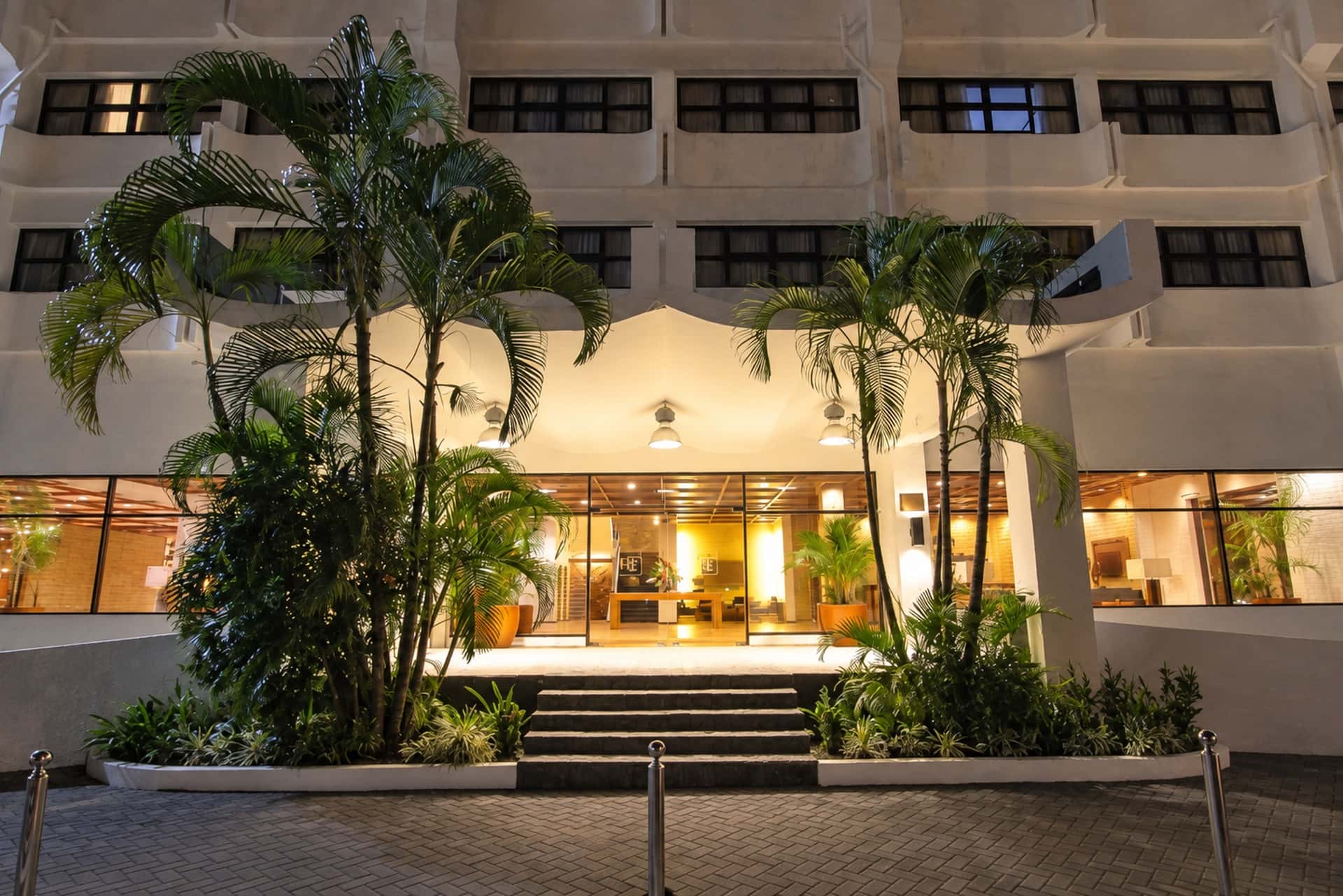
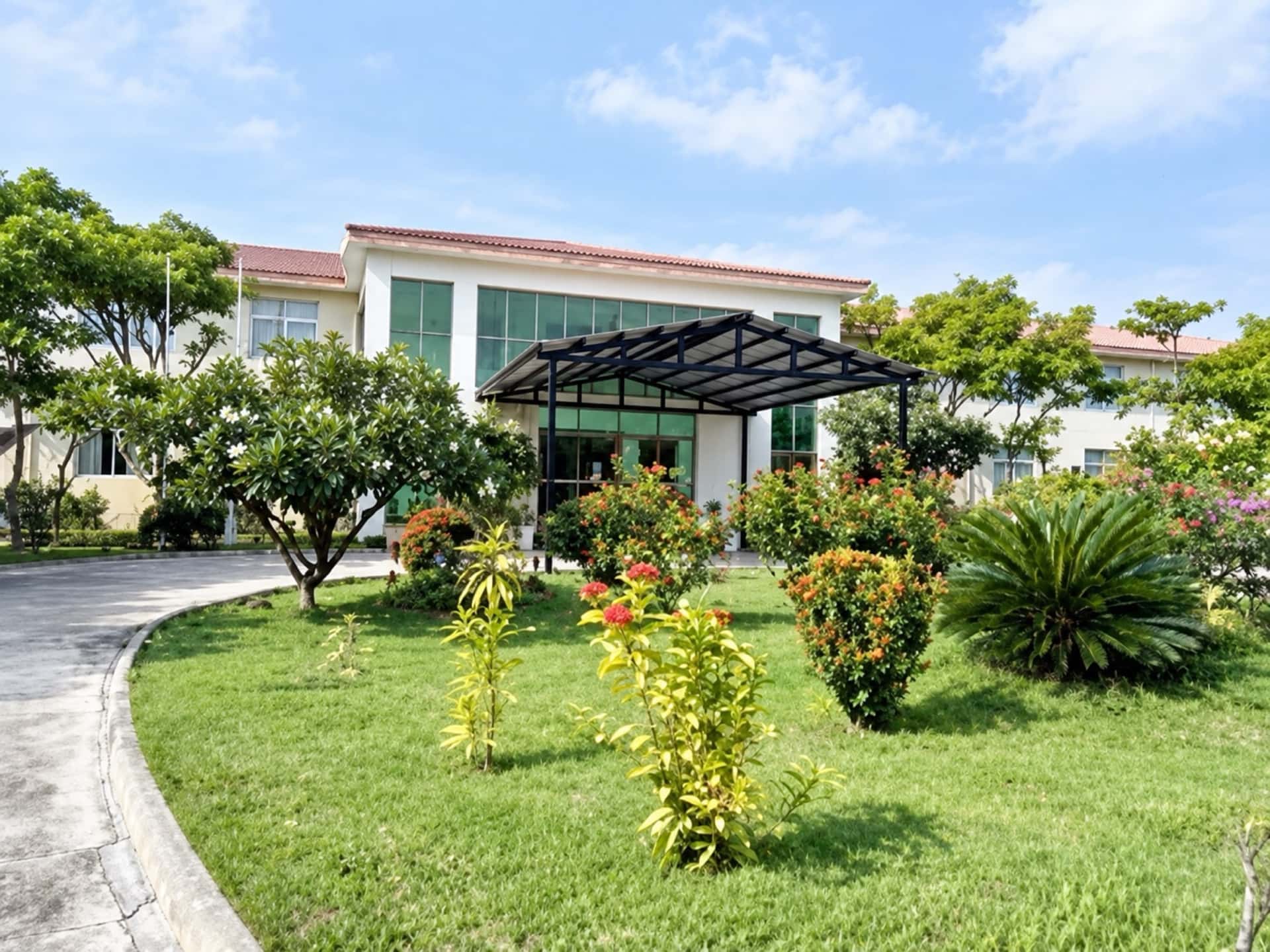
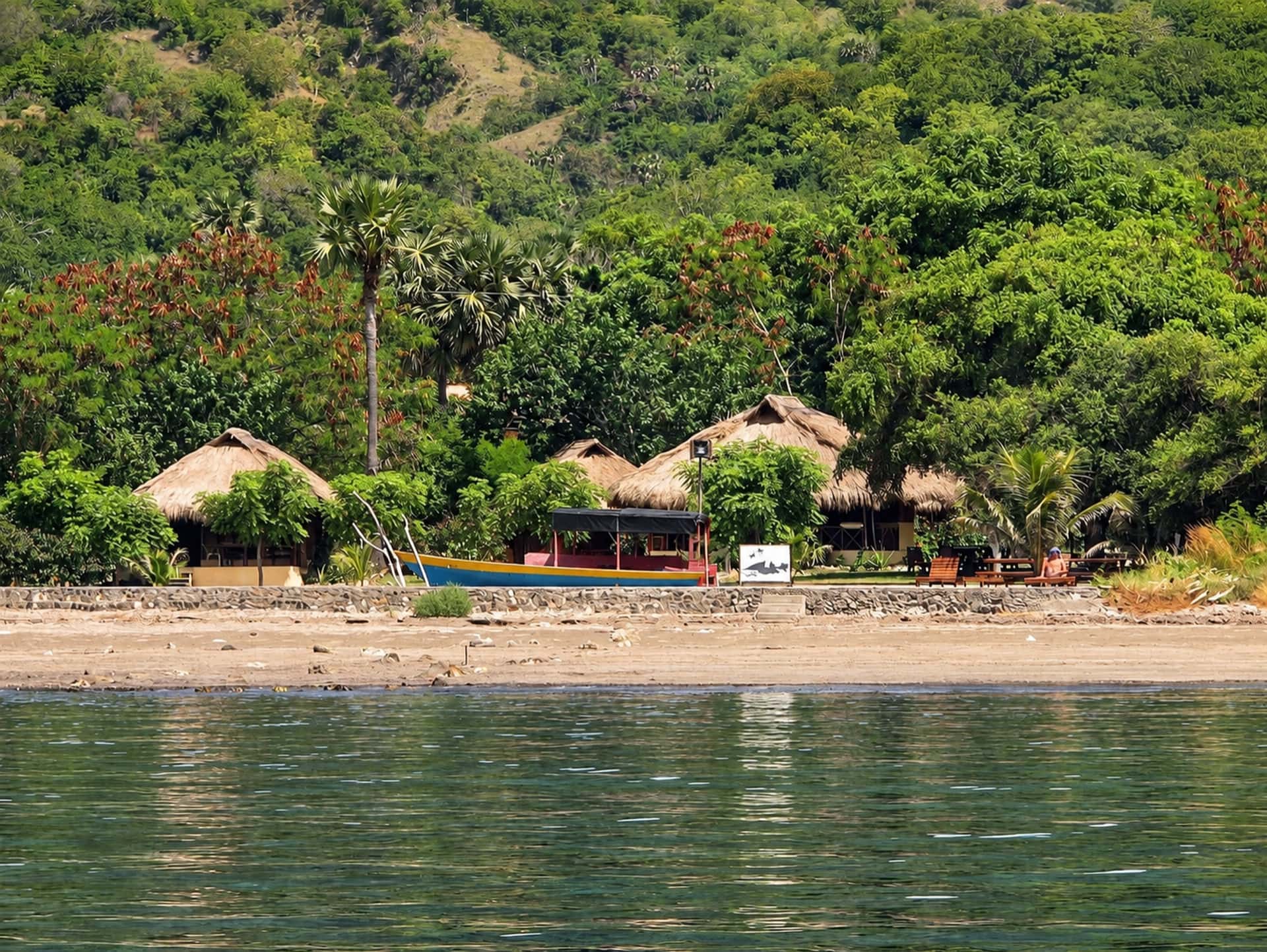
Outside Dili, accommodation is guesthouses and pousadas (Portuguese-style inns). Rooms are basic but clean. Expect $25-40 including breakfast. The historic Pousada de Baucau has colonial charm (from $75 a night); the old Pousada de Maubisse is closed.
Meeting other travelers is easy because there are so few. The hostel bar, a shared dive boat, the Atauro ferry: these small moments of connection feel different here. The people who make it to Timor-Leste tend to be interesting. The running community around Cristo Rei (sunrise runs) is popular with locals and expats alike.
Learn basic Tetun. "Bondia" (good morning), "obrigadu/obrigada" (thank you), and "diak ka?" (how are you?) change every interaction. See our Tetun Phrasebook guide.
Internet is slow: among the slowest in the world. Don't rely on Google Maps working in real time outside Dili. Download offline maps. Tell someone your plans when heading to remote areas.
Visa on arrival costs $30, in US dollar cash. Your passport needs 6+ months validity. Most nationalities can get the visa at Dili airport or seaport, and some are visa-free (see the visa guide). If you are crossing by land from Indonesia, confirm the current rules before you set out, because official sources disagree.
Water is not safe to drink from the tap. Buy bottled water. Medical facilities are basic. Carry a first aid kit and comprehensive travel insurance with medical evacuation coverage. The nearest serious hospital is in Darwin, Australia.
Dengue is endemic, especially in wet season (December to April). Use repellent, sleep under nets or in screened rooms. There's no vaccine commonly available.
Duty-free allowances: $300 USD in goods, 200 cigarettes or 30g tobacco, 1.5L spirits, 5L wine. Medicines for personal use are permitted.
Torch included
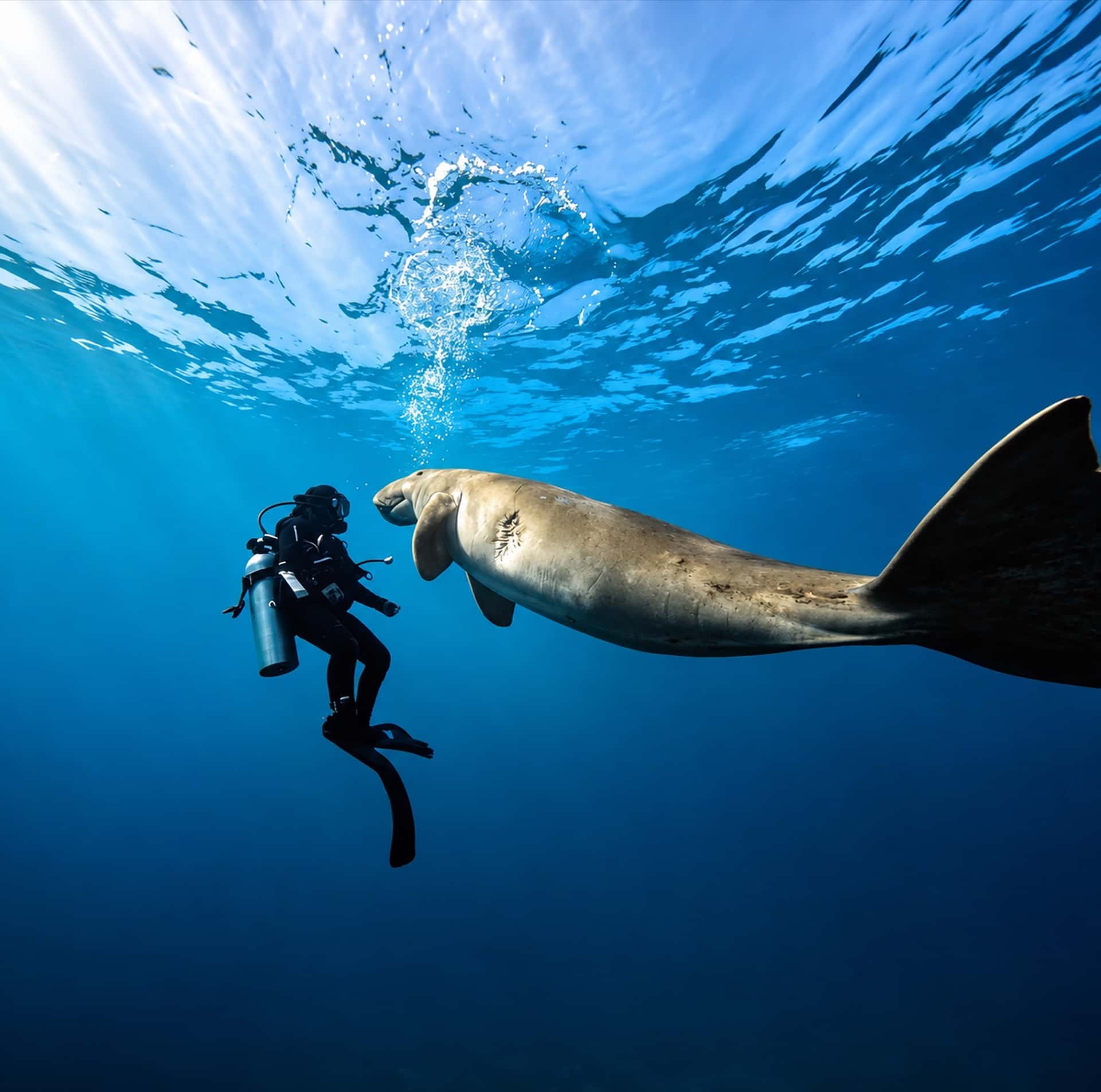
Iconic shore sites: Cristo Rei, Tasi Tolu & Dili Rock
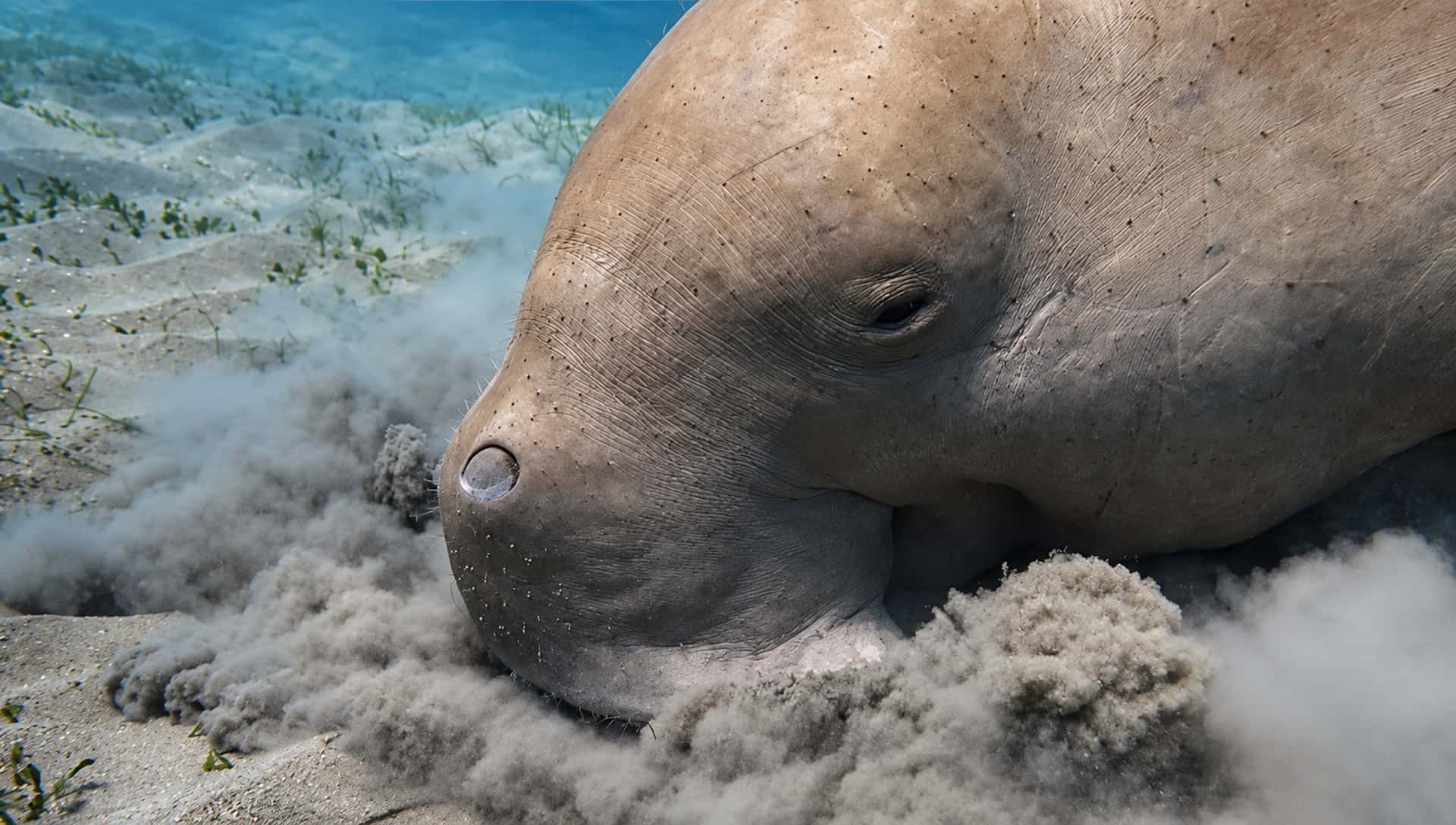
All-inclusive: gear, guide, transport & snacks
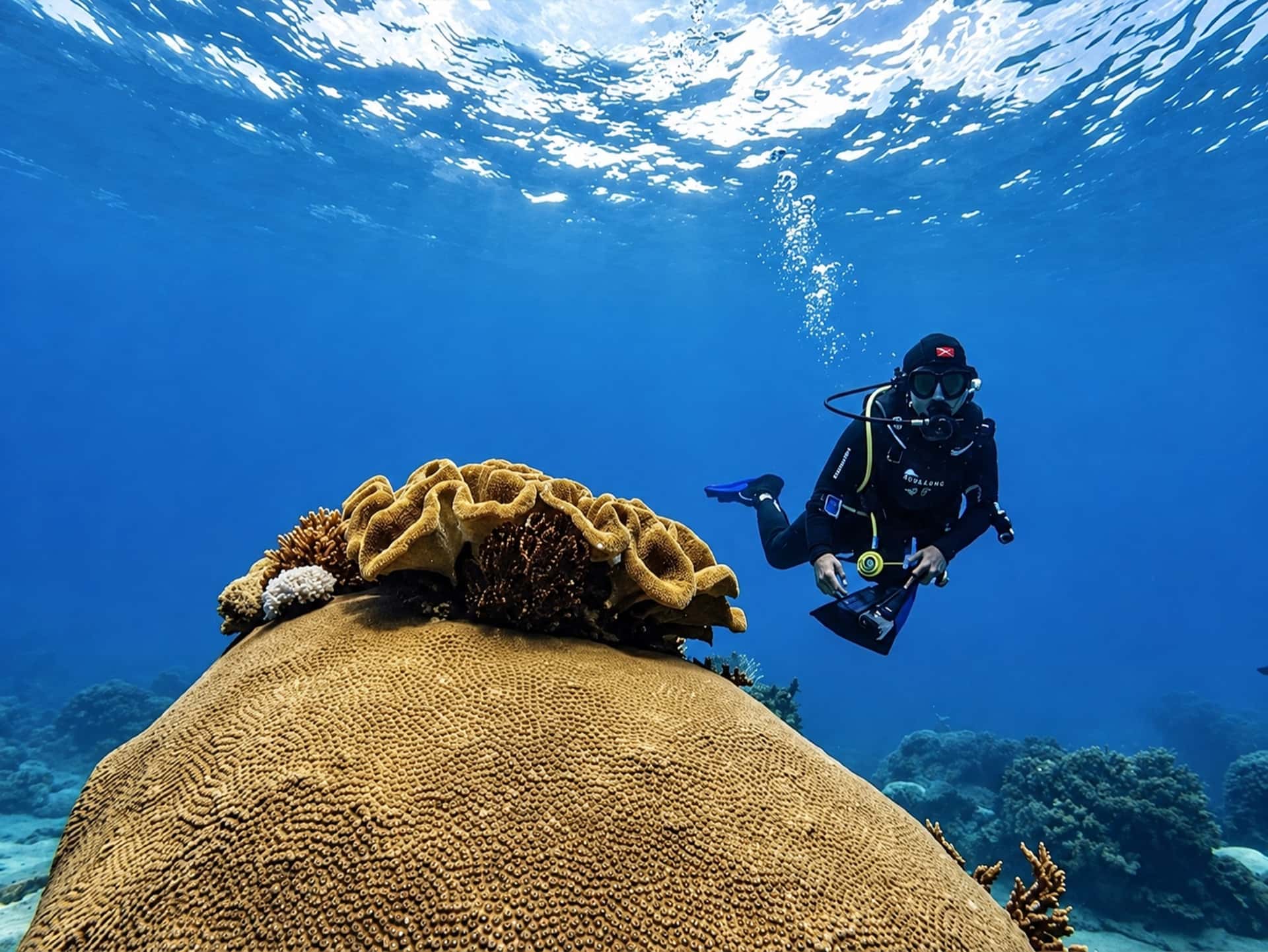
No experience needed
Dili · Atauro Island
Mikrolets $0.25 (Dili). Buses $5-12 (regional). Taxis $3-6. Car+driver about $175-195/day.
May to November (dry season) for the widest range of accessible destinations. April or early December for fewer travelers with manageable weather.
New experiences, insider tips, and seasonal highlights. No spam, just useful stuff for planning your trip.
Unsubscribe anytime. We respect your inbox.
Continue planning your trip to Timor‑Leste
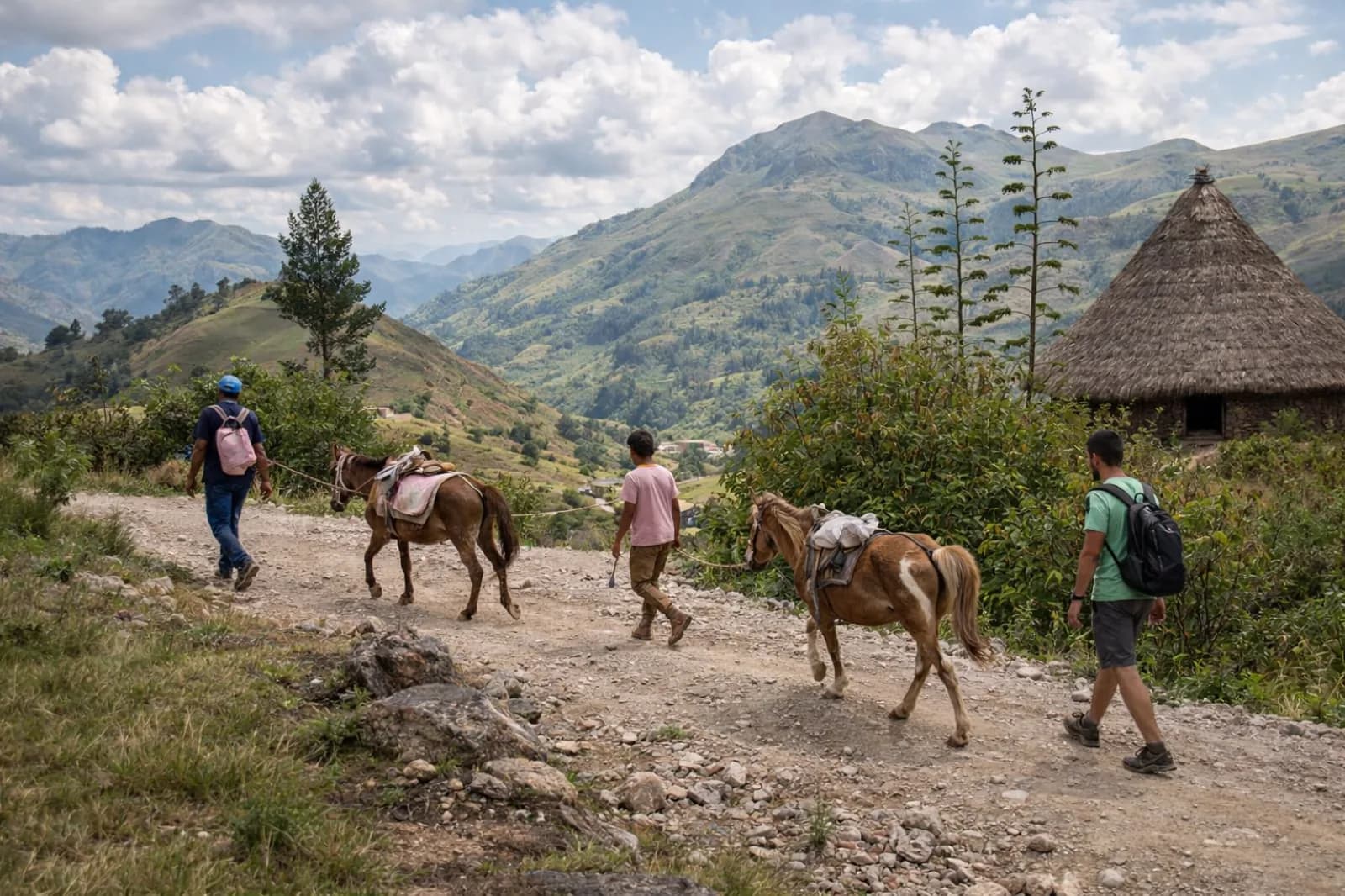
Transport guide: from Dili to the far east and everywhere between
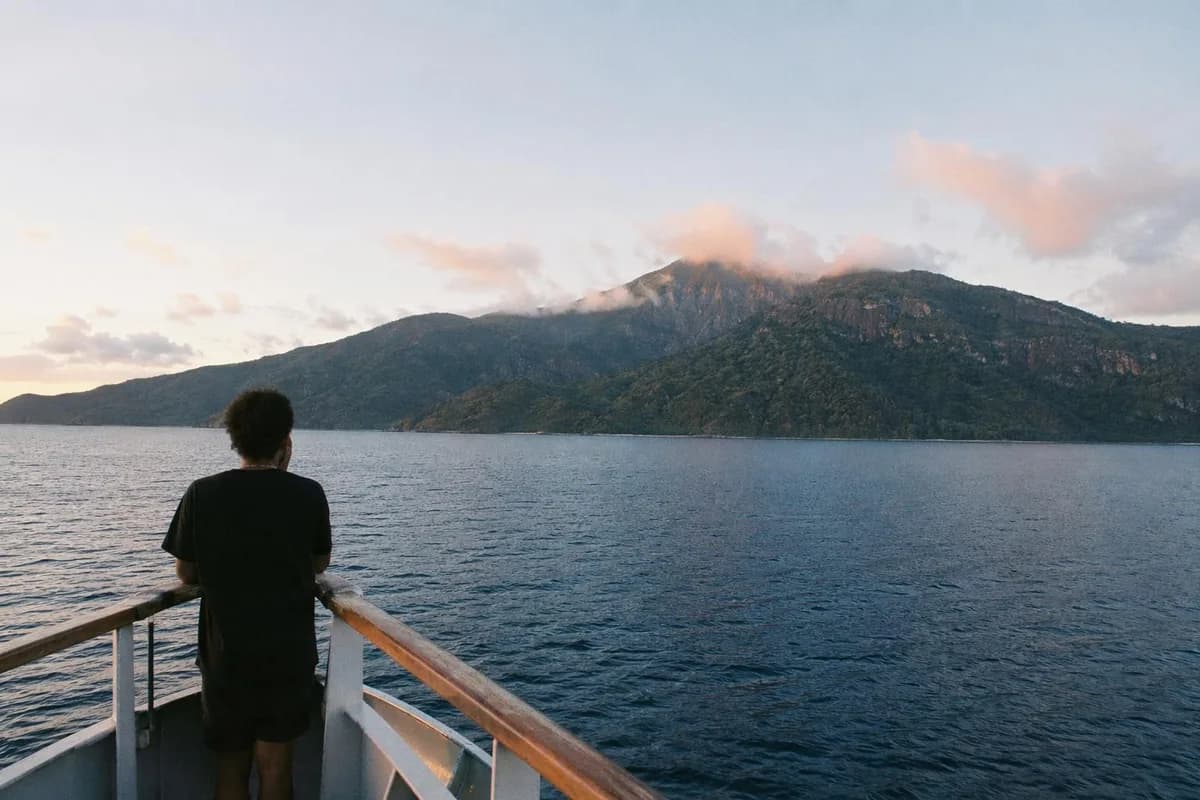
Flights, visa rules, and a step-by-step arrival guide
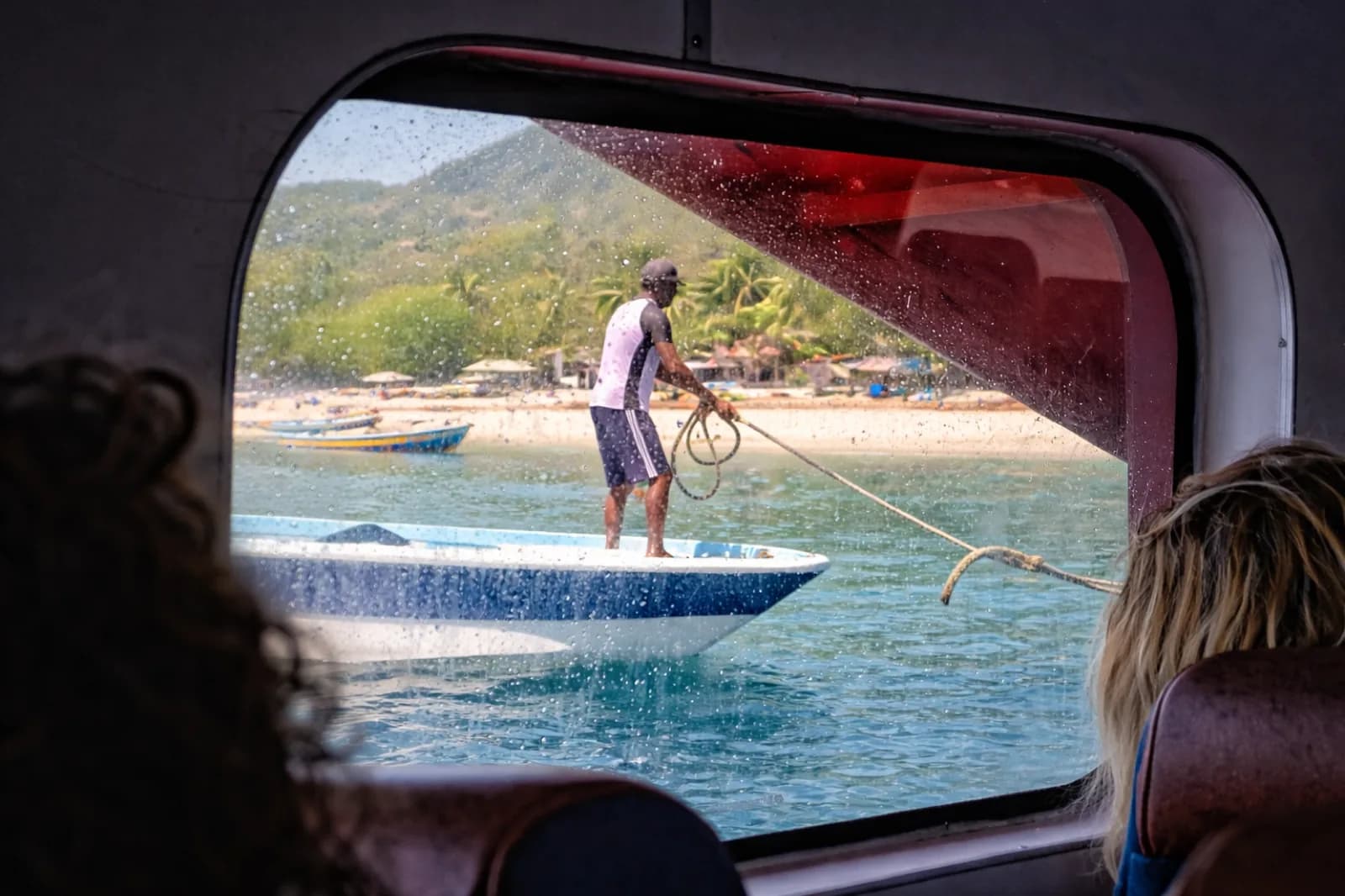
Daily costs, cheap eats, and where to save, and where not to
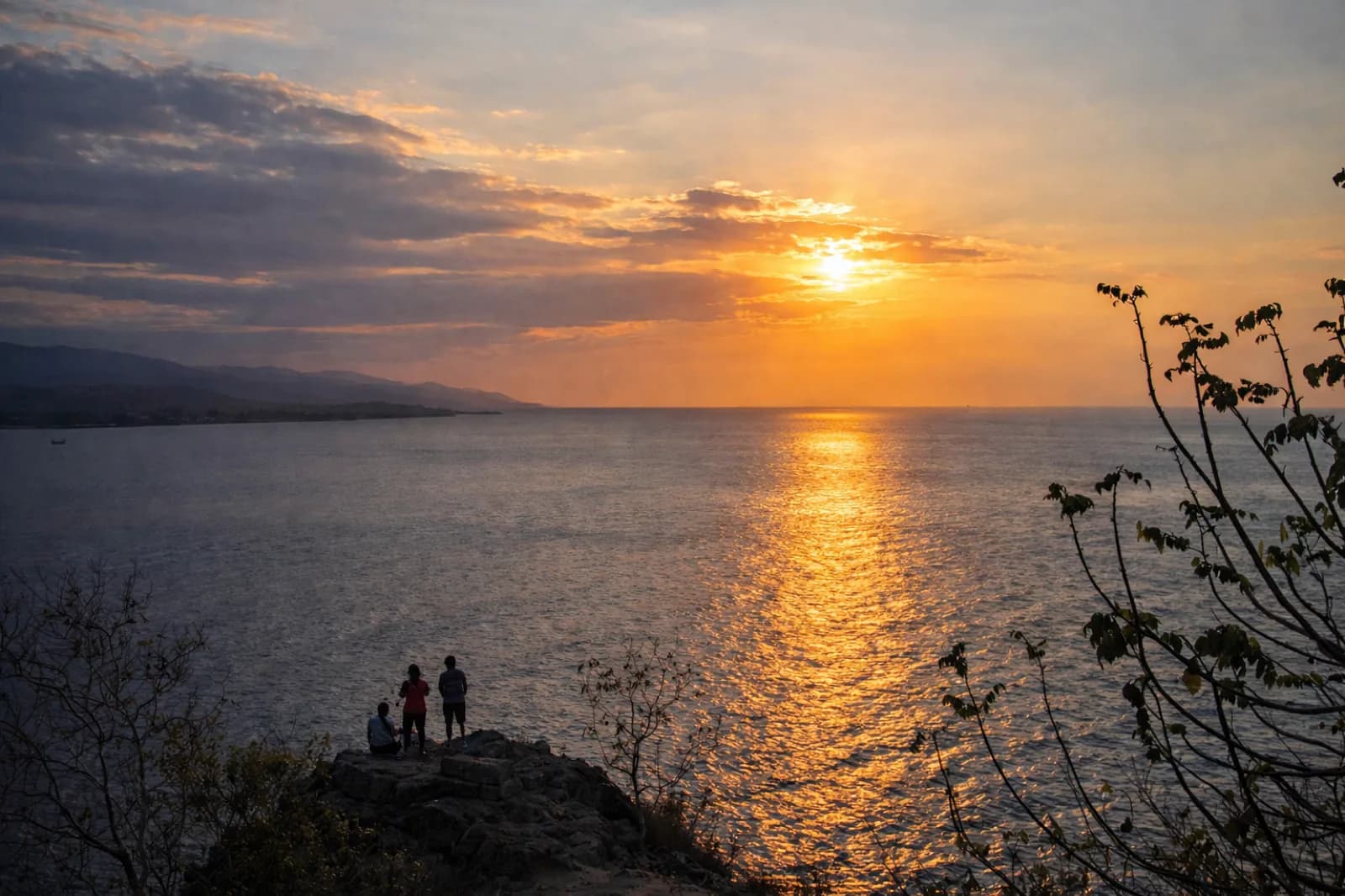
What to know before you go: from crocodiles to pharmacies
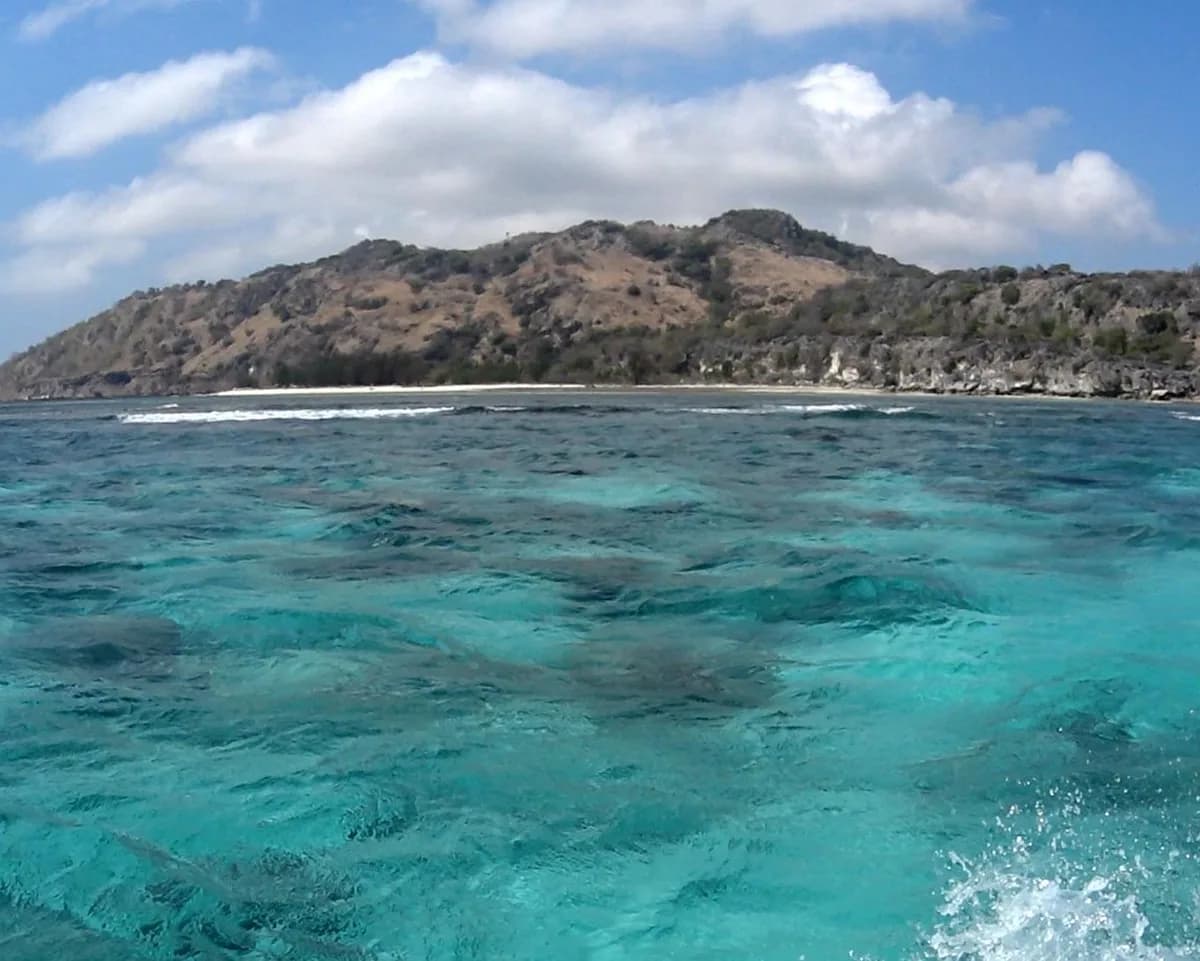
How safe it is, what to expect, and practical tips for women travelling alone
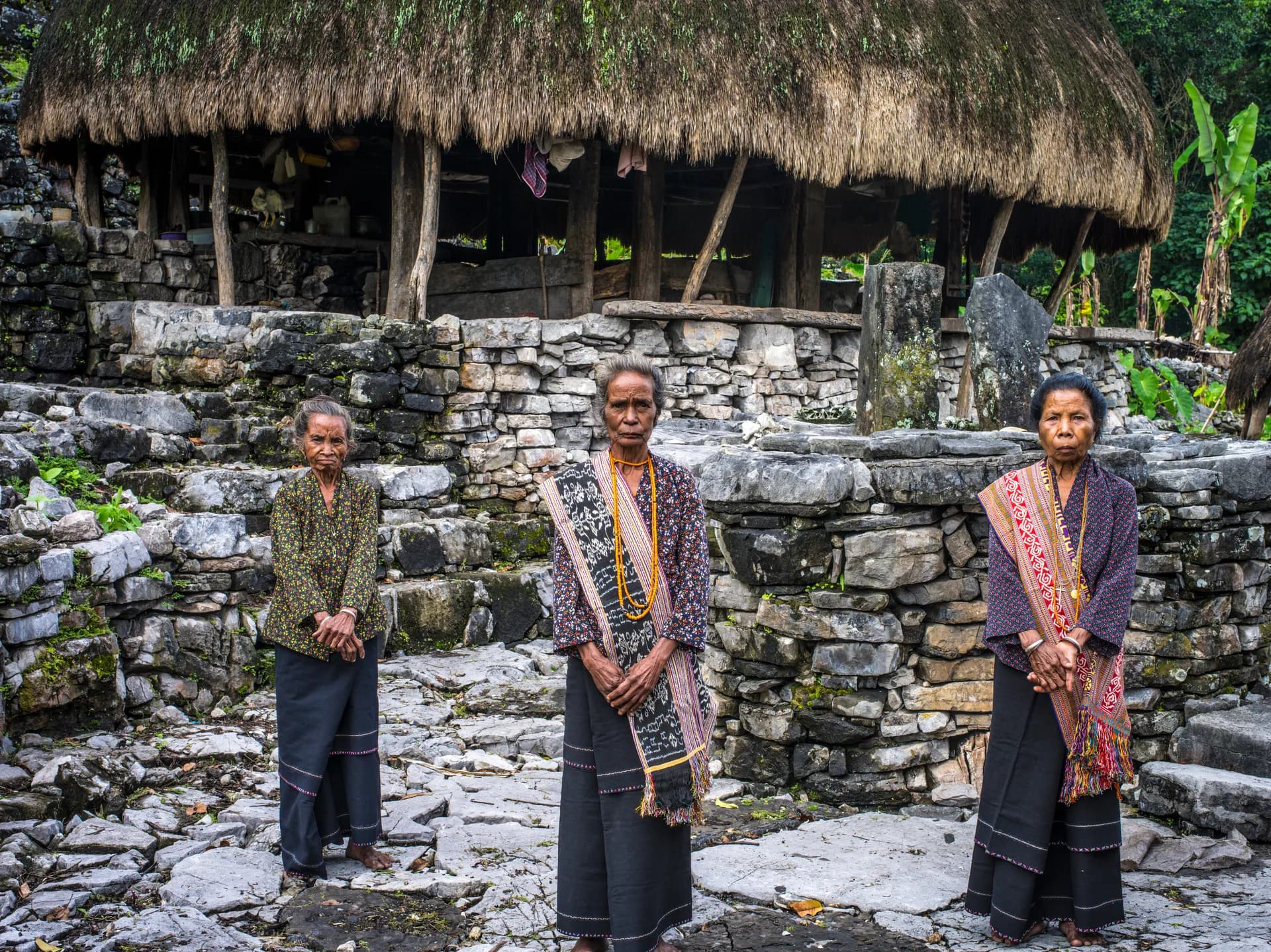
Essential phrases, pronunciation, and the words that open doors
Places mentioned in this guide