Request · free to ask
Verified partner
Portuguese hillside town with a tropical pool, beaches at the bottom of the hill, and the gateway to the east
Baucau is Timor-Leste's second-largest town, 3 to 4 hours east of Dili along the coast road. It is markedly different from the capital: smaller, slower, and quietly beautiful. The Old Town tumbles down a steep hillside in tiers of Portuguese-era buildings, leafy streets, and tiled roofs, the temperatures sit a few degrees cooler than Dili, and the pace of life is the kind that rewards an unhurried day.
Most travellers pass through Baucau on the way to Jaco Island or the far east, but it is well worth at least one night in its own right. The crown jewel is the Pousada de Baucau: a Portuguese-era hotel built around a tiled swimming pool, the most distinctive accommodation in the country outside the capital. The Old Town's Mercado Municipal is a working market in a beautiful colonial-era building. And a short drive west, the Seven Caves at Venilale and the long white beach at Wataboo are among the prettiest stops on the coast.
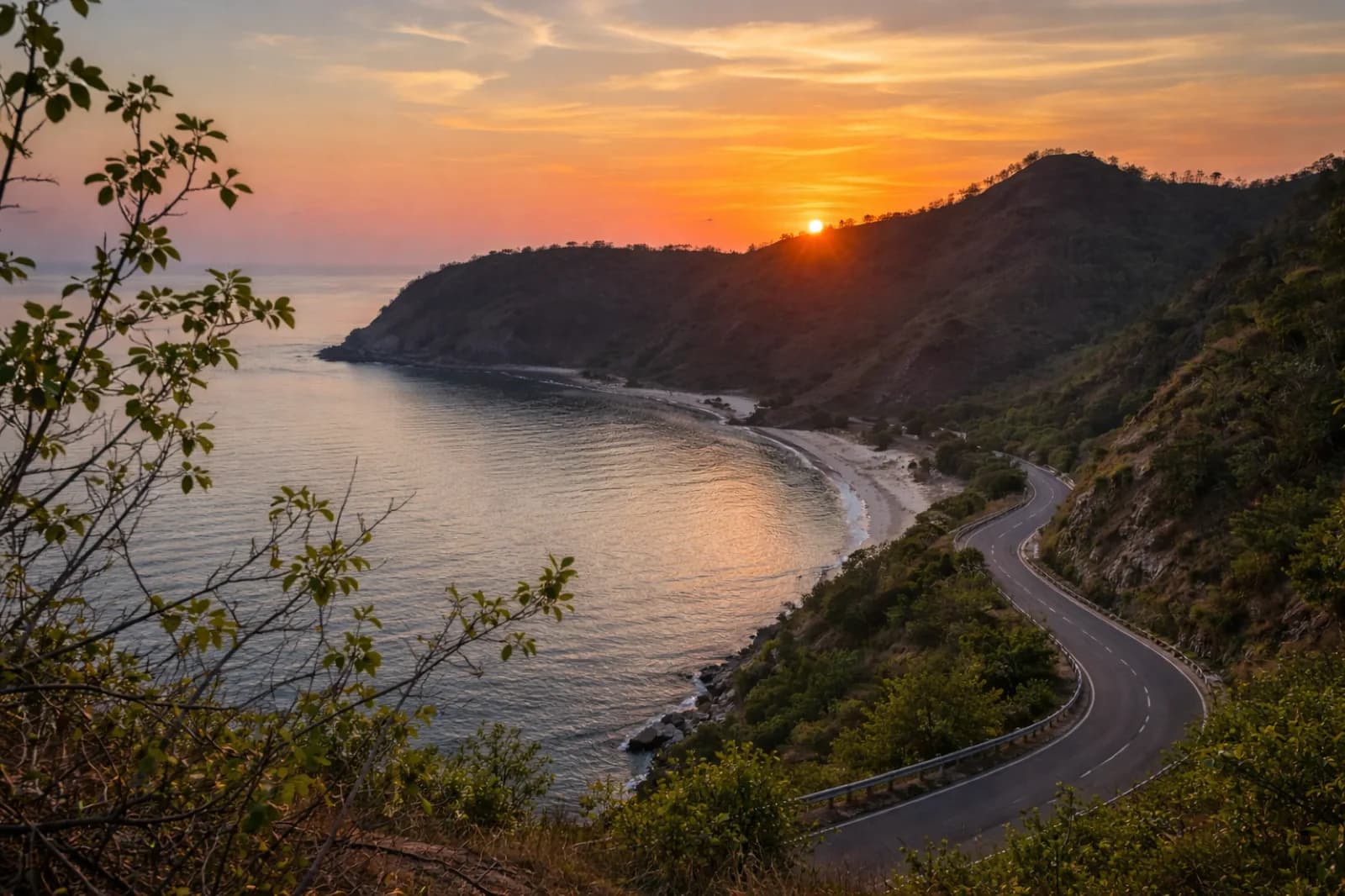
The journey to Baucau is itself part of the appeal: passing the Hera mangrove restoration project, the artisans' co-operative at Manatuto, the small St Anthony's shrine on a hilltop, and the colonial coffee stop at Bouali. Few sections of road in the country pack as much into a few hours.
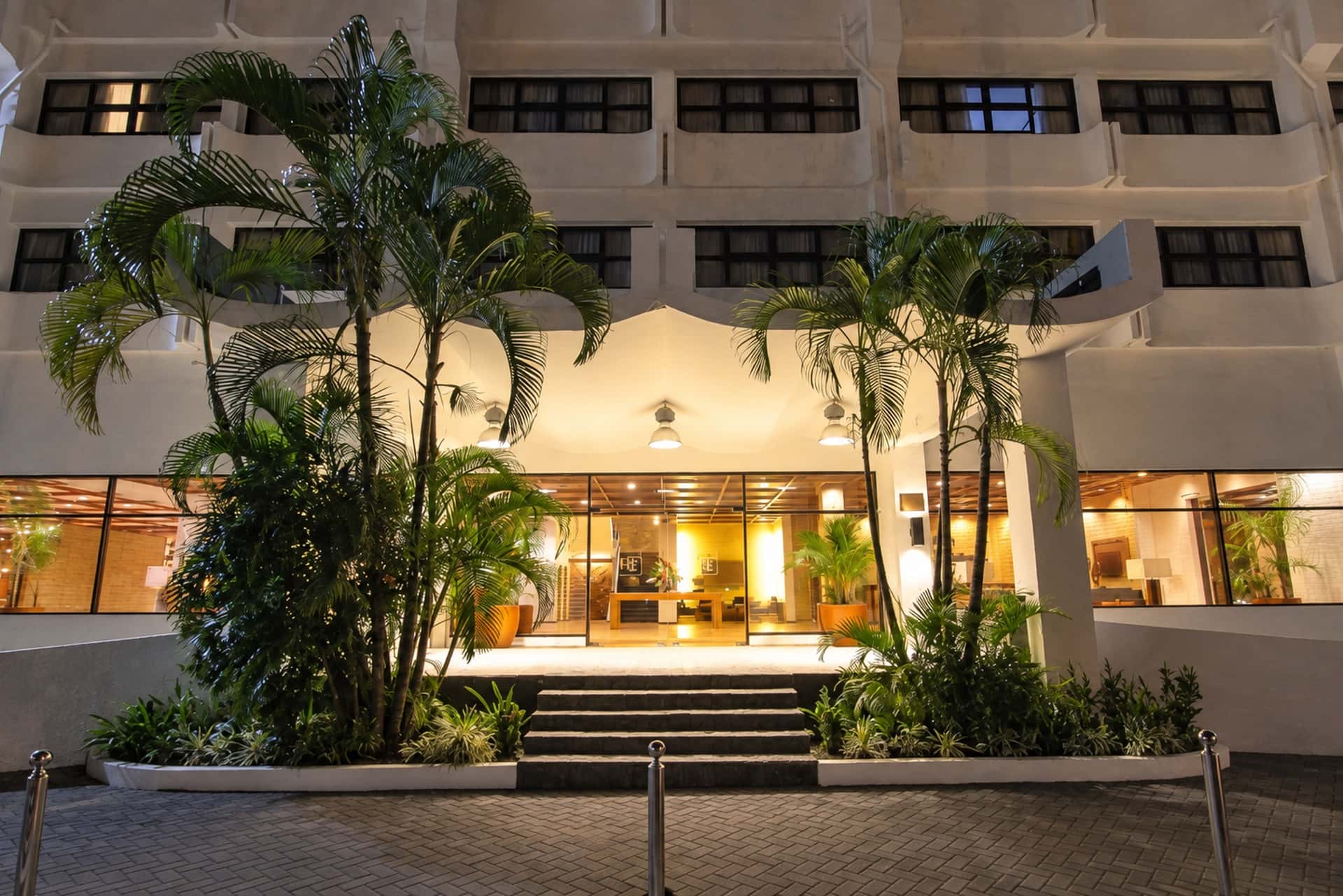
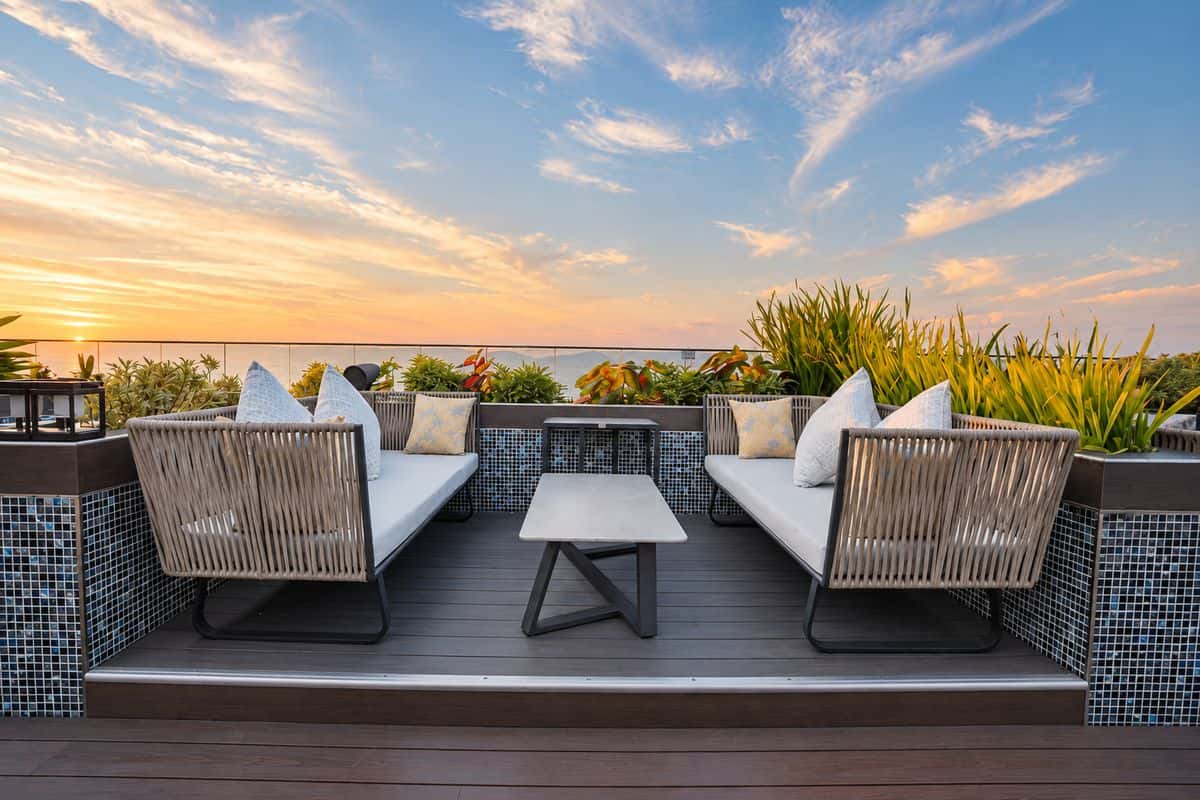
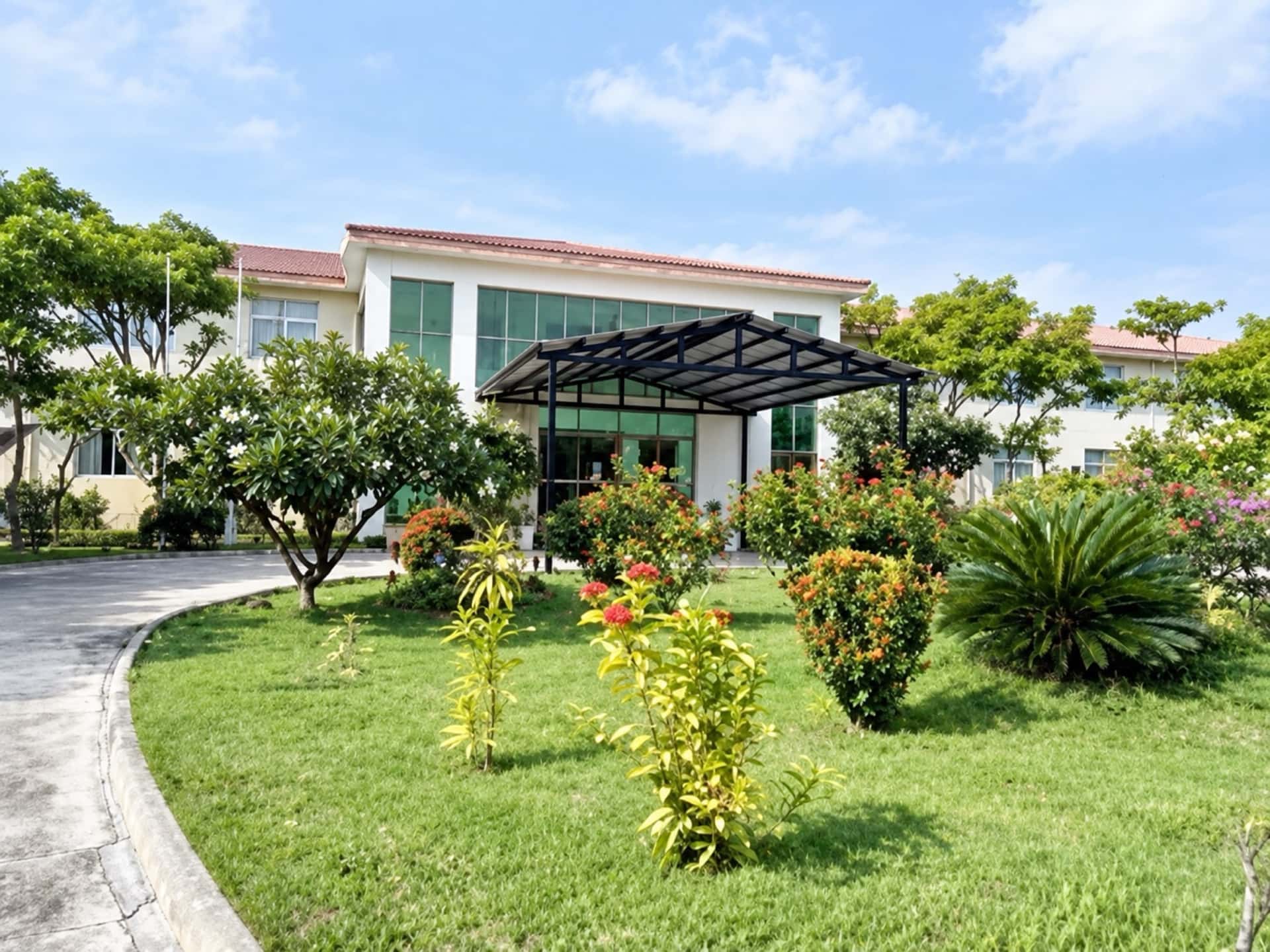
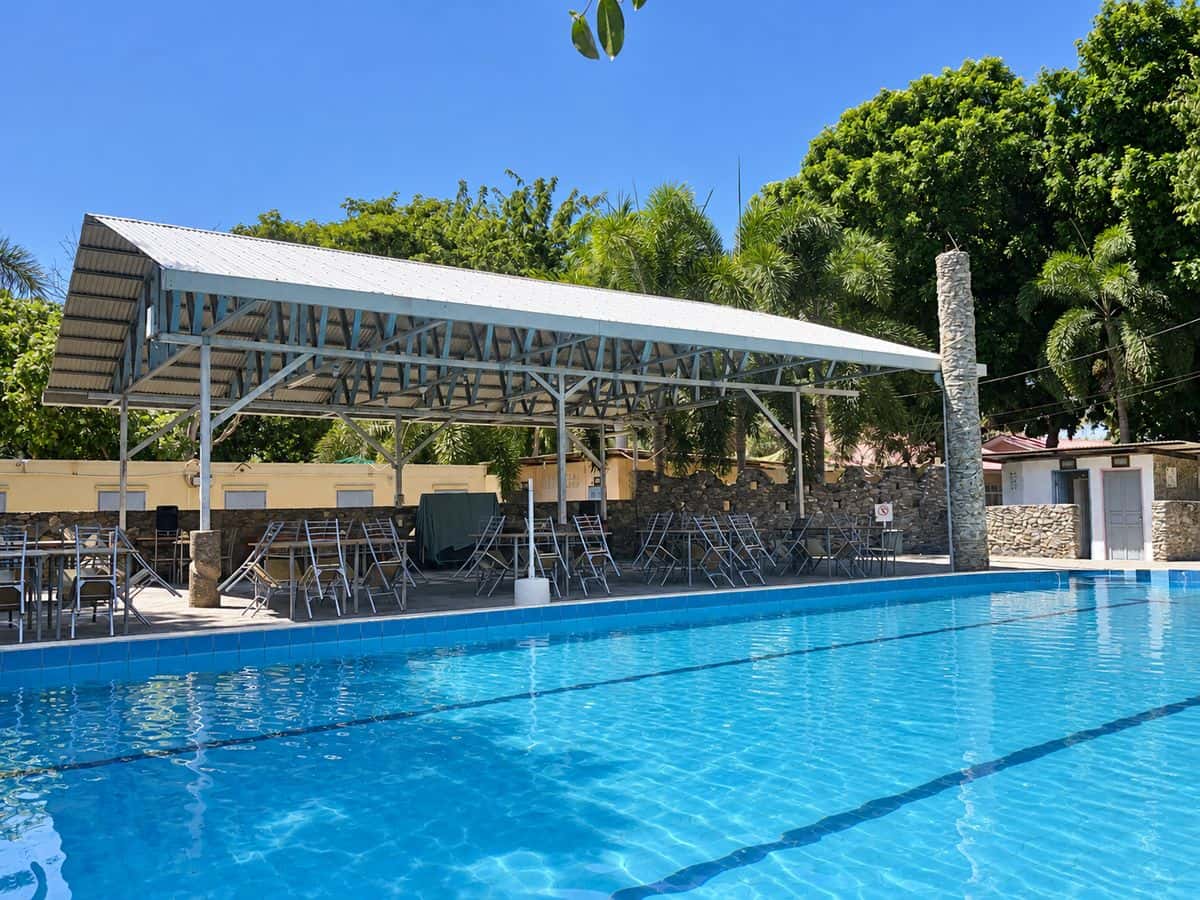
The Pousada de Baucau was built during the Portuguese colonial period as a government rest-house: a pale-pink, arcaded building on the crown of the hill above the Old Town, with a tiled swimming pool in the courtyard and views down to the coast. It was damaged during the occupation and the 1999 unrest, then carefully restored. Today it is one of the country's most atmospheric places to stay: tile floors, tall ceilings, balconies opening onto the gardens, and that swimming pool surrounded by frangipani.
The pousada is a destination in its own right: even non-guests are welcome at the restaurant and the bar, and an afternoon by the pool is a fair reason to plan a stop here. The food is straightforward Timorese-Portuguese fare; the cocktail list is short but the setting more than compensates.
Book directly through the hotel or through a tour operator. Rooms are limited and book up in dry season weekends and during the holiday periods around Christmas and Independence Day.
Baucau's Old Town (Vila Antiga) is the historic Portuguese centre: narrow streets of tiled-roof houses cascading down the hillside, churches and squares and the old market hall at the bottom. The Mercado Municipal is the most photographed building in town: an enormous arched Portuguese-era hall that still functions as a working produce market. Mornings are the busiest and most photogenic.
Walking the Old Town takes an hour or two. The streets are quiet, dogs sleep in the shade, and small cafés serve coffee and pastries on the terraces. The descent to the Mercado is steep: easy on the way down, less so on the way back up in the afternoon heat. Take it slowly.
New Town (Vila Nova), on the plateau above, holds the bus station, the main market, the post office, and most of the town's newer development. Less photogenic but more practical, and the place to find the cheaper guesthouses and warungs.
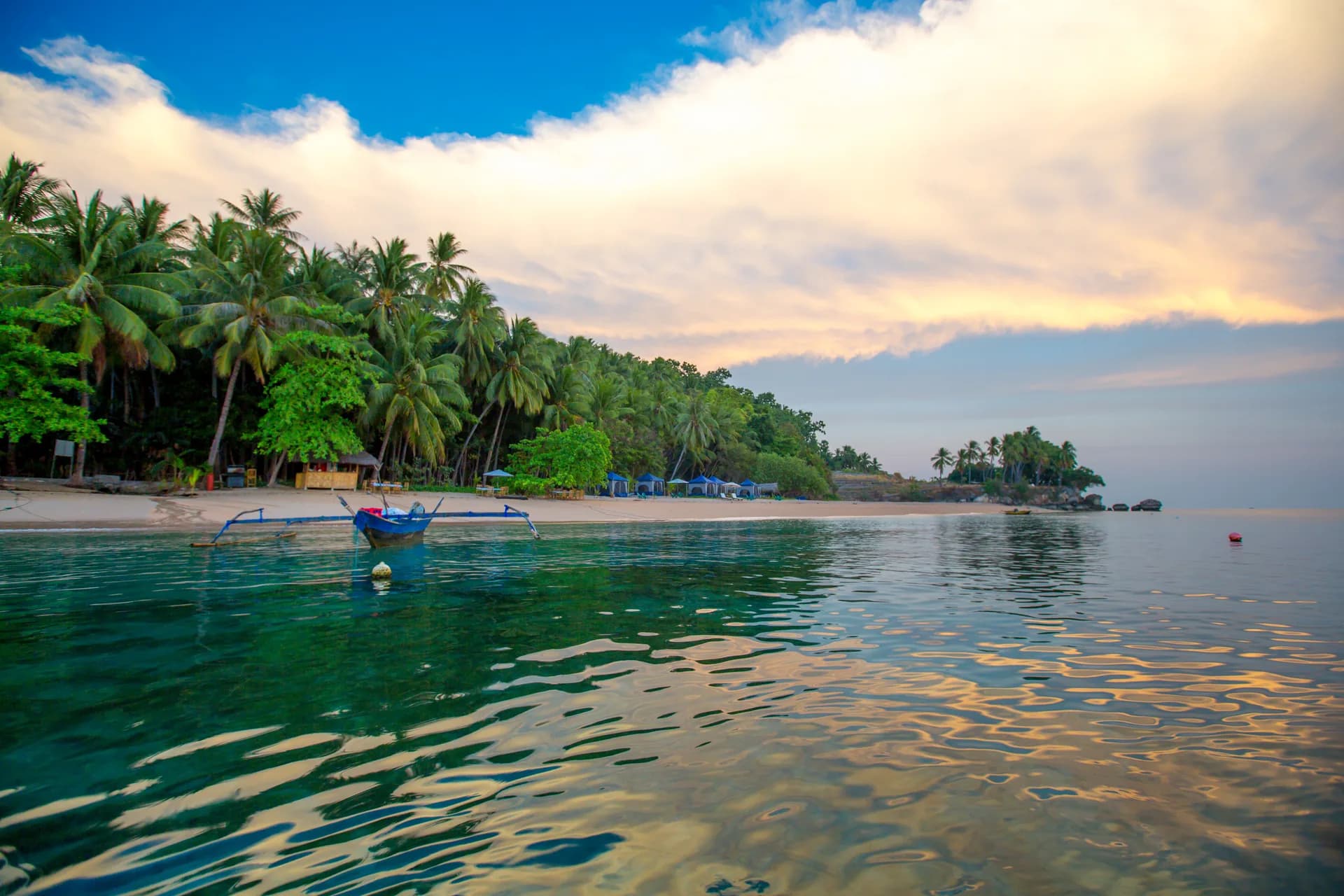
A short drive west of town, the long white beach at Wataboo is one of the country's loveliest: backed by a stand of palms, with calm shallow water and a couple of beachside warungs serving grilled fish. The natural spring and swimming hole at Wai-Usu, a few minutes further, is a deep pool of clear cold water fed by a karst spring: local families come here on weekends.
Inland from Baucau, the Seven Caves at Venilale are a series of WWII-era tunnels carved into the limestone hillside above the village. They were built by forced labour during the Japanese occupation and still bear the inscriptions of the period; today they are a quiet, slightly eerie historical site that can be walked through with a local guide. The village of Venilale itself has a small market and is a pleasant afternoon stop.
East of Baucau, the coast road continues through Laga and Lautem on the way to Com and the Tutuala plateau. The salt lakes at Com and the Imun Ira sacred lake are short detours worth making if you have the time.
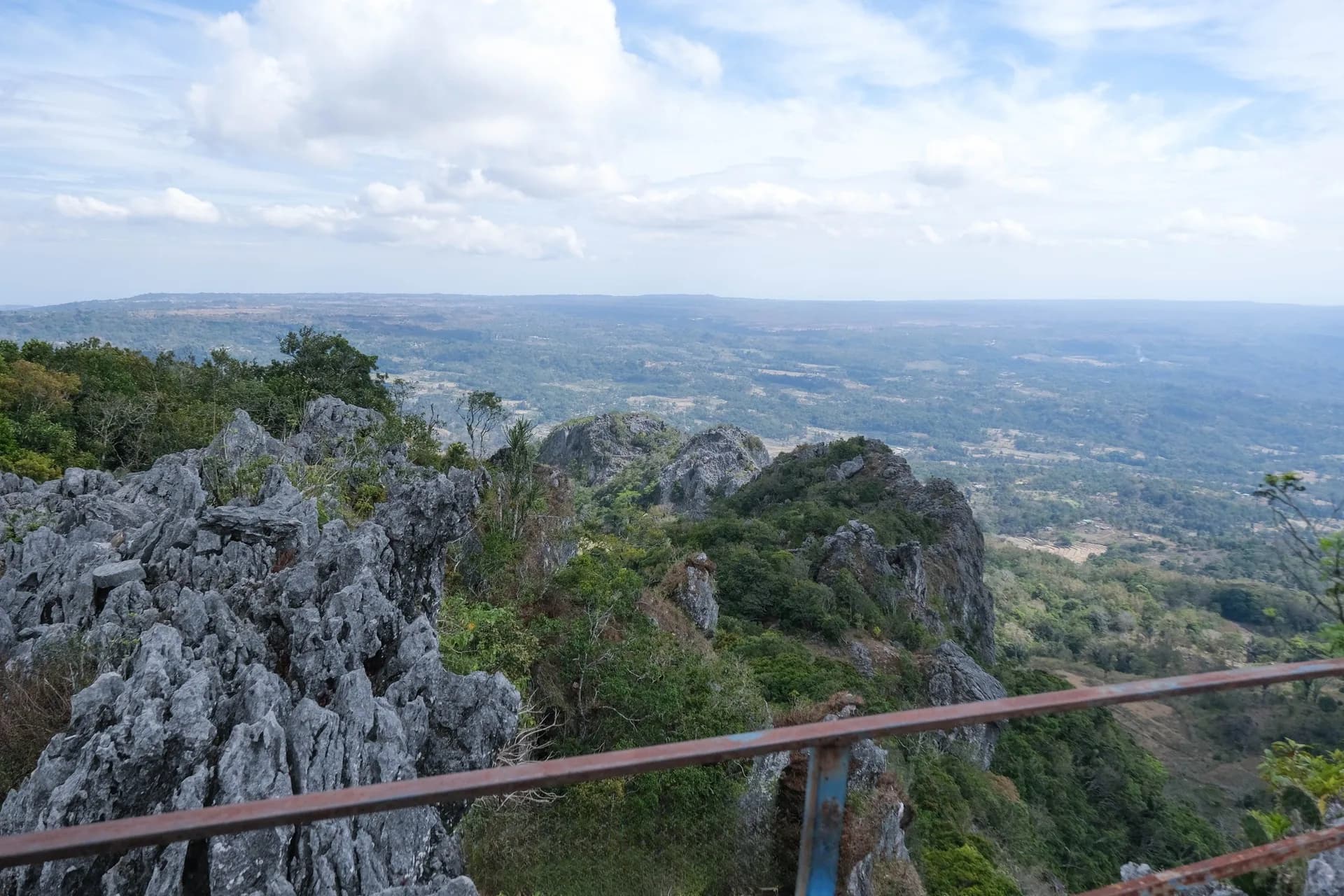
Baucau sits at around 500 metres above sea level: high enough to be a few degrees cooler than Dili, particularly in the evenings. Daytime temperatures are still warm in dry season (28-30°C) but the air is markedly less humid. Wet season afternoons can bring sudden thunderstorms; the morning is the best time to walk the Old Town.
Most travellers spend one night in Baucau, either on the way to or from the far east, or as a destination in its own right combined with the Wataboo/Venilale beaches and caves. Two nights gives you a slower pace and time for the surrounding villages. The Pousada is the obvious accommodation; several mid-range guesthouses in New Town offer cheaper alternatives.
The drive from Dili is 3 to 4 hours along a sealed coast road: straightforward by 4WD or a hired car with driver. Onward from Baucau, the road continues sealed as far as Lautem before becoming rougher toward Tutuala. Many of the longer east-coast circuits run by Dili operators include a night in Baucau on either the outbound or return leg.
Dili
~120km east. 3 to 4 hours by 4WD or hired car along the sealed coast road.
Wataboo Beach, Wai-Usu natural spring, Seven Caves at Venilale, Mercado Municipal in the Old Town.
May to November (dry season) is most reliable. June to September is the sweet spot: clear, cool evenings, easy road conditions, and the surrounding beaches and caves at their best. The wet season is greener but afternoon thunderstorms are routine.
New experiences, insider tips, and seasonal highlights. No spam, just useful stuff for planning your trip.
Unsubscribe anytime. We respect your inbox.
Continue planning your trip to Timor‑Leste
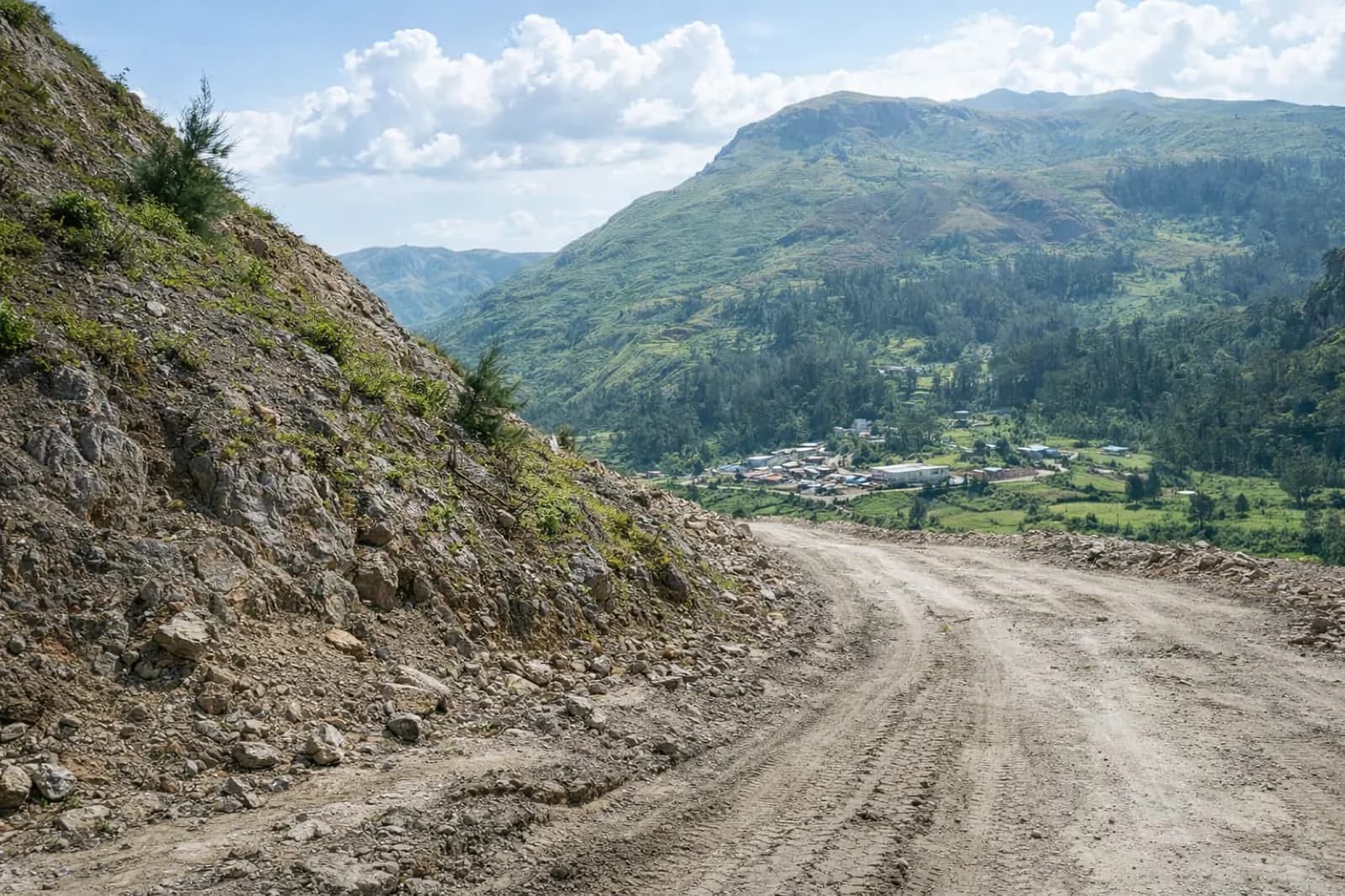
The perfect week exploring Southeast Asia's hidden gem
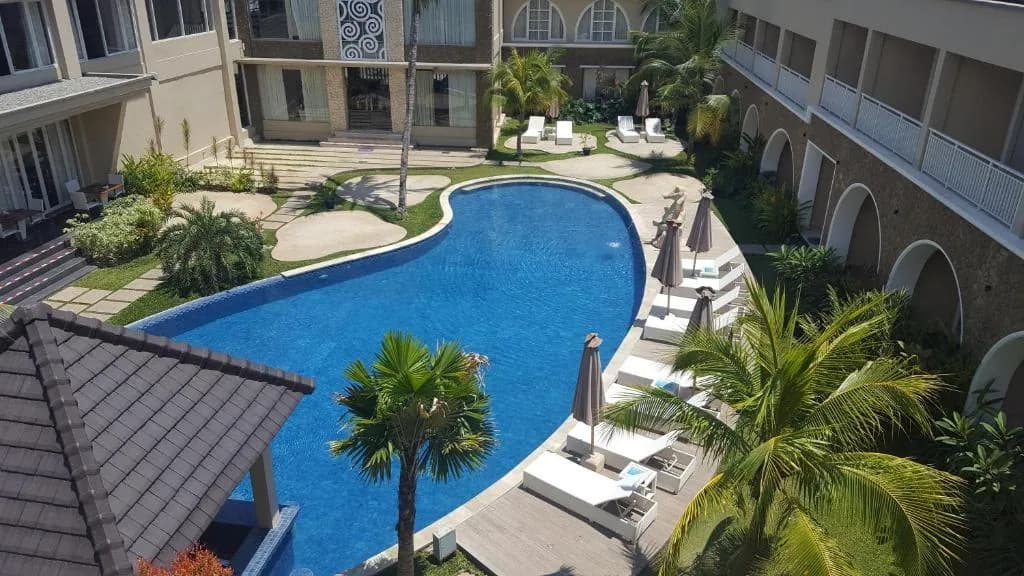
From beach eco-lodges to mountain guesthouses: your accommodation guide

Grilled fish, mountain coffee, and palm wine: an honest food guide
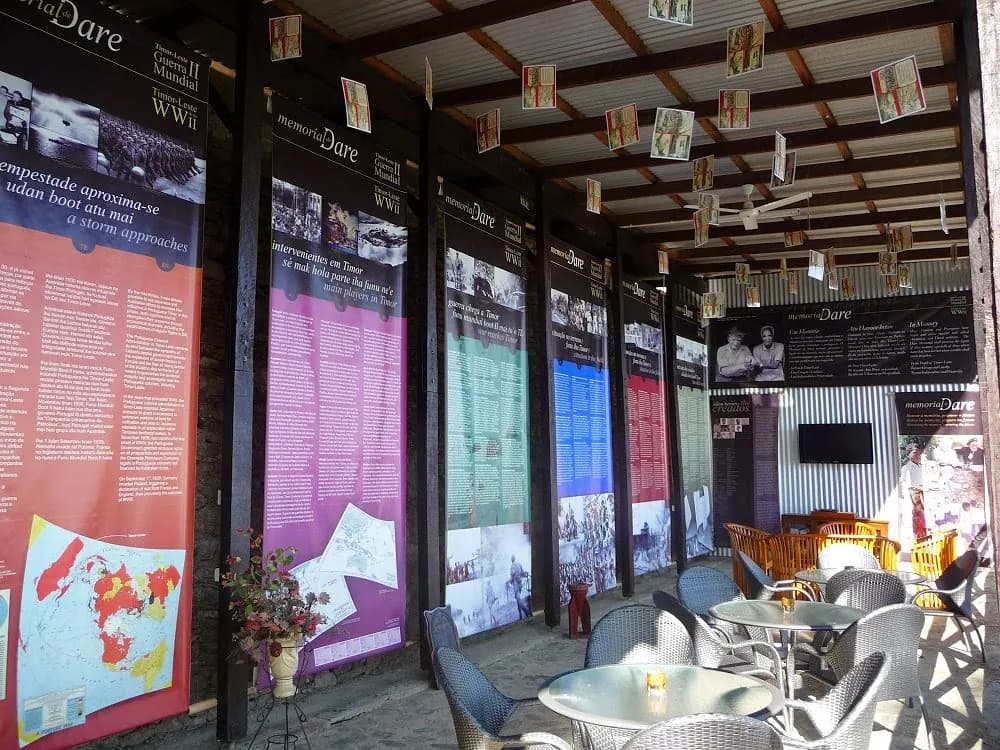
From Portuguese traders to the world's youngest nation: a story of endurance
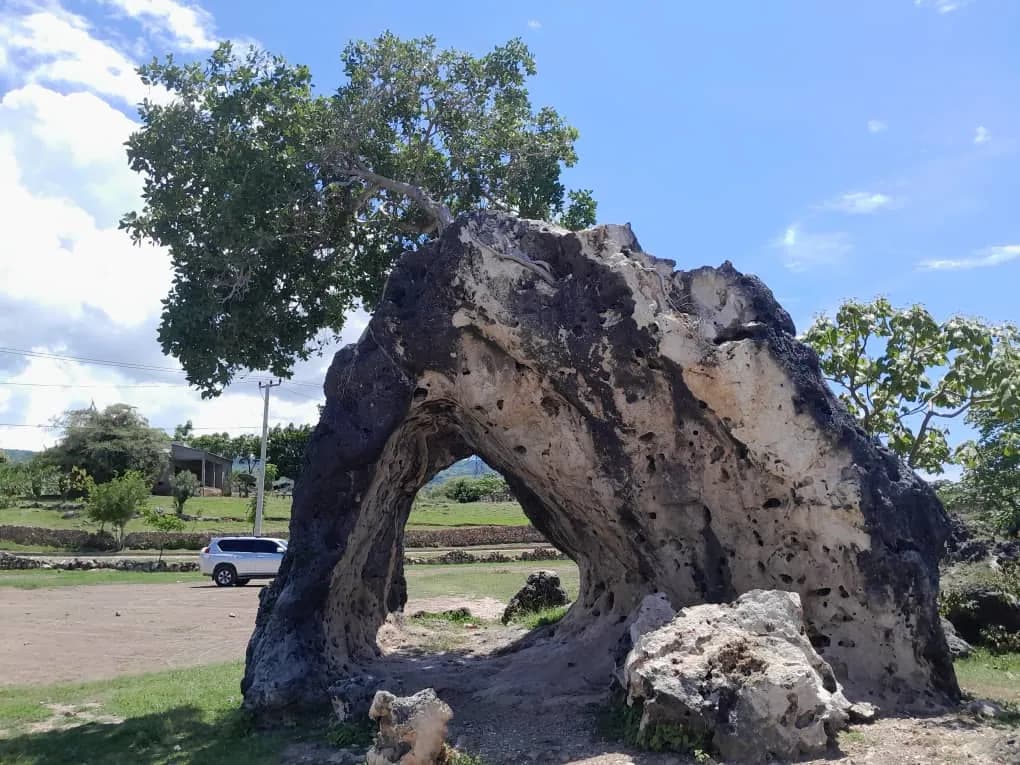
Escape the capital: the best day trips within reach of Dili, from island adventures to mountain coffee country
Places mentioned in this guide