Instant · pay on the day
Dili Night Dive
DiliUp to 1 dayDreamers Dive Academy Timor
DivingModerateMax 4Pickup
Torch included
5.0(30 · Google)
$60per personMinimum 2 guests, from $120
Check dates & availability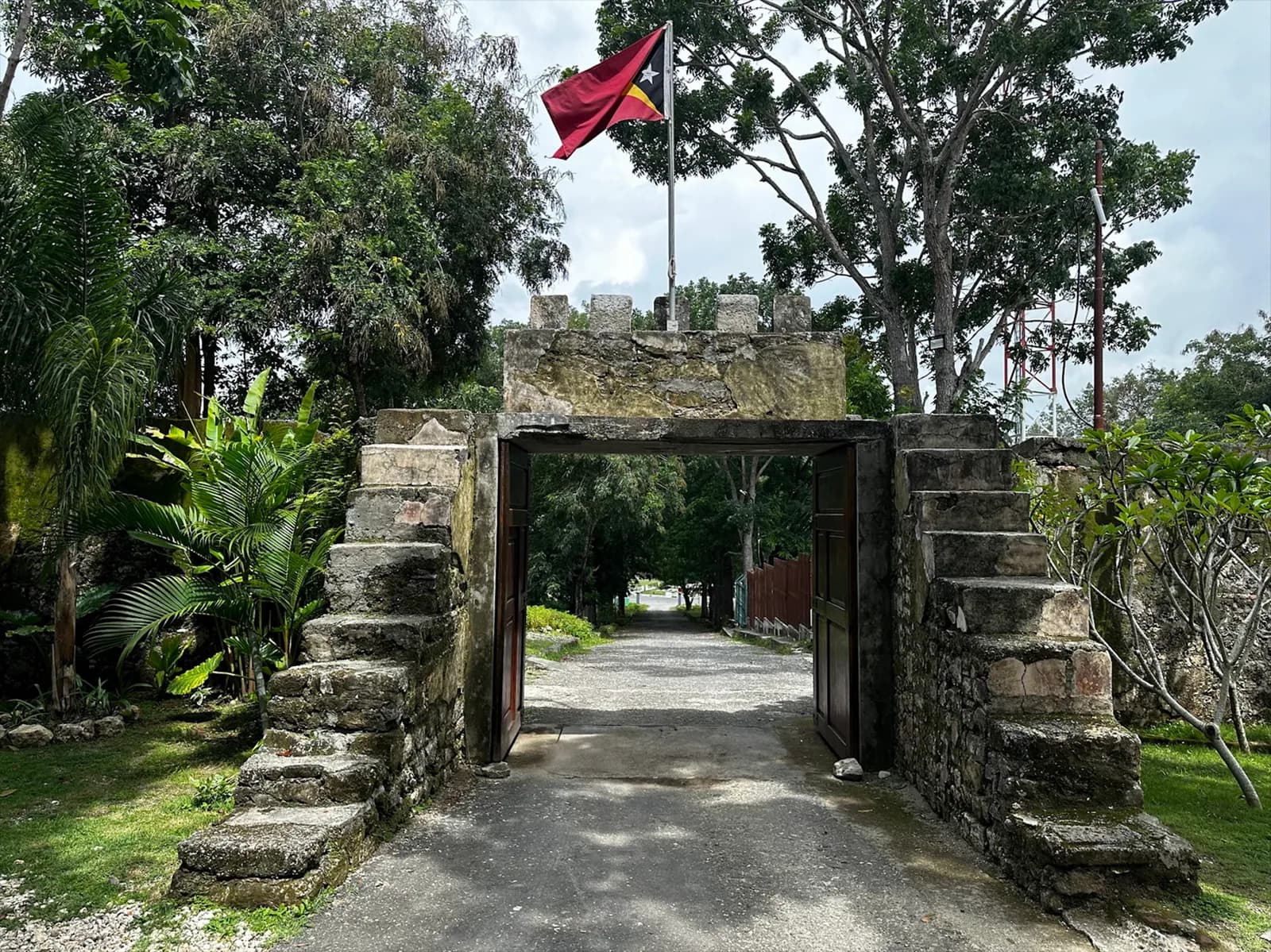
A Portuguese fort, a flag house, and the story of how the world learned about Timor-Leste
Balibo sits in the hills 130km west of Dili, close to the Indonesian border. It looks today like a sleepy hilltop town: Portuguese-era buildings under sloping red roofs, kids playing football on the plaza, the old fort restored as a small heritage hotel. But Balibo carries one of the most consequential stories in modern Timorese history, and a visit here changes how you understand the country.
On 16 October 1975, five foreign journalists working for Australian television networks were killed in Balibo as Indonesian forces moved across the border at the start of the 24-year occupation. The house where they were filming, now the Balibo Flag House, has been preserved exactly as it was. Their story, and the larger story of the resistance, is told in the Resistencia Museum a few minutes away.
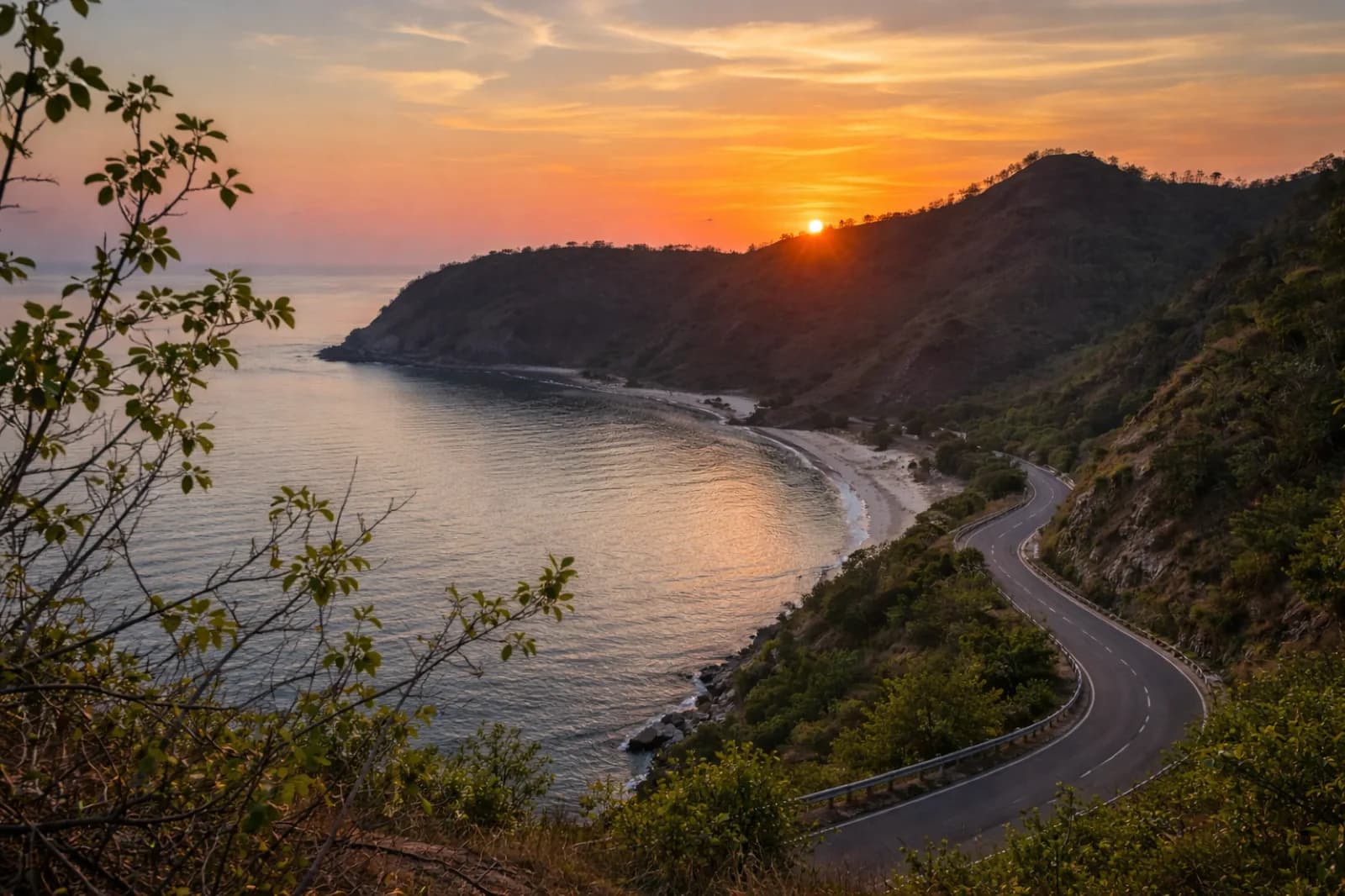
Balibo isn't only the past. The journey from Dili passes through some of the country's prettiest coastal scenery: the old Portuguese churches at Liquica and Maubara, the fort on the bay at Maubara, the ruined prison at Ai Pelo, making this a long but rewarding day or, better, an overnight where you can stay inside the old fort itself.
Five journalists, Greg Shackleton, Tony Stewart, Gary Cunningham, Brian Peters, and Malcolm Rennie, were filming in Balibo when they were killed on 16 October 1975. The house where they were working was painted with an Australian flag the day before, in the hope it would protect them. It did not. The house has been preserved as a memorial and a research library, and you can stand in the room where the famous footage of the painted flag was filmed.
The exhibits inside cover the events of October 1975, the lives of the five journalists, the long campaign by their families for accountability, and the wider war that followed. It is not a large museum but it is one of the most affecting buildings in the country. Allow at least an hour. Photography is permitted inside; please be respectful of other visitors.
The Balibo House Trust, the Australian-Timorese charity that operates the Flag House, also runs community programs in town: a women's cooperative, an early-childhood centre, vocational training. A visit supports those programs directly.
A few hundred metres uphill from the Flag House, the old Portuguese fort has been carefully restored as the Balibo Fort Hotel: a small heritage property where the rooms occupy the original cells and look out over the surrounding hills. Even if you're not staying overnight, the courtyard café is an atmospheric stop for coffee, and the fort's history pre-dates the 1975 events by centuries.
The Balibo Resistencia Museum, also in the fort precinct, tells the longer story of the 24-year resistance to Indonesian occupation. The exhibits trace the FALINTIL guerrilla movement in the highlands, the diplomatic campaign abroad, the role of foreign journalists and activists, and the 1999 referendum that finally led to independence. Many of the personal items on display were donated by veterans of the resistance itself.
Most operators bundle a short evening screening of the Balibo film (the 2009 Australian dramatisation, or one of several documentaries) at the fort, which is a thoughtful way to absorb the story after walking the rooms.
The drive from Dili to Balibo takes around four hours one way along the coast road, and the journey is genuinely part of the experience. The first stop most tours make is the ruined Portuguese prison at Ai Pelo, perched on a hill above the highway with views back along the coast. From there, the road runs through Liquica: a small town anchored by an enormous Portuguese-era church on the seafront that survived the war largely intact.
Further west, Maubara is the prettiest stop on the route: a small bay with a Portuguese fort at the water's edge, the elegant Pousada de Maubara (now a guesthouse and café), and a string of women's weaving cooperatives selling traditional tais. Lunch in Maubara or the next village along, Atabae, is the standard mid-day stop. Beyond Atabae the road turns inland and climbs into the hills toward Balibo and the border.
On the return journey, several tours add a stop at Leohito Waterfall, a fifteen-minute walk from the road to a deep pool you can swim in, or the fish farms at the edge of town.
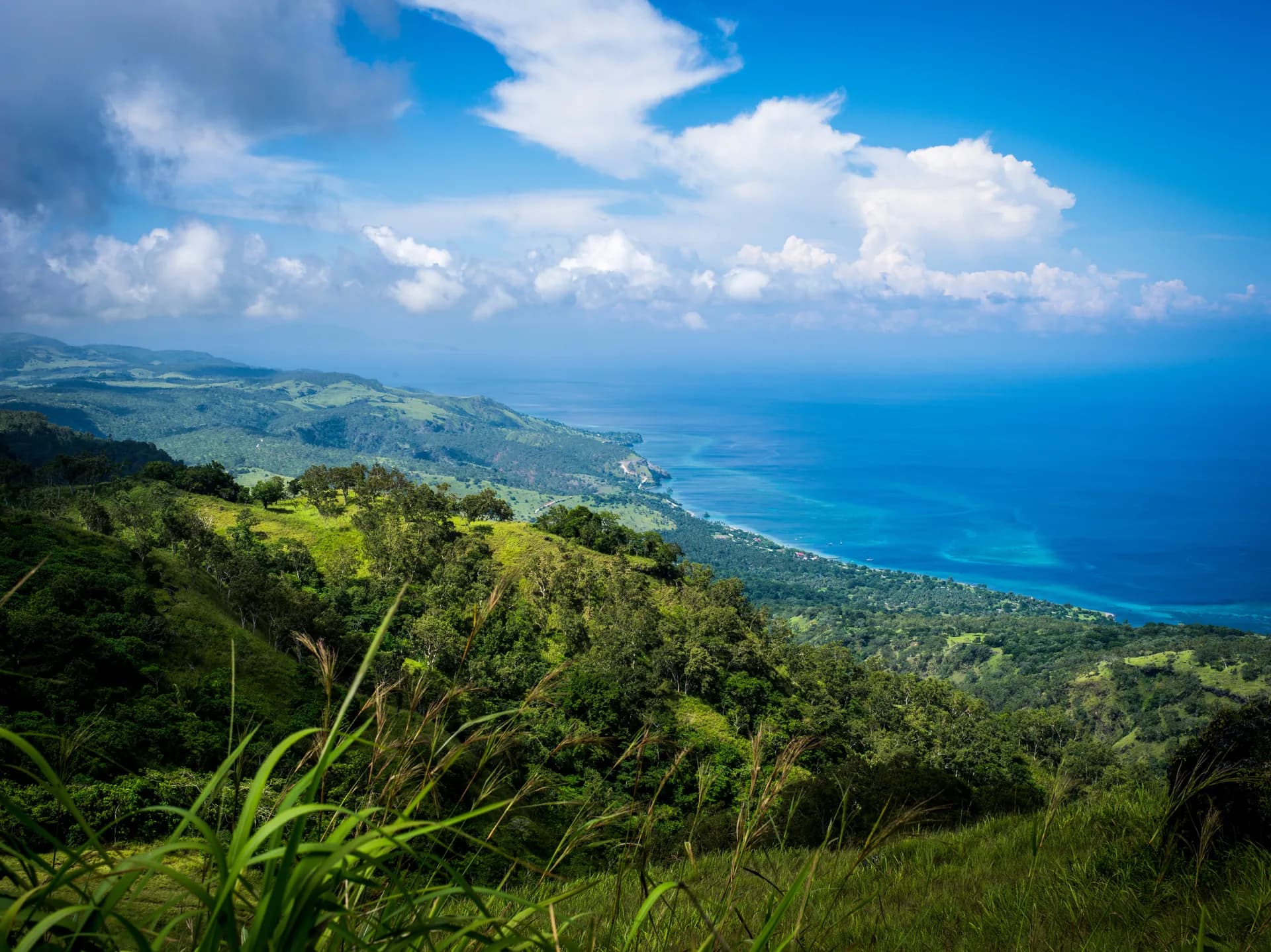
The Balibo Fort Hotel has a handful of rooms inside the restored fort walls and a small restaurant in the courtyard. It is by some distance the most atmospheric place to spend a night anywhere in Timor-Leste outside Dili: quiet, cool at night, with views down the valley toward the border. Book ahead, especially in dry season.
Most travellers visit Balibo as part of a 2-day/1-night tour with one of the established operators, which handles the long drive, the museum entries, and dinner at the fort. Day-trip visits are possible but the four-hour drive each way is punishing. Better to break the journey overnight and have time at both the Flag House and the fort itself.
Torch included

Iconic shore sites: Cristo Rei, Tasi Tolu & Dili Rock
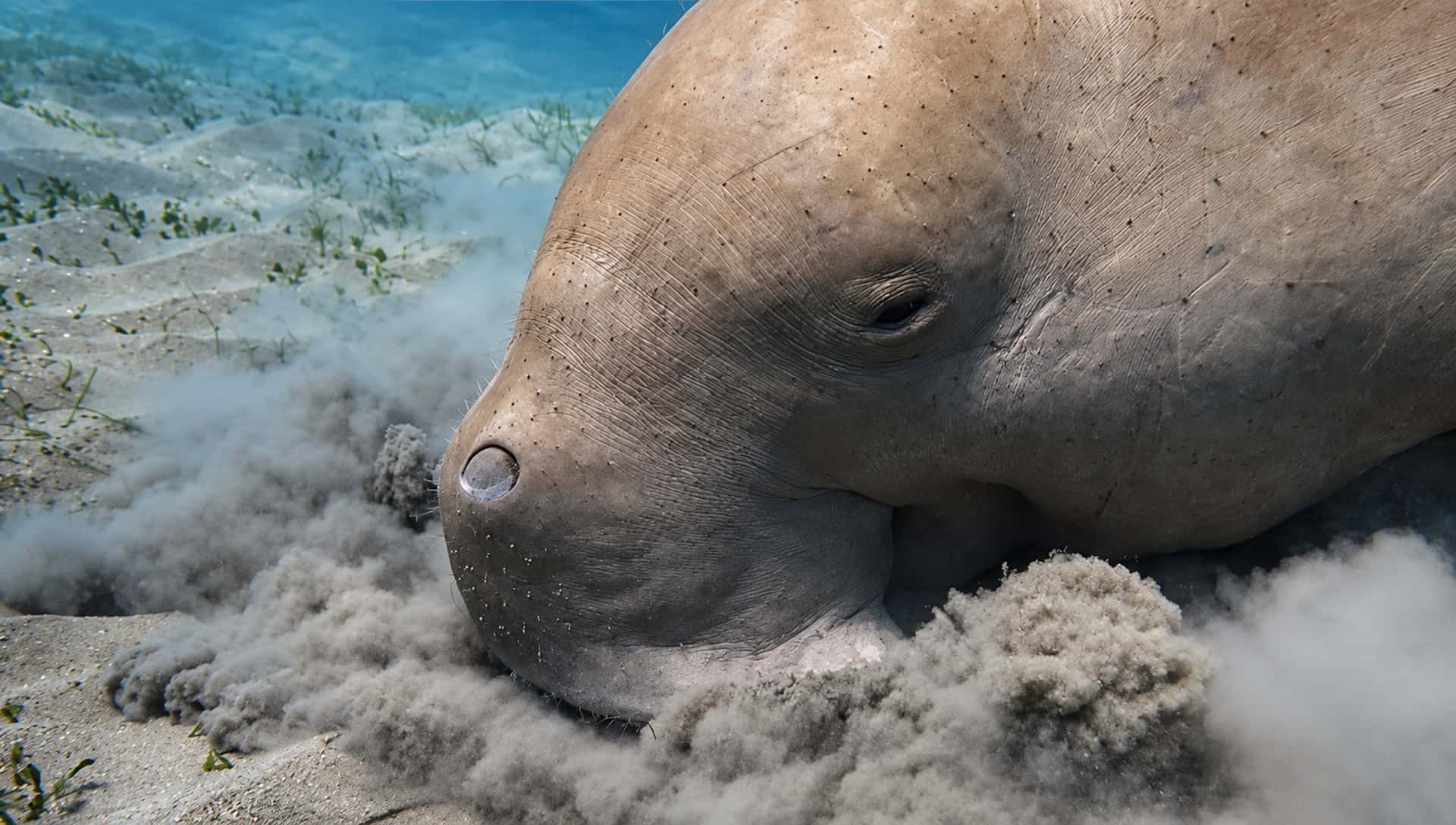
All-inclusive: gear, guide, transport & snacks
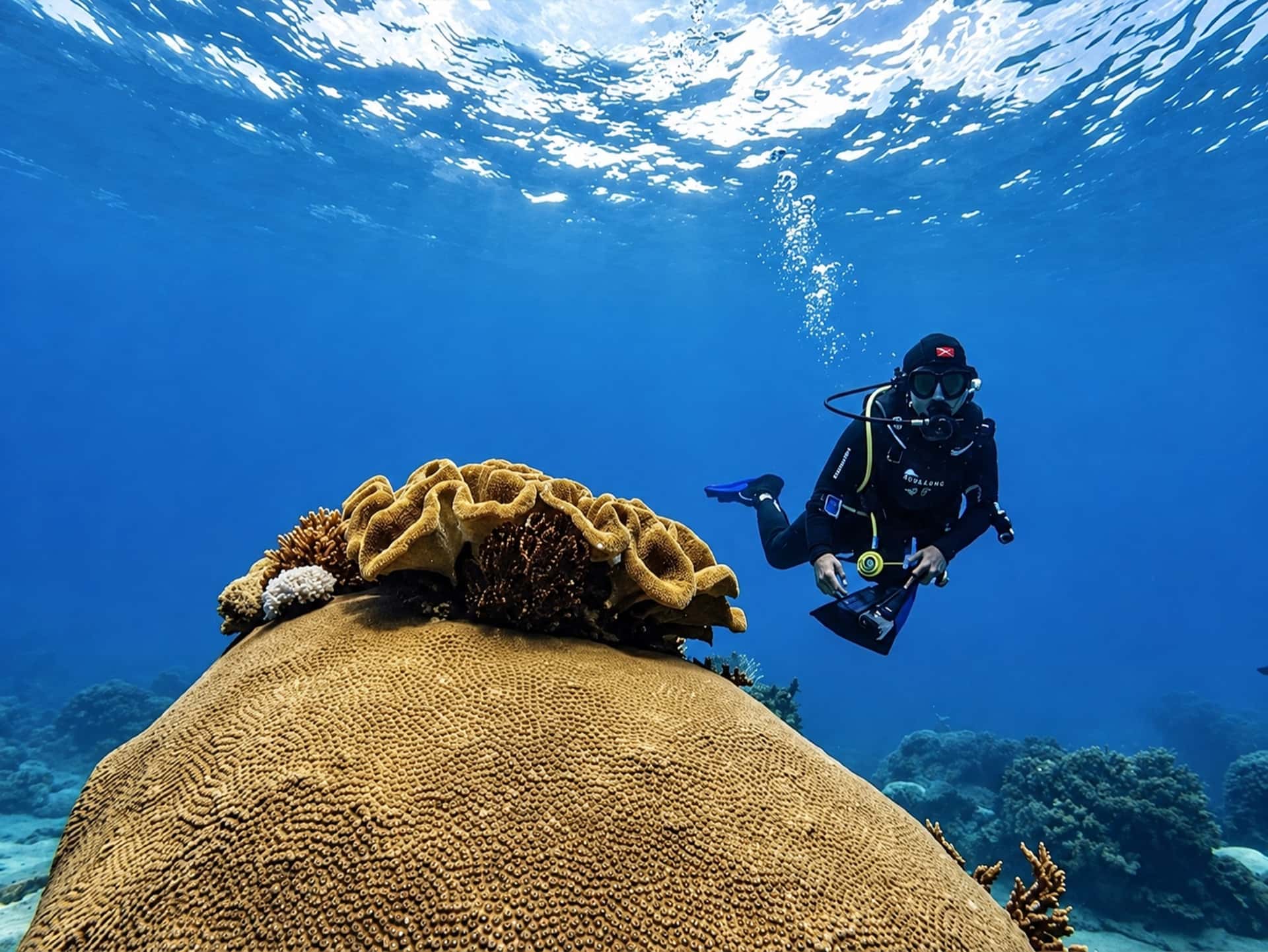
No experience needed
Dili · Liquica
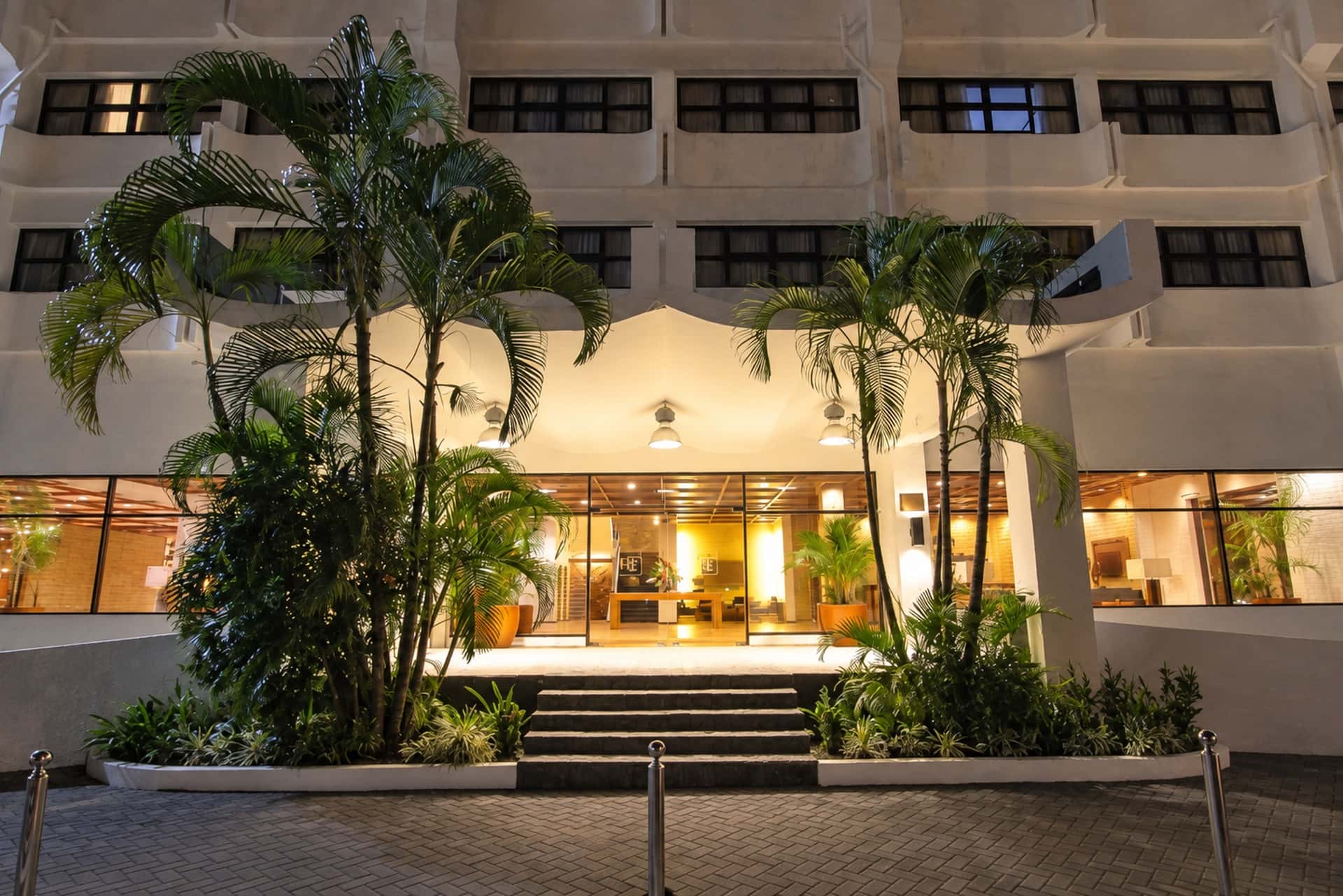
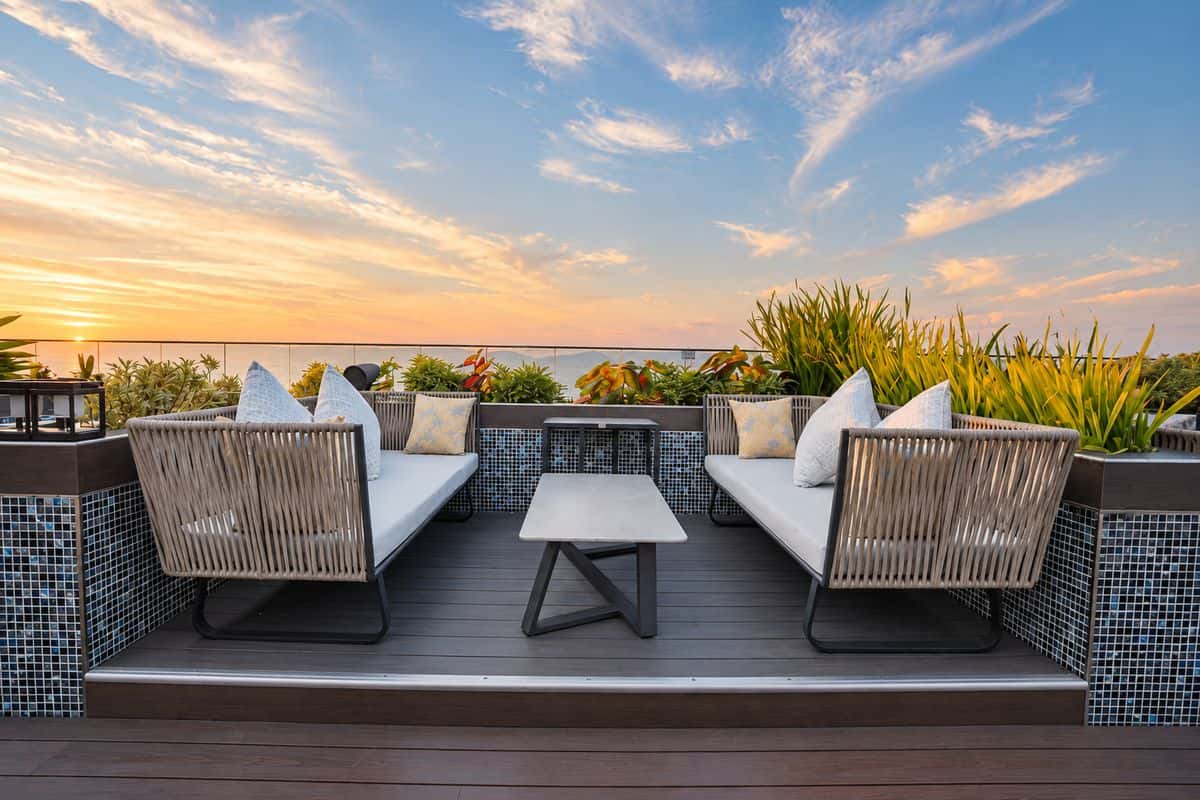
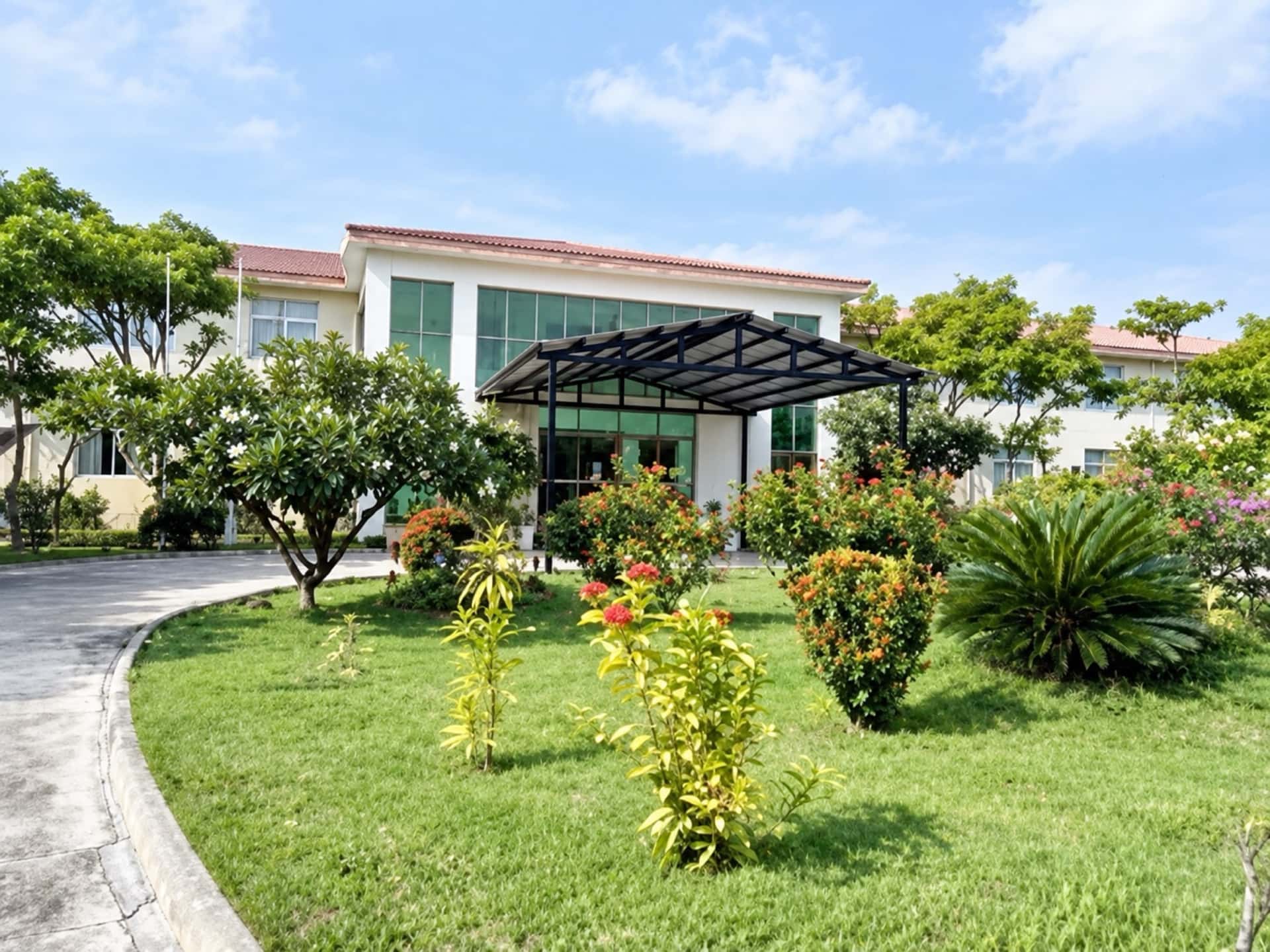
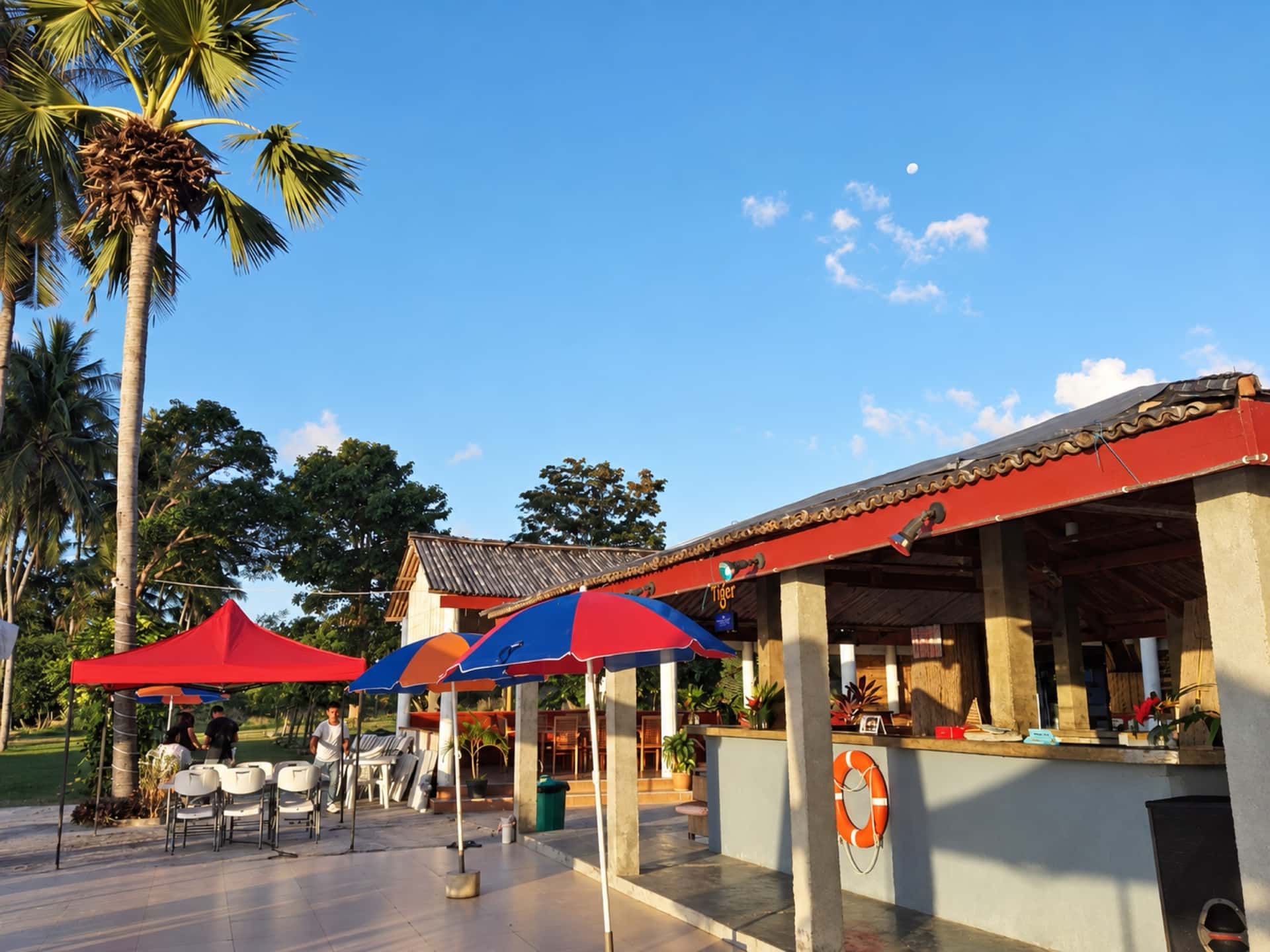
2-day/1-night tour with an overnight at the Balibo Fort Hotel: the long drive each way is brutal as a day trip.
May to November (dry season). June to September is the most reliable window: clear skies, firm coast road, and the journey itself is at its most enjoyable. Avoid January-February when heavy rain can wash out parts of the route.
New experiences, insider tips, and seasonal highlights. No spam, just useful stuff for planning your trip.
Unsubscribe anytime. We respect your inbox.
Continue planning your trip to Timor‑Leste
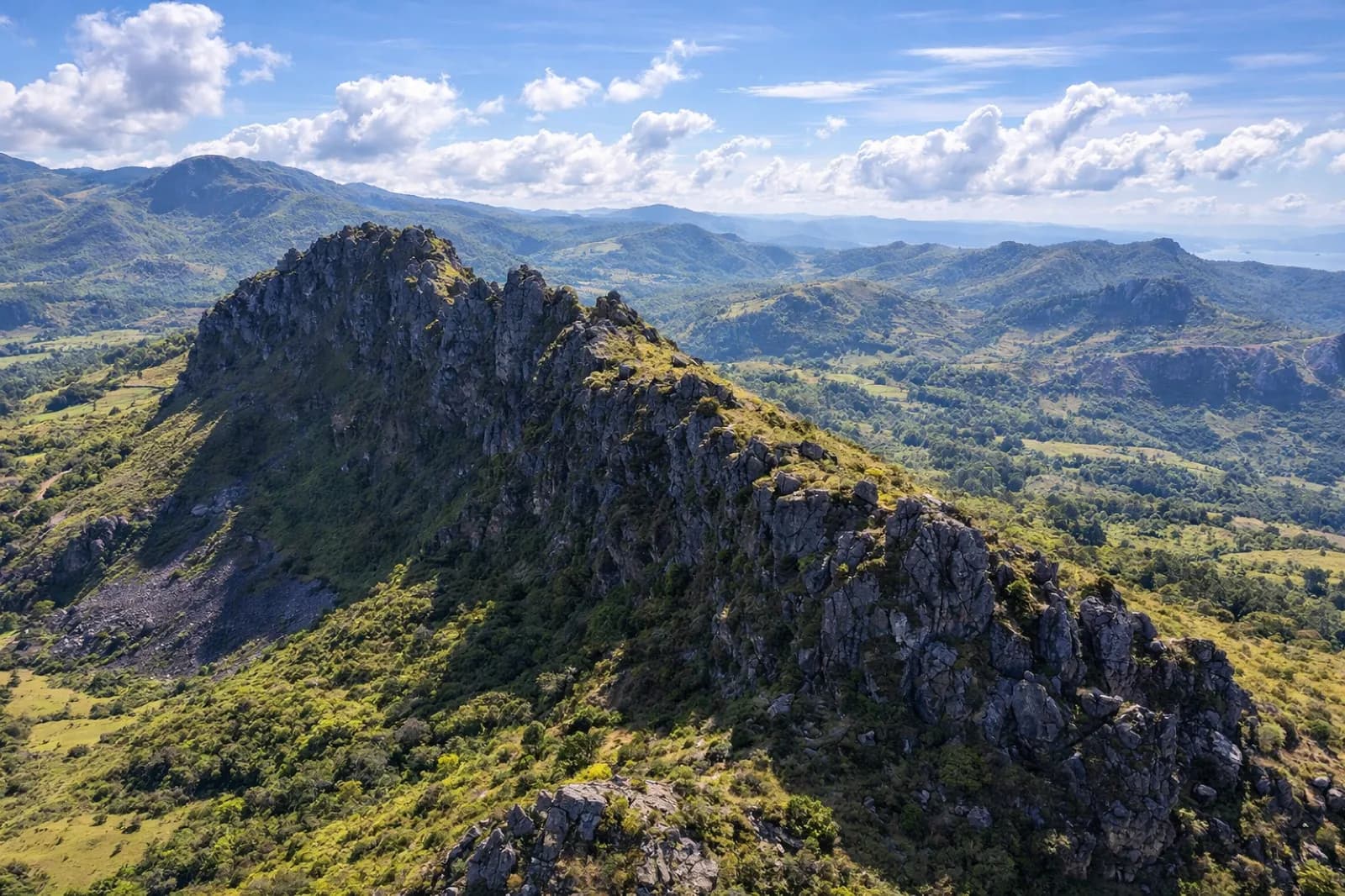
Mountains, coffee plantations, colonial towns, and the north coast
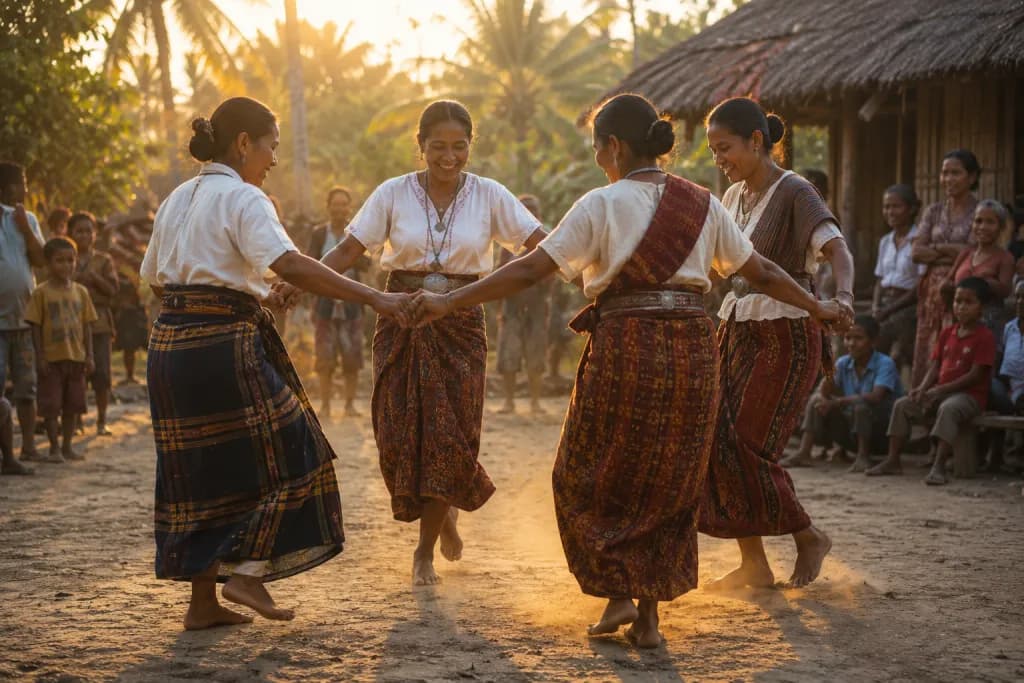
Religion, language, kinship, tais, music, and the customs that shape daily life
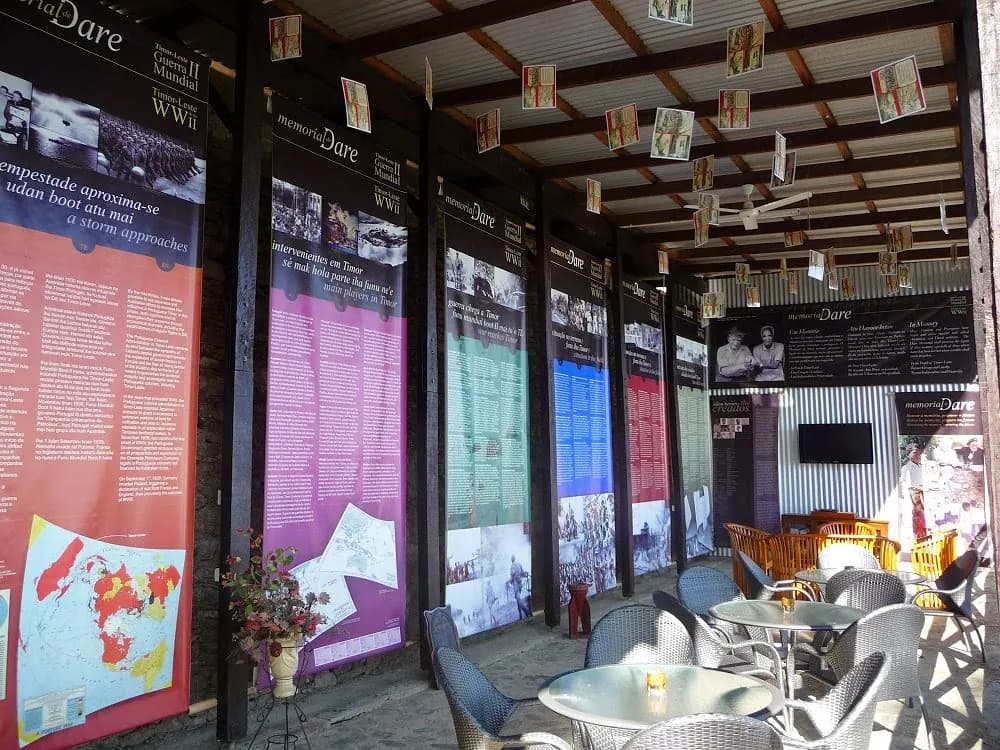
From Portuguese traders to the world's youngest nation: a story of endurance
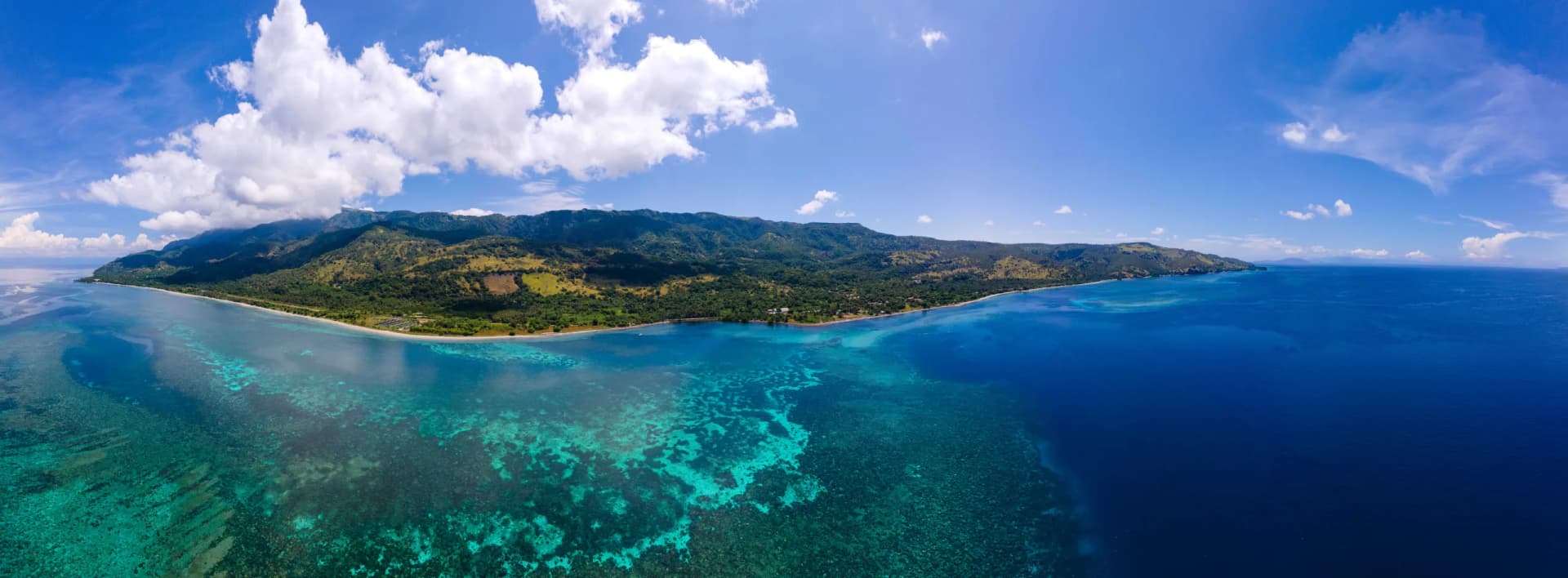
World-record reefs, zero crowds, and the kind of travel that barely exists anymore
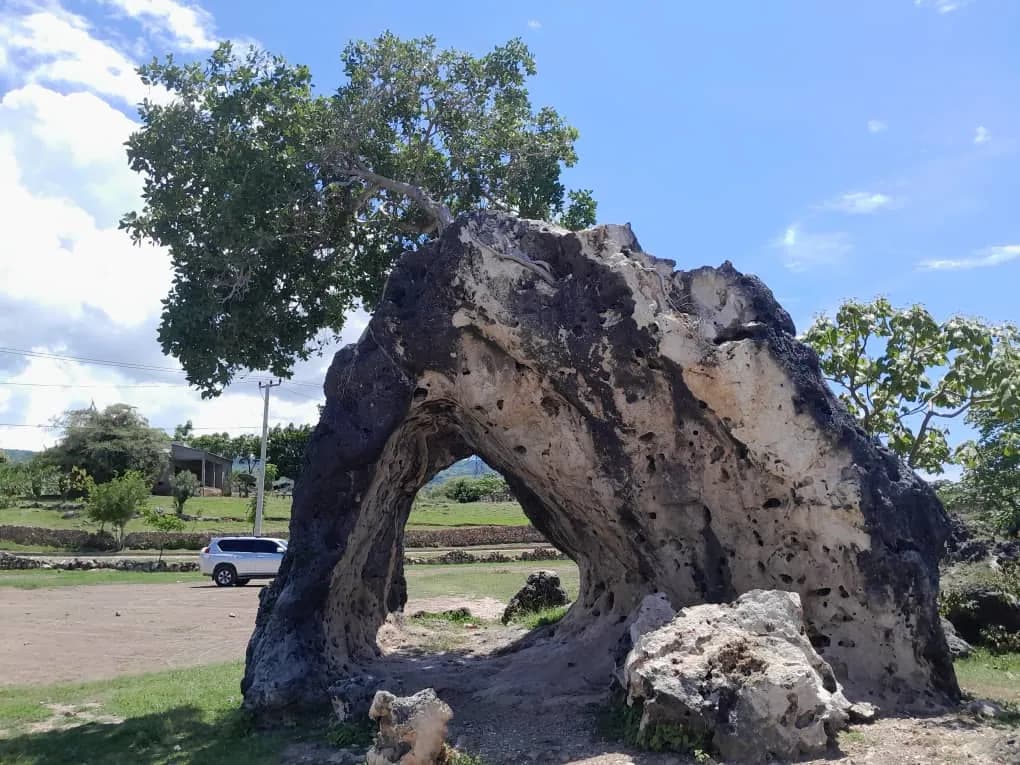
Escape the capital: the best day trips within reach of Dili, from island adventures to mountain coffee country
Places mentioned in this guide