
Fewer crowds, green landscapes, and full waterfalls — if you know where to go
Timor-Leste's wet season runs roughly from December to April, with the heaviest rains in February and March. Most travel advice says avoid it. That advice isn't wrong — but it's incomplete.
The wet season brings real challenges: mountain roads can become impassable, rivers flood, and some tour operators pause their group departures. But it also brings Timor-Leste at its most beautiful — vivid green hillsides, waterfalls at full force, and a country that feels even more like yours alone.
The key is knowing what's accessible and what isn't. Dili, Atauro Island, and the sealed north coast road remain open year-round. The mountains and south coast are the wildcards. With some flexibility and the right expectations, wet season travel can be deeply rewarding.
Forget the image of grey drizzle for days. Timor-Leste's wet season means intense tropical downpours — usually in the afternoon or evening — followed by clear, steamy mornings. You can often get a full day of activity before the rain arrives.
The north coast (where Dili sits) gets noticeably less rain than the south coast and central highlands. Dili itself stays functional throughout. The south coast and mountains, however, receive significantly more rainfall. Flash floods and landslides are real risks in highland areas, particularly around Maubisse, Ainaro, and the road to Same.
February and March are the peak months. April is the transition — rains easing, roads drying, landscapes still green. If you want the beauty without the worst of the disruption, April is the sweet spot.
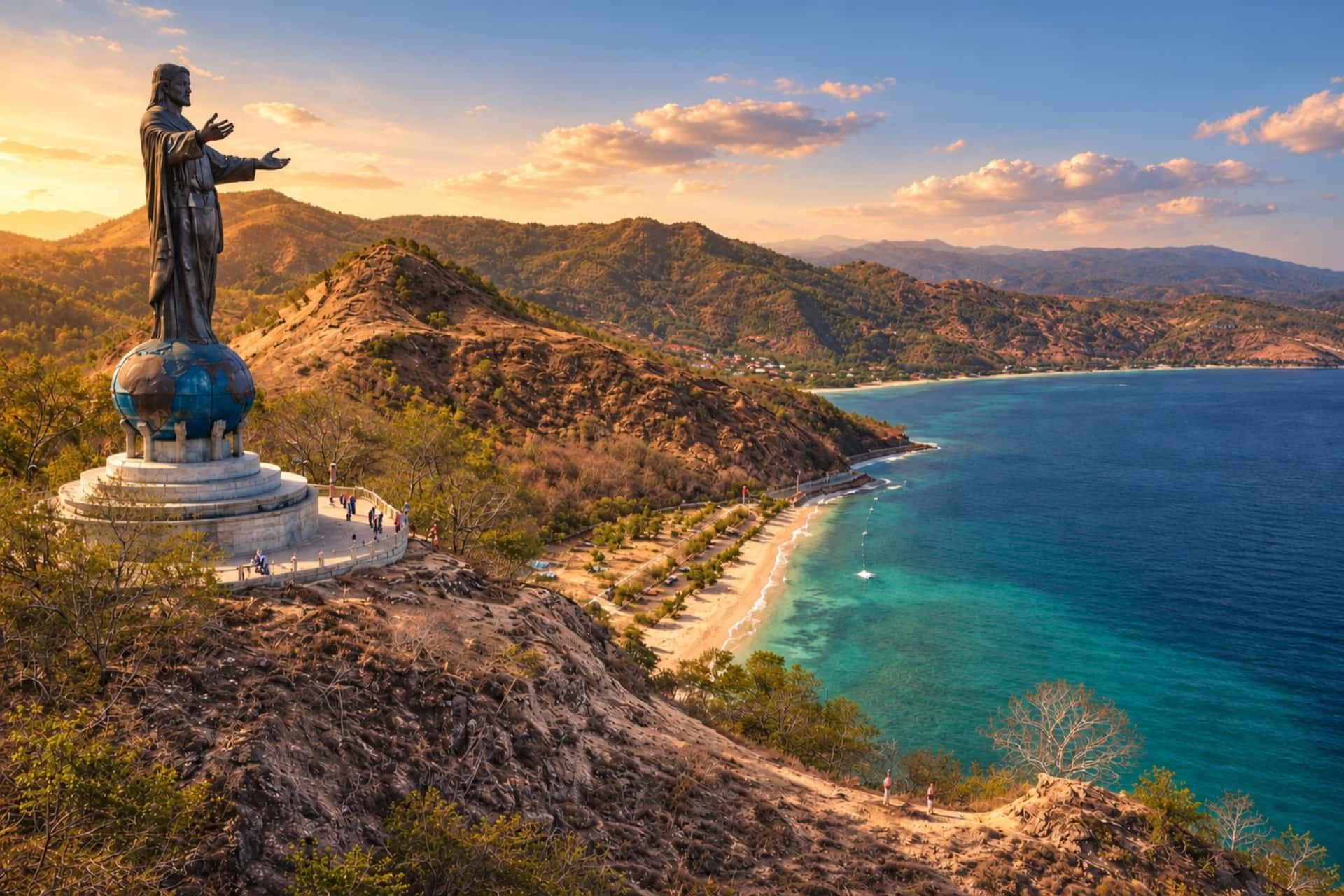
Dili operates normally in wet season. Restaurants, dive shops, markets, the Cristo Rei walk, the Tais Market — all business as usual. The airport doesn't close. City mikrolets run their routes regardless.
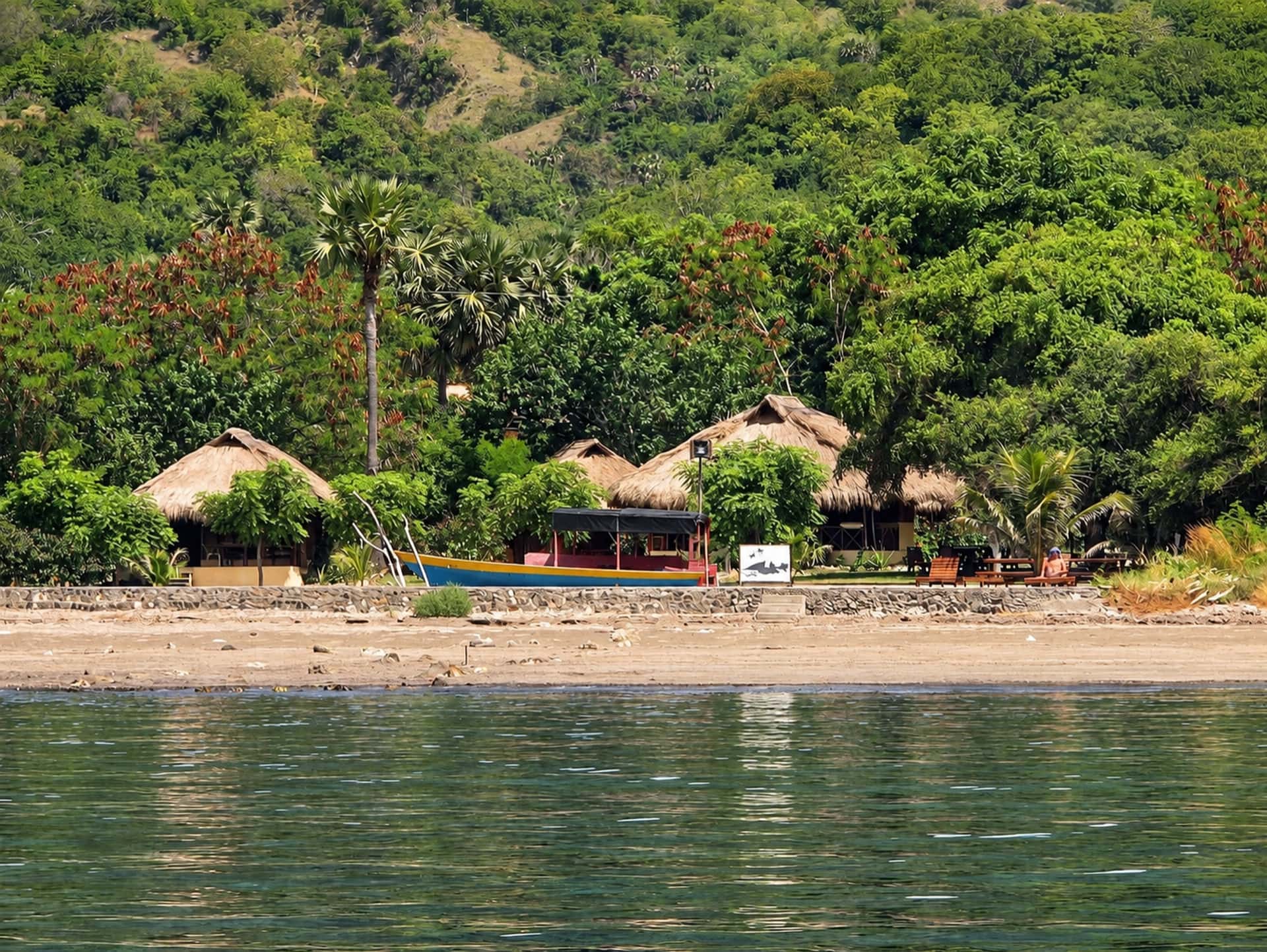
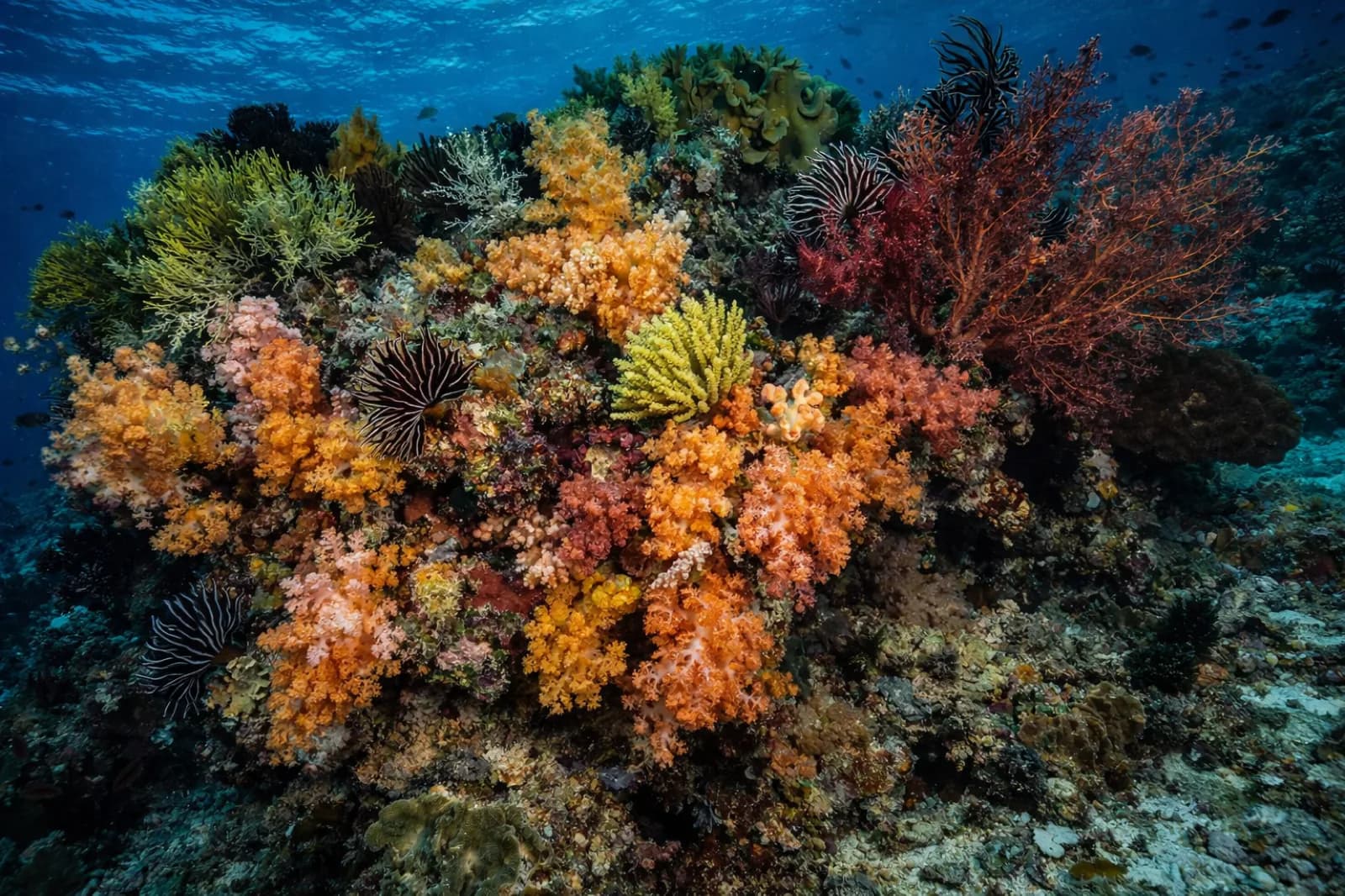
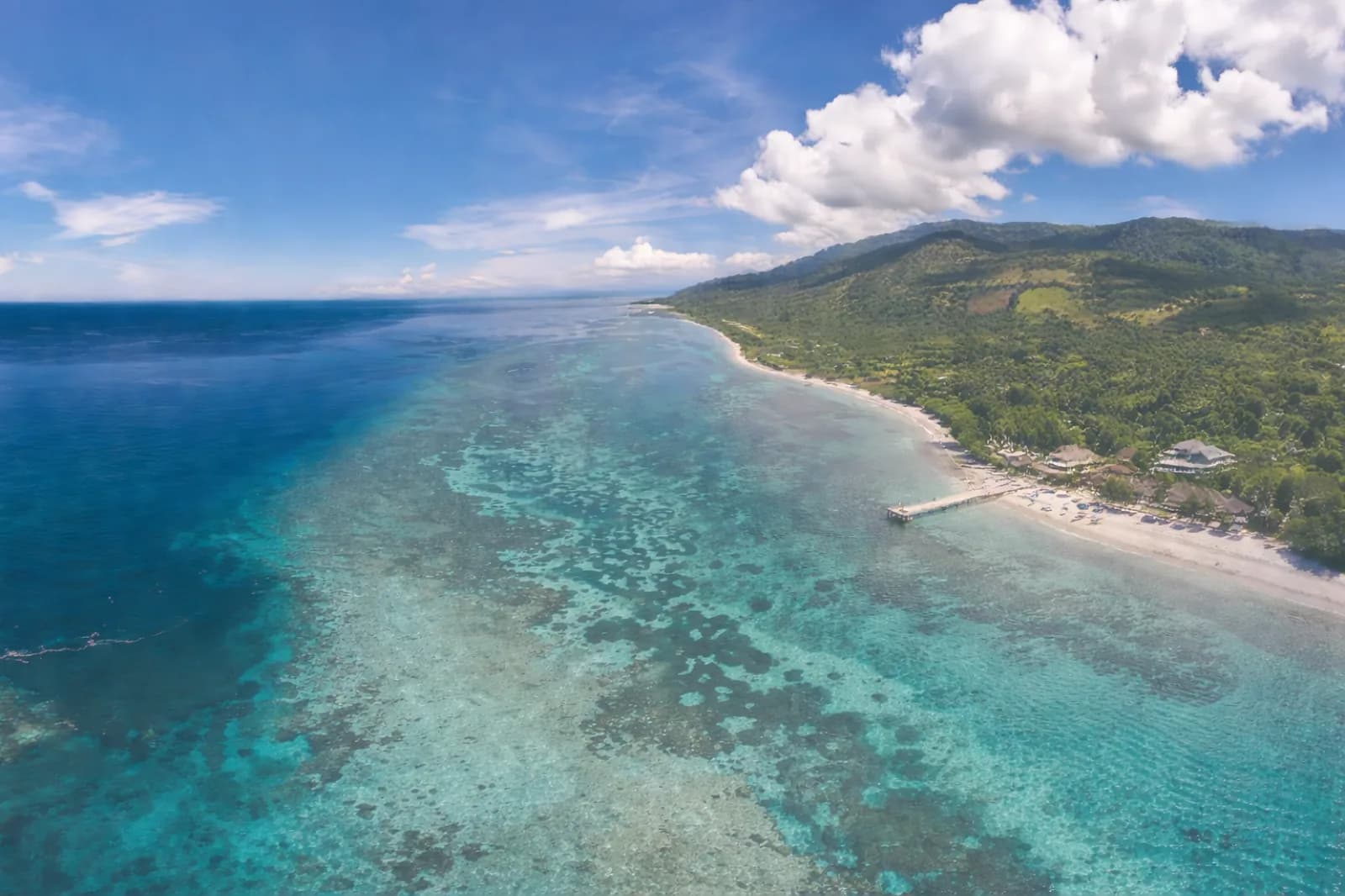
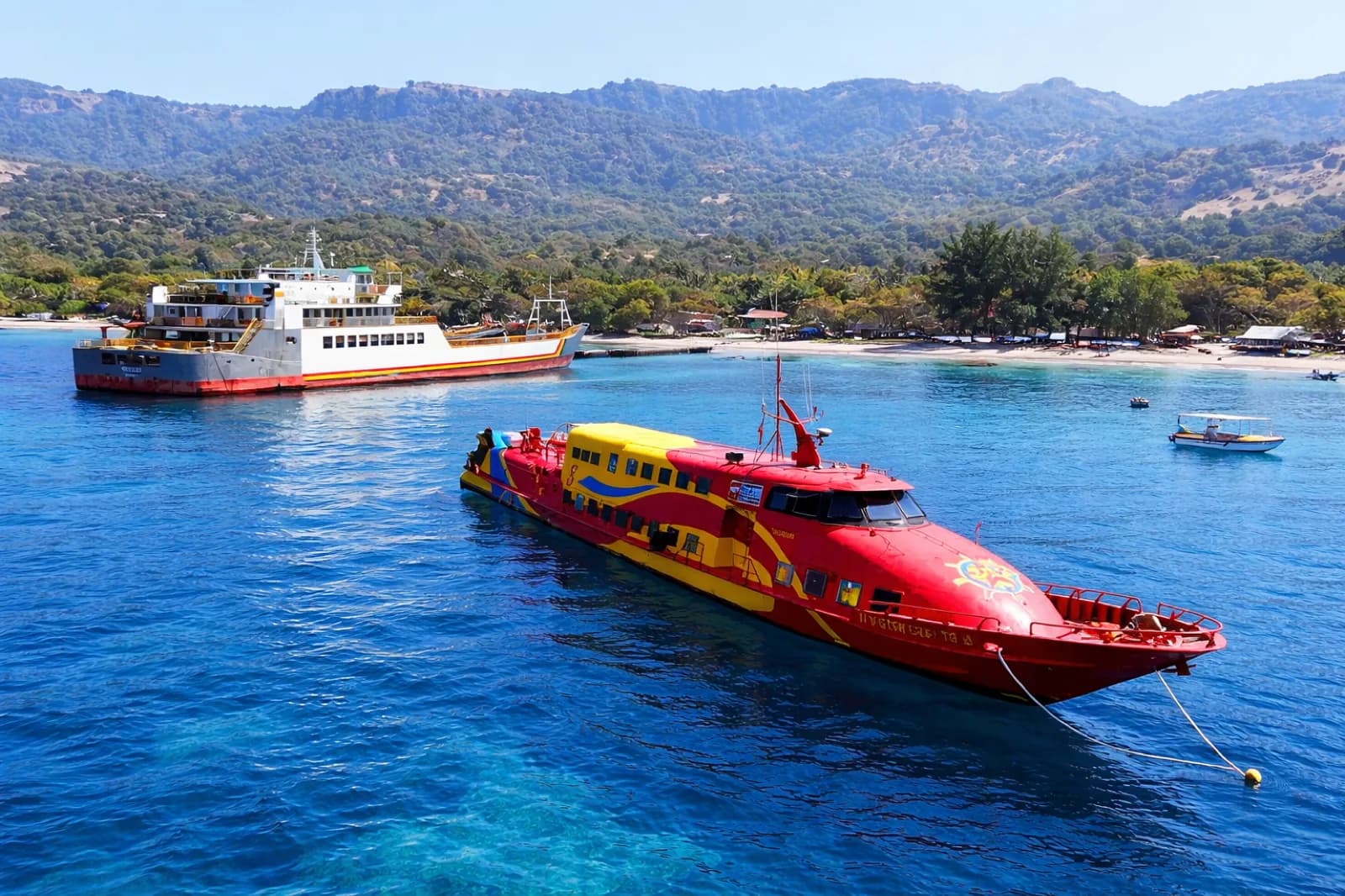
Atauro Island is a wet-season highlight. The ferry runs year-round (Saturday, Tuesday, Thursday — $4-$12 one way, 1.5-3 hours). Diving visibility drops slightly from 25-30m in the dry season to 15-20m in the wet, but that's still exceptional by any standard. Water temperatures are warmer, and you'll likely be the only divers on the reef.
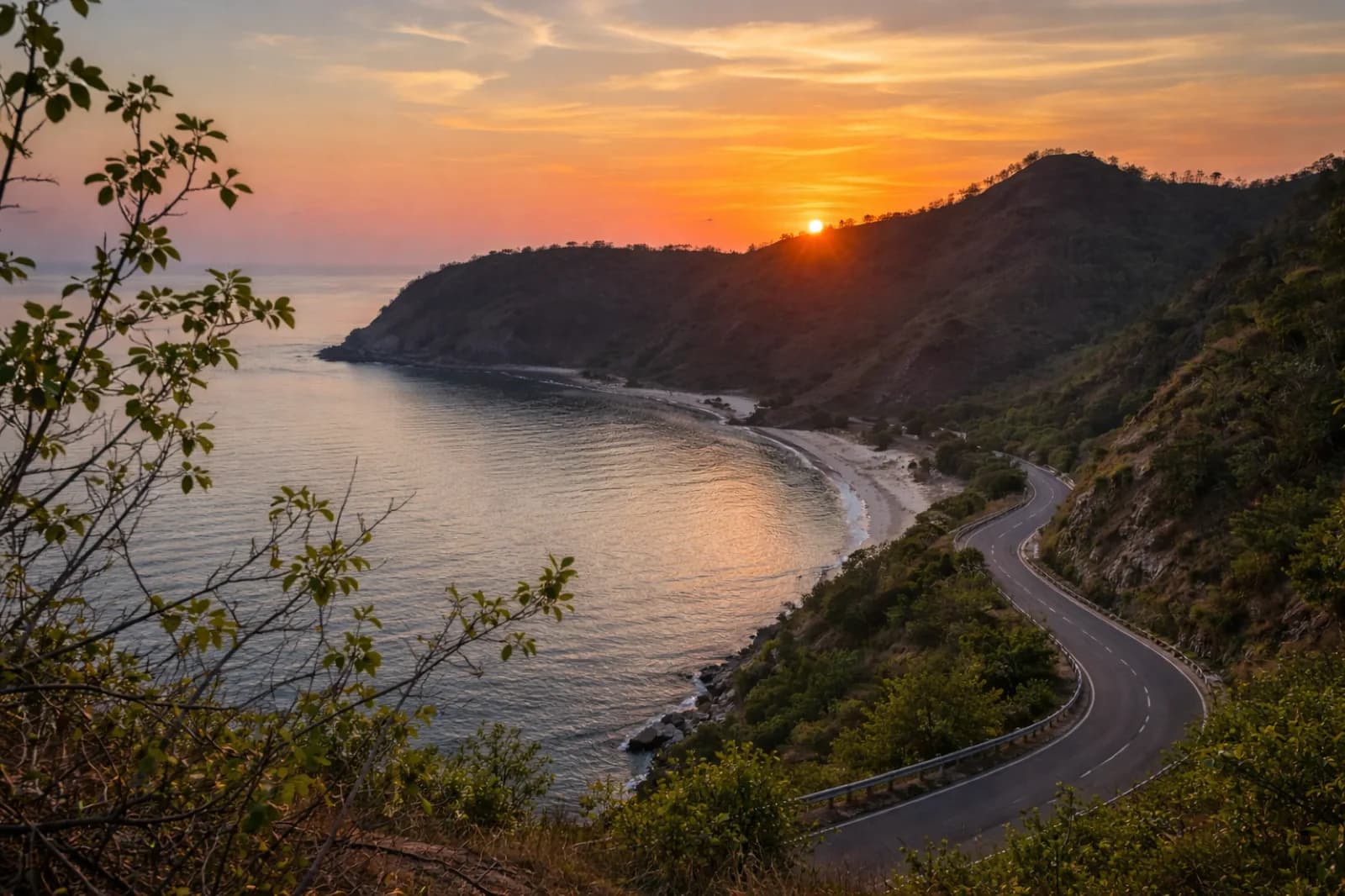
The sealed highway along the north coast — Dili to Baucau (122km, ~3 hours) — stays passable. Baucau itself, with its colonial old town and municipal swimming pool, makes a solid wet-season destination. The coast road west to Liquica and Maubara is similarly reliable.
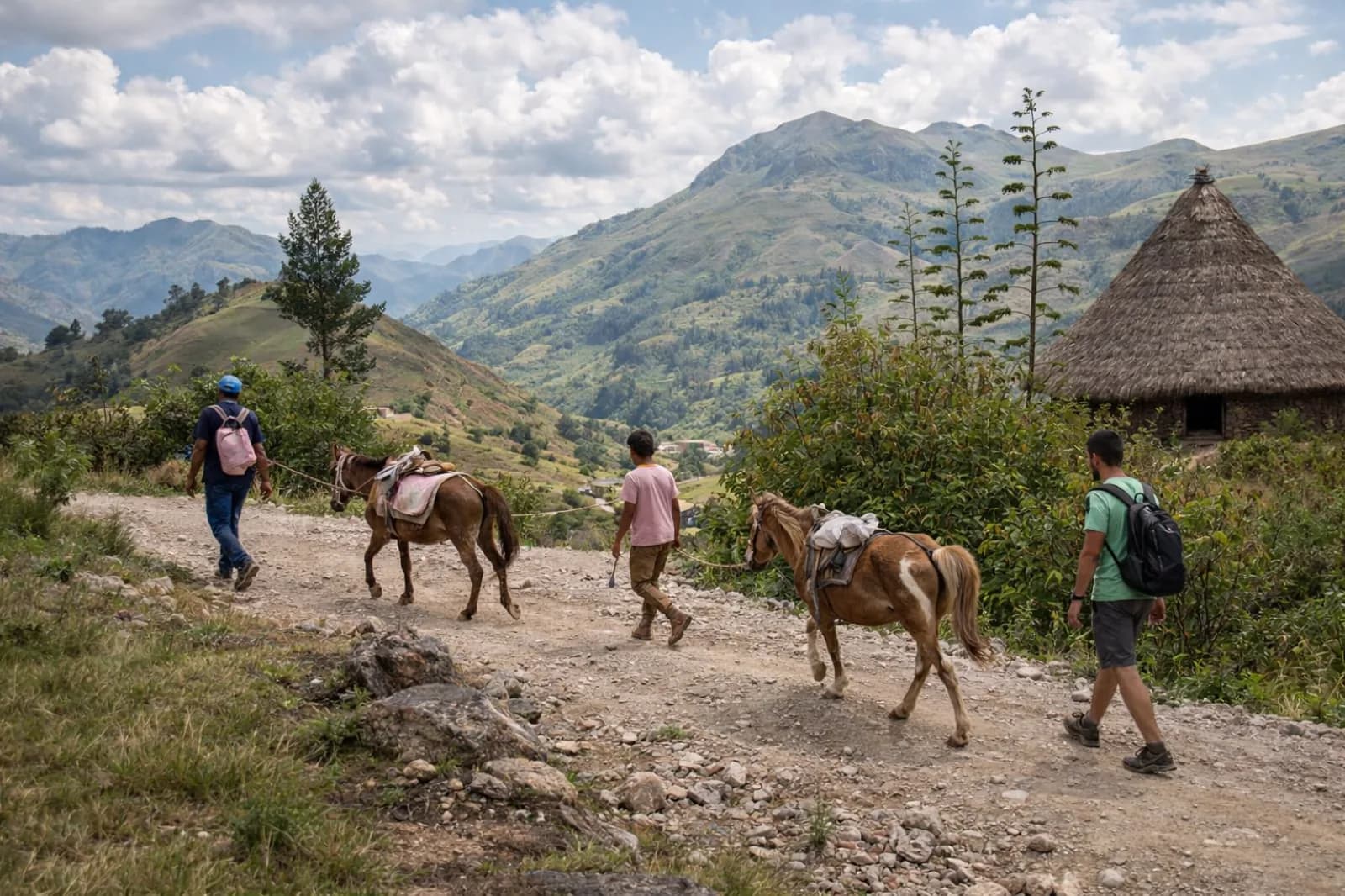
Mountain roads deteriorate fast in heavy rain. The Dili–Maubisse–Ainaro route and the mountain crossing to the south coast (via Same or Aileu) can become muddy, landslide-prone, or entirely blocked. These are single-track mountain roads with steep drops — not the place to test your luck in a downpour.
The south coast is the wettest part of the country and also has the worst roads. Reaching places like Betano, Suai, or the eastern tip near Lospalos via the southern route is inadvisable without a reliable 4WD and a driver who knows the current conditions.
Tour operators generally suspend group tours to highland and southern destinations during peak wet season. Private tours with experienced drivers may still be possible, but confirm road conditions on the day of travel.
April 2021 saw Tropical Cyclone Seroja cause severe flash flooding in Dili, with 42 deaths. While this was an exceptional event, it's a reminder that low-lying areas in Dili (particularly around Caicoli) can flood in extreme weather.
The landscapes transform. Hillsides that look brown and arid in the dry season turn brilliantly green. Waterfalls that are a trickle in September become roaring cascades by February. Rice paddies fill. Flowers bloom.
Tourism drops to near zero. Timor-Leste already sees very few visitors — in wet season, you'll have places genuinely to yourself. Guesthouses are more likely to negotiate on price. Dive operators give you their undivided attention.
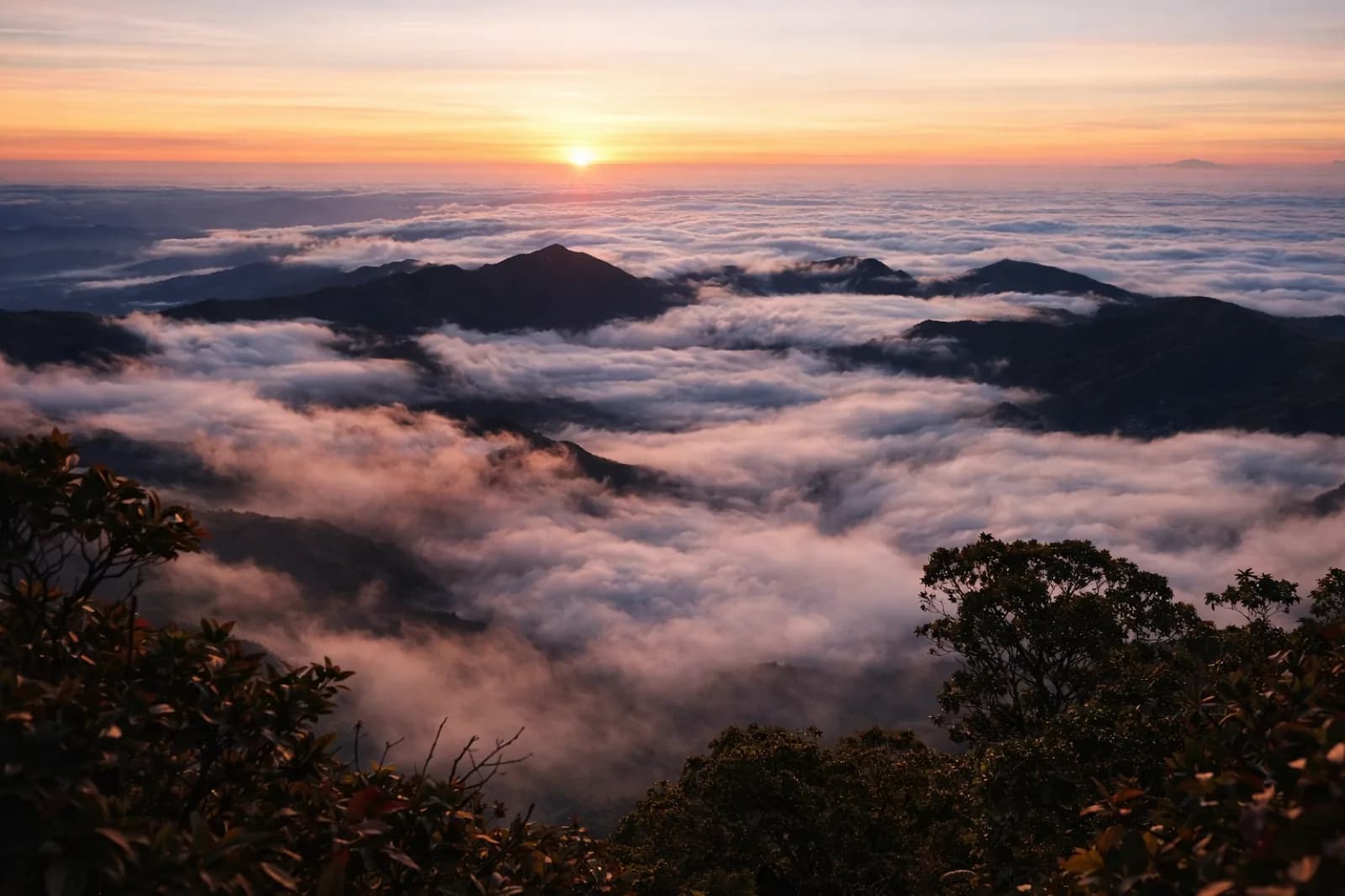
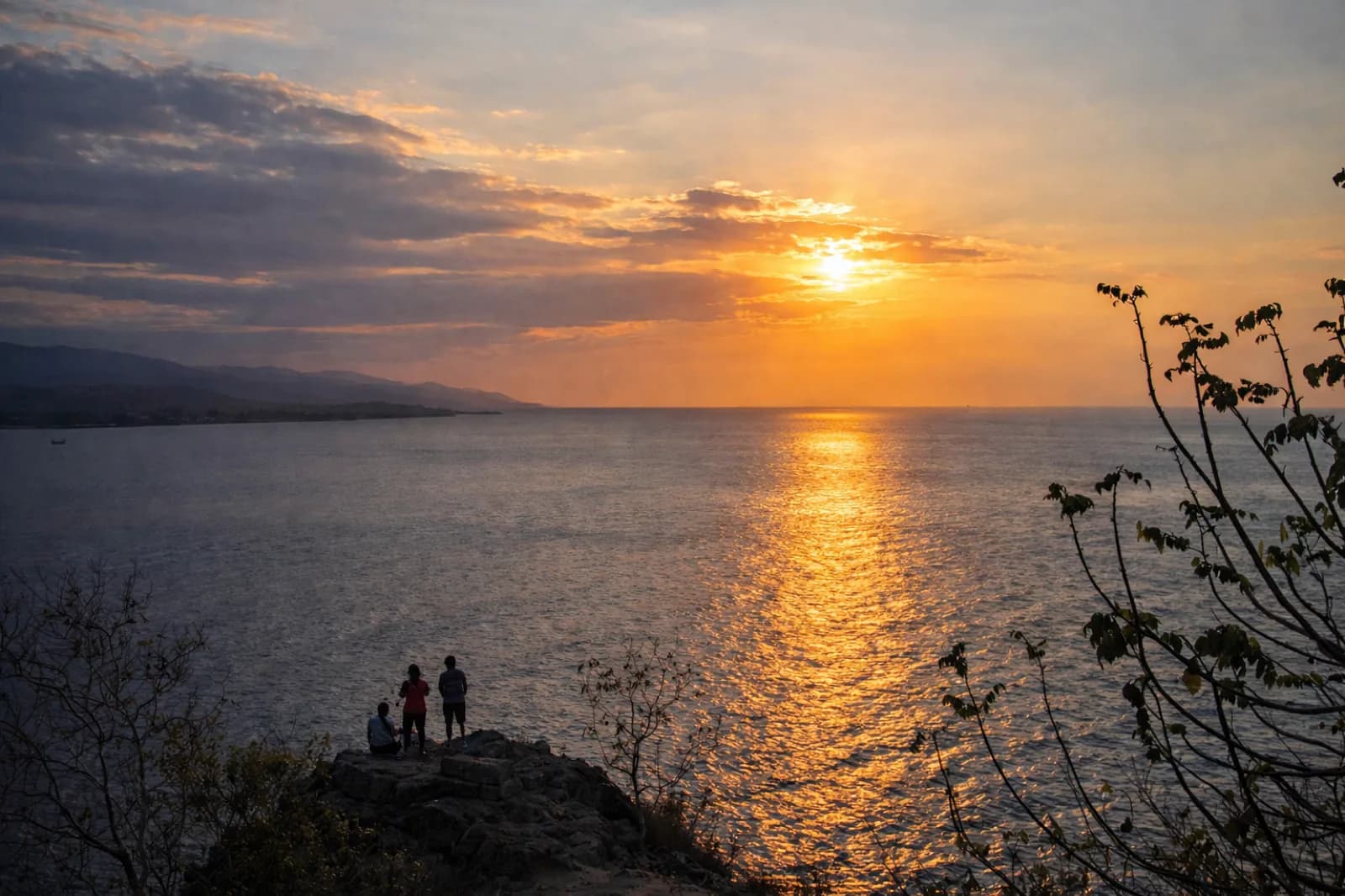
The mornings are often beautiful. Clear, warm, with dramatic clouds building through the day. Photographers find the wet season light — those golden breaks between storms — more compelling than the hazy dry season.
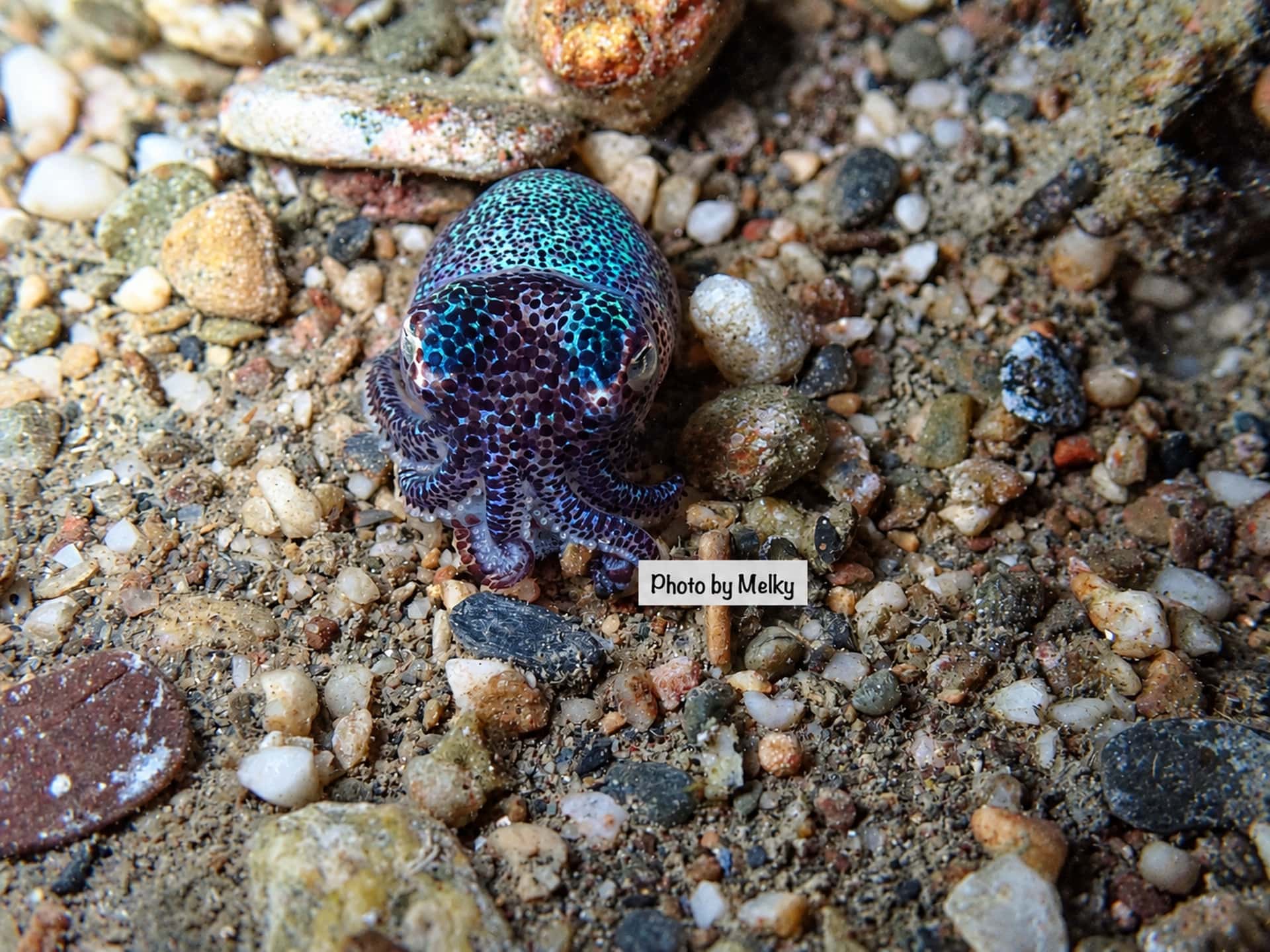
And if you're a diver, the Coral Triangle doesn't stop being extraordinary just because it's raining topside. Atauro's reefs are at their warm, nutrient-rich best.
Build flexibility into your itinerary. Don't plan tight connections between mountain destinations. Have backup options. If the road to Maubisse is closed, spend an extra day in Baucau or Atauro instead.
Book a 4WD if you're going anywhere off the main highway. Sedans are fine for Dili and the north coast road, but mountain routes demand clearance and traction. Budget $85/day for a proper 4WD.
Pack accordingly: a lightweight rain jacket, dry bags for electronics, waterproof sandals for wading, and insect repellent (dengue risk peaks during wet season, November-April). Quick-dry clothing is more useful than heavy waterproofs.
Check conditions locally. Road status changes daily. Your guesthouse owner, tour operator, or the staff at Dili's visitor information center can tell you what's passable right now. Don't rely on last week's information.
3 experiences connected to this guide


Iconic shore sites: Cristo Rei, Tasi Tolu & Dili Rock

Coral walls, anemone gardens & a wreck
April for the best of both worlds — green landscapes with improving road access. Or embrace full wet season (January-March) for empty reefs and dramatic scenery.
Continue planning your trip to Timor‑Leste

The world's most biodiverse reefs, virtually untouched

Transport guide — from Dili to the far east and everywhere between

Month-by-month guide for planning your trip

What to know before you go — from crocodiles to pharmacies
Places mentioned in this guide