Marine conservation, teaching, healthcare, and community forestry — how to contribute meaningfully
Timor-Leste is one of the youngest nations on Earth, and it draws a particular kind of volunteer — people who want to contribute to something being built, not just maintained. The opportunities here are real, the impact is tangible, and the experience is nothing like the polished "voluntourism" packages you'll find elsewhere in Southeast Asia.
But a word upfront: volunteering in Timor-Leste is not a holiday with a purpose bolted on. It's hot, infrastructure is basic, internet is slow, and the work is genuine. The organisations operating here need your skills, not your Instagram posts. The volunteers who thrive are the ones who stay longer, learn Tetun, and build relationships.
From monitoring world-record reefs on Atauro Island to mentoring healthcare workers in rural clinics, from teaching English in mountain schools to planting trees in community forests — the ways to contribute are as diverse as the country itself. Here's how to do it well.
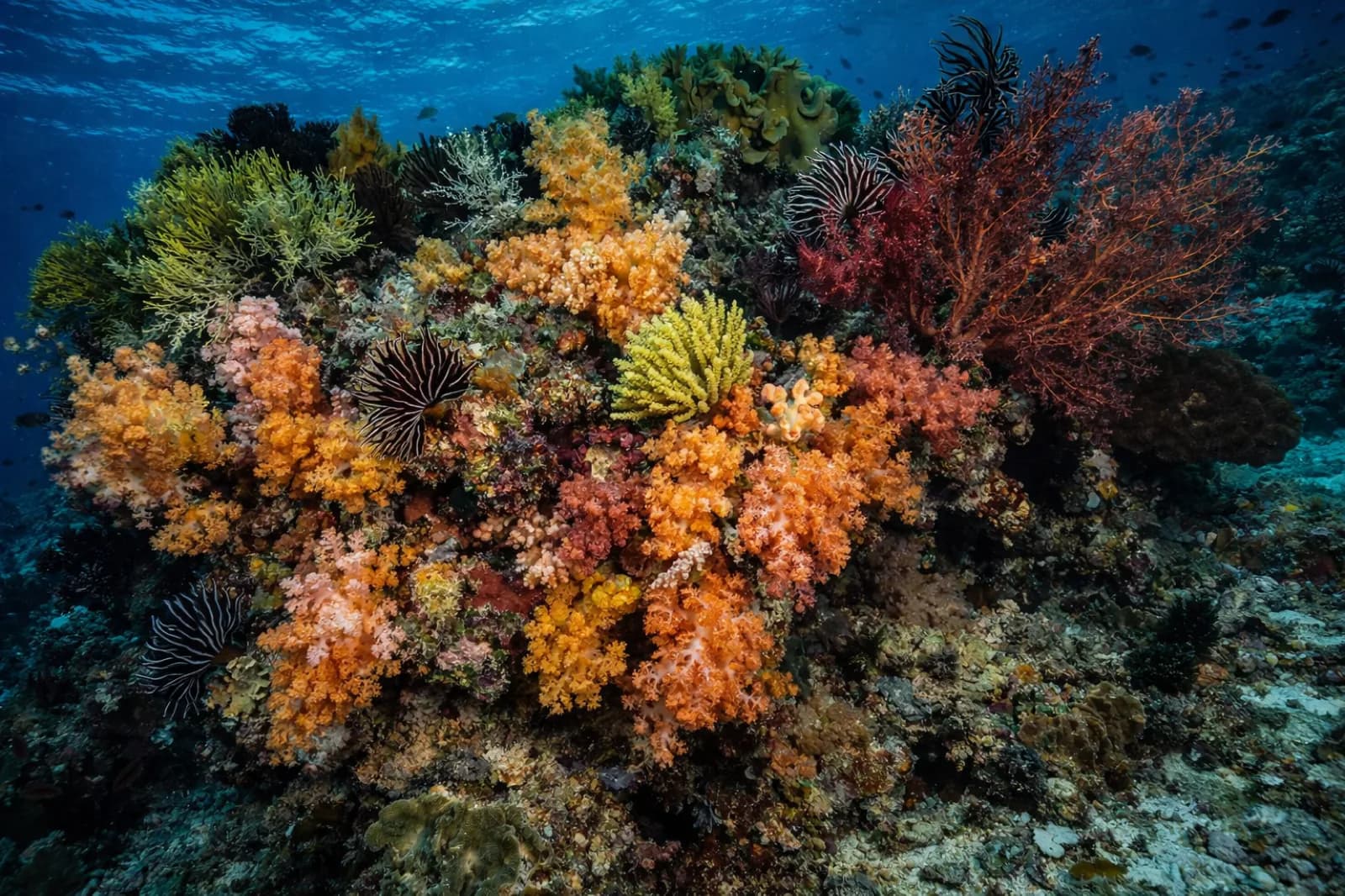
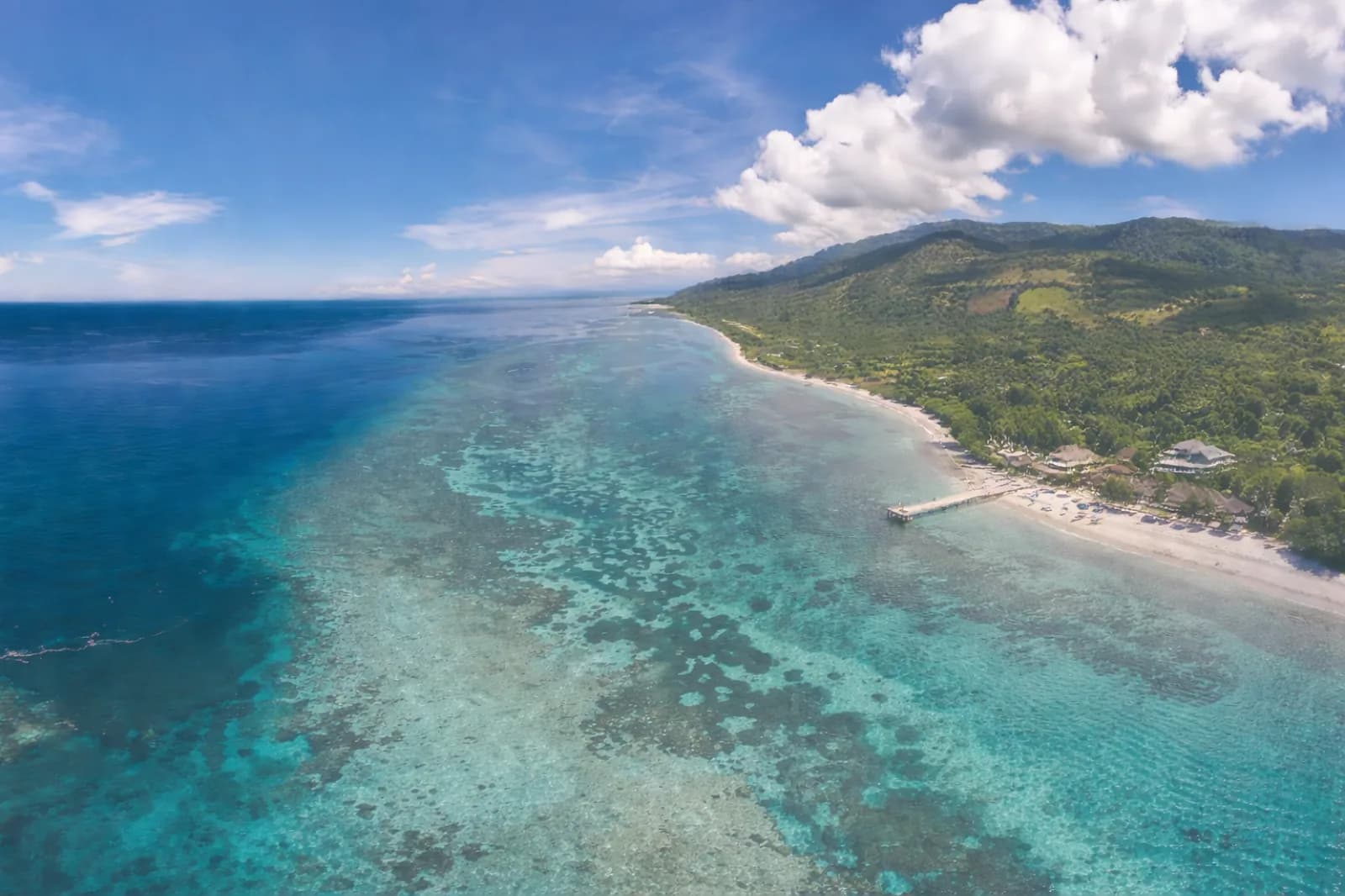
Atauro Island sits at the heart of the Coral Triangle, with more reef fish species per dive site than anywhere else on Earth. Blue Ventures runs expedition-based volunteer programs here — 3 to 18 weeks (6 weeks is typical) where you're trained in marine science, coral and fish identification, and seagrass monitoring. You'll dive twice a day, five days a week, collecting data that directly supports reef protection.
The cost is from GBP 2,600 for six weeks, which covers accommodation, meals, training, and diving. 96% of fees go directly to conservation projects. This isn't a dive holiday with a conscience — it's rigorous scientific fieldwork that happens to take place in one of the most biodiverse marine environments on the planet.
The community dimension is equally important. ATKOMA, Atauro's community tourism association, manages 13 Marine Managed Areas using tara bandu — traditional customary law that regulates the relationship between people and the sea. Every guesthouse contributes $2 per visitor per night to a common fund for reef conservation and community projects. When you volunteer here, you're plugging into a system that's both ancient and cutting-edge.
For turtle lovers, the Com Sea Turtle Conservation Group at Nino Konis Santana National Park (eastern Timor-Leste) protects olive ridley, green, and hawksbill turtles. They offer guided nesting observation and snorkeling, supported by UNDP, Conservation International, and the Ministry of Tourism.
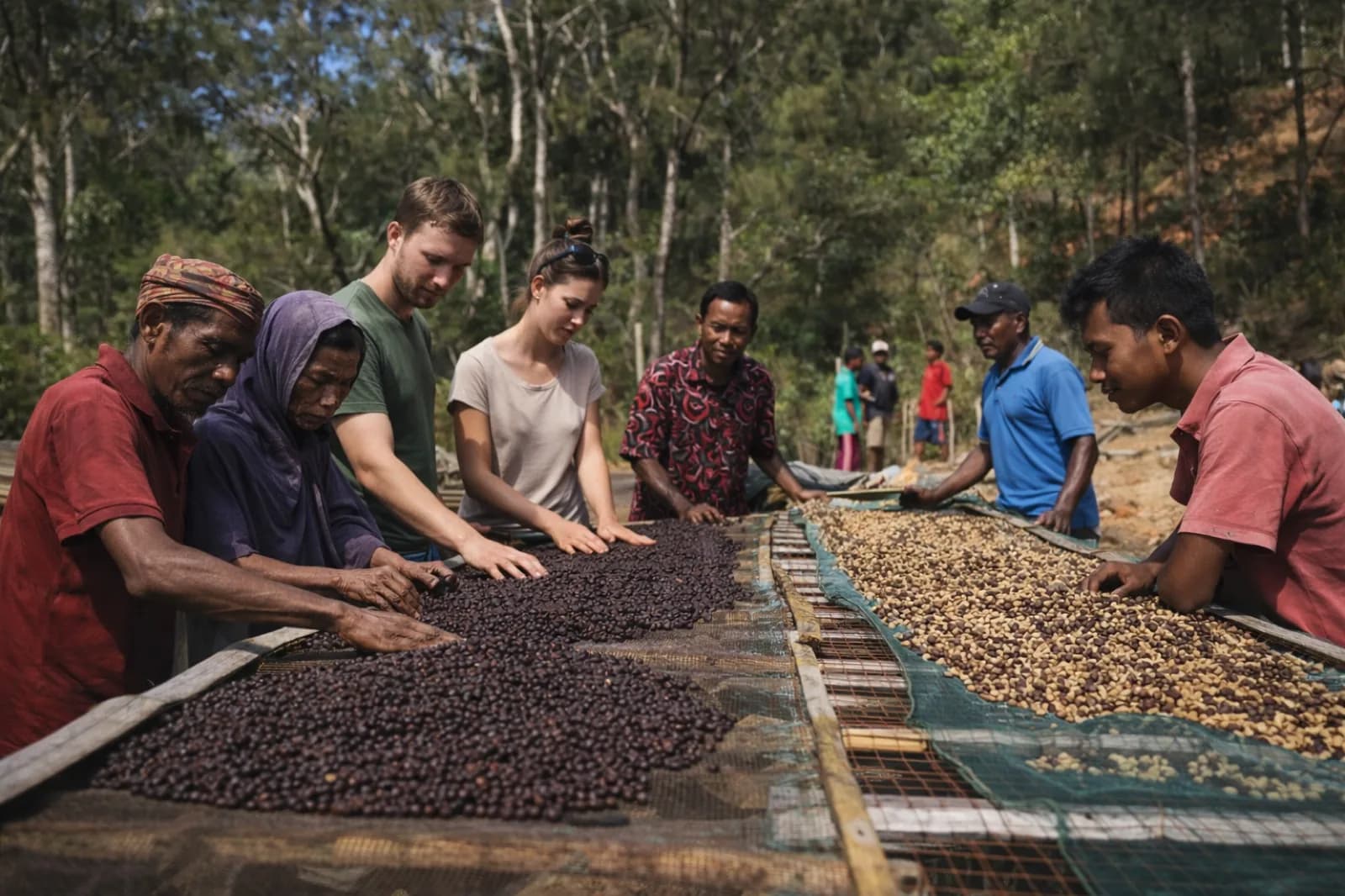
Maluk Timor is the standout healthcare volunteer organisation in the country. Their model is mentoring, not replacing — you work alongside Timorese healthcare staff at community health centres, building local capacity rather than creating dependency. Mentor placements run 6-12 months; consultant roles are 2-6 months. You get shared accommodation, a shared vehicle, and a living allowance comparable to Timorese salaries. No admin fee.
Roles include HIV/TB/rheumatic heart disease mentors, clinical tutors, English teachers (in a healthcare context), IT support, and communications. You don't need to be a healthcare professional — they need a range of skills. Apply via their website.
Klibur Domin, run by Ryder-Cheshire Australia in Tibar (15km from Dili), has welcomed over 400 international volunteers since 2000. They operate a TB treatment unit, rehabilitation services, disability support, and a free dental clinic. Minimum three months preferred. Cost is around $10/day for meals and accommodation — you cover your own flights, visa, and insurance. Accommodation is in purpose-built cottages with ensuite bathrooms.
Both organisations are transparent about what they need and what the experience involves. If you're considering healthcare volunteering, start by reading their FAQs — they're refreshingly honest.
English is increasingly prioritised by the Timorese government, but few people speak it outside Dili. The demand for English teachers is real, particularly in rural areas where schools have minimal resources.
Peace Corps places English Education volunteers in rural middle and high schools for two-year commitments (plus three months of in-country training). Volunteers work alongside local teachers, lead workshops, facilitate youth clubs, and help translate children's books into Tetun. It's fully funded — flights, accommodation, living allowance, insurance, and language training all covered. US citizens only.
The Salesians of Don Bosco run vocational training schools including Don Bosco Technical School at Fatumaca, where 250+ students learn carpentry, mechanics, and electronics. The Cagliero Project sends Australian volunteers to Salesian communities in Timor-Leste.
For shorter commitments, Workaway lists a small number of hosts in Timor-Leste (typically 2-3 at any time) offering room and three meals in exchange for 6-7 hours of English teaching or community work per day. Placements include hostels in Dili, permaculture farms in Baucau, and community teaching in Baguia.
WithOneSeed runs a community forestry programme in Baguia that's genuinely remarkable. Starting with 12 farmers in 2009, it now supports 914 farmers managing 469,288 trees. It's the first Gold Standard certified carbon farming programme in Timor-Leste, and has generated over $400,000 in carbon credit revenue for local communities. Farmers receive annual payments per surviving tree.
Permatil (Permaculture Timor-Leste) has integrated permaculture into the national primary school curriculum — the first country in the world to do so. Their school garden programme reaches 254 schools and over 41,500 students. PermaYouth camps since 2008 have engaged more than 5,500 young people. International volunteers support training and programme development.
naTerra operates a Sustainable Agriculture Learning Centre on Atauro Island at Adara, offering short and long-term courses, internships, and Permaculture Design Certificate courses. If you want to combine marine conservation with permaculture on the same island, this is how.
BETTER Timor builds schools in Timor-Leste — they constructed the Bakhita School of Excellence in Same with a custom curriculum and teacher support programme. Most of their 45+ Australian volunteers work remotely, but construction and on-the-ground placements are available.
If you're eligible for a government-sponsored volunteer programme, these are the gold standard. Everything is funded — flights, accommodation, living allowance, insurance, language training — and the placements are matched to real needs.
Peace Corps (US citizens): Two-year commitment, sectors in English education and community economic development. Australian Volunteers Program (Australians): Typically 12-month assignments with accommodation allowance and pre-departure briefings. Volunteer Service Abroad/VSA (New Zealand citizens): Funded by NZ MFAT, covers all costs, also runs UniVol for university students.
United Nations Volunteers accepts applications from any nationality through unv.org. Assignments range from 3 to 48 months with living allowances provided. JICA (Japanese citizens) and KOICA (Korean citizens) also maintain active programmes in Timor-Leste.
These programmes require advance planning — allow at least six months for recruitment and deployment. But the support structure means you arrive prepared, culturally briefed, and with language training already underway.
The most important rule: never volunteer at an orphanage. The UN, UNICEF, and multiple child protection organisations have documented how orphanage tourism creates demand for children to be recruited into institutions — often from families who would otherwise keep them. It's been linked to child trafficking. Timor-Leste is no exception. If an organisation offers you access to vulnerable children for short-term visits, walk away.
Good volunteering in Timor-Leste looks like this: working with established local organisations, transferring skills rather than doing the work yourself, staying long enough to build relationships and understanding, and ensuring your role doesn't displace a Timorese worker.
Ask these questions of any organisation: Do they employ and empower local staff? Is my role about skill transfer or feel-good participation? Where do volunteer fees go? (Blue Ventures: 96% to programmes. That's the benchmark.) What measurable impact can they demonstrate?
Learn Tetun. It's not optional — it's the difference between being a visitor who helps and a colleague who contributes. Peace Corps and AVP provide formal language training. For independent volunteers, there's no Tetun on Duolingo or Google Translate — Geoffrey Hull's "Tetun Language Manual" is the academic reference, and our Tetun Phrasebook guide covers the essentials.
Visa: Tourist visas (30 days, $30 on arrival) technically don't allow professional activity, including volunteering. For placements over 30 days, you need a work visa ($100, valid up to one year, renewable). Requirements include a voluntary short-term agreement from your organisation, passport with 6+ months validity, means of support, medical certificate, and criminal record check from your home country. Allow at least one month for processing. Government-funded programmes handle visa arrangements.
Health: Tropical illnesses are common. Chikungunya, dengue, entamoeba, and typhoid are all possibilities despite vaccinations. The first six months are the hardest for health adjustment. You need travel insurance with medical evacuation coverage — the nearest serious hospital is in Darwin. Bring a comprehensive first aid kit.
Cost of living in Dili averages around $520/month for a modest lifestyle. Guesthouses and homestays are affordable. Fresh produce at local markets is cheap and seasonal. Washing machines are rare — expect to hand-wash clothes. Internet is slow.
What to expect daily: work alongside Timorese colleagues, mostly in Tetun. Regular language lessons. Evening exercise along the Dili waterfront. Shopping at local markets 2-3 times a week. Coffee at one of Dili's growing number of cafés. A pace of life that forces you to slow down and pay attention.
3 experiences connected to this guide


Iconic shore sites: Cristo Rei, Tasi Tolu & Dili Rock

Coral walls, anemone gardens & a wreck
May to November (dry season) for the widest access to rural areas and best diving conditions. Marine conservation operates year-round. Teaching placements follow the Timorese school calendar (January-November).
Continue planning your trip to Timor‑Leste

The world's most biodiverse reefs, virtually untouched

Animism, Catholicism, tais weaving, and the world's youngest nation

What to know before you go — from crocodiles to pharmacies

Essential phrases, pronunciation, and the words that open doors

One of the world's least-visited countries — and one of the friendliest
Places mentioned in this guide