Instant confirmation
Atauro Blue Escape: Reef, Village & Sunset
Atauro Island2 daysIsland Explorer Holidays
SnorkellingMax 12
4.8(12 · Google)
$245per person
Check dates & availability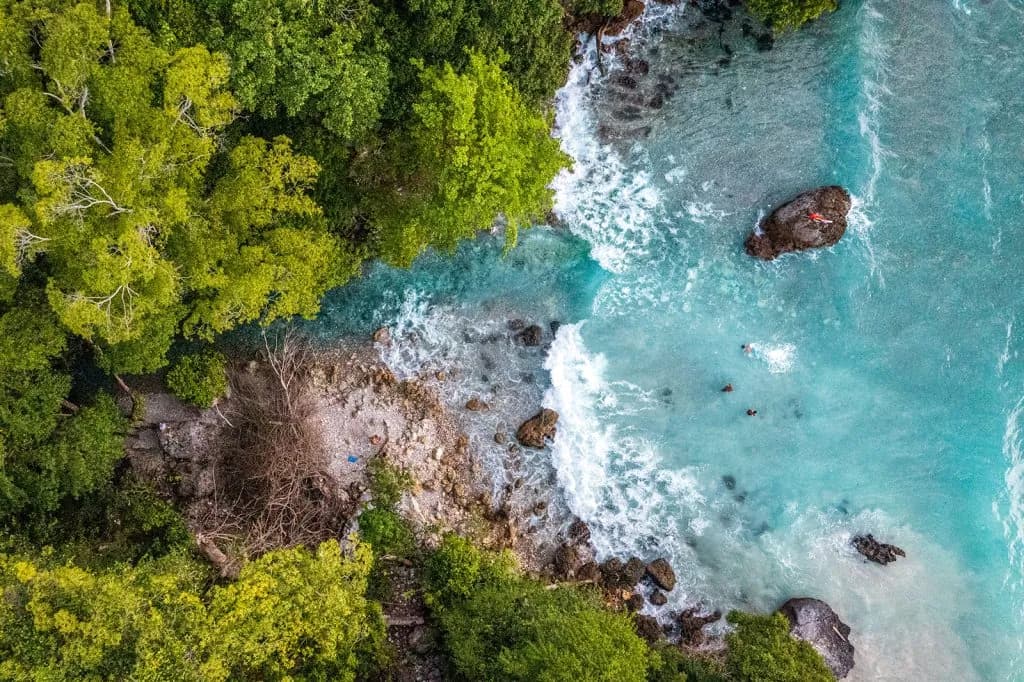
From pristine island sands to hidden coastal gems
The beaches of Timor-Leste (East Timor) are among the most pristine and uncrowded in Southeast Asia, precisely because the country remains one of the least-visited in the region. There are no beach resorts, no jet skis, no hawkers selling sarongs: just powdery sand, turquoise water, and the sound of waves. The trade-off is infrastructure: most beaches have no facilities whatsoever, which means you bring your own water, shade, and supplies, and you leave with every piece of rubbish you create.
The country's coastline divides neatly into three zones. The north coast, protected by the island chain above, tends to have calmer waters and is generally safer for swimming. Crocodiles are occasionally seen even on Dili's beaches, but the capital's beaches are where most people swim. The south coast faces the open Timor Sea with powerful swells, strong currents, and significant crocodile populations. It is emphatically not for swimming. The eastern tip, home to Jaco Island, offers the most spectacular scenery but requires serious commitment to reach.
What makes beach-going in Timor different from neighboring Indonesia or Australia is the solitude. On a weekday, you might have an entire beach to yourself. Even popular spots see only a handful of visitors. If your idea of paradise is a beach with nobody on it and coral reefs starting at the waterline, Timor-Leste delivers in a way that few places on Earth still can.
This guide covers every notable beach and swimming spot in the country, from the sacred sands of Jaco Island to freshwater springs you can swim in for 50 cents. Each has its own character, its own challenges, and its own rewards. Read the safety notes carefully: saltwater crocodiles are a genuine hazard at some locations, and this guide is explicit about where swimming is and is not safe.
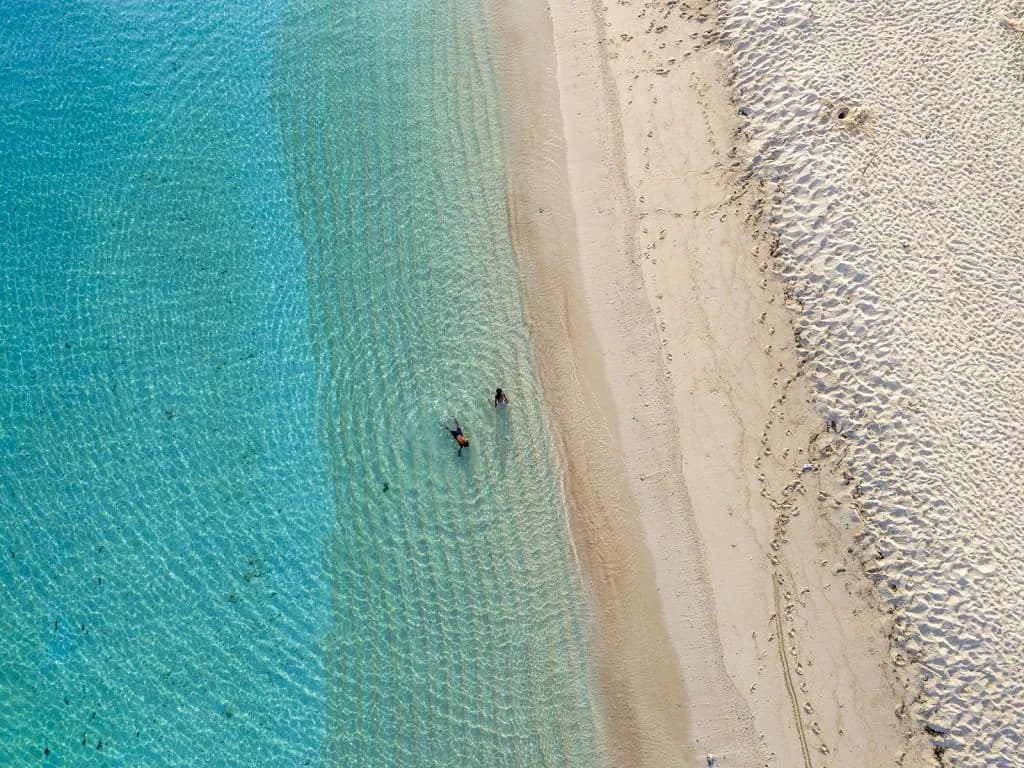
Jaco Island (Ilha de Jaco) is, by any measure, the most spectacular beach destination in Timor-Leste. A 10-square-kilometer uninhabited island roughly 700 meters off the country's easternmost tip, it is sacred to the Fataluku people, who believe it is the home of ancestral spirits. No permanent structures are allowed on the island. What you find instead is pure, unspoiled nature: powdery white sand, coral reefs starting at ankle depth, a forested interior, and turquoise water so clear you can count individual fish from the shore.
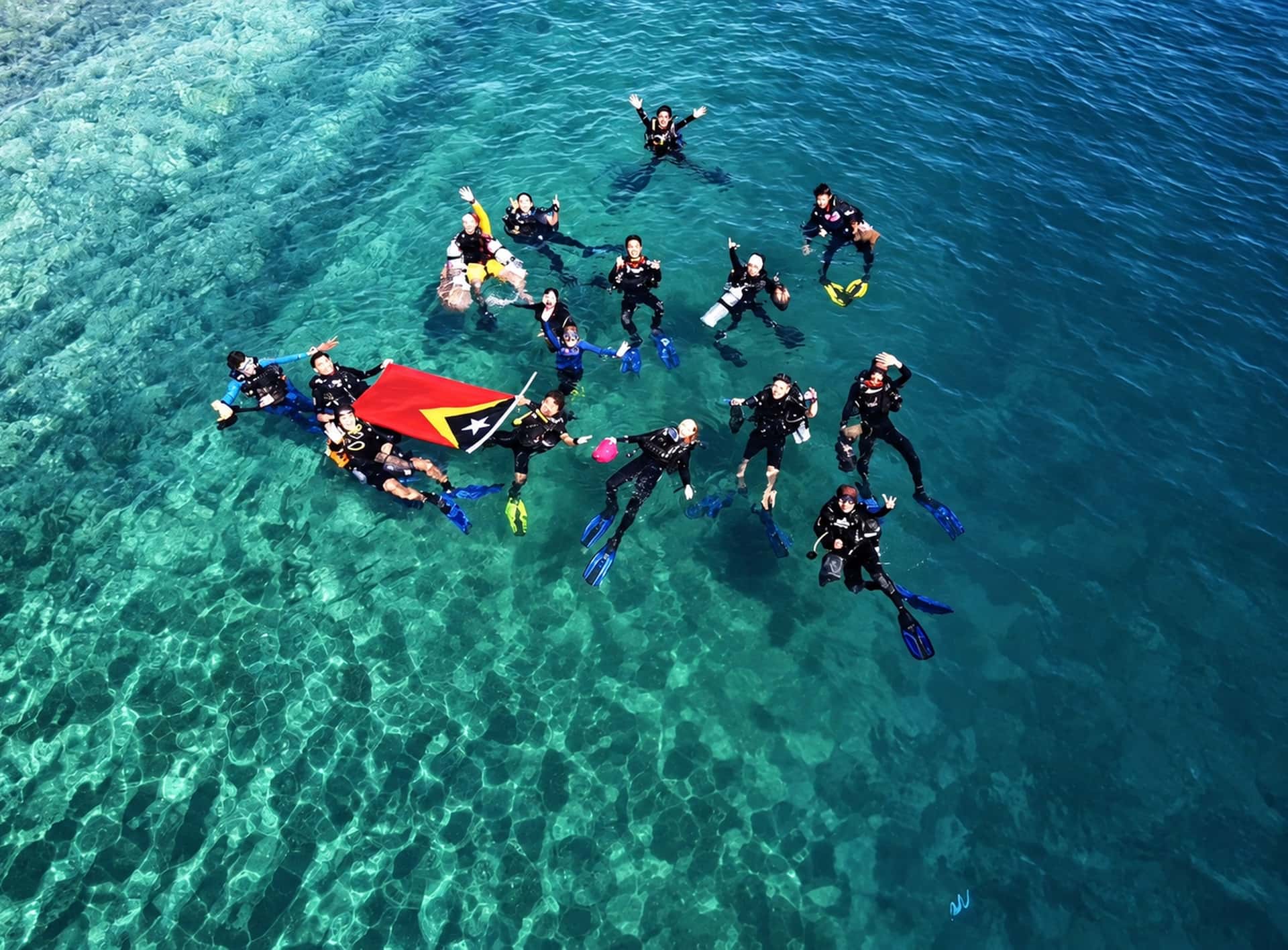
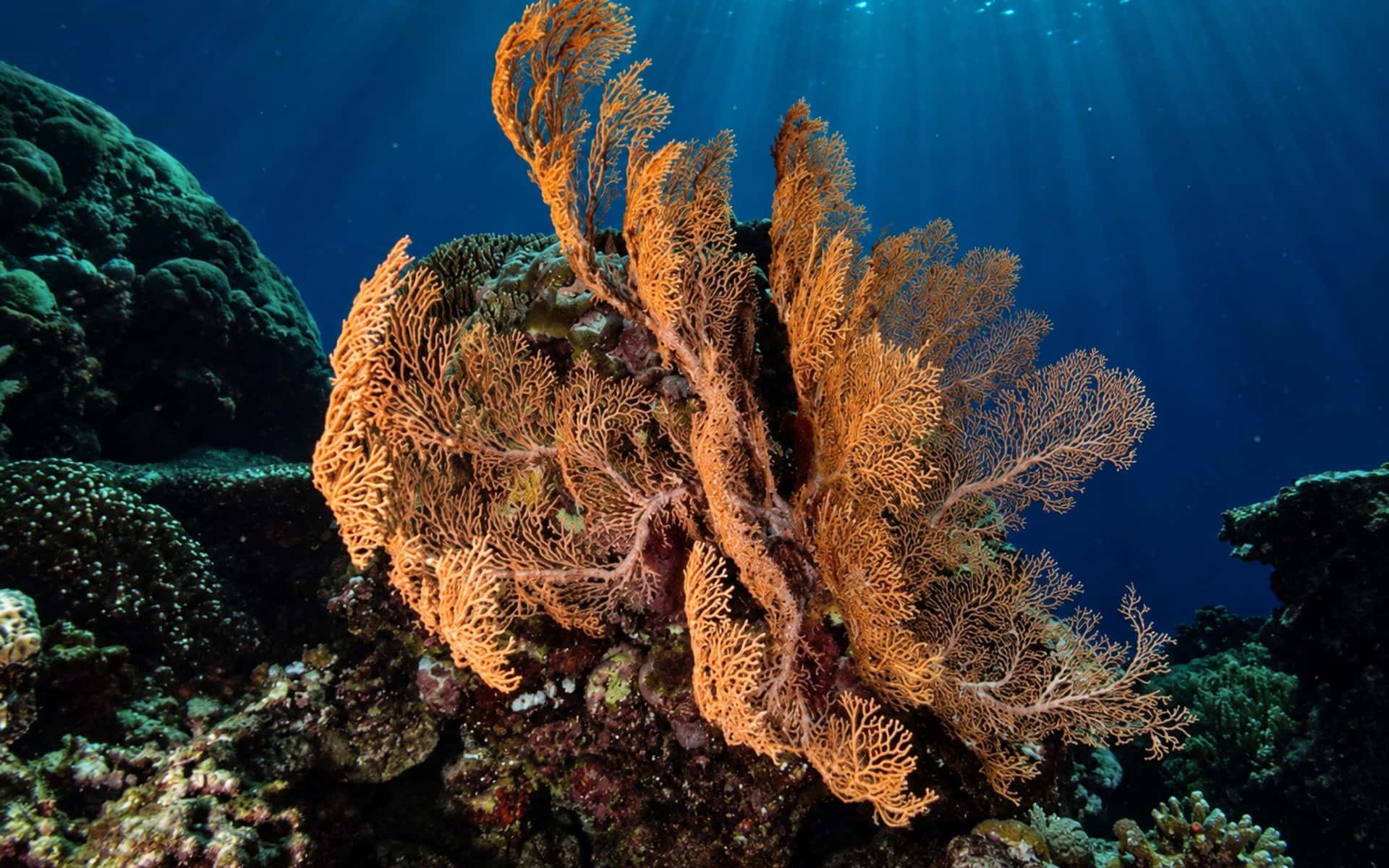
The snorkeling at Jaco is exceptional. Schools of colorful reef fish swarm in shallow water, sea turtles glide past, and the coral is healthy and diverse: undamaged by fishing, anchoring, or tourism. Bring your own snorkel gear (there is absolutely nothing to rent), reef shoes (the coral is sharp), water, food, sunscreen, and shade. There are no facilities of any kind. The boat from the southern end of Valu Beach costs $10 return per person; agree a pickup time before your boatman leaves.
Getting to Jaco requires commitment: a 7 to 9 hour drive from Dili via Baucau and Lautem (4WD essential for the last section), then the 15-minute boat crossing. Most visitors base themselves in Tutuala, where basic guesthouses cost $10-15 per night. The journey itself passes through Nino Konis Santana National Park: 123,600 hectares with over 200 bird species, Lake Ira Lalaro (the country's largest lake), and ancient rock art at Ili Kere Kere. Plan at least two nights in the area to justify the travel time.
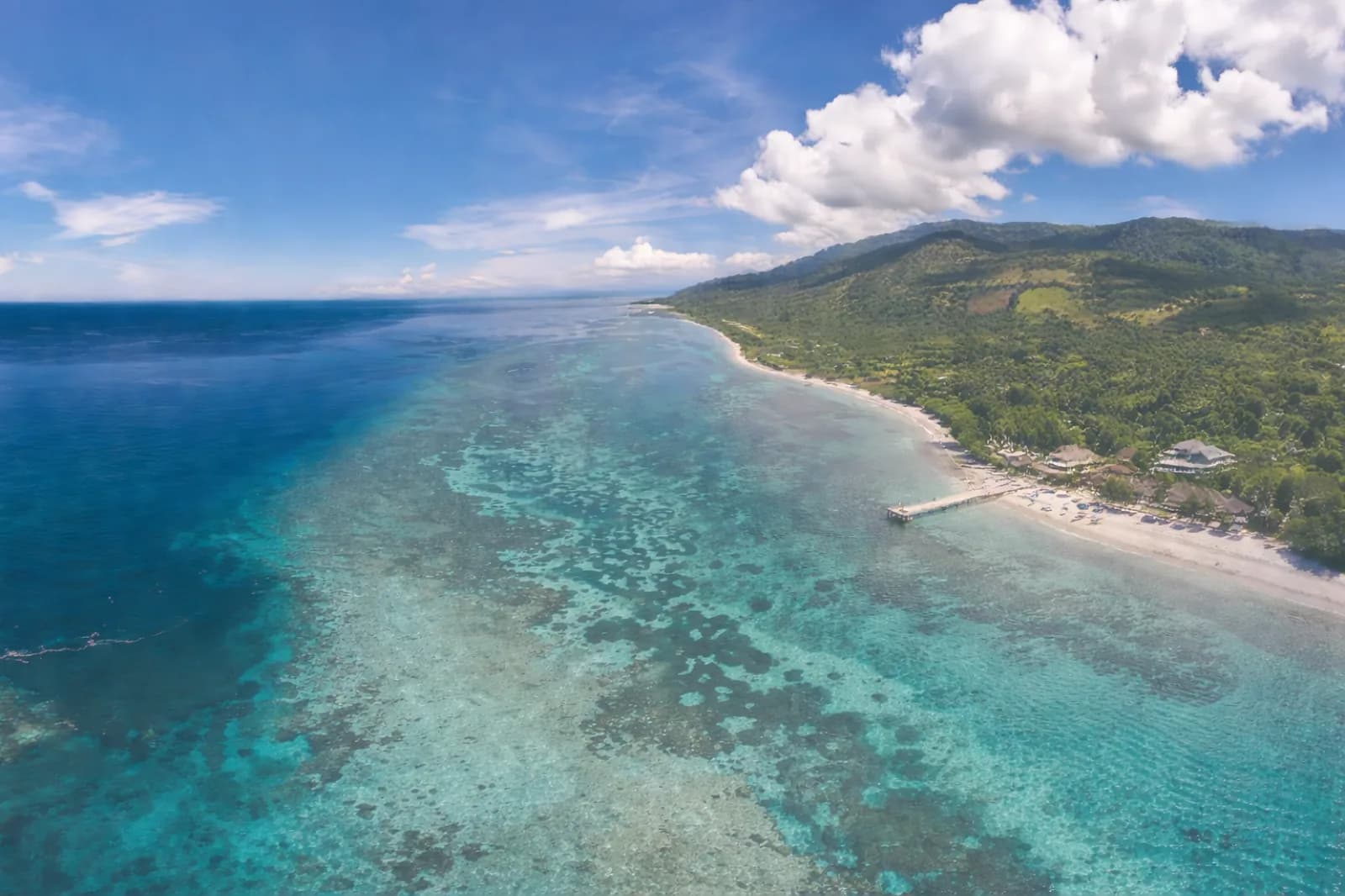
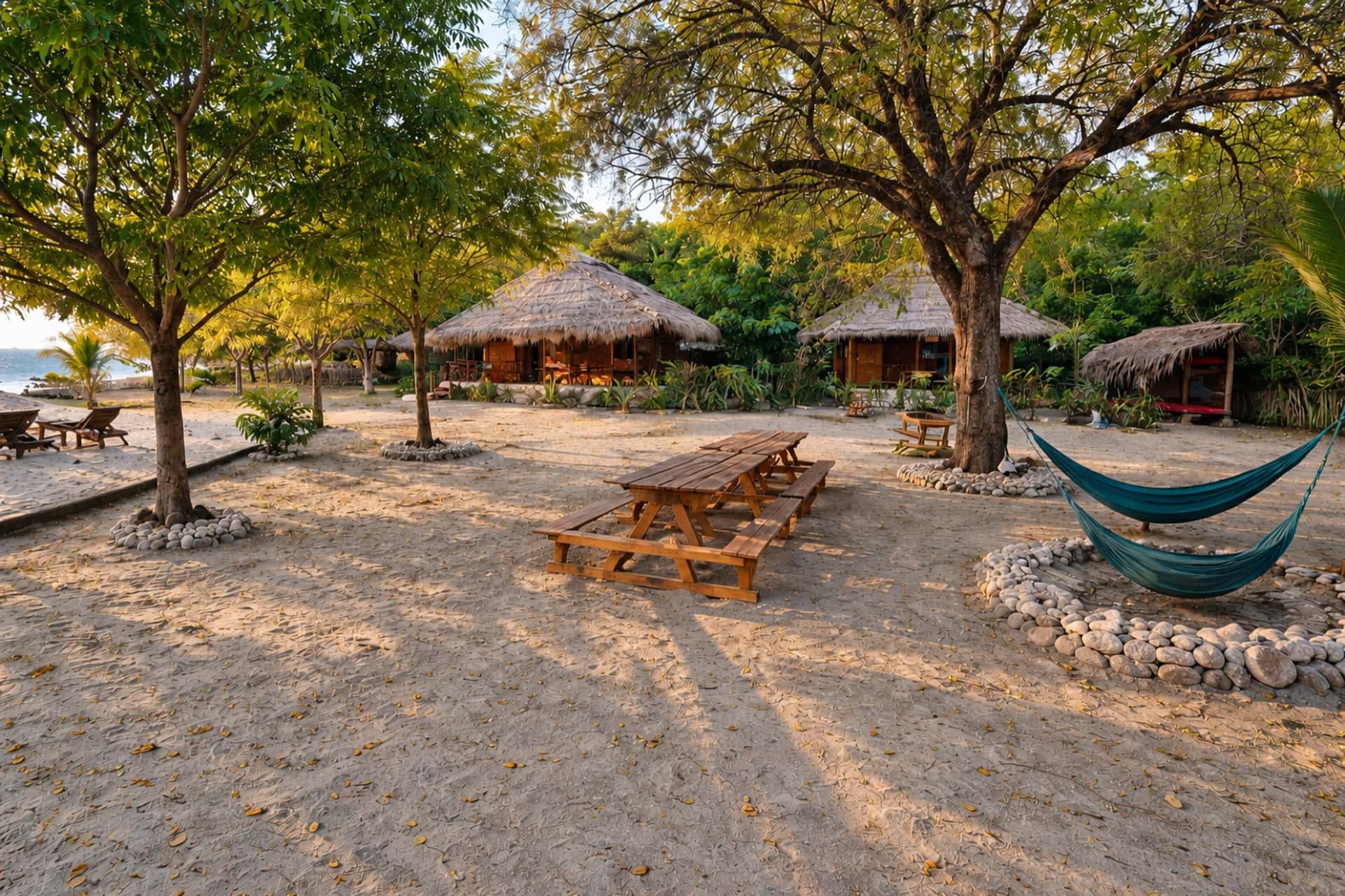
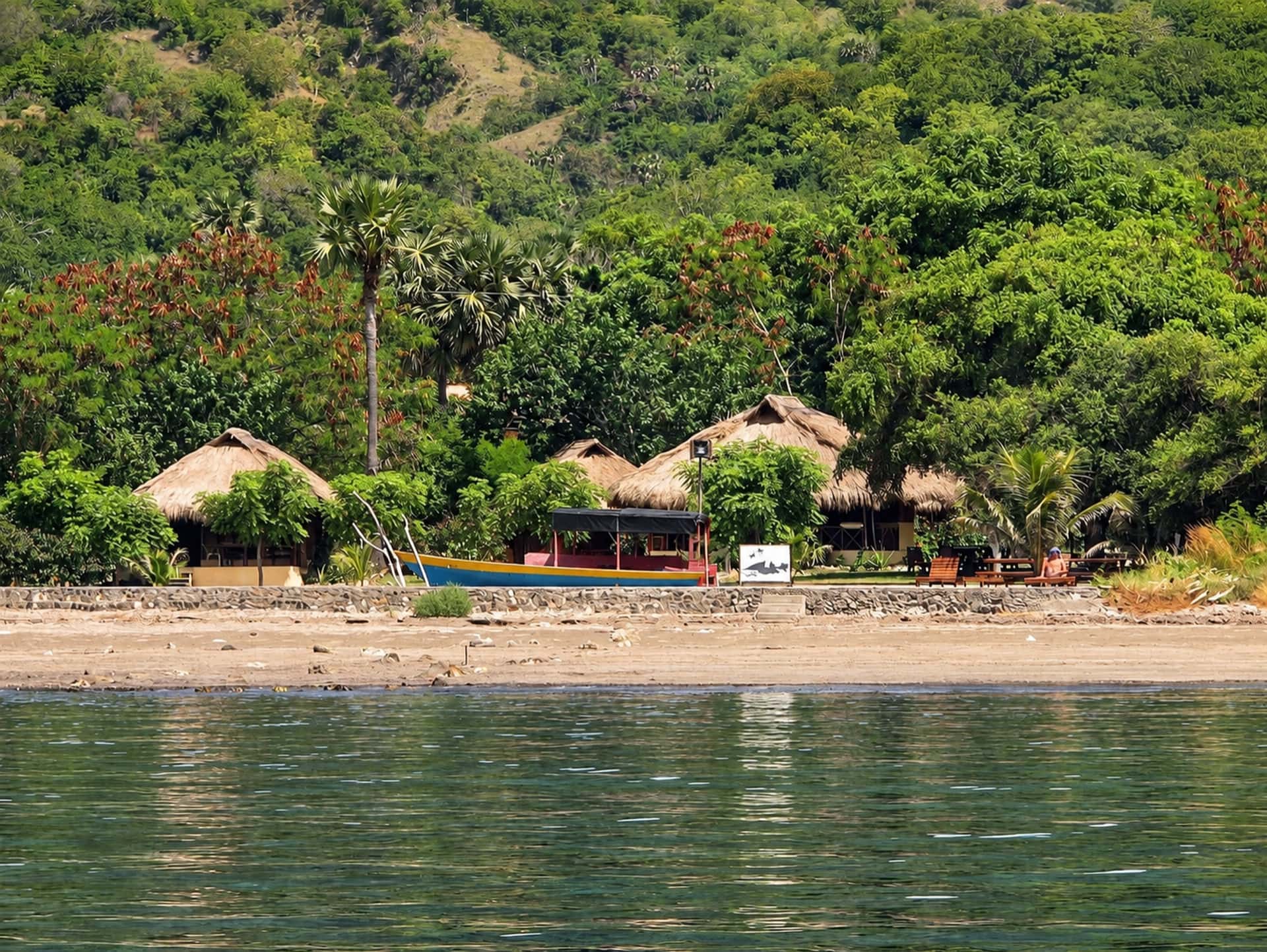
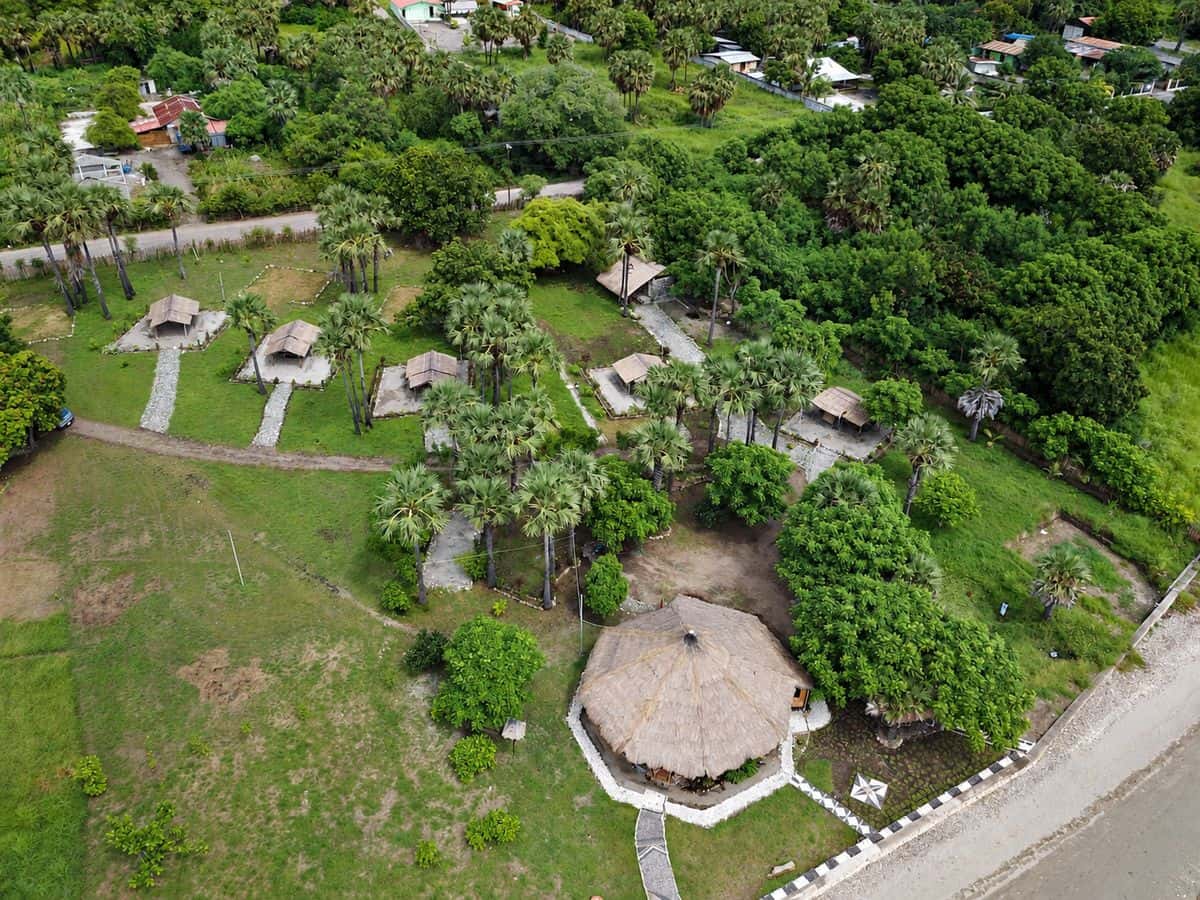
Atauro Island, 25 kilometers north of Dili in the Wetar Strait, has several beaches that rank among the best in the country. The challenge is that the most stunning ones require effort to reach, which is exactly what keeps them beautiful. Atecru, on the remote west coast, is arguably the finest: a sweep of white sand backed by forest, with a dramatic reef drop-off just offshore. Reaching it means either a 5.5-hour hike from Beloi or a $130 boat charter, but those who make the effort are rewarded with a beach that feels like it belongs in a nature documentary.
Closer to the main villages, Akrema offers gorgeous white sand about 1.5 hours from Bikeli. Adara, now accessible by a 45-minute drive from Beloi thanks to a new road completed in mid-2025, has its own spectacular stretch of coast. Dollar Beach, a small cove on the east coast, is reachable by boat or a scramble along the rocks from Beloi. Its crystal-clear water makes it one of the best snorkeling spots on the island.
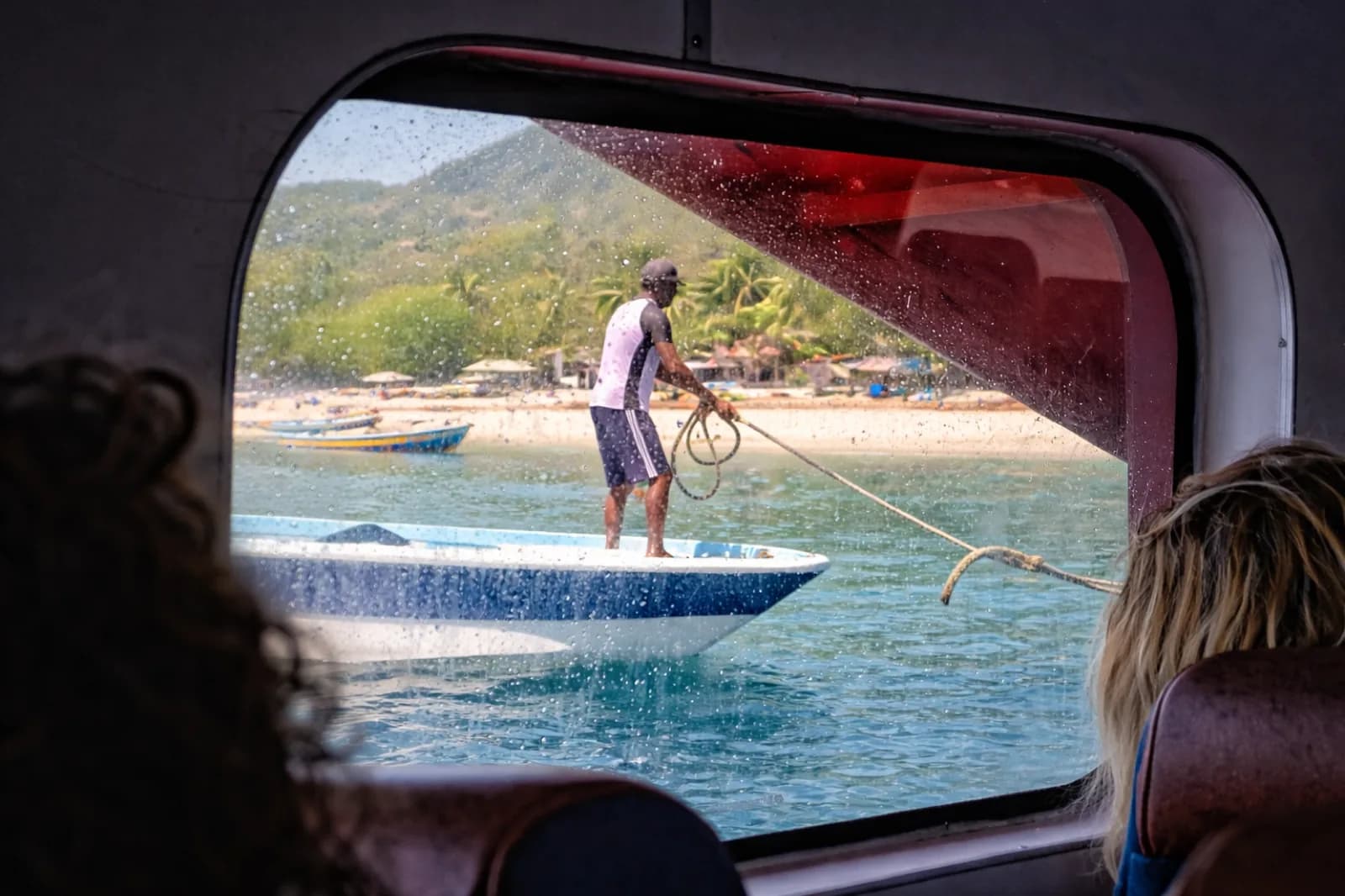
Atauro's beaches are generally safe for swimming, though always check with locals about current conditions. The island's main practical consideration is access: the public ferry from Dili runs every day except Monday (Berlin Nakroma $4 from Porto Dili, MV Success $5 from Kolmera, one way), and lodges can arrange their own boat when the ferry does not suit. There are no ATMs on the island, limited electricity, and patchy phone signal. Pack reef shoes, snorkel gear, and reef-safe sunscreen.
Dili's coastline won't win any awards for raw natural beauty compared to Jaco or Atauro, but it is the most accessible place to swim in the country, and better than you might expect from a capital city. Crocodiles are occasionally seen even here, so ask locally, avoid river mouths, and do not swim at dusk or at night.
The stretch near Cristo Rei includes Dolok Oan beach and nearby Areia Branca: the most popular beach spots in Dili. On weekends, local families come out, and there are restaurants and bars within walking distance. The water is calm and warm, and locals swim here, but crocodiles are occasionally seen even on Dili's beaches, so ask first. Further west, Tasi Tolu is another spot where locals swim, with easy beach entry, calm water, and decent snorkeling. Tasi Tolu is also an Important Bird Area with 71 recorded species, making it a good two-for-one stop.
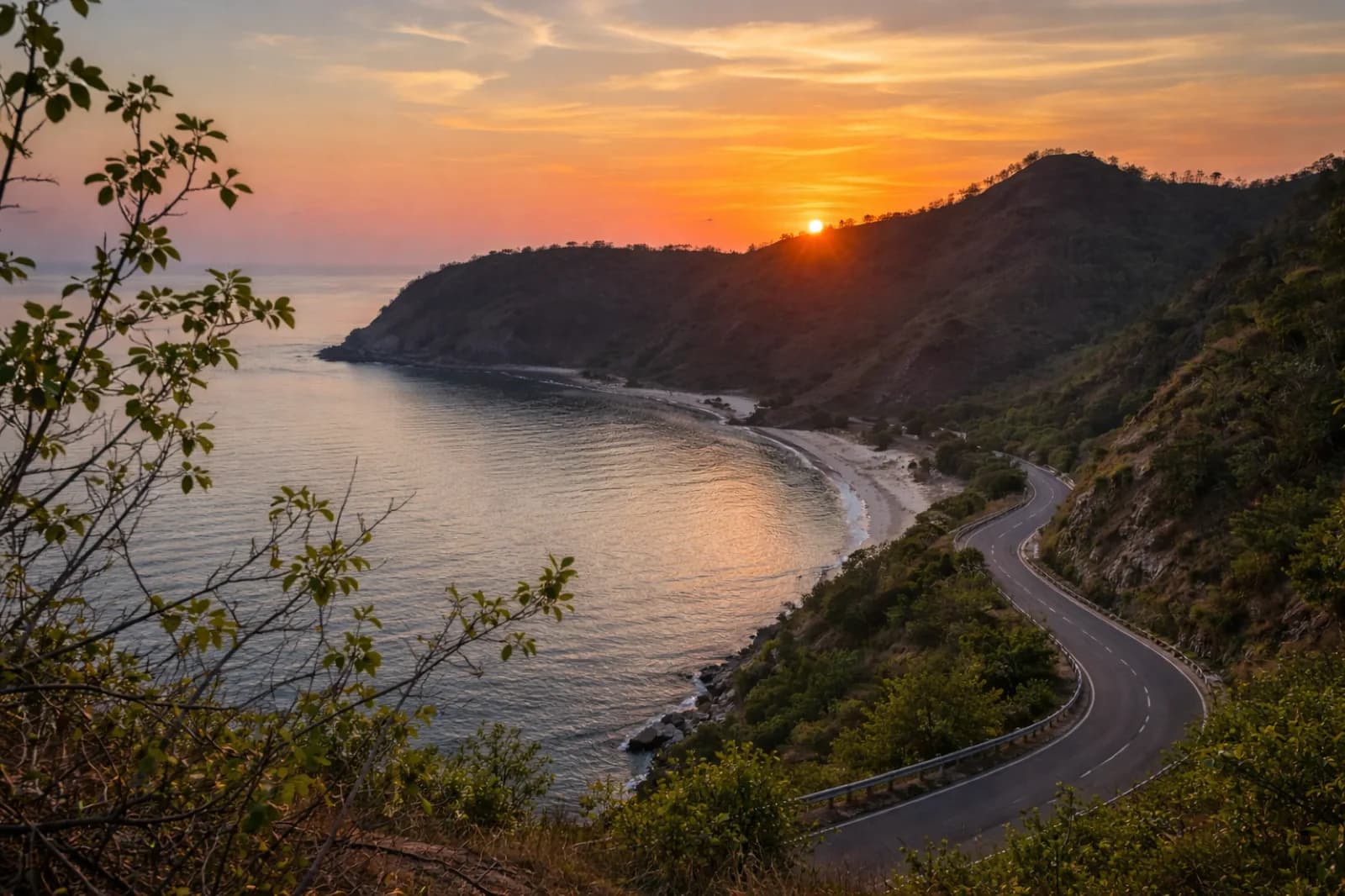
For a quick beach fix between activities, the waterfront itself has spots where locals swim. The Cristo Rei walk, heading east from the city along the coast road, passes several small coves before reaching the 570 to 600 steps up to the statue. Late afternoon is the best time: the light is golden, the heat has eased, and the view from the statue at sunset is one of Dili's highlights.
Com, a fishing village on the north coast of the far eastern Lautem district, sits on one of the most photogenic bays in Timor-Leste. A long crescent of sand fringed by coconut palms, with turquoise water and a backdrop of forested hills: it looks like paradise. And from the shore, it is.
However, entering the water at Com is not safe. Saltwater crocodiles are regularly present in these waters, and this is a serious, ongoing risk, not a theoretical one. Enjoy the beach from the sand, take photographs, and watch the fishing boats, but do not swim, snorkel, or wade. This warning applies regardless of whether locals are in the water. During whale season (October to early December), Com serves as a departure point for whale watching trips in local fishing boats, which is a wonderful way to experience the marine life without the crocodile risk.
The village itself is worth visiting for its atmosphere: traditional Fataluku spirit houses (uma lulik), a decaying Portuguese colonial resort, and rusted fishing boats and old vessels beached along the shore. Com is about 6 hours from Dili by car (or 3 hours from Baucau) and has basic guesthouses at $10-15 per night. Bring supplies from Baucau or Lospalos, as options in Com are very limited.
Two similarly named beaches, in completely different parts of the country, both worth knowing about. Dollar Beach on Atauro Island is a small east-coast cove near Beloi with crystal-clear snorkeling water and easy access by boat or a short coastal scramble. It gets its name, as the story goes, from the coin-clear visibility of the water. The snorkeling here is excellent: healthy coral, abundant reef fish, and usually no one else around.
One Dollar Beach (sometimes called Oan Dolar) is on the north coast of the mainland near Manatuto, roughly halfway between Dili and Baucau. It's a convenient swimming stop on the drive east: a pleasant stretch of sand with calm water that makes a welcome break from the road. Less spectacular than Jaco or Atauro's beaches, but easily accessible and safe for a dip.
Both beaches have minimal to no facilities. Bring water, sunscreen, and supplies. One Dollar Beach occasionally has a small warung nearby, but don't count on it.
Saltwater crocodiles are a genuine hazard in Timor-Leste and must be taken seriously. The south coast has significant crocodile populations, and there is no surfing anywhere in the country for this reason. The south coast beaches, between Suai and Betano, are dramatic and photogenic but firmly not for swimming.
On the north coast and east, crocodile risk varies by location. Crocodiles are occasionally seen even on Dili's beaches, and Hera and Metinaro, just east of Dili, are known high-risk areas. Atauro Island is generally safe. Valu Beach (near Jaco) has regular crocodile sightings. Stay alert on the mainland shore and heed posted warnings. Com beach has crocodiles regularly present. Do not enter the water. Watabo Beach in Baucau has warning signs posted. Swim with extreme caution if at all.
The general rule: always ask locals before swimming at any unfamiliar beach. If there are crocodile warning signs, take them seriously. If locals aren't swimming, don't swim. Atauro, Jaco Island itself and the beaches where Dili locals swim are the lower-risk choices. When in doubt, head to Piscina de Baucau: a spring-fed freshwater pool, 50 cents entry, and zero crocodile risk.
8 experiences connected to this guide
All-inclusive: gear, guide, transport & snacks
All-inclusive with a full lunch
Atauro Island · Dili
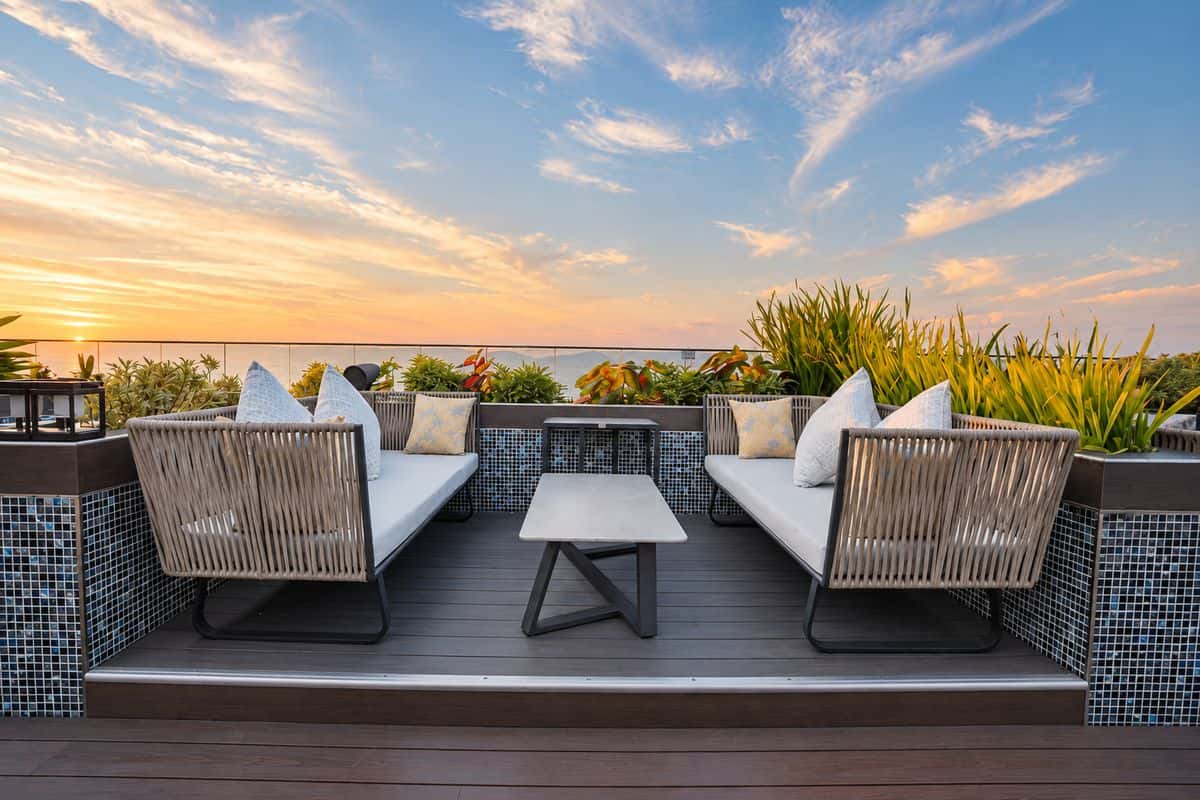
May to October for clear water and dry weather, with the calmest seas in the morning. The best beach conditions align with the dry season across the country.
New experiences, insider tips, and seasonal highlights. No spam, just useful stuff for planning your trip.
Unsubscribe anytime. We respect your inbox.
Continue planning your trip to Timor‑Leste
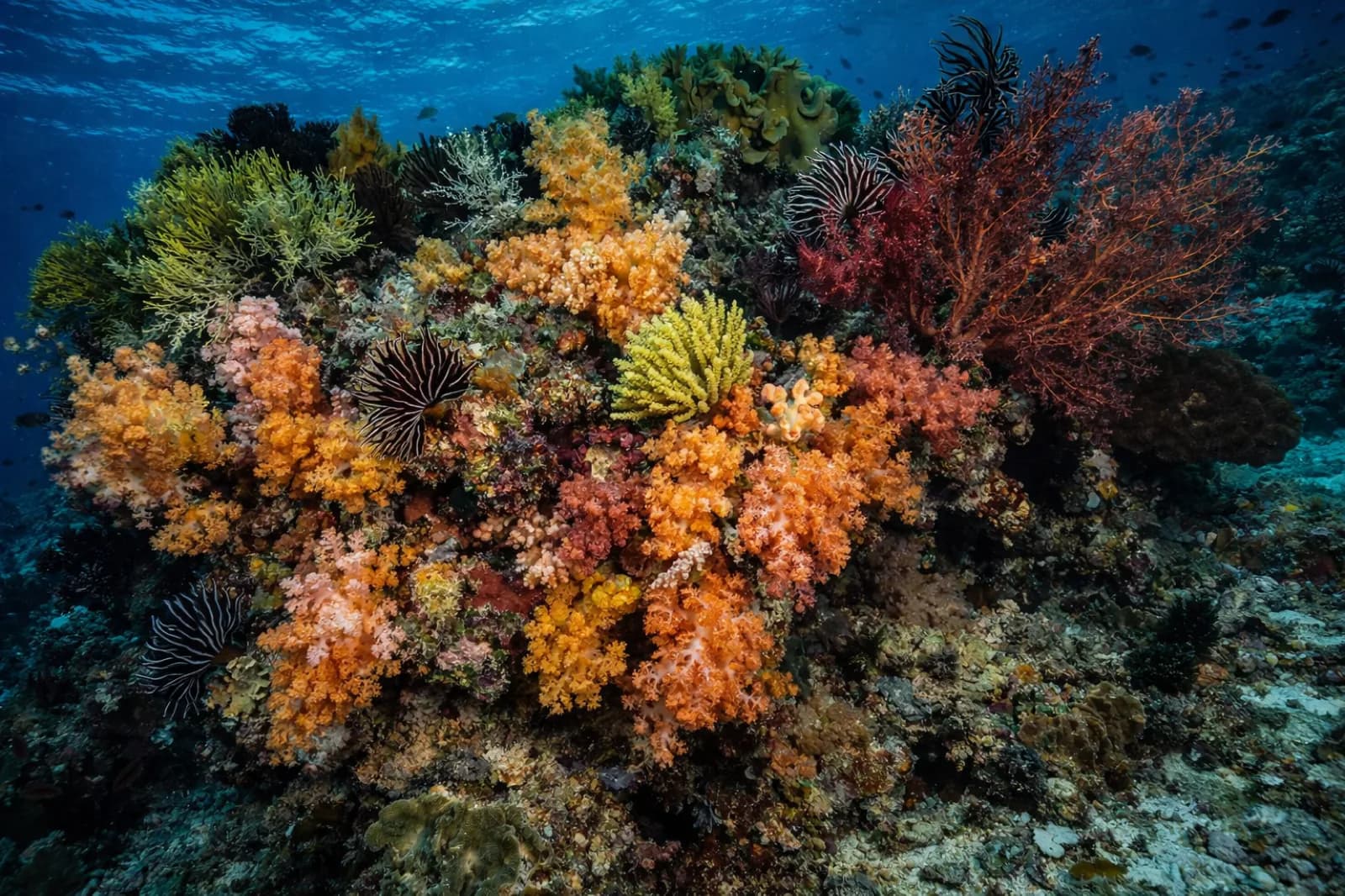
The world's most biodiverse reefs, virtually untouched
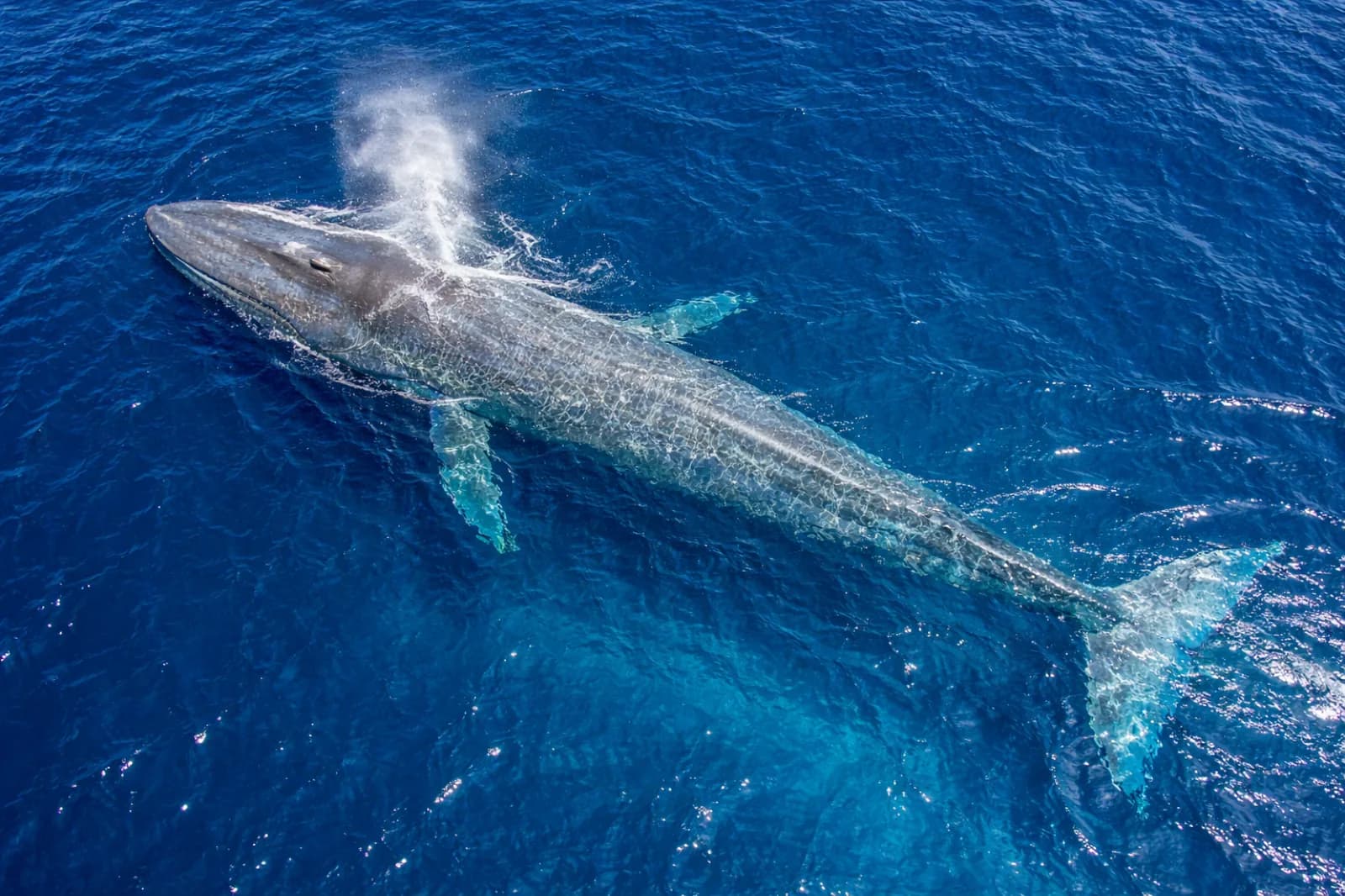
Sperm whales, blue whales, and dolphins in the Wetar Strait
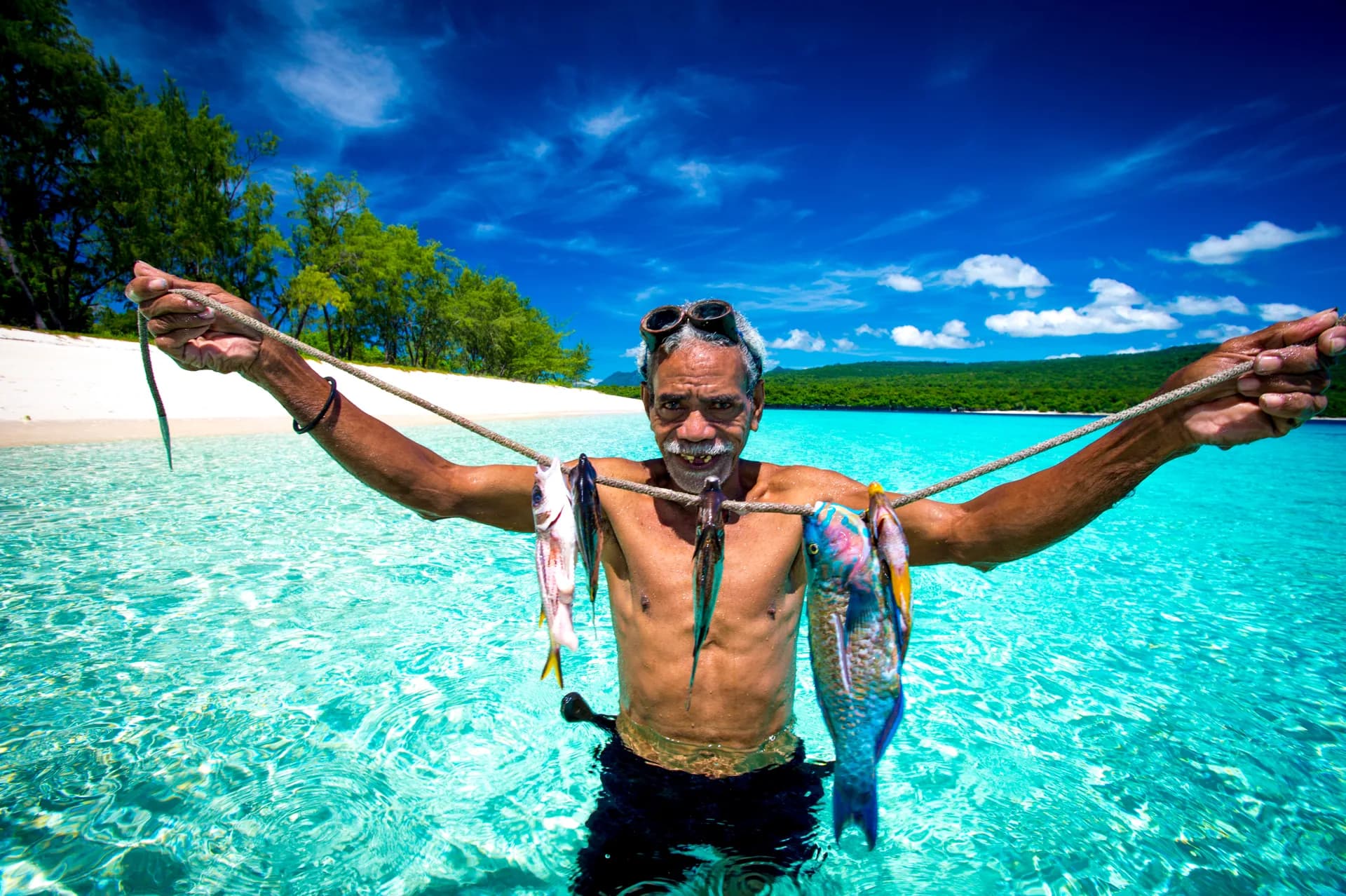
Grilled fish, mountain coffee, and palm wine: an honest food guide
Religion, language, kinship, tais, music, and the customs that shape daily life
Places mentioned in this guide