Konfirmasaun kedas
Baucau Day Tour: Portuguese Old Town & Coast
BaucauTo'o loron idaIsland Explorer Holidays
KulturálFásilMáx 10Foti
Hera Mangrove restoration project
4.8(12 · Google)
$120ba ema ida
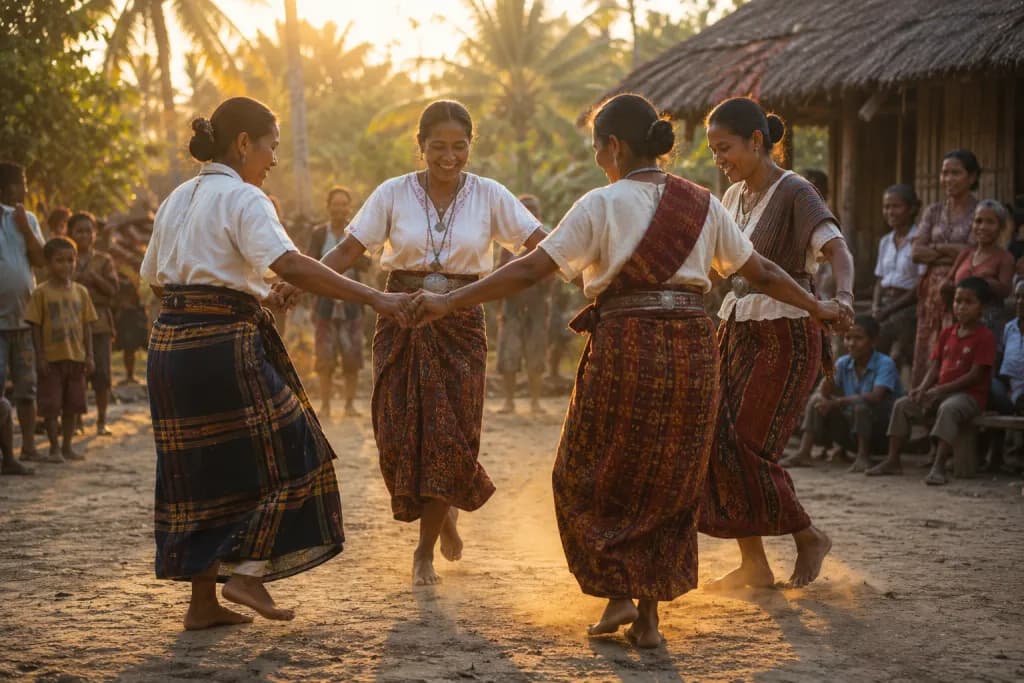
Animizmu, Katolisismu, tesi tais, no nasaun foin-sa'e liu iha mundu
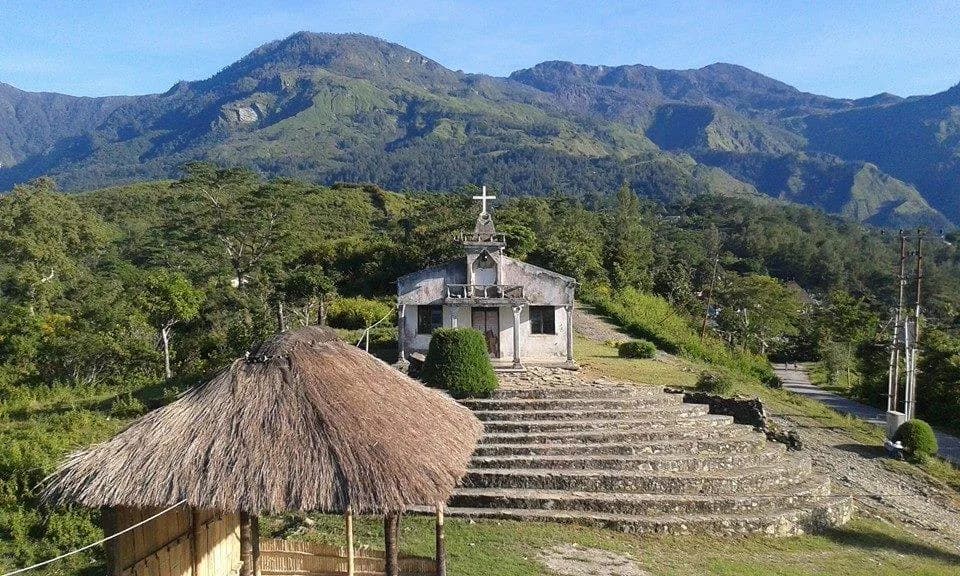
Timor-Leste sai independente iha 2002 — nia nasaun foin-sa'e liu iha mundu. Maibé kultura iha ne'e antigu. Fiar animista ne'ebé moris molok influénsia estranjeiru ida-idak tuur konfortável hamutuk ho Katolisismu devotu ne'ebé lori husi kolonizadór Portugés. Uma lulik hamriik iha foho-leten besik igreja modernu. Bei-ala sira respeita hamutuk ho santu sira.
Ba viajanate, profundidade kulturál ida ne'e mak razaun ida husi konvensente liu atu vizita. Ita sei hasoru téknika tesi ne'ebé transmite liu jerasaun barak, rituál sagradu ne'ebé ema liur dala ruma konvida atu haree, no identidade nasionál ne'ebé forma liu luta independénsia ne'ebé brutál liu iha istória modernu. Komprende kultura transforma paisajen ida-idak ne'ebé ita haree.
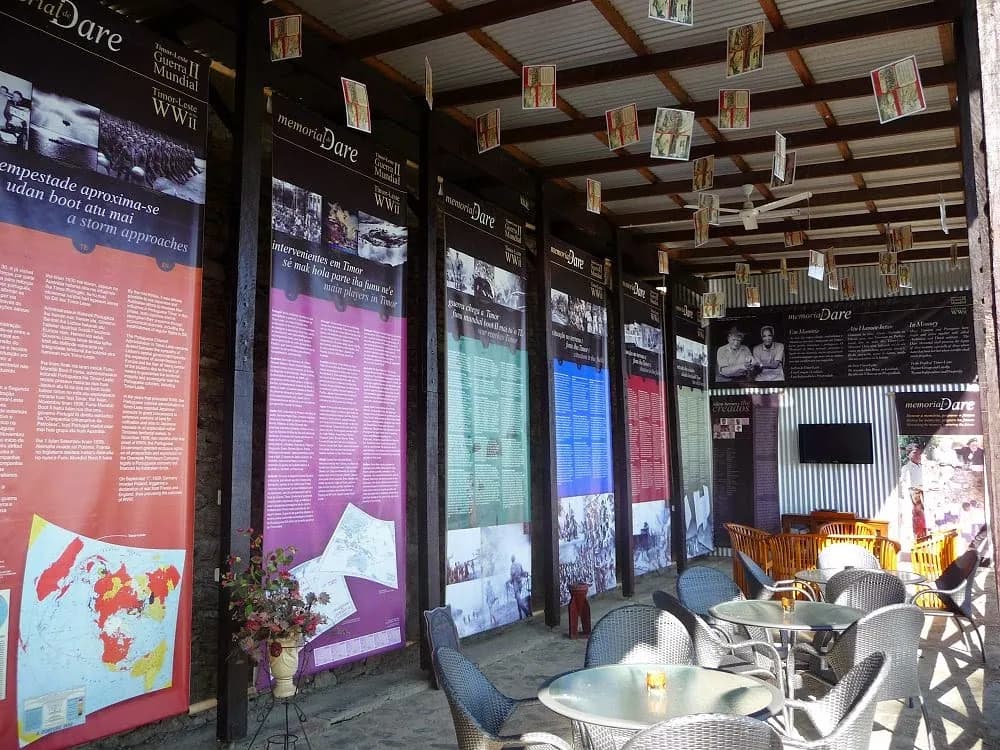
Istória modernu Timor-Leste nian marka husi okupasaun — ukun kolonial Portugés husi sékulu 16 to'o 1975, tuir husi tinan 24 okupasaun militár Indonézia ne'ebé iha ne'ebé ema Timor estimadu 100,000-180,000 mate (kuaze kuartu ida husi populasaun). Independénsia mai liu referendu ne'ebé ONU superviziona iha 1999, tuir husi violénsia milísia ne'ebé devasta, no soberania formál iha 20 Maiu 2002.
Istória ida ne'e iha fatin hotu. Muzeu Rezisténsia (AMRT) iha Dili dokumenta luta independénsia ho fotografia, testemuñu, no artefaktu. Simitériu Santa Cruz — fatin masakre 1991 ne'ebé soldadu Indonézia oho ema manifestante la armadu liu 250 — mak fatin luto ne'ebé hakmatek. Memoriál Balibo Five marka fatin ne'ebé jornalista Australianu lima mate iha 1975.
Ema Timor ko'alia kona-ba istória ida ne'e ho abertura. Husu, no ita sei rona istória pesoál — família kuaze hotu afetadu diretamente. Abertura ida ne'e parte husi karakter nasionál. Timor-Leste la subar nia terus; nia integra.
Timor-Leste 97% Katóliku — nasaun Katóliku segundu iha Ázia hafoin Filipinas. Maibé kraik Katolisismu iha tradisaun animista ne'ebé kle'an ne'ebé nunka troka tomak. Sistema fiar rua ne'e koeziste ho dalan ne'ebé naturál iha ne'e, maski nia konsuza ema liur.
Lulik (sagradu, bandu) mak konseitu sentrál husi animizmu Timor nian. Fatin, objetu, no bei-ala ruma iha poder espirituál. Lafaek sagradu iha komunidade barak — fiar hanesan bei-ala ne'ebé ajuda ema Timor to'o iha illa (mitu oríjen deskreve Timor hanesan korpu lafaek boot ida). Tanba ne'e avizu lafaek iha praia ruma lori signifikadu kulturál no perigu fíziku.
Ita sei haree prátika animista iha moris loron-loron: oferenda husik iha fatuk sagradu, serimónia iha uma lulik molok eventu boot, no tara bandu — sistema lei tradisionál ne'ebé komunidade tau no aplika regra ambientál (la bele kaer ikan iha área ruma, la bele tesi ai ruma). Ida sira ne'e la'ós espetákulu ba turista. Sira tradisaun ne'ebé moris.
Uma lulik mak espresaun ne'ebé visível liu husi kultura tradisionál Timor nian. Uma ne'ebé aas, ho telhadu ne'ebé aas tebes, sira serve hanesan sentru espirituál ba família no komunidade. Sira rai objetu sagradu (relíkia, buat antigu, restu bei-ala), halo serimónia, no enkorpora ligasaun entre ema moris no ema mate.
Arkitetúra varia tuir rejiaun. Iha distritu leste (Lospalos, Com), uma lulik estilu Fataluku espesialmente impressionante — estrutura aas iha ai-tahan ho telhadu palha ne'ebé sae. Iha foho-leten, estilu diferente. Barak destrui durante okupasaun Indonézia no harii fali ho kuidadu husi independénsia mai.
Se ita hasoru uma lulik bainhira viajen, trata ho respeitu. Keta tama sein konvite. Keta kaer ka fotografia objetu sagradu. Husu molok fotografia parte liur. Komunidade ruma simu vizitante; seluk preferé privasidade. Ita nia gía sei hatene protokolu.
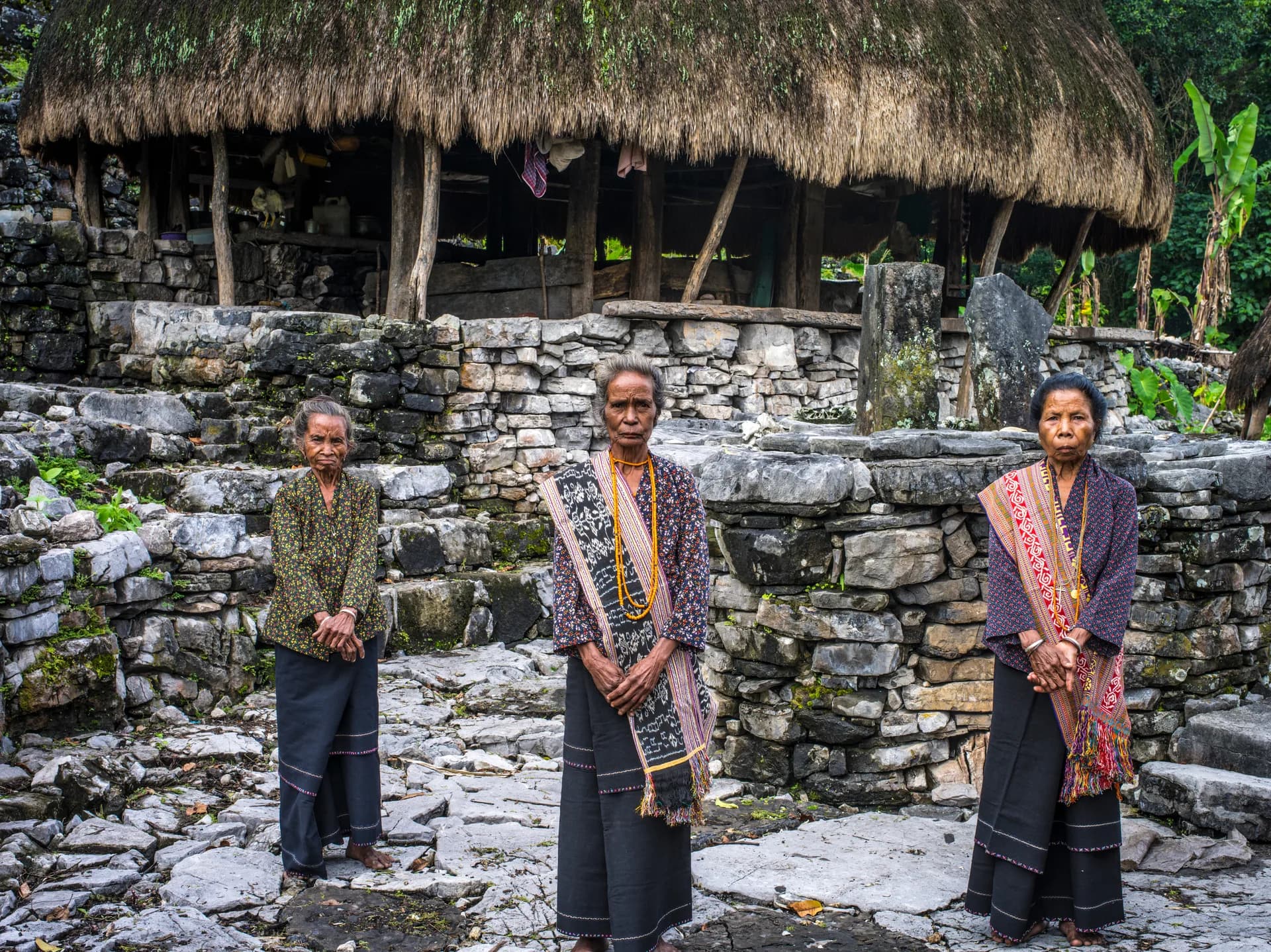
Tais mak téxtil tradisionál ne'ebé tesi husi Timor-Leste — panu ne'ebé metin, koloridu, ne'ebé halo iha tesi-rai ho téknika ne'ebé transmite husi inan ba oan-feto. Rejiaun ida-idak iha padraun no kór ne'ebé destintiku. Tais husi Oecusse la hanesan tais husi Lospalos ka Suai.
Tais uza iha serimónia (kazamentu, funerál, akordu paz), hatais hanesan roupa loron-loron iha área rurál, no fó hanesan prenda iha okaziaun sosiál importante. Troka tais mak sentrál ba kostumus kazamentu Timor nian — família noiva nian no família noivu nian troka tais no buat seluk iha negósiasaun ne'ebé formaliza uniaun.
Iha Dili, ita bele sosa tais iha Merkadu Tais besik tasi-ibun, iha loja lembránsa, no diretamente husi koperativa tesi. Presu husi $5 ba parte ki'ik ba $50+ ba panu boot ne'ebé tesi ho finu. Ba esperiensia kle'an liu, vizita aldeia tesi — komunidade ruma besik Dili no iha distritu simu vizitante atu haree prosesu. Tais sai lembránsa ida husi signifikativu liu ne'ebé ita bele lori husi nasaun ida-idak.
Ema Timor simu vizitante ho laran-di'ak tebes. Kultura ne'e manas, jenerózu, no kurioza kona-ba ema liur. Maski nune'e, buat ruma atu hatene: hatais ho modestu bainhira vizita igreja no komunidade rurál (kabaas no tuur taka). Hasai sapatu molok tama uma. Simu oferta kafé ka hahán ho grasa — rejeita ospitalidade bele hamosu ofensa.
Etiketa fotografia importante. Husu semper molok fotografia ema, liuliu ema boot no labarik. Iha serimónia, hein lisensia. Iha fatin sagradu no uma lulik, husu ita nia gía uluk. Ema barak kontente atu fotografia bainhira husu ona — atu husu mak buat ne'ebé importante.
Aprende liafuan Tetun ruma — maski saúdasaun báziku (bondia ba dadersan di'ak, obrigadu/obrigada ba agradese, diak ba di'ak) simu ho laran-manas jenuínu. Inglés ko'alia iha turizmu no ambienete urbanu ruma, maibé Tetun mak lian moris loron-loron nian.
Timorese society is collectivist and built around the extended family and the hamlet. Resources are shared; an individual's success is the family's success, and obligations to relatives generally come before personal advancement. This is why hospitality runs so deep — and why refusing an offer of coffee or food can cause quiet offense.
The organizing structure of traditional society is the alliance between wife-giving and wife-taking houses — fetosan-umane. A marriage is not just a union of two people but a lasting bond between two family lines, sealed through barlake: an exchange of gifts that traditionally includes tais, livestock, and sacred heirlooms. These alliances structure ceremony, mutual obligation, and even conflict resolution across generations.
Gender roles remain fairly traditional, especially in rural areas, though women are central to cultural life — they are the weavers of tais and keepers of household ritual, and they are increasingly prominent in politics and business. Within a clan, sacred authority often rests with a lia-nain ("master of the word"), the custodian of oral history, genealogy, and customary law (lisan).
Music and dance are inseparable from Timorese ceremony. The most widespread dance is the tebe-tebe (tebedai) — a communal line or circle dance where participants link arms, stamp out a rhythm, and trade call-and-response verses. It appears at celebrations, funerals, and reconciliation events alike. The likurai, historically danced by women to welcome warriors home, now features at weddings and national festivities.
Traditional music is driven by percussion: the babadok hand drum, gongs, and bamboo instruments. Songs carry history — genealogies, origin myths, and the memory of the resistance — passed down by voice rather than in writing. Because so much knowledge lives in performance and speech, the spoken word carries real weight here: oaths, blessings, and the pronouncements of a lia-nain are treated as binding.
You're most likely to see traditional dance at festivals, church feast days, and major life-cycle ceremonies. The Carnival of Baucau and the Independence Day events around May 20 are reliable showcases — our festivals and events guide tracks what happens when.
Tais is the handwoven cloth at the heart of Timorese identity — made on backstrap looms with techniques passed from mother to daughter, and patterned differently in every region, so a cloth from Oecusse, Lospalos, or Suai is instantly recognizable to those who know. In 2021 UNESCO inscribed Timorese tais on its list of intangible cultural heritage in need of urgent safeguarding — the country's first such inscription.
Tais is not primarily a souvenir; it is ceremonial currency. It changes hands in barlake marriage negotiations, is draped over guests of honor, wraps the deceased at funerals, and is given to seal peace agreements. To receive a tais is to be formally welcomed into a relationship of respect and obligation. Patterns and colors encode region, status, and meaning rather than mere decoration.
If you want to buy tais, understand the patterns, or watch weavers at work — including how to find authentic, fairly-traded pieces — see our arts and crafts guide, which covers markets, cooperatives, and how to buy well.
Timorese people are exceptionally welcoming to visitors. The culture is warm, generous, and curious about outsiders. That said, a few things to know: dress modestly when visiting churches and rural communities (shoulders and knees covered). Remove shoes before entering homes. Accept offers of coffee or food graciously — refusing hospitality can cause offense.
Photography etiquette matters. Always ask before photographing people, especially elders and children. At ceremonies, wait for permission. At sacred sites and uma lulik, ask your guide first. Most people are happy to be photographed once asked — the asking is what matters.
Learn a few words of Tetun — even basic greetings (bondia for good morning, obrigadu/obrigada for thank you, diak for good/fine) are received with genuine warmth. English is spoken in tourism and some urban settings, but Tetun is the language of daily life.
What religion is Timor-Leste?
Around 97% of Timorese are Roman Catholic — the highest proportion in Asia after the Philippines — but most also hold animist beliefs centered on lulik, ancestors, and sacred houses. The two coexist rather than compete.
What languages are spoken in Timor-Leste?
Tetun and Portuguese are official. Indonesian and increasingly English are widely understood, and more than 30 Indigenous languages are spoken across the country.
What is lulik?
Lulik means "sacred" or "forbidden" — the concept at the core of Timorese animism. It governs sacred places, objects, ancestral spirits, and the uma lulik clan houses, and underpins customary law such as tara bandu.
What is barlake?
Barlake is the traditional exchange of gifts between a bride's and a groom's families that formalizes a marriage and binds the two family lines (fetosan-umane). It typically includes tais, livestock, and other valued goods.
Is it OK to photograph people and ceremonies?
Usually yes — if you ask first. Always seek permission before photographing people (especially elders and children), ceremonies, and uma lulik. The asking is what matters.
How should visitors dress and behave?
Dress modestly at churches and in rural communities (shoulders and knees covered), remove your shoes before entering a home, and accept offers of coffee or food graciously.
Esperiénsia 3 iha ligasaun ho matadalan ne'e
Hera Mangrove restoration project
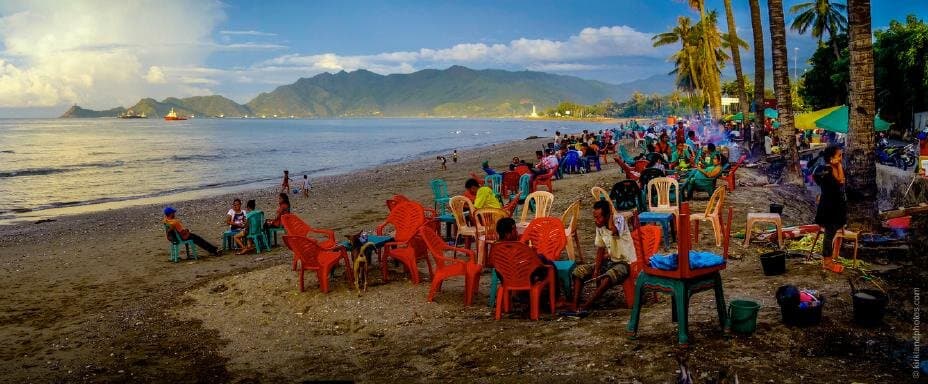
Cristo Rei at sunset
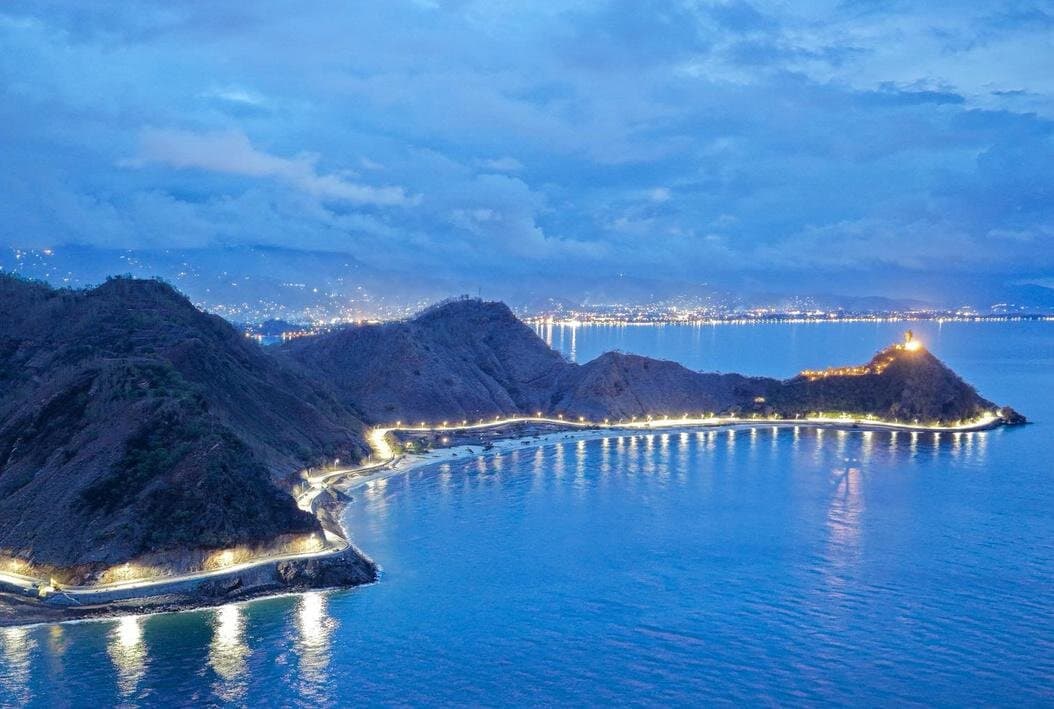
Cristo Rei statue at sunset
Tinan tomak. Serimónia boot dala barak akontese iha tempu kolleita (Maiu-Julhu) no loron festa Katóliku. Selebrasaun Loron Independénsia (20 Maiu) mak eventu nasionál ne'ebé signifikante.
Esperiénsia foun, dika lokál, no destake tempu. La iha spam — de'it informasaun útil ba planu ita-nia viajen.
Kansela bainhira de'it. Ami respeita ita-nia kaixa entrada.
Kontinua planeia ita-nia viajen ba Timor‑Leste

Sunrise from the roof of Timor-Leste at 2,963m

Your complete guide to Timor-Leste's coastal capital
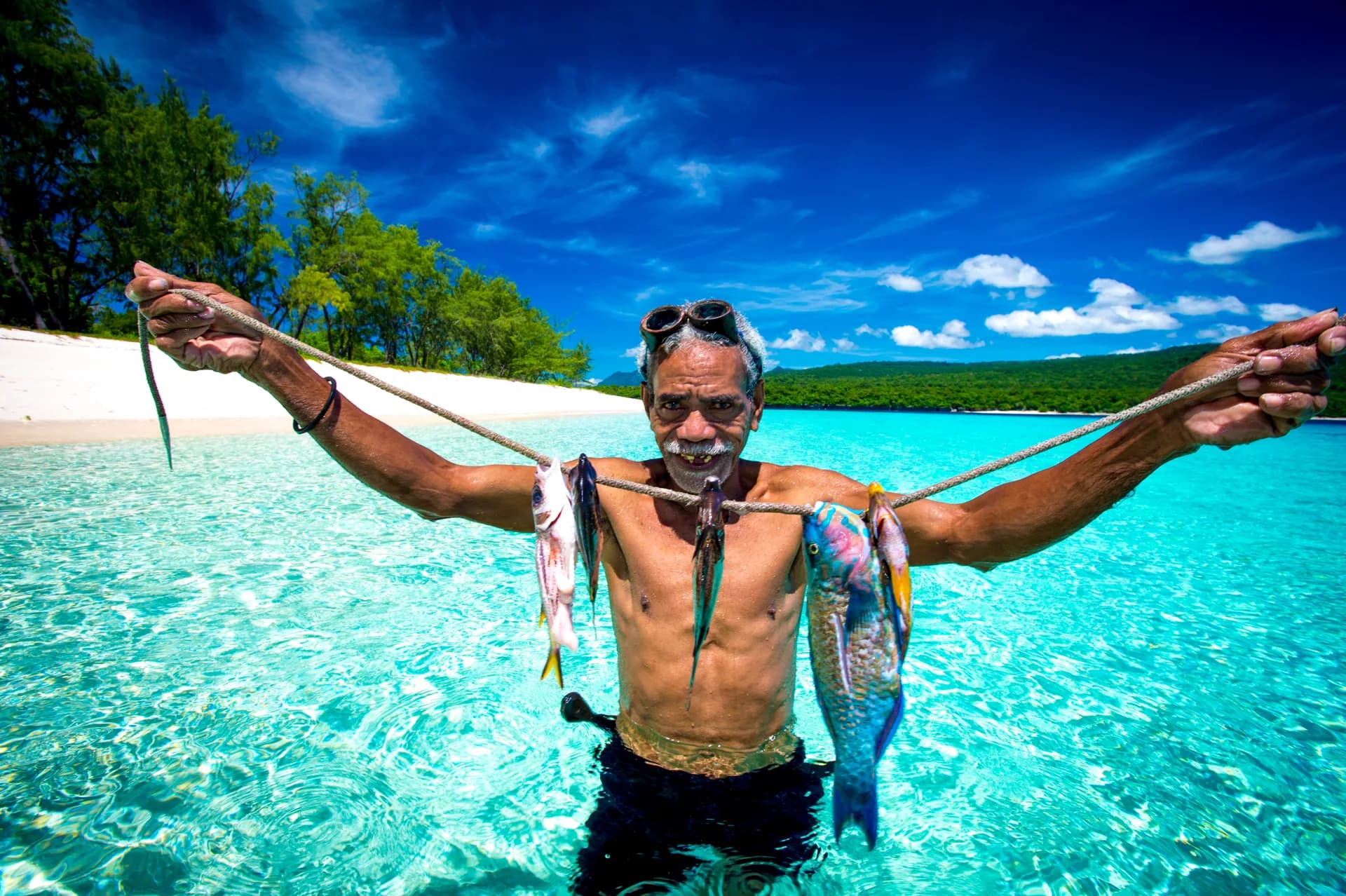
Grilled fish, mountain coffee, and palm wine — an honest food guide
Golden hour at Cristo Rei, sunrise from Ramelau, and water bluer than your screen can render
From Portuguese traders to the world's youngest nation — a story of endurance
Essential phrases, pronunciation, and the words that open doors
Independence celebrations, mountain pilgrimages, harvest ceremonies, and Saturday night markets
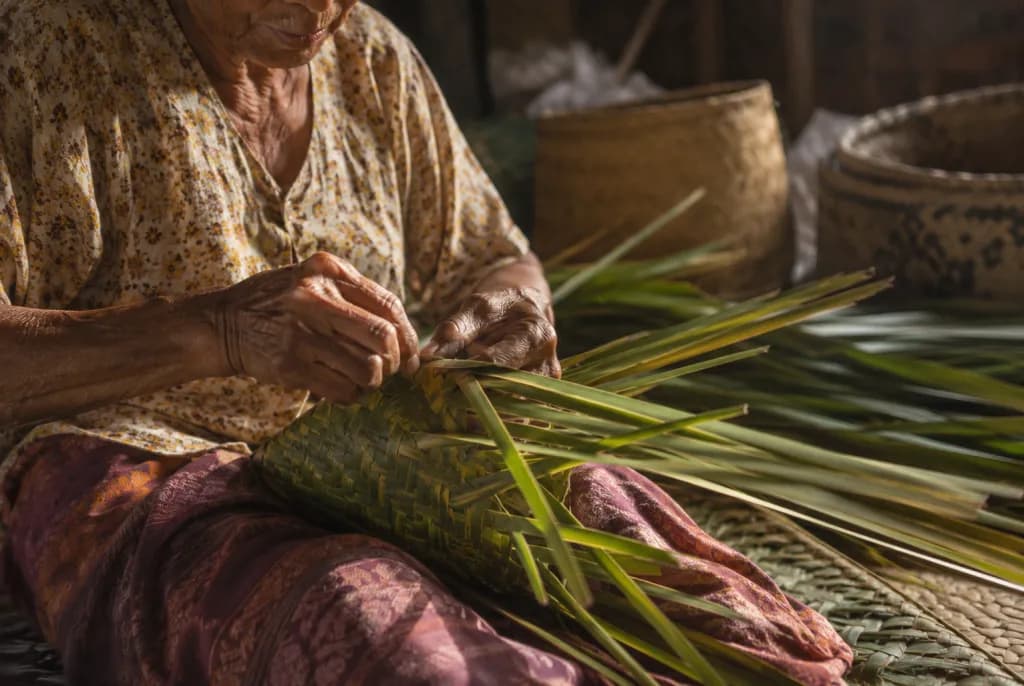
Tais weavings, carved spirits, and the objects that carry a nation's memory
Fatin sira ne'ebé mensiona iha guia ida ne'e