Request · free to ask
5-Day Timor-Leste Tour: Dili, Highlands & Baucau
Dili5 daysIsland Explorer Holidays
CoffeeModerateMax 10Pickup
Dili city tour with Cristo Rei sunset
4.8(12 · Google)
$888per person
Check dates & availability
A cool mountain town at 1,400 metres: the gateway to Mount Ramelau and the heart of the highlands
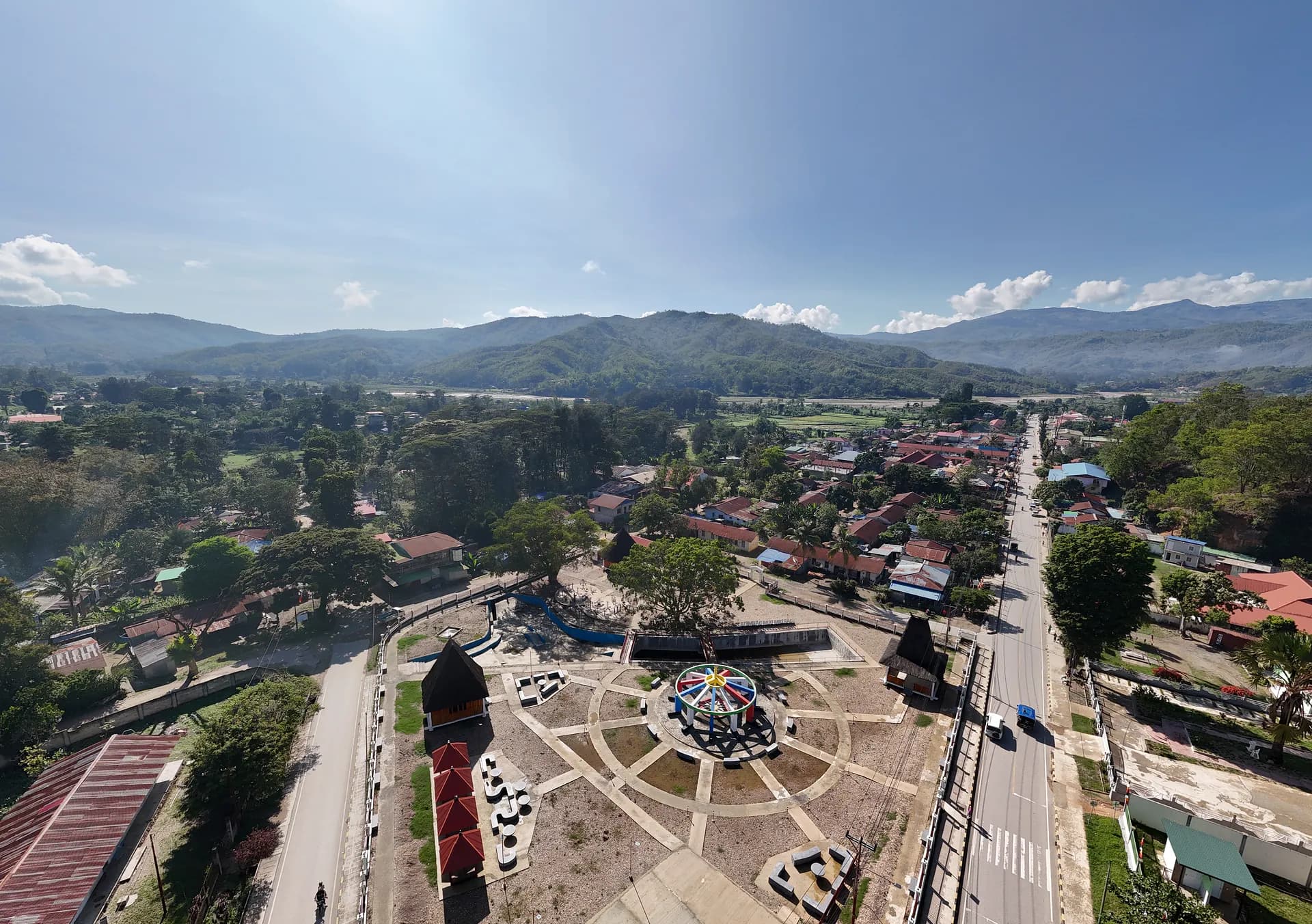
Maubisse sits at about 1,400 metres in the central highlands, roughly 70 km and 2 to 3 hours south of Dili via Aileu, along one of the most spectacular roads in Southeast Asia. The drive climbs steeply out of the capital, winds through terraced hillsides and coffee groves, crosses the Fleixa Pass at over 1,800 metres, and drops into a green valley where the small town of Maubisse perches above a market square. The air is cool, the light is soft, and the mountains stretch in every direction.
For most visitors, Maubisse is the gateway to Mount Ramelau, the country's highest peak, and the base for highland coffee tours. But it is worth a night in its own right, and two guesthouses in town, Sara's Guesthouse and Quinta de Sivas, take bookings on Rezerva. The walk up to the Mt Rabilau sacred house at sunset is short and stirring. And the surrounding hills hold strawberry farms, the Dokomali waterfall, and the small organic vanilla and coffee cooperative at Dili Vanilli, where you can taste both fresh from the source.
A pause in Maubisse on the way to or from Ramelau slows the trip in the best way: out of the heat, into the green, and into the part of Timor-Leste that most rewards an unhurried afternoon.
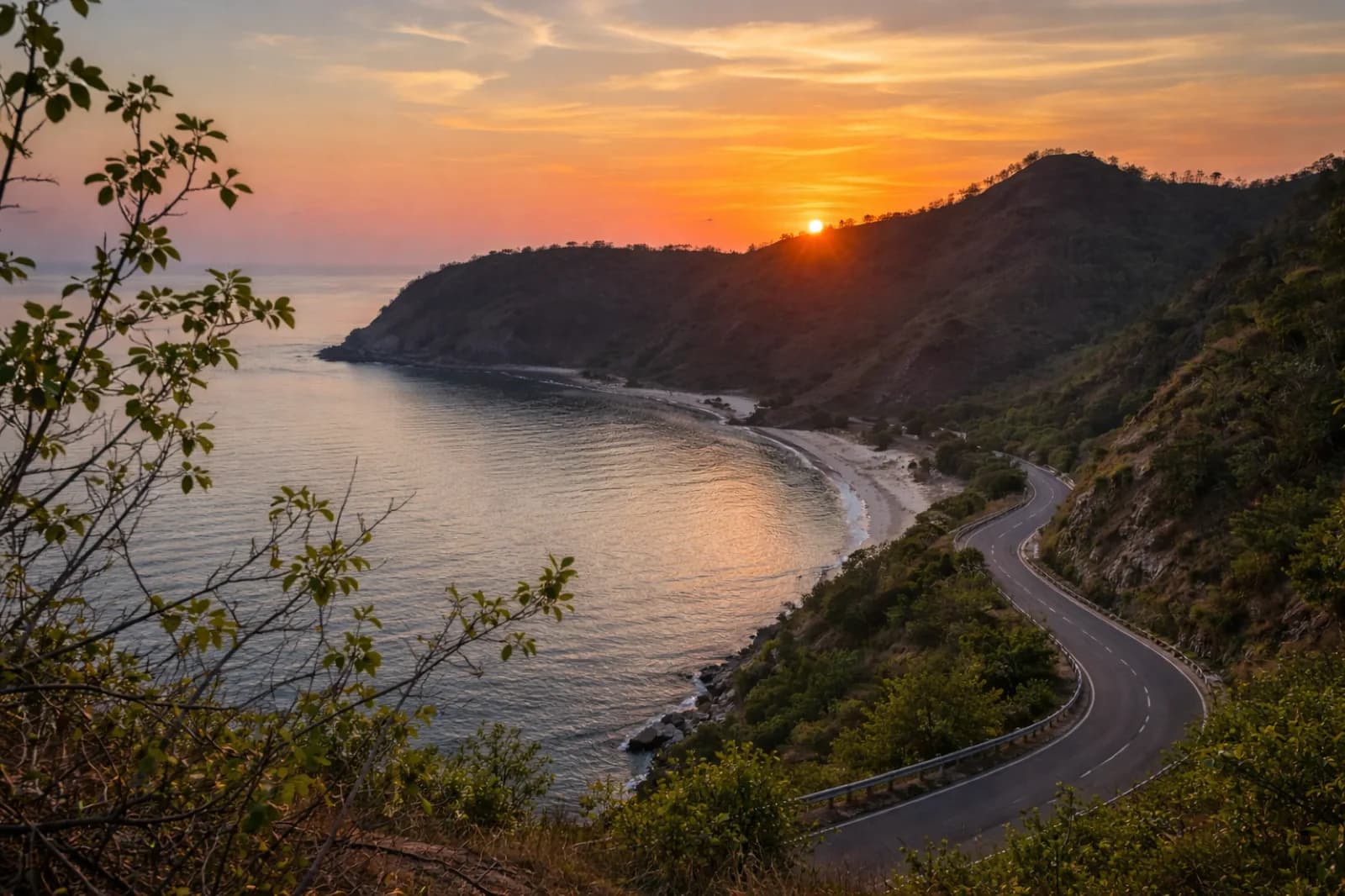
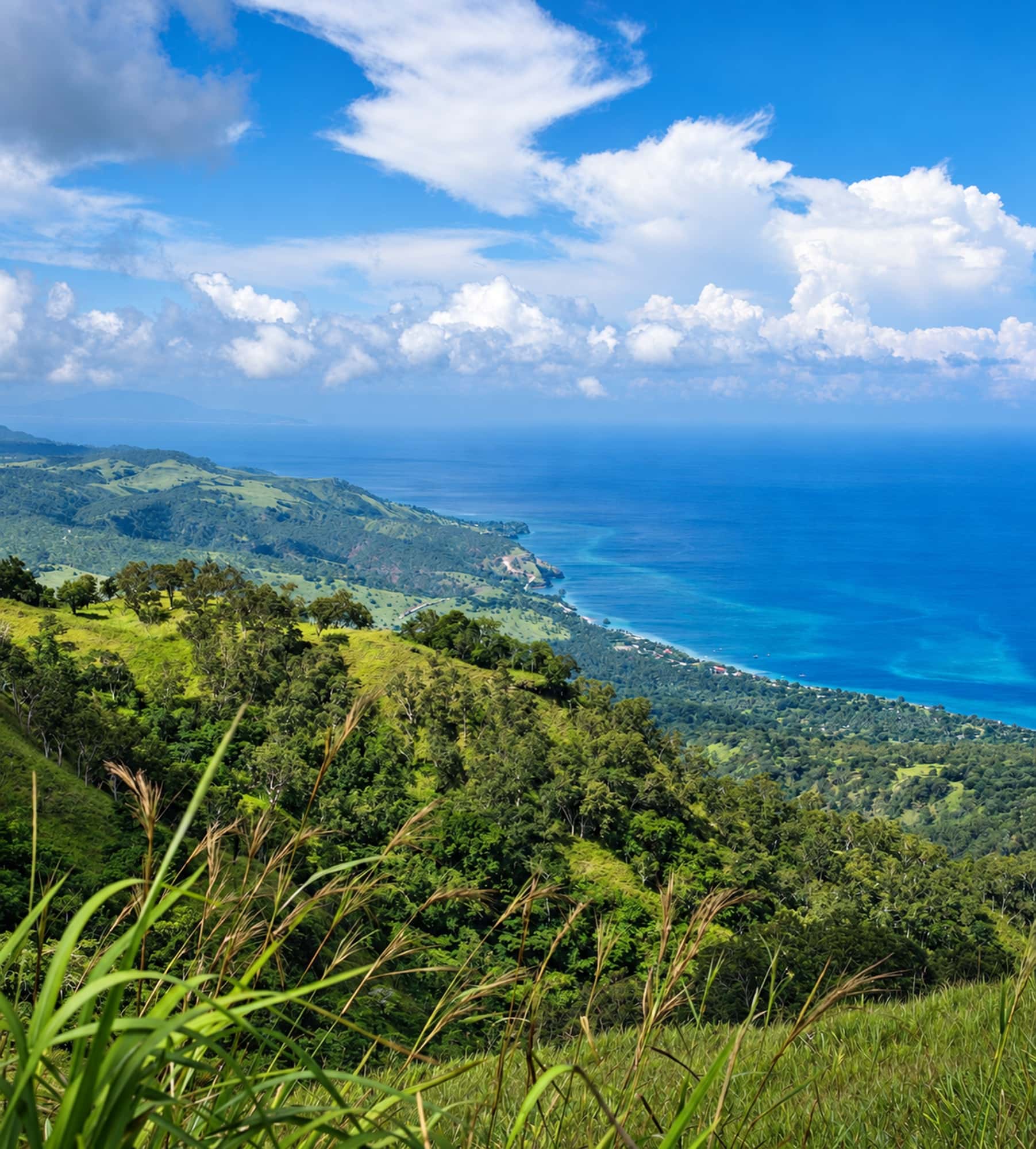
The road from Dili to Maubisse is one of the great drives in the region. The first 30 minutes climb out of the coastal city through suburbs and past the John Paul II statue, then enter the mountains proper. The road winds through Aileu, the first highland town on the route, surrounded by coffee farms, before climbing through ridge after ridge of forested mountain. The Fleixa Pass, at over 1,800 metres, is the natural photo stop: a wide turn with views that stretch back to the coast and forward into the valleys.
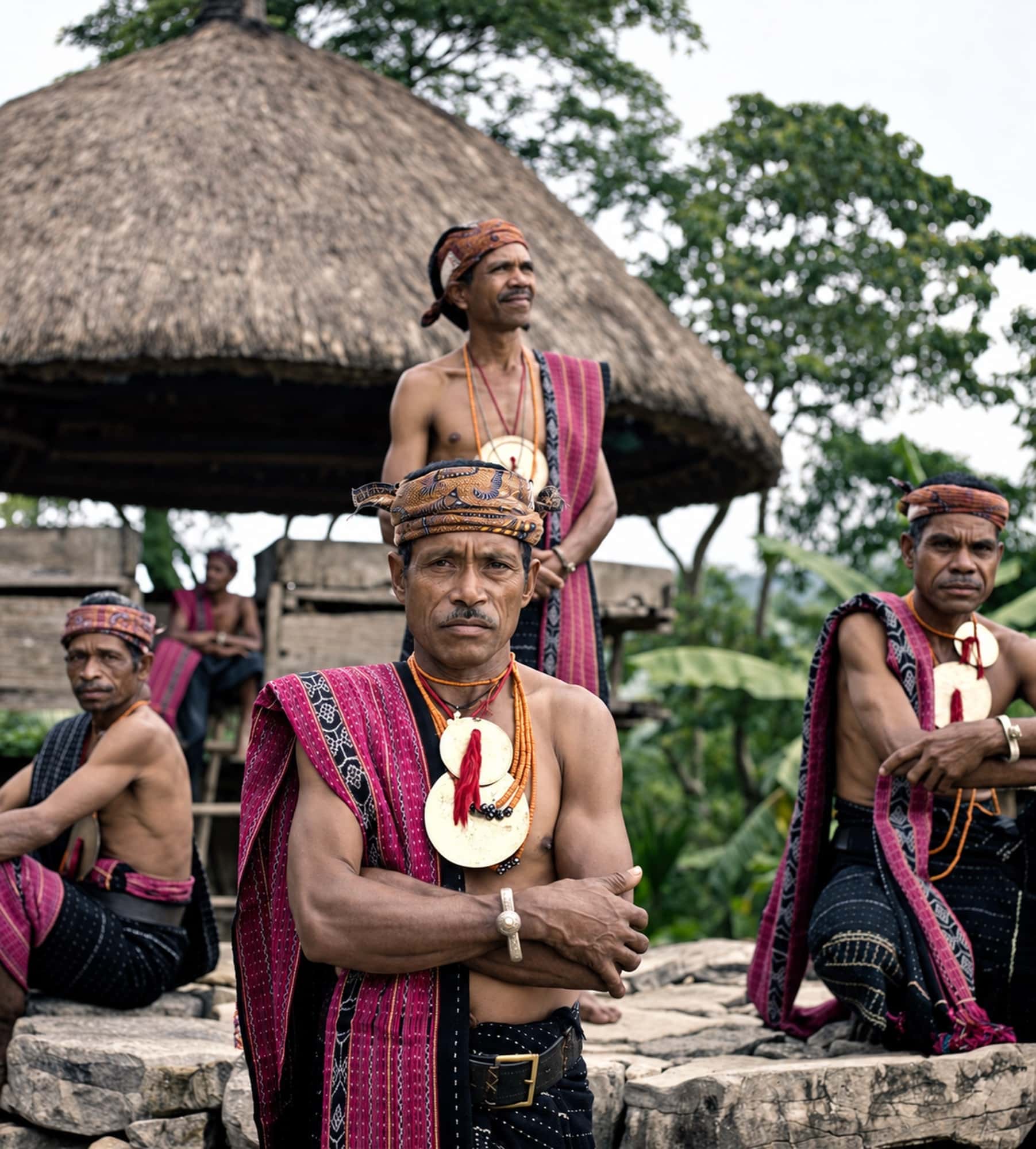
A short detour from the main road takes you to the rice paddies at Seloi Kraik: terraced fields in a small valley that is one of the prettiest agricultural landscapes in the country. Most tours stop here for fifteen minutes before continuing toward Maubisse. The road from Fleixa down into Maubisse runs through coffee groves and traditional villages with sloping thatched houses.
A 4WD is recommended: the road is sealed but steep and winding, and afternoon thunderstorms in the wet season can leave debris or shallow washouts. The drive takes 2 to 3 hours each way, longer with stops. A hired car with driver is the simplest option for those not used to mountain driving.
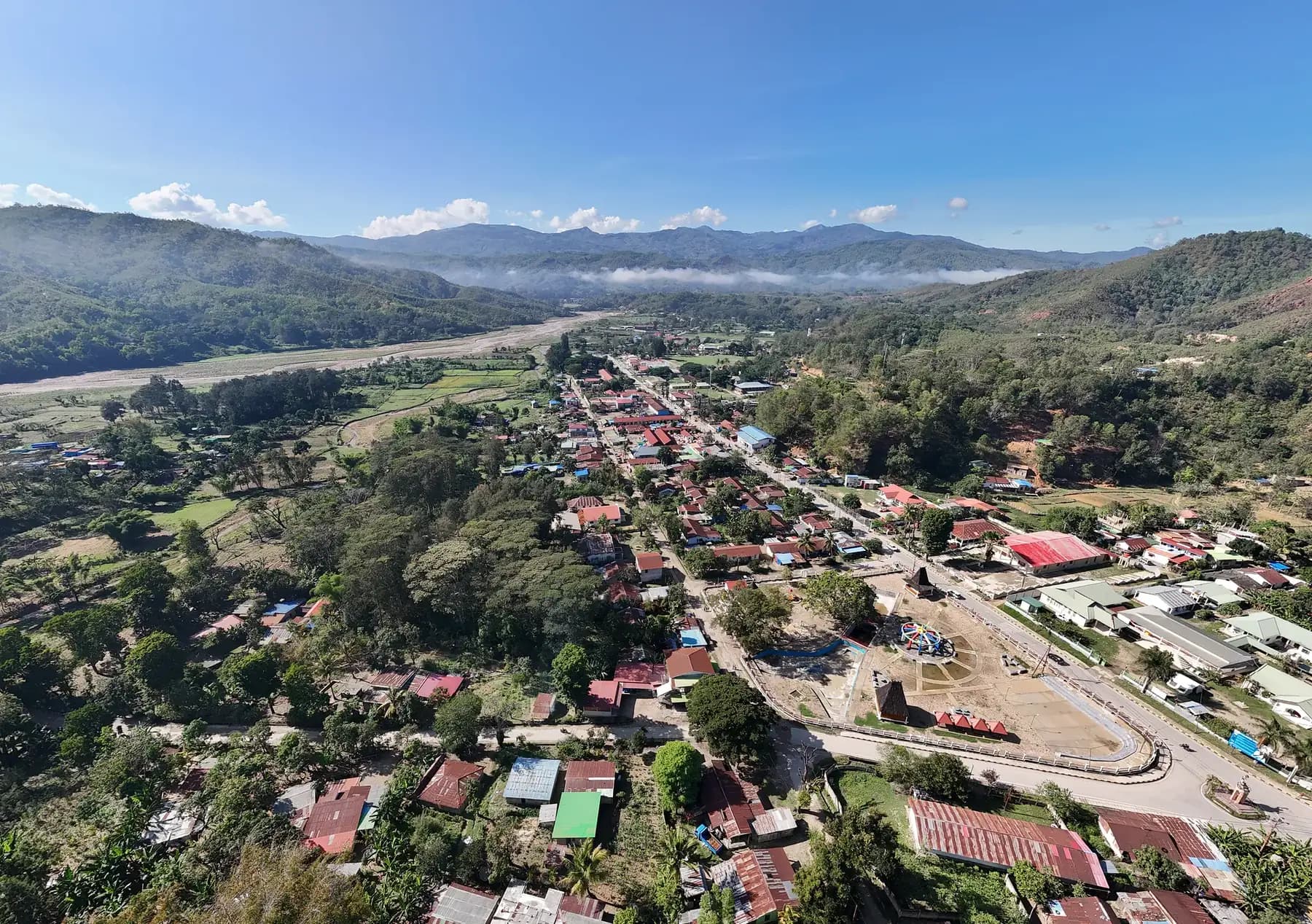
The Pousada de Maubisse, a Portuguese-era building on the hill above town, has been closed as a hotel since around the Covid years and was confirmed closed in 2024, with no sign of reopening. The grounds are still worth the short walk for the view across the valley, but do not plan to sleep or eat there.
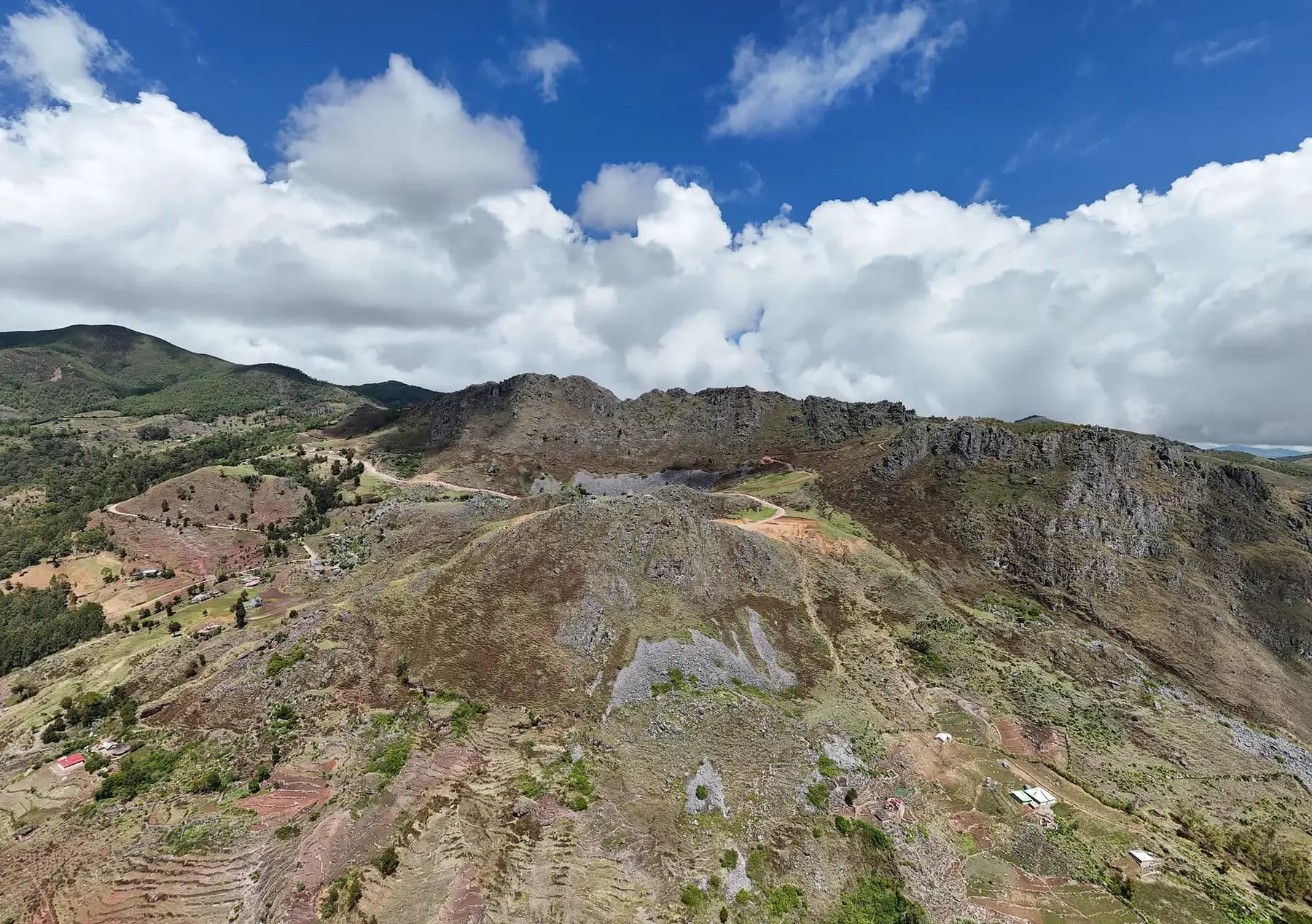
A short walk above the old pousada takes you to Mount Rabilau and its uma lulik, the traditional sacred house, at the summit. The walk is gentle, the views are panoramic, and the shrine on the top is a working ceremonial site for the local community. Visit with respect; ask before photographing the sacred house itself. Sunset from Mt Rabilau, looking across the highland valleys, is among the finest sights in the country.
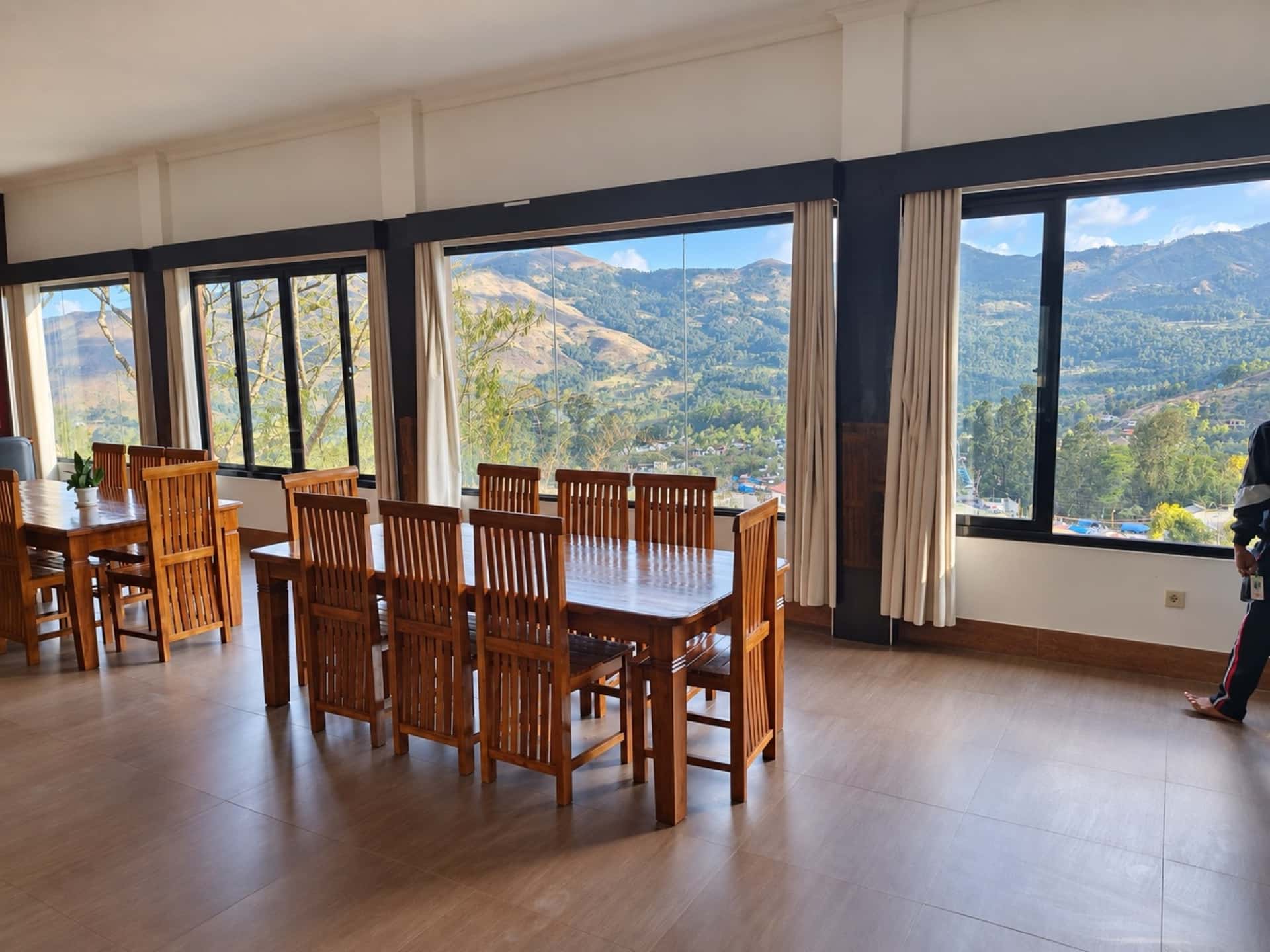
For a bed, Sara's Guesthouse in the centre (family-run, roof terrace, hot water, from $30 a night) and Quinta de Sivas Guesthouse on the hillside (mountain views, $20 a person with breakfast) both take bookings on Rezerva. For the Ramelau climb, Alecrim Namrau Homestay in Hato Builico ($15 a person) puts you at the trailhead.
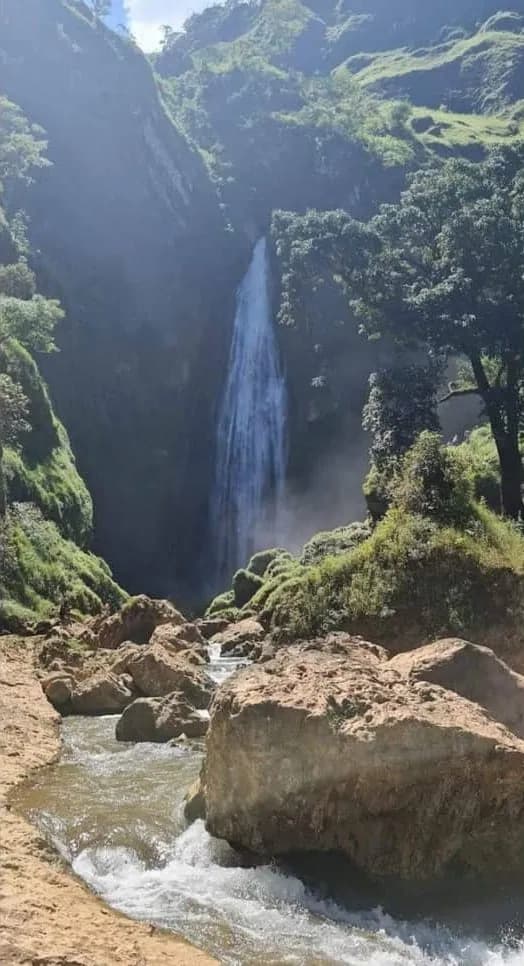
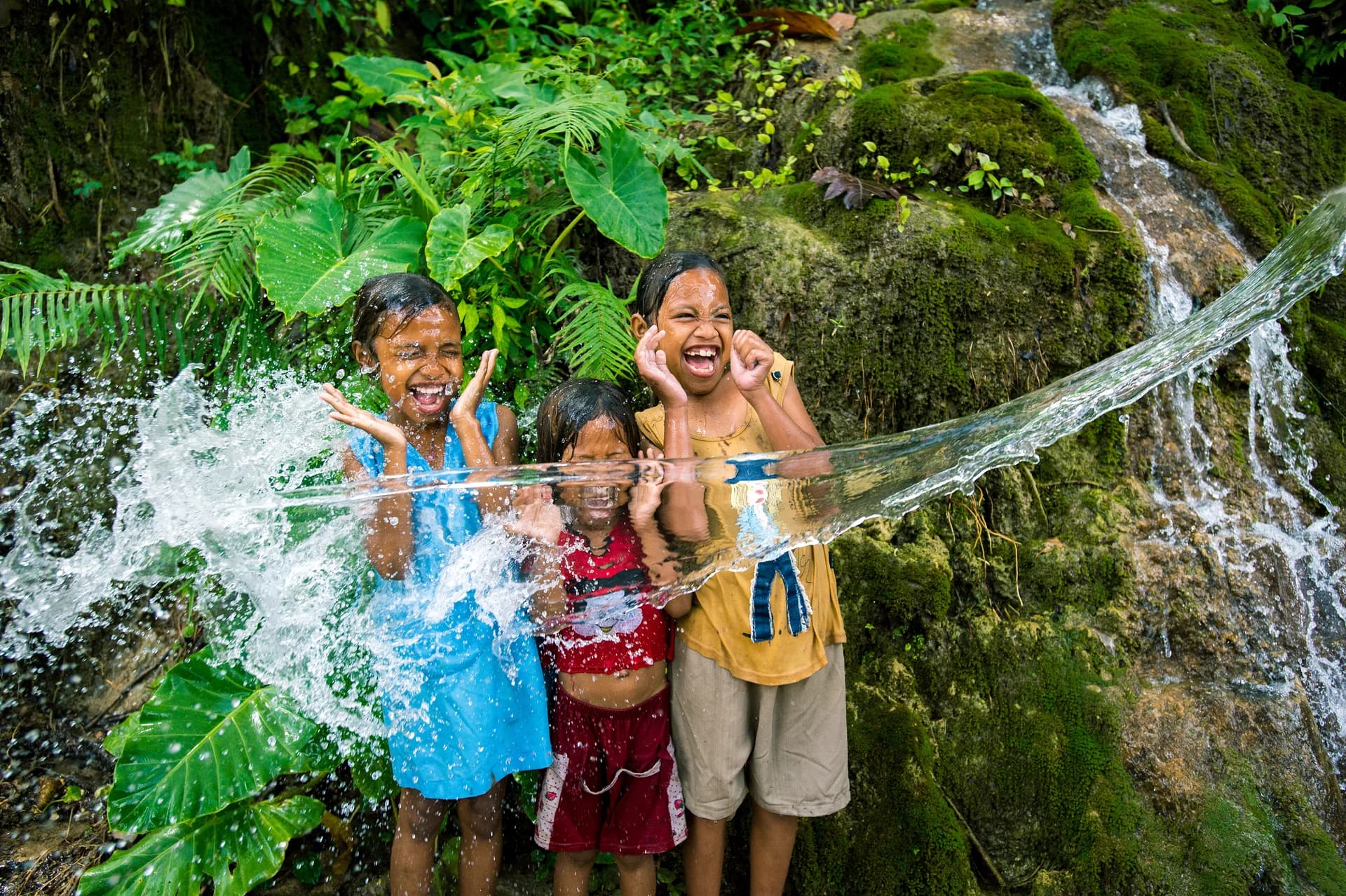
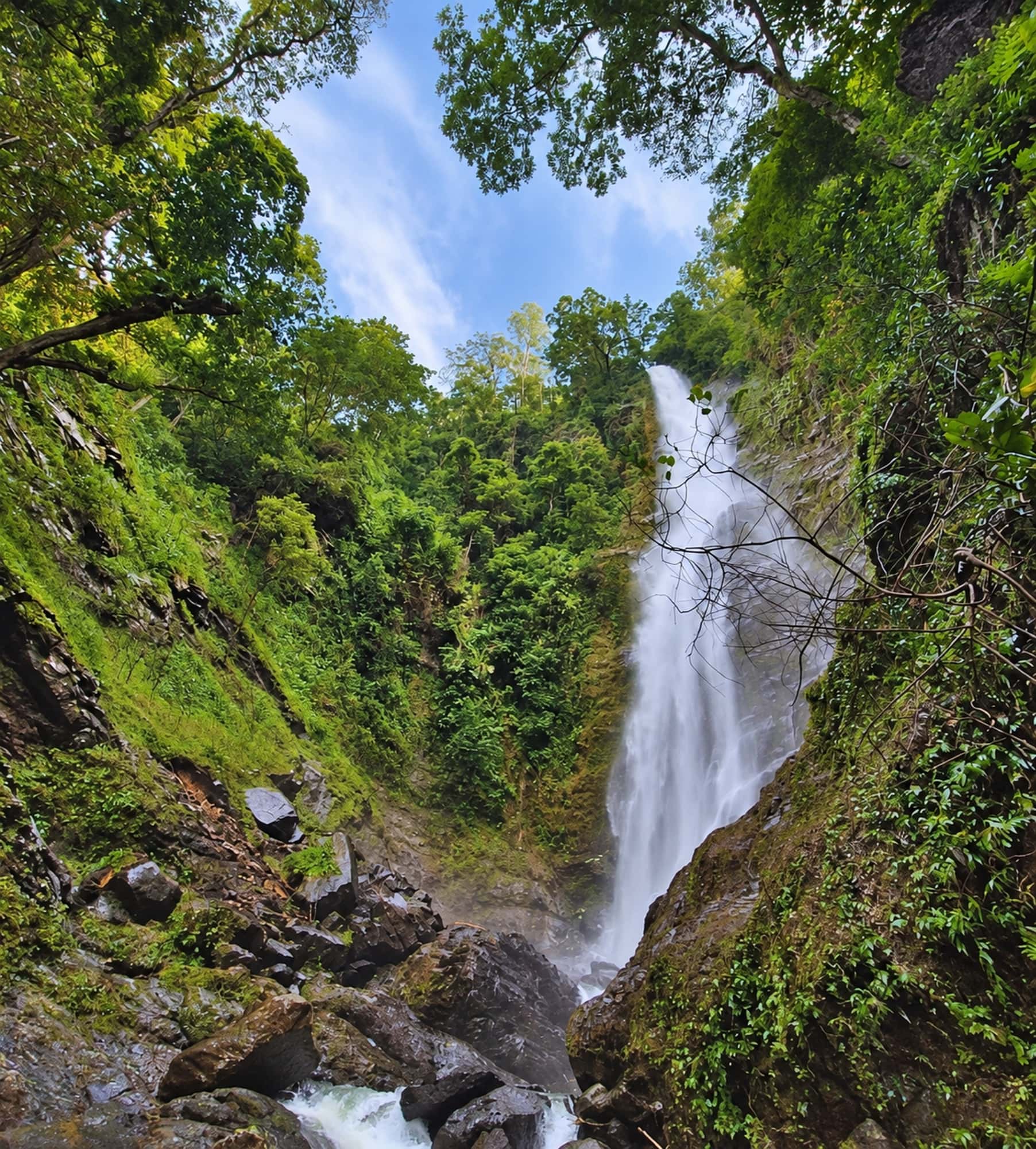
Beyond Maubisse, the road continues south toward the Ramelau trailhead at Hato Builico. A short detour brings you to the Dokomali waterfall: a 90-minute return walk down a steep path to a powerful cascade in a forested gully. The walk is steep in places and the return climb is a workout, but the falls themselves are worth it. Local children sometimes appear to act as informal guides for a small tip.
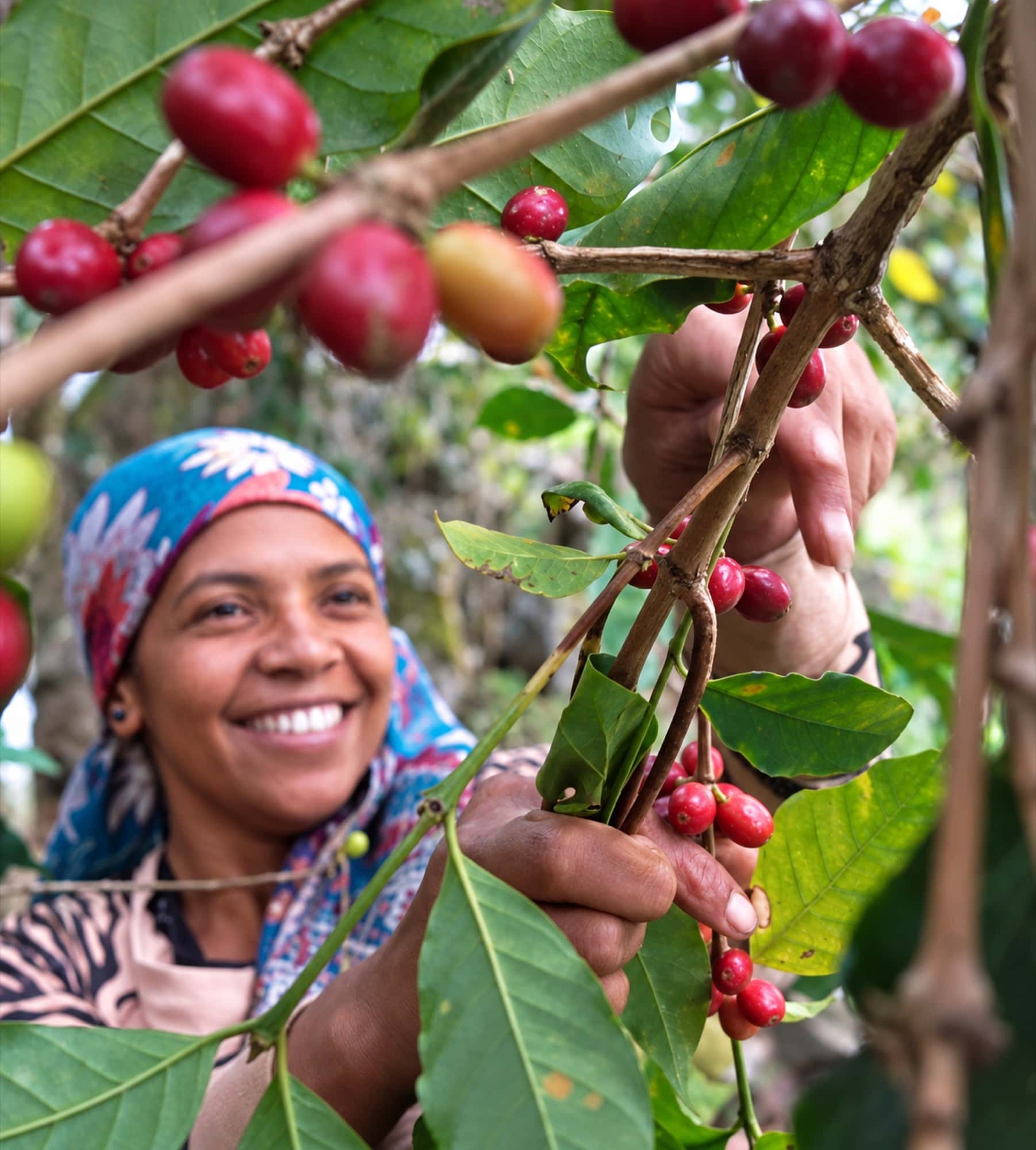
Closer to Aileu on the main road back toward Dili, the Dili Vanilli co-operative is one of the highlights of any coffee-and-vanilla tour. The co-operative grows organic vanilla and coffee on smallholder farms in the surrounding hills and welcomes visitors for plantation tours and tastings. You'll see vanilla beans hand-pollinated on the vine: a delicate process, and one of the reasons real vanilla is among the most expensive spices in the world. The coffee tasting at the end is fresh-roasted and a benchmark for the highland style.
On the road between Maubisse and Hato Builico, several smallholder farmers grow strawberries on terraced plots: an unlikely highland crop that thrives in the cool climate. Roadside stalls sell them by the punnet, with chillies and local honey alongside. The strawberry stops are a small, surprising pleasure on the highland circuit.
Mount Ramelau, Tatamailau in Tetun, is the highest peak in Timor-Leste at 2,963 m, and the standard ascent begins at the village of Hato Builico, an hour beyond Maubisse on a rougher road. There are two ways to do it: sleep in Maubisse and leave at 2am, or sleep at the trailhead at Alecrim Namrau Homestay in Hato Builico (the highest village in the country) and start walking at 3am.
For those not climbing Ramelau, Maubisse is still worth the trip on its own terms: a quiet, cool, beautiful corner of the country that few visitors take the time to know. A two-day/one-night trip from Dili combining Maubisse, the Dokomali waterfall, and Dili Vanilli is one of the best short escapes from the heat of the capital.
For longer stays, the highlands repay slow exploration. The drive west from Maubisse through Letefoho into Ermera district passes Bandeira Waterfall (one of the country's tallest), specialty coffee operations, and traditional villages. East from Maubisse, smaller roads climb into less-visited country toward Same and the south coast.
4 experiences connected to this guide
Dili city tour with Cristo Rei sunset
Seloi Kraik rice paddies
Seloi Kraik rice paddies
Seloi Kraik mountain lake and rice paddies
Maubisse · Aileu
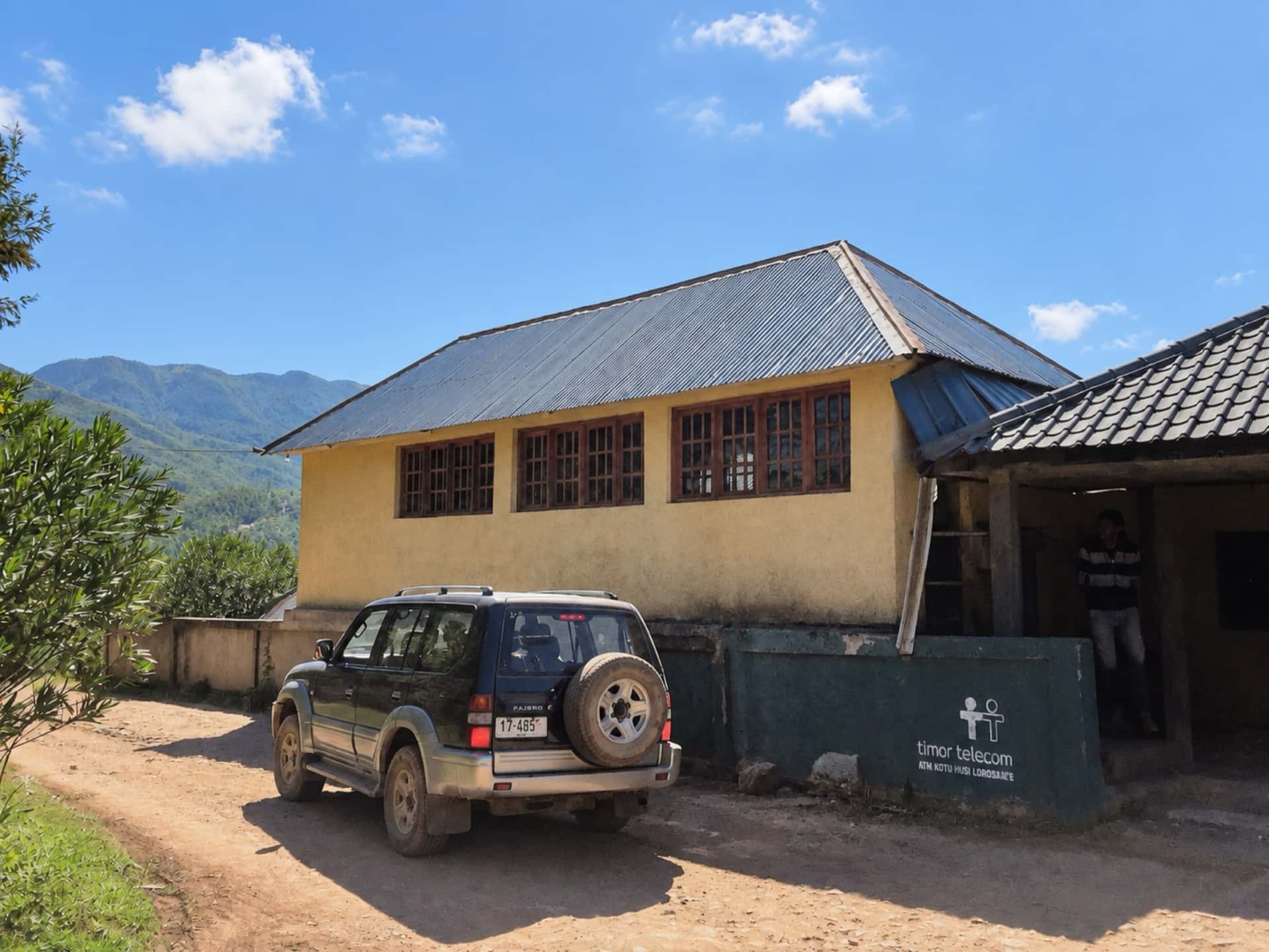
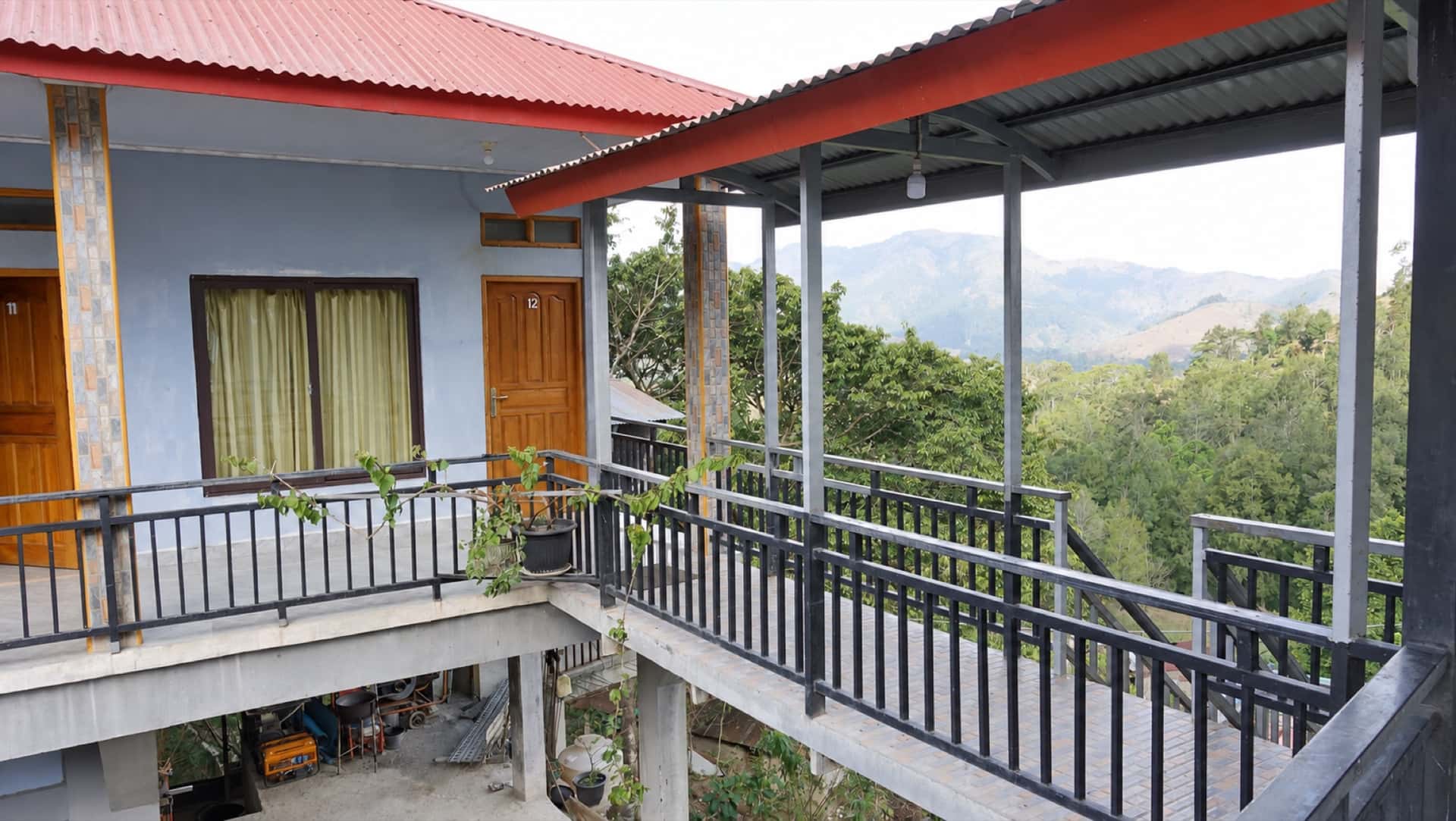
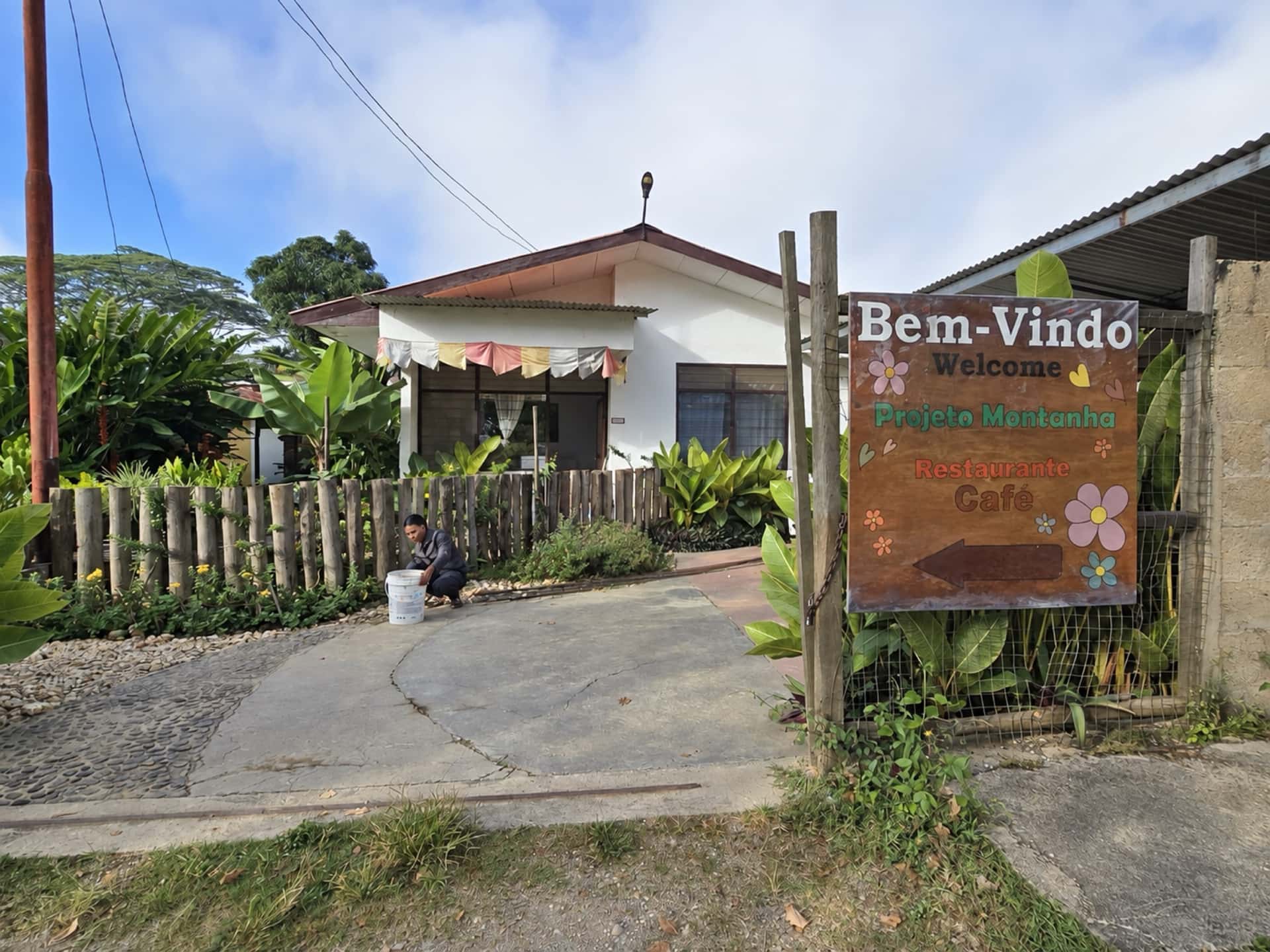
Mt Rabilau sacred house, Dokomali waterfall, Dili Vanilli plantation, strawberry farms, Seloi Kraik rice paddies, Fleixa Pass viewpoint.
May to November (dry season) is the most reliable window. June to September has clear cool days, dependable mountain roads, and the best views from Fleixa Pass and Mt Rabilau. The wet season turns the highlands lush green but afternoon storms are routine and the mountain road can be rough.
New experiences, insider tips, and seasonal highlights. No spam, just useful stuff for planning your trip.
Unsubscribe anytime. We respect your inbox.
Continue planning your trip to Timor‑Leste
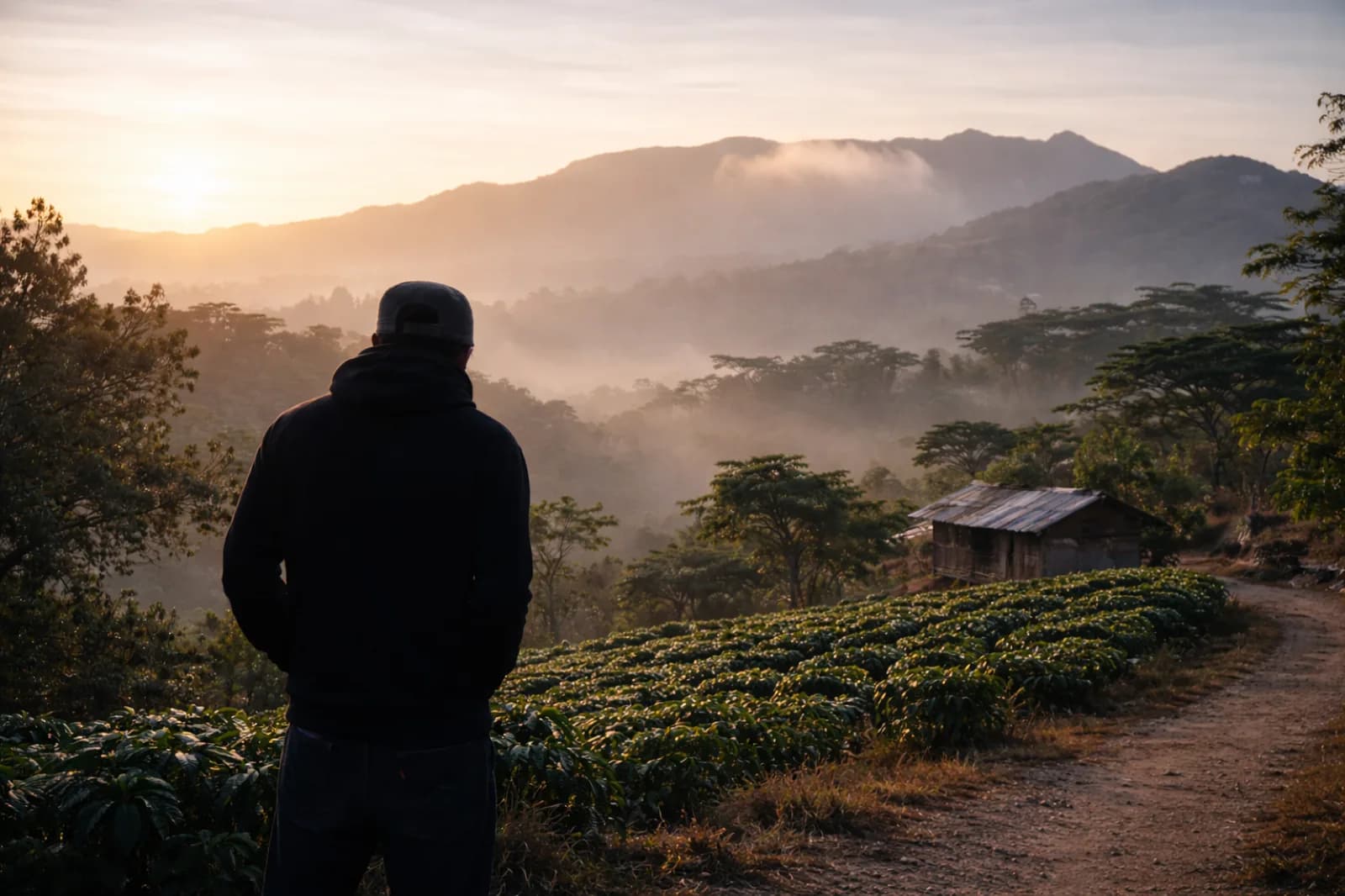
From highland farms to your cup: the Timor Hybrid story
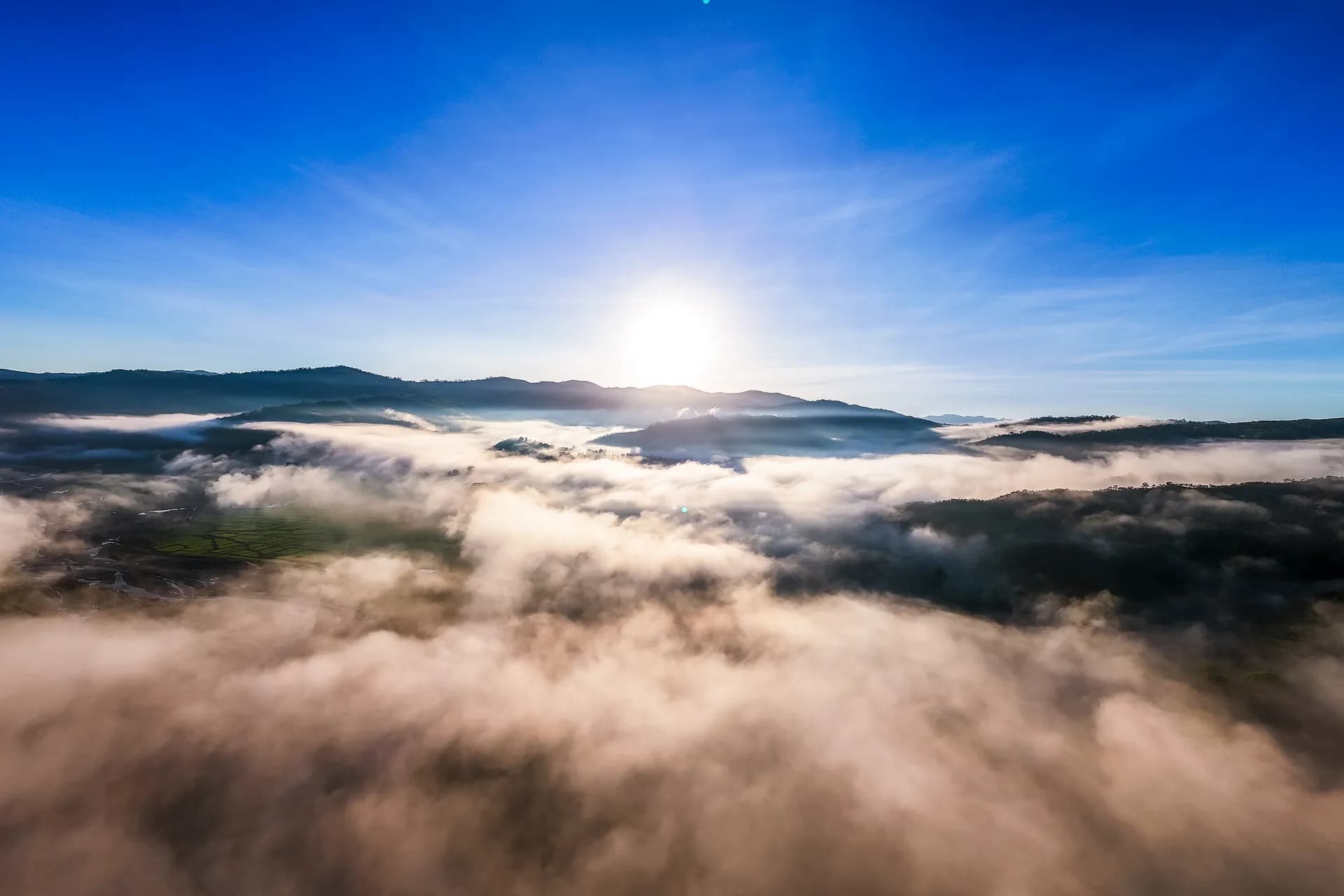
Sunrise from the roof of Timor-Leste at 2,963 m
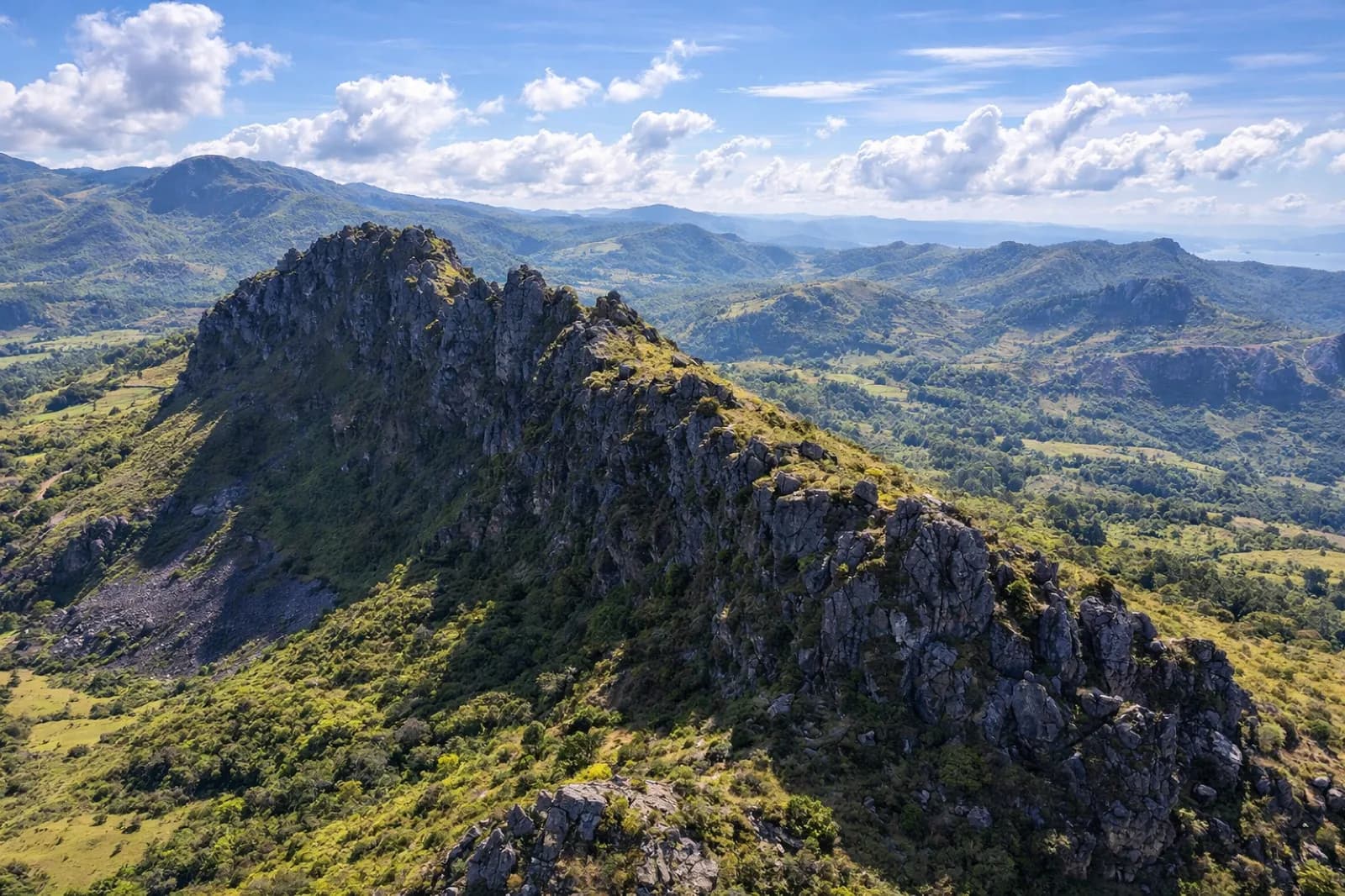
Mountains, coffee plantations, colonial towns, and the north coast
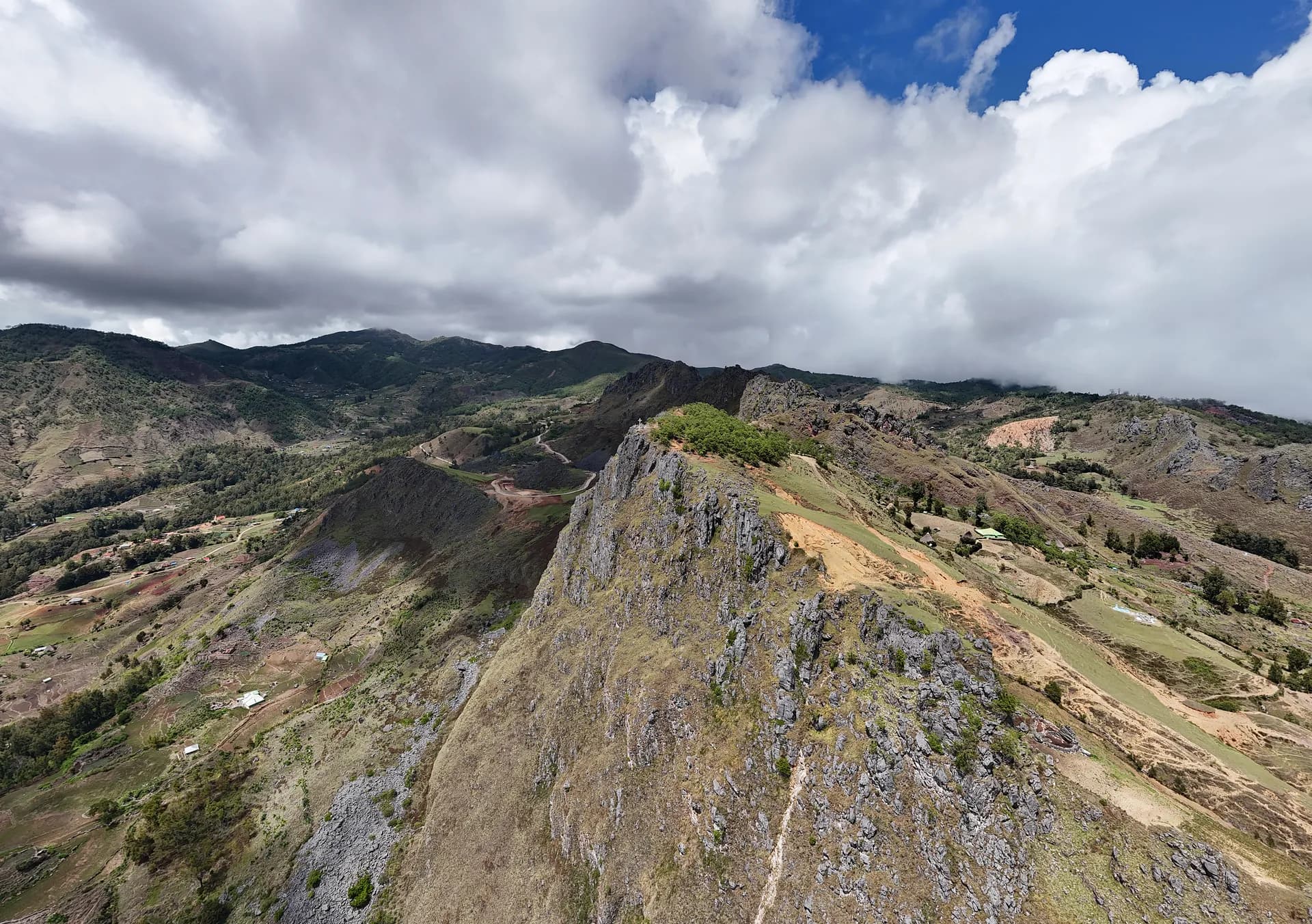
Mountain trails, sacred peaks, and highland landscapes far from the tourist trail
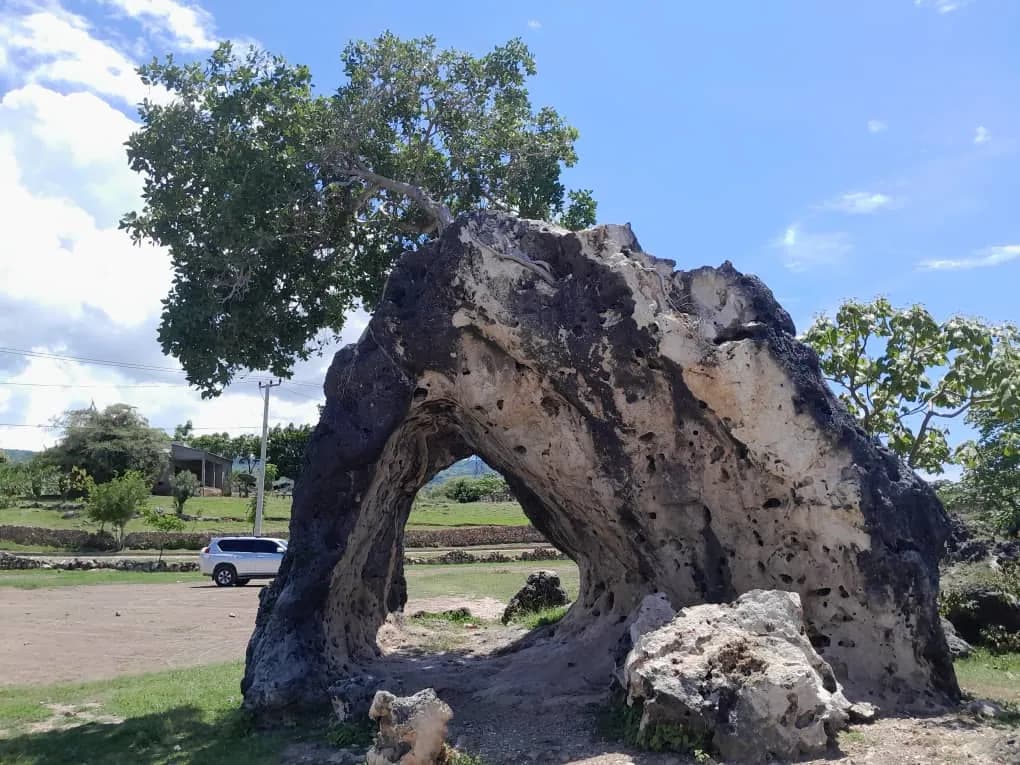
Escape the capital: the best day trips within reach of Dili, from island adventures to mountain coffee country
Places mentioned in this guide