5-Day Timor-Leste Tour: Dili, Highlands & Baucau
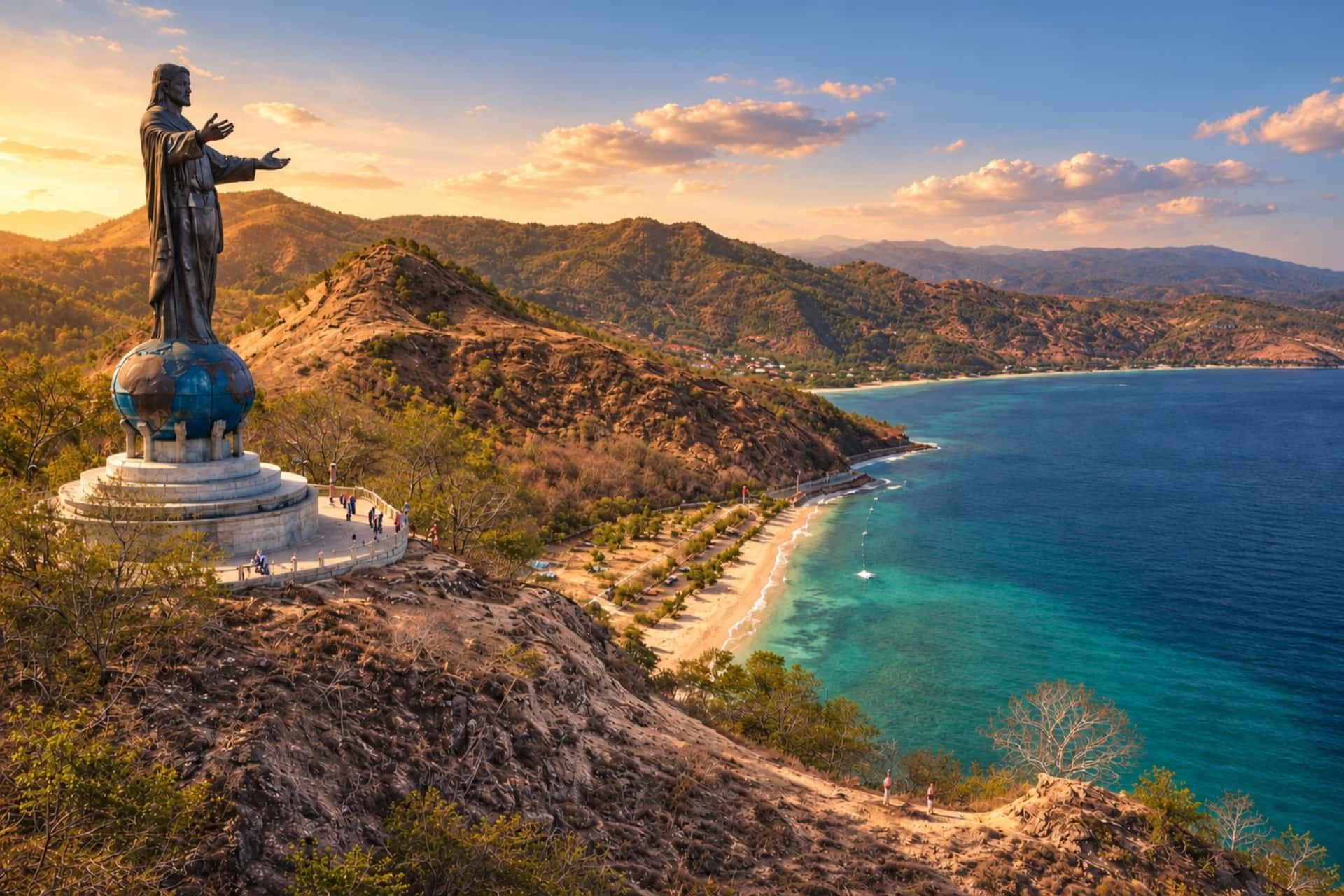
Dili city tour with Cristo Rei sunset

Under two hours from Bali — why travelers are discovering Timor-Leste as the antidote to overtourism
Bali gets nearly 7 million international visitors a year. Timor-Leste gets fewer than 100,000. The flight between them takes under two hours. One is saturated with tourism infrastructure, Instagram crowds, and $15 smoothie bowls. The other has some of the most biodiverse reefs on earth, completely empty beaches, and a genuine culture that has not been packaged for export.
Timor-Leste is not a budget Bali alternative — it is a fundamentally different kind of destination. If you are looking for luxury resorts, polished service, and nightlife, stay in Bali. But if you want to dive uncrowded world-class reefs, trek mountains where you are the only foreigner, eat with families who are genuinely happy to have you at their table, and travel somewhere that still feels like a discovery — Timor-Leste is under two hours away.
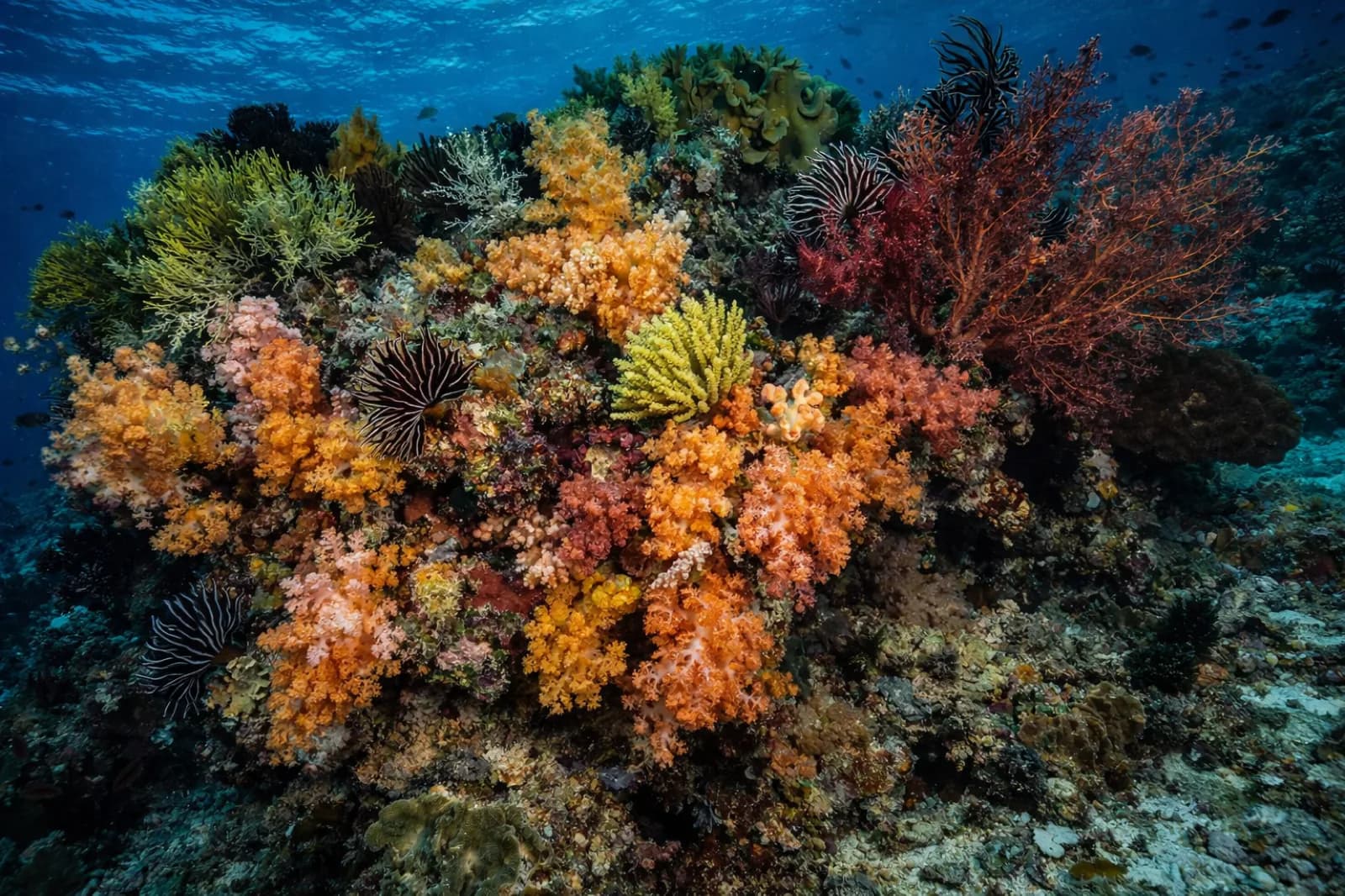
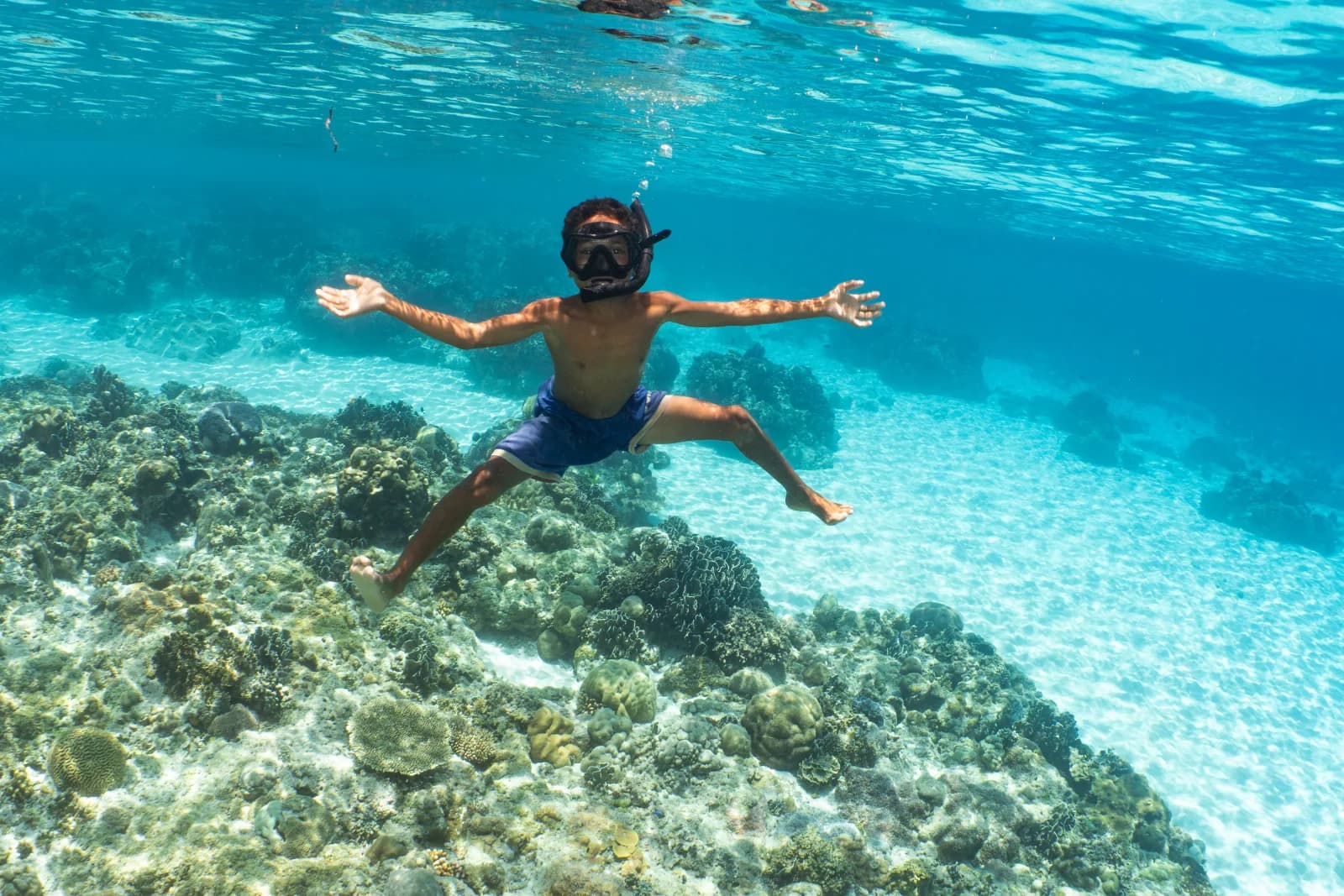
Atauro Island, a short ferry ride north of Dili, recorded the highest average reef fish diversity of any site surveyed by Conservation International in 2016 — surpassing Raja Ampat. The reefs around Atauro support over 400 species of coral and visibility regularly exceeds 30 meters.
Unlike Bali's crowded dive sites at Tulamben and Nusa Penida, a typical dive day at Atauro means your boat, your guide, and maybe one other pair of divers. No other boats. No queuing at the entry point. No trying to photograph a manta ray through a crowd of 40 snorkelers.
Dive operators on Atauro (Atauro Dive Resort, Compass Diving) are small, owner-run operations with PADI-certified instructors. Prices are comparable to Bali ($40-60 per dive including equipment) but the experience is incomparably more intimate.
Dili itself has excellent shore diving. Sites like Tasi Tolu, Pertamina Pier, and Dili Rock are 15 minutes from the city center and offer macro photography, reef sharks, and pristine coral walls. You can dive before breakfast and be back for coffee.
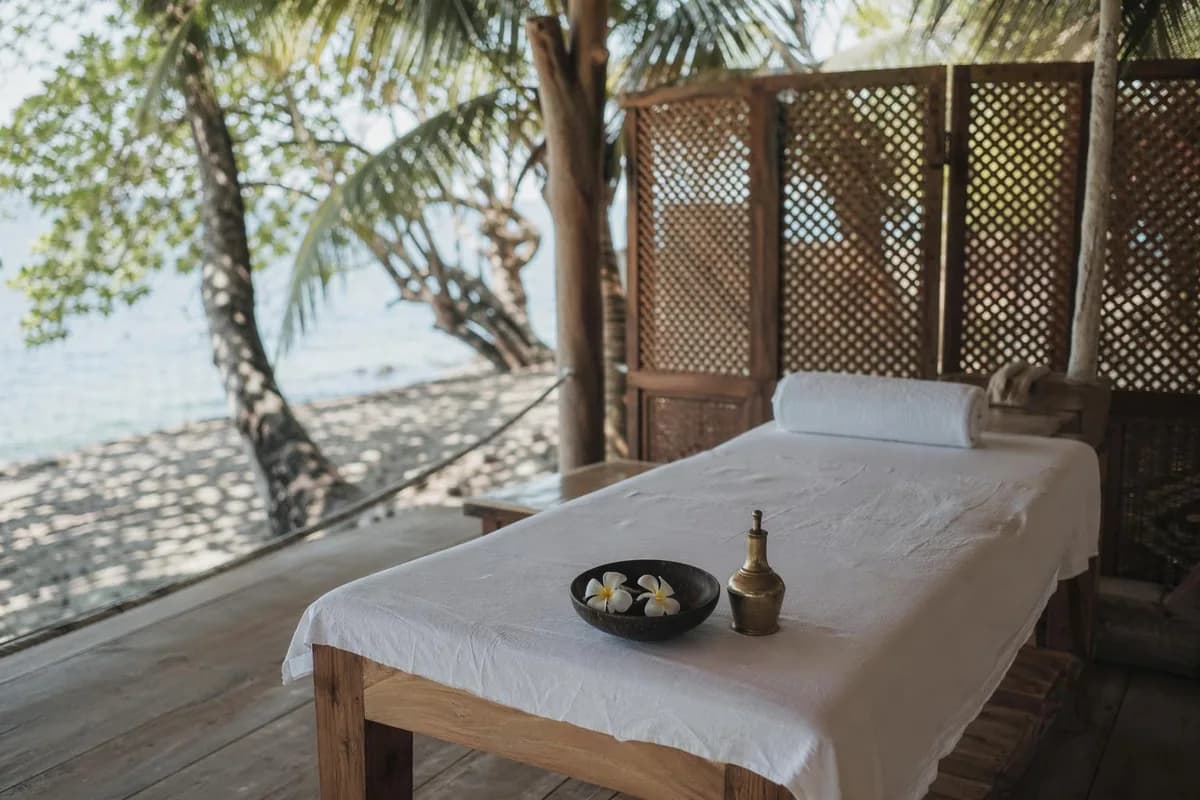
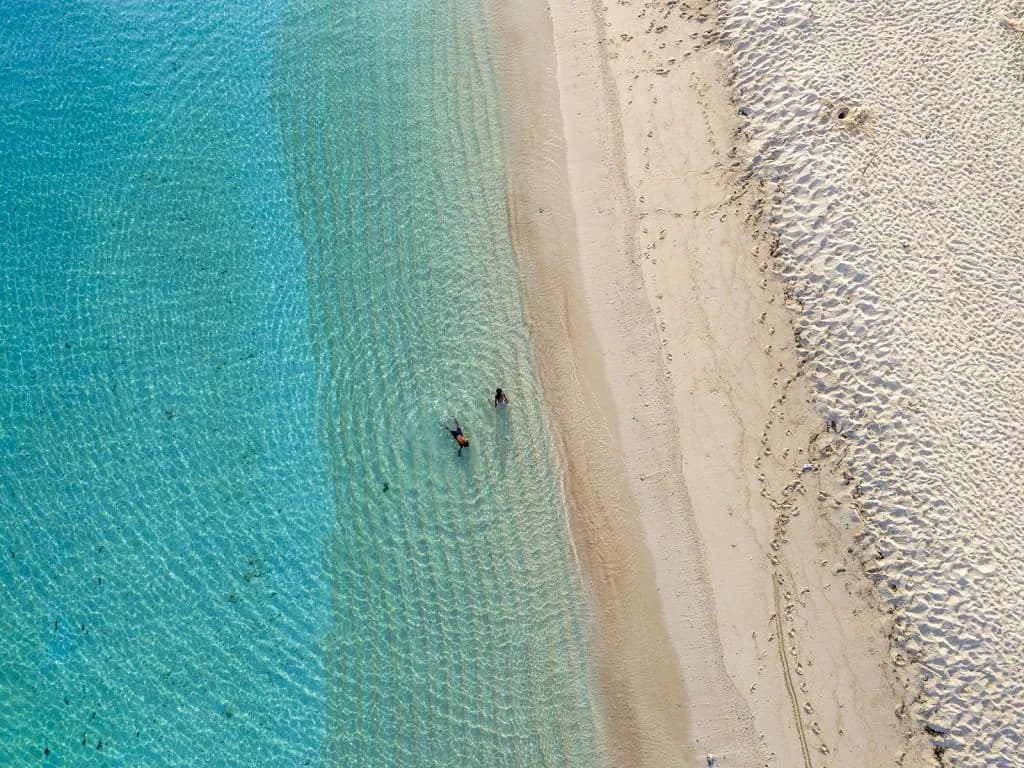
Jaco Island, at the far eastern tip of Timor-Leste, is a sacred uninhabited island with white sand beaches and crystal water. There is no hotel, no bar, no Instagram influencer. You reach it by small boat from Valu Beach, spend the day snorkeling and swimming, and leave before sunset. On most days, you will have the entire island to yourself.
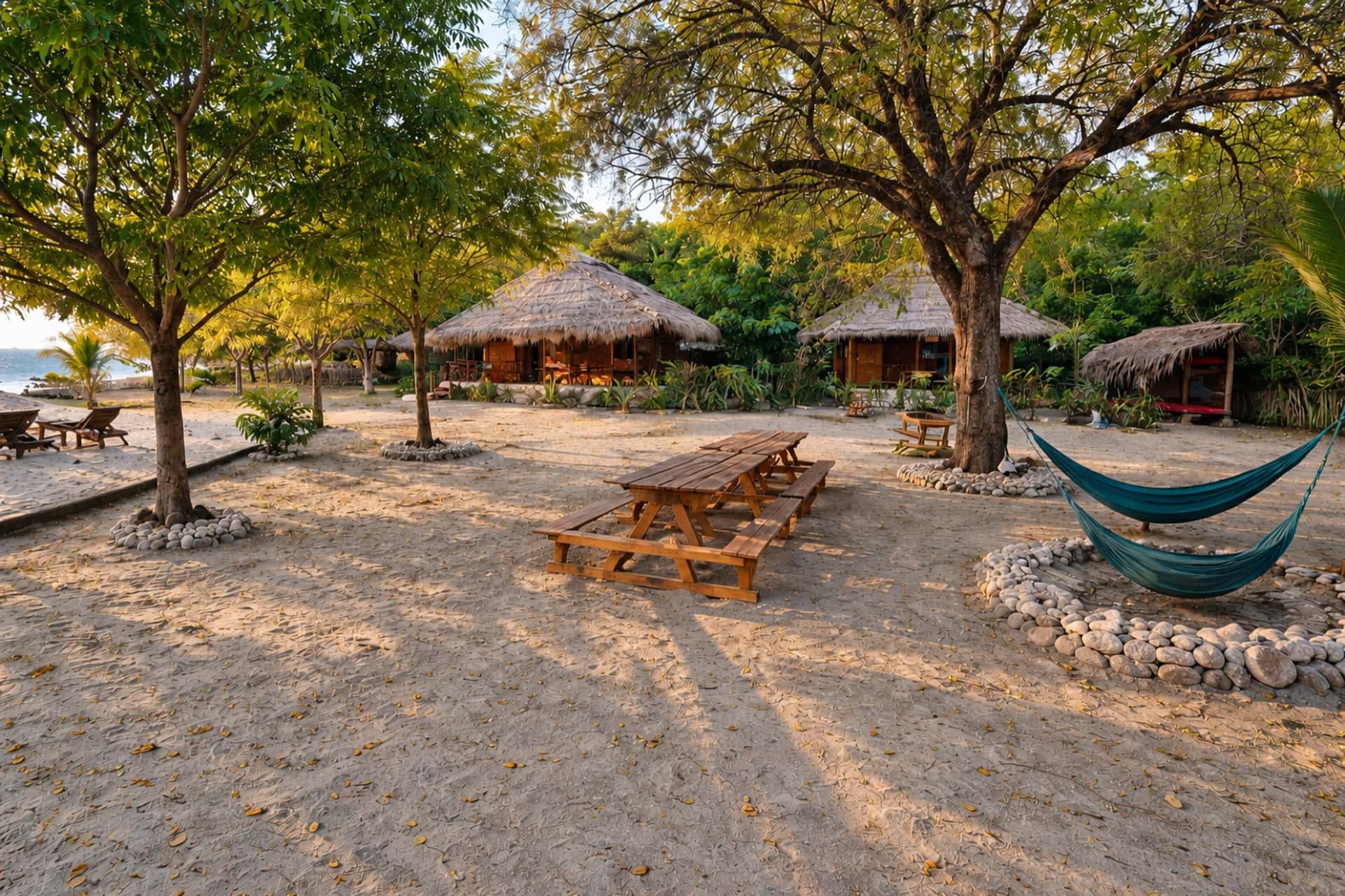
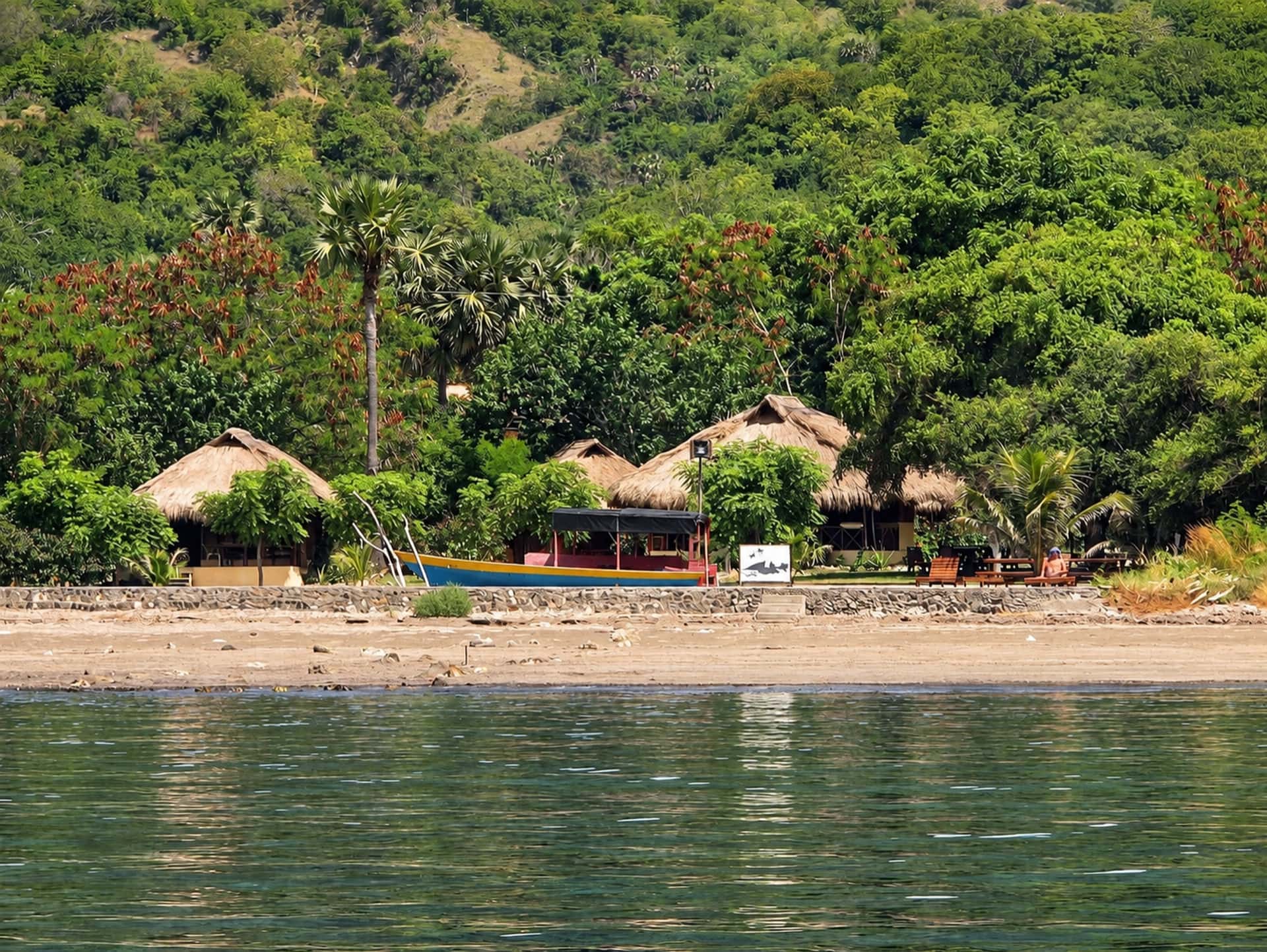
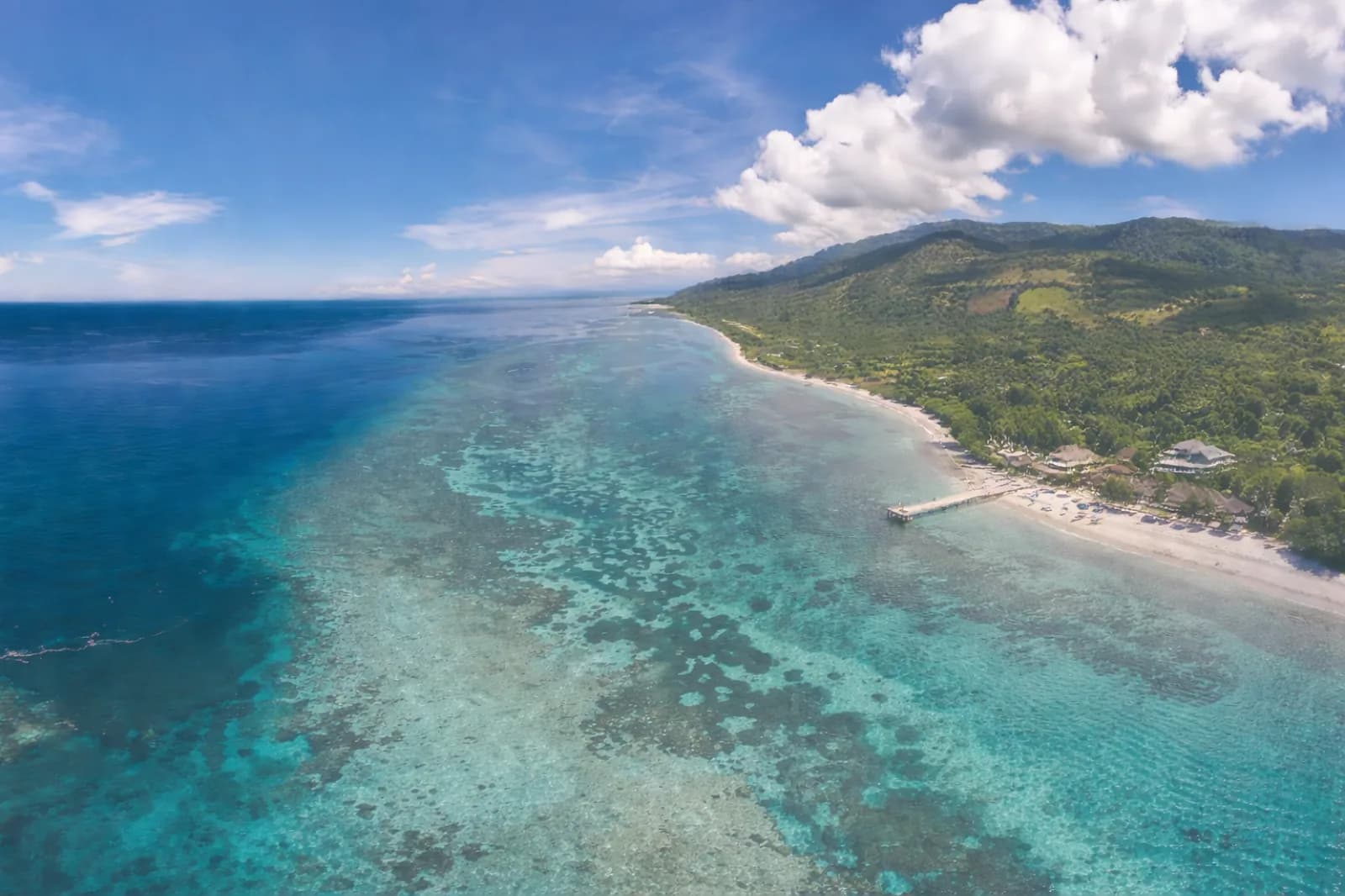
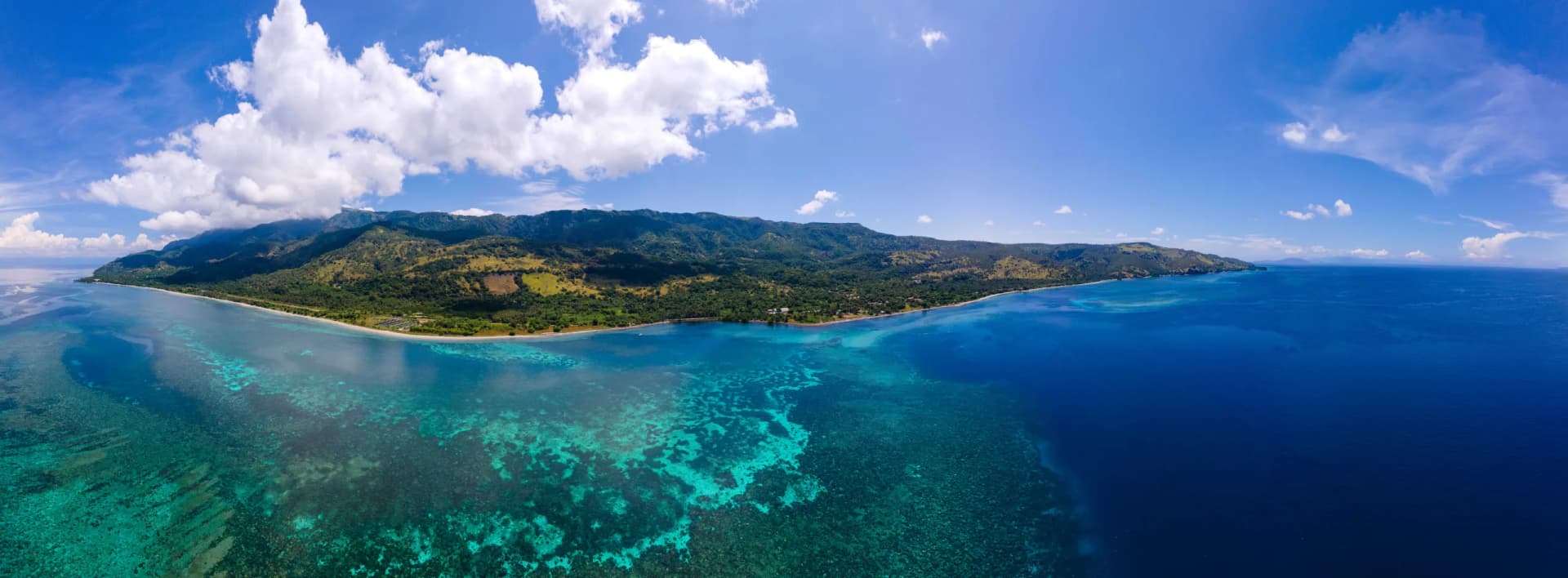
Even close to Dili, beaches like Dollar Beach (K42), Areia Branca, and the Atauro coastline offer the kind of empty-sand-warm-water experience that Bali lost decades ago. There are no beach clubs, no sun lounger fees, no crowds.
The tradeoff is real: facilities are minimal. Bring your own snorkel gear, water, and sun protection. But for travelers who value solitude over convenience, the beaches of Timor-Leste are extraordinary.
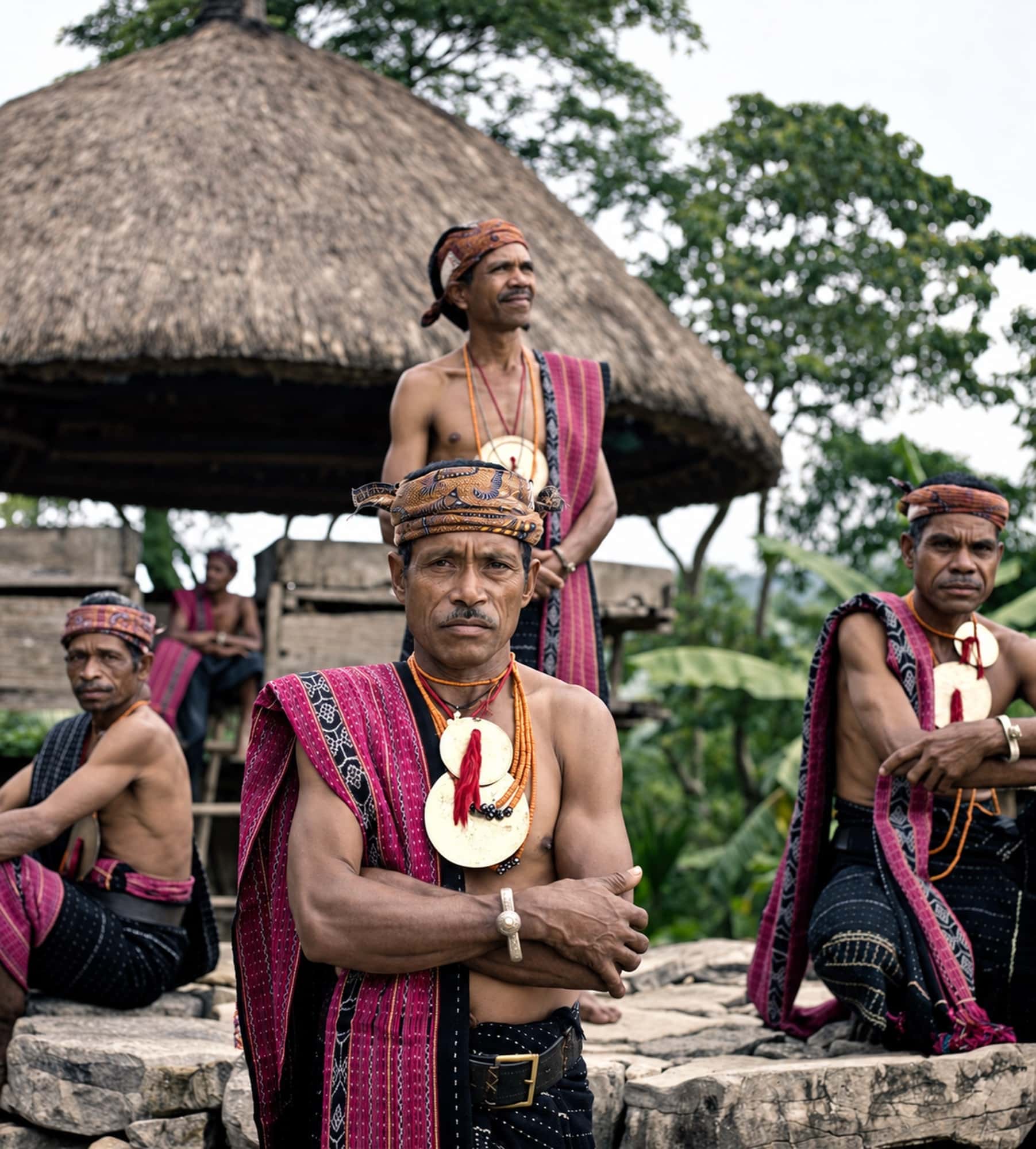
Timor-Leste's culture is living and unperformed. Tais weaving is still done by hand in villages across the country — not in tourist workshops but as a genuine part of daily life. Sacred lulik houses still stand in highland villages, and animist traditions coexist with Catholicism in ways that fascinate anthropologists.
When you eat at a family's home in a highland village, it is because they invited you — not because they run a homestay business on Airbnb. When a local guide tells you about the resistance against Indonesian occupation, it is personal history, not a scripted tour.
Timor-Leste is one of the youngest nations on Earth (independent since 2002) and its people are proud, welcoming, and genuinely curious about visitors. Tourism is still new enough here that you are a guest, not a customer.
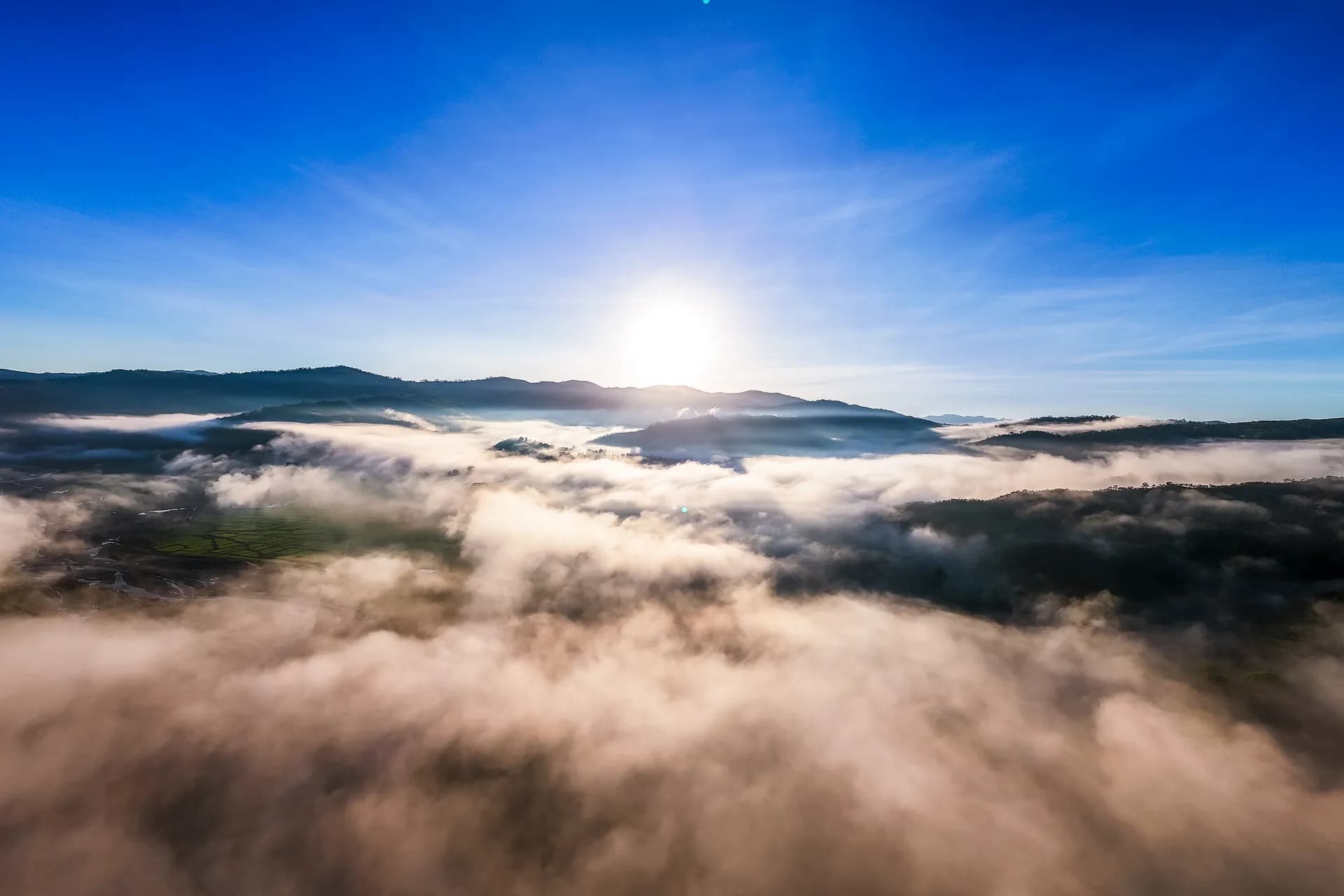
Bali has Mount Agung. Timor-Leste has Mount Ramelau (2,963m) — and you can hike it without a mandatory guide fee, hundreds of sunrise-seekers, or a queue at the summit. The pre-dawn hike from Hato Builico is a genuine mountain experience through cloud forests and eucalyptus, often with only a handful of other walkers.
The central highlands around Maubisse and Ermera produce some of the world's best organic coffee. These are not curated "coffee experiences" — they are working farms where families have grown coffee for generations. You drink your cup on the veranda while looking out over valleys that disappear into cloud.
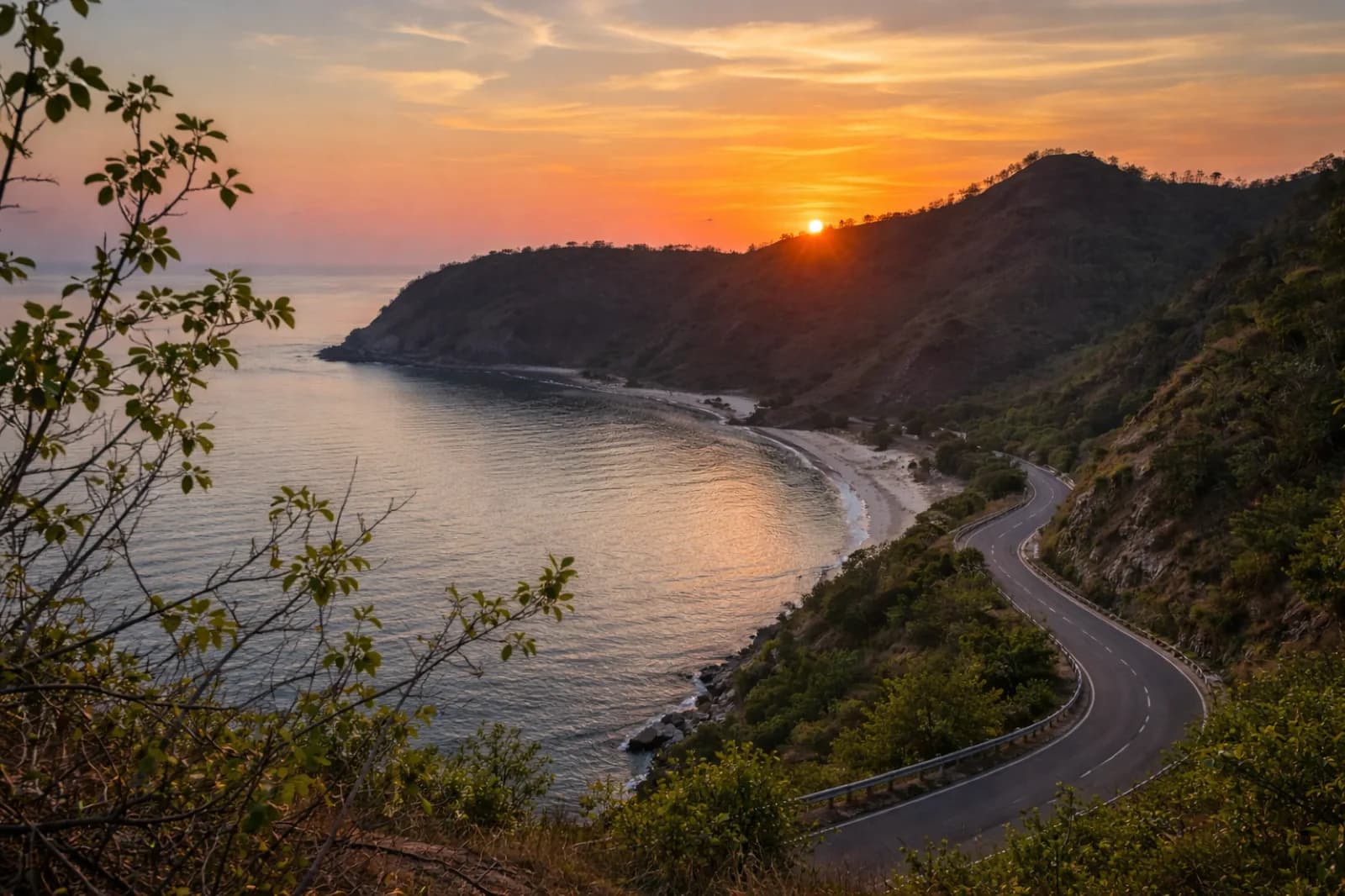
The mountain roads themselves are part of the experience. Winding through terraced hillsides, passing through villages where kids wave from every doorway, dropping into valleys of extraordinary beauty. The drive from Dili to Maubisse is one of Southeast Asia's great road trips.
Citilink flies from Bali (Ngurah Rai/Denpasar) to Dili multiple times daily. Flight time is approximately 2 hours. Return fares typically range from $150-300 USD depending on season and how far ahead you book. Aero Dili also operates the Bali-Dili route.
You can add Timor-Leste as a side trip to a Bali holiday — fly over for 3-5 days, experience something completely different, and fly back. The visa on arrival ($30, 30 days) makes this straightforward for most nationalities.
From Dili airport, pre-booked transfers ($15-25) or taxis ($5-10) get you to central Dili in 15 minutes. The airport is being expanded with a new terminal — by 2028 it will handle wide-body aircraft.
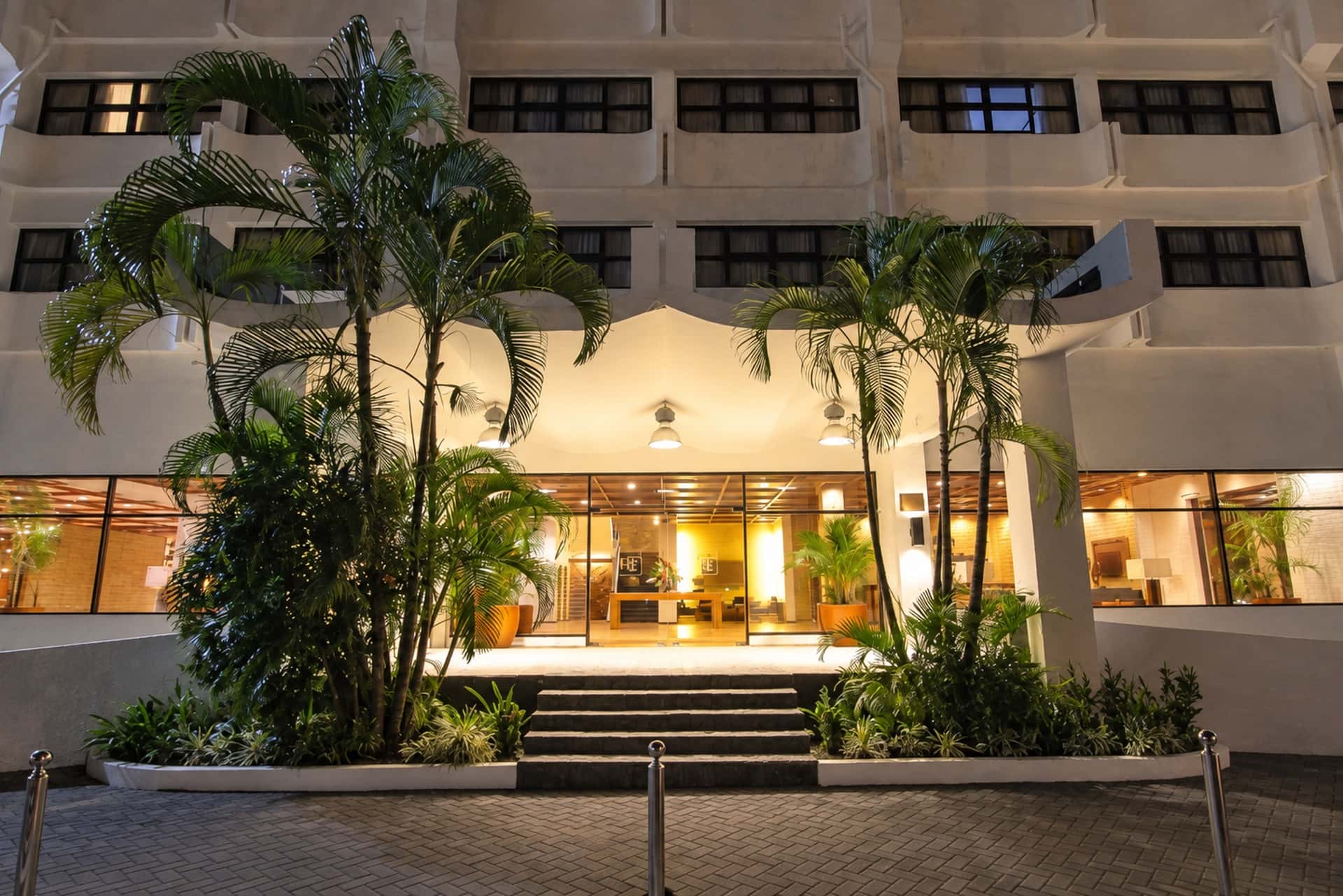
Honesty matters in travel writing, so here it is: Timor-Leste does not have Bali's tourism infrastructure. There are no luxury five-star resorts (yet). ATMs are scarce outside Dili. Roads outside the capital range from decent to terrible. English is spoken in tourism contexts but not universally. Wi-Fi is slow. Power cuts happen.
This is not a destination for travelers who want everything smooth and predictable. It is a destination for travelers who are willing to trade comfort for authenticity, convenience for discovery, and crowds for solitude.
The travelers who love Timor-Leste are the ones who remember what Bali felt like 30 years ago, or who seek out the last places in Southeast Asia where tourism has not reshaped the culture. If that sounds like you, book the two-hour flight.
6 experiences connected to this guide

Dili city tour with Cristo Rei sunset

Seloi Kraik rice paddies

Seloi Kraik rice paddies

May to November (dry season) is ideal. June to September is peak season with the best diving visibility. The wet season (December-April) brings afternoon rain but also green landscapes, whale season (Oct-Dec), and fewer tourists.
Continue planning your trip to Timor‑Leste

The world's most biodiverse reefs, virtually untouched

Flights, visa rules, and a step-by-step arrival guide

The perfect short trip — city, reef, and island in one long weekend

World-record reefs, zero crowds, and the kind of travel that barely exists anymore

World-class reefs, no certification required
Places mentioned in this guide