Os recifes com maior biodiversidade do mundo, praticamente intocados
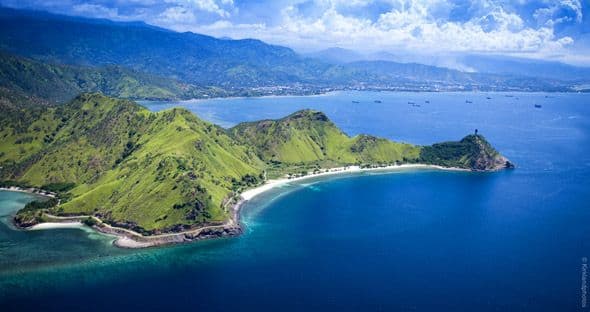
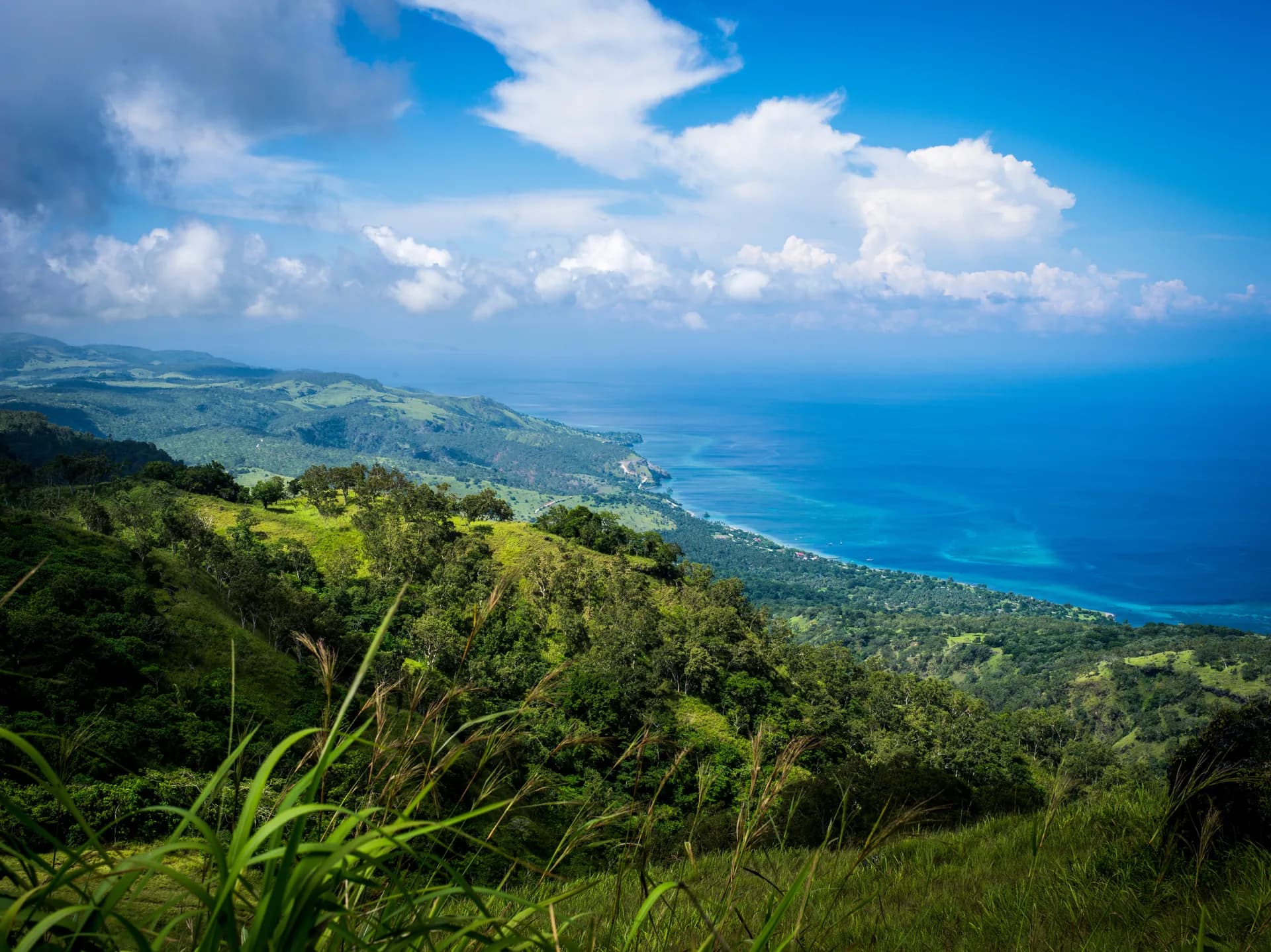
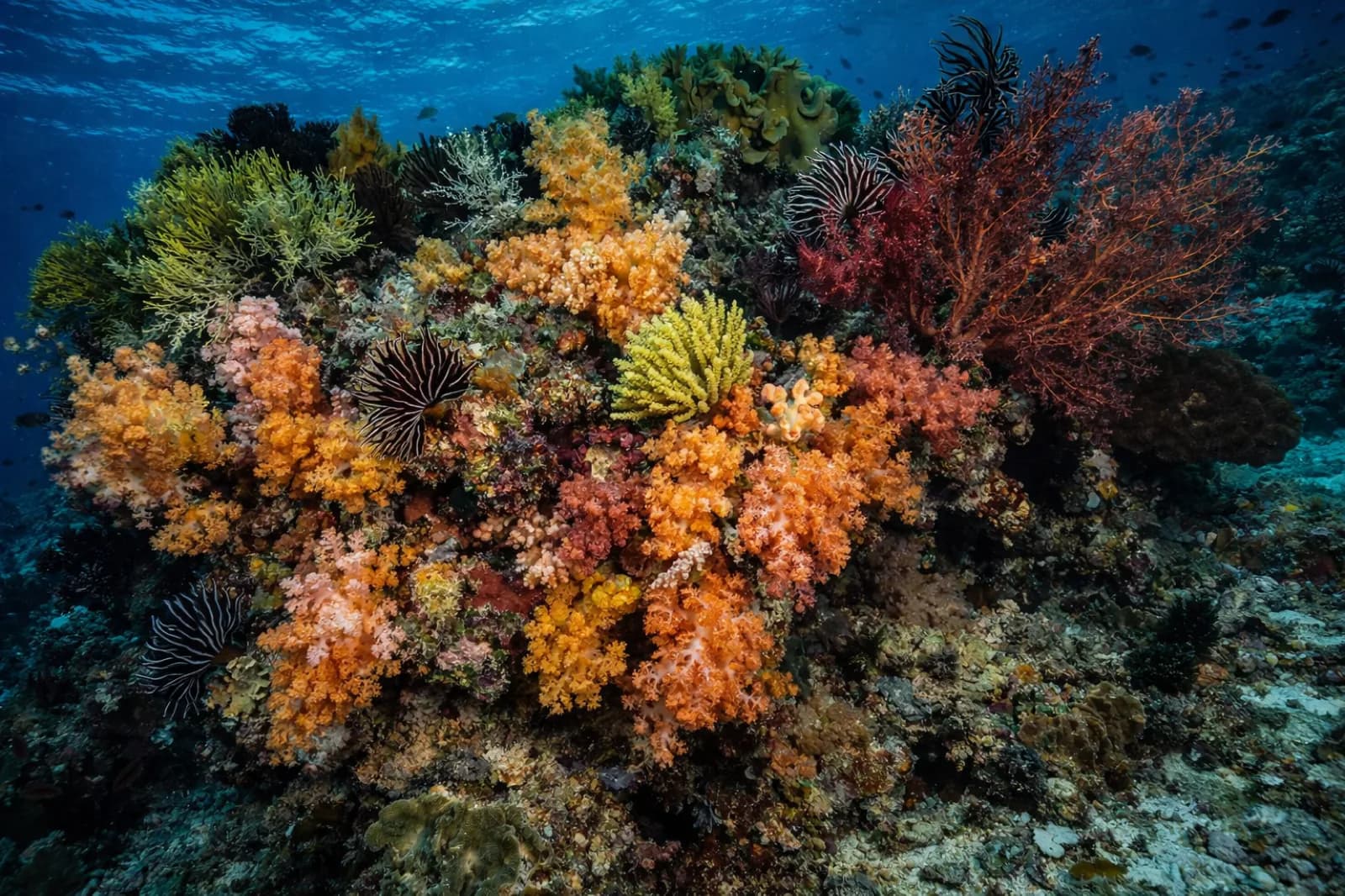
Timor-Leste encontra-se no coração do Triângulo de Coral, o epicentro global da biodiversidade marinha. Em 2016, a Conservation International registou mais espécies de peixes de recife por ponto de mergulho em redor da Ilha de Ataúro do que em qualquer outro lugar do planeta — mais de 300 espécies num único local.
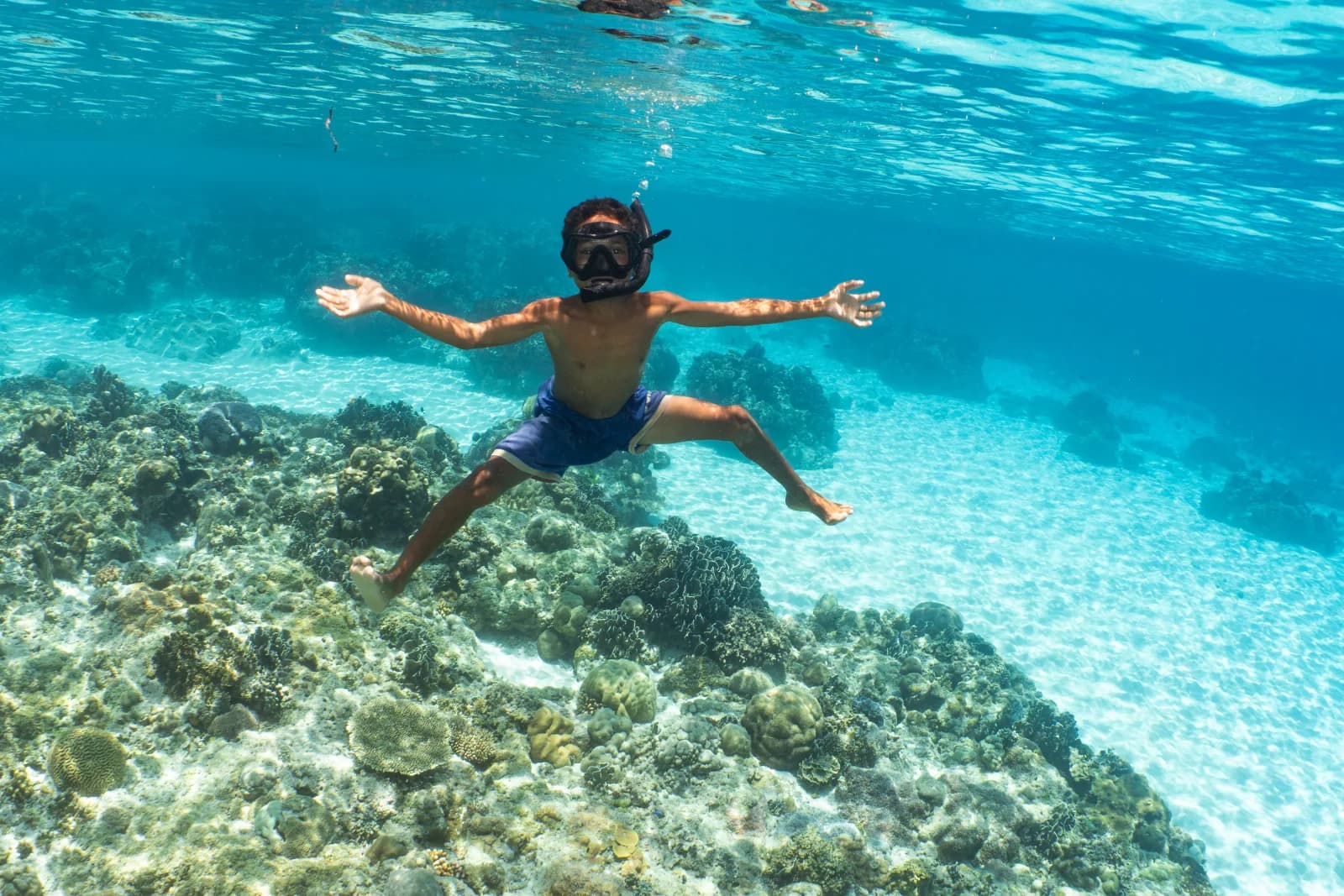
O que torna o mergulho aqui extraordinário não é apenas a biodiversidade — é a solidão. Enquanto Raja Ampat na Indonésia e Tubbataha nas Filipinas atraem centenas de mergulhadores diariamente, os recifes de Timor-Leste recebem uma mão cheia. Vai ter paredes intactas, paraísos macro e encontros com pelágicos praticamente só para si.
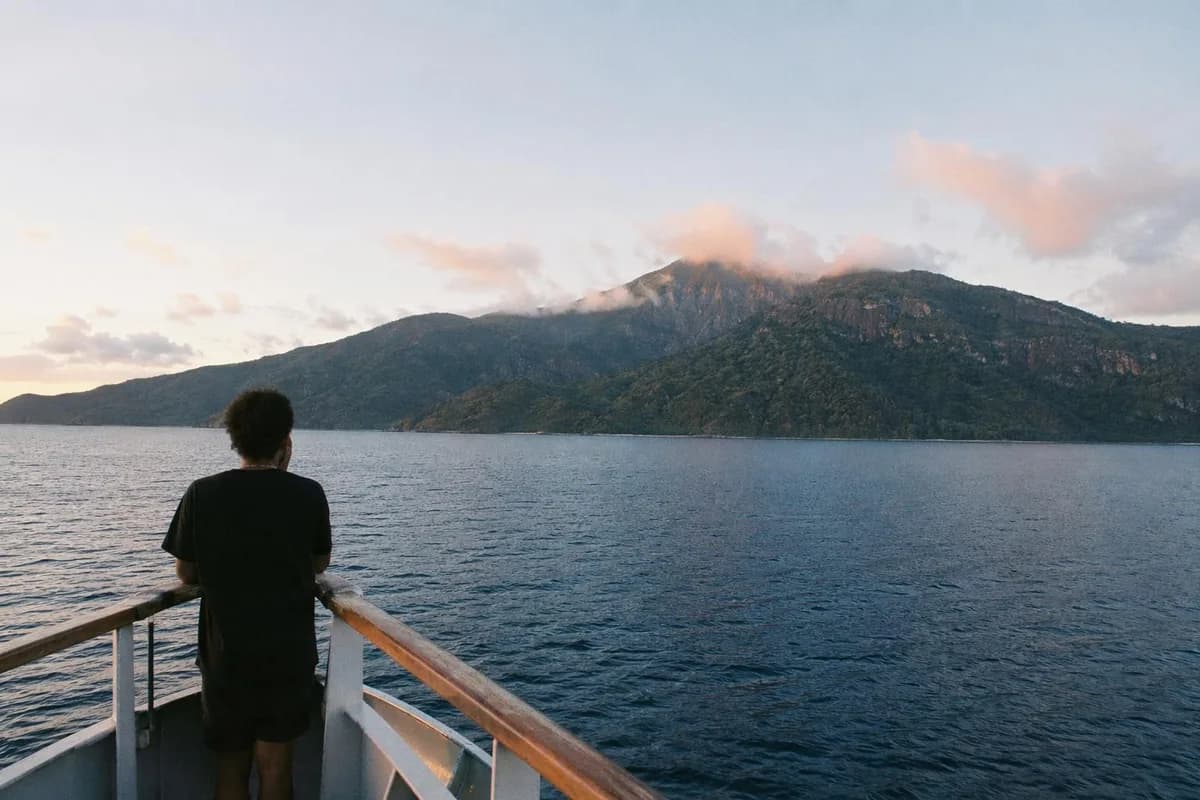
O mergulho é também acessível. A Ilha de Ataúro fica a 2,5 horas de ferry da capital (serviço aos sábados, terças e quintas-feiras). A própria Díli tem excelente mergulho a partir de terra. E com a água a manter-se entre 27-29°C todo o ano, basta um fato de neoprene de 3mm ou mesmo um rash guard.
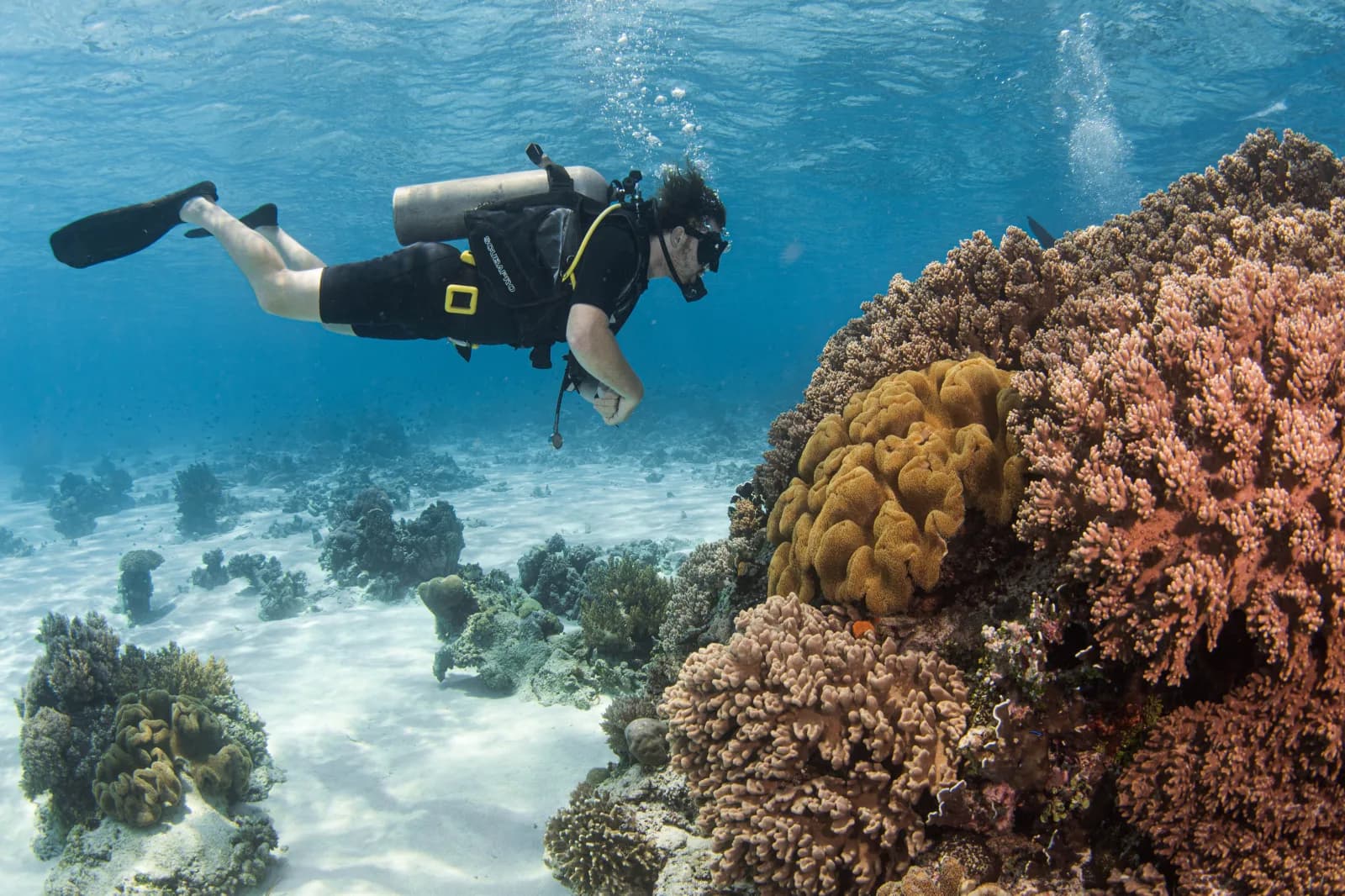
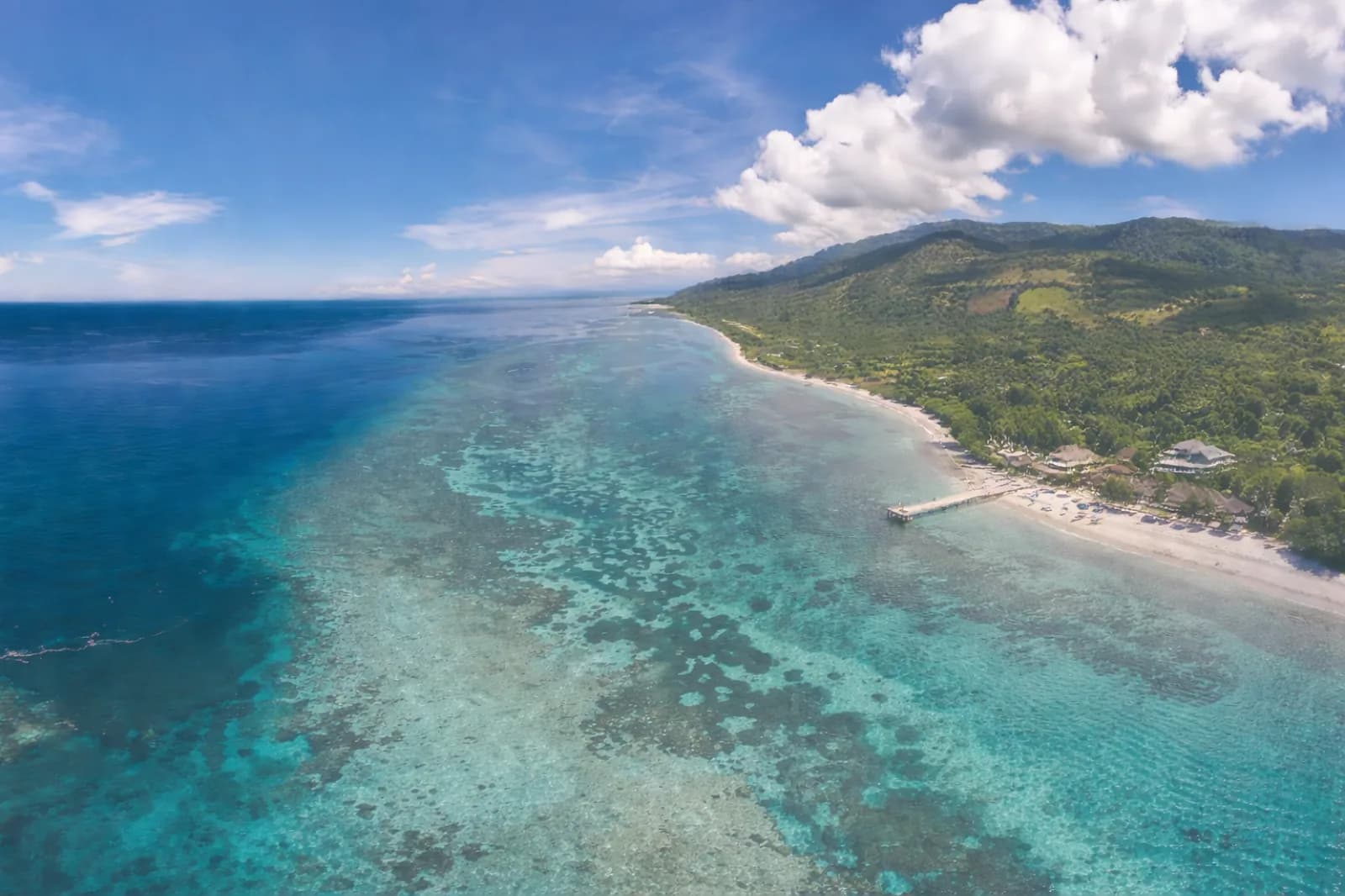
Ataúro é o evento principal. A ilha fica junto ao Estreito de Wetar, uma fossa de águas profundas onde as ressurgências ricas em nutrientes alimentam uma explosão de vida marinha. Os pontos de mergulho ao longo da costa oeste — Adara 1 & 2, Secret Garden, Whale Shark Wall — oferecem mergulho em parede com visibilidade superior a 30 metros, densos jardins de coral duro e encontros regulares com tubarões de recife, tartarugas e cardumes de peixes pelágicos.
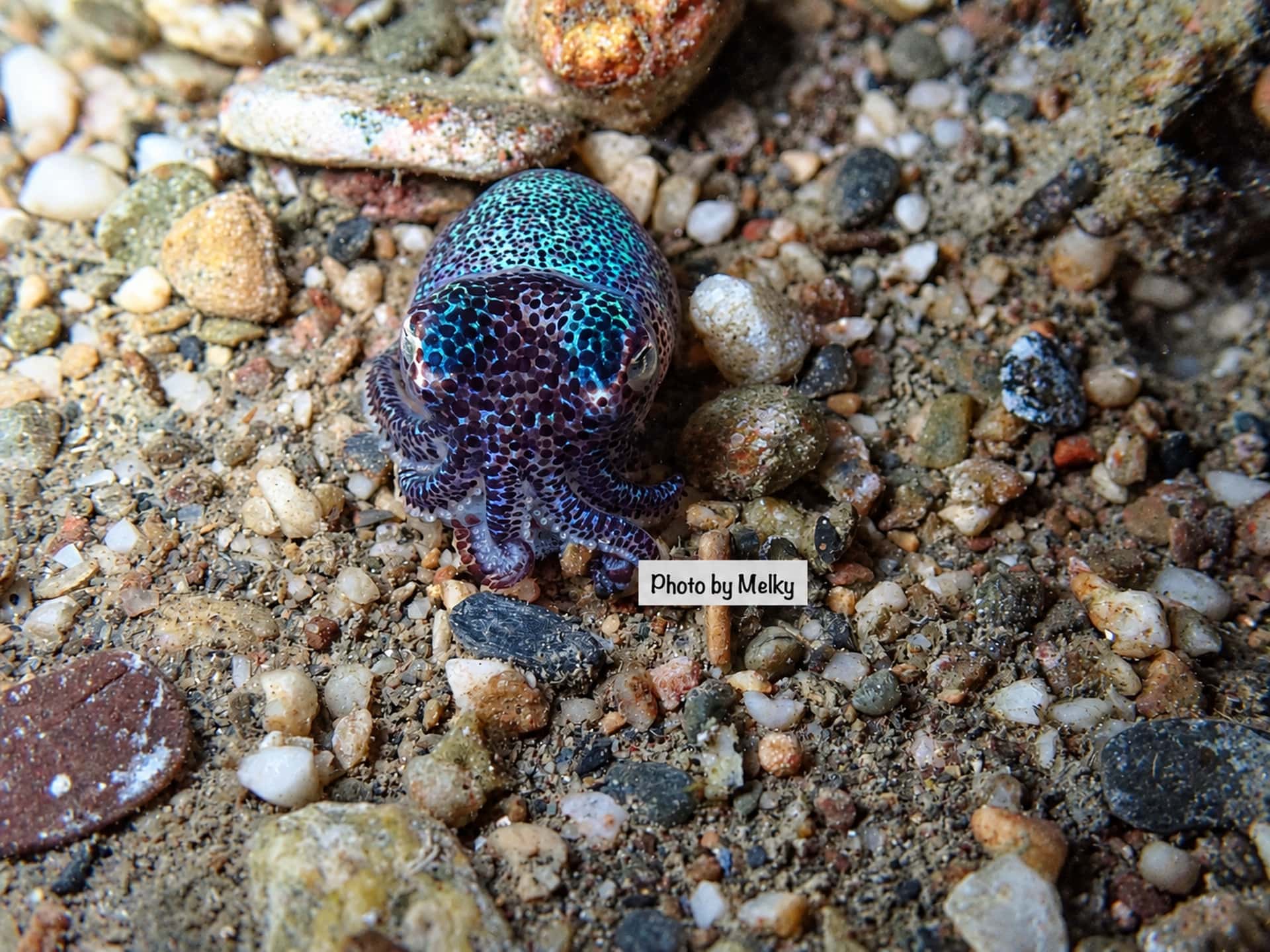
A vida macro é excecional. Cavalos-marinhos pigmeus, polvos de anéis azuis, chocos flamejantes e uma variedade de nudibrânquios que faria chorar qualquer fotógrafo subaquático. Os mergulhos noturnos revelam peixes mandarim, dançarinas espanholas e chocos à caça.
Os operadores de mergulho em Ataúro incluem a Compass Diving e o Atauro Dive Resort, ambos geridos por divemasters experientes que conhecem cada local intimamente. Em Díli, a Dive Timor Lorosae, a Aquatica e a Dreamers Dive oferecem mergulho a partir de barco e de terra. Espere grupos pequenos (2-4 mergulhadores), serviço personalizado e paixão genuína pelo ambiente marinho. Golfinhos são frequentemente avistados em redor de Ataúro.
Não precisa de sair da capital para encontrar excelente mergulho. A costa norte de Díli tem uma série de locais acessíveis a partir da praia que seriam atrações principais na maioria dos países.
O K41 (nome derivado da sua posição ao quilómetro 41 da estrada costeira) é famoso pela vida macro — peixes-sapo, peixes-cachimbo-fantasma e peixes-cachimbo ornamentados escondem-se entre os destroços e o coral. O Pertamina Pier oferece muck diving de classe mundial sob o velho cais petrolífero, onde cavalos-marinhos e polvos fazem o seu lar entre os pilares.
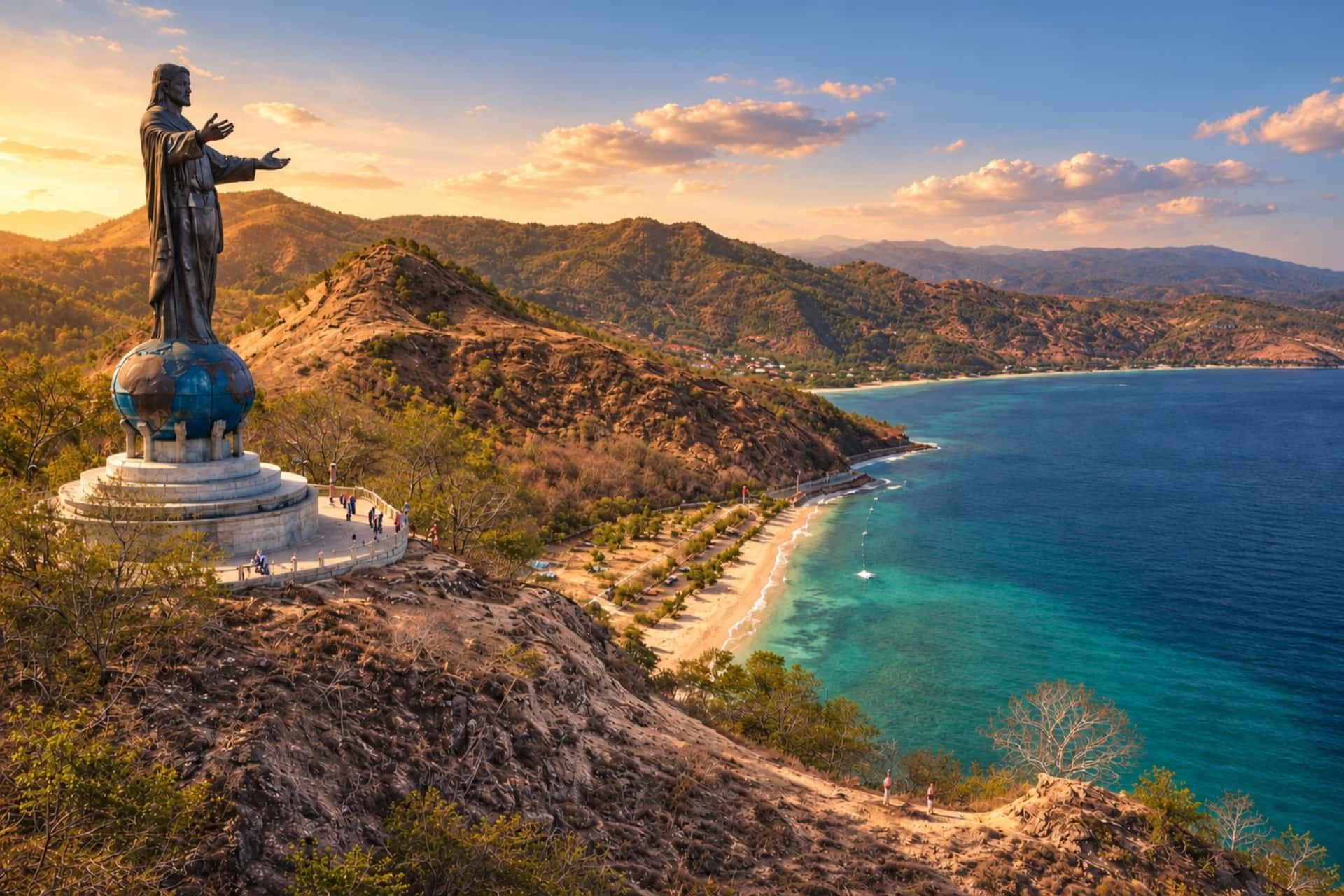
Tasi Tolu, a oeste de Díli, tem um recife saudável com tartarugas e tubarões de recife, e uma das entradas mais fáceis que vai encontrar — basta entrar caminhando a partir da praia. Estes locais são ideais para experiências discover scuba e mergulhos de treino, mas mergulhadores experientes também encontrarão muito que os fascine. As reservas marinhas cobram uma taxa de entrada de $2 por pessoa, que reverte diretamente para a conservação do recife.
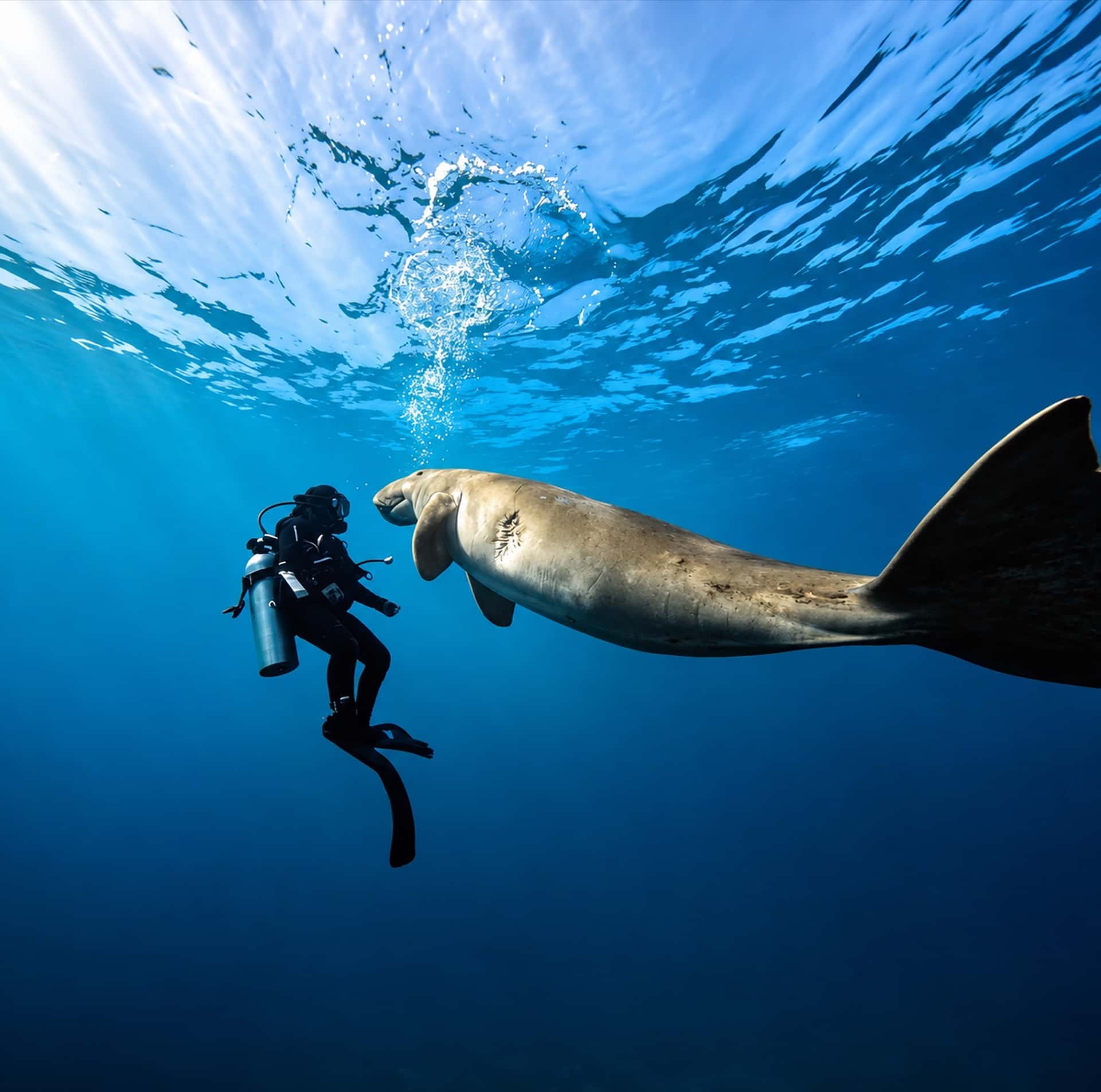
As águas profundas em redor de Timor-Leste atraem grandes pelágicos. Tubarões-baleia são avistados regularmente junto a Ataúro, particularmente entre outubro e dezembro. Raias-manta visitam as estações de limpeza nos recifes. E as paredes profundas são patrulhadas por tubarões de pontas-brancas e tubarões cinzentos de recife.
A profundidade do Estreito de Wetar (mais de 3.000 metros em alguns pontos) significa que espécies de águas profundas aparecem ocasionalmente nas paredes — tubarões-martelo, tubarões-raposa e até peixes-lua oceânicos (mola mola) já foram reportados.
A temperatura da água situa-se entre os 27-29°C todo o ano. A visibilidade é normalmente de 15-30 metros, melhor entre abril e novembro (estação seca). Tenha em atenção que os ventos alísios de maio a setembro podem criar condições mais agitadas à superfície, especialmente à tarde — mergulhos matinais são recomendados nestes meses. As correntes variam conforme o local e o seu divemaster fará o briefing de cada uma.
A maior parte do mergulho em Ataúro é a partir de barco (curtas viagens a partir da costa) e em Díli é de entrada a partir de terra. As profundidades variam entre 5 e 40+ metros. Há mergulho para todos os níveis — desde discover scuba até técnico avançado. Uma certificação Open Water custa cerca de $400, e mergulhos individuais custam $50-60 com equipamento completo incluído.
Uma nota crítica de segurança: Timor-Leste não tem câmara hiperbárica. A instalação de recompressão mais próxima fica em Darwin, Austrália. Mergulhe de forma conservadora, planeie os perfis com margens de segurança generosas, e um seguro de mergulho é absolutamente essencial — não opcional.
The deep water around Timor-Leste attracts large pelagics on a schedule worth planning around.
Whale sharks are seen regularly on Atauro's west coast, with peak sightings from July through October. They follow plankton blooms; encounters are weather-and-luck dependent but operators report regular success in the peak window.
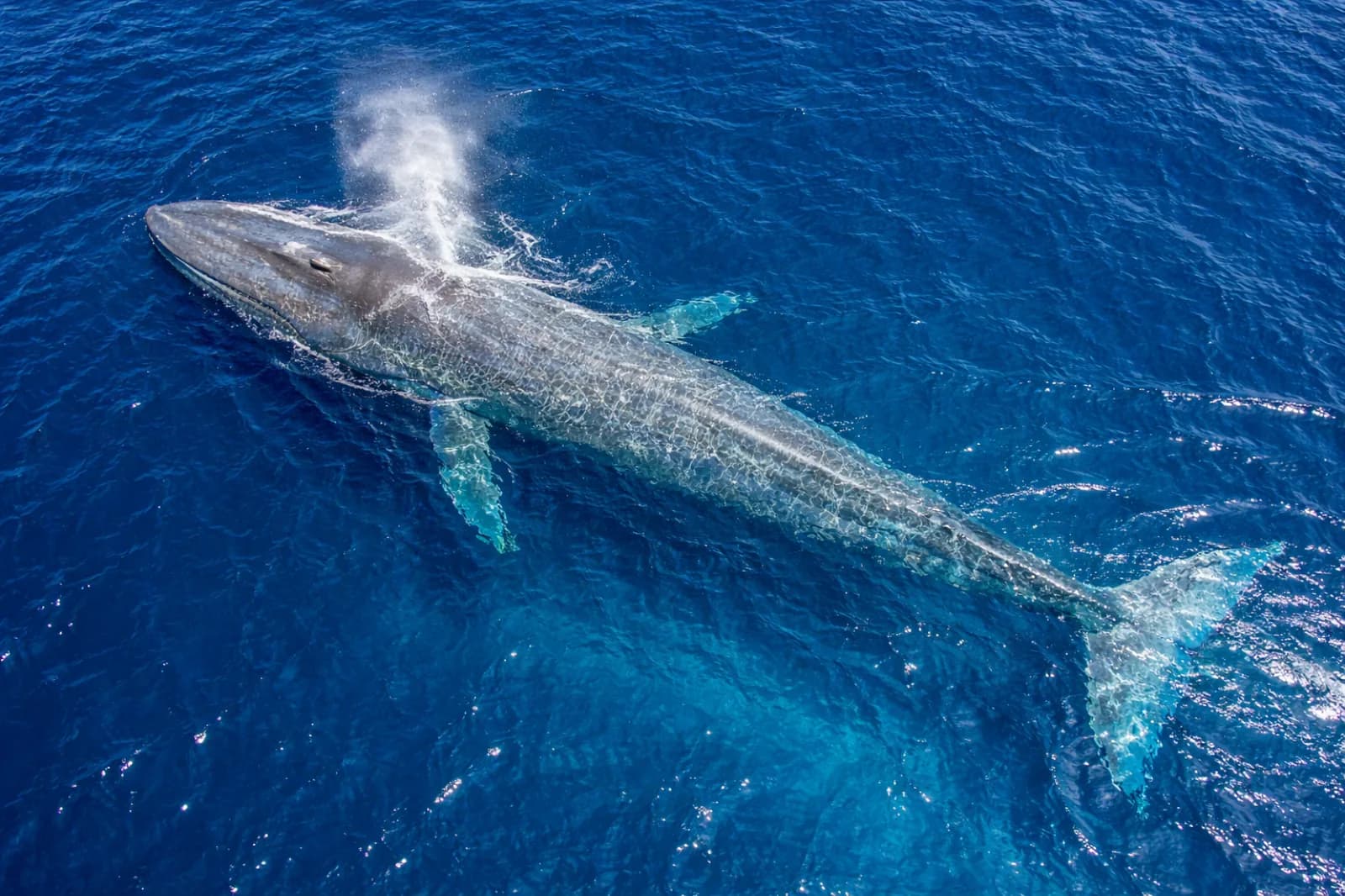
Pygmy blue whales (and sperm whales, pilot whales, large dolphin pods) migrate through the Ombai Strait twice a year — northbound June–August and southbound mid-October to early December. Snorkeling encounters are possible with specialist operators in the southbound window. The same trips often spot melon-headed whales and false killer whales.
Manta rays visit cleaning stations on the reefs intermittently — most commonly in the wet-season transition months (March–May) when plankton blooms thicken the water. Deep-water species occasionally appear on the Wetar Strait walls: hammerheads, thresher sharks, and oceanic sunfish (mola mola) have been reported by operators, though sightings are rare and unpredictable.
Water temperature holds at 27–29°C year-round. A 3 mm wetsuit or a rash guard is sufficient for most dives; deeper dives (30m+) may feel cooler.
Best season is April through November — dry season, the calmest seas, and the best visibility (typically 20–30m, occasionally 40m+ on Atauro's west coast). Trade winds from May through September can create choppy afternoon surface conditions; morning dive trips are recommended throughout these months. The wet season (December–April) brings plankton blooms that reduce visibility to 10–15m but bring mantas and whale sharks closer to shore.
Currents vary by site and are sometimes strong on the east coast of Atauro and at Dili Rock. Your divemaster will brief each dive; some sites are current-dependent and may be substituted depending on conditions. Marine park entry fees on Atauro are $2 per person and fund conservation work.
Timor-Leste has dive sites for every level, though the country is best appreciated by certified divers comfortable with walls, currents, and depth.
Beginner (Discover Scuba, no certification). Tasi Tolu and Berry Beach on Atauro are sheltered, shallow, and gentle — perfect for first dives. Discover Scuba experiences run around $120 including instruction, gear, and two shallow dives.
Open Water (PADI or SSI certified). Most Atauro west coast sites are Open Water-friendly: Adara 1, Berry Beach, Secret Garden in good conditions. K41 and Pertamina Pier in Dili are accessible to all certifications. Marine reserve entry fees apply ($2 on Atauro).
Advanced Open Water and above. Wall dives below 18m, current-driven sites (east coast Atauro, Dili Rock), and deep macro hunts open up at AOW level. Whale Shark Wall and Adara 2's deeper sections need AOW.
Training. Several operators run full PADI course ranges from Discover Scuba to Instructor. Open Water course: ~$350–450 depending on operator and group size. Advanced Open Water and specialty courses (deep, drift, night, photography, nitrox) are widely available. Plan 3–4 days for a full Open Water certification.
Operators are small, owner-run, and selective — book ahead in peak season (July–September).
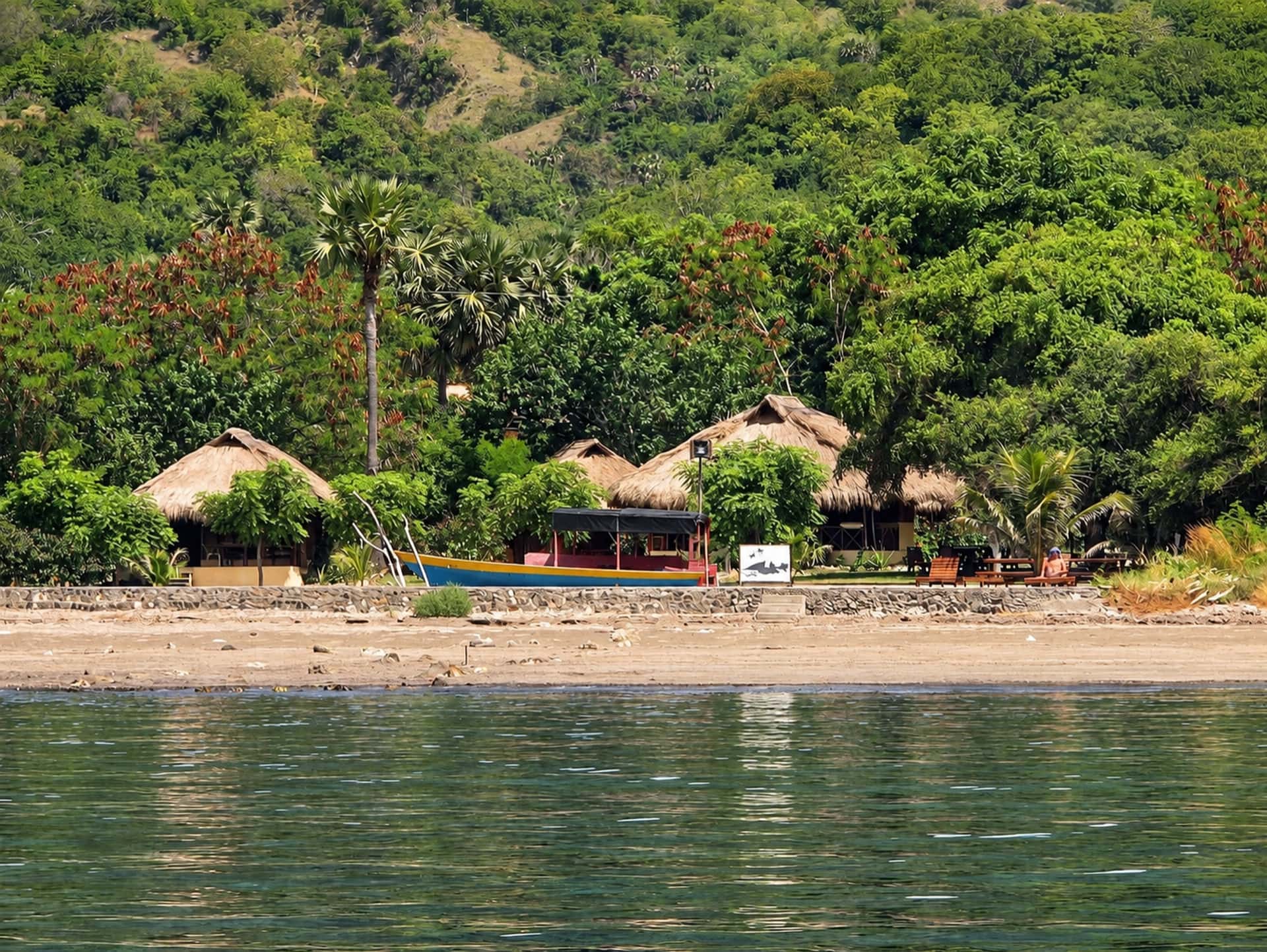
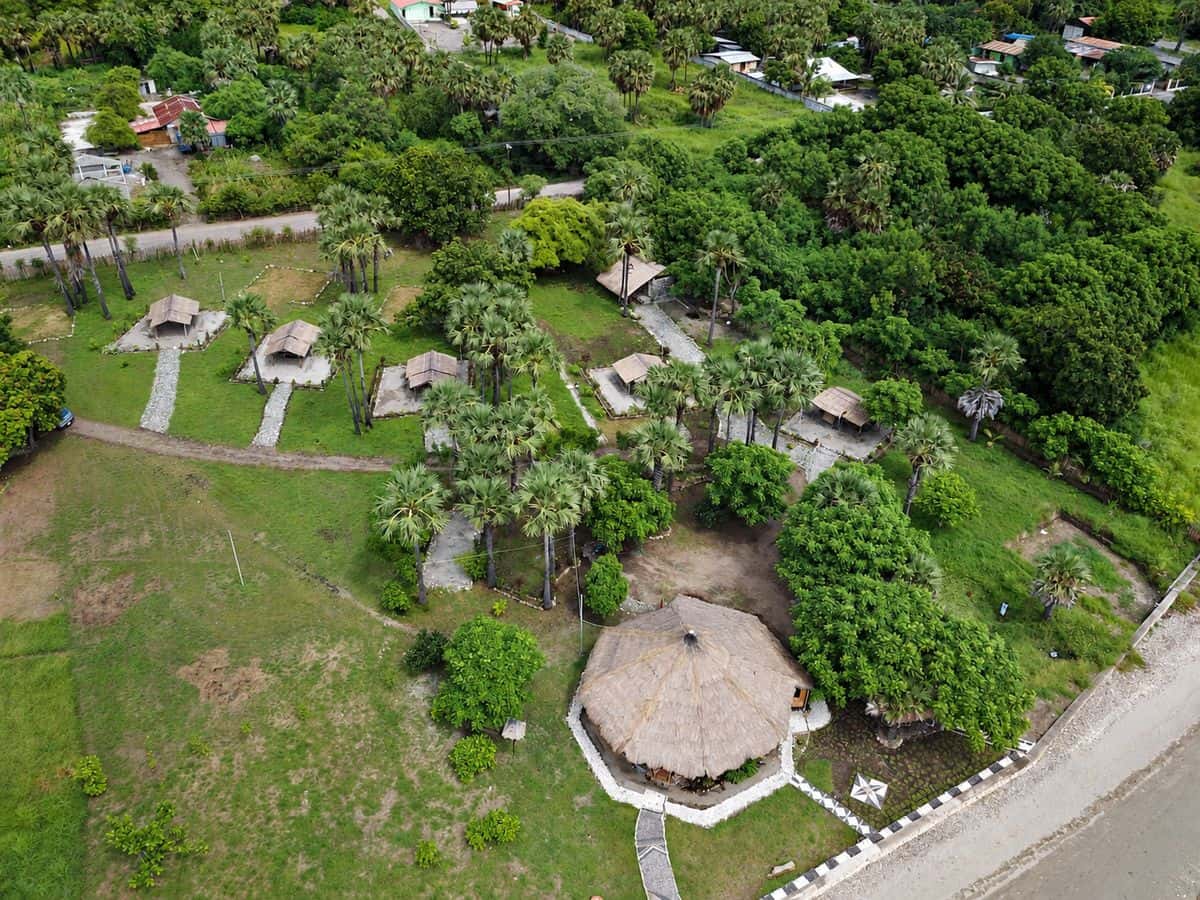
Atauro Island operators. Compass Diving (PADI 5-Star Dive Resort, GreenFins-accredited) specialises in the west coast; small groups of 2–4 divers with experienced divemasters; accommodation + diving packages available. Atauro Dive Resort is the on-island resort option with house-reef access at Berry Beach, ideal for families and mixed groups where not everyone dives.
Dili operators. Dive Timor Lorosae has been running since 2000 — Timor-Leste's longest-established dive shop, PADI 5-Star IDC Centre, full course range, both shore dives and Atauro day trips. Aquatica Diving is a boutique operator focused on Dili shore dives and day trips; good for beginners and short visits. Dreamers Dive also operates from Dili offering shore and boat diving.
Expect ~$50–60 per dive in Dili with full kit; ~$60–80 per dive on Atauro. Multi-dive packages discount the per-dive rate. Bring your own mask if you have a comfortable one — rental quality varies; everything else can be rented locally.
Most divers considering Timor-Leste are weighing it against more famous Coral Triangle destinations. The honest comparison:
Raja Ampat (Indonesia). Raja Ampat's name and reputation are deserved — extraordinary biodiversity, picture-postcard limestone karst topography, and a more established liveaboard scene. But it's crowded by Coral Triangle standards (hundreds of divers daily on the popular sites in peak season), expensive ($150+ per dive on most liveaboards), and logistically heavier (multi-leg flights via Jakarta or Sorong). Atauro recorded a higher average reef fish species count per site than Raja Ampat in the 2016 Conservation International survey — and you'll see a fraction of the divers.
Bali. Bali has more dive sites in absolute number, far more operators, much easier access (multiple daily international flights), and a more developed dive-tourism infrastructure. But the diving is busier on the popular Tulamben, Amed, and Nusa Penida sites, and the macro paradise of Lembeh Strait is in Sulawesi, not Bali. Timor-Leste from Bali is a 1h 50m direct flight — the most realistic add-on for divers already in Bali is 4–6 days in Timor-Leste.
Choose Timor-Leste if: you value uncrowded reefs, want to see Atauro's biodiversity for yourself, and accept that the country's tourism infrastructure is still emerging. Choose Raja Ampat if: liveaboard diving is the goal, or budget is genuinely not a constraint. Choose Bali if: you want a single dive trip without much logistical complexity, or you're combining diving with non-diving travel.
No hyperbaric chamber. Timor-Leste does not have a recompression chamber. The nearest is in Darwin, Australia. Evacuation is expensive and slow. Diving insurance with DAN (Divers Alert Network) or an equivalent provider is non-negotiable — get cover before you arrive, not on landing. Dive conservatively, plan profiles with generous safety margins, and respect surface intervals.
Medical evacuation. Plan for $10,000+ if a chamber transfer is needed. Travel insurance that covers Timor-Leste specifically is essential — not all general travel policies do. Check the policy fine print before you fly.
Respect the reef and the people who protect it. Atauro's marine reserves are managed by local communities under Tara Bandu, traditional customary law. The $2 marine reserve entry fee funds enforcement. No gloves, no touching coral, no collecting shells, no anchoring on reef. If a site is marked closed under Tara Bandu, it stays closed — these aren't bureaucratic rules but cultural ones.
Is Timor-Leste really better than Raja Ampat?
It depends on what you measure. For biodiversity per site (the Conservation International benchmark), Atauro narrowly out-scored Raja Ampat in the 2016 survey. For total area, dive infrastructure, and liveaboard options, Raja Ampat is bigger. For crowds and price, Timor-Leste wins.
Can complete beginners learn to dive in Timor-Leste?
Yes — several operators run full PADI Open Water courses ($350–450, 3–4 days). Tasi Tolu and Berry Beach on Atauro are gentle training sites. Discover Scuba options exist for non-divers wanting a single try.
What about snorkelling?
Atauro's house reefs at Beloi and Akrema are world-class snorkel spots — see the Snorkelling in Timor-Leste guide.
When can I see whale sharks?
July through October on Atauro's west coast. They follow plankton blooms; encounters aren't guaranteed but operators report frequent success in the peak window.
Do I need to bring my own equipment?
A mask you trust is worth bringing — rental quality varies. Everything else (BCD, regulator, 3 mm wetsuit, fins) can be rented locally. Bring your dive computer if you own one.
What if I'm only in Dili — is shore diving worth it?
Absolutely. K41 and Pertamina Pier are world-class macro and muck sites. A single day of Dili shore diving costs less than a day on Atauro and requires no boat or ferry.
3 experiências ligadas a este guia


Iconic shore sites: Cristo Rei, Tasi Tolu & Dili Rock

Coral walls, anemone gardens & a wreck
Abril a novembro para melhor visibilidade. Ventos alísios de maio a setembro podem criar condições mais agitadas — reserve viagens matinais. Meados de outubro a novembro para observação de baleias.
Continue a planear a sua viagem a Timor‑Leste

White sand, turquoise water, and not a crowd in sight

Sperm whales, blue whales, and dolphins in the Wetar Strait

Month-by-month guide for planning your trip

Flights, visa rules, and a step-by-step arrival guide

The world's most biodiverse reefs — a complete site-by-site guide

Golden hour at Cristo Rei, sunrise from Ramelau, and water bluer than your screen can render

What to know before you go — from crocodiles to pharmacies

World-class reefs, no certification required
Locais mencionados neste guia