Instant · pay on the day
Boat Dive (2-tank morning)
Atauro IslandUp to 1 dayAtauro Dive Resort
DivingEasy
4.6(145 · Google)
$90per person
Check dates & availability
Deep-water game fishing and traditional hand-line in one of the Pacific's least-fished waters
Drop a line into the Wetar Strait and you're fishing one of the deepest, least-pressured bodies of water in the Indo-Pacific. The trench between Timor and the islands to the north plunges past 3,000 metres, and the current-driven upwellings that make this water so exceptional for diving also concentrate pelagic fish in extraordinary numbers. Yellowfin tuna, wahoo, mahi-mahi, and blue marlin are all here. The catch-rates can be remarkable.
The honest context: Timor-Leste's fishing scene is still embryonic. There are no dedicated sportfishing lodges, no fleets of charter boats, and no professionally managed catch-and-release circuits like you'd find in Papua New Guinea or northern Queensland. What exists is a handful of small operators offering fishing trips alongside their dive and snorkel charters, a tradition of artisanal fishing that goes back generations, and an ocean that hasn't seen a tournament boat in years.
That combination, world-class fish stocks, near-zero fishing pressure, no infrastructure, makes Timor-Leste genuinely interesting for the traveller who fishes. You'll figure some things out as you go. The rewards are worth it.
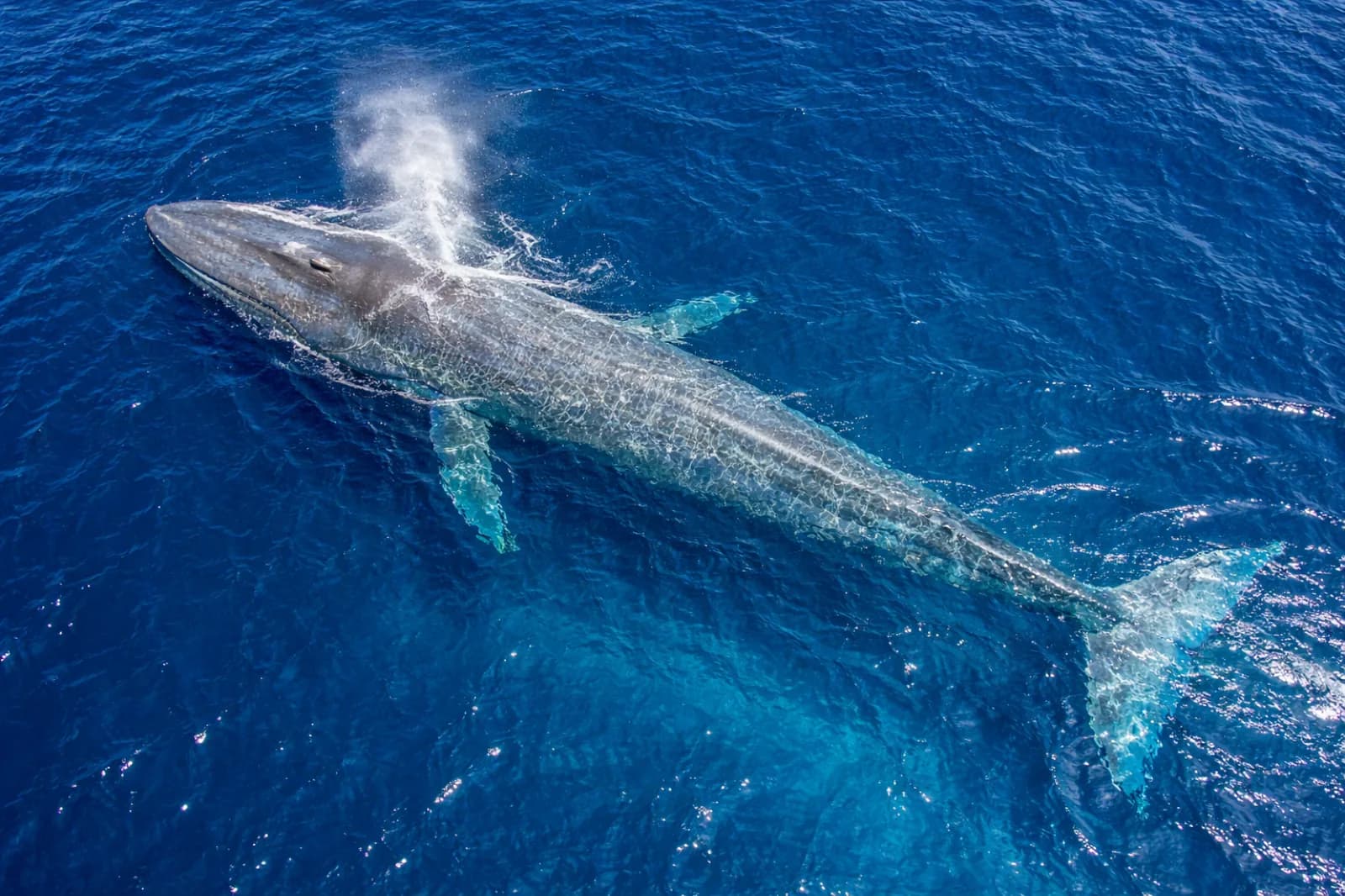
The Wetar Strait is the main event for sport fishing. Yellowfin tuna are the most reliable target: schools of 20-60 kg fish are common from May through November, following the nutrient-rich upwellings. Wahoo are present year-round with numbers peaking in the dry season. Mahi-mahi run strongly from October through January. Blue marlin and black marlin are caught occasionally; the grounds are undeniably there, but the directed pressure has simply never existed to establish reliable seasonal patterns.
Trolling along the deep-water edges produces the most consistent results. The drop-offs north of Atauro Island are the standout grounds: water depth transitions from 30 metres to over 1,000 metres in minutes. Popper and stickbait casting for tuna and GT (giant trevally) on the reef edges is increasingly popular, particularly around Atauro's northern tip and the rocky points of the west coast.
Charter options are limited and not purpose-built for fishing. Atauro's dive operators can sometimes arrange fishing trips on their boats, and a small number of independent boat owners in Dili's harbour offer half- and full-day trips. Expect smaller vessels (6-8 metres), basic rod-and-reel setups, and variable tackle quality. If fishing is your primary reason for visiting, bring your own quality gear: rods, reels, lures, and leader material. You won't find a tackle shop in Dili stocking PE6 braid.
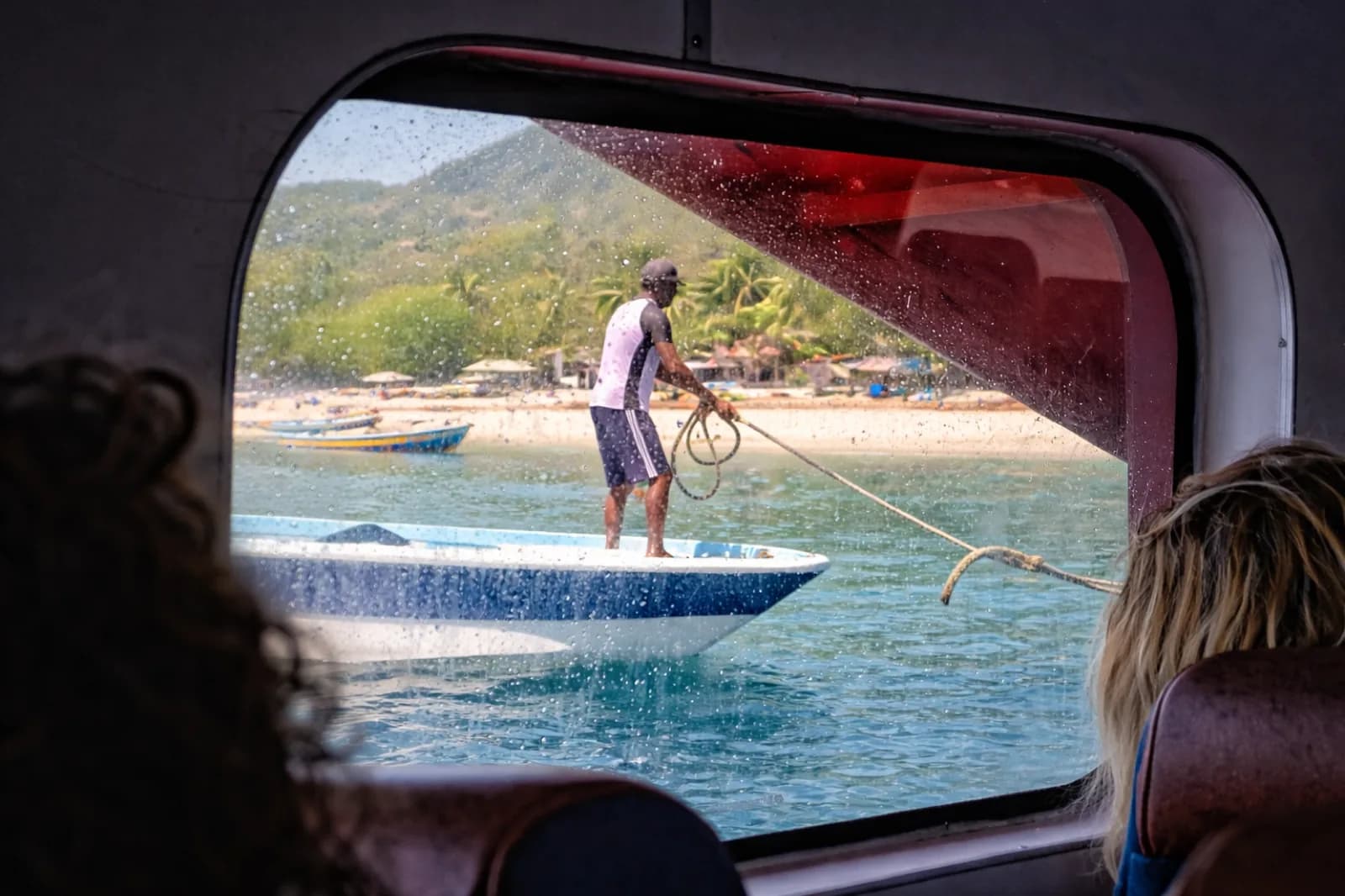
Timorese fishermen have worked these reefs for centuries. In villages along the north coast and on Atauro, you'll see men launching traditional wooden outrigger canoes before dawn, hand-lining for reef fish, snapper, grouper, emperor, and coral trout, on the inshore grounds. It's quiet, methodical fishing in beautiful surroundings.
Reef gleaning, gathering shellfish, sea urchins, and small reef creatures by hand or spear during low tide, is a daily activity in coastal villages, particularly on Atauro where women and children work the exposed reef flats at dawn. Octopus are targeted this way too, flushed from their holes with a stick.
Visiting travellers who connect with local fishermen, through a homestay or community guesthouse on Atauro, sometimes get invited out on early morning hand-line trips. This isn't a commercial offer; it's a personal arrangement built on goodwill. Learn a few words of Tetun, contribute to the household, and ask genuinely. The experience of fishing the same grounds in a dugout canoe that local families have relied on for generations is worth more than any charter trip.
Be aware that some inshore reef areas near villages are subject to traditional fishing rights (tara bandu): community-managed closures that function as informal marine reserves. Respect these. Do not fish near reef areas marked with bamboo or palm-leaf signals without asking first.
Shore fishing along Dili's north coast is underexplored but genuinely productive. The rocky points along the coast road east of the city, particularly around the K8 to K41 stretch, hold reef fish, queenfish, and GT in the channels between the reef and shore. High tide at dawn is the window. Bait fishing with squid or fresh fish strips catches snapper and emperors; metal slugs and poppers will raise queenfish and small tuna.
The eastern districts offer some of the best shore fishing in the country. Around Com, the combination of rocky headlands, reef flats, and deep water close to shore creates excellent conditions. Kingfish, barracuda, and coral trout are all taken here from the rocks. Getting to Com is a full-day drive from Dili on a road that deteriorates in the wet season. Factor that into your planning.
Surf fishing on the south coast is technically possible but carries real risk: the south coast faces the open Timor Sea with strong swells and significant surf, currents are unpredictable, and crucially, estuarine crocodiles are present throughout the south coast river systems and beaches. Swimming and wading are dangerous. If you fish the south, do it from elevated rocky points and never from beaches or river mouths.
Timor-Leste is not a fishing destination in the way that Vanuatu or Cairns is. The infrastructure doesn't exist yet: no dedicated charter fleet, no guides with IGFA-certified boats, no weighstation or tournament culture. What it has is extraordinary fish stocks in water that almost nobody fishes. For the self-sufficient angler who can adapt and improvise, that's a remarkable thing.
Bring your own quality gear if fishing is important to you. Spinning rods (PE3-6 for pelagics, lighter for reef work), a good overhead outfit if you want to troll, quality lures (bibbed minnows, stickbaits, poppers, metal slugs), and heavy fluorocarbon leader. Pack it as luggage: there is nowhere to buy decent tackle in Dili.
Fishing licences are not currently required for recreational saltwater fishing in Timor-Leste (as of 2026), but this may change as the country develops its maritime management framework. Always ask locally before fishing in areas that appear to be managed or near active village fishing grounds.
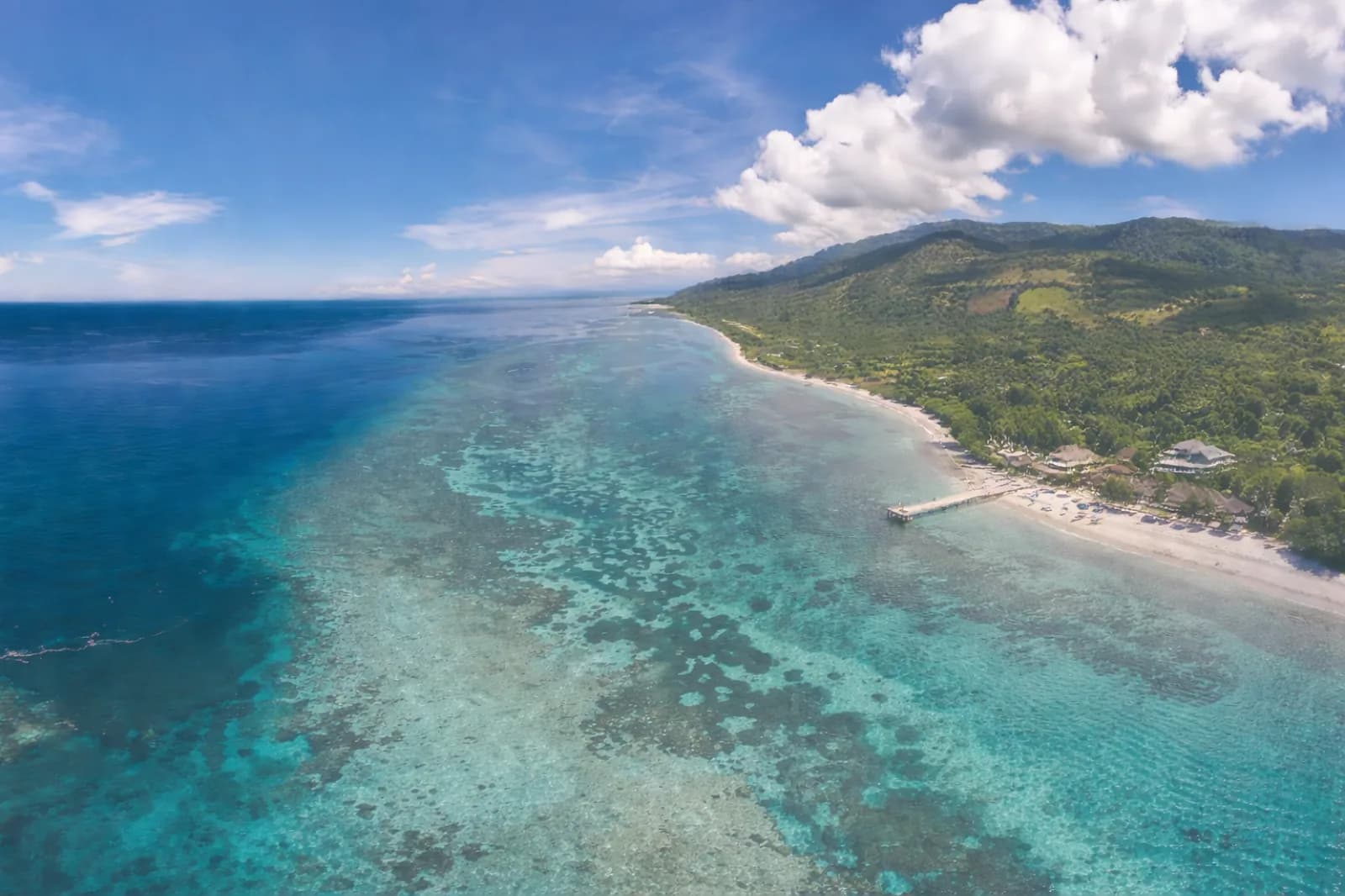
The best-organised way to combine fishing with other activities is to base yourself on Atauro Island for several nights, arrange a pelagic morning with one of the island's boat operators, and mix in snorkelling and shore fishing around the island. Atauro's guest houses can help arrange boat access. Costs vary widely: expect $100-200 USD for a half-day charter boat, negotiated directly.
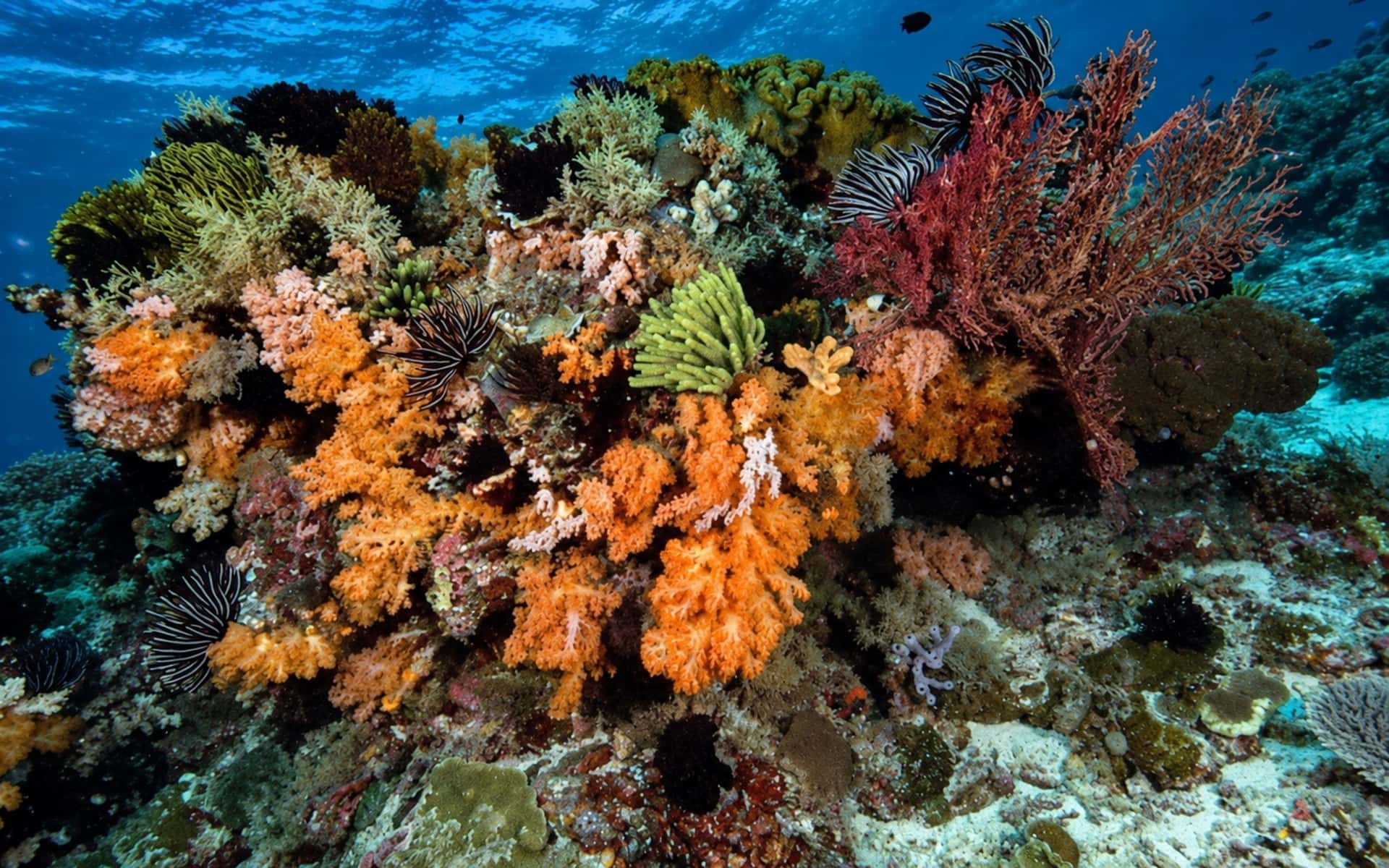
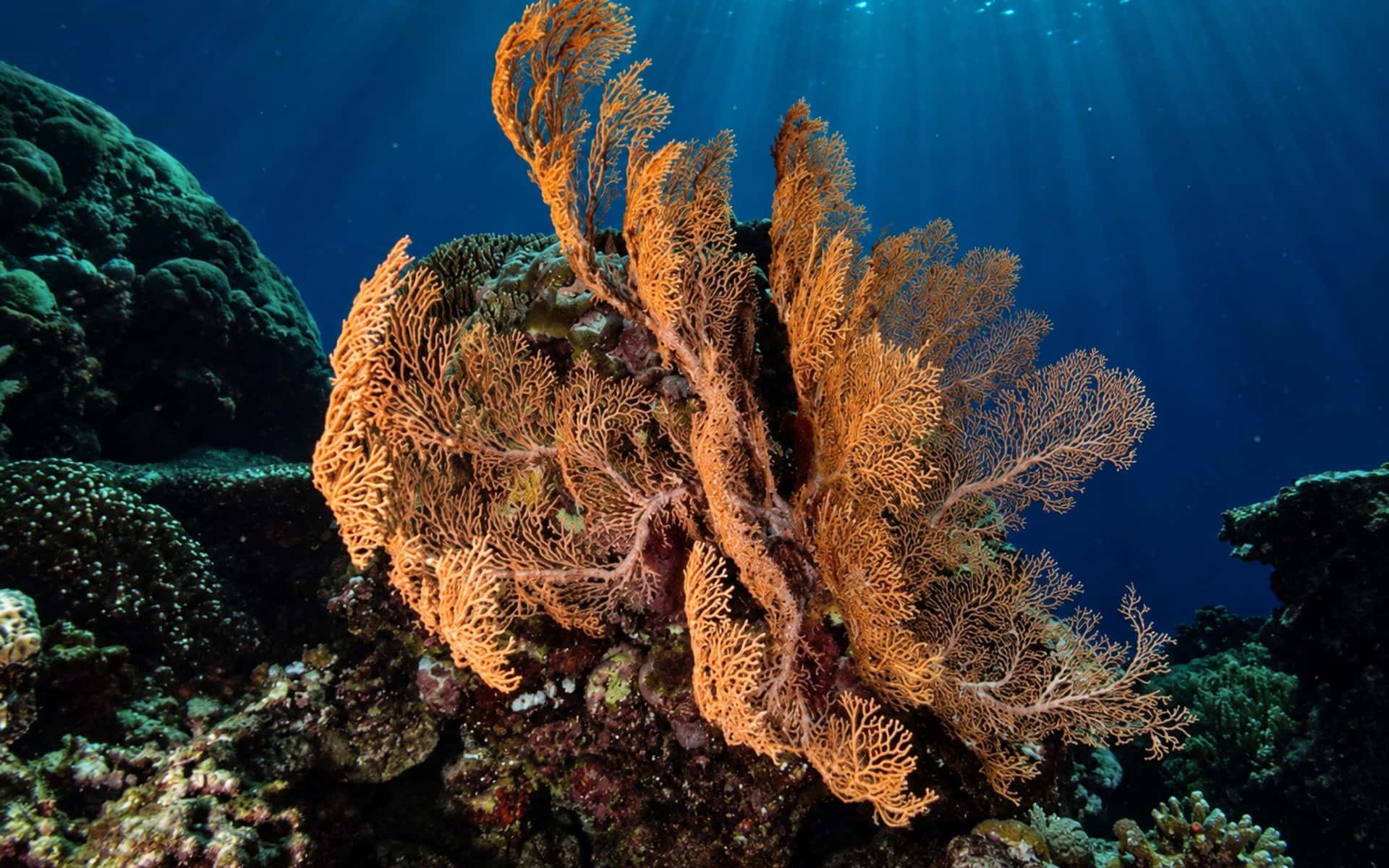
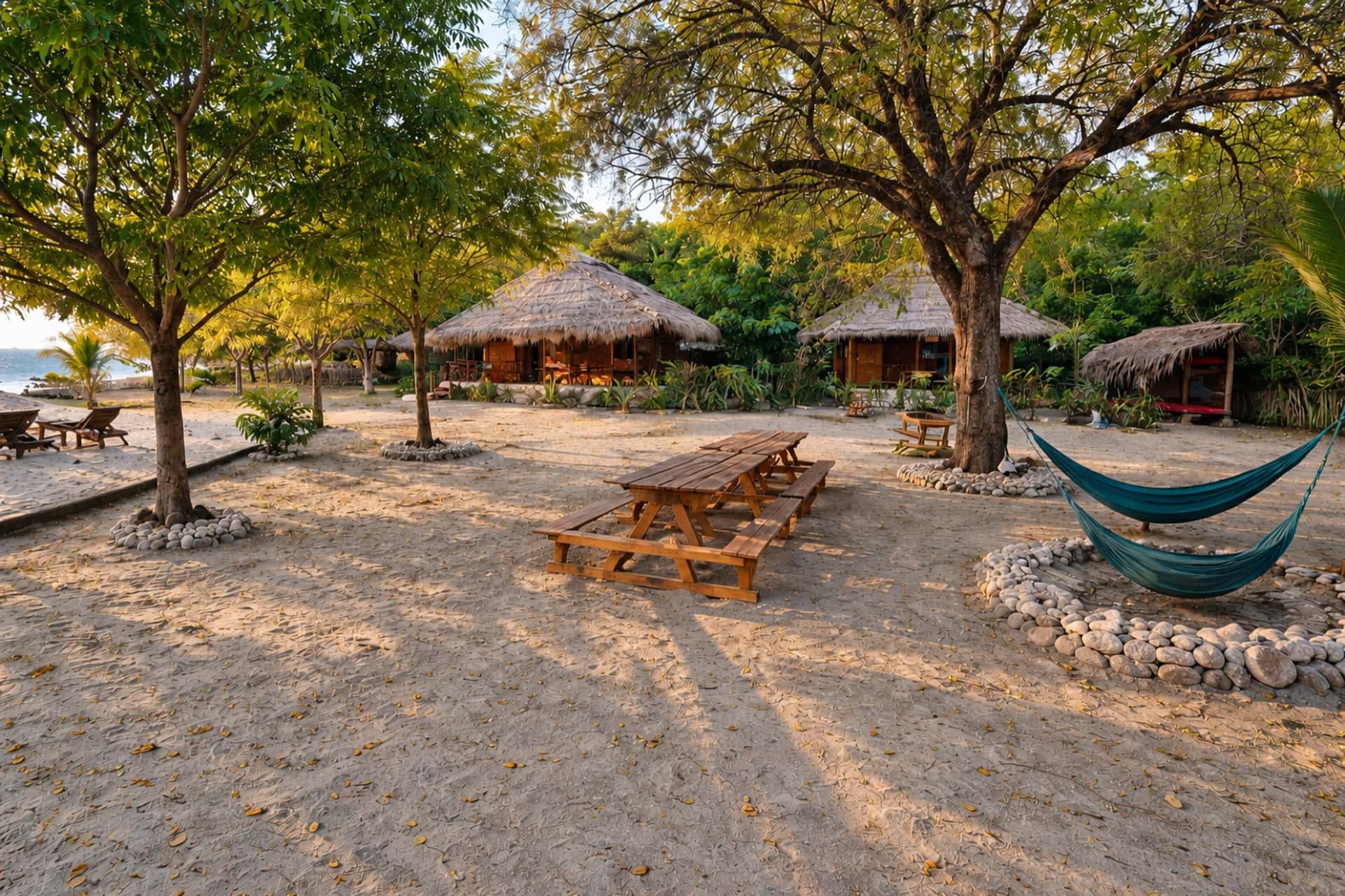
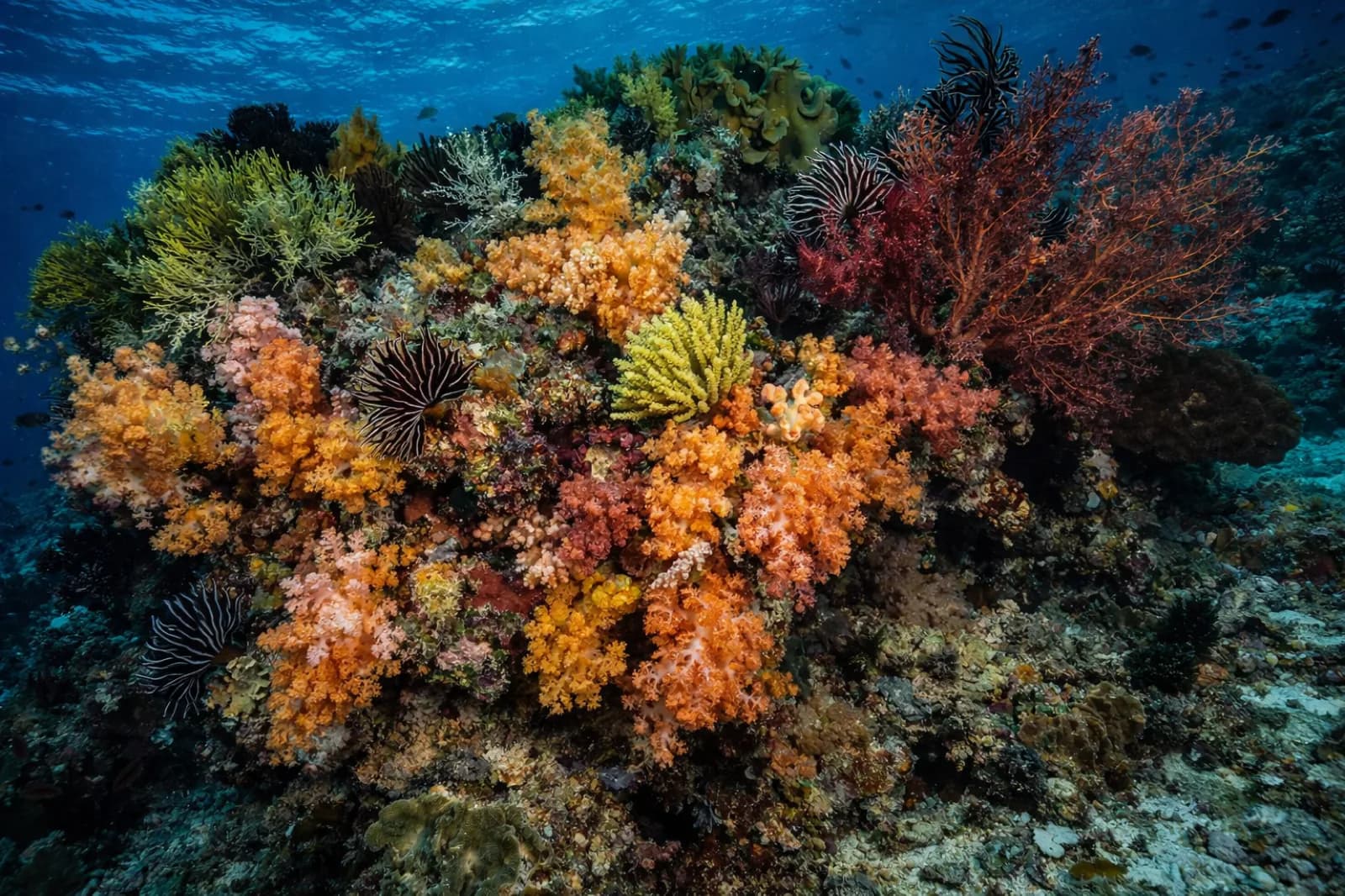
Dive Adara Bay, Secret Garden and Whale Shark Wall, off an island where a 2016 Conservation International survey recorded an average of 253 reef fish species per site.
Atauro Island · Dili
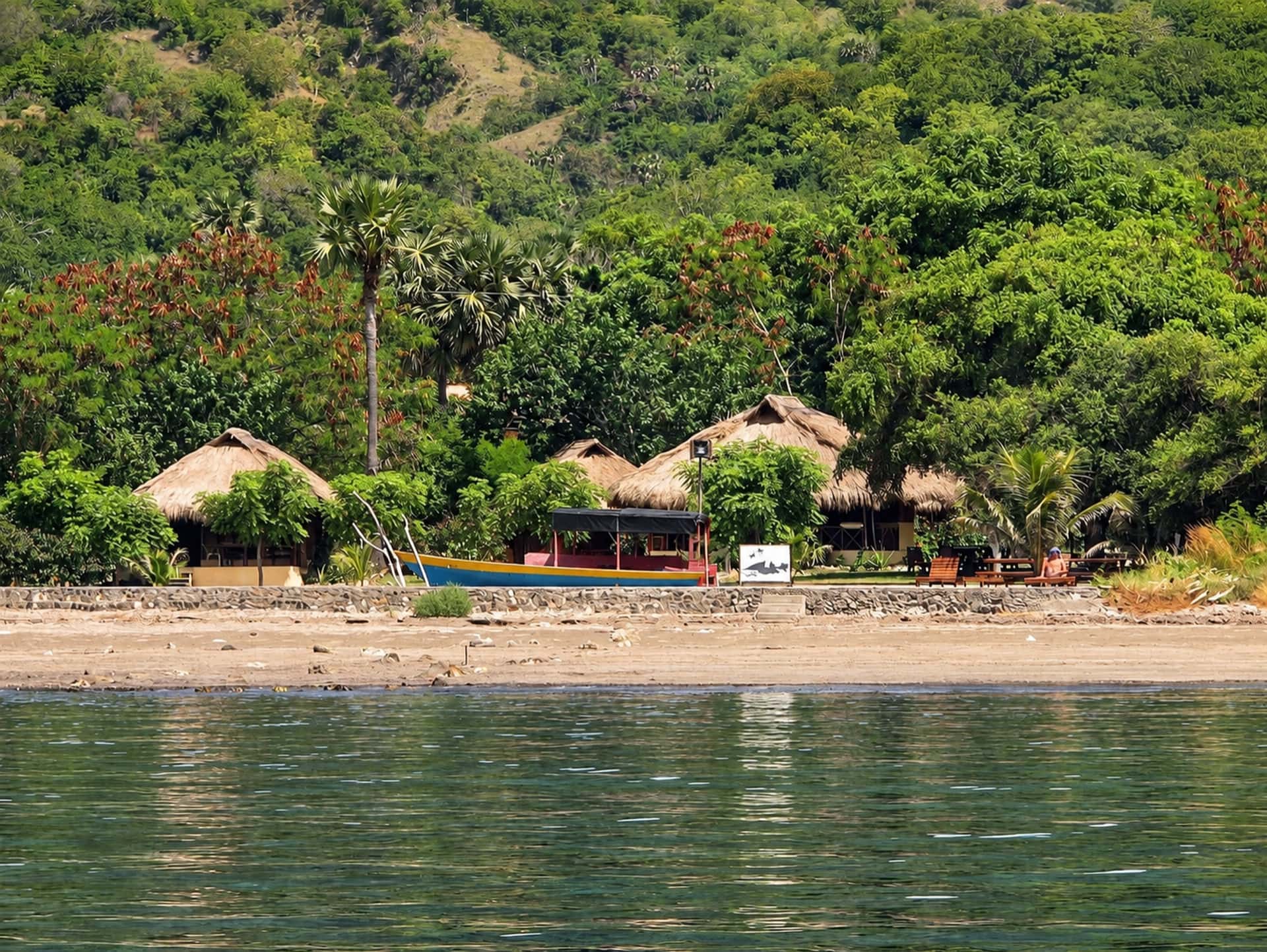
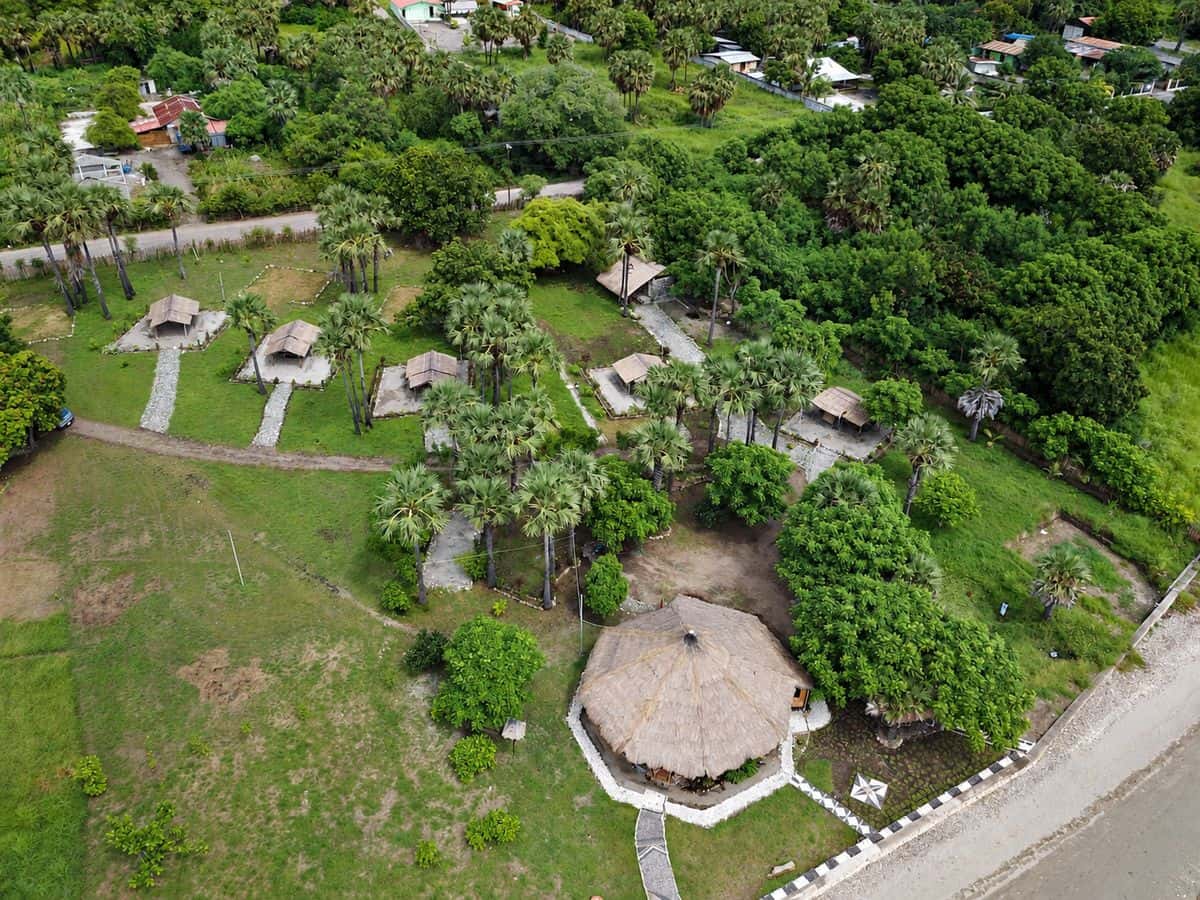
Yellowfin tuna, wahoo, mahi-mahi, blue and black marlin, giant trevally, queenfish, coral trout, red snapper, grouper, barracuda.
May to November for offshore pelagic fishing: yellowfin tuna and wahoo peak June through October, mahi-mahi run strongly from October. Shore fishing is productive year-round on the north coast. Avoid offshore trips in the wet season (December to April) when swells make small-boat runs uncomfortable.
New experiences, insider tips, and seasonal highlights. No spam, just useful stuff for planning your trip.
Unsubscribe anytime. We respect your inbox.
Continue planning your trip to Timor‑Leste
Places mentioned in this guide