全球生物多样性最高、几乎未被触碰的珊瑚礁
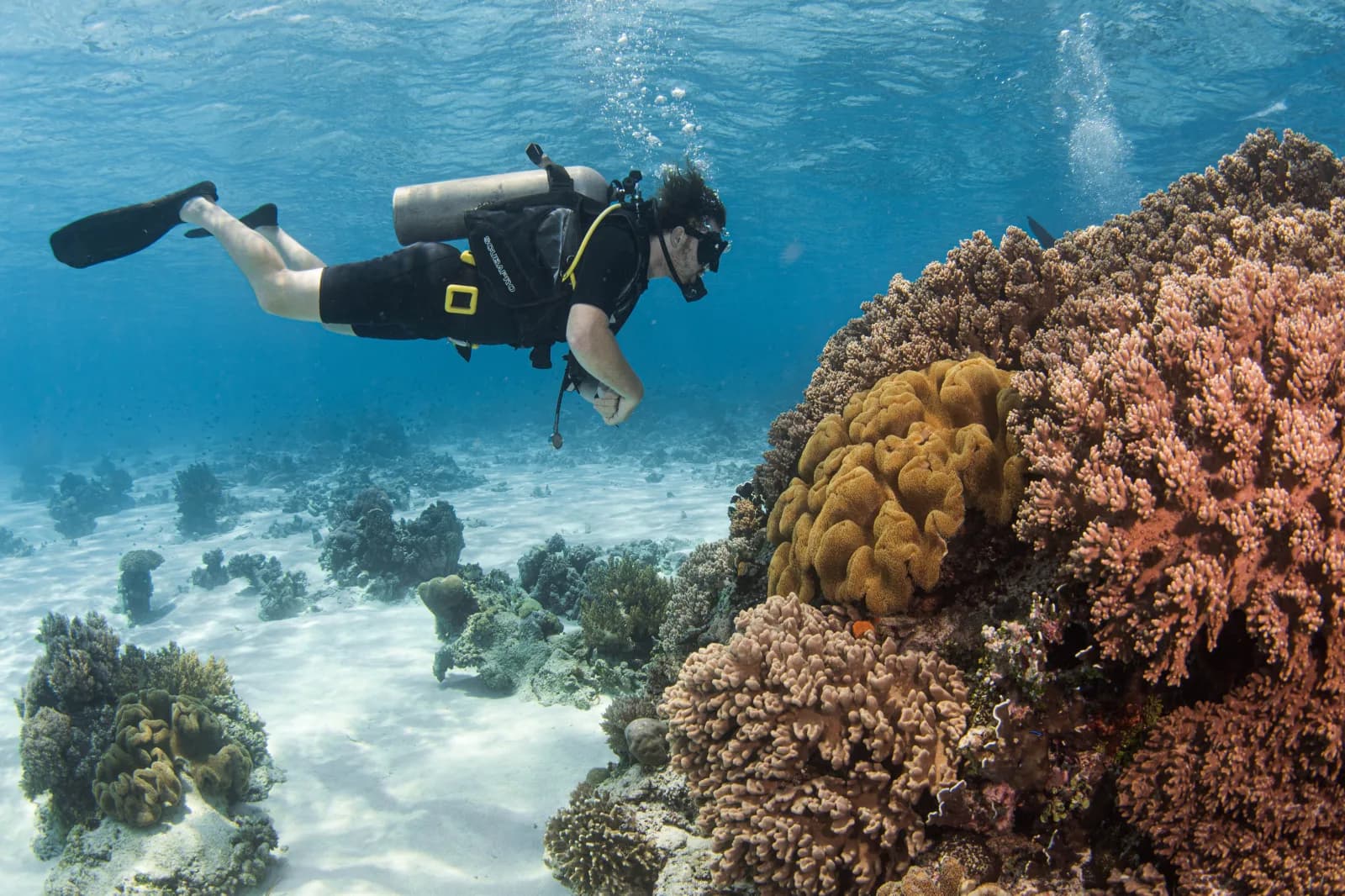
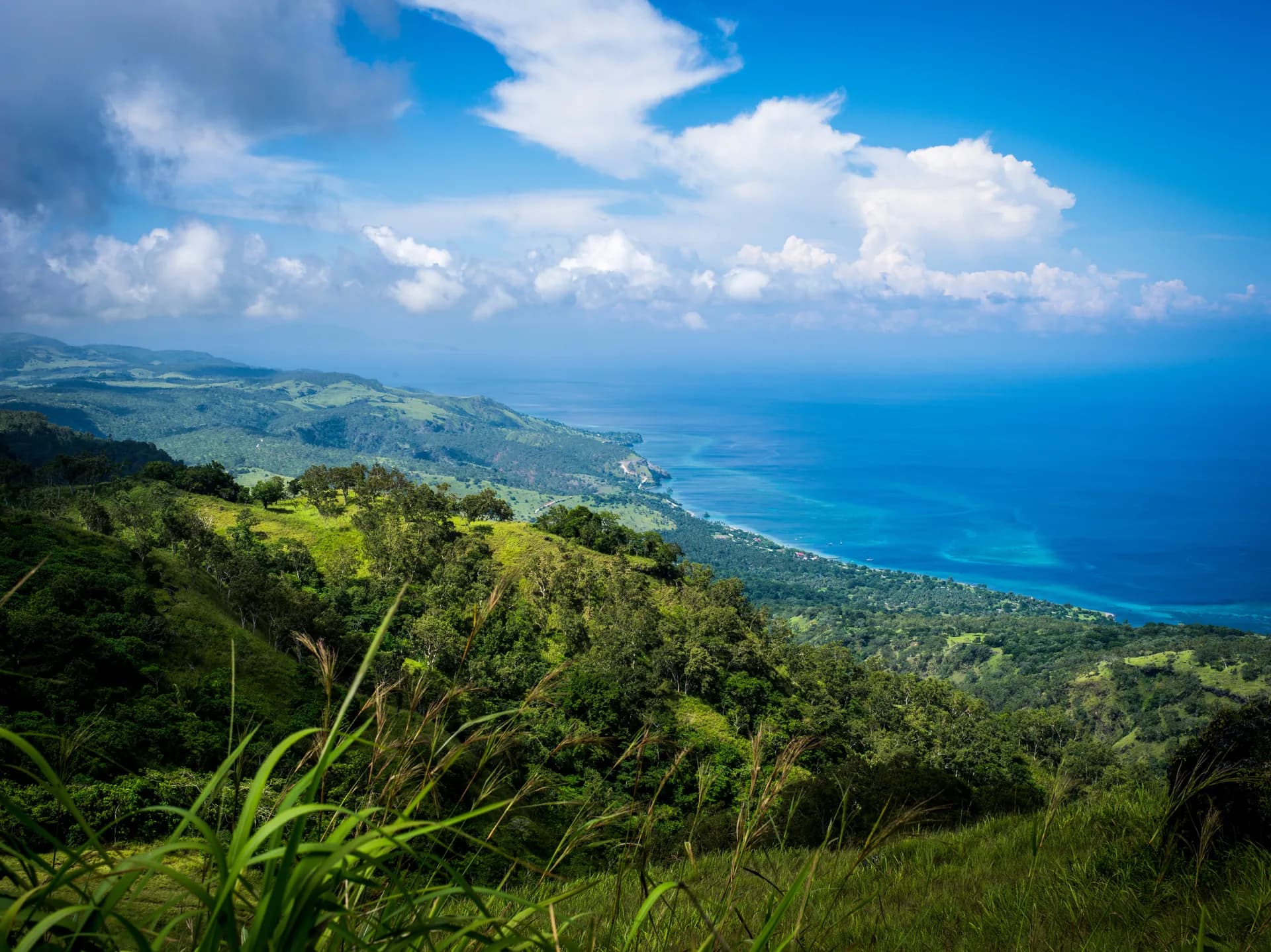
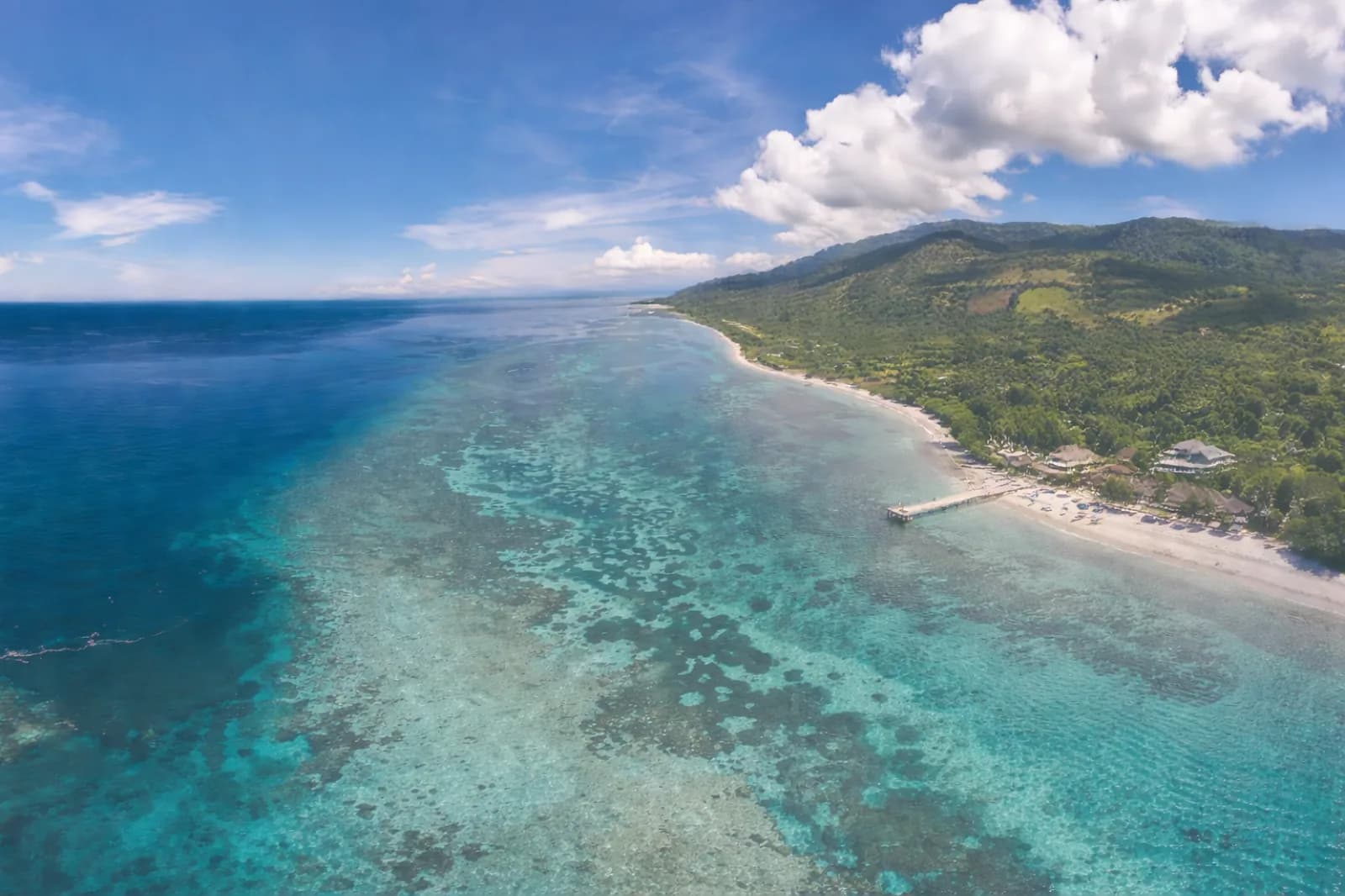
东帝汶位于珊瑚大三角(Coral Triangle)的核心地带,这里是全球海洋生物多样性的中心。2016 年,Conservation International 在 Atauro 岛周围记录到的每个潜点的礁鱼种类数量超过地球上任何其他地方——单个潜点就有 300 多个物种。
让这里的潜水非凡的,不仅是生物多样性,更是那份宁静。当印尼的 Raja Ampat 和菲律宾的 Tubbataha 每天吸引数百名潜水员时,东帝汶的珊瑚礁只迎来寥寥数人。完好的礁壁、微距天堂以及与大洋性生物的相遇,几乎只属于你一人。
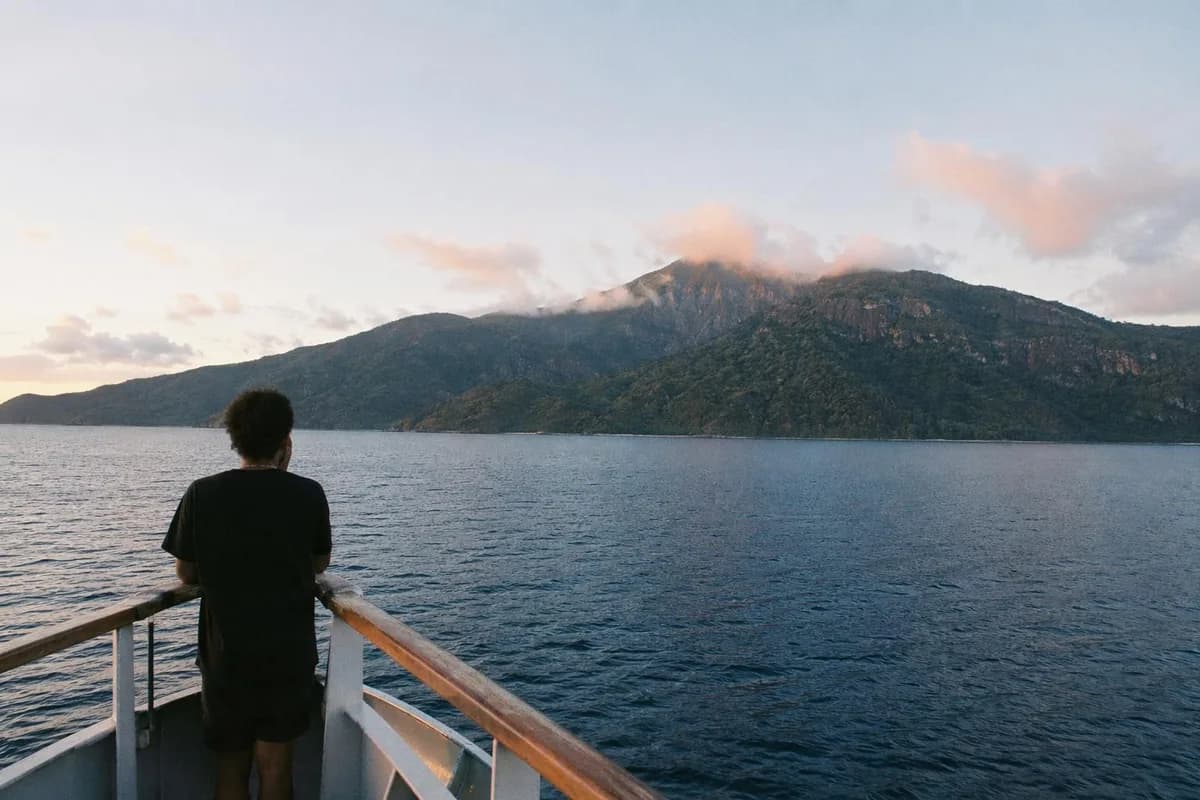
潜水也很便利。Atauro 岛距首都坐渡轮 2.5 小时(周六、周二和周四有班次)。Dili 本身就有出色的岸潜。水温全年保持在 27-29°C,只需一件 3mm 的潜水服,甚至一件防晒衣即可。
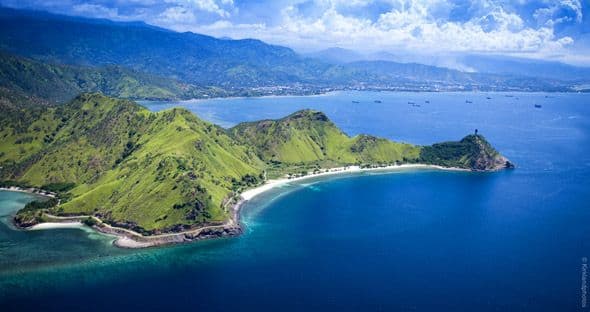
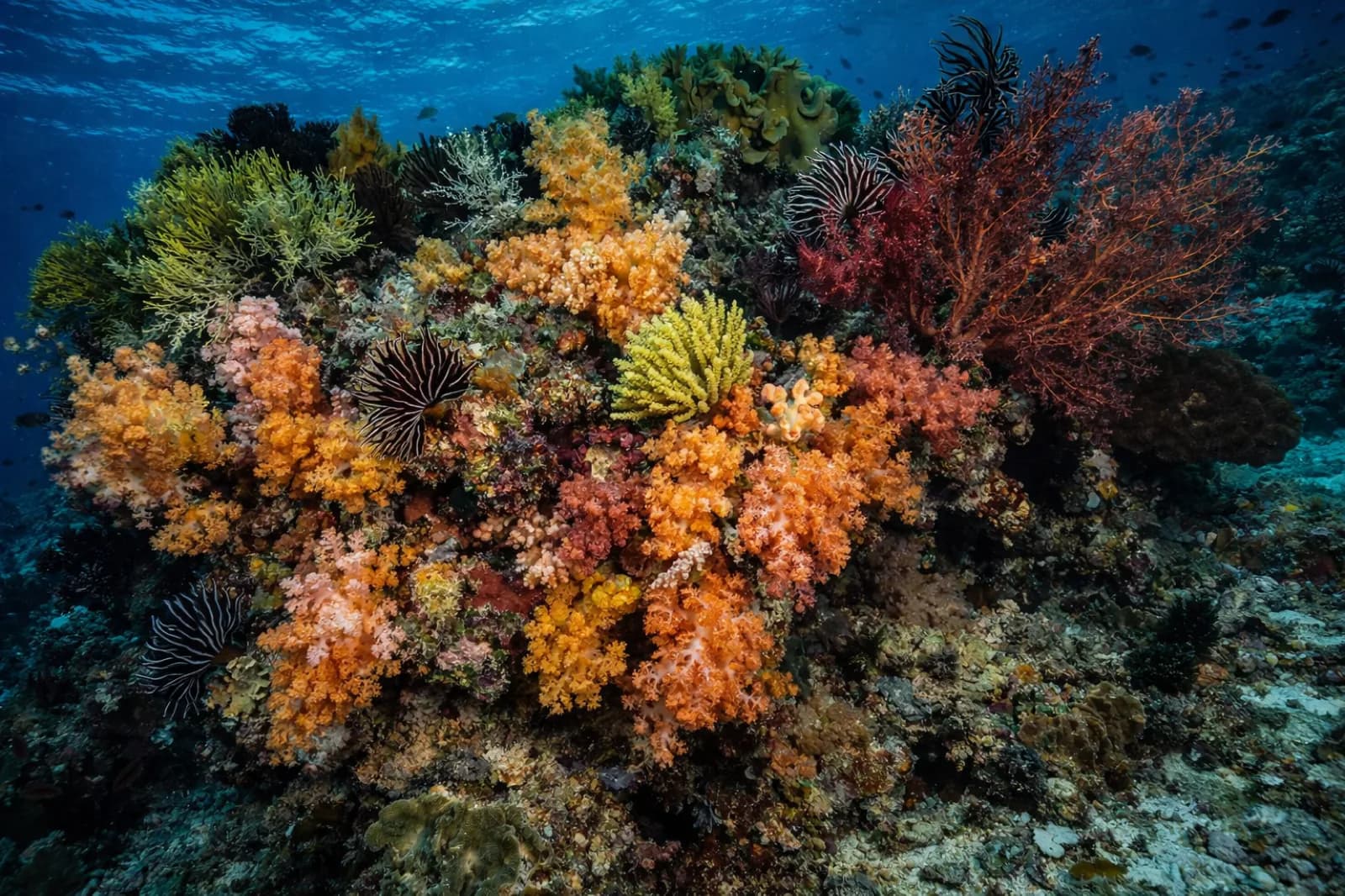
Atauro 是重头戏。该岛紧邻 Wetar 海峡,那是一道深水海沟,富含营养的上升流孕育了爆发式的海洋生命。沿西海岸的潜点——Adara 1 & 2、Secret Garden、Whale Shark Wall——提供能见度超过 30 米的礁壁潜水、茂密的硬珊瑚花园,以及与礁鲨、海龟和成群大洋性鱼类的常规相遇。
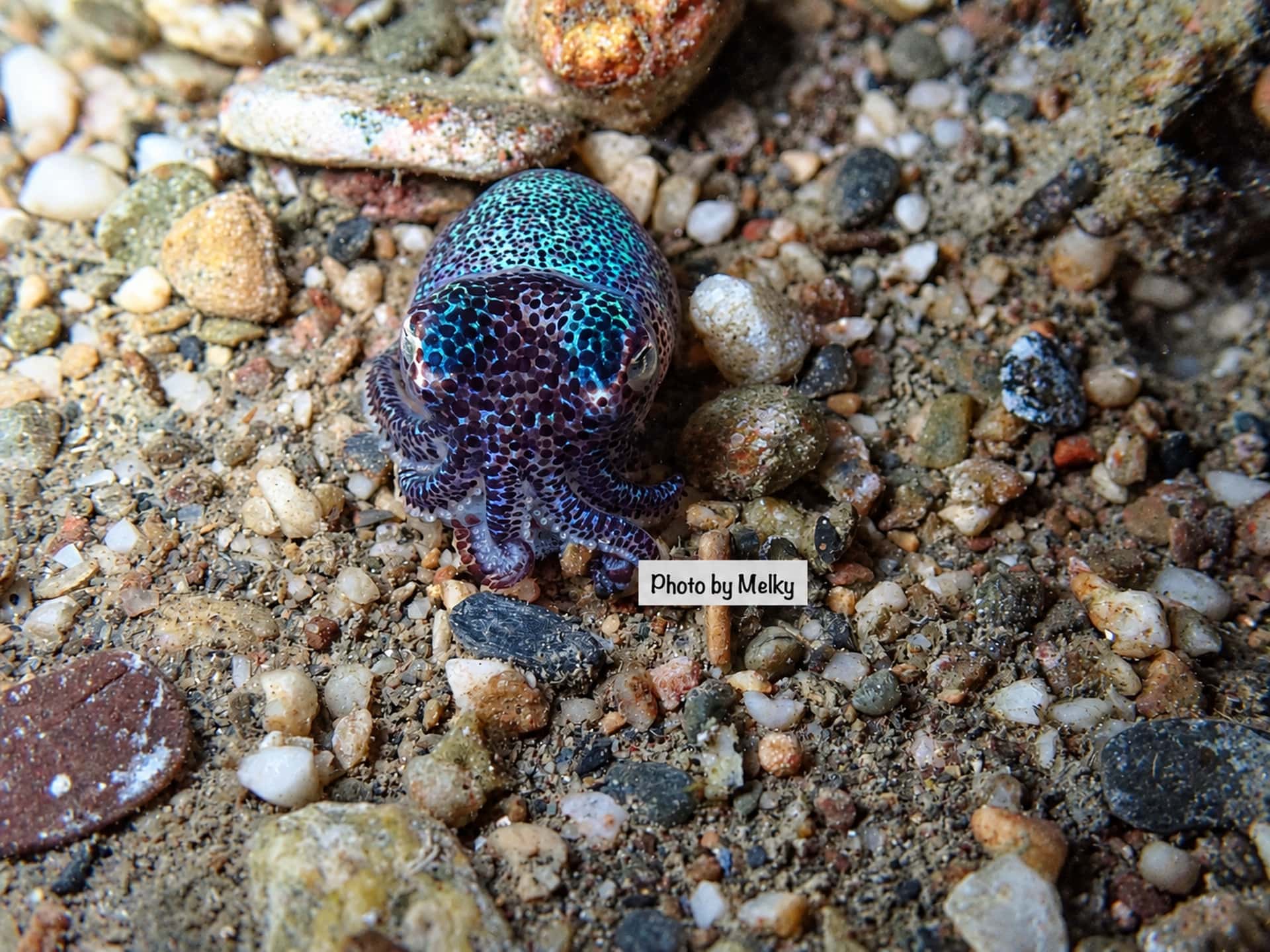
微距生物极为出色。豆丁海马、蓝环章鱼、火焰乌贼,还有种类繁多到能让任何水下摄影师落泪的海蛞蝓。夜潜则会揭示麒麟鱼、西班牙舞者海蛞蝓以及觅食的乌贼。
Atauro 的潜水运营商包括 Compass Diving 和 Atauro Dive Resort,两家都由经验丰富、对每个潜点了如指掌的潜导经营。在 Dili,Dive Timor Lorosae、Aquatica 和 Dreamers Dive 提供船潜和岸潜。可以期待小团队(2-4 名潜水员)、个性化服务以及对海洋环境的真挚热爱。在 Atauro 周围常能见到海豚。
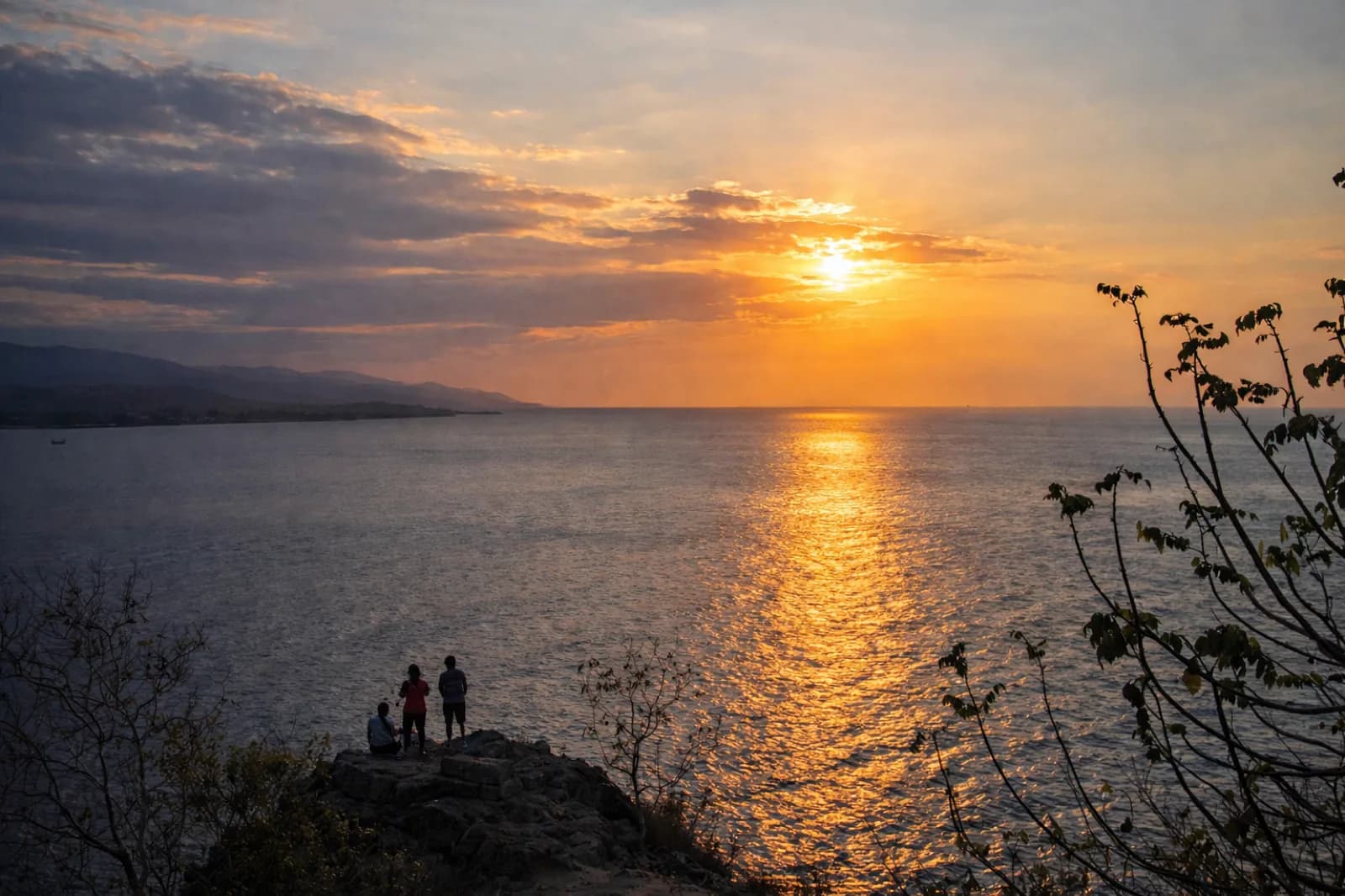
你无需离开首都就能找到出色的潜水。Dili 的北海岸有一系列可从海滩进入的潜点,在大多数国家都会是头号景点。
K41(得名于其位于沿海公路 41 公里处的位置)以微距生物闻名——躄鱼、鬼龙鱼和华丽管口鱼藏身于沉船和珊瑚之间。Pertamina Pier 提供世界级的泥潜,就在旧石油码头之下,海马和章鱼在桥柱间安家。
Tasi Tolu 位于 Dili 以西,有一片健康的珊瑚礁,栖息着海龟和礁鲨,且入水极为方便——直接从海滩走下去即可。这些潜点非常适合体验潜水(discover scuba)和训练潜水,但经验丰富的潜水员也会乐在其中。海洋保护区每人收取 2 美元的入场费,这笔费用直接用于珊瑚礁保育。
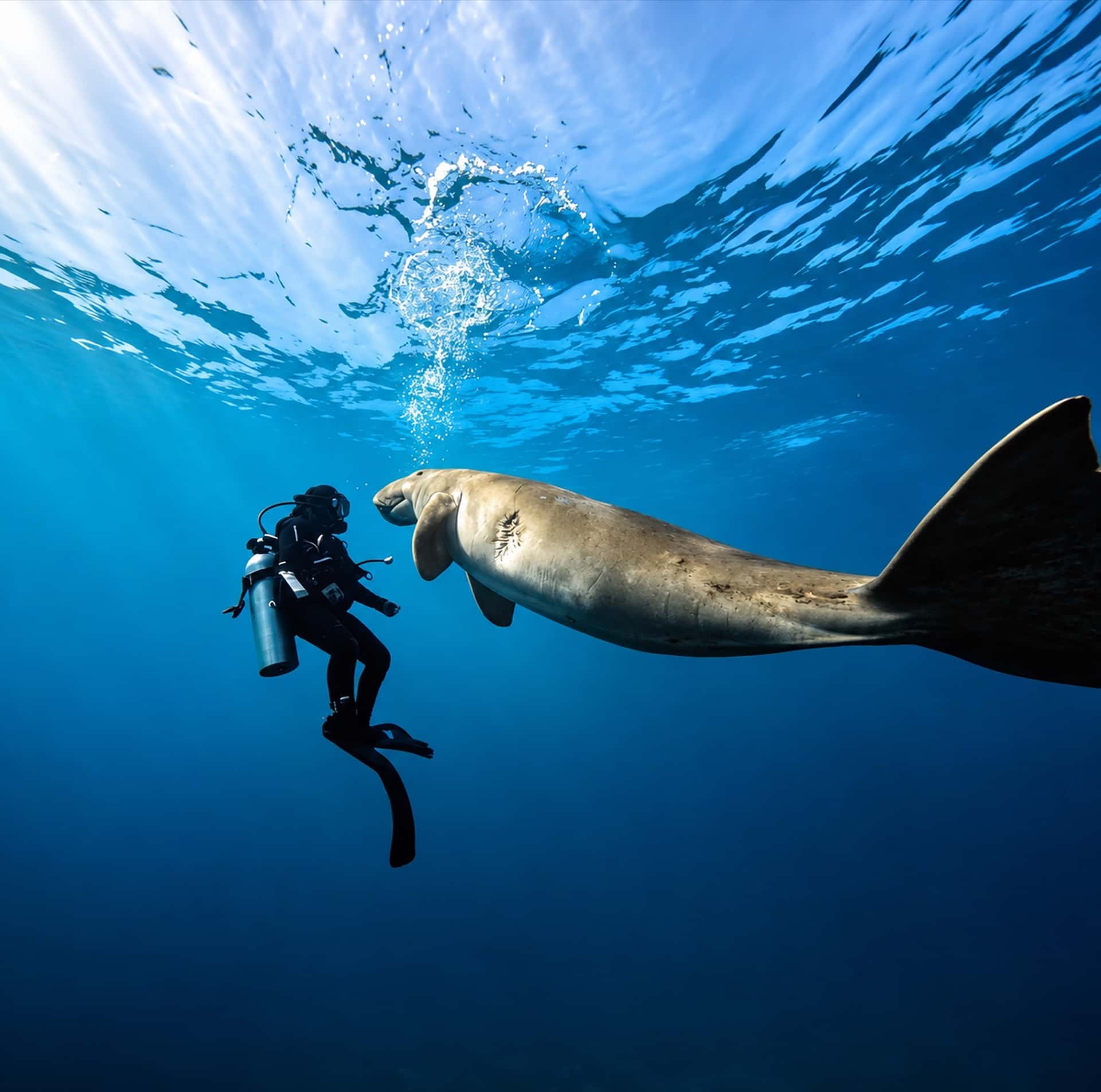
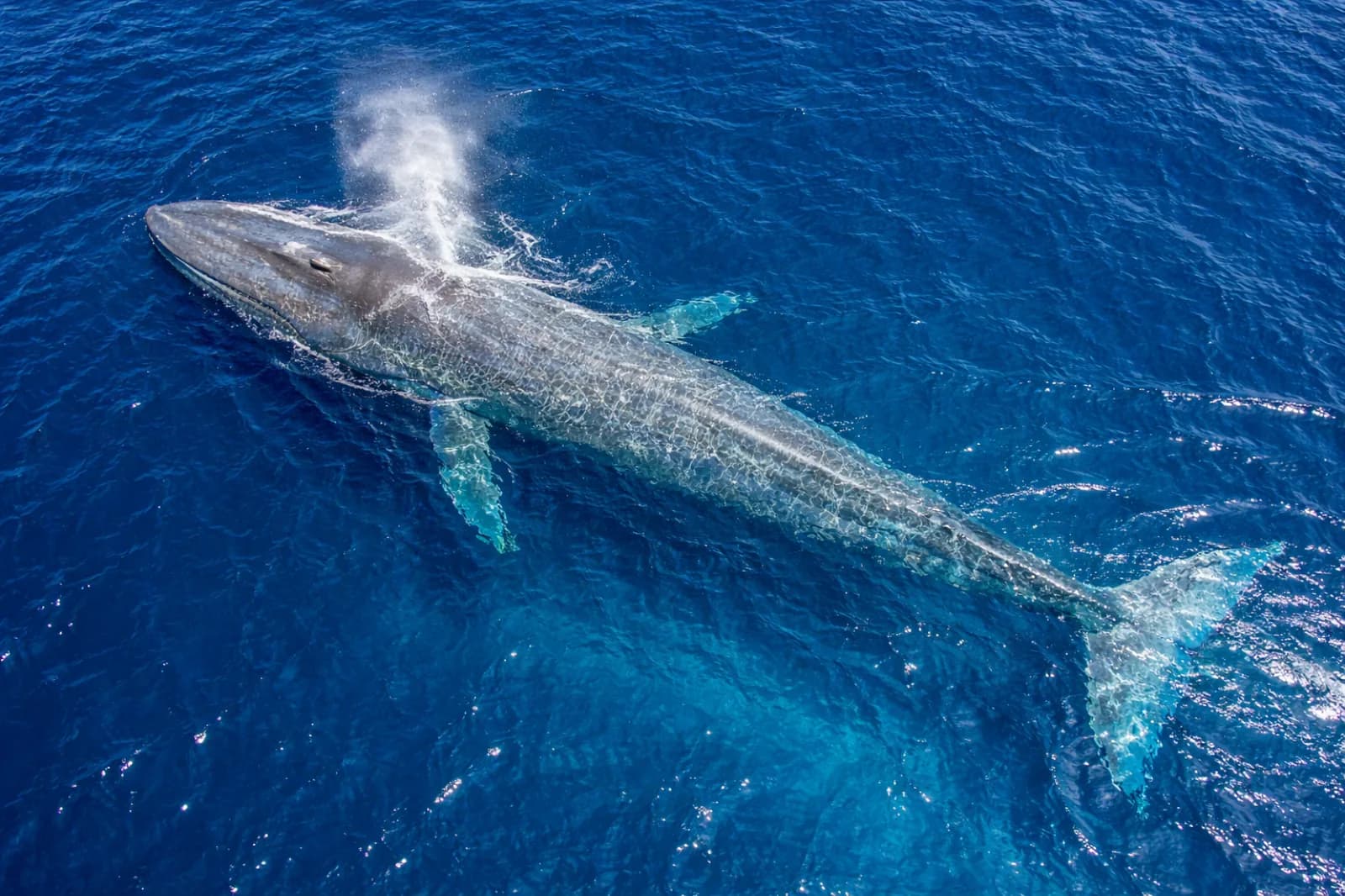
东帝汶周围的深水吸引着大型大洋性生物。鲸鲨常在 Atauro 附近出没,尤其是在 10 月至 12 月之间。蝠鲼会光顾礁石上的清洁站。深水礁壁则有白鳍鲨和灰礁鲨巡游。
Wetar 海峡的深度(某些地点超过 3,000 米)意味着深水物种偶尔会出现在礁壁——锤头鲨、长尾鲨,甚至翻车鱼(mola mola)都曾被记录到。
水温全年在 27-29°C 之间。能见度通常为 15-30 米,在 4 月至 11 月(旱季)最佳。请注意,5 月至 9 月的信风可能在水面造成更汹涌的海况,尤其是下午——这几个月推荐上午潜水。水流因潜点而异,你的潜导会对每个潜点做简报。
Atauro 的潜水大多为船潜(从海岸出发的短途航程),而 Dili 则是岸潜入水。深度在 5 到 40 多米之间。各种水平都有适合的潜水——从体验潜水到高级技术潜水。Open Water 认证约需 400 美元,单次潜水含全套装备约 50-60 美元。
一条至关重要的安全提示:东帝汶没有高压氧舱。最近的减压设施在澳大利亚的 Darwin。请保守潜水,规划潜水曲线时留出充裕的安全余量,潜水保险绝对是必需的——而非可选项。
The deep water around Timor-Leste attracts large pelagics on a schedule worth planning around.
Whale sharks are seen regularly on Atauro's west coast, with peak sightings from July through October. They follow plankton blooms; encounters are weather-and-luck dependent but operators report regular success in the peak window.
Pygmy blue whales (and sperm whales, pilot whales, large dolphin pods) migrate through the Ombai Strait twice a year — northbound June–August and southbound mid-October to early December. Snorkeling encounters are possible with specialist operators in the southbound window. The same trips often spot melon-headed whales and false killer whales.
Manta rays visit cleaning stations on the reefs intermittently — most commonly in the wet-season transition months (March–May) when plankton blooms thicken the water. Deep-water species occasionally appear on the Wetar Strait walls: hammerheads, thresher sharks, and oceanic sunfish (mola mola) have been reported by operators, though sightings are rare and unpredictable.
Water temperature holds at 27–29°C year-round. A 3 mm wetsuit or a rash guard is sufficient for most dives; deeper dives (30m+) may feel cooler.
Best season is April through November — dry season, the calmest seas, and the best visibility (typically 20–30m, occasionally 40m+ on Atauro's west coast). Trade winds from May through September can create choppy afternoon surface conditions; morning dive trips are recommended throughout these months. The wet season (December–April) brings plankton blooms that reduce visibility to 10–15m but bring mantas and whale sharks closer to shore.
Currents vary by site and are sometimes strong on the east coast of Atauro and at Dili Rock. Your divemaster will brief each dive; some sites are current-dependent and may be substituted depending on conditions. Marine park entry fees on Atauro are $2 per person and fund conservation work.
Timor-Leste has dive sites for every level, though the country is best appreciated by certified divers comfortable with walls, currents, and depth.
Beginner (Discover Scuba, no certification). Tasi Tolu and Berry Beach on Atauro are sheltered, shallow, and gentle — perfect for first dives. Discover Scuba experiences run around $120 including instruction, gear, and two shallow dives.
Open Water (PADI or SSI certified). Most Atauro west coast sites are Open Water-friendly: Adara 1, Berry Beach, Secret Garden in good conditions. K41 and Pertamina Pier in Dili are accessible to all certifications. Marine reserve entry fees apply ($2 on Atauro).
Advanced Open Water and above. Wall dives below 18m, current-driven sites (east coast Atauro, Dili Rock), and deep macro hunts open up at AOW level. Whale Shark Wall and Adara 2's deeper sections need AOW.
Training. Several operators run full PADI course ranges from Discover Scuba to Instructor. Open Water course: ~$350–450 depending on operator and group size. Advanced Open Water and specialty courses (deep, drift, night, photography, nitrox) are widely available. Plan 3–4 days for a full Open Water certification.
Operators are small, owner-run, and selective — book ahead in peak season (July–September).
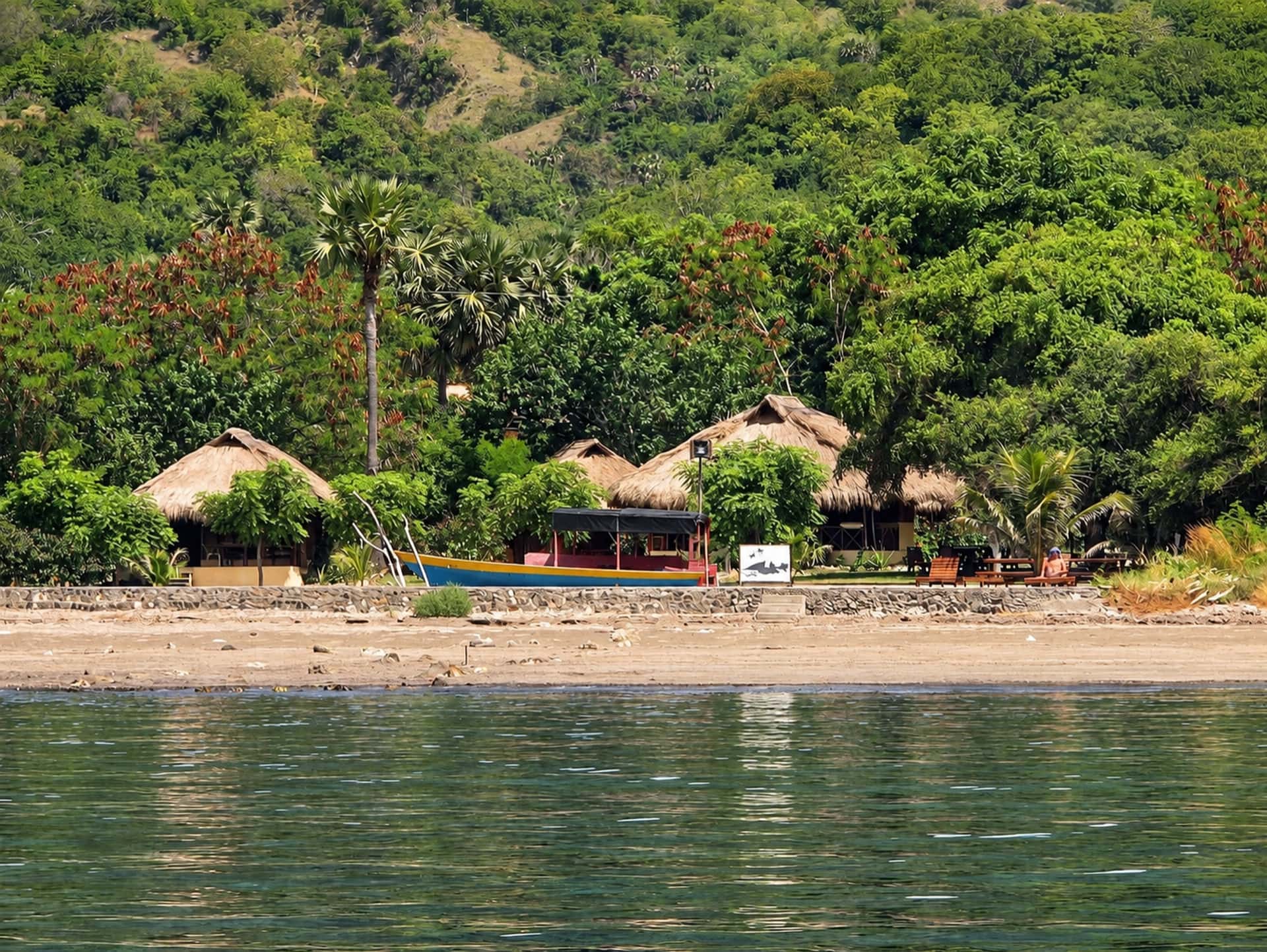
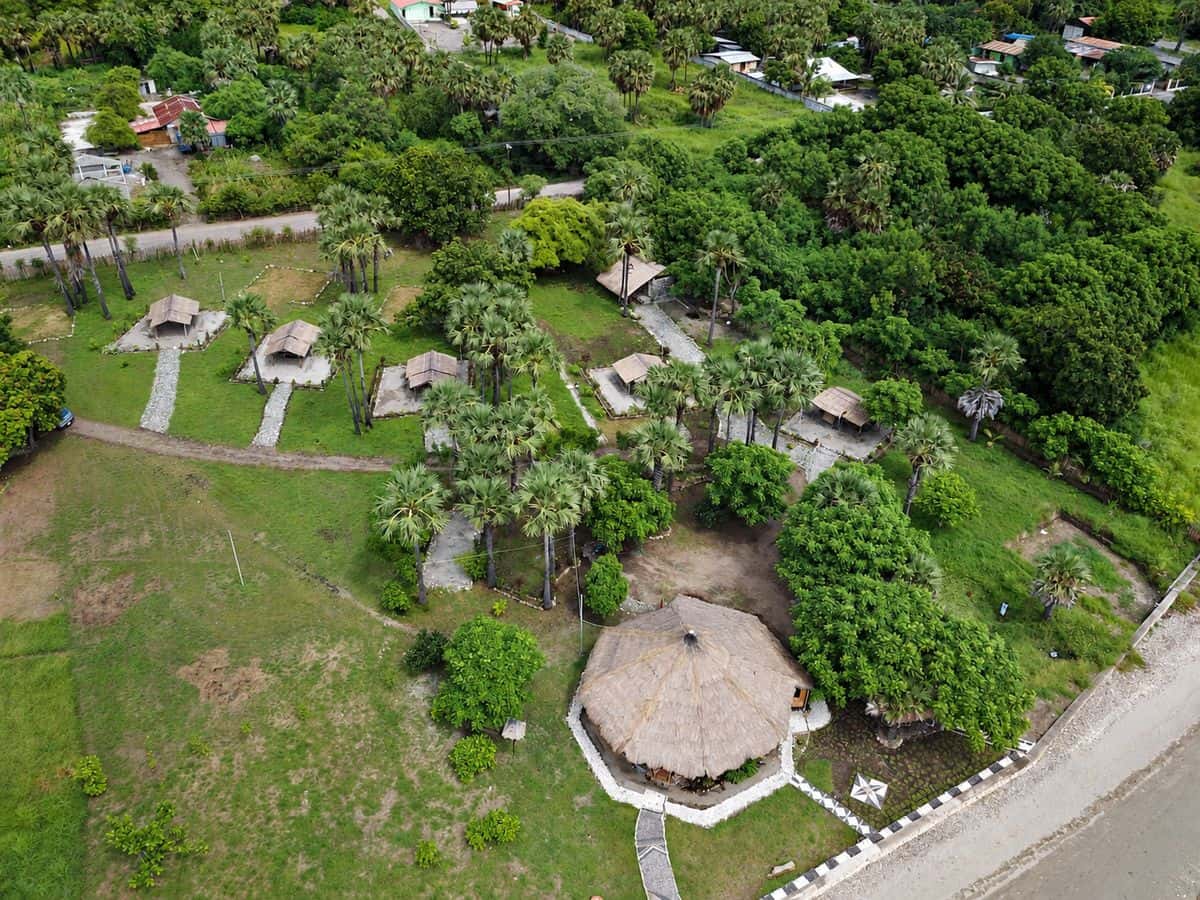
Atauro Island operators. Compass Diving (PADI 5-Star Dive Resort, GreenFins-accredited) specialises in the west coast; small groups of 2–4 divers with experienced divemasters; accommodation + diving packages available. Atauro Dive Resort is the on-island resort option with house-reef access at Berry Beach, ideal for families and mixed groups where not everyone dives.
Dili operators. Dive Timor Lorosae has been running since 2000 — Timor-Leste's longest-established dive shop, PADI 5-Star IDC Centre, full course range, both shore dives and Atauro day trips. Aquatica Diving is a boutique operator focused on Dili shore dives and day trips; good for beginners and short visits. Dreamers Dive also operates from Dili offering shore and boat diving.
Expect ~$50–60 per dive in Dili with full kit; ~$60–80 per dive on Atauro. Multi-dive packages discount the per-dive rate. Bring your own mask if you have a comfortable one — rental quality varies; everything else can be rented locally.
Most divers considering Timor-Leste are weighing it against more famous Coral Triangle destinations. The honest comparison:
Raja Ampat (Indonesia). Raja Ampat's name and reputation are deserved — extraordinary biodiversity, picture-postcard limestone karst topography, and a more established liveaboard scene. But it's crowded by Coral Triangle standards (hundreds of divers daily on the popular sites in peak season), expensive ($150+ per dive on most liveaboards), and logistically heavier (multi-leg flights via Jakarta or Sorong). Atauro recorded a higher average reef fish species count per site than Raja Ampat in the 2016 Conservation International survey — and you'll see a fraction of the divers.
Bali. Bali has more dive sites in absolute number, far more operators, much easier access (multiple daily international flights), and a more developed dive-tourism infrastructure. But the diving is busier on the popular Tulamben, Amed, and Nusa Penida sites, and the macro paradise of Lembeh Strait is in Sulawesi, not Bali. Timor-Leste from Bali is a 1h 50m direct flight — the most realistic add-on for divers already in Bali is 4–6 days in Timor-Leste.
Choose Timor-Leste if: you value uncrowded reefs, want to see Atauro's biodiversity for yourself, and accept that the country's tourism infrastructure is still emerging. Choose Raja Ampat if: liveaboard diving is the goal, or budget is genuinely not a constraint. Choose Bali if: you want a single dive trip without much logistical complexity, or you're combining diving with non-diving travel.
No hyperbaric chamber. Timor-Leste does not have a recompression chamber. The nearest is in Darwin, Australia. Evacuation is expensive and slow. Diving insurance with DAN (Divers Alert Network) or an equivalent provider is non-negotiable — get cover before you arrive, not on landing. Dive conservatively, plan profiles with generous safety margins, and respect surface intervals.
Medical evacuation. Plan for $10,000+ if a chamber transfer is needed. Travel insurance that covers Timor-Leste specifically is essential — not all general travel policies do. Check the policy fine print before you fly.
Respect the reef and the people who protect it. Atauro's marine reserves are managed by local communities under Tara Bandu, traditional customary law. The $2 marine reserve entry fee funds enforcement. No gloves, no touching coral, no collecting shells, no anchoring on reef. If a site is marked closed under Tara Bandu, it stays closed — these aren't bureaucratic rules but cultural ones.
Is Timor-Leste really better than Raja Ampat?
It depends on what you measure. For biodiversity per site (the Conservation International benchmark), Atauro narrowly out-scored Raja Ampat in the 2016 survey. For total area, dive infrastructure, and liveaboard options, Raja Ampat is bigger. For crowds and price, Timor-Leste wins.
Can complete beginners learn to dive in Timor-Leste?
Yes — several operators run full PADI Open Water courses ($350–450, 3–4 days). Tasi Tolu and Berry Beach on Atauro are gentle training sites. Discover Scuba options exist for non-divers wanting a single try.
What about snorkelling?
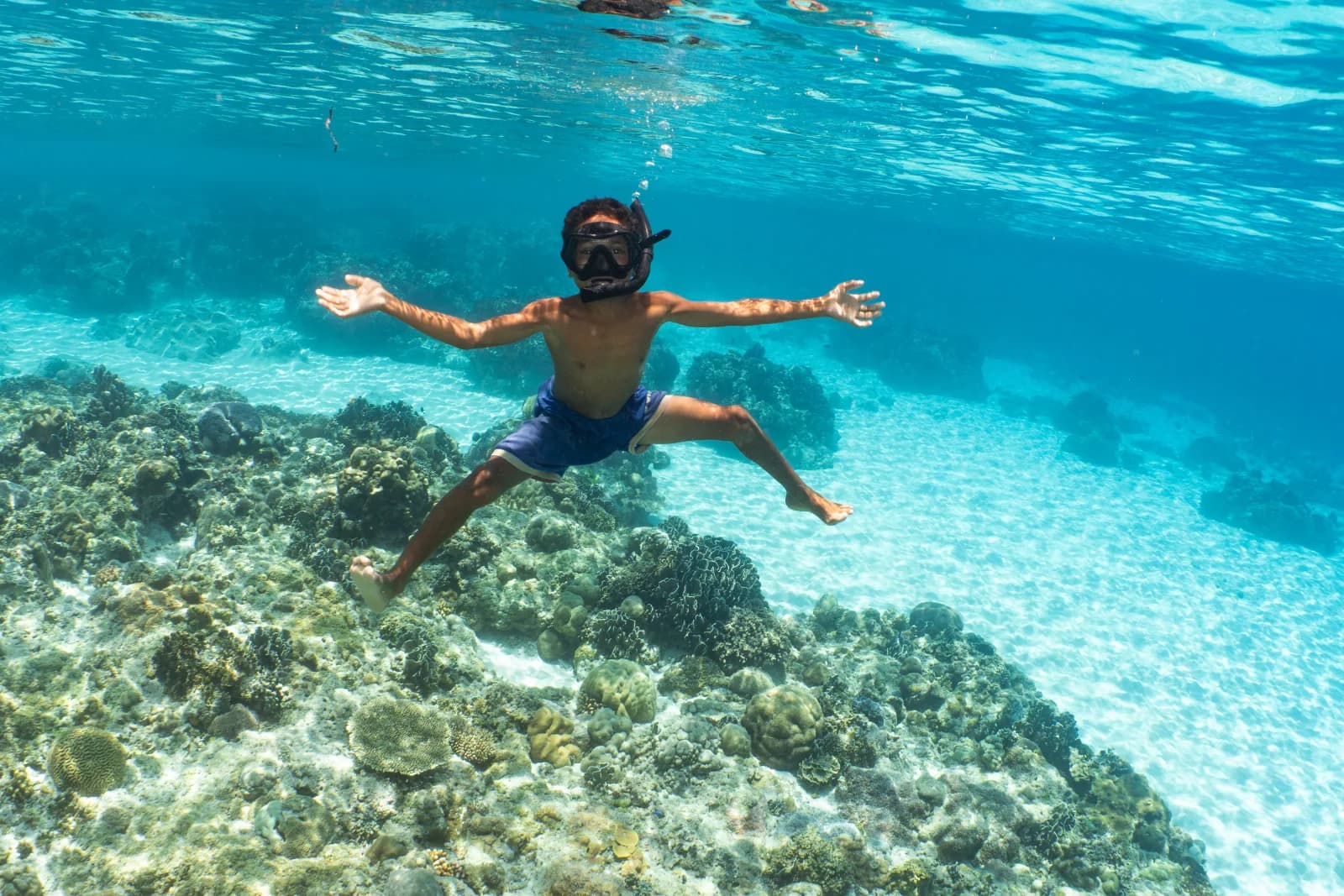
Atauro's house reefs at Beloi and Akrema are world-class snorkel spots — see the Snorkelling in Timor-Leste guide.
When can I see whale sharks?
July through October on Atauro's west coast. They follow plankton blooms; encounters aren't guaranteed but operators report frequent success in the peak window.
Do I need to bring my own equipment?
A mask you trust is worth bringing — rental quality varies. Everything else (BCD, regulator, 3 mm wetsuit, fins) can be rented locally. Bring your dive computer if you own one.
What if I'm only in Dili — is shore diving worth it?
Absolutely. K41 and Pertamina Pier are world-class macro and muck sites. A single day of Dili shore diving costs less than a day on Atauro and requires no boat or ferry.
3 项与本指南相关的体验


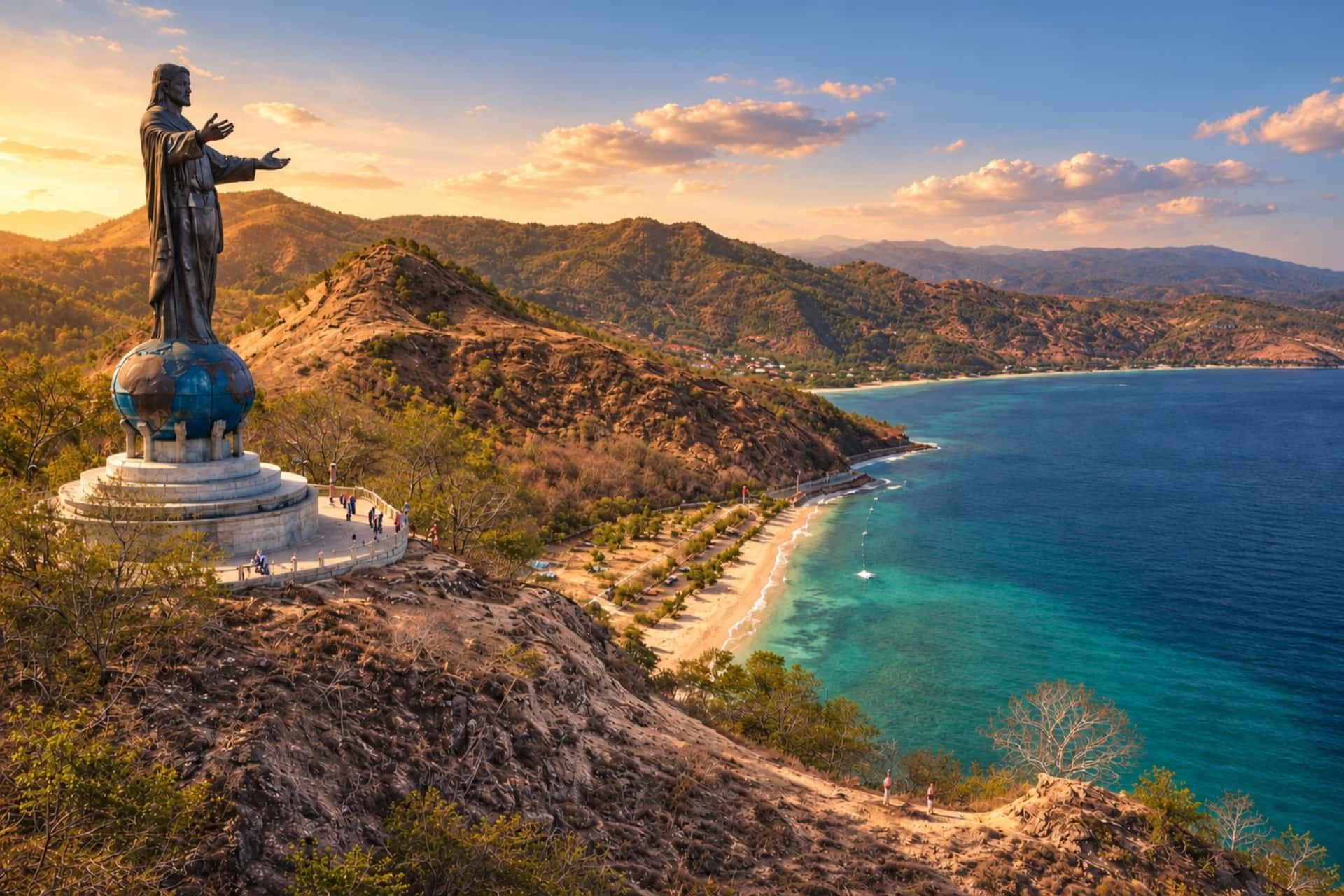
Iconic shore sites: Cristo Rei, Tasi Tolu & Dili Rock

4 月至 11 月能见度最佳。5 月至 9 月的信风可能造成更汹涌的海况——请预订上午行程。10 月中旬至 11 月可观鲸。
继续规划您的东帝汶之旅

White sand, turquoise water, and not a crowd in sight

Sperm whales, blue whales, and dolphins in the Wetar Strait

Month-by-month guide for planning your trip

Flights, visa rules, and a step-by-step arrival guide

The world's most biodiverse reefs — a complete site-by-site guide

Golden hour at Cristo Rei, sunrise from Ramelau, and water bluer than your screen can render

What to know before you go — from crocodiles to pharmacies

World-class reefs, no certification required
本指南中提到的地点