即时确认
Baucau Day Tour: Portuguese Old Town & Coast
Baucau1天以内Island Explorer Holidays
文化轻松最多 10接送
Hera Mangrove restoration project
4.8(12 · Google)
$120每人
万物有灵信仰、天主教、tais 织布,与世界上最年轻的国家
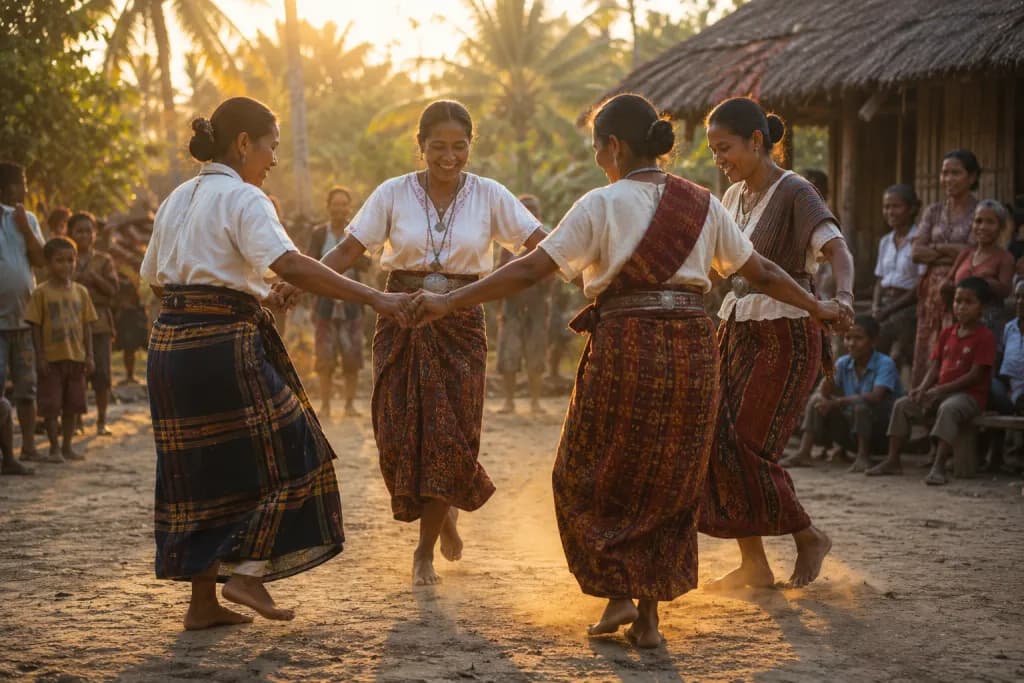
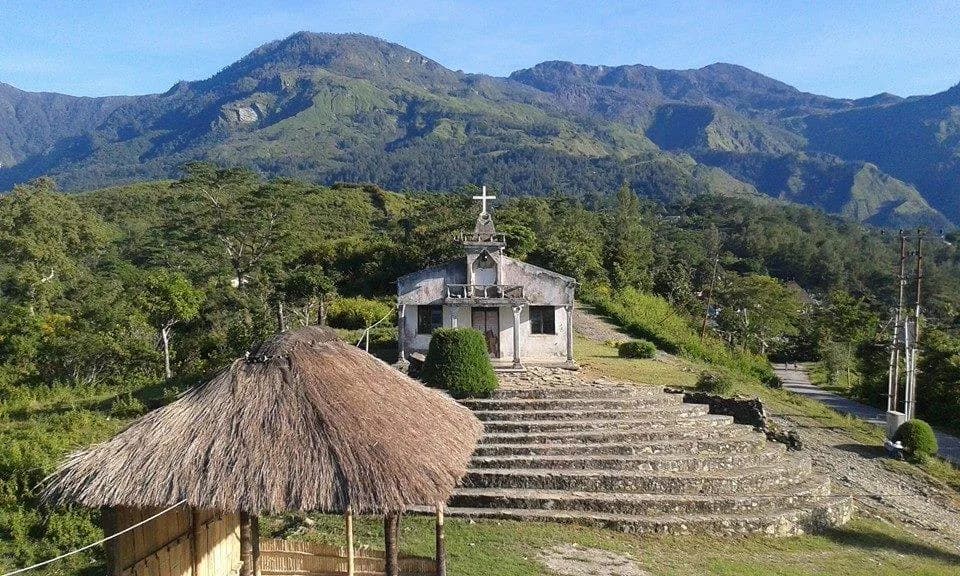
东帝汶于 2002 年独立——是地球上最年轻的国家之一。但这里的文化却很古老。早于任何外来影响的万物有灵信仰,与葡萄牙殖民者带来的虔诚天主教安然共存。圣屋(uma lulik)矗立在现代教堂旁的山顶上。祖先与圣徒一同受到敬奉。
对旅行者而言,这种文化的深度是来访最引人入胜的理由之一。你会遇到代代相传的传统织布技艺、外来者偶尔获邀见证的神圣仪式,以及一个在现代史上最残酷的独立斗争之一中铸就的民族认同。理解这种文化,会改变你眼中所见的每一处风景。
东帝汶的近代史以被占领为标志——从 16 世纪起的葡萄牙殖民统治直到 1975 年,随后是印尼军事占领的 24 年,期间估计有 10 万至 18 万东帝汶人死亡(约占人口的四分之一)。独立经由 1999 年联合国监督的公投到来,随后是毁灭性的民兵暴力,并于 2002 年 5 月 20 日实现正式主权。
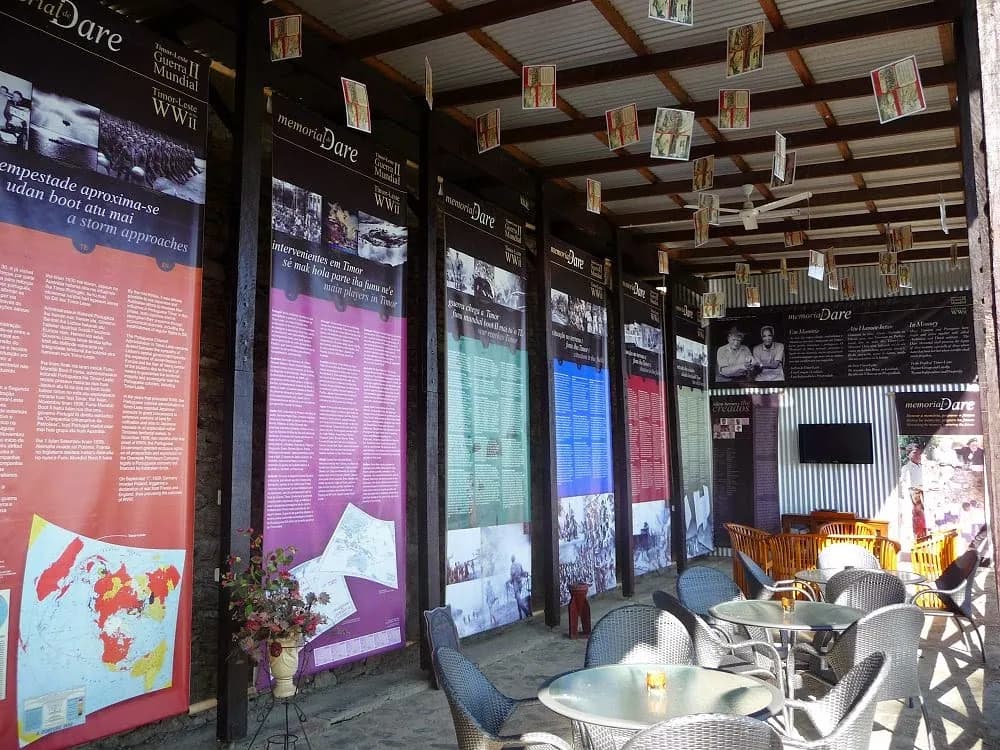
这段历史无处不在。Dili 的抵抗运动博物馆(AMRT)以照片、证言和文物记录了独立斗争。Santa Cruz 公墓——1991 年大屠杀的现场,印尼士兵在那里杀害了 250 多名手无寸铁的抗议者——是一处静默哀悼之地。Balibo Five 纪念碑标记着 1975 年五名澳大利亚记者遇害的地点。
东帝汶人会坦然谈论这段历史。一问,你就会听到亲身经历——几乎每个家庭都直接受到波及。这份坦诚是民族性格的一部分。东帝汶不掩饰它的伤痛;它将其融入其中。
东帝汶 97% 的人口信奉天主教——是继菲律宾之后亚洲第二大天主教国家。但在天主教之下,潜藏着一种从未被完全取代的深厚万物有灵传统。这两套信仰体系以一种在这里显得自然的方式共存,哪怕这让外来者困惑。
Lulik(神圣、禁忌)是东帝汶万物有灵信仰的核心概念。某些地方、物件和祖先承载着灵性的力量。鳄鱼在许多社区被视为神圣——被认为是帮助东帝汶人到达这座岛屿的祖先(创世神话将帝汶描述为一条巨鳄的身躯)。这就是为什么某些海滩的鳄鱼警告既有现实危险的分量,也有文化上的分量。
你会看到万物有灵的习俗交织在日常生活中:在圣石前留下的供品、重大事件前在圣屋(uma lulik)举行的仪式,以及 tara bandu——一种传统的法律体系,社区借此制定并执行环境规则(某些区域禁止捕鱼、某些树木禁止砍伐)。这些都不是为游客上演的表演。它们是活着的传统。
Uma lulik 是东帝汶传统文化最显眼的表达。这些高耸、屋顶陡峭的氏族屋是大家族与社区的灵性中心。它们存放神圣物件(圣物、传家宝、祖先遗骸),举办仪式,并体现着生者与逝者之间的联系。
建筑风格因地区而异。在东部各县(Lospalos、Com),Fataluku 风格的 uma lulik 尤为引人注目——高高架在木桩上、覆着高耸茅草屋顶的结构。在高地,风格各不相同。许多在印尼占领期间被毁,自独立以来又被费尽心力地重建。
如果你在旅途中遇到 uma lulik,请以尊重相待。未经邀请不要进入。不要触碰或拍摄神圣物件。拍摄外观前先询问。有些社区欢迎访客,有些则更愿保持私密。你的向导会知道相应的规矩。
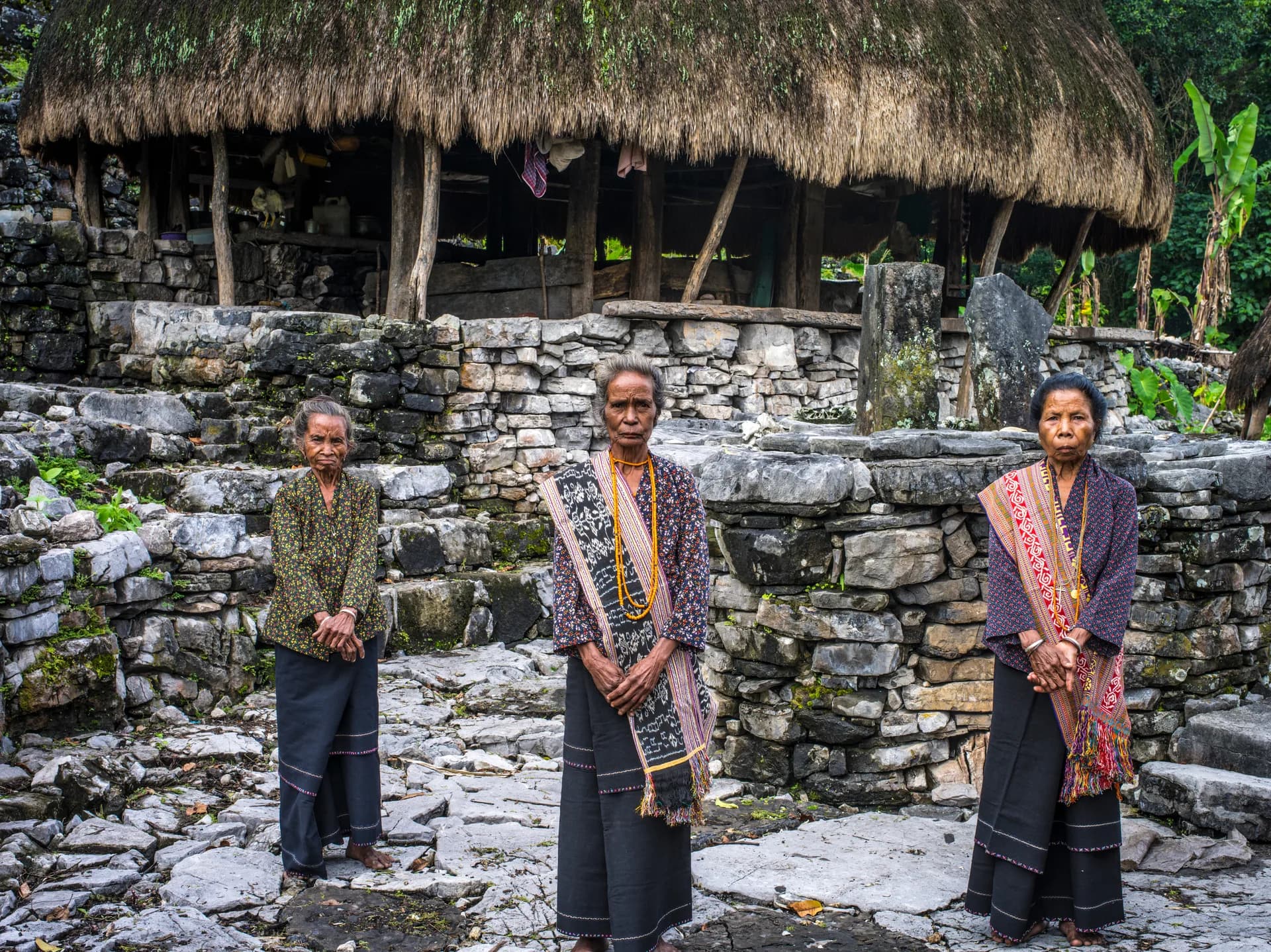
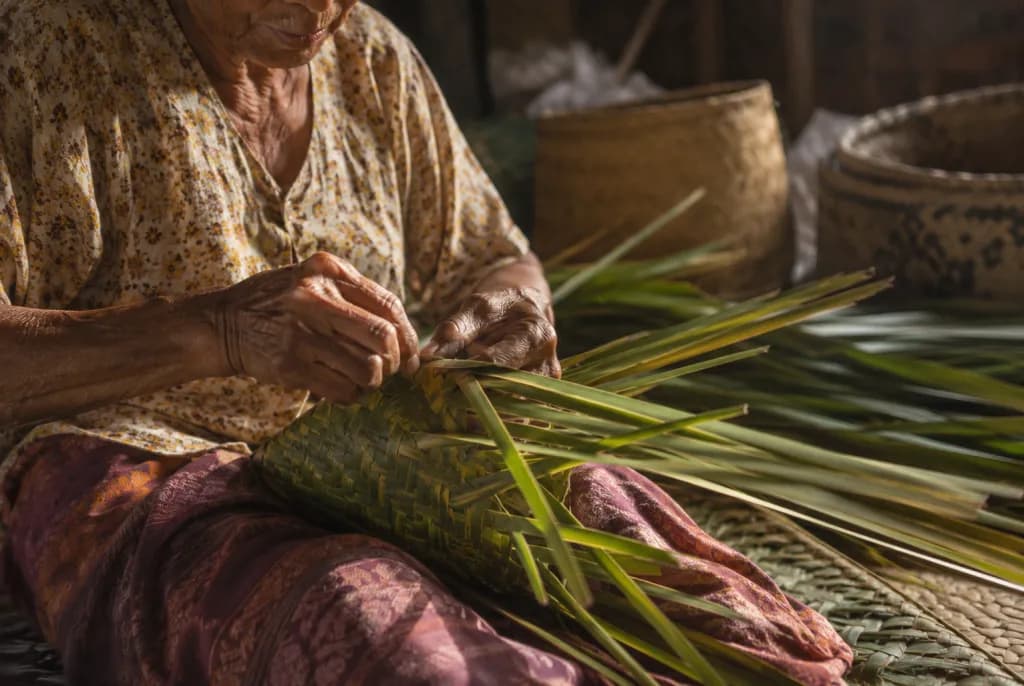
Tais 是东帝汶的传统手织布——一种用腰机织成、由母亲传给女儿的技艺制作的密实、色彩鲜艳的纺织品。每个地区都有独特的图案和颜色。Oecusse 的 tais 与 Lospalos 或 Suai 制作的 tais 看起来不同。
Tais 用于仪式(婚礼、葬礼、和平协议),在乡村地区作为日常服饰穿着,并在重要的社交场合作为礼物相赠。tais 的交换是东帝汶婚俗的核心——新娘家与新郎家交换 tais 和其他物品,在一场使结合正式化的协商中完成。
在 Dili,你可以在海滨附近的 Tais Market、纪念品店,以及直接从织布合作社购买 tais。价格从一小块 5 美元到一大块精织布 50 美元以上不等。想要更深入的体验,可以拜访一个织布村庄——Dili 附近和各县的一些社区欢迎访客观看制作过程。tais 是你能从任何国家带回家的最有意义的纪念品之一。
东帝汶人对访客格外热情好客。这里的文化温暖、慷慨,对外来者充满好奇。话虽如此,有几件事需要知道:参观教堂和乡村社区时着装要端庄(遮住肩膀和膝盖)。进屋前脱鞋。优雅地接受咖啡或食物的款待——拒绝好客之心可能会冒犯人。
拍照礼仪很重要。拍摄人物前务必先询问,尤其是长者和孩童。在仪式上,等待获得许可。在圣地和 uma lulik,先问你的向导。大多数人在被询问后都乐意被拍——询问这件事本身才是关键。
学几句德顿语(Tetun)——哪怕是基本的问候(bondia 表示早上好,obrigadu/obrigada 表示谢谢,diak 表示好/没事)也会换来真挚的暖意。英语在旅游业和部分城市场合通行,但德顿语是日常生活的语言。
Timorese society is collectivist and built around the extended family and the hamlet. Resources are shared; an individual's success is the family's success, and obligations to relatives generally come before personal advancement. This is why hospitality runs so deep — and why refusing an offer of coffee or food can cause quiet offense.
The organizing structure of traditional society is the alliance between wife-giving and wife-taking houses — fetosan-umane. A marriage is not just a union of two people but a lasting bond between two family lines, sealed through barlake: an exchange of gifts that traditionally includes tais, livestock, and sacred heirlooms. These alliances structure ceremony, mutual obligation, and even conflict resolution across generations.
Gender roles remain fairly traditional, especially in rural areas, though women are central to cultural life — they are the weavers of tais and keepers of household ritual, and they are increasingly prominent in politics and business. Within a clan, sacred authority often rests with a lia-nain ("master of the word"), the custodian of oral history, genealogy, and customary law (lisan).
Music and dance are inseparable from Timorese ceremony. The most widespread dance is the tebe-tebe (tebedai) — a communal line or circle dance where participants link arms, stamp out a rhythm, and trade call-and-response verses. It appears at celebrations, funerals, and reconciliation events alike. The likurai, historically danced by women to welcome warriors home, now features at weddings and national festivities.
Traditional music is driven by percussion: the babadok hand drum, gongs, and bamboo instruments. Songs carry history — genealogies, origin myths, and the memory of the resistance — passed down by voice rather than in writing. Because so much knowledge lives in performance and speech, the spoken word carries real weight here: oaths, blessings, and the pronouncements of a lia-nain are treated as binding.
You're most likely to see traditional dance at festivals, church feast days, and major life-cycle ceremonies. The Carnival of Baucau and the Independence Day events around May 20 are reliable showcases — our festivals and events guide tracks what happens when.
Tais is the handwoven cloth at the heart of Timorese identity — made on backstrap looms with techniques passed from mother to daughter, and patterned differently in every region, so a cloth from Oecusse, Lospalos, or Suai is instantly recognizable to those who know. In 2021 UNESCO inscribed Timorese tais on its list of intangible cultural heritage in need of urgent safeguarding — the country's first such inscription.
Tais is not primarily a souvenir; it is ceremonial currency. It changes hands in barlake marriage negotiations, is draped over guests of honor, wraps the deceased at funerals, and is given to seal peace agreements. To receive a tais is to be formally welcomed into a relationship of respect and obligation. Patterns and colors encode region, status, and meaning rather than mere decoration.
If you want to buy tais, understand the patterns, or watch weavers at work — including how to find authentic, fairly-traded pieces — see our arts and crafts guide, which covers markets, cooperatives, and how to buy well.
Timorese people are exceptionally welcoming to visitors. The culture is warm, generous, and curious about outsiders. That said, a few things to know: dress modestly when visiting churches and rural communities (shoulders and knees covered). Remove shoes before entering homes. Accept offers of coffee or food graciously — refusing hospitality can cause offense.
Photography etiquette matters. Always ask before photographing people, especially elders and children. At ceremonies, wait for permission. At sacred sites and uma lulik, ask your guide first. Most people are happy to be photographed once asked — the asking is what matters.
Learn a few words of Tetun — even basic greetings (bondia for good morning, obrigadu/obrigada for thank you, diak for good/fine) are received with genuine warmth. English is spoken in tourism and some urban settings, but Tetun is the language of daily life.
What religion is Timor-Leste?
Around 97% of Timorese are Roman Catholic — the highest proportion in Asia after the Philippines — but most also hold animist beliefs centered on lulik, ancestors, and sacred houses. The two coexist rather than compete.
What languages are spoken in Timor-Leste?
Tetun and Portuguese are official. Indonesian and increasingly English are widely understood, and more than 30 Indigenous languages are spoken across the country.
What is lulik?
Lulik means "sacred" or "forbidden" — the concept at the core of Timorese animism. It governs sacred places, objects, ancestral spirits, and the uma lulik clan houses, and underpins customary law such as tara bandu.
What is barlake?
Barlake is the traditional exchange of gifts between a bride's and a groom's families that formalizes a marriage and binds the two family lines (fetosan-umane). It typically includes tais, livestock, and other valued goods.
Is it OK to photograph people and ceremonies?
Usually yes — if you ask first. Always seek permission before photographing people (especially elders and children), ceremonies, and uma lulik. The asking is what matters.
How should visitors dress and behave?
Dress modestly at churches and in rural communities (shoulders and knees covered), remove your shoes before entering a home, and accept offers of coffee or food graciously.
3 项与本指南相关的体验
Hera Mangrove restoration project
Cristo Rei at sunset
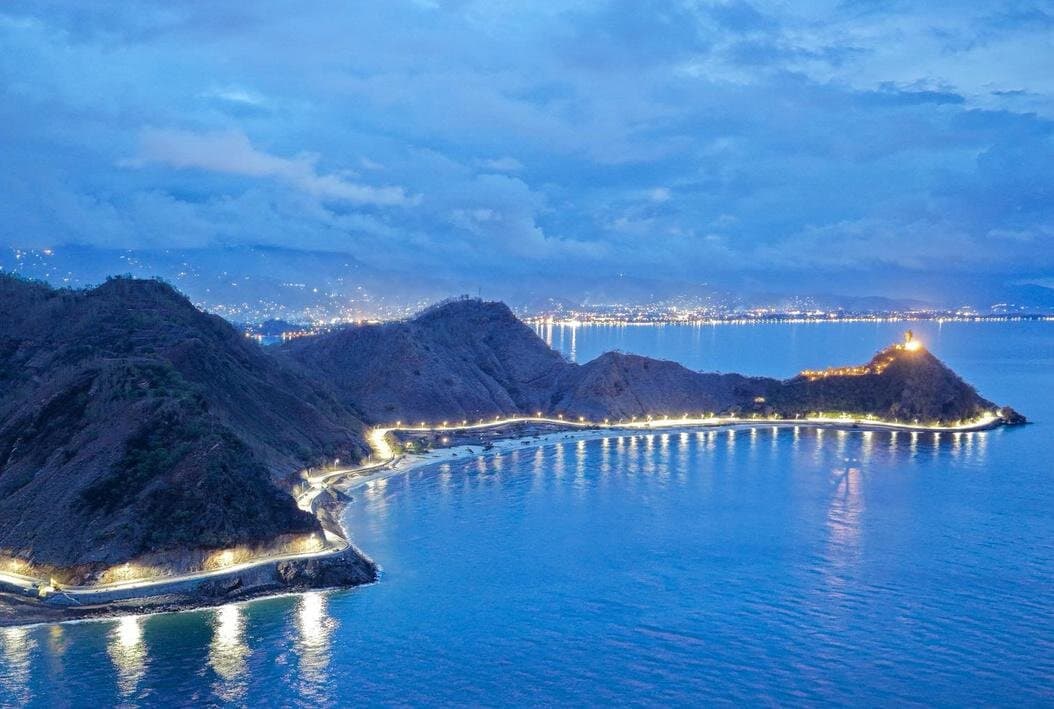
Cristo Rei statue at sunset
全年皆宜。重大仪式常在收获时节(5 月至 7 月)和天主教节庆日举行。独立日庆典(5 月 20 日)是重要的国家活动。
新体验、本地建议和季节亮点。无垃圾邮件——仅提供规划旅行的有用信息。
随时取消订阅。我们尊重您的收件箱。
继续规划您的东帝汶之旅

Sunrise from the roof of Timor-Leste at 2,963m

Your complete guide to Timor-Leste's coastal capital
Grilled fish, mountain coffee, and palm wine — an honest food guide
Golden hour at Cristo Rei, sunrise from Ramelau, and water bluer than your screen can render
From Portuguese traders to the world's youngest nation — a story of endurance
Essential phrases, pronunciation, and the words that open doors
Independence celebrations, mountain pilgrimages, harvest ceremonies, and Saturday night markets
Tais weavings, carved spirits, and the objects that carry a nation's memory
本指南中提到的地点