Terumbu paling kaya biodiversiti di dunia, hampir tidak tersentuh
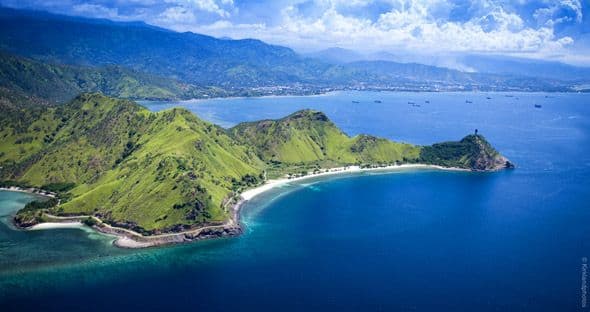
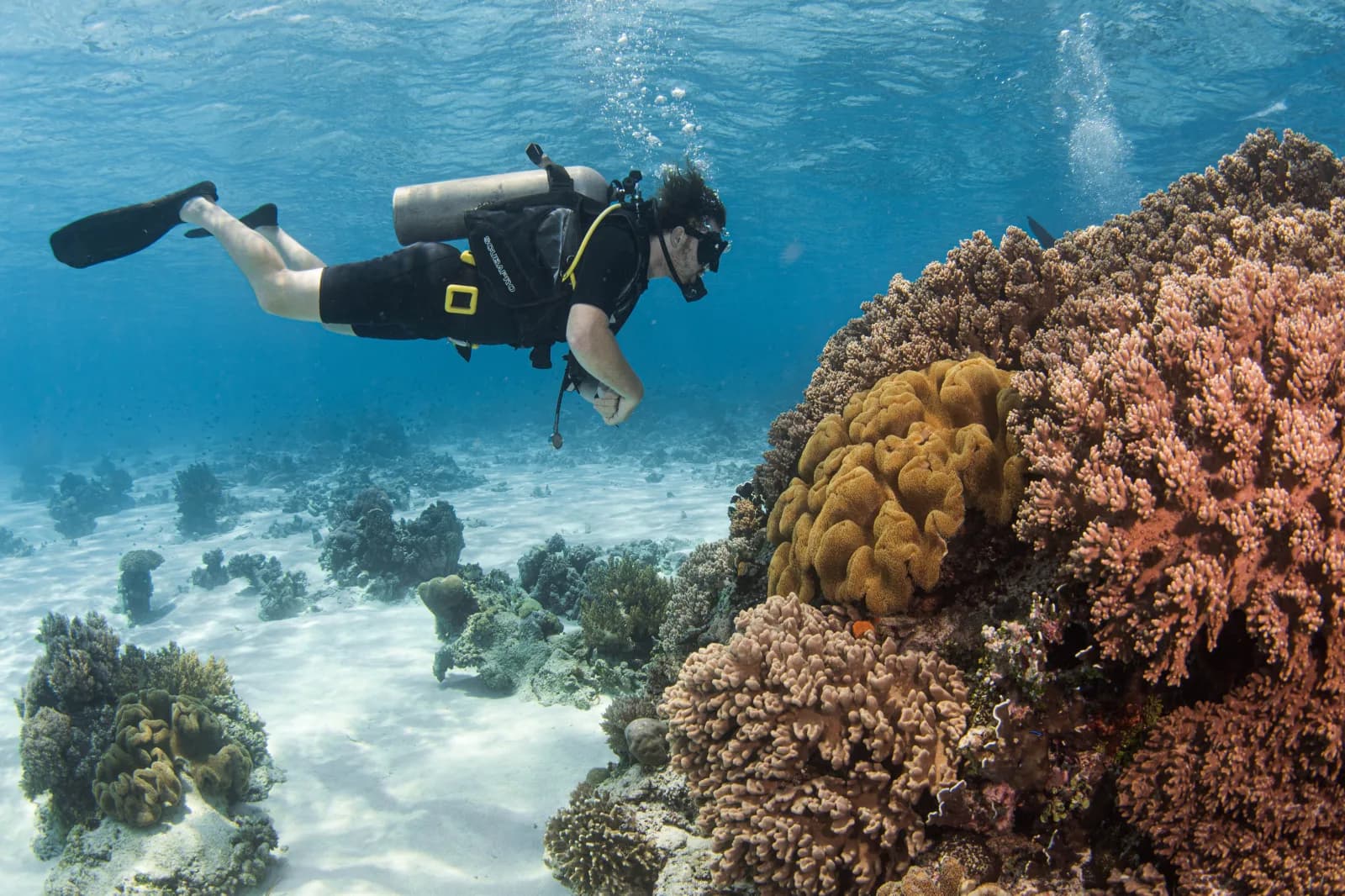
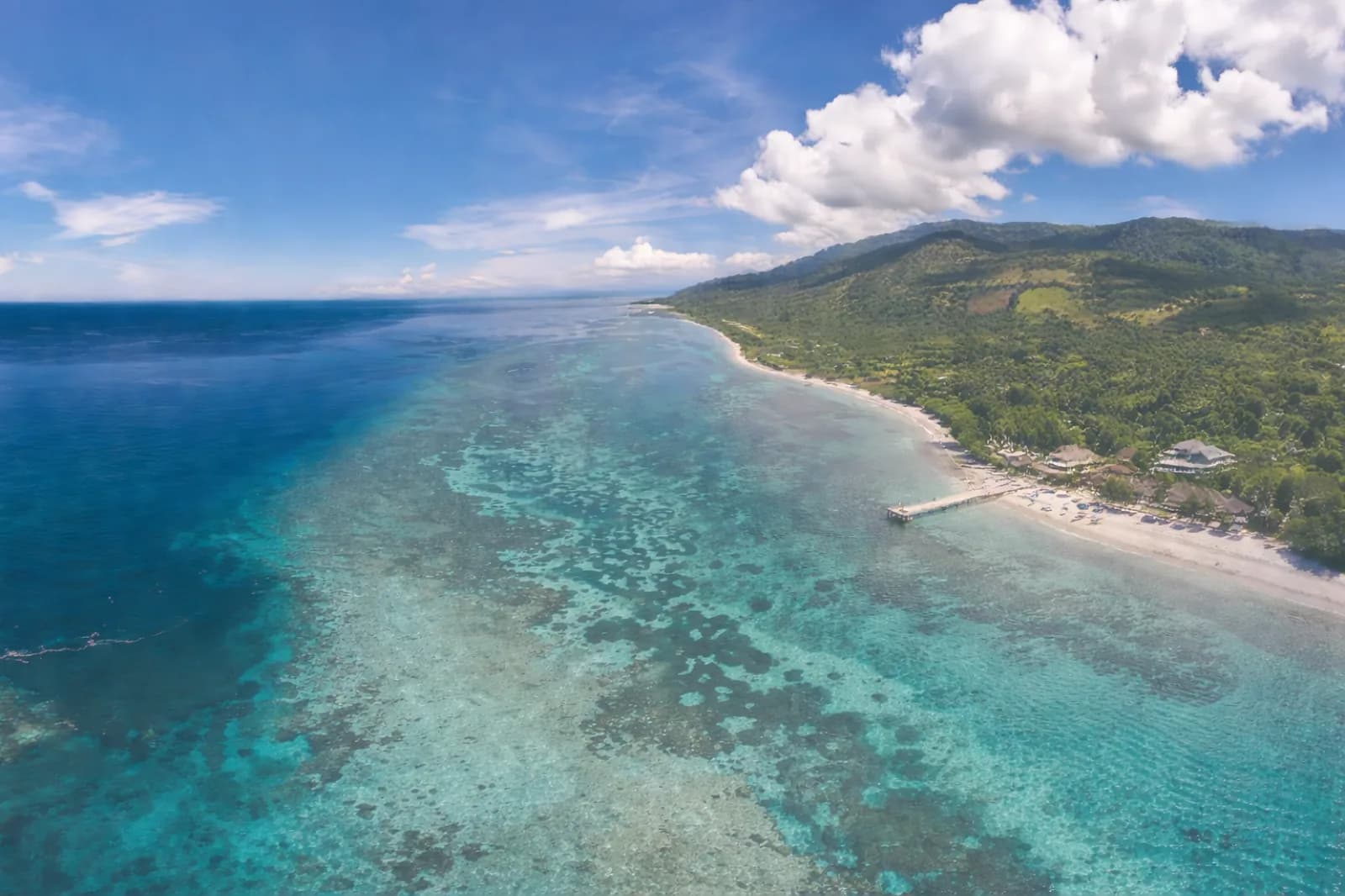
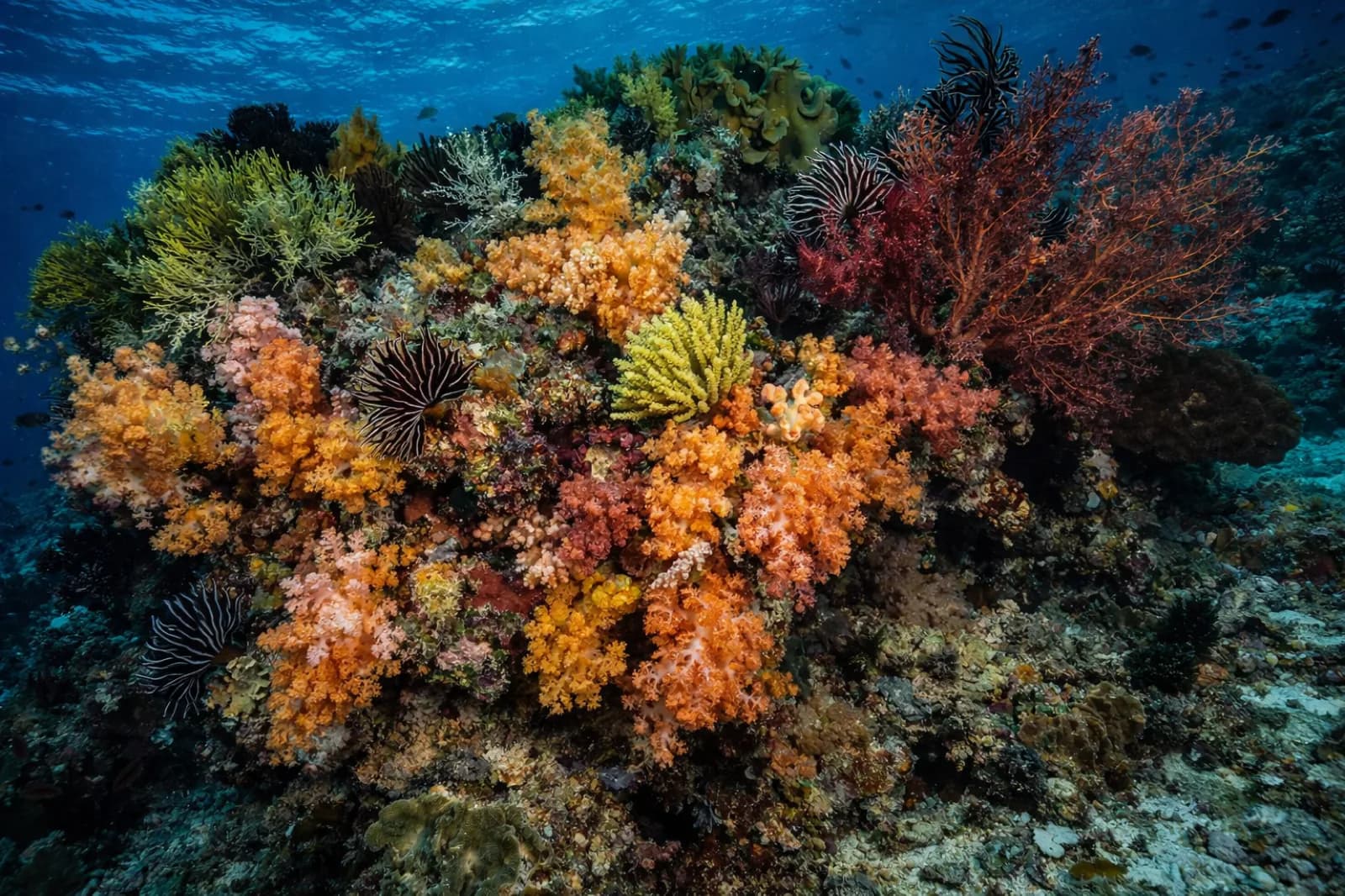
Timor-Leste terletak di tengah-tengah Segi Tiga Karang (Coral Triangle), pusat global biodiversiti marin. Pada 2016, Conservation International mencatatkan lebih banyak spesies ikan terumbu setiap titik selaman di sekitar Pulau Atauro berbanding mana-mana tempat lain di planet ini — lebih 300 spesies di satu lokasi sahaja.
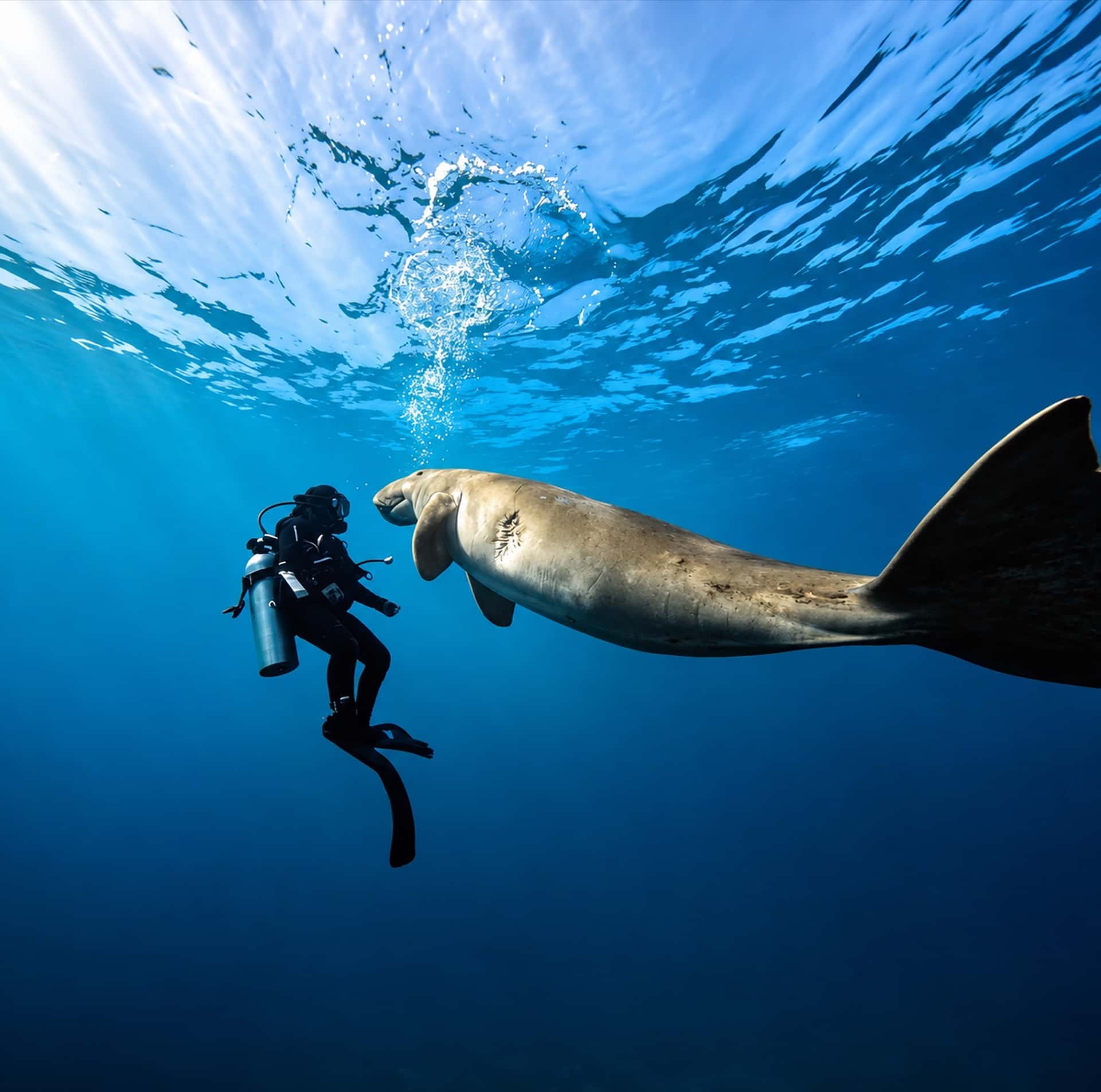
Apa yang menjadikan menyelam di sini luar biasa bukan sekadar biodiversiti — tetapi kesunyiannya. Sementara Raja Ampat di Indonesia dan Tubbataha di Filipina menarik ratusan penyelam setiap hari, terumbu Timor-Leste hanya menerima segelintir. Anda akan menikmati dinding terumbu yang utuh, syurga makro dan pertemuan dengan haiwan pelagik hampir seorang diri.
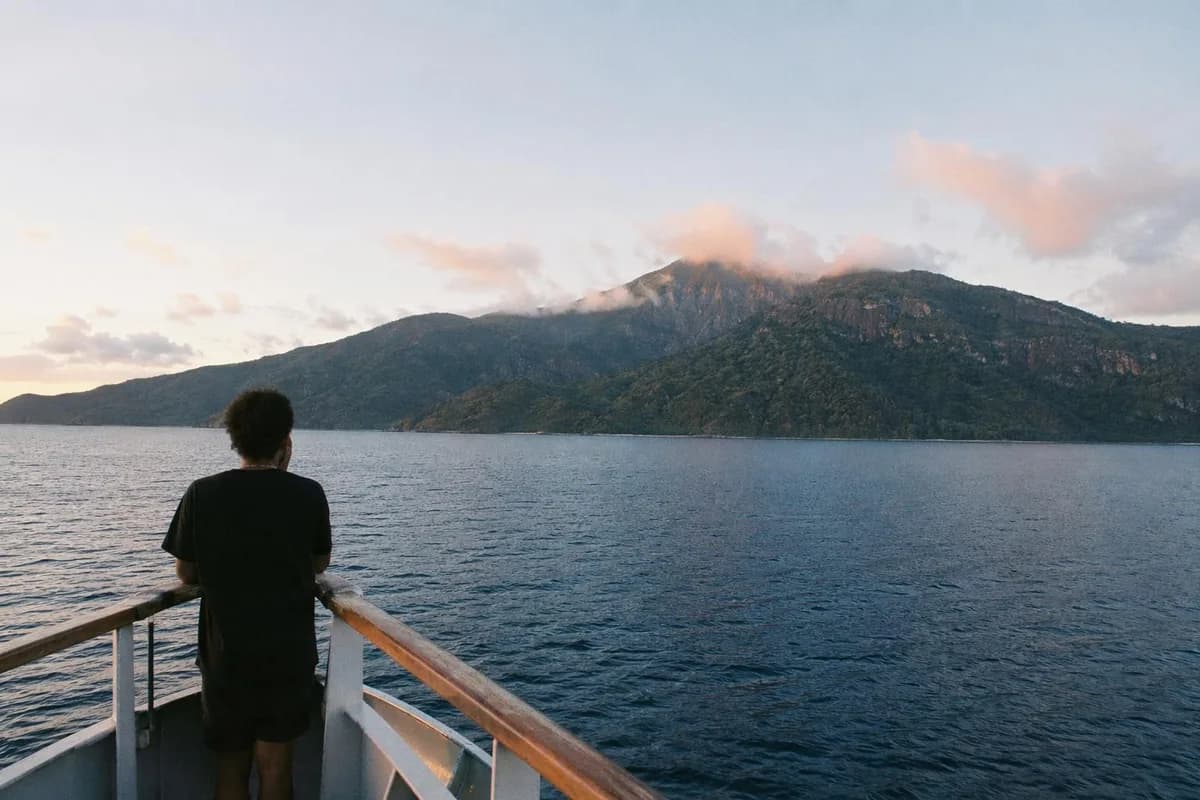
Menyelam di sini juga mudah dicapai. Pulau Atauro berada 2.5 jam dengan feri dari ibu kota (perkhidmatan pada hari Sabtu, Selasa dan Khamis). Dili sendiri mempunyai selaman dari pantai yang hebat. Dan dengan suhu air kekal antara 27-29°C sepanjang tahun, anda hanya perlukan sut basah 3mm atau sekadar rash guard.
Atauro ialah acara utamanya. Pulau ini terletak bersebelahan Selat Wetar, sebuah parit laut dalam di mana arus naik yang kaya nutrien menyuburkan ledakan hidupan marin. Titik selaman di sepanjang pesisir barat — Adara 1 & 2, Secret Garden, Whale Shark Wall — menawarkan selaman dinding dengan jarak penglihatan melebihi 30 meter, taman karang keras yang padat serta pertemuan kerap dengan jerung terumbu, penyu dan kawanan ikan pelagik.
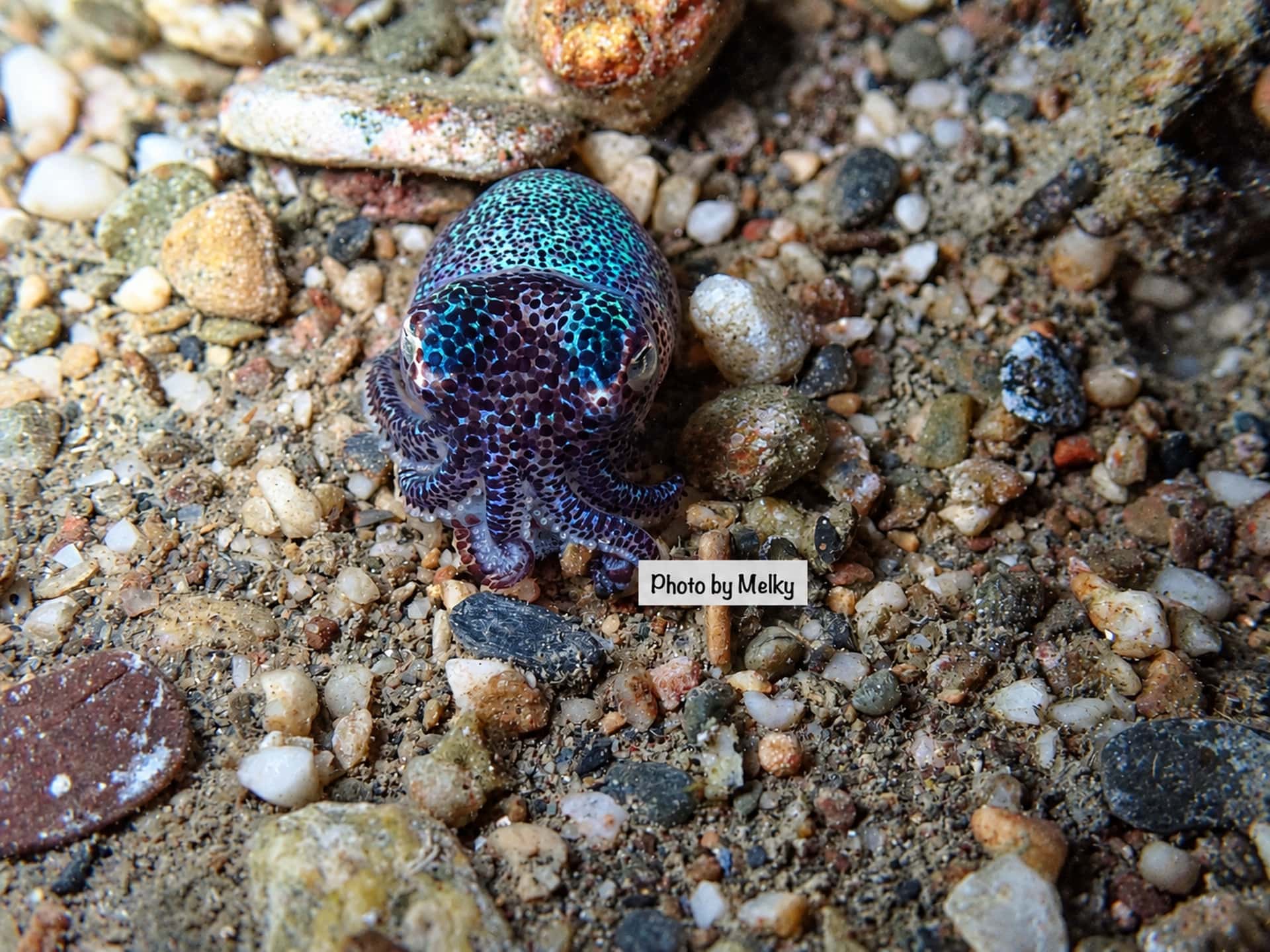
Hidupan makro di sini sungguh luar biasa. Kuda laut pigmi, sotong kurita cincin biru, sotong api dan pelbagai jenis nudibranch yang mampu membuat mana-mana jurugambar bawah air menangis kegembiraan. Selaman malam mendedahkan ikan mandarin, penari Sepanyol (Spanish dancer) dan sotong yang sedang memburu.
Pengendali selaman di Atauro termasuk Compass Diving dan Atauro Dive Resort, kedua-duanya diuruskan oleh divemaster berpengalaman yang mengenali setiap lokasi secara mendalam. Di Dili, Dive Timor Lorosae, Aquatica dan Dreamers Dive menawarkan selaman dari bot dan dari pantai. Jangkakan kumpulan kecil (2-4 penyelam), layanan peribadi dan keghairahan tulen terhadap alam marin. Lumba-lumba sering kelihatan di sekitar Atauro.
Anda tidak perlu keluar dari ibu kota untuk mendapatkan selaman yang hebat. Pesisir utara Dili mempunyai beberapa lokasi yang boleh dicapai dari pantai yang sudah pasti menjadi tarikan utama di kebanyakan negara lain.
K41 (nama berasal daripada kedudukannya di kilometer 41 jalan pesisir) terkenal dengan hidupan makro — ikan kodok (frogfish), ikan paip hantu dan ikan paip berhias bersembunyi di antara bangkai dan karang. Pertamina Pier menawarkan muck diving bertaraf dunia di bawah jeti minyak lama, di mana kuda laut dan sotong kurita menjadikan tiang-tiangnya sebagai rumah.
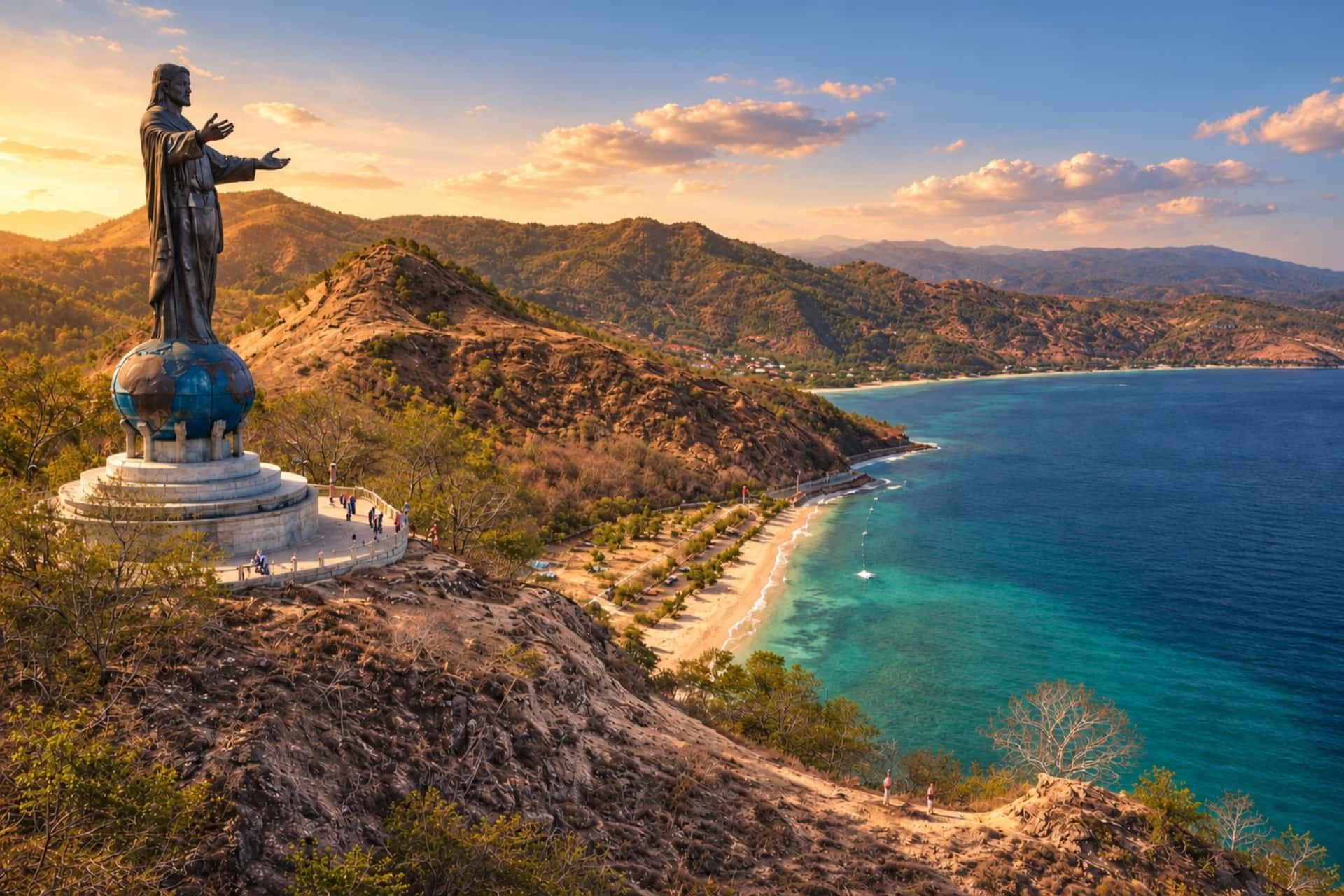
Tasi Tolu, di sebelah barat Dili, mempunyai terumbu yang sihat dengan penyu dan jerung terumbu, serta salah satu kemasukan termudah yang akan anda temui — sekadar berjalan masuk dari pantai. Lokasi-lokasi ini sesuai untuk pengalaman discover scuba dan selaman latihan, tetapi penyelam berpengalaman juga akan terpesona. Rizab marin mengenakan yuran masuk $2 setiap orang, yang disalurkan terus kepada pemuliharaan terumbu.
Perairan dalam di sekitar Timor-Leste menarik haiwan pelagik besar. Jerung paus kerap kelihatan berdekatan Atauro, terutamanya antara Oktober dan Disember. Pari manta melawat stesen pembersihan di terumbu. Dan dinding dalam dironda oleh jerung hujung sirip putih serta jerung terumbu kelabu.
Kedalaman Selat Wetar (melebihi 3,000 meter di sesetengah tempat) bermakna spesies laut dalam kadangkala muncul di dinding — jerung tukul, jerung musang (thresher) dan bahkan ikan bulan (mola mola) pernah dilaporkan.
Suhu air berada antara 27-29°C sepanjang tahun. Jarak penglihatan biasanya 15-30 meter, paling baik antara April dan November (musim kemarau). Ambil perhatian bahawa angin perdagangan dari Mei hingga September boleh mewujudkan keadaan yang lebih bergelora di permukaan, terutamanya pada waktu petang — selaman pagi disyorkan pada bulan-bulan ini. Arus berbeza mengikut lokasi dan divemaster anda akan memberikan taklimat bagi setiap satu.
Kebanyakan selaman di Atauro adalah dari bot (perjalanan singkat dari pantai) manakala di Dili pula adalah kemasukan dari pantai. Kedalaman berbeza antara 5 hingga 40+ meter. Terdapat selaman untuk semua tahap — daripada discover scuba hingga teknikal lanjutan. Pensijilan Open Water berharga sekitar $400, dan selaman individu berharga $50-60 termasuk kelengkapan penuh.
Satu nota keselamatan yang kritikal: Timor-Leste tiada kebuk hiperbarik. Kemudahan penyahmampatan terdekat berada di Darwin, Australia. Menyelamlah secara konservatif, rancang profil dengan margin keselamatan yang luas, dan insurans menyelam adalah benar-benar penting — bukan pilihan.
The deep water around Timor-Leste attracts large pelagics on a schedule worth planning around.
Whale sharks are seen regularly on Atauro's west coast, with peak sightings from July through October. They follow plankton blooms; encounters are weather-and-luck dependent but operators report regular success in the peak window.
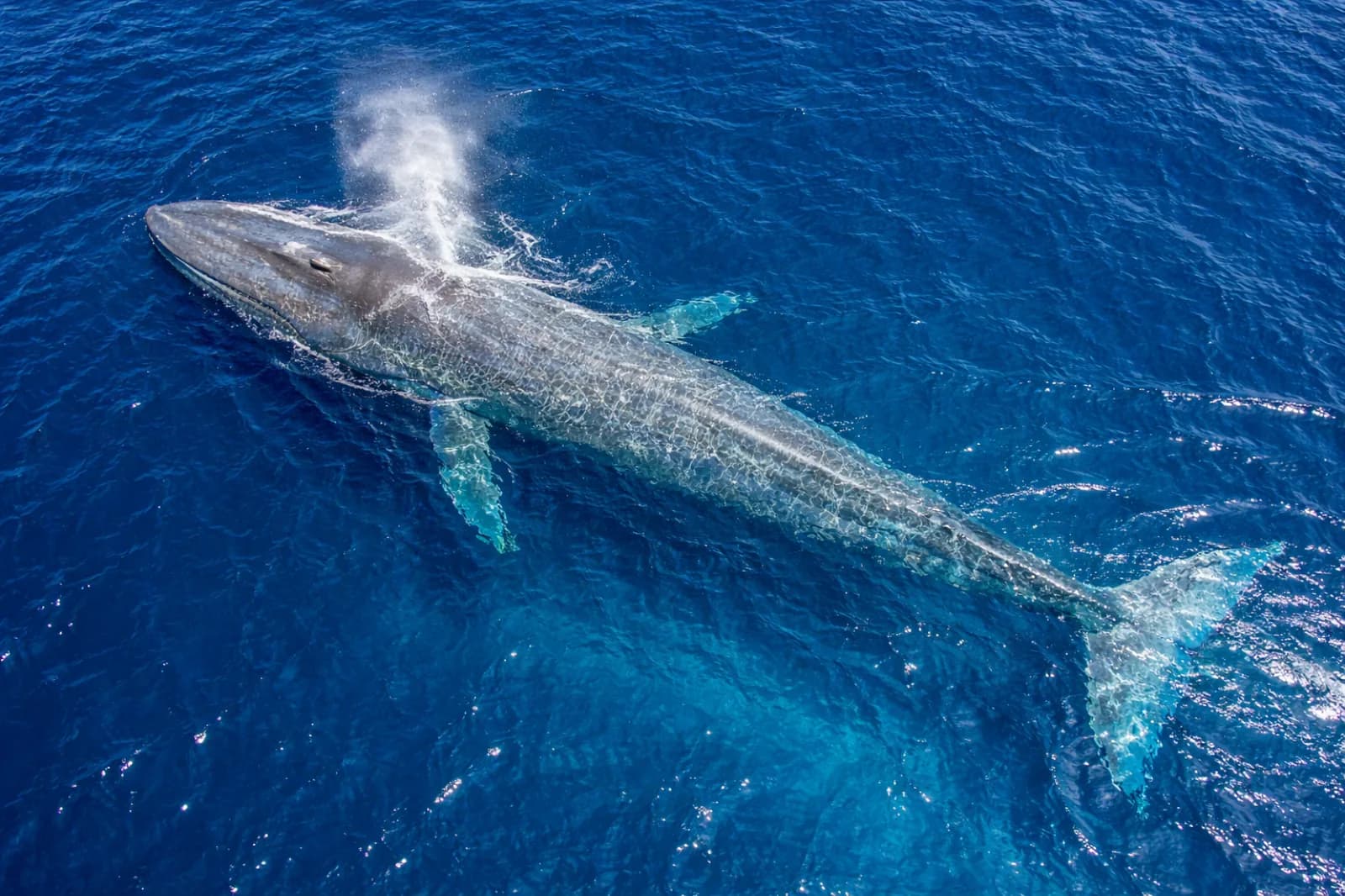
Pygmy blue whales (and sperm whales, pilot whales, large dolphin pods) migrate through the Ombai Strait twice a year — northbound June–August and southbound mid-October to early December. Snorkeling encounters are possible with specialist operators in the southbound window. The same trips often spot melon-headed whales and false killer whales.
Manta rays visit cleaning stations on the reefs intermittently — most commonly in the wet-season transition months (March–May) when plankton blooms thicken the water. Deep-water species occasionally appear on the Wetar Strait walls: hammerheads, thresher sharks, and oceanic sunfish (mola mola) have been reported by operators, though sightings are rare and unpredictable.
Water temperature holds at 27–29°C year-round. A 3 mm wetsuit or a rash guard is sufficient for most dives; deeper dives (30m+) may feel cooler.
Best season is April through November — dry season, the calmest seas, and the best visibility (typically 20–30m, occasionally 40m+ on Atauro's west coast). Trade winds from May through September can create choppy afternoon surface conditions; morning dive trips are recommended throughout these months. The wet season (December–April) brings plankton blooms that reduce visibility to 10–15m but bring mantas and whale sharks closer to shore.
Currents vary by site and are sometimes strong on the east coast of Atauro and at Dili Rock. Your divemaster will brief each dive; some sites are current-dependent and may be substituted depending on conditions. Marine park entry fees on Atauro are $2 per person and fund conservation work.
Timor-Leste has dive sites for every level, though the country is best appreciated by certified divers comfortable with walls, currents, and depth.
Beginner (Discover Scuba, no certification). Tasi Tolu and Berry Beach on Atauro are sheltered, shallow, and gentle — perfect for first dives. Discover Scuba experiences run around $120 including instruction, gear, and two shallow dives.
Open Water (PADI or SSI certified). Most Atauro west coast sites are Open Water-friendly: Adara 1, Berry Beach, Secret Garden in good conditions. K41 and Pertamina Pier in Dili are accessible to all certifications. Marine reserve entry fees apply ($2 on Atauro).
Advanced Open Water and above. Wall dives below 18m, current-driven sites (east coast Atauro, Dili Rock), and deep macro hunts open up at AOW level. Whale Shark Wall and Adara 2's deeper sections need AOW.
Training. Several operators run full PADI course ranges from Discover Scuba to Instructor. Open Water course: ~$350–450 depending on operator and group size. Advanced Open Water and specialty courses (deep, drift, night, photography, nitrox) are widely available. Plan 3–4 days for a full Open Water certification.
Operators are small, owner-run, and selective — book ahead in peak season (July–September).
Atauro Island operators. Compass Diving (PADI 5-Star Dive Resort, GreenFins-accredited) specialises in the west coast; small groups of 2–4 divers with experienced divemasters; accommodation + diving packages available. Atauro Dive Resort is the on-island resort option with house-reef access at Berry Beach, ideal for families and mixed groups where not everyone dives.
Dili operators. Dive Timor Lorosae has been running since 2000 — Timor-Leste's longest-established dive shop, PADI 5-Star IDC Centre, full course range, both shore dives and Atauro day trips. Aquatica Diving is a boutique operator focused on Dili shore dives and day trips; good for beginners and short visits. Dreamers Dive also operates from Dili offering shore and boat diving.
Expect ~$50–60 per dive in Dili with full kit; ~$60–80 per dive on Atauro. Multi-dive packages discount the per-dive rate. Bring your own mask if you have a comfortable one — rental quality varies; everything else can be rented locally.
Most divers considering Timor-Leste are weighing it against more famous Coral Triangle destinations. The honest comparison:
Raja Ampat (Indonesia). Raja Ampat's name and reputation are deserved — extraordinary biodiversity, picture-postcard limestone karst topography, and a more established liveaboard scene. But it's crowded by Coral Triangle standards (hundreds of divers daily on the popular sites in peak season), expensive ($150+ per dive on most liveaboards), and logistically heavier (multi-leg flights via Jakarta or Sorong). Atauro recorded a higher average reef fish species count per site than Raja Ampat in the 2016 Conservation International survey — and you'll see a fraction of the divers.
Bali. Bali has more dive sites in absolute number, far more operators, much easier access (multiple daily international flights), and a more developed dive-tourism infrastructure. But the diving is busier on the popular Tulamben, Amed, and Nusa Penida sites, and the macro paradise of Lembeh Strait is in Sulawesi, not Bali. Timor-Leste from Bali is a 1h 50m direct flight — the most realistic add-on for divers already in Bali is 4–6 days in Timor-Leste.
Choose Timor-Leste if: you value uncrowded reefs, want to see Atauro's biodiversity for yourself, and accept that the country's tourism infrastructure is still emerging. Choose Raja Ampat if: liveaboard diving is the goal, or budget is genuinely not a constraint. Choose Bali if: you want a single dive trip without much logistical complexity, or you're combining diving with non-diving travel.
No hyperbaric chamber. Timor-Leste does not have a recompression chamber. The nearest is in Darwin, Australia. Evacuation is expensive and slow. Diving insurance with DAN (Divers Alert Network) or an equivalent provider is non-negotiable — get cover before you arrive, not on landing. Dive conservatively, plan profiles with generous safety margins, and respect surface intervals.
Medical evacuation. Plan for $10,000+ if a chamber transfer is needed. Travel insurance that covers Timor-Leste specifically is essential — not all general travel policies do. Check the policy fine print before you fly.
Respect the reef and the people who protect it. Atauro's marine reserves are managed by local communities under Tara Bandu, traditional customary law. The $2 marine reserve entry fee funds enforcement. No gloves, no touching coral, no collecting shells, no anchoring on reef. If a site is marked closed under Tara Bandu, it stays closed — these aren't bureaucratic rules but cultural ones.
Is Timor-Leste really better than Raja Ampat?
It depends on what you measure. For biodiversity per site (the Conservation International benchmark), Atauro narrowly out-scored Raja Ampat in the 2016 survey. For total area, dive infrastructure, and liveaboard options, Raja Ampat is bigger. For crowds and price, Timor-Leste wins.
Can complete beginners learn to dive in Timor-Leste?
Yes — several operators run full PADI Open Water courses ($350–450, 3–4 days). Tasi Tolu and Berry Beach on Atauro are gentle training sites. Discover Scuba options exist for non-divers wanting a single try.
What about snorkelling?
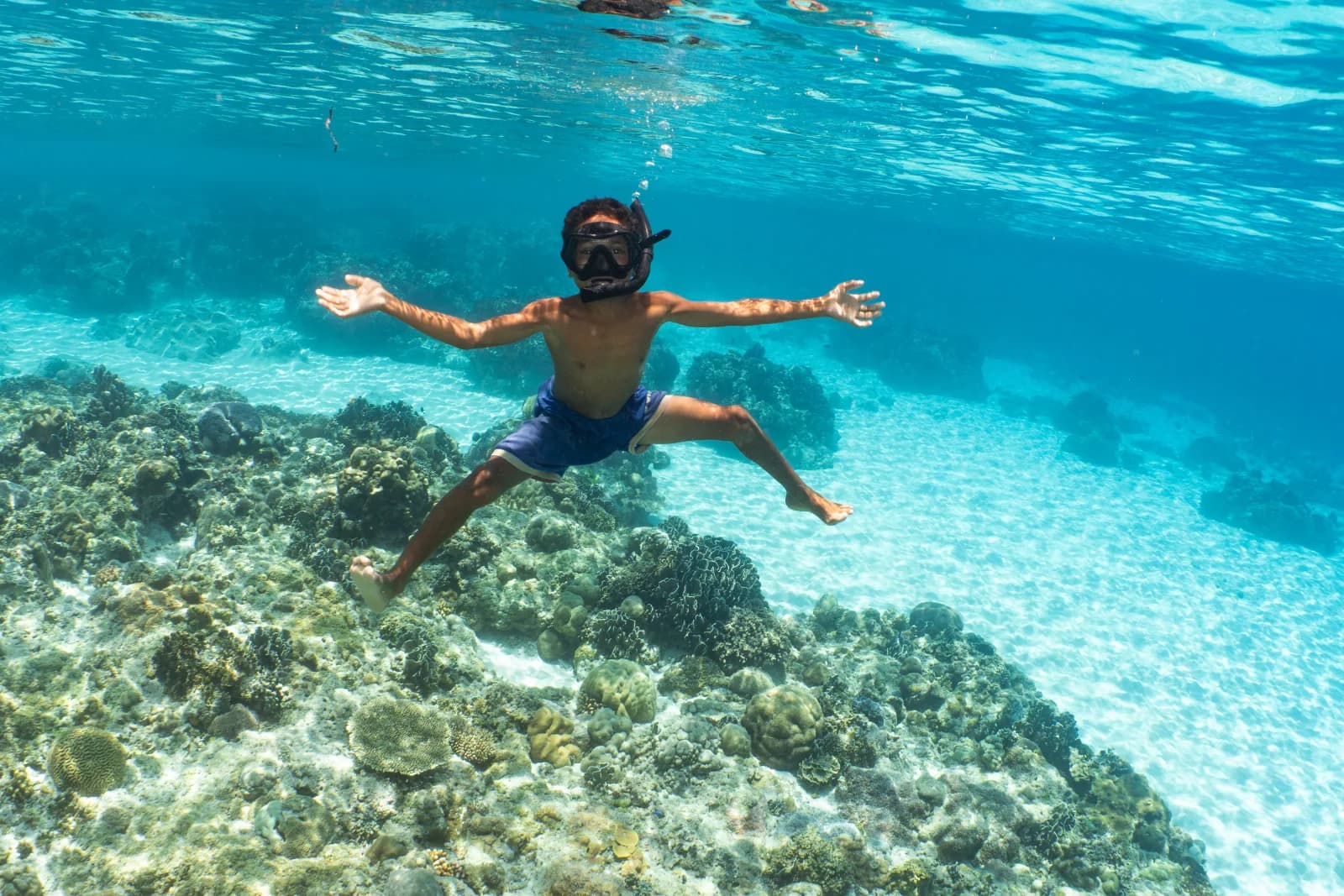
Atauro's house reefs at Beloi and Akrema are world-class snorkel spots — see the Snorkelling in Timor-Leste guide.
When can I see whale sharks?
July through October on Atauro's west coast. They follow plankton blooms; encounters aren't guaranteed but operators report frequent success in the peak window.
Do I need to bring my own equipment?
A mask you trust is worth bringing — rental quality varies. Everything else (BCD, regulator, 3 mm wetsuit, fins) can be rented locally. Bring your dive computer if you own one.
What if I'm only in Dili — is shore diving worth it?
Absolutely. K41 and Pertamina Pier are world-class macro and muck sites. A single day of Dili shore diving costs less than a day on Atauro and requires no boat or ferry.
3 pengalaman berkaitan dengan panduan ini


Iconic shore sites: Cristo Rei, Tasi Tolu & Dili Rock

Coral walls, anemone gardens & a wreck
April hingga November untuk jarak penglihatan terbaik. Angin perdagangan Mei hingga September boleh mewujudkan keadaan bergelora — tempah perjalanan waktu pagi. Pertengahan Oktober hingga November untuk pemerhatian paus.
Teruskan merancang perjalanan anda ke Timor‑Leste

White sand, turquoise water, and not a crowd in sight

Sperm whales, blue whales, and dolphins in the Wetar Strait

Month-by-month guide for planning your trip

Flights, visa rules, and a step-by-step arrival guide

The world's most biodiverse reefs — a complete site-by-site guide

Golden hour at Cristo Rei, sunrise from Ramelau, and water bluer than your screen can render

What to know before you go — from crocodiles to pharmacies

World-class reefs, no certification required
Tempat-tempat yang disebut dalam panduan ini